Login | Registration | List of contributors

Requests to determine the cause of damage

Here you can request to determine the cause of the damage. You can view the requests of other users and sort them according to the selected criteria. In addition, you can get information about your request, and you can follow the progress of its current state. If your application was not approved, it had probably been because it was impossible to identify the damage based on the sent photos or because the application does not address our topic - determining the pests of trees and shrubs. We will inform you about the status of your application by email.

Filter reset

Code
Date
Assigned
Status
Days from submission
7442
10.2.2026
J. Galko
In progress
17

Rejected requests are not displayed. You have been notified by email that your application has been denied.
 




Willow spittlebug
Peniarka vŕbováPeniarka vŕbováPeniarka vŕbová
Willow spittlebug
Number: 5929
Received 18.5.2025
In progress: 2 days
Date of occurrence: 18.5.2025
Significance: Harmful
Discussion
From: K
Assigned: M. Zúbrik
Country: The Netherlands

Question

Answer

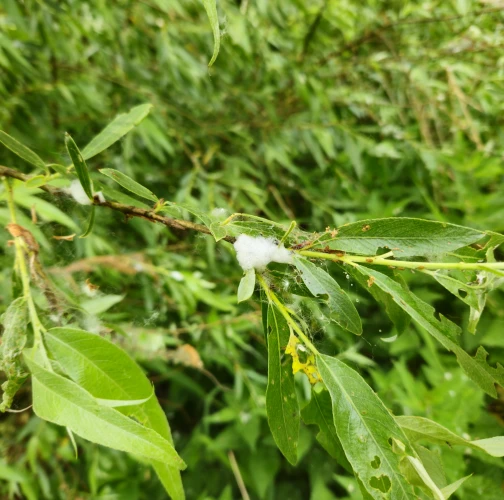
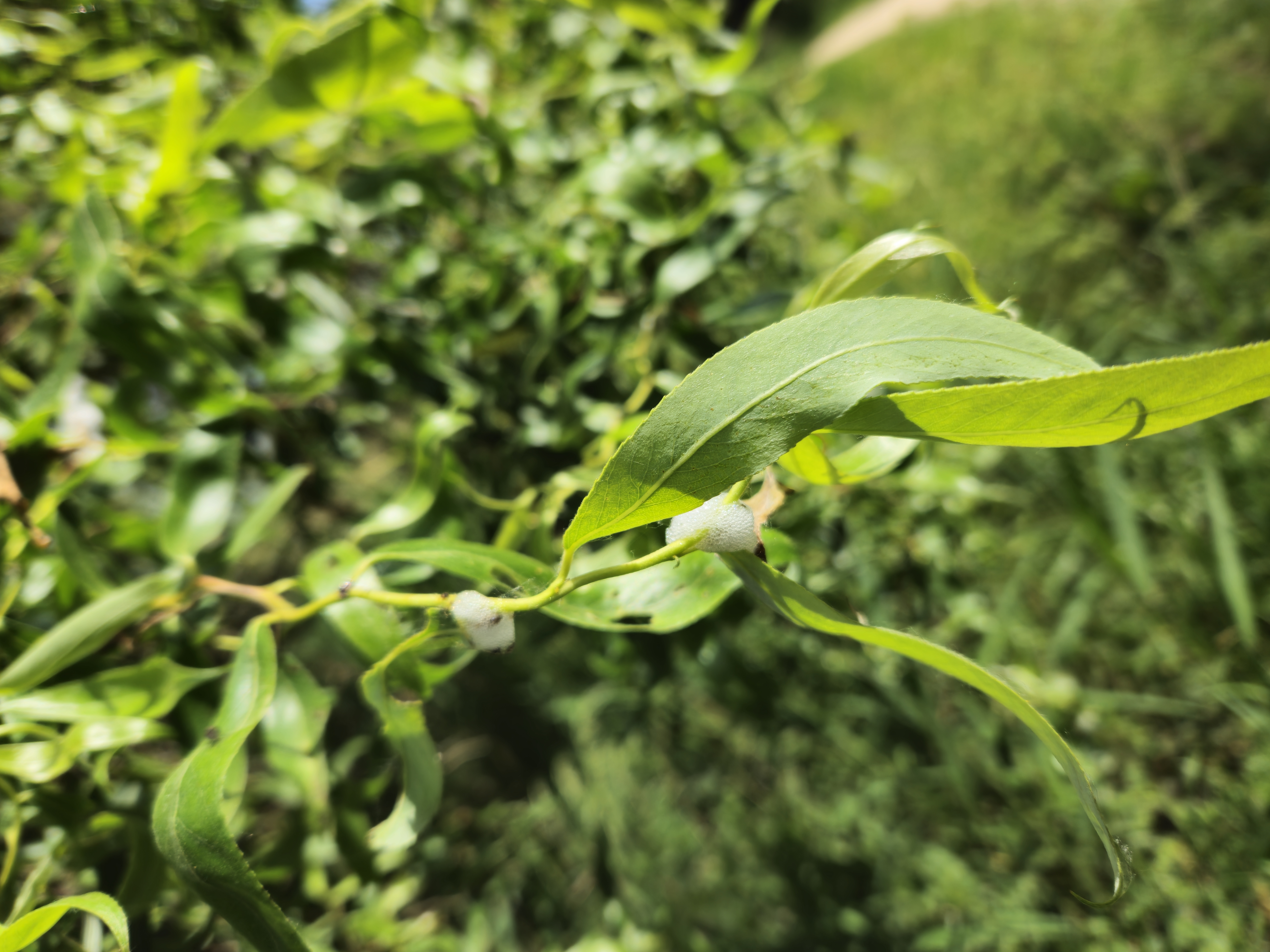
Dear K., The insect in the picture is Aphrophora salicina, the willow spittlebug. It is a common species found on willows near streams and rivers. The immature stages secrete a frothy, saliva-like substance that protects them from predators. You can find more information about this species on our website: https://www.forestpests.eu/pest/aphrophora-salicina Best regards, M. Zúbrik
Number of votes for this answer: 0

Pest

Willow spittlebug

Aphrophora salicina

Willow spittlebug

Aphrophora salicina

hmyz

Received: 18.5.2025
Wood: Willow
Number: 5929
Date of occurrence: 18.5.2025
Discussion

Add comment: Willow spittlebug

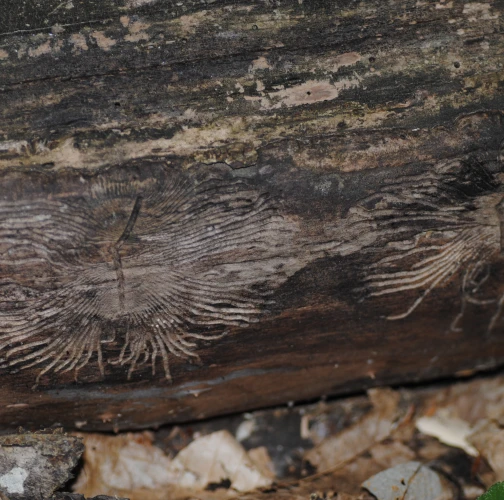
Ash bark beetle
Lykokaz jaseňovýLykokaz jaseňovýLykokaz jaseňový
Ash bark beetle
Number: 5915
Received 17.5.2025
In progress: 2 days
Date of occurrence: 9.6.2024
Significance: Harmful
Discussion
From: Antonella
Assigned: J. Galko
Country: Italy

Question

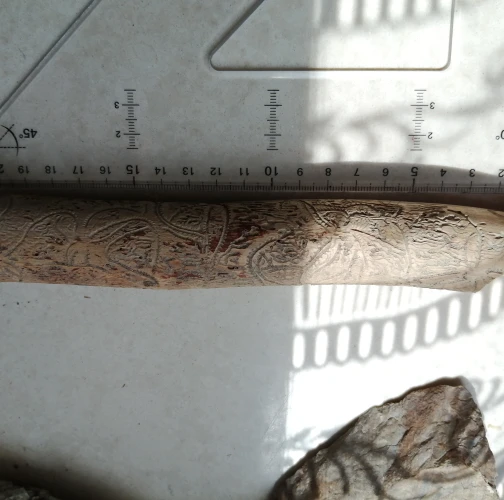
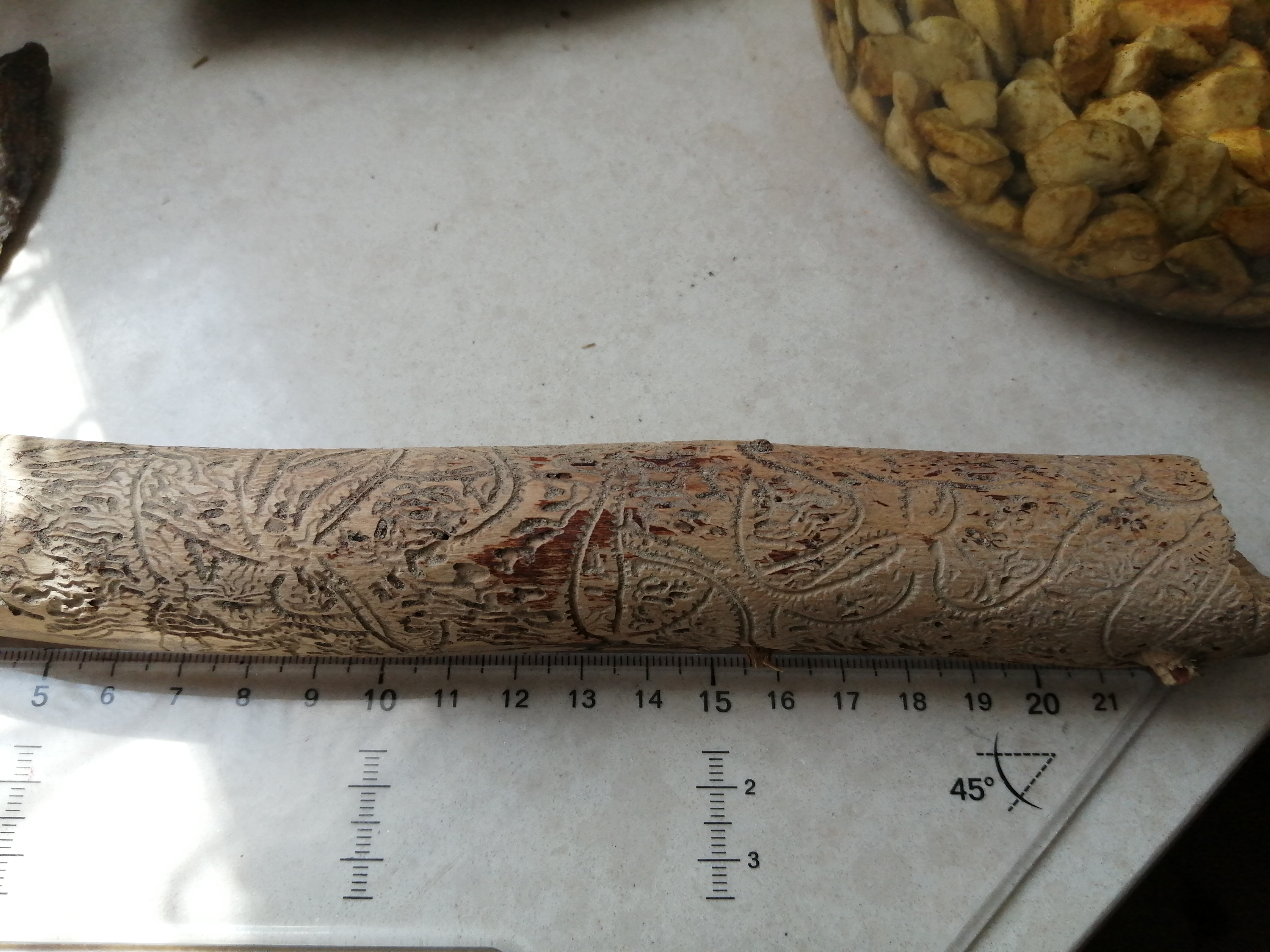
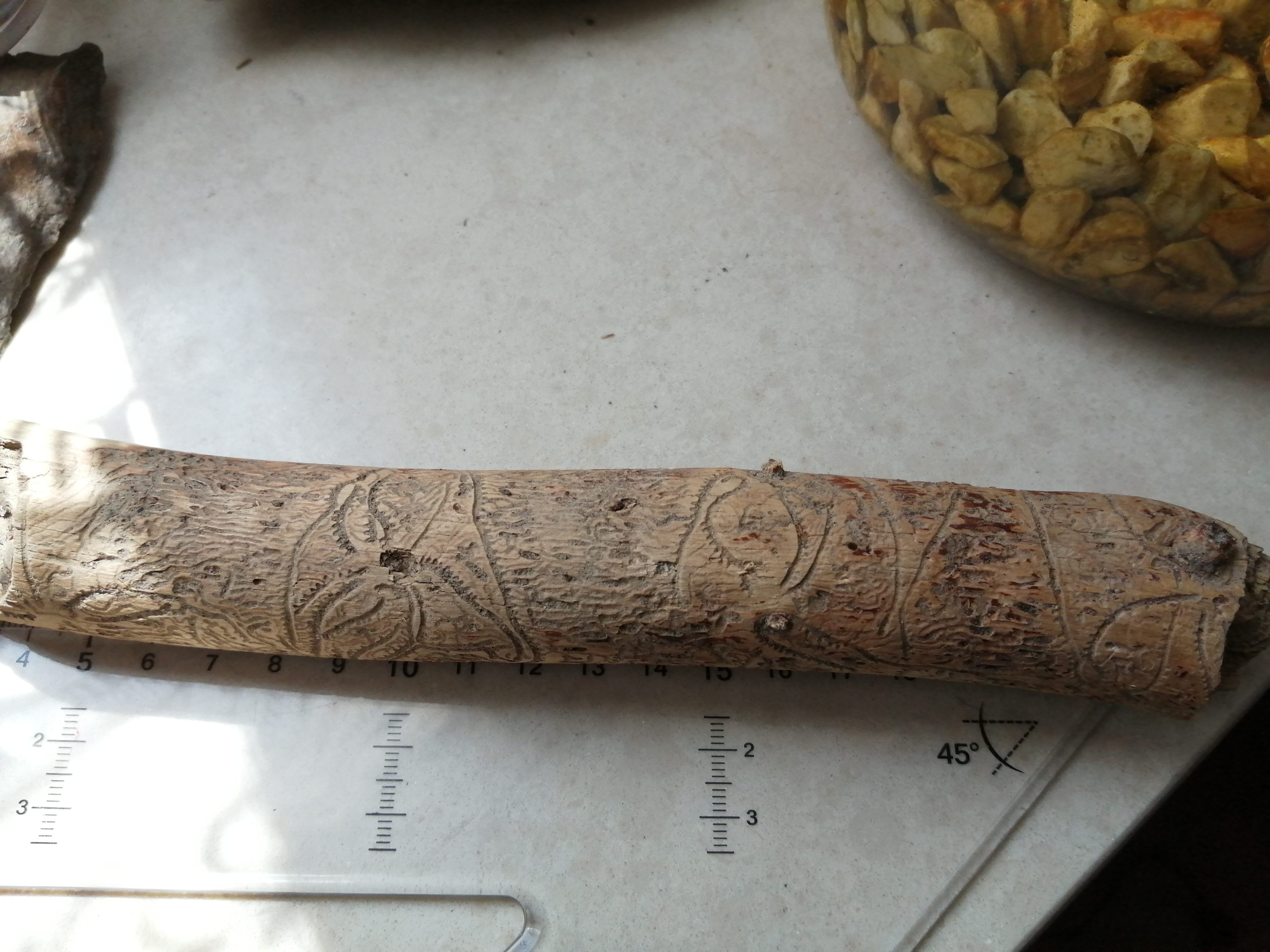
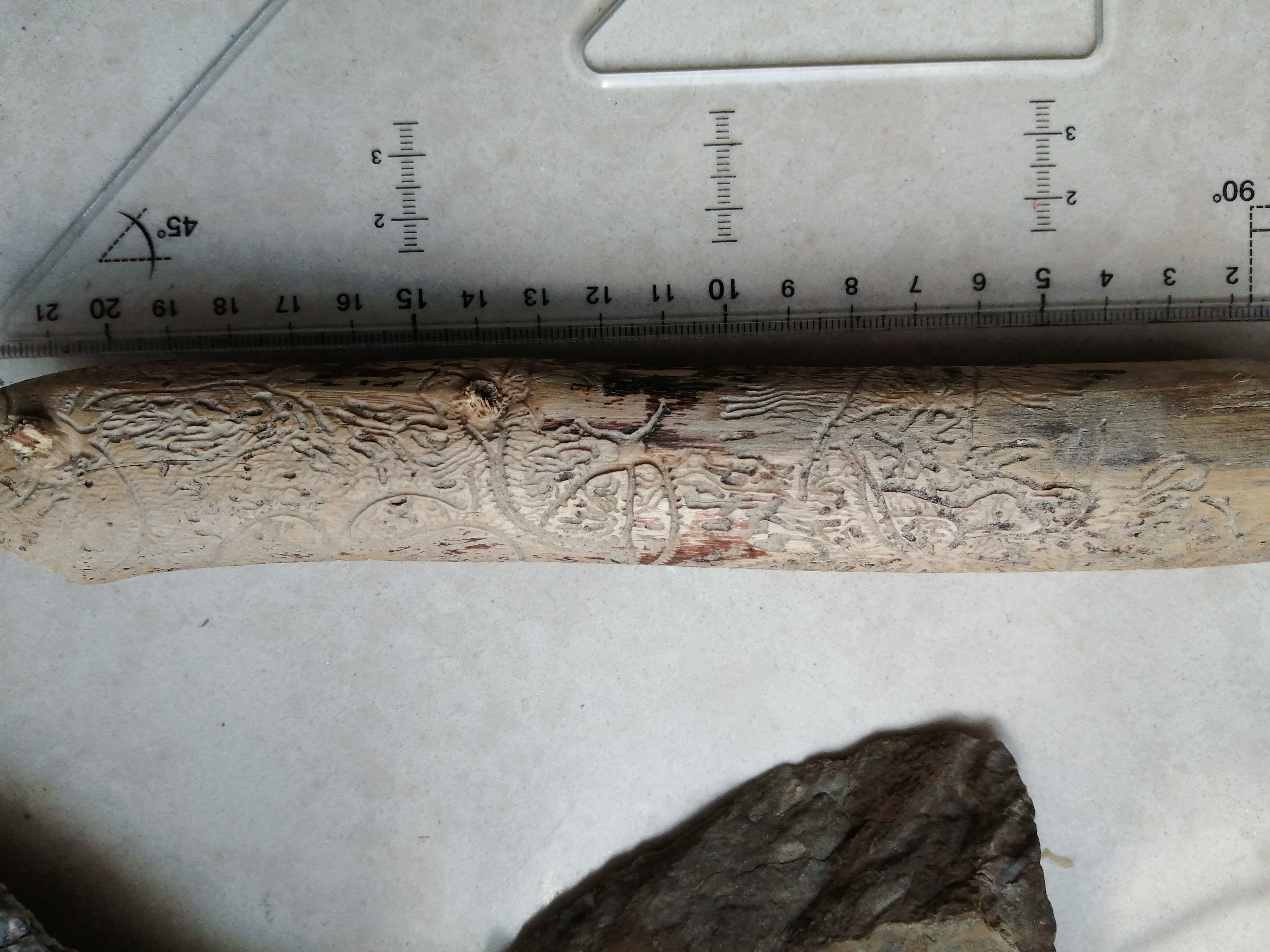
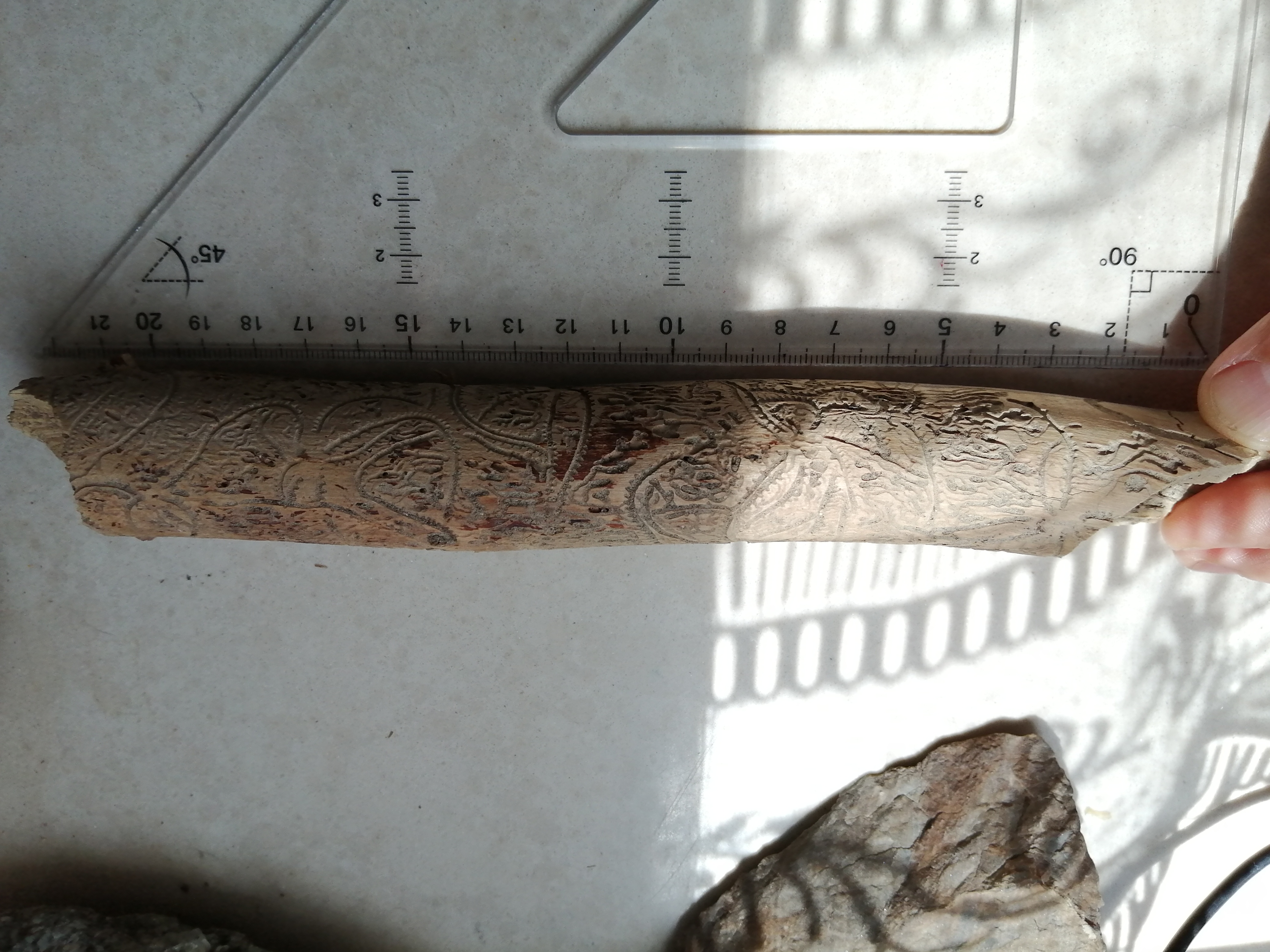
Hi, this is a piece of wood that I found on the ground, in a decidous forest (mostly Fagus sylvatica, Castanea sativa) of the Appenine. Thank you in advance. Best regards Antonella

Answer

Dear Antonella. On the pictures is gallery on ash tree. See this species in our atlas + video https://www.forestpests.eu/pest/hylesinus-varius-fraxini . All the best, Juraj
Number of votes for this answer: 0

Pest

Ash bark beetle

Hylesinus varius (=fraxini)

Ash bark beetle

Hylesinus varius (=fraxini)

hmyz

Received: 17.5.2025
Wood: Jaseň
Number: 5915
Date of occurrence: 9.6.2024
Discussion

Add comment: Ash bark beetle

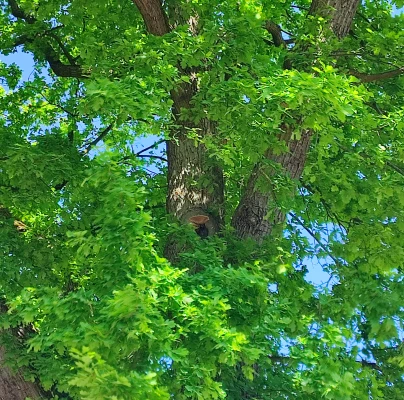
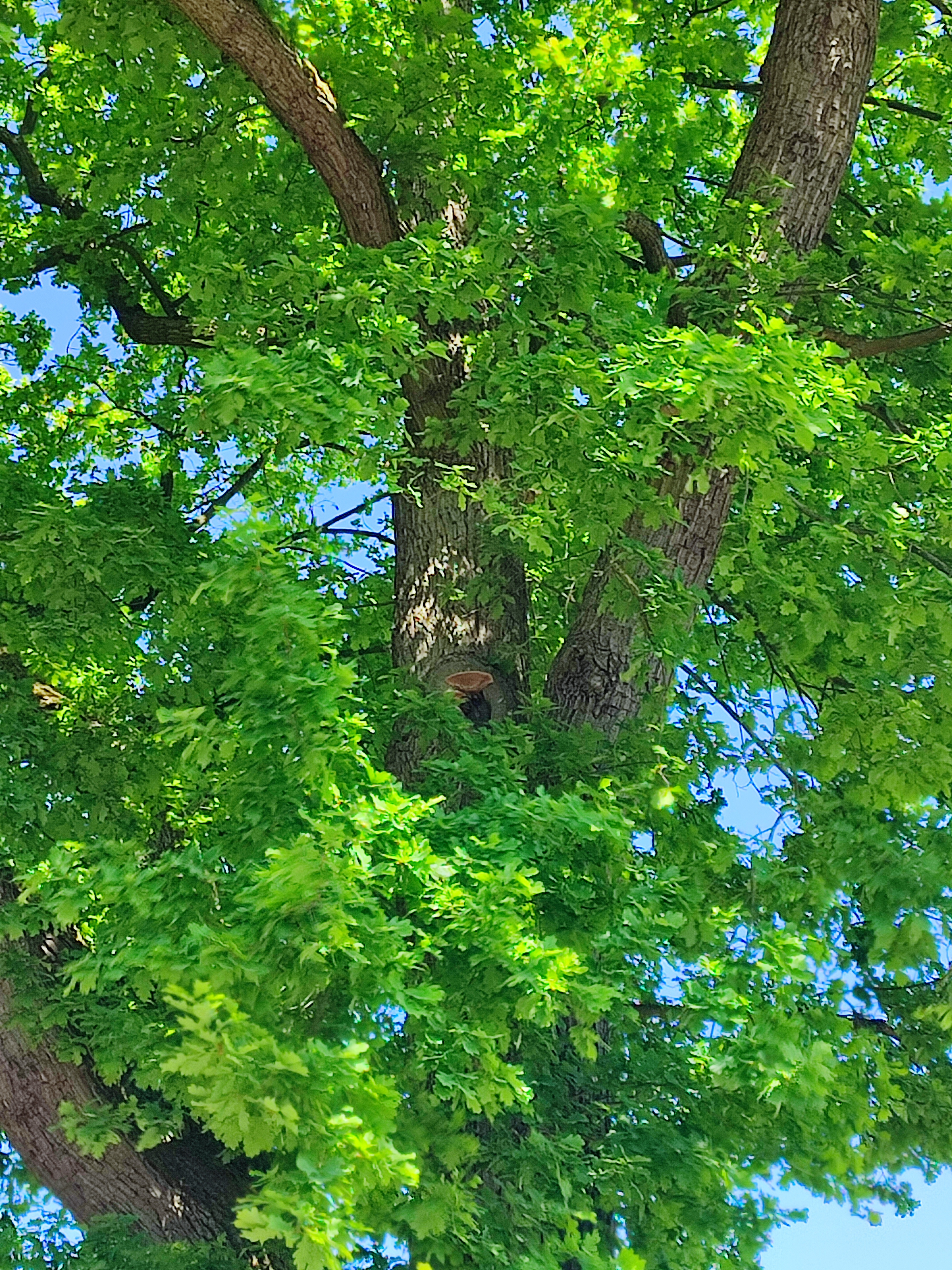
Fungus Inonotus hispidus
Number: 5914
Received 16.5.2025
In progress: 10 days
Date of occurrence: 16.5.2025
Significance: Less harmful
Discussion
From: Valentina
Assigned: A. Kunca
Country: Germany

Question

Answer

I guess it is Inonotus hispidus. Cheers. Andrej Kunca
Number of votes for this answer: 0

Pest

Fungus Inonotus hispidus

Inonotus hispidus

Fungus Inonotus hispidus

Inonotus hispidus

huby

Received: 16.5.2025
Wood: Oak
Number: 5914
Date of occurrence: 16.5.2025
Discussion

Add comment: Fungus Inonotus hispidus
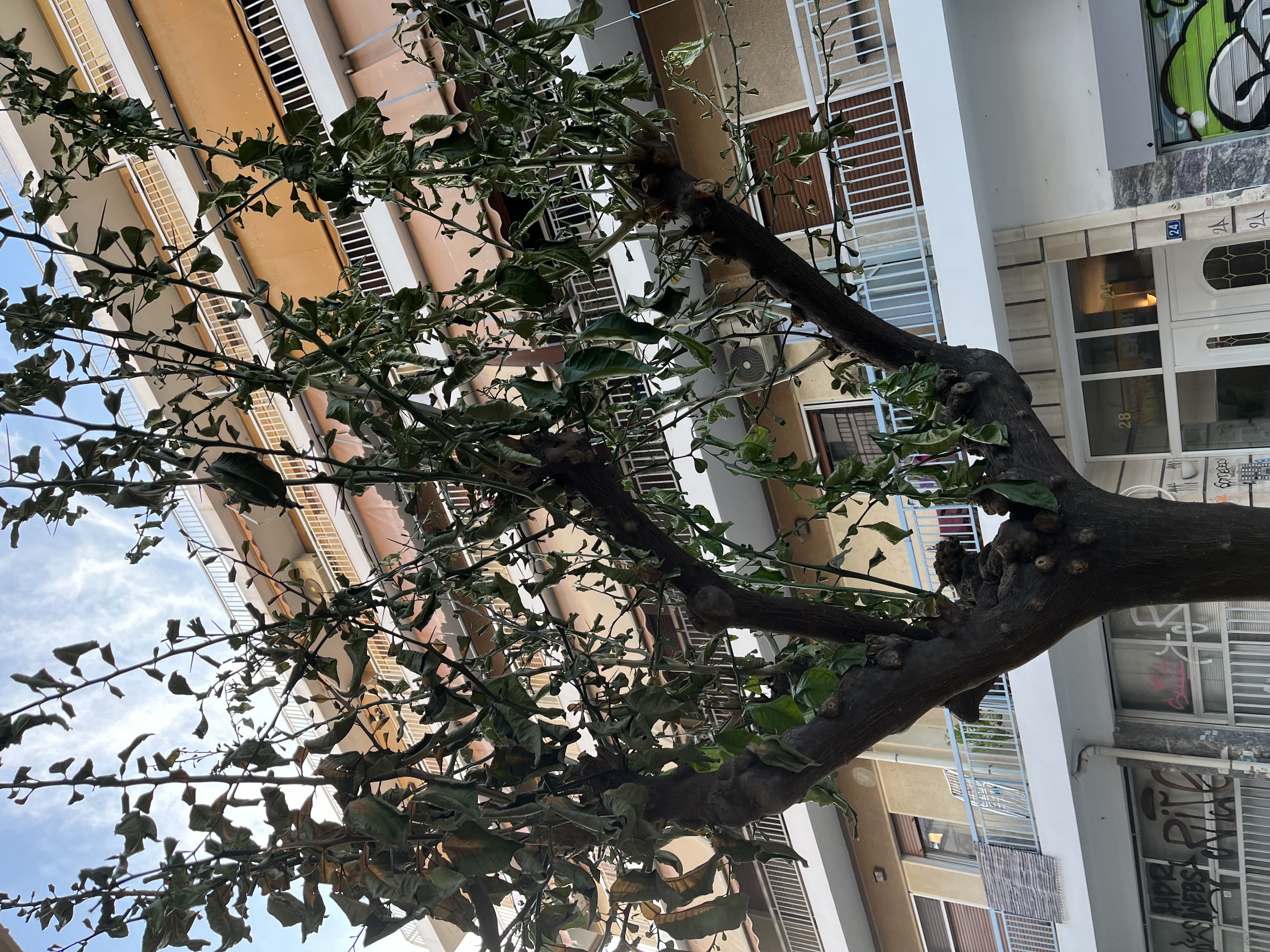
A - Ambiguously determined, we are not sure
Number: 5907
Received 16.5.2025
In progress: 1 days
Date of occurrence: 11.5.2025
Significance:
Discussion
From: J.M.
Assigned: M. Zúbrik
Country: Greece

Question

Answer

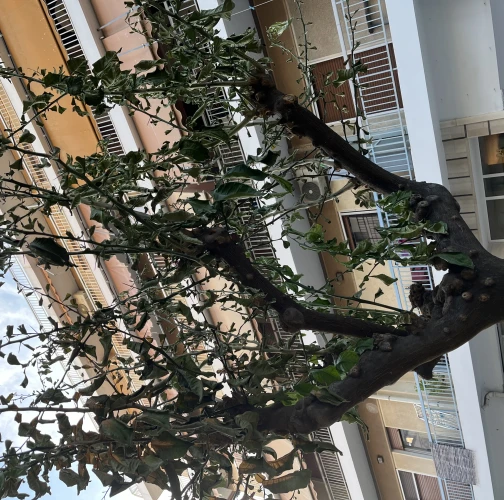
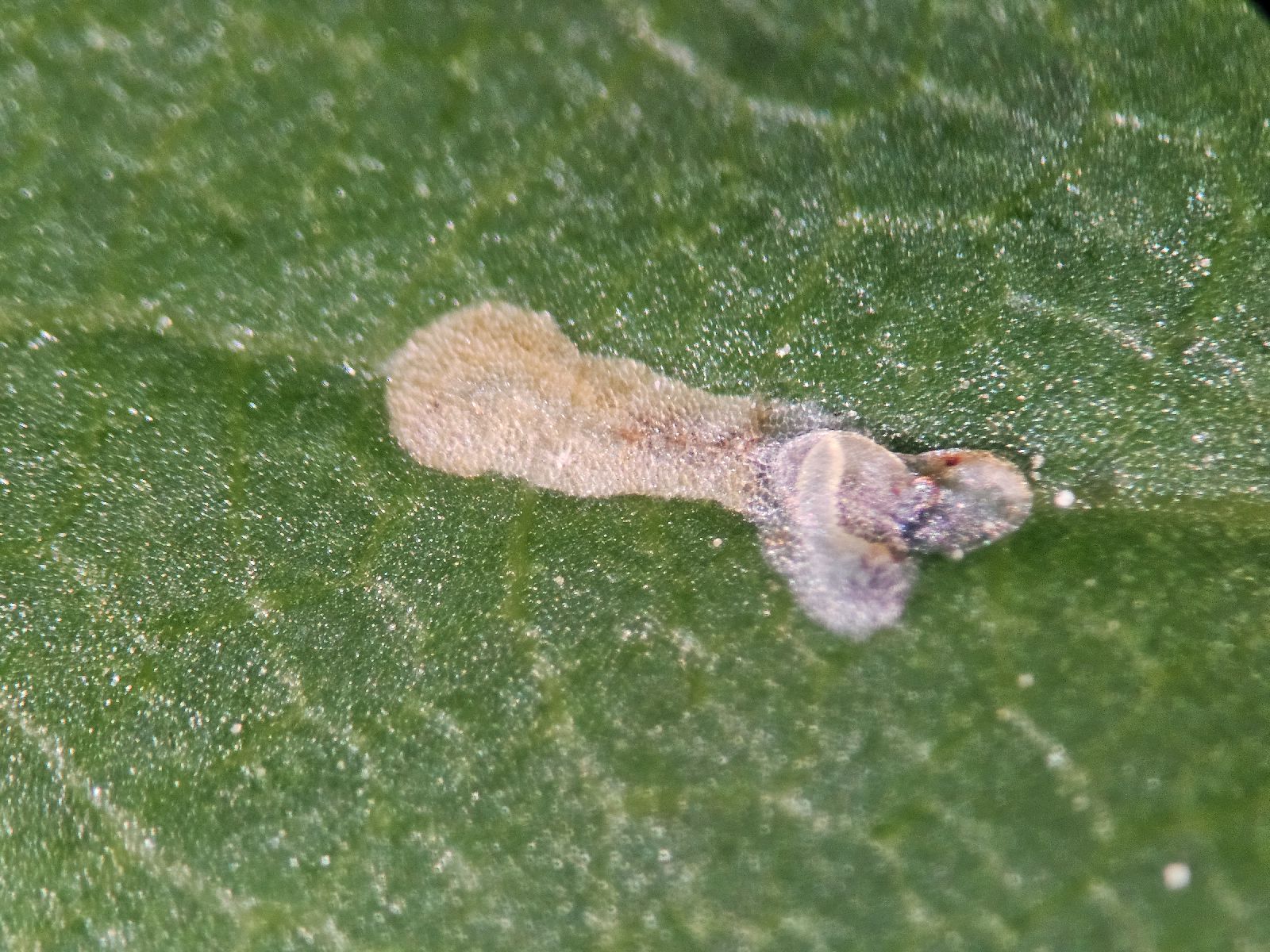
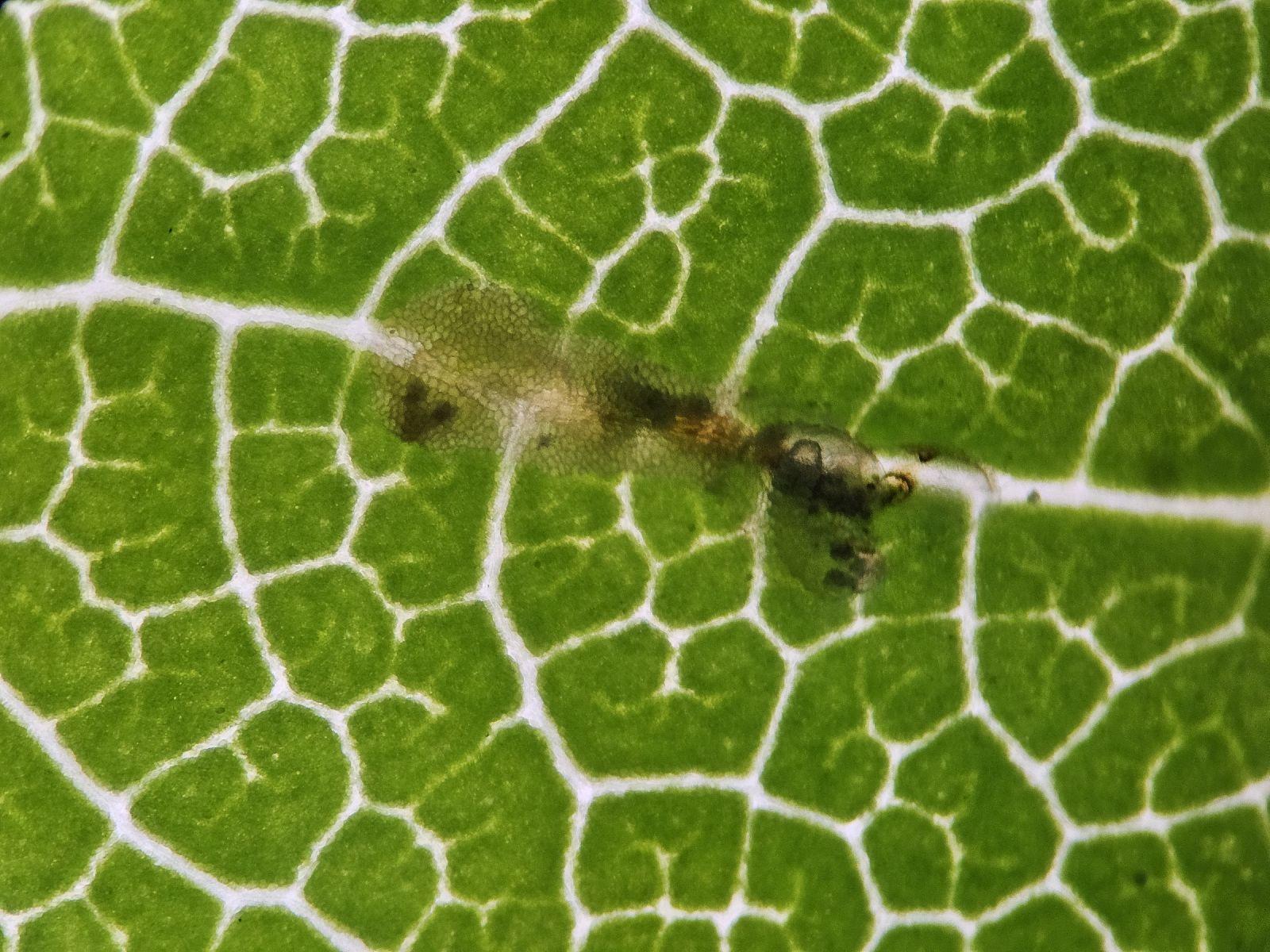
Dear J.M., Thank you for your inquiry. From this photo, it appears that there has been a rather sudden dieback of the entire crown. It is not just a part of the crown that is affected — the whole crown is dying. This kind of rapid decline is not very common. In cases involving insect or fungal infestations, the decline is usually gradual, starting with the wilting and dieback of individual branches or parts of the crown. The tree typically shows signs of reduced vitality over a period of 1 to 3 years before it eventually dies. In this case, the process seems to have progressed differently, suggesting a sudden death of the tree. Possible causes of such sudden decline include frost damage, severe overwatering or drought, aggressive root rot, chemical injury from herbicide application, or significant mechanical damage to the trunk. From the photo provided, it is not possible to determine the exact cause. If you have more photos, please send them to milan.zubrik@nlcsk.org — I would be happy to take a closer look. Best regards M. Zúbrik
Number of votes for this answer: 0

Pest

A - Ambiguously determined, we are not sure
A - Ambiguously determined, we are not sure
A - Ambiguously determined, we are not sure
A - Ambiguously determined, we are not sure

huby

Received: 16.5.2025
Wood: Citrus
Number: 5907
Date of occurrence: 11.5.2025
Discussion

Add comment: A - Ambiguously determined, we are not sure

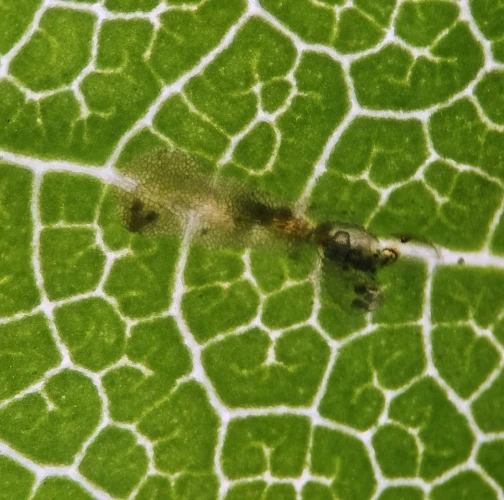
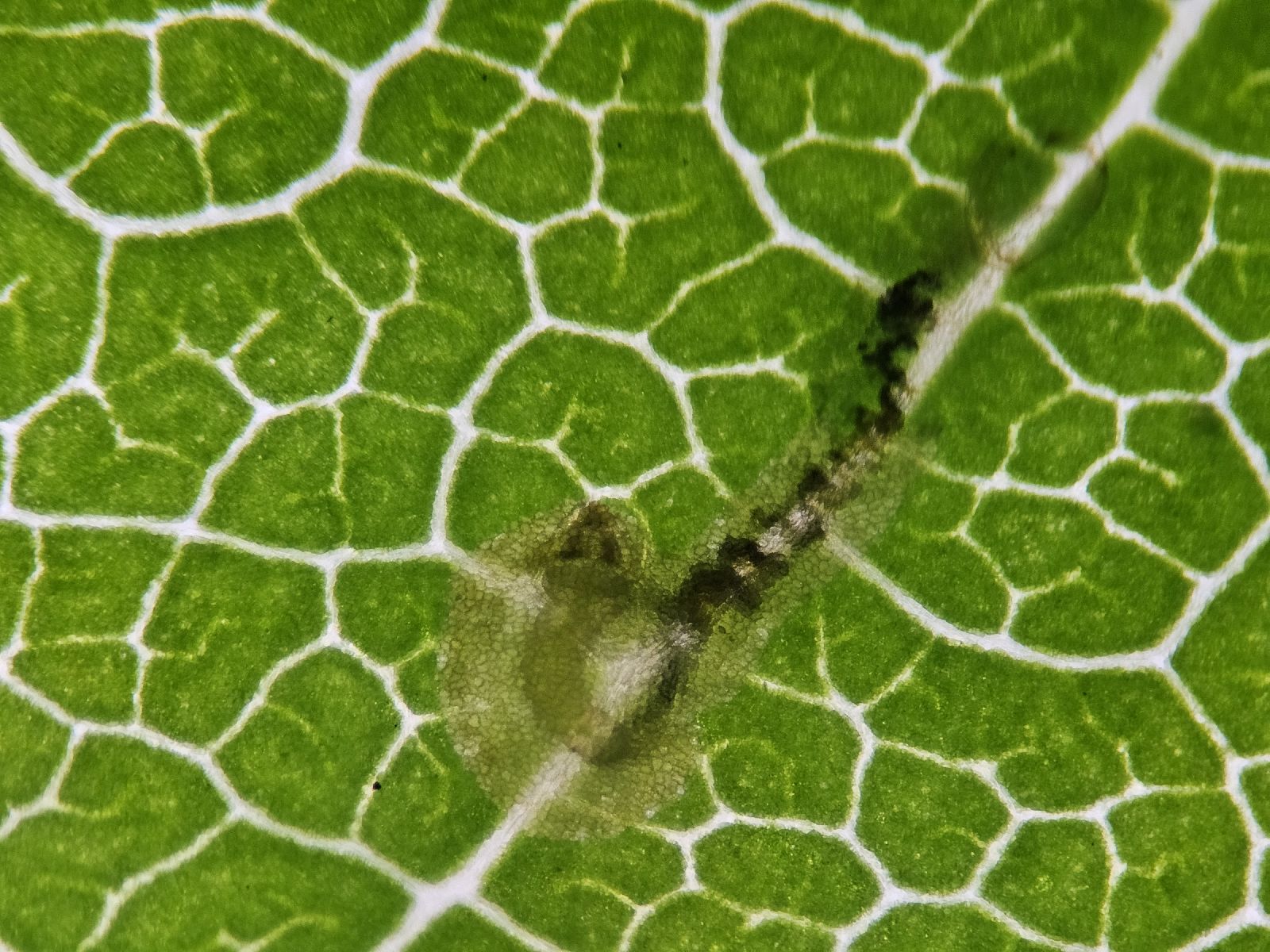
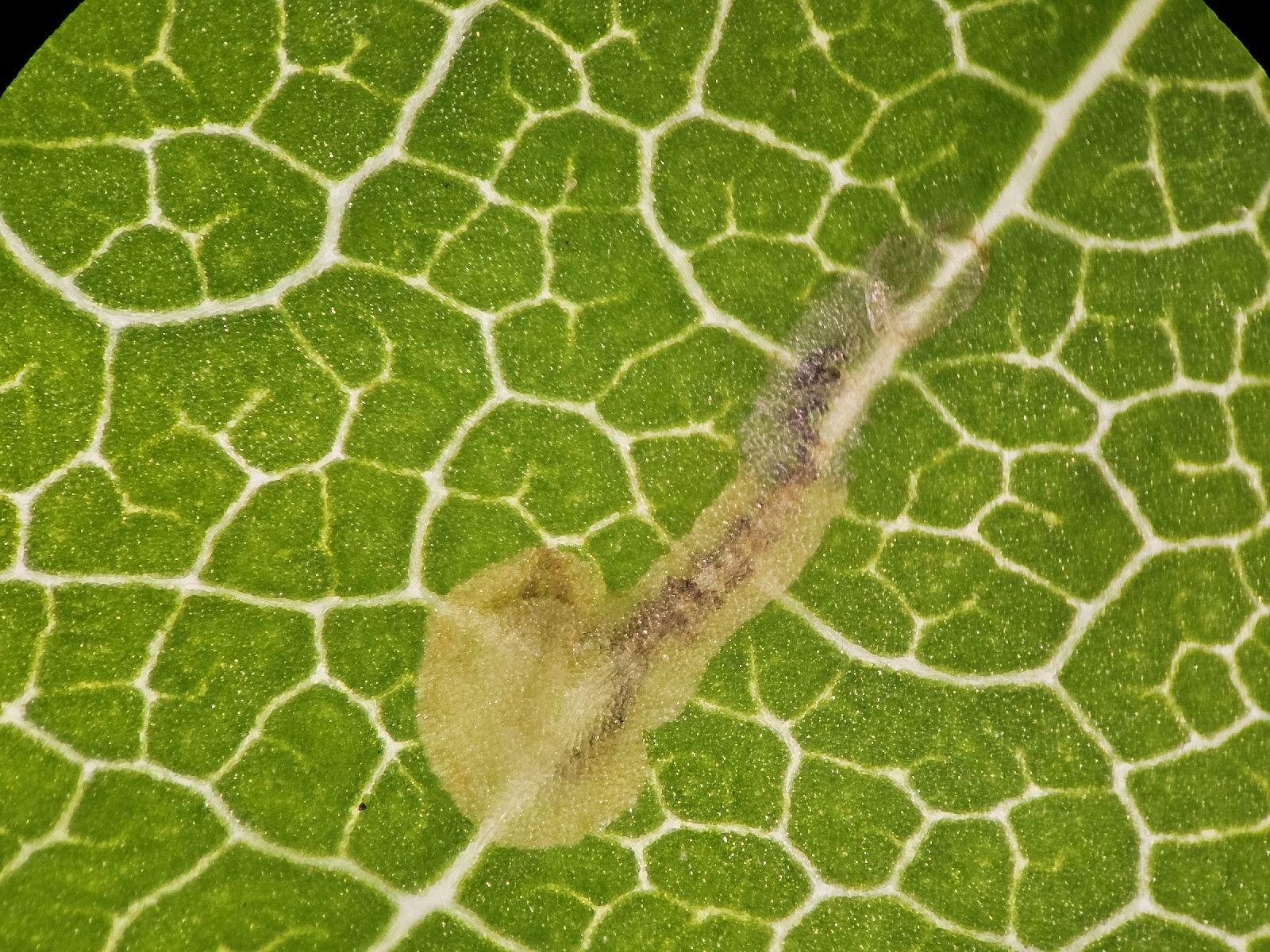
Horse-chestnut leaf miner
Ploskáčik pagaštanovýPloskáčik pagaštanovýPloskáčik pagaštanový
Horse-chestnut leaf miner
Number: 5888
Received 14.5.2025
In progress: 0 days
Date of occurrence: 14.5.2025
Significance: Harmful
Discussion
From: Slavo
Assigned: S. Rell
Country: Slovakia

Question

Answer

Number of votes for this answer: 0

Pest

Horse-chestnut leaf miner

Cameraria ohridella

Horse-chestnut leaf miner

Cameraria ohridella

hmyz

Received: 14.5.2025
Wood: Horse Chestnut
Number: 5888
Date of occurrence: 14.5.2025
Discussion

Add comment: Horse-chestnut leaf miner
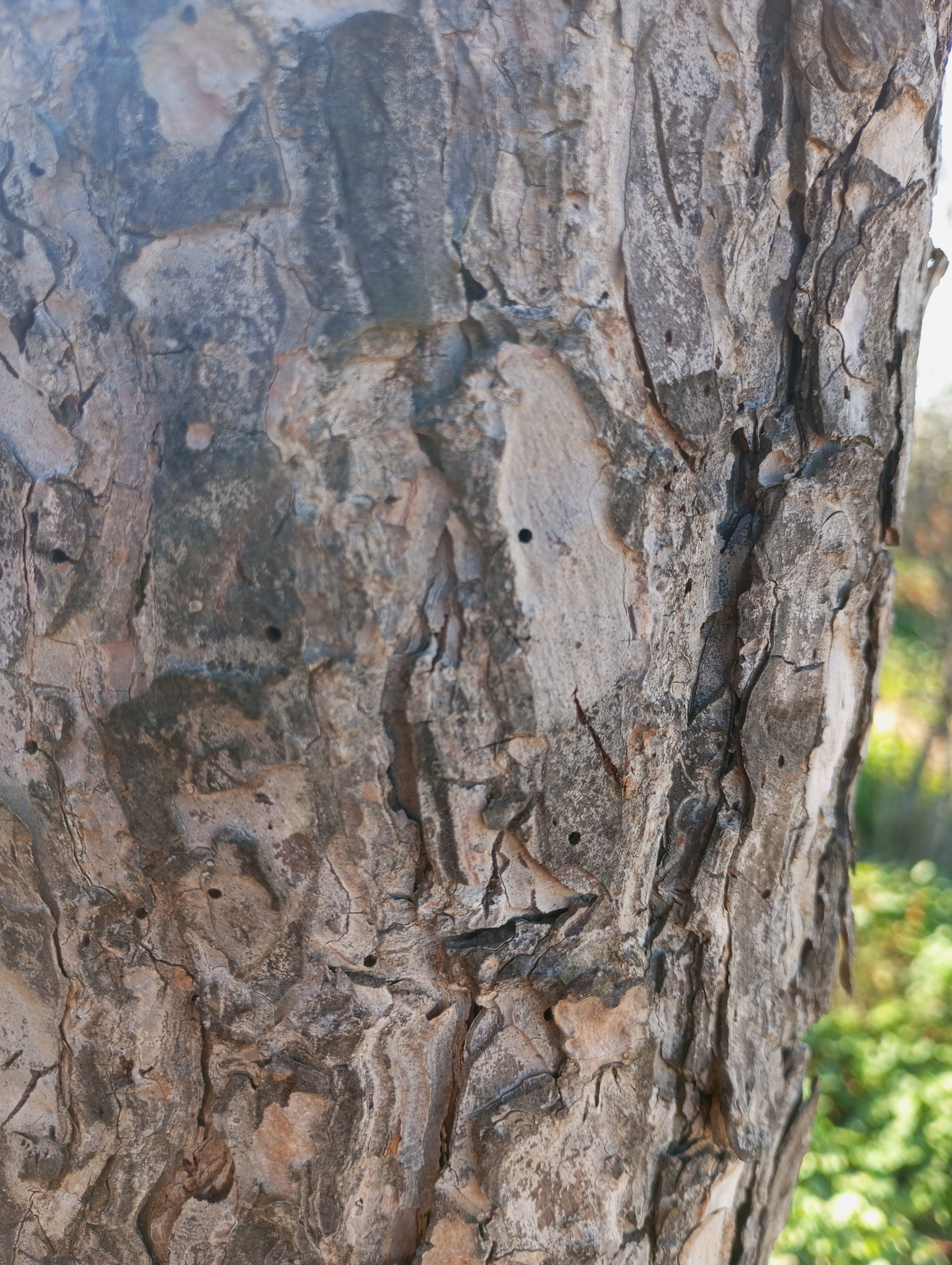
A - Ambiguously determined, we are not sure
Number: 5870
Received 12.5.2025
In progress: 1 days
Date of occurrence: 12.12.2024
Significance:
Discussion
From: J.M.
Assigned: M. Zúbrik
Country: Greece

Question

Answer

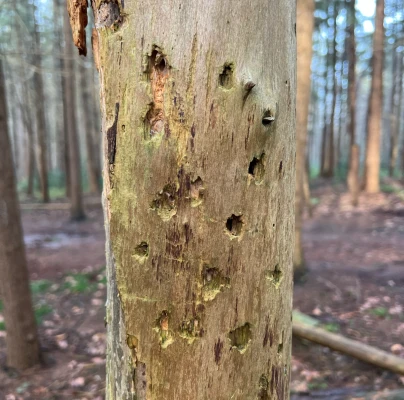
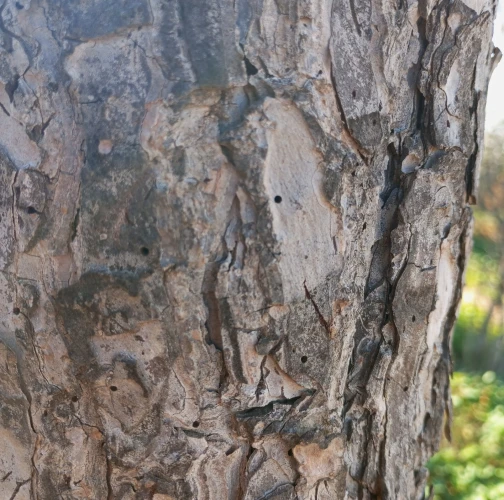
Hi J.M. Thank you for your inquiry. These are exit holes – points where adult insects have emerged from their galleries under the bark to infest another tree. Based on the shape and size of the holes, it is likely that they belong to a representative of the family Curculionidae, most probably from the subfamily Scolytinae. However, an exact species identification cannot be made based on these features alone. Kind regards, M. Zúbrik
Number of votes for this answer: 0

Pest

A - Ambiguously determined, we are not sure
A - Ambiguously determined, we are not sure
A - Ambiguously determined, we are not sure

A - Ambiguously determined, we are not sure

hmyz

Received: 12.5.2025
Wood: Pine
Number: 5870
Date of occurrence: 12.12.2024
Discussion

Add comment: A - Ambiguously determined, we are not sure

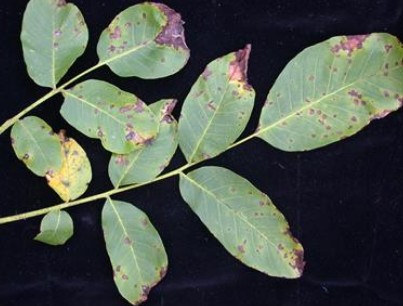
Walnut anthracnose
Walnut anthracnose
Number: 5855
Received 10.5.2025
In progress: 9 days
Date of occurrence: 22.5.2024
Significance: Harmful
Discussion
From: grt
Assigned: A. Kunca
Country: Germany

Question

Answer

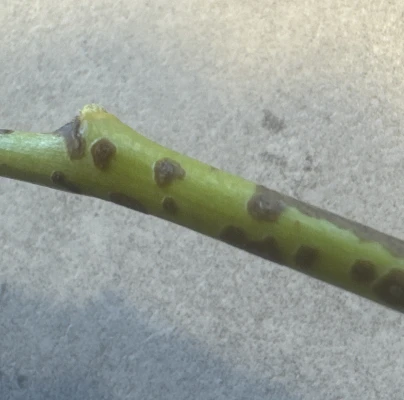
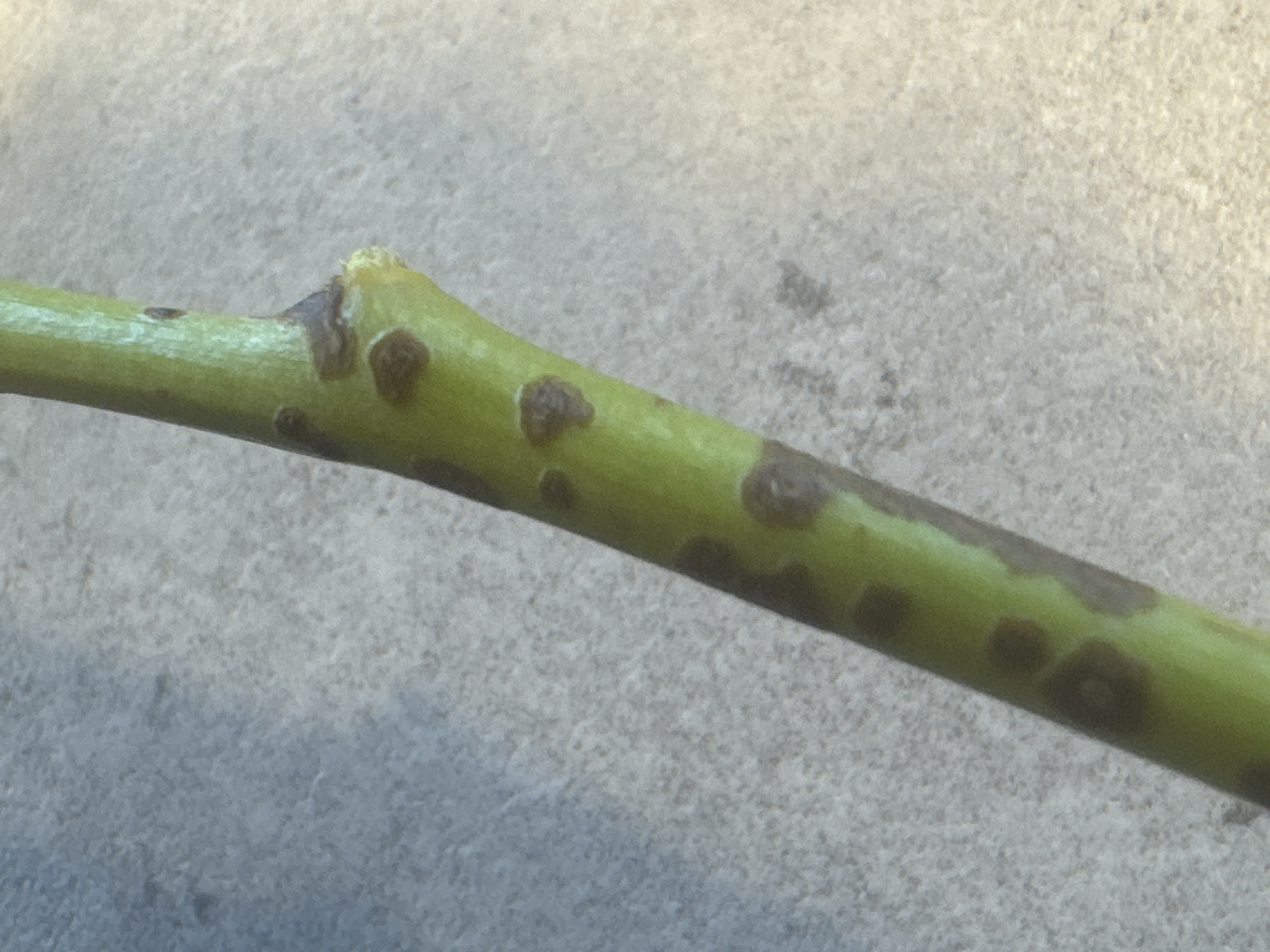
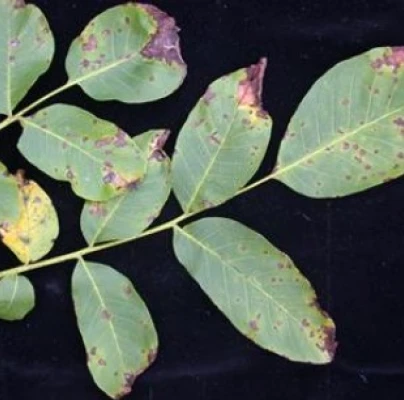
I guess it is Marssonina juglandis. Andrej Kunca
Number of votes for this answer: 0

Pest

Walnut anthracnose

Marssonina juglandis

Walnut anthracnose

Marssonina juglandis

huby

Received: 10.5.2025
Wood: Walnut
Number: 5855
Date of occurrence: 22.5.2024
Discussion

Add comment: Walnut anthracnose

A - Ambiguously determined, we are not sure
A - Ambiguously determined, we are not sureA - Ambiguously determined, we are not sureA - Ambiguously determined, we are not sure
A - Ambiguously determined, we are not sure
Number: 5798
Received 28.4.2025
In progress: 0 days
Date of occurrence: 28.4.2025
Significance:
Discussion
From: Antonella
Assigned: J. Vakula
Country: Italy

Question

Hi, this is a piece of wood that I found on the ground, maybe pine or fir.

Answer

Hello,nice photos. The galleries probably belong to the species Pityophthorus pityographus, which is a polyphagous species. It is abundant in forests. It is not a pest, it develops on dead wood.Best regardsJozef Vakula
Number of votes for this answer: 0

Pest

A - Ambiguously determined, we are not sure

A - Ambiguously determined, we are not sure

A - Ambiguously determined, we are not sure

A - Ambiguously determined, we are not sure

huby

Received: 28.4.2025
Wood: Pine
Number: 5798
Date of occurrence: 28.4.2025
Discussion

Add comment: A - Ambiguously determined, we are not sure

Peach leaf curl
Peach leaf curl
Number: 5761
Received 19.4.2025
In progress: 0 days
Date of occurrence: 19.4.2025
Significance: Harmful
Discussion
From: Katarzyna
Assigned: M. Zúbrik
Country: Poland

Question

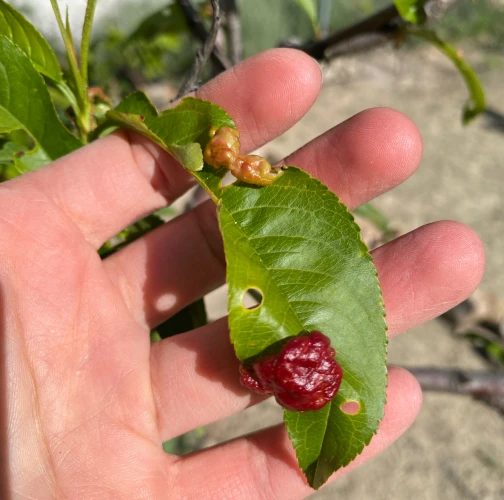
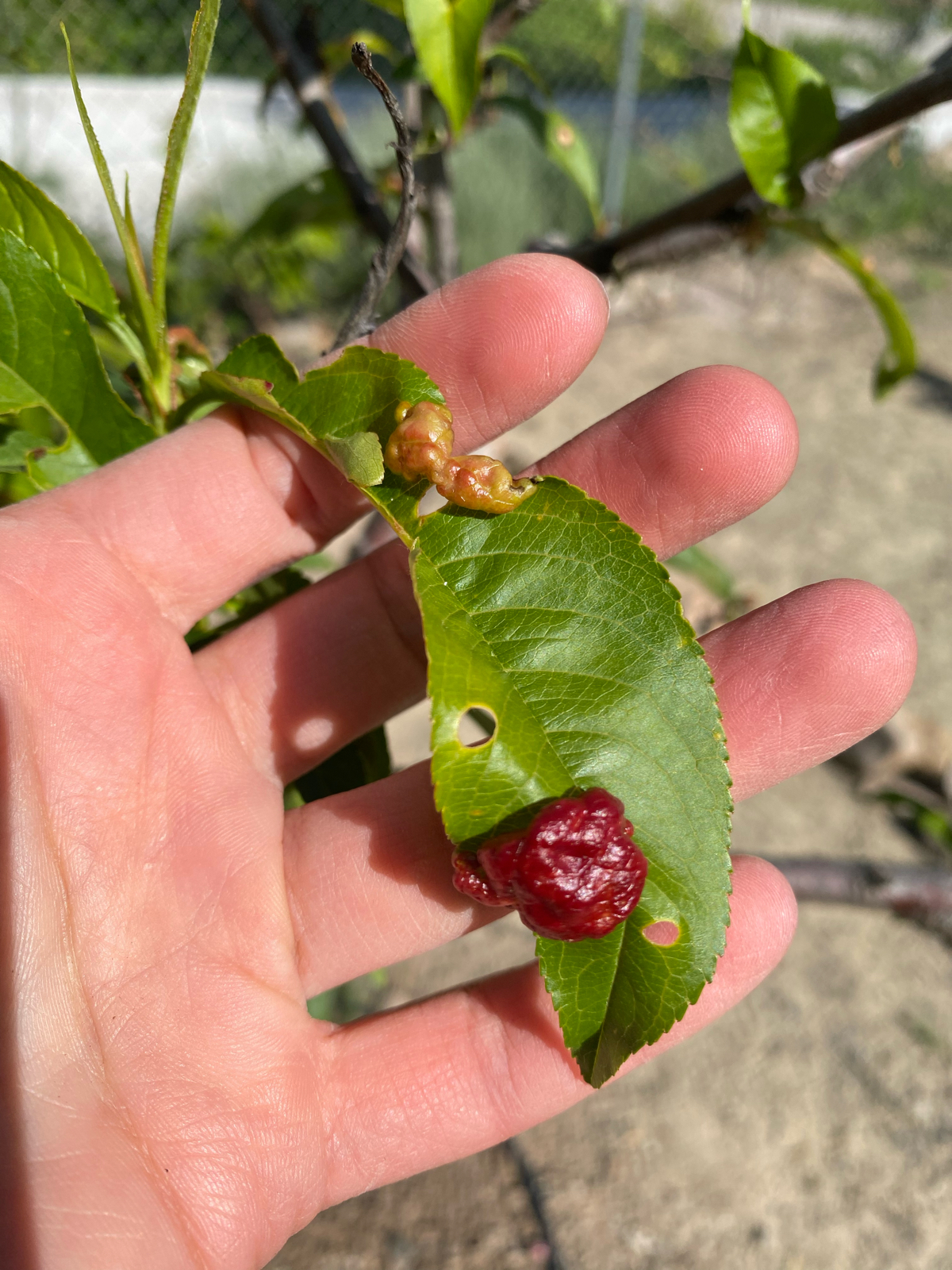
Many leaves on the tree, the tree is in Alcaucin, Málaga. I cant modify the map/place.

Answer

This is a fungal disease called peach leaf curl (Taphrina deformans), which causes leaf deformation, discoloration, and eventually leaf and fruit drop. It spreads in early spring during wet weather and can significantly weaken the tree if left untreated. The best prevention is to apply a fungicide spray before bud break, especially copper-based products, and to choose disease-resistant varieties. Visit your local garden supply store and ask for advice on which products currently available are effective against Taphrina deformans. It is also helpful to remove and destroy infected leaves and twigs to reduce the spread of the pathogen. With best regards M. Zubrik
Number of votes for this answer: 0

Pest

Peach leaf curl

Taphrina deformans

Peach leaf curl

Taphrina deformans

huby

Received: 19.4.2025
Wood: Peach
Number: 5761
Date of occurrence: 19.4.2025
Discussion

Add comment: Peach leaf curl

Number: 5665
Received 21.3.2025
In progress: 3 days
Date of occurrence: 21.3.2025
Significance:
Discussion
From: njamnjam
Assigned: A. Kunca
Country: Germany

Question

Answer

Hello, probably Blumeriella sp. (B. jaapii, B. kerriae).  A. Kunca
Number of votes for this answer: 0

Pest

A - nejednoznačne určený, nie sme si istí

A - nejednoznačne určený, nie sme si istí

huby

Received: 21.3.2025
Wood: Cherry laurel
Number: 5665
Date of occurrence: 21.3.2025
Discussion

Add comment:

A - nejednoznačne určený, nie sme si istíA - nejednoznačne určený, nie sme si istí
Number: 5580
Received 31.1.2025
In progress: 5 days
Date of occurrence: 31.1.2025
Significance:
Discussion
From: Jer Nusse
Assigned: J. Vakula
Country: The Netherlands

Question

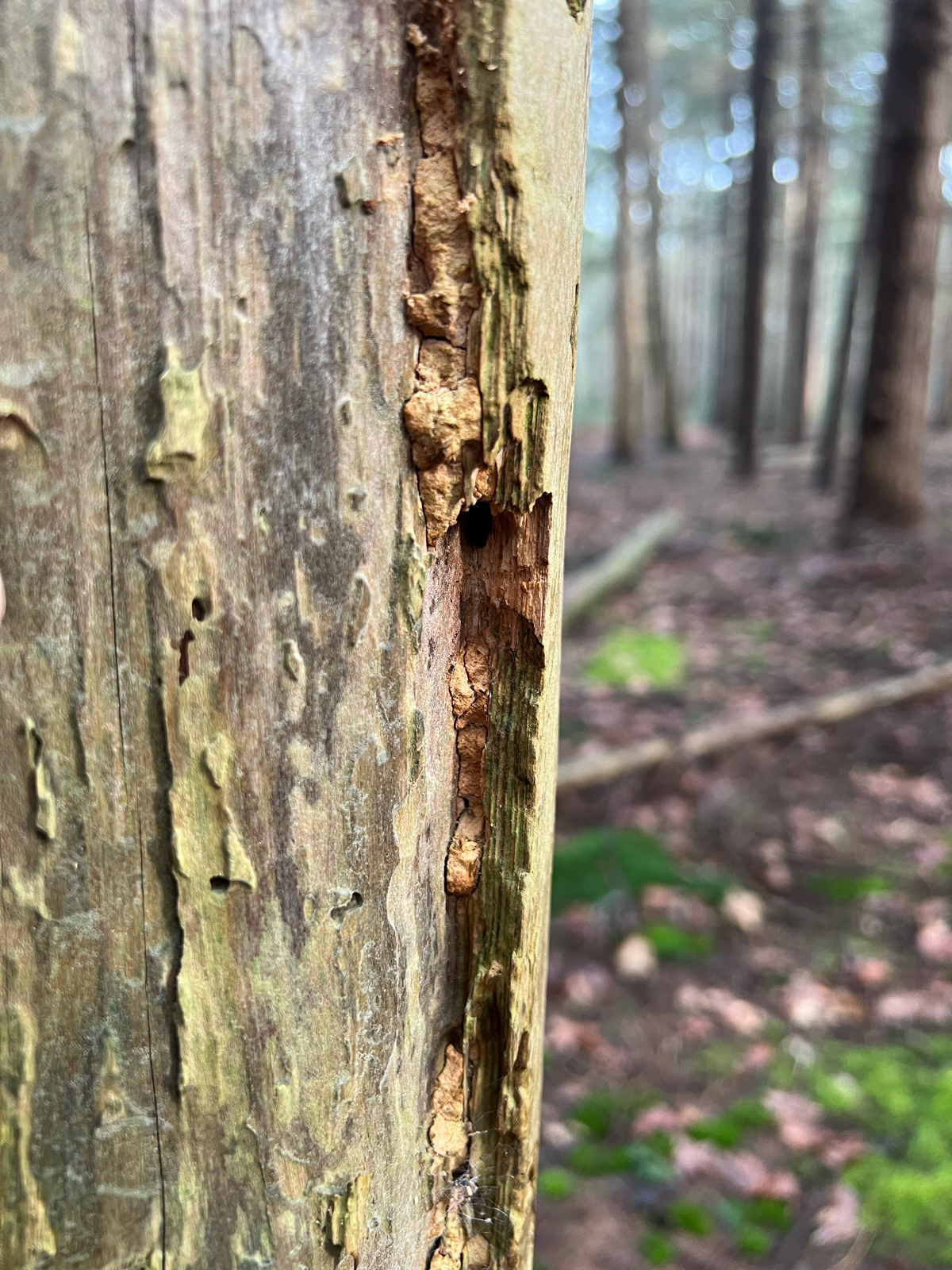
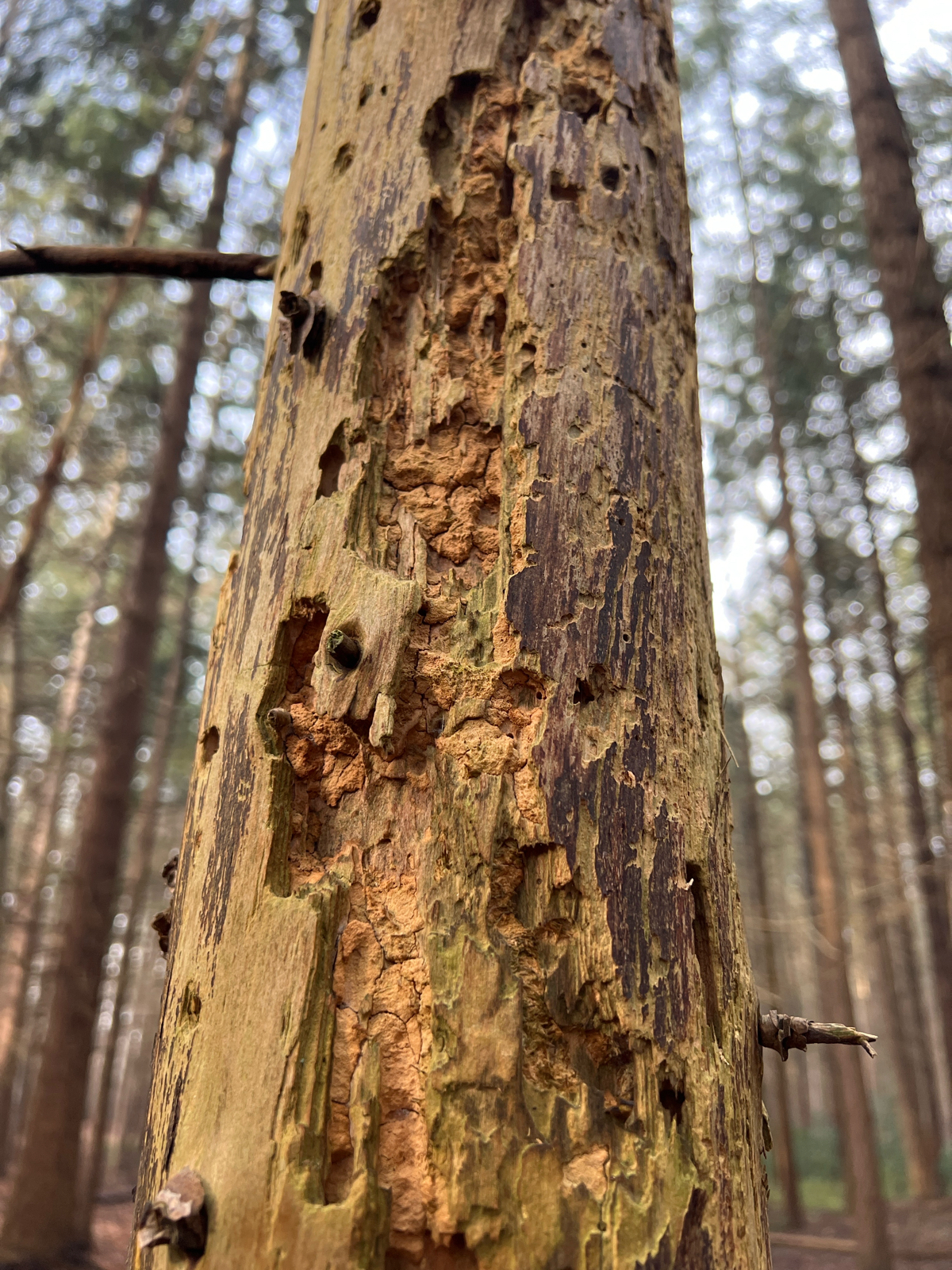
frass is mainly found behind the sapwood

Answer

Hello, I think that damage is caused by Cerambycidae, probably Arhopalus rusticus or may be Spondylis buprestoides.  Best regards Jozef Vakula
Number of votes for this answer: 0

Pest

A - nejednoznačne určený, nie sme si istí

A - nejednoznačne určený, nie sme si istí

huby

Received: 31.1.2025
Wood: Douglas Fir
Number: 5580
Date of occurrence: 31.1.2025
Discussion

Add comment:

Beech bark beetle
Beech bark beetle
Number: 5529
Received 19.1.2025
In progress: 1 days
Date of occurrence: 19.1.2025
Significance: Very harmful
Discussion
From: Jer Nusse
Assigned: J. Galko
Country: The Netherlands

Question

Answer

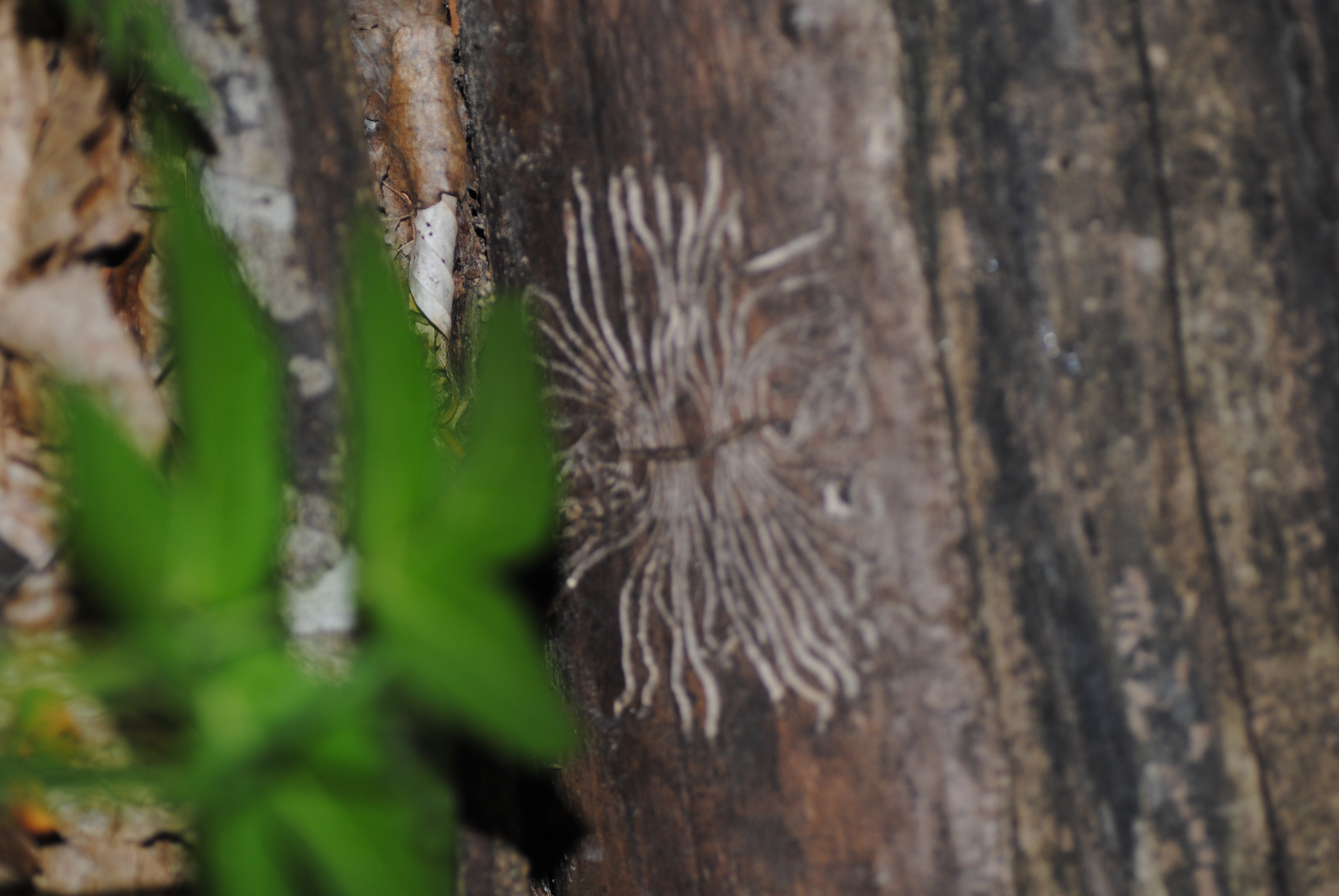
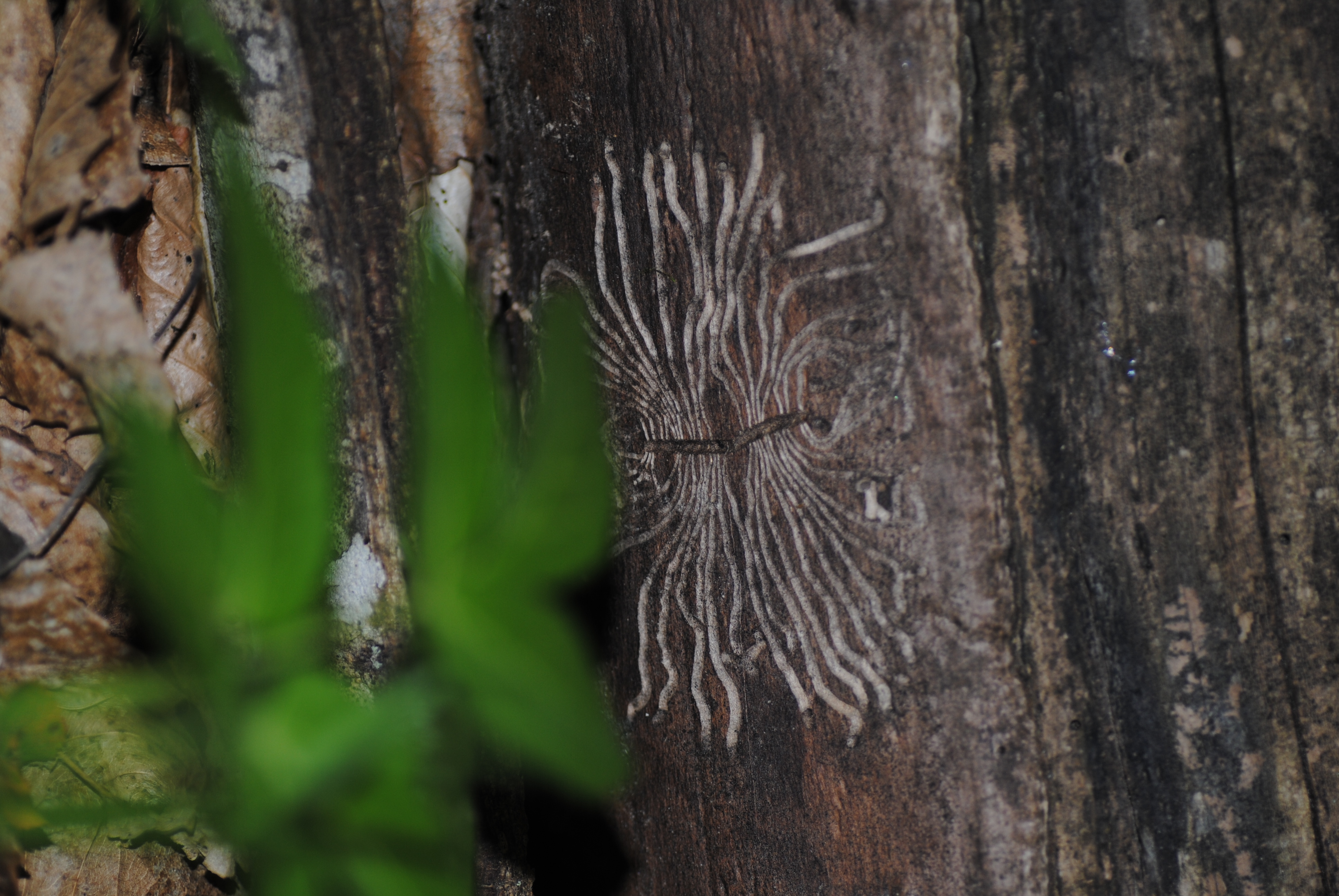
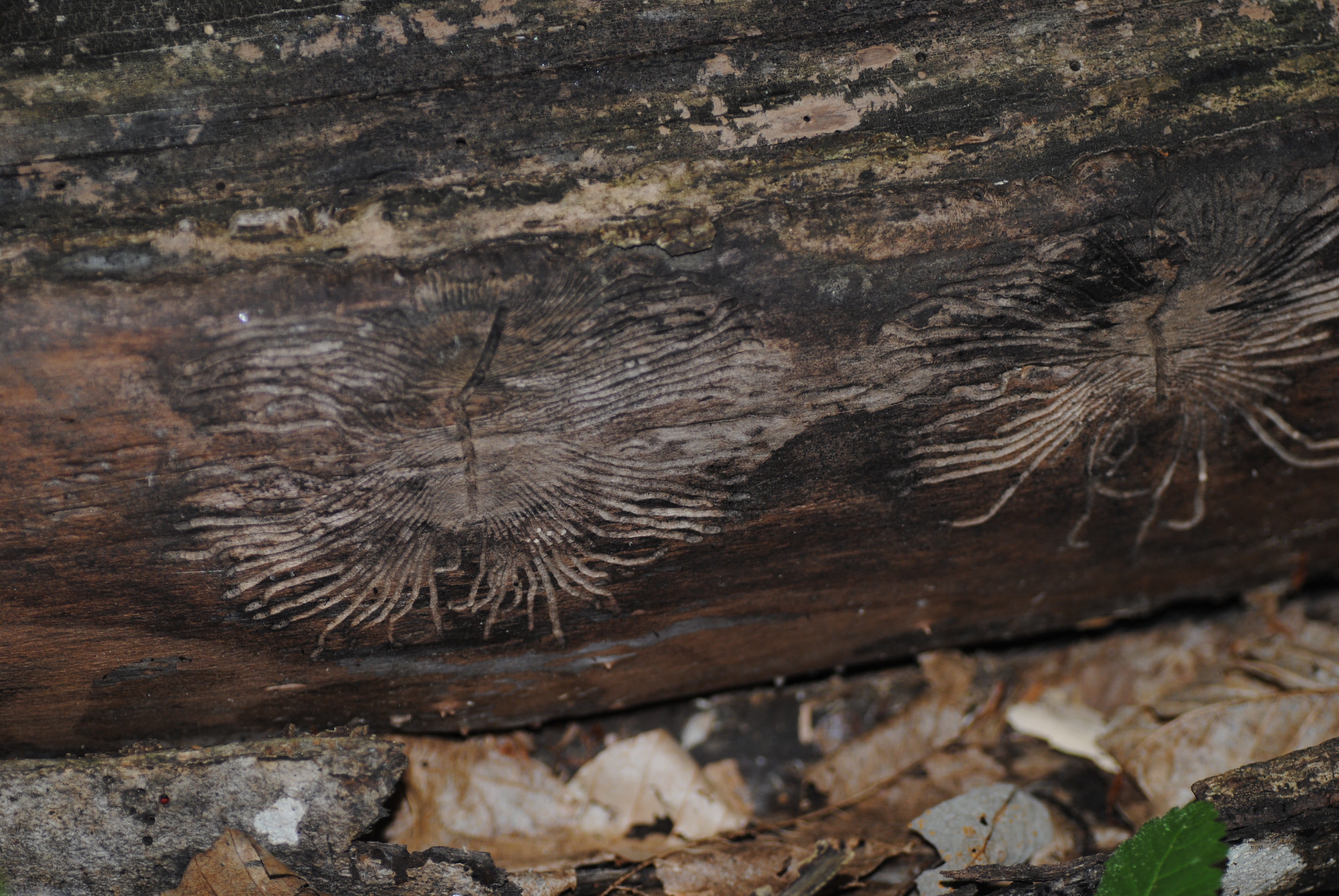
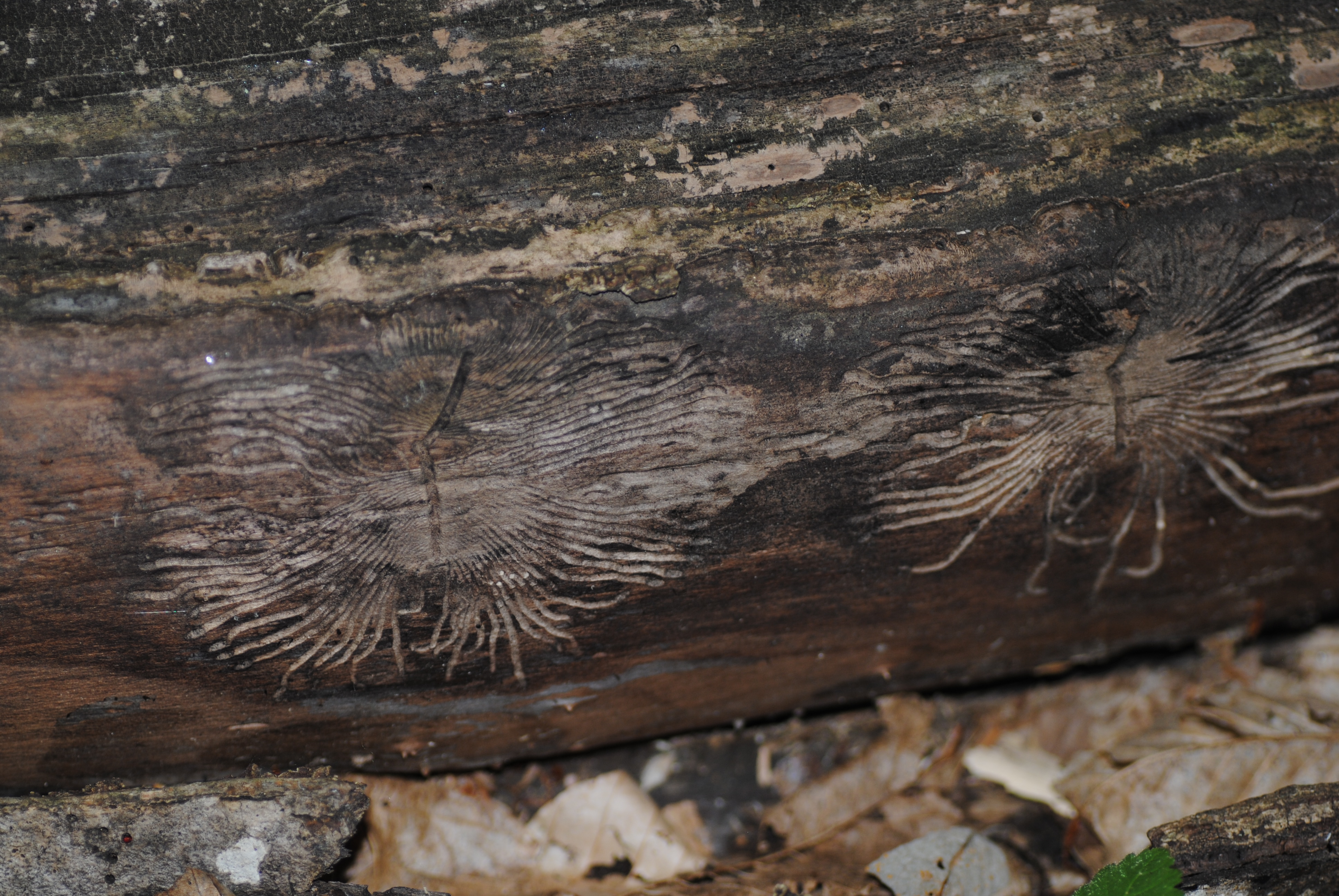
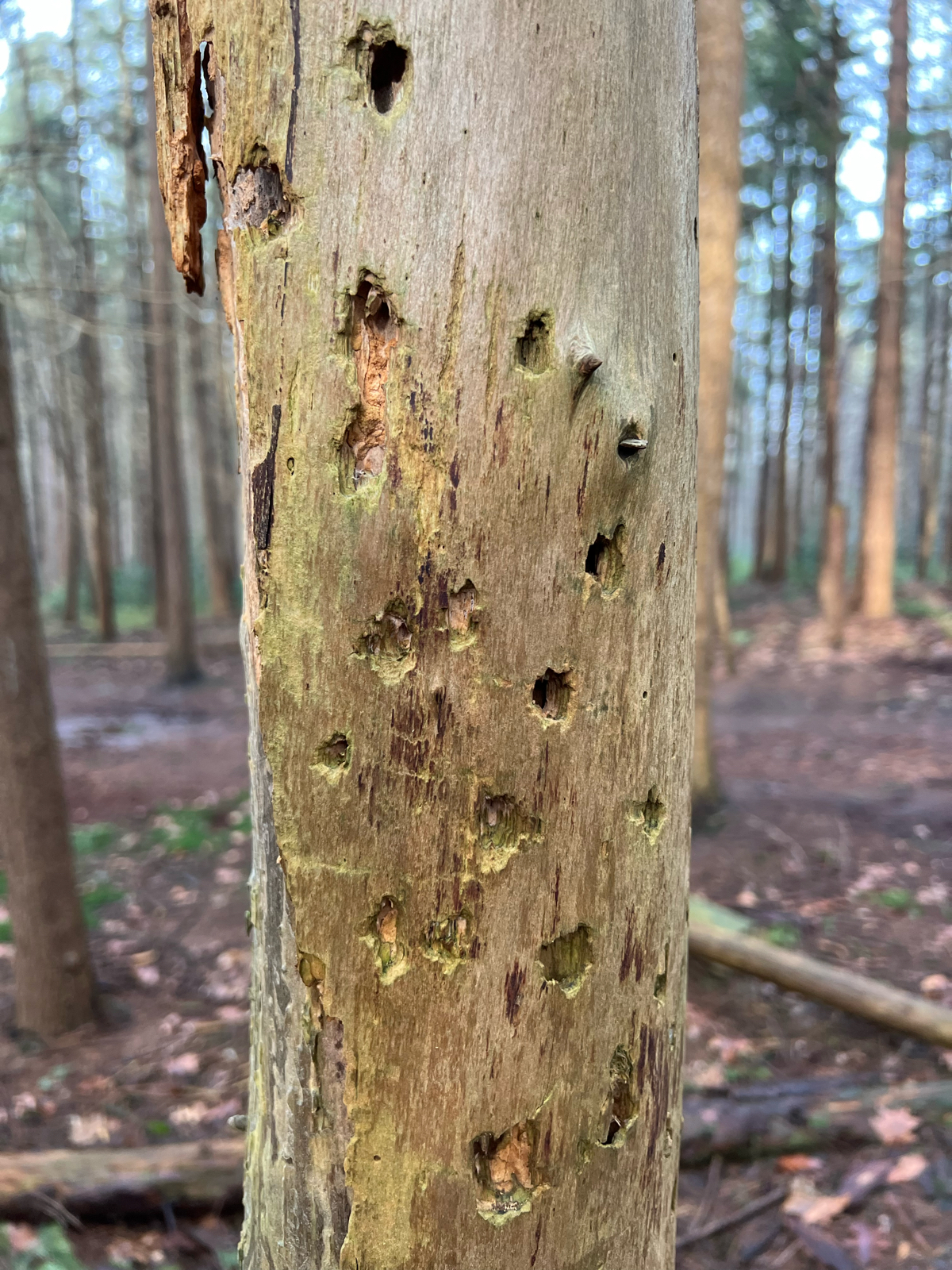
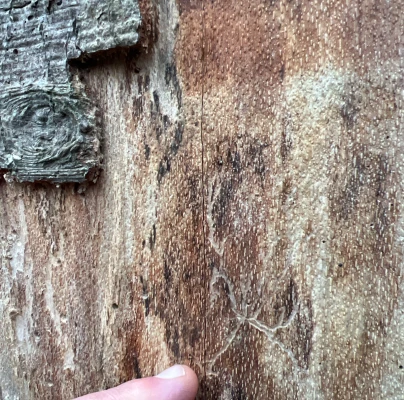
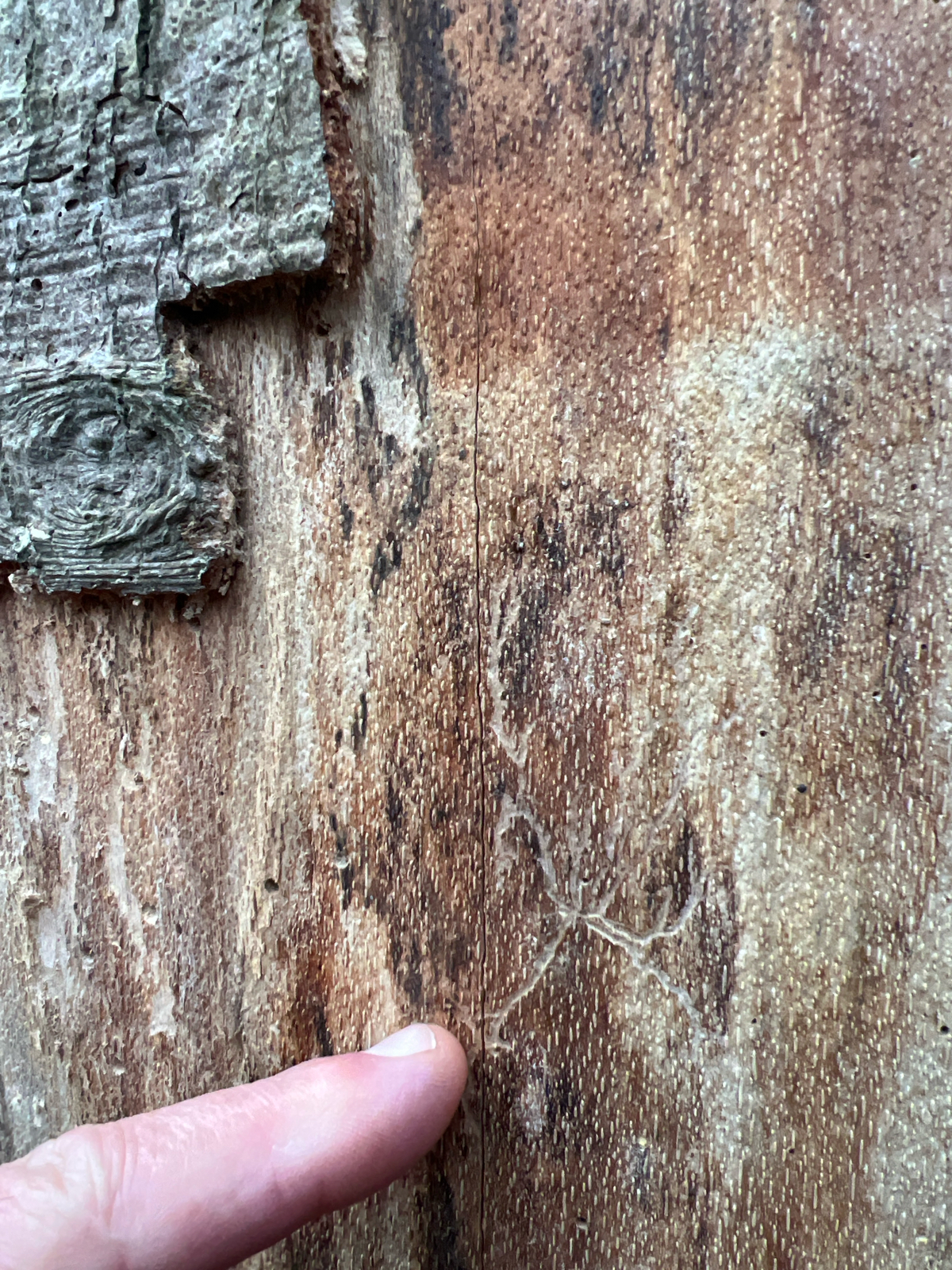
Hi Jer. The star shape gallery belongs to Taphrorychus bicolor. Holes in the stem are from family Anobiidae-Ptinidae or from some ambrosia beetle. All the best, Juraj
Number of votes for this answer: 0

Pest

Beech bark beetle

Taphrorychus bicolor

Beech bark beetle

Taphrorychus bicolor

hmyz

Received: 19.1.2025
Wood: Beech
Number: 5529
Date of occurrence: 19.1.2025
Discussion

Add comment: Beech bark beetle

Back to top