



 Show all photos in album
Insert for comparison
We will identify your pest
Add pictures of this species
Show all photos in album
Insert for comparison
We will identify your pest
Add pictures of this species
Melampsorella caryophyllacearum
Fir broom rust
Description
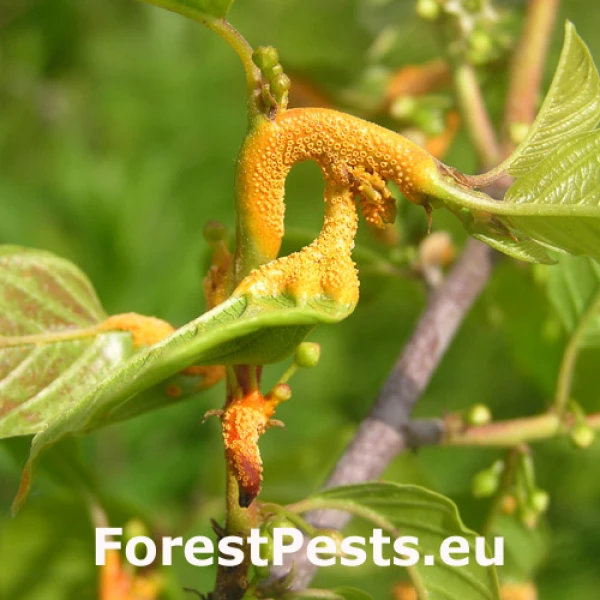
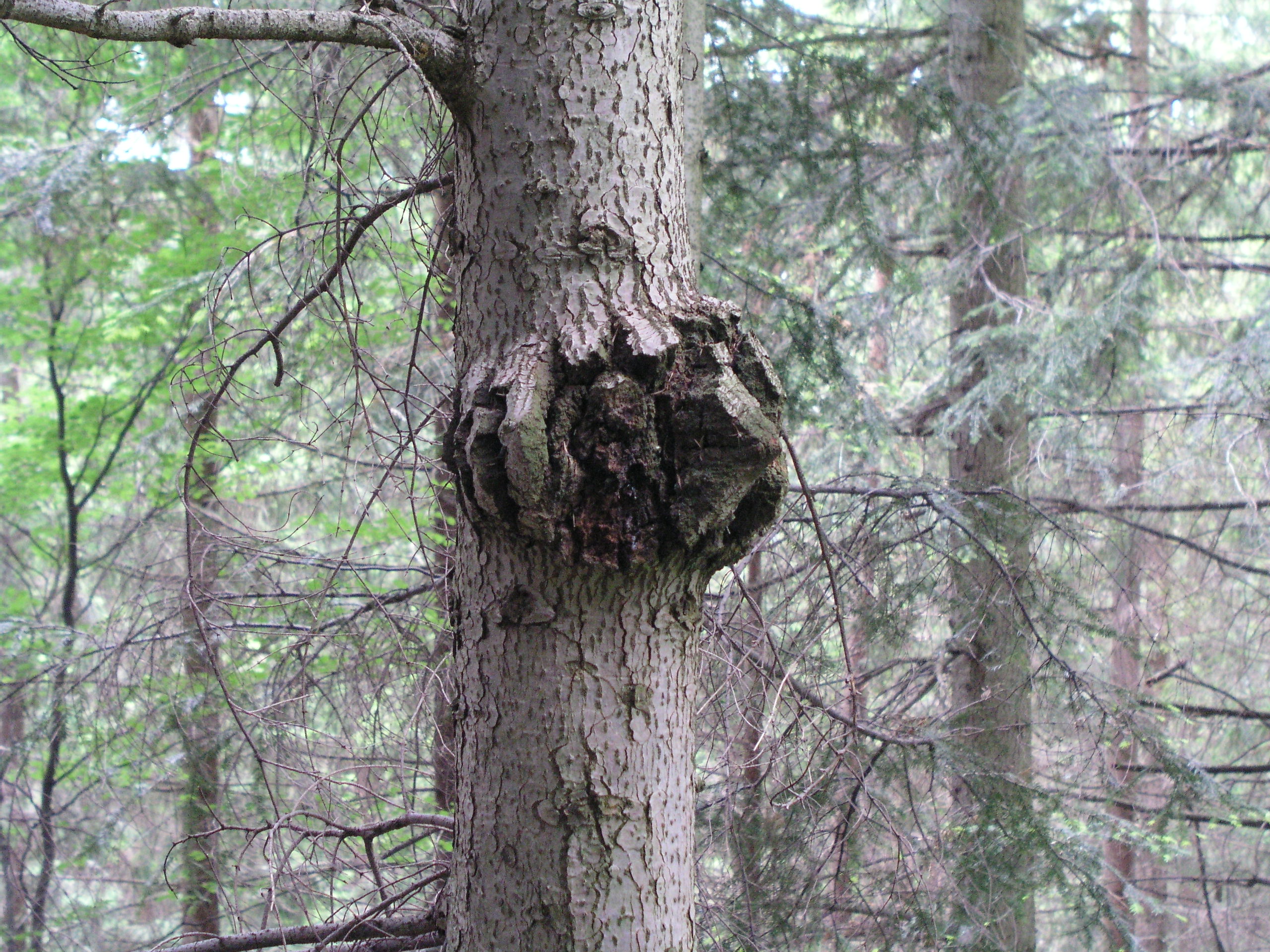
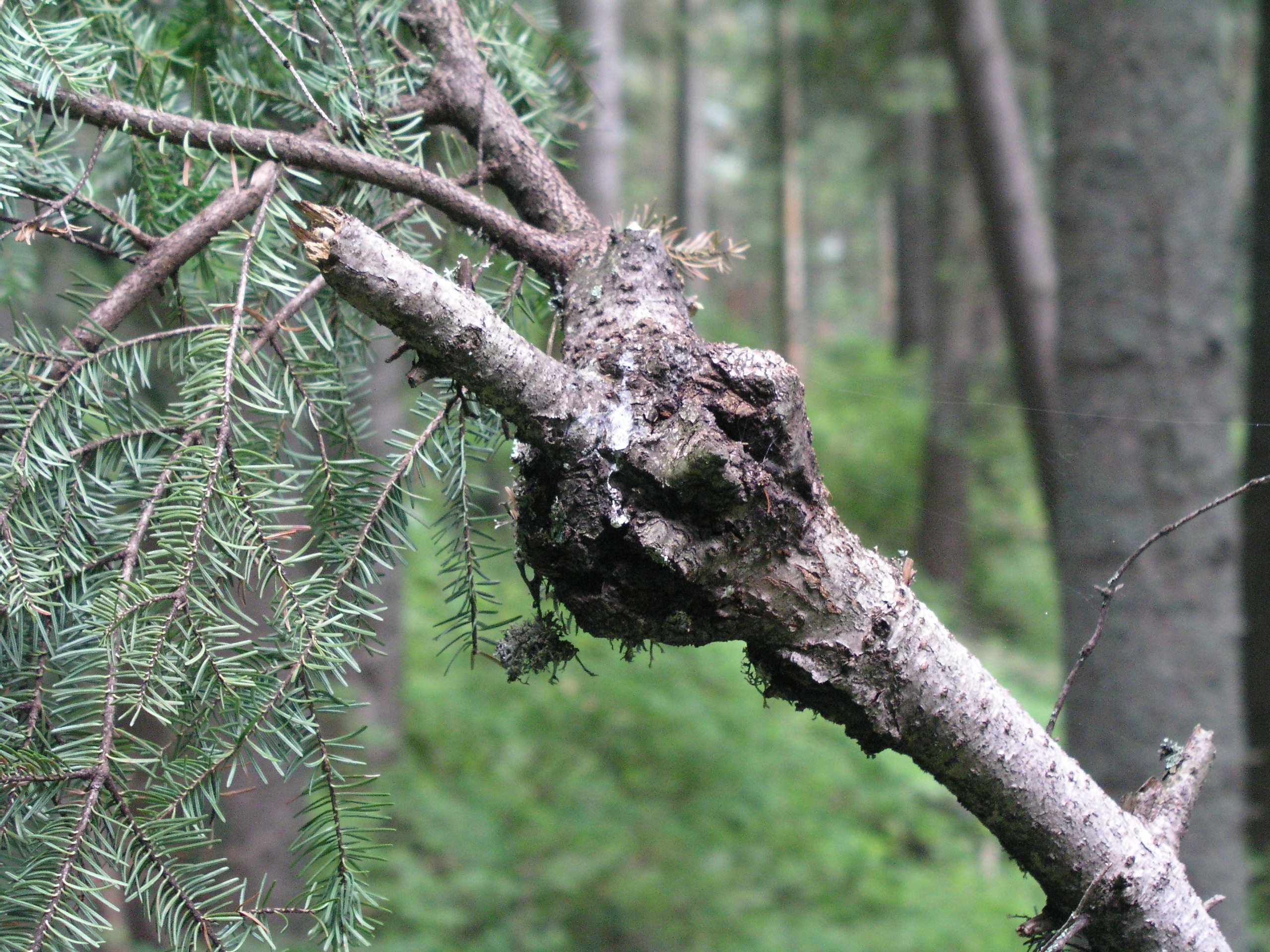
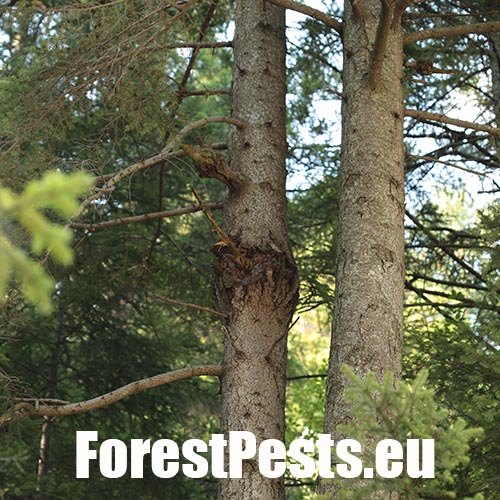
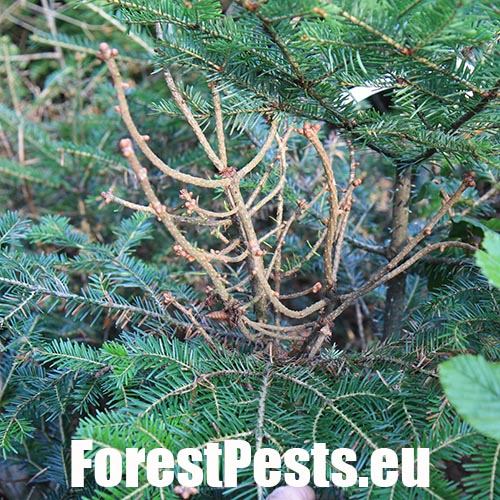
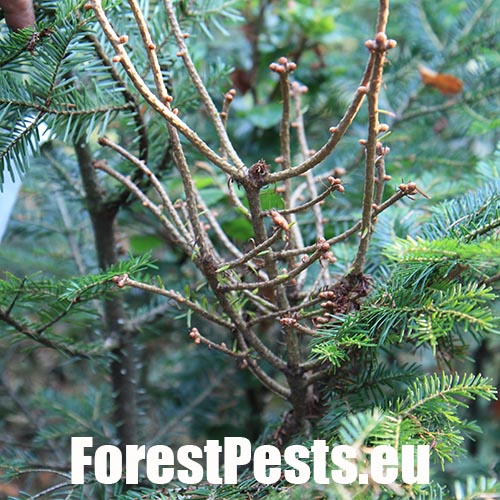
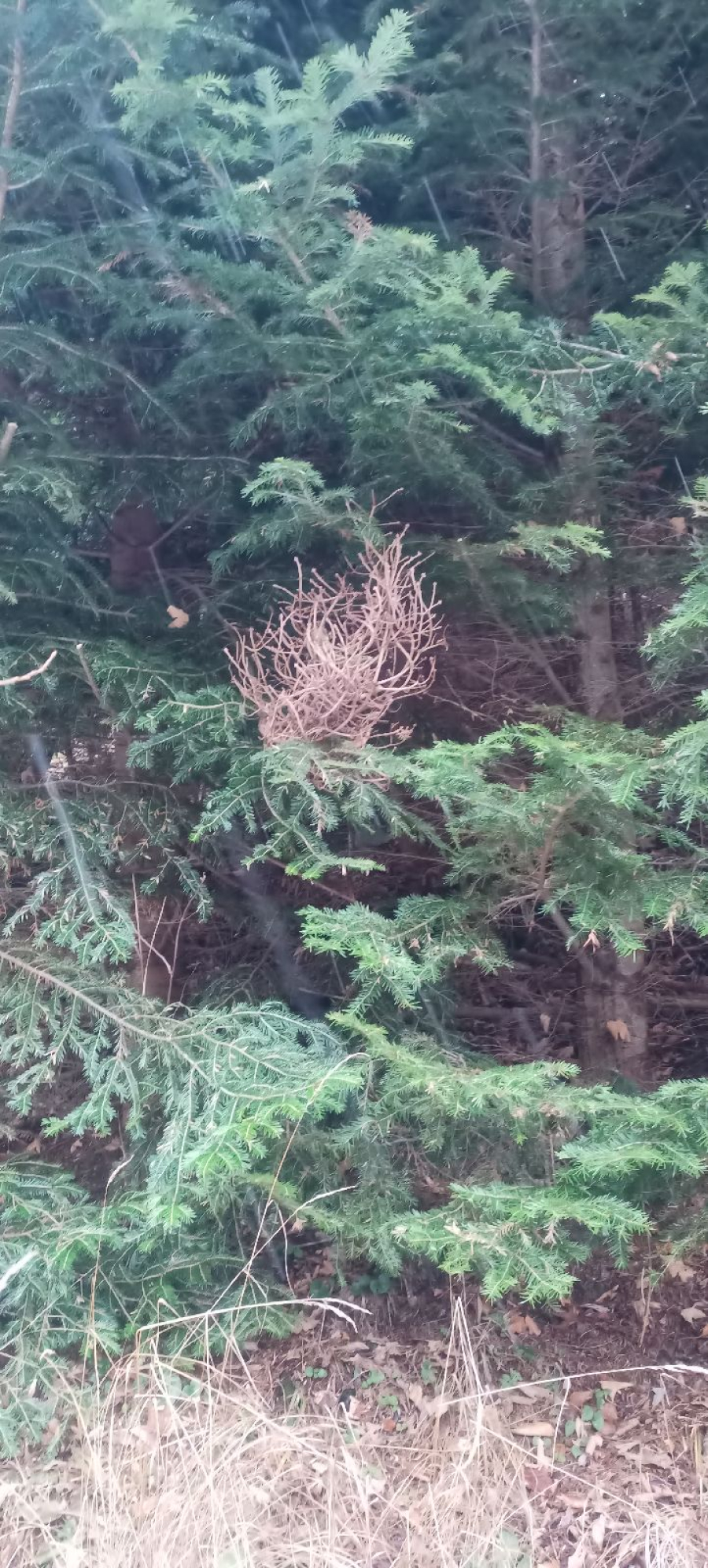
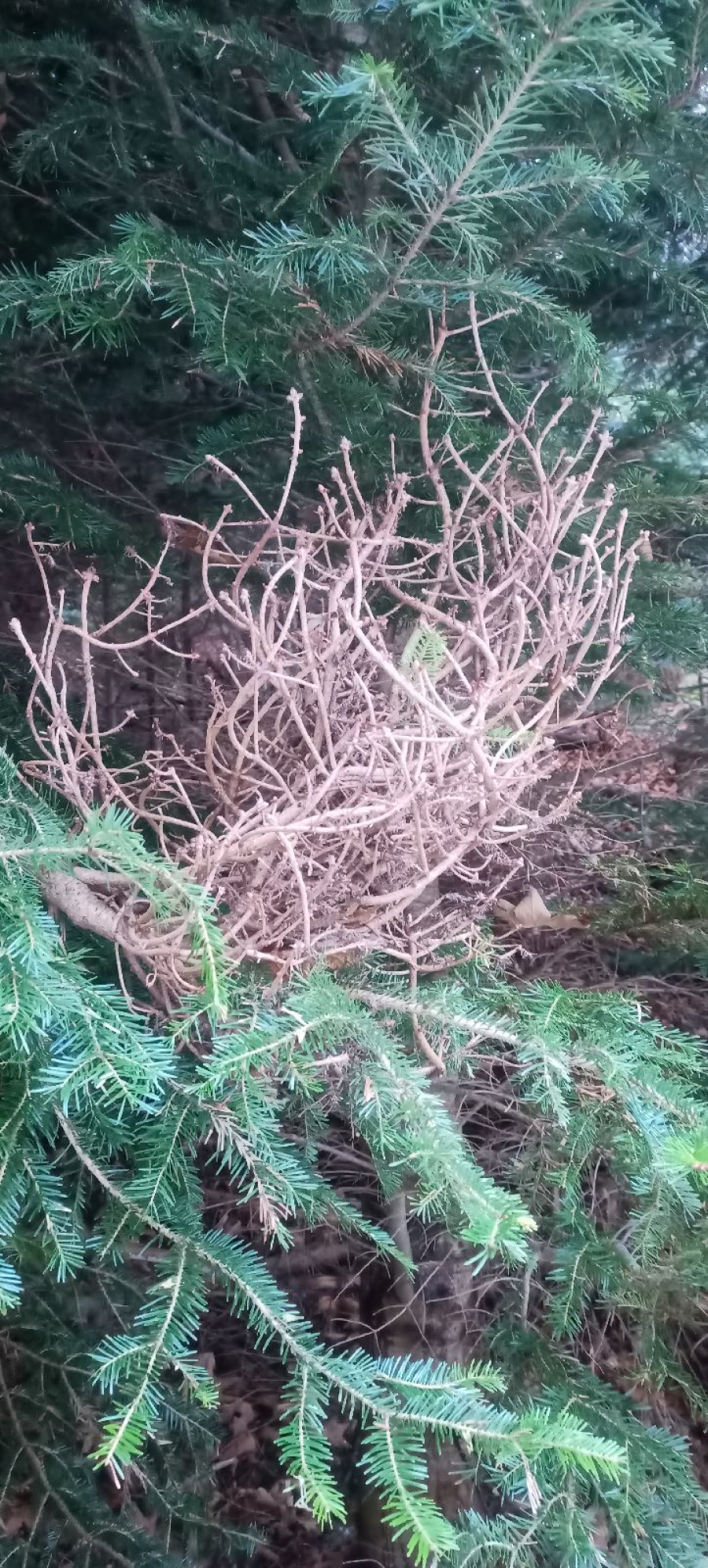
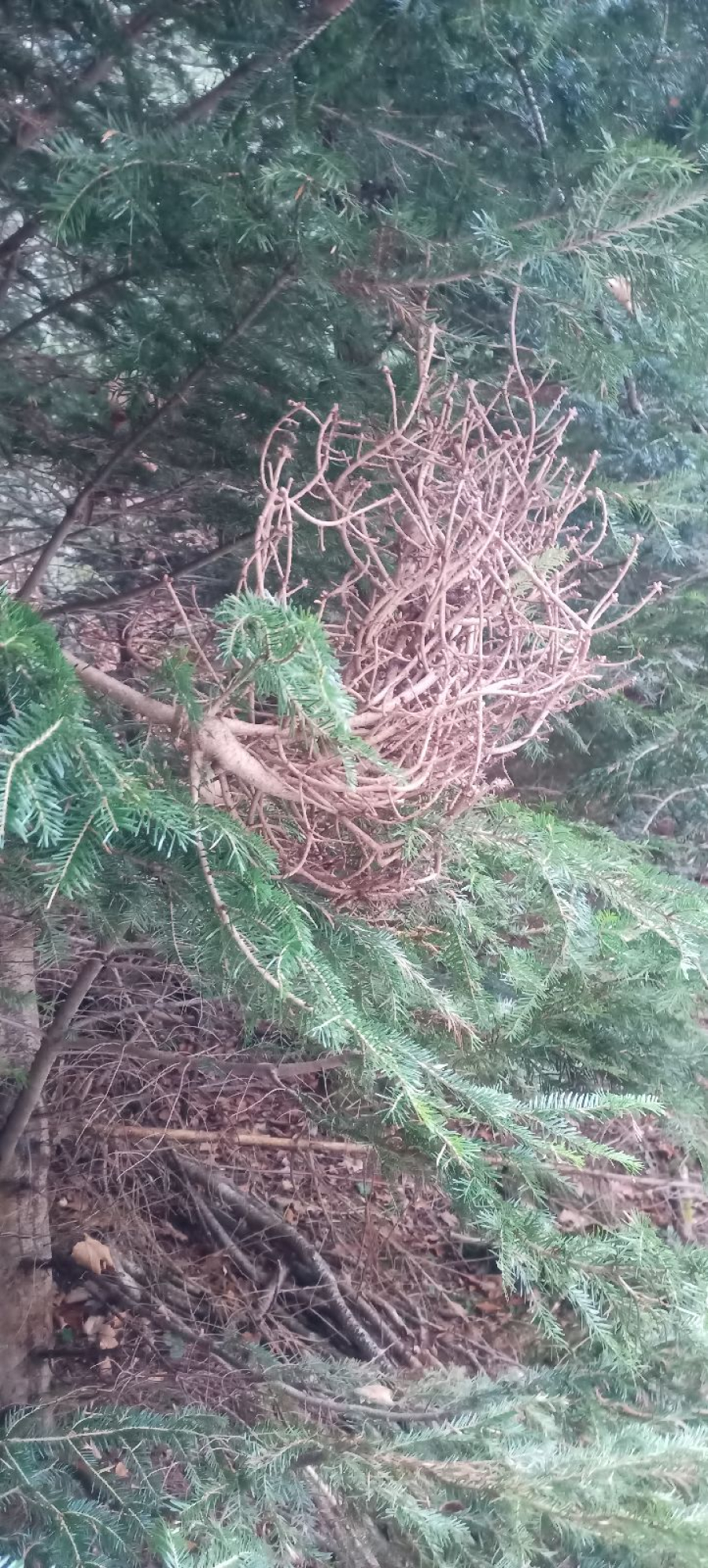
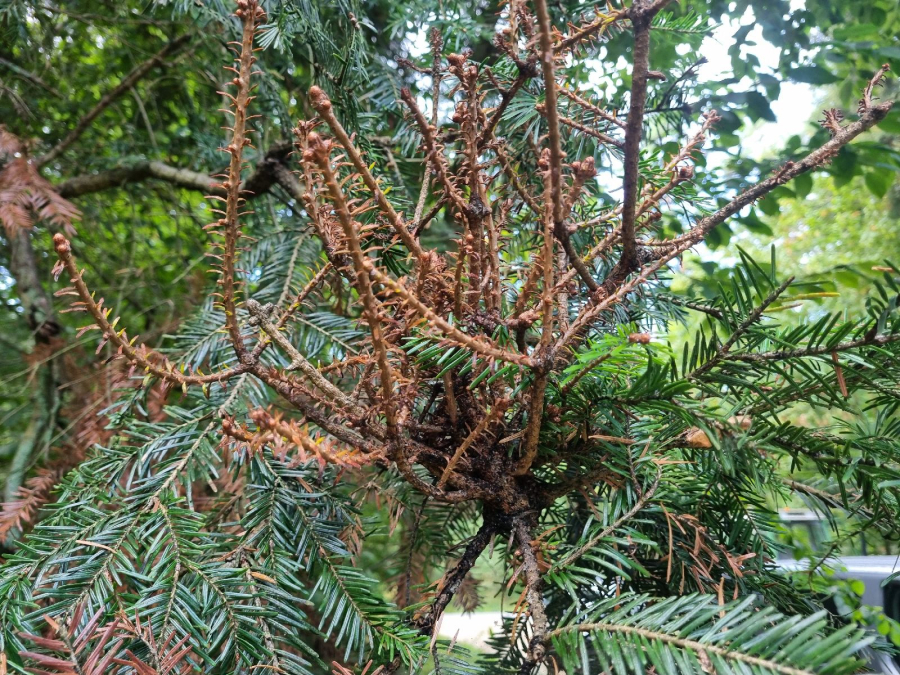
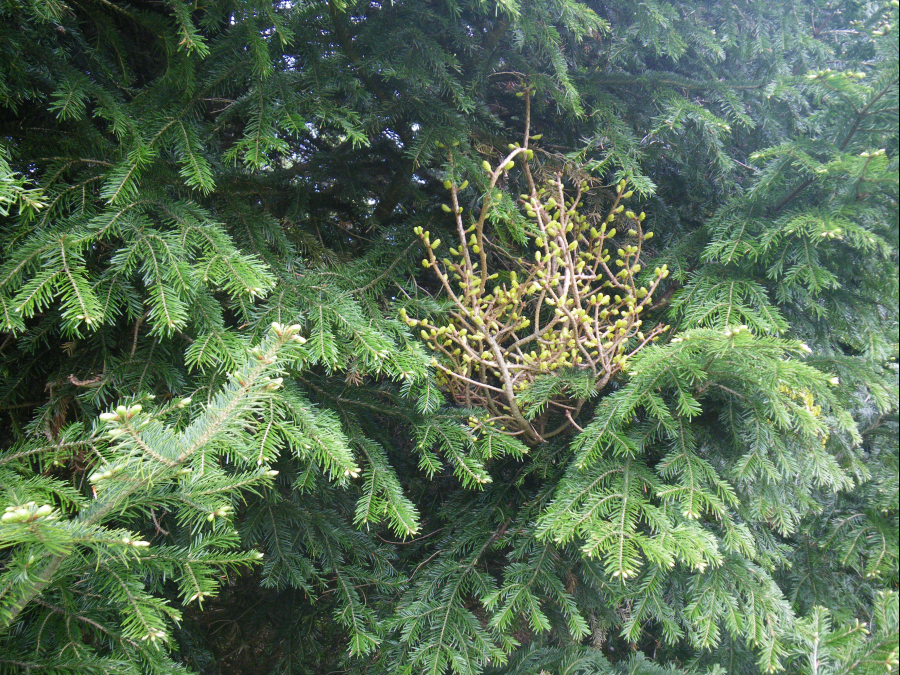
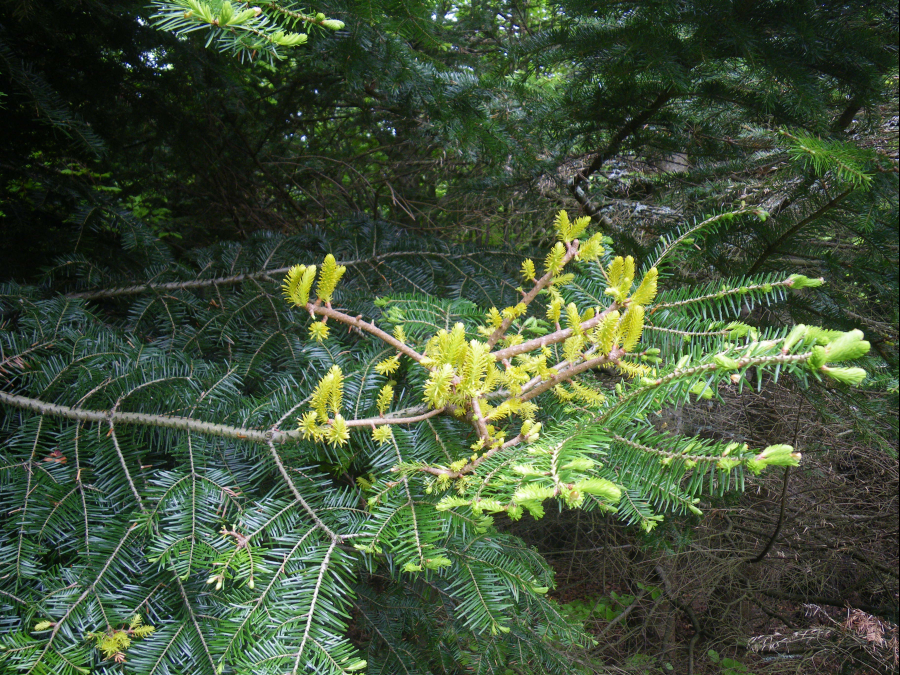
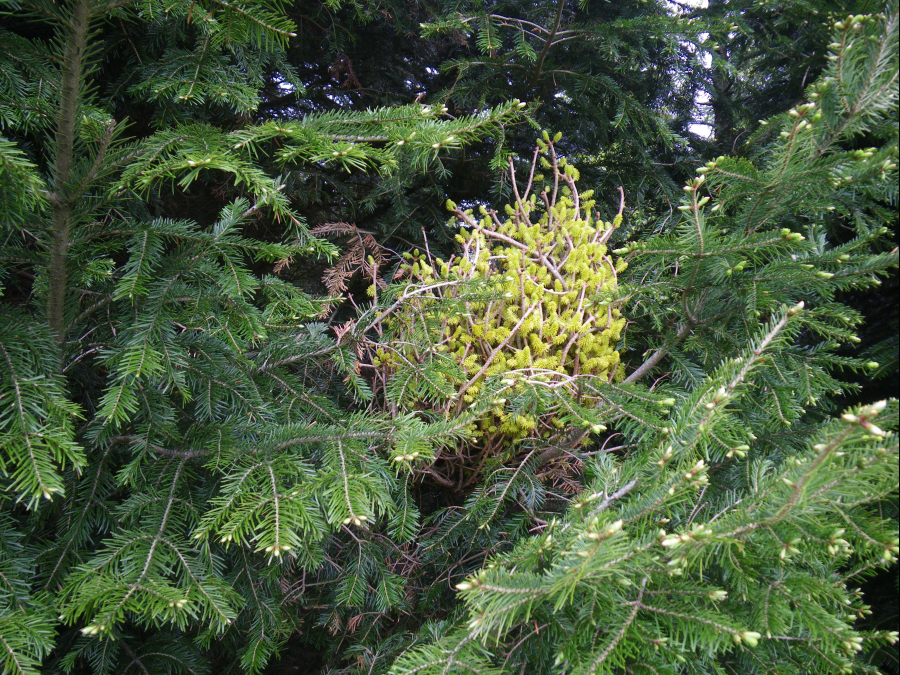
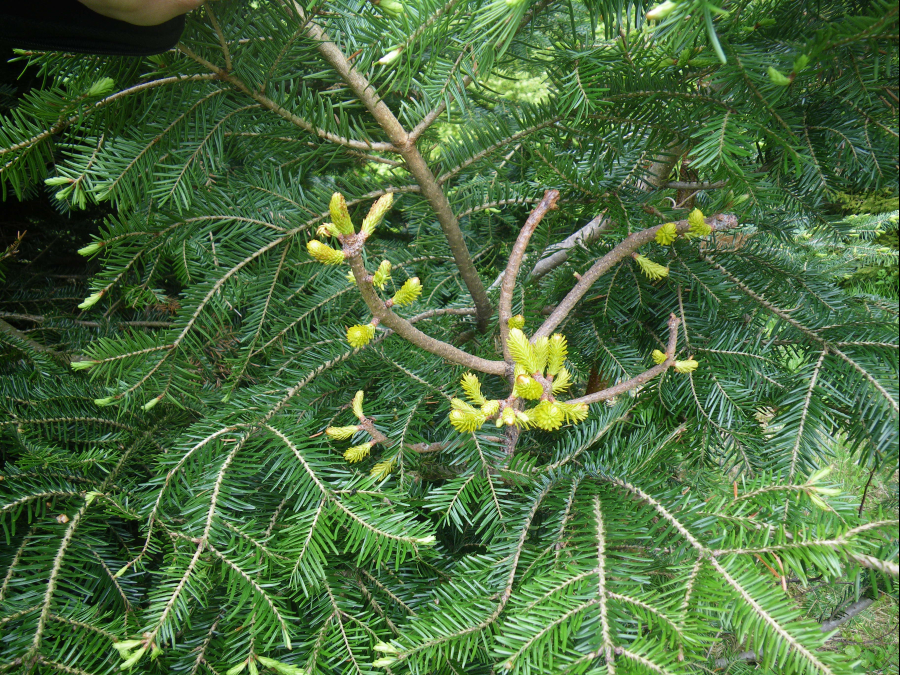
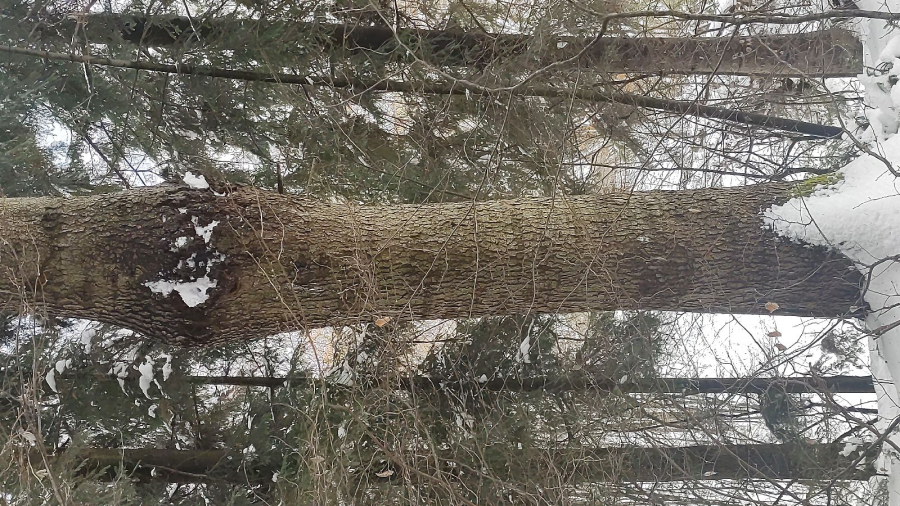
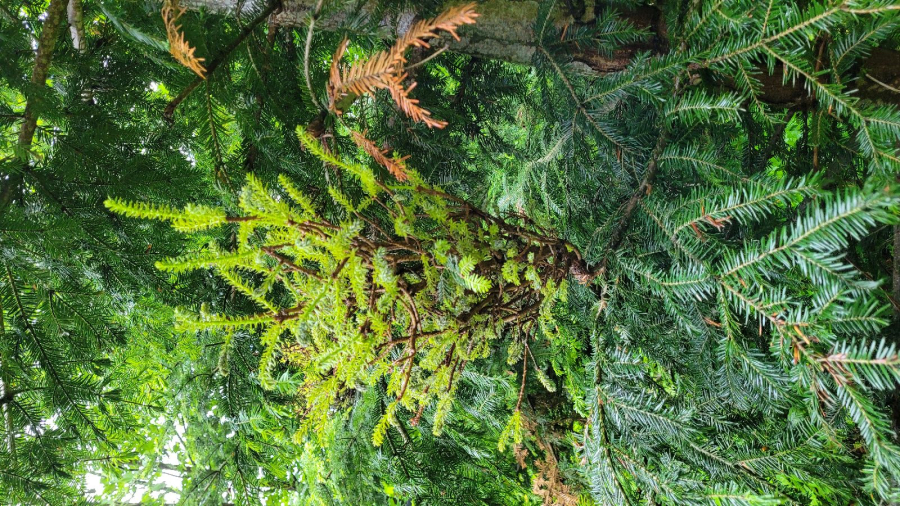
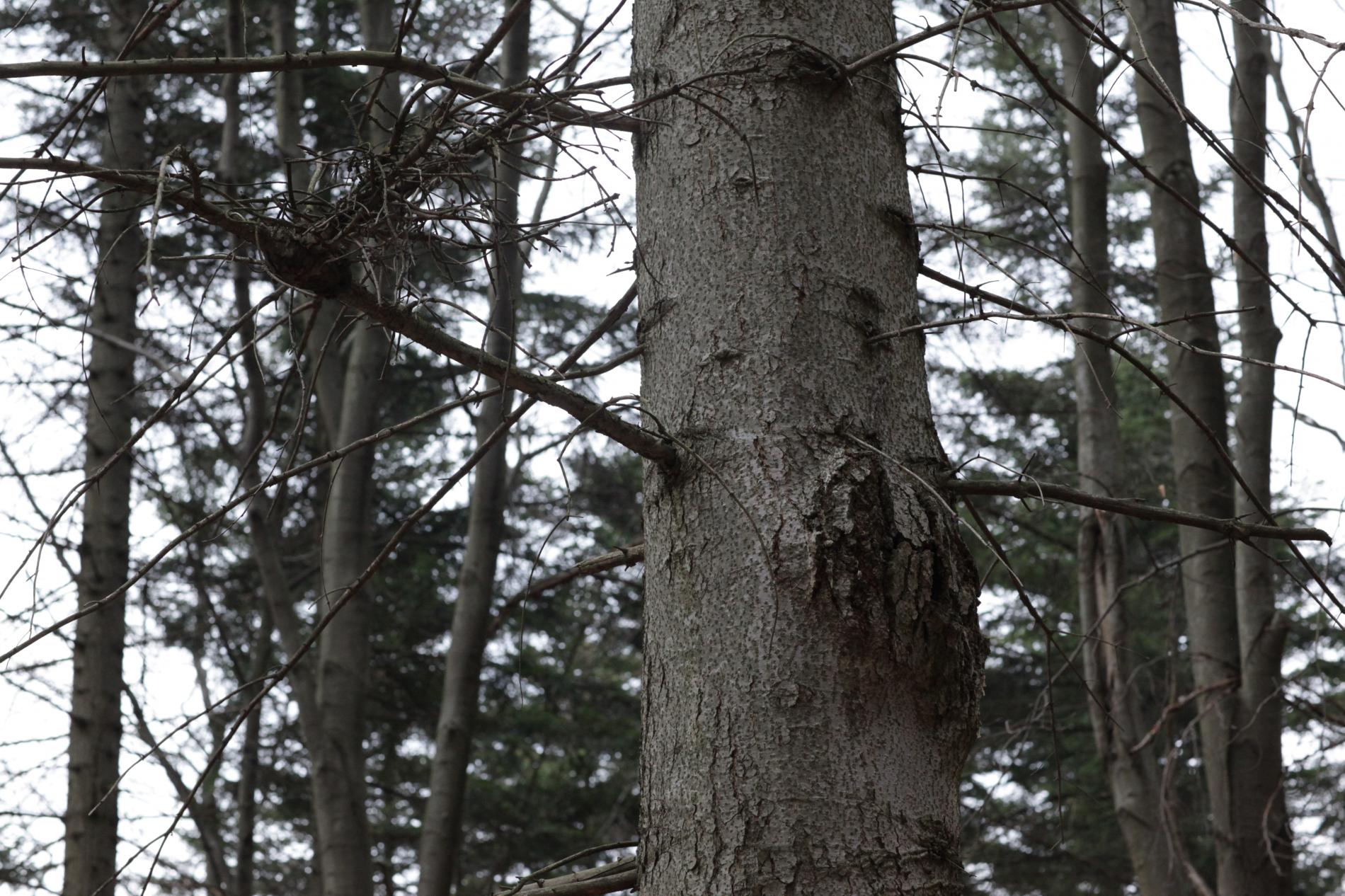
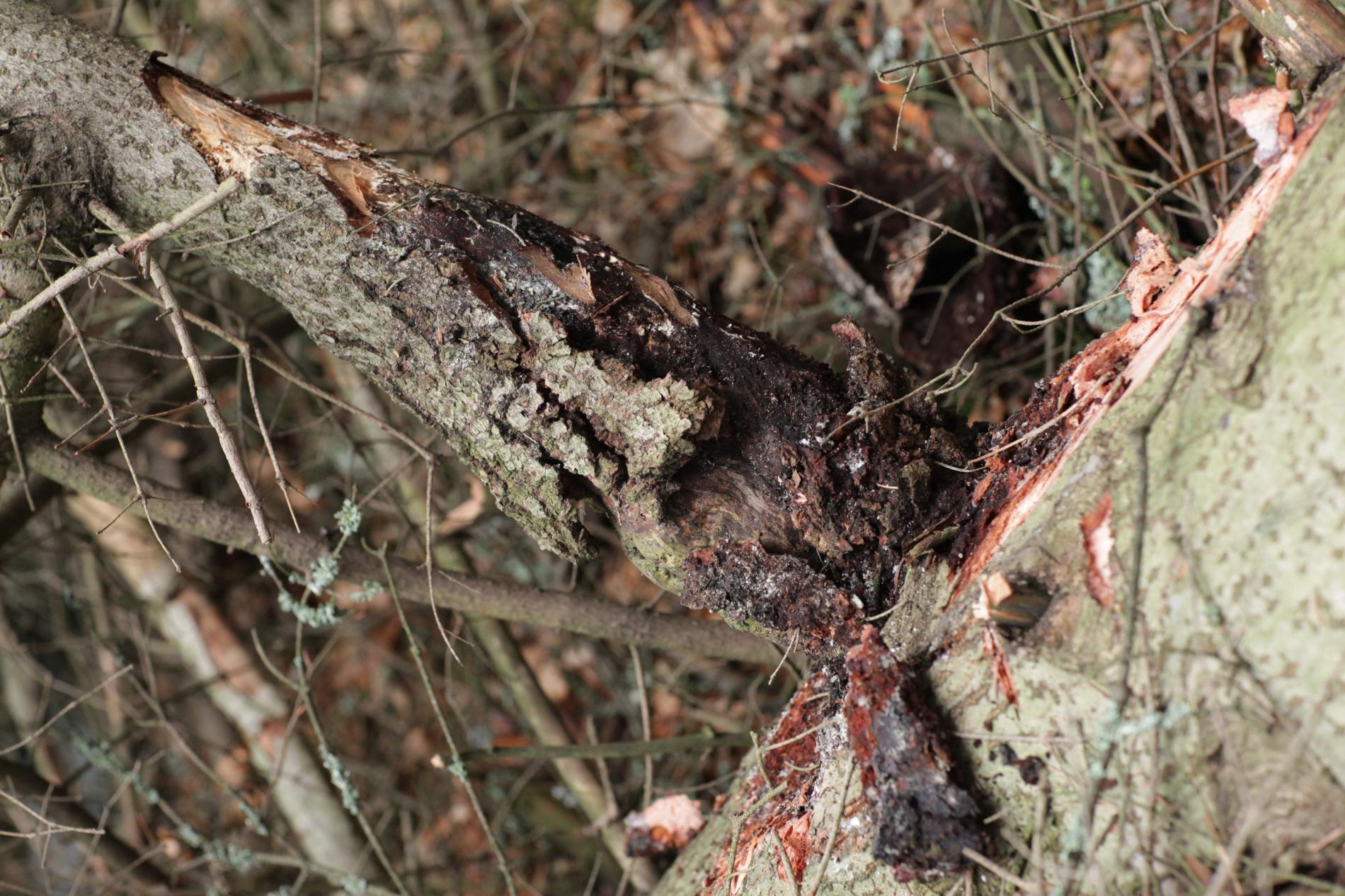
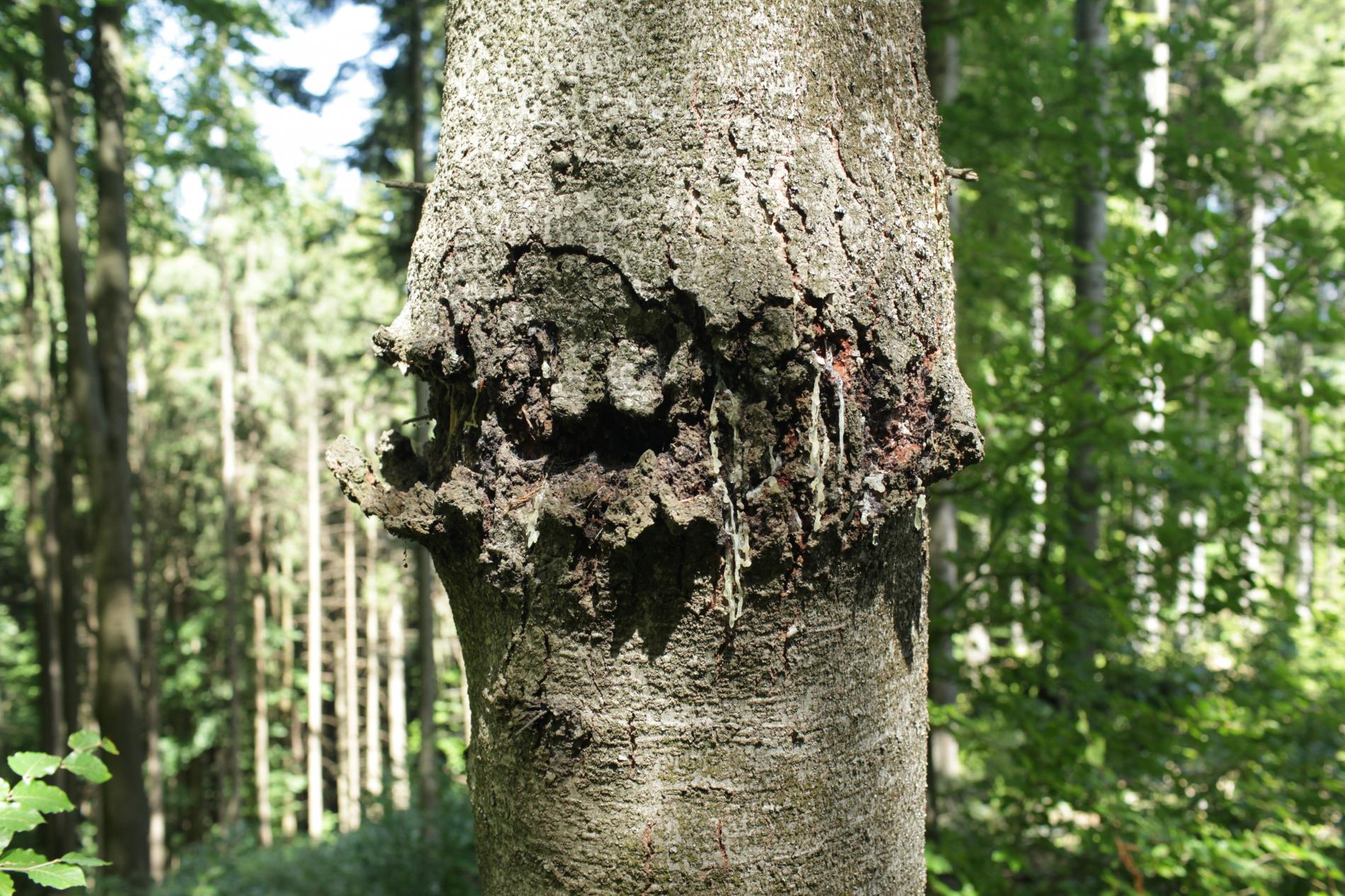
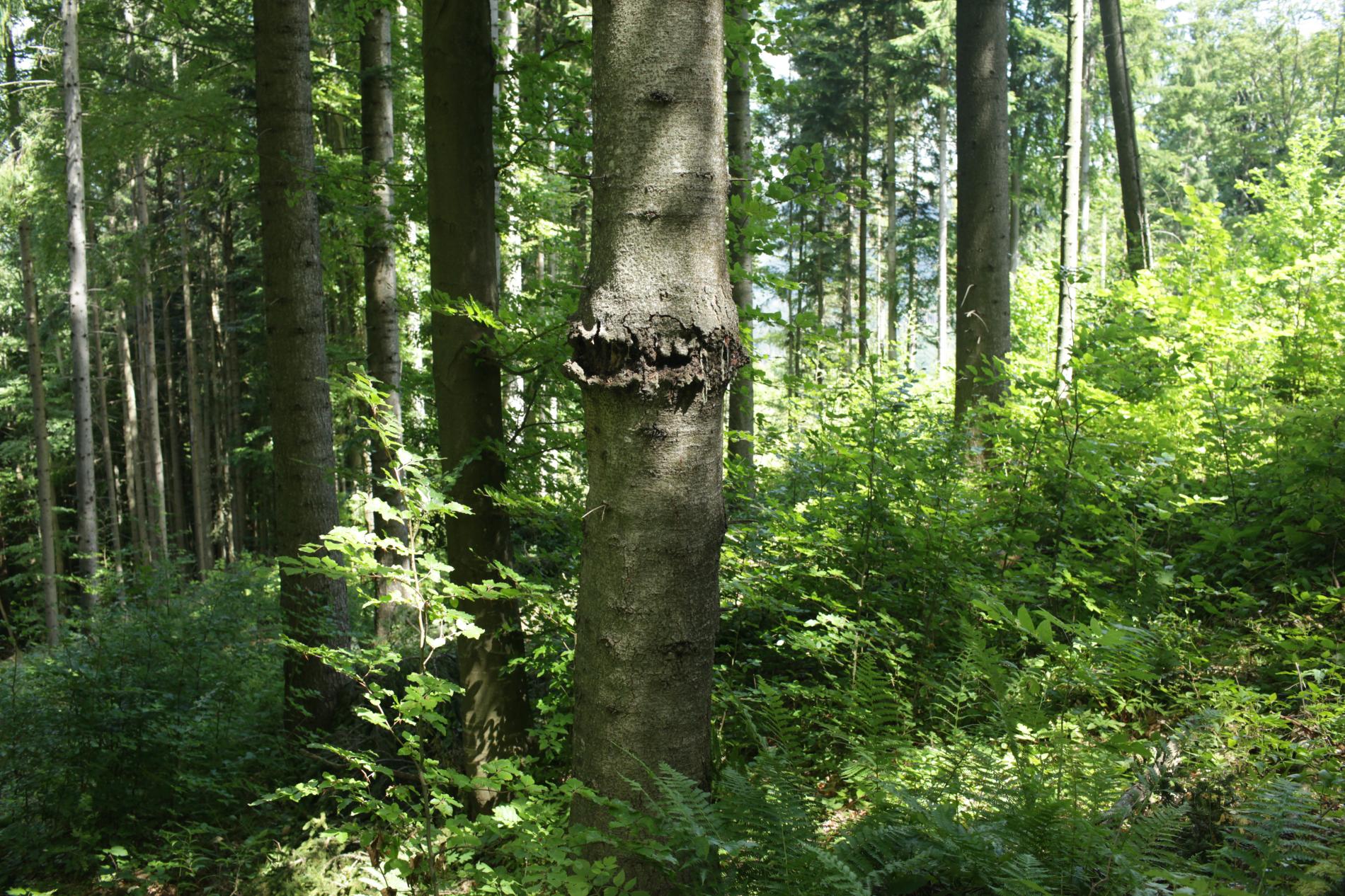
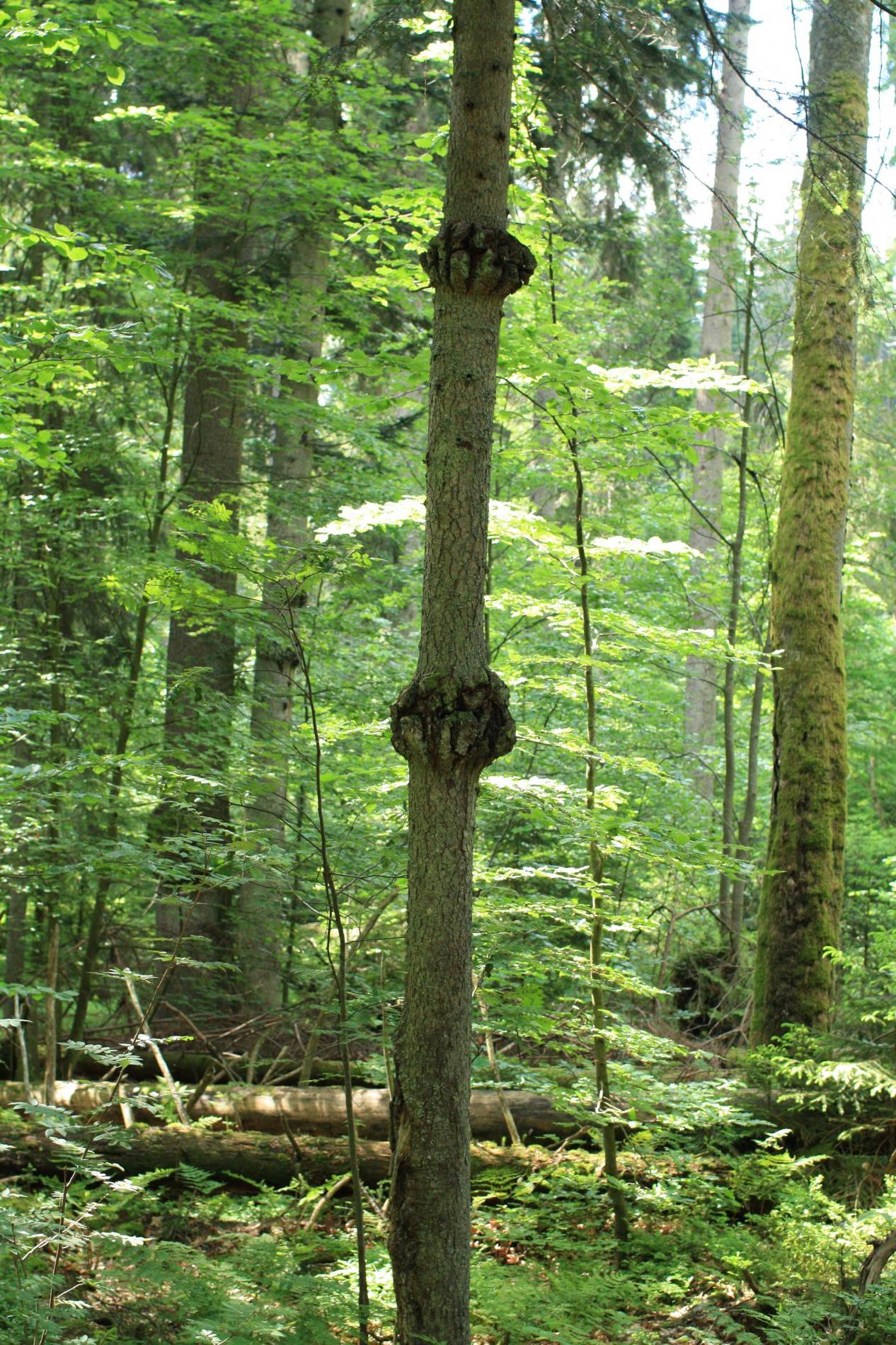
Fir broom rust infects the cambium of fir trees through the bark of young branches and causes cankerous tumors in the shape of nodes and even galls. This neoplasm develops for a few years. If buds are infected by the mycelium, witches’ broom starts to develop. The witches’ broom needles, which are yellowish and shorter, are a host for aecia. In autumn the needles fall. Harmful effects occur mostly after infection of the trunk because the swellings considerably impair wood quality. From the pathological point of view, they are a gateway for wood-damaging fungi. Herbs of the family Caryophyllaceae like Cerastium spp., Stellaria spp., Arenaria spp. and Malachium spp. are an alternate host for the rust.
Symptom
Cankerous tumors in the shape of nodes and even galls.
Tree Species: Fir
Part of a plant- attacked: Tree trunk, Branch
Pest significance: Very harmful
Pest Category: Fungi
Invasive Species: No
Present in EU: Yes
Add comment: Melampsorella caryophyllacearum
Location map: Melampsorella caryophyllacearum
print viewLegend:

Expert verified points

Unverified points
Observed by users on these tree species
Most sightings of the species


Last observations
There are a total of 8 observations of the species in the system

Melampsorella caryophyllacearumFir broom rust
Green Workers
Number of votes: 0
Published: 17.11.2025

Melampsorella caryophyllacearumFir broom rust
milan
Number of votes: 0
Published: 10.9.2025

Melampsorella caryophyllacearumFir broom rust
milan
Number of votes: 0
Published: 10.9.2025

Melampsorella caryophyllacearumFir broom rust
Slavomír Nábočík
Number of votes: 0
Published: 13.12.2024

Melampsorella caryophyllacearumFir broom rust
Andrej
Number of votes: 0
Published: 11.6.2024
Similar damage
Pine needle rust
Fir fireweed rust
Hartig´s white trunk rot