Login | Registration | List of contributors

Requests to determine the cause of damage

Here you can request to determine the cause of the damage. You can view the requests of other users and sort them according to the selected criteria. In addition, you can get information about your request, and you can follow the progress of its current state. If your application was not approved, it had probably been because it was impossible to identify the damage based on the sent photos or because the application does not address our topic - determining the pests of trees and shrubs. We will inform you about the status of your application by email.

Filter reset

Code
Date
Assigned
Status
Days from submission
7442
10.2.2026
J. Galko
In progress
17

Rejected requests are not displayed. You have been notified by email that your application has been denied.
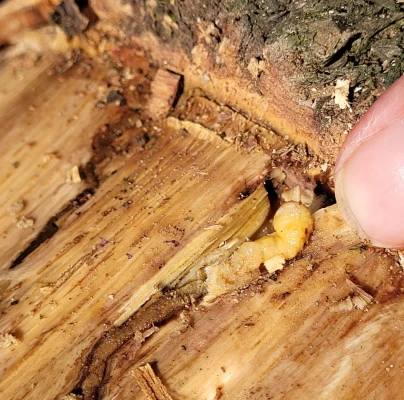
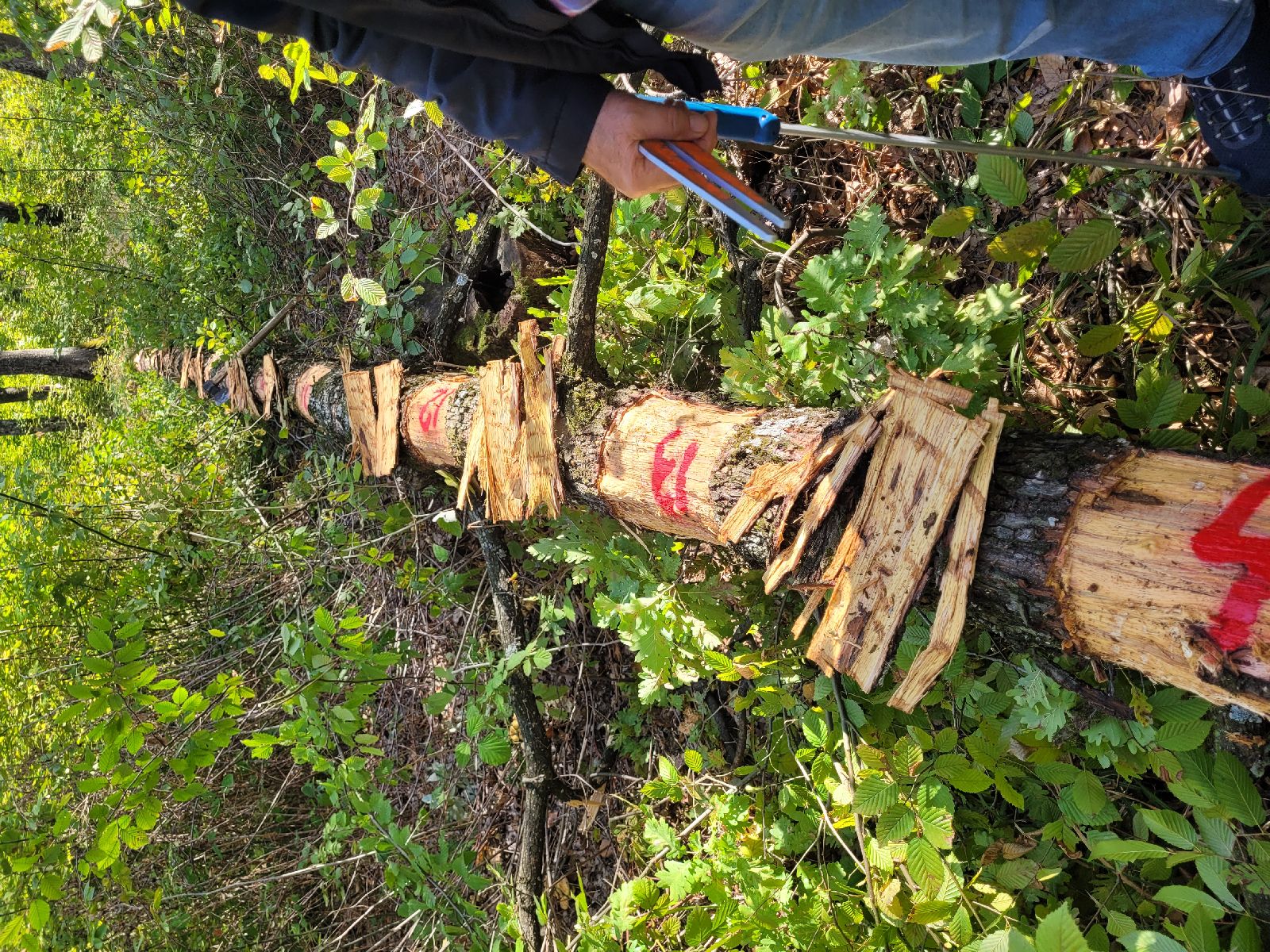
 

A - nejednoznačne určený, nie sme si istí
Number: 6935
Received 11.9.2025
In progress: 0 days
Date of occurrence: 11.9.2025
Significance:
Discussion
Assigned: J. Galko
Country: Romania

Question

Answer

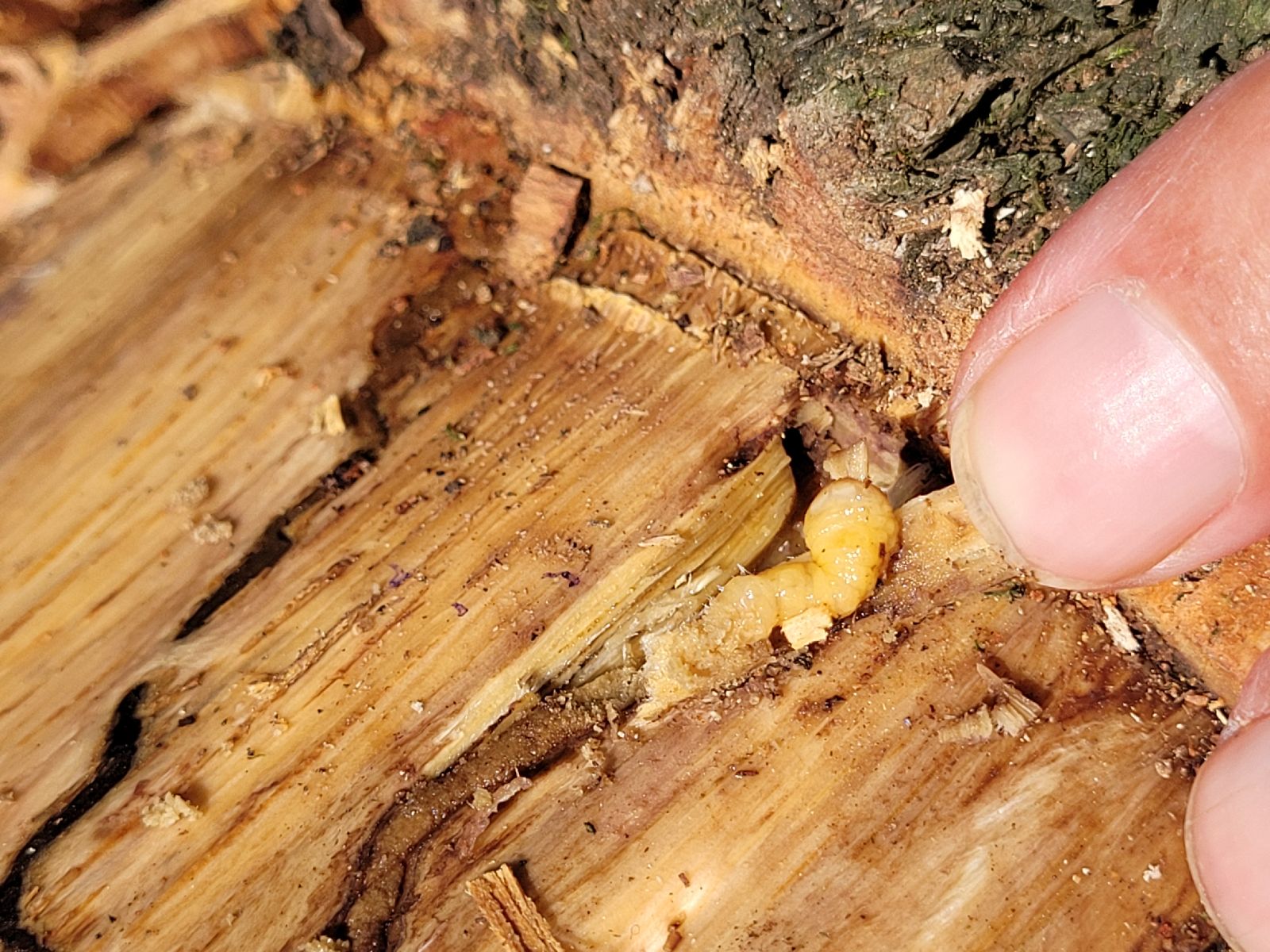
Hello. Under oak bark can develop many species of Cerambycids and Buprestids. The larva looks like the Cerymbycid larvae. If you have more pictures you can send it to galko@nlcsk.org. All the best, Juraj.
Number of votes for this answer: 0

Pest

A - nejednoznačne určený, nie sme si istí

A - nejednoznačne určený, nie sme si istí

Received: 11.9.2025
Wood: Oak
Number: 6935
Date of occurrence: 11.9.2025
Discussion

Add comment:

A - Ambiguously determined, we are not sure
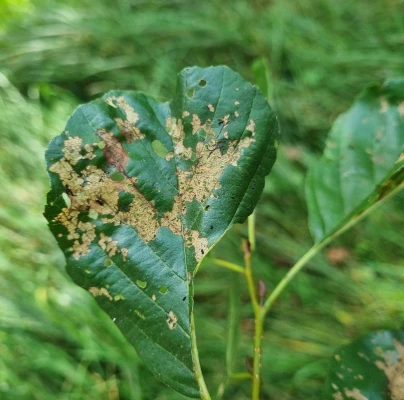
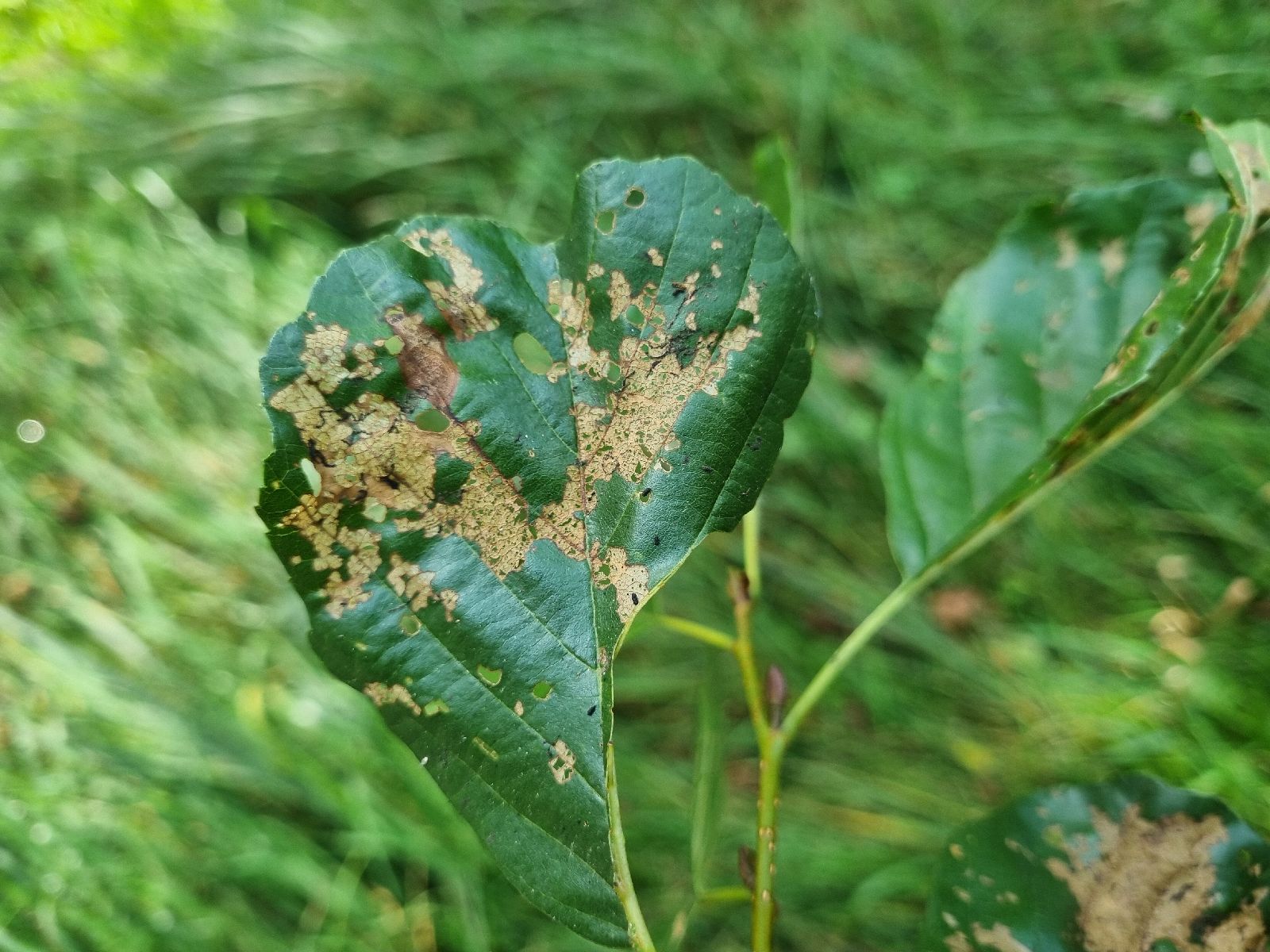
Number: 6932
Received 10.9.2025
In progress: 1 days
Date of occurrence: 10.9.2025
Significance:
Discussion
Assigned: J. Galko
Country: Romania

Question

Answer

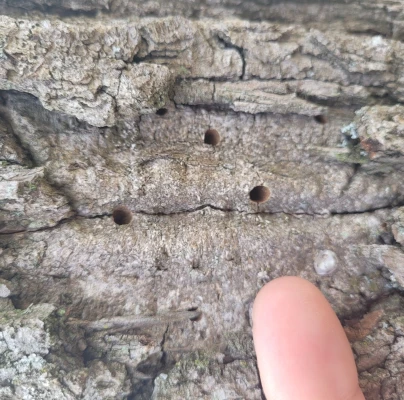
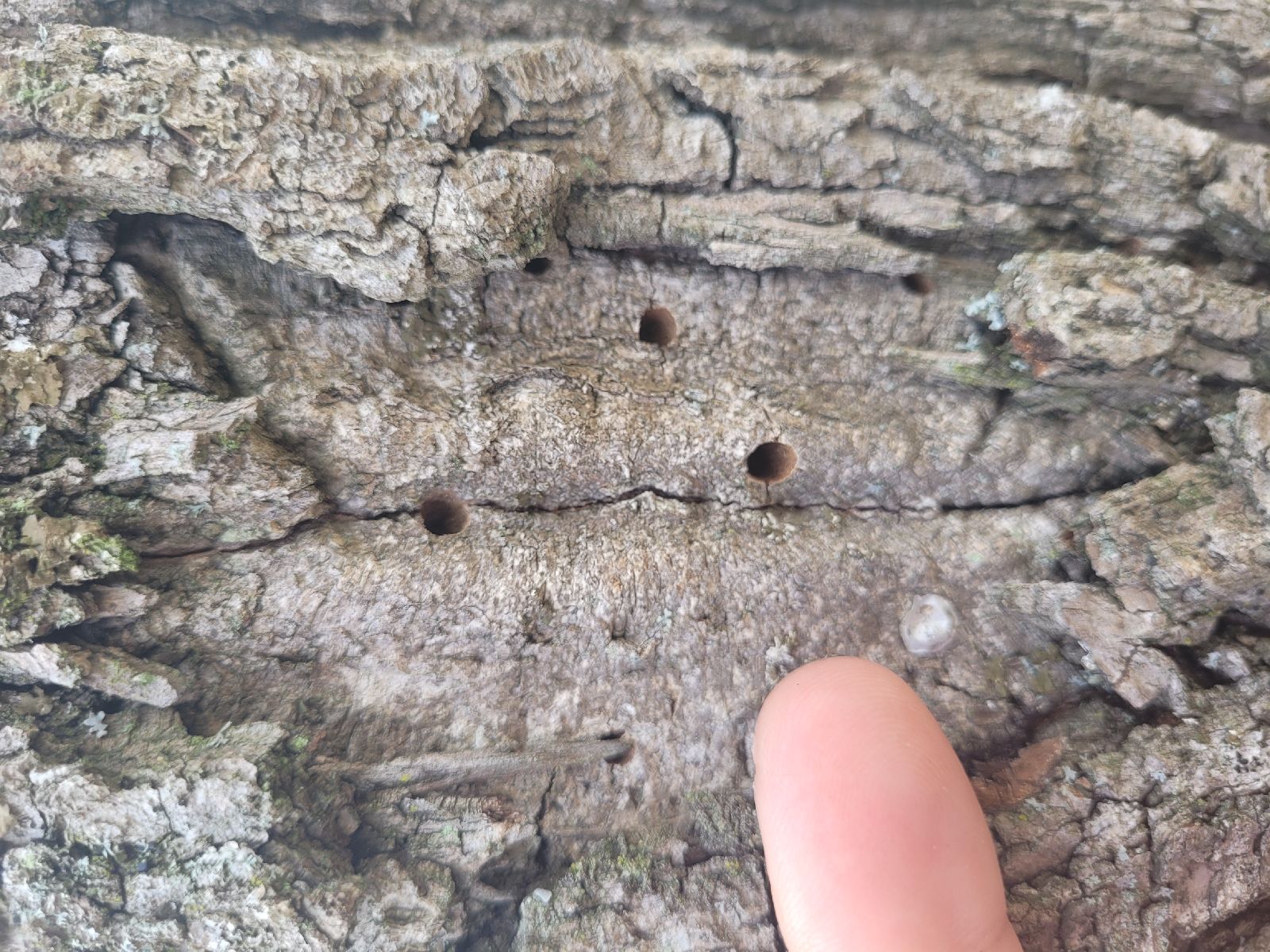
...again, we are not sure. For sure those are exit holes but it is hard to say what species. If it id D-shaped it belongs to genus Agrilus (Buprestidae). If it is more round or elipsed in most cases those are Cemrabicidae. Also round exit holes on oaks belongs to woodwasps (Xiphydria longicollis). Juraj
Number of votes for this answer: 0

Pest

A - Ambiguously determined, we are not sure

A - Ambiguously determined, we are not sure

A - Ambiguously determined, we are not sure

A - Ambiguously determined, we are not sure

Received: 10.9.2025
Wood: Oak
Number: 6932
Date of occurrence: 10.9.2025
Discussion

Add comment: A - Ambiguously determined, we are not sure

Alder leaf beetle
Alder leaf beetle
Number: 6912
Received 10.9.2025
In progress: 6 days
Date of occurrence: 10.9.2025
Significance: Harmful
Discussion
From: milan
Assigned: M. Zúbrik
Country: Slovakia

Question

Answer

monitoring
Number of votes for this answer: 0

Pest

Alder leaf beetle

Agelastica alni

Alder leaf beetle

Agelastica alni

hmyz

Received: 10.9.2025
Wood: Cherry
Number: 6912
Date of occurrence: 10.9.2025
Discussion

Add comment: Alder leaf beetle

Balsam woolly aphid
Balsam woolly aphid
Number: 6911
Received 10.9.2025
In progress: 3 days
Date of occurrence: 10.9.2025
Significance: Less harmful
Discussion
From: milan
Assigned: M. Zúbrik
Country: Slovakia

Question

Answer

monitoring
Number of votes for this answer: 0

Pest

Balsam woolly aphid

Dreyfusia piceae

Balsam woolly aphid

Dreyfusia piceae

hmyz

Received: 10.9.2025
Wood: Fir
Number: 6911
Date of occurrence: 10.9.2025
Discussion

Add comment: Balsam woolly aphid

Maple bladder-gall mite
Number: 6910
Received 10.9.2025
In progress: 6 days
Date of occurrence: 10.9.2025
Significance: Less harmful
Discussion
From: milan
Assigned: M. Zúbrik
Country: Slovakia

Question

Answer

monitoring
Number of votes for this answer: 0

Pest

Maple bladder-gall mite

Vasates quadripedes

Maple bladder-gall mite

Vasates quadripedes

roztoce

Received: 10.9.2025
Wood: Maple
Number: 6910
Date of occurrence: 10.9.2025
Discussion

Add comment: Maple bladder-gall mite
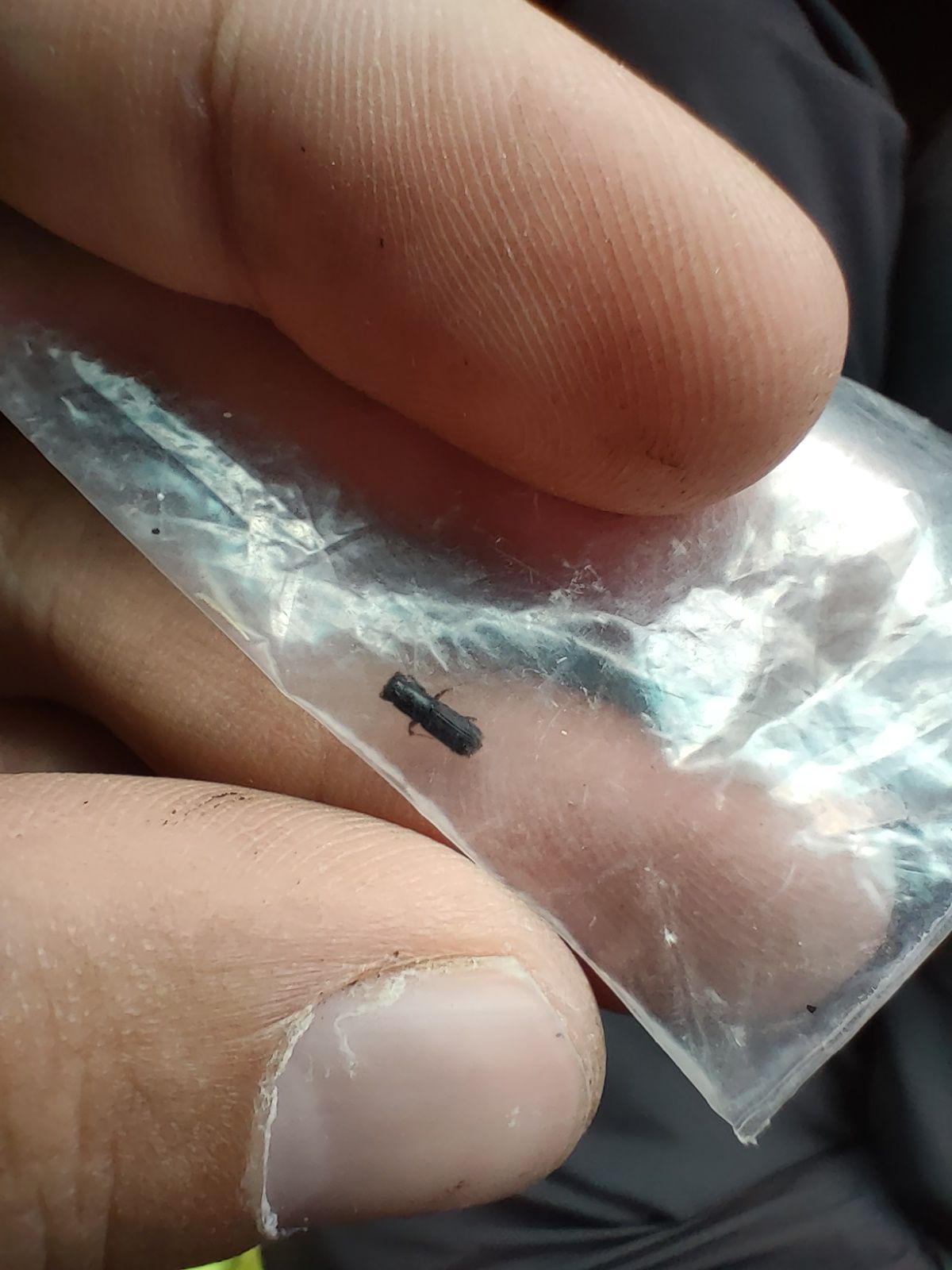
Oak pinhole borer
Jadrohlod dubový
Oak pinhole borer
Number: 6887
Received 9.9.2025
In progress: 2 days
Date of occurrence: 9.9.2025
Significance: Harmful
Discussion
Assigned: J. Galko
Country: Poland

Question

Answer

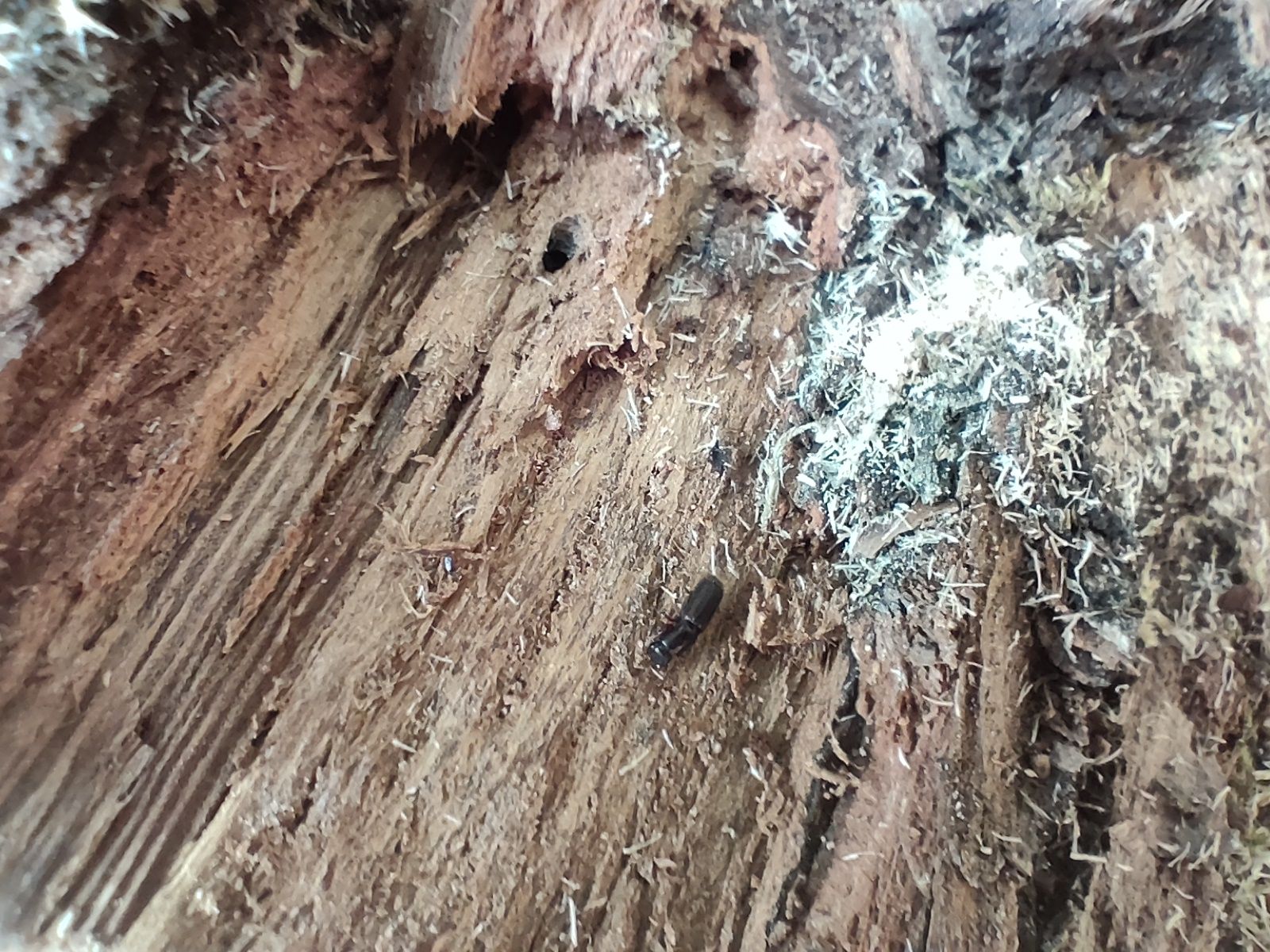
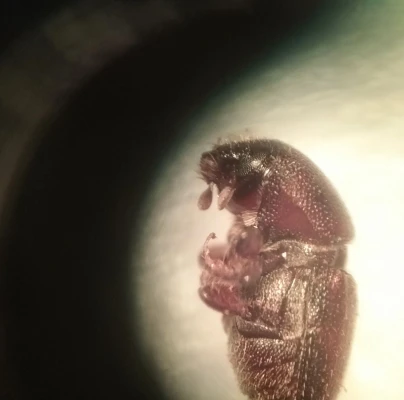
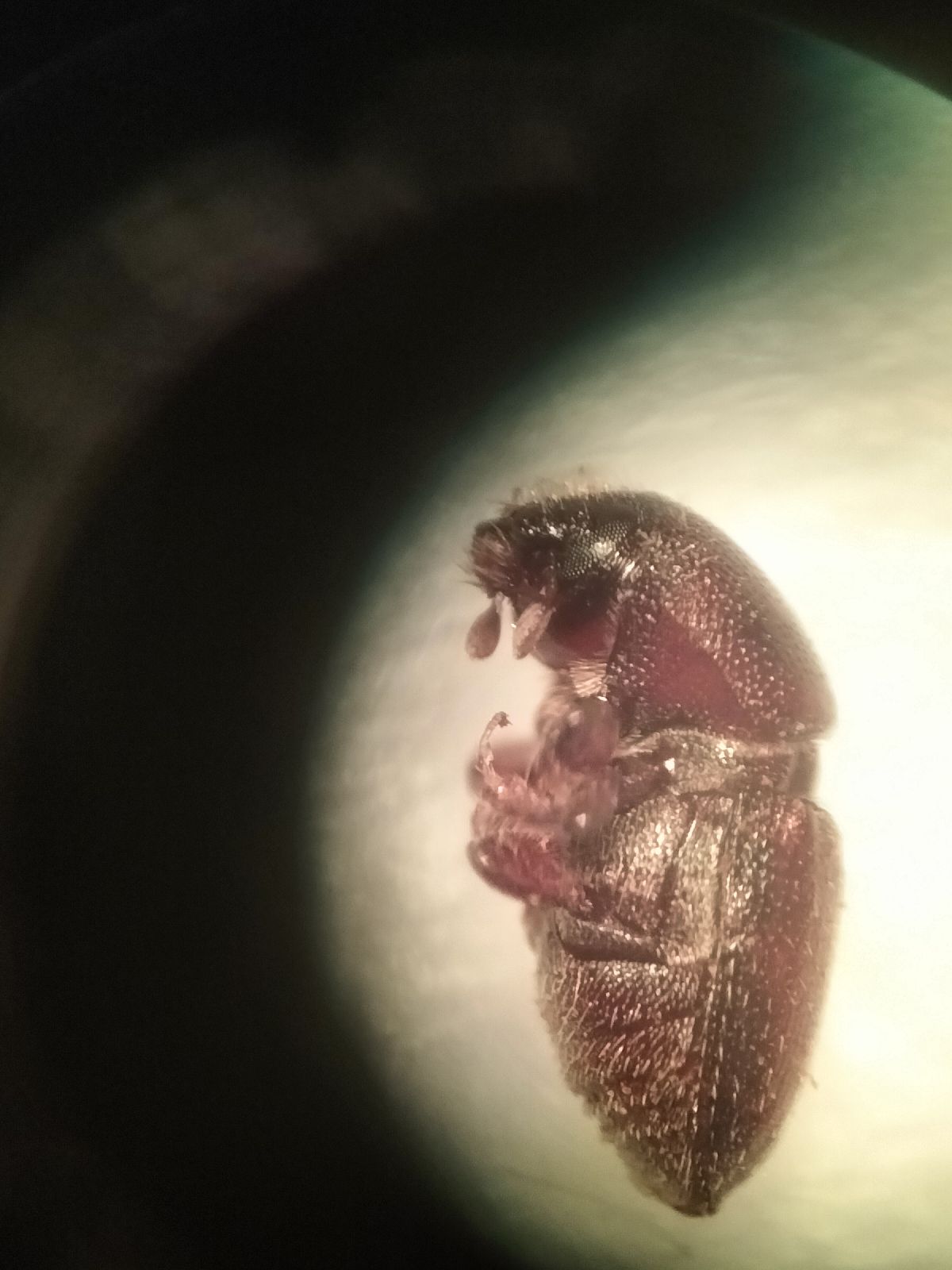
Hello. It is imago of Platypus cylindrus. See this species in our atlas. All the best, Juraj.
Number of votes for this answer: 0

Pest

Oak pinhole borer

Platypus cylindrus

Oak pinhole borer

Platypus cylindrus

hmyz

Received: 9.9.2025
Wood: Oak
Number: 6887
Date of occurrence: 9.9.2025
Discussion

Add comment: Oak pinhole borer

Boxwood pyralid
Víjačka krušpánováVíjačka krušpánová
Boxwood pyralid
Number: 6885
Received 8.9.2025
In progress: 1 days
Date of occurrence: 8.9.2025
Significance: Very harmful
Discussion
Assigned: michal.lalik@nlcsk.org
Country: Italy

Question

Answer

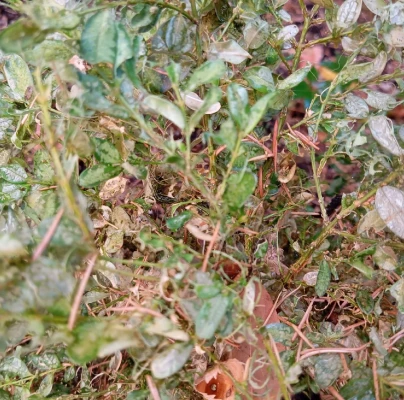
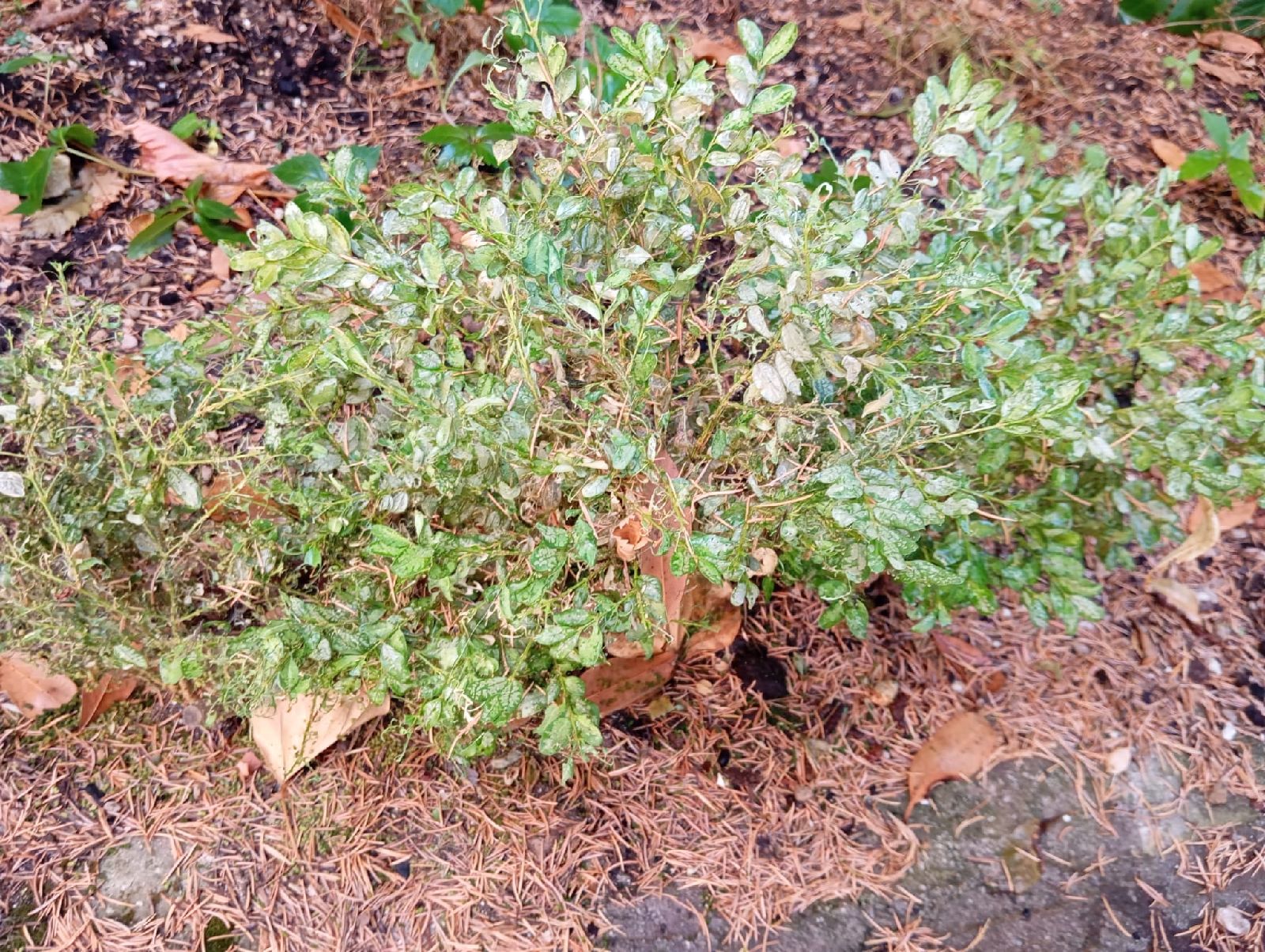
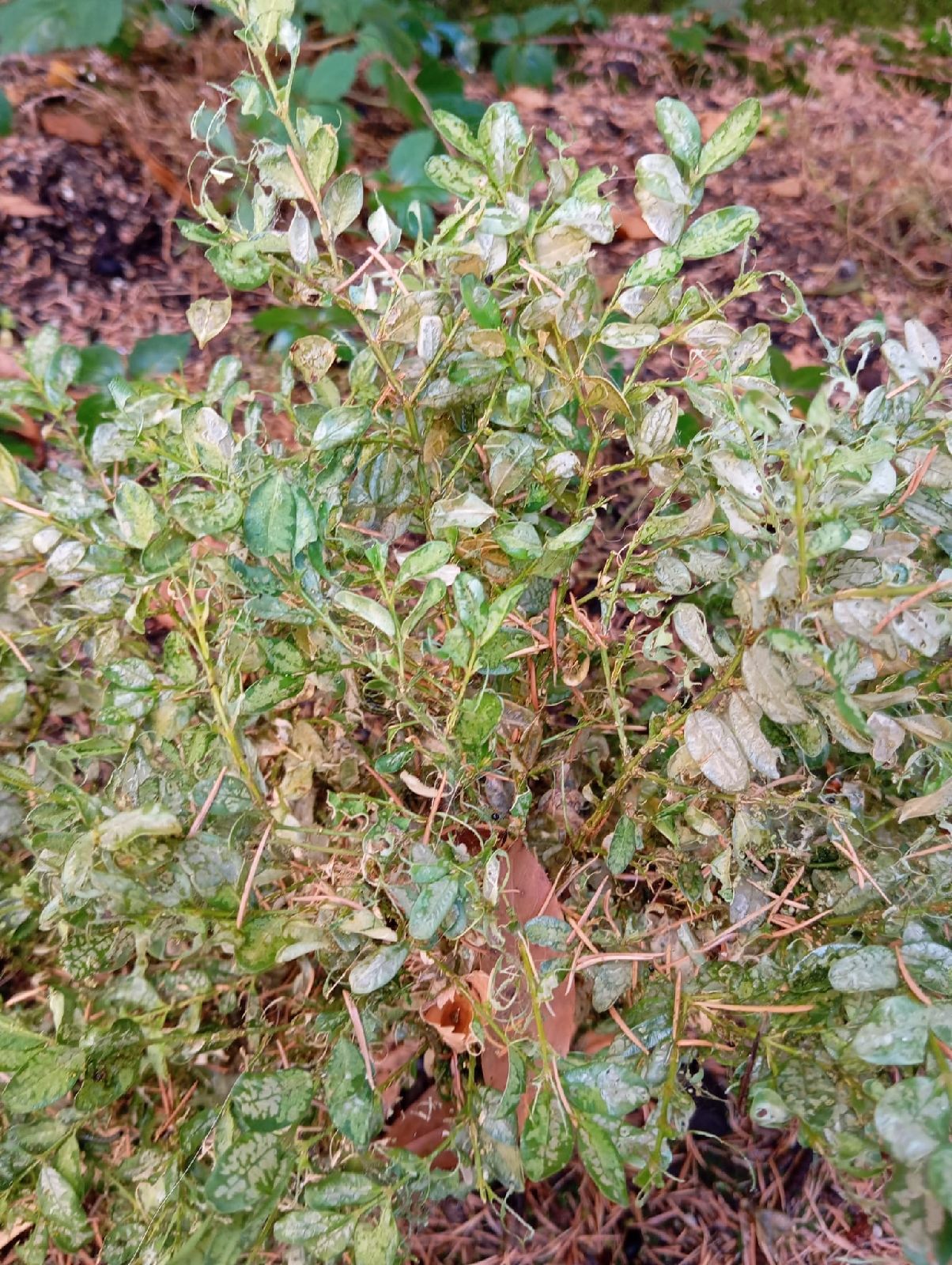
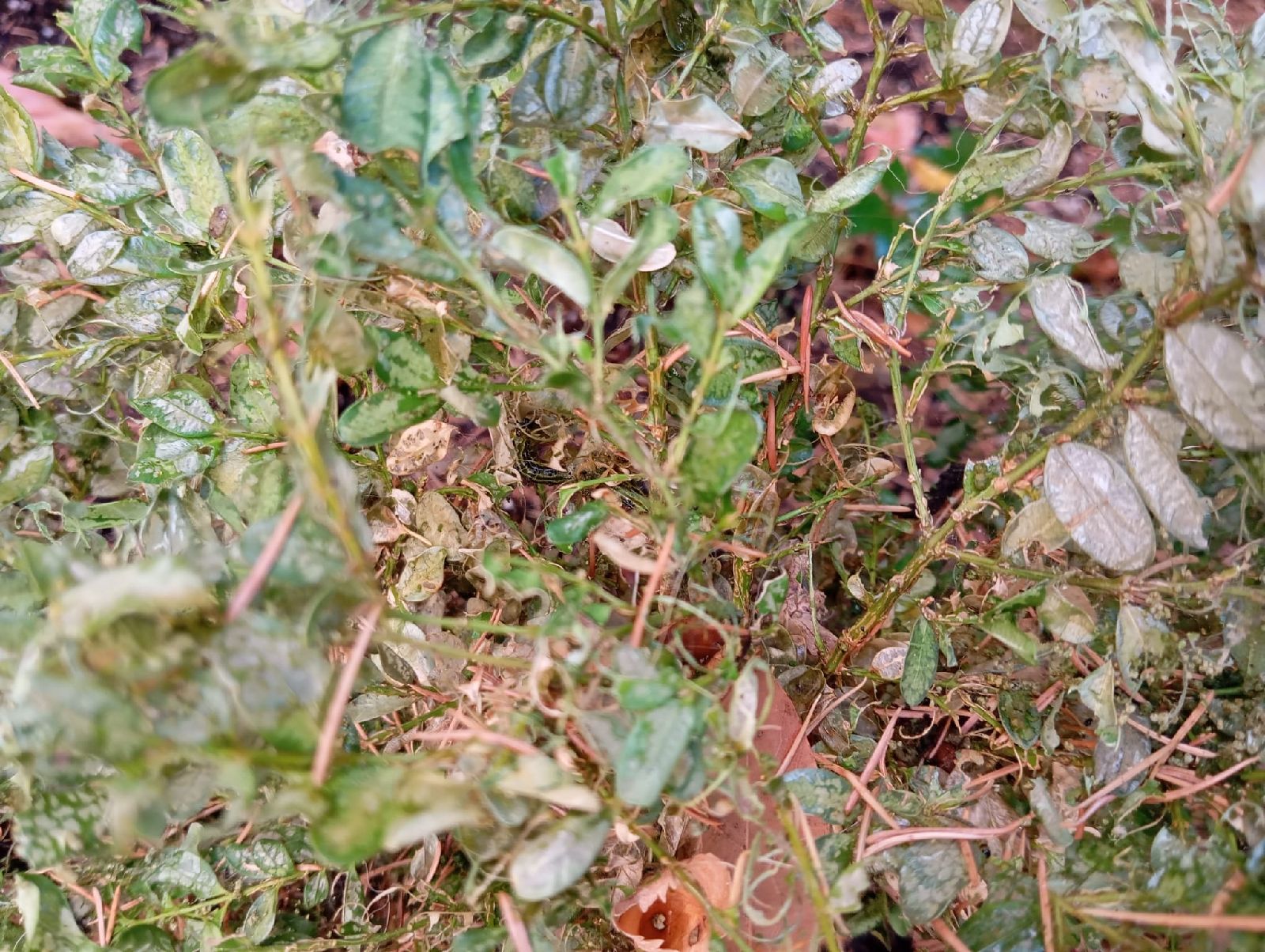
Good afternoon The damage is caused by Cydalima perspectalis. Best regards ML
Number of votes for this answer: 0

Pest

Boxwood pyralid

Cydalima perspectalis

Boxwood pyralid

Cydalima perspectalis

hmyz

Received: 8.9.2025
Wood: Boxwood
Number: 6885
Date of occurrence: 8.9.2025
Discussion

Add comment: Boxwood pyralid

A - Ambiguously determined, we are not sure
Number: 6875
Received 5.9.2025
In progress: 2 days
Date of occurrence: 5.9.2025
Significance:
Discussion
From: Fran
Assigned: J. Galko
Country: Spain

Question

Answer

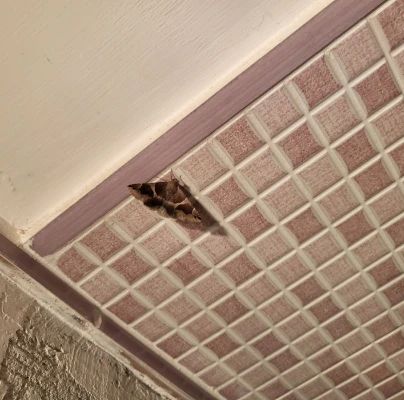
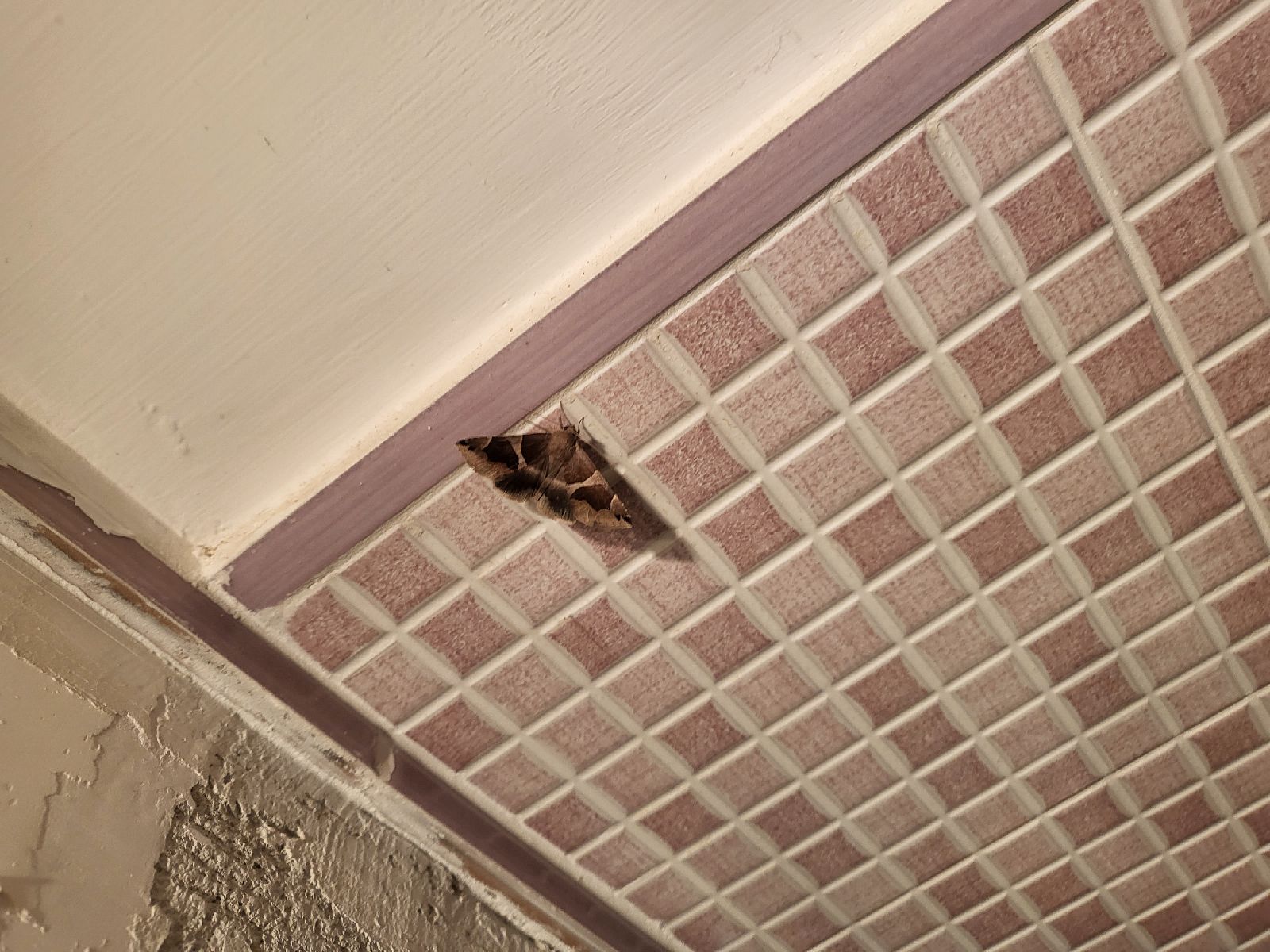
Hello Fran. For sure it is genus Scolytus. In our conditions (Slovakia) very common on plums is Scolytus rugulosus (very small) or S. mali (much bigger). The differences betwen them you can see in our education video here https://youtu.be/i7rhrl33wEM. From your photo I am not able to determine which species it is. All the best, Juraj.
Number of votes for this answer: 0

Pest

A - Ambiguously determined, we are not sure

A - Ambiguously determined, we are not sure

A - Ambiguously determined, we are not sure

A - Ambiguously determined, we are not sure

hmyz

Received: 5.9.2025
Wood: Plum
Number: 6875
Date of occurrence: 5.9.2025
Discussion

Add comment: A - Ambiguously determined, we are not sure

A - This species is not in the database yet
Number: 6873
Received 3.9.2025
In progress: 4 days
Date of occurrence: 3.9.2025
Significance:
Discussion
From: benedetta
Assigned: M. Zúbrik
Country: Italy

Question

bffyltjeiypeo7

Answer

Dear Benedetta, thank you for your question. The picture shows an imago – an adult moth named Dysgonia algira. It is not considered a pest; the larvae usually live on willows or raspberries. Best regards, M. Zubrik
Number of votes for this answer: 0

Pest

A - This species is not in the database yet
A - This species is not in the database yet
A - This species is not in the database yet

A - This species is not in the database yet

hmyz

Received: 3.9.2025
Wood: Box elder
Number: 6873
Date of occurrence: 3.9.2025
Discussion

Add comment: A - This species is not in the database yet

A - nie je v databázeA - nie je v databázeA - nie je v databáze
Number: 6865
Received 1.9.2025
In progress: 1 days
Date of occurrence: 5.9.2025
Significance:
Discussion
From: Sajti
Assigned: M. Zúbrik
Country: Hungary

Question

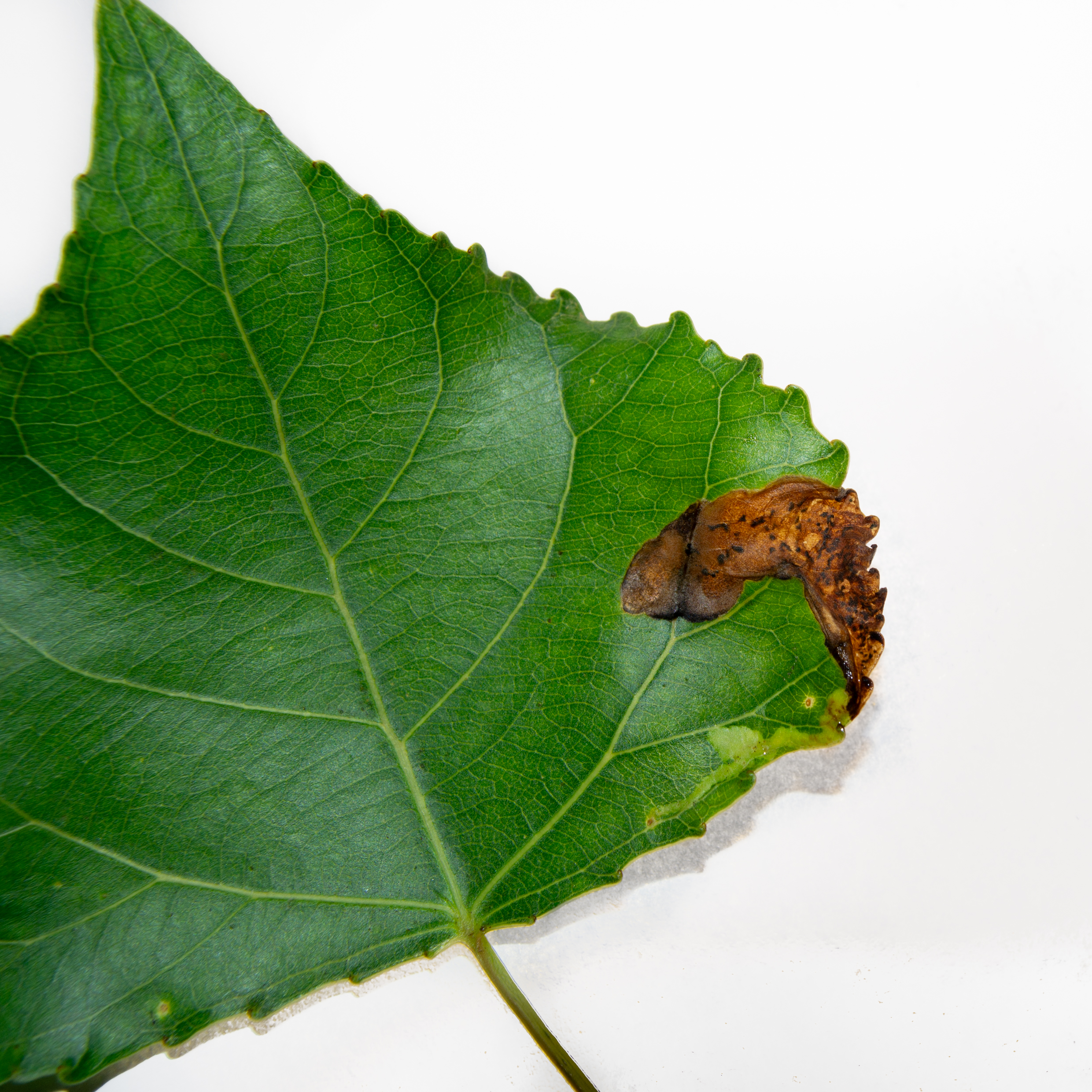
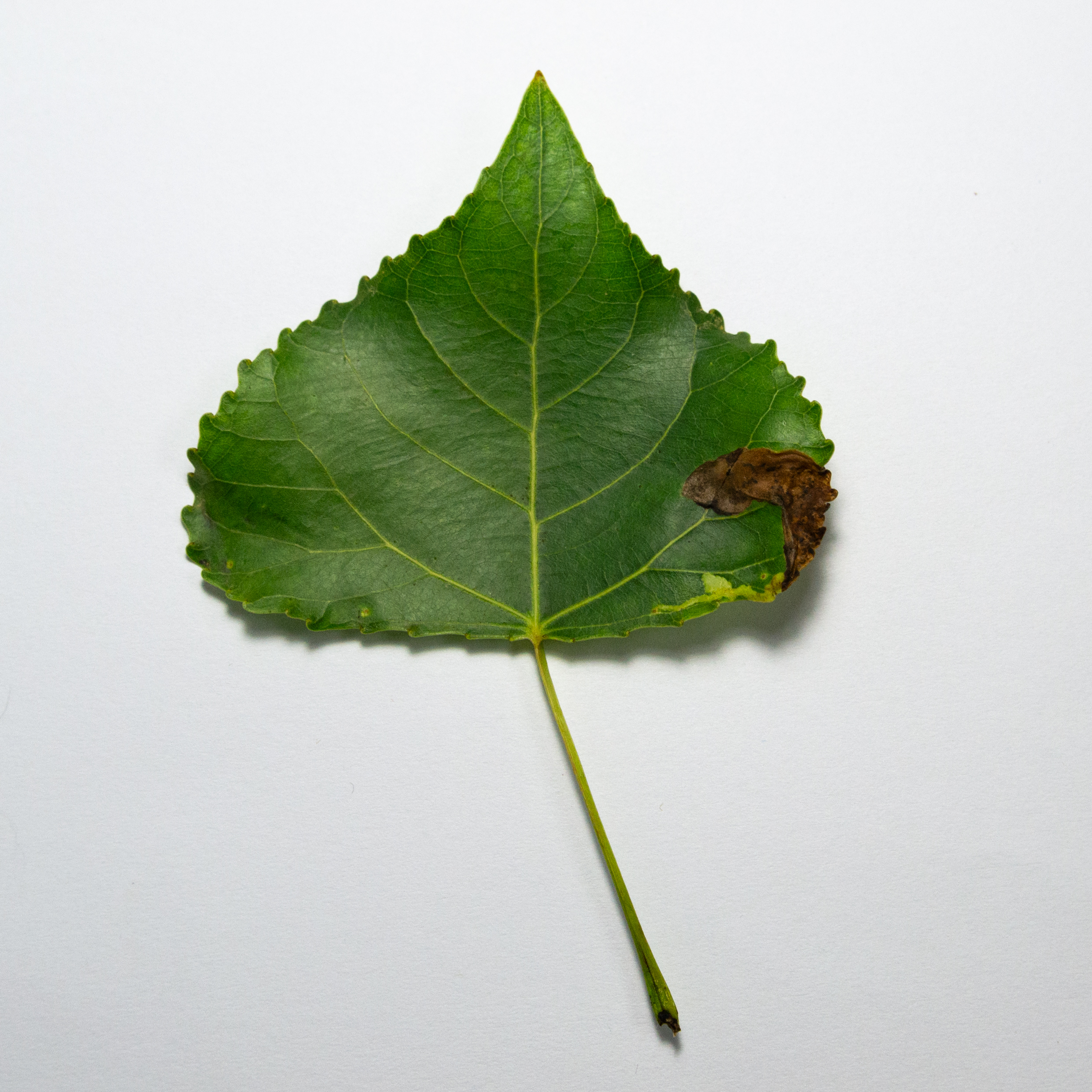
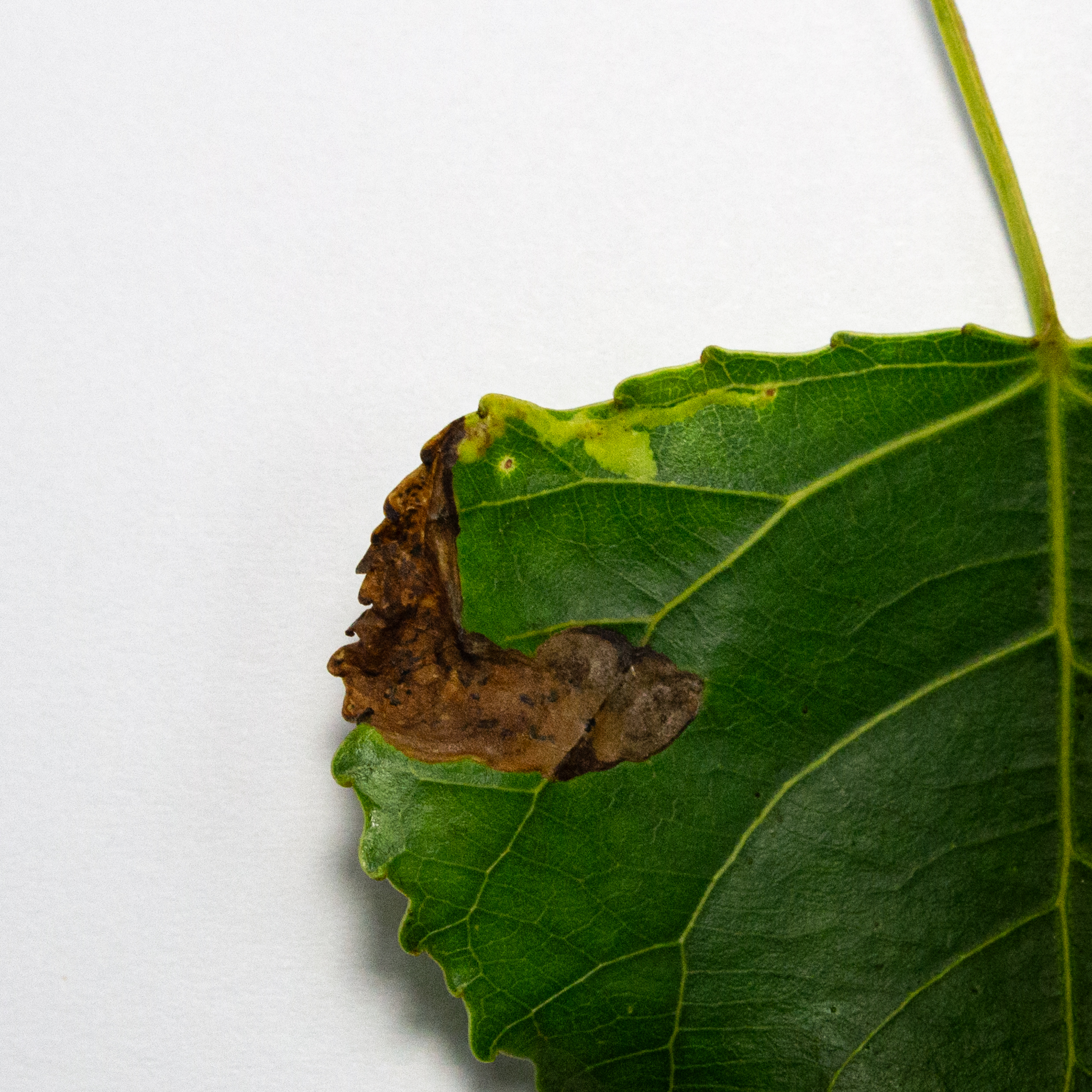
I often see this type of leaf mine on black poplar (Populus nigra), but also on Populus nigra cv. Italica. I noticed it a few weeks ago, but all the leaf mines are already empty. Sometimes I only find the initial short, light green gallery, while the blotch part has already has detached (e.g. here: https://www.inaturalist.org/observations/311079069). In the attached photo you can still see the whole leaf mine (both parts). Do you think *Japanagromyza salicifolii* is the culprit? I’m uncertain, since I couldn’t find any records of this species from Central Europe.

Answer

Dear Sajti, thank you for your very interesting question. Under the bark of young poplar shoots there is a mine – the tissue has been eaten by the larva of a small moth. Several species can behave in a similar way, but in your case it is most likely the species Phyllocnistis extrematrix. Wishing you a nice day, best regards, M. Zúbrik
Number of votes for this answer: 0

Pest

A - nie je v databáze

A - nie je v databáze

hmyz

Received: 1.9.2025
Wood: Poplar
Number: 6865
Date of occurrence: 5.9.2025
Discussion

Add comment:

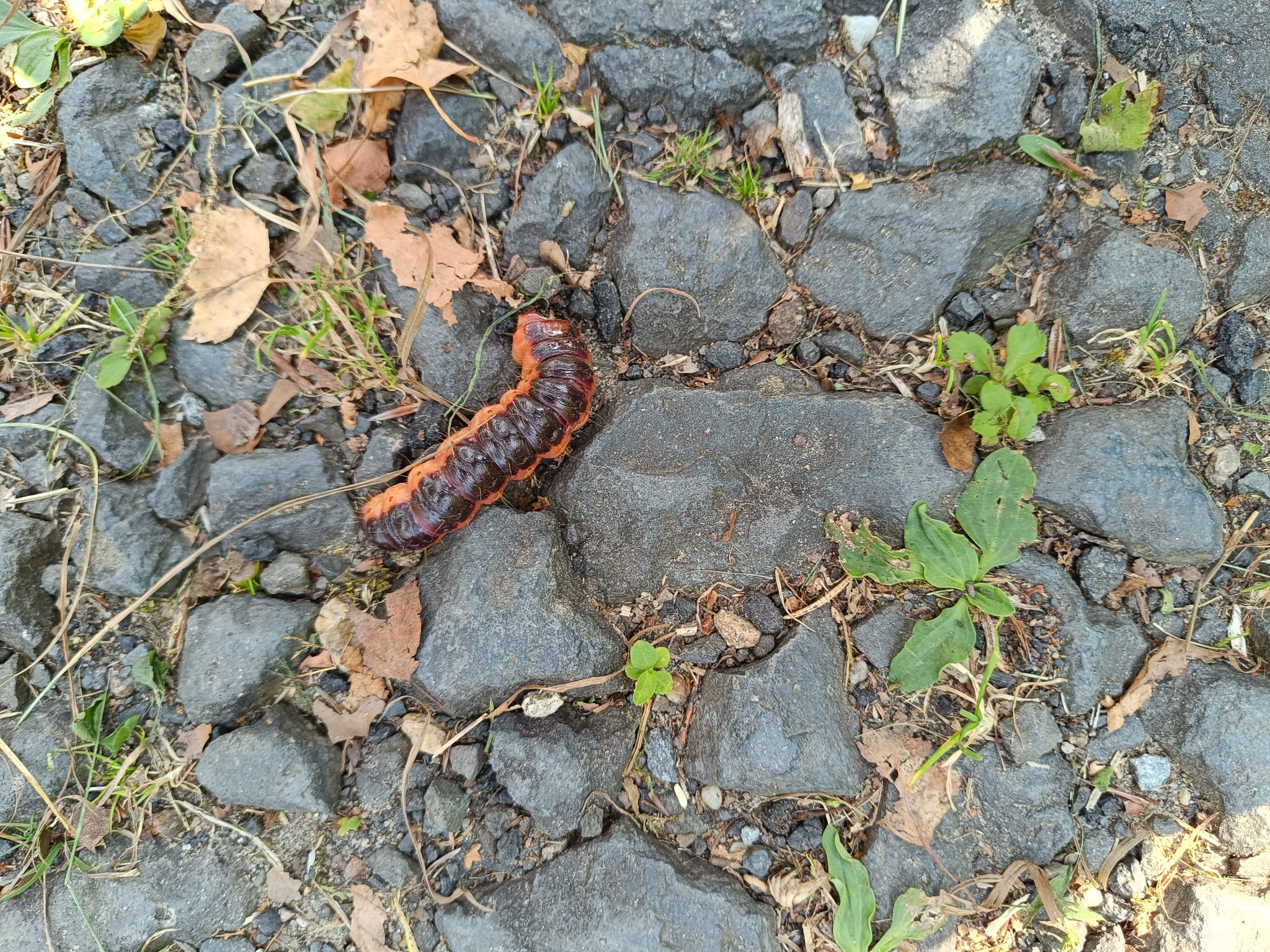
Goat moth
Goat moth
Number: 6857
Received 28.8.2025
In progress: 2 days
Date of occurrence: 27.8.2025
Significance: Harmful
Discussion
From: Sybille
Assigned: M. Zúbrik
Country: Germany

Question

Answer

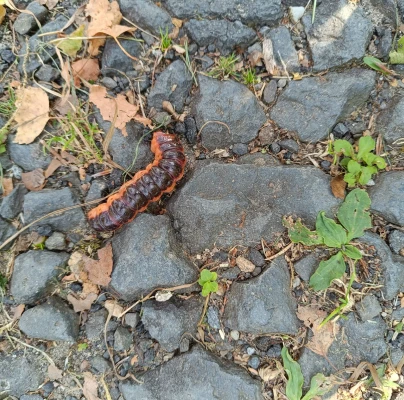
Dear Sybille, thanks for your picture of Cossus cossus. With best regards M. Zubrik
Number of votes for this answer: 0

Pest

Goat moth

Cossus cossus

Goat moth

Cossus cossus

hmyz

Received: 28.8.2025
Wood: Oak
Number: 6857
Date of occurrence: 27.8.2025
Discussion

Add comment: Goat moth

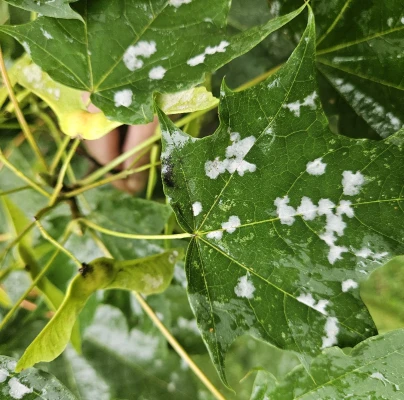
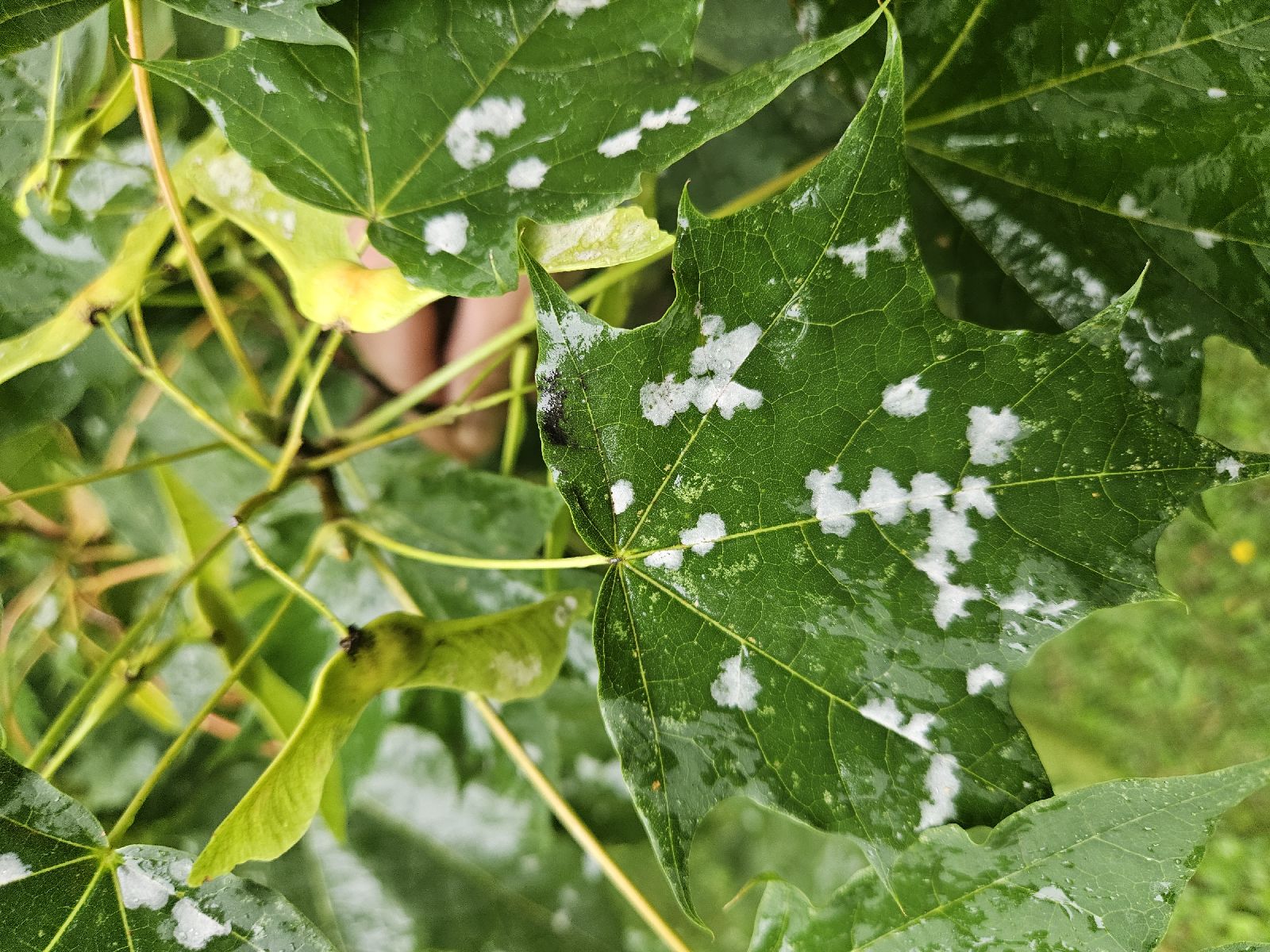
Powdery mildew of maple
Number: 6769
Received 21.8.2025
In progress: 4 days
Date of occurrence: 21.8.2025
Significance: Less harmful
Discussion
From: Christo
Assigned: M. Zúbrik
Country: Slovakia

Question

Uncinula tulasnei

Answer

Monitoring
Number of votes for this answer: 0

Pest

Powdery mildew of maple

Uncinula tulasnei

Powdery mildew of maple

Uncinula tulasnei

huby

Received: 21.8.2025
Wood: Maple
Number: 6769
Date of occurrence: 21.8.2025
Discussion

Add comment: Powdery mildew of maple

Back to top