




 Show all photos in album
Insert for comparison
We will identify your pest
Add pictures of this species
Show all photos in album
Insert for comparison
We will identify your pest
Add pictures of this species
Cydalima perspectalis
Boxwood pyralid
Description
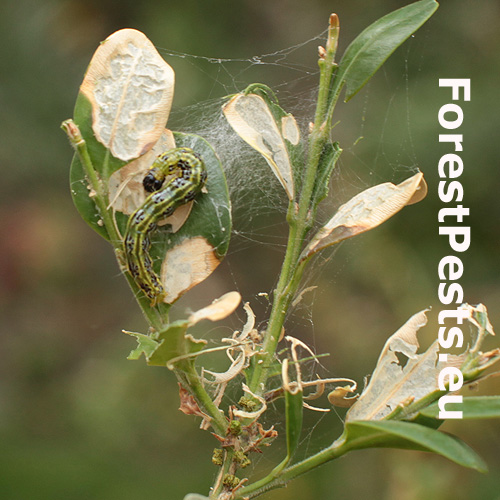
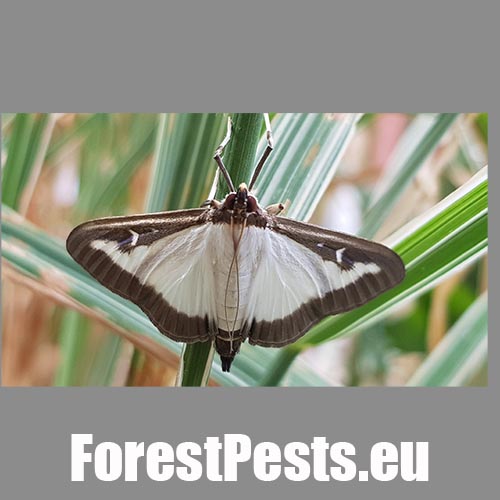
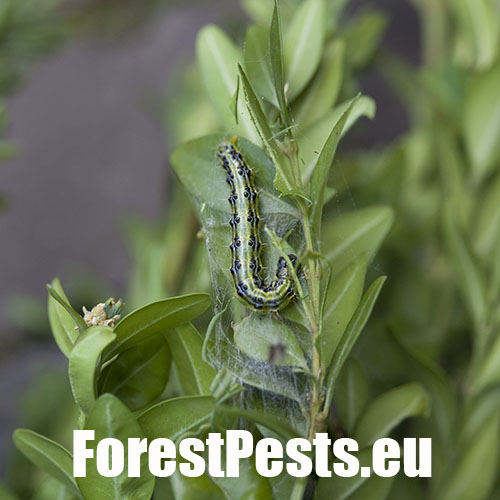
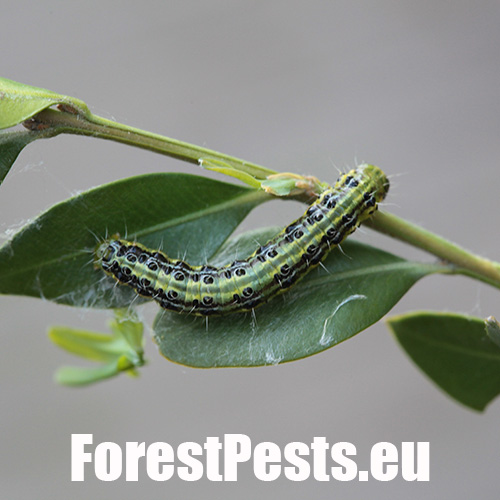
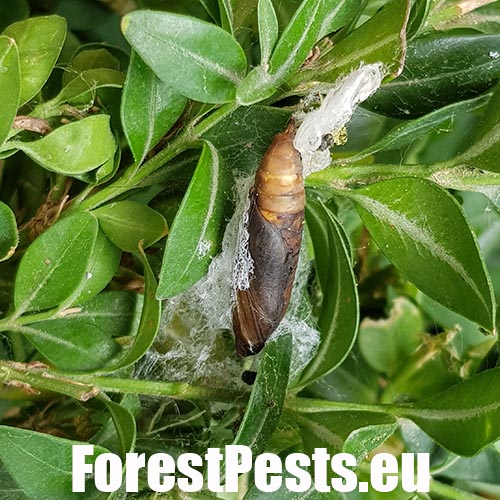
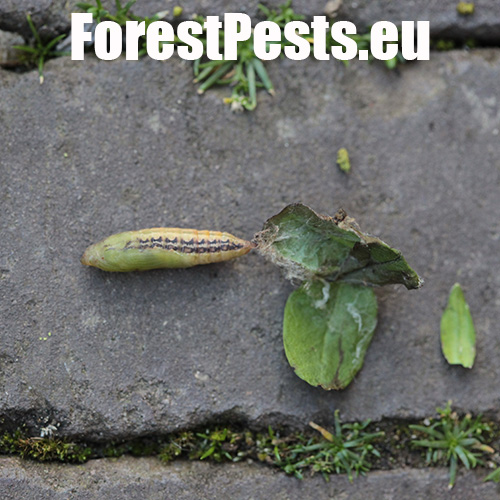
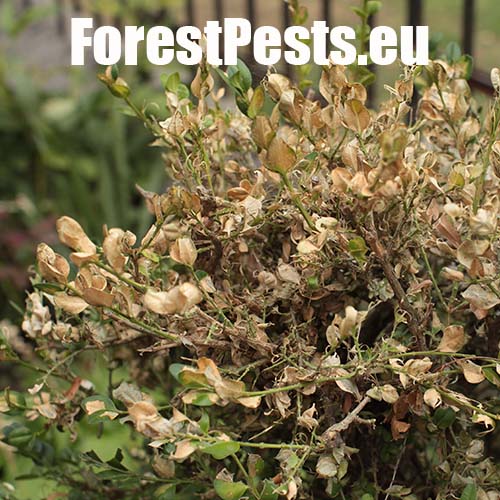
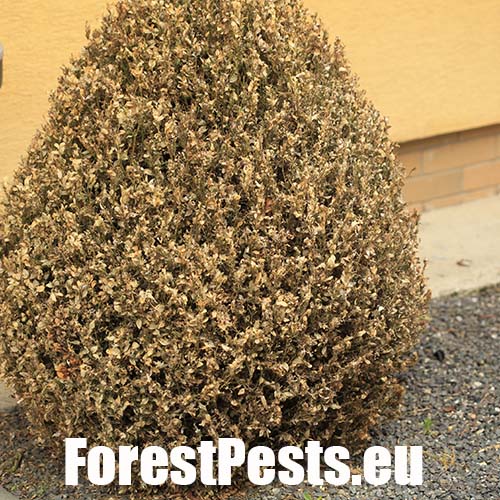
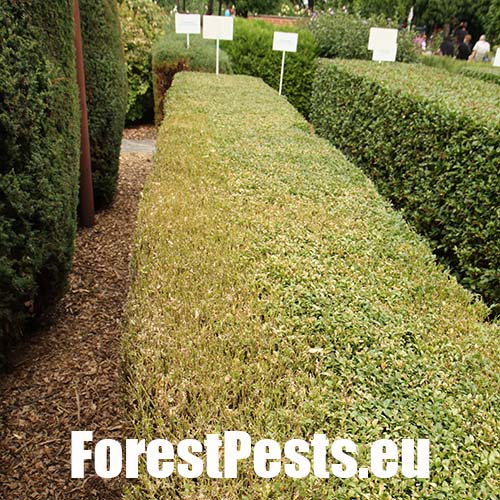
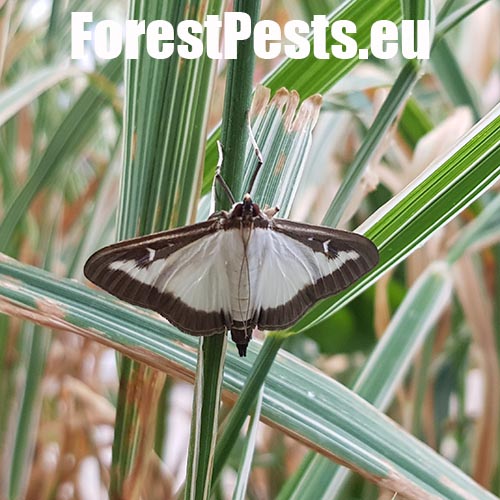
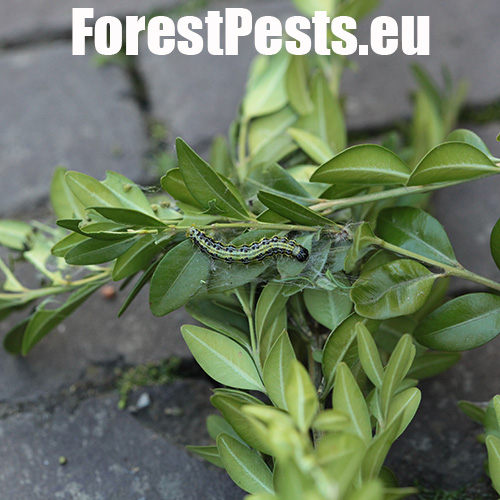
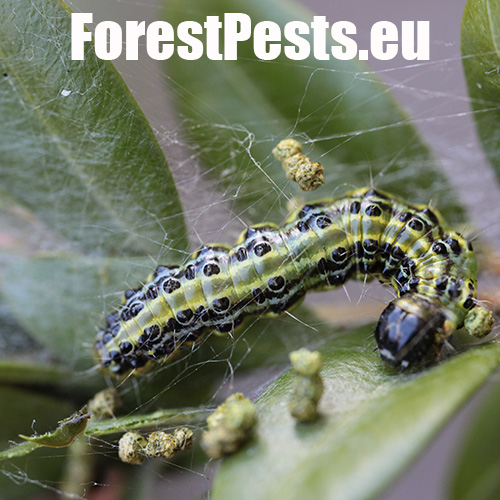
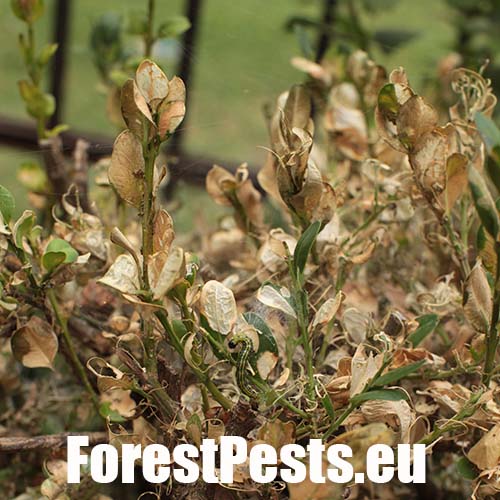
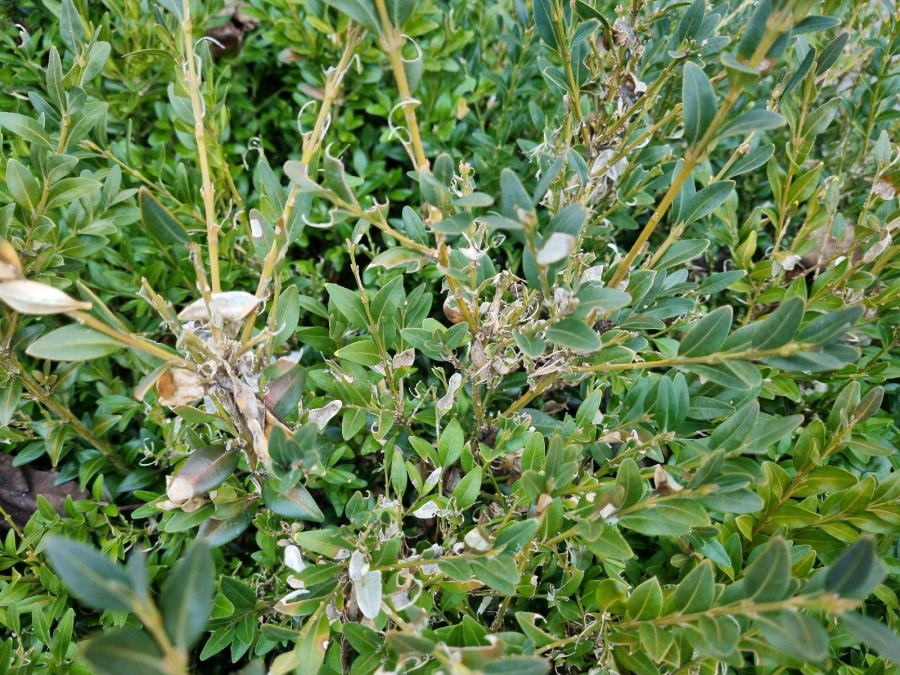
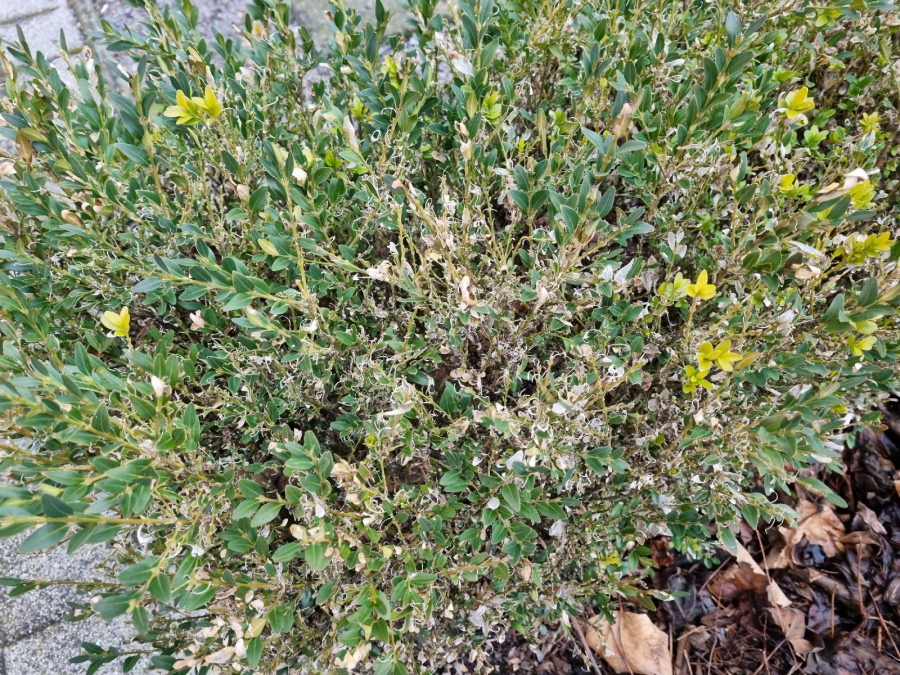
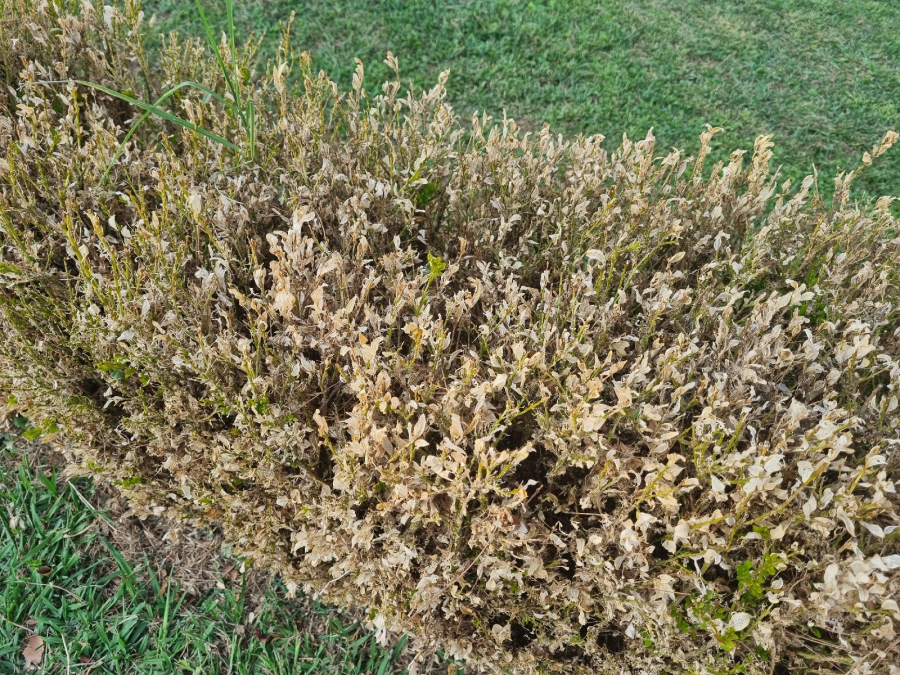
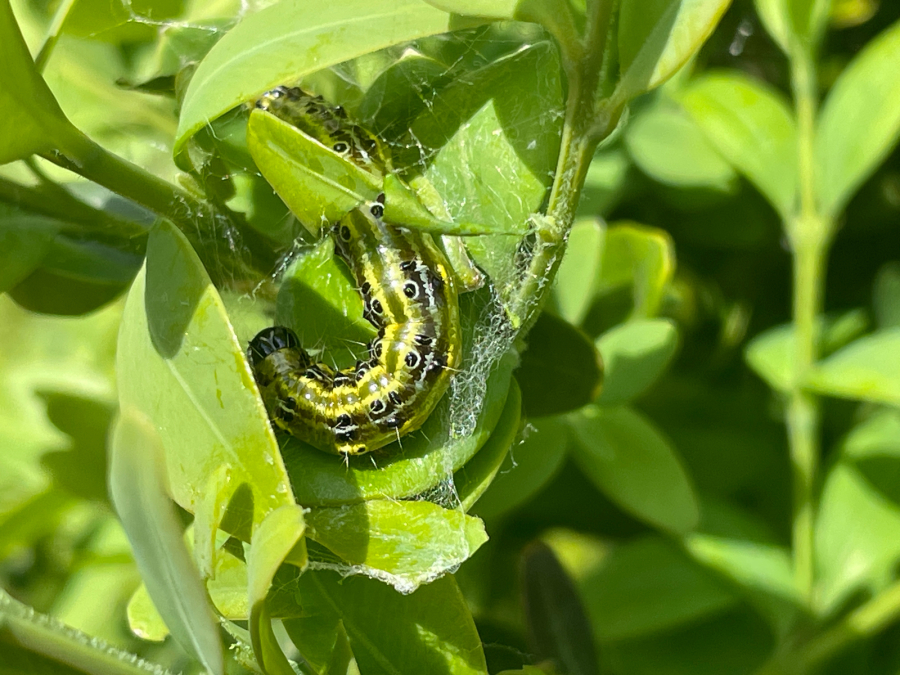
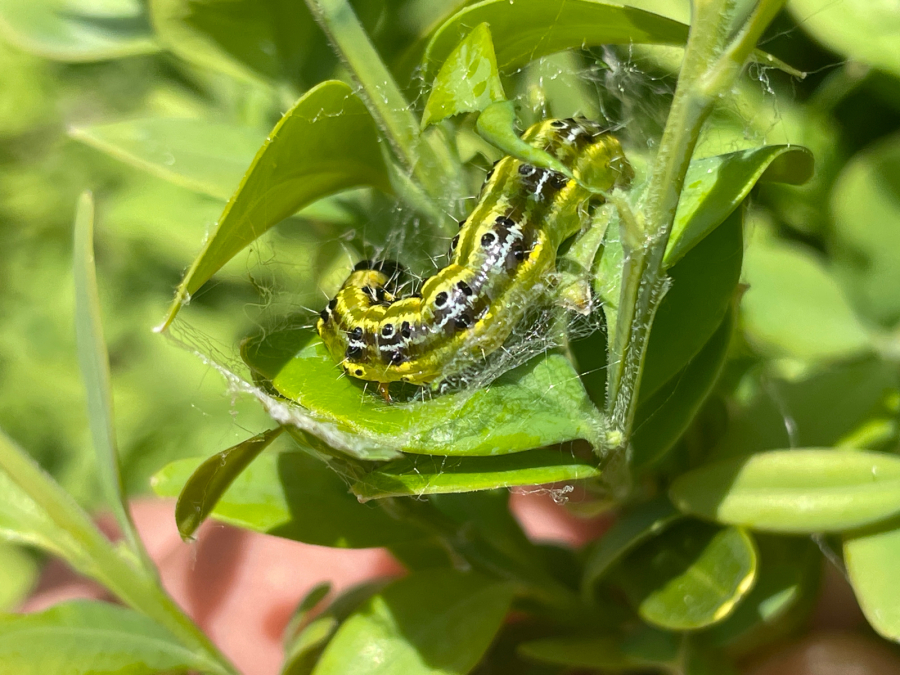
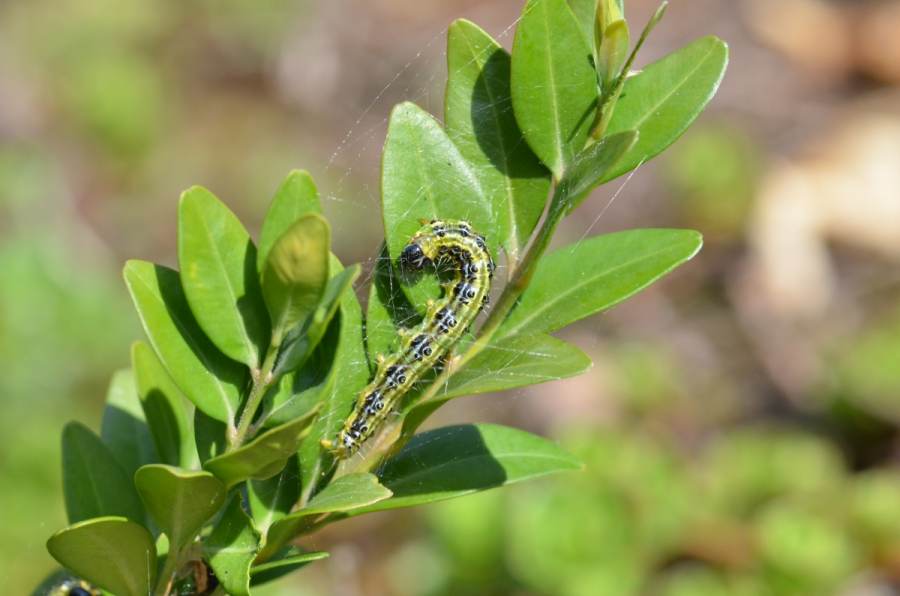
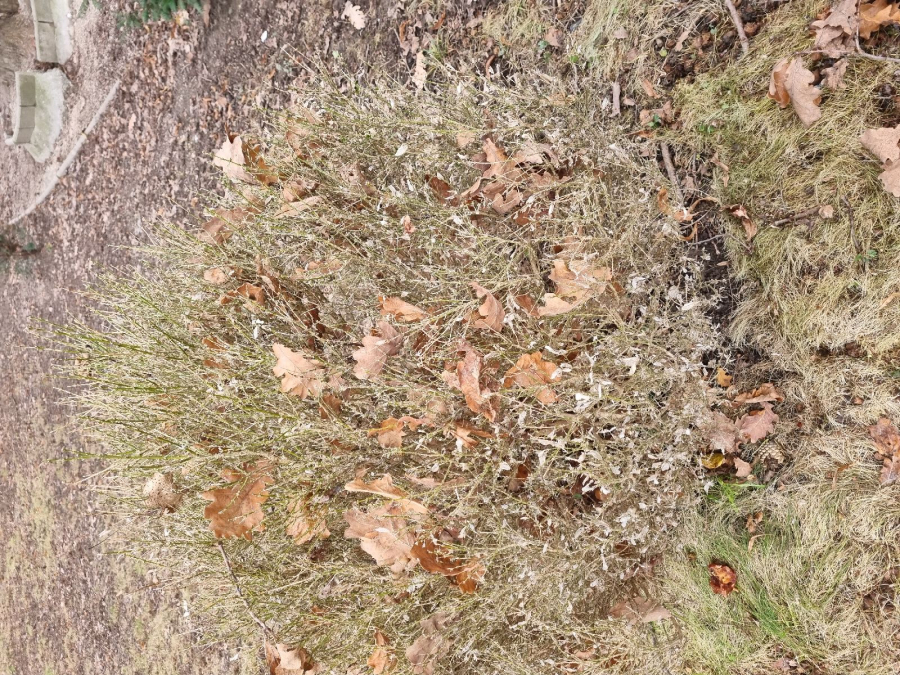
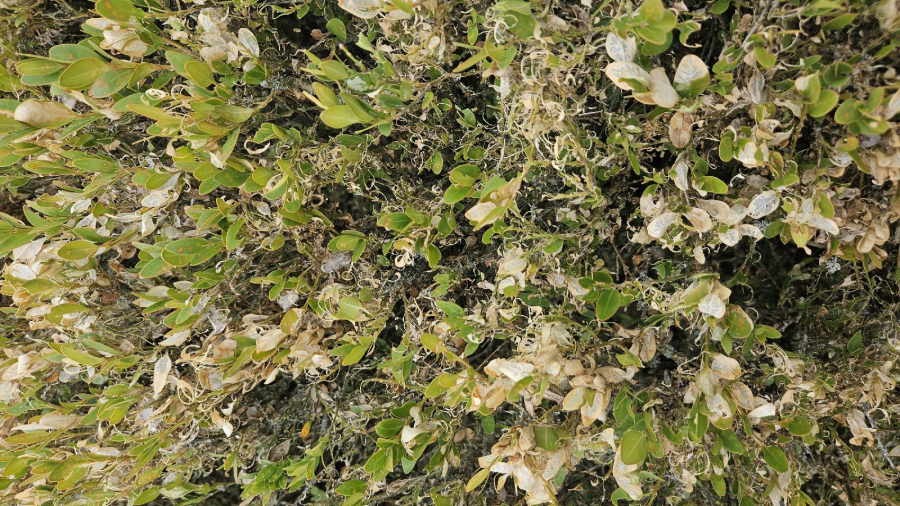
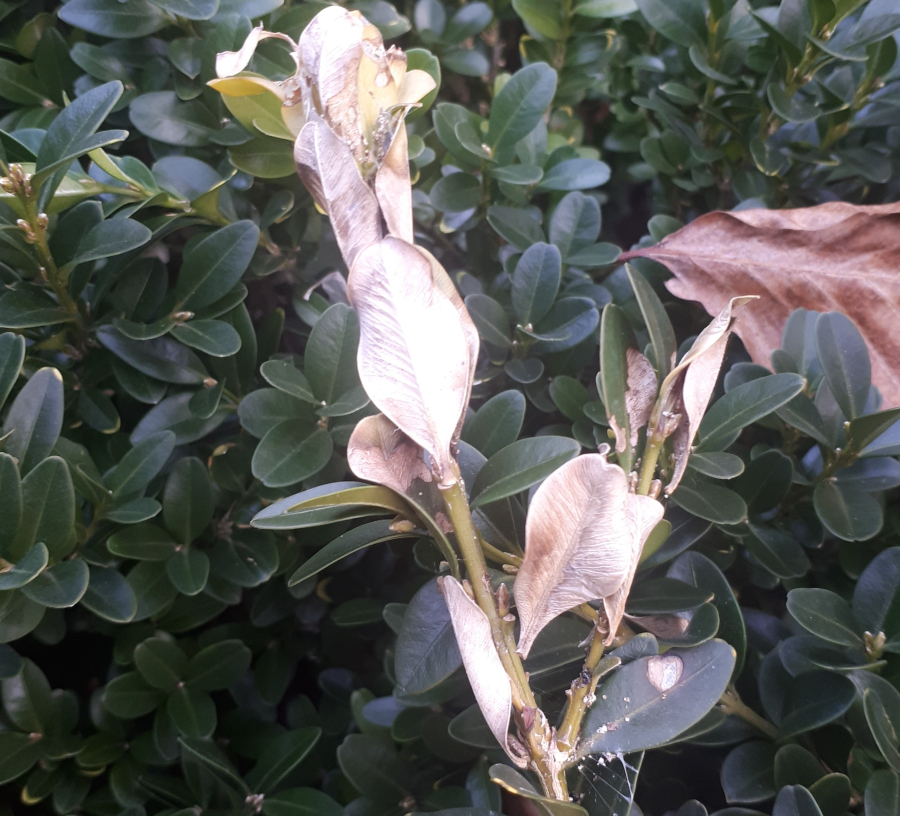
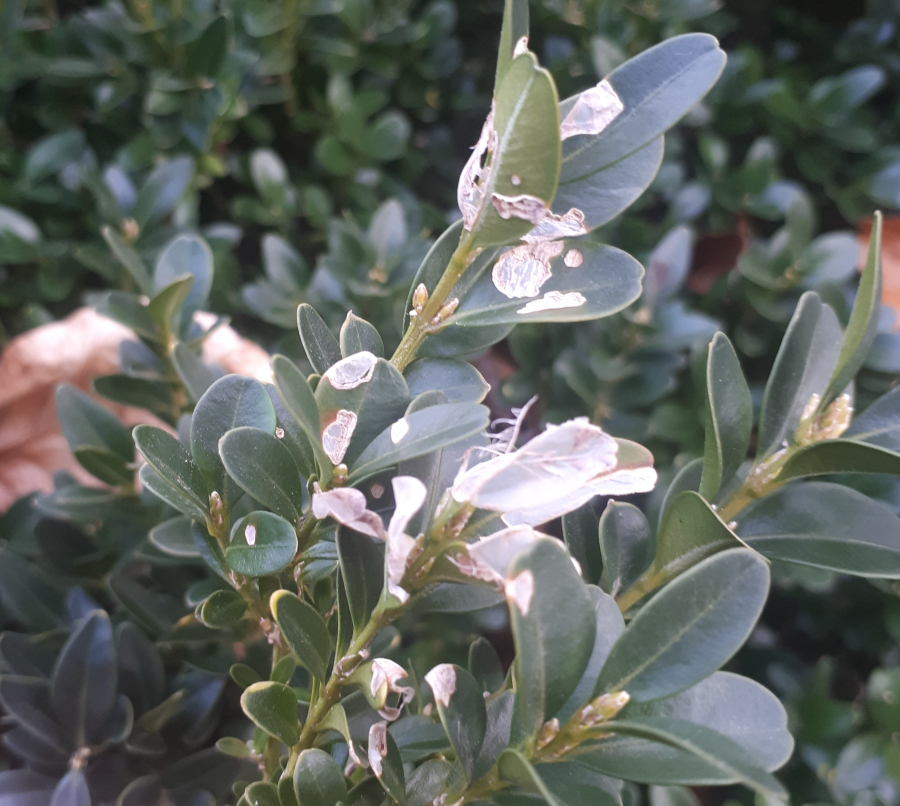
This moth was first reported in Europe in 2007 and now is spreading in several directions. It was probably introduced from East Asia. It overwinters as young larvae in webs between leaves or in crevices nearby. The adults are shiny white. The characteristic larvae, up to 5 cm long, feed on boxwood leaves and even on the green bark of shoots. They cover the plant with silk webs, and cause significant defoliation. The pupa is hidden in a case consisting of several leaves spun together. The first flight is in spring is in April/ May. 2–3 generations may follow. Attacked plants turn beige because the pitted leaves shrivel. If the attack is light, the plant recovers by sprouting new leaves. With high infestations, the larvae can defoliate almost entire plants and thus usually kill them in parks and gardens.
Symptom
Green caterpillars on leaves. Brown, eaten leaves.
Tree Species: Boxwood
Part of a plant- attacked: Leaf / Needle
Pest significance: Very harmful
Pest Category: Insects
Invasive Species: Yes
Present in EU: Yes

Add comment: Cydalima perspectalis
Location map: Cydalima perspectalis
print viewLegend:

Expert verified points

Unverified points
Observed by users on these tree species
Most sightings of the species


Last observations
There are a total of 17 observations of the species in the system

Cydalima perspectalisBoxwood pyralid
Veronika Koníková
Number of votes: 0
Published: 30.4.2024

Cydalima perspectalisBoxwood pyralid
Veronika Koníková
Number of votes: 0
Published: 14.4.2024

Cydalima perspectalisBoxwood pyralid
Milan Zubrik
Number of votes: 0
Published: 7.9.2023

Cydalima perspectalisBoxwood pyralid
miso
Number of votes: 0
Published: 29.8.2023

Cydalima perspectalisBoxwood pyralid
Andrej
Number of votes: 0
Published: 23.5.2023
Similar damage

Spindle ermine

Winter moth

Feathered thorn


