Login | Registration | List of contributors

Requests to determine the cause of damage

Here you can request to determine the cause of the damage. You can view the requests of other users and sort them according to the selected criteria. In addition, you can get information about your request, and you can follow the progress of its current state. If your application was not approved, it had probably been because it was impossible to identify the damage based on the sent photos or because the application does not address our topic - determining the pests of trees and shrubs. We will inform you about the status of your application by email.

Filter reset

Code
Date
Assigned
Status
Days from submission
7442
10.2.2026
J. Galko
In progress
17

Rejected requests are not displayed. You have been notified by email that your application has been denied.
 

A - Ambiguously determined, we are not sure
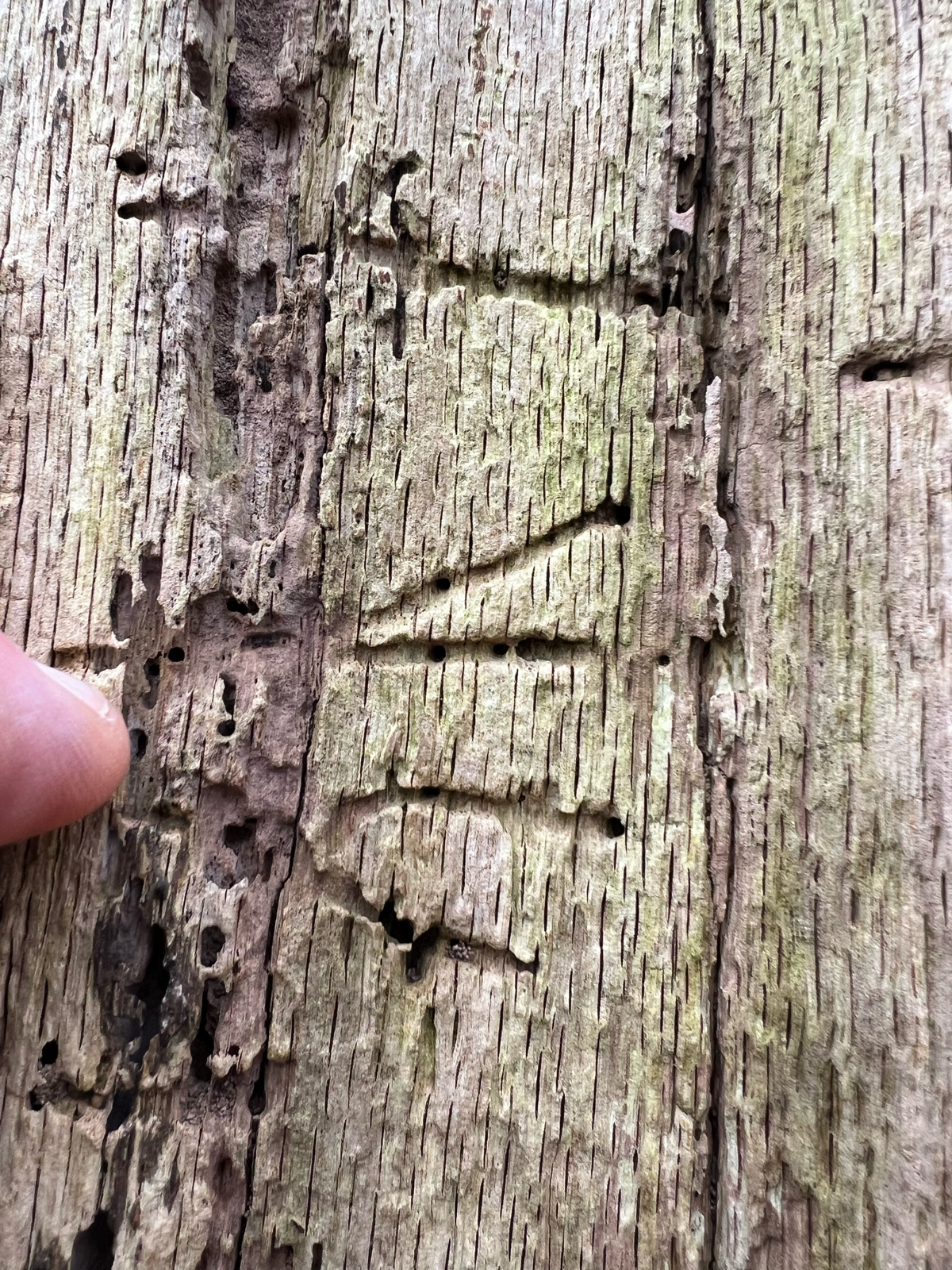
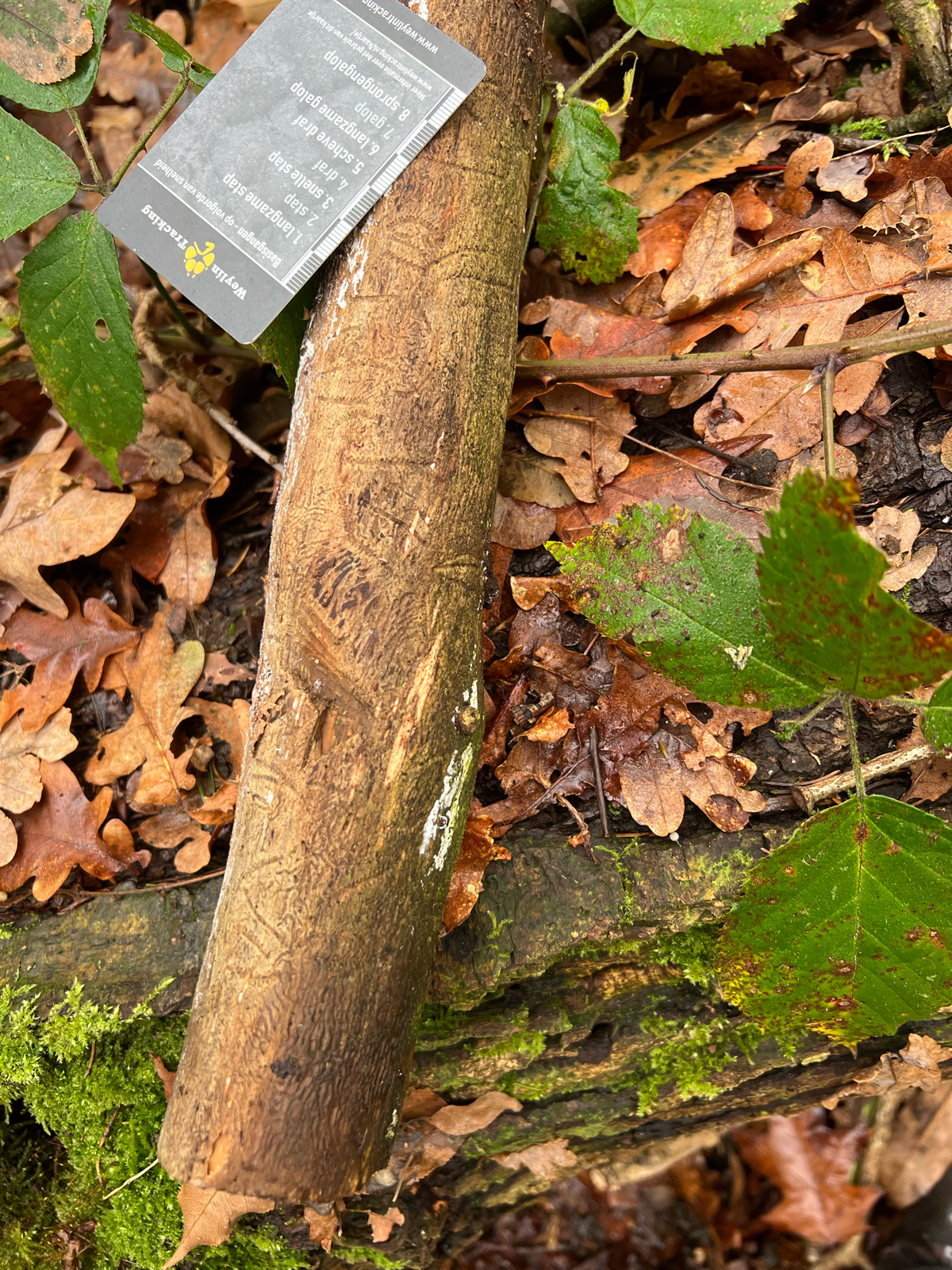
Number: 5528
Received 19.1.2025
In progress: 1 days
Date of occurrence: 19.1.2025
Significance:
Discussion
From: Jer Nusse
Assigned: J. Galko
Country: The Netherlands

Question

Answer

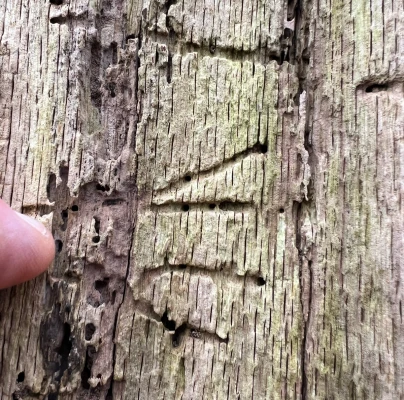
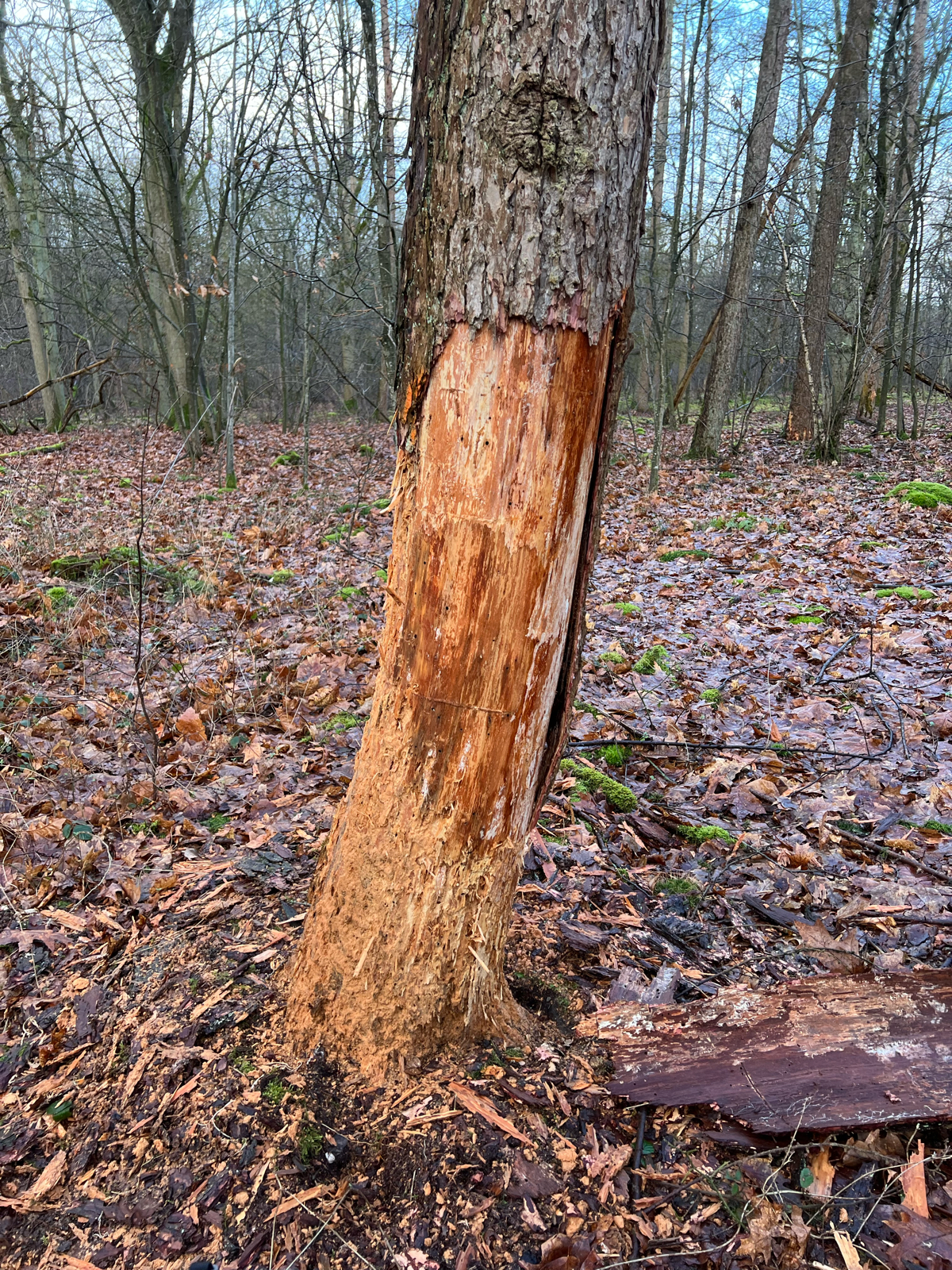
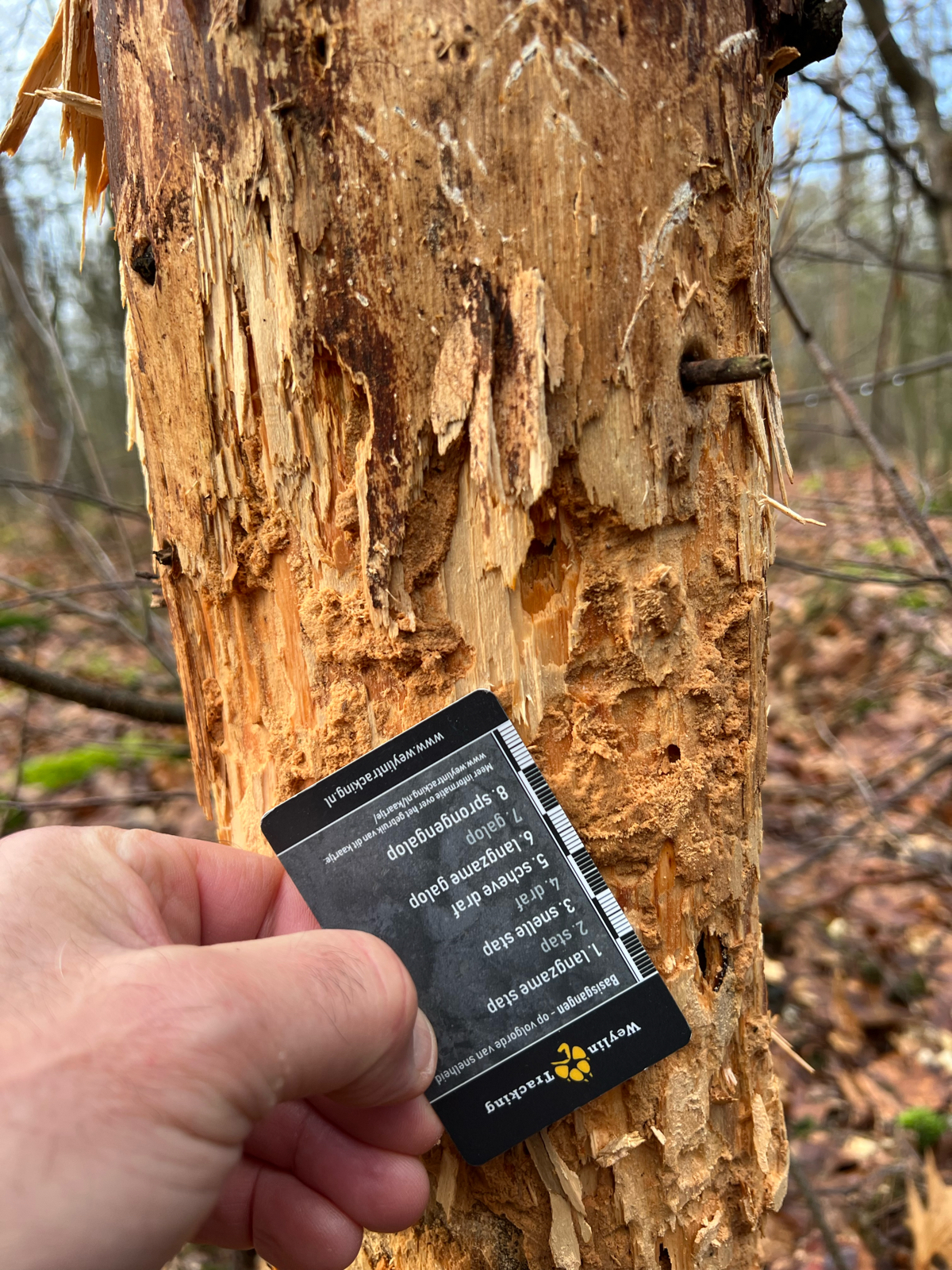
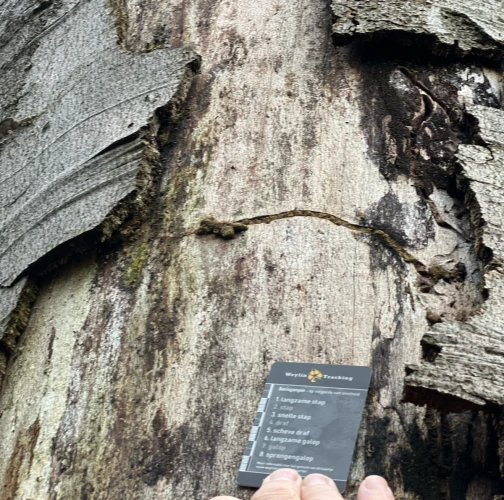
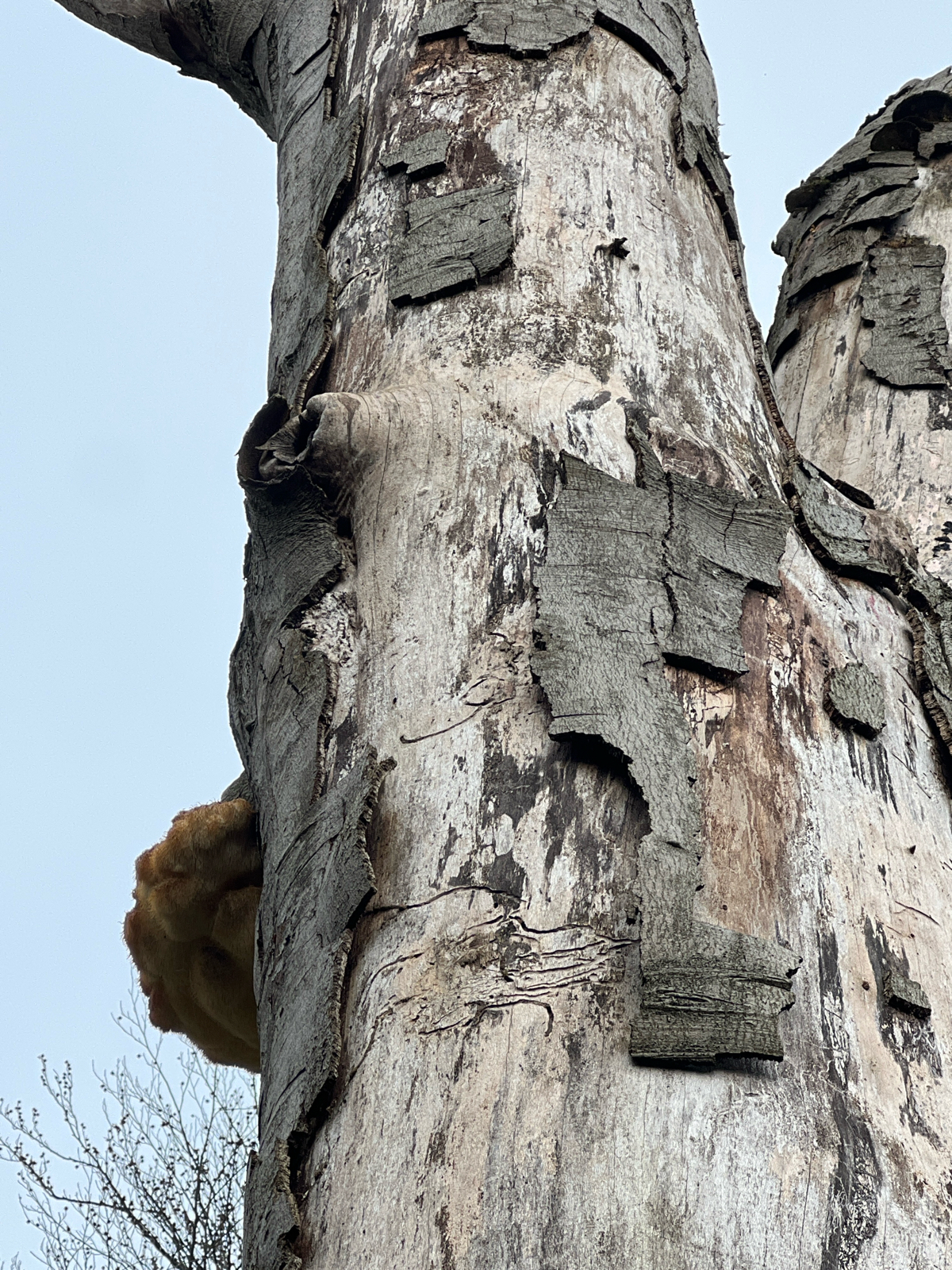
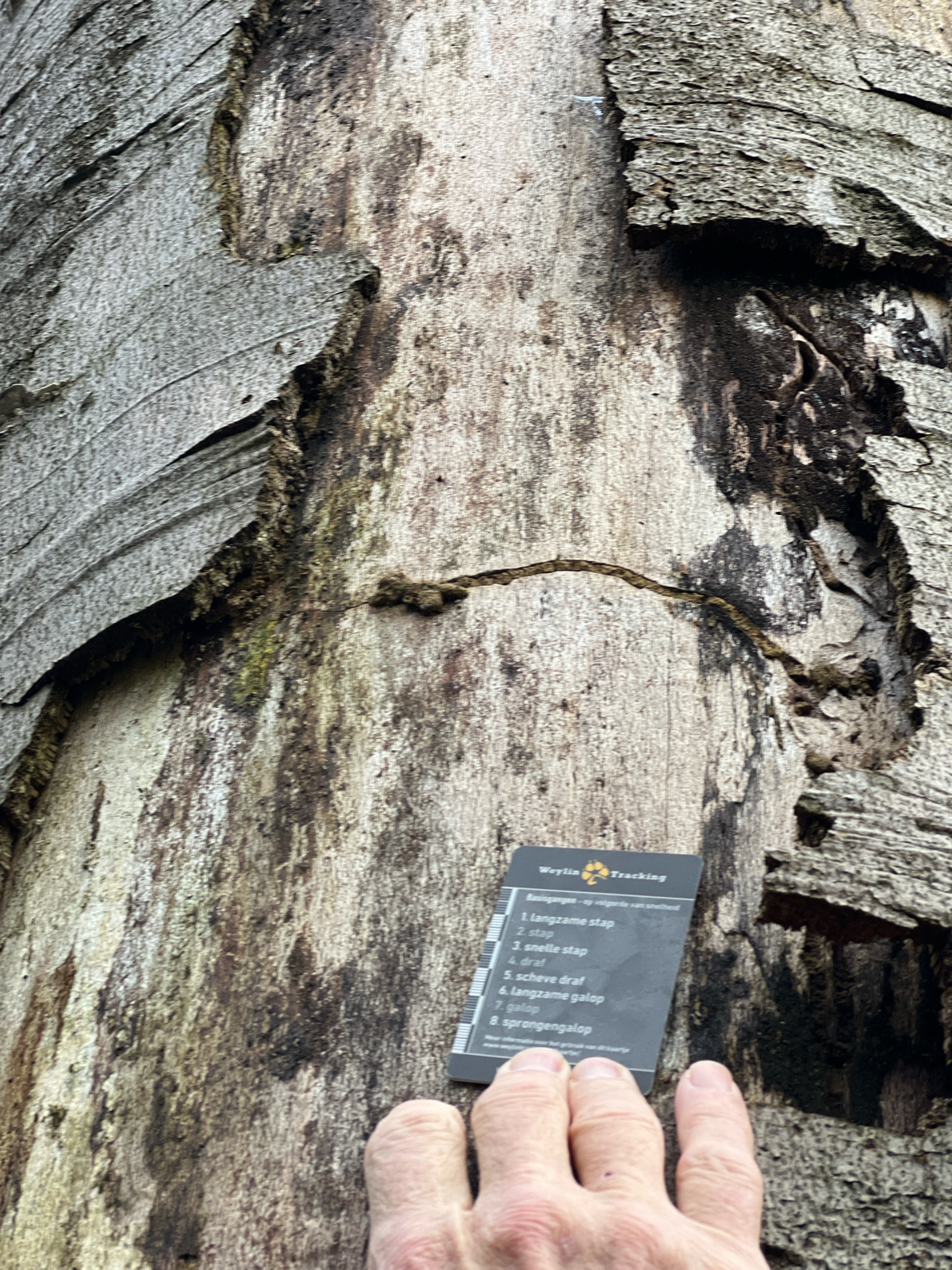
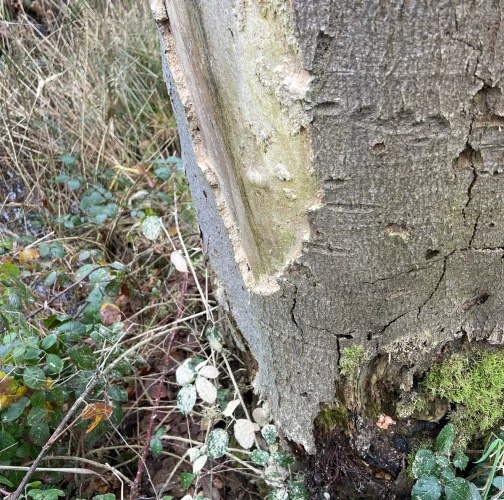
Hi Jer. I dont know but as the stem is old it could be some Anobid (Ptinidae). Best, Juraj
Number of votes for this answer: 0

Pest

A - Ambiguously determined, we are not sure
A - Ambiguously determined, we are not sure
A - Ambiguously determined, we are not sure
A - Ambiguously determined, we are not sure
Received: 19.1.2025
Wood: Oak
Number: 5528
Date of occurrence: 19.1.2025
Discussion

Add comment: A - Ambiguously determined, we are not sure
A - Ambiguously determined, we are not sure
A - Ambiguously determined, we are not sureA - Ambiguously determined, we are not sureA - Ambiguously determined, we are not sure
A - Ambiguously determined, we are not sure
Number: 5446
Received 7.1.2025
In progress: 1 days
Date of occurrence: 7.1.2025
Significance:
Discussion
From: Jer Nusse
Assigned: J. Vakula
Country: The Netherlands

Question

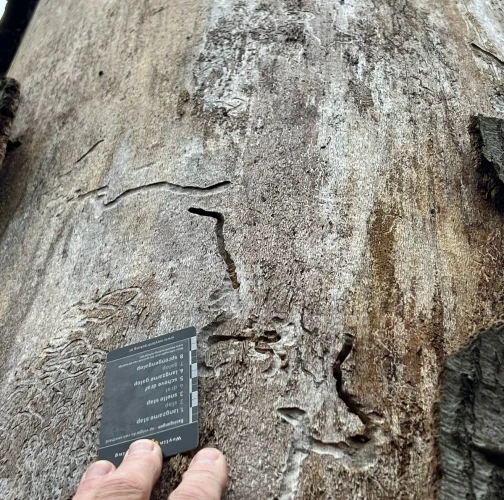
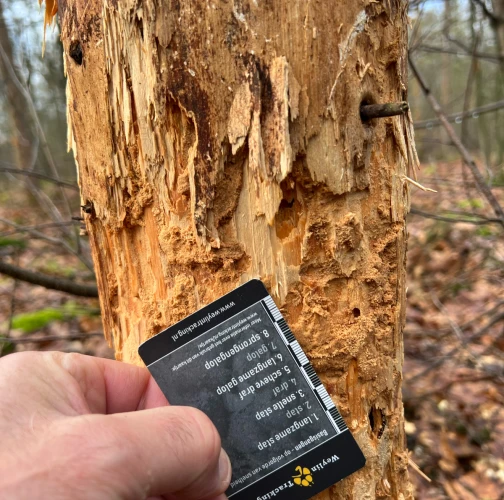
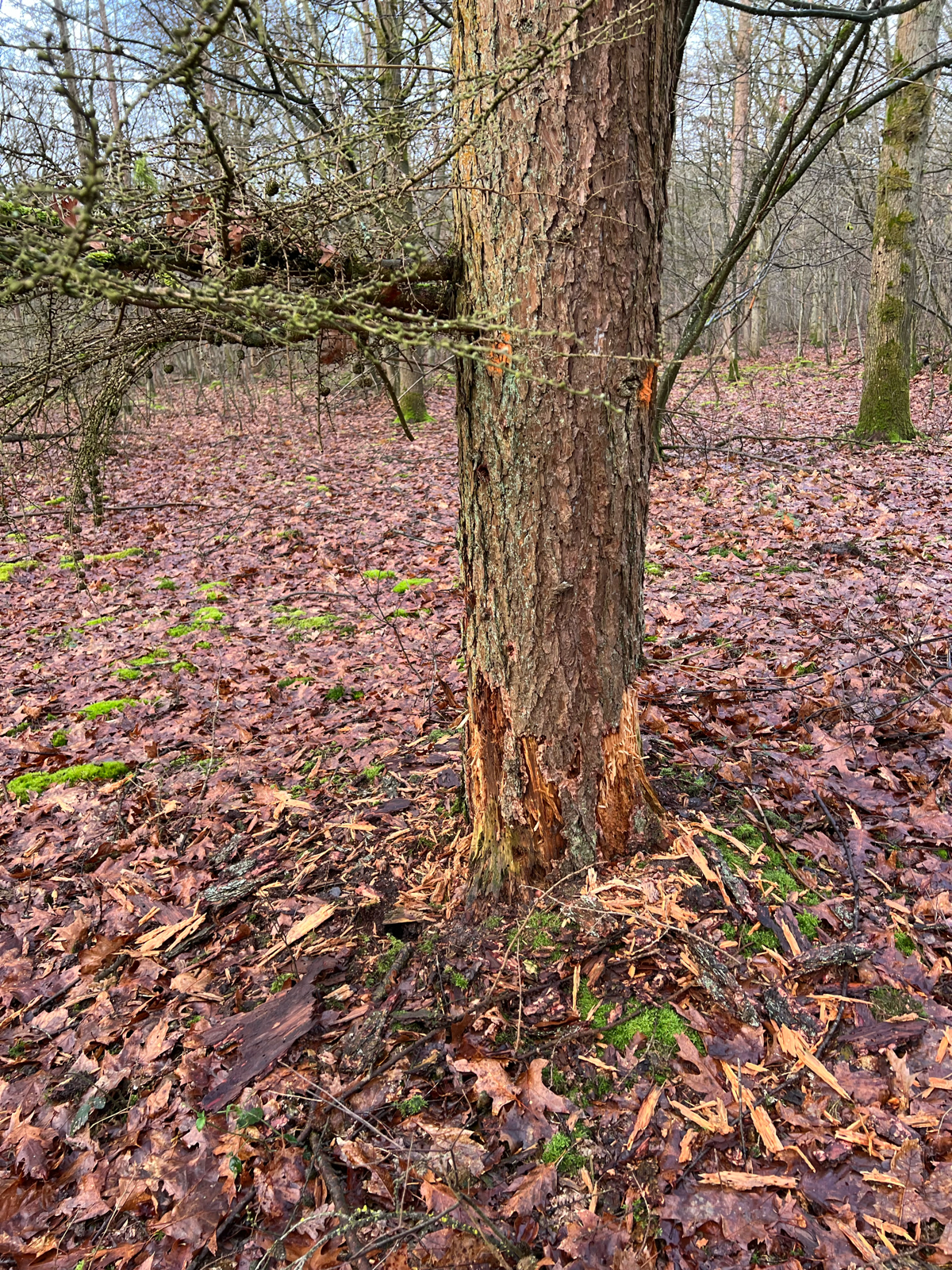
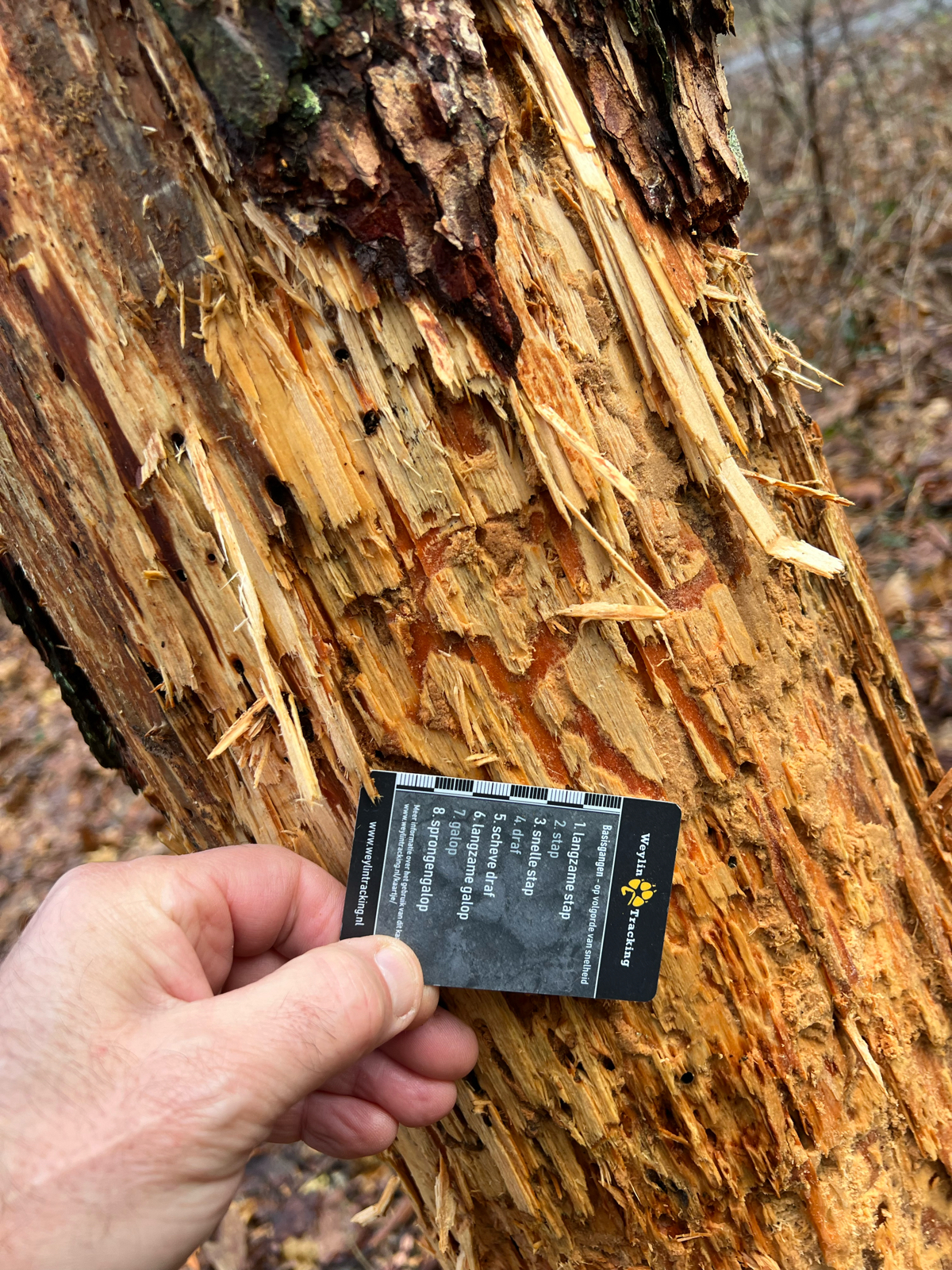
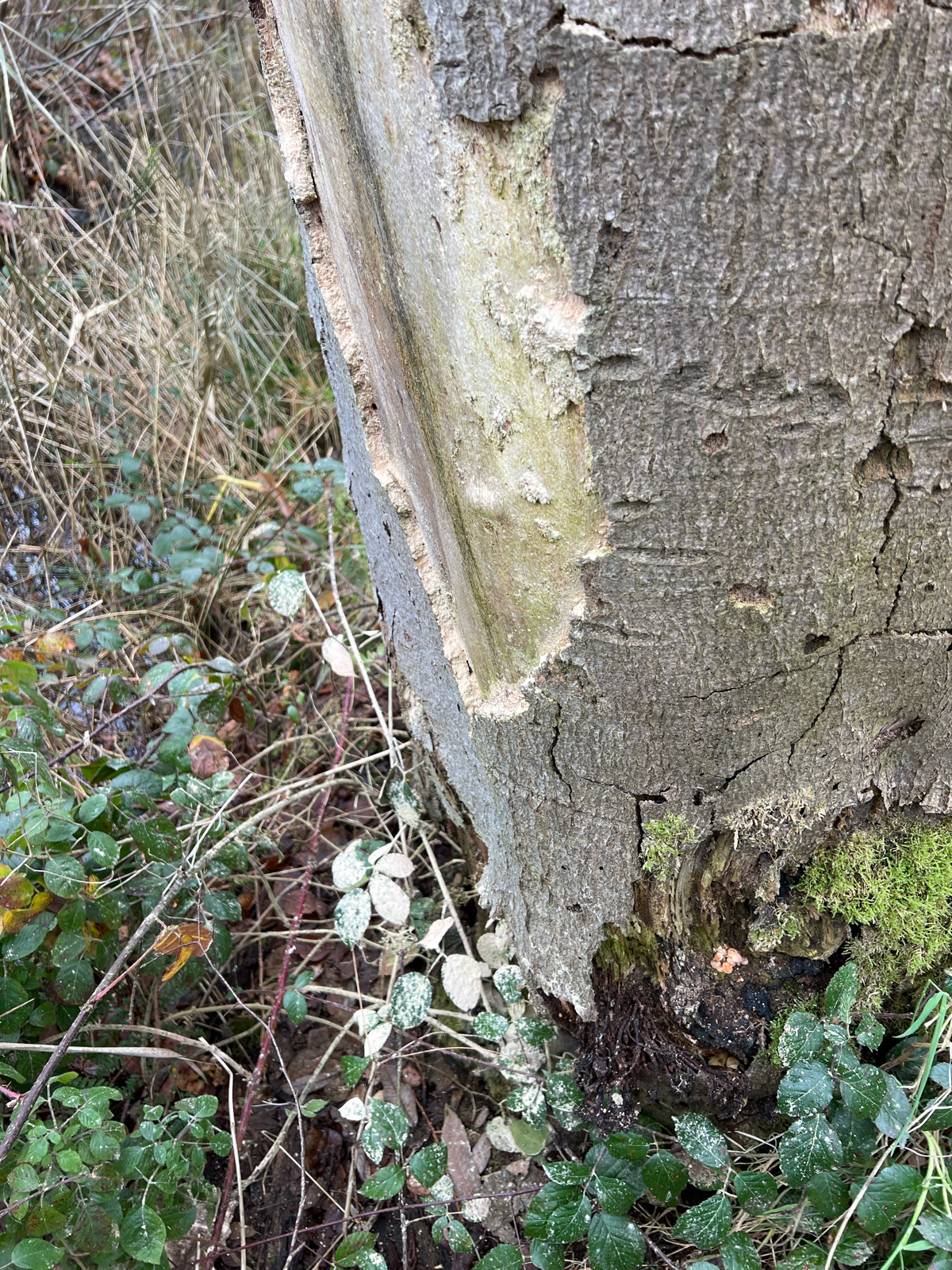
many trees worked by woodpecker at base of trunk. up to 6 meters high debarked.

Answer

Hello, the tree is dead longer time. Probably it is Tetropium gabrieli. But this species has larvae tunnels under the bark and before pupae stage it drill deaper (up to 6 cm). It can be other species from Cerambycidee. Nice dayJozef Vakula
Number of votes for this answer: 0

Pest

A - Ambiguously determined, we are not sure

A - Ambiguously determined, we are not sure

A - Ambiguously determined, we are not sure

A - Ambiguously determined, we are not sure

Received: 7.1.2025
Wood: Larch
Number: 5446
Date of occurrence: 7.1.2025
Discussion

Add comment: A - Ambiguously determined, we are not sure

A - Ambiguously determined, we are not sure
Number: 5397
Received 17.12.2024
In progress: 3 days
Date of occurrence: 17.12.2024
Significance:
Discussion
From: Jer Nusse
Assigned: J. Galko
Country: The Netherlands

Question

Answer

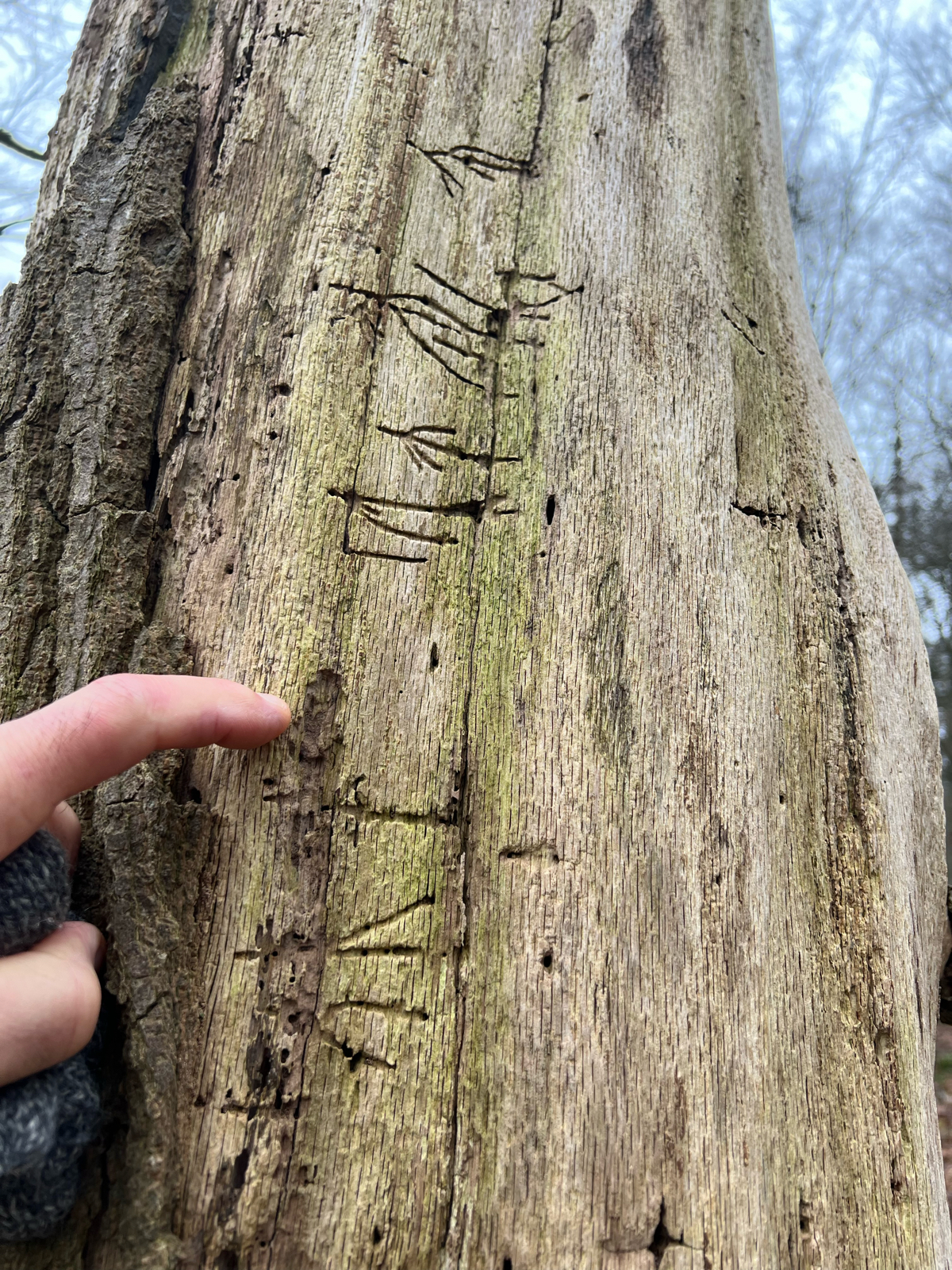
Hi Jer. This is the same as previous answer. Juraj
Number of votes for this answer: 0

Pest

A - Ambiguously determined, we are not sure

A - Ambiguously determined, we are not sure

A - Ambiguously determined, we are not sure

A - Ambiguously determined, we are not sure

Received: 17.12.2024
Wood: Beech
Number: 5397
Date of occurrence: 17.12.2024
Discussion

Add comment: A - Ambiguously determined, we are not sure

Fan-bearing wood-borer
Number: 5396
Received 17.12.2024
In progress: 3 days
Date of occurrence: 17.12.2024
Significance: Less harmful
Discussion
From: Jer Nusse
Assigned: J. Galko
Country: The Netherlands

Question

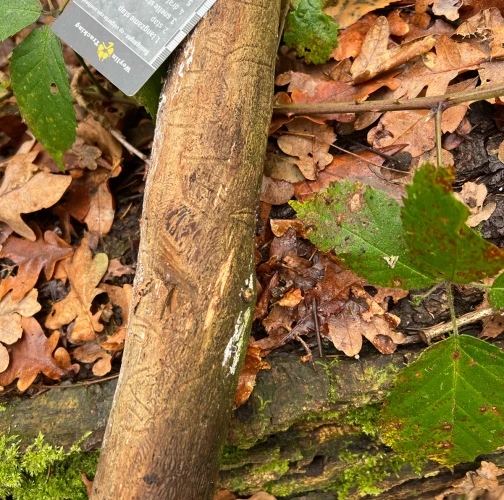
Very much drilling dust on bark

Answer

Hi Jer. This was caused probably by some anobids (Ptinidae). Very commom on beech is Ptilinus pectinicornis. See our video in atlas. Best, Juraj.
Number of votes for this answer: 0

Pest

Fan-bearing wood-borer

Ptilinus pectinicornis

Fan-bearing wood-borer

Ptilinus pectinicornis

hmyz

Received: 17.12.2024
Wood: Beech
Number: 5396
Date of occurrence: 17.12.2024
Discussion

Add comment: Fan-bearing wood-borer

Beech splendour beetle
Number: 5395
Received 17.12.2024
In progress: 3 days
Date of occurrence: 17.12.2024
Significance: Harmful
Discussion
From: Jer Nusse
Assigned: J. Galko
Country: The Netherlands

Question

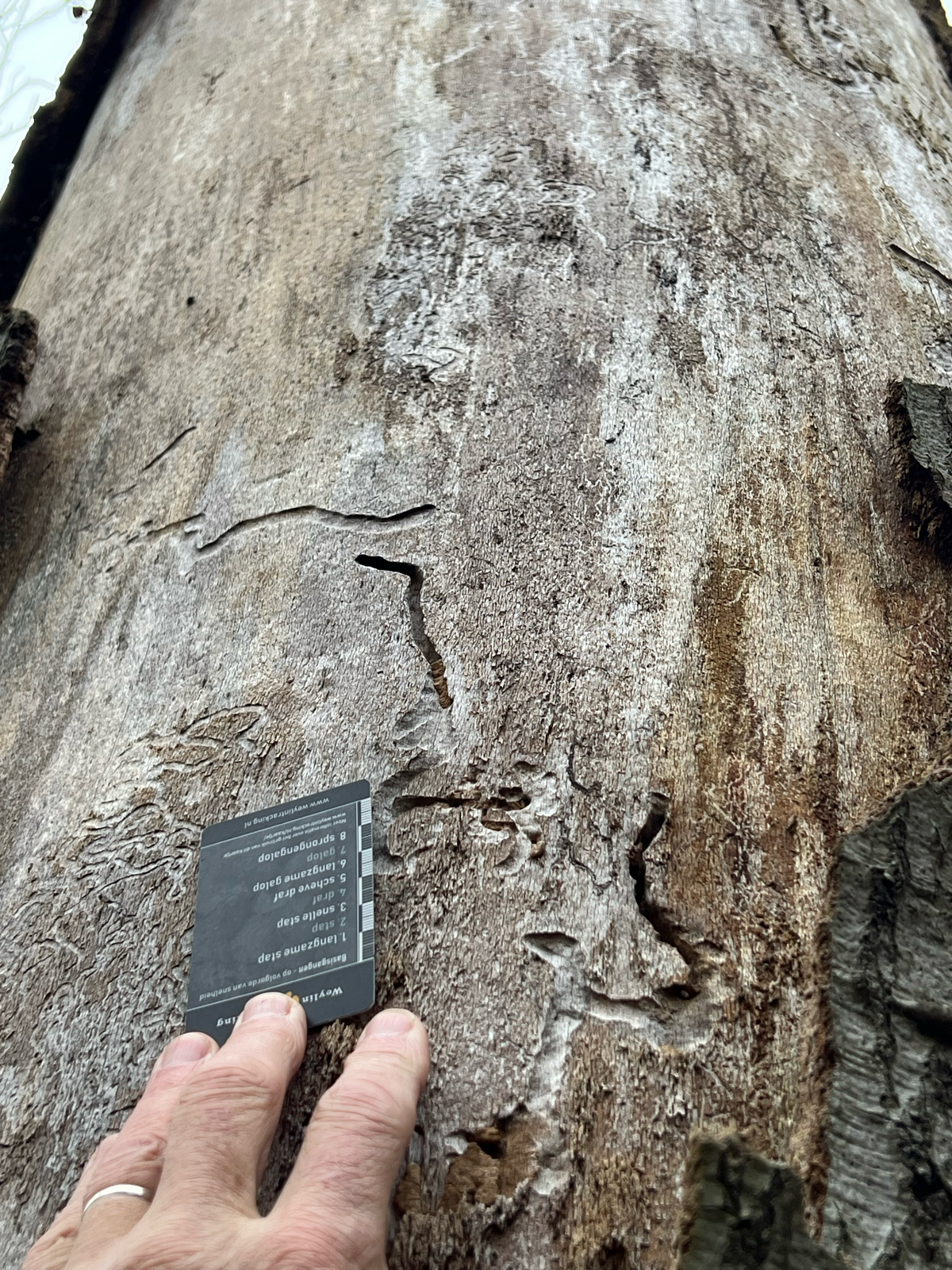
Dead tree

Answer

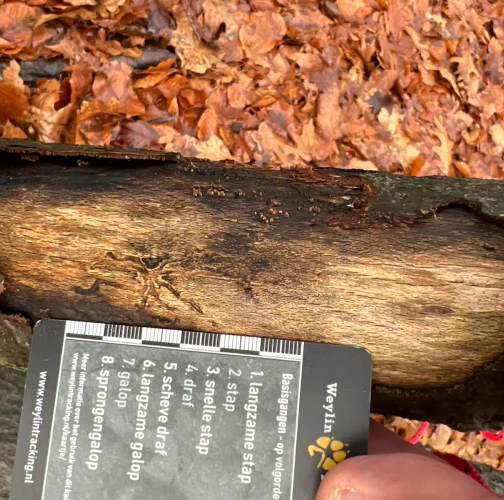
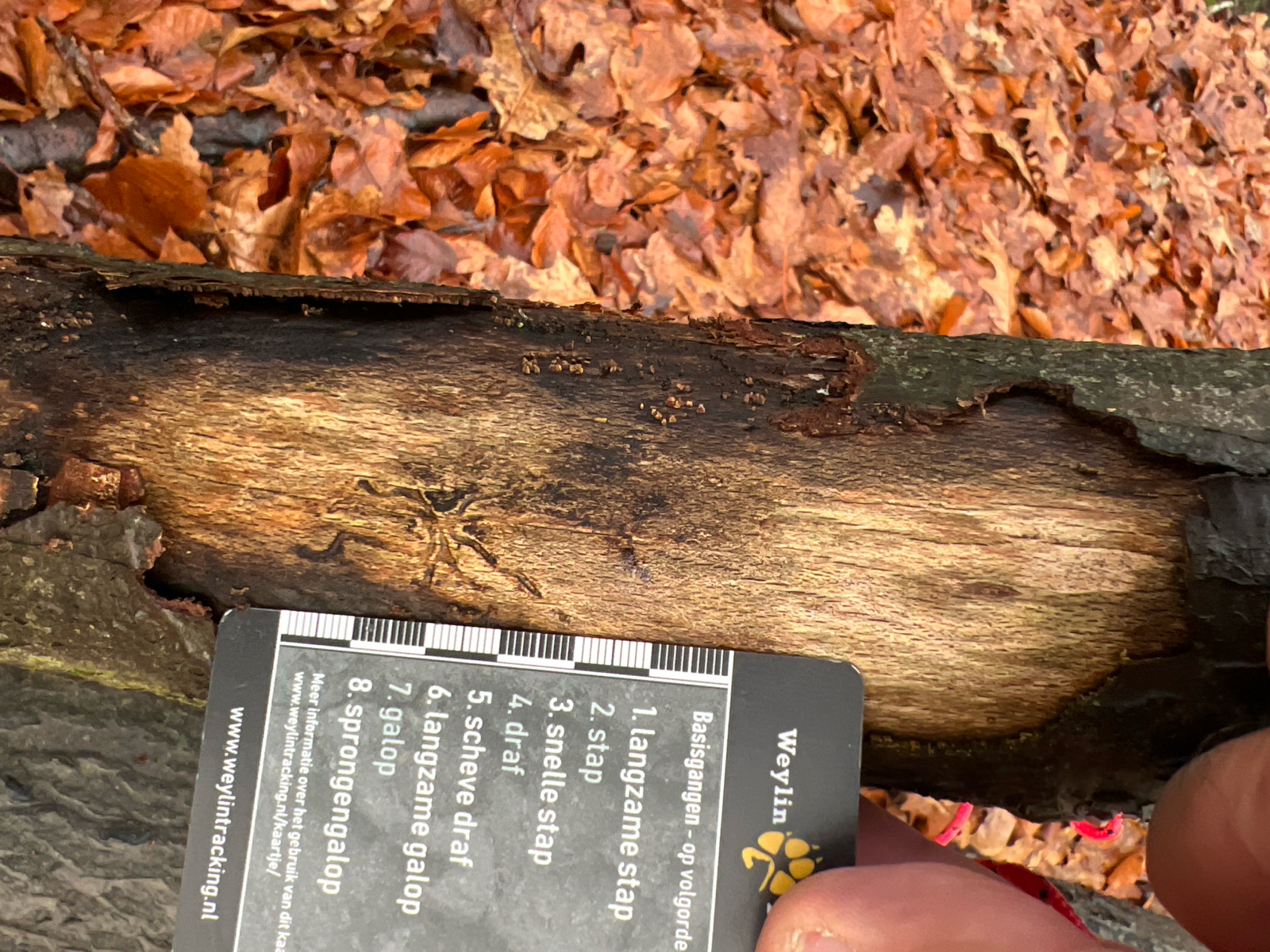
Hi Jer. Smaller zic-zac gallery on the left was created probably by Agrilus viridis (see video in atlas) and the bigger tunnel probably by some cerambycid. It is hard to say what species. Juraj
Number of votes for this answer: 0

Pest

Beech splendour beetle

Agrilus viridis

Beech splendour beetle

Agrilus viridis

hmyz

Received: 17.12.2024
Wood: Beech
Number: 5395
Date of occurrence: 17.12.2024
Discussion

Add comment: Beech splendour beetle

Number: 5380
Received 12.12.2024
In progress: 26 days
Date of occurrence: 12.12.2024
Significance:
Discussion
From: Jer Nusse
Assigned: M. Zúbrik
Country: The Netherlands

Question

Answer

Dear Jer, sorry for late reply. We are not sure abouth identification as there is no similar species on oak. With best regards M. Zubrik
Number of votes for this answer: 0

Pest

A - nejednoznačne určený, nie sme si istí

A - nejednoznačne určený, nie sme si istí

hmyz

Received: 12.12.2024
Wood: Oak
Number: 5380
Date of occurrence: 12.12.2024
Discussion

Add comment:

Pappelrost
Hnedospórka topoľová
Pappelrost
Number: 5379
Received 12.12.2024
In progress: 0 days
Date of occurrence: 28.8.2024
Significance: Harmful
Discussion
Assigned: A. Kunca
Country: Belarus

Question

Answer

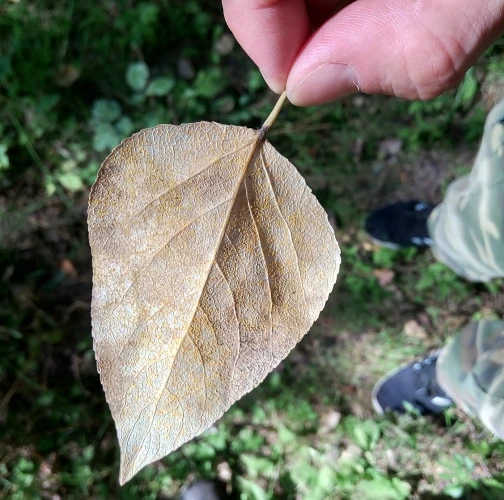
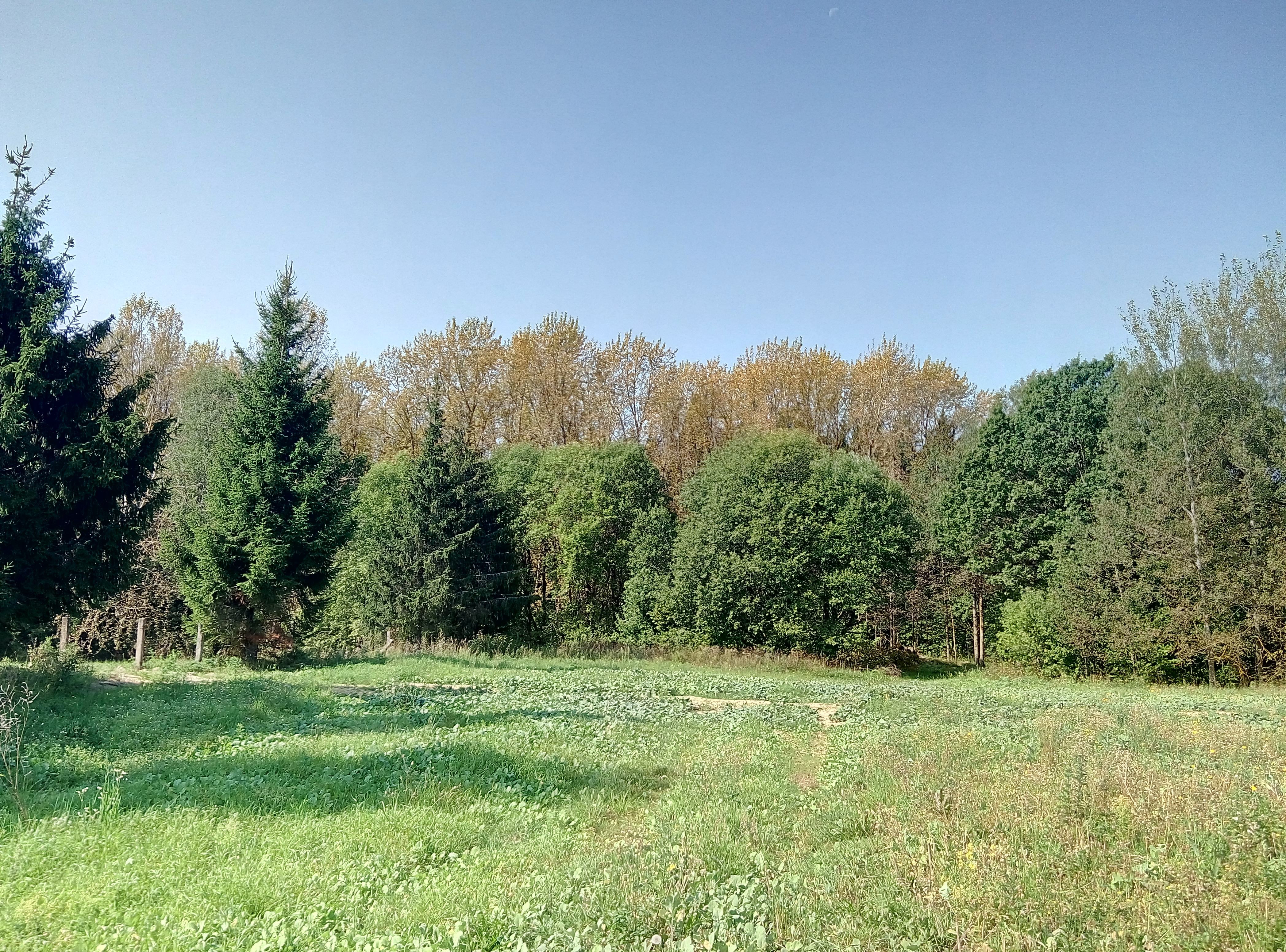
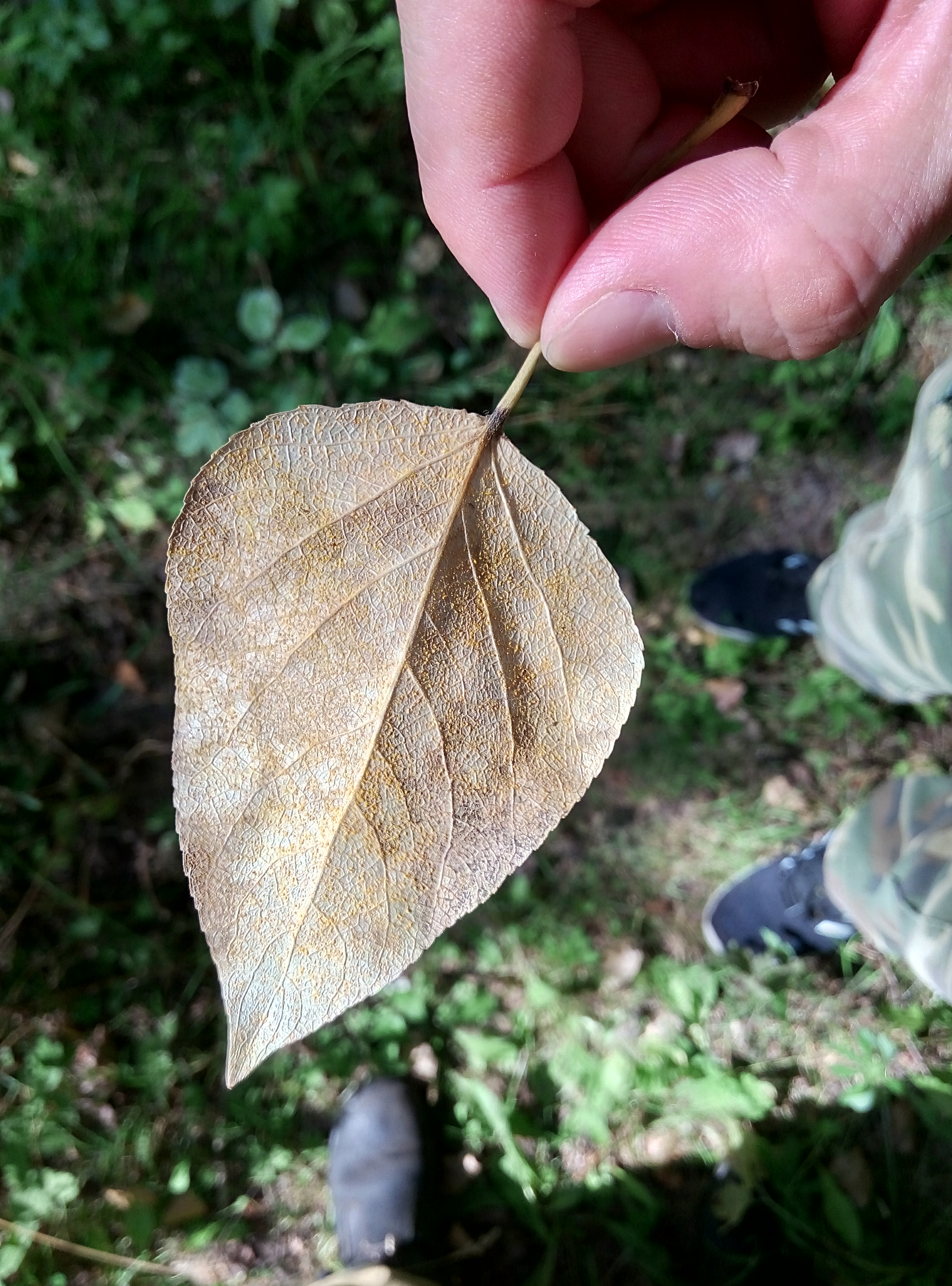
It could be rust Melampsora sp., e.g. M. laricis-populina. AK.
Number of votes for this answer: 0

Pest

Pappelrost

Melampsora laricis-populina

Pappelrost

Melampsora laricis-populina

huby

Received: 12.12.2024
Wood: Poplar
Number: 5379
Date of occurrence: 28.8.2024
Discussion

Add comment: Pappelrost

Hymenochaete rubiginosa
Kožnačka hrdzavohnedáKožnačka hrdzavohnedá
Hymenochaete rubiginosa
Number: 5378
Received 12.12.2024
In progress: 0 days
Date of occurrence: 18.9.2024
Significance: Less harmful
Discussion
Assigned: A. Kunca
Country: Belarus

Question

Answer

It could be Hymenochaete rubiginosa. AK.
Number of votes for this answer: 0

Pest

Hymenochaete rubiginosa

Hymenochaete rubiginosa

Hymenochaete rubiginosa

Hymenochaete rubiginosa

huby

Received: 12.12.2024
Wood: Oak
Number: 5378
Date of occurrence: 18.9.2024
Discussion

Add comment: Hymenochaete rubiginosa
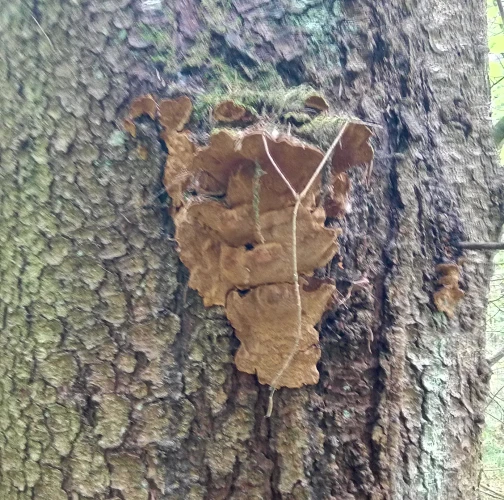
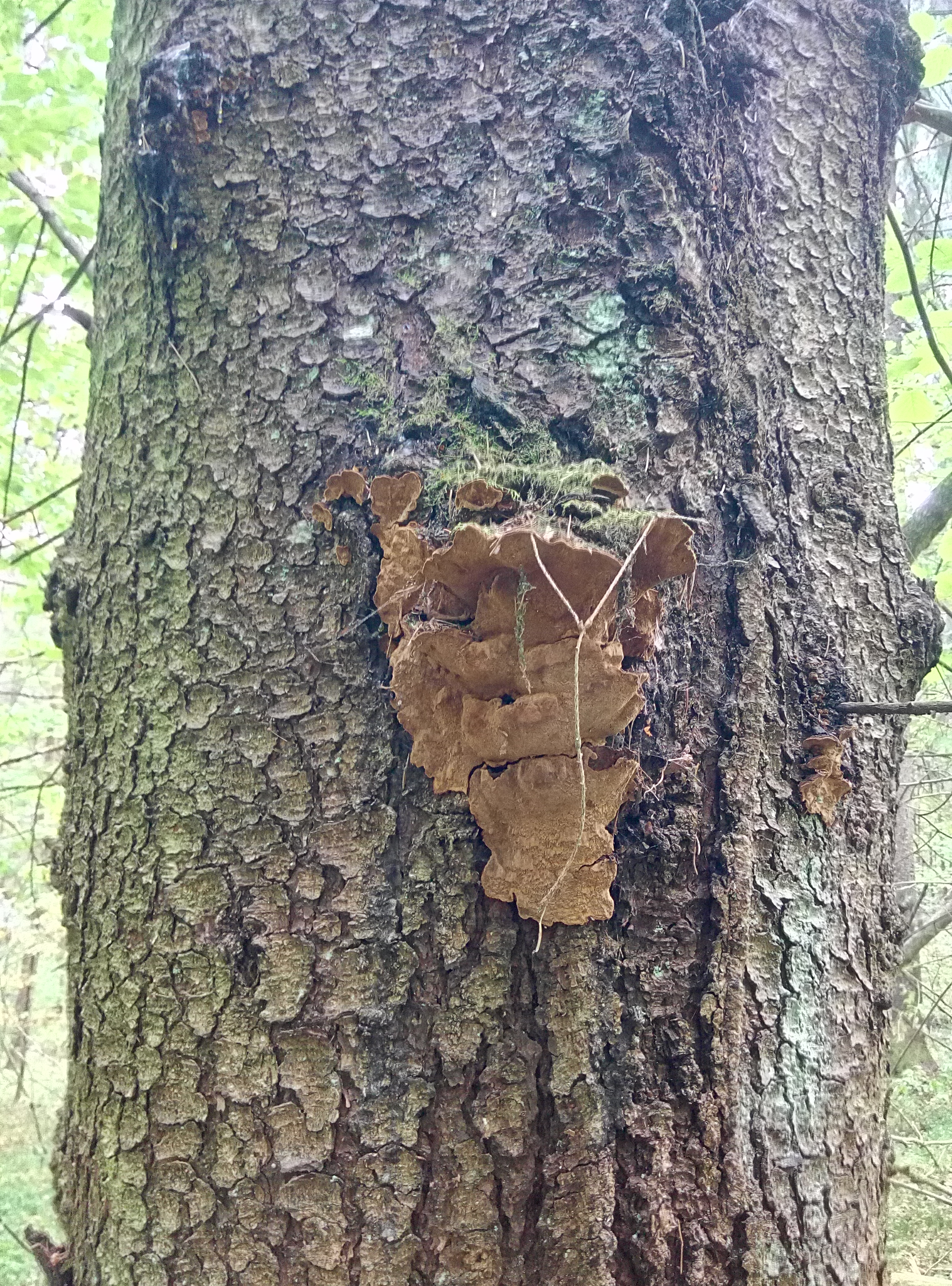
Phellinus chrysoloma
Ohňovec smrekový
Phellinus chrysoloma
Number: 5375
Received 11.12.2024
In progress: 5 days
Date of occurrence: 13.9.2024
Significance: Harmful
Discussion
Assigned: V. Longauerová
Country: Belarus

Question

Answer

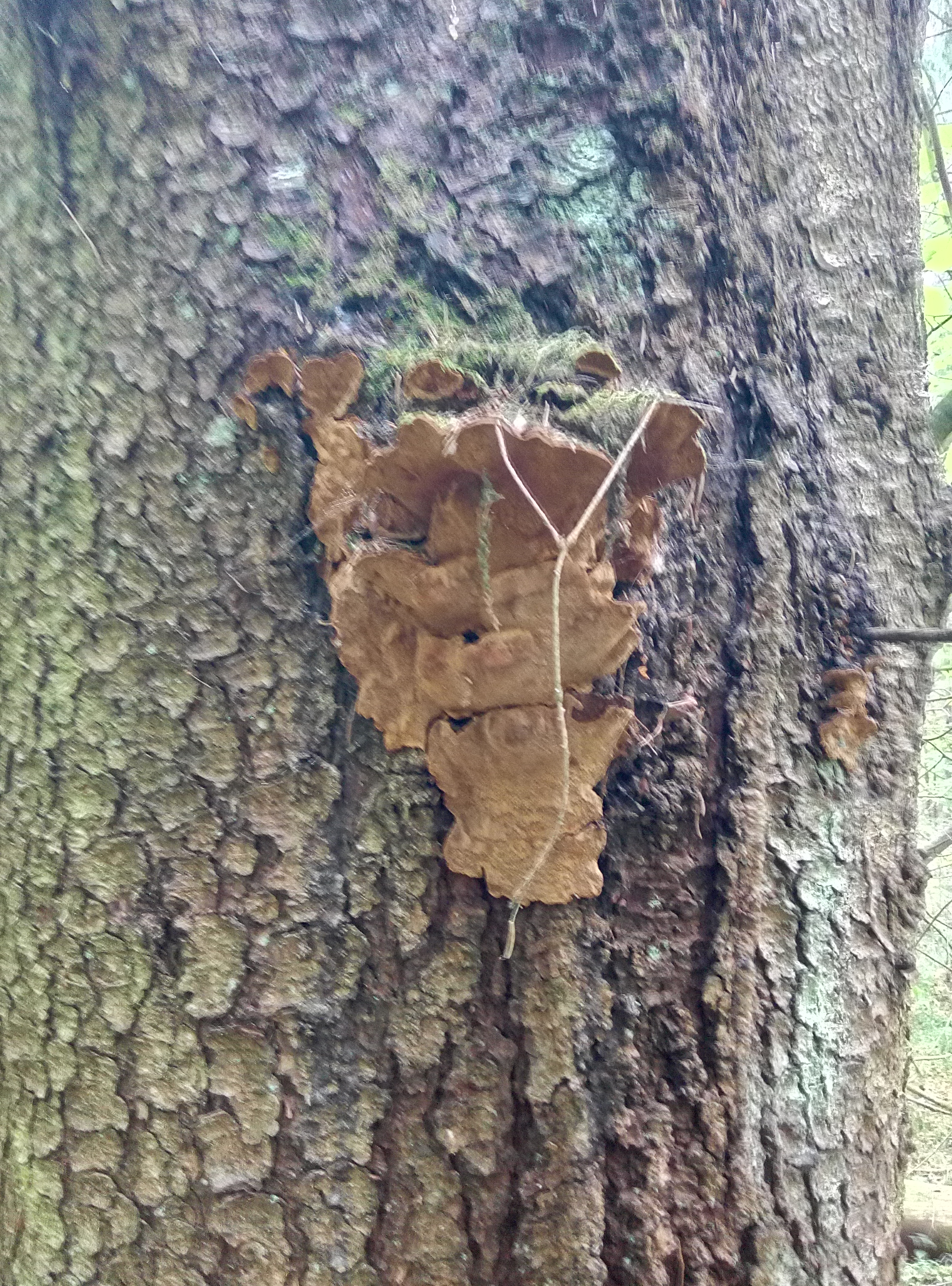
Dear Aliaksandr Sazonau, thank you for your inquiry, according to the photo it is Phellinus chrysoloma or Phellinus pini. Best regards, V. Longauerová
Number of votes for this answer: 0

Pest

Phellinus chrysoloma

Phellinus chrysoloma

Phellinus chrysoloma

Phellinus chrysoloma

huby

Received: 11.12.2024
Wood: Spruce
Number: 5375
Date of occurrence: 13.9.2024
Discussion

Add comment: Phellinus chrysoloma

A - This species is not in the database yet
Number: 5356
Received 8.12.2024
In progress: 1 days
Date of occurrence: 8.12.2024
Significance:
Discussion
From: Jer Nusse
Assigned: J. Galko
Country: The Netherlands

Question

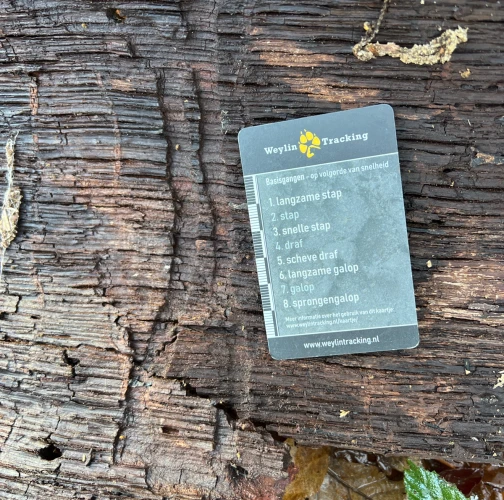
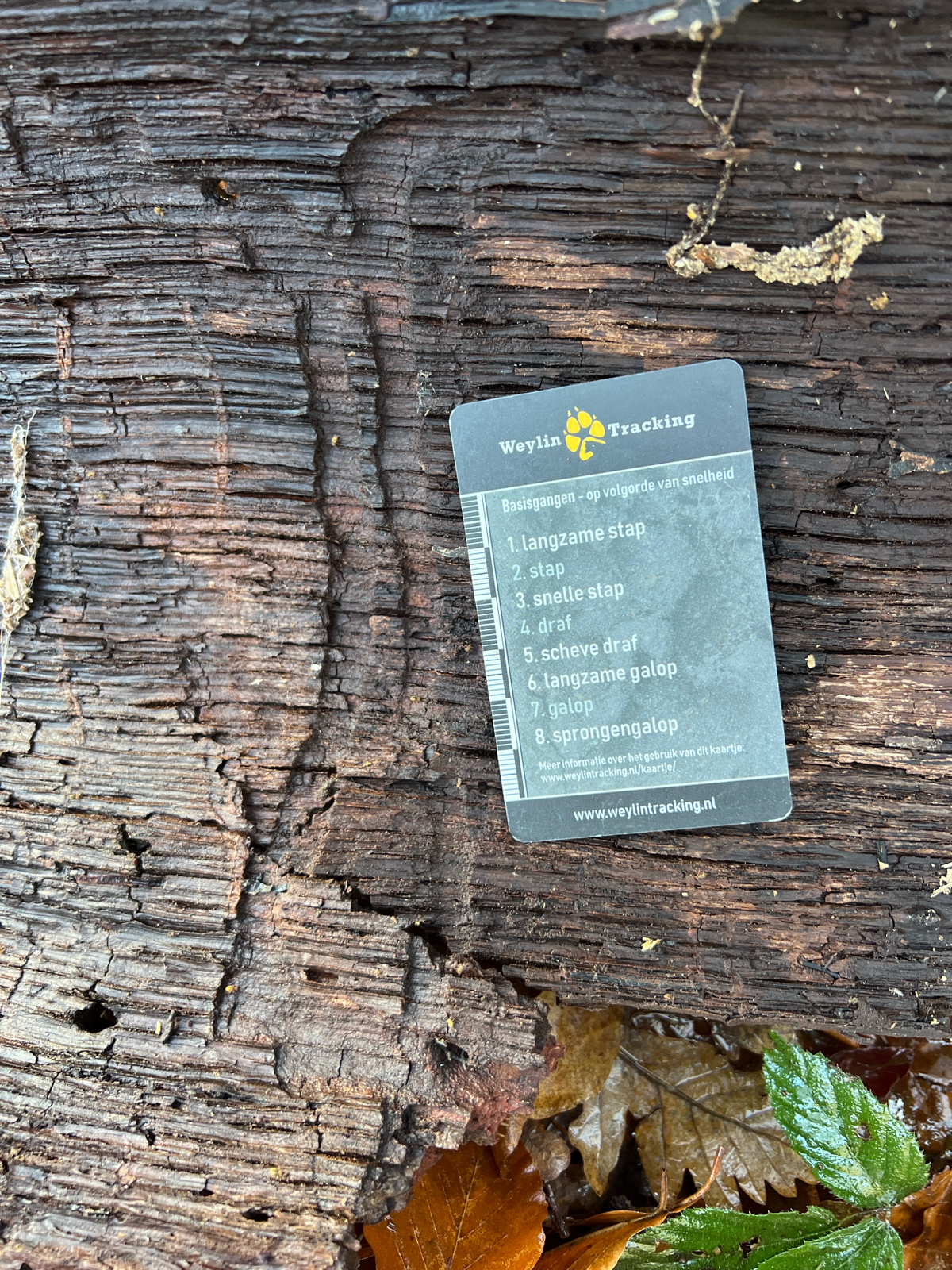
Fallen dead tree

Answer

Hi Jer. Possibly it is Taphrorychus villifrons but I am not sure. Here is our video about this species: https://youtu.be/6uDaHUna4Pk?si=TmbBb5Dp0oBTaIv7. Best regards, Juraj
Number of votes for this answer: 0

Pest

A - This species is not in the database yet

A - This species is not in the database yet

A - This species is not in the database yet

A - This species is not in the database yet

huby

Received: 8.12.2024
Wood: Oak
Number: 5356
Date of occurrence: 8.12.2024
Discussion

Add comment: A - This species is not in the database yet

A - Ambiguously determined, we are not sure
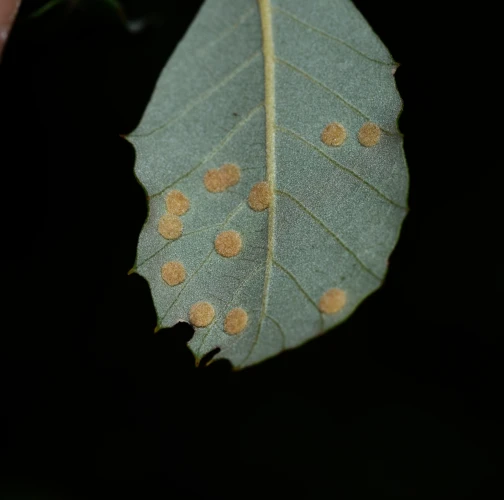
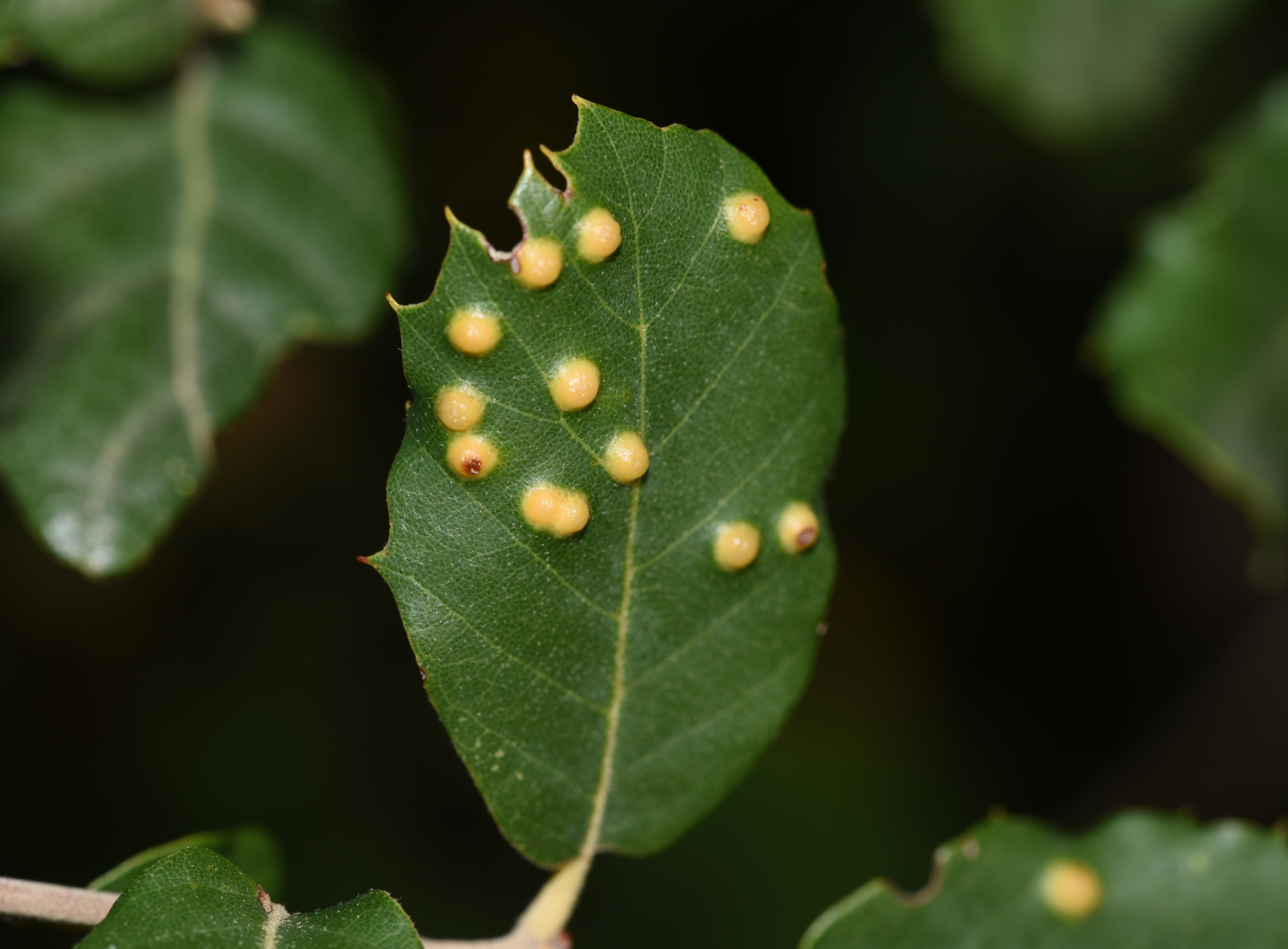
Number: 5347
Received 3.12.2024
In progress: 1 days
Date of occurrence: 3.12.2024
Significance:
Discussion
From: Jer Nusse
Assigned: J. Galko
Country: The Netherlands

Question

In the bark

Answer

Dear Jer. According to the size and eliptical hole it looks like a tunnel created by Cerambycid larvae. Under oak bark there can live many cerambycid species larvae that is why I stated "we are not sure". I would guess maybe Plagionotus sp. or Rhagium sp.   All the best, Juraj.
Number of votes for this answer: 0

Pest

A - Ambiguously determined, we are not sure
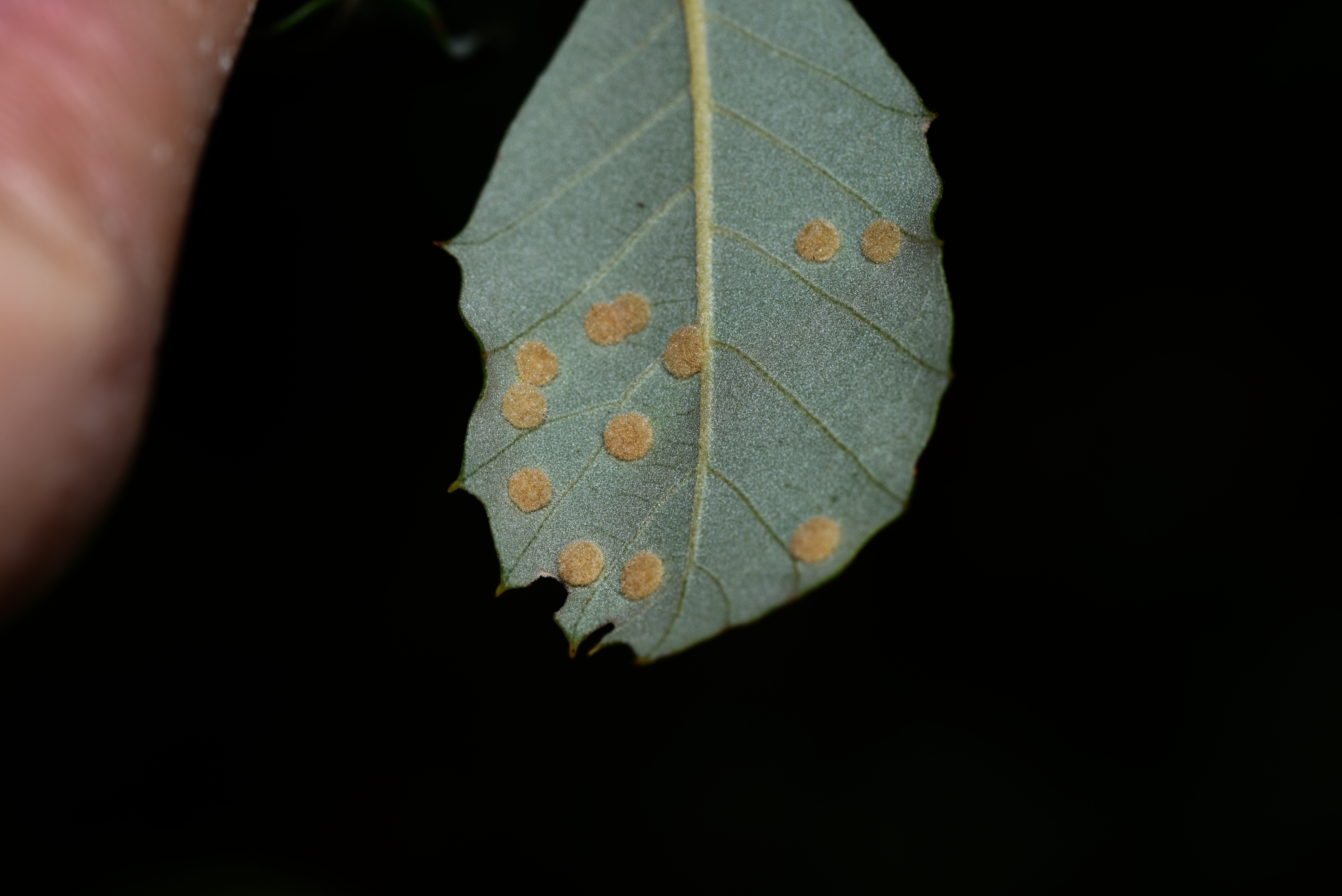
A - Ambiguously determined, we are not sure

A - Ambiguously determined, we are not sure

A - Ambiguously determined, we are not sure

huby

Received: 3.12.2024
Wood: Oak
Number: 5347
Date of occurrence: 3.12.2024
Discussion

Add comment: A - Ambiguously determined, we are not sure

Gall mite of Holly oak
Roztoč Aceria ilicis
Gall mite of Holly oak
Number: 5319
Received 22.11.2024
In progress: 0 days
Date of occurrence: 9.11.2024
Significance: Less harmful
Discussion
From: Pasquale
Assigned: M. Zúbrik
Country: Italy

Question

Answer

Dear Friend, thank you for your inquiry. Several species of mites (Aceria) live on oak trees and cause similar symptoms. Based on the oak species and location, I assume it could be Aceria ilicis. Best regards, M. Zúbrik
Number of votes for this answer: 0

Pest

Gall mite of Holly oak

Aceria ilicis

Gall mite of Holly oak

Aceria ilicis

roztoce

Received: 22.11.2024
Wood: Oak
Number: 5319
Date of occurrence: 9.11.2024
Discussion

Add comment: Gall mite of Holly oak

Back to top