Here you can request to determine the cause of the damage. You can view the requests of other users and sort them according to the selected criteria. In addition, you can get information about your request, and you can follow the progress of its current state. If your application was not approved, it had probably been because it was impossible to identify the damage based on the sent photos or because the application does not address our topic - determining the pests of trees and shrubs. We will inform you about the status of your application by email.
Dobrý deň,
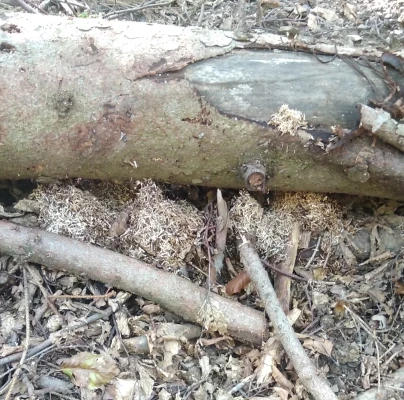
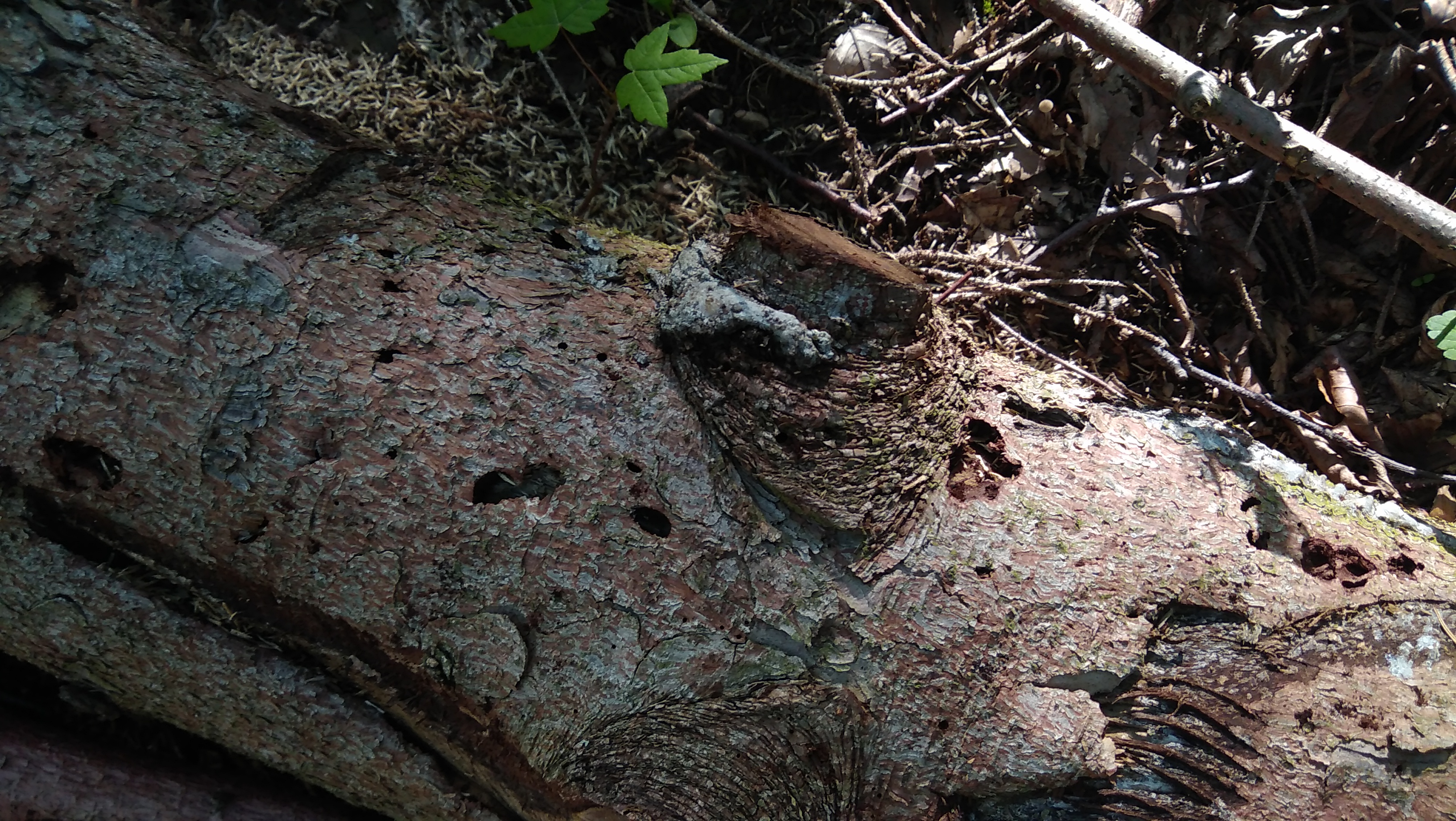
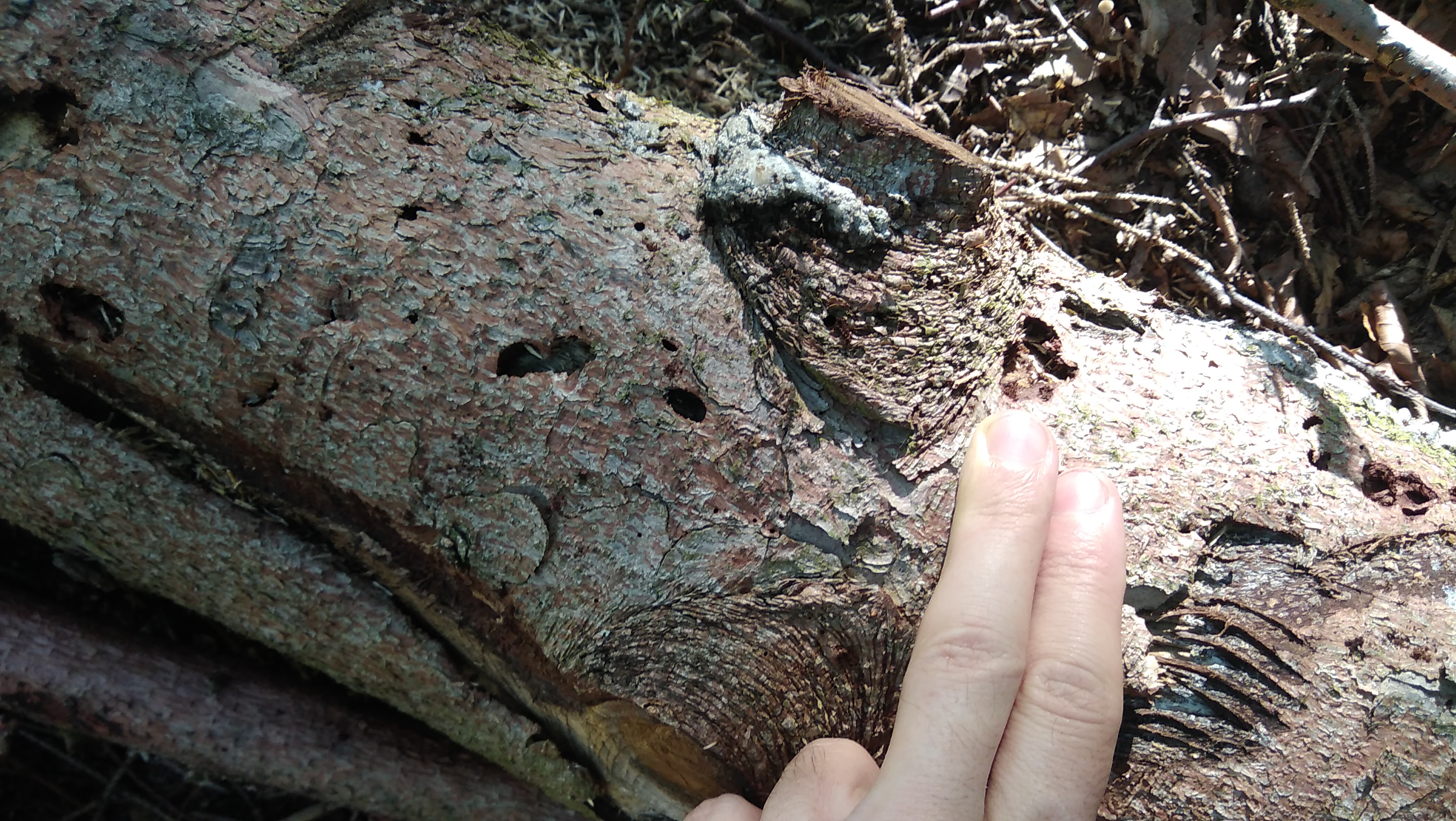
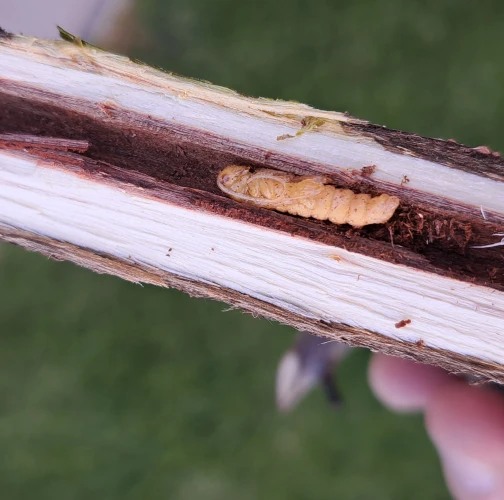
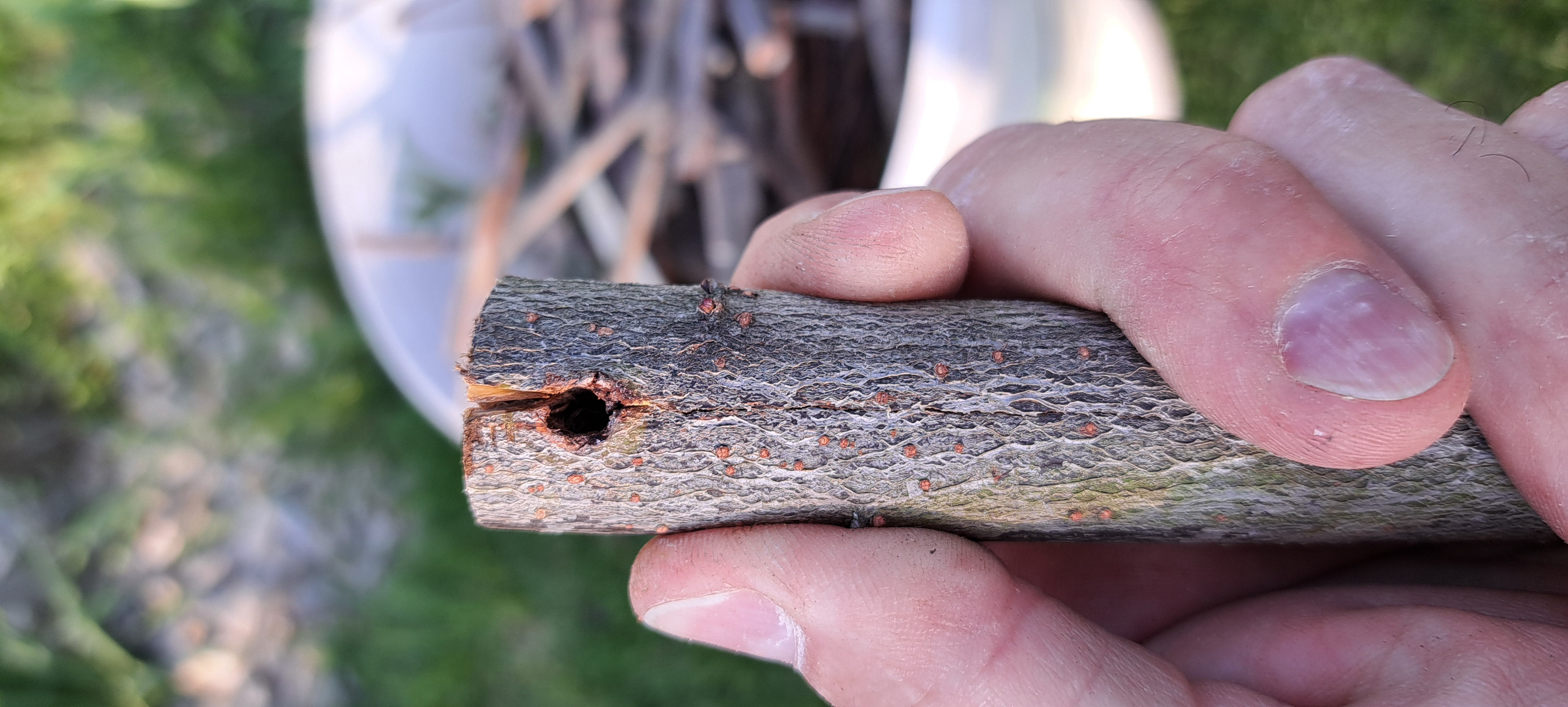
na fotografii sa jedná o kmeň stromu s malým priemerom, asi úplná špička stromu v rúbnom veku.
Priložil som na fotke aj prsty aby ste vedeli odhadnúť rozmery. Ja mám výšku len 170 cm takže mám relatívne malé ruky.
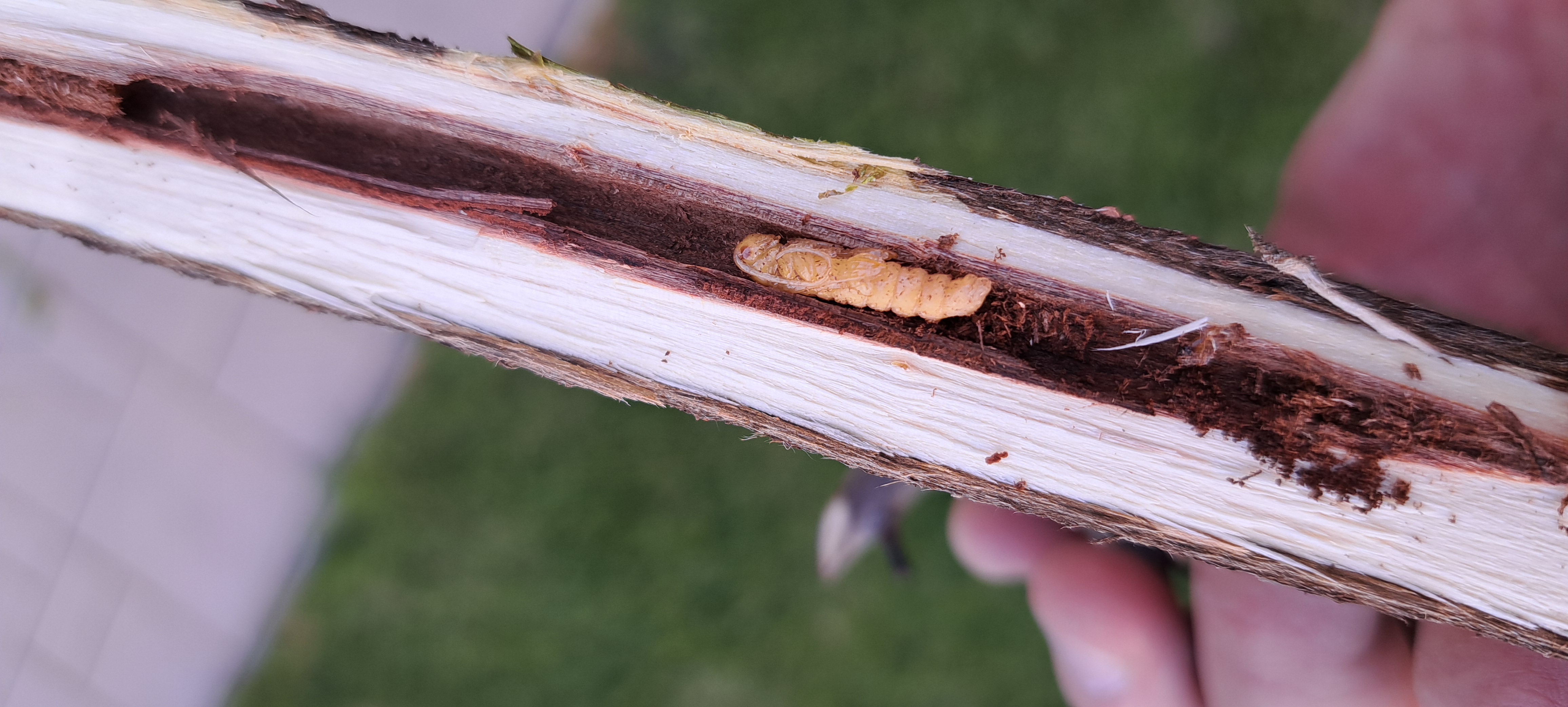
Vidieť na viacero miestach drvinu v tvare kužeľu. Viacero kužeľov.
Drvina pripomína akoby piliny z dreva
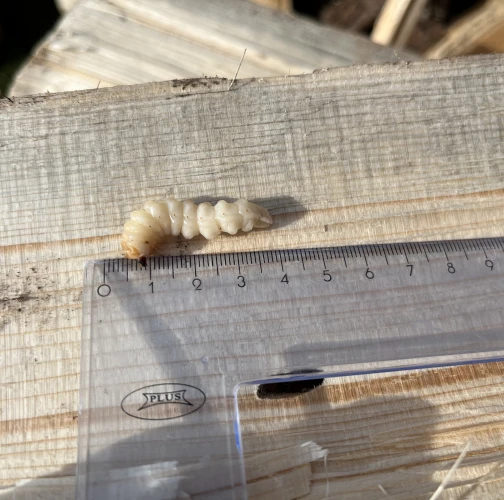
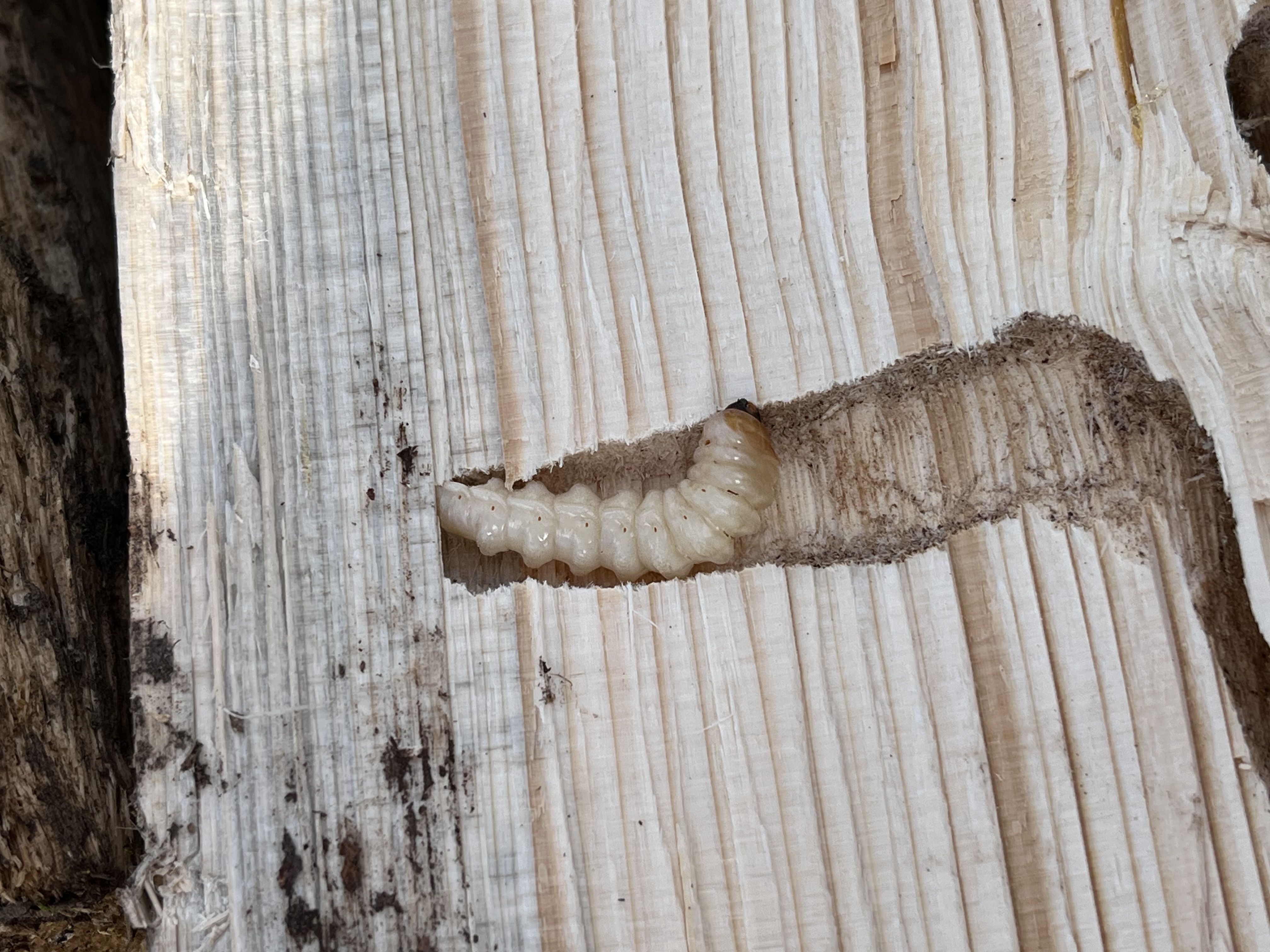
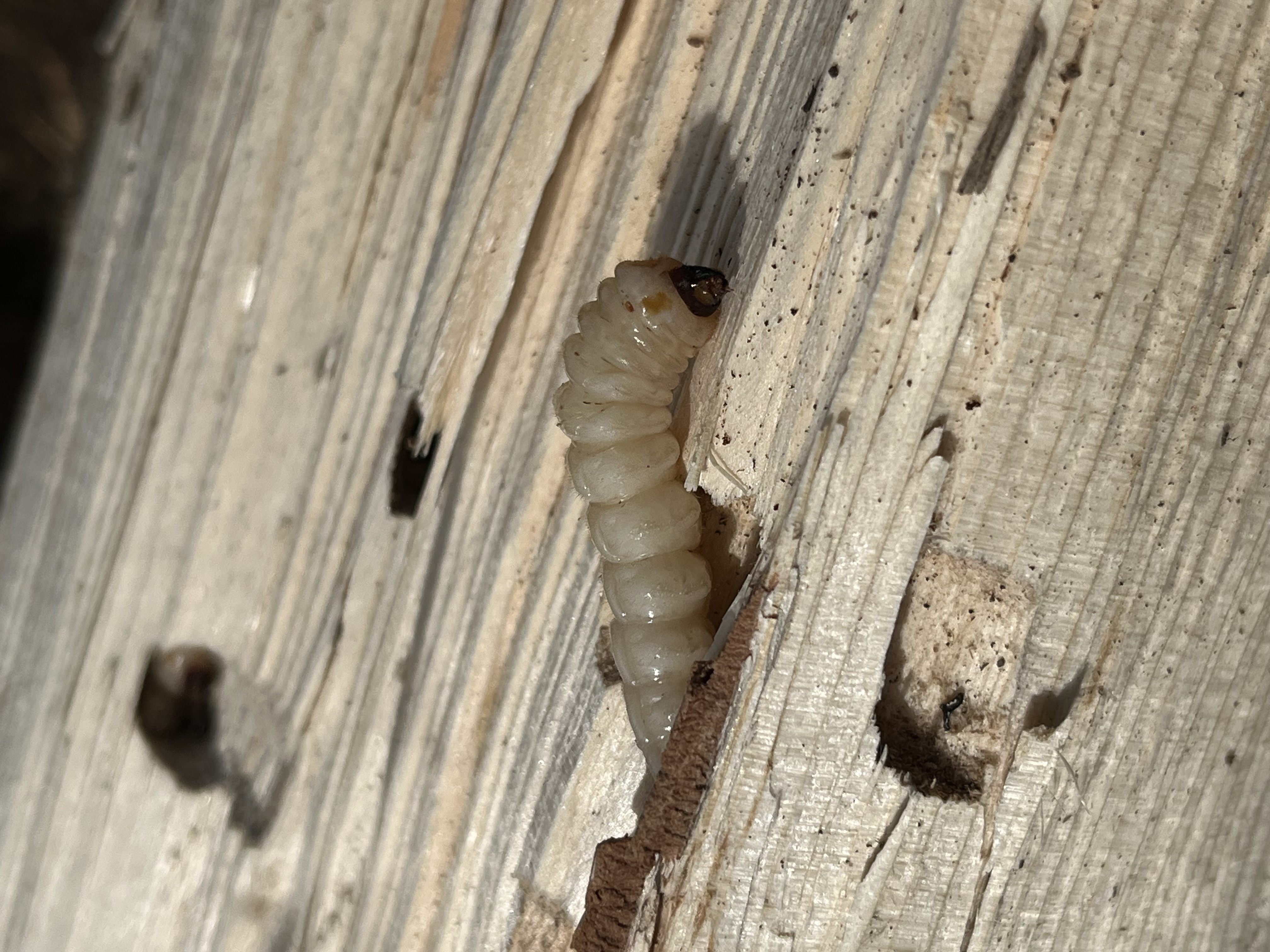
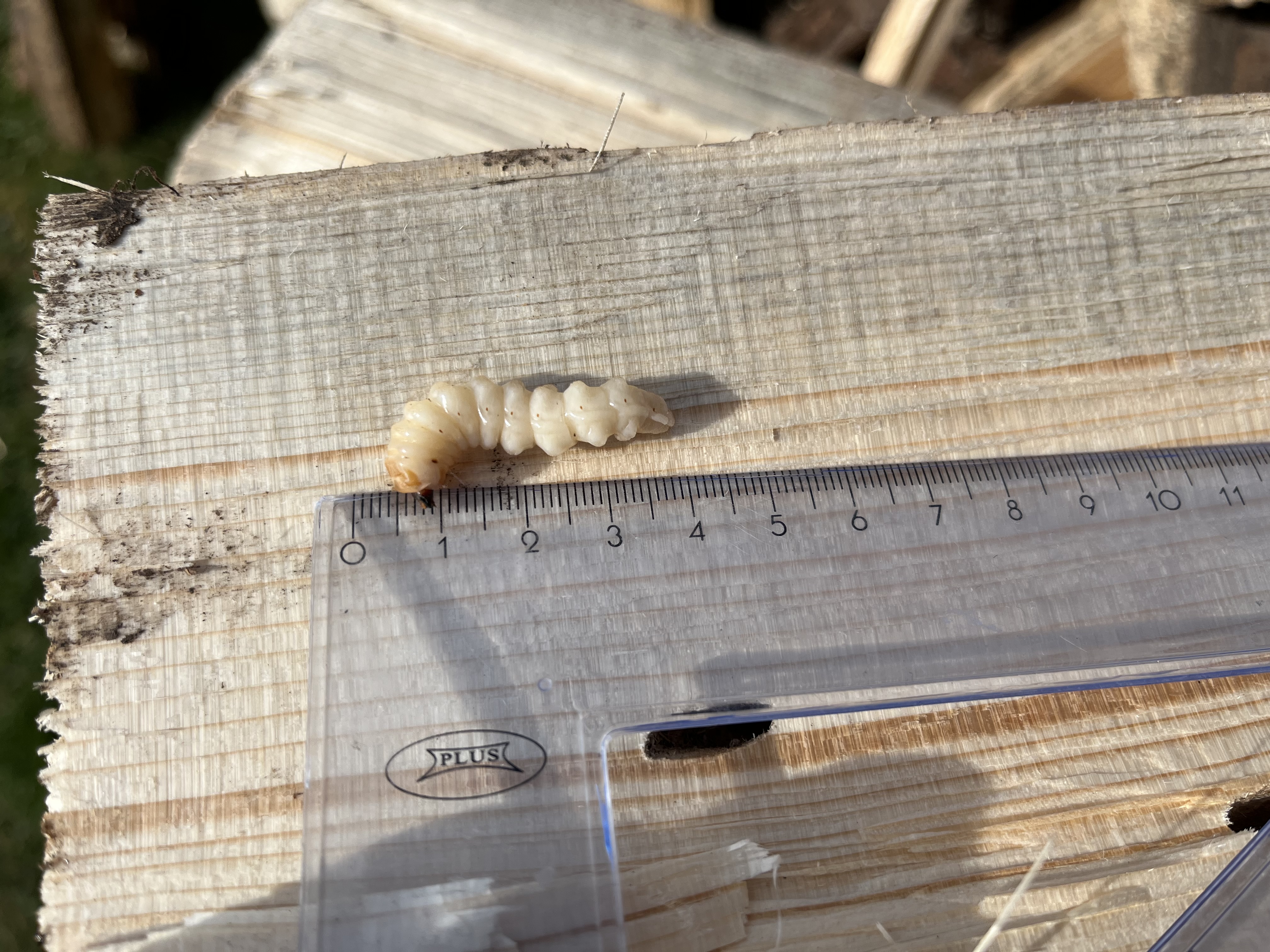
Ten kus dreva tam bol dlhší čas po spílení, takže možno to je nejaký technický škodca.
Že by tom bol vrzúnik?
Answer
Dobrý deň. Takéto vytláčané drviny sú typické pre vrzúnikov rodu Monochamus. S pozdravom JG
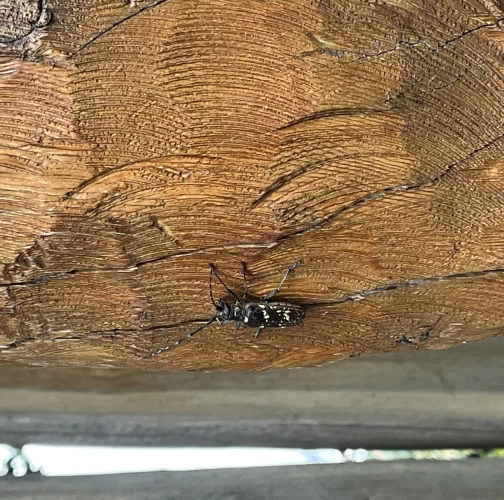
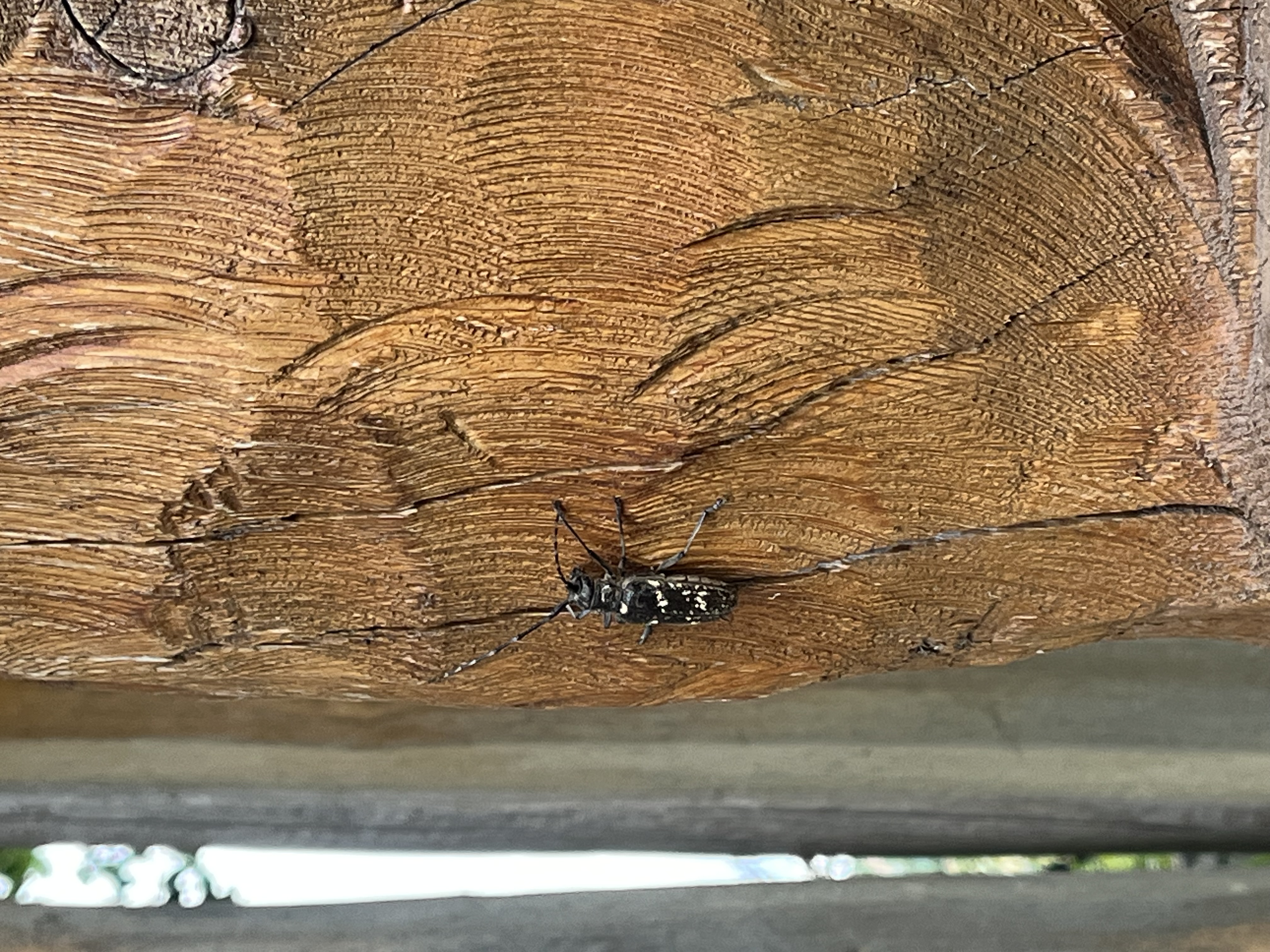
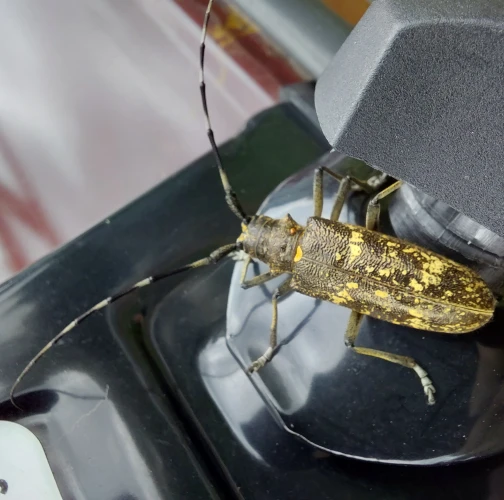
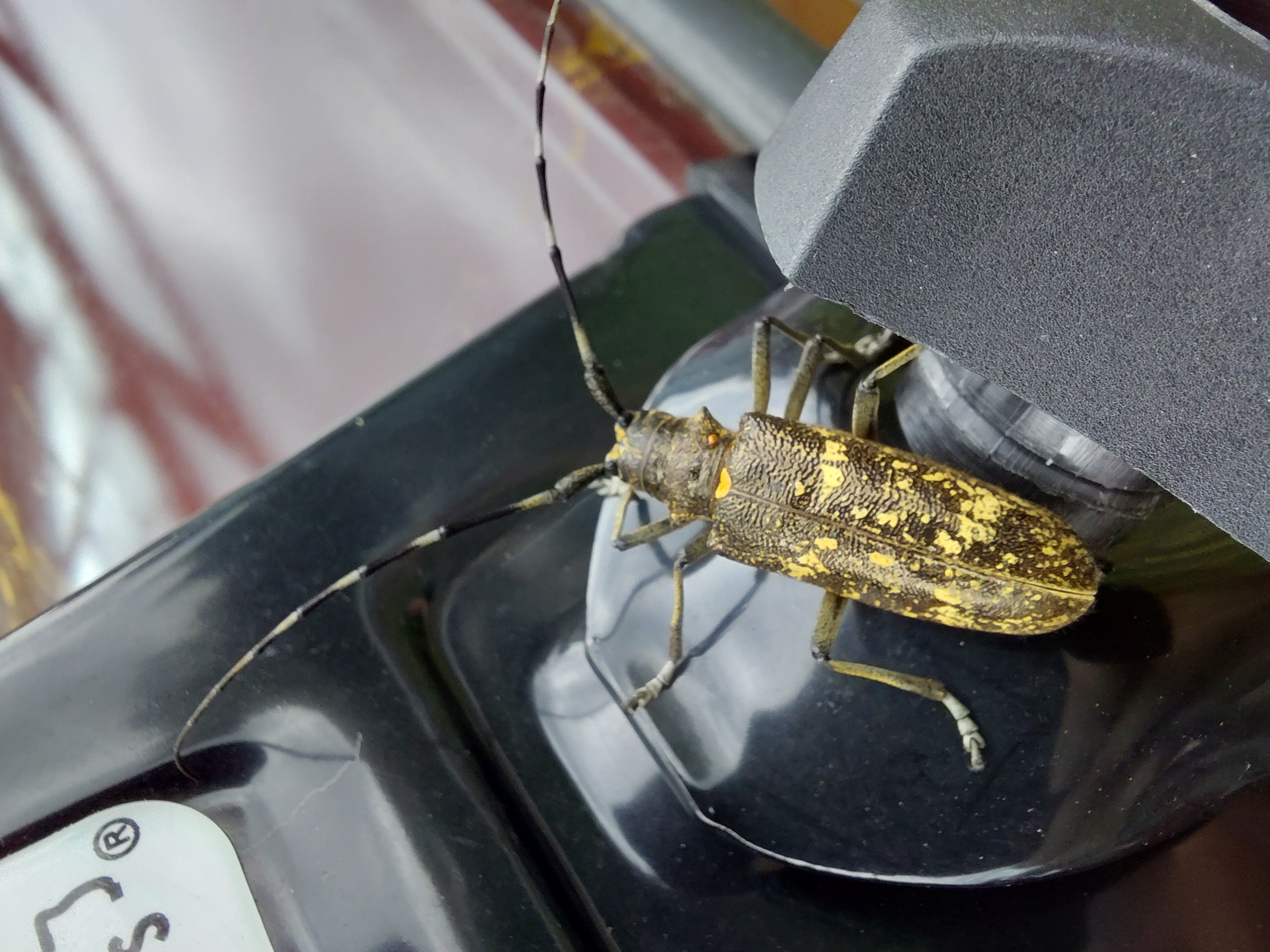
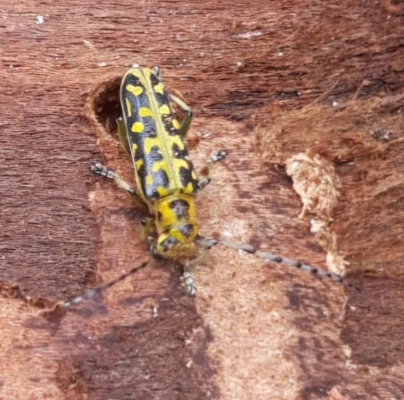
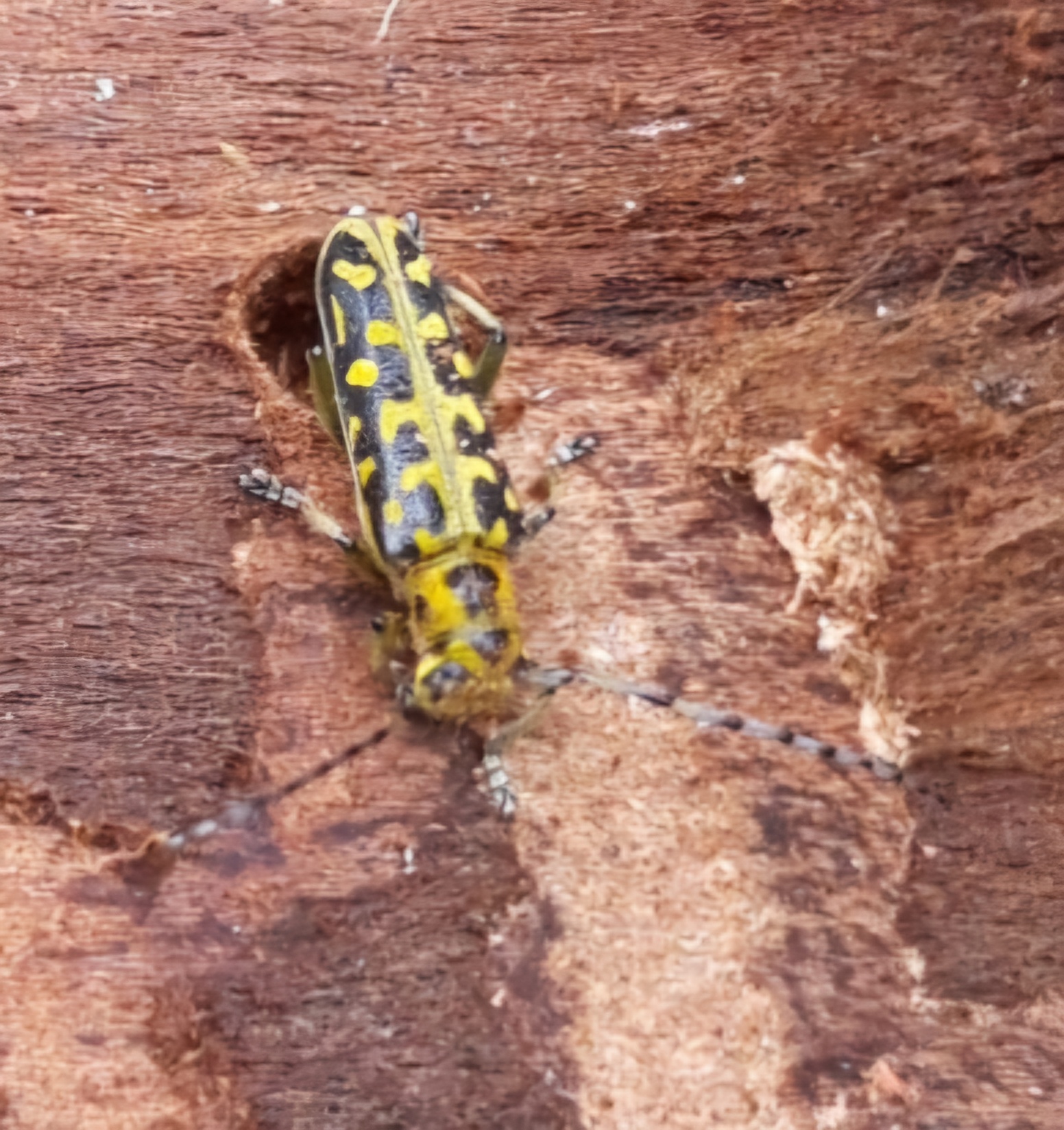
Nezistila som nijaké poškodenie stromu, keďže škodca sa nachádzal na drevenej soche. Posielam Vám to pre istotu, že tento hmyz sa tu nachádza.
Answer
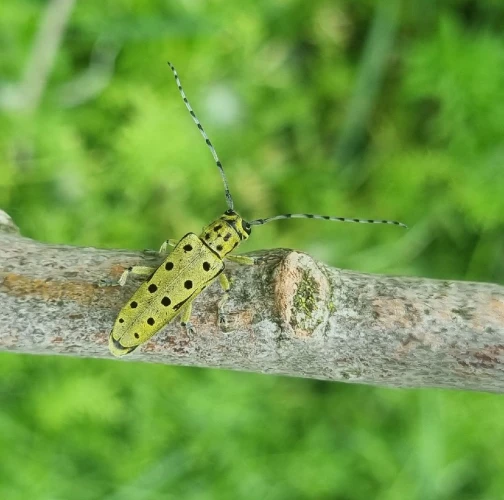
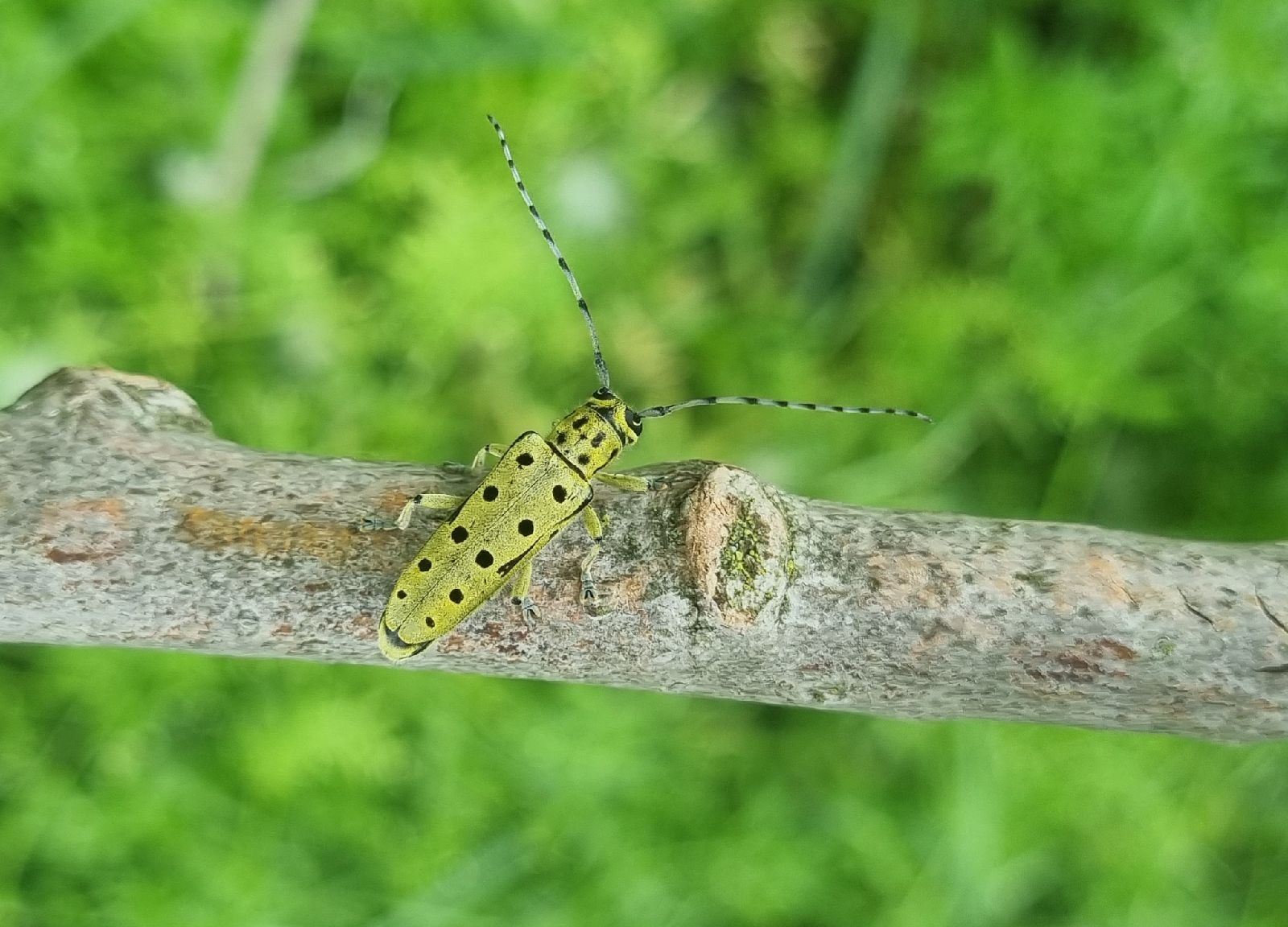
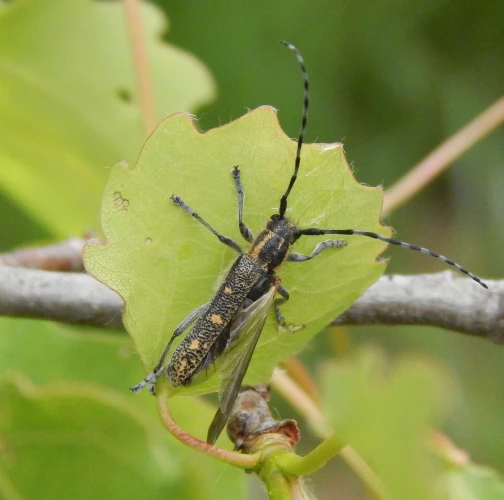
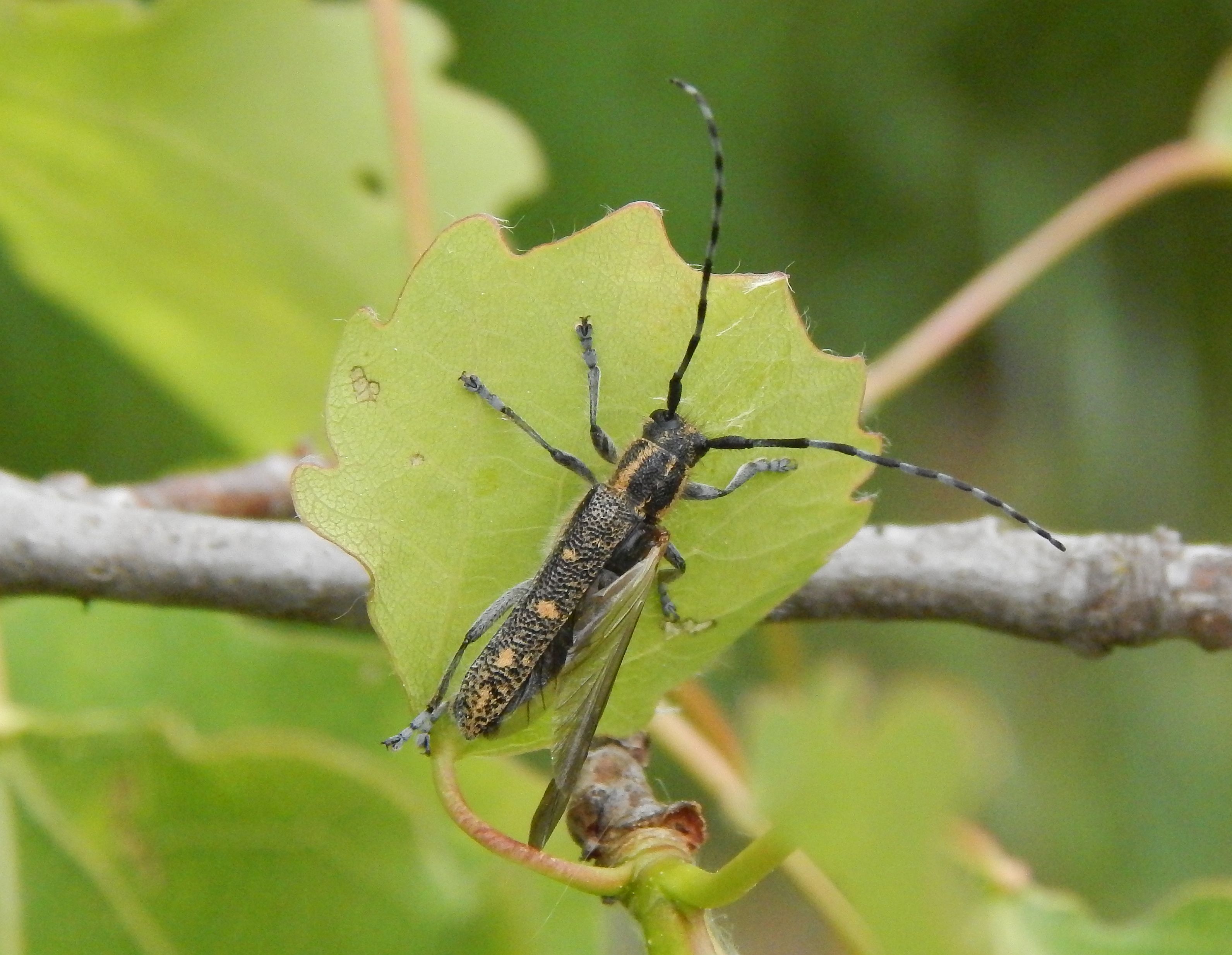
Dobrý deň, je to samička fuzáča - vrzúnik pralesový Monochamus sartor.
Larva sa vyvíja v mŕtvom ihličnatom dreve s kôrou, vo vašej soche dokončil vývoj a vyletel.
Rezivo bez kôry a iné sochy nie sú ohrozené.
S pozdravom
J. Vakula
Dobrý deň,
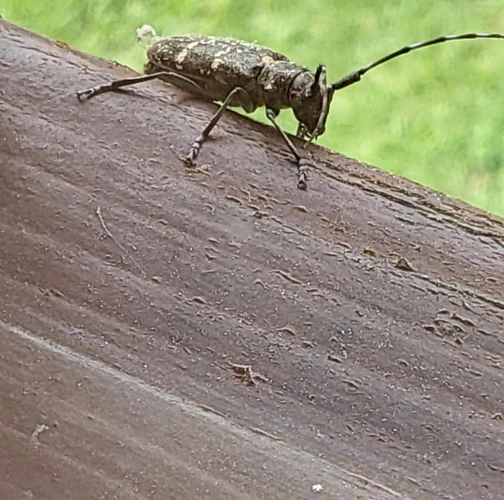
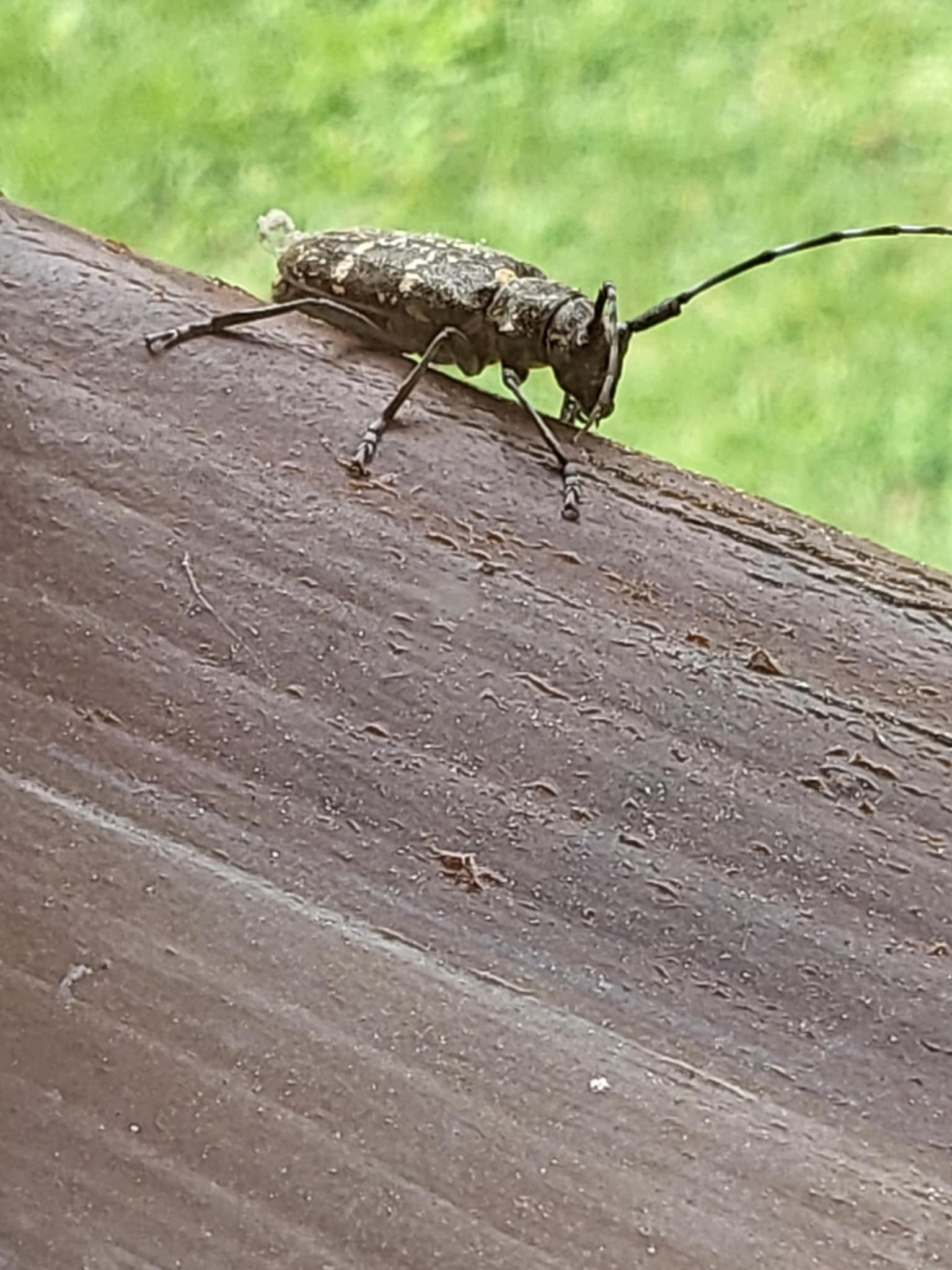
je to samička vrzunika pralesového, môže sa ale jednať aj o samičku vrzunika smrekovéhovMonochamus sutor, rozdiely sú malé a viditeľné z vrchnej strany kroviek.
pekná fotka.
S pozdravom
J. Vakula
Dear K.,
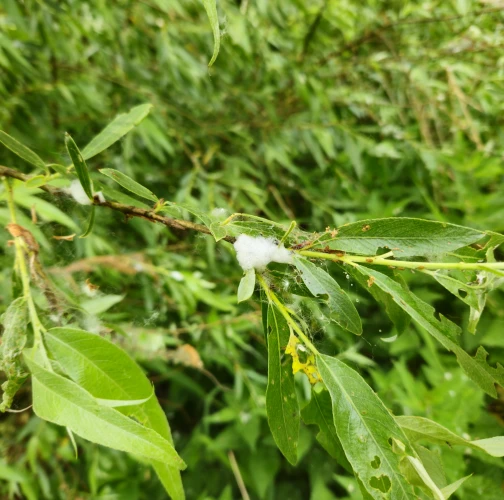
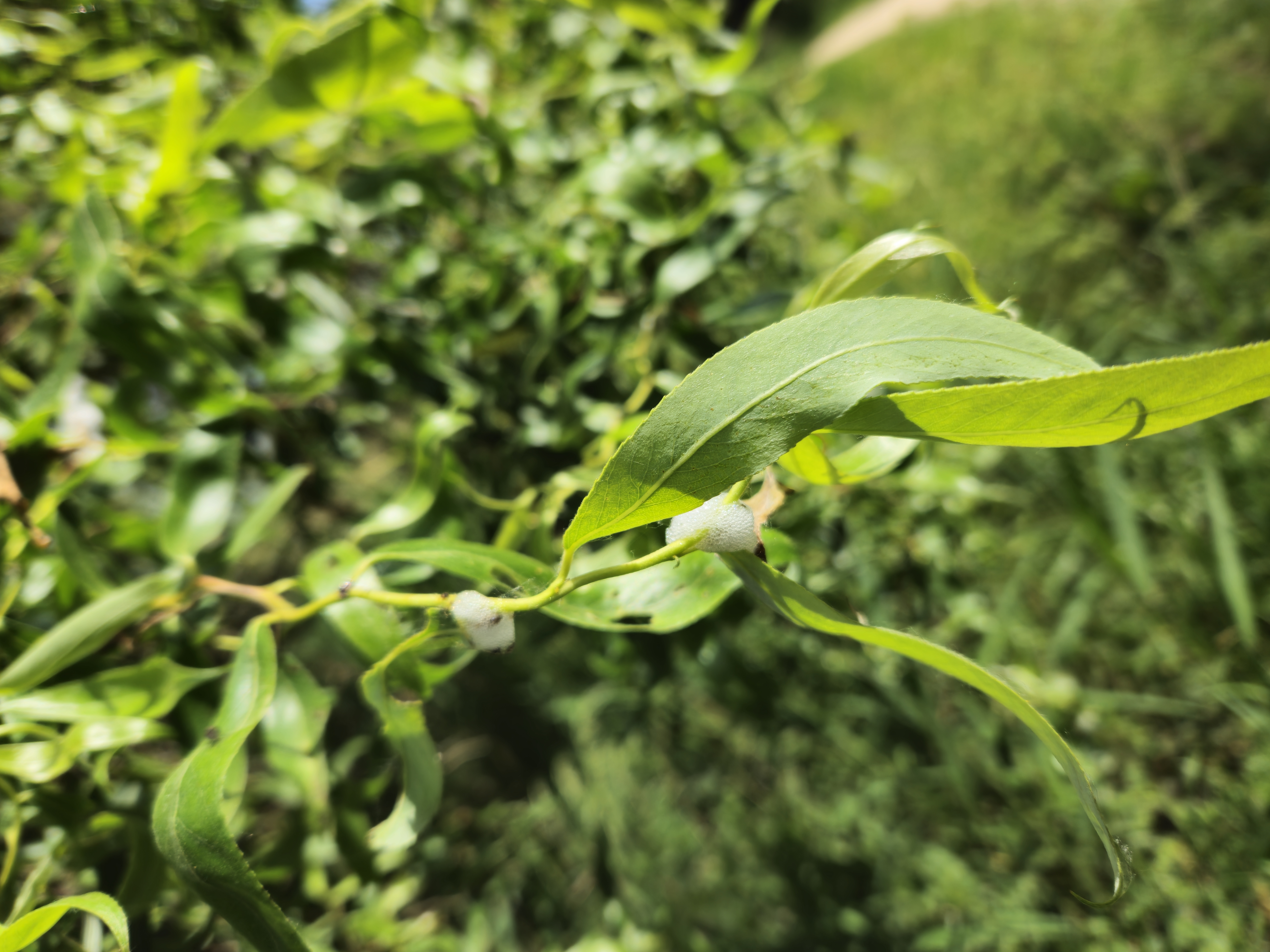



The insect in the picture is Aphrophora salicina, the willow spittlebug. It is a common species found on willows near streams and rivers. The immature stages secrete a frothy, saliva-like substance that protects them from predators.
You can find more information about this species on our website: https://www.forestpests.eu/pest/aphrophora-salicina
Best regards, M. Zúbrik
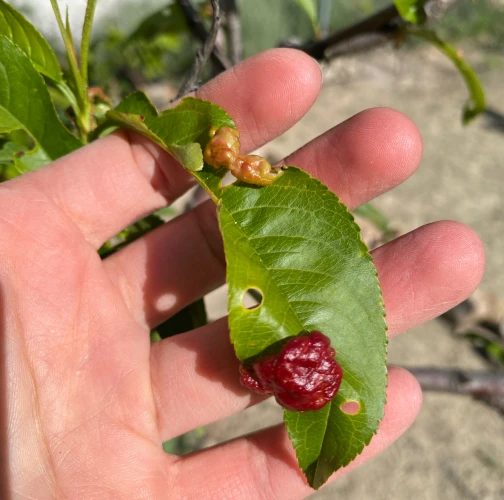
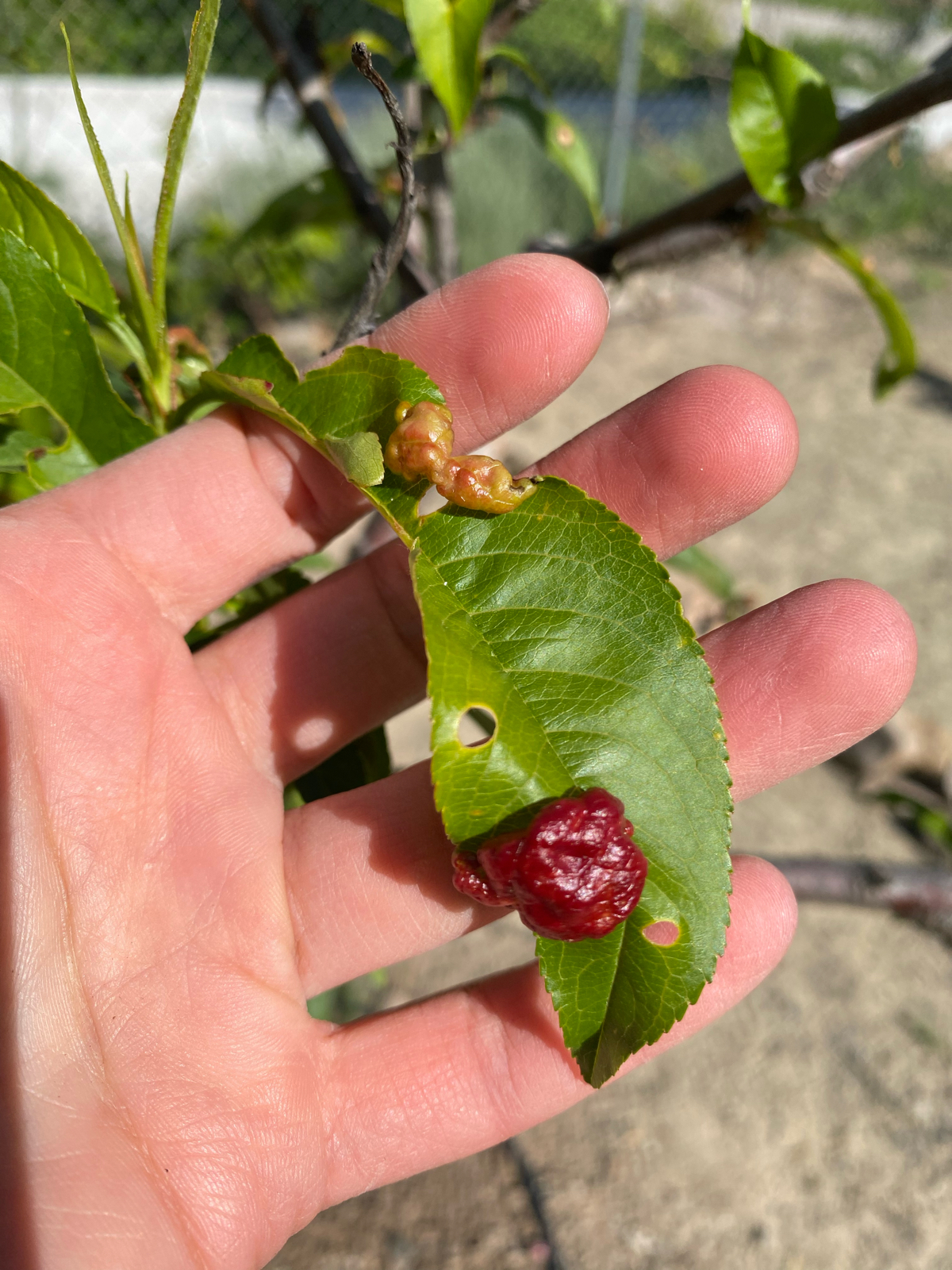
Many leaves on the tree, the tree is in Alcaucin, Málaga. I cant modify the map/place.
Answer
This is a fungal disease called peach leaf curl (Taphrina deformans), which causes leaf deformation, discoloration, and eventually leaf and fruit drop. It spreads in early spring during wet weather and can significantly weaken the tree if left untreated. The best prevention is to apply a fungicide spray before bud break, especially copper-based products, and to choose disease-resistant varieties. Visit your local garden supply store and ask for advice on which products currently available are effective against Taphrina deformans. It is also helpful to remove and destroy infected leaves and twigs to reduce the spread of the pathogen. With best regards M. Zubrik