



 Show all photos in album
Insert for comparison
We will identify your pest
Add pictures of this species
Show all photos in album
Insert for comparison
We will identify your pest
Add pictures of this species
Melolontha hippocastani
Forest cockchafer
Description
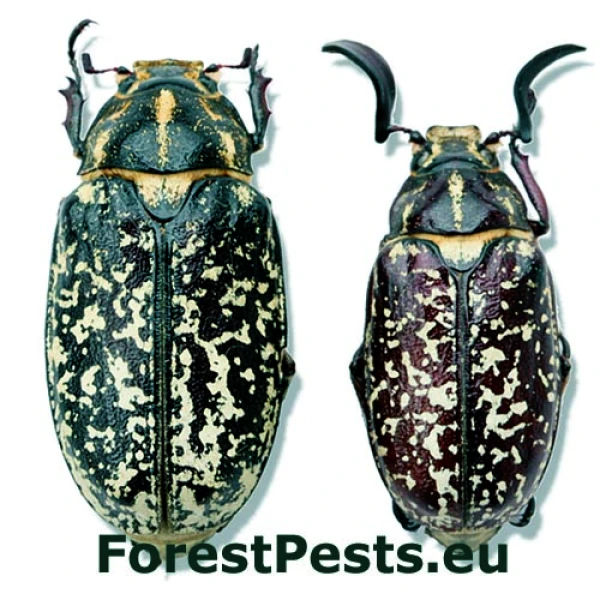
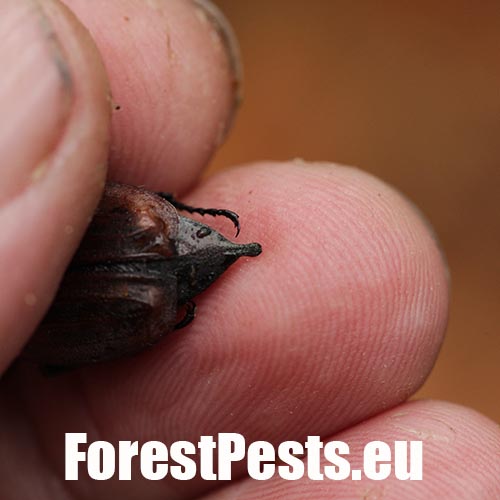
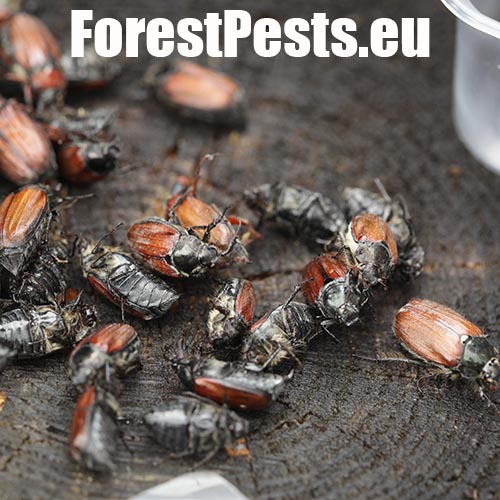
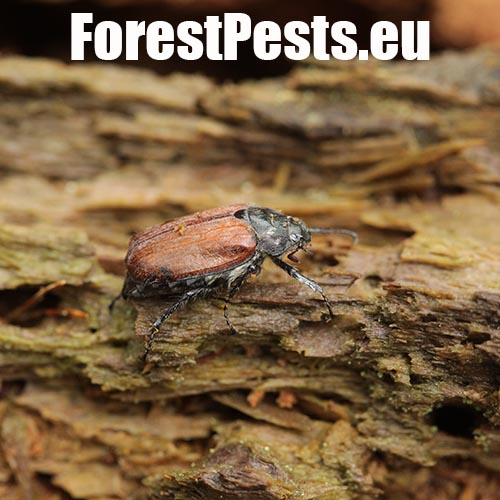
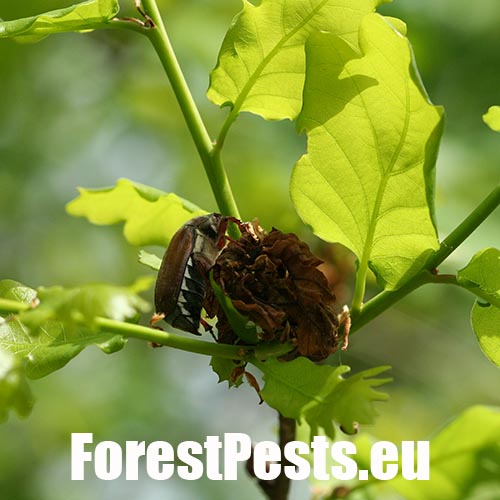
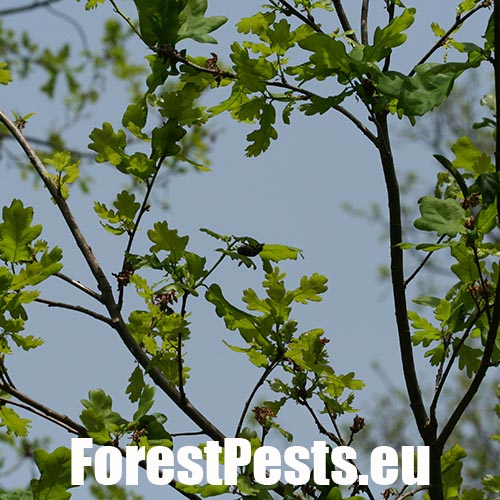
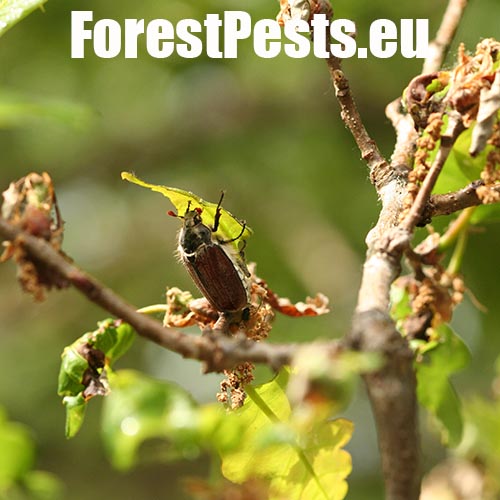
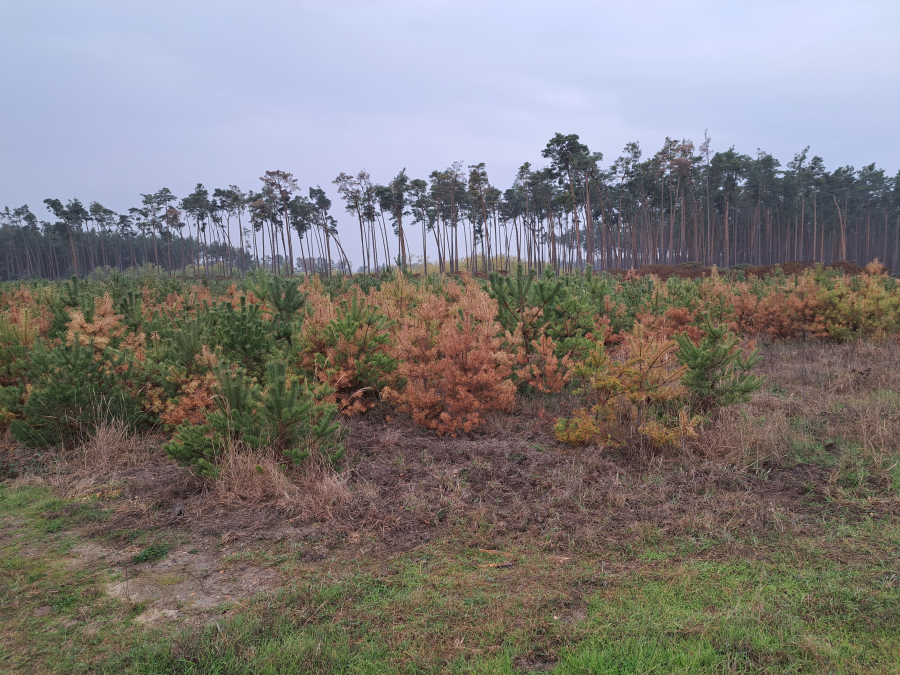
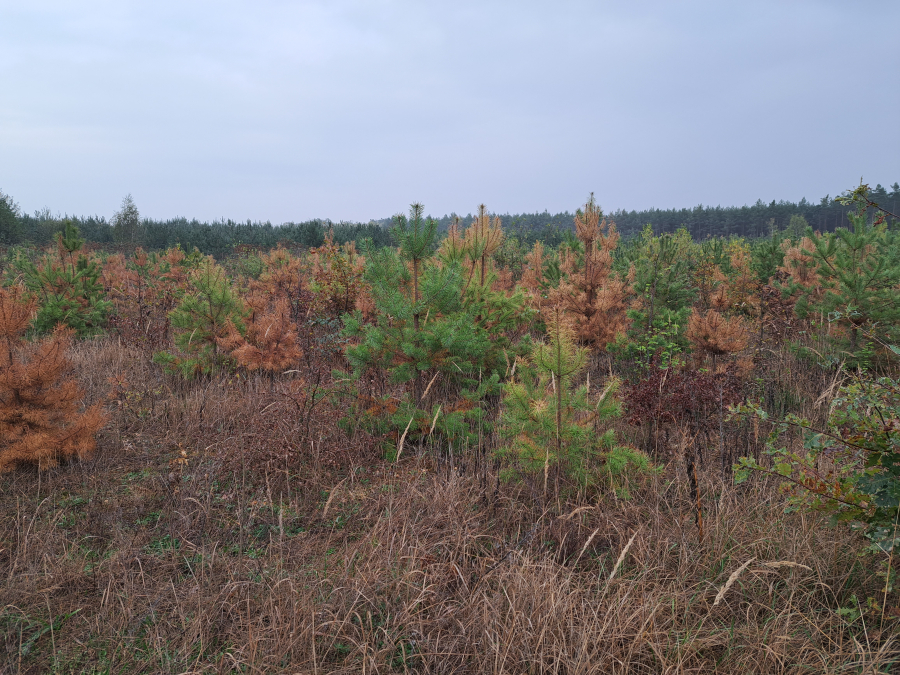
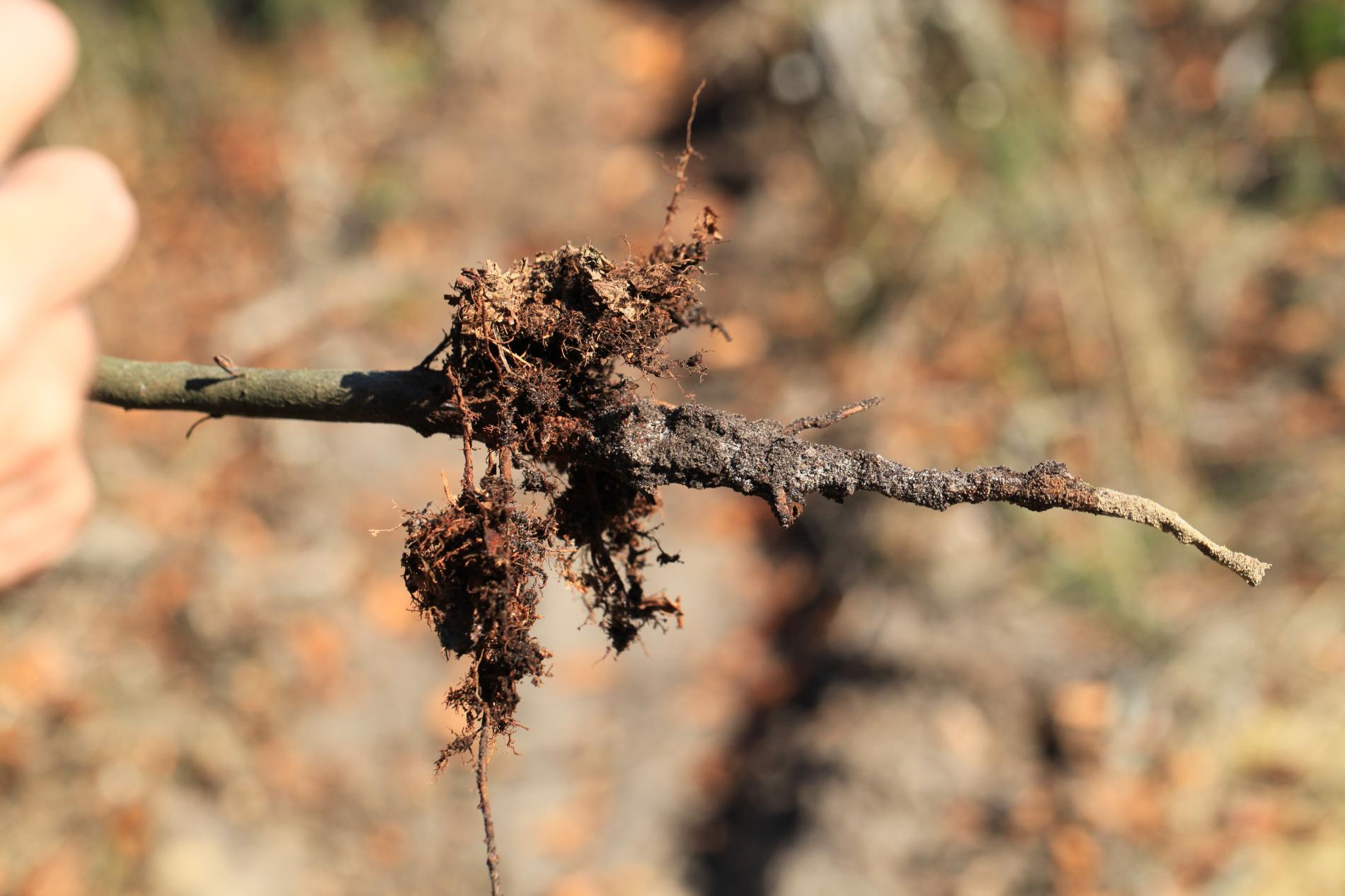
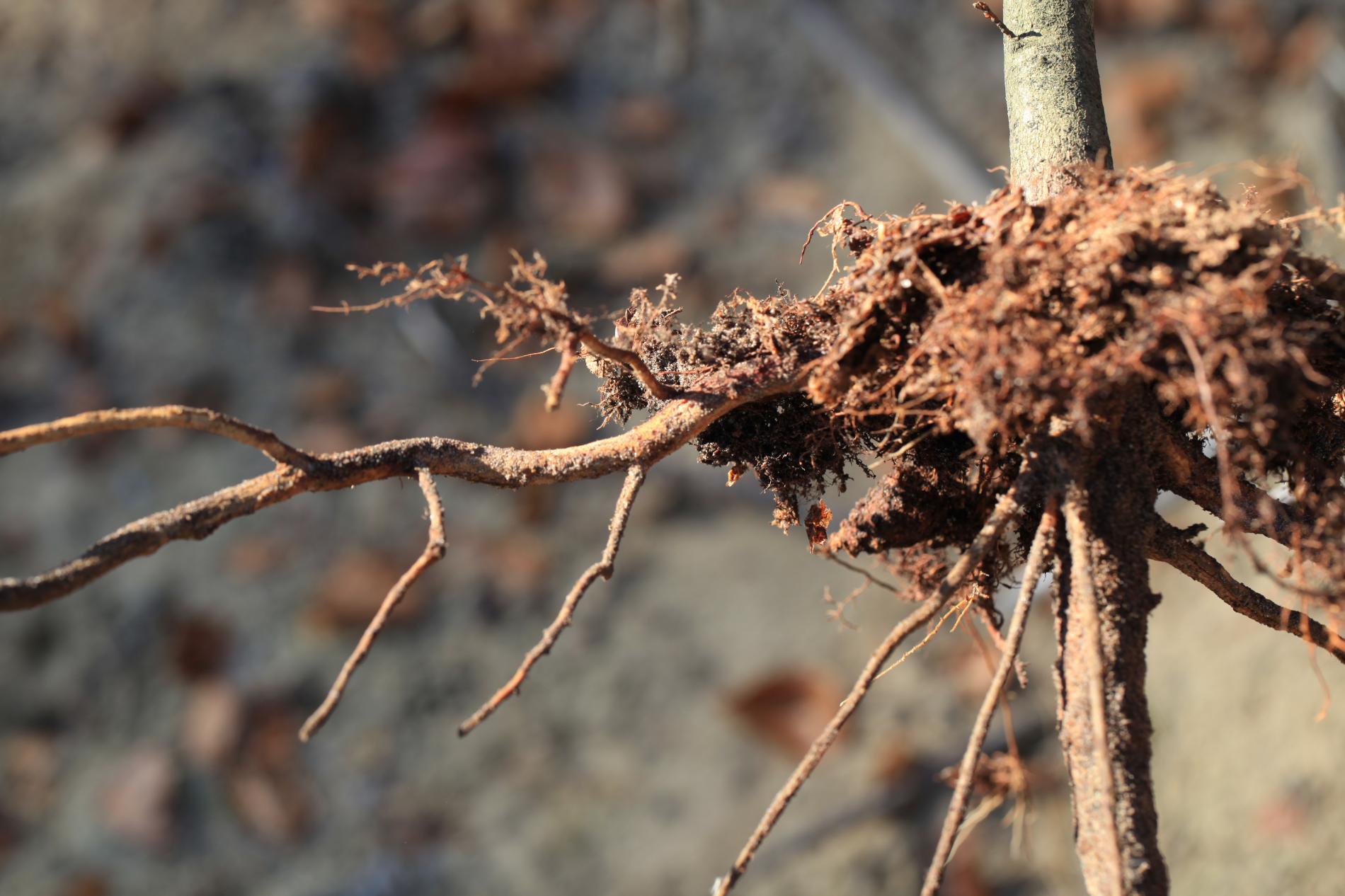
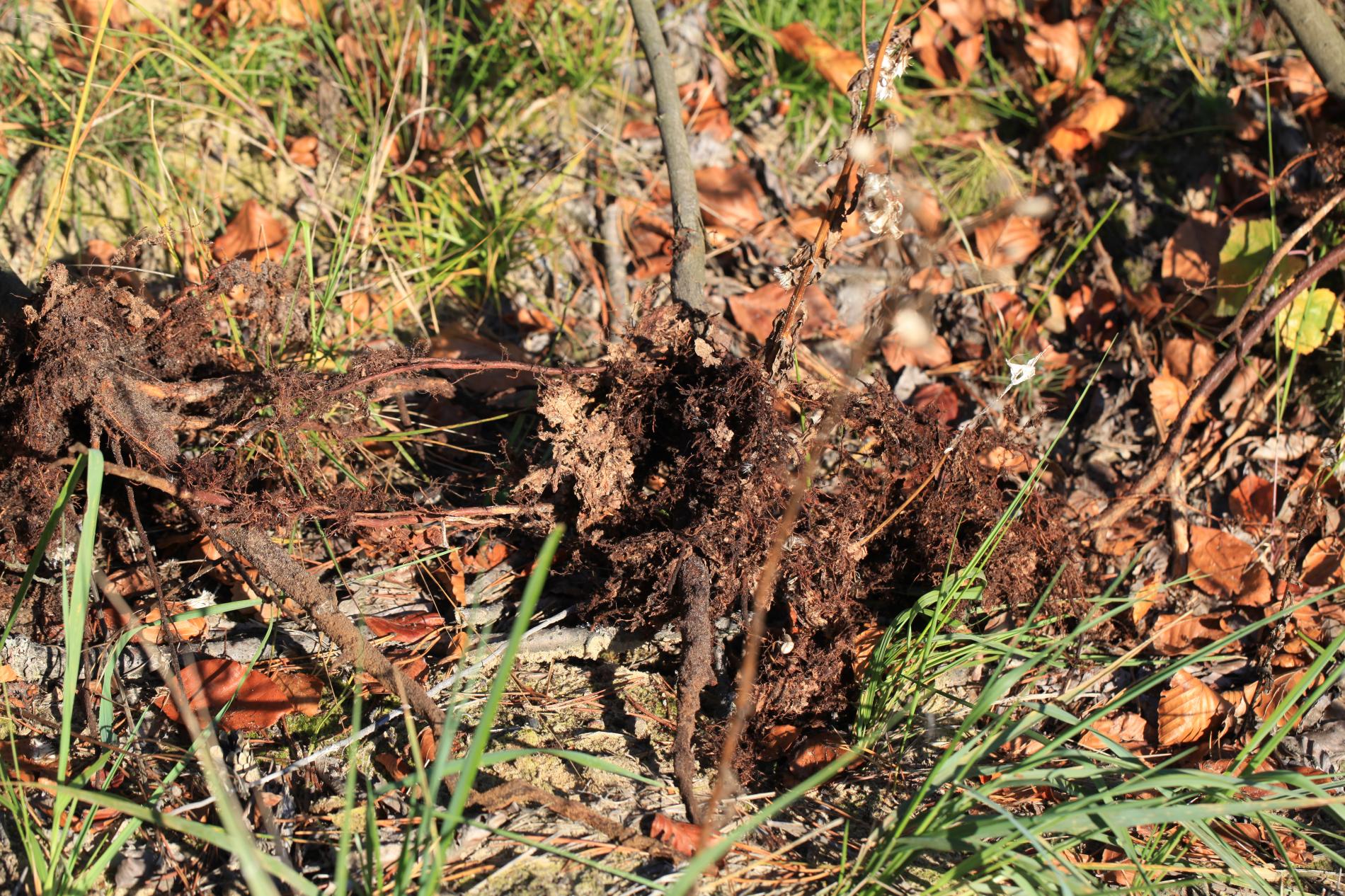
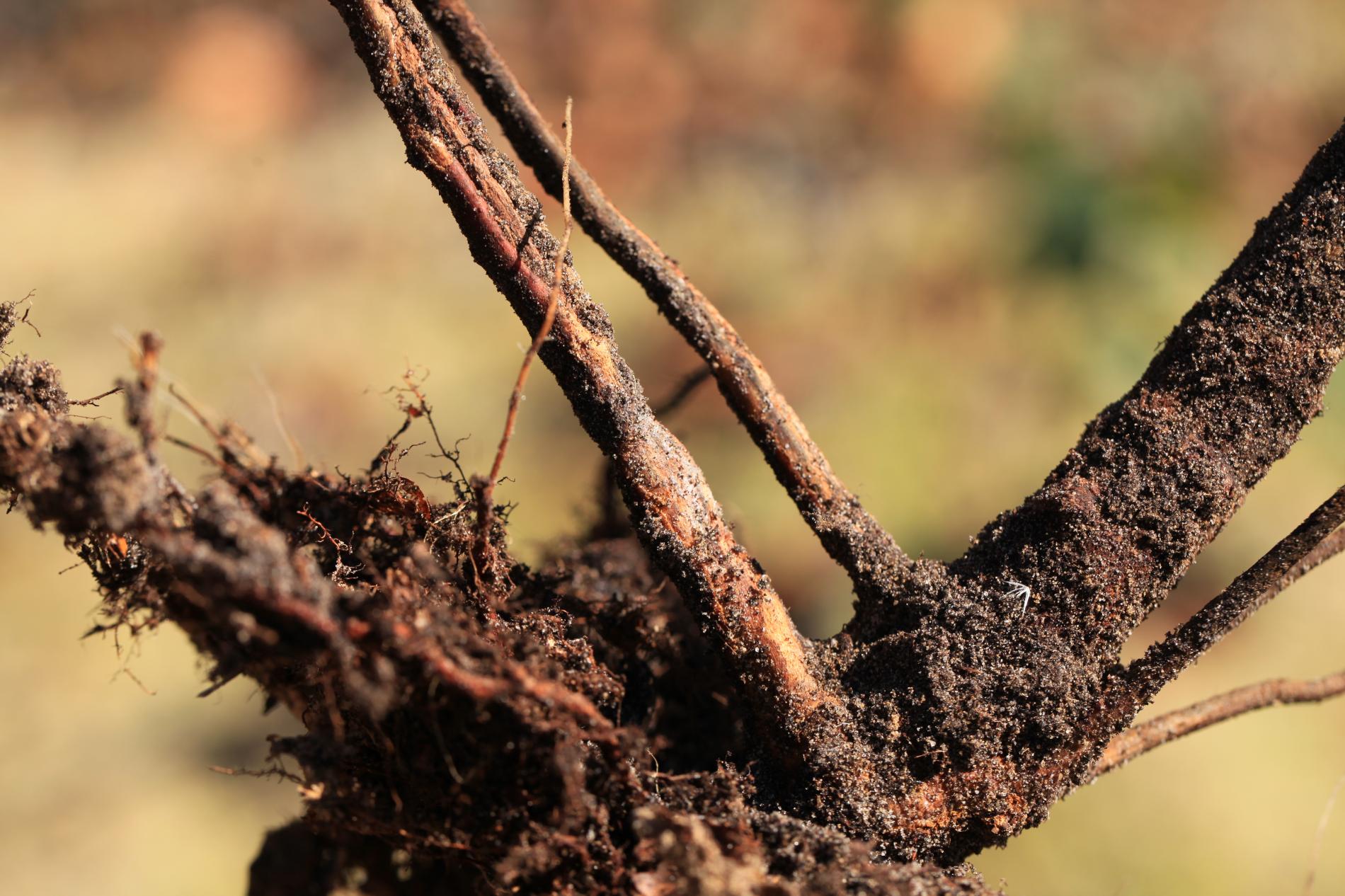
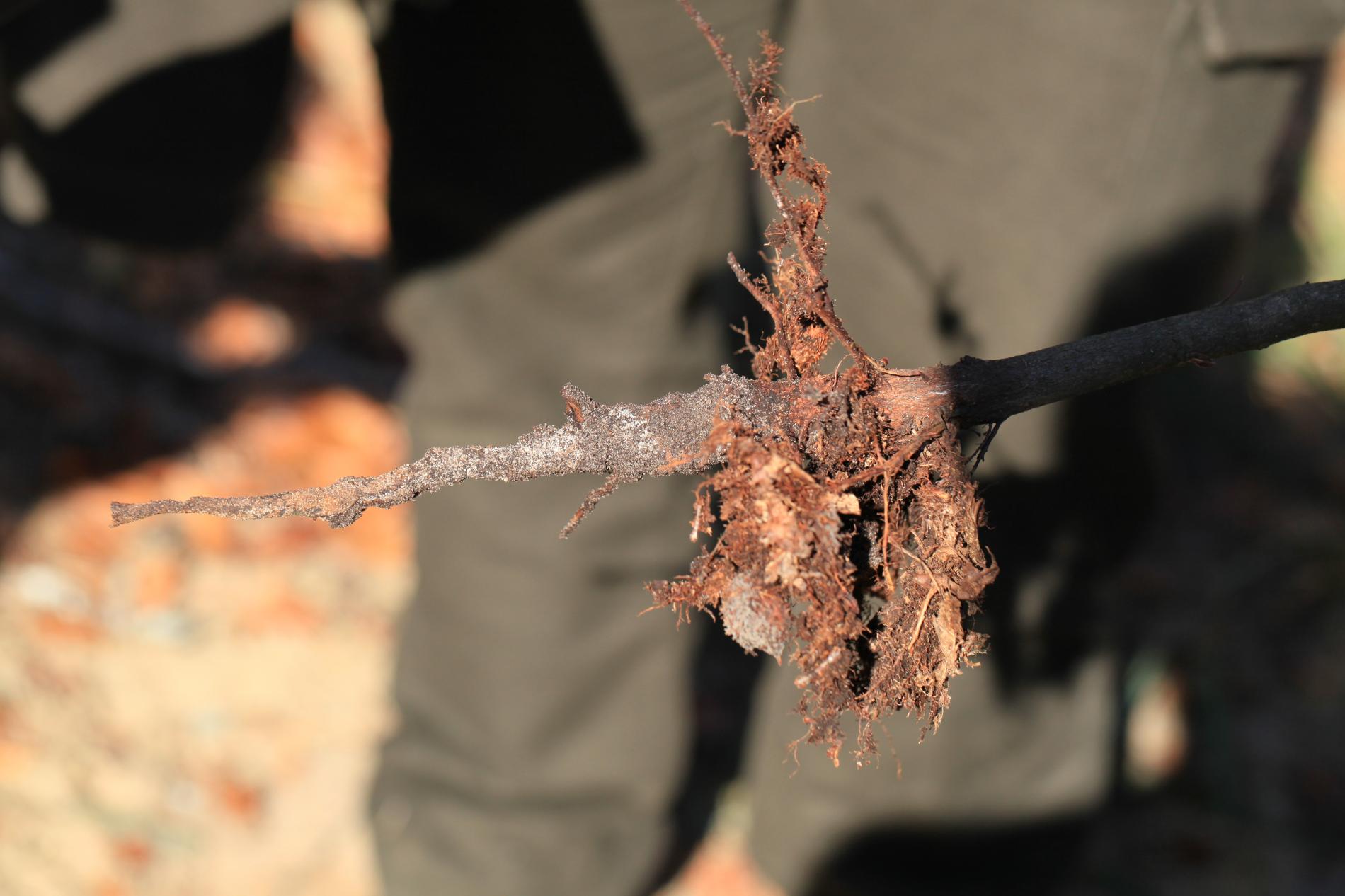
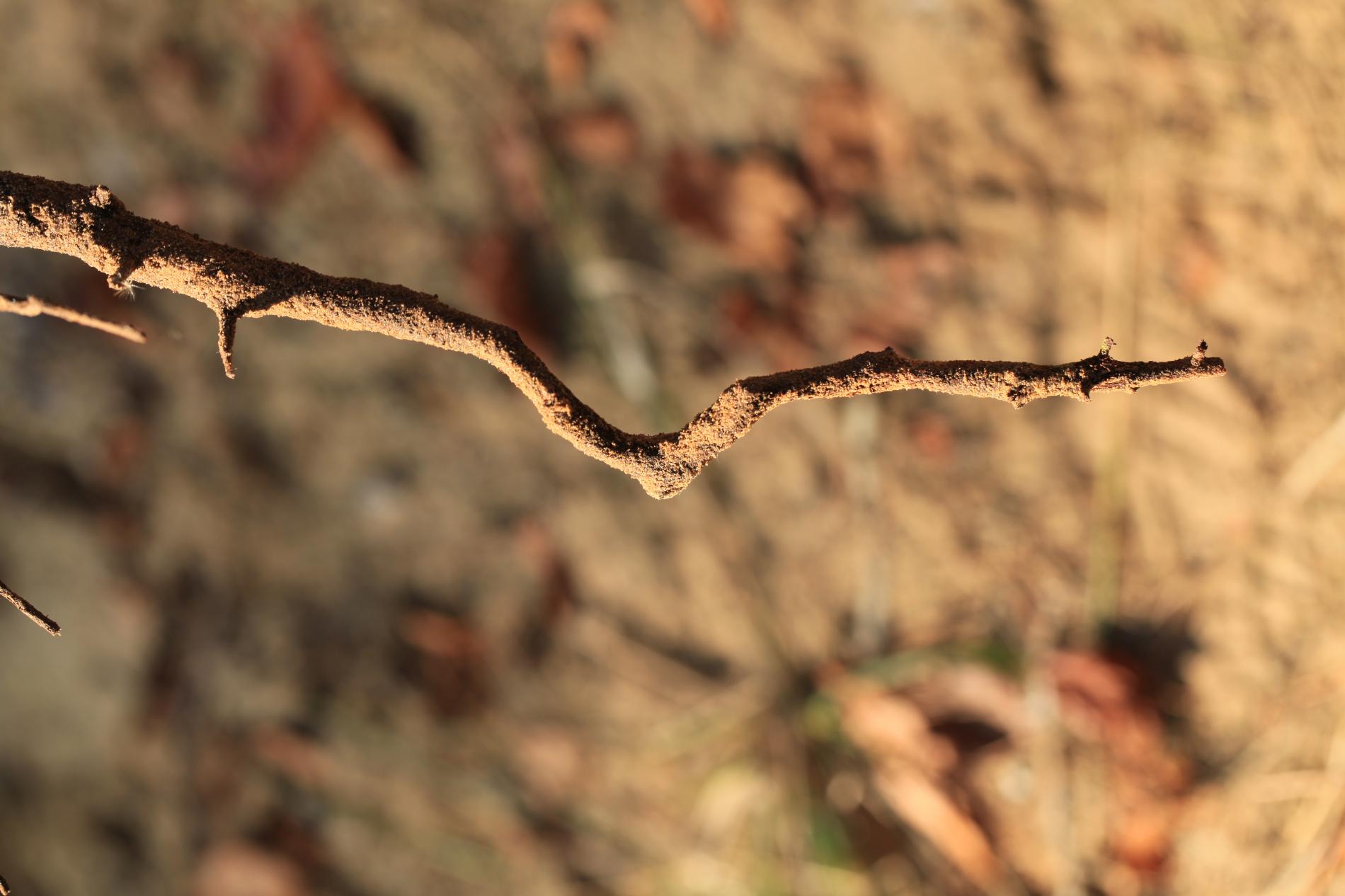
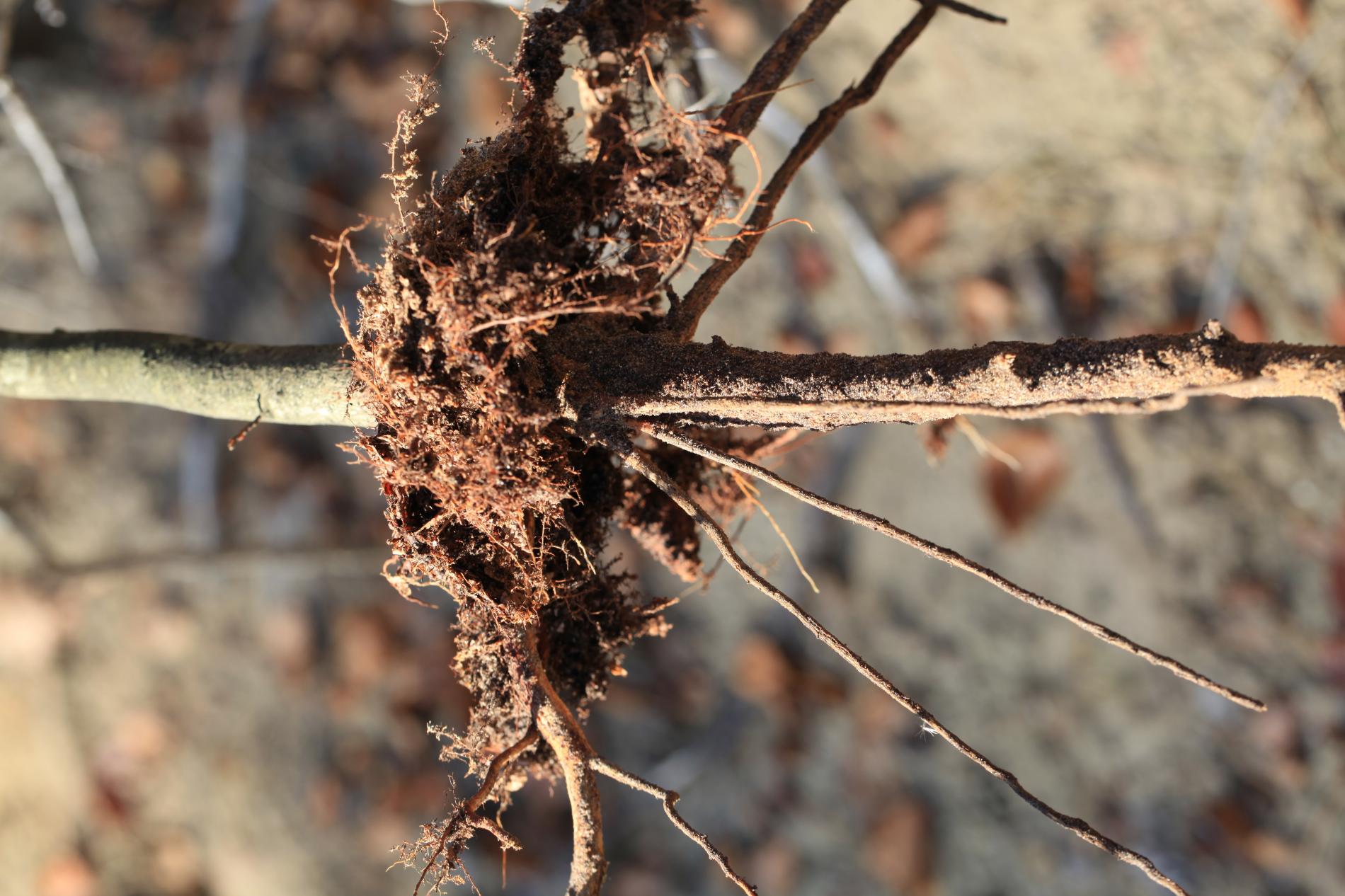
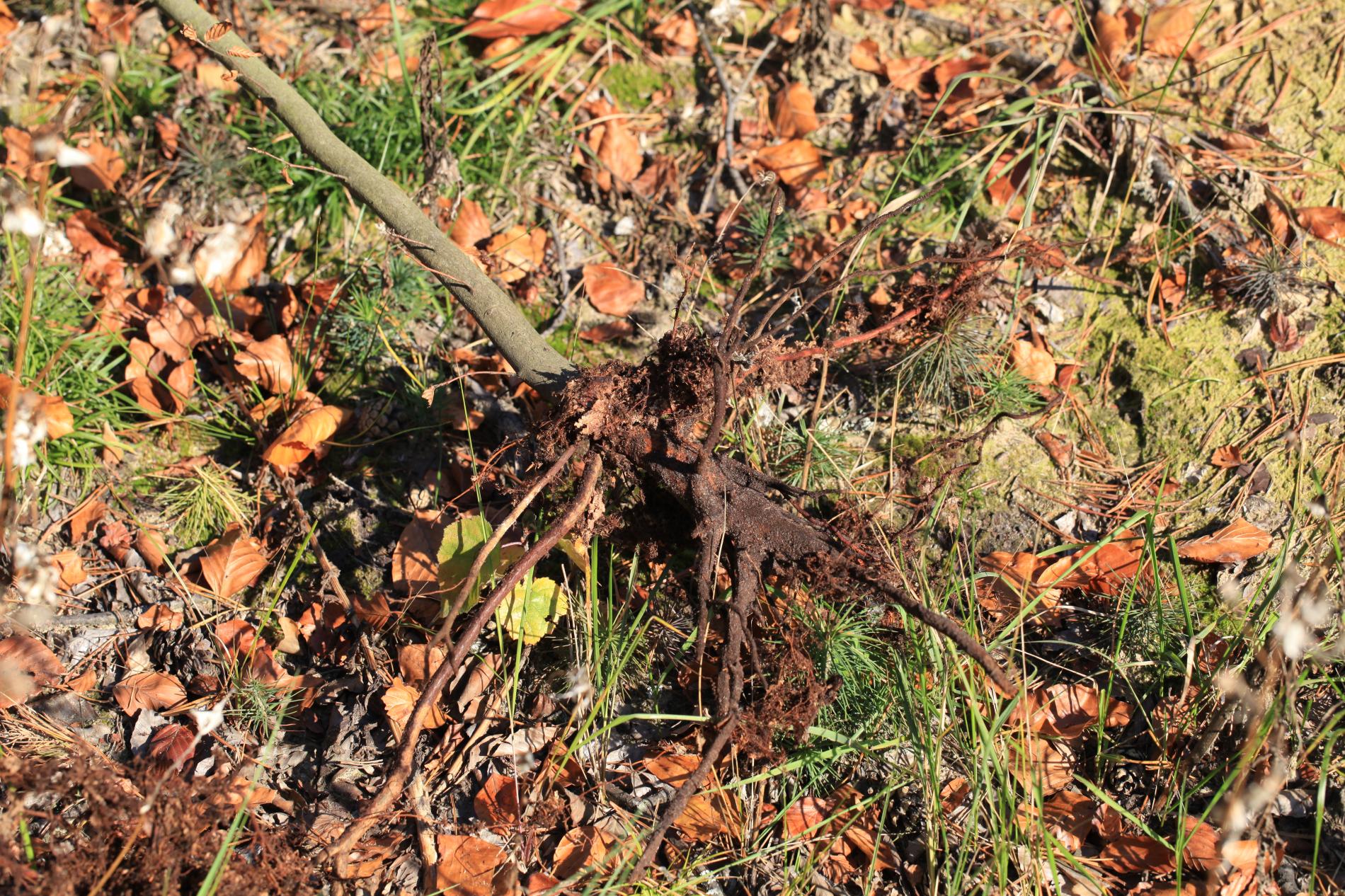
Adults of the common cockchafer reach sizes of 25-30 mm; the forest cockchafer is a bit smaller 20-25 mm. Both have a brown colour. The lower part of their abdomen is black and white. The two species can best be distinguished by the form of their pygidium (the back end) - it is long and slender in the common cockchafer, but shorter and knob-shaped at the end in the forest cockchafer. Adults swarm towards the end of April and in early May. They fly to broadleaved forest edges where they perform maturation feeding. After that, the females lay eggs into the soil. Chafer grubs hatching from the eggs feed on herb and bush roots. They cause the most serious damage to pine seedlings whose roots are damaged so that only parts thicker than 2-4 mm are left. All the smaller roots are missing. The grubs develop for 3-4 years. Both species are abundant throughout Europe and are serious pest mainly in the periodical years of mass occurence.
Symptom
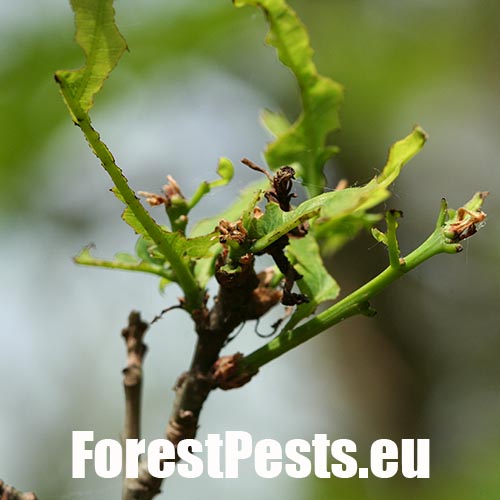
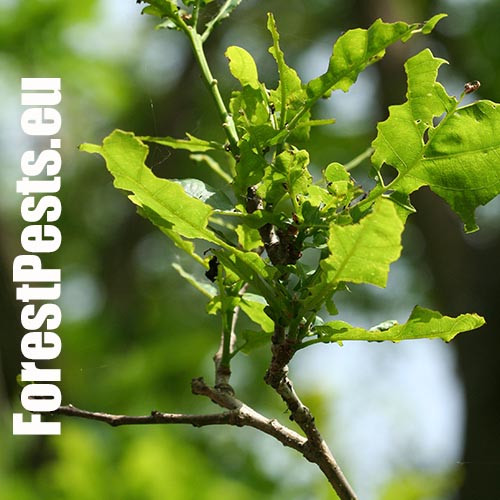
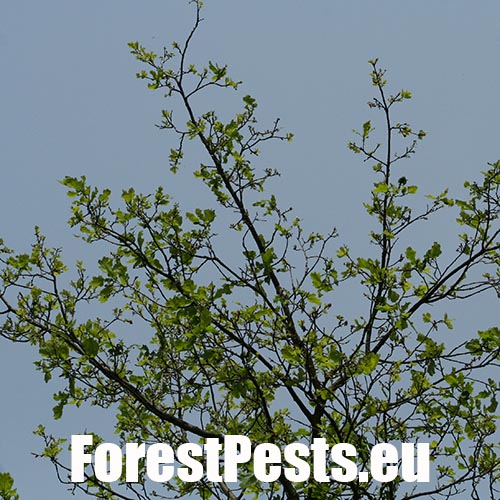
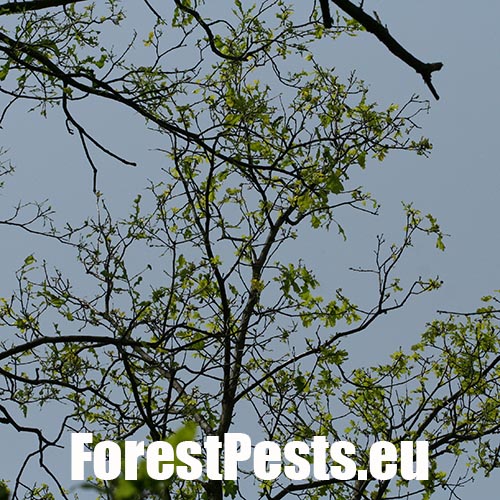
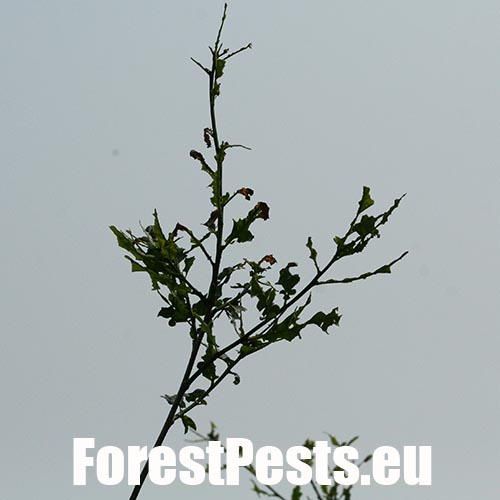
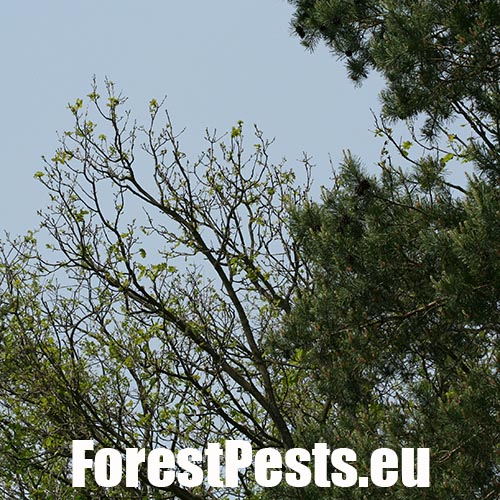
Large beetles on leaves. The end of the last segment of abdomen is rounded. Larvae damage to tree roots, especially pines.
Tree Species: Birch, Beech, Oak, Rowan, Whitebeam, Maple, Lime, Poplar
Part of a plant- attacked: Roots, Leaf / Needle
Pest significance: Very harmful
Pest Category: Insects
Invasive Species: No
Present in EU: Yes
Add comment: Melolontha hippocastani
Location map: Melolontha hippocastani
print viewLegend:

Expert verified points

Unverified points
Observed by users on these tree species
Most sightings of the species


Last observations
There are a total of 3 observations of the species in the system

Melolontha hippocastaniForest cockchafer
Milan Zúbrik
Number of votes: 0
Published: 14.5.2025

Melolontha hippocastaniForest cockchafer
Juraj Galbavý
Number of votes: 0
Published: 1.12.2024

Melolontha hippocastaniForest cockchafer
Jakub Tkáčik
Number of votes: 0
Published: 20.5.2024
Similar damage
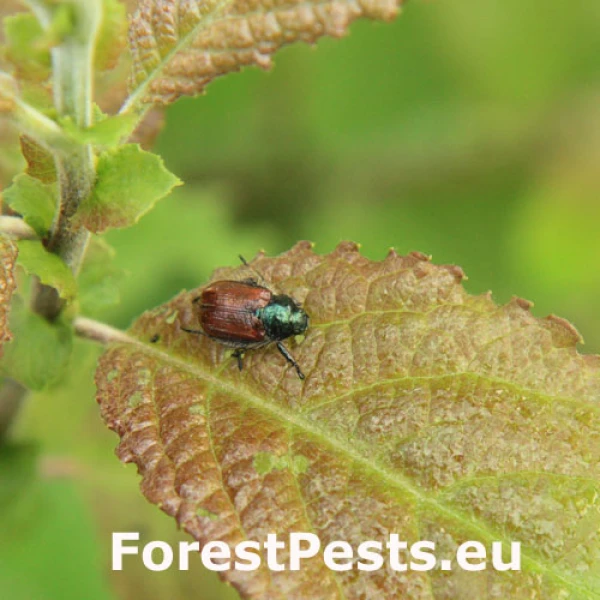
Garden chafer
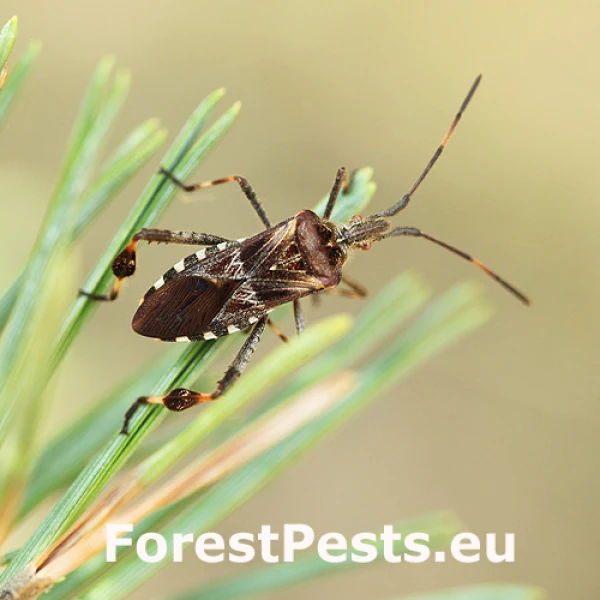
Western conifer seed bug
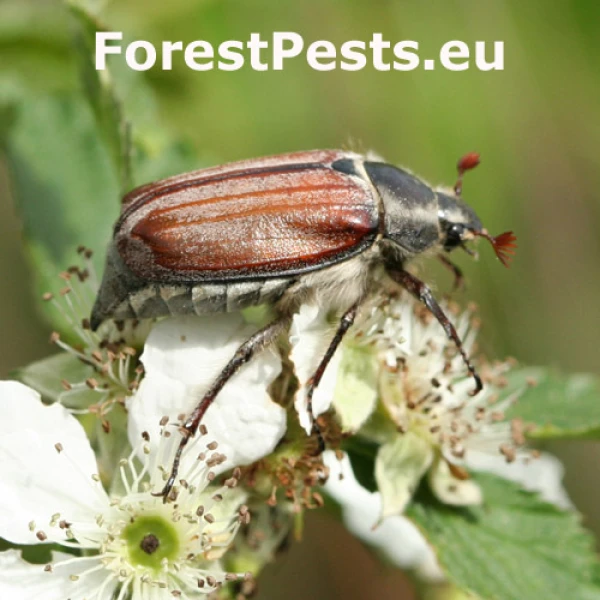
Common cockchafer