





 Show all photos in album
Insert for comparison
We will identify your pest
Add pictures of this species
Show all photos in album
Insert for comparison
We will identify your pest
Add pictures of this species
Gymnosporangium sabinae
European pear rust
Description
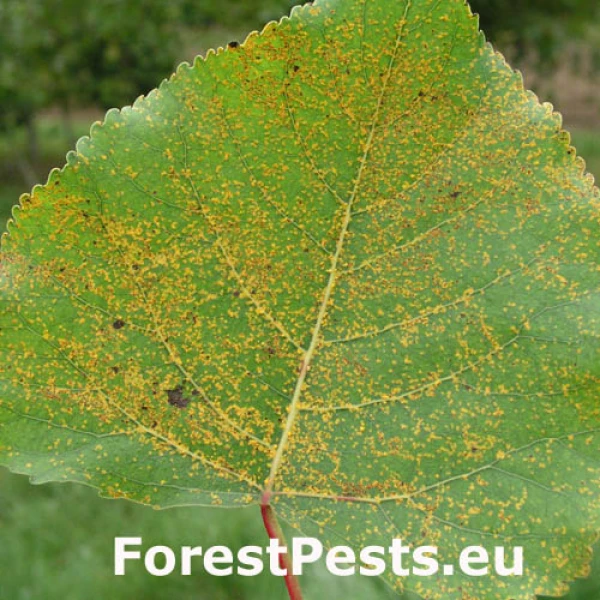
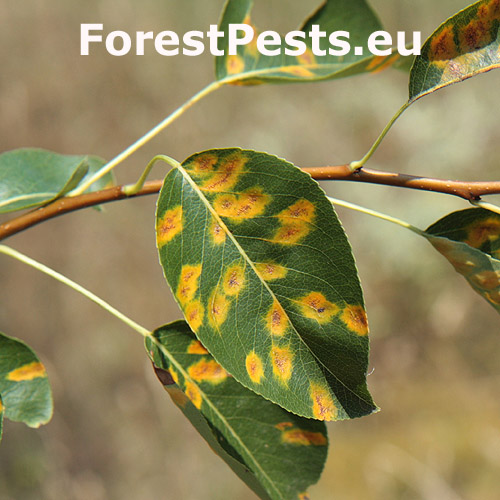
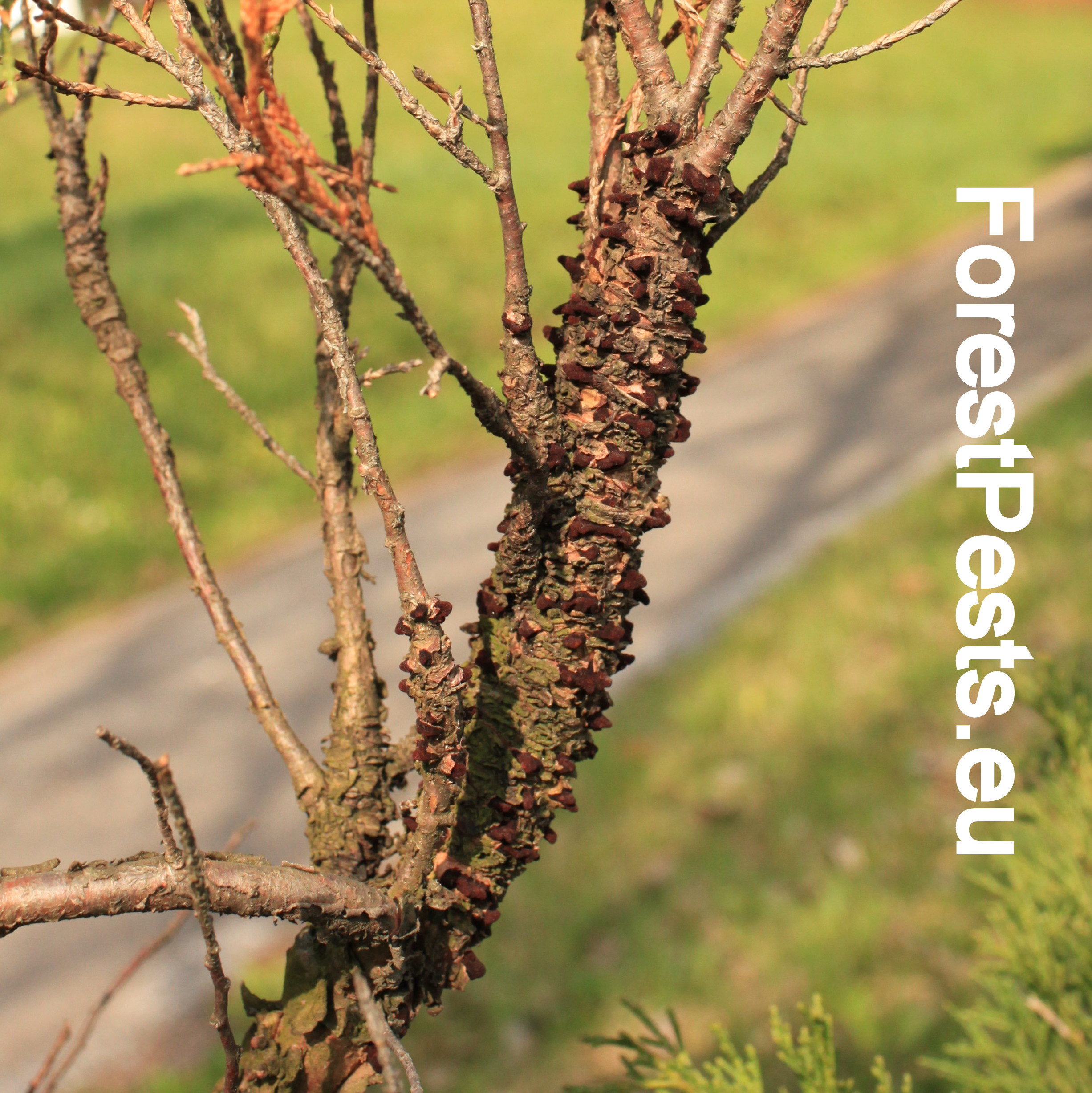
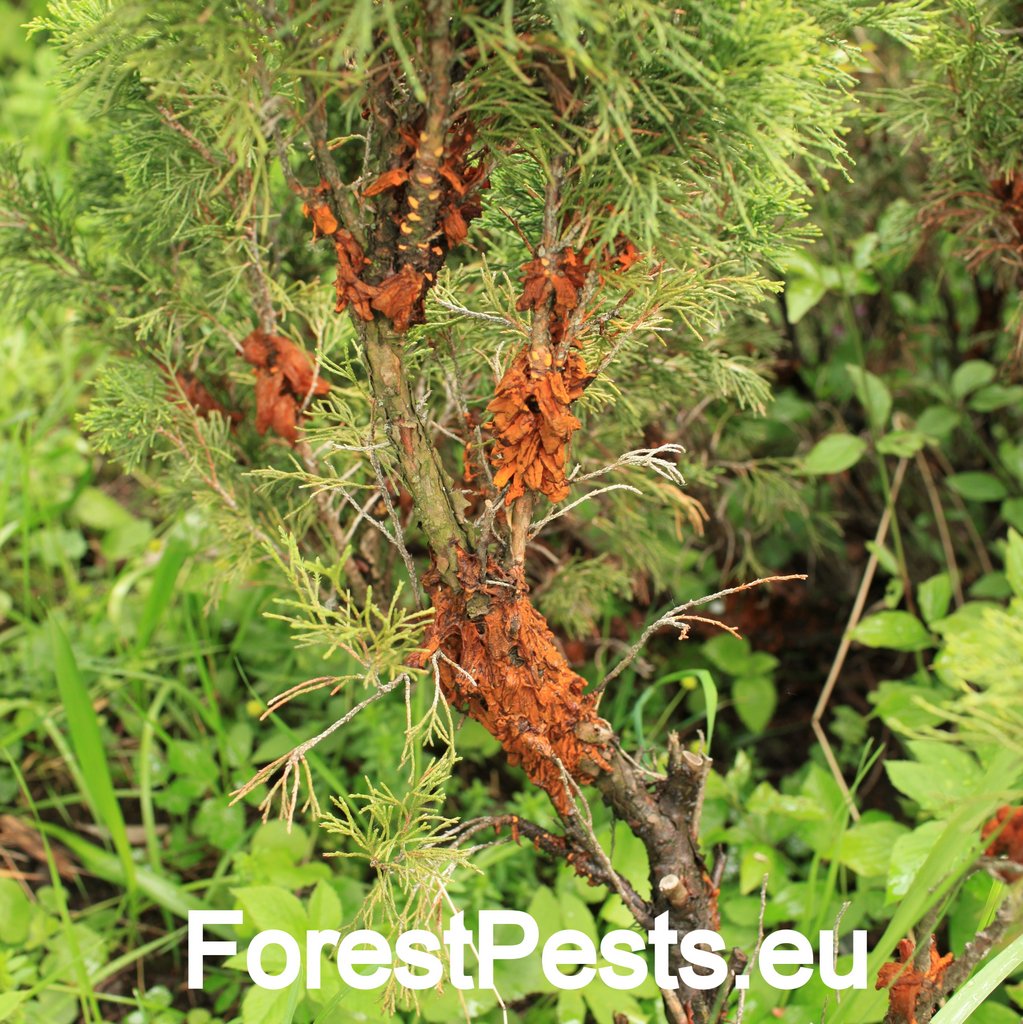
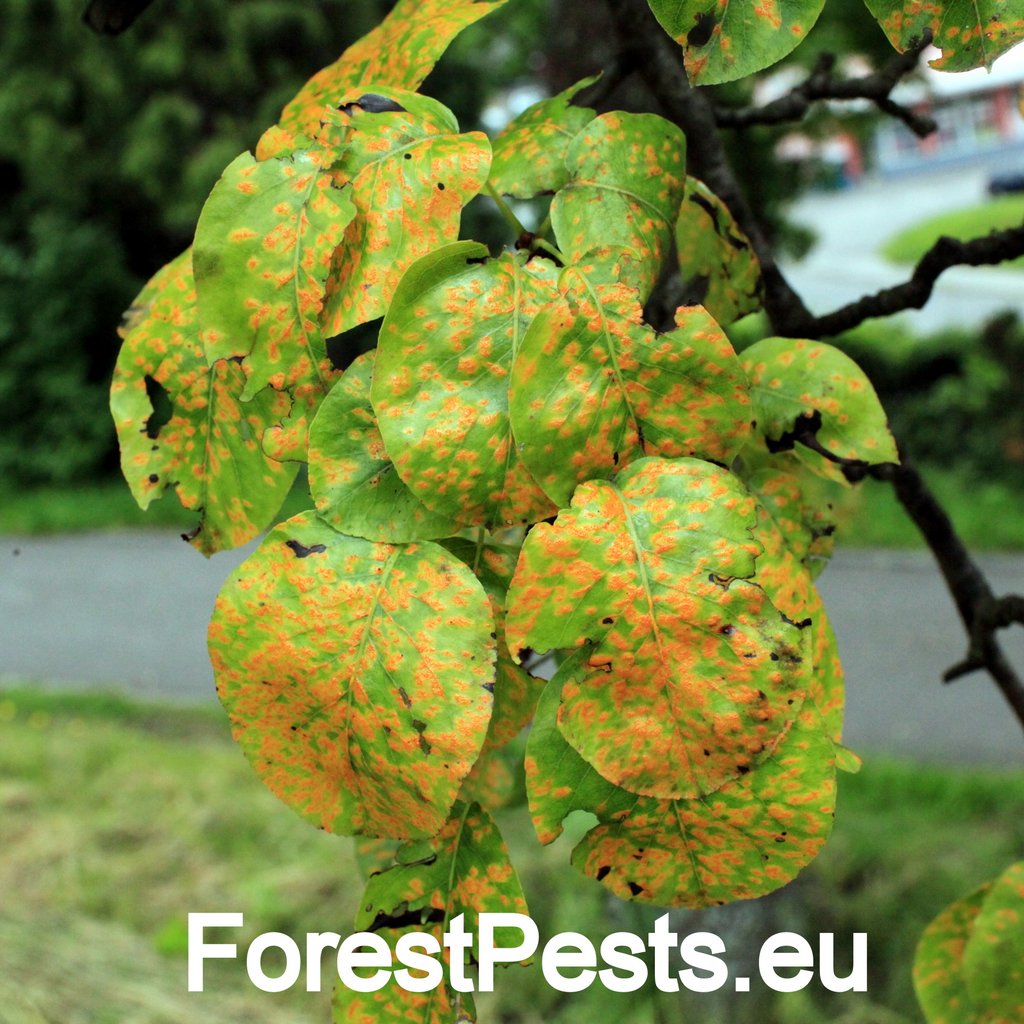
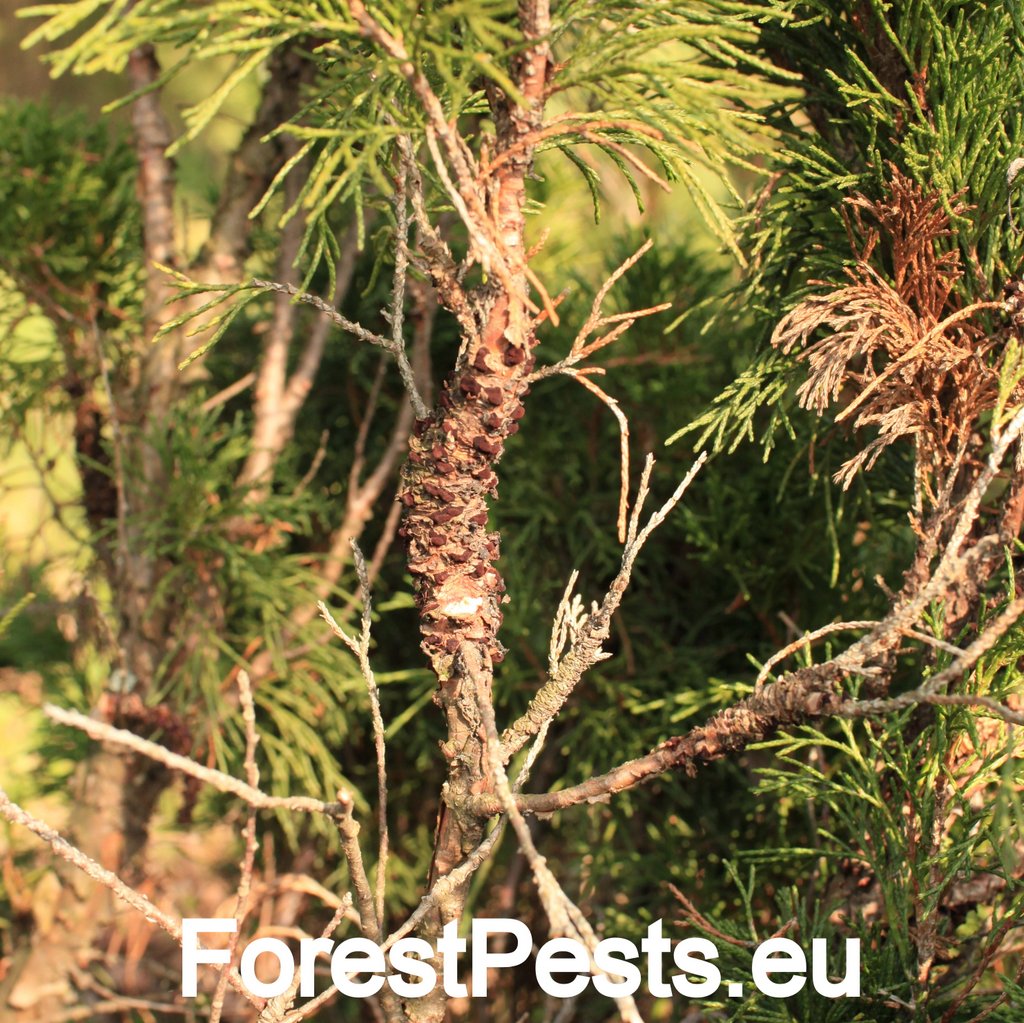
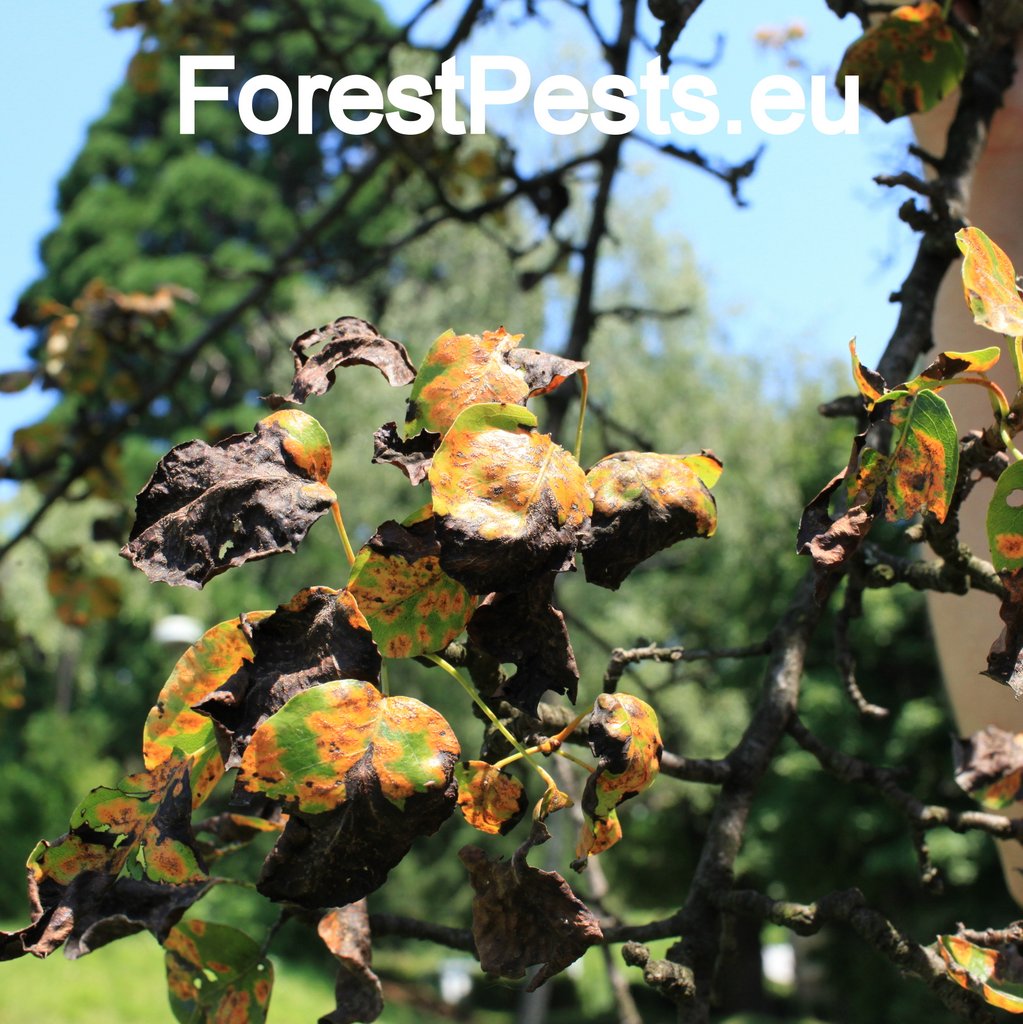
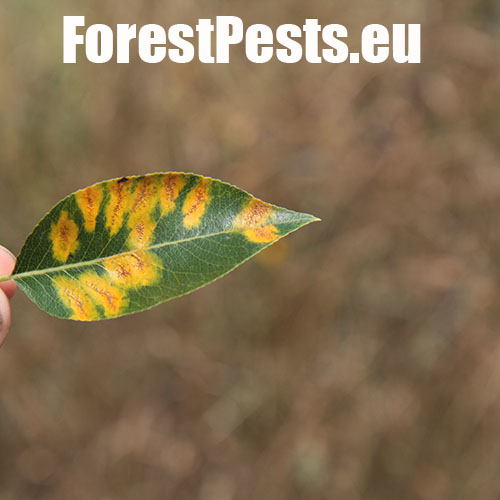
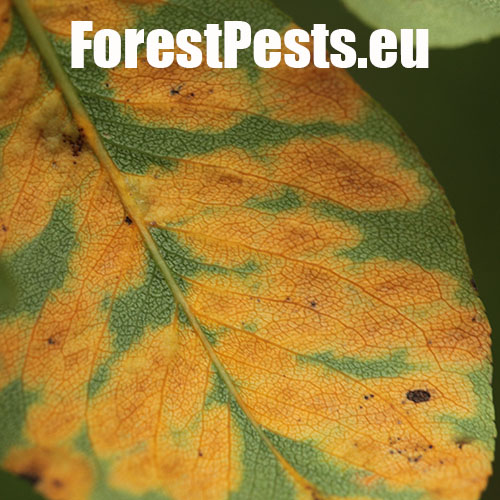
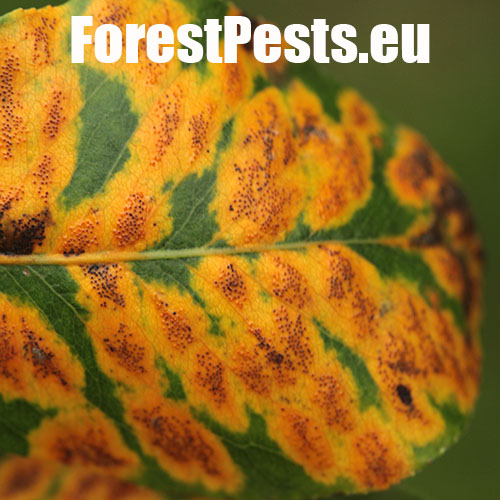
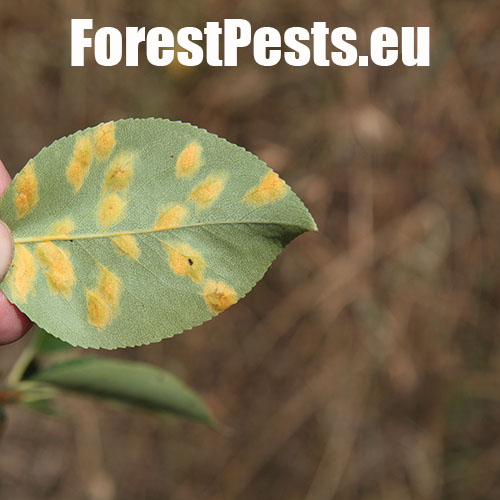
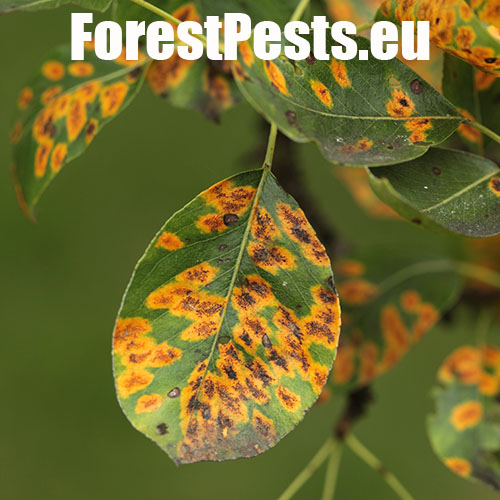
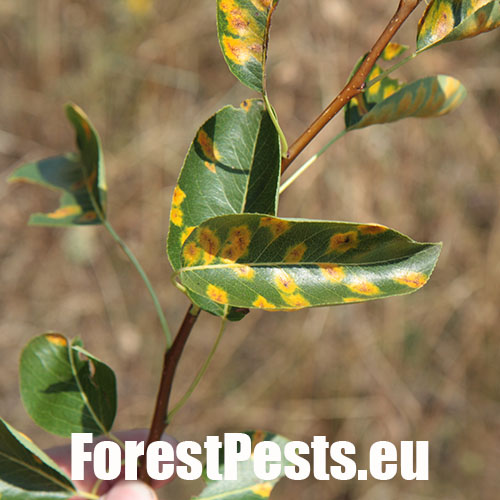
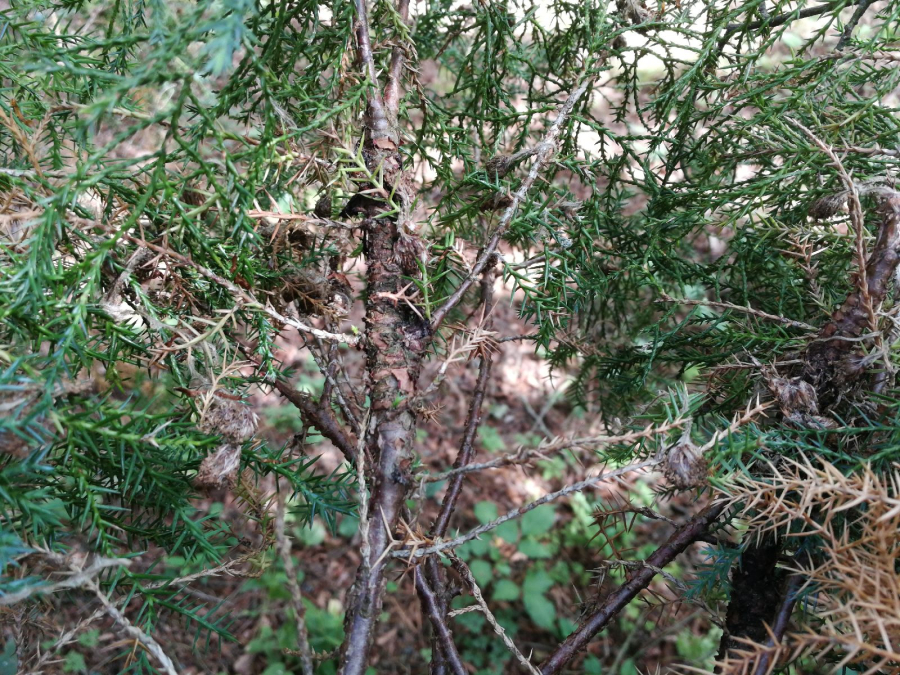
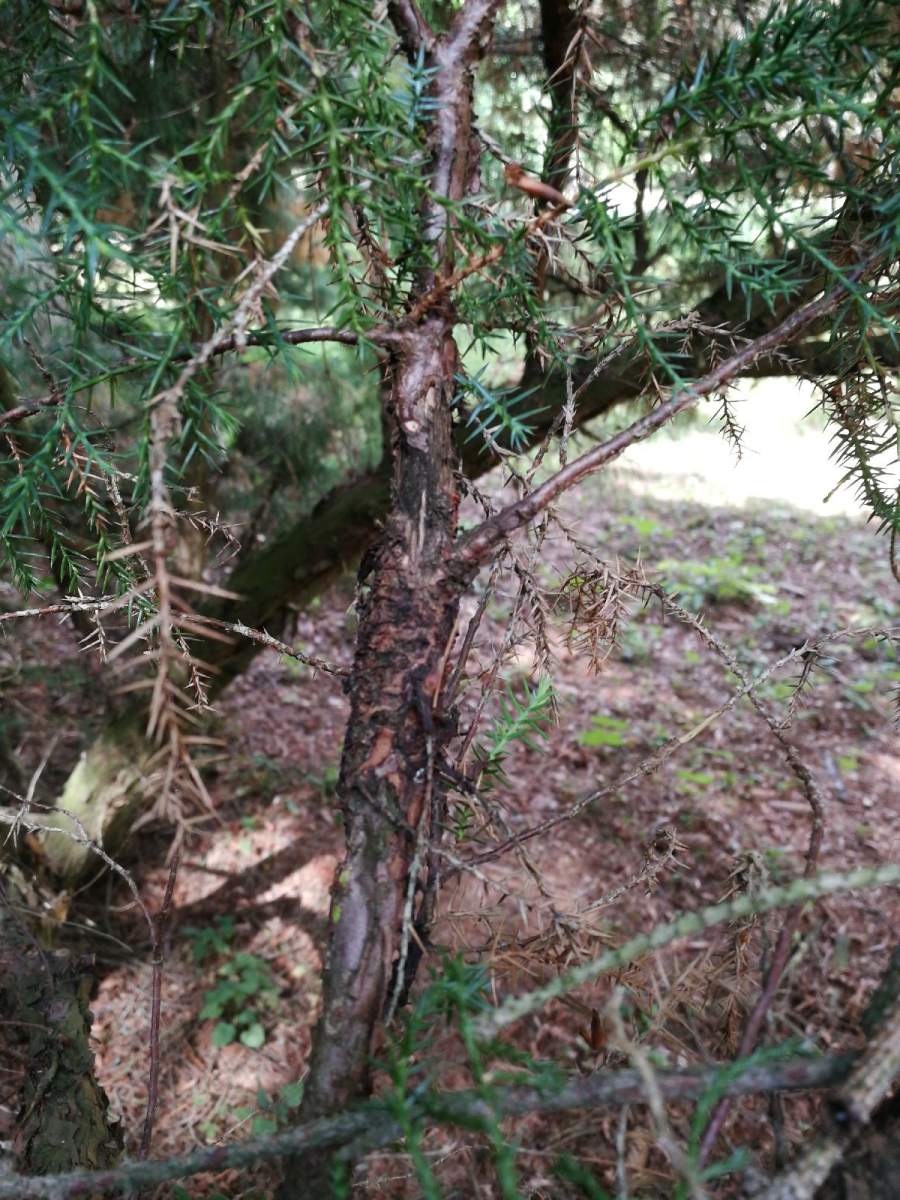
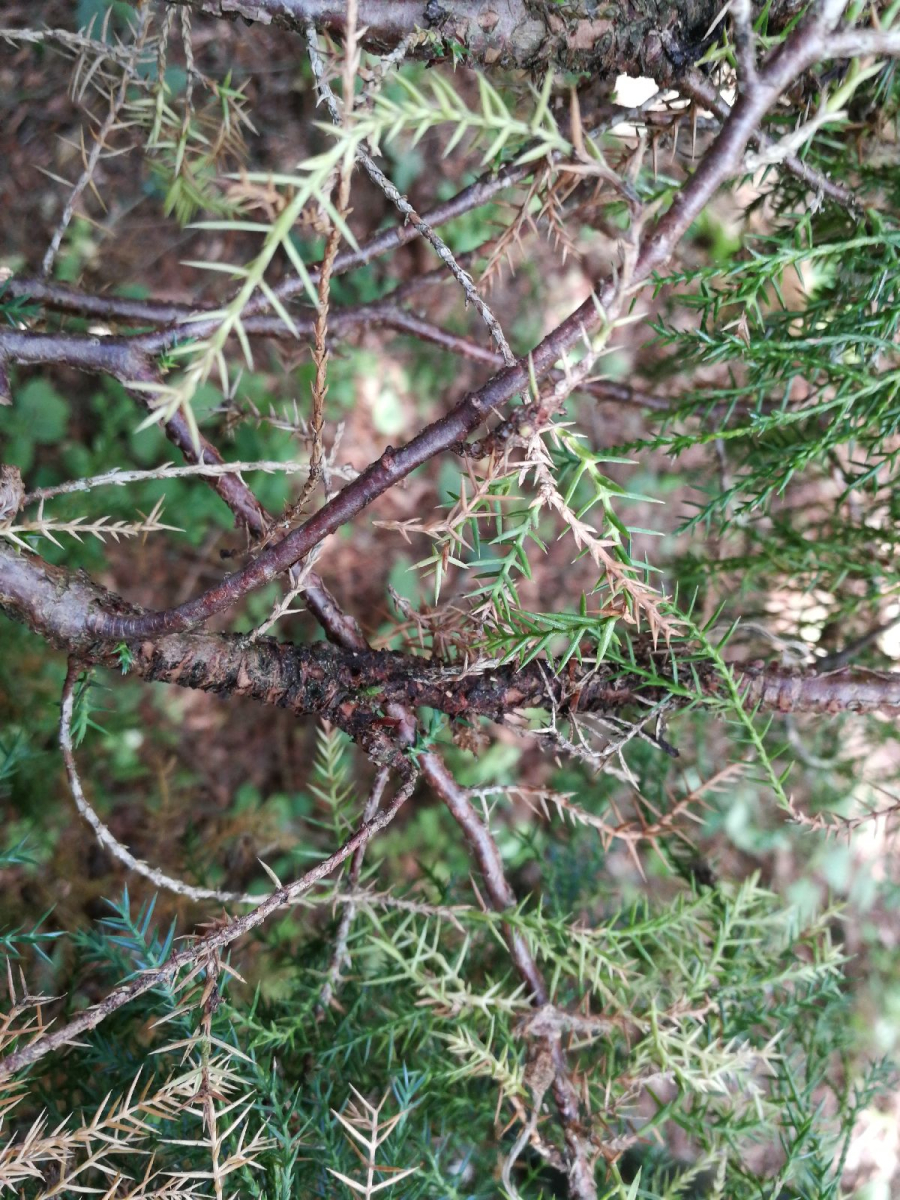
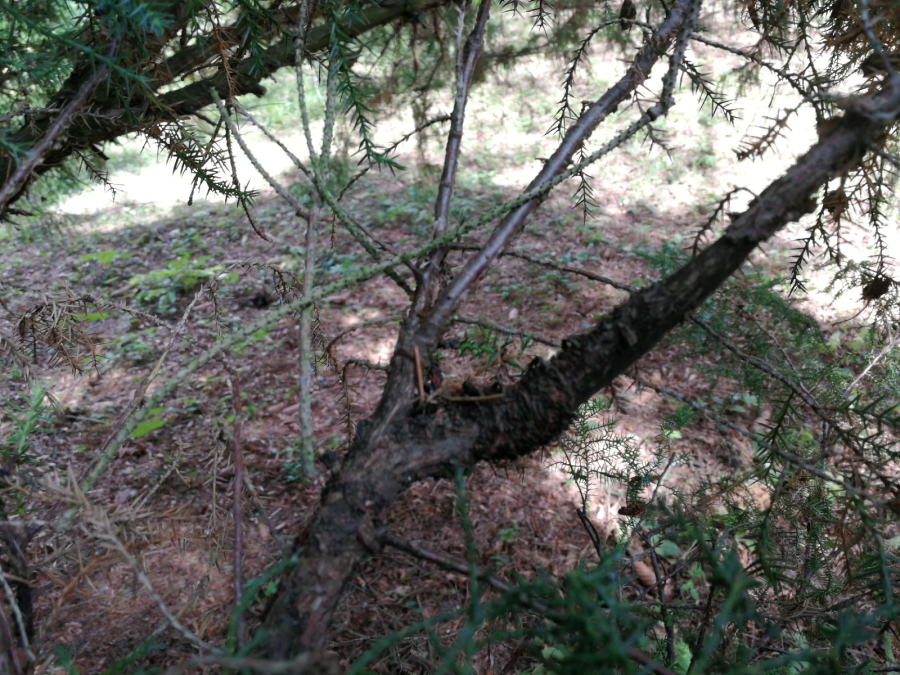
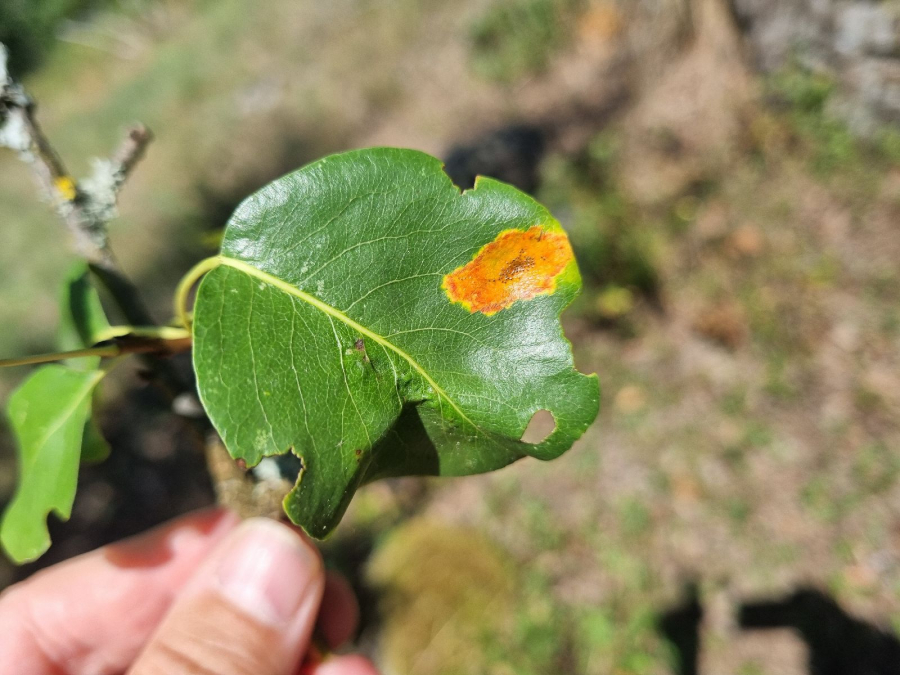
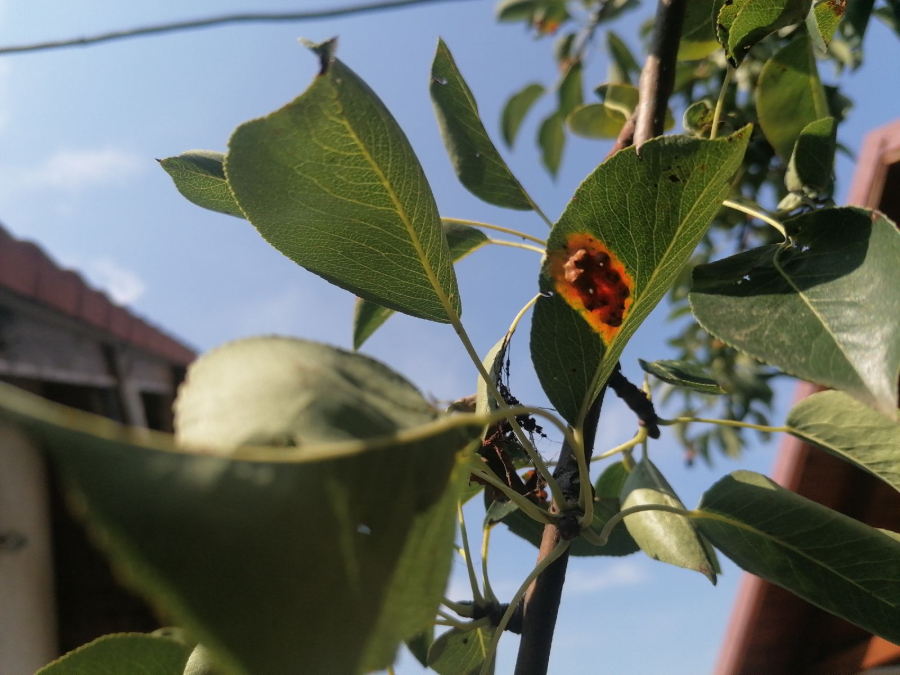
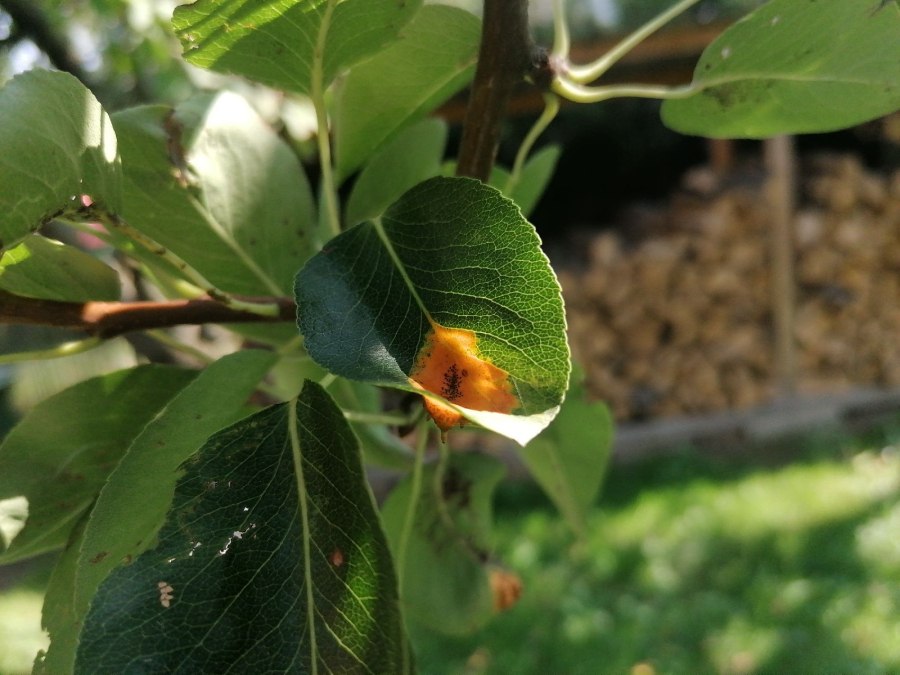
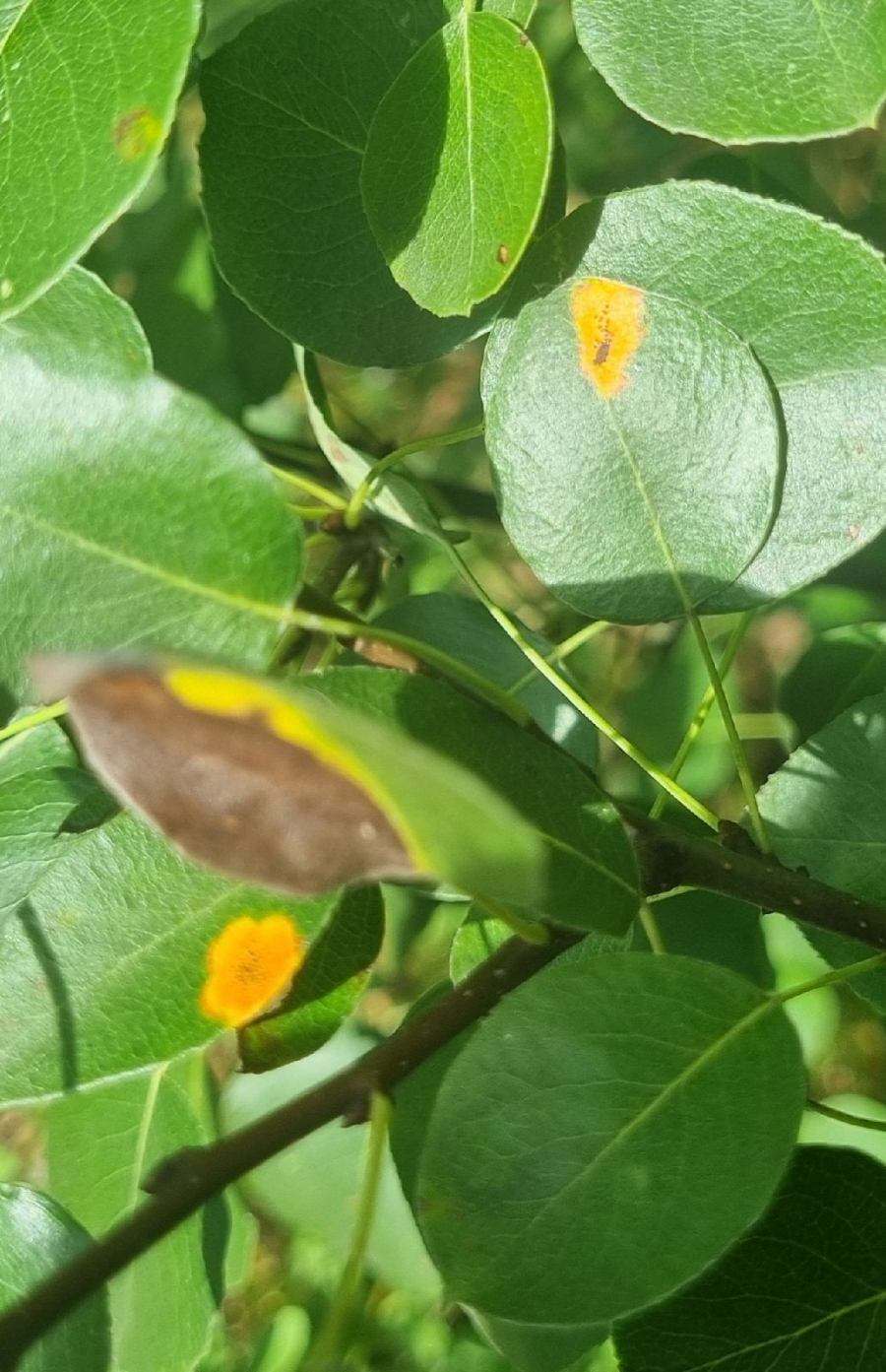
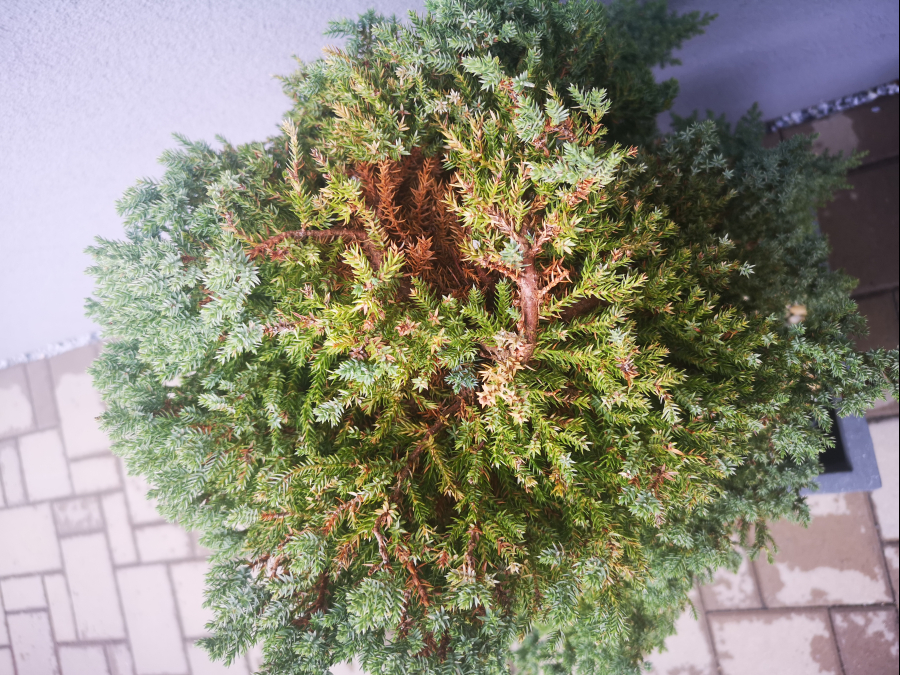
Two hosts are needed for the rust to develop. In spring, pear tree leaves are infected by basidiospores formed on juniper bark. At first, in the site of infection are formed pycnidia on the top side of leaves, later aecidia - orange and flat on the top side, convex and greyish on the bottom side. Aeciospores infect juniper bark, where are formed teleutospores causing thickening of bark into a cone-like shape after moistening. The mycelium overwinters on junipers.
Symptom
Orange spots on the top of the leaves. At first, in the site of infection are formed pycnidia on the top side of leaves, later aecidia - orange and flat on the top side, convex and greyish on the bottom side.
Tree Species: Juniper, Pear
Part of a plant- attacked: Leaf / Needle
Pest significance: Harmful
Pest Category: Fungi
Invasive Species: No
Present in EU: Yes
Add comment: Gymnosporangium sabinae
Location map: Gymnosporangium sabinae
print viewLegend:

Expert verified points

Unverified points
Observed by users on these tree species
Most sightings of the species



Last observations
There are a total of 15 observations of the species in the system

Gymnosporangium sabinae European pear rust
Peter Ižold
Number of votes: 0
Published: 8.10.2024

Gymnosporangium sabinae European pear rust
ak73
Number of votes: 0
Published: 11.7.2022

Gymnosporangium sabinae European pear rust
ak73
Number of votes: 0
Published: 11.7.2022

Gymnosporangium sabinae European pear rust
ak73
Number of votes: 0
Published: 11.7.2022

Gymnosporangium sabinae European pear rust
ak73
Number of votes: 0
Published: 11.7.2022
Similar damage
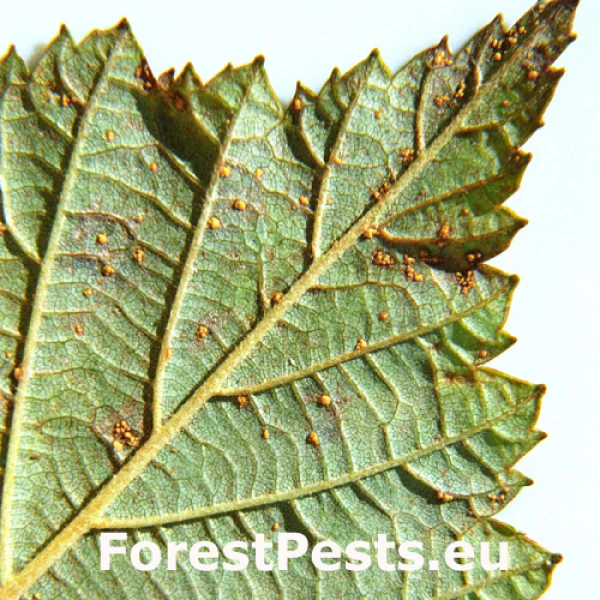
Alder rust
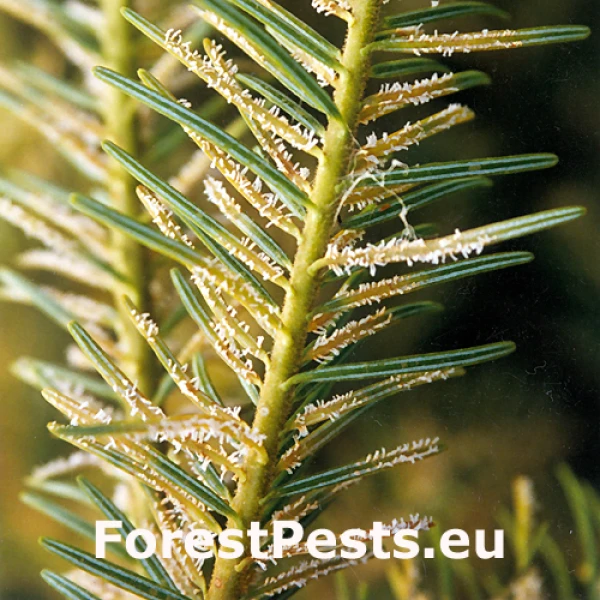
Fir fireweed rust
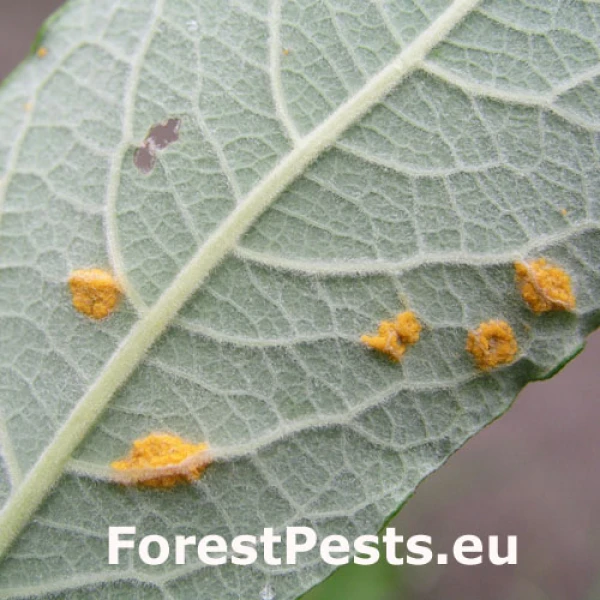
Melampsora salicina