


 Show all photos in album
Insert for comparison
We will identify your pest
Add pictures of this species
Show all photos in album
Insert for comparison
We will identify your pest
Add pictures of this species
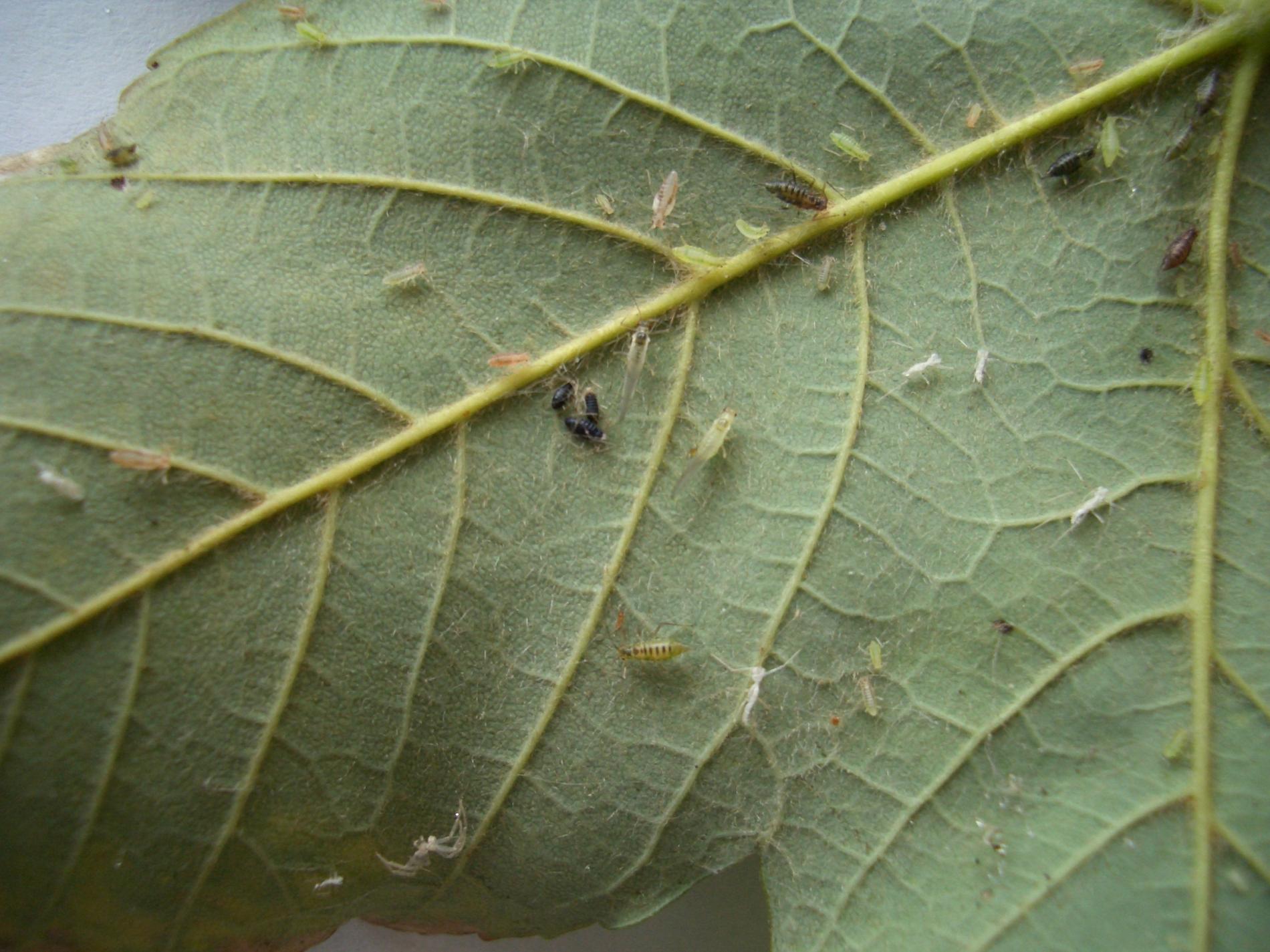
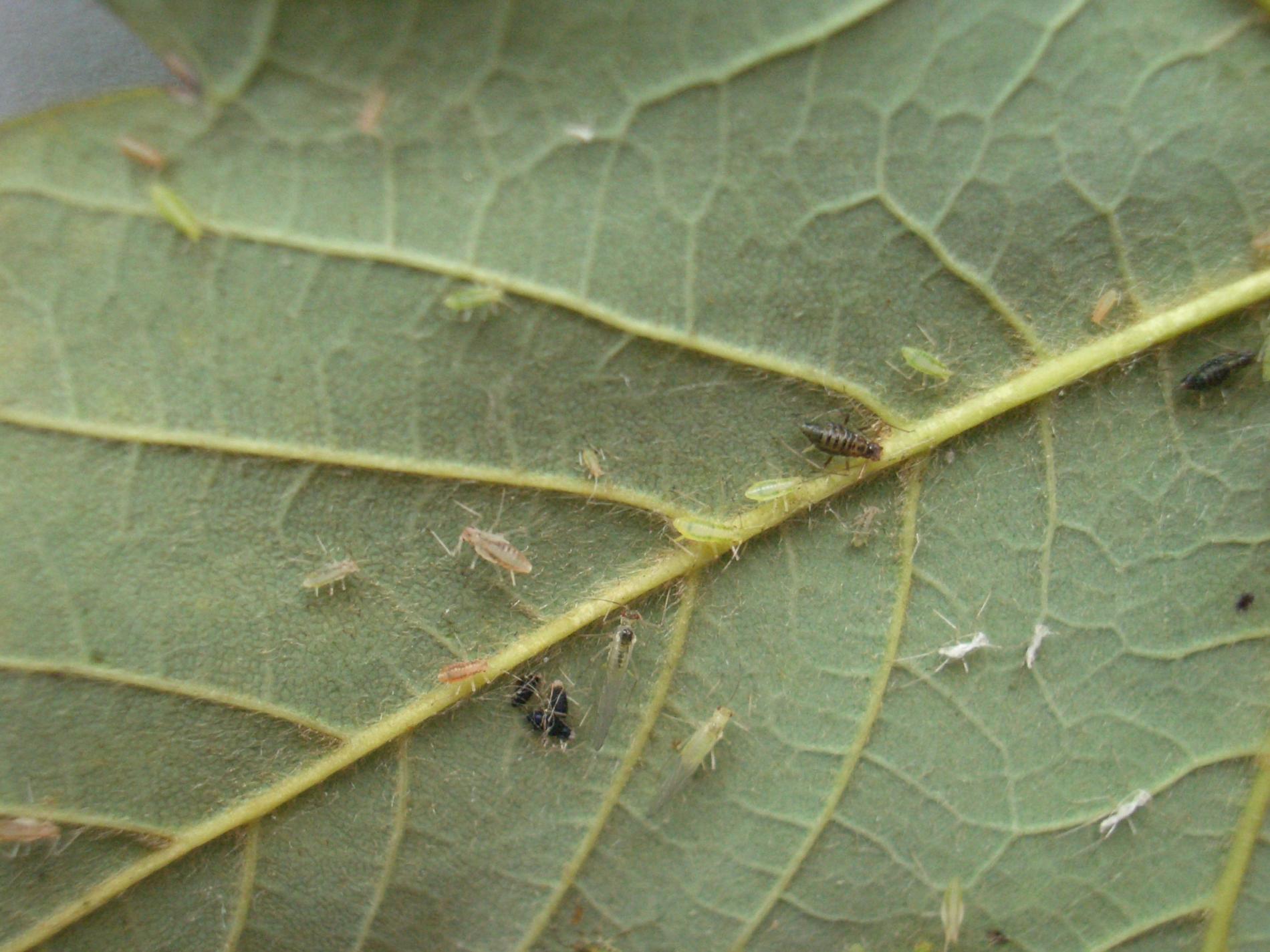
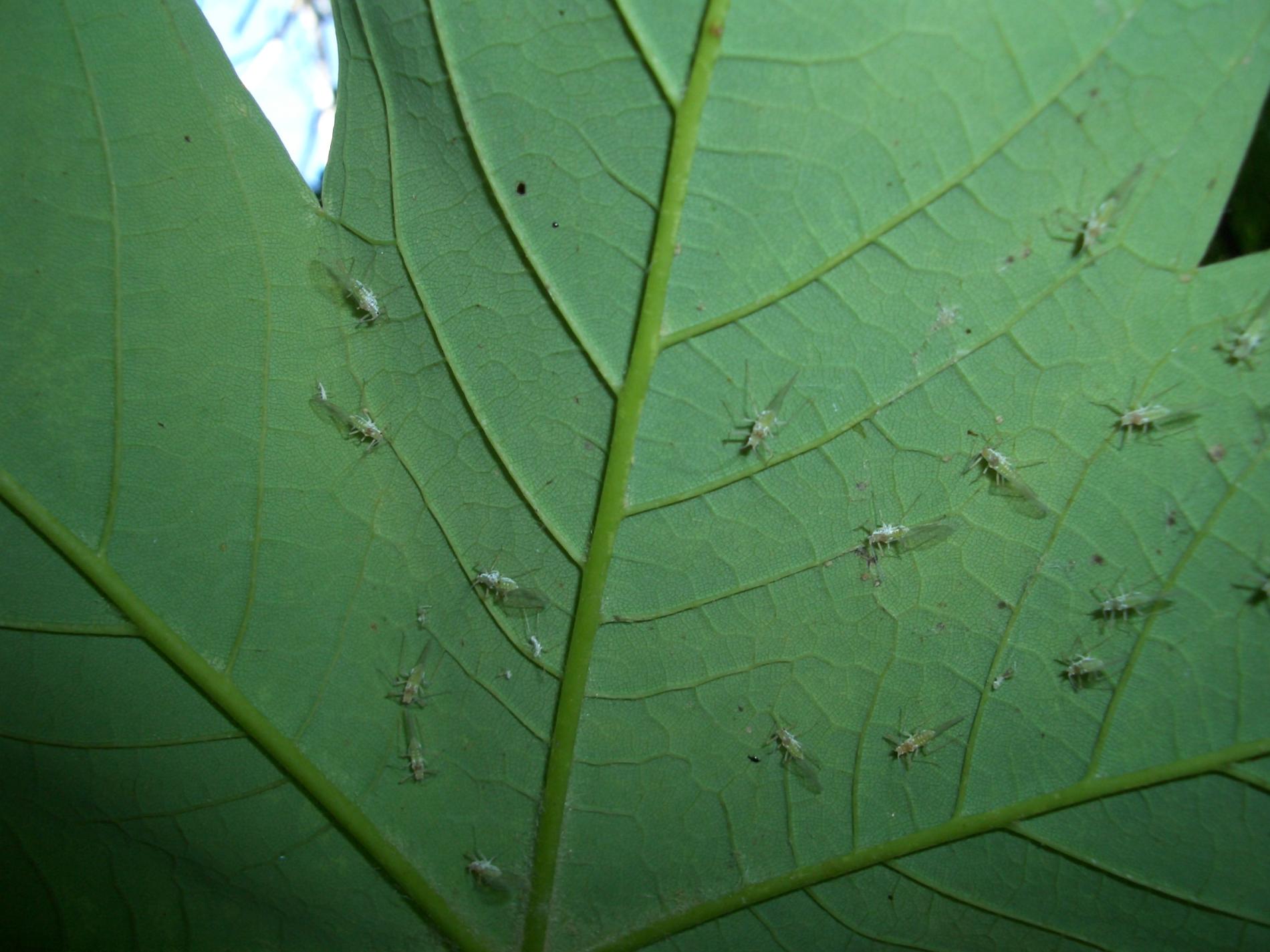
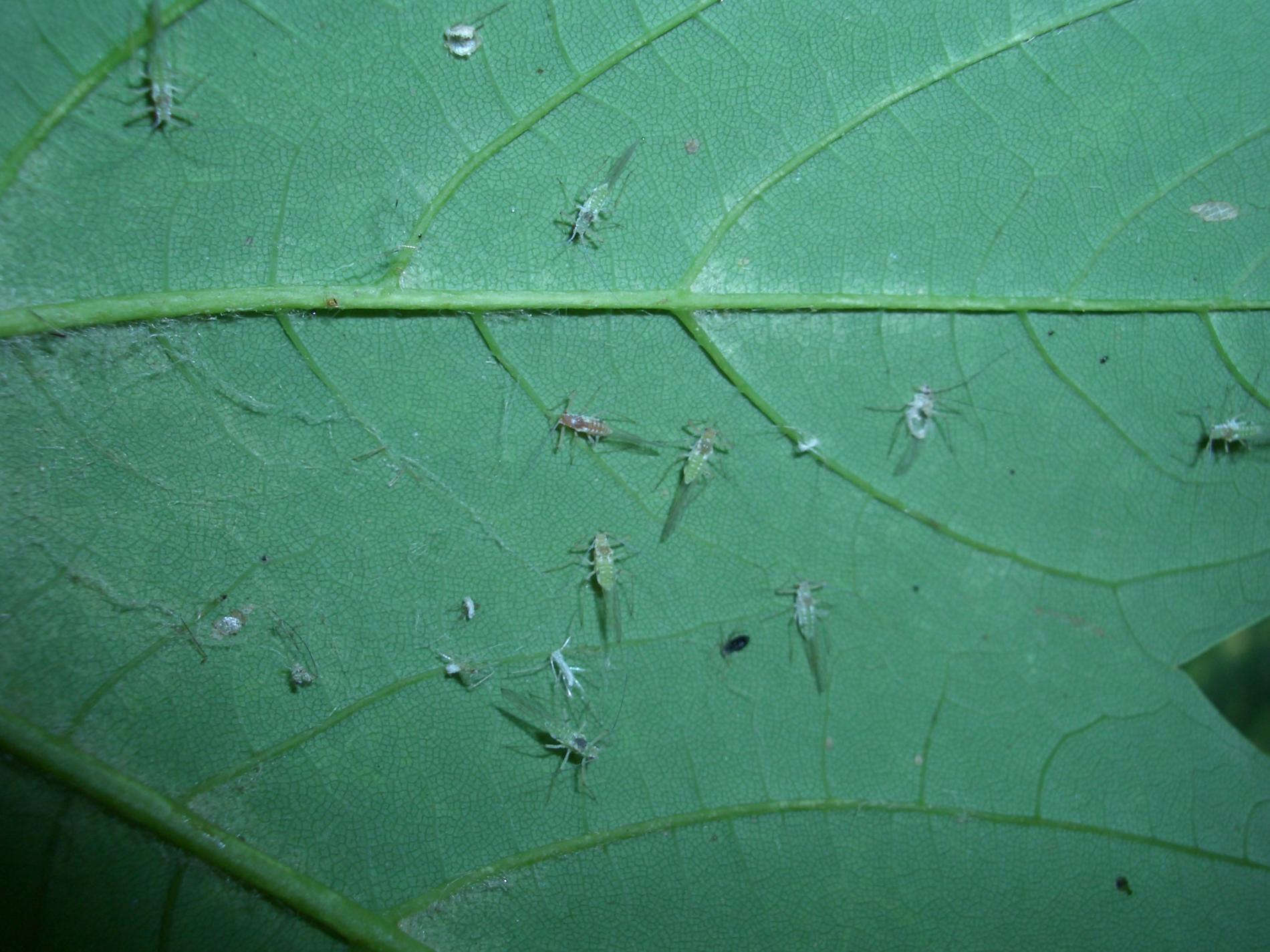
Drepanosiphum platanoidis
Sycamore aphid
Description
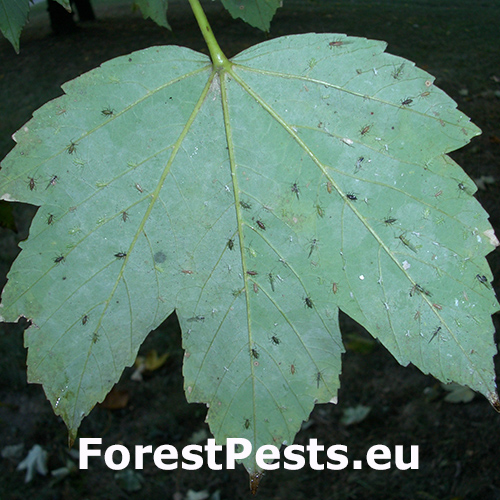
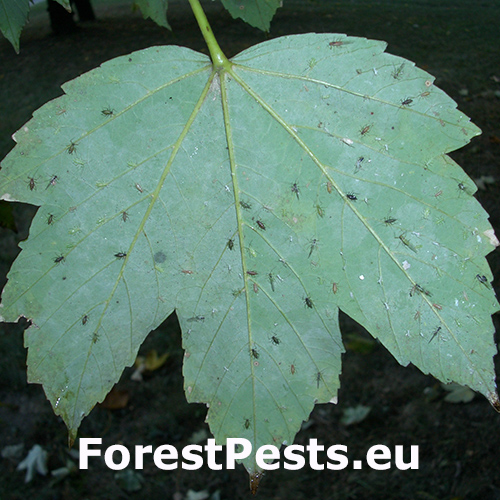
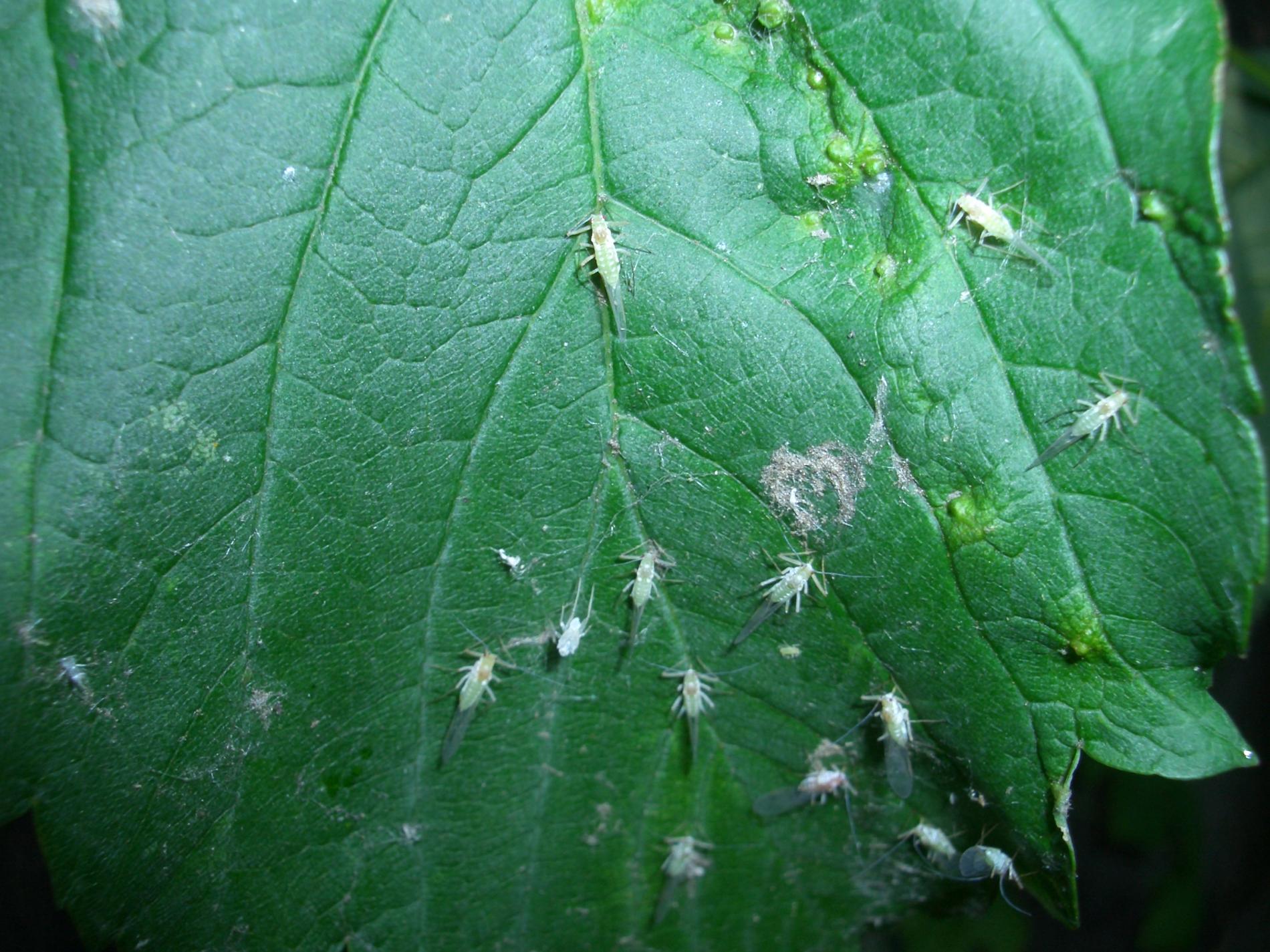
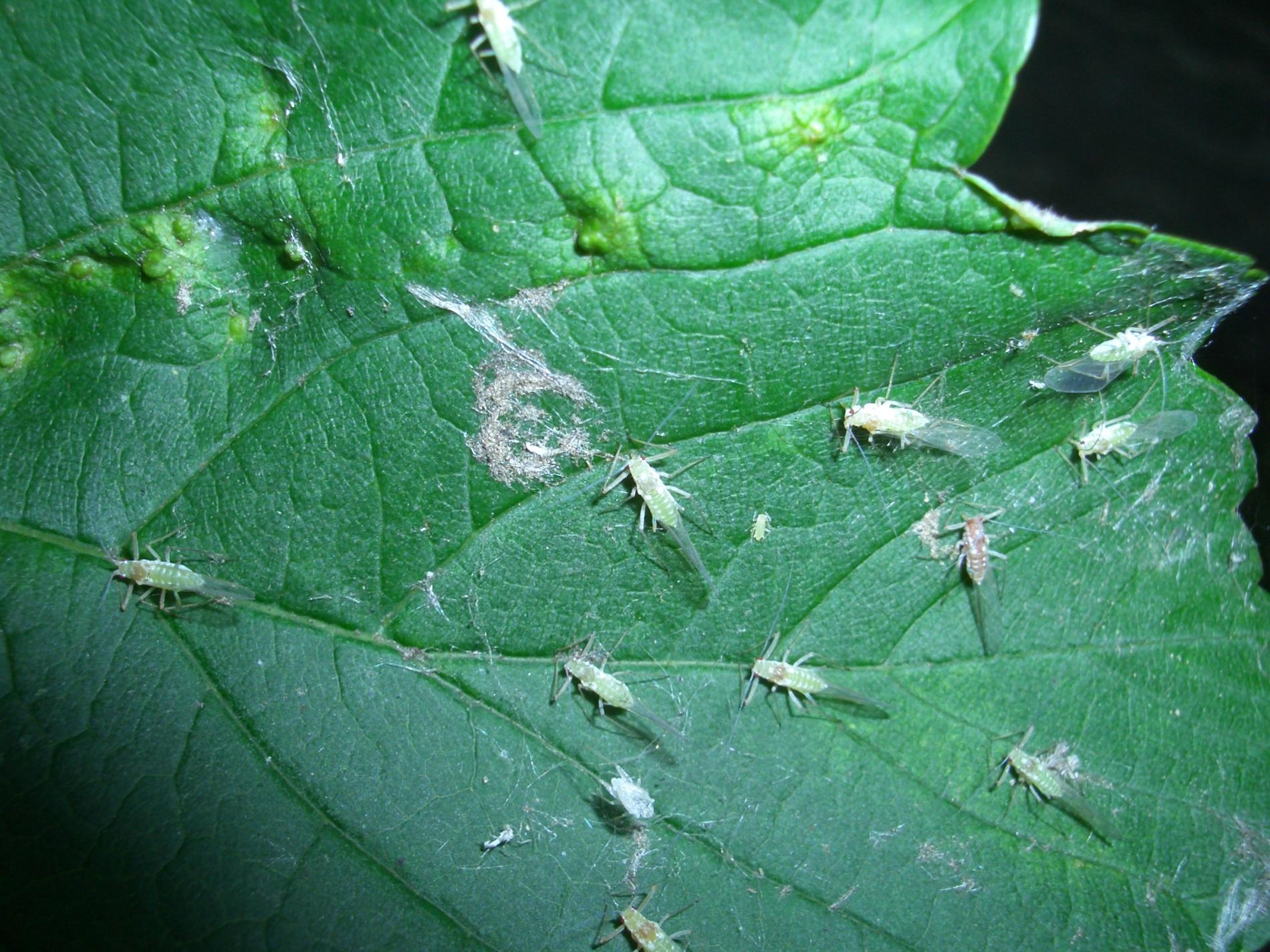
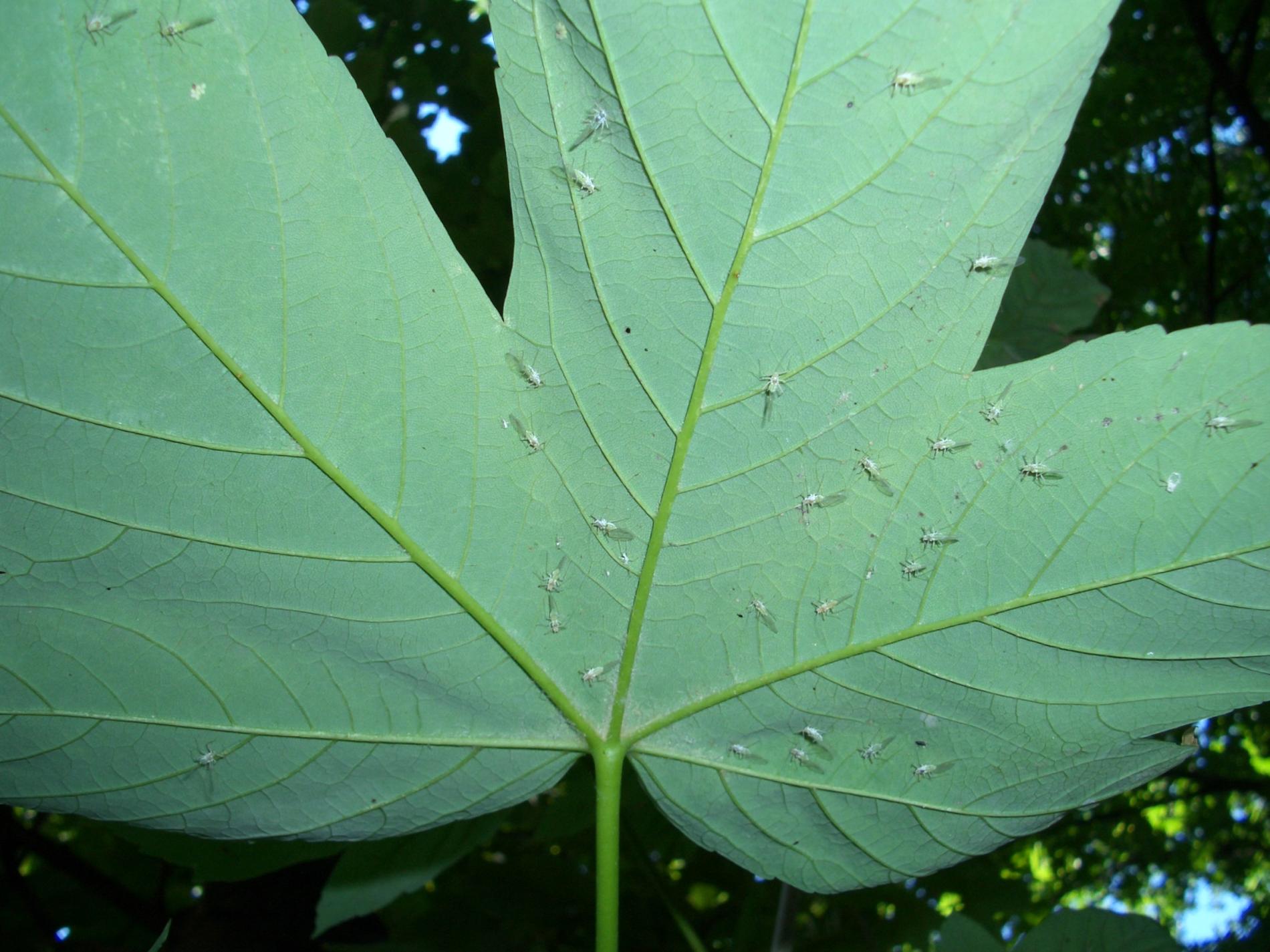
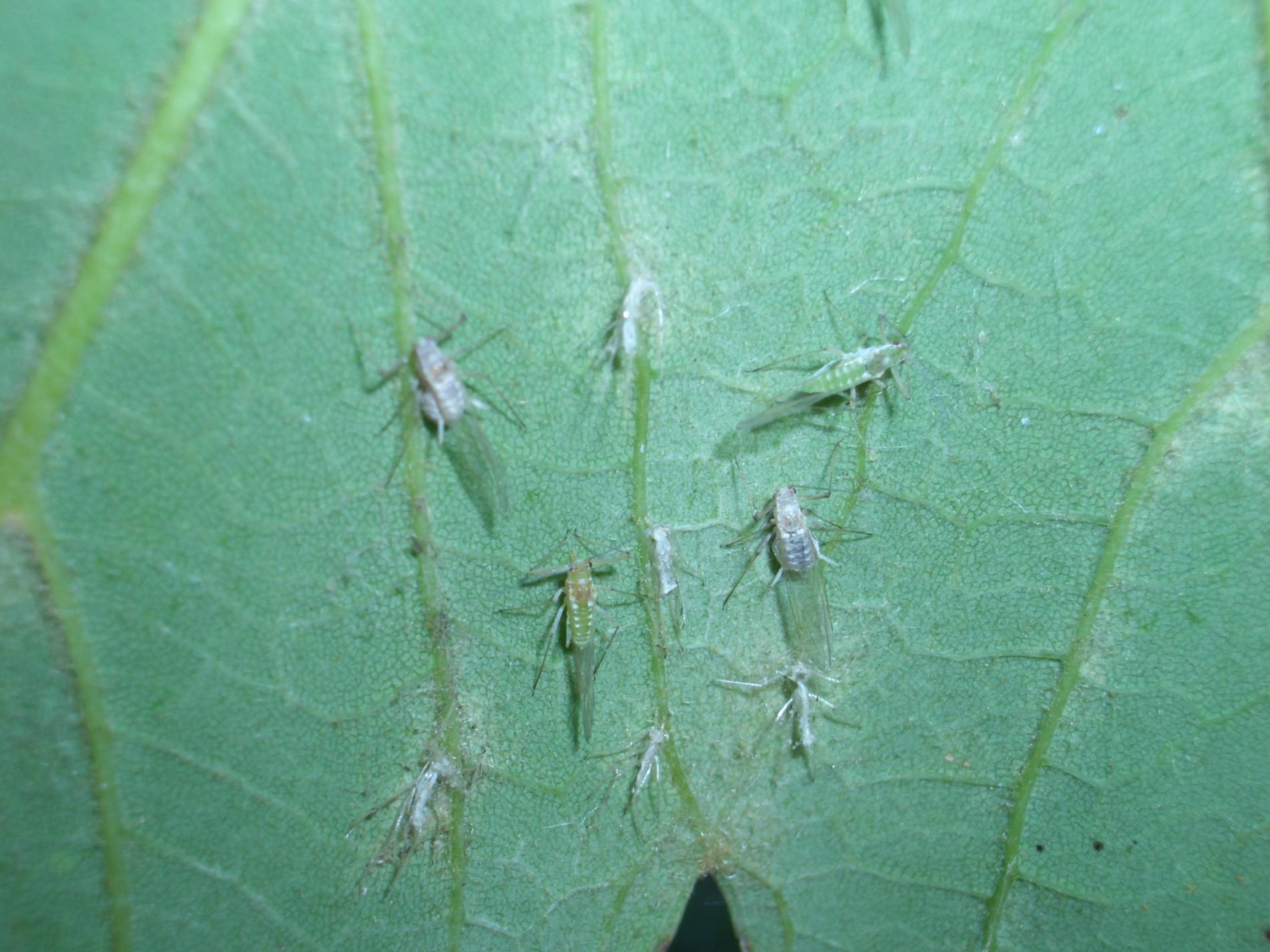
The sycamore aphid (Drepanosiphum platanoidis) is a sap-sucking insect found on various maple species, primarily Acer pseudoplatanus. This monophagous aphid completes its life cycle on maples without host alternation. It reproduces both parthenogenetically and sexually, with eggs overwintering on bark crevices. Nymphs hatch in early spring, synchronized with bud burst, and feed on young foliage, forming dense colonies on leaf undersides. Adults are winged and aggregate on leaves during summer, maintaining spacing to reduce competition.
Damage includes leaf curling, chlorosis, and honeydew secretion, which promotes sooty mold formation, impairing photosynthesis and reducing the tree's aesthetic appeal. Severe infestations can weaken trees and inhibit growth. Drepanosiphum platanoidis is widespread in Europe and commonly found in urban parks and natural stands of sycamore maples.
Symptom
Leaves show downward curling, chlorosis, and sticky honeydew deposits. Black sooty mold develops on honeydew-covered surfaces, and dense colonies are visible on the undersides of leaves.
Tree Species: Maple
Part of a plant- attacked: Leaf / Needle
Pest significance: Less harmful
Pest Category: Insects
Invasive Species: No
Present in EU: Yes
Add comment: Drepanosiphum platanoidis
Location map: Drepanosiphum platanoidis
Legend:

Expert verified points

Unverified points
Observed by users on these tree species
Similar damage
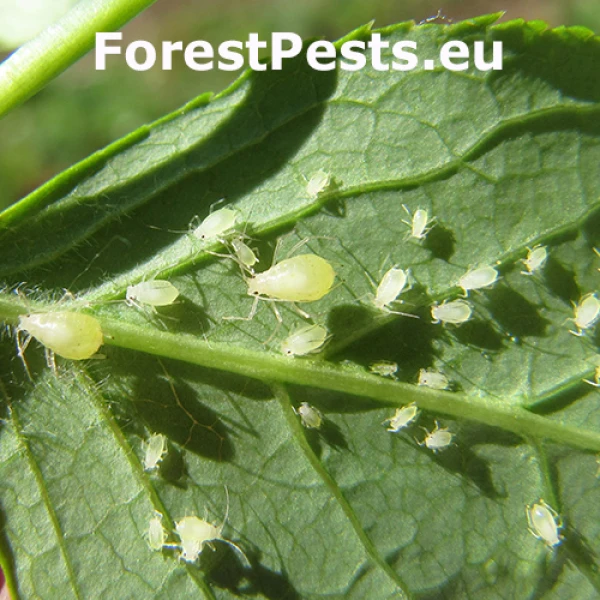
Mangold aphid
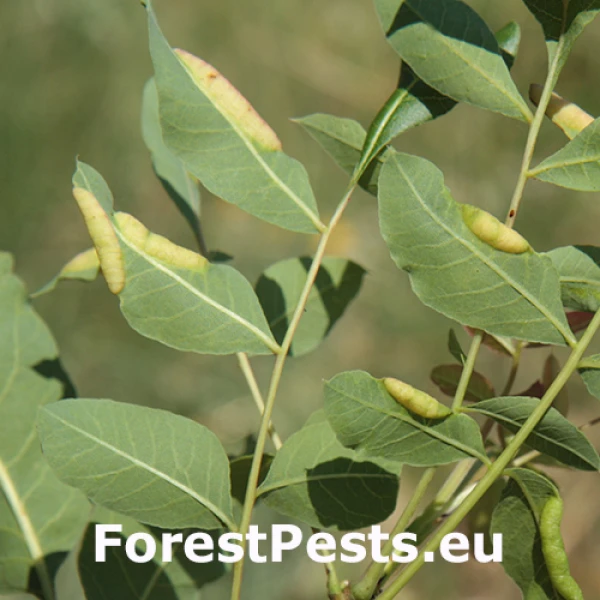
Crusty pistachio-grass root aphid
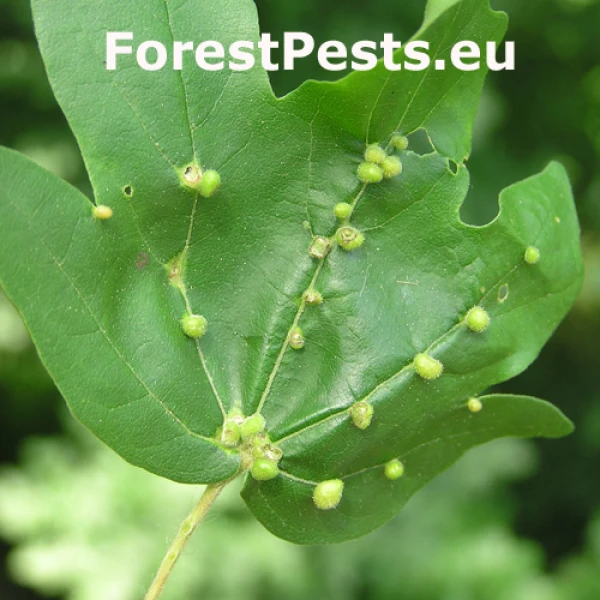
Gall mite Aceria macrochela