






 Show all photos in album
Insert for comparison
We will identify your pest
Add pictures of this species
Show all photos in album
Insert for comparison
We will identify your pest
Add pictures of this species
Corythucha ciliata
Sycamore lace bug
Description
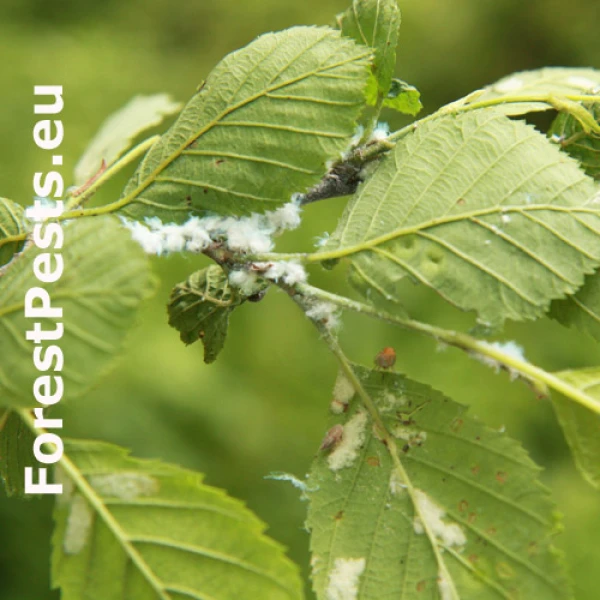
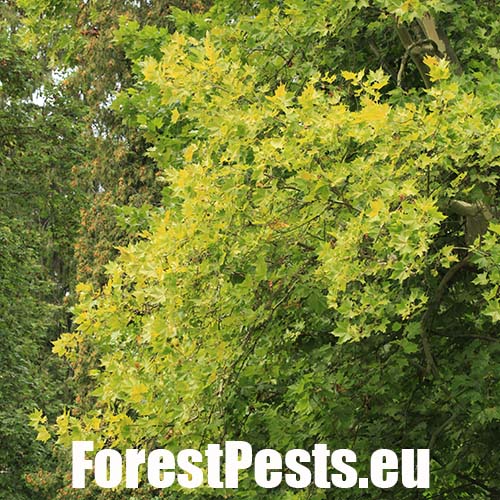
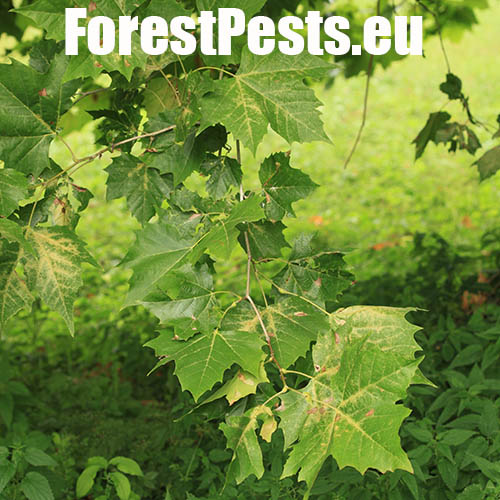
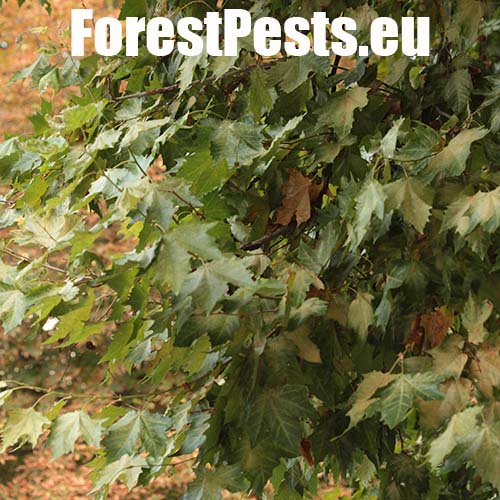
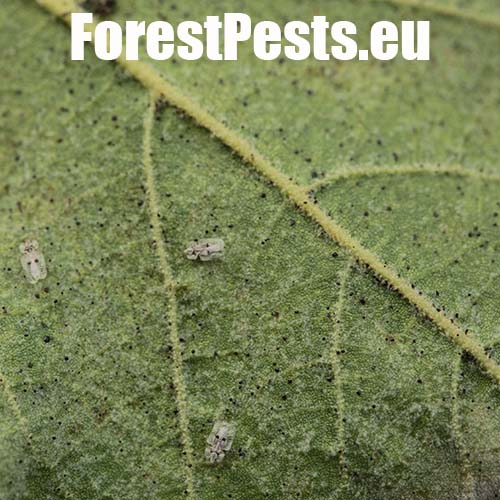
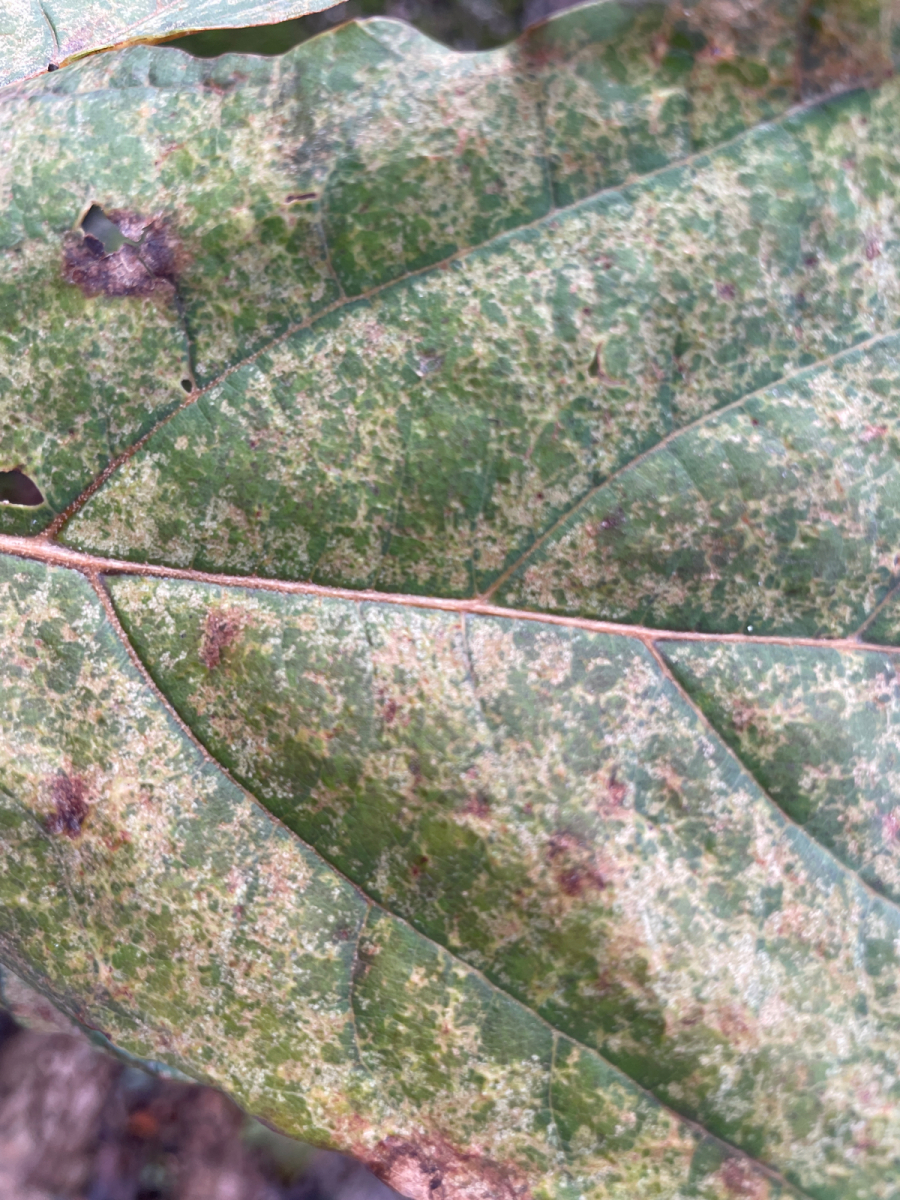
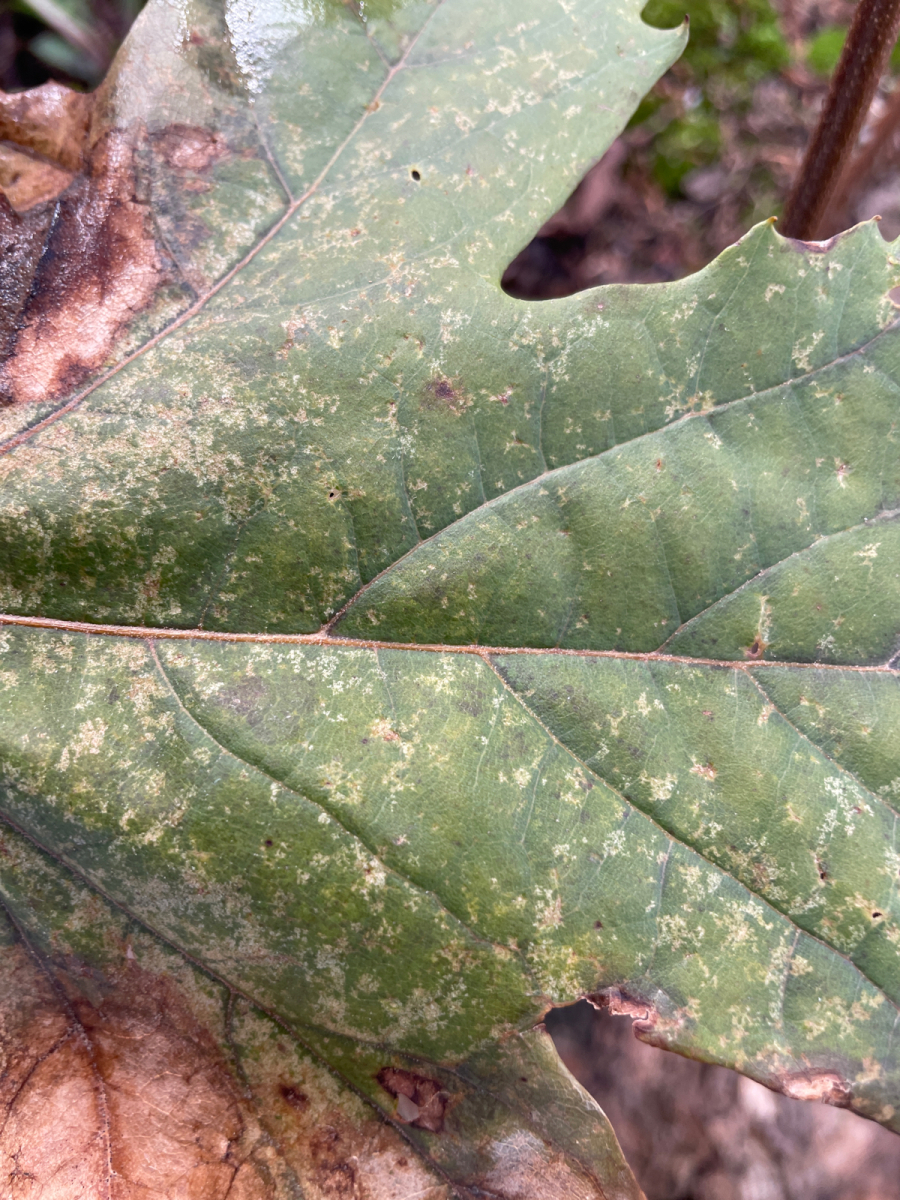
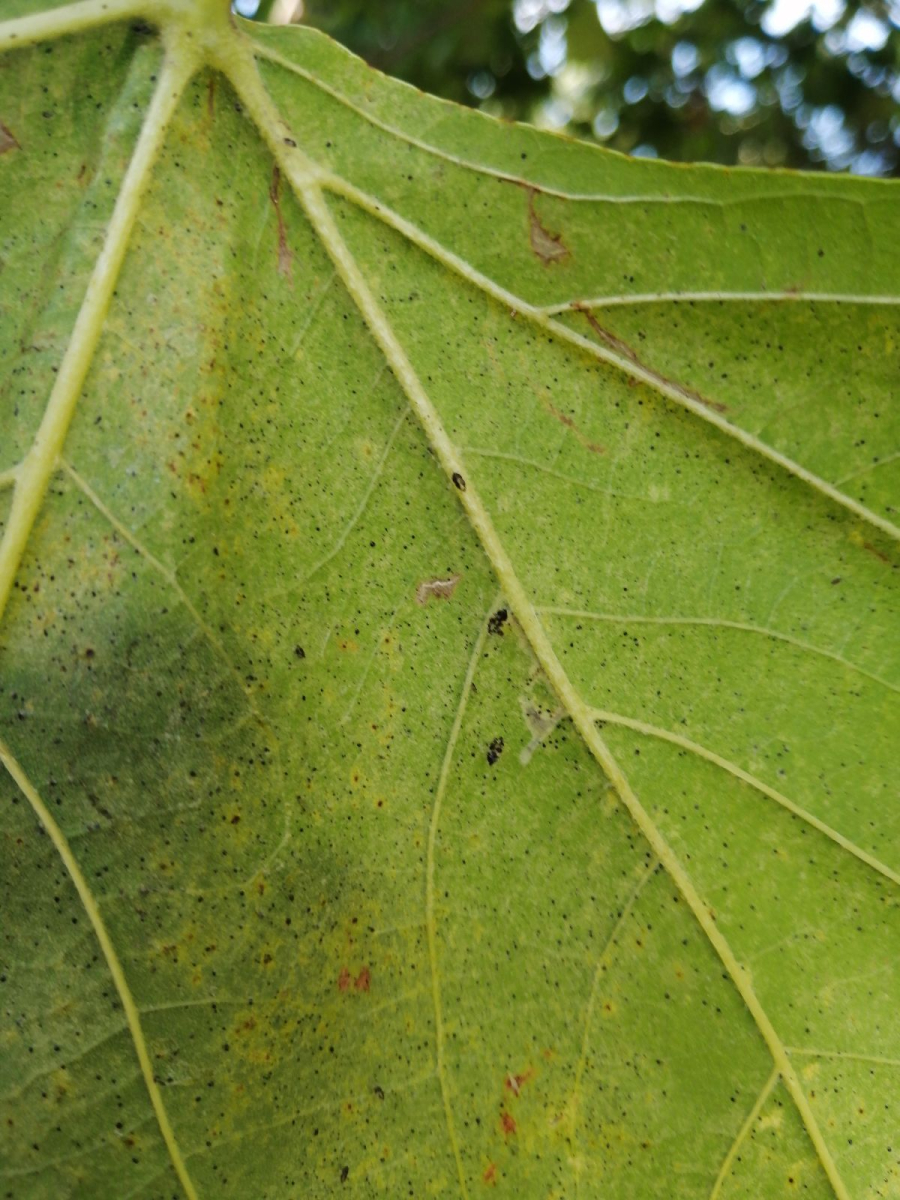
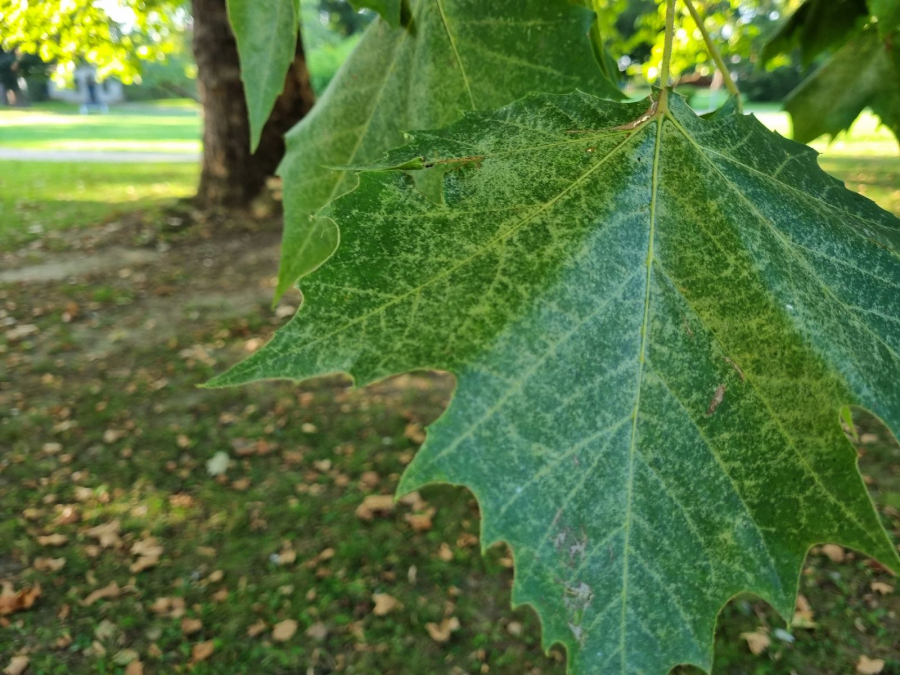
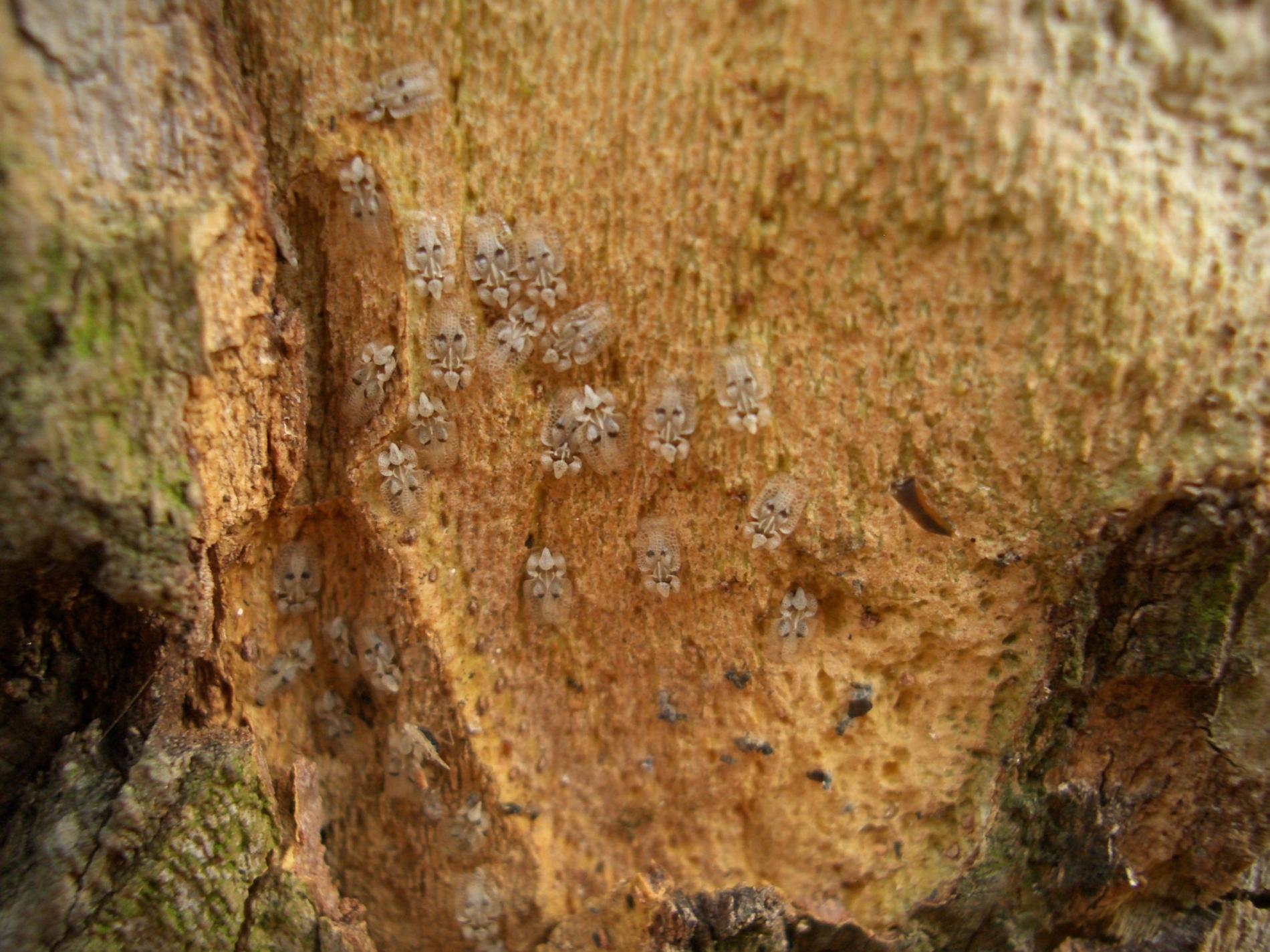
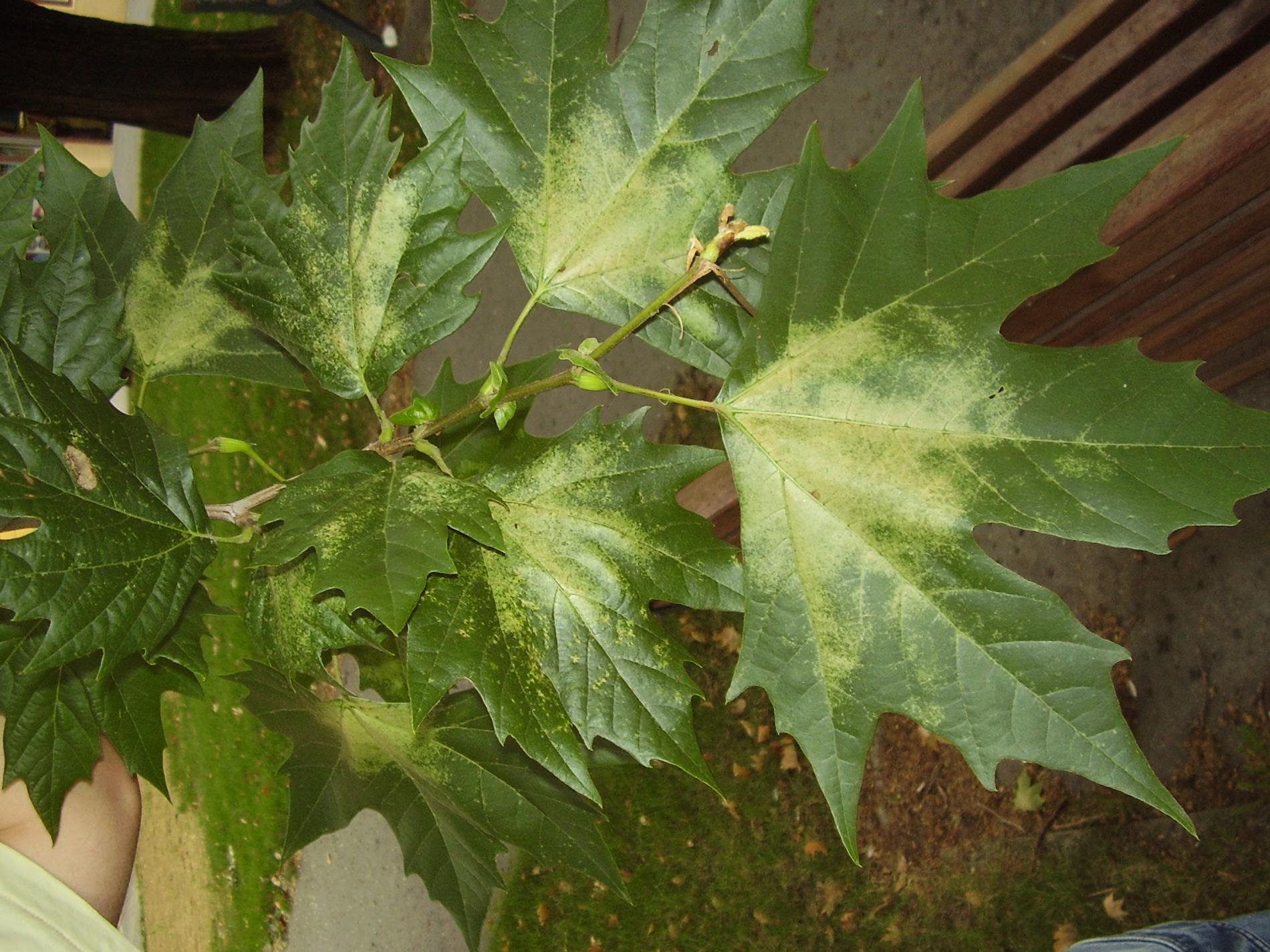
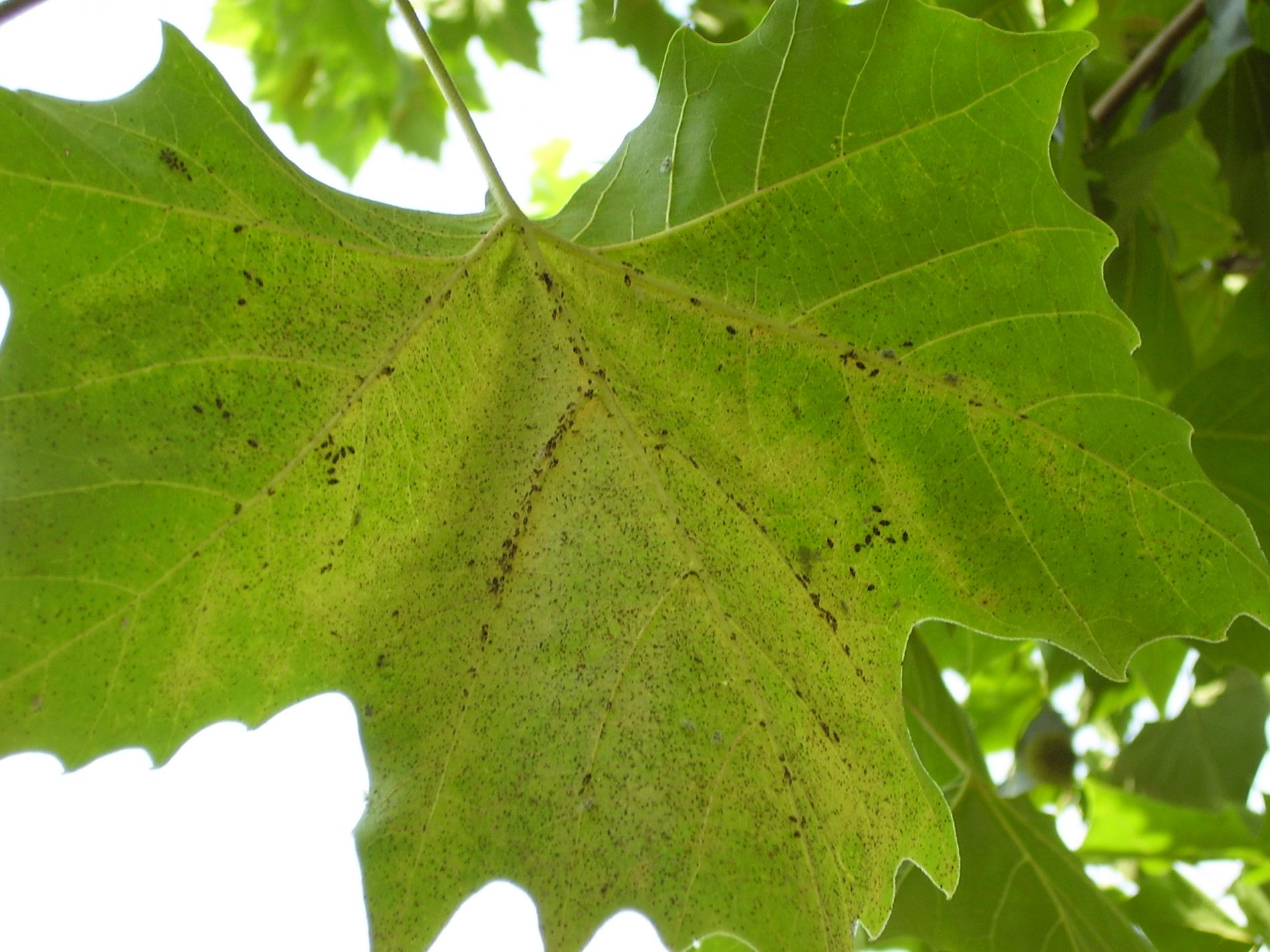
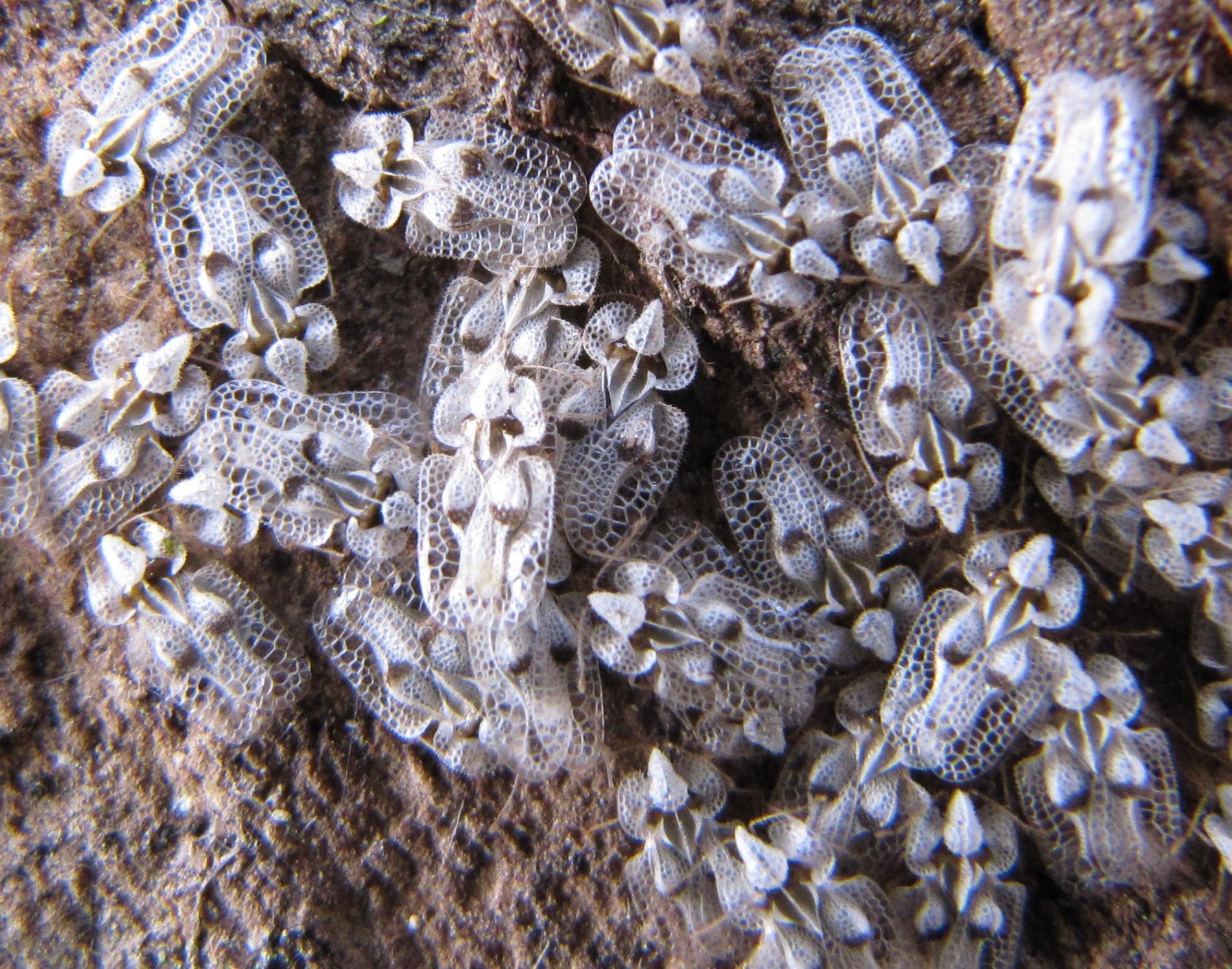
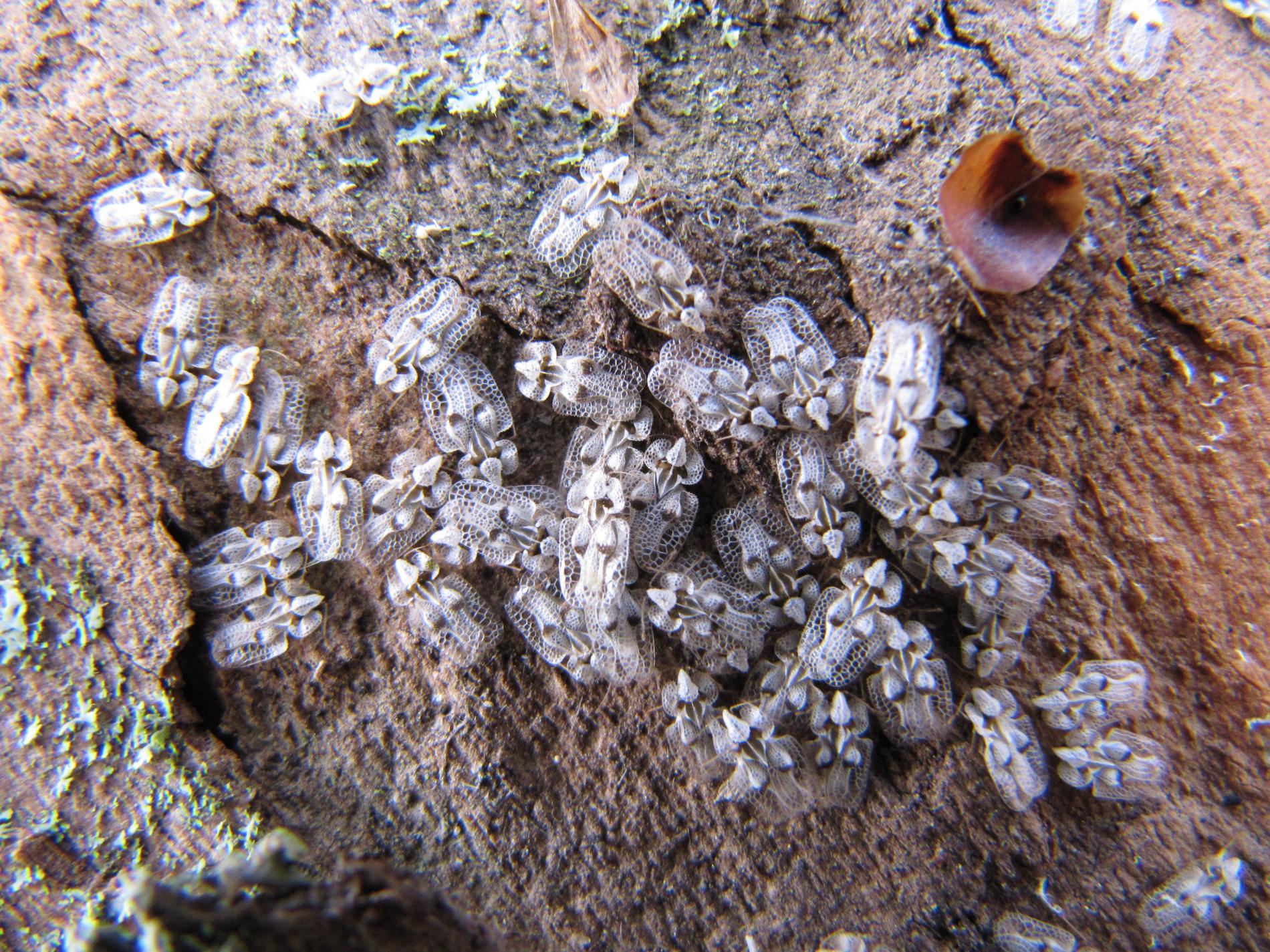
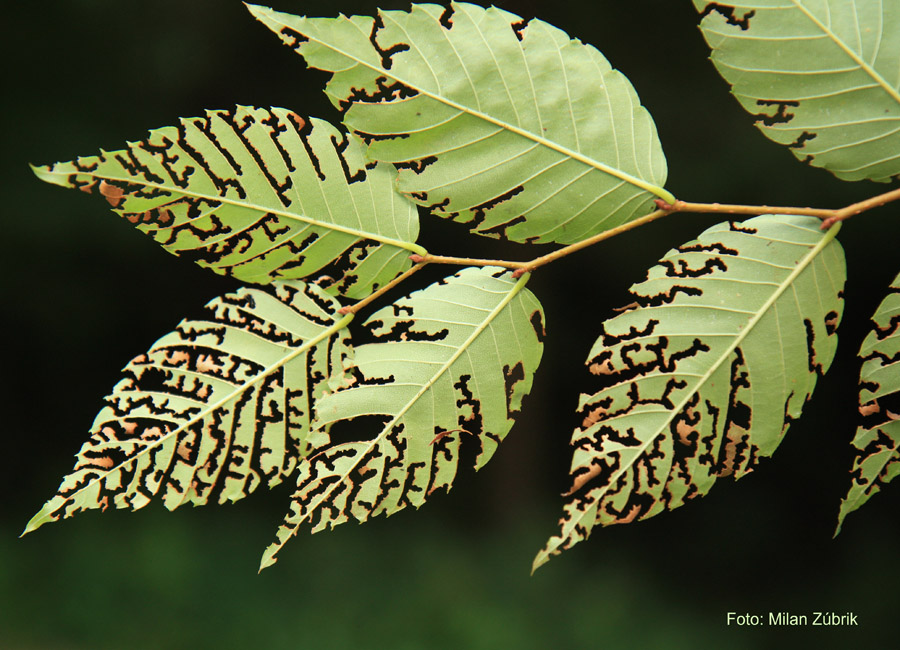
This North American species was first reported in Europe in the early 1960s. The 3.5 mm long insect overwinters under the bark scales of older trees. Since the leaves star to open, adults begin feeding on the lower leaf surface. The females deposit egg in clusters of up to 350 eggs. The larvae develop into adults by June. Depending on the climatic conditions, a second or third generation can occure. Infested leaves show a pale mottled discolouration. Damage is usually minor, but if the infestation is long-lasting and occurs together with associated fungi, affected trees may decline or even die. Heavily infested trees drop their leaves by late summer. It can be found in parks and gardens on shade and ornamental trees.
Symptom
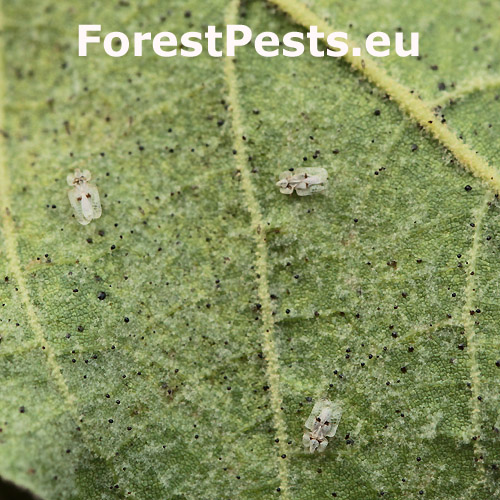
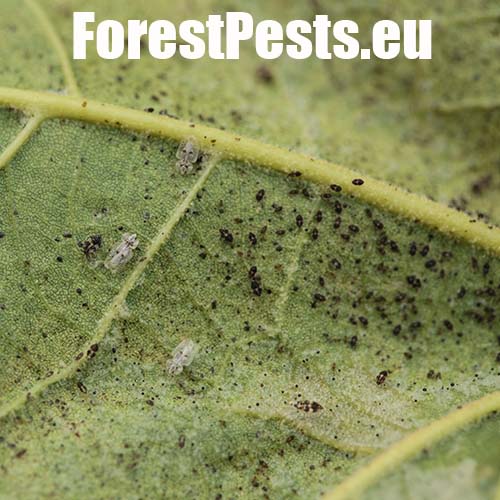
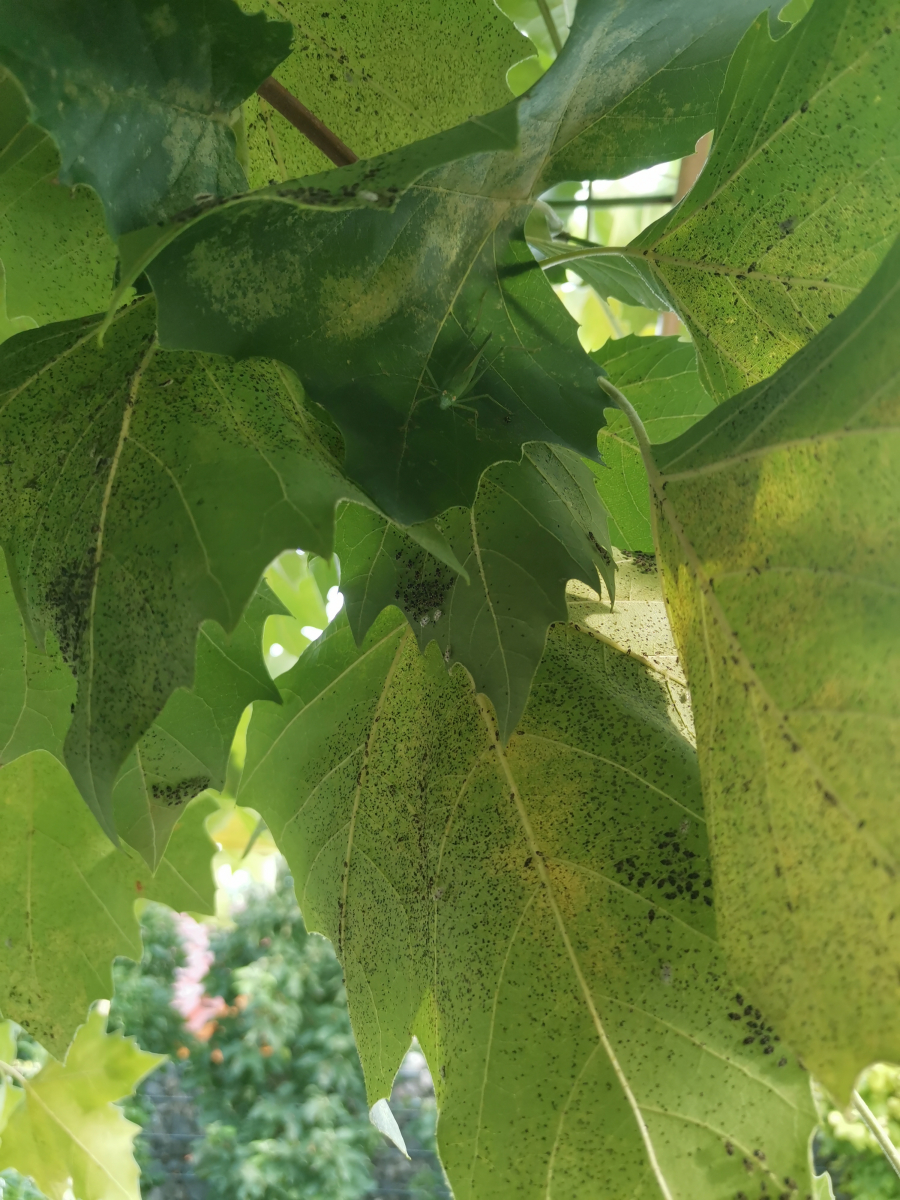
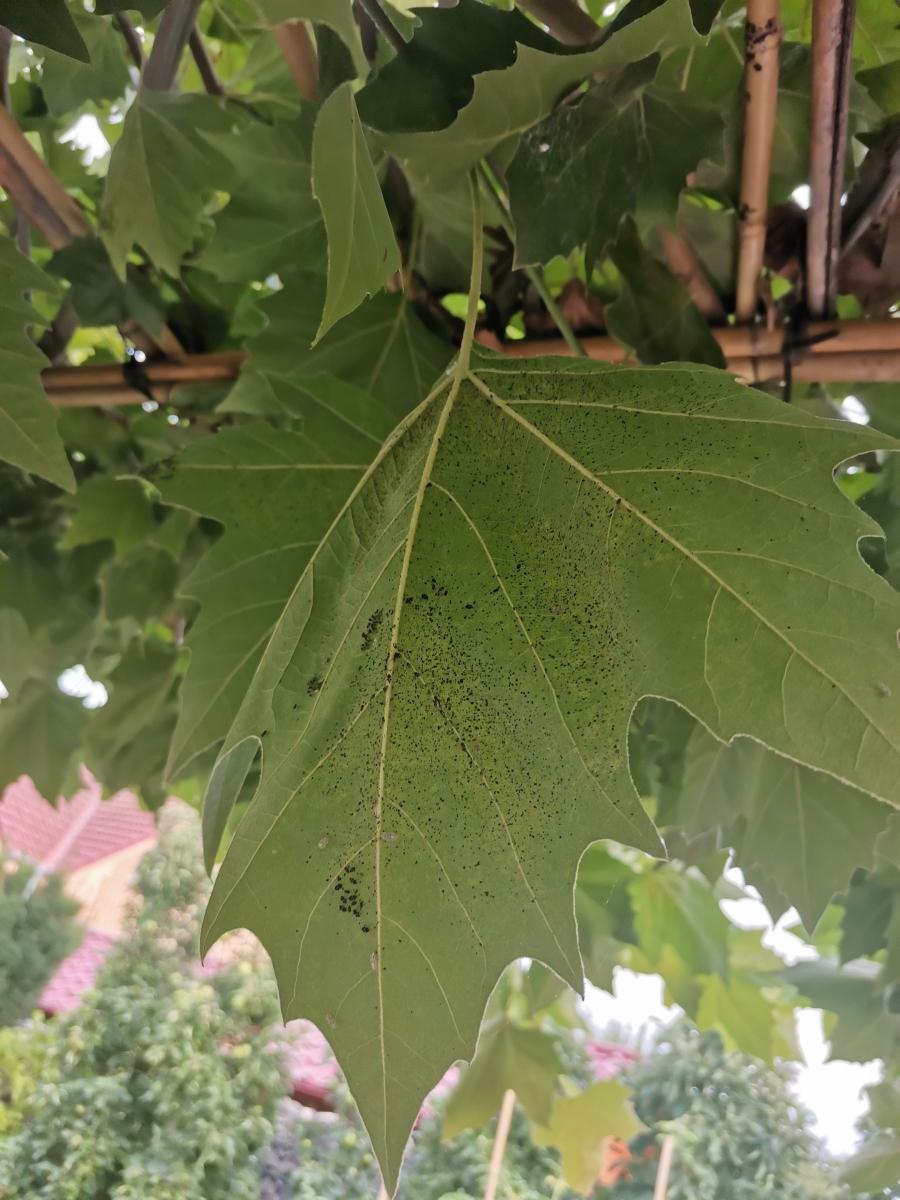
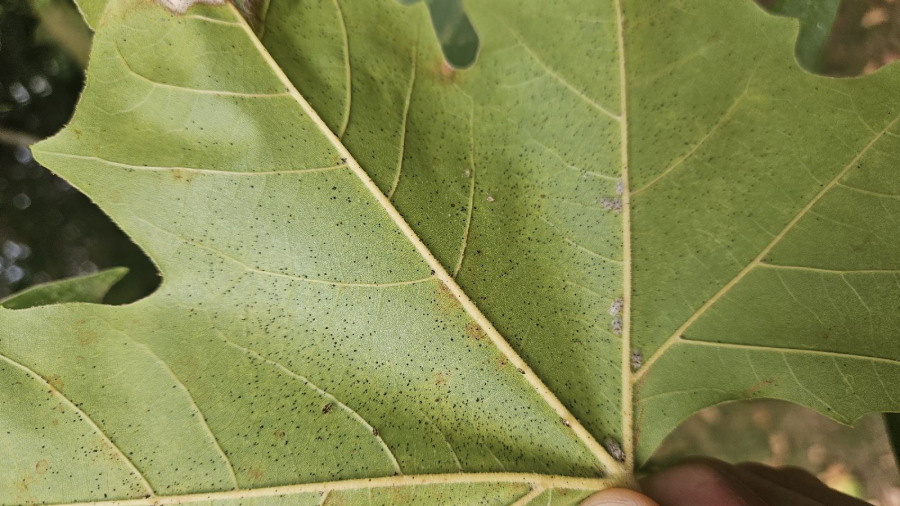
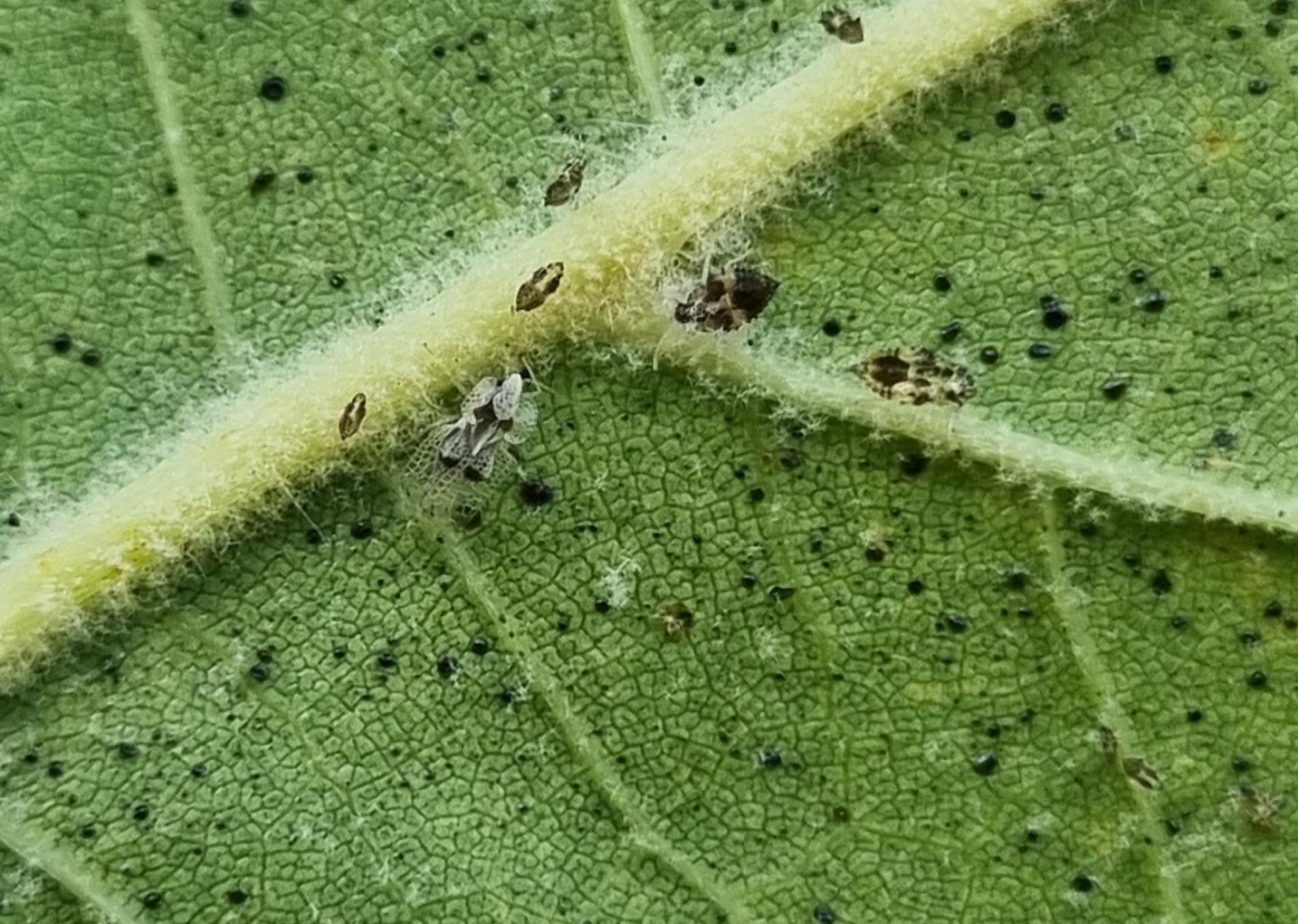
The infested leaves have a light color. On the underside of the leaves there are small adults and nymphs and a lot of black small faeces of sucking insects.
Tree Species: Plane
Part of a plant- attacked: Leaf / Needle
Pest significance: Harmful
Pest Category: Insects
Invasive Species: Yes
Present in EU: Yes
Add comment: Corythucha ciliata
Location map: Corythucha ciliata
print viewLegend:

Expert verified points

Unverified points
Observed by users on these tree species
Most sightings of the species



Last observations
There are a total of 28 observations of the species in the system

Corythucha ciliataSycamore lace bug
AK73
Number of votes: 0
Published: 26.11.2025

Corythucha ciliataSycamore lace bug
milan
Number of votes: 0
Published: 22.8.2025

Corythucha ciliataSycamore lace bug
milan
Number of votes: 0
Published: 22.8.2025

Corythucha ciliataSycamore lace bug
milan
Number of votes: 0
Published: 22.8.2025

Corythucha ciliataSycamore lace bug
milan
Number of votes: 0
Published: 22.8.2025
Similar damage
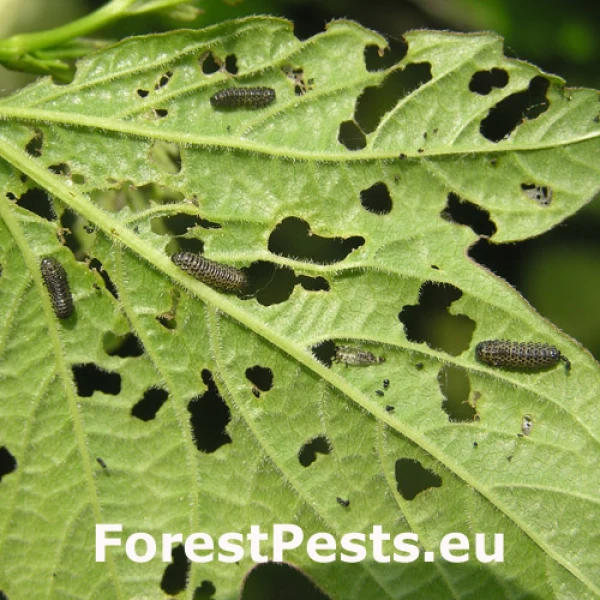
Viburnum leaf beetle
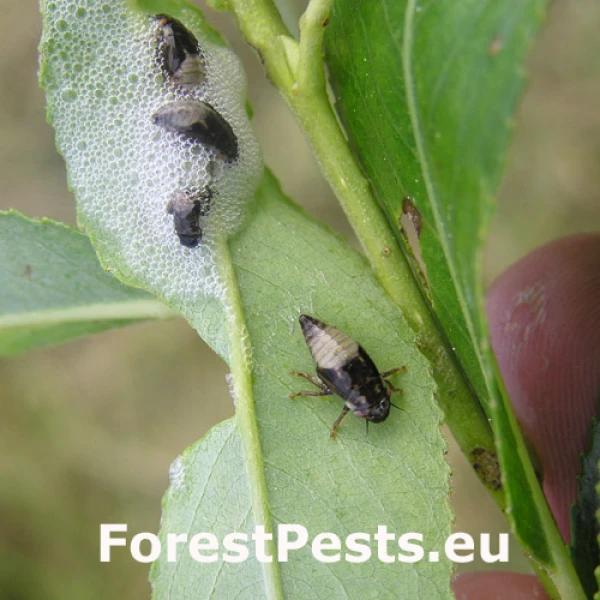
Willow spittlebug
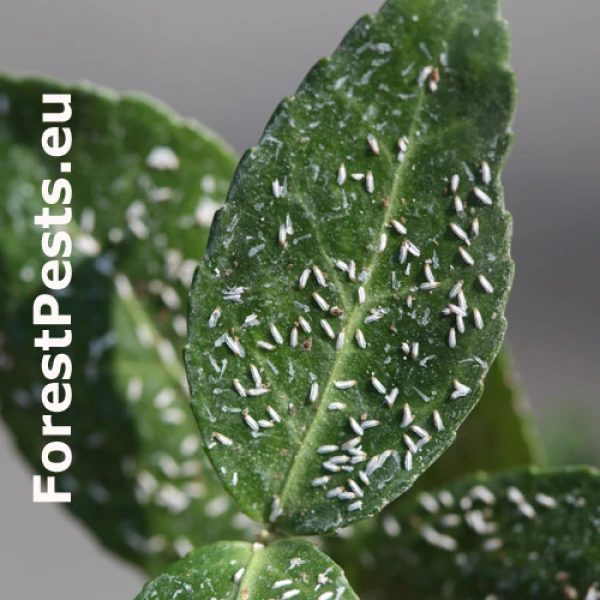
Euonymus scale