


 Show all photos in album
Insert for comparison
We will identify your pest
Add pictures of this species
Show all photos in album
Insert for comparison
We will identify your pest
Add pictures of this species
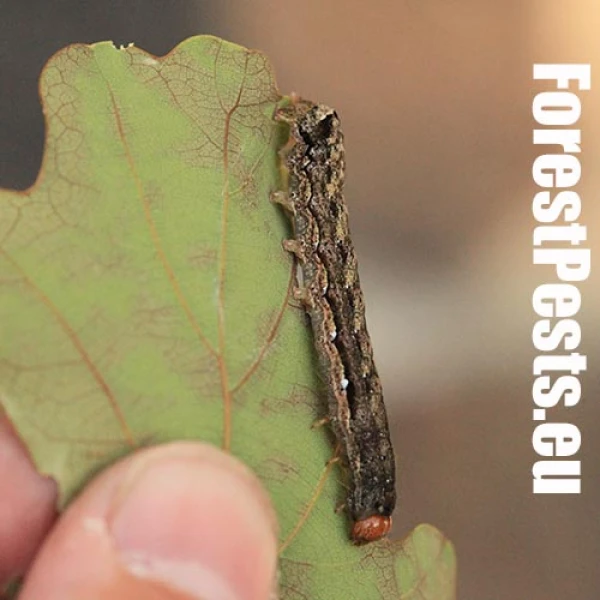
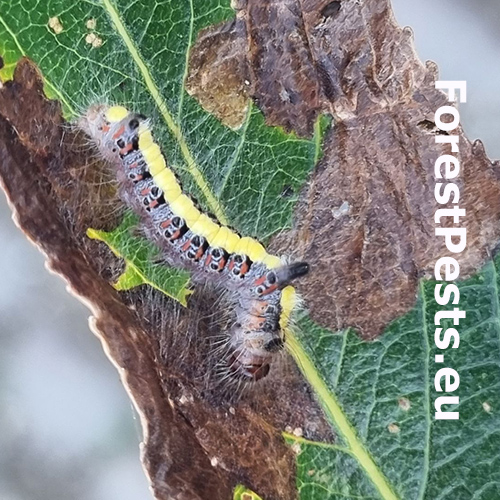
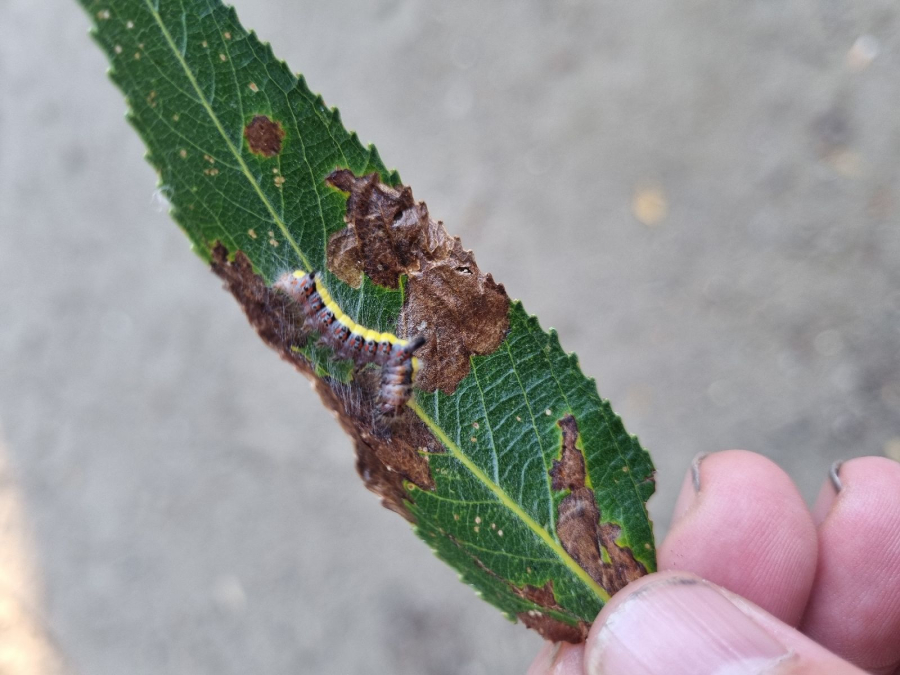
Acronicta psi
Grey dagger
Description
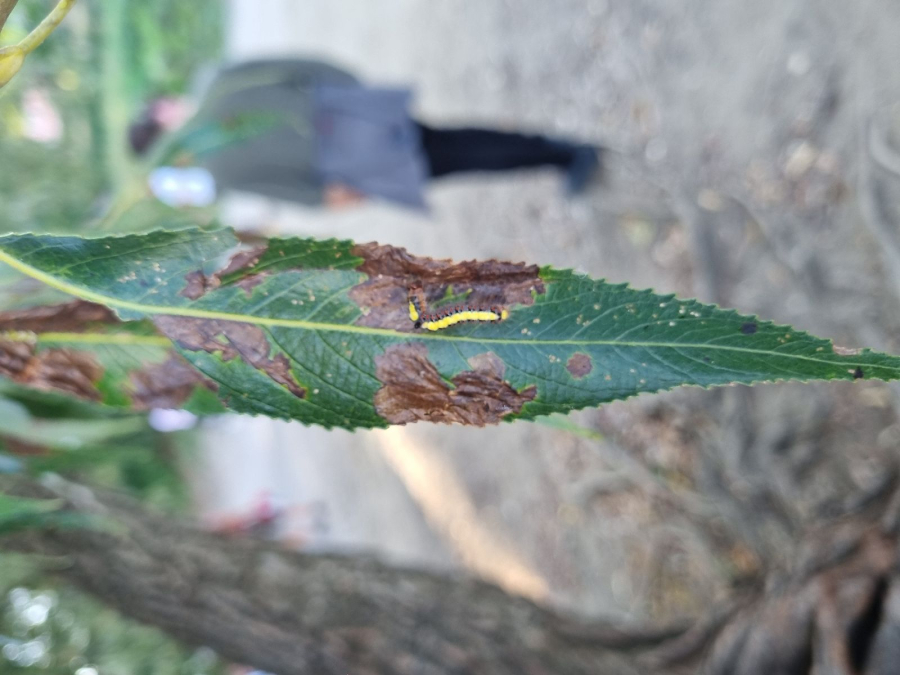
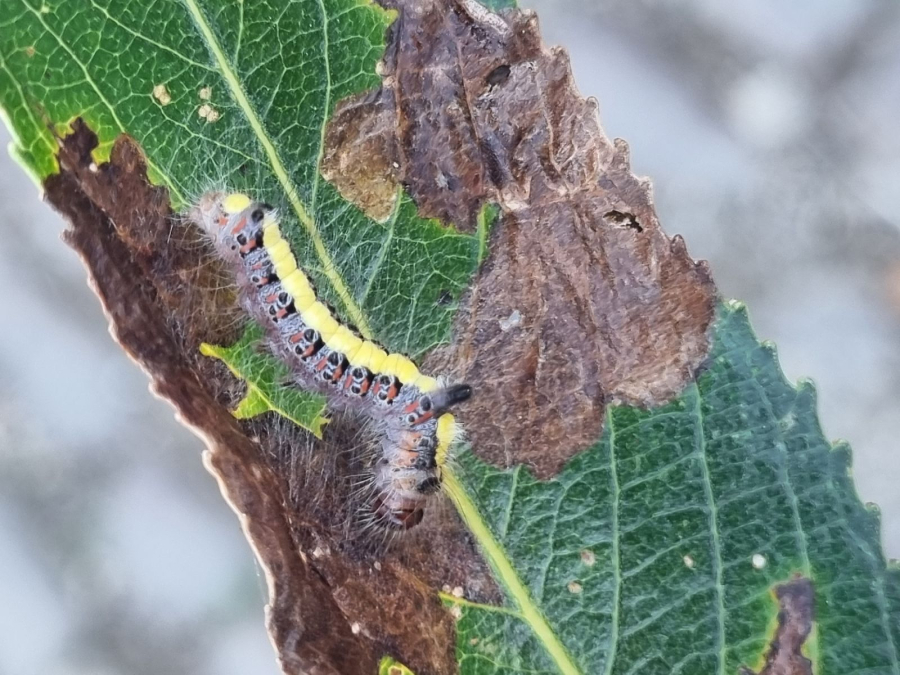
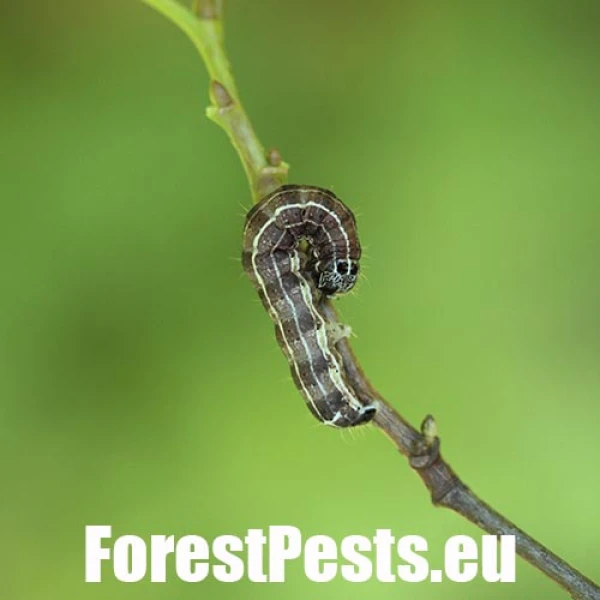
The moth Acronicta psi, commonly known as the Grey Dagger, is a species found in various parts of Europe and Asia. The Grey Dagger moth larvae feed on a wide range of deciduous trees and shrubs. Some of their preferred host plants include birch (Betula spp.), oak (Quercus spp.), willow (Salix spp.), hawthorn (Crataegus spp.), and fruit trees such as apple (Malus spp.) and cherry (Prunus spp.). Acronicta psi can be found in diverse habitats, including woodlands, hedgerows, gardens, and parks. They are adaptable and can thrive in both urban and rural environments where suitable host plants are present. Acronicta psi typically has one generation per year, with adults appearing from late spring to early summer. However, in some regions, there may be a partial second generation with adults emerging later in the summer. The caterpillars are typically green or brown, with a row of pale yellow or yellow line on dorsal side. They have long hairs.
Symptom
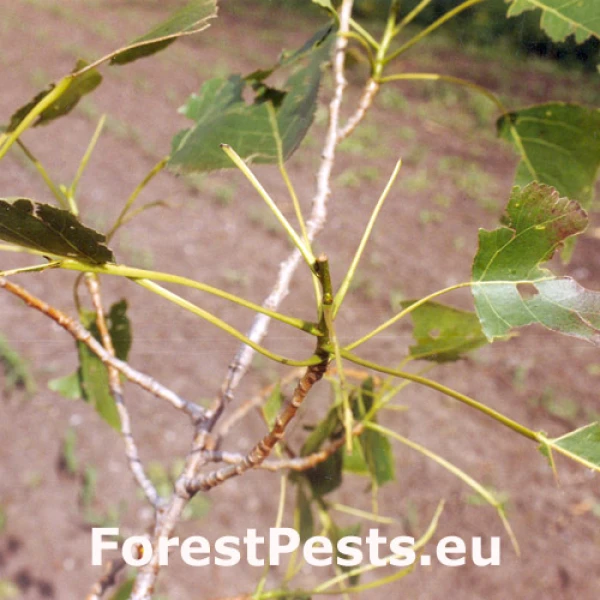
Caterpillar on leaves. Missing leaves.
Tree Species: Birch, Cherry, Oak, Hornbeam, Apple Tree, Willow
Part of a plant- attacked: Leaf / Needle
Pest significance: Less harmful
Pest Category: Insects
Invasive Species: No
Present in EU: Yes
Add comment: Acronicta psi
Location map: Acronicta psi
print viewLegend:

Expert verified points

Unverified points
Observed by users on these tree species
Most sightings of the species

Last observations
There are a total of 2 observations of the species in the system

Acronicta psi Grey dagger
Slavo
Number of votes: 0
Published: 25.6.2024

Acronicta psi Grey dagger
zahradkar
Number of votes: 0
Published: 25.9.2021

Acronicta psi Grey dagger
zahradkar
Number of votes: 0
Published: 25.9.2021

Acronicta psi Grey dagger
zahradkar
Number of votes: 0
Published: 25.9.2021
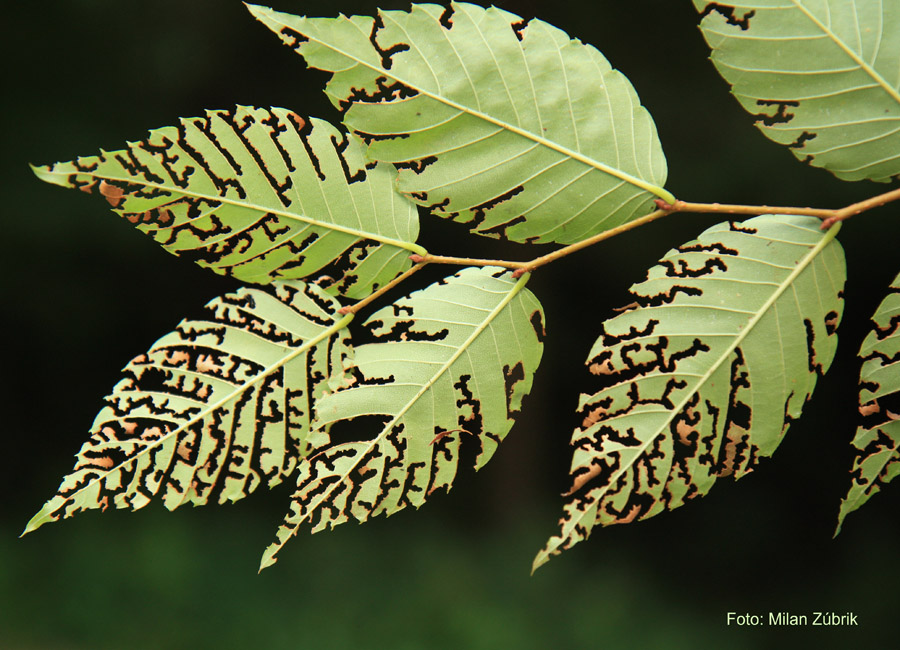
Similar damage
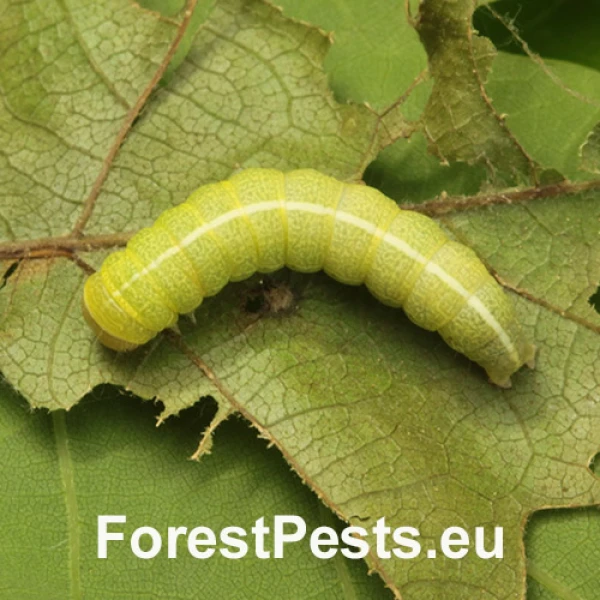
Brindled green
White satin moth
Small quaker