Login | Registration | List of contributors

Requests to determine the cause of damage

Here you can request to determine the cause of the damage. You can view the requests of other users and sort them according to the selected criteria. In addition, you can get information about your request, and you can follow the progress of its current state. If your application was not approved, it had probably been because it was impossible to identify the damage based on the sent photos or because the application does not address our topic - determining the pests of trees and shrubs. We will inform you about the status of your application by email.

Filter reset

Code
Date
Assigned
Status
Days from submission
7442
10.2.2026
J. Galko
In progress
17

Rejected requests are not displayed. You have been notified by email that your application has been denied.
 

A - This species is not in the database yet
Number: 7113
Received 2.11.2025
In progress: 16 days
Date of occurrence: 30.10.2025
Significance:
Discussion
Assigned: J. Galko
Country: The Netherlands

Question

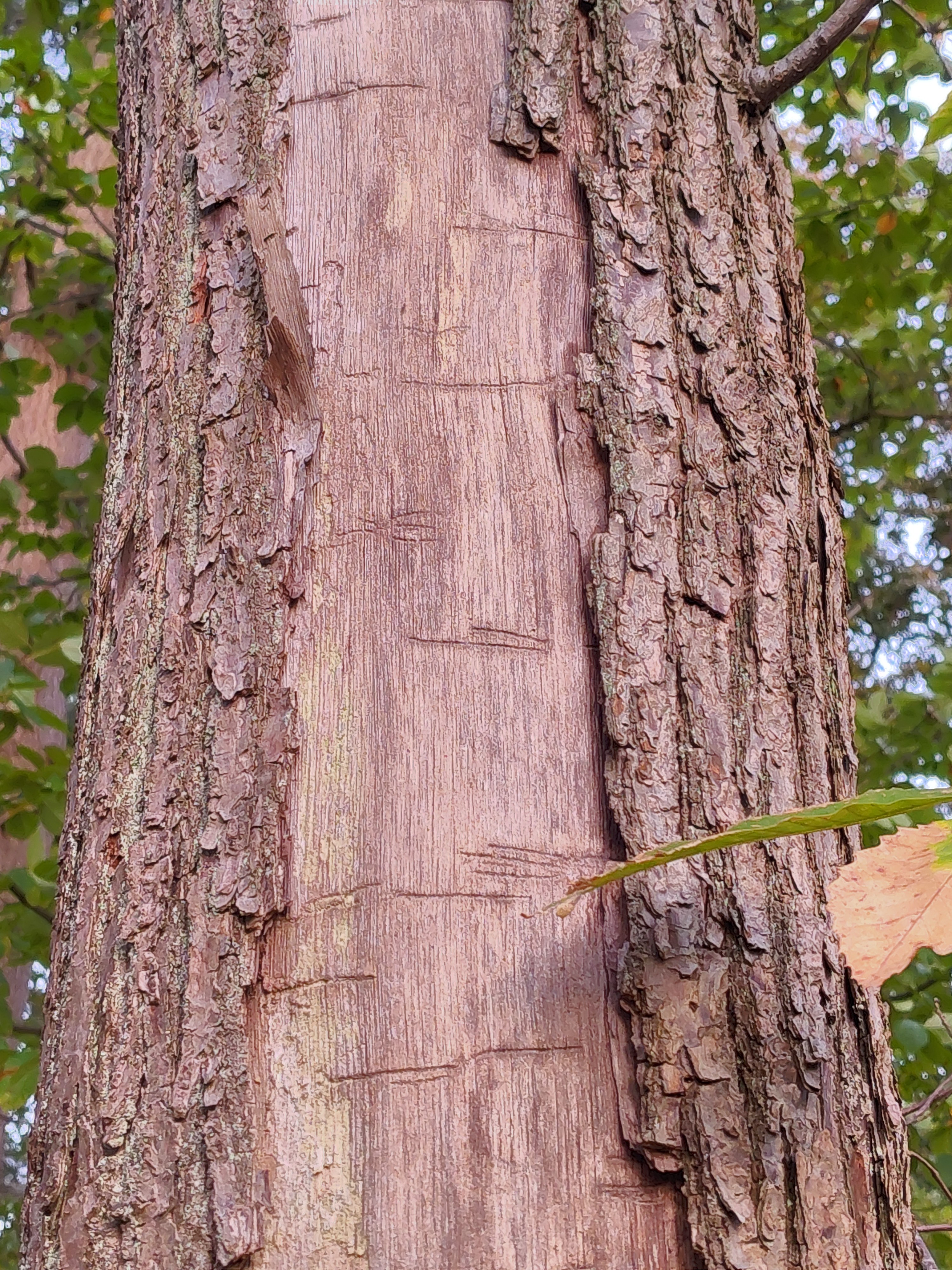
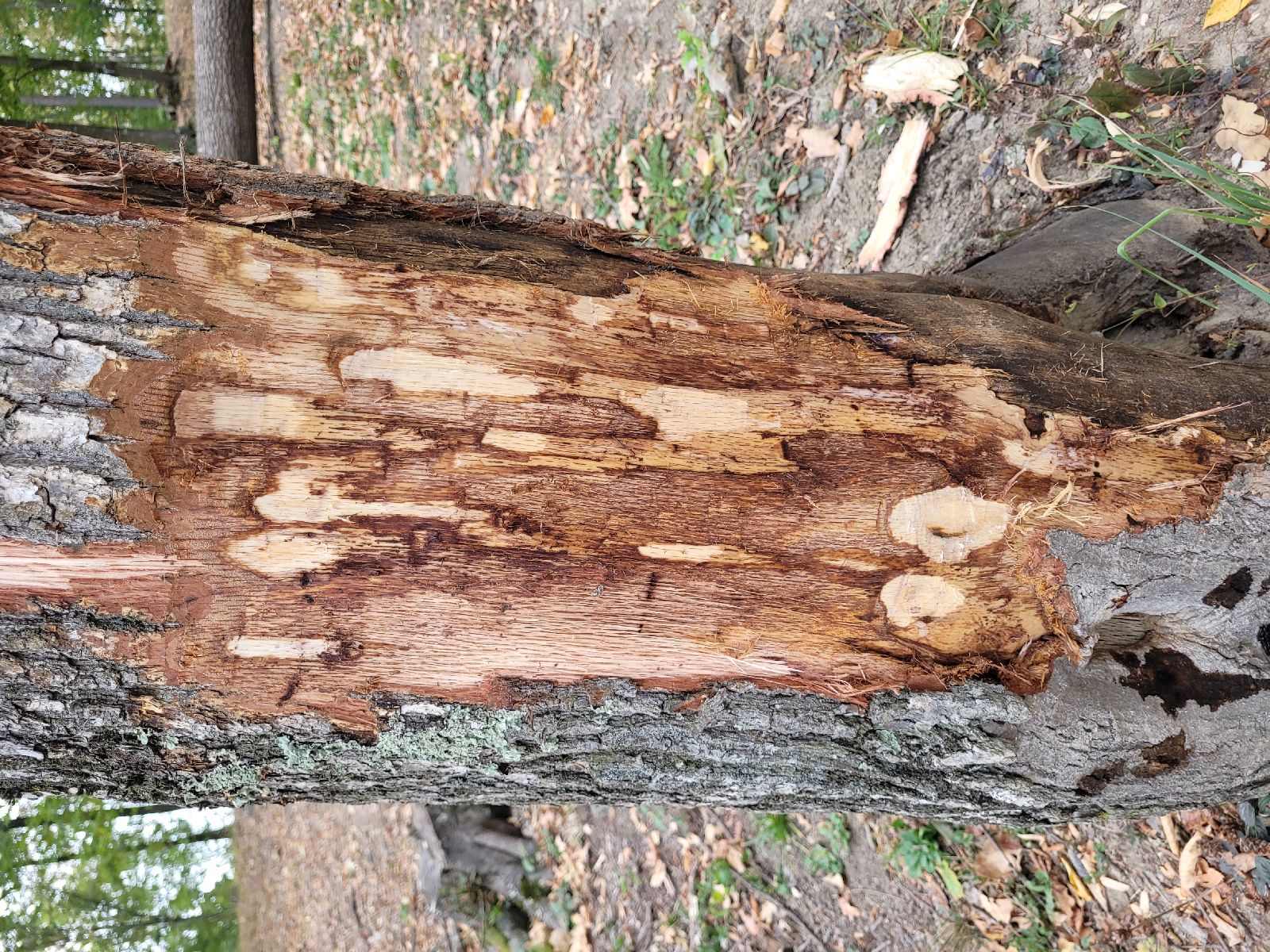
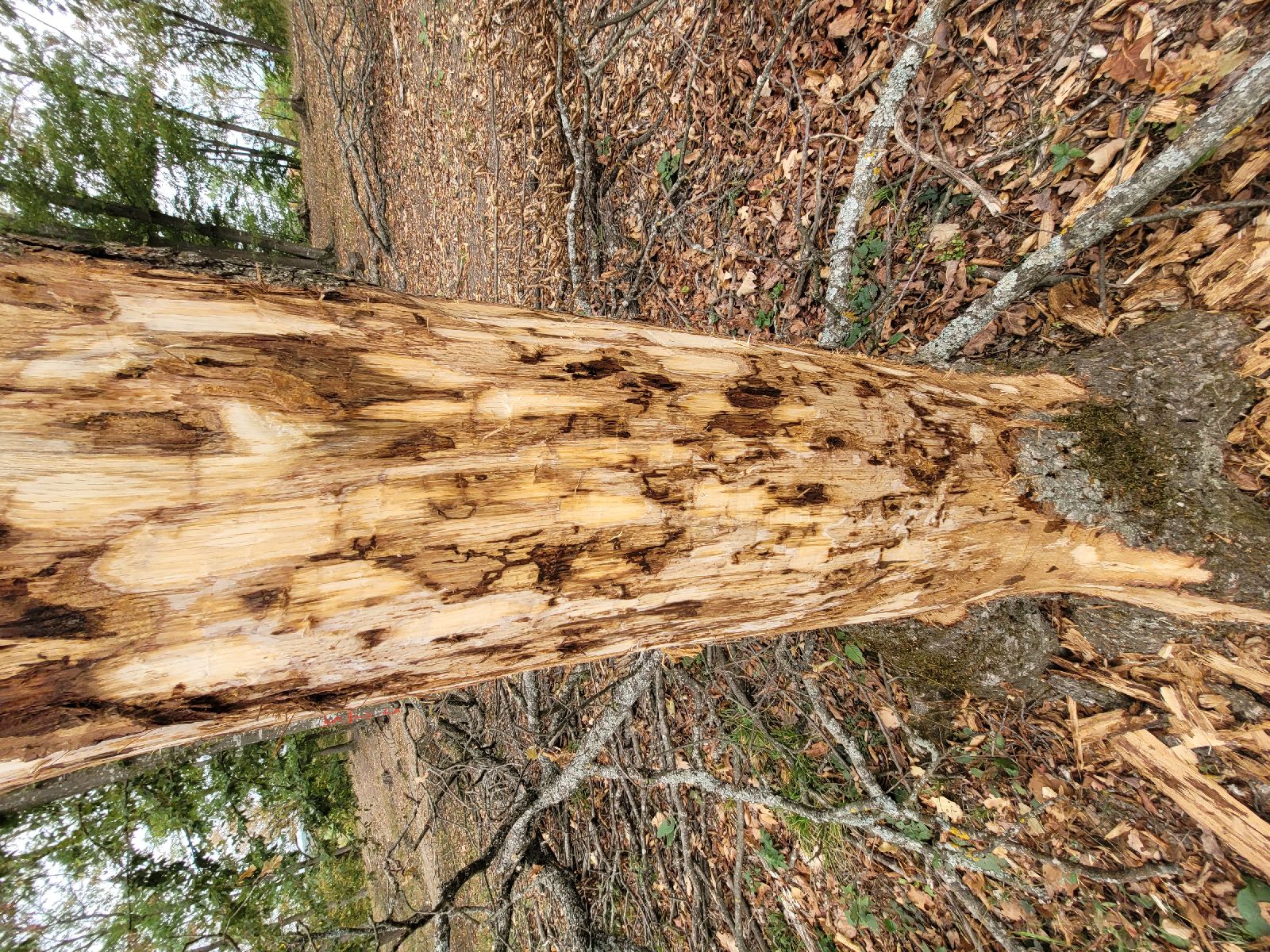
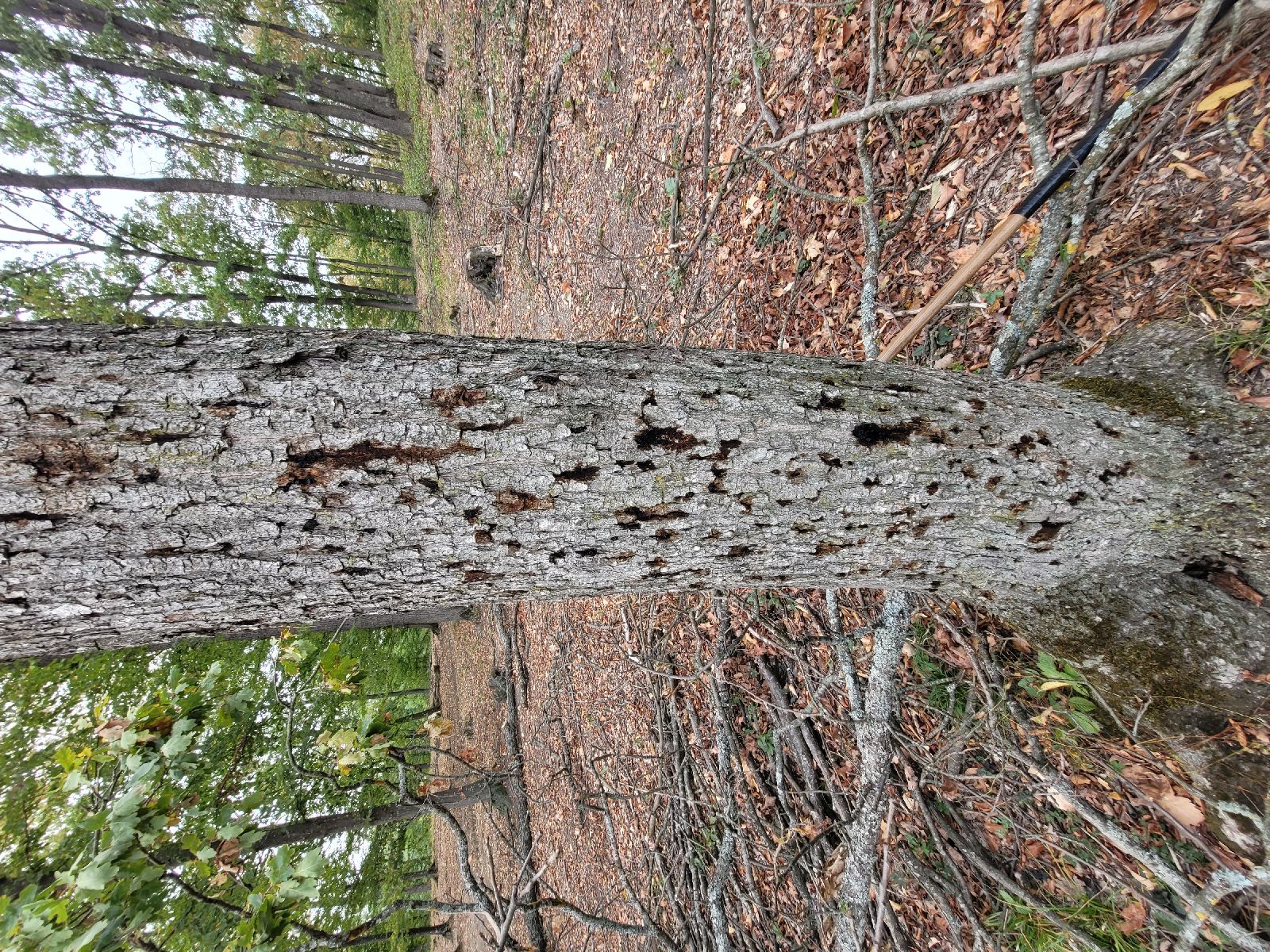
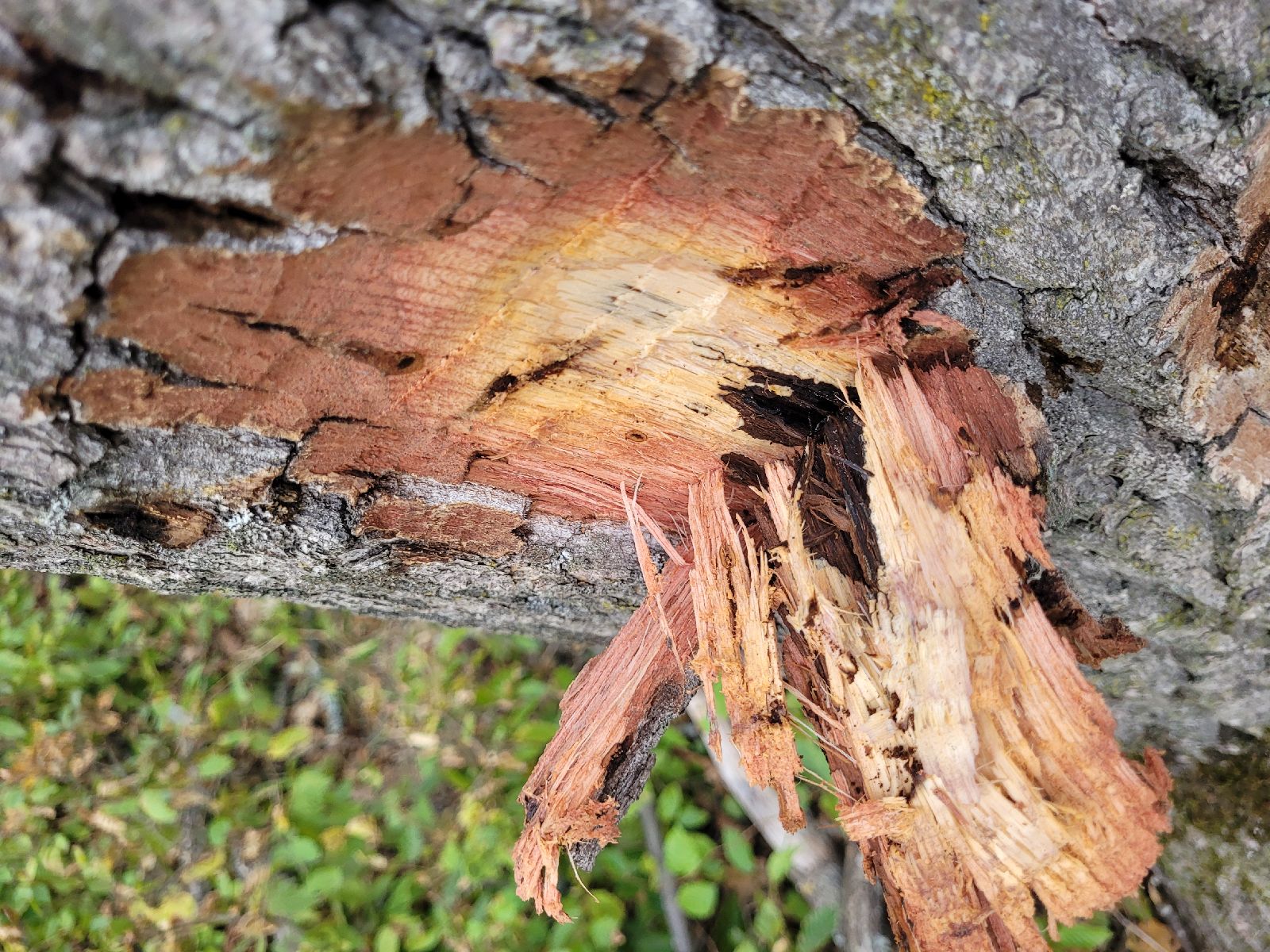
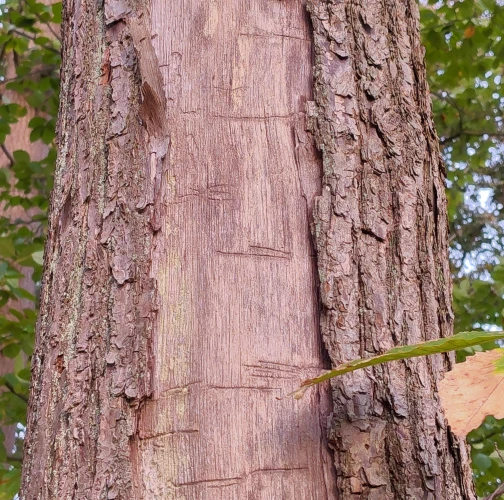
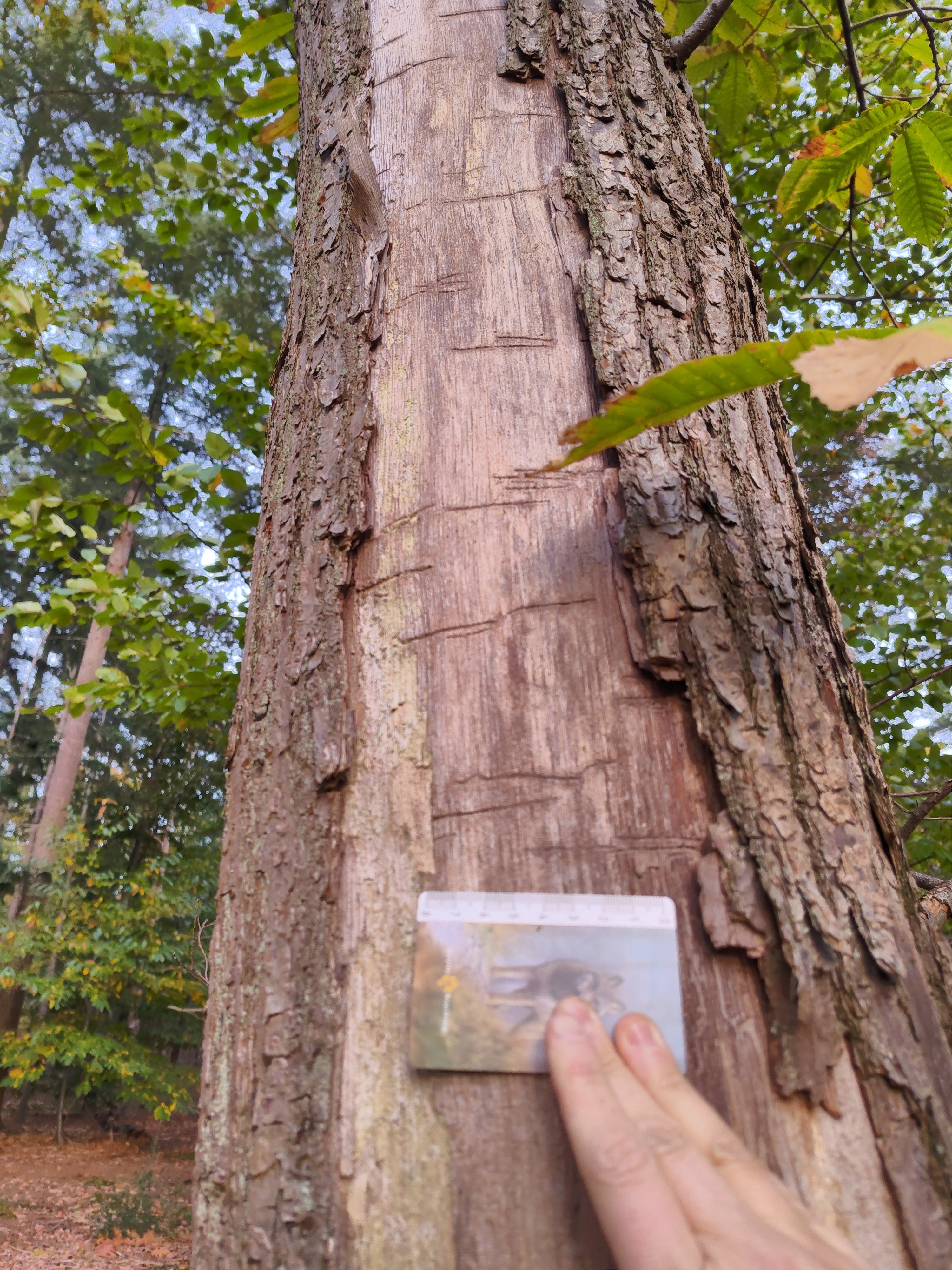
On chestnut, above 2 meters. Looks like bark beetle, with 3 up to 6 mother galleries from central point. No black color or entrance holes like hylecoetus dermestoides. What could it be?

Answer

Dear Froukje. Thank you for this interesting findings, but sorry I dont really know what bark beetle is able to make such gallery. Kind, Juraj
Number of votes for this answer: 0

Pest

A - This species is not in the database yet

A - This species is not in the database yet

A - This species is not in the database yet

A - This species is not in the database yet

Received: 2.11.2025
Wood: Chestnut
Number: 7113
Date of occurrence: 30.10.2025
Discussion

Add comment: A - This species is not in the database yet

A - Ambiguously determined, we are not sure
Number: 7110
Received 30.10.2025
In progress: 0 days
Date of occurrence: 30.10.2025
Significance:
Discussion
From: froukje
Assigned: A. Kunca
Country: The Netherlands

Question

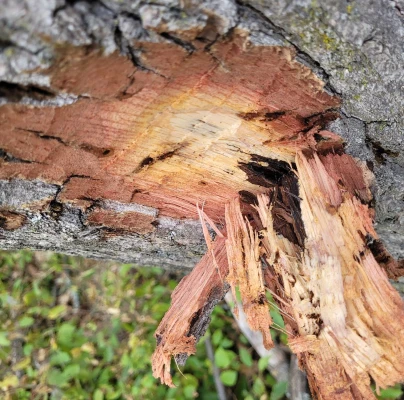
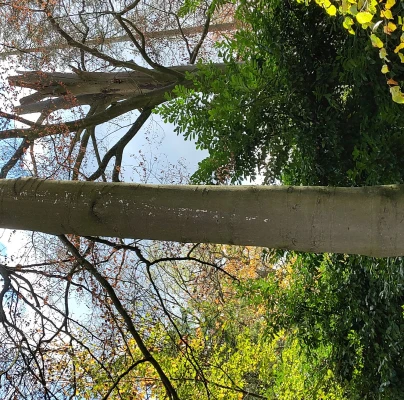
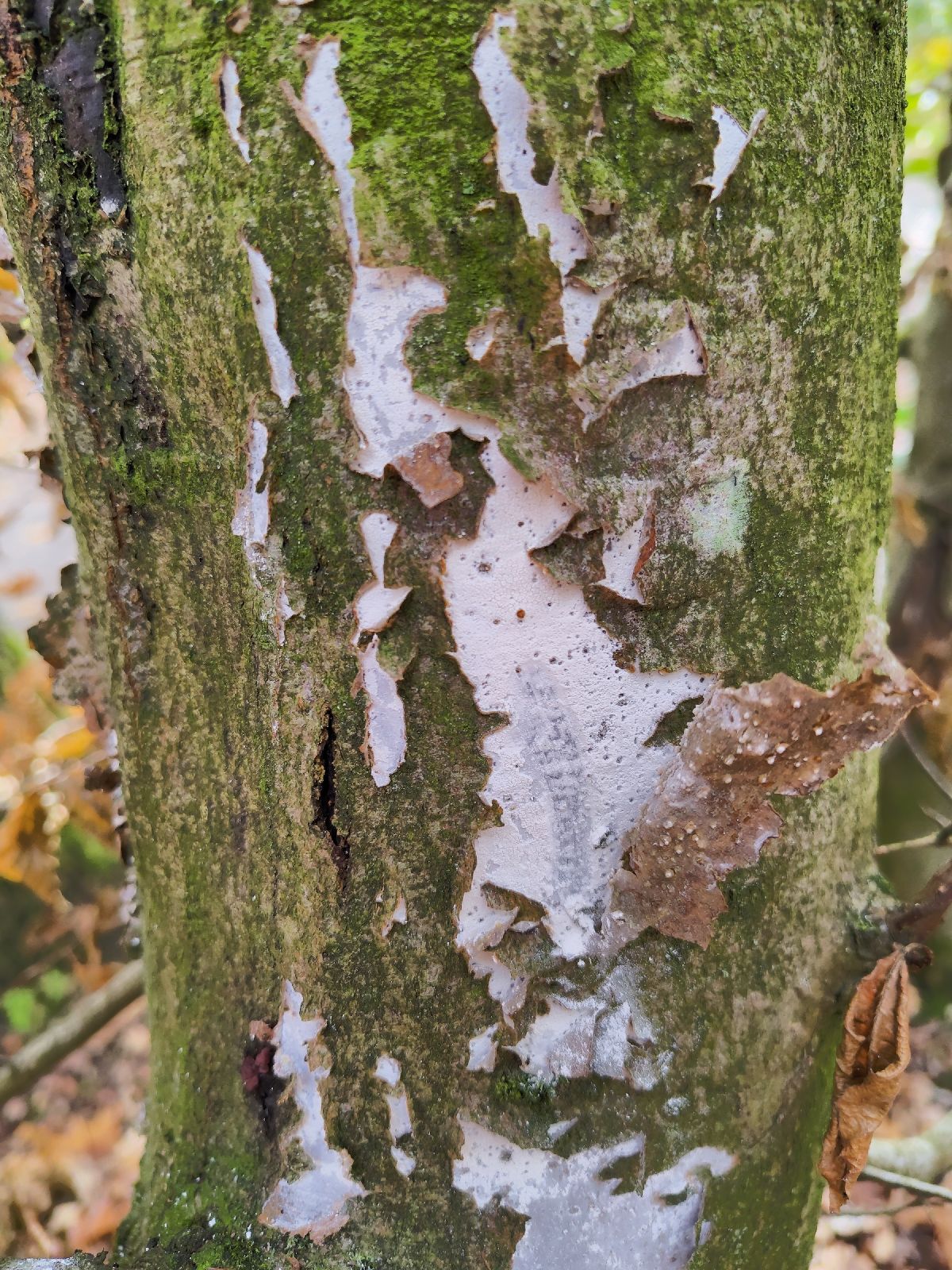
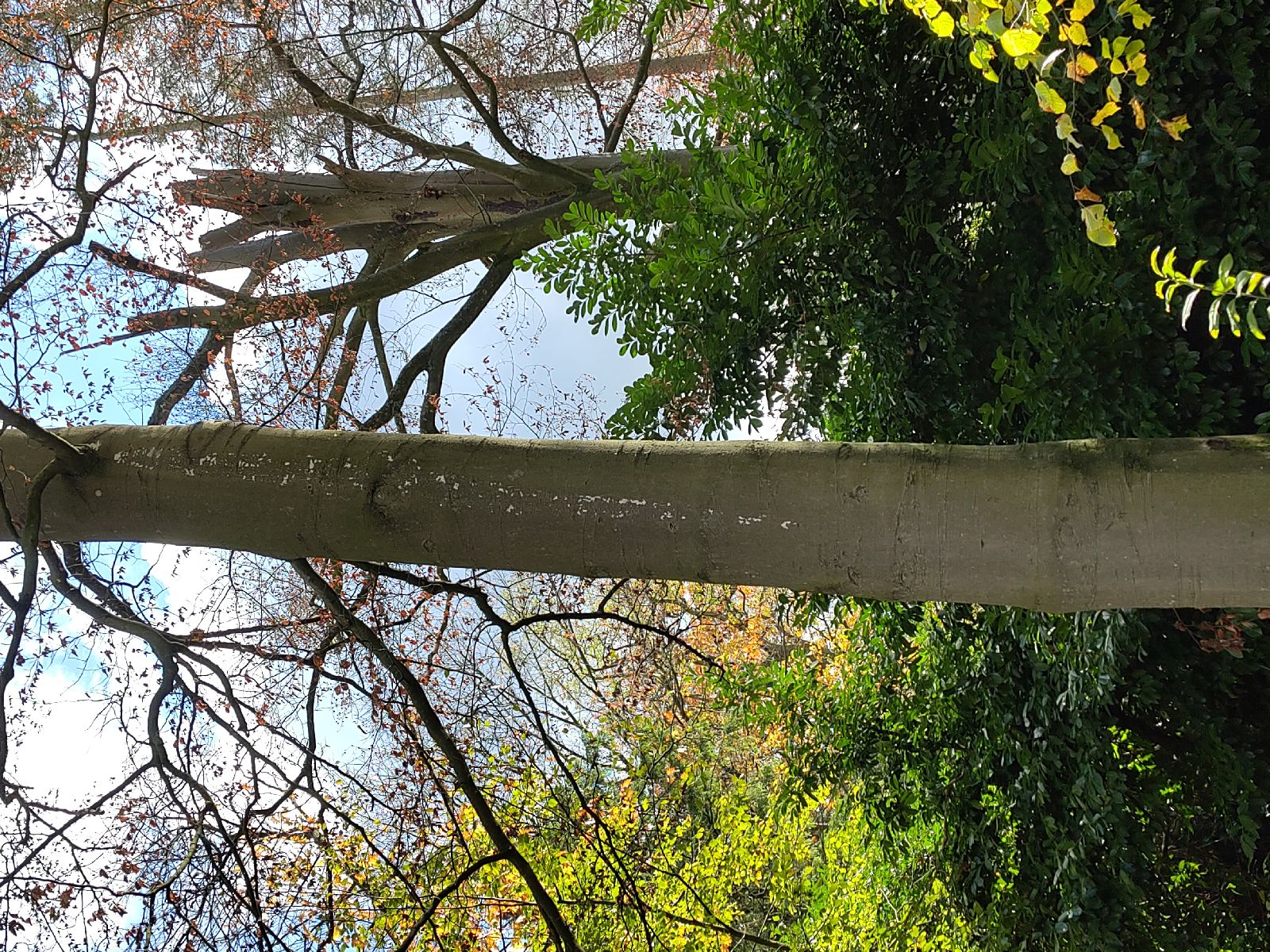
peeled of bark, underneath it is white stuff which mostly resembles chalk. a lot of dead beeches affected

Answer

Dear Froukje, it is somethng I have never seen before. Might be Hyphoderma, Botryobasidium (aureum), ... I dont know. Thanks for sharing the picture. Andrej
Number of votes for this answer: 0

Pest

A - Ambiguously determined, we are not sure

A - Ambiguously determined, we are not sure

A - Ambiguously determined, we are not sure

A - Ambiguously determined, we are not sure

Received: 30.10.2025
Wood: Beech
Number: 7110
Date of occurrence: 30.10.2025
Discussion

Add comment: A - Ambiguously determined, we are not sure

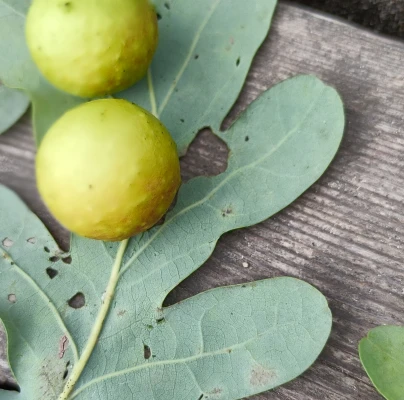
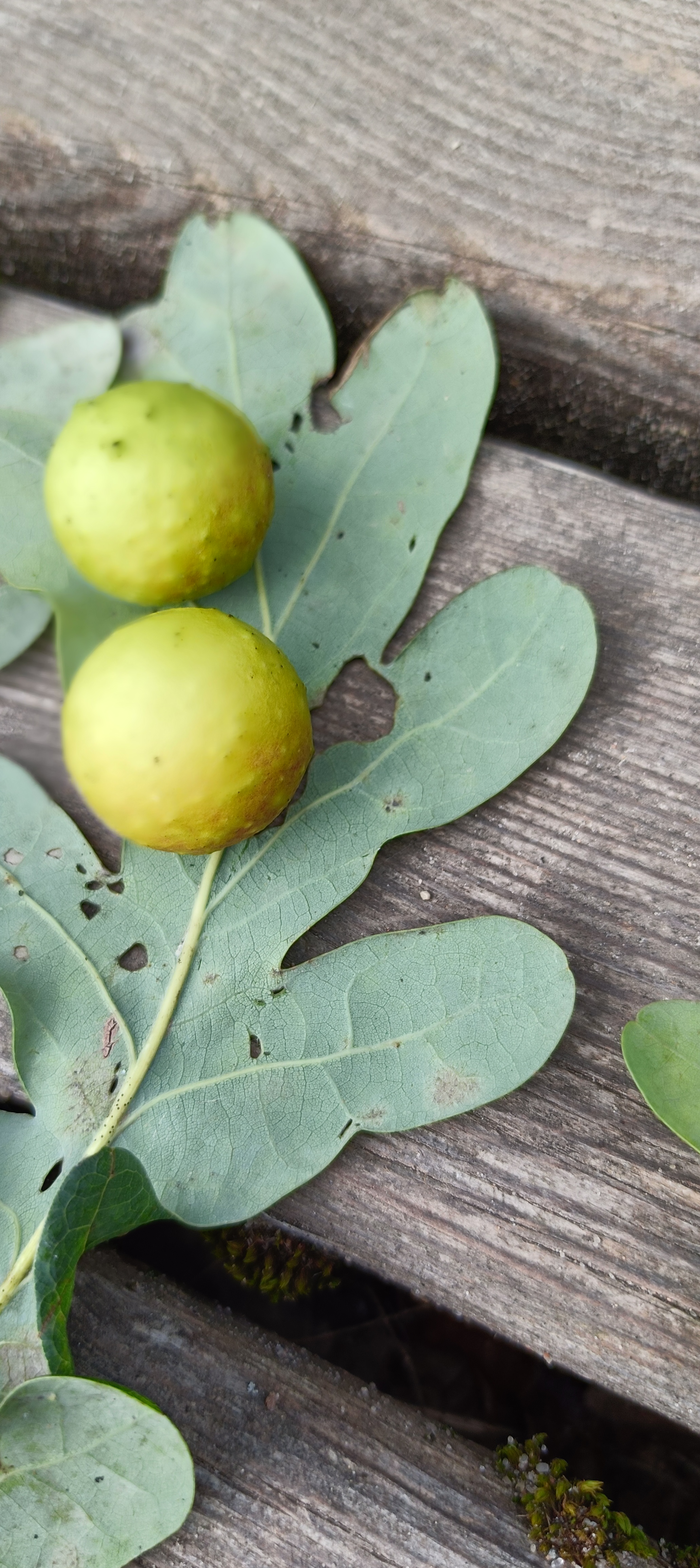
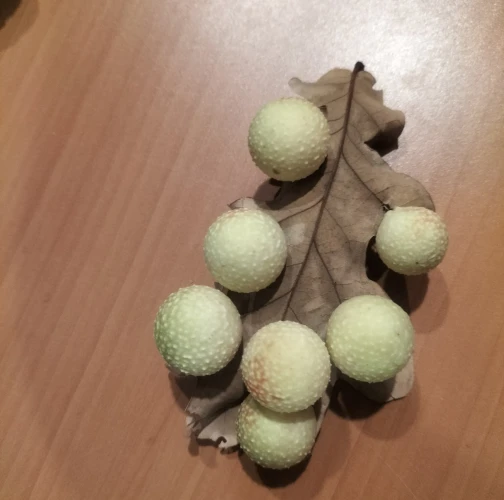
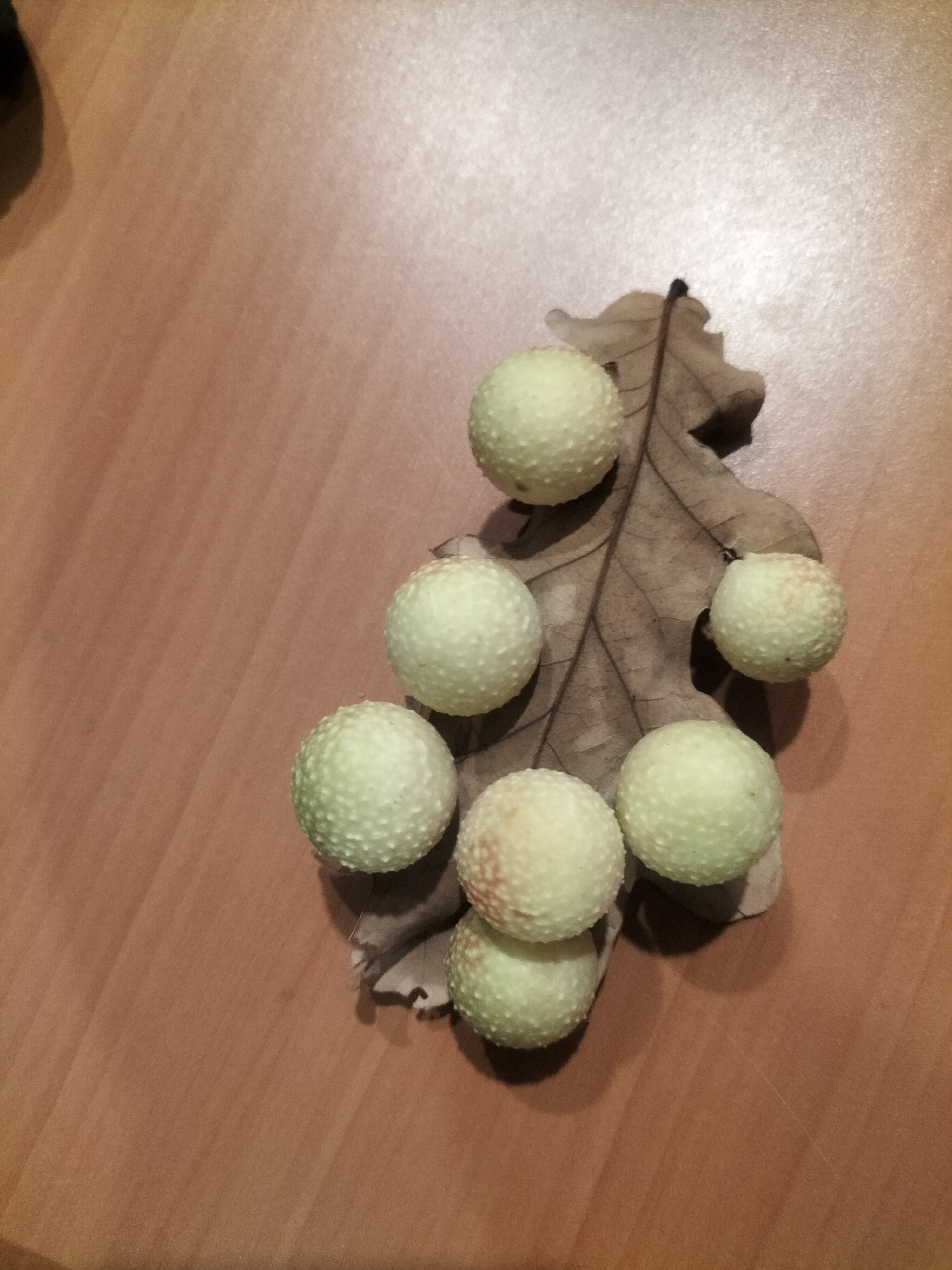
Cynipid gall wasp Cynips quercusfolii
Number: 7105
Received 27.10.2025
In progress: 0 days
Date of occurrence: 27.10.2025
Significance: Less harmful
Discussion
From: Oz
Assigned: M. Zúbrik
Country: Türkiye

Question

Answer

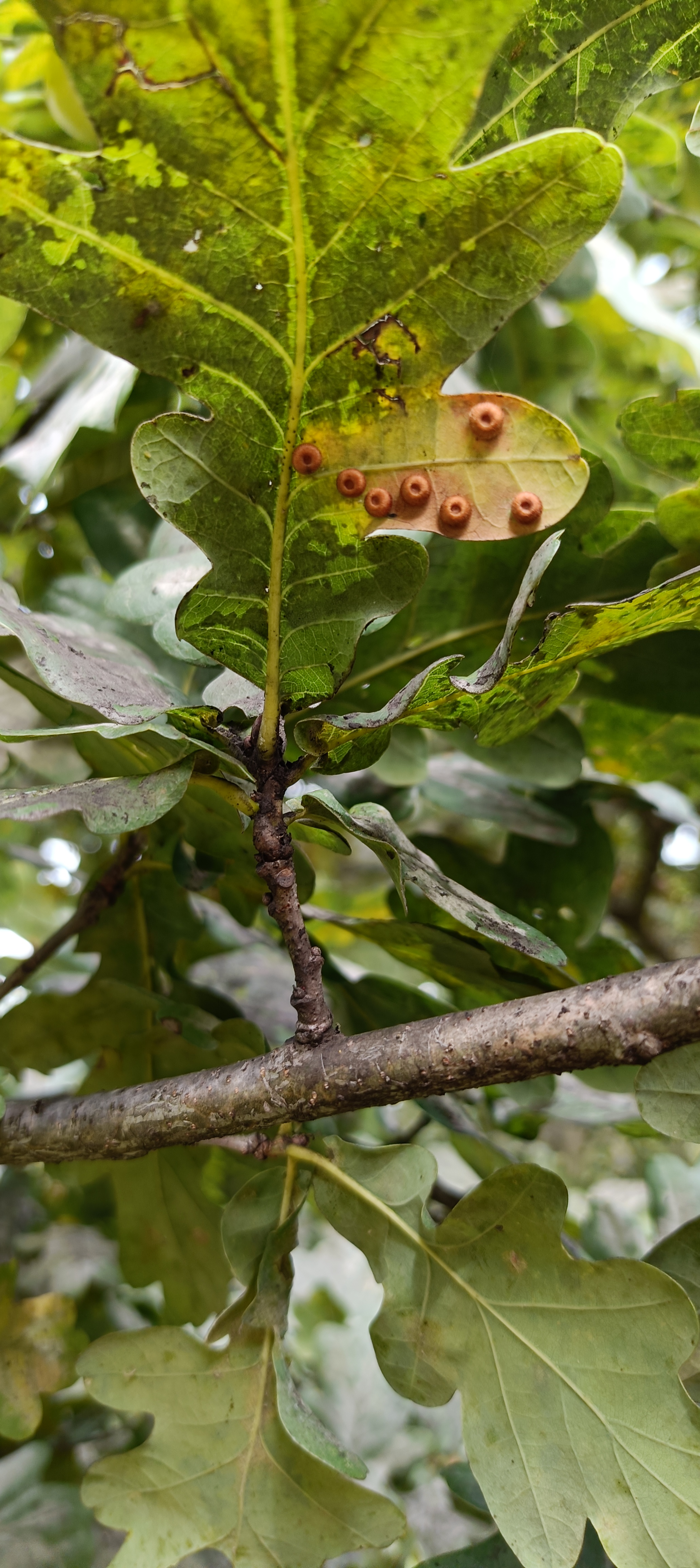
Dear Oz, yes, this is the species Cynips quercusfolii, as already identified by our system. Thank you for your inquiry and for the nice photo. Kind regards, Milan Zubrik
Number of votes for this answer: 0

Pest

Cynipid gall wasp Cynips quercusfolii

Cynips quercusfolii

Cynipid gall wasp Cynips quercusfolii

Cynips quercusfolii

hmyz

Received: 27.10.2025
Wood: Oak
Number: 7105
Date of occurrence: 27.10.2025
Discussion

Add comment: Cynipid gall wasp Cynips quercusfolii
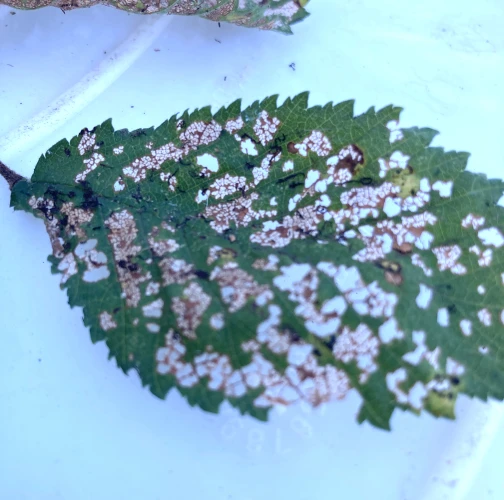
Elm-leaf beetle
Liskavka brestováLiskavka brestová
Elm-leaf beetle
Number: 7062
Received 12.10.2025
In progress: 0 days
Date of occurrence: 12.10.2025
Significance: Harmful
Discussion
From: Noah
Assigned: M. Zúbrik
Country: Germany

Question

The leaves have patchy, translucent or tan areas some leaves show more extensive damage and curling after the green tissue between the veins are eaten. Topside of the leafes are covered in small black excrements and on the bottom of leafes are alot of 1-2mm small empty pupa as seen on one of the Photos.

Answer

Dear Noah, in my opinion, this is not hornbeam but elm. If so, the symptoms match damage caused by Xanthogaleruca luteola (elm leaf beetle). Have a nice evening, Milan Zubrik
Number of votes for this answer: 0

Pest

Elm-leaf beetle

Xanthogaleruca luteola

Elm-leaf beetle

Xanthogaleruca luteola

hmyz

Received: 12.10.2025
Wood: Hornbeam
Number: 7062
Date of occurrence: 12.10.2025
Discussion

Add comment: Elm-leaf beetle

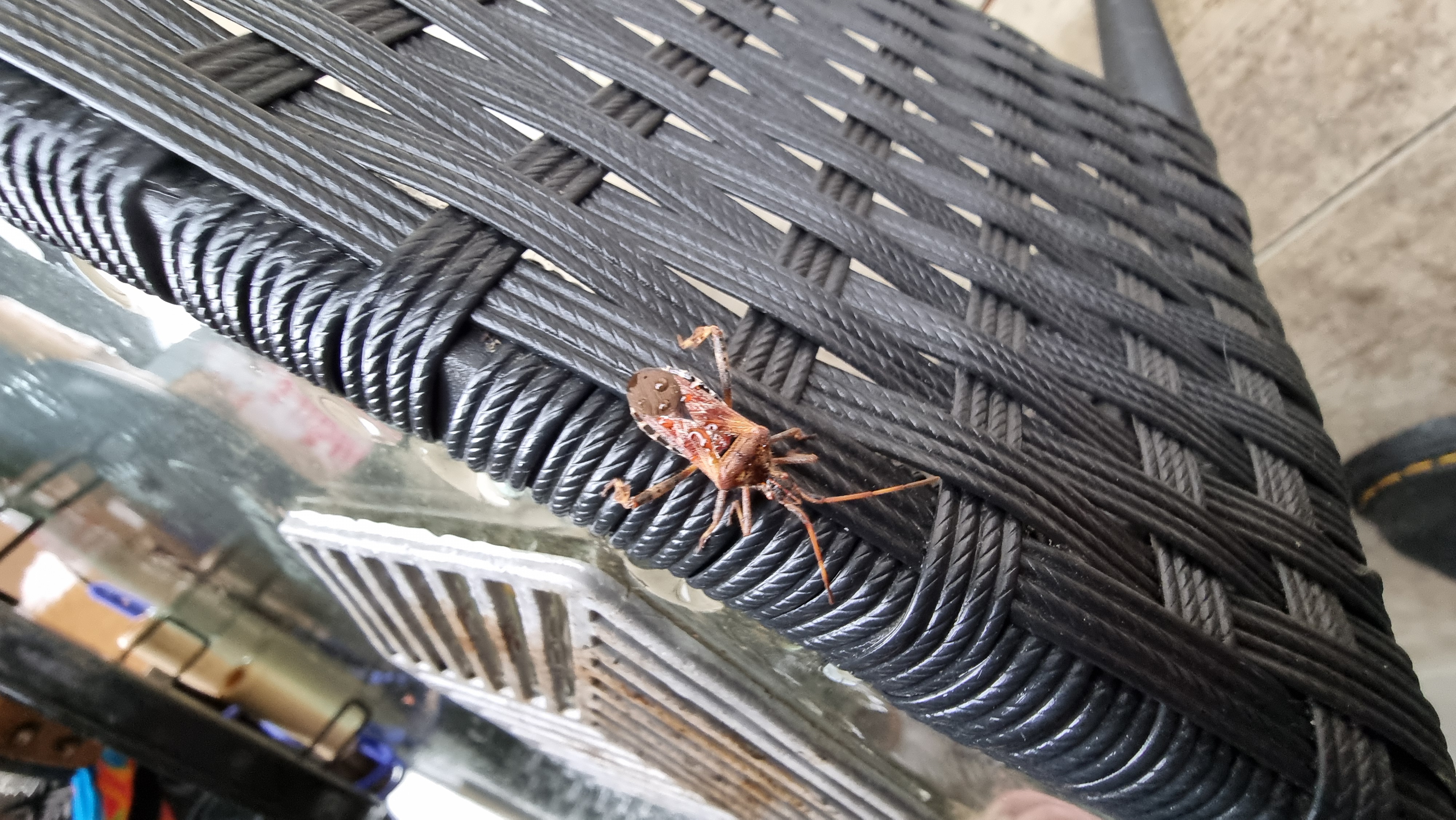
Western conifer seed bug
Obrubnica americkáObrubnica americká
Western conifer seed bug
Number: 7049
Received 3.10.2025
In progress: 0 days
Date of occurrence: 3.10.2025
Significance: Less harmful
Discussion
From: Fysh
Assigned: M. Zúbrik
Country: United Kingdom

Question

Answer

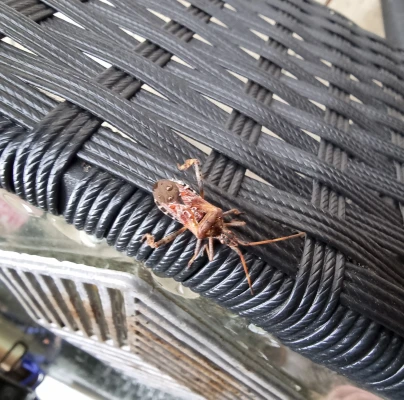
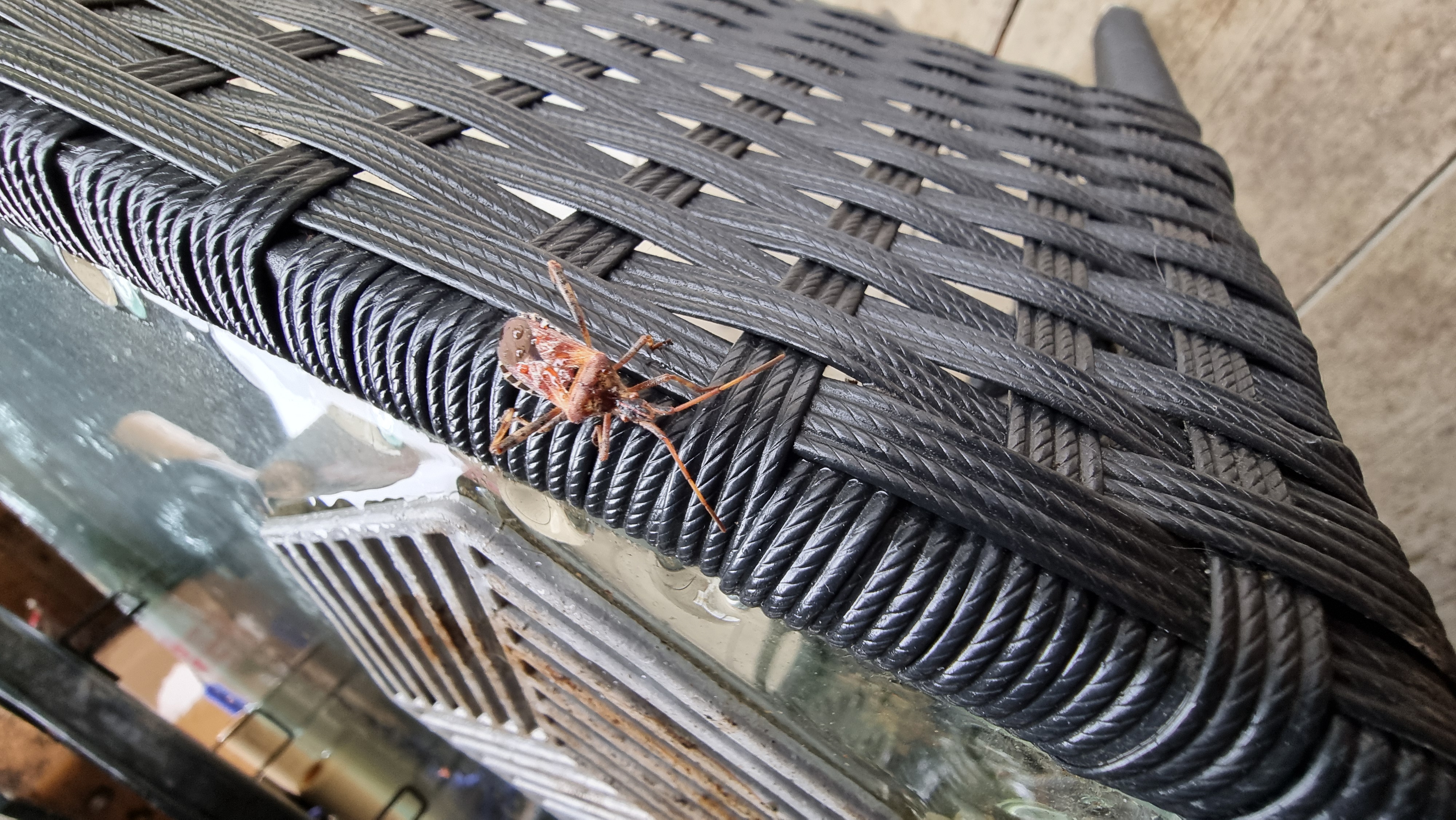
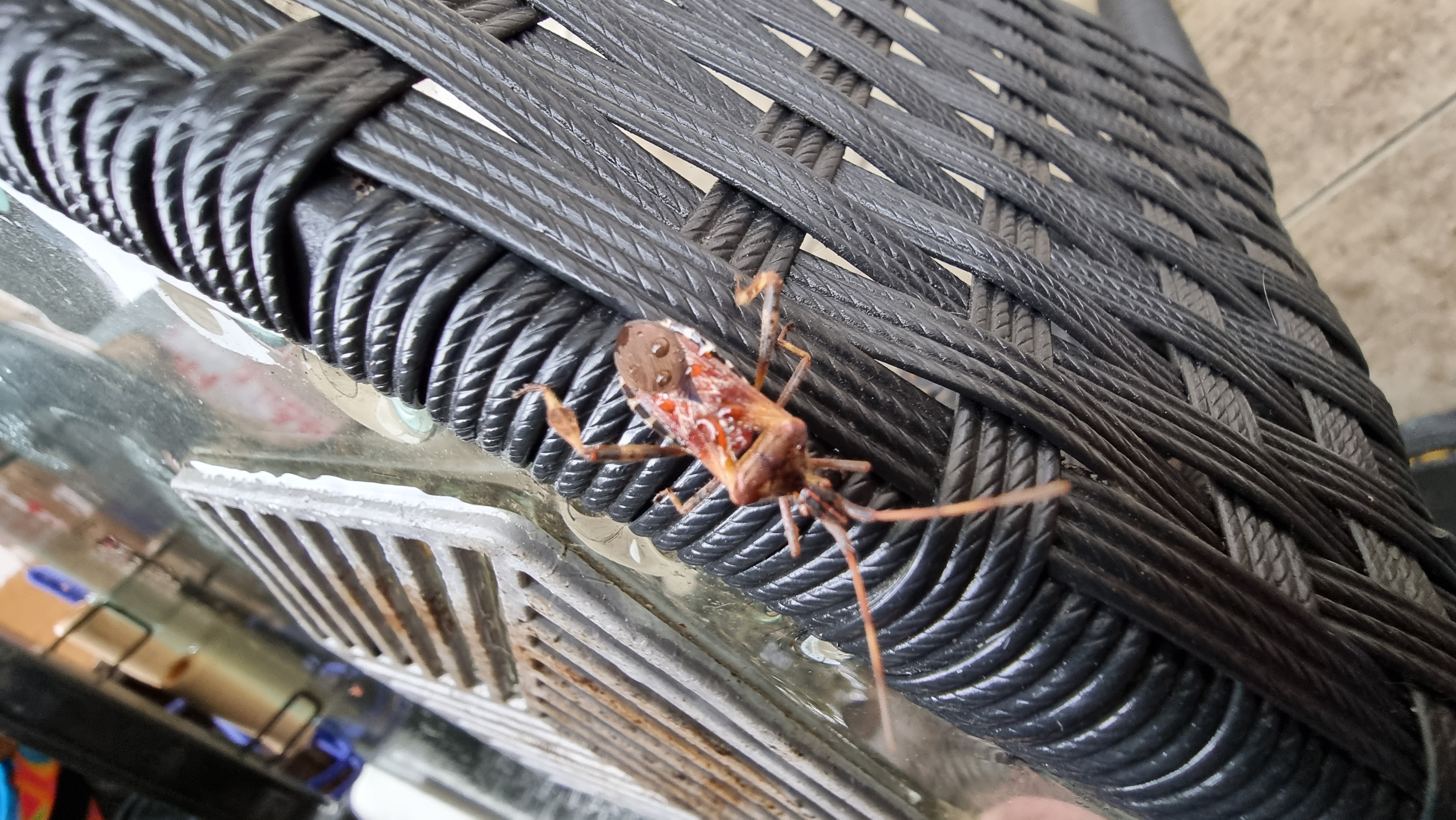
Dear Fysh, this is Leptoglossus occidentalis - Western conifer seed bug. Considered as the main seed predator in seed orchards of Western North America. This large-sized bug (1.6-2 cm long) has been accidentally introduced into northern Italy during the late 1990s (first record 1999). It then invaded the whole Central and Western Europe. Overwintering occurs as an adult in bark crevices or into buildings where it can enter in large numbers in autumn. With best regards Milan Zubrik
Number of votes for this answer: 0

Pest

Western conifer seed bug

Leptoglossus occidentalis

Western conifer seed bug

Leptoglossus occidentalis

hmyz

Received: 3.10.2025
Wood: Fir
Number: 7049
Date of occurrence: 3.10.2025
Discussion

Add comment: Western conifer seed bug

A - This species is not in the database yet
A - This species is not in the database yetA - This species is not in the database yetA - This species is not in the database yet
A - This species is not in the database yet
Number: 7037
Received 30.9.2025
In progress: 0 days
Date of occurrence: 10.8.2025
Significance:
Discussion
From: Piotr
Assigned: M. Zúbrik
Country: Poland

Question

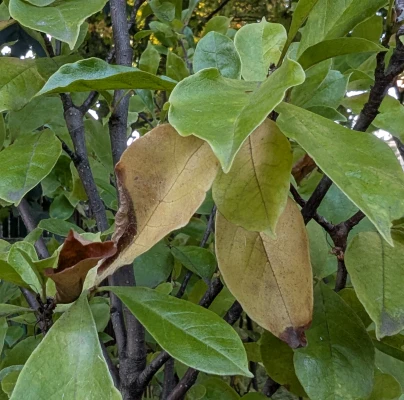
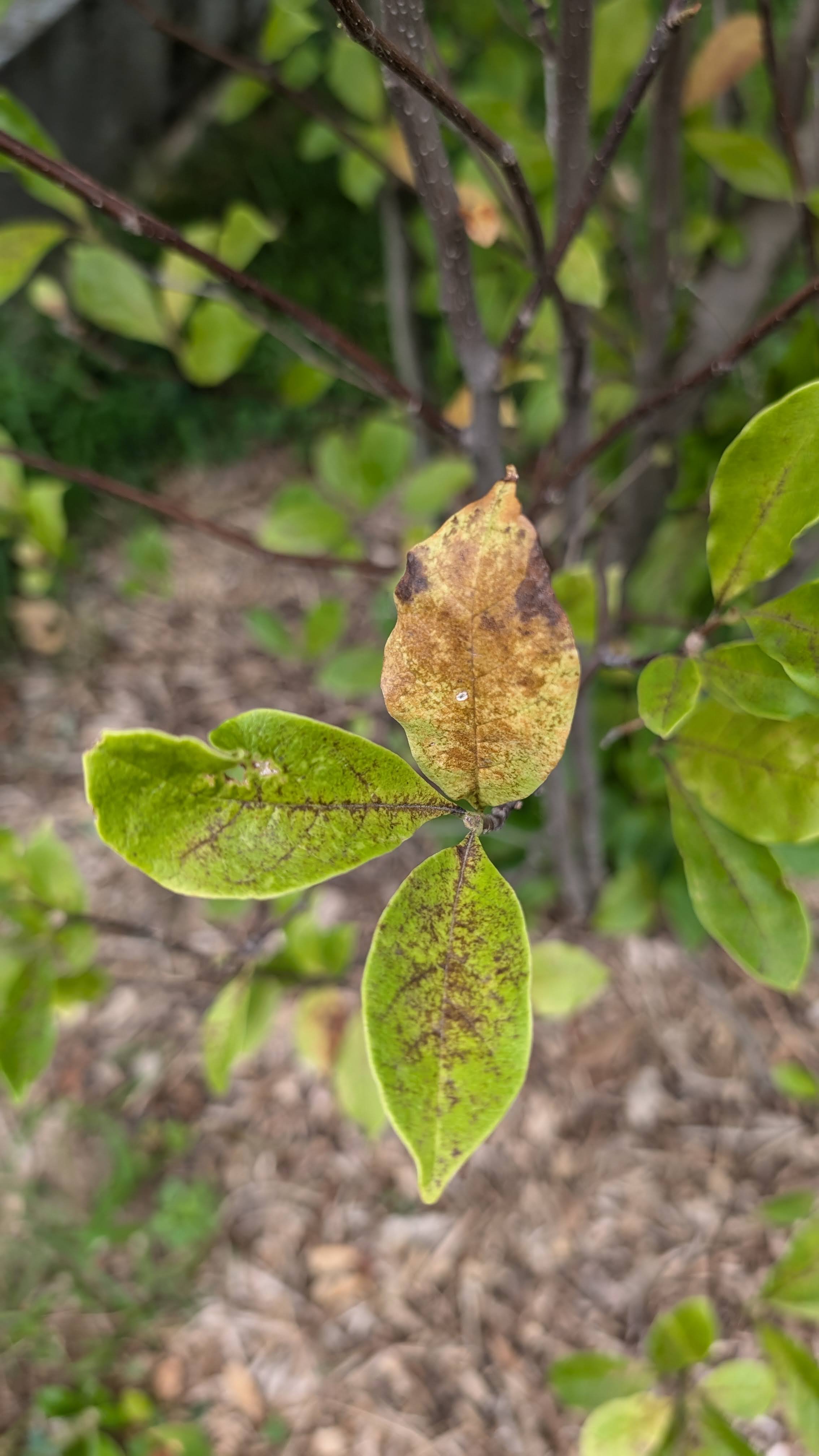
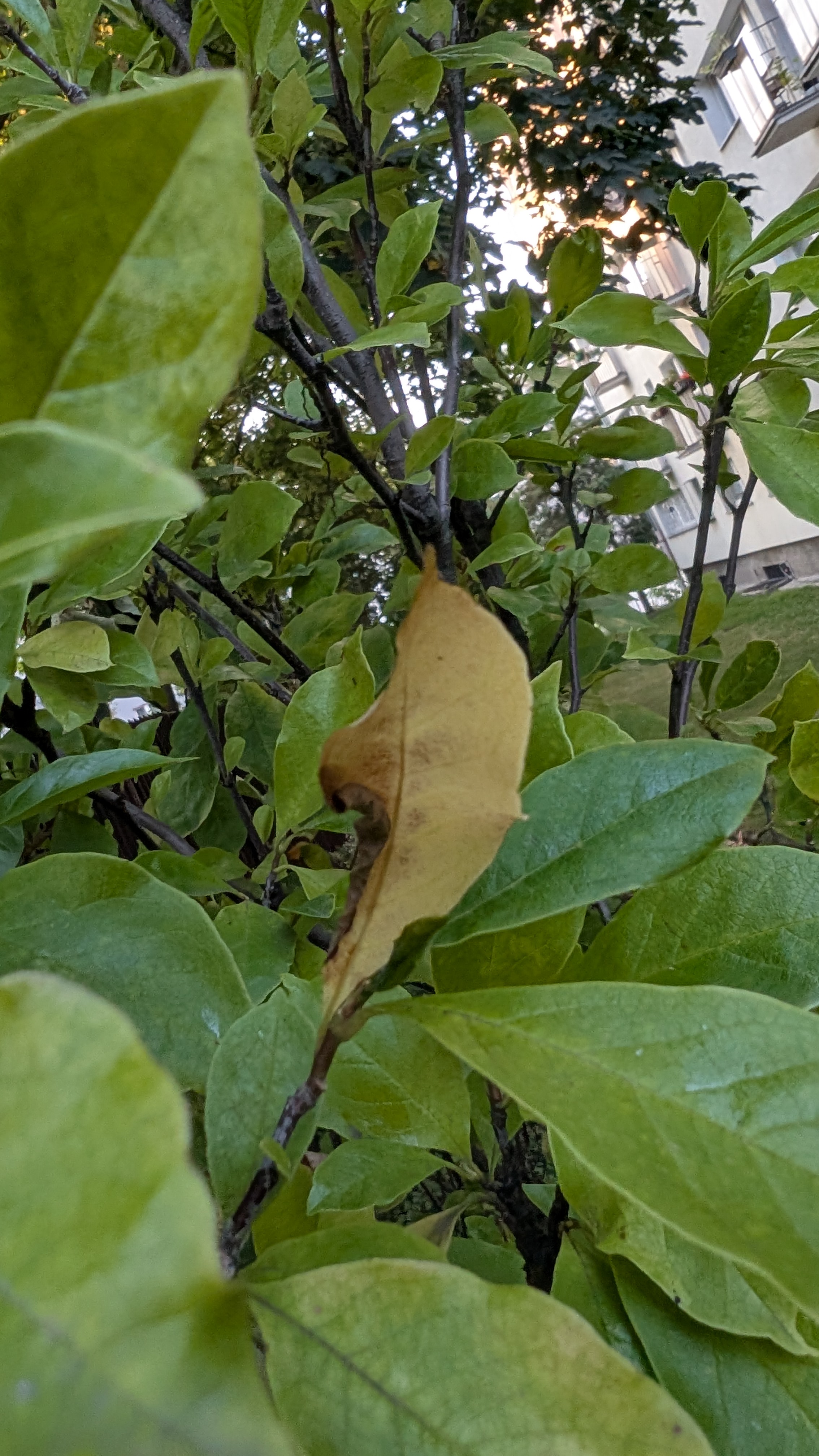
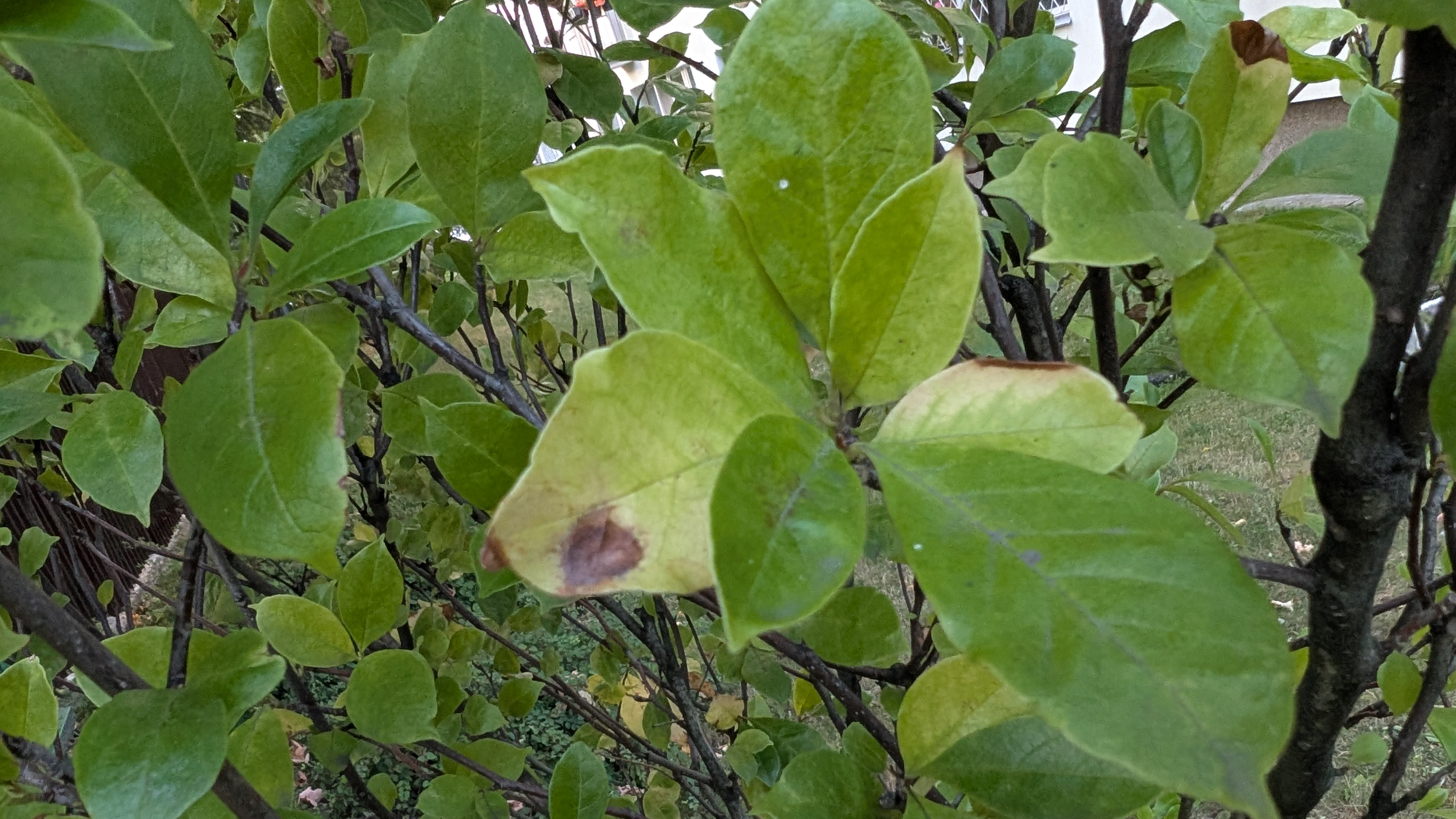
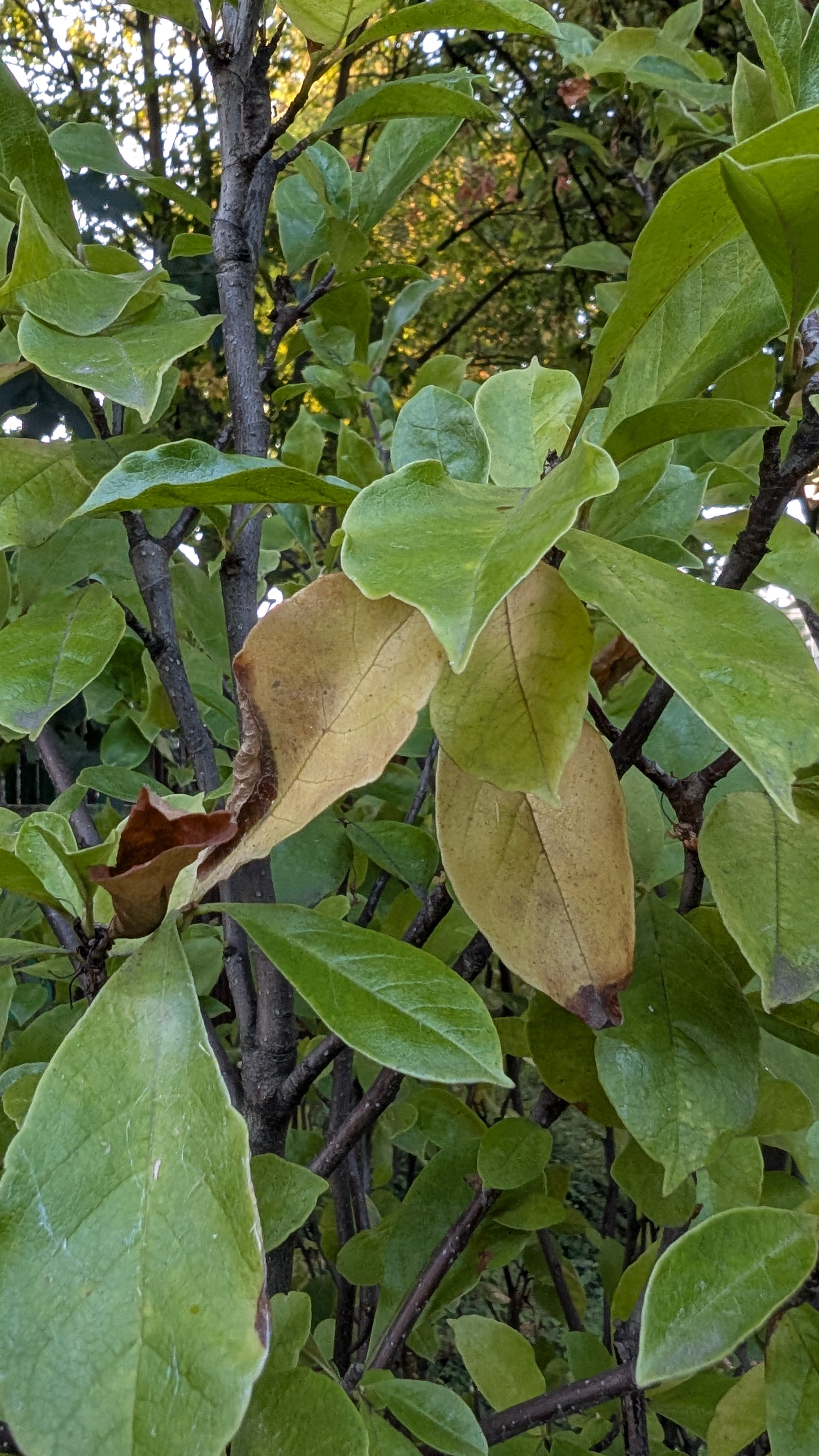
Recurring every year, starting from late July with fast deterioration of the foliage towards autumn.

Answer

Dear Piotr, thank you for your question. In autumn, this kind of leaf drop can be partly natural/seasonal, but it may also be contributed to by foliar fungal pathogens—for example, Phyllosticta magnoliae or related species. Best regards, Milan Zubrik
Number of votes for this answer: 0

Pest

A - This species is not in the database yet

A - This species is not in the database yet

A - This species is not in the database yet

A - This species is not in the database yet

hmyz

Received: 30.9.2025
Wood: Magnolia
Number: 7037
Date of occurrence: 10.8.2025
Discussion

Add comment: A - This species is not in the database yet

A - This species is not in the database yet
Number: 7036
Received 30.9.2025
In progress: 0 days
Date of occurrence: 28.9.2025
Significance:
Discussion
From: Piotr
Assigned: M. Zúbrik
Country: Poland

Question

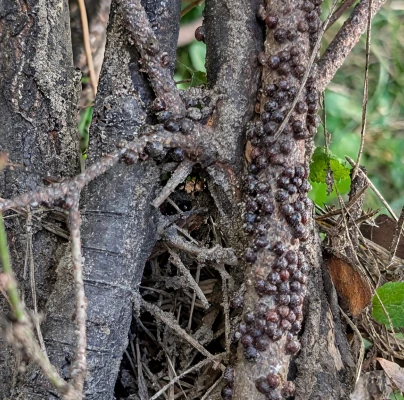
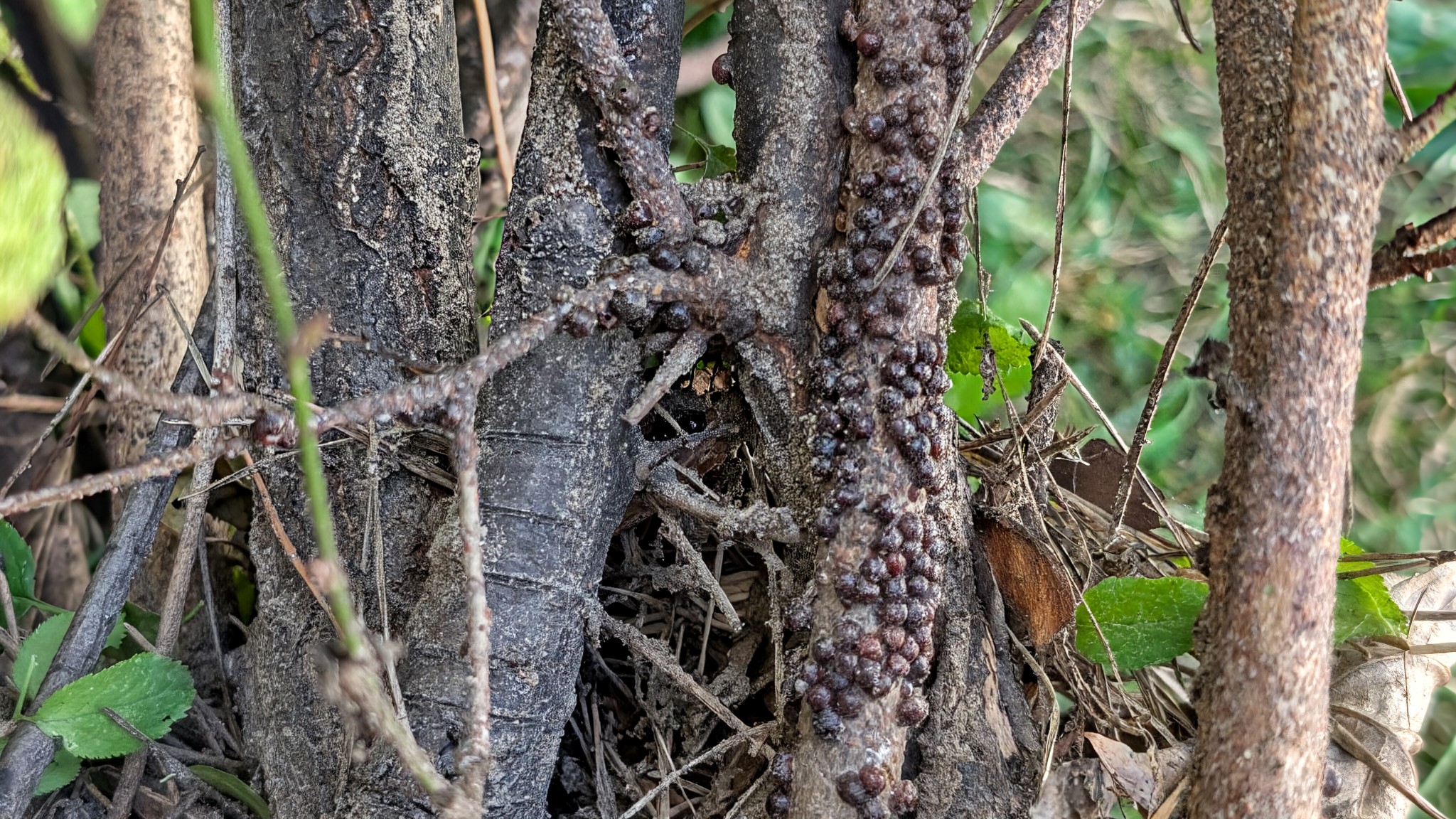
Insect eggs located on the trunk of plum shrub (close to the ground level)

Answer

Dear Piotr, thank you for your inquiry. The insect in the photo is a scale insect, most likely Sphaerolecanium prunastri, which commonly occurs on plum trees. Best regards, Milan Zubrik
Number of votes for this answer: 0

Pest

A - This species is not in the database yet

A - This species is not in the database yet

A - This species is not in the database yet

A - This species is not in the database yet

hmyz

Received: 30.9.2025
Wood: Plum
Number: 7036
Date of occurrence: 28.9.2025
Discussion

Add comment: A - This species is not in the database yet

Oak apple gall wasp
Hrčiarka bezkrídlaHrčiarka bezkrídlaHrčiarka bezkrídla
Oak apple gall wasp
Number: 7015
Received 22.9.2025
In progress: 0 days
Date of occurrence: 18.9.2025
Significance: Less harmful
Discussion
Assigned: M. Zúbrik
Country: Unknow

Question

Biorhiza pallida

Answer

Thanks for pictures and locations. Best regards Milan Zubrik
Number of votes for this answer: 0

Pest

Oak apple gall wasp

Biorhiza pallida

Oak apple gall wasp

Biorhiza pallida

hmyz

Received: 22.9.2025
Wood: Oak
Number: 7015
Date of occurrence: 18.9.2025
Discussion

Add comment: Oak apple gall wasp

Silk button gall
Silk button gall
Number: 7012
Received 22.9.2025
In progress: 0 days
Date of occurrence: 16.9.2025
Significance: Less harmful
Discussion
Assigned: M. Zúbrik
Country: Unknow

Question

Neuroterus numismalis new in yours web site

Answer

Thanks for pictures and locations. Best regards Milan Zubrik
Number of votes for this answer: 0

Pest

Silk button gall

Neuroterus numismalis

Silk button gall

Neuroterus numismalis

hmyz

Received: 22.9.2025
Wood: Oak
Number: 7012
Date of occurrence: 16.9.2025
Discussion

Add comment: Silk button gall

Cynipid gall wasp Cynips quercusfolii
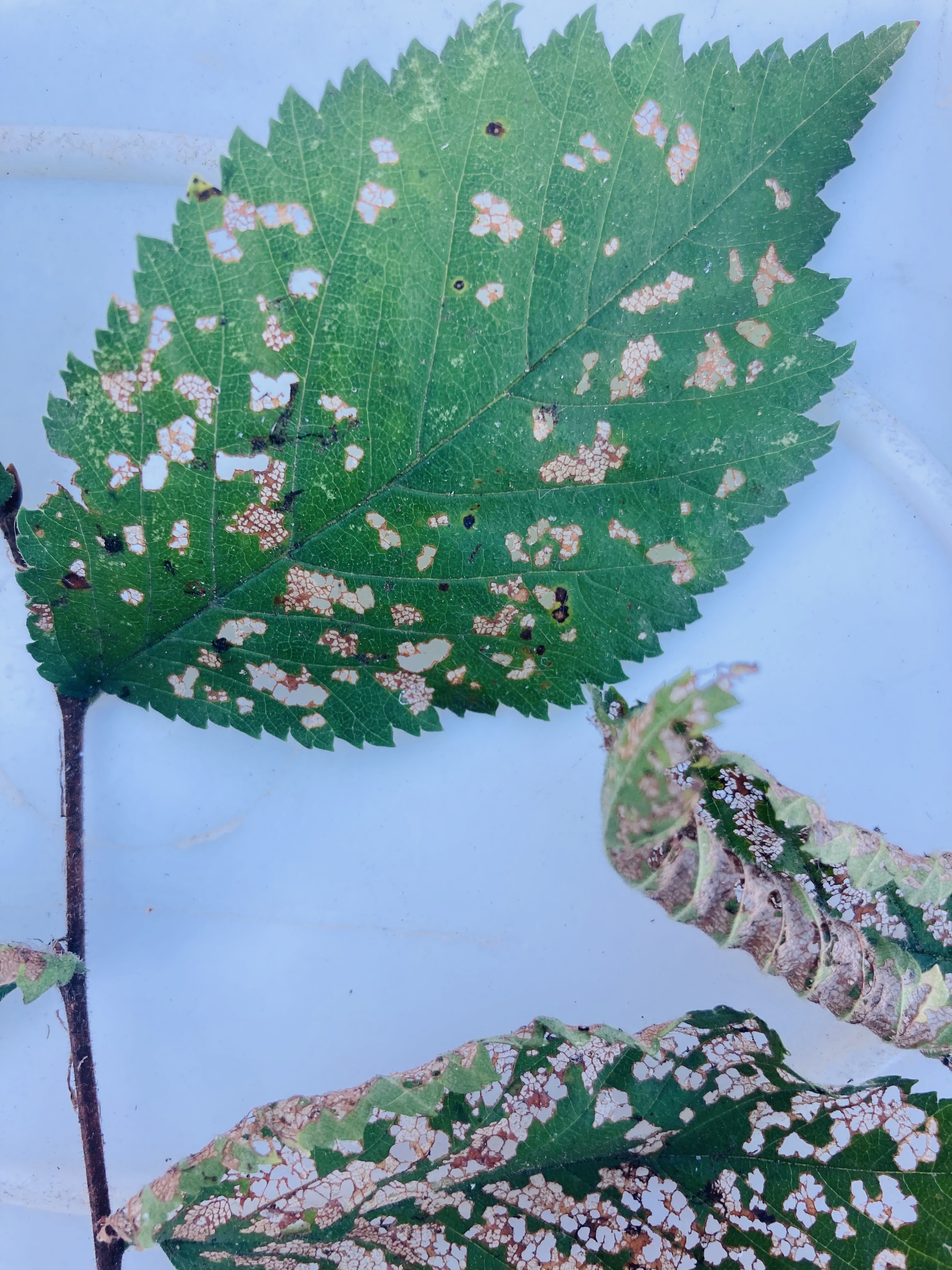
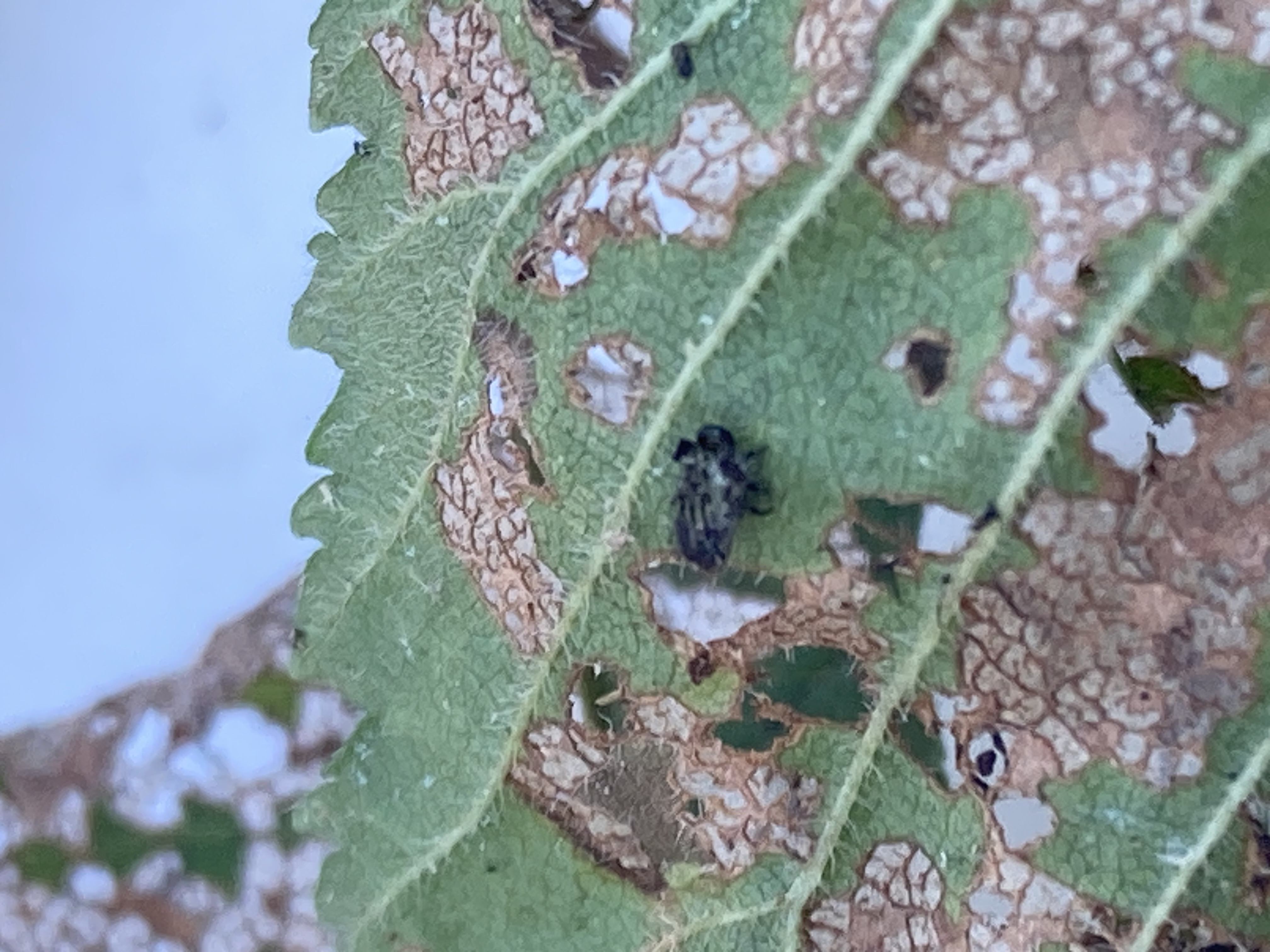
Number: 7010
Received 22.9.2025
In progress: 0 days
Date of occurrence: 16.9.2025
Significance: Less harmful
Discussion
Assigned: M. Zúbrik
Country: Unknow

Question

Cynips quercusfolii

Answer

Thanks for pictures and locations. Best regards Milan Zubrik
Number of votes for this answer: 0

Pest

Cynipid gall wasp Cynips quercusfolii
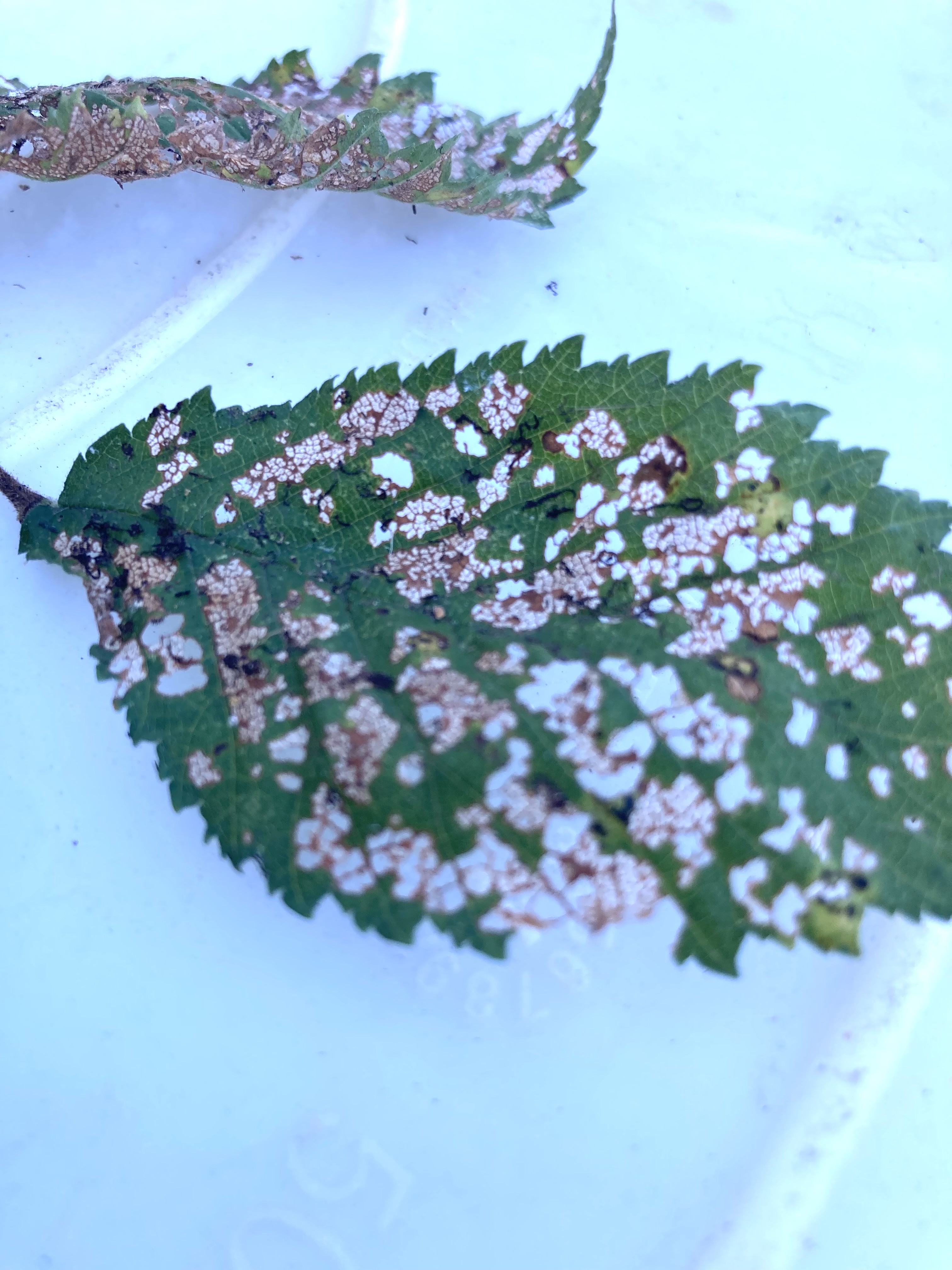
Cynips quercusfolii

Cynipid gall wasp Cynips quercusfolii

Cynips quercusfolii

hmyz

Received: 22.9.2025
Wood: Oak
Number: 7010
Date of occurrence: 16.9.2025
Discussion

Add comment: Cynipid gall wasp Cynips quercusfolii

Acute oak decline
Akútne hynutie dubovAkútne hynutie dubovAkútne hynutie dubov
Acute oak decline
Number: 6946
Received 12.9.2025
In progress: 0 days
Date of occurrence: 12.9.2025
Significance:
Discussion
Assigned: J. Galko
Country: Romania

Question

black stains on the buttom of the trunck, no larva inside the barck only yelow liquid. the tree is dead.

Answer

Hi Vladut You can find the answer in these links: https://www.forestpests.eu/pest/bacteria https://www.forestresearch.gov.uk/tools-and-resources/fthr/pest-and-disease-resources/acute-oak-decline/   Juraj
Number of votes for this answer: 0

Pest

Acute oak decline

Bacteria

Acute oak decline

Bacteria

bakterie a virusy

Received: 12.9.2025
Wood: Oak
Number: 6946
Date of occurrence: 12.9.2025
Discussion

Add comment: Acute oak decline

A - This species is not in the database yet
A - This species is not in the database yetA - This species is not in the database yetA - This species is not in the database yet
A - This species is not in the database yet
Number: 6940
Received 11.9.2025
In progress: 5 days
Date of occurrence: 11.9.2025
Significance:
Discussion
Assigned: J. Vakula
Country: Italy

Question

Answer

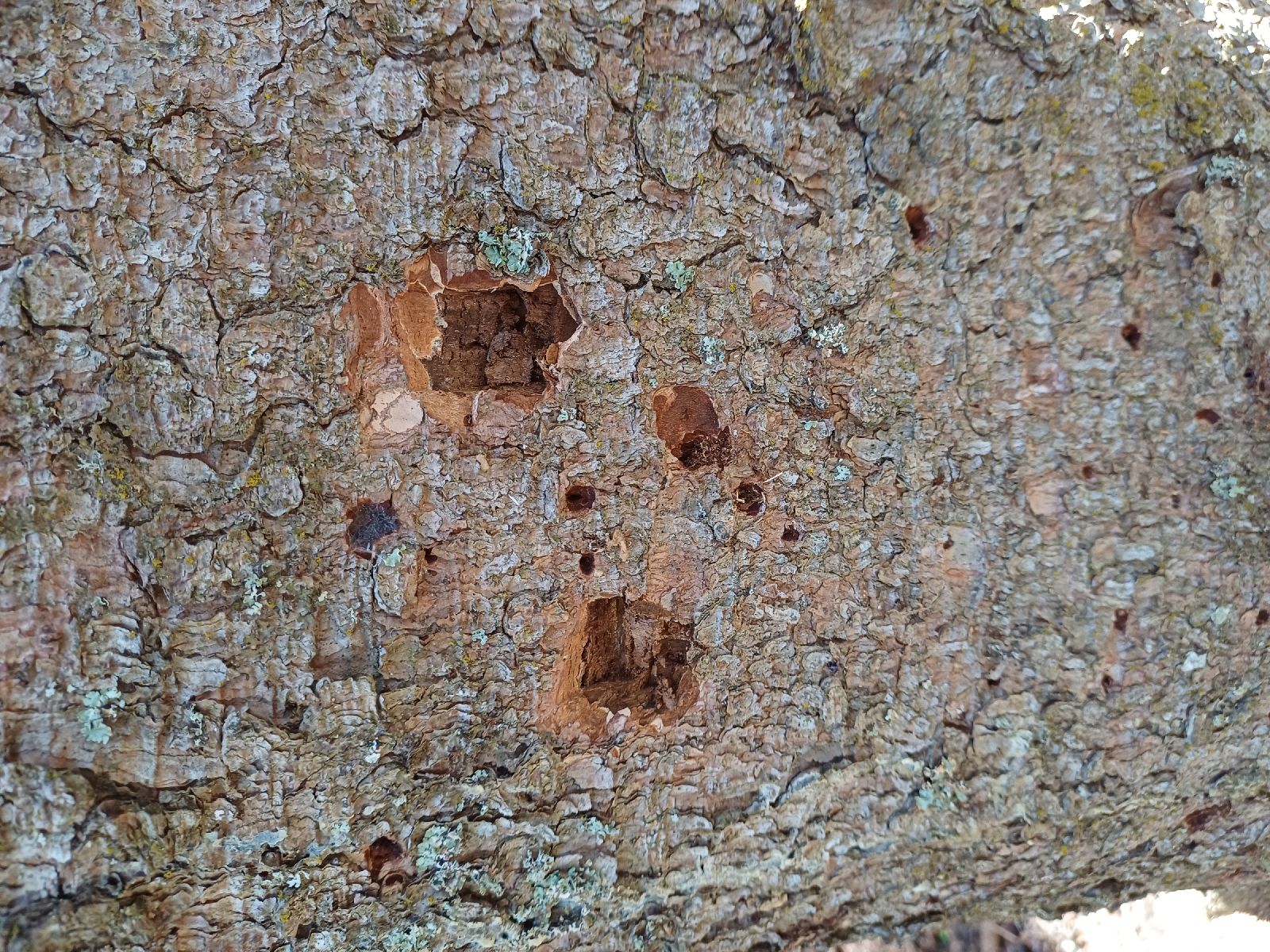
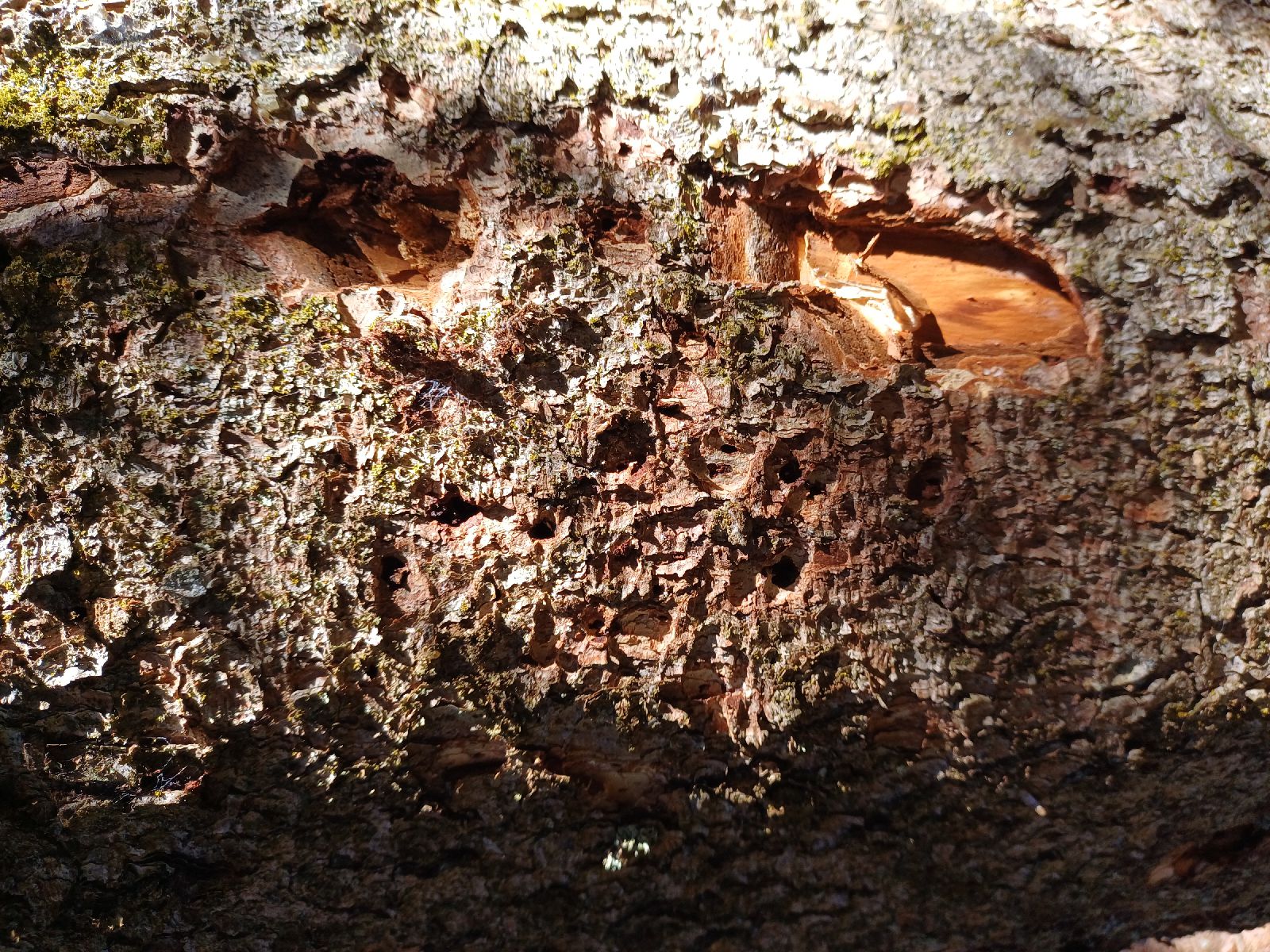
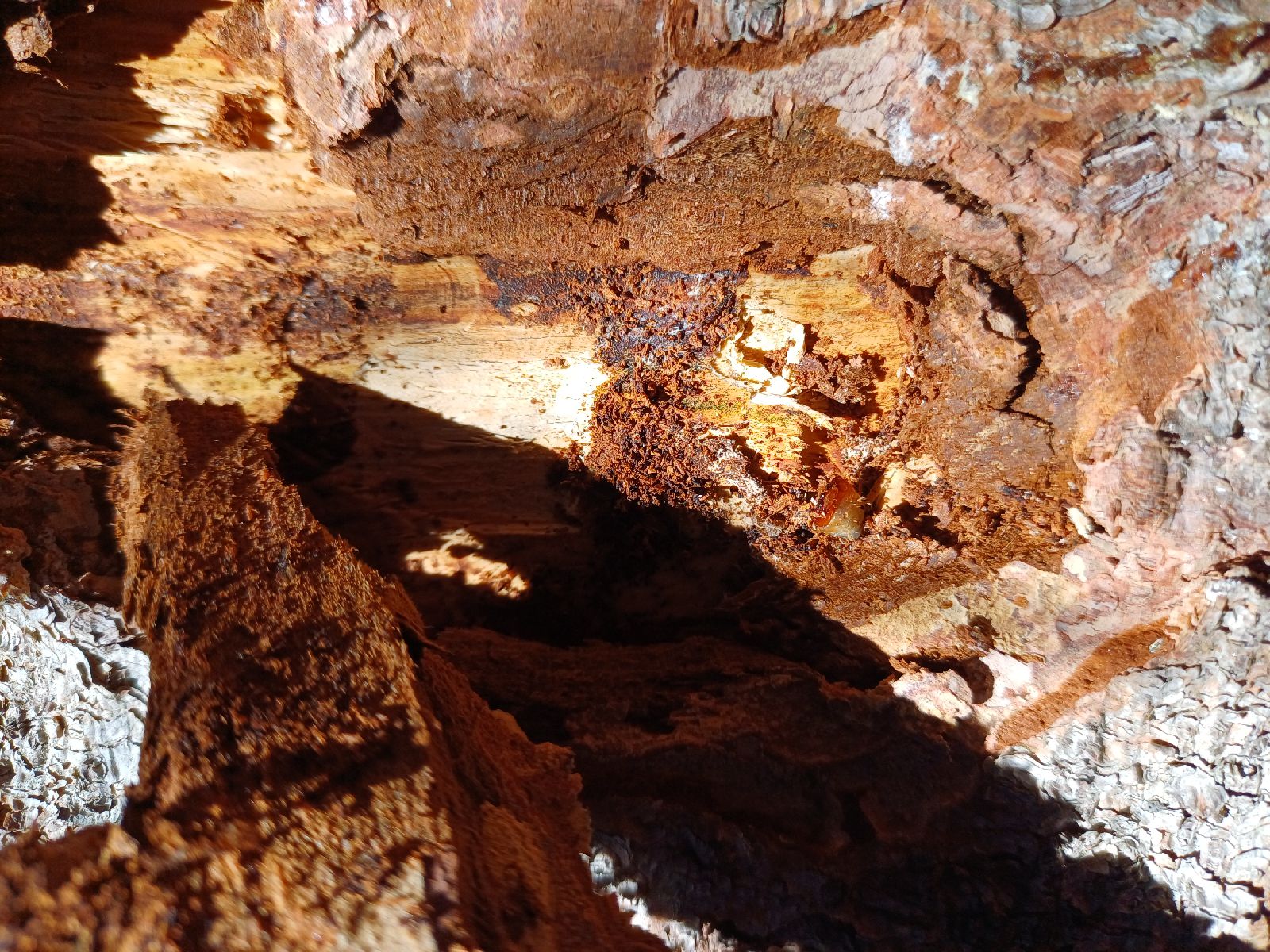
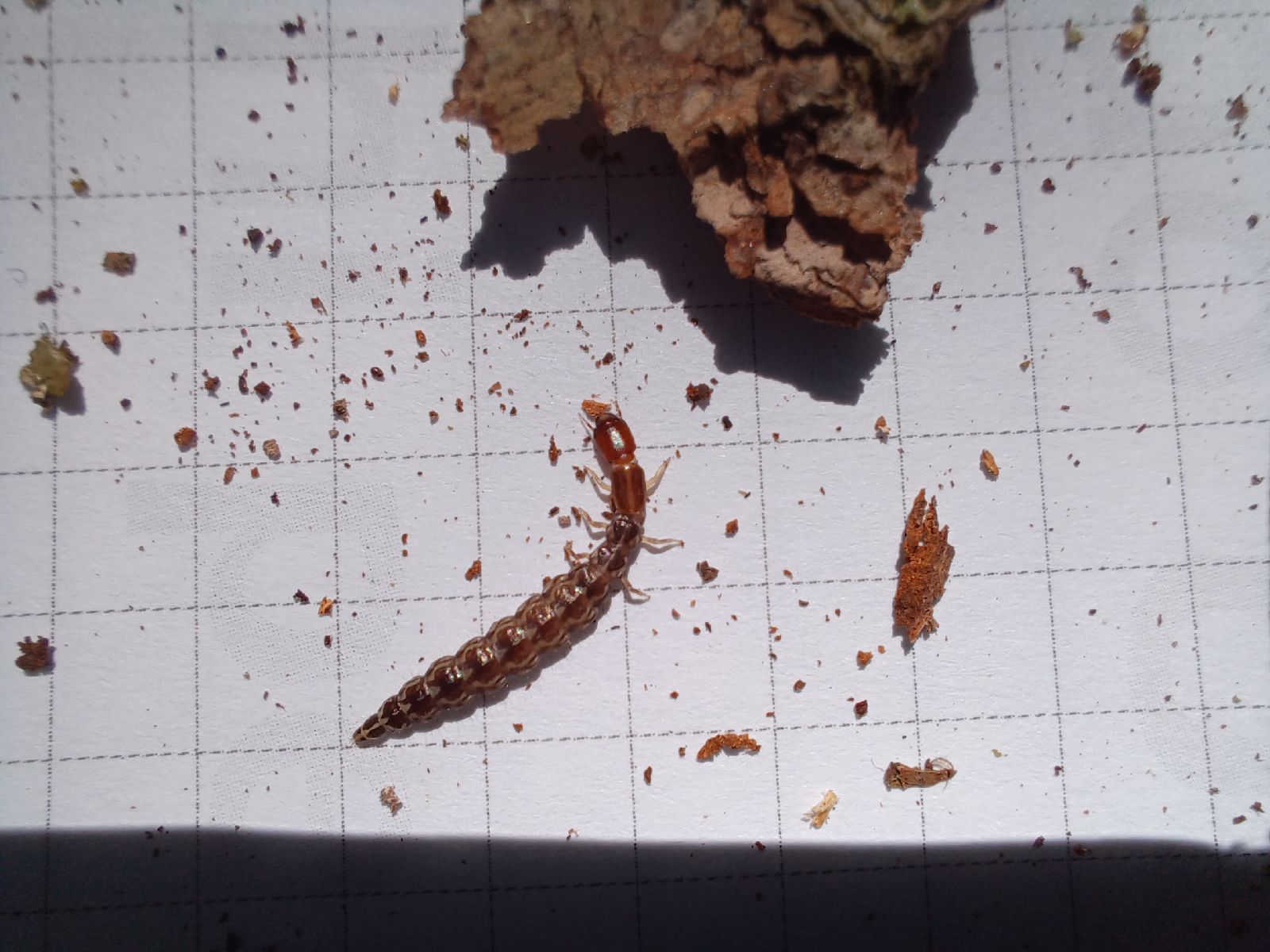
Hello,on the pisture 1 is larvae from family Raphidiidae "snakeflies". They are insect predators. On fig. 4 is head of larvae from family Cerambycidae "longhorned beetle". Best regardsJozef Vakula
Number of votes for this answer: 0

Pest

A - This species is not in the database yet
A - This species is not in the database yet
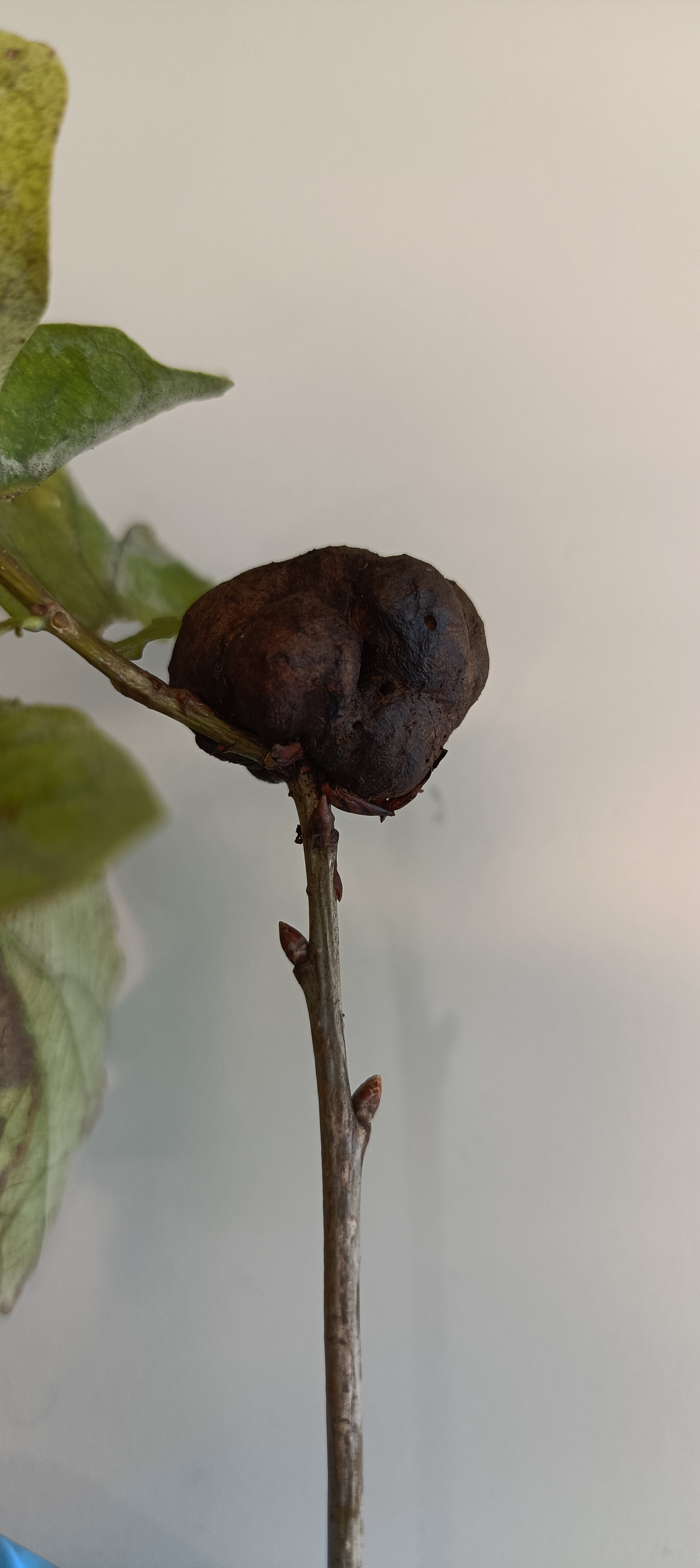
A - This species is not in the database yet
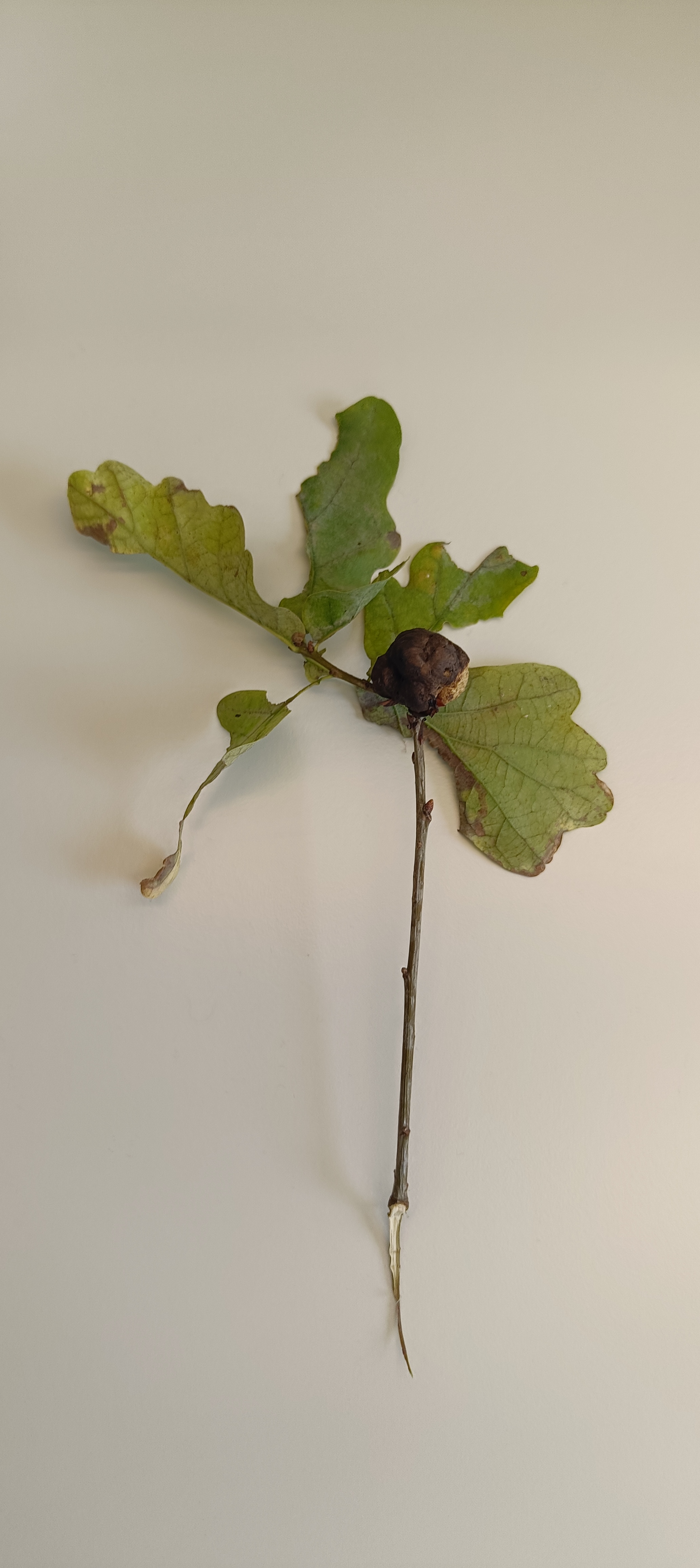
A - This species is not in the database yet
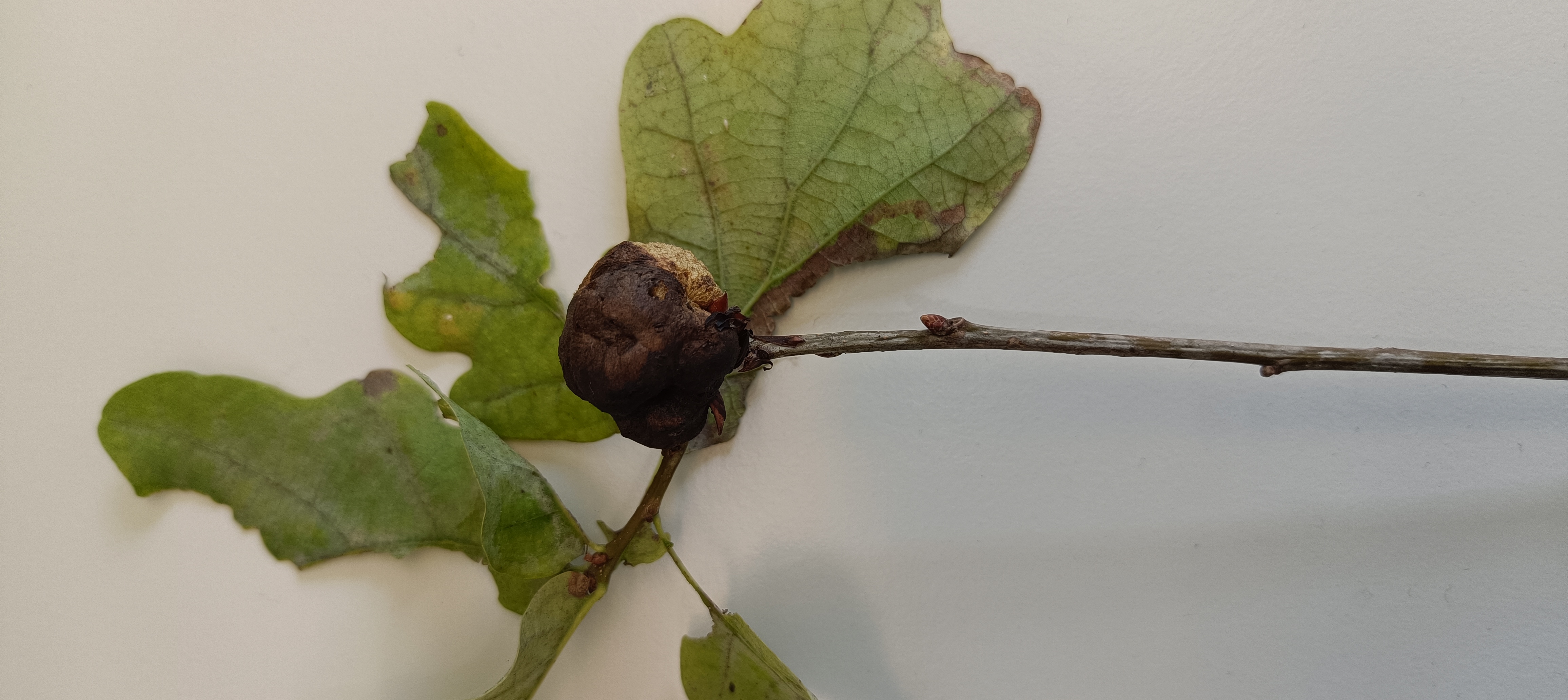
bakterie a virusy

Received: 11.9.2025
Wood: Spruce
Number: 6940
Date of occurrence: 11.9.2025
Discussion

Add comment: A - This species is not in the database yet

Back to top