


 Show all photos in album
Insert for comparison
We will identify your pest
Add pictures of this species
Show all photos in album
Insert for comparison
We will identify your pest
Add pictures of this species
Bacteria
Acute oak decline
Description
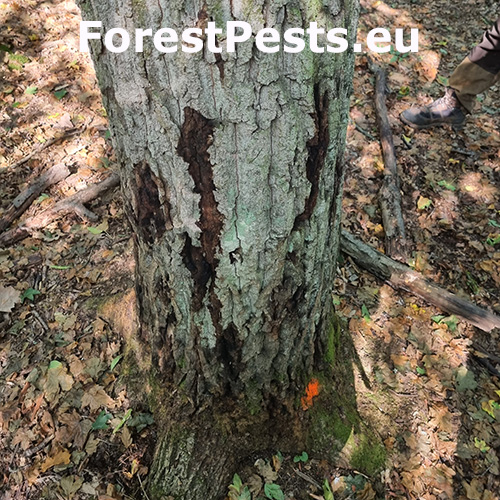
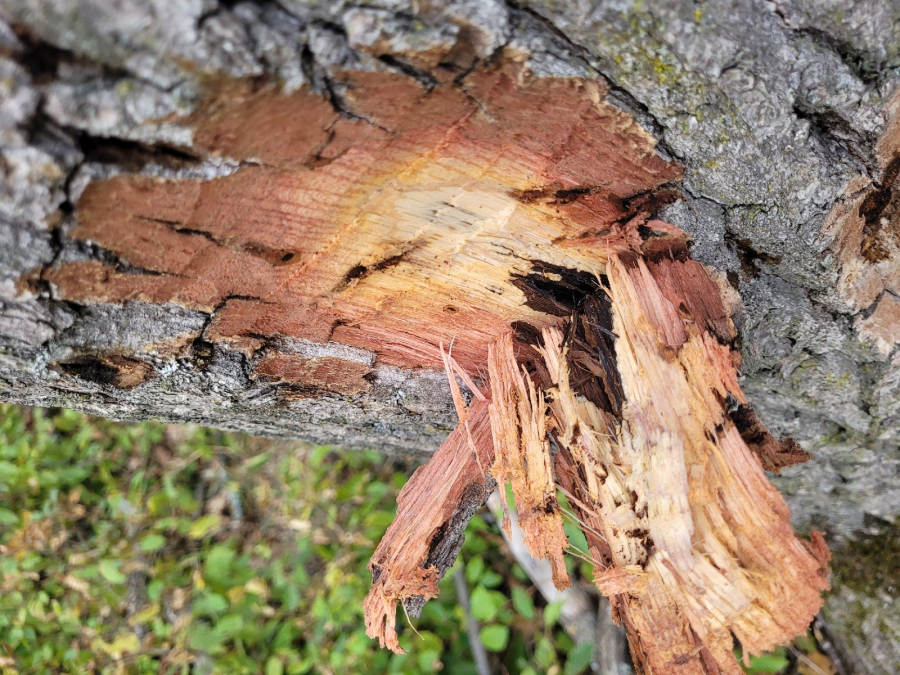
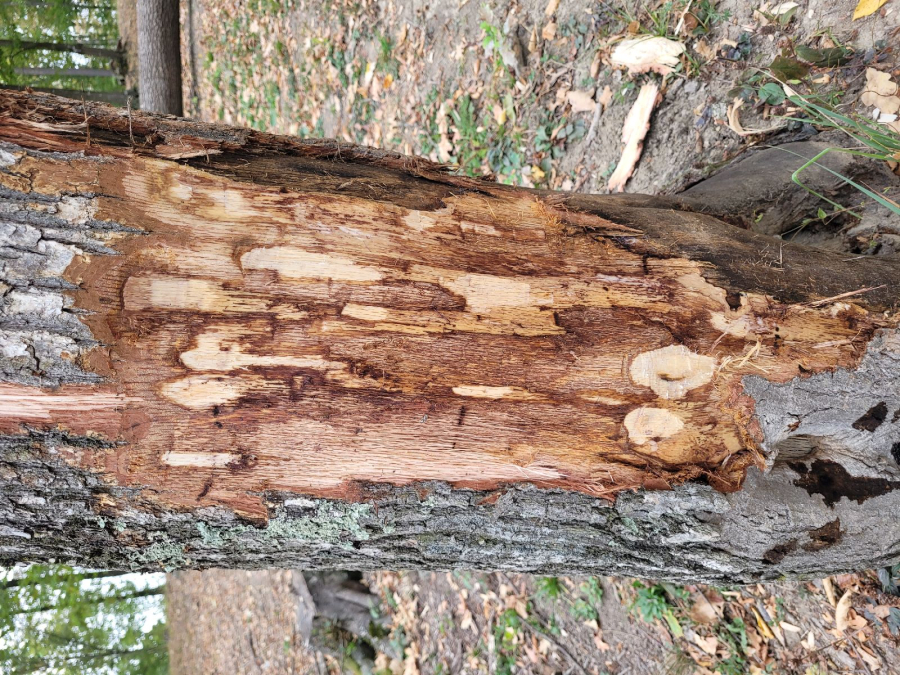
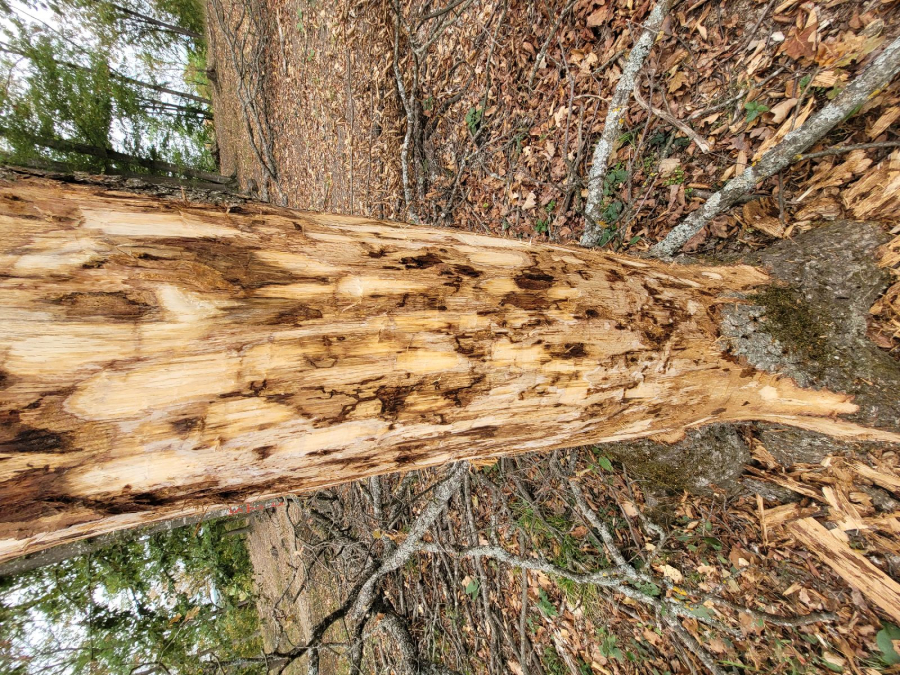
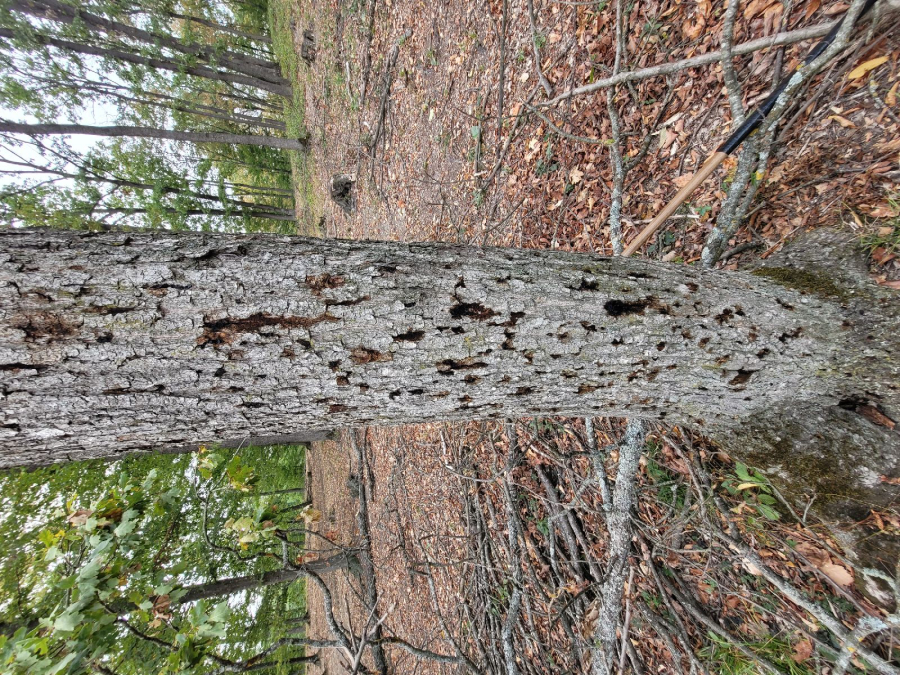
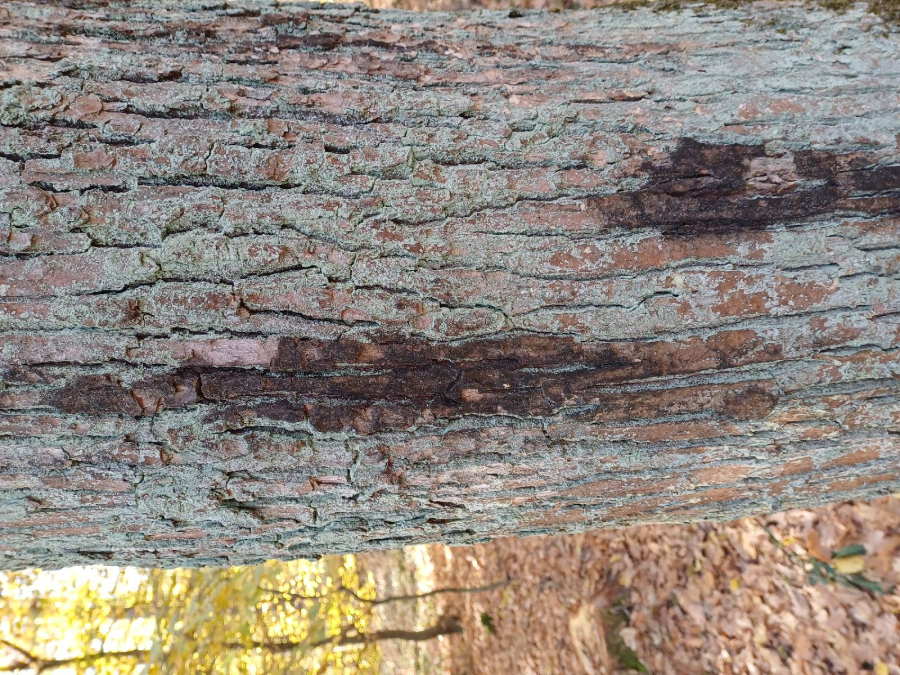
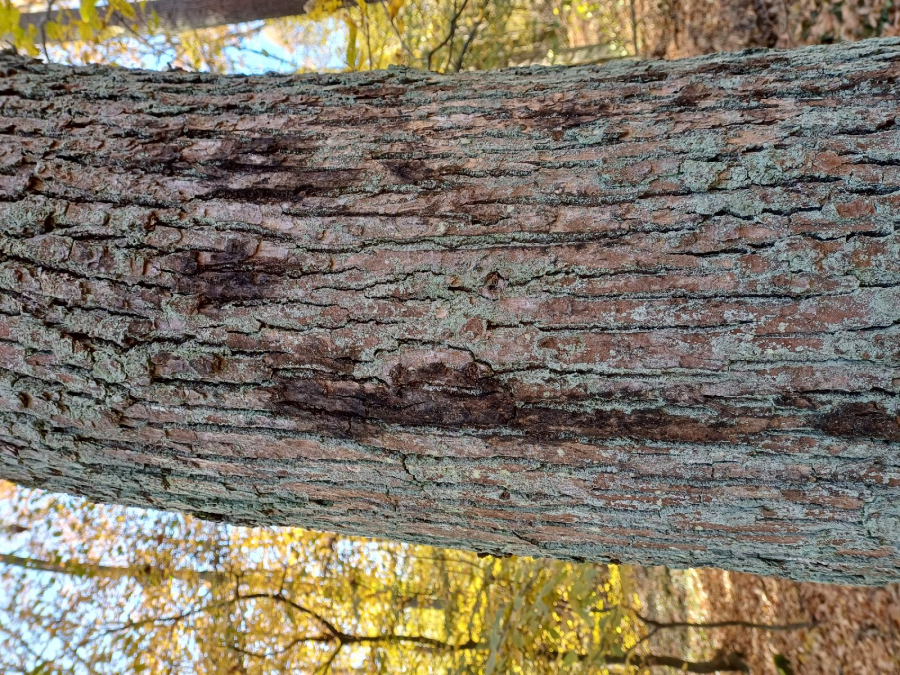
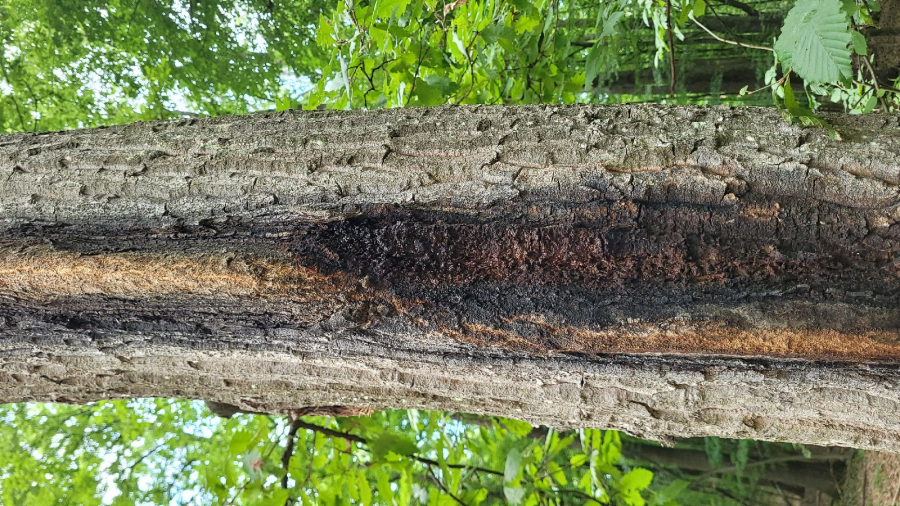
Acute Oak Decline (AOD) is an emerging disease affecting oak trees (Quercus spp.). The disease primarily affects pedunculate oak and sessile oak, but other oak species can also be affected. Most affected trees are mature, but younger ones with trunk diameters of 10-12 cm have also been recorded. It can lead to the death of oak trees within four to six years of symptom onset. The disease is primarily caused by various agents, particularly bacteria, and is associated with environmental factors that weaken the trees. Sometimes, Agrilus species are present, but they only play a minor role in this type of decline. Generally, the exact cause of this decline remains unknown. AOD was first discovered in the UK; however, similar oak decline diseases have been reported in other parts of the world, making AOD a global concern. There is no cure for AOD, but management strategies aim to reduce the spread of the disease.
Symptom
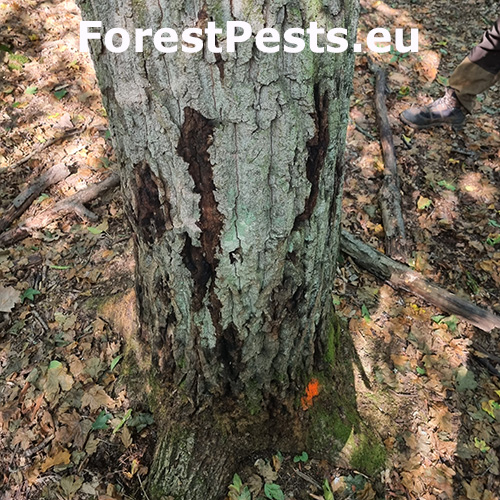
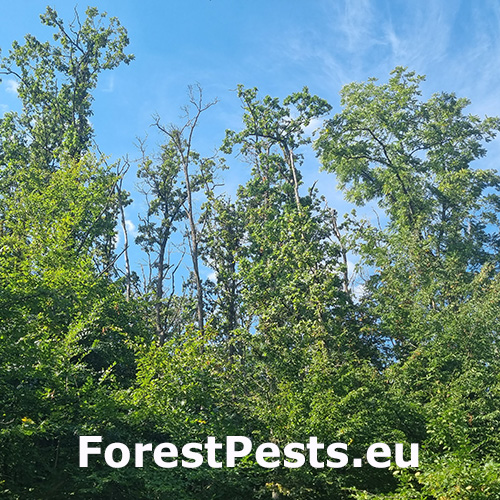
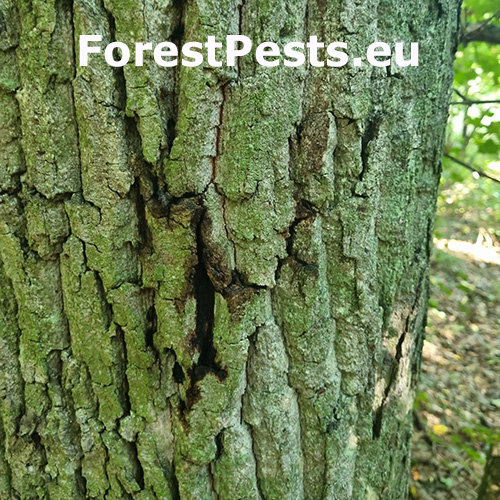
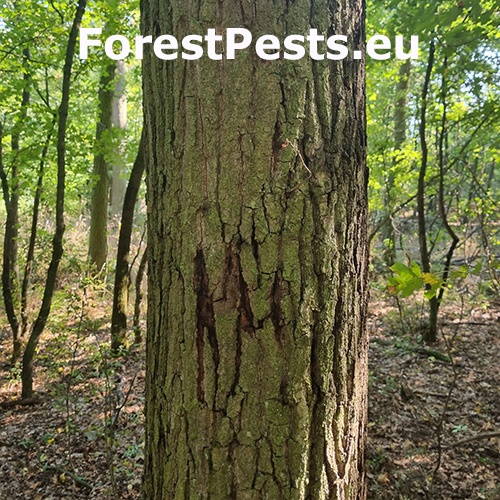
Identifying AOD involves recognizing dark-colored, weeping fissures on the tree trunks, known as stem bleeds or cankers. These fissures seep black fluid, and the tree canopy can thin as the disease progresses.
Tree Species: Oak
Part of a plant- attacked: Tree trunk, Branch
Pest Category: Bacteria and viruses
Invasive Species: No
Present in EU: Yes
Add comment: Bacteria
Location map: Bacteria
print viewLegend:

Expert verified points

Unverified points
Observed by users on these tree species
Most sightings of the species

Last observations
There are a total of 3 observations of the species in the system

BacteriaAcute oak decline
Pavel Mikluš
Number of votes: 0
Published: 29.11.2024

BacteriaAcute oak decline
Andrej
Number of votes: 0
Published: 23.7.2024
Similar damage

Oak pinhole borer

Bark beetle Ernoporicus fagi

Wild Boar

