Login | Registration | List of contributors

Requests to determine the cause of damage

Here you can request to determine the cause of the damage. You can view the requests of other users and sort them according to the selected criteria. In addition, you can get information about your request, and you can follow the progress of its current state. If your application was not approved, it had probably been because it was impossible to identify the damage based on the sent photos or because the application does not address our topic - determining the pests of trees and shrubs. We will inform you about the status of your application by email.

Filter reset

Code
Date
Assigned
Status
Days from submission
7442
10.2.2026
J. Galko
In progress
17

Rejected requests are not displayed. You have been notified by email that your application has been denied.
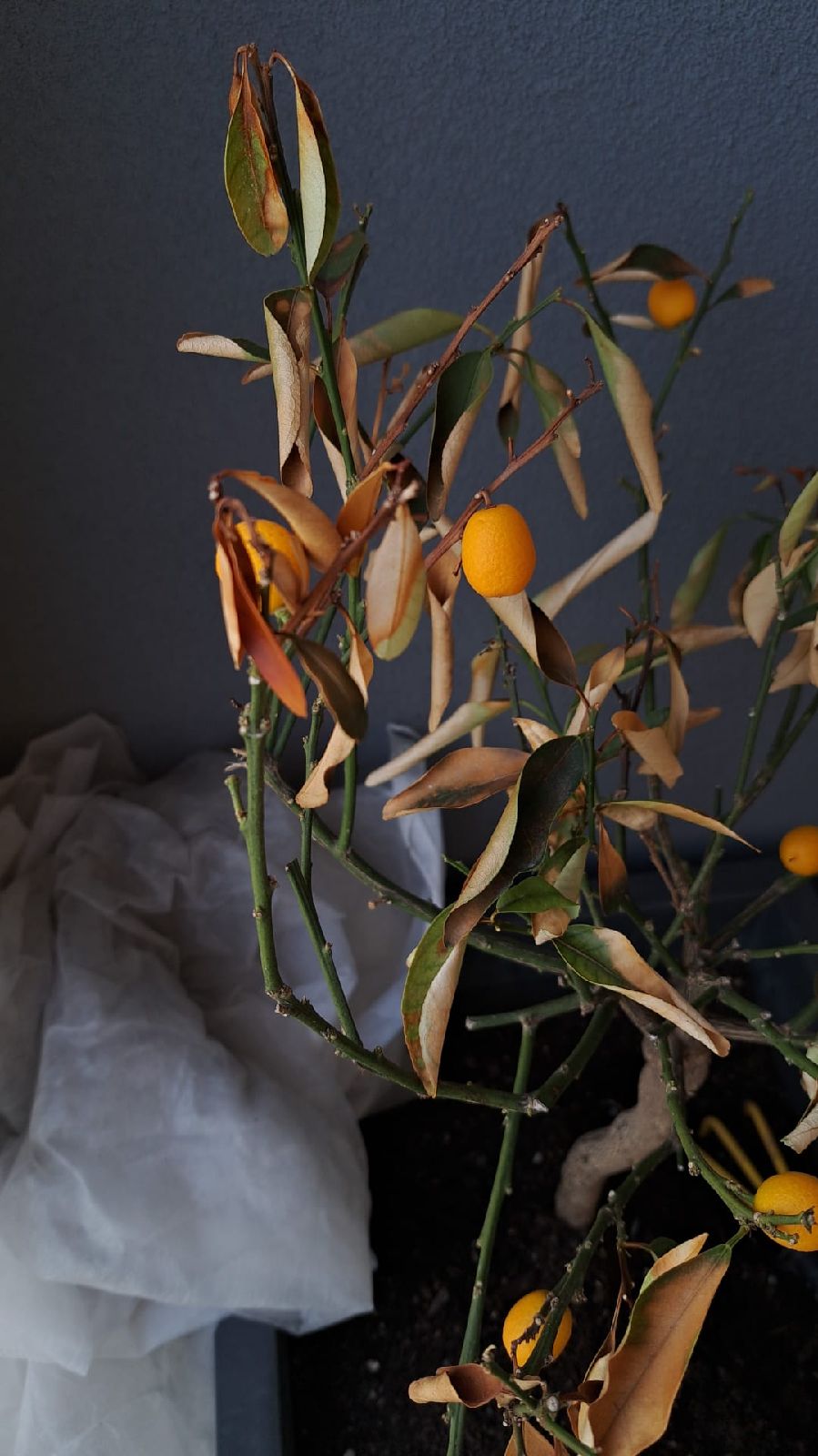
 

A - Ambiguously determined, we are not sure
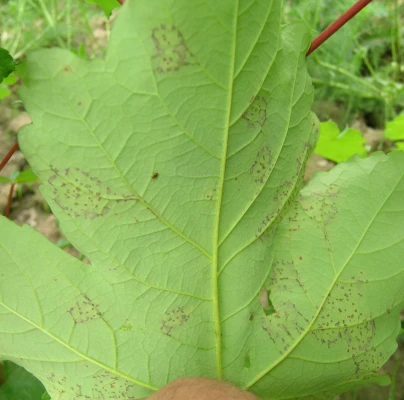
A - Ambiguously determined, we are not sureA - Ambiguously determined, we are not sureA - Ambiguously determined, we are not sure
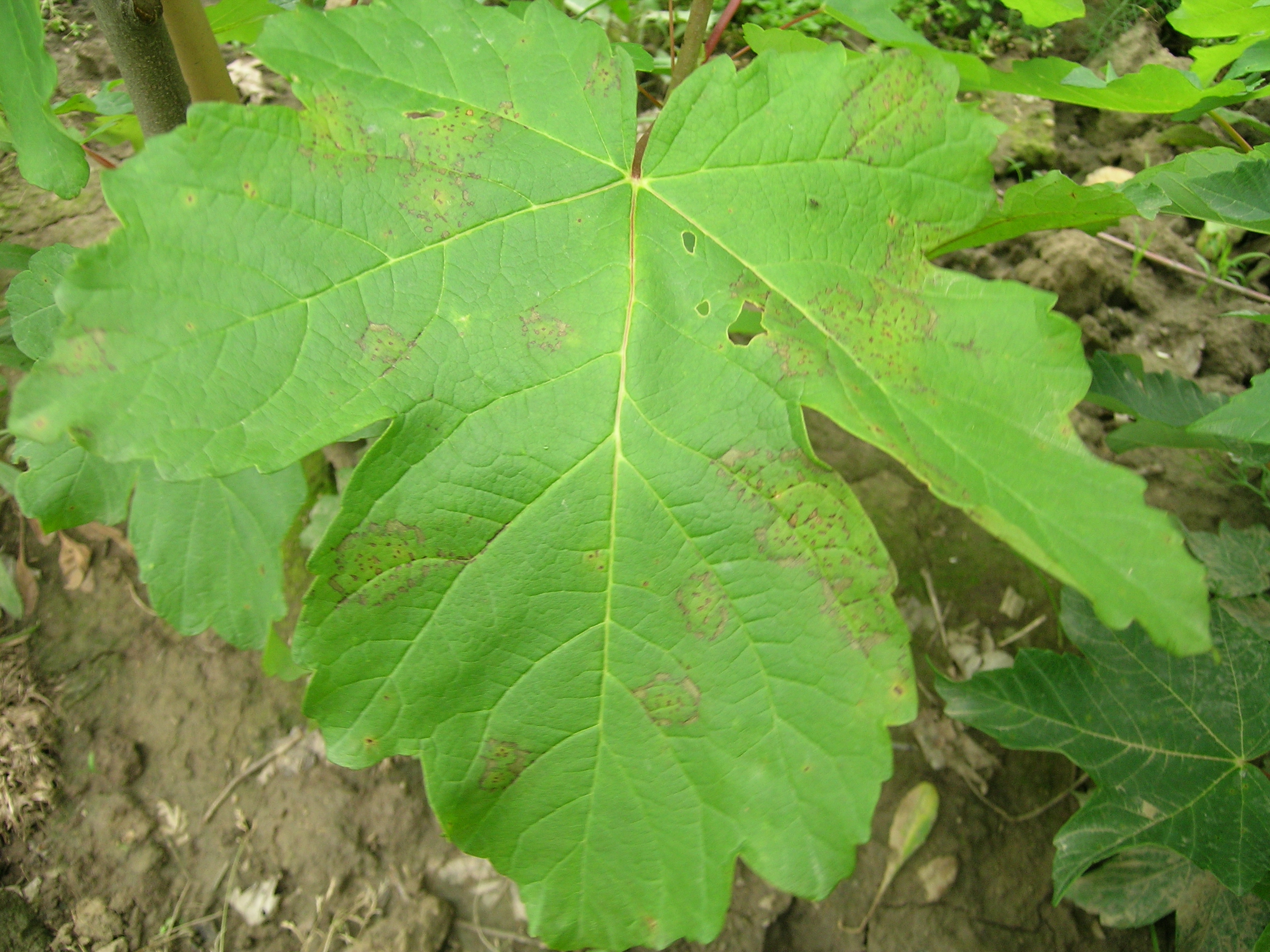
A - Ambiguously determined, we are not sure
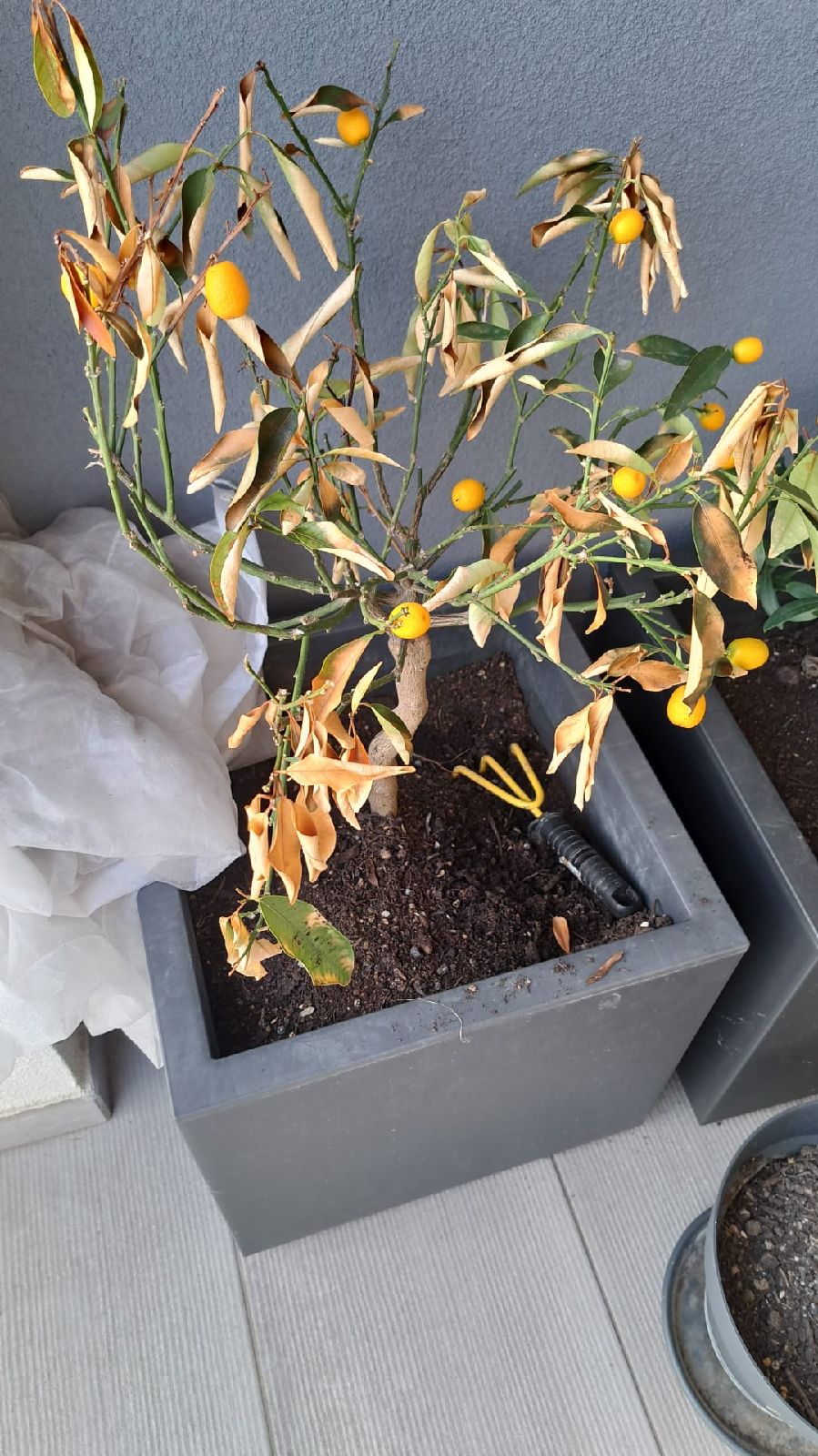
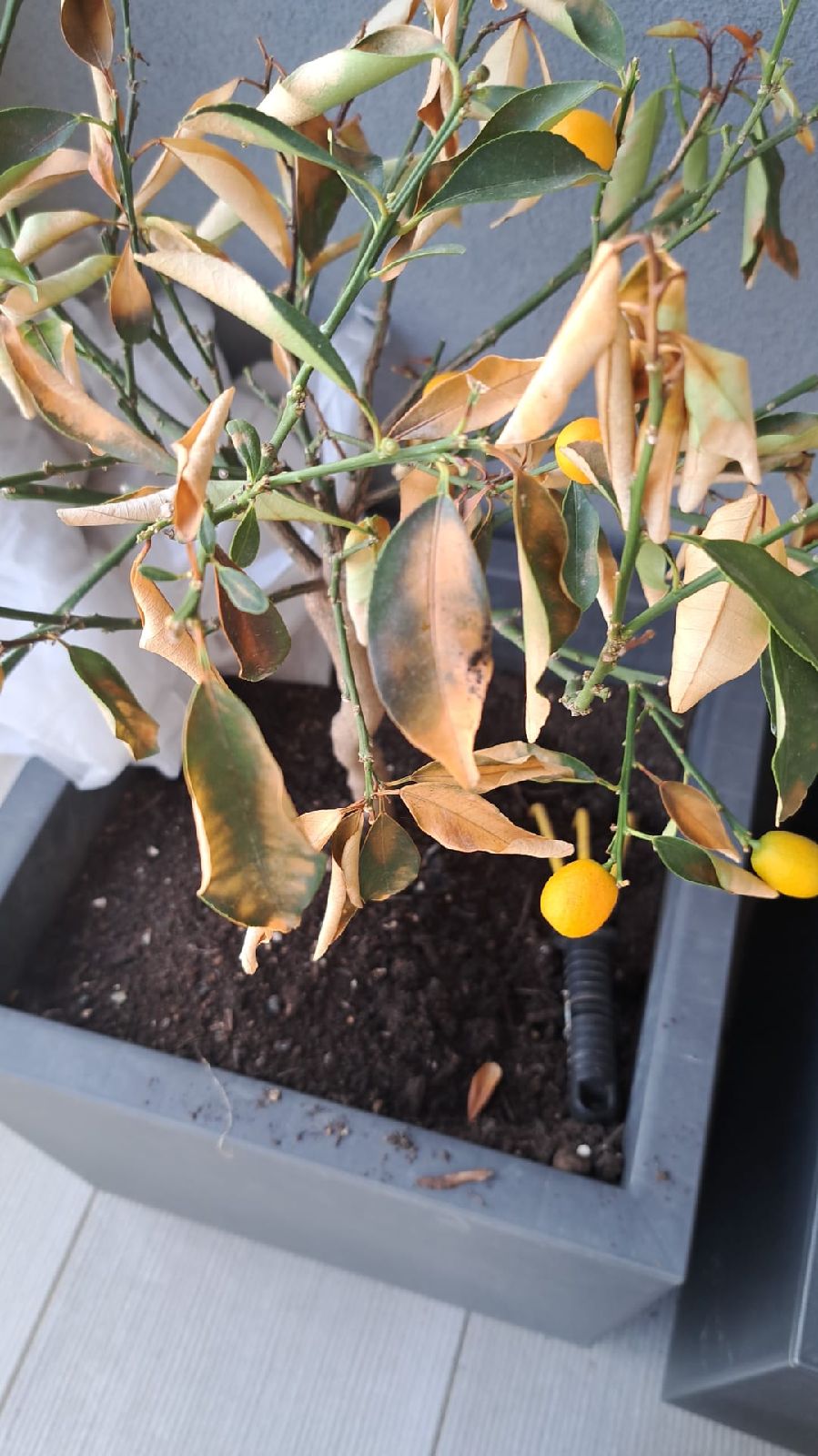
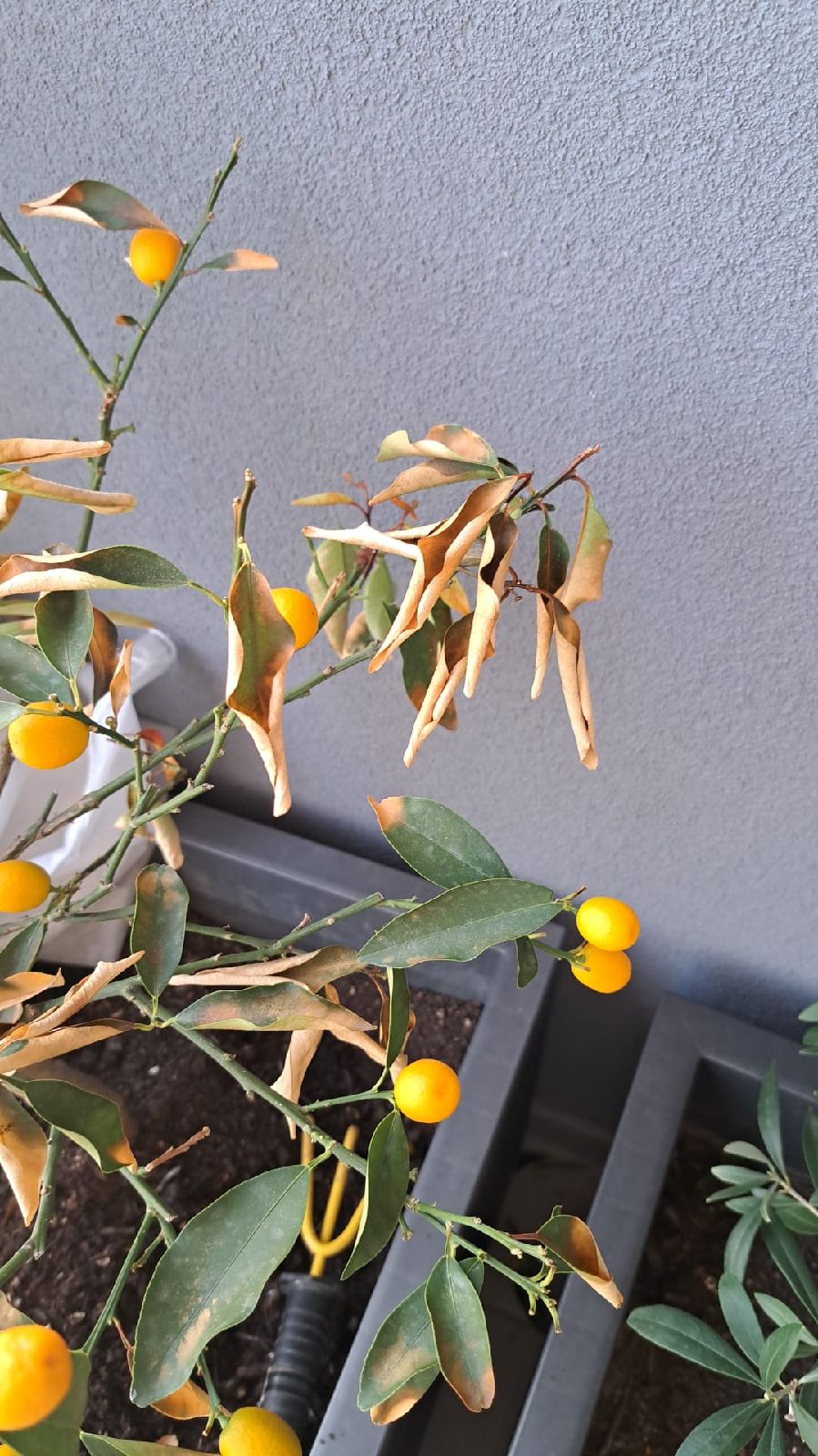
Number: 7472
Received 26.2.2026
In progress: 1 days
Date of occurrence: 26.2.2026
Significance:
Discussion
Assigned: M. Zúbrik
Country: Italy

Question

Answer

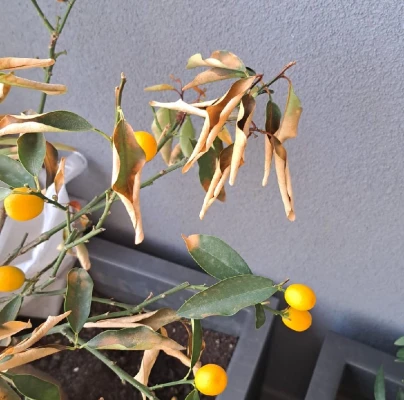
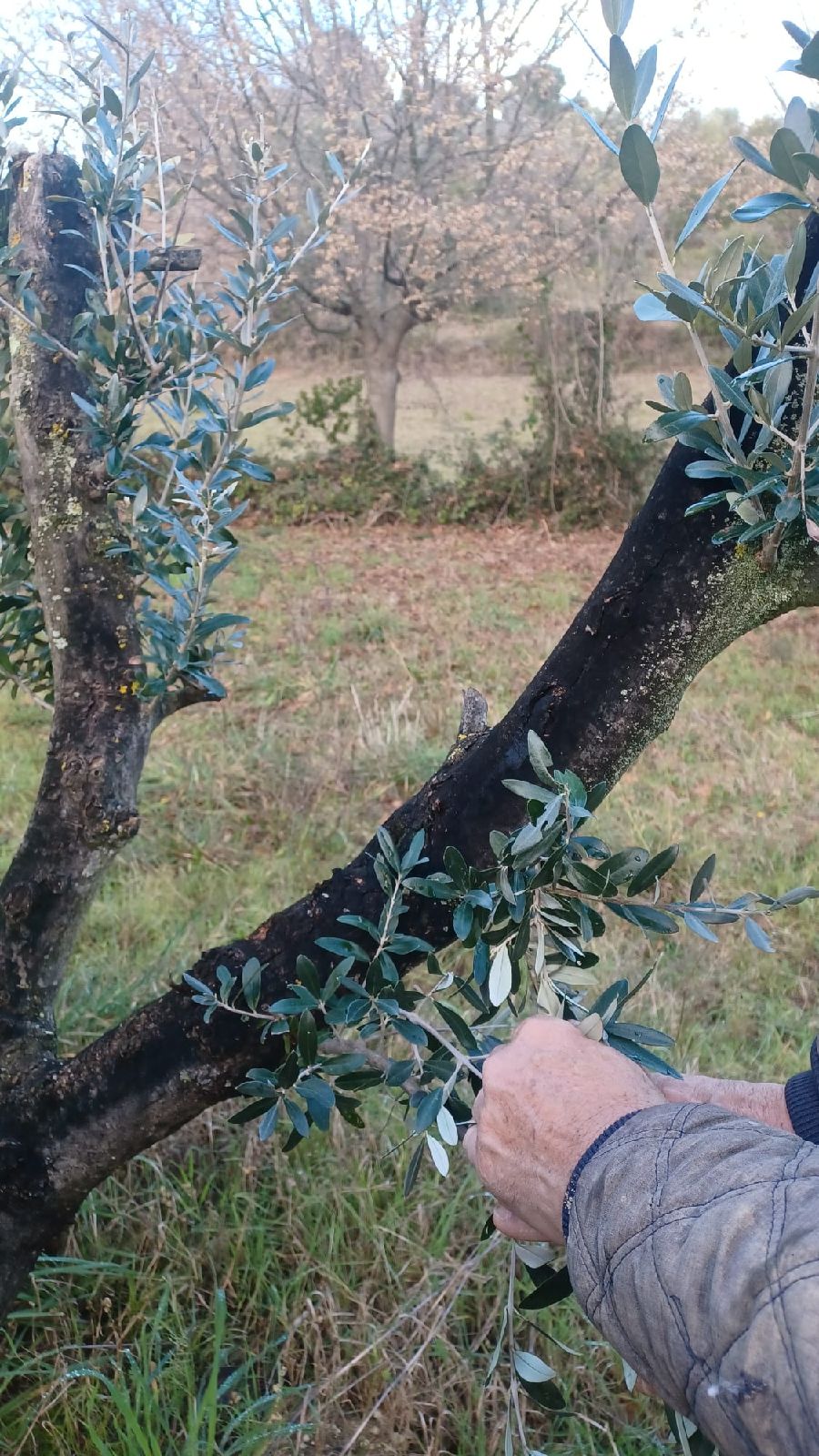
Dear Jacopo, thank you for your inquiry. From the photos you provided, I do not see any clear signs of insect or fungal presence that could be causing the damage to your citrus plant. Maybe, its just becasue I do not see them, and some of them could be found in case of more cereful insepction...Unfortunately, it is not possible to determine from the pictures whether the plant was grown indoors or outdoors...in any case, I would not exclude the possibility of stress factors, such as physiological drought, overwatering, or similar issues. The symptoms may suggest this, but it is not possible to make a definite diagnosis based solely on these photographs. I wish you a nice day. Milan Zúbrik
Number of votes for this answer: 0

Pest

A - Ambiguously determined, we are not sure
A - Ambiguously determined, we are not sure
A - Ambiguously determined, we are not sure
A - Ambiguously determined, we are not sure
Received: 26.2.2026
Wood: Citrus
Number: 7472
Date of occurrence: 26.2.2026
Discussion

Add comment: A - Ambiguously determined, we are not sure
A - nejednoznačne určený, nie sme si istíA - nejednoznačne určený, nie sme si istí
Number: 7413
Received 29.1.2026
In progress: 20 days
Date of occurrence: 28.5.2009
Significance:
Discussion
Assigned: M. Zúbrik
Country: Hungary

Question

Acer pseudoplatanus

Answer

We are unable to determine the cause. Milan
Number of votes for this answer: 0

Pest

A - nejednoznačne určený, nie sme si istí

A - nejednoznačne určený, nie sme si istí

Received: 29.1.2026
Wood: Maple
Number: 7413
Date of occurrence: 28.5.2009
Discussion

Add comment:

A - Ambiguously determined, we are not sure
Number: 7412
Received 29.1.2026
In progress: 8 days
Date of occurrence: 8.9.2009
Significance:
Discussion
Assigned: M. Zúbrik
Country: Hungary

Question

Answer

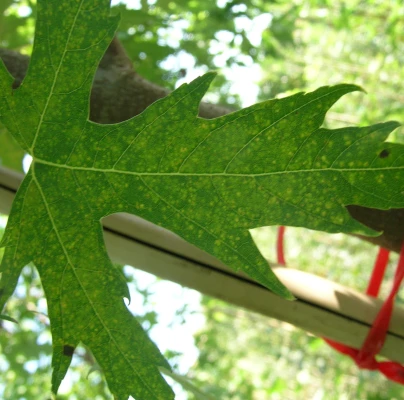
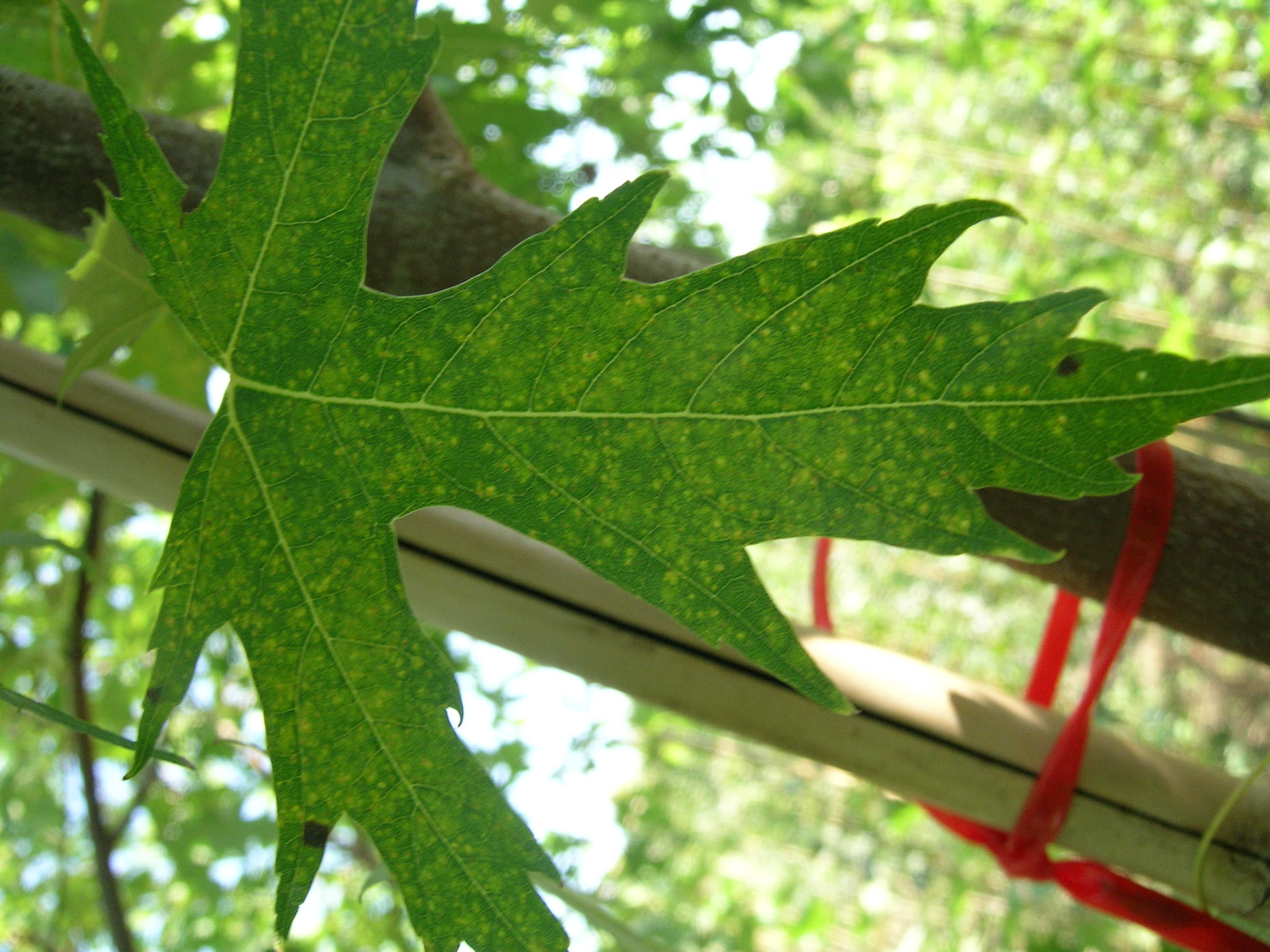
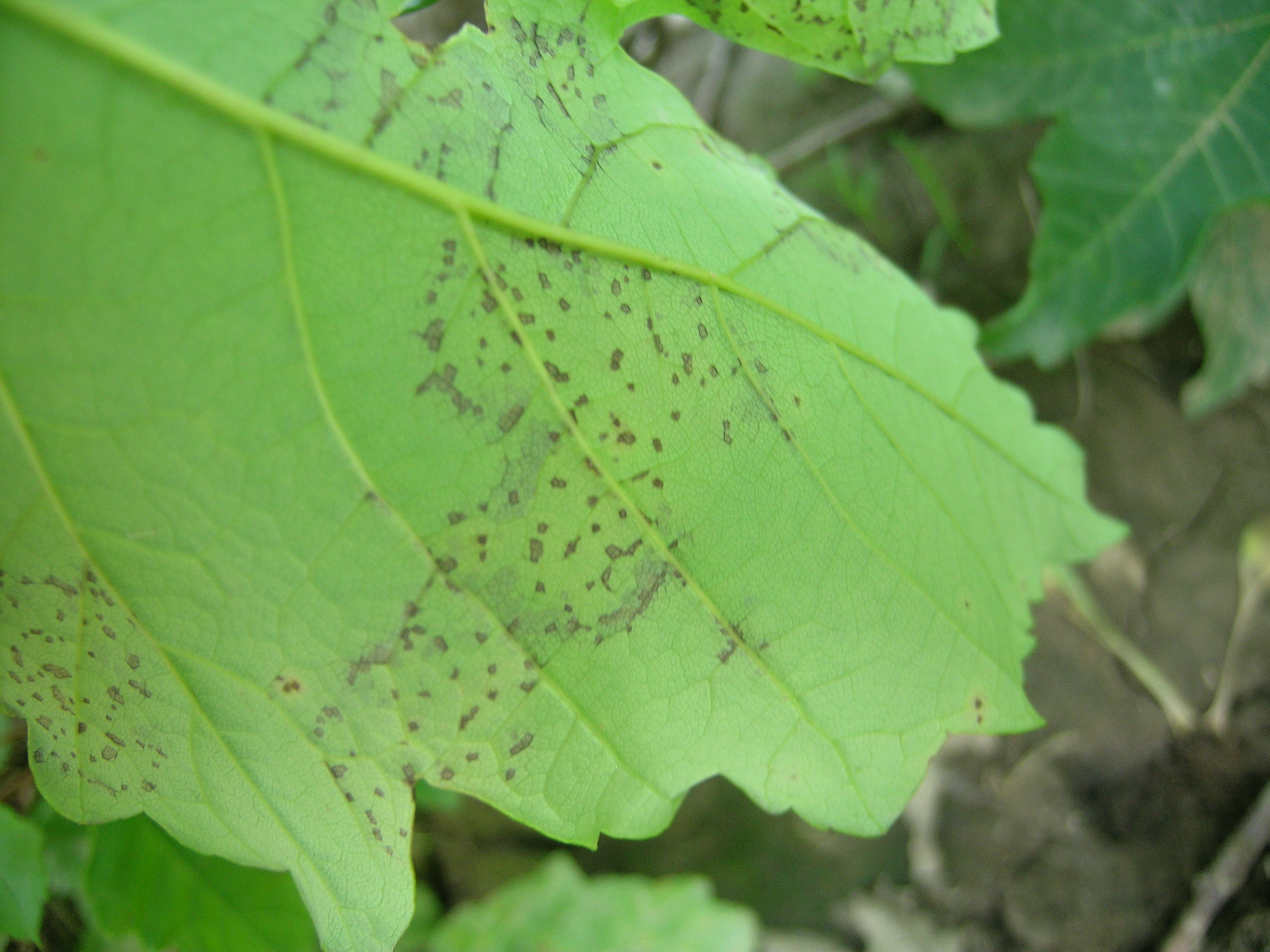
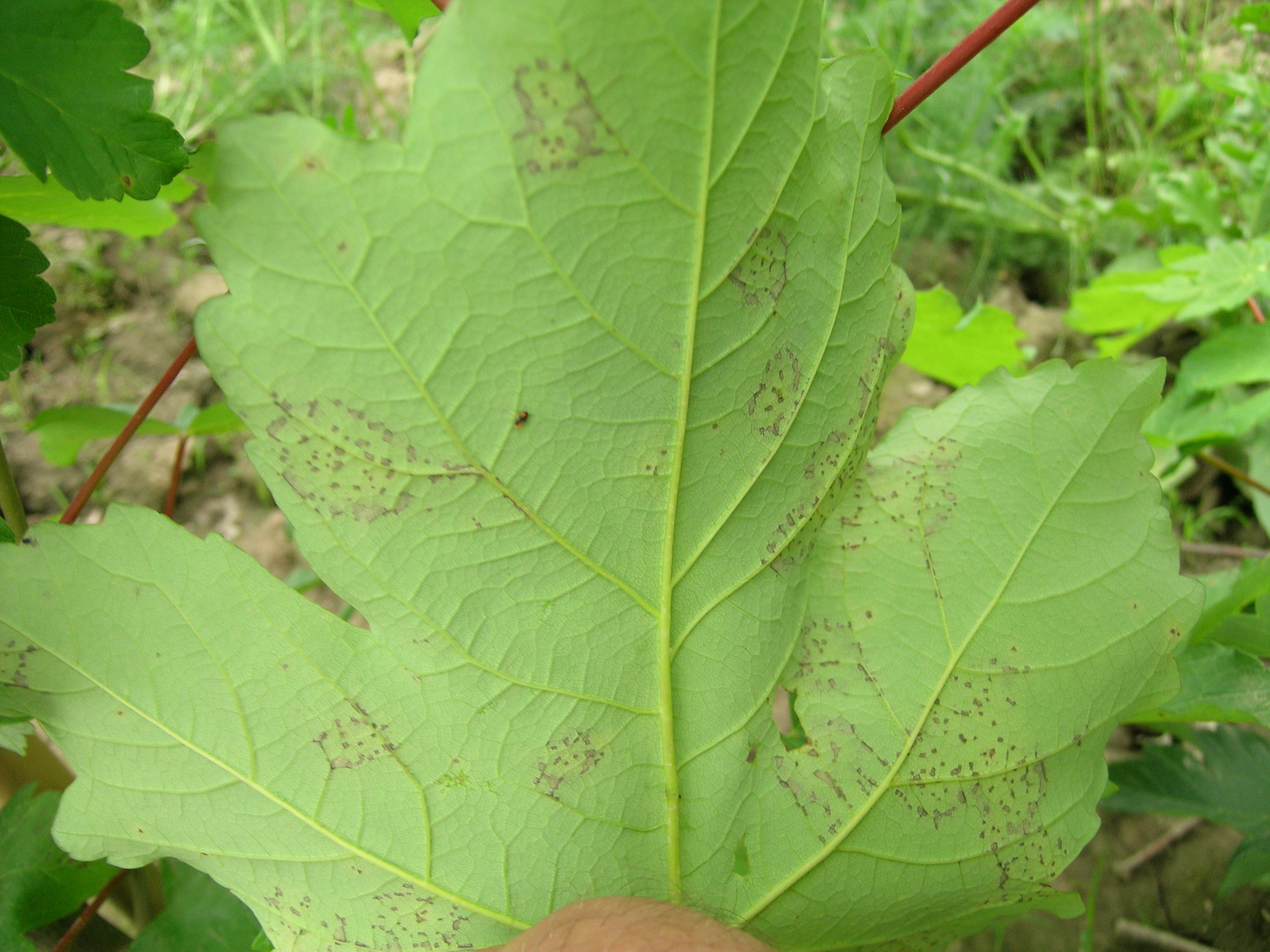
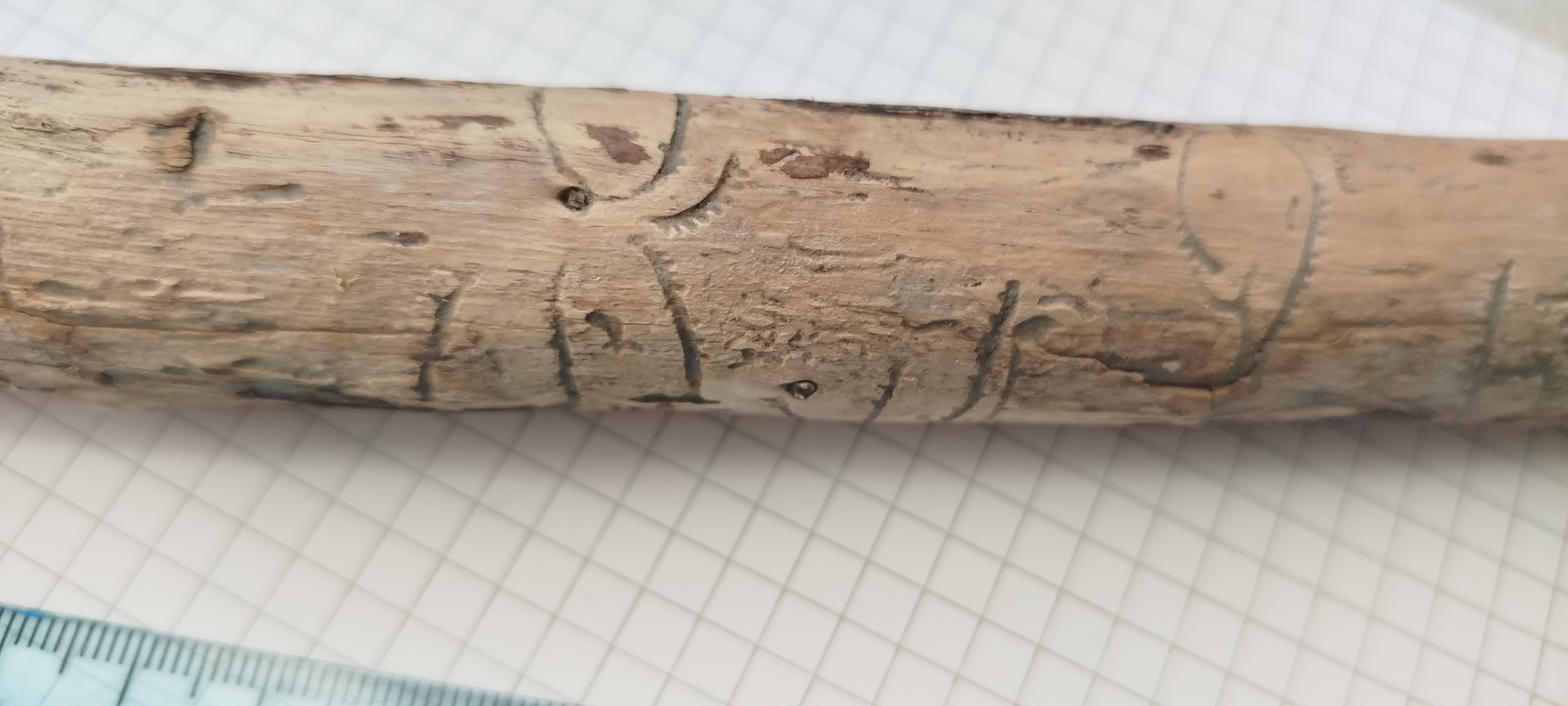
Dear László, thank you for your question. From your photograph it is not possible to determine exactly what kind of damage it is. It appears that there was feeding by some aphid on the underside of the leaf. The damage somewhat resembles that caused on oak by Tuberculatus annulatus or by aphids of the genus Phylloxera. However, also some other species may cause similar problems...Best regards, Milan Zubrik
Number of votes for this answer: 0

Pest

A - Ambiguously determined, we are not sure
A - Ambiguously determined, we are not sure
A - Ambiguously determined, we are not sure

A - Ambiguously determined, we are not sure

Received: 29.1.2026
Wood: Maple
Number: 7412
Date of occurrence: 8.9.2009
Discussion

Add comment: A - Ambiguously determined, we are not sure

A - nie je v databázeA - nie je v databáze
Number: 7402
Received 24.1.2026
In progress: 1 days
Date of occurrence: 24.1.2026
Significance:
Discussion
Assigned: A. Kunca
Country: Italy

Question

Answer

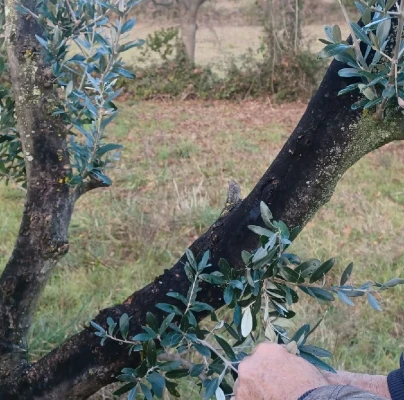
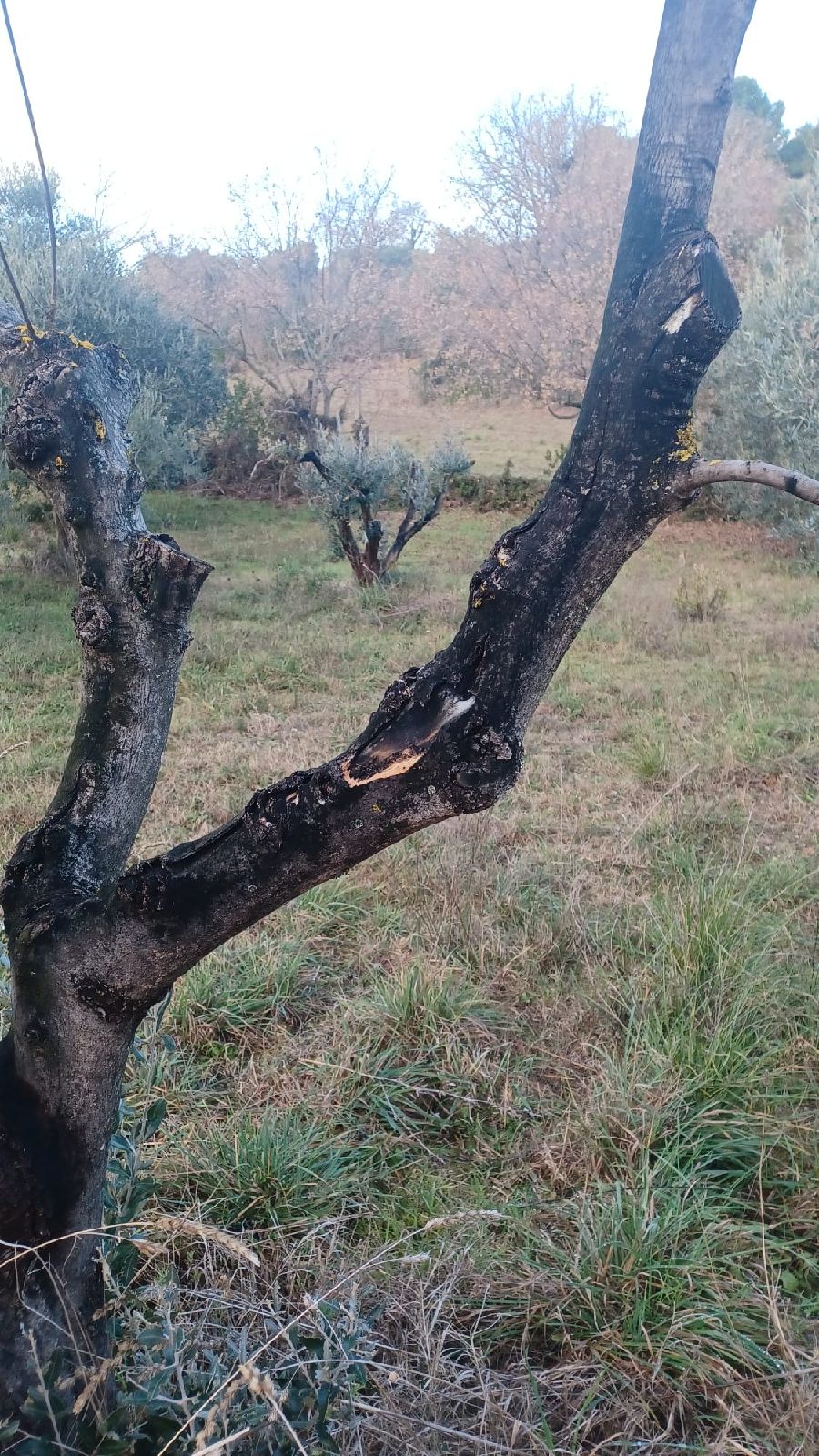
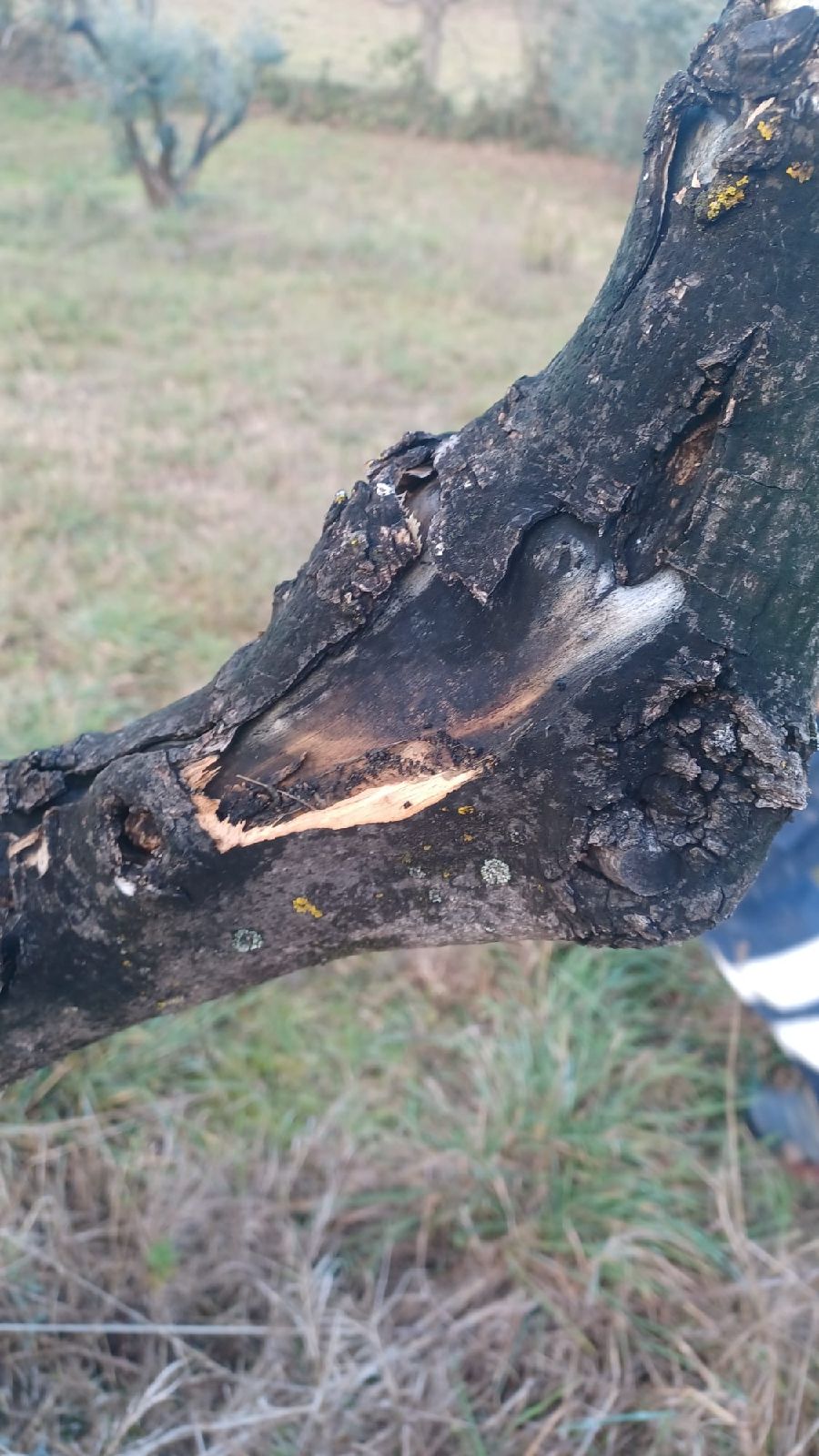
Hi there, it is a kind of older canker. There are many agents that can be involved in it: fungi Biscogniauxia sp., bacteria like Pseudomonas, etc. It looks serious but not easy to determine just by pictures. Andrej Kunca
Number of votes for this answer: 0

Pest

A - nie je v databáze

A - nie je v databáze

Received: 24.1.2026
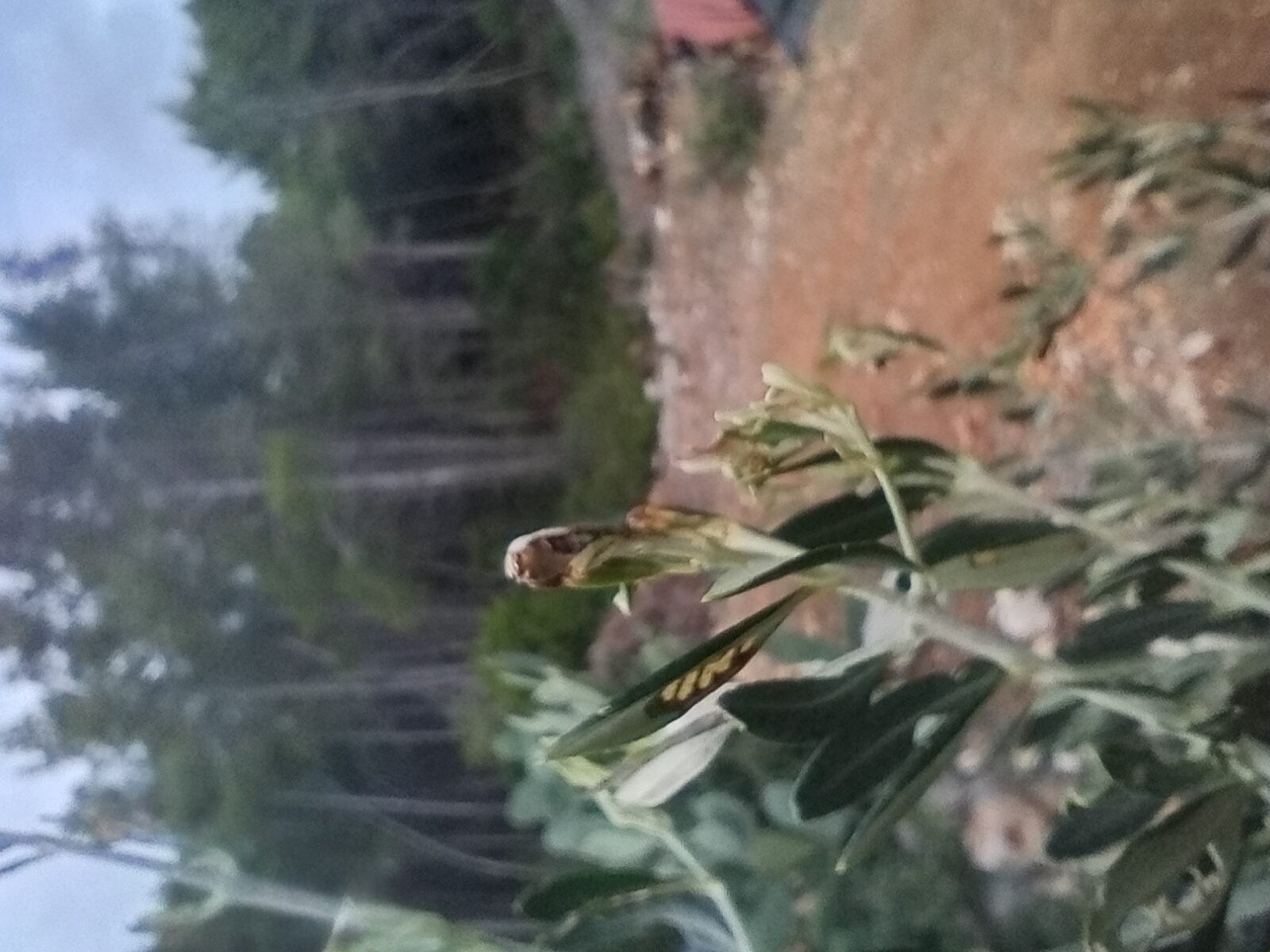
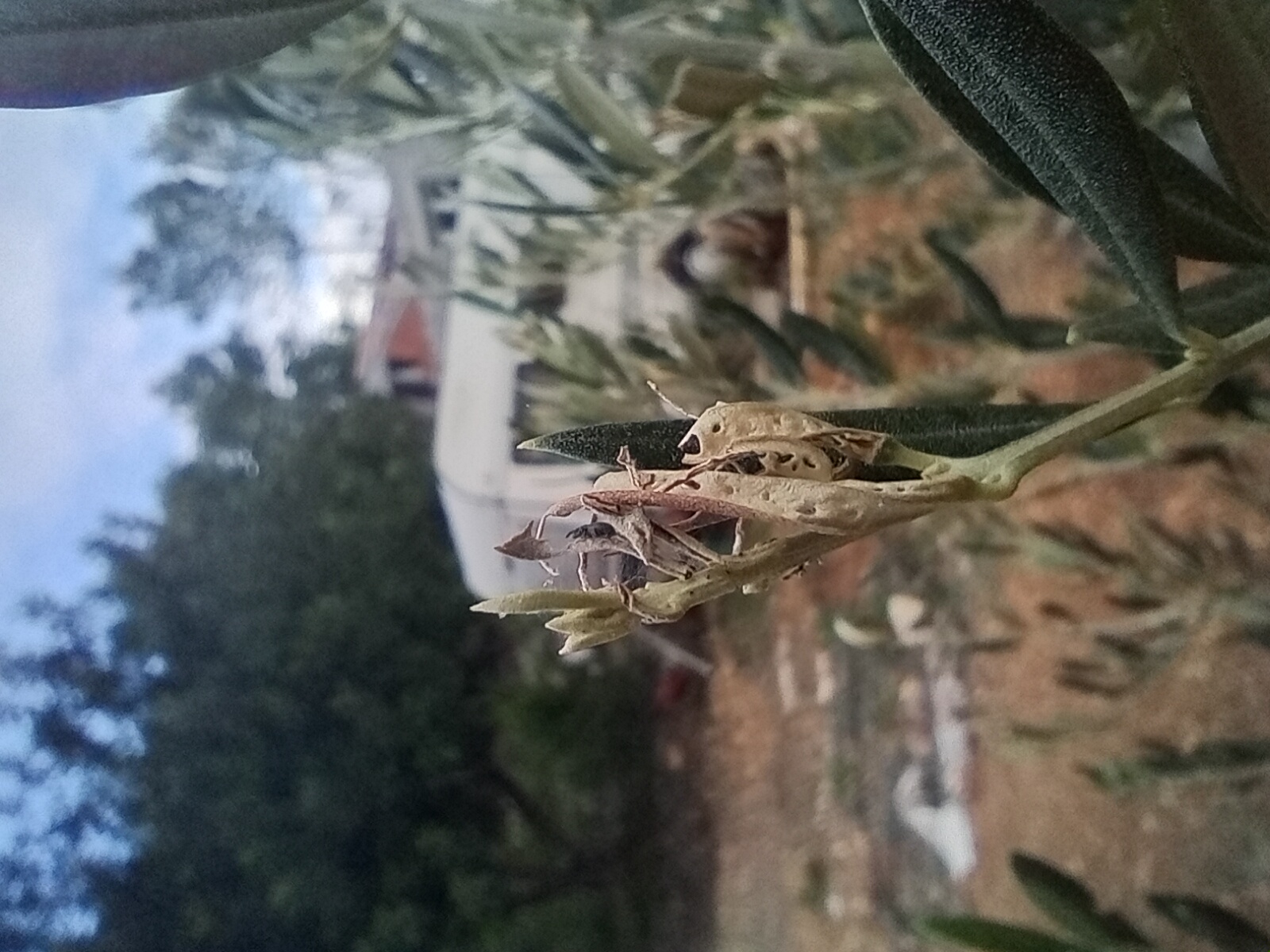
Wood: Olive
Number: 7402
Date of occurrence: 24.1.2026
Discussion

Add comment:

A - Ambiguously determined, we are not sure
A - Ambiguously determined, we are not sureA - Ambiguously determined, we are not sureA - Ambiguously determined, we are not sure
A - Ambiguously determined, we are not sure
Number: 7337
Received 12.1.2026
In progress: 3 days
Date of occurrence: 28.4.2025
Significance:
Discussion
From: Antonella
Assigned: J. Vakula
Country: Italy

Question

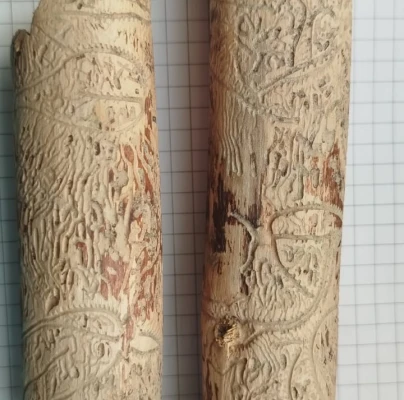
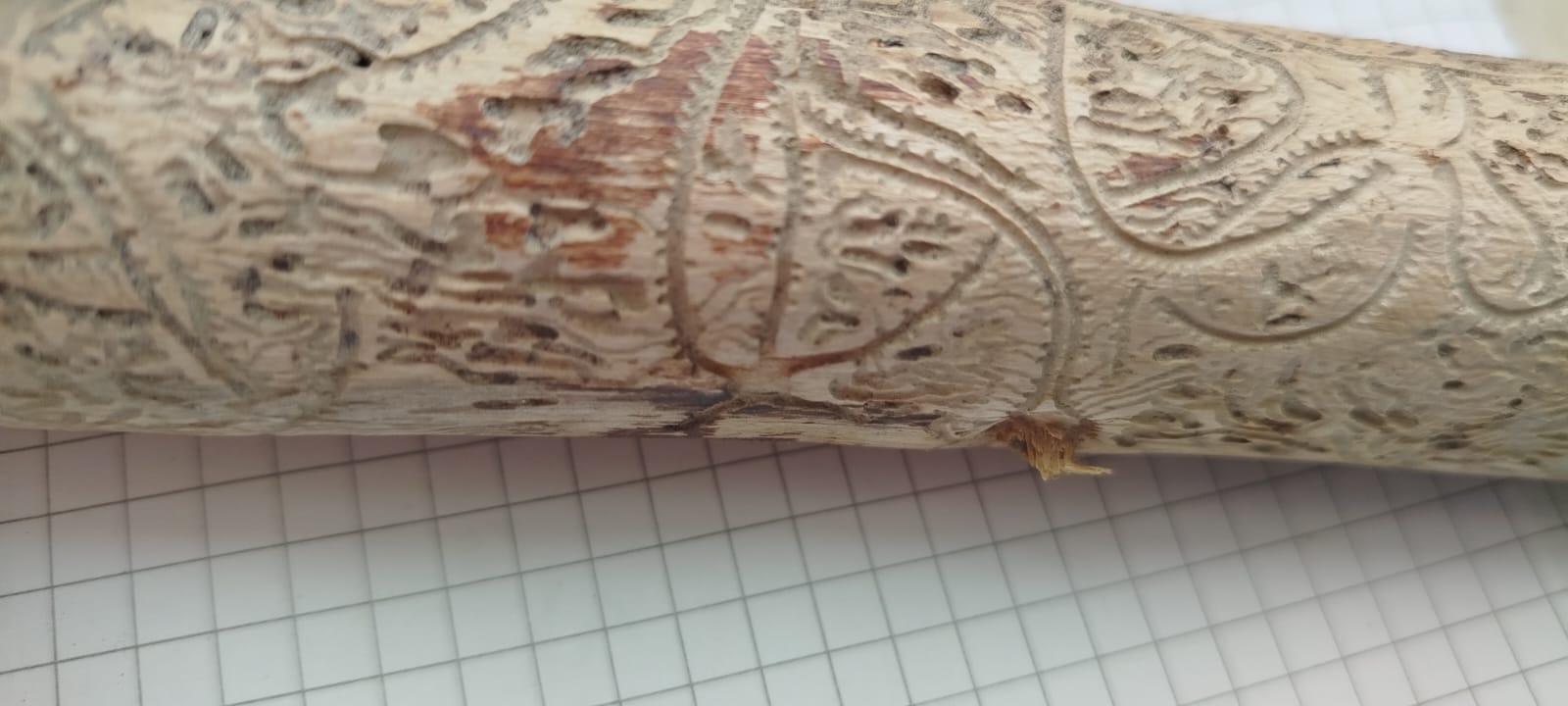
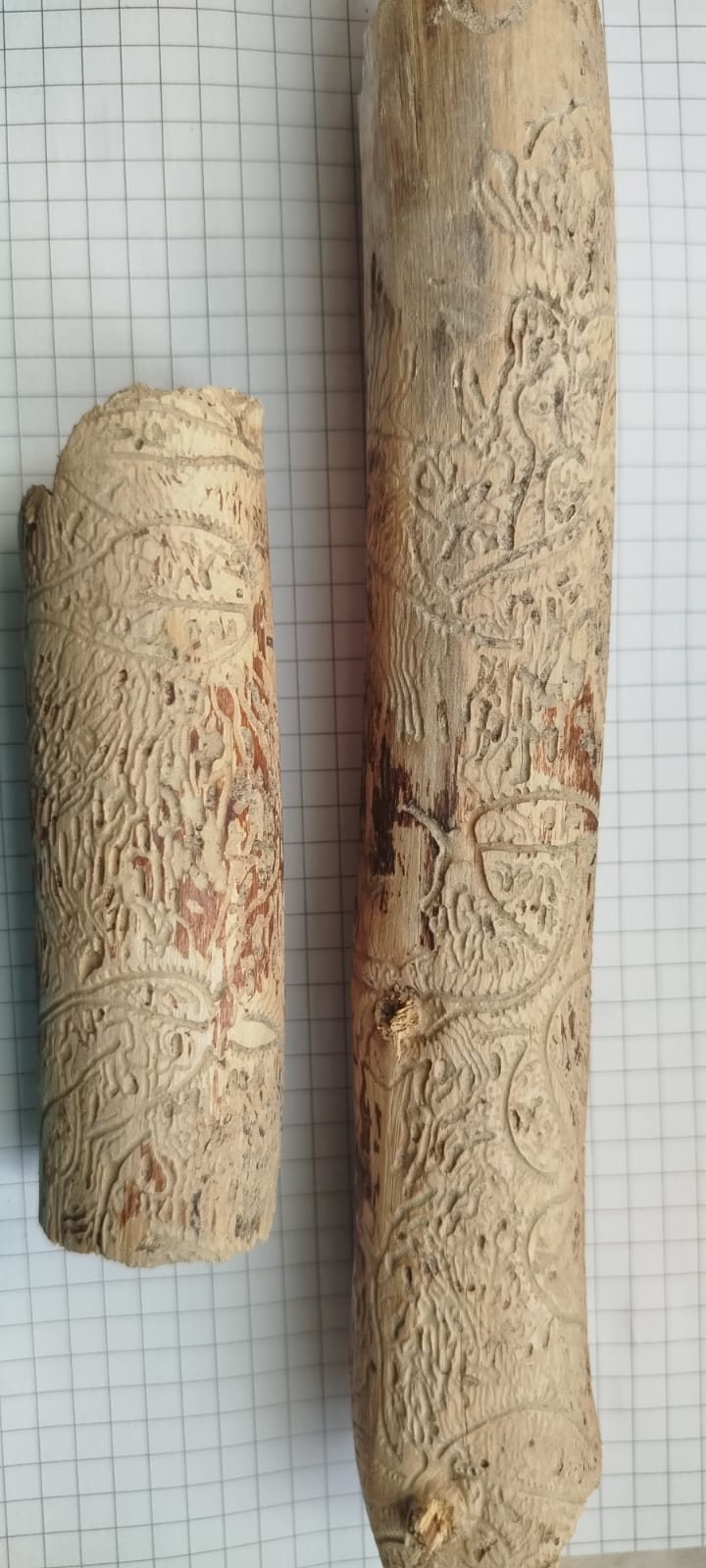
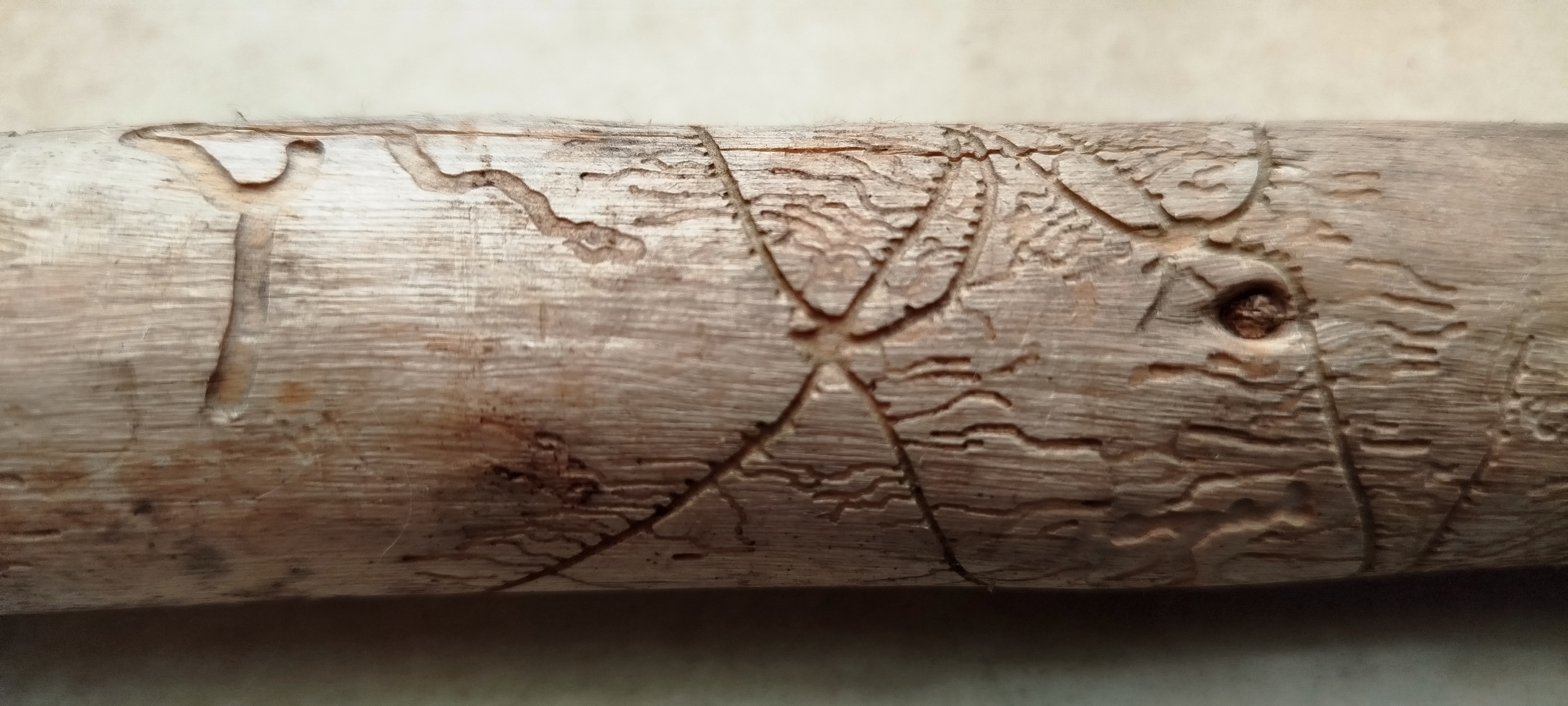
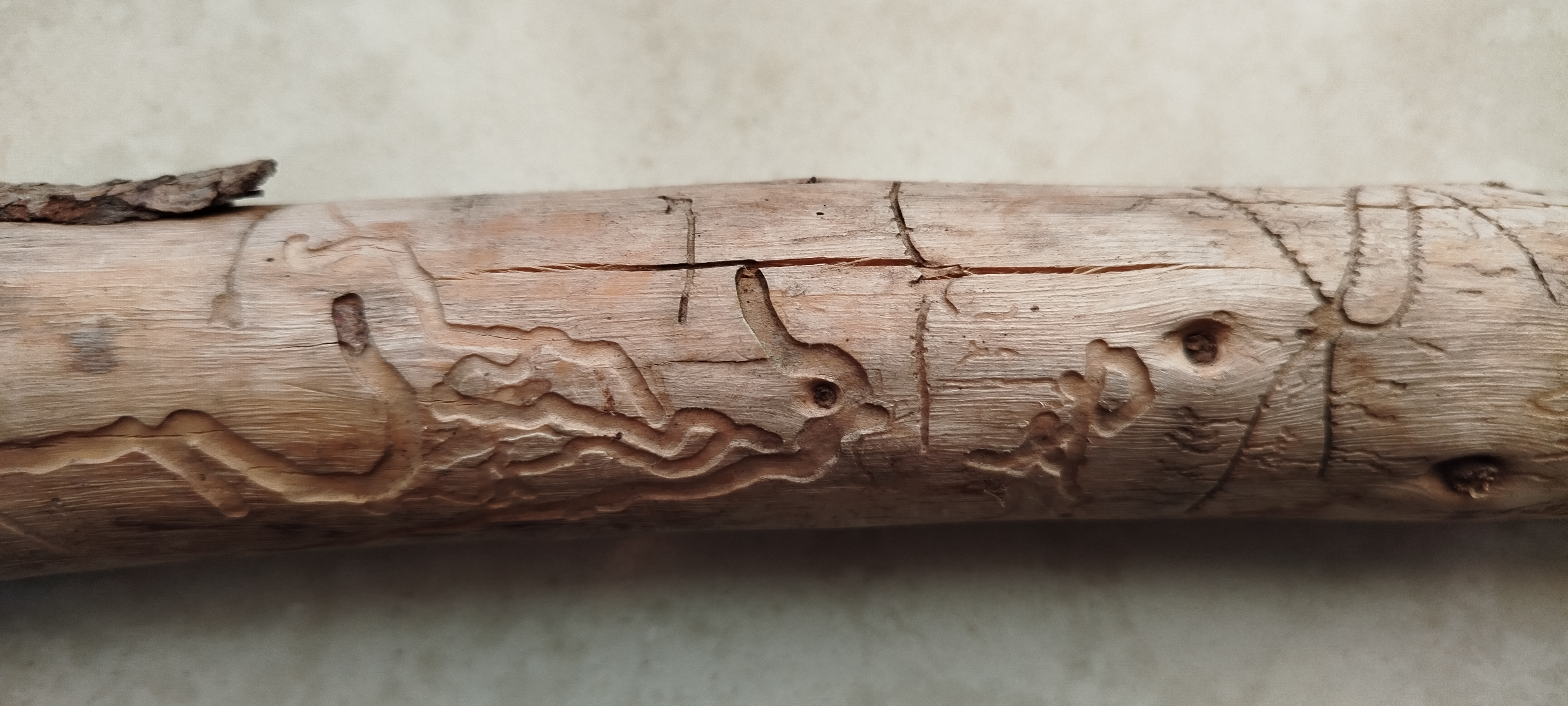
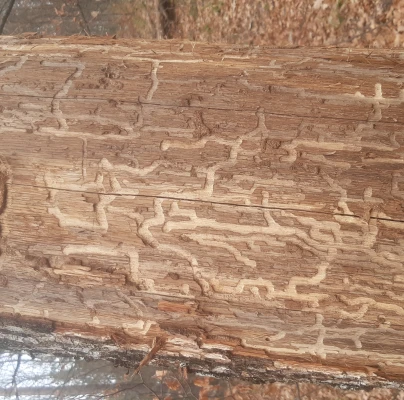
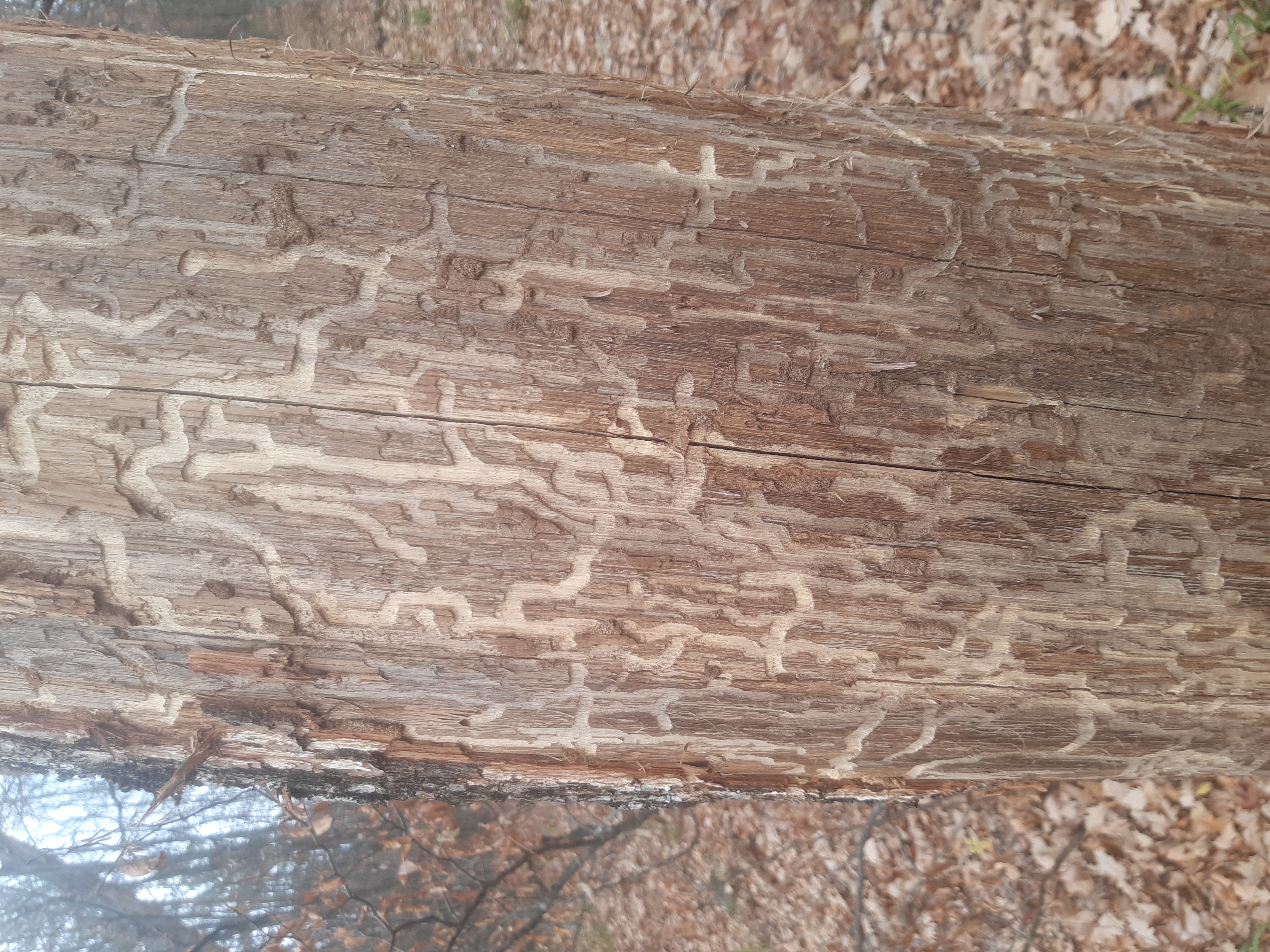
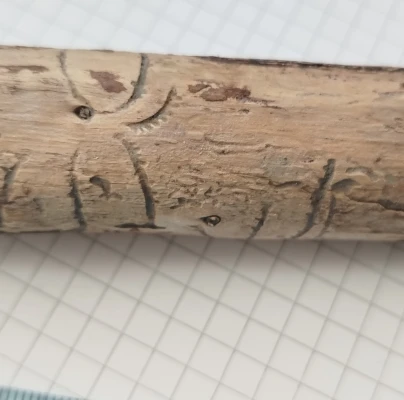
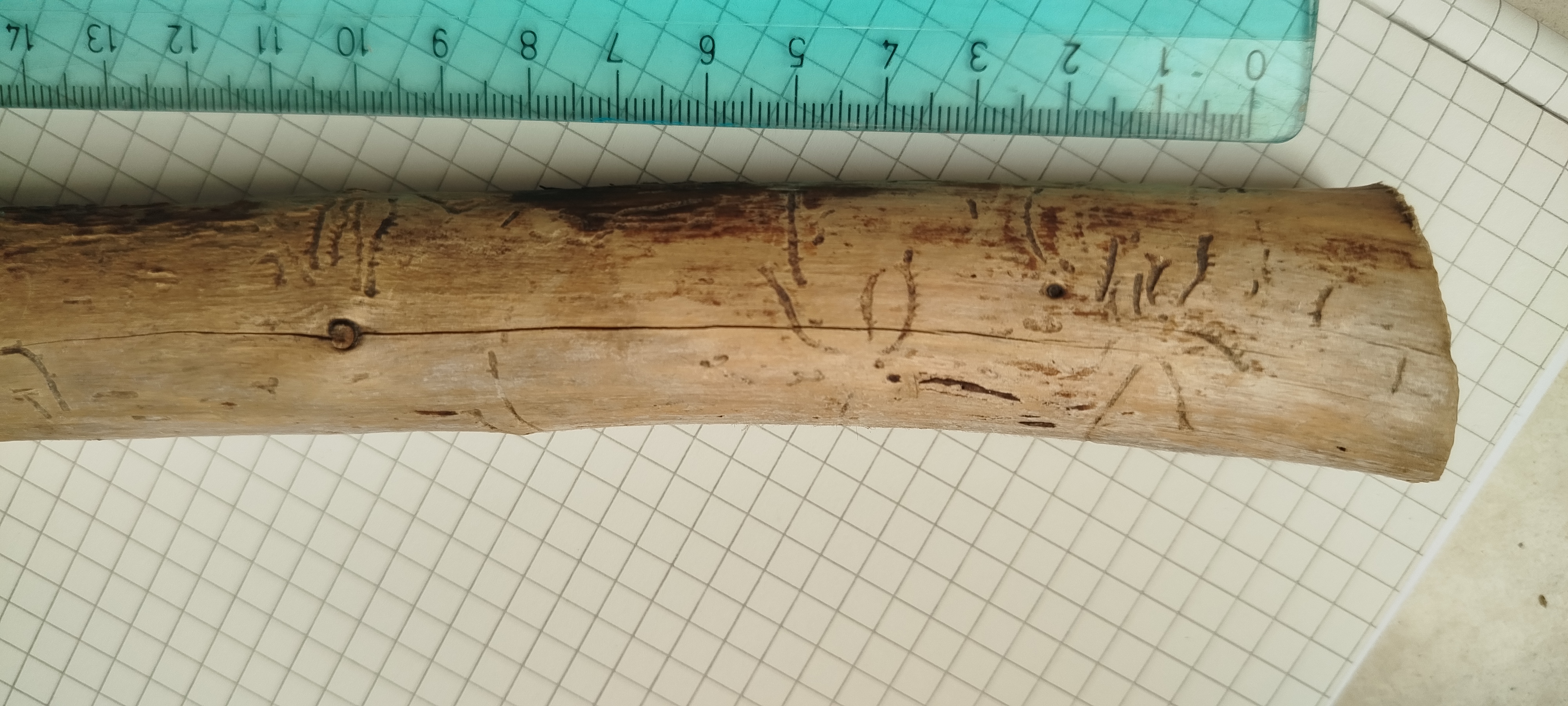
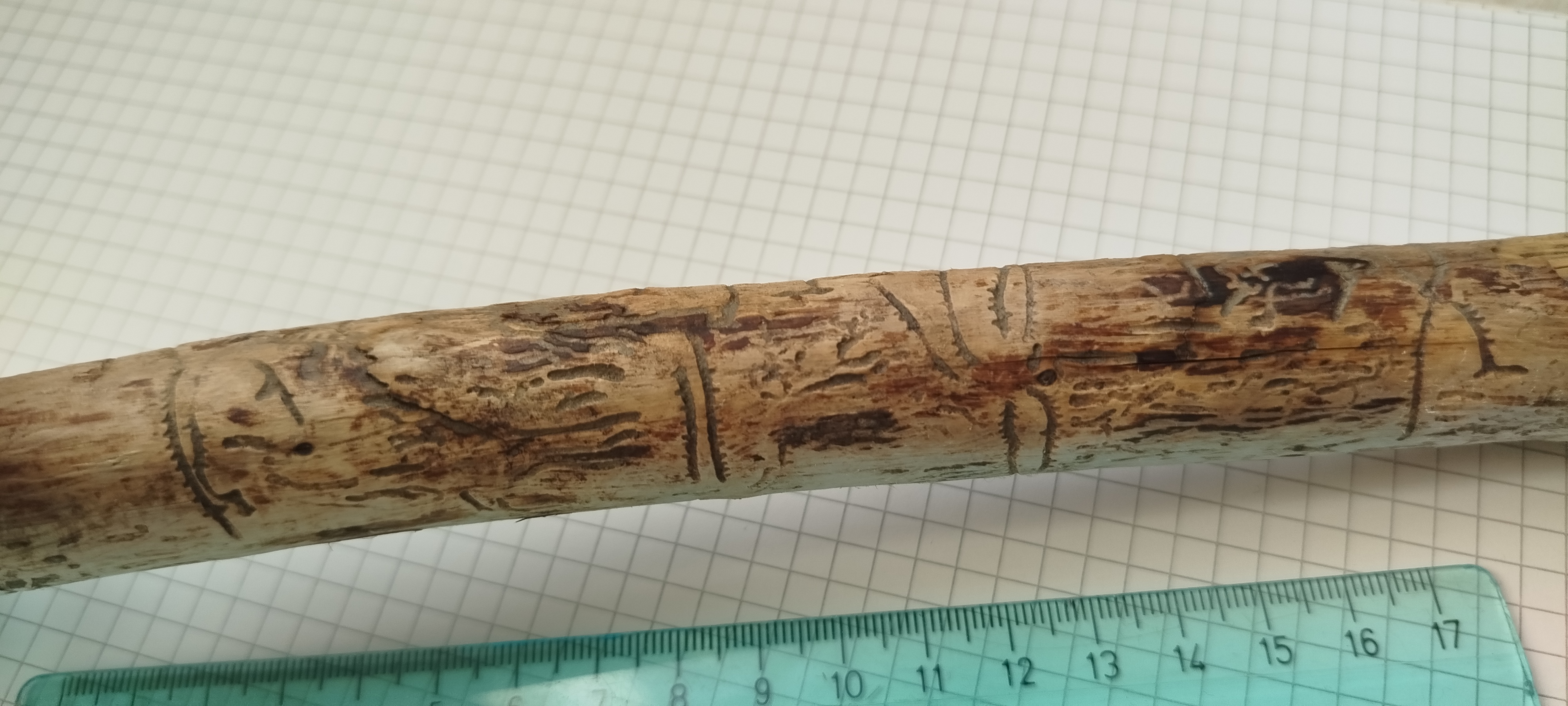
Hello, I found this branch last spring. It looks like it contains traces of different bark beetles. I can clearly see only one mating system with a nuptial chamber and others without the chamber. Thank you in advance for your help! Best regards Antonella

Answer

Hello,I think it is a species of the genus Pityogenes, probably P. bidntatus or P. quadridens.Best regardsJozef Vakula
Number of votes for this answer: 0

Pest

A - Ambiguously determined, we are not sure

A - Ambiguously determined, we are not sure

A - Ambiguously determined, we are not sure

A - Ambiguously determined, we are not sure

Received: 12.1.2026
Wood: Pine
Number: 7337
Date of occurrence: 28.4.2025
Discussion

Add comment: A - Ambiguously determined, we are not sure

European fir engraver beetle
Lykožrút korunovýLykožrút korunový
European fir engraver beetle
Number: 7334
Received 12.1.2026
In progress: 1 days
Date of occurrence: 24.7.2025
Significance: Harmful
Discussion
Assigned: J. Vakula
Country: Italy

Question

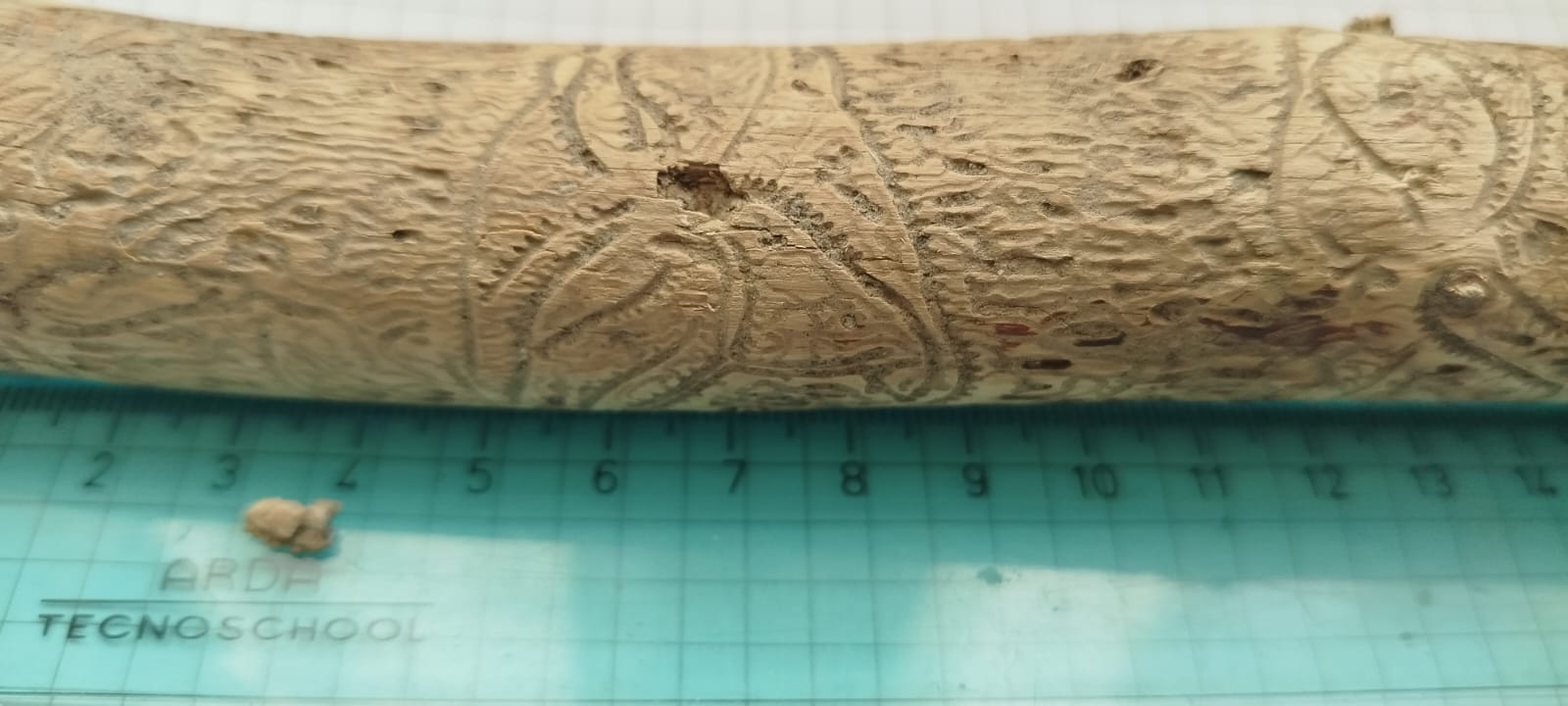
Hello, could you please help me to identify the little pest that left these galleries? Thank you very much in Advance. Best regards, Antonella

Answer

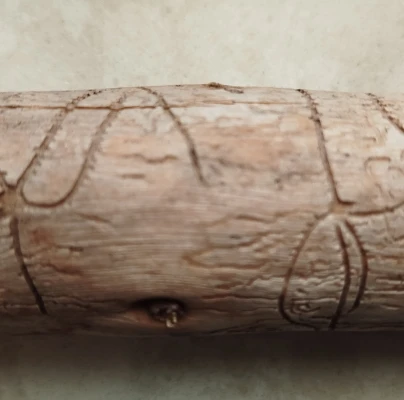
Hello,even though the galleries are old, I think it is Pityokteines vorontzowi. It is possible to confuse it with the species Pityophthorus pityographus, which has longer maternal tunnels and density larval tunnels.Best regardsJozef Vakula
Number of votes for this answer: 0

Pest

European fir engraver beetle

Pityokteines vorontzovi

European fir engraver beetle

Pityokteines vorontzovi

hmyz

Received: 12.1.2026
Wood: Fir
Number: 7334
Date of occurrence: 24.7.2025
Discussion

Add comment: European fir engraver beetle
Two-toothed pine beetle
Lykožrút dvojzubýLykožrút dvojzubý
Two-toothed pine beetle
Number: 7326
Received 11.1.2026
In progress: 1 days
Date of occurrence: 24.7.2025
Significance: Less harmful
Discussion
From: Antonella
Assigned: J. Galko
Country: Italy

Question

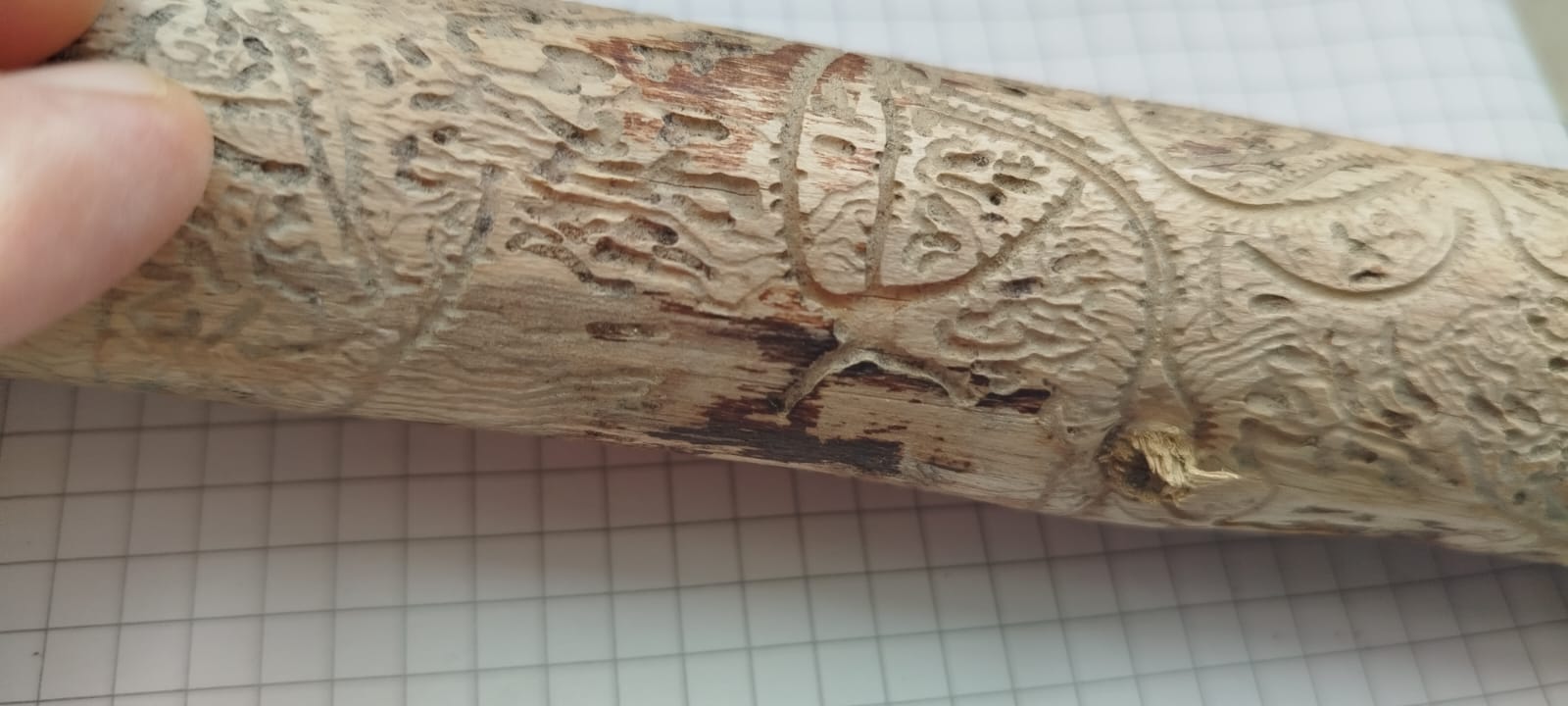
Hi, in this branch there are two types of traces. Could you tell me which kind of insects left them? Thank you very much! Best regards Antonella

Answer

Dear Antonella. The gallery with long tunnels looks like from Pityogenes bidentatus (commom on pine) and the third pictures looks like gallery created by Buprestidae family, I guess Anthaxia spp. See these species in our atlas or just Google it. Best regards, Juraj
Number of votes for this answer: 0

Pest

Two-toothed pine beetle

Pityogenes bidentatus

Two-toothed pine beetle

Pityogenes bidentatus

hmyz

Received: 11.1.2026
Wood: Fir
Number: 7326
Date of occurrence: 24.7.2025
Discussion

Add comment: Two-toothed pine beetle
Firethorn gall mite
Roztoč Aceria pyracanthi
Firethorn gall mite
Number: 7235
Received 7.12.2025
In progress: 1 days
Date of occurrence: 4.12.2025
Significance: Less harmful
Discussion
From: Sigi
Assigned: A. Kunca
Country: Germany

Question

Answer

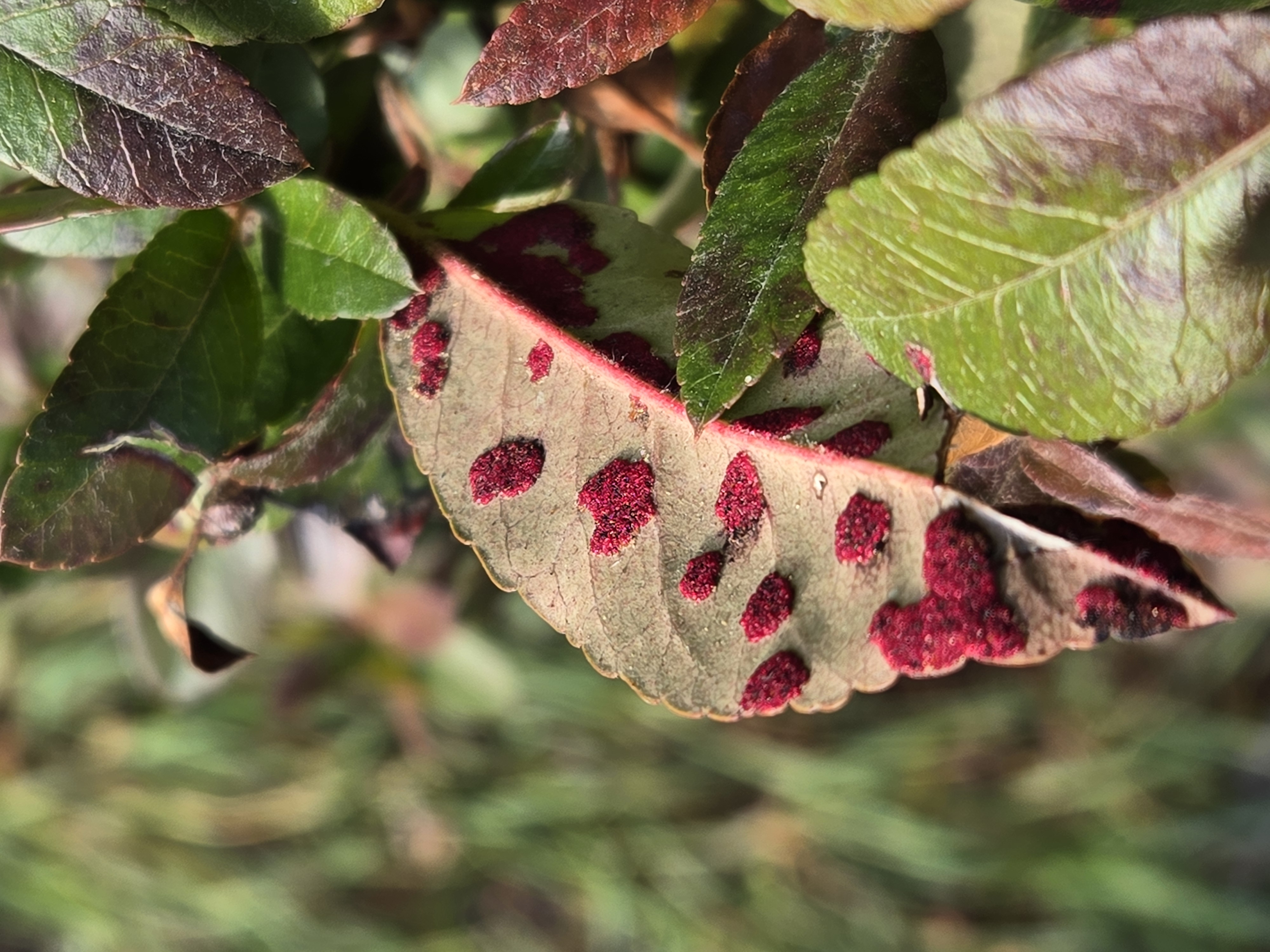
Aceria pyracanthi. AK.
Number of votes for this answer: 0

Pest

Firethorn gall mite

Aceria pyracanthi

Firethorn gall mite

Aceria pyracanthi

roztoce

Received: 7.12.2025
Wood: Firethorn
Number: 7235
Date of occurrence: 4.12.2025
Discussion

Add comment: Firethorn gall mite

Spruce webworm
Ploskanka smreková
Spruce webworm
Number: 7231
Received 1.12.2025
In progress: 16 days
Date of occurrence: 7.6.2025
Significance: Very harmful
Discussion
From: Rimvydas
Assigned: M. Zúbrik
Country: Lithuania

Question

Answer

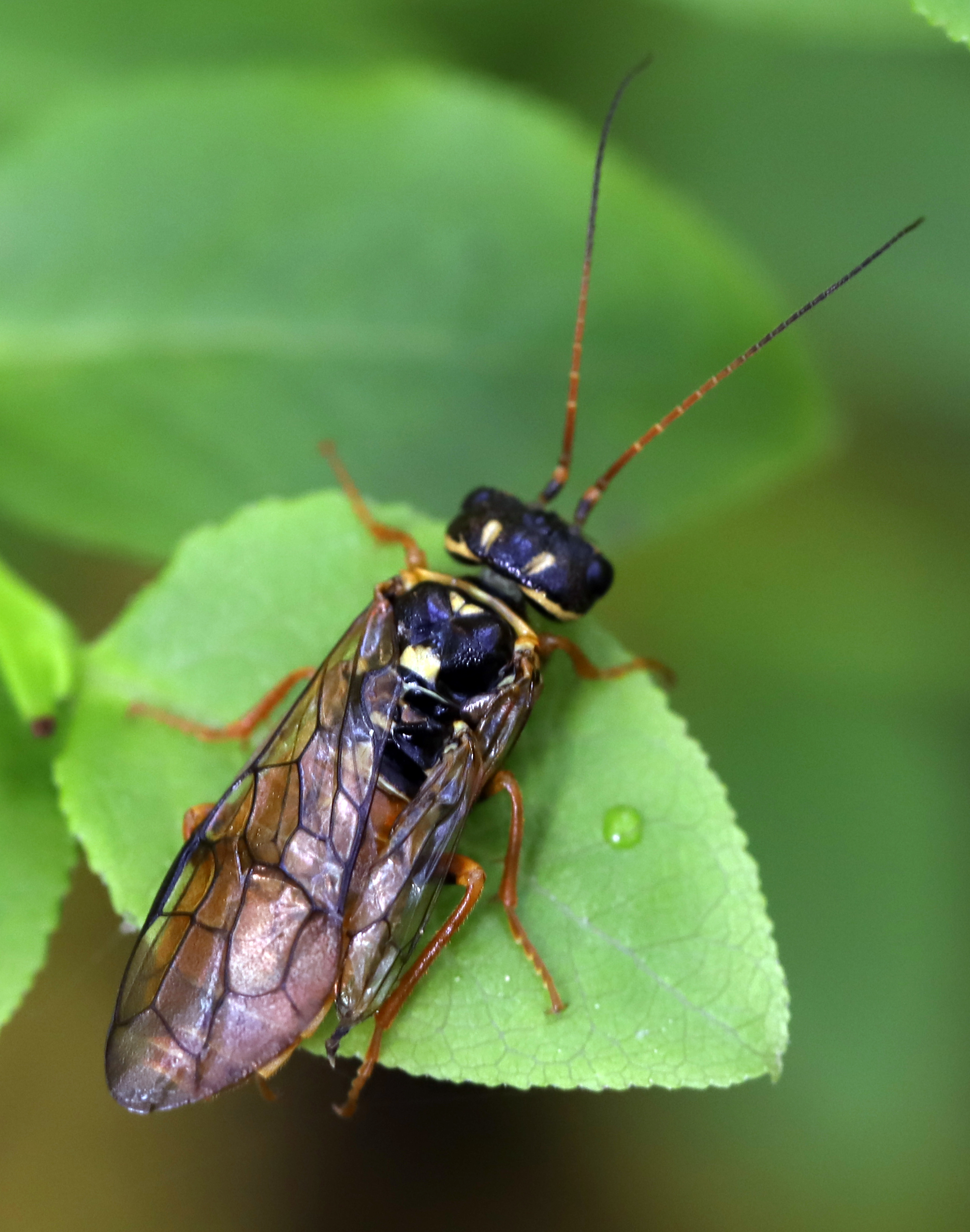
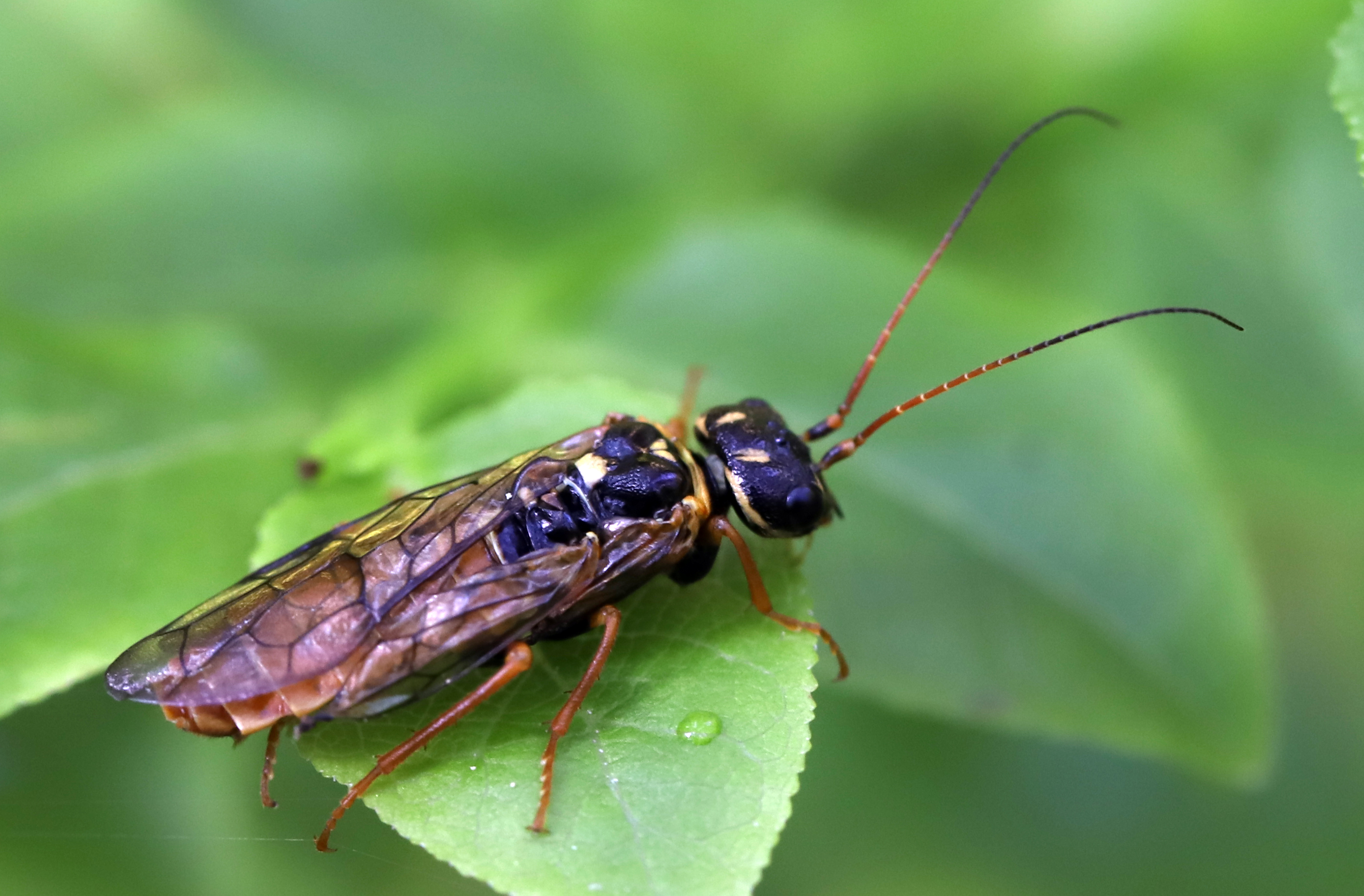
Dear Rimvydas, thank you very much for your inquiry. Based on the photograph, it appears that this could be Cephalcia abietis; however, we do not dare to confirm this identification with 100% certainty. Our colleague, who is a specialist in Symphyta, is currently unavailable and therefore was not able to confirm the identification. For the time being, we will list the record as Cephalcia abietis, and if our colleague gets back to us, we will revise the identification if necessary. Thank you once again, and we apologize for not replying sooner — we were waiting for confirmation of our identification, which unfortunately has not yet arrived. We wish you a wonderful Christmas holiday!
Number of votes for this answer: 0

Pest

Spruce webworm

Cephalcia abietis

Spruce webworm

Cephalcia abietis

roztoce

Received: 1.12.2025
Wood: Spruce
Number: 7231
Date of occurrence: 7.6.2025
Discussion

Add comment: Spruce webworm

Long-horned beetle Plagionotus arcuatus
Fuzáč dubovýFuzáč dubovýFuzáč dubový
Long-horned beetle Plagionotus arcuatus
Number: 7199
Received 17.11.2025
In progress: 1 days
Date of occurrence: 16.11.2025
Significance: Very harmful
Discussion
From: Karlo
Assigned: J. Galko
Country: Croatia

Question

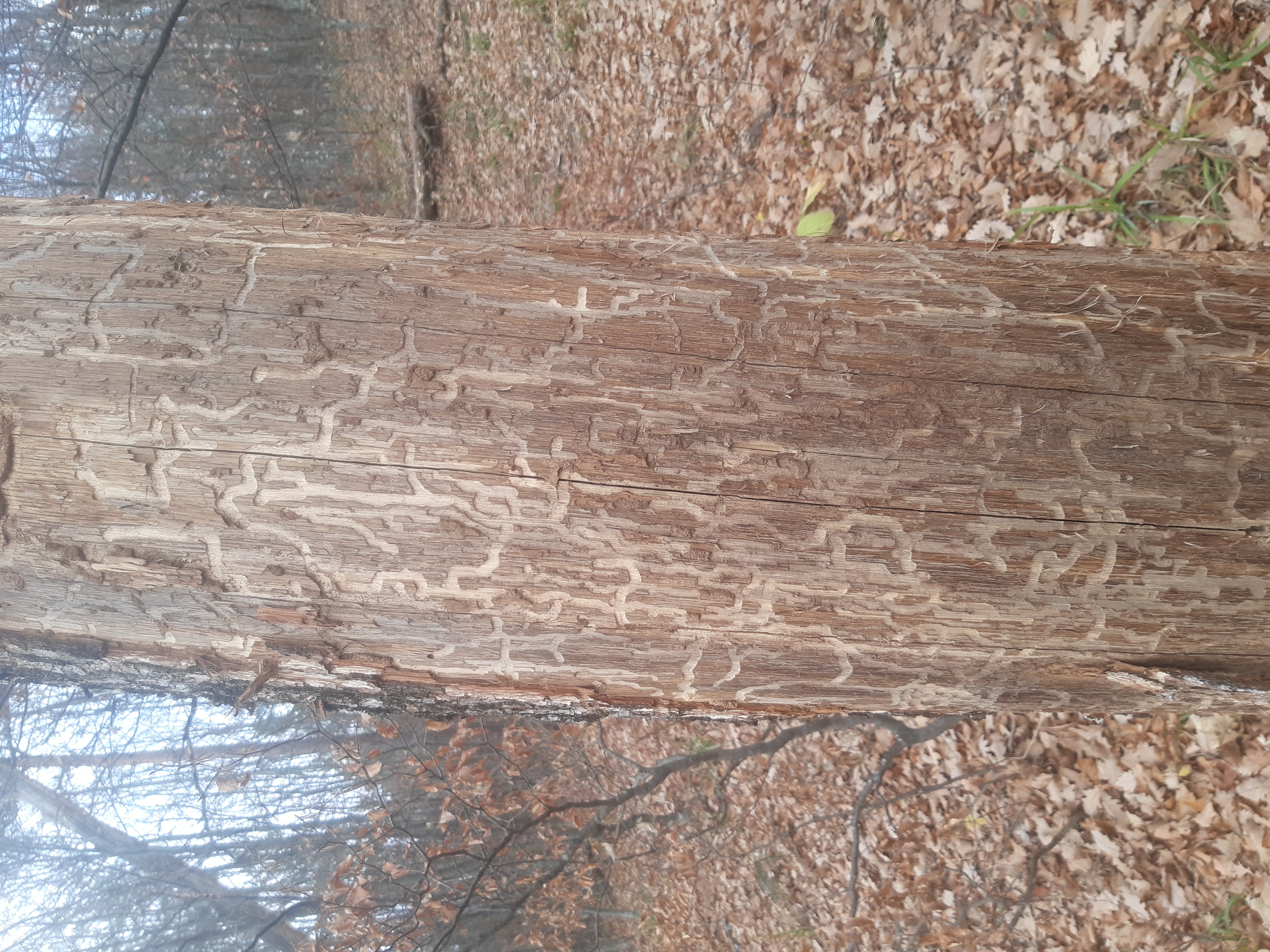
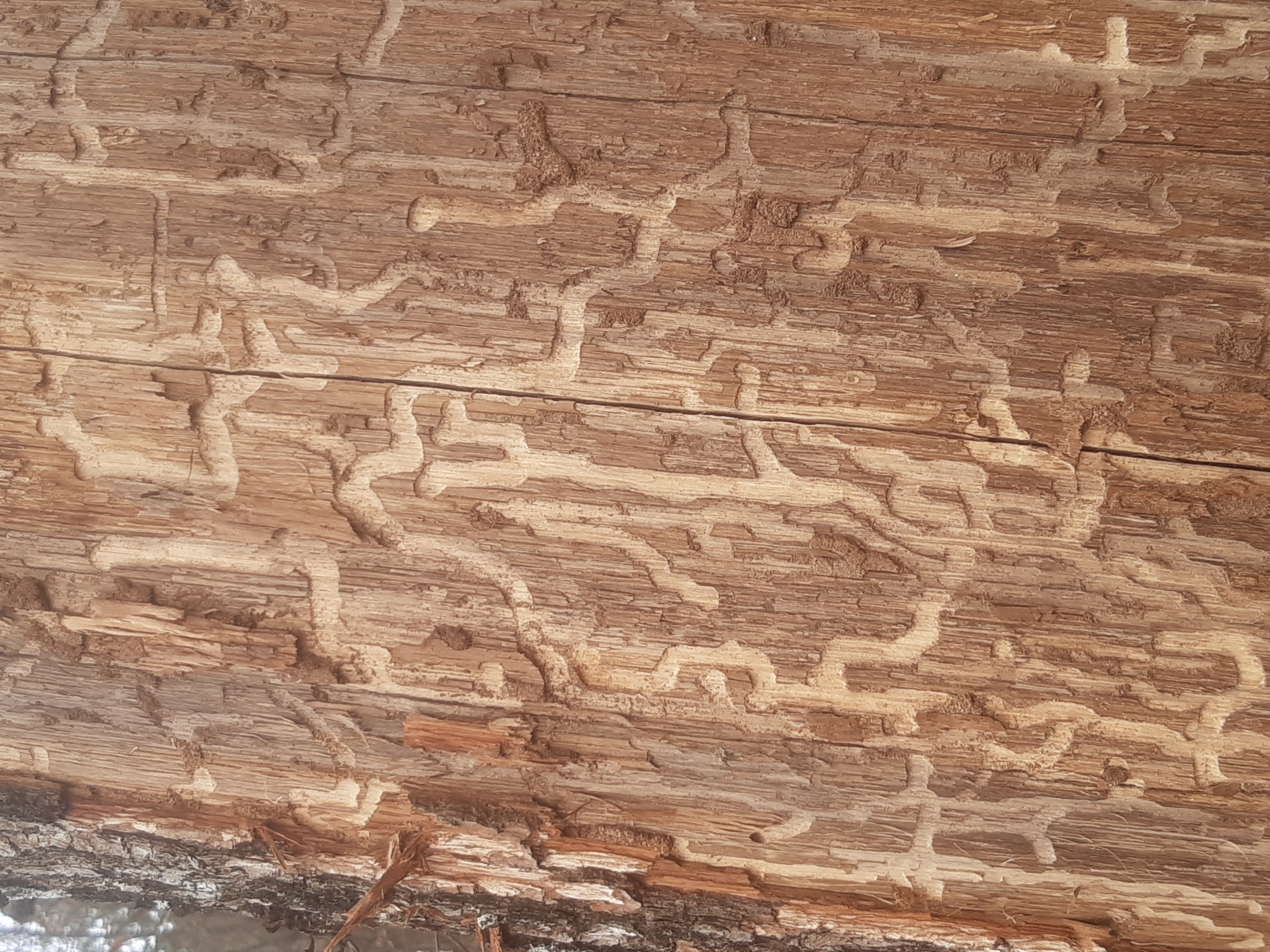
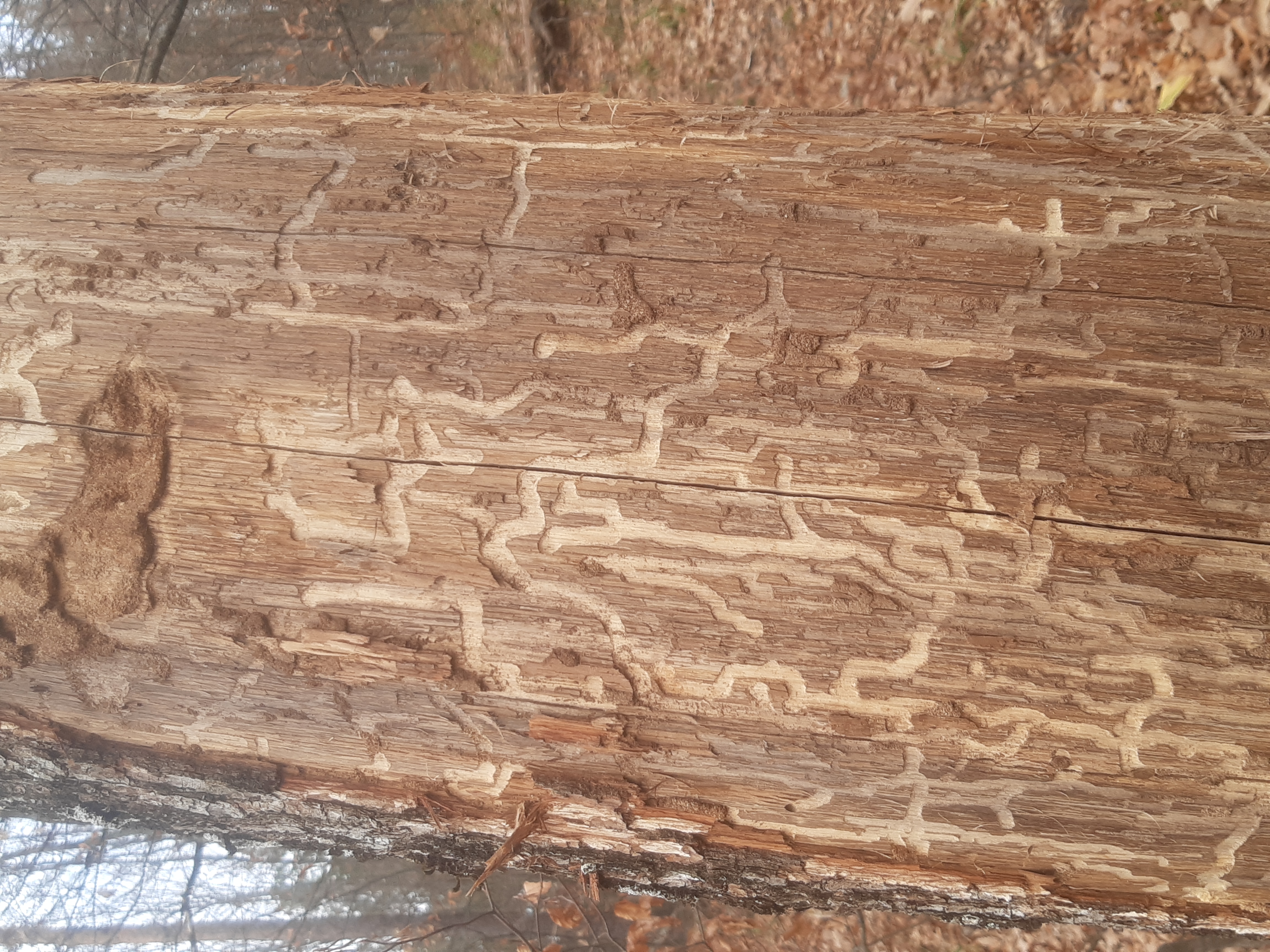
I suspect that the damage was caused by beetles in the order Coleoptera, most likely from the families Cerambycidae or Buprestidae. The affected material was found on sessile oak (Quercus petraea), and the tree was already dead.

Answer

Dear Karlo. The gallery belongs to Cerambycidae family and it is most probably the genus Plagionotus. On oaks there develops many Cerambycid species so it is hard to say witch one is it without imago picture. All the best, Juraj.
Number of votes for this answer: 0

Pest

Long-horned beetle Plagionotus arcuatus
Plagionotus arcuatus

Long-horned beetle Plagionotus arcuatus
Plagionotus arcuatus

hmyz

Received: 17.11.2025
Wood: Oak
Number: 7199
Date of occurrence: 16.11.2025
Discussion

Add comment: Long-horned beetle Plagionotus arcuatus

Fir broom rust
Metlovka jedľováMetlovka jedľová
Fir broom rust
Number: 7197
Received 17.11.2025
In progress: 3 days
Date of occurrence: 13.11.2025
Significance: Very harmful
Discussion
Assigned: A. Kunca
Country: Italy

Question

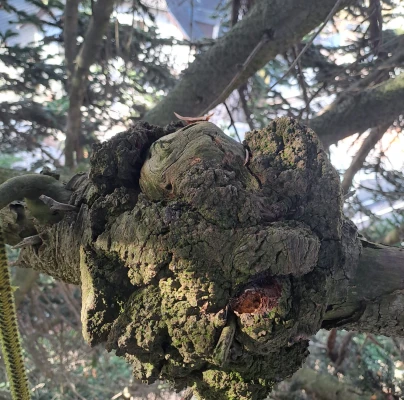
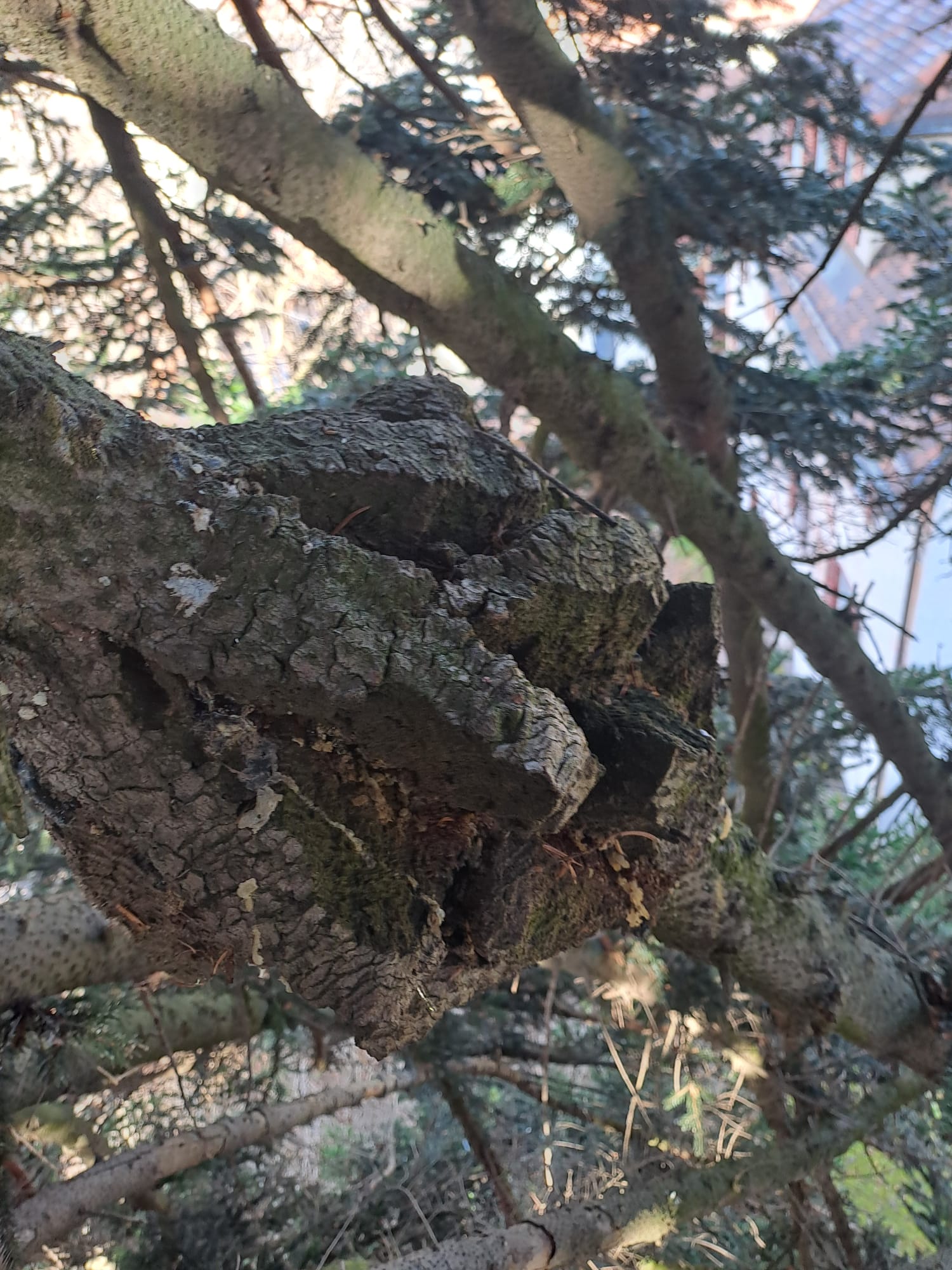
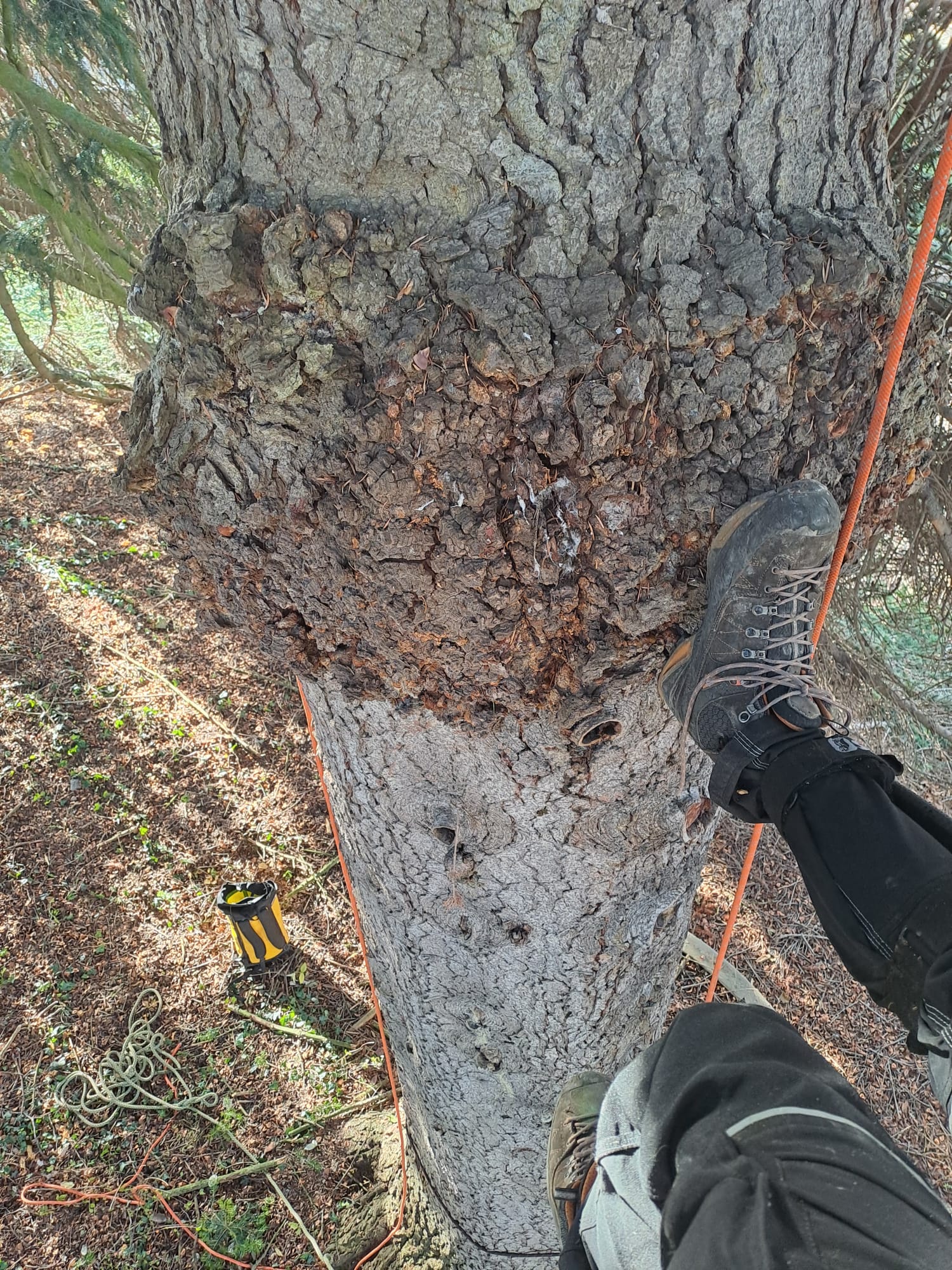
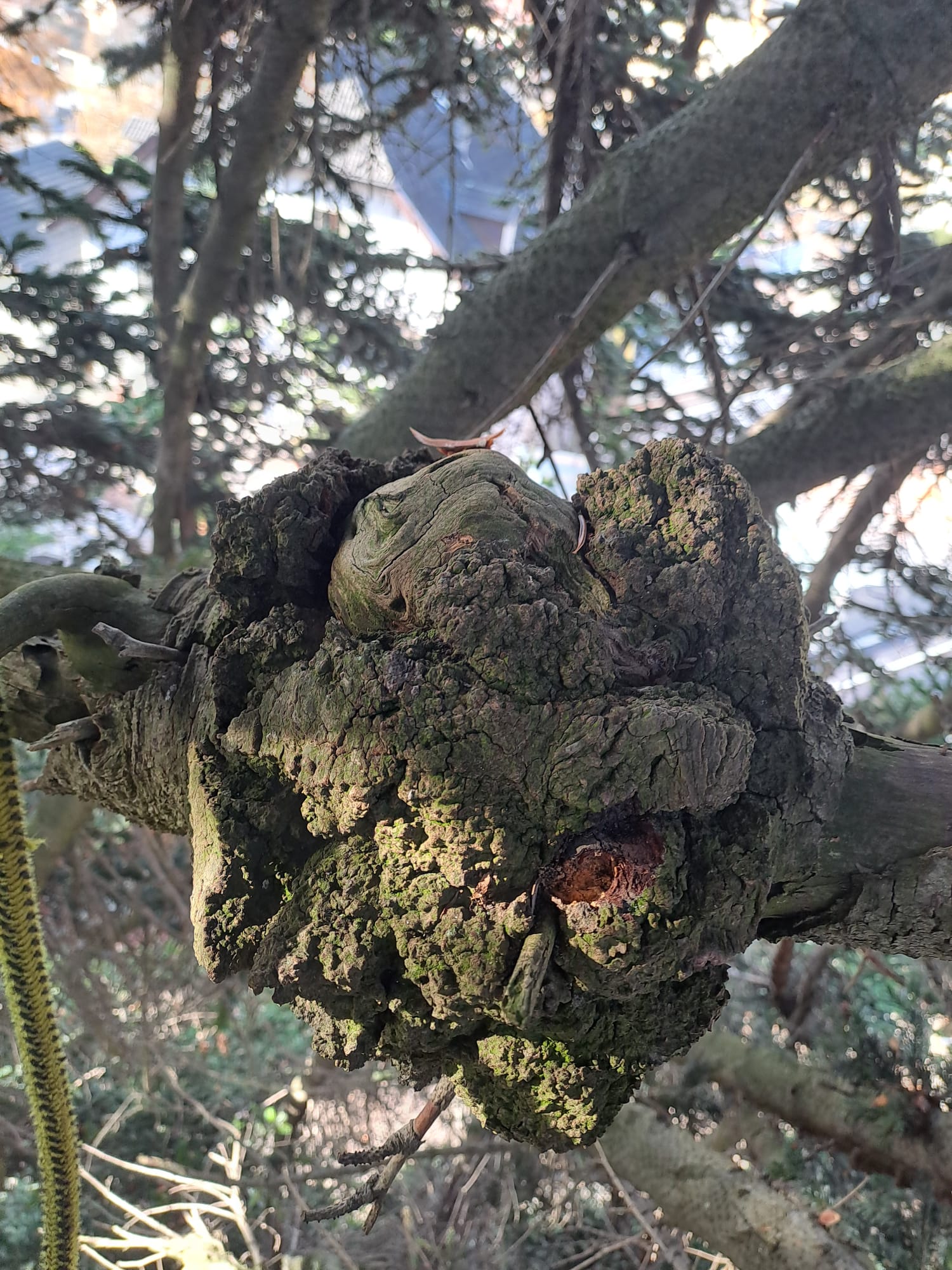
symptoms detected on the stem (4.5 m high) and low branches of Abies nordmanniana present in a private garden. The tree is approximately 110 years old and has no further symptoms

Answer

I think the canker was caused by rust Melampsorella caryophyllacearum. It makes the infectios rout for wood rot fungi, but sometimes doesnt. Hopefully the rot is not developing. If yes, look for fruiting bodies most often of Phellinus hartigii. AK.
Number of votes for this answer: 0

Pest

Fir broom rust

Melampsorella caryophyllacearum

Fir broom rust

Melampsorella caryophyllacearum

huby

Received: 17.11.2025
Wood: Jedľa
Number: 7197
Date of occurrence: 13.11.2025
Discussion

Add comment: Fir broom rust

Olive moth
Priadzovček olivovýPriadzovček olivový
Olive moth
Number: 7119
Received 8.11.2025
In progress: 0 days
Date of occurrence: 8.11.2025
Significance: Very harmful
Discussion
From: Yann
Assigned: M. Zúbrik
Country: Croatia

Question

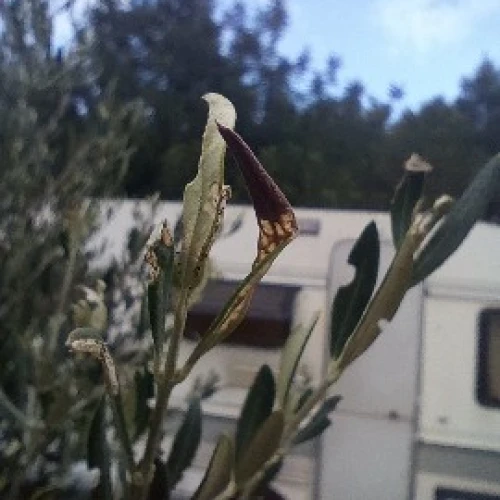
All branch tops are affected, mainly new leaves. Found two small green caterpillars between leaves. Suspect olive moth?

Answer

Dear Yann,yes, I think you are right – it really looks like olive moth (Prays oleae). The damage to the young shoots and the presence of small green caterpillars fit this species perfectly. With best regards Milan Zubrik
Number of votes for this answer: 0

Pest

Olive moth

Prays oleae

Olive moth

Prays oleae

hmyz

Received: 8.11.2025
Wood: Olive
Number: 7119
Date of occurrence: 8.11.2025
Discussion

Add comment: Olive moth

Back to top