Login | Registration | List of contributors

Requests to determine the cause of damage

Here you can request to determine the cause of the damage. You can view the requests of other users and sort them according to the selected criteria. In addition, you can get information about your request, and you can follow the progress of its current state. If your application was not approved, it had probably been because it was impossible to identify the damage based on the sent photos or because the application does not address our topic - determining the pests of trees and shrubs. We will inform you about the status of your application by email.

Filter reset

Code
Date
Assigned
Status
Days from submission
7470
26.2.2026
A. Kunca
Completed
0
7469
26.2.2026
M. Zúbrik
Completed
0
7456
20.2.2026
A. Kunca
Completed
4
7455
19.2.2026
M. Zúbrik
Completed
1
7449
17.2.2026
M. Zúbrik
Completed
1
7448
17.2.2026
V. Longauerová
Completed
1
7416
2.2.2026
M. Zúbrik
Completed
0
7415
2.2.2026
A. Kunca
Completed
1
7409
27.1.2026
R. Leontovyč
Completed
7
7407
27.1.2026
A. Kunca
Completed
7

Rejected requests are not displayed. You have been notified by email that your application has been denied.
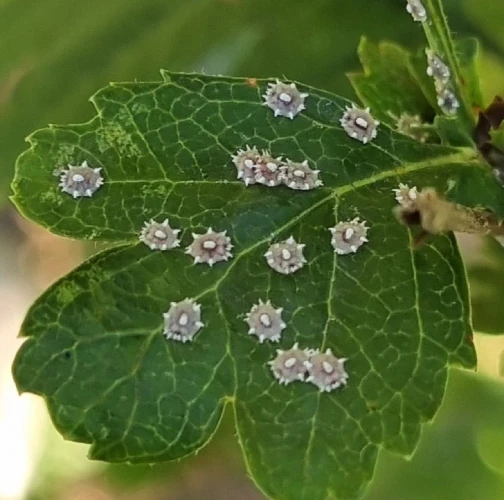
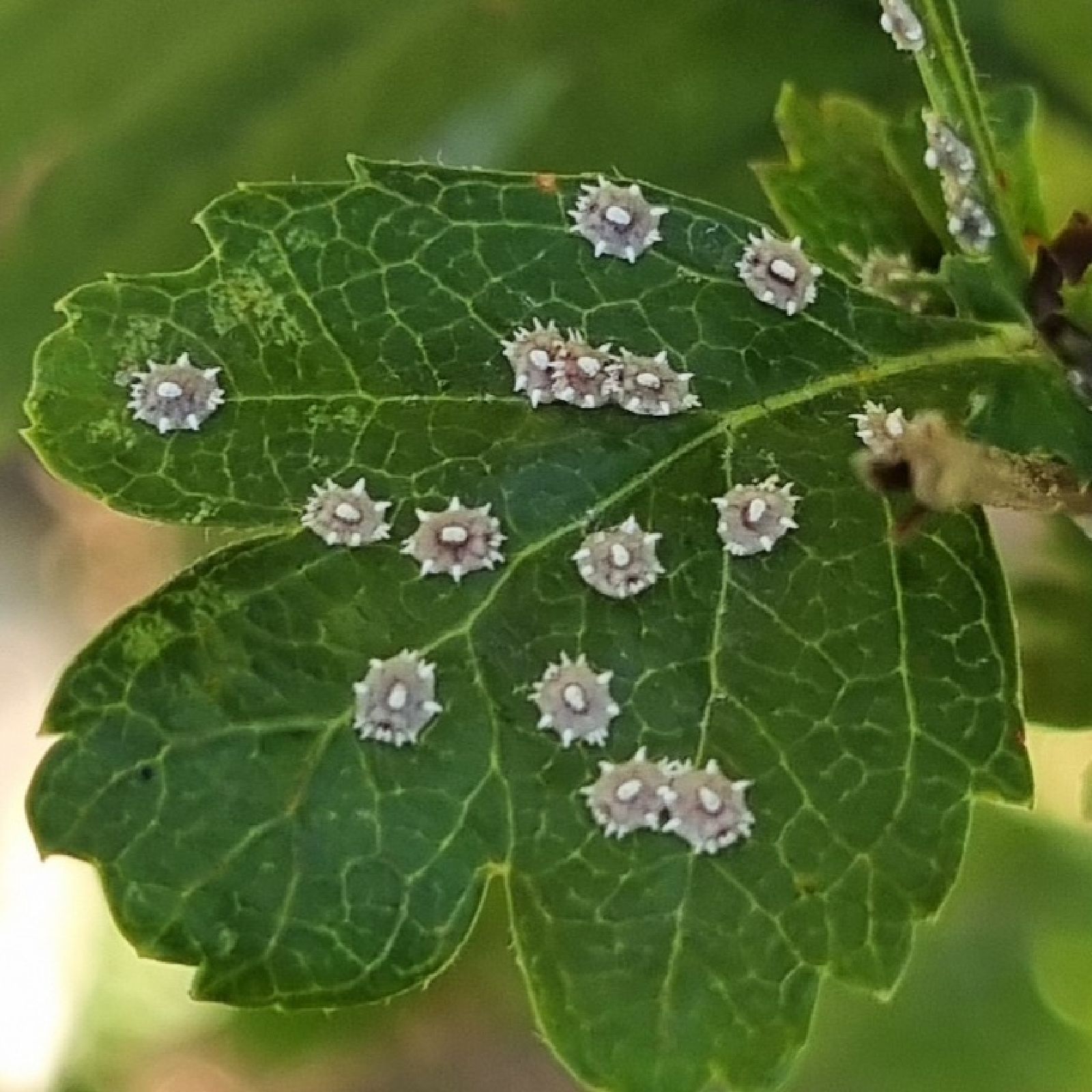
 

Japanese wax scale
Japanese wax scale
Number: 5066
Received 9.9.2024
In progress: 1 days
Date of occurrence: 9.9.2024
Significance: Harmful
Discussion
From: gio
Assigned: M. Zúbrik
Country: Italy

Question

Answer

Dear Gio, thank you for your request and picture. It appears to be a species from the genus Ceroplastes. There are at least four very similar species in your area: Ceroplastes rusci (Fig wax scale), Ceroplastes floridensis (Florida wax scale), Ceroplastes japonicus, and Ceroplastes sinensis (Chinese wax scale). All these species produce waxy coverings that look similar, and they are mainly found in the warmer parts of Europe, particularly in the Mediterranean region. Among these species, Ceroplastes japonicus, Ceroplastes rusci (Fig wax scale), and Ceroplastes floridensis (Florida wax scale) have been reported to infest hawthorn (Crataegus spp.) as a host plant. All of them are polyphagous, meaning they can feed on a wide variety of plants, including ornamental and fruit-bearing species like hawthorn. Identifying these species often requires a detailed examination of their physical characteristics, possibly using a microscope to examine the body structure beneath the wax. There is quite a lot of information about Ceroplastes japonicus on our website. Please visit this page: https://www.forestpests.eu/pest/ceroplastes-japonicus. With best regards, M. Zubrik
Number of votes for this answer: 0

Pest

Japanese wax scale

Ceroplastes japonicus

Japanese wax scale

Ceroplastes japonicus

hmyz

Received: 9.9.2024
Wood: Hawthorn
Number: 5066
Date of occurrence: 9.9.2024
Discussion

Add comment: Japanese wax scale

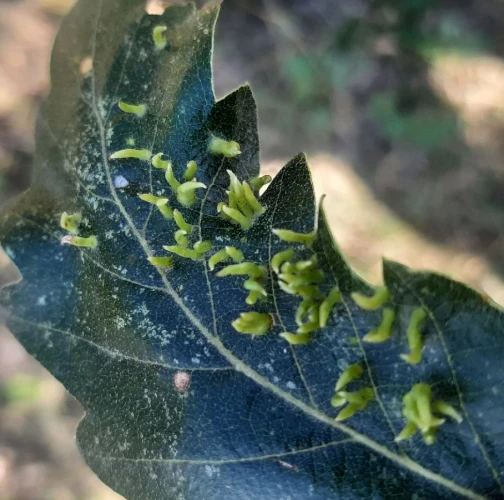
Gall midge Contarinia subulifex
Number: 5063
Received 8.9.2024
In progress: 1 days
Date of occurrence: 8.9.2024
Significance: Less harmful
Discussion
From: majo
Assigned: M. Zúbrik
Country: Slovakia

Question

Answer

Hrčiarka Contarinia subulifex - tento rok hojná. S pozdravom M. Zúbrik
Number of votes for this answer: 0

Pest

Gall midge Contarinia subulifex

Contarinia subulifex

Gall midge Contarinia subulifex

Contarinia subulifex

hmyz

Received: 8.9.2024
Wood: Dub
Number: 5063
Date of occurrence: 8.9.2024
Discussion

Add comment: Gall midge Contarinia subulifex
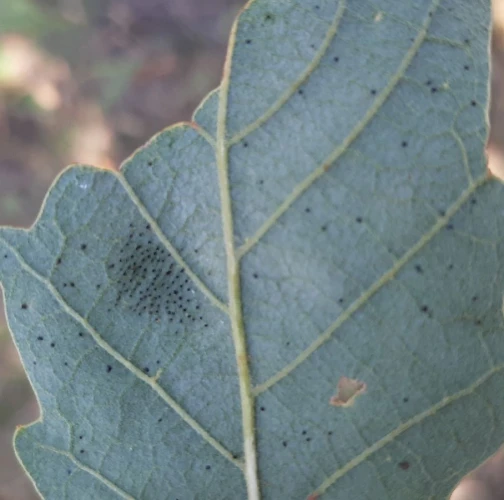
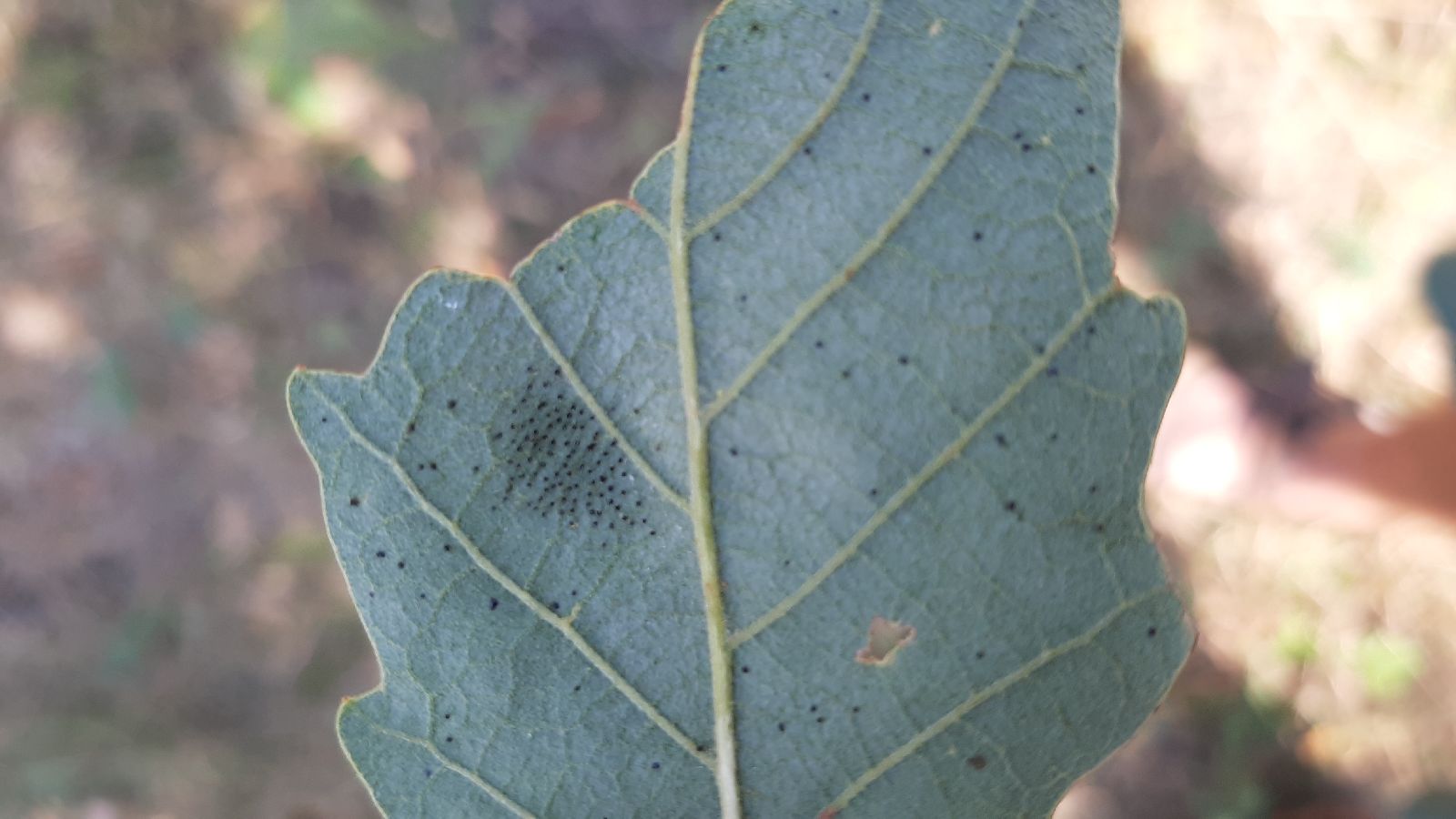
Oak lace bug
Oak lace bug
Number: 5062
Received 8.9.2024
In progress: 1 days
Date of occurrence: 8.9.2024
Significance: Harmful
Discussion
From: majo
Assigned: M. Zúbrik
Country: Slovakia

Question

Answer

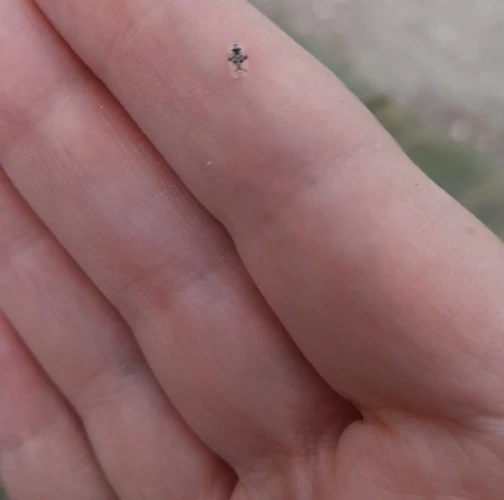
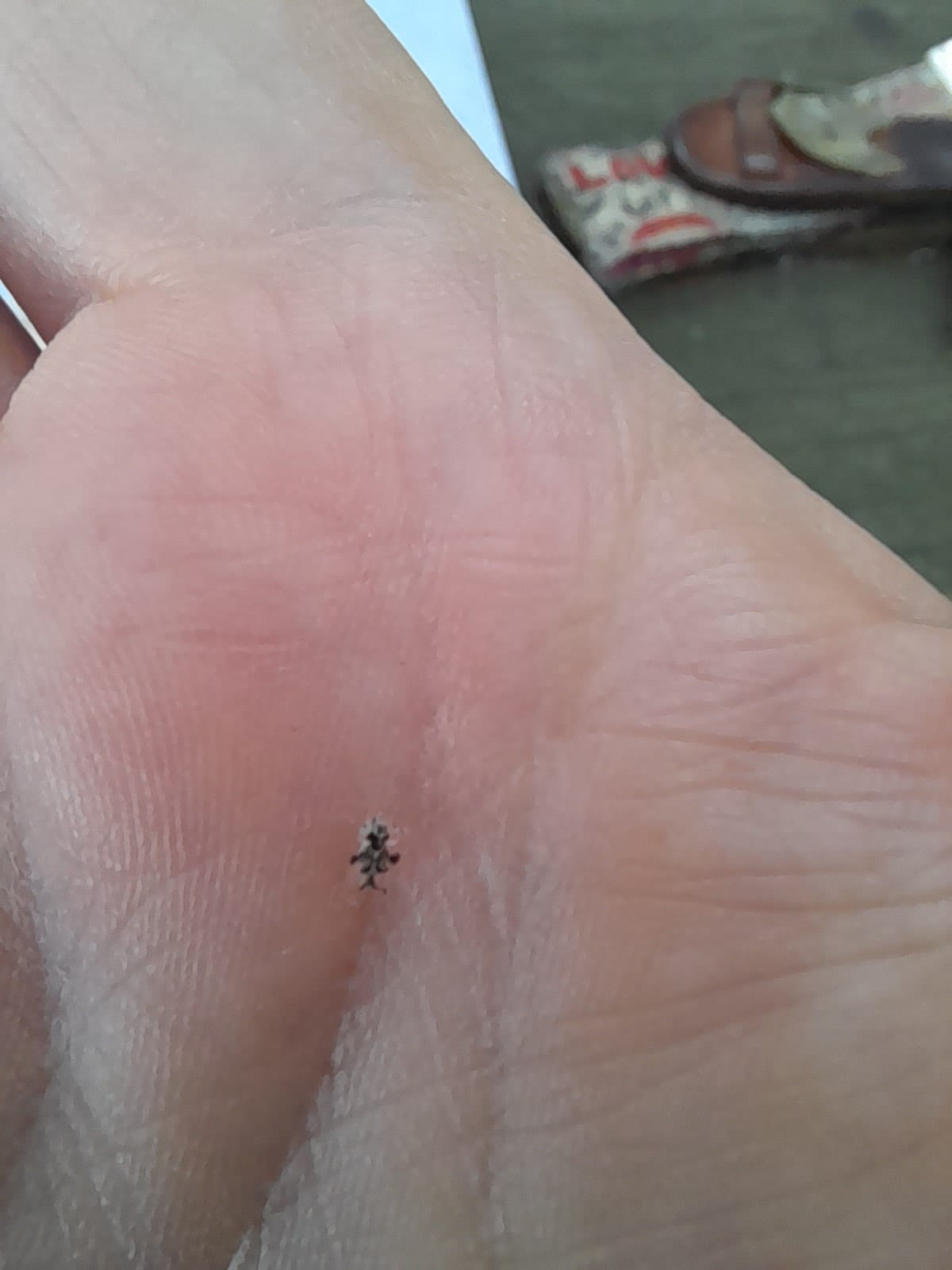
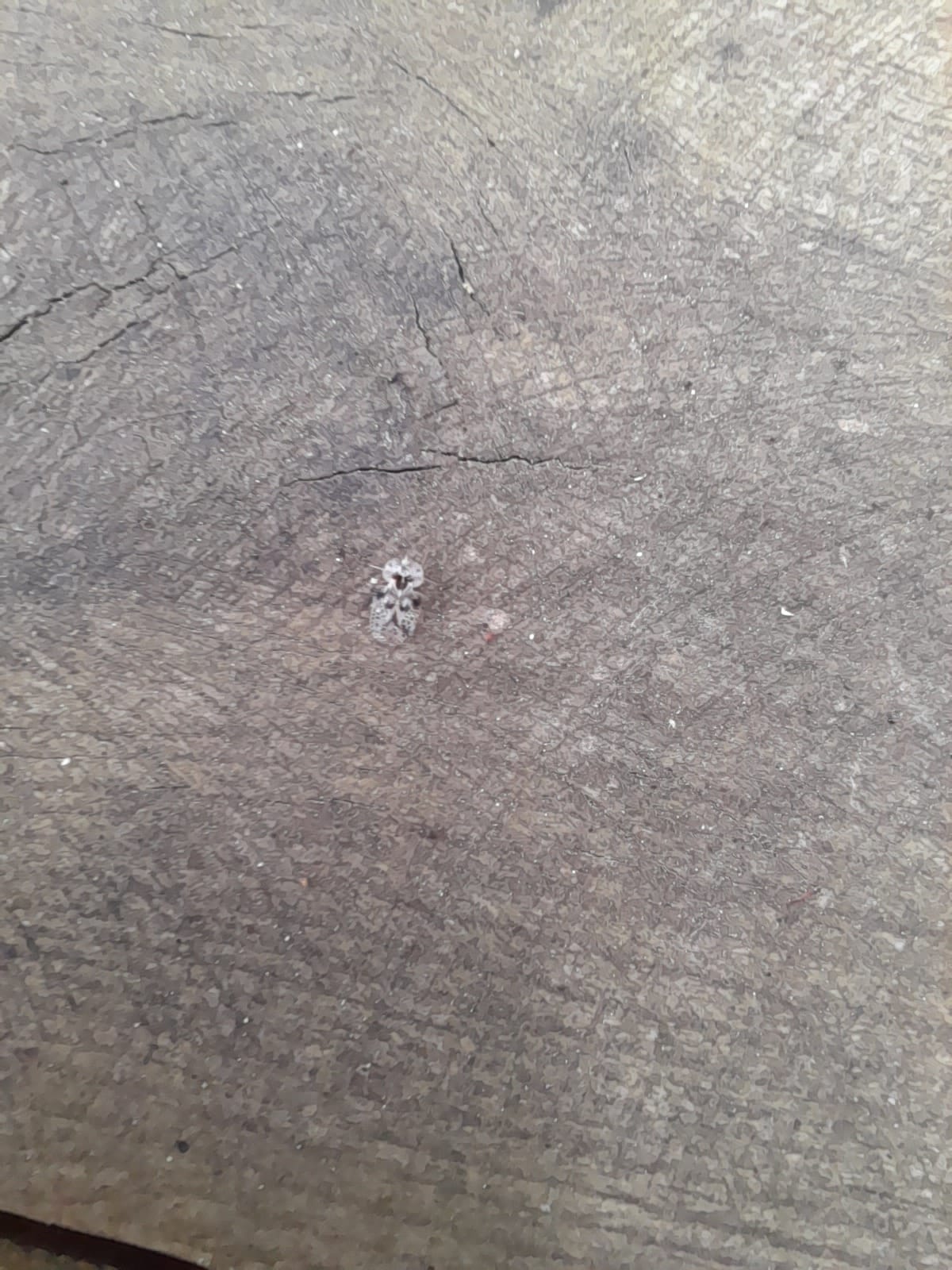
Sietnička dubová C. arcuata. S pozdravom M. Zúbrik
Number of votes for this answer: 0

Pest

Oak lace bug

Corythucha arcuata

Oak lace bug

Corythucha arcuata

hmyz

Received: 8.9.2024
Wood: Dub
Number: 5062
Date of occurrence: 8.9.2024
Discussion

Add comment: Oak lace bug

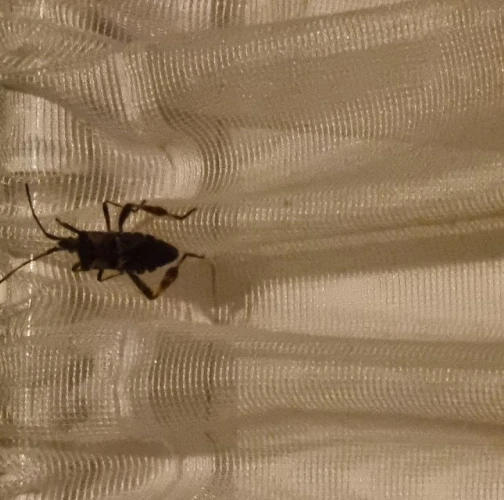
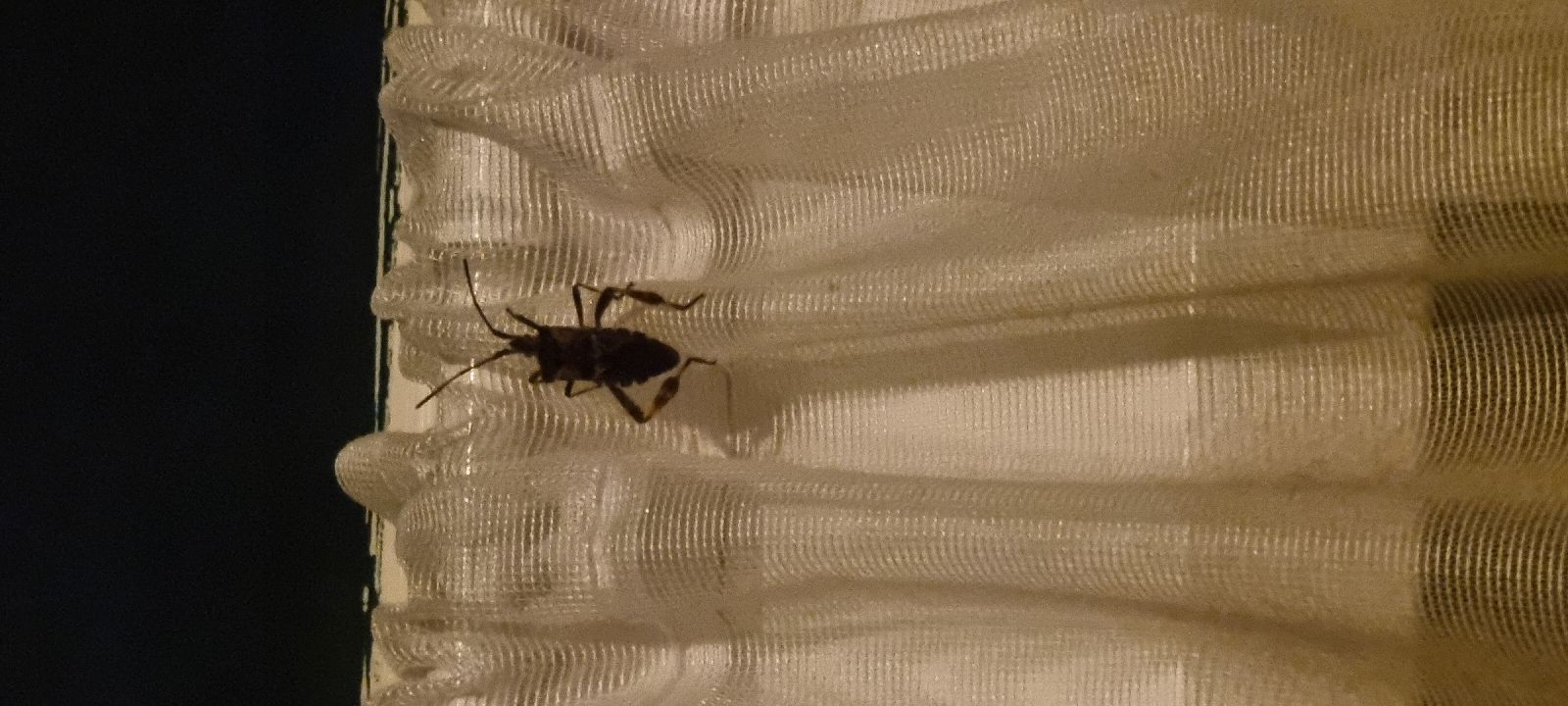
Western conifer seed bug
Number: 5061
Received 7.9.2024
In progress: 0 days
Date of occurrence: 7.9.2024
Significance: Less harmful
Discussion
Assigned: M. Zúbrik
Country: United Kingdom

Question

Answer

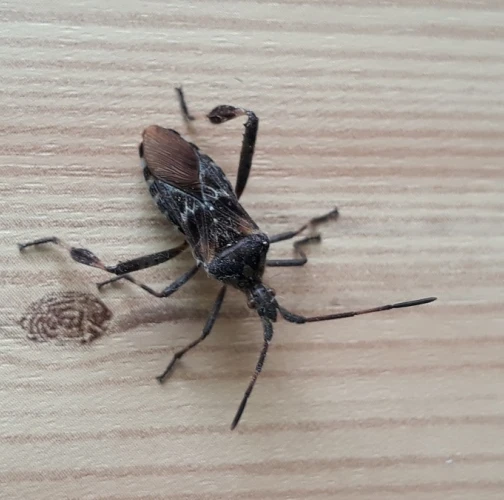
Dear Elize, thank you for a picture of Leptoglossus occidentalis. With best regards M. Zubrik
Number of votes for this answer: 0

Pest

Western conifer seed bug

Leptoglossus occidentalis

Western conifer seed bug

Leptoglossus occidentalis

hmyz

Received: 7.9.2024
Wood: Blackthorn
Number: 5061
Date of occurrence: 7.9.2024
Discussion

Add comment: Western conifer seed bug
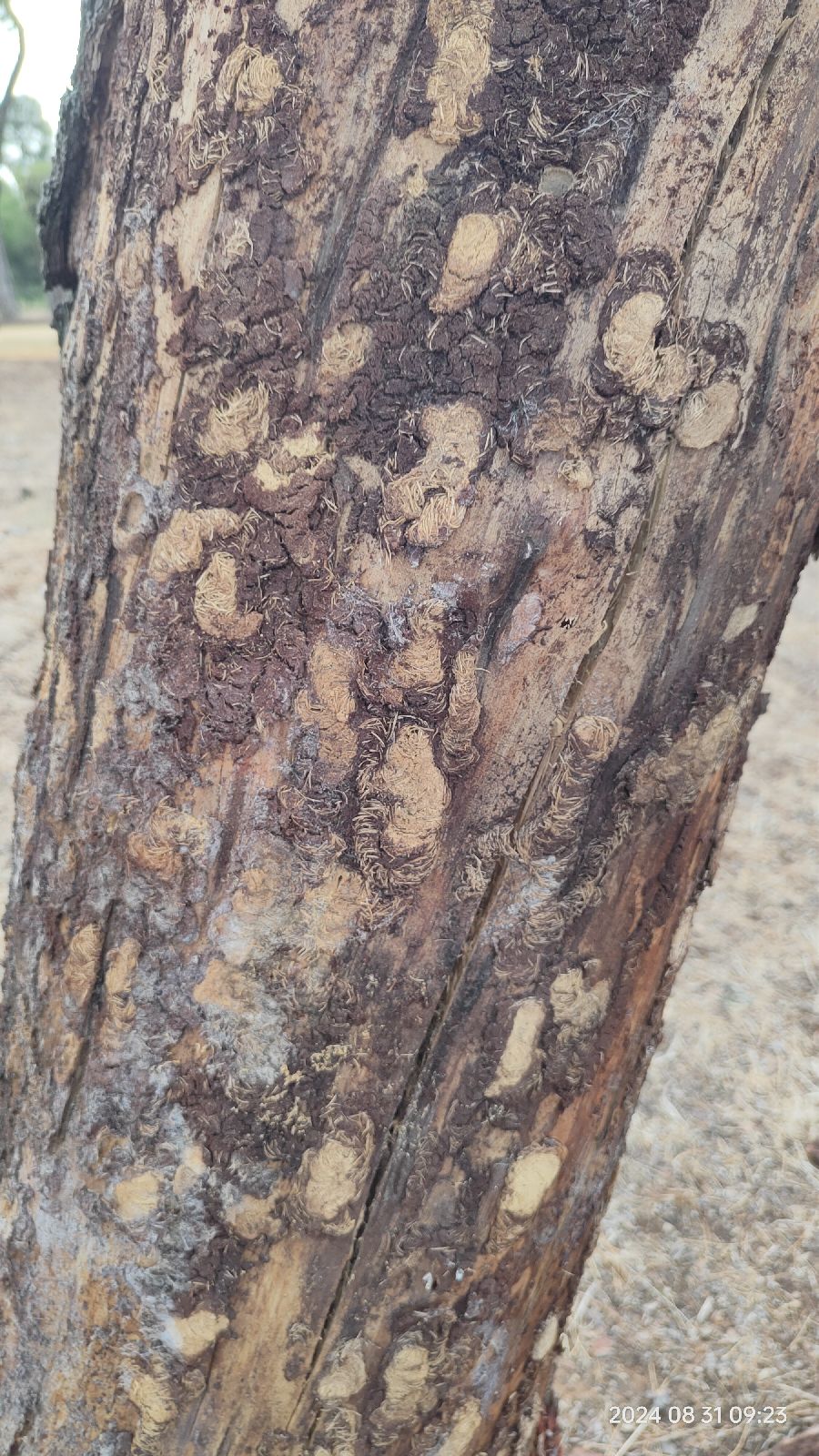
Black pine sawyer beetle
Number: 5060
Received 7.9.2024
In progress: 0 days
Date of occurrence: 7.9.2024
Significance: Harmful
Discussion
Assigned: M. Zúbrik
Country: Spain

Question

Answer

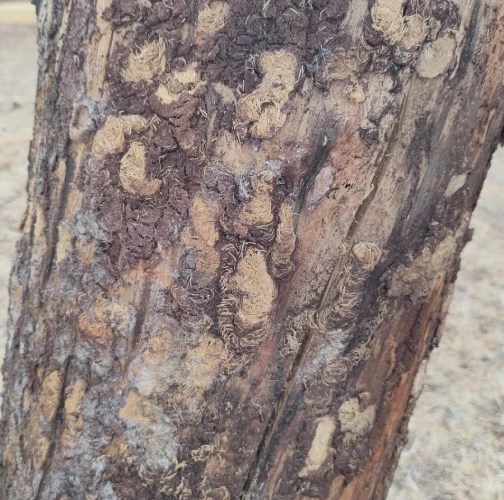
Dear Ignacio, thank you for your reguest. I think on the pictures are galleries caused by Monochamus galloprovincialis - the black pine sawyer beetle. It is cerambycid species. Larvae lives under the bark and pupation take place in the wood. It attack weakened trees. The adults maturation feeding can damage the twigs. It was recently found to be the vector of dangerous pathogenic pine wood nematode Bursaphelenchus xylophilus. With best regards M. Zúbrik
Number of votes for this answer: 0

Pest

Black pine sawyer beetle

Monochamus galloprovincialis

Black pine sawyer beetle

Monochamus galloprovincialis

hmyz

Received: 7.9.2024
Wood: Pine
Number: 5060
Date of occurrence: 7.9.2024
Discussion

Add comment: Black pine sawyer beetle
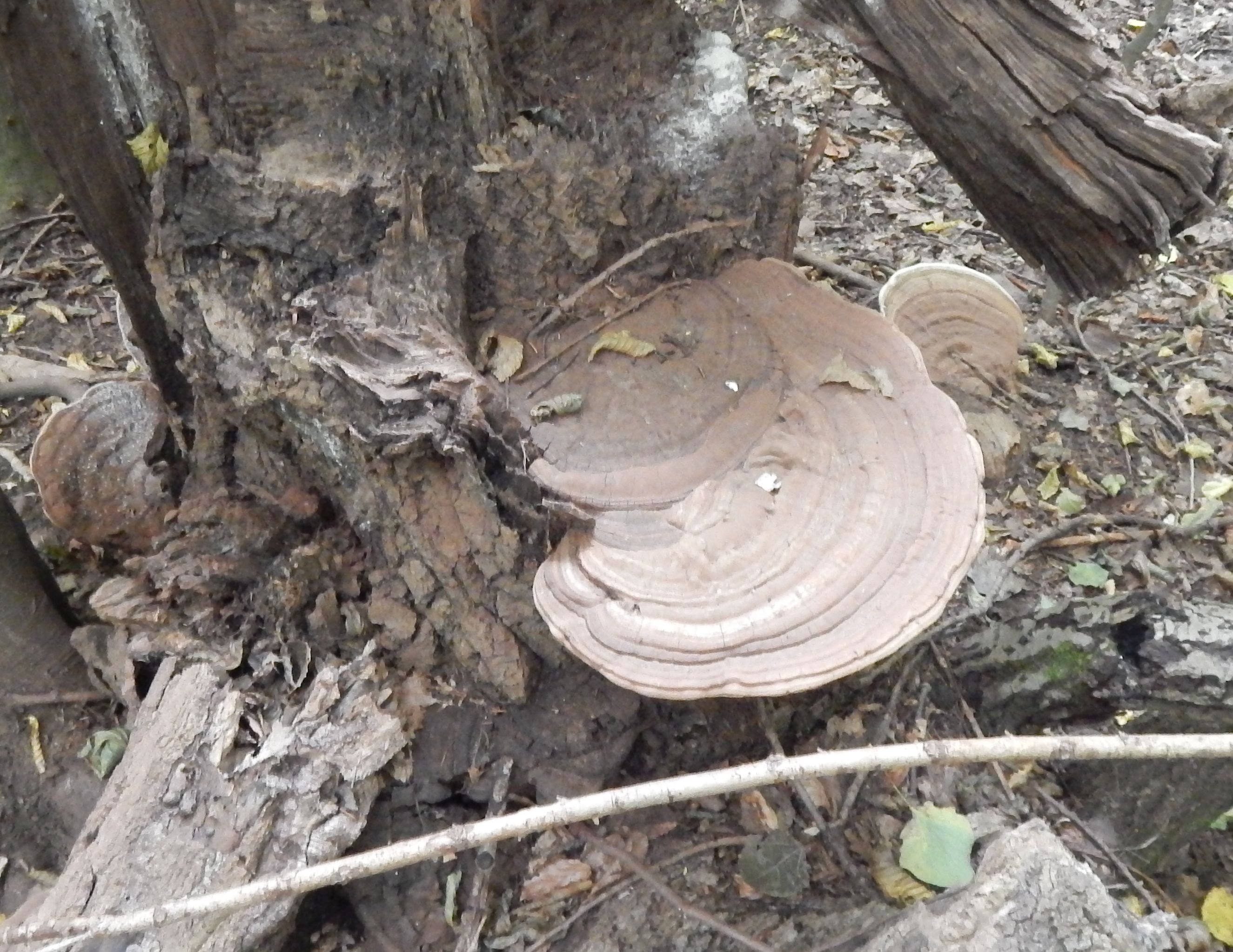
Ganoderma applanatum (= lipsiense)
Lesklokôrovka plocháLesklokôrovka plochá
Ganoderma applanatum (= lipsiense)
Number: 5058
Received 7.9.2024
In progress: 2 days
Date of occurrence: 6.9.2024
Significance: Harmful
Discussion
From: majo
Assigned: V. Longauerová
Country: Slovakia

Question

S pozdravom Marián

Answer

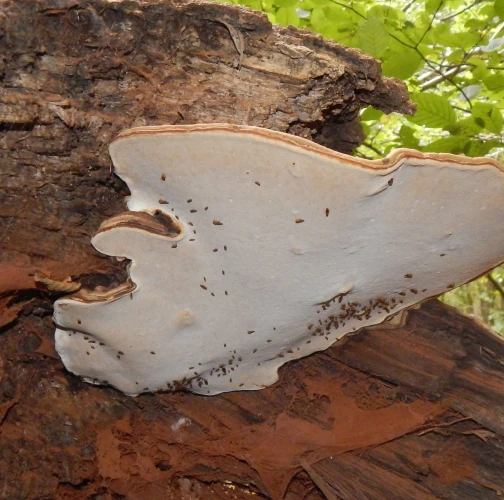
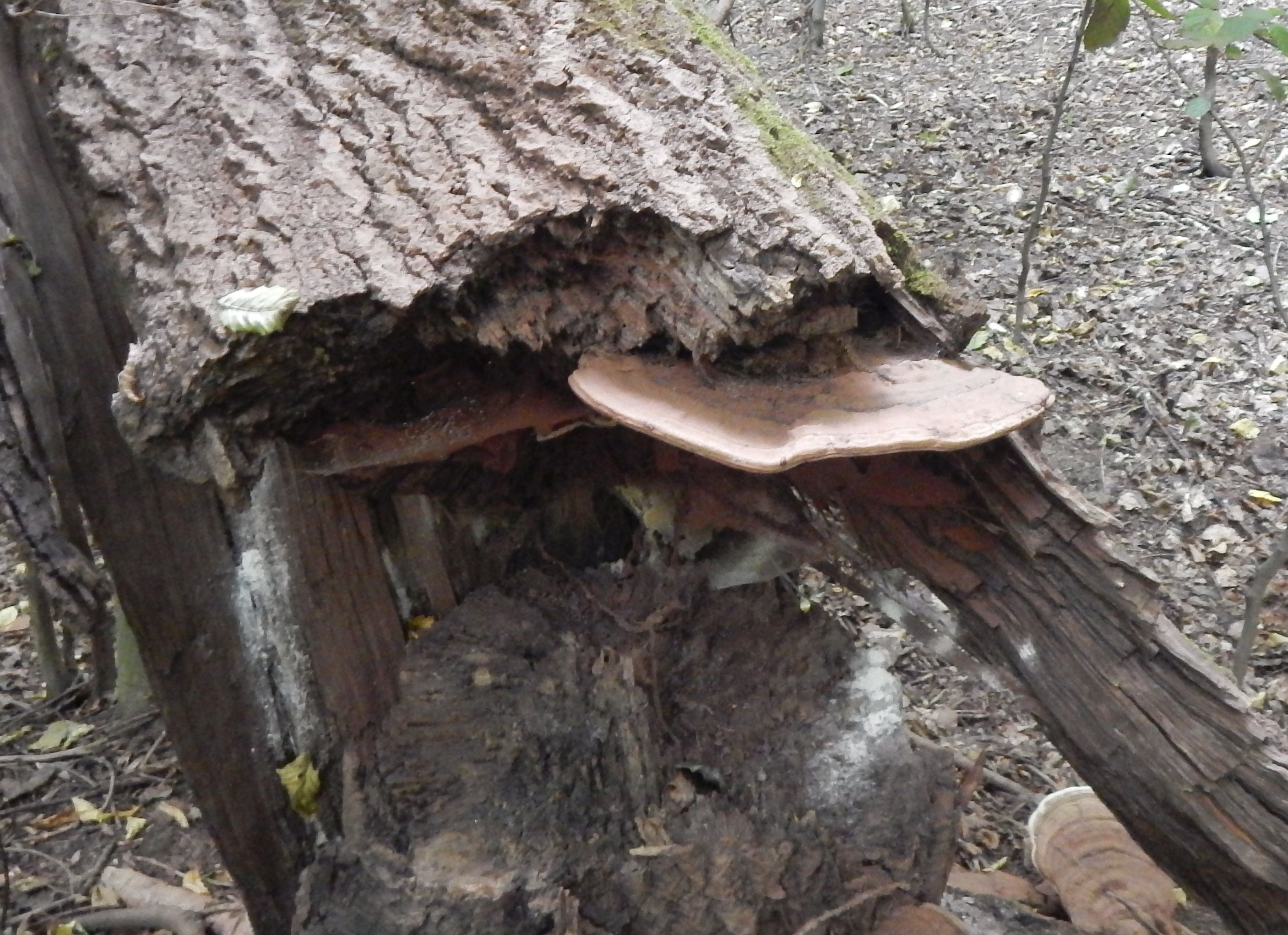
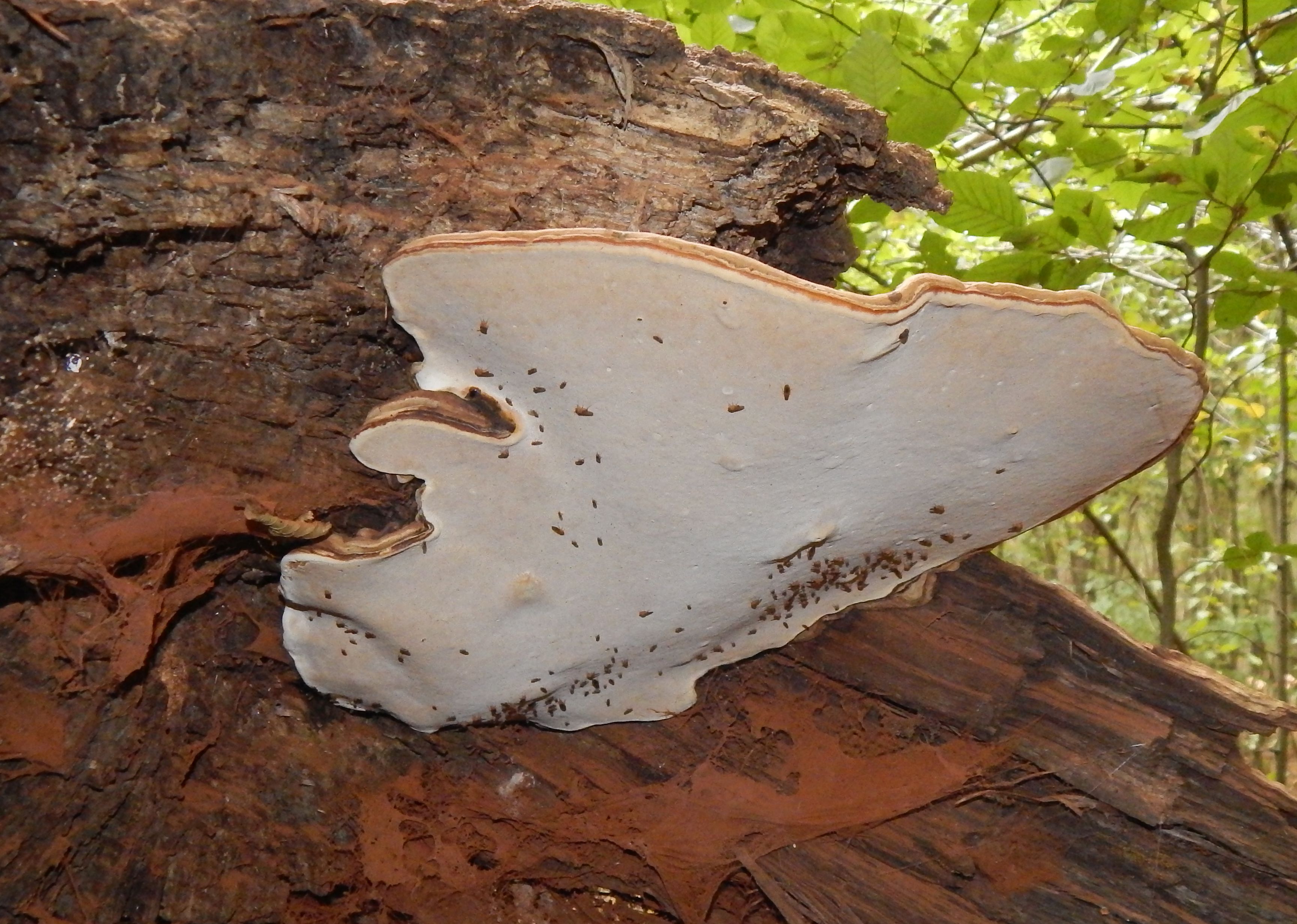
Ahoj Majo ,  podľa foto sa jedná o lesklokôrku plochú.  V.
Number of votes for this answer: 0

Pest

Ganoderma applanatum (= lipsiense)

Ganoderma applanatum (= lipsiense)

Ganoderma applanatum (= lipsiense)

Ganoderma applanatum (= lipsiense)

huby

Received: 7.9.2024
Wood: Topoľ
Number: 5058
Date of occurrence: 6.9.2024
Discussion

Add comment: Ganoderma applanatum (= lipsiense)
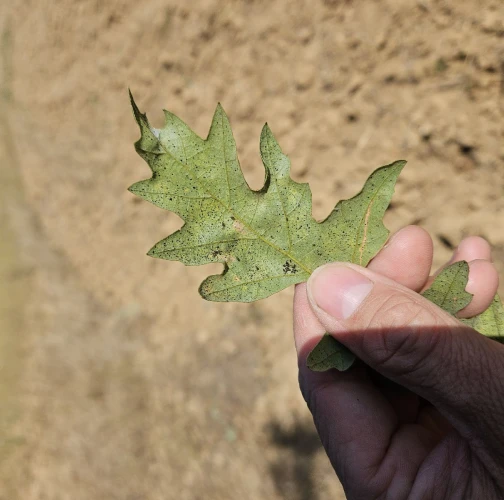
Oak lace bug
Oak lace bug
Number: 5057
Received 6.9.2024
In progress: 0 days
Date of occurrence: 6.9.2024
Significance: Harmful
Discussion
From: Jozef
Assigned: M. Zúbrik
Country: Slovakia

Question

Answer

Monitoring: C. arcuata
Number of votes for this answer: 0

Pest

Oak lace bug

Corythucha arcuata

Oak lace bug

Corythucha arcuata

hmyz

Received: 6.9.2024
Wood: Dub
Number: 5057
Date of occurrence: 6.9.2024
Discussion

Add comment: Oak lace bug

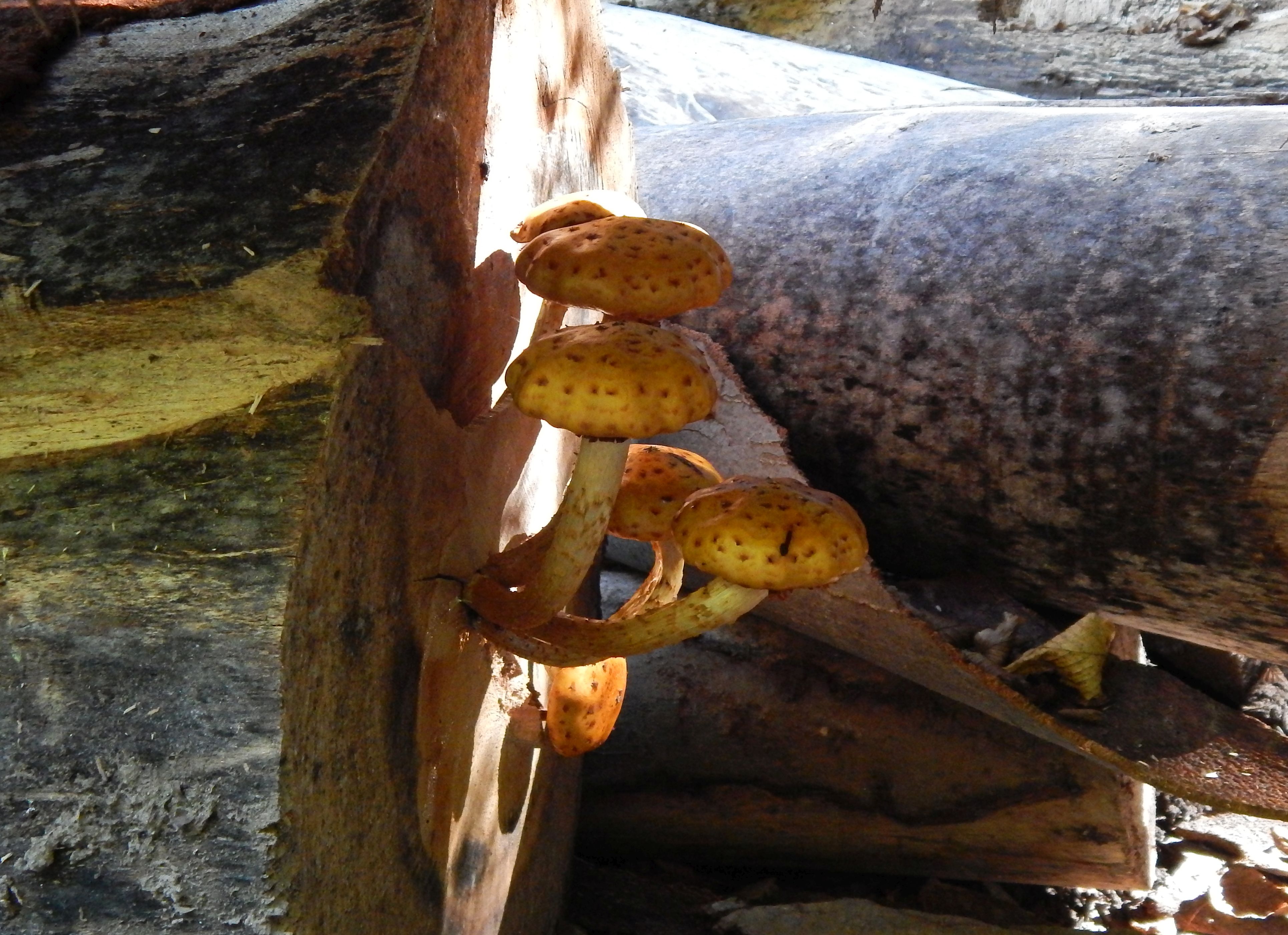
Shaggy pholiota
Šupinovka šupinatáŠupinovka šupinatáŠupinovka šupinatá
Shaggy pholiota
Number: 5055
Received 5.9.2024
In progress: 1 days
Date of occurrence: 5.9.2024
Significance: Harmful
Discussion
From: majo
Assigned: V. Longauerová
Country: Slovakia

Question

sklad dreva S pozdravom Marián

Answer

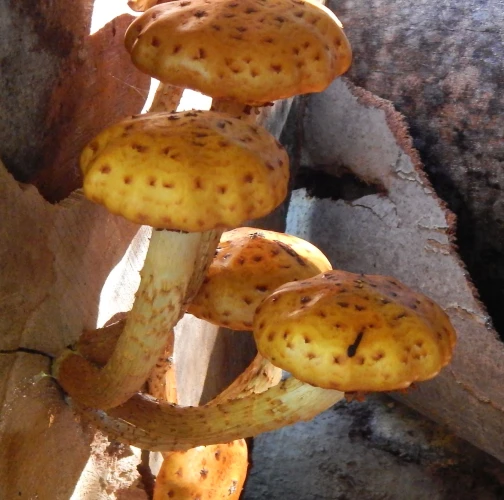
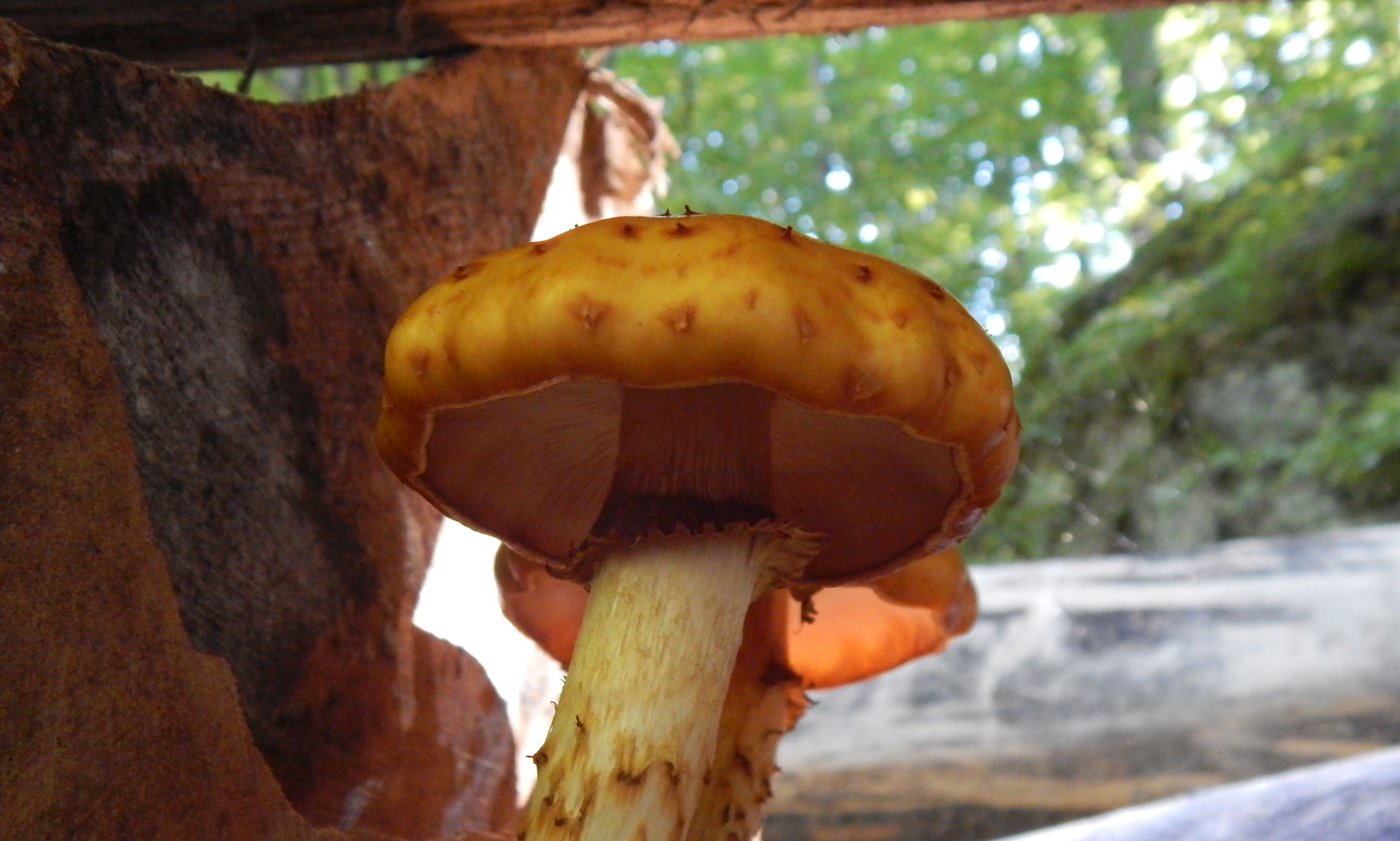
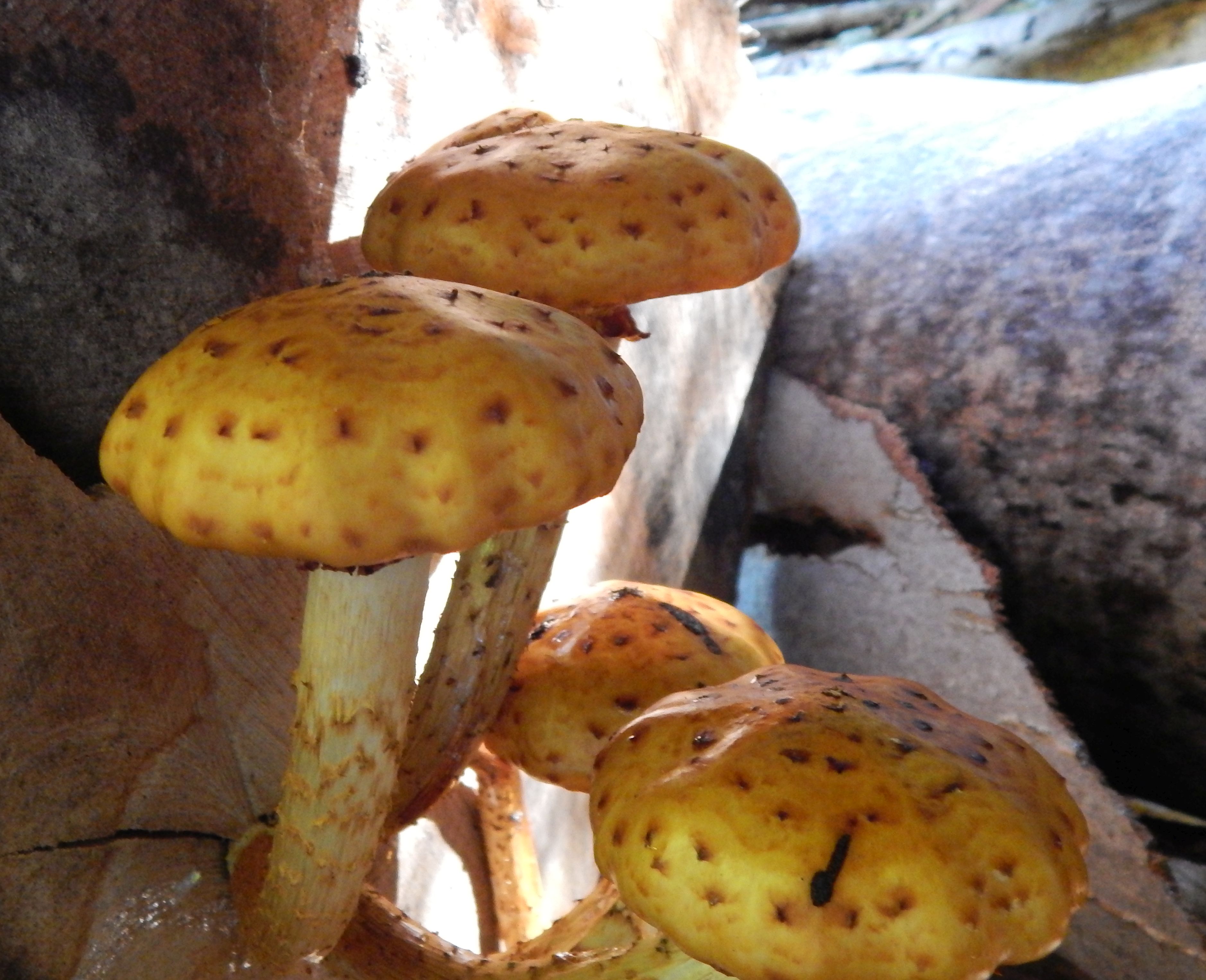
Ahoj Majo ,  podľa foto sa jedná o šupinovku šupinatú. Viac tu https://www.skodcoviadrevin.sk/skodca/supinovka-supinata V.
Number of votes for this answer: 0

Pest

Shaggy pholiota

Pholiota squarrosa

Shaggy pholiota

Pholiota squarrosa

huby

Received: 5.9.2024
Wood: Buk
Number: 5055
Date of occurrence: 5.9.2024
Discussion

Add comment: Shaggy pholiota

Oak lace bug
Sietnička dubováSietnička dubová
Oak lace bug
Number: 5052
Received 5.9.2024
In progress: 0 days
Date of occurrence: 5.9.2024
Significance: Harmful
Discussion
From: Soares
Assigned: M. Zúbrik
Country: Portugal

Question

Answer

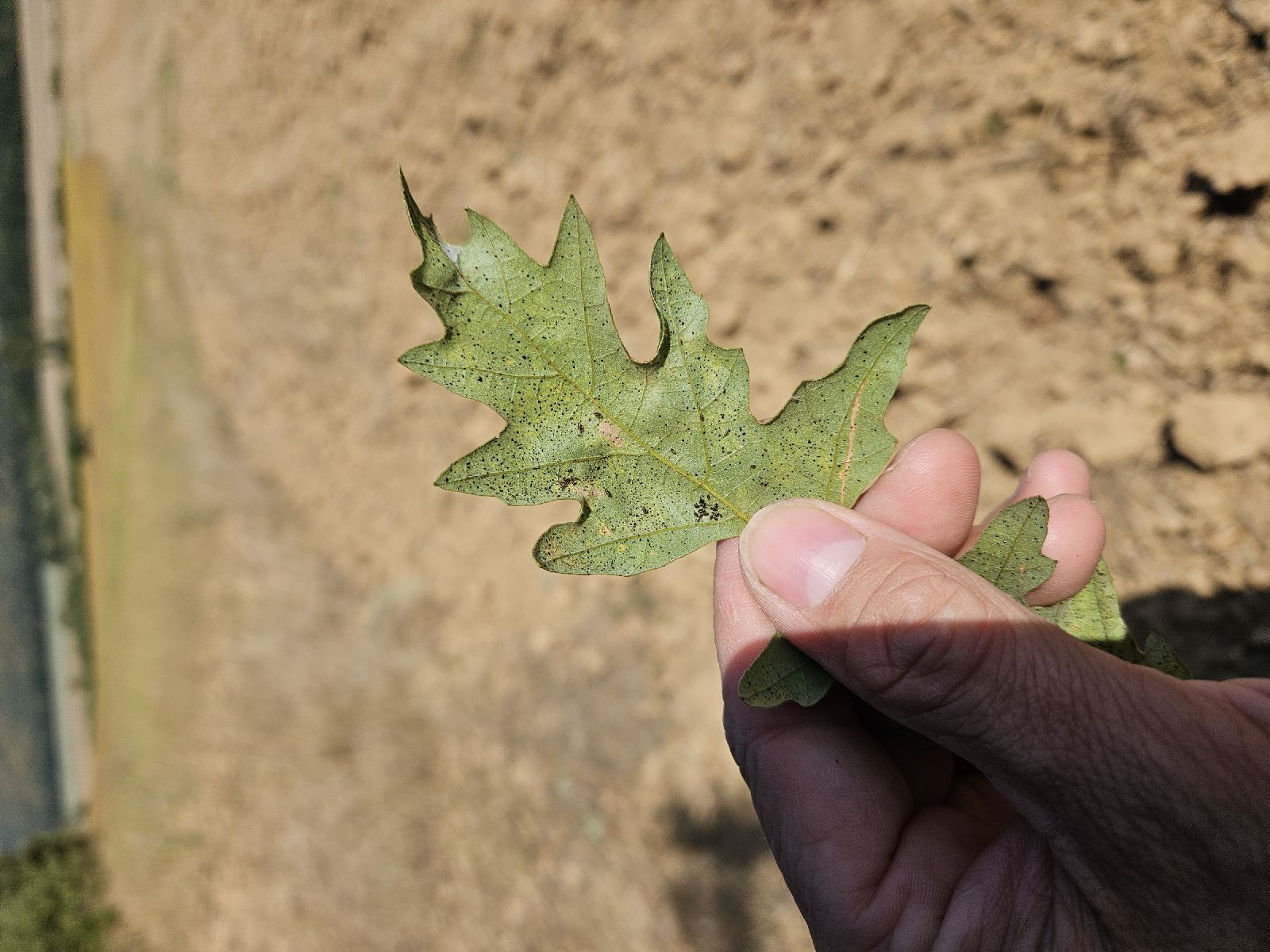
Dear Soares, thank you for your question. This is invasive species oal lace bug Corythucha arcuata. This North American species was first reported in Europe in 2000. The 3 mm long, bizarrely-shaped bugs overwinter in bark crevices or in leaf litter. There are 2–4 generations per year. Adults are usually present from June to September, and during this time they continue to feed on the leaves of oak trees. Feeding results in discoloured, pale, mottled leaves, which may, if the attack is heavy, drop prematurely. While the oak lace bug is considered a pest of oak trees, it typically does not cause significant harm to the trees. However, severe infestations can occur, particularly in areas where the bugs are abundant. In these cases, the oak lace bug can cause defoliation, weaken the tree, and make it more susceptible to other pests and diseases. Best regards M. Zubrik
Number of votes for this answer: 0

Pest

Oak lace bug

Corythucha arcuata

Oak lace bug

Corythucha arcuata

hmyz

Received: 5.9.2024
Wood: Oak
Number: 5052
Date of occurrence: 5.9.2024
Discussion

Add comment: Oak lace bug

Western conifer seed bug
Number: 5050
Received 4.9.2024
In progress: 0 days
Date of occurrence: 30.8.2024
Significance: Less harmful
Discussion
Assigned: M. Zúbrik
Country: Slovakia

Question

Poškodenie som ani neevidoval. Len su ich stovky a je ich plna dedina Velčice. Nie som si istý, ci sa ale jedna o tento druh, lebo tie naše sú oveľa menšie.

Answer

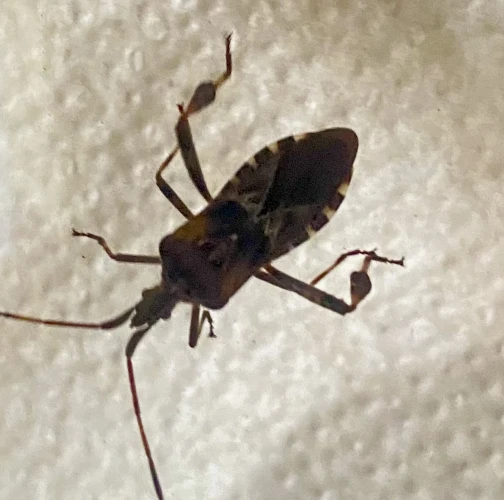
Dobrý deň, ďakujeme za dotaz. Je to obrubnica americká Leptoglossus occindentalis. S pozdravom M. Zúbrik
Number of votes for this answer: 0

Pest

Western conifer seed bug

Leptoglossus occidentalis

Western conifer seed bug

Leptoglossus occidentalis

hmyz

Received: 4.9.2024
Wood: -
Number: 5050
Date of occurrence: 30.8.2024
Discussion

Add comment: Western conifer seed bug
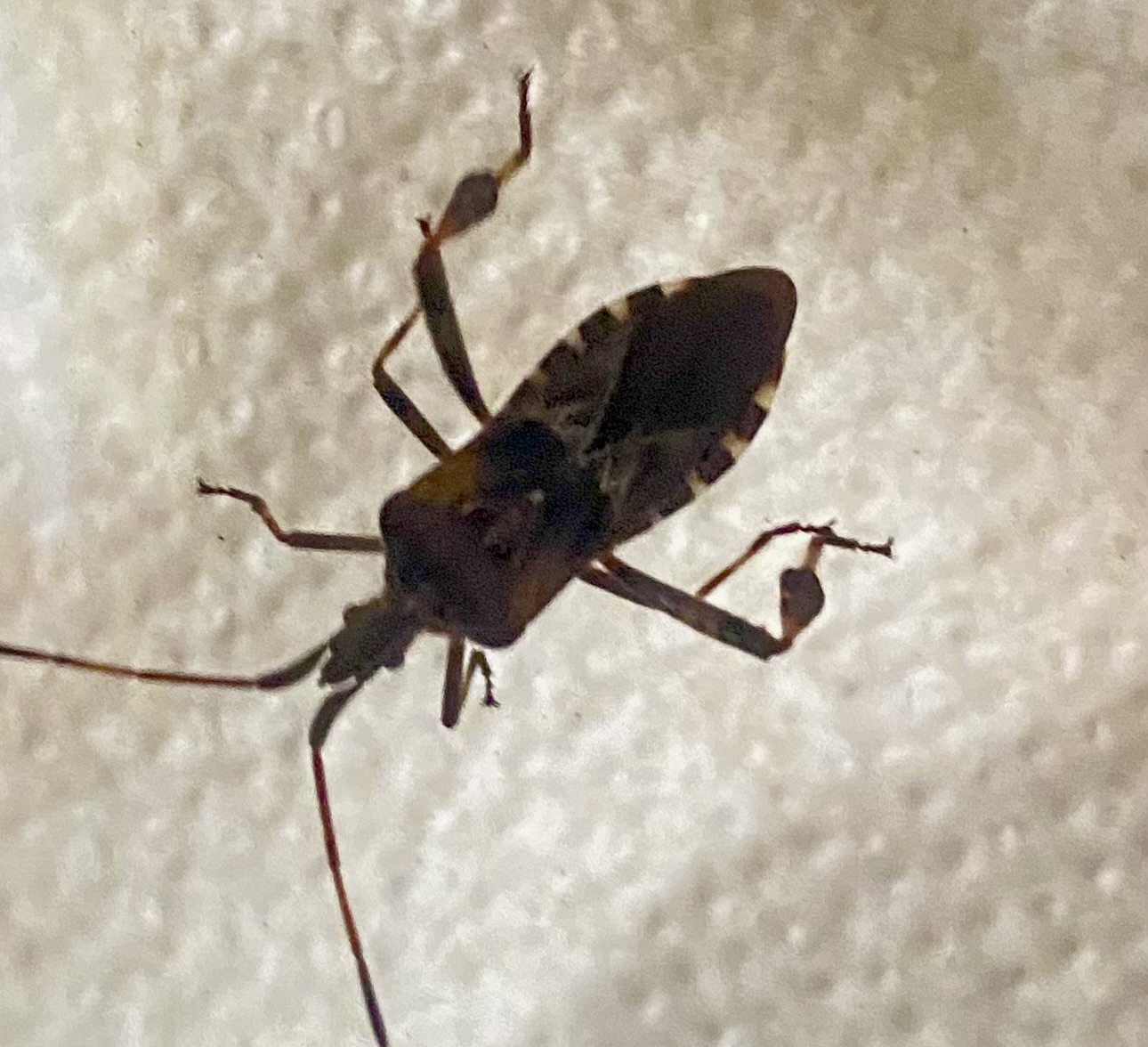
Western conifer seed bug
Number: 5046
Received 3.9.2024
In progress: 1 days
Date of occurrence: 9.3.2024
Significance: Less harmful
Discussion
From: Albe
Assigned: M. Zúbrik
Country: The Netherlands

Question

Answer

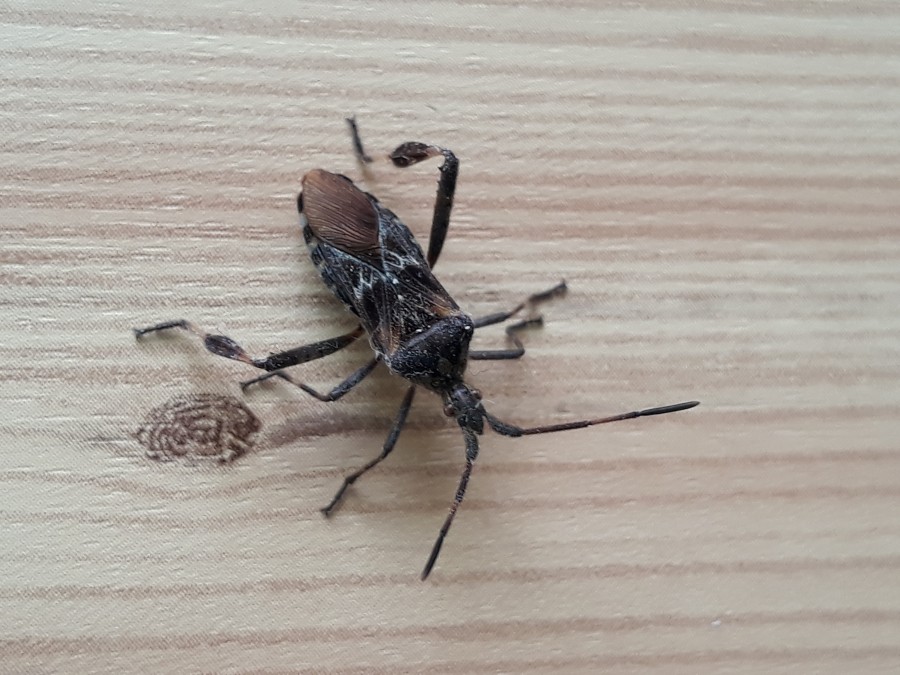
Dear Albe, thanks for your inquiry. This is adults of Leptoglossus occidentalis, western conifer seed bug. Best regards M. Zúbrik
Number of votes for this answer: 0

Pest

Western conifer seed bug

Leptoglossus occidentalis

Western conifer seed bug

Leptoglossus occidentalis

hmyz

Received: 3.9.2024
Wood: -
Number: 5046
Date of occurrence: 9.3.2024
Discussion

Add comment: Western conifer seed bug
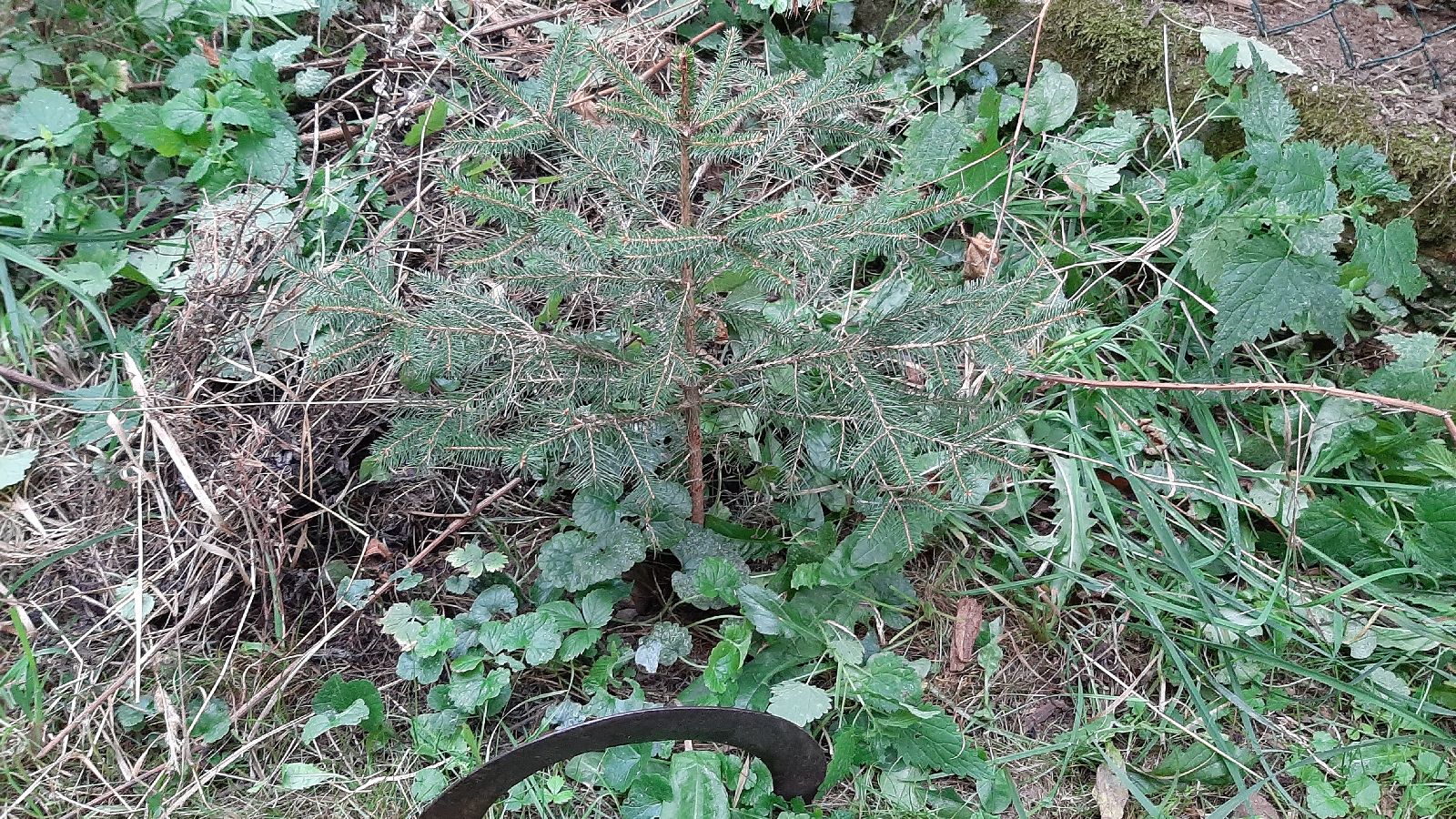
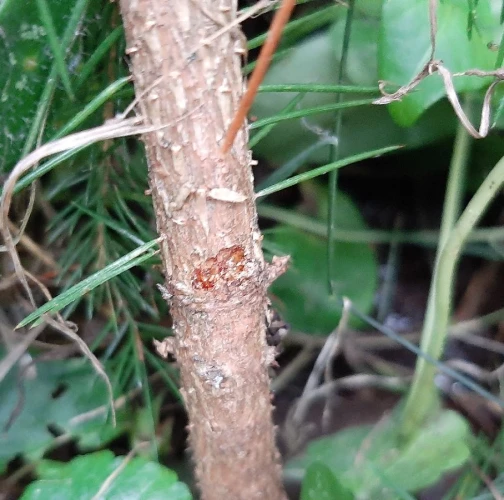
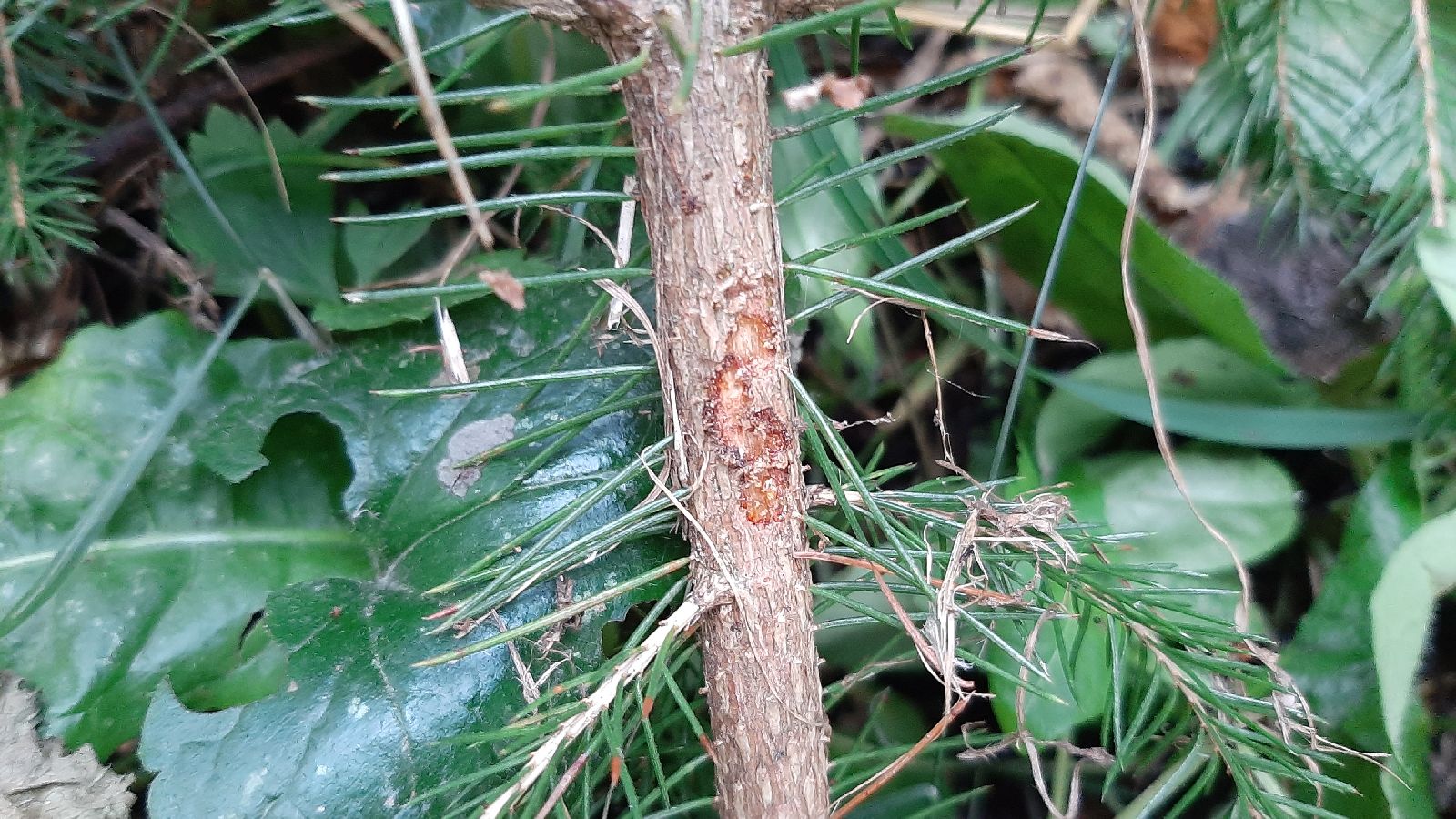
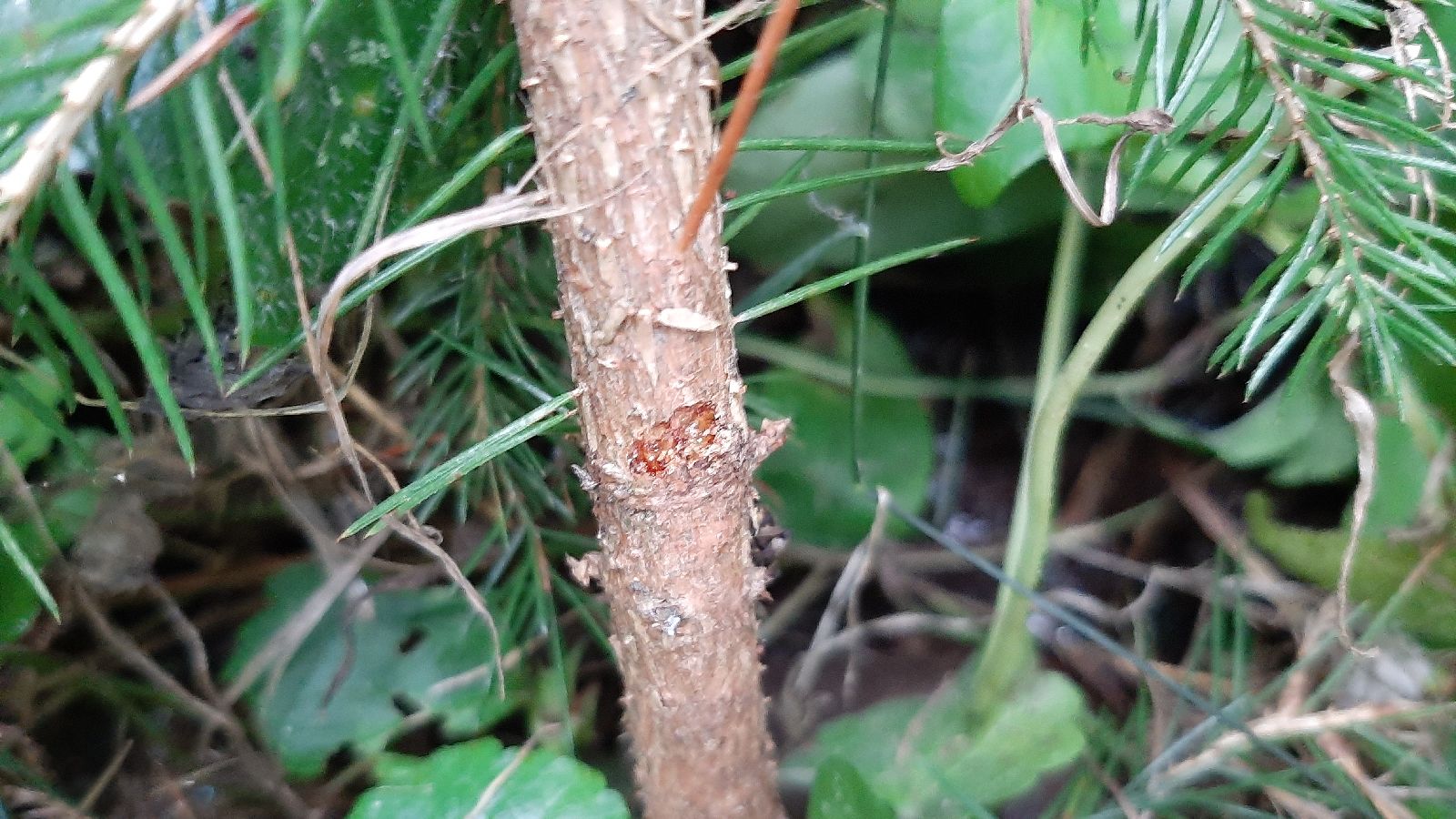
Large pine weevil
Tvrdoň smrekovýTvrdoň smrekový
Large pine weevil
Number: 5042
Received 2.9.2024
In progress: 0 days
Date of occurrence: 2.9.2024
Significance: Very harmful
Discussion
From: majo
Assigned: M. Zúbrik
Country: Slovakia

Question

Answer

Ďakujeme za dotaz. Poškodenie veľmi pravdepodobne spôsobil Hylobius abietis. Pekný večer. MZ
Number of votes for this answer: 0

Pest

Large pine weevil

Hylobius abietis

Large pine weevil

Hylobius abietis

hmyz

Received: 2.9.2024
Wood: Smrek
Number: 5042
Date of occurrence: 2.9.2024
Discussion

Add comment: Large pine weevil

Back to top