Here you can request to determine the cause of the damage. You can view the requests of other users and sort them according to the selected criteria. In addition, you can get information about your request, and you can follow the progress of its current state. If your application was not approved, it had probably been because it was impossible to identify the damage based on the sent photos or because the application does not address our topic - determining the pests of trees and shrubs. We will inform you about the status of your application by email.
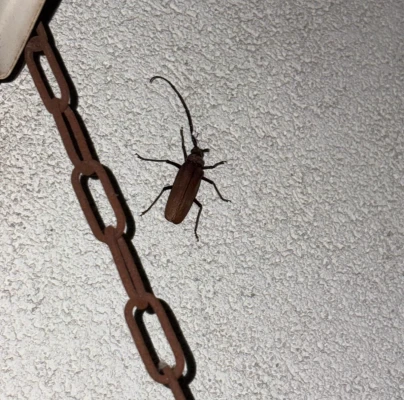
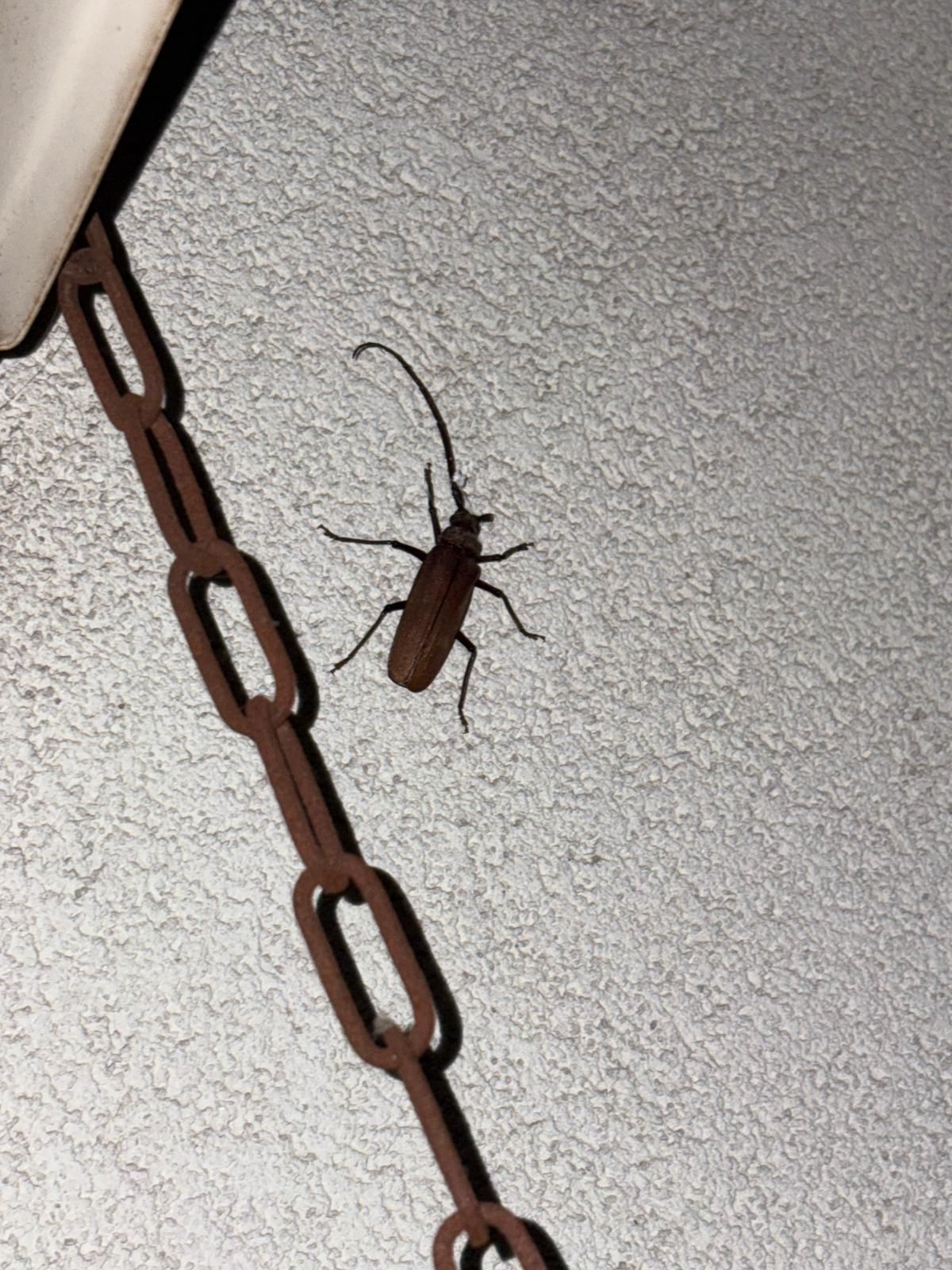
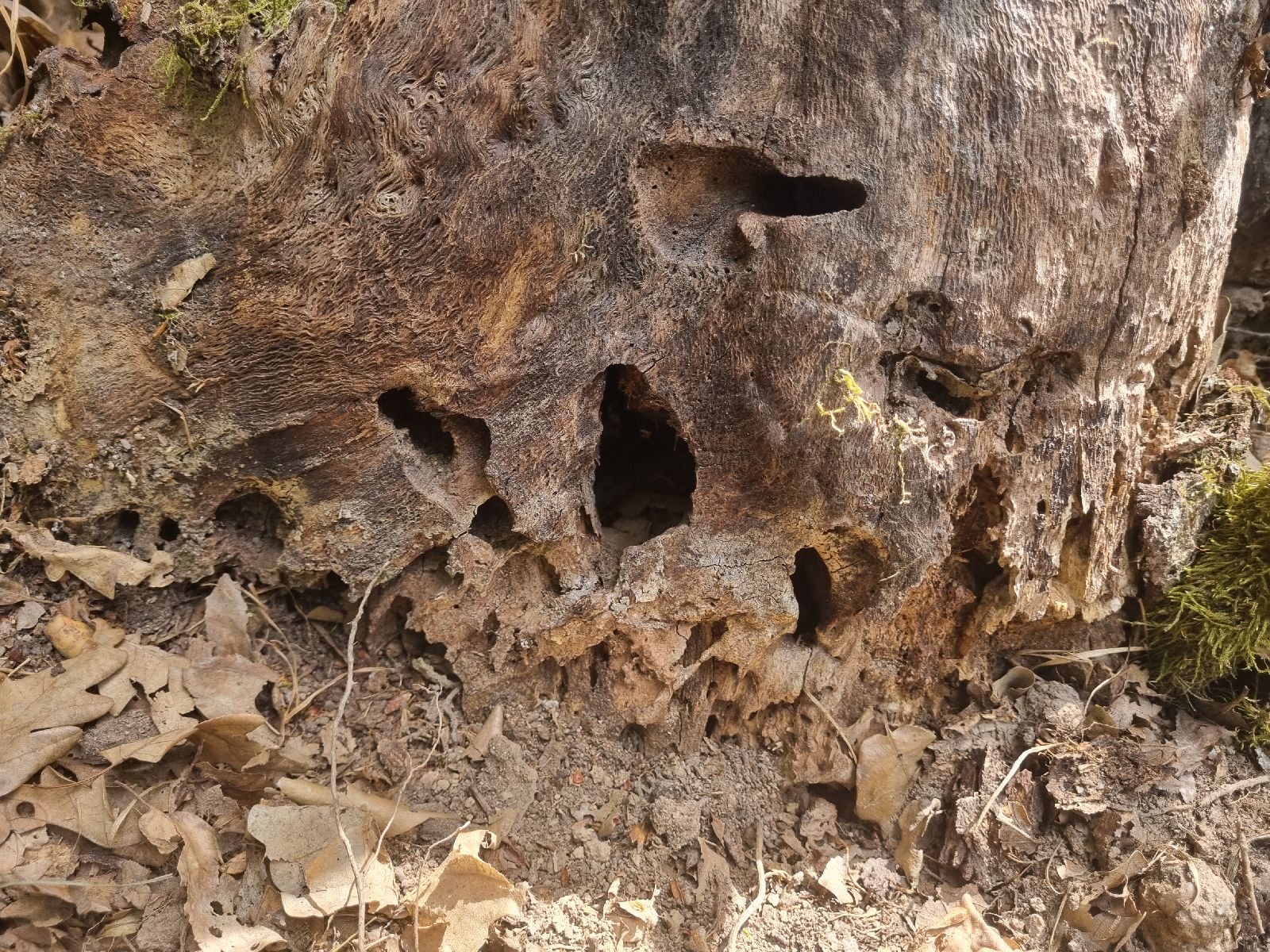
Dobrý deň, myslím, že sa jedná o chrobáka s názvoom Aegosoma scabricorne - fuzáč drsnotykadlový. Jeho larva žije v kmeňoch rôznych listnatých stromov. S pozdravom Milan Zúbrik
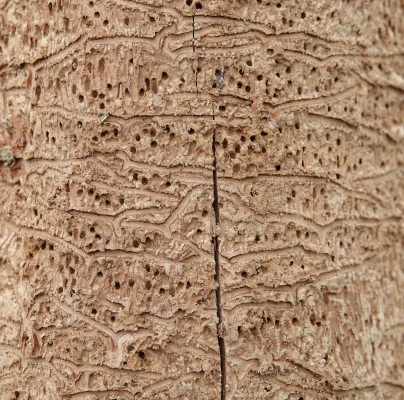
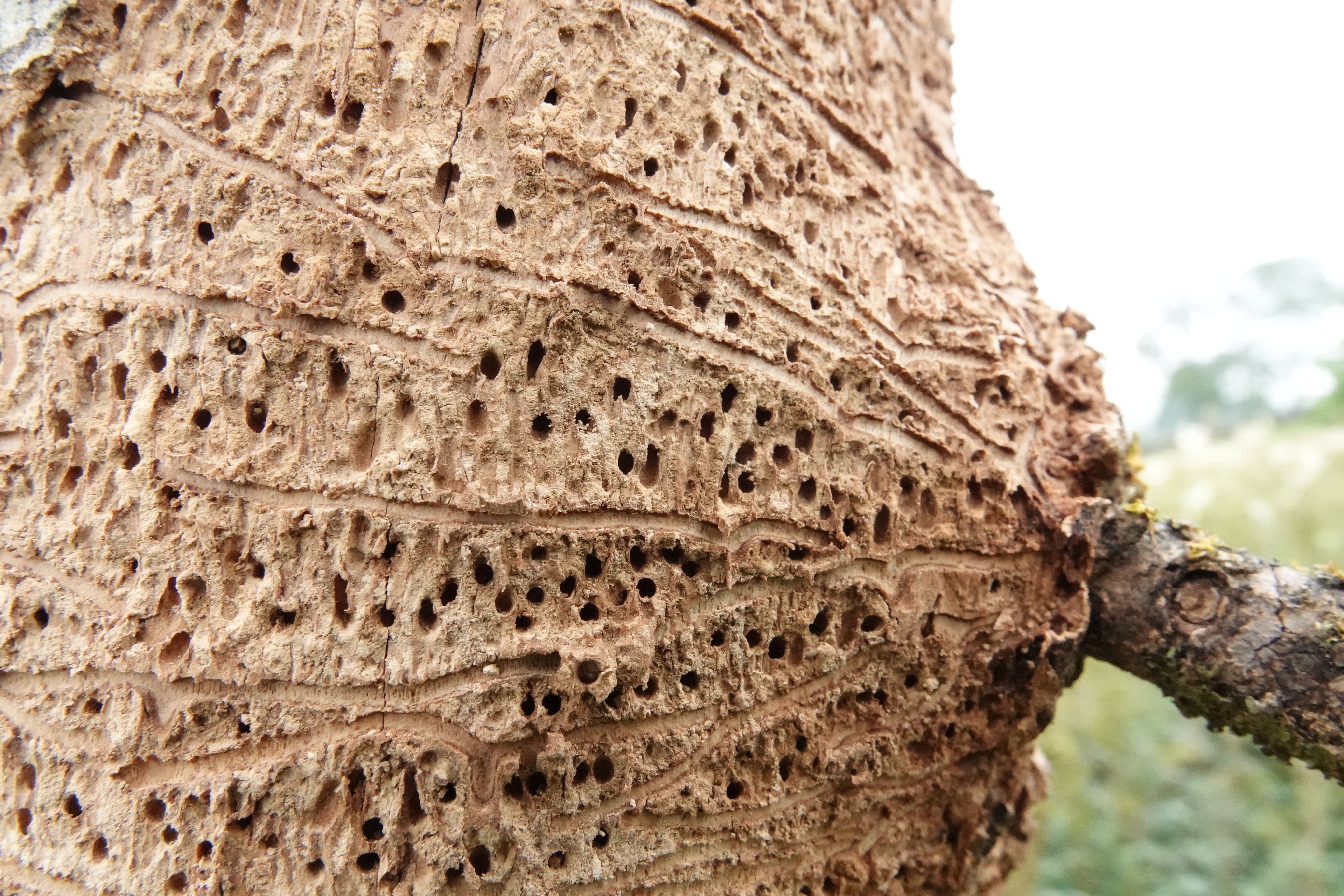
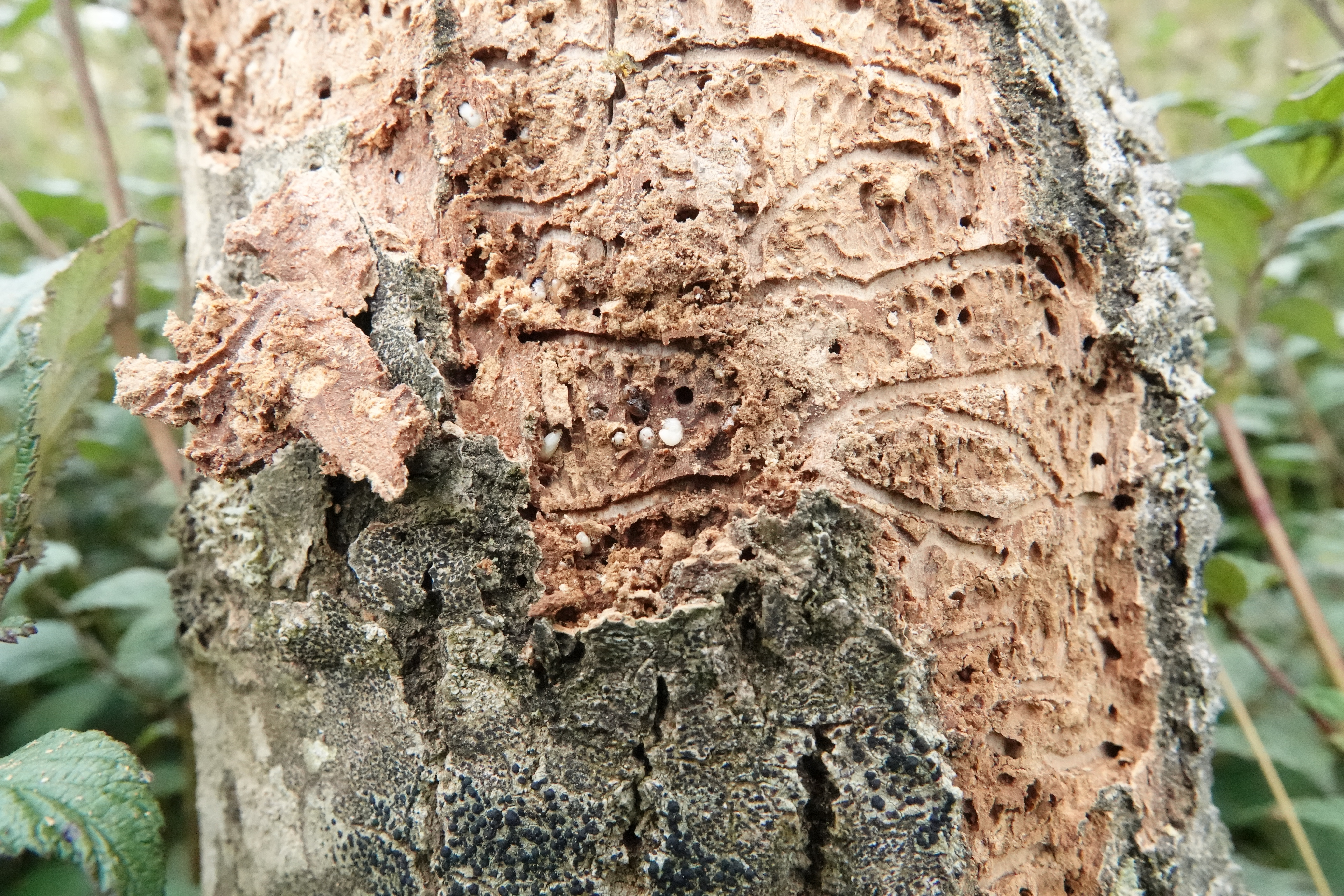
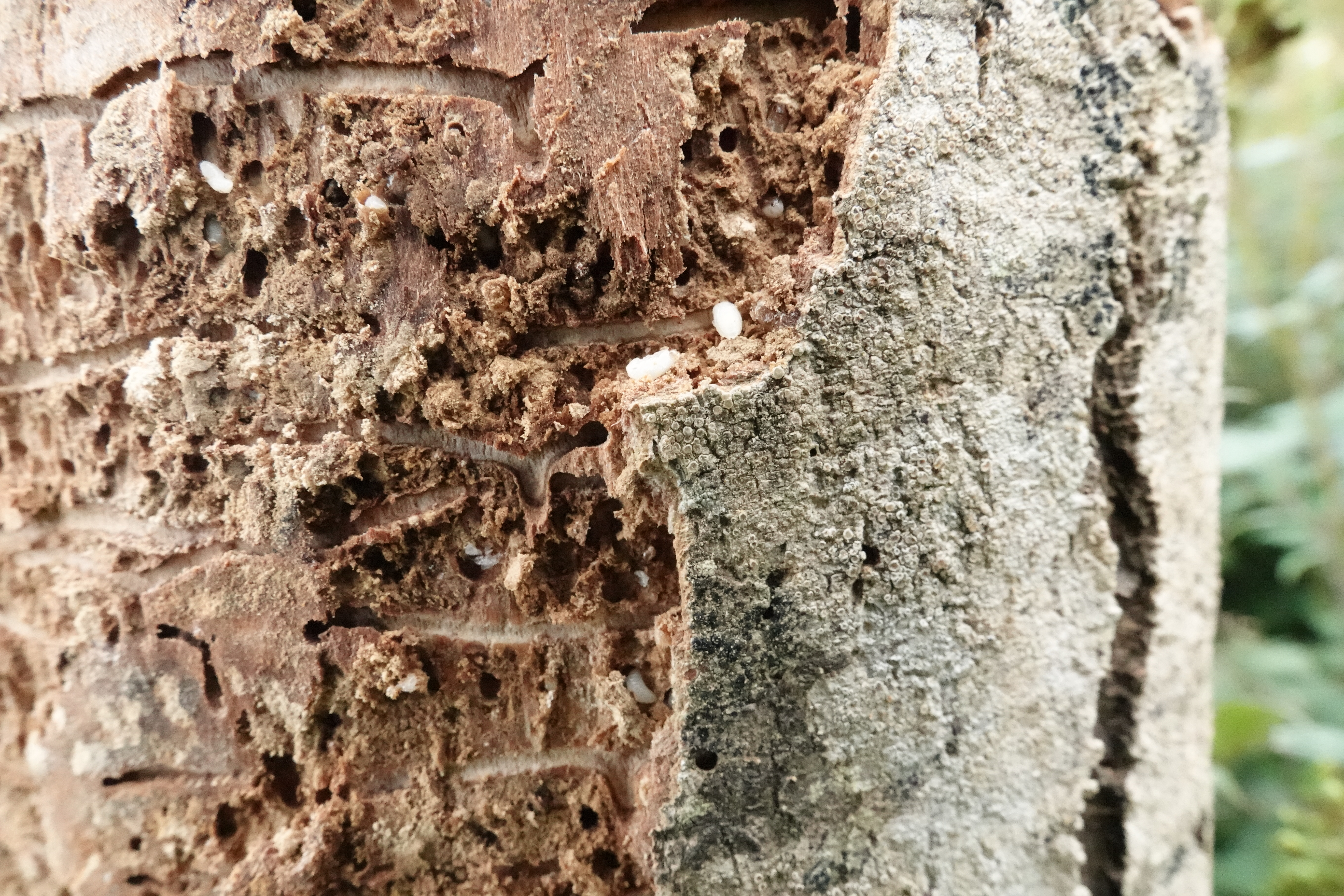
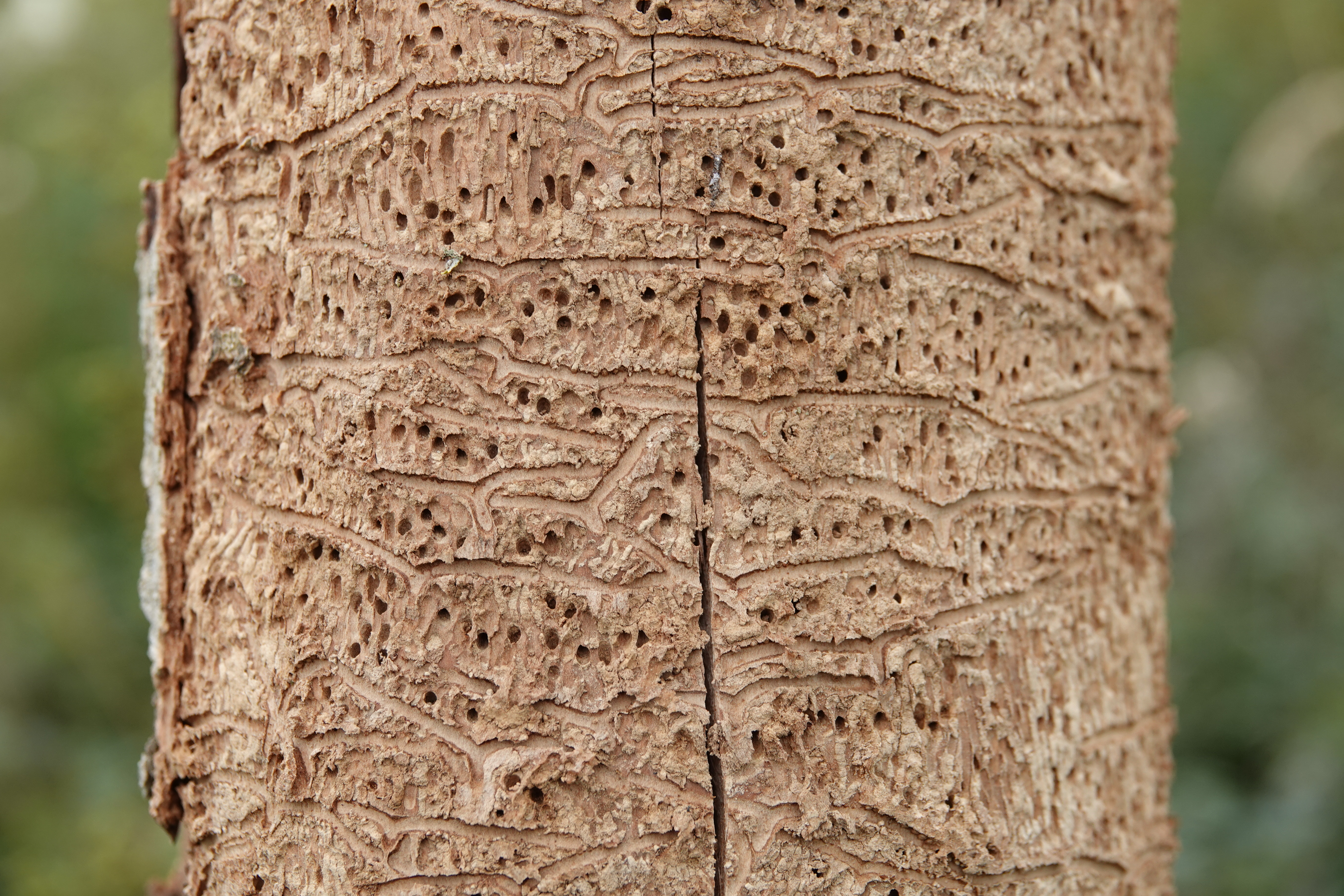
The infected tree was a young dead ash, which I presume had already been attacked by Chalara as have most of the ash trees in the area. The bark had been almost completely stripped off the tree by great spotted woodpeckers, which I saw extracting the grubs.
I am wondering if this damage is caused by the Hylesinus beetle and how common it is in the area?
Thank you
Malcolm Green
Answer
Hi. Yes, on the pictures is ash bar beetle Hylesinus varius. Its common in most part of Europe. Best regards, Juraj.
tree located in spacious domestic garden with multiple shoots in upper canopy effected leading to some crown thinning
Answer
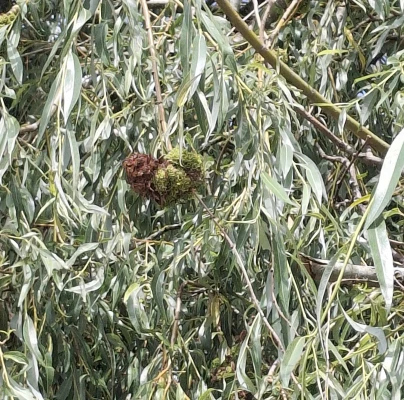
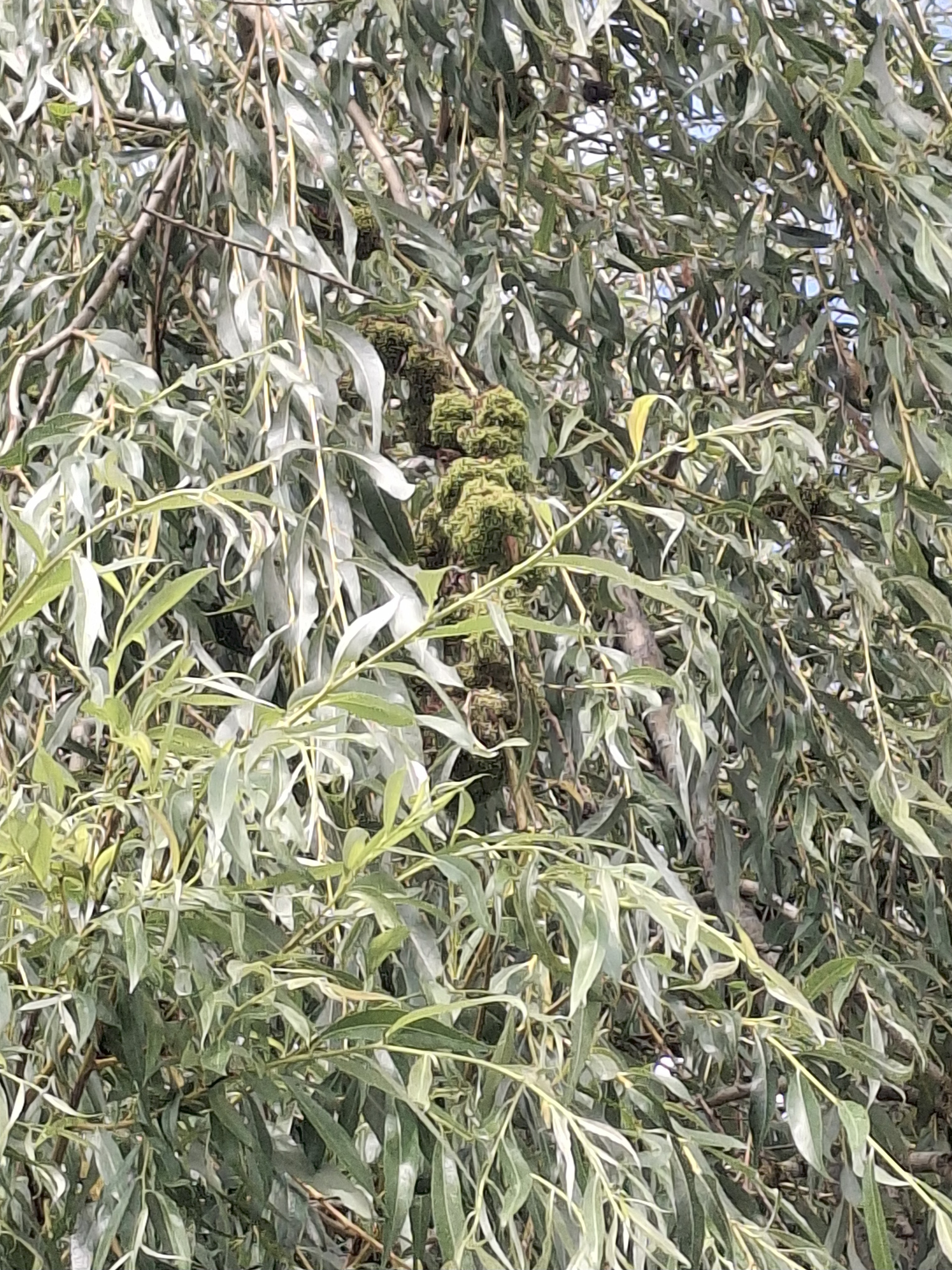
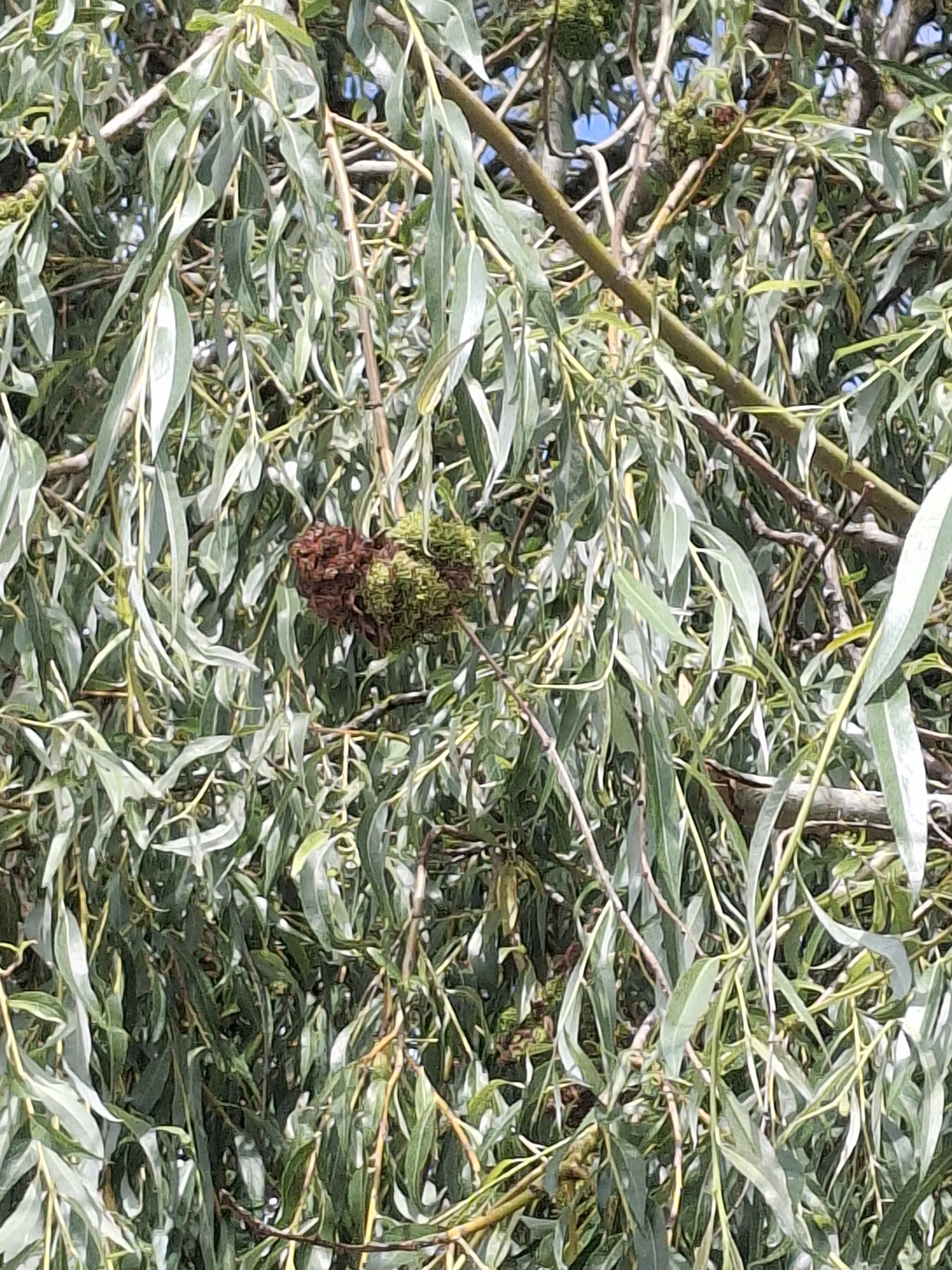
Hi Kevin, the damage you see on the willow is caused by Stenacis triradiatus, also known as the triradial willow mite. This microscopic mite creates characteristic galls and dense, twisted clusters of shoots called witches’ brooms. It overwinters under bud scales and becomes active in spring, feeding on young shoots, leaves, and catkins.
If you have any further questions, feel free to ask.
Best regards,Milan Zubrik
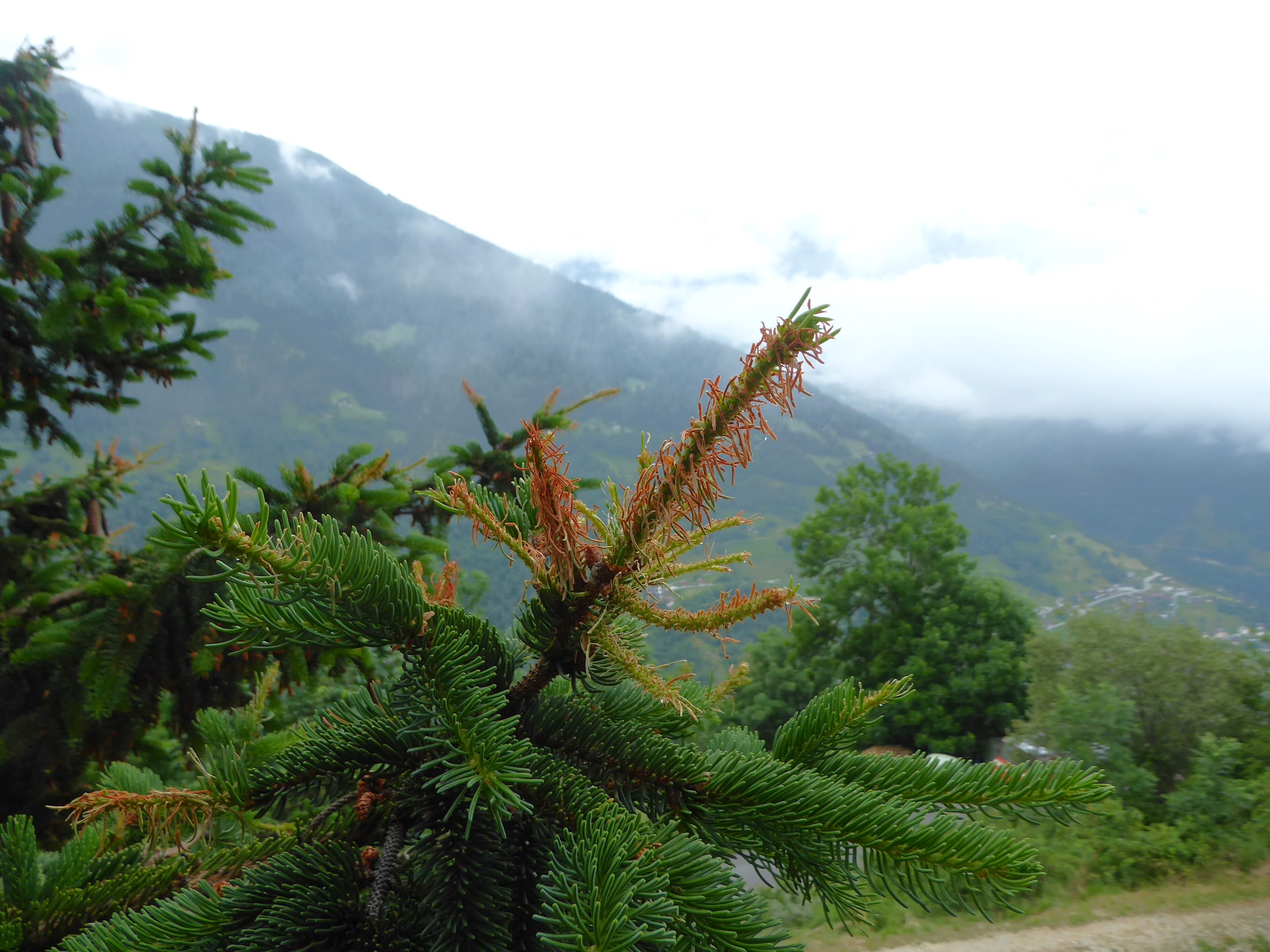
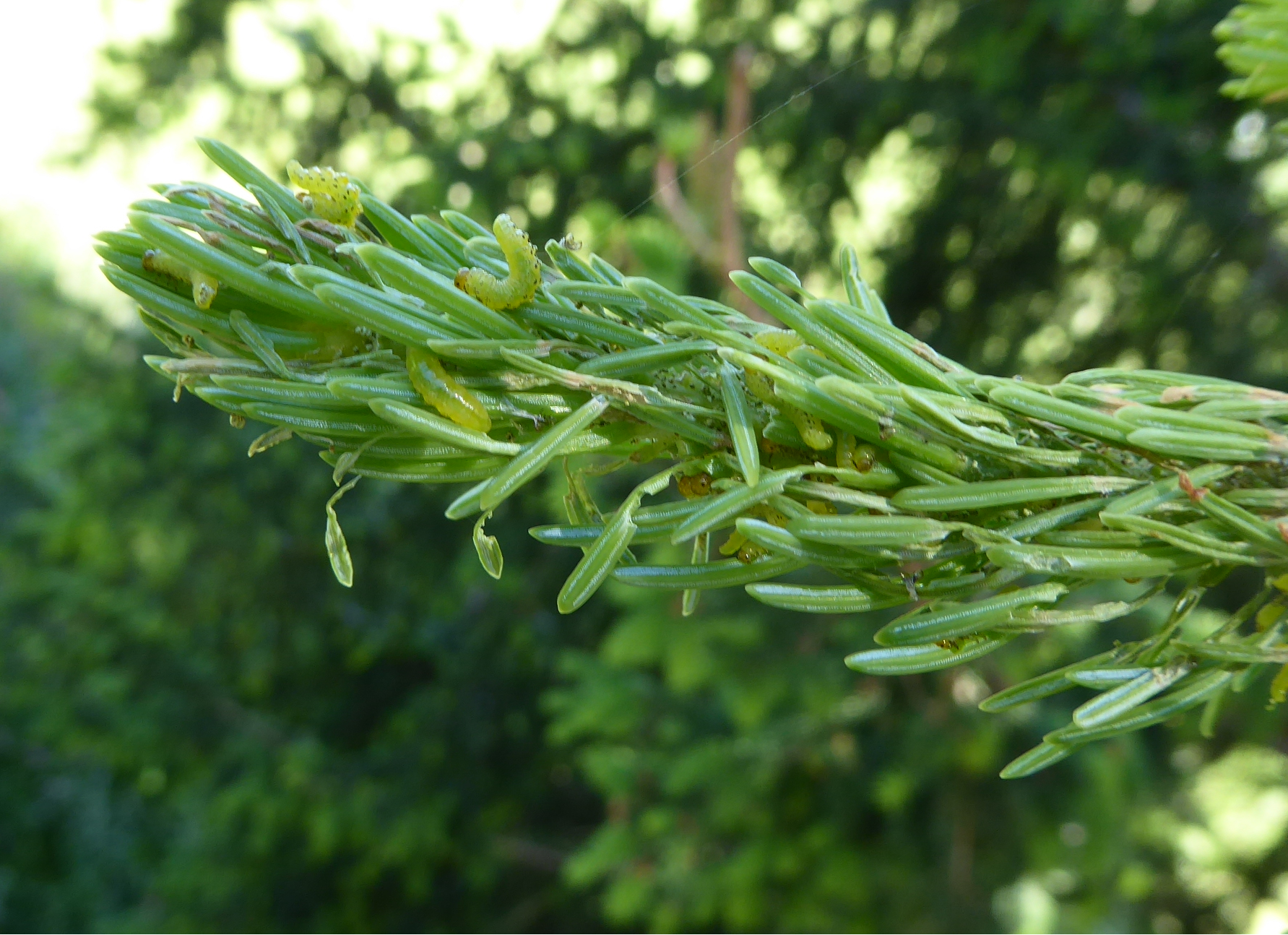
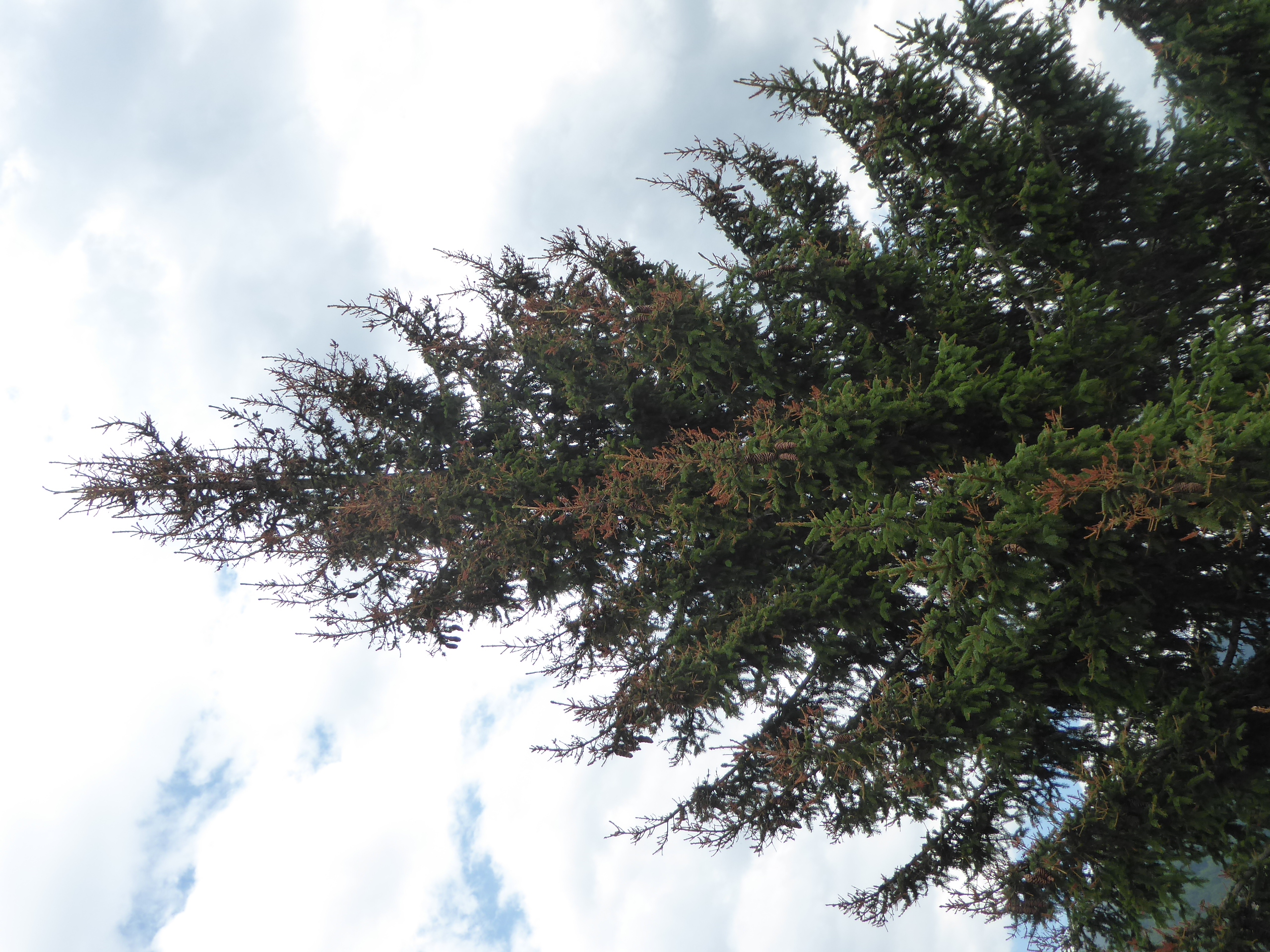
Started noticing damage summer 2022 - gradually getting worse. This year quite extensive damage. Have included photoes from 2024 and 2025, all of same tree.
I am interested in identifying the pest and any suggestions on limiting the problem.
Answer
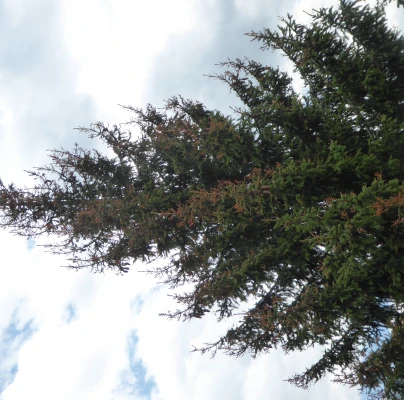
Dear Aasegro, Thank you for your question and the photos you included. Based on the symptoms and the location, it is likely one of the sawfly species — either Pristiphora abietina or Pachynematus montanus. Considering the locality, I would lean toward Pachynematus montanus, but it is difficult to confirm the exact species just from larvae and symptoms alone. As for control measures, the application of a suitable insecticide may help. I recommend consulting your local garden center or agricultural supplier — they can advise you on appropriate products for your area. If you need further assistance, feel free to ask. Best regards, Milan Zubrik