We will identify your pest
Requests to determine the cause of damage
Here you can request to determine the cause of the damage. You can view the requests of other users and sort them according to the selected criteria. In addition, you can get information about your request, and you can follow the progress of its current state. If your application was not approved, it had probably been because it was impossible to identify the damage based on the sent photos or because the application does not address our topic - determining the pests of trees and shrubs. We will inform you about the status of your application by email.
Code
Date
Assigned
Status
Days from submission
7470
26.2.2026
A. Kunca
Completed
0
7469
26.2.2026
M. Zúbrik
Completed
0
7456
20.2.2026
A. Kunca
Completed
4
7455
19.2.2026
M. Zúbrik
Completed
1
7449
17.2.2026
M. Zúbrik
Completed
1
7448
17.2.2026
V. Longauerová
Completed
1
7416
2.2.2026
M. Zúbrik
Completed
0
7415
2.2.2026
A. Kunca
Completed
1
7409
27.1.2026
R. Leontovyč
Completed
7
7407
27.1.2026
A. Kunca
Completed
7
Rejected requests are not displayed. You have been notified by email that your application has been denied.
Number: 6722
Received 14.8.2025
In progress: 1 days
Date of occurrence: 14.8.2025
Significance: Less harmful
Discussion
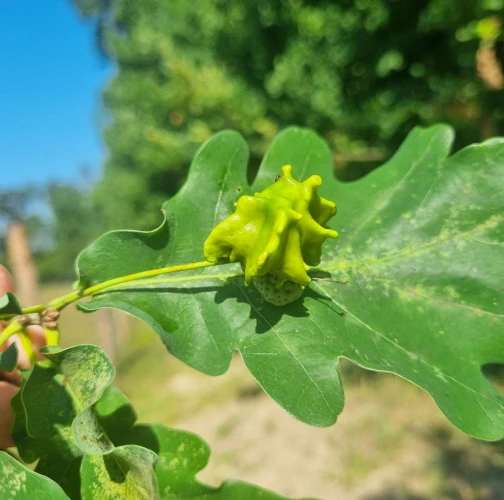
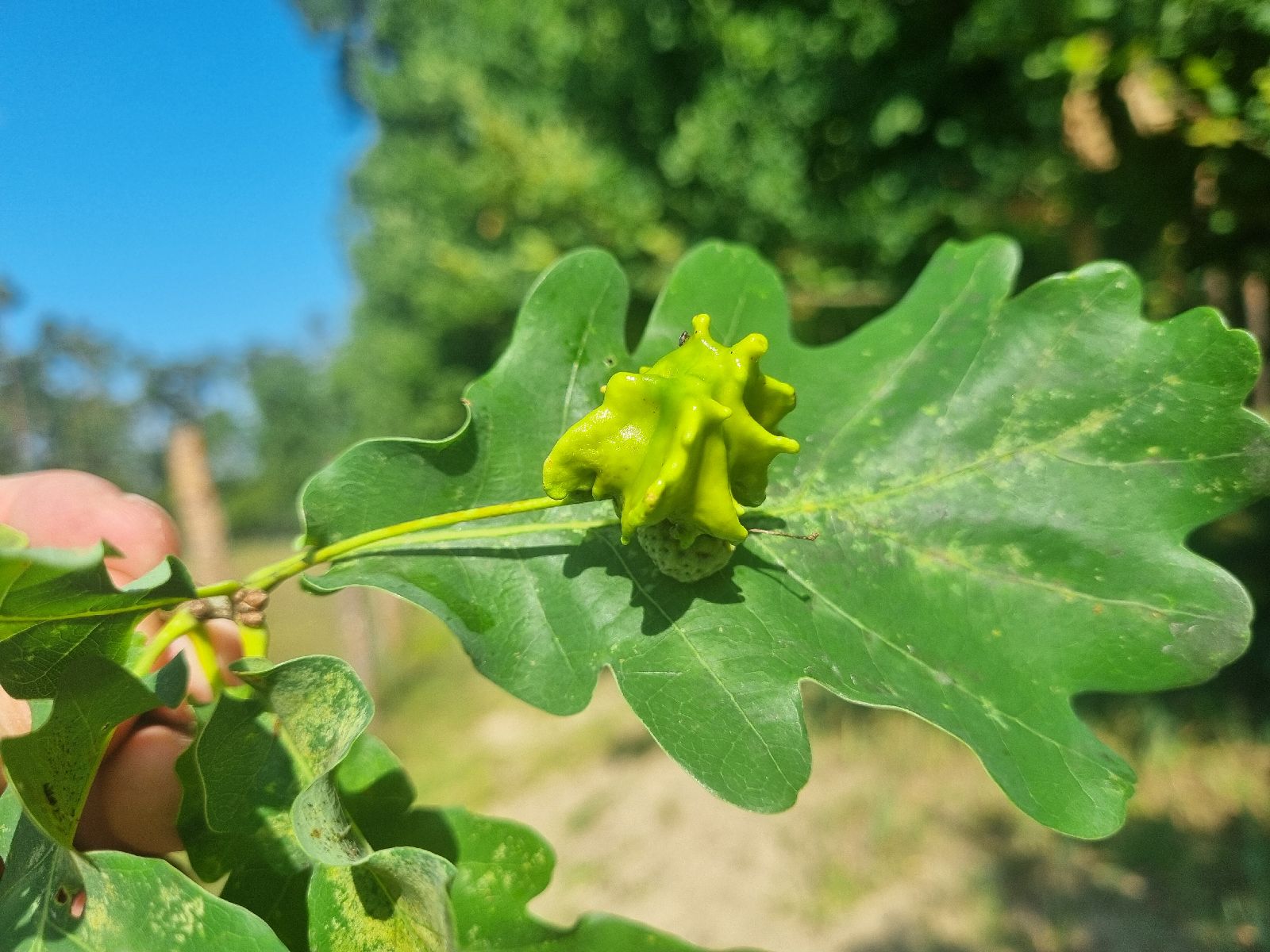
Artichoke gall wasp
Andricus foecundatrix
Received: 14.8.2025
Wood: Dub
Number: 6722
Date of occurrence: 14.8.2025
Discussion
Add comment: Artichoke gall wasp
Number: 6721
Received 14.8.2025
In progress: 0 days
Date of occurrence: 14.8.2025
Significance: Less harmful
Discussion
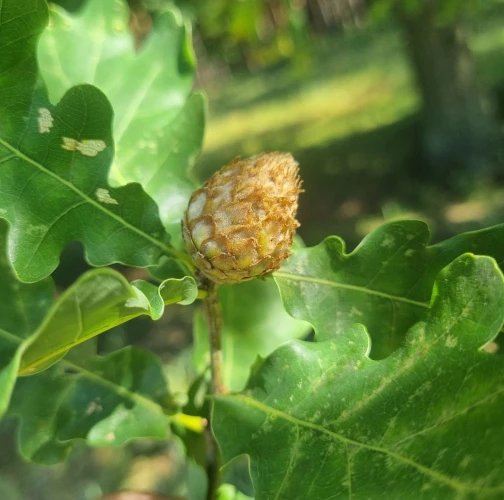
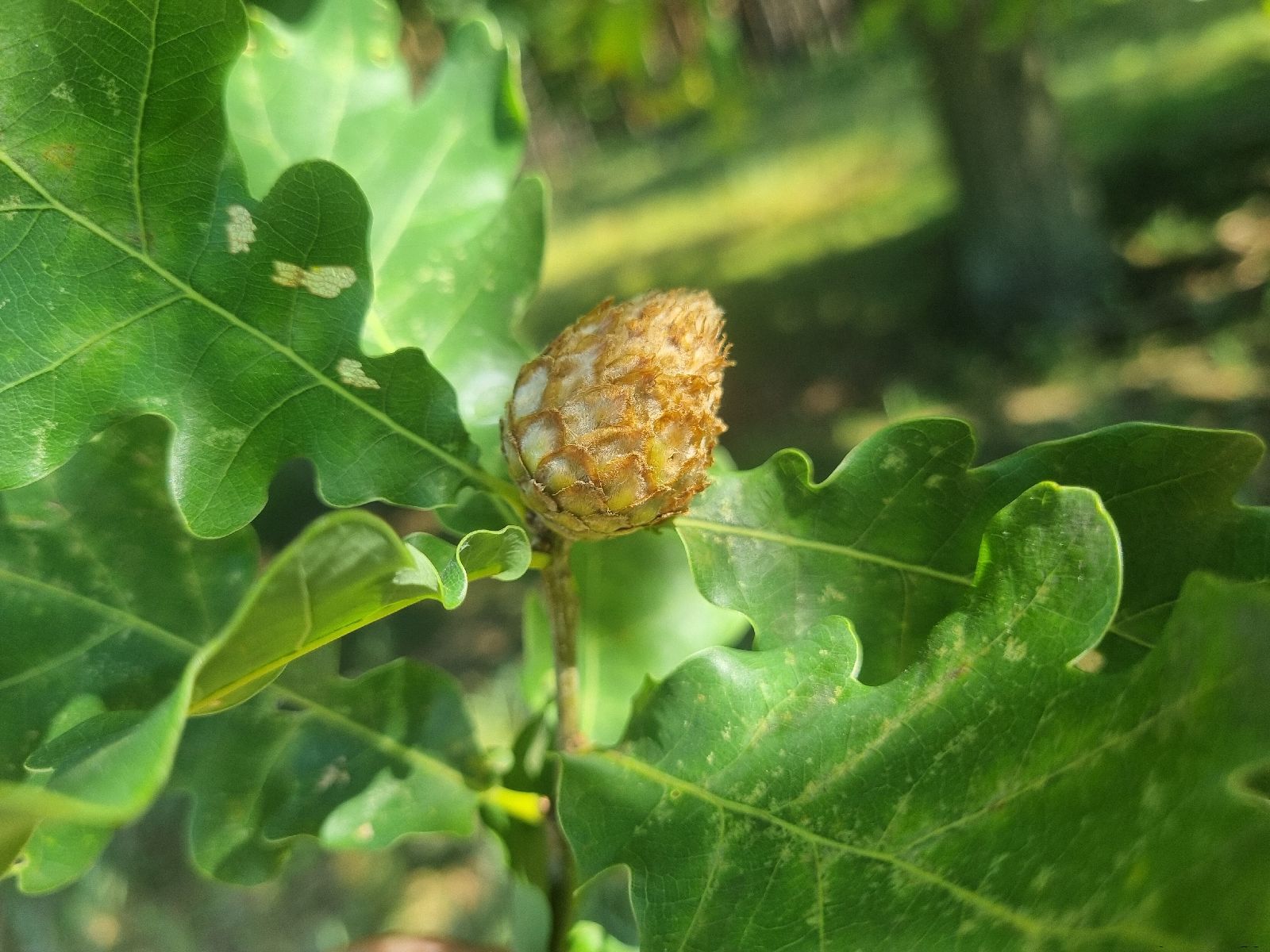
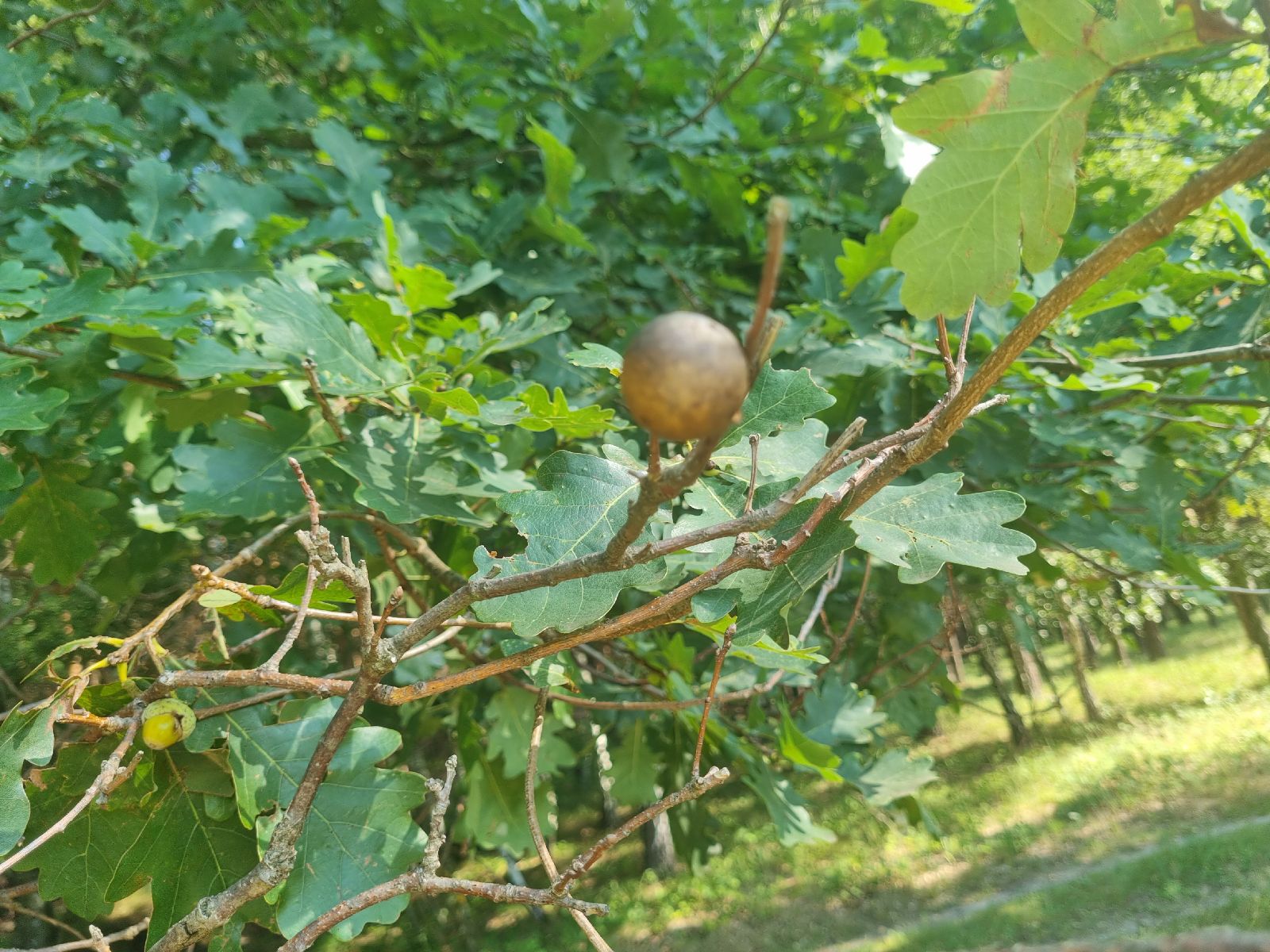
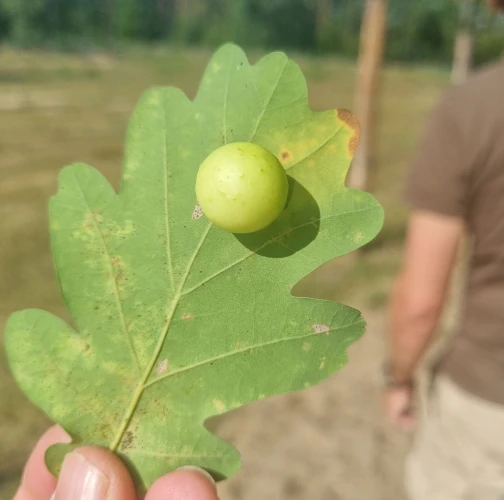
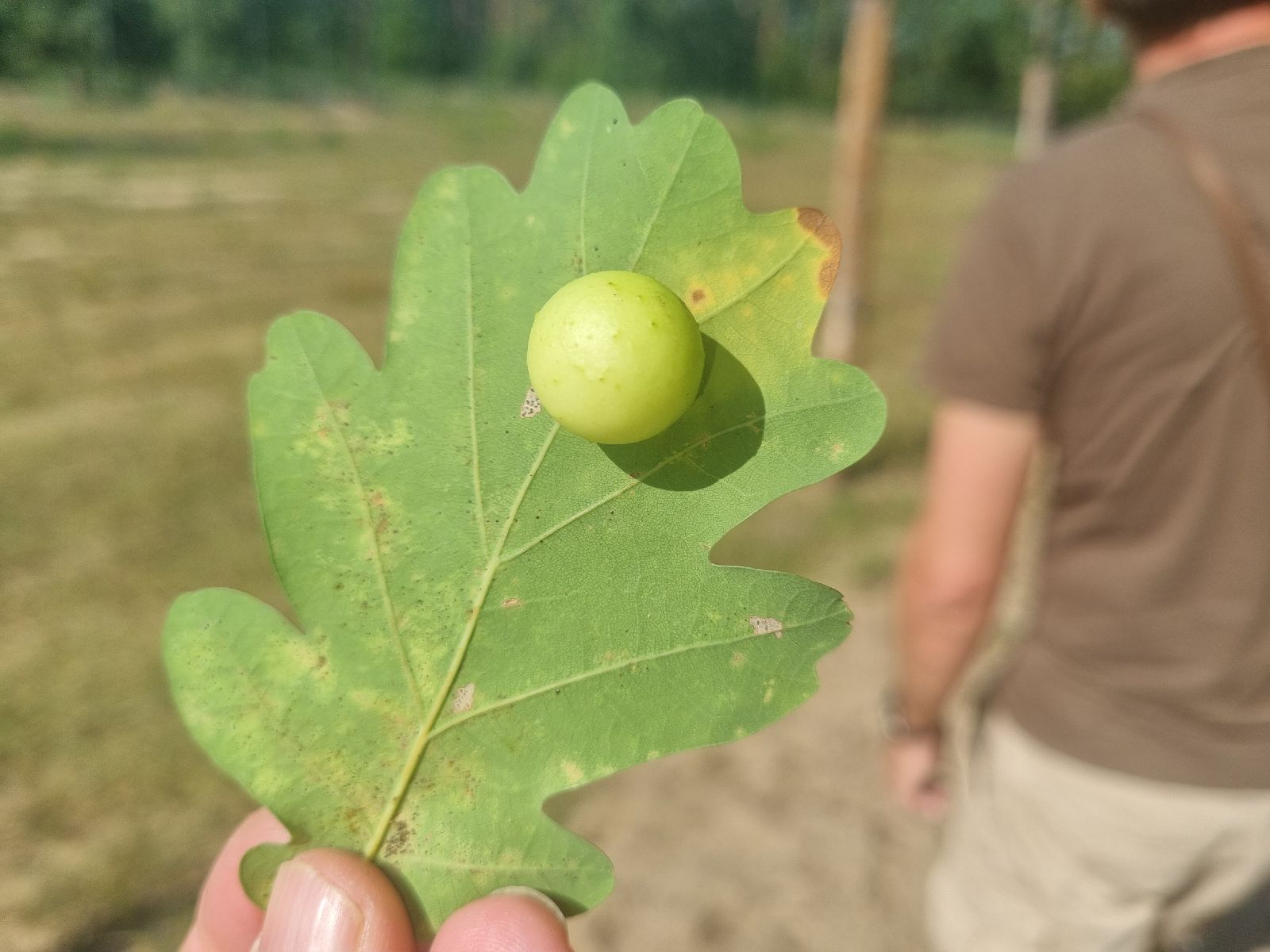
Knopper gall
Andricus quercuscalicis
Received: 14.8.2025
Wood: Dub
Number: 6721
Date of occurrence: 14.8.2025
Discussion
Add comment: Knopper gall
Number: 6720
Received 14.8.2025
In progress: 1 days
Date of occurrence: 14.8.2025
Significance: Harmful
Discussion
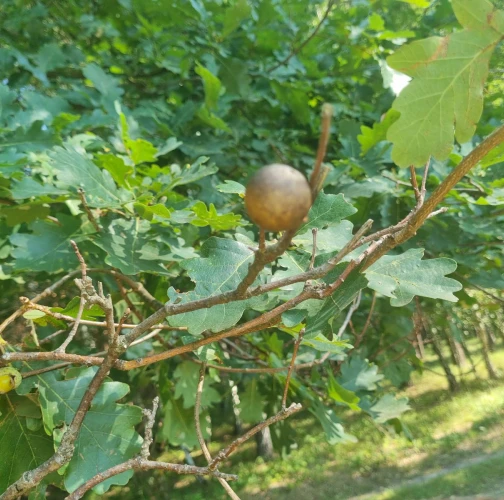
Oak marble gall Andricus kollari
Andricus kollari
Received: 14.8.2025
Wood: Dub
Number: 6720
Date of occurrence: 14.8.2025
Discussion
Add comment: Oak marble gall Andricus kollari
Number: 6719
Received 14.8.2025
In progress: 1 days
Date of occurrence: 14.8.2025
Significance: Less harmful
Discussion
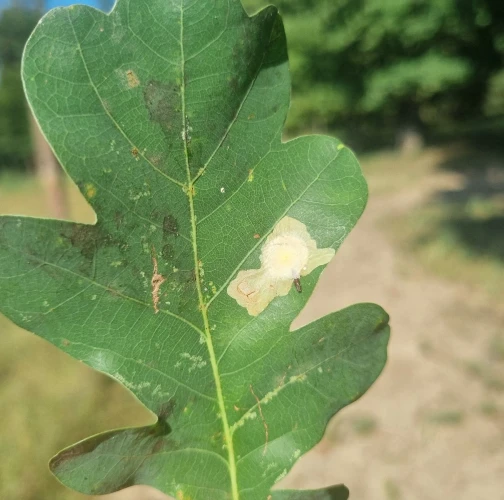
Leaf-mining moth
Tischeria ekebladella
Received: 14.8.2025
Wood: Dub
Number: 6719
Date of occurrence: 14.8.2025
Discussion
Add comment: Leaf-mining moth
Number: 6718
Received 14.8.2025
In progress: 0 days
Date of occurrence: 14.8.2025
Significance: Less harmful
Discussion
Cynipid gall wasp Cynips quercusfolii
Cynips quercusfolii
Received: 14.8.2025
Wood: Dub
Number: 6718
Date of occurrence: 14.8.2025
Discussion
Add comment: Cynipid gall wasp Cynips quercusfolii
Number: 6717
Received 14.8.2025
In progress: 0 days
Date of occurrence: 14.8.2025
Significance: Harmful
Discussion
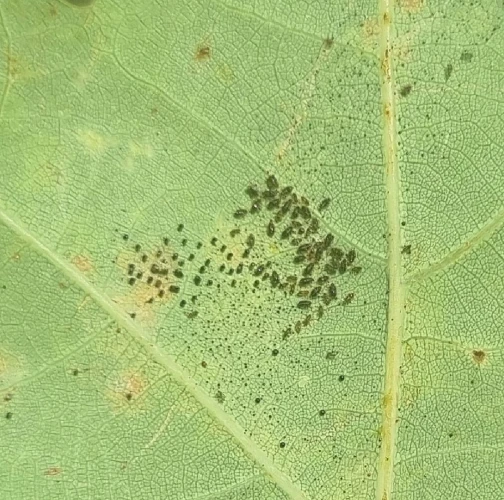
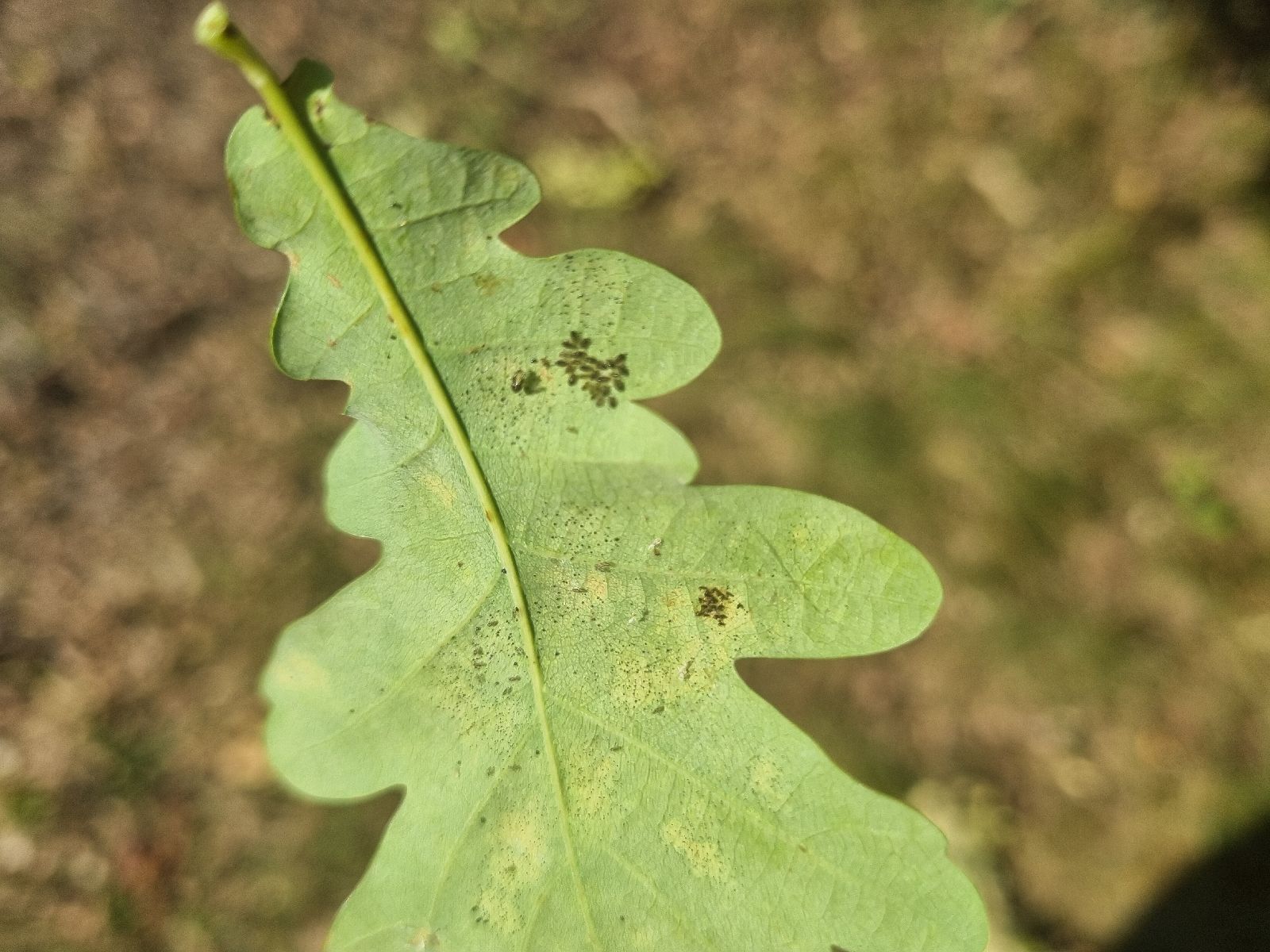
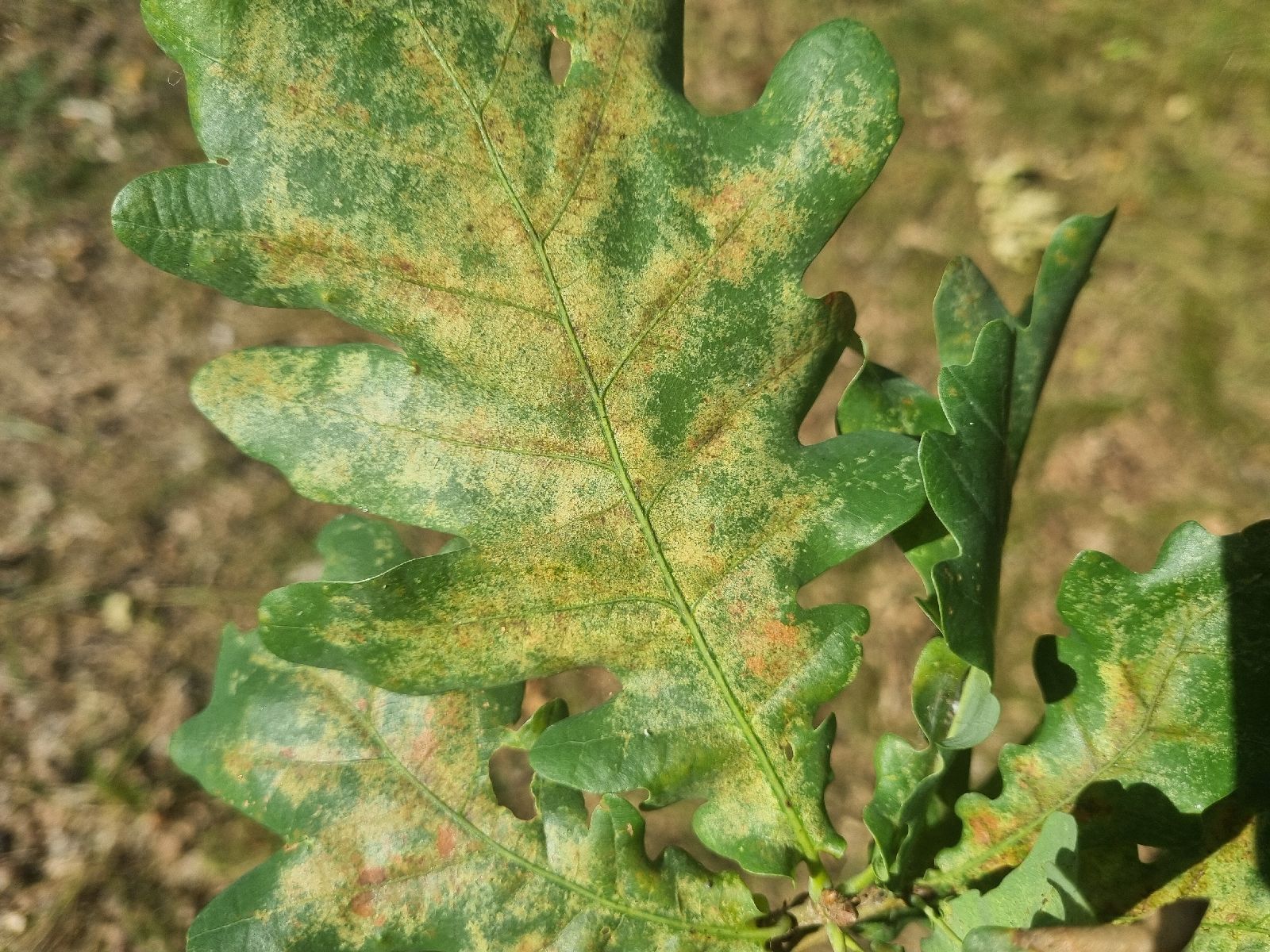
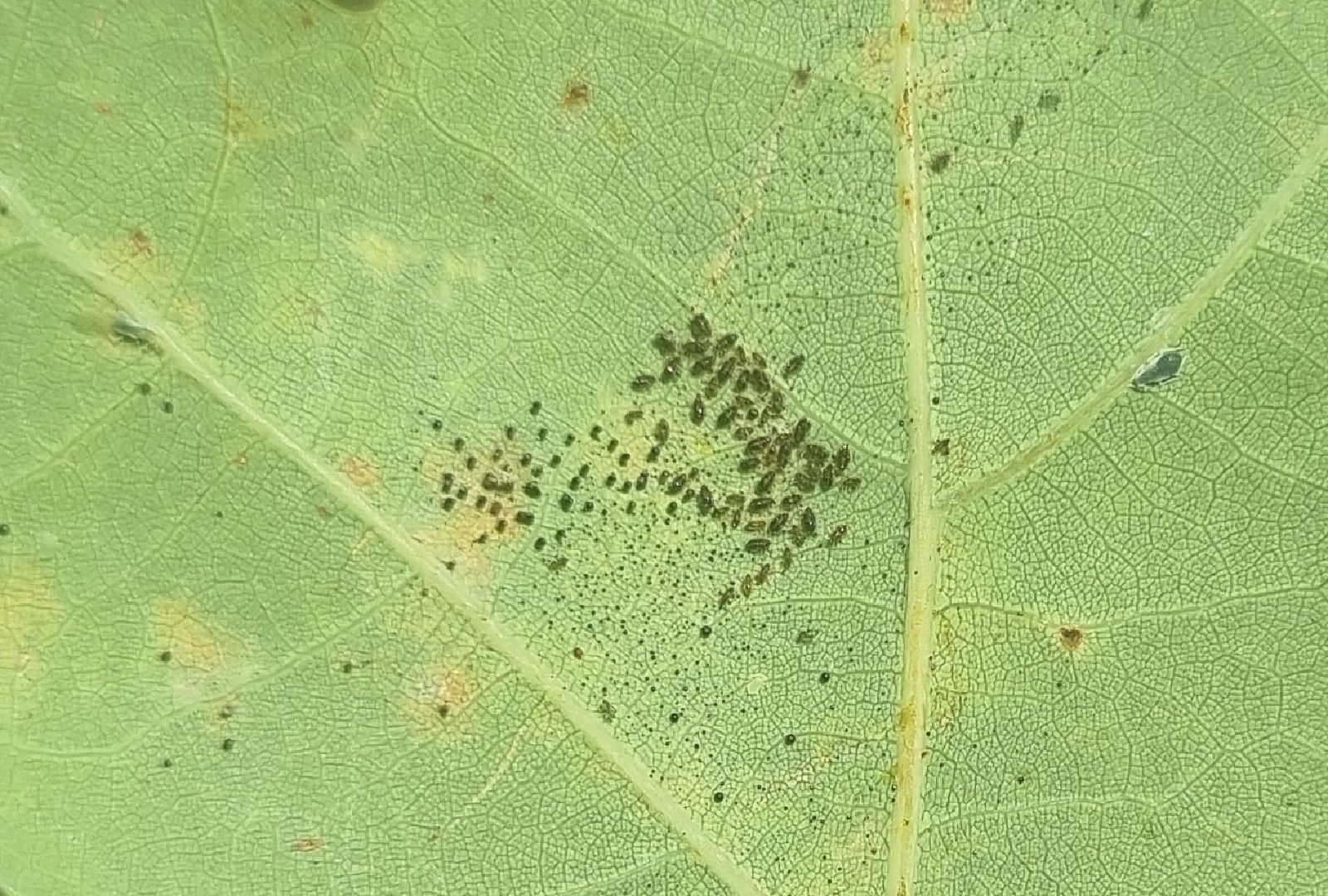
Oak lace bug
Corythucha arcuata
Received: 14.8.2025
Wood: Dub
Number: 6717
Date of occurrence: 14.8.2025
Discussion
Add comment: Oak lace bug
Number: 6714
Received 13.8.2025
In progress: 0 days
Date of occurrence: 13.8.2025
Significance: Harmful
Discussion
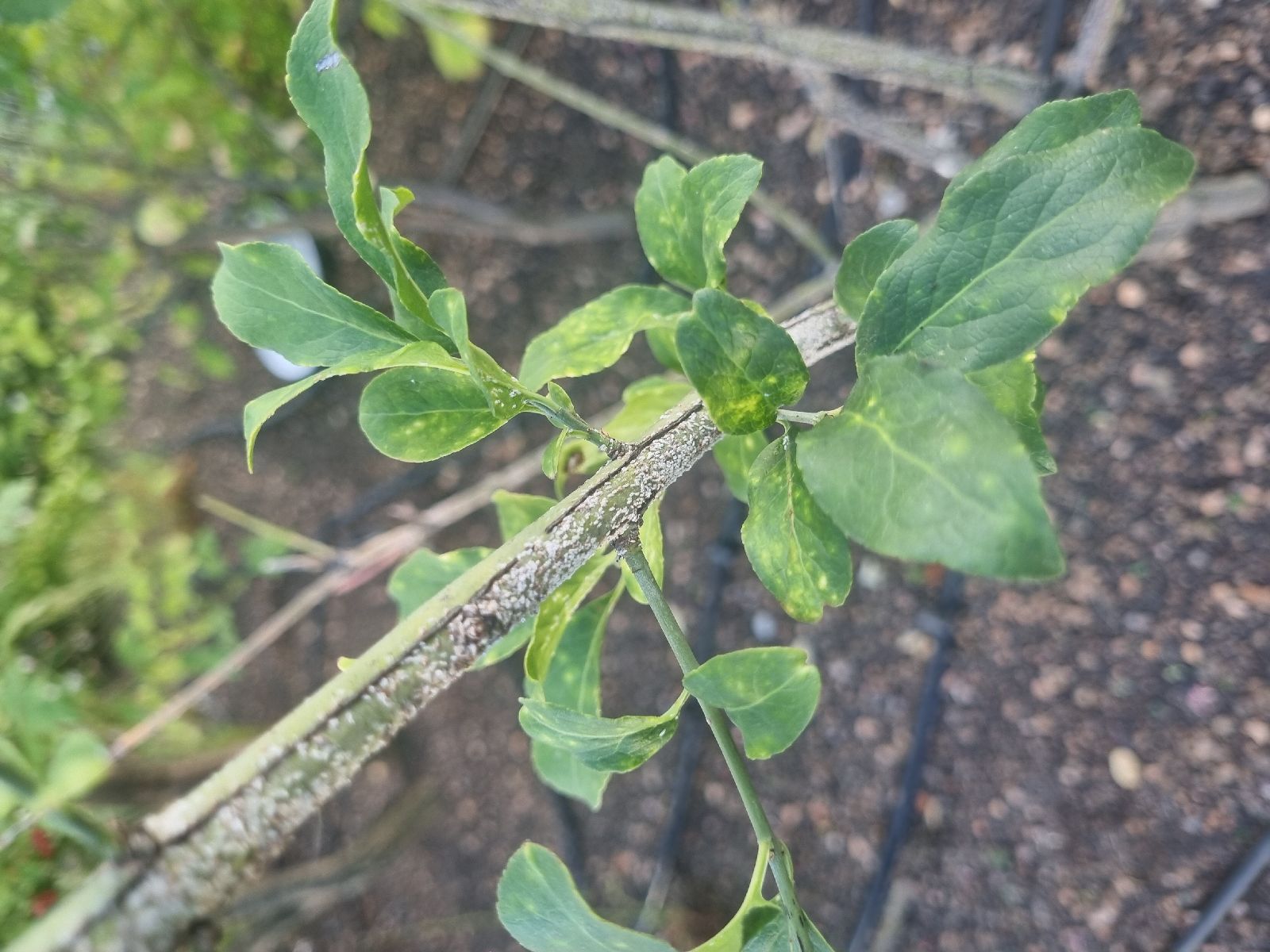
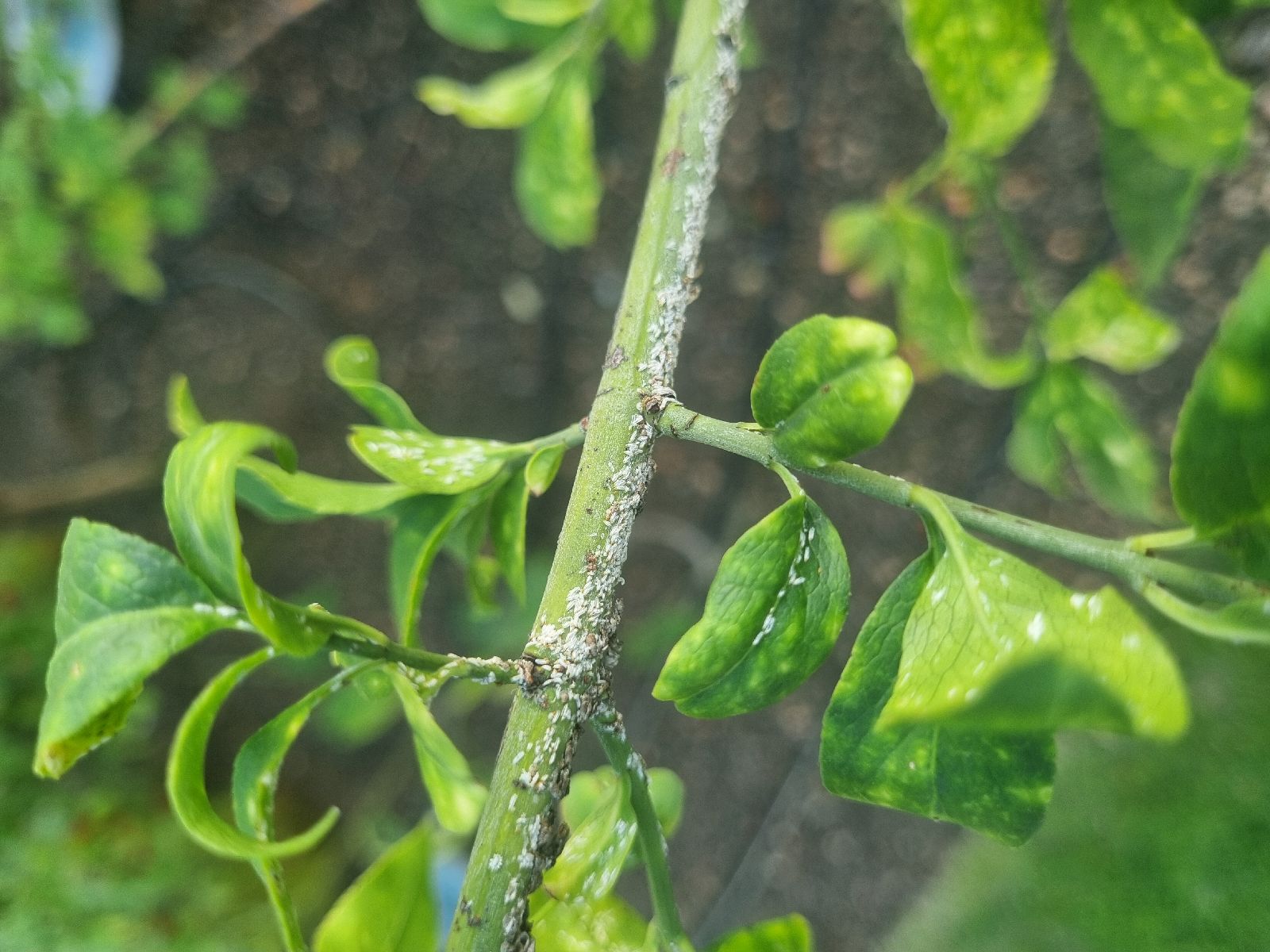
Euonymus scale
Unaspis euonymi
Received: 13.8.2025
Wood: Bršlen
Number: 6714
Date of occurrence: 13.8.2025
Discussion
Add comment: Euonymus scale
Number: 6713
Received 13.8.2025
In progress: 20 days
Date of occurrence: 12.8.2025
Significance: Less harmful
Discussion
Assigned: M. Zúbrik
Country: Slovakia
Question
Answer
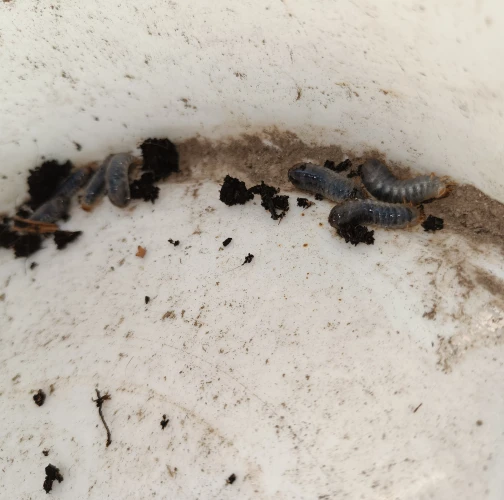
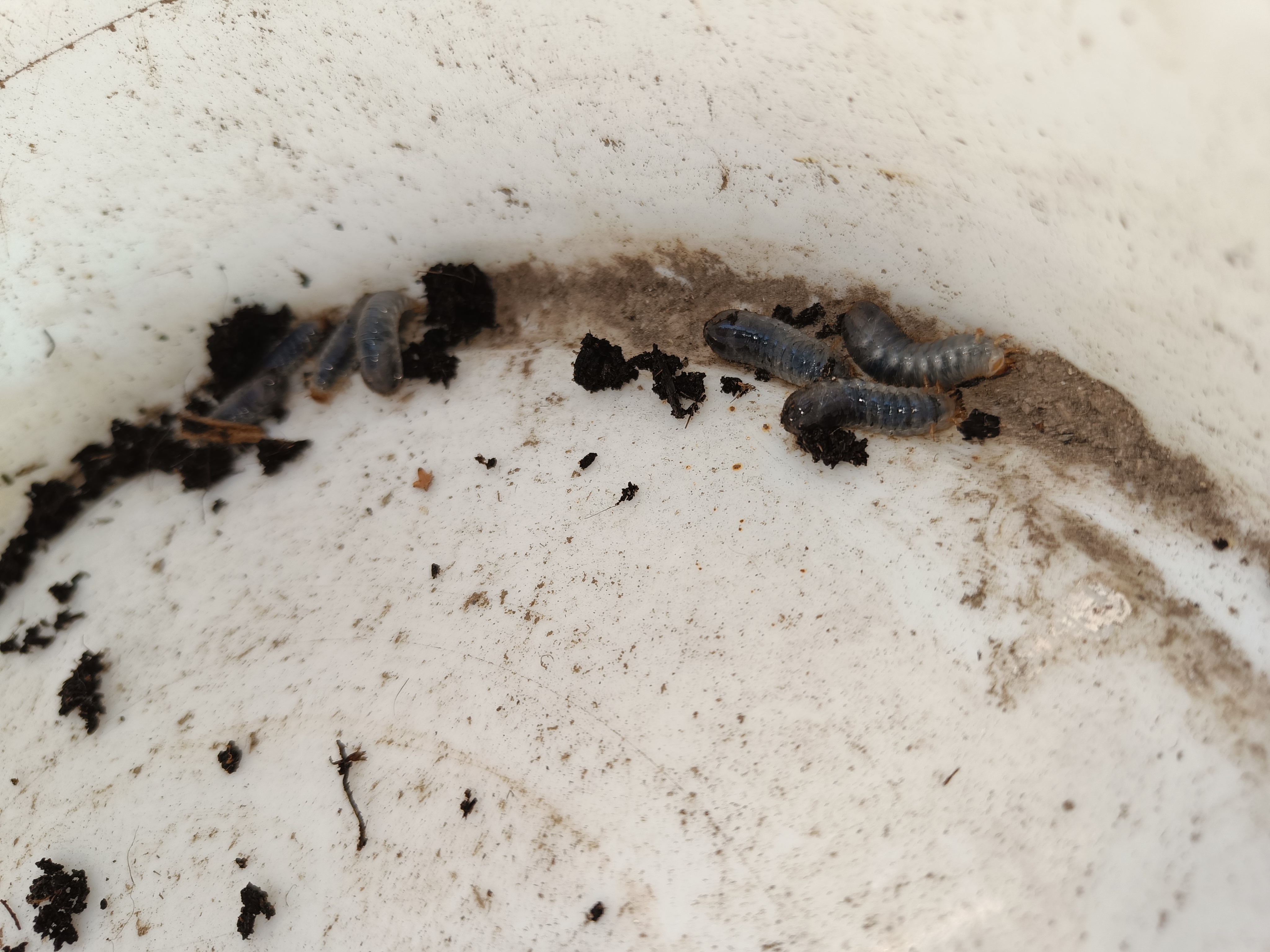
Ospravedlňujem sa za oneskorenú odpoveď, prehliadol som váš dotaz v systéme. Na obrázku sú pandravy chrobákov zo skupiny Cetoniinae. Živia sa rozkladajúcim sa rastlinným materiálom. S pozdravomM. Zúbrik
Number of votes for this answer: 0
Pest
Flower chafers Cetoniinae
Cetoniinae
Flower chafers Cetoniinae
Cetoniinae
Received: 13.8.2025
Wood: Čučoriedka
Number: 6713
Date of occurrence: 12.8.2025
Discussion
Add comment: Flower chafers Cetoniinae
Number: 6708
Received 12.8.2025
In progress: 21 days
Date of occurrence: 12.8.2025
Significance: Very harmful
Discussion
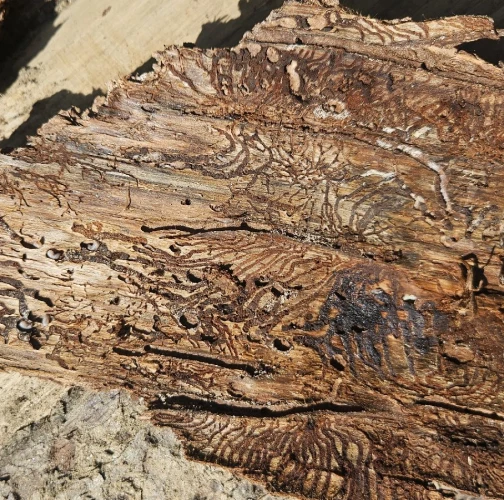
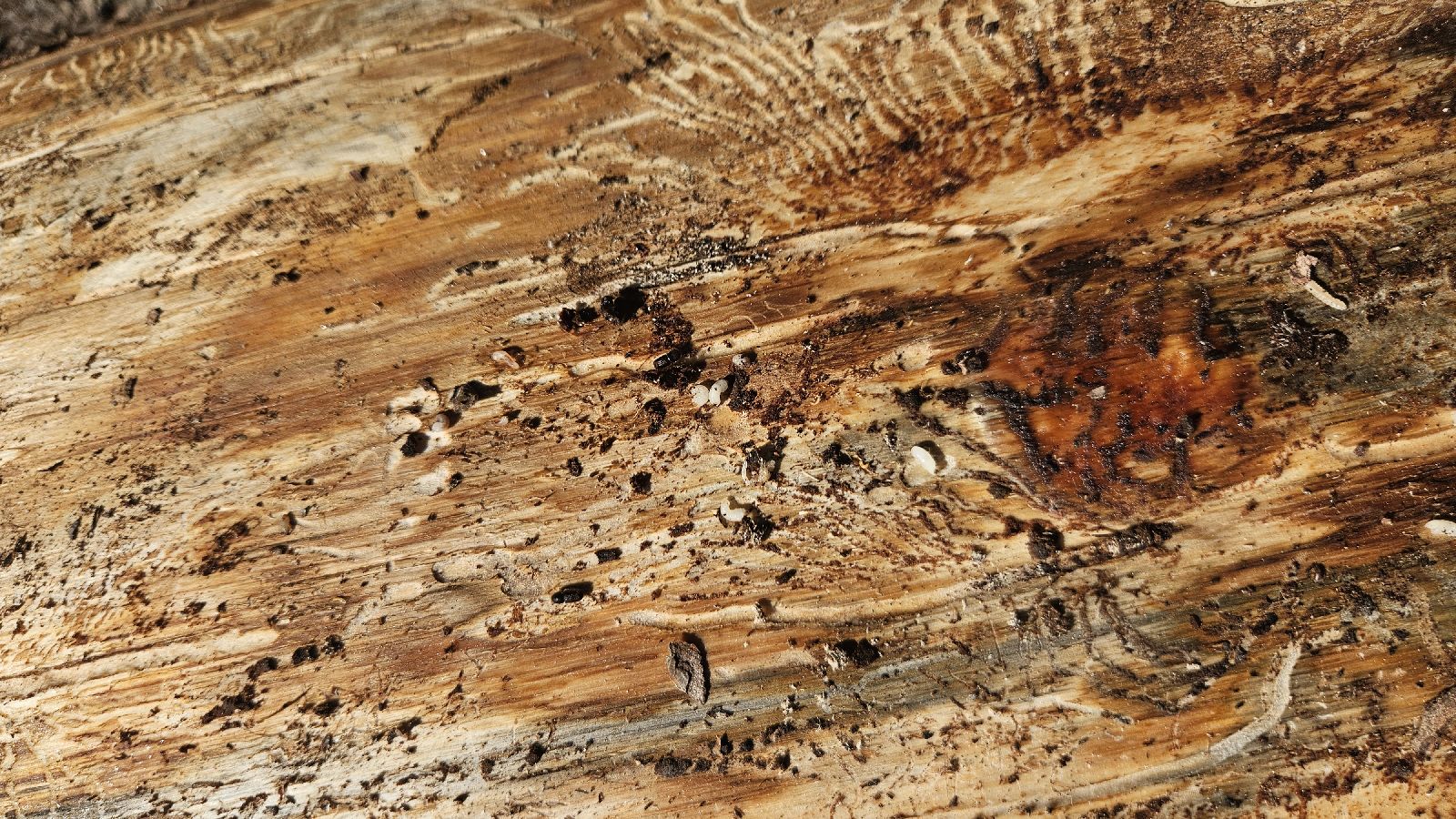
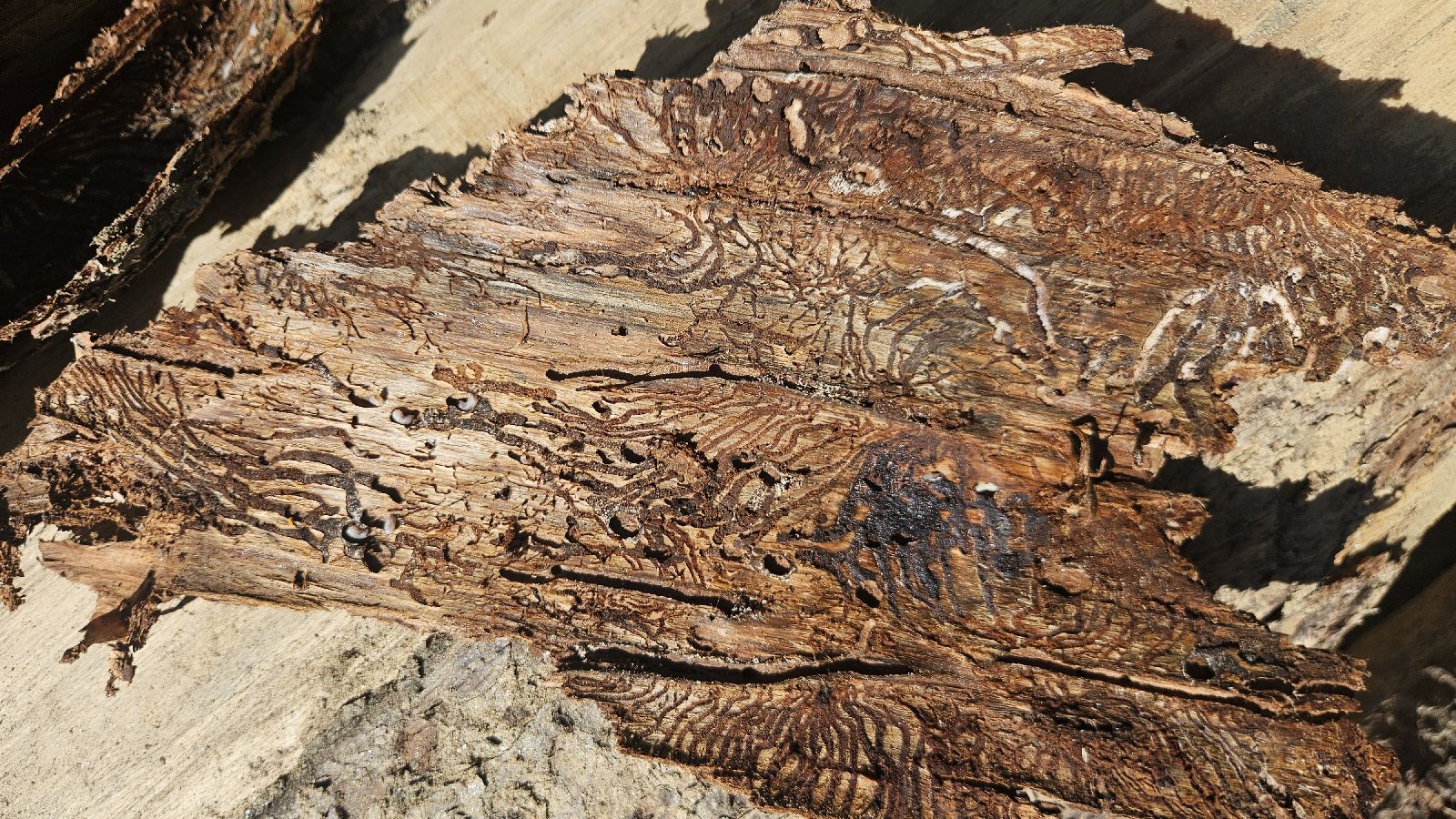
European spruce bark beetle
Ips typographus
Received: 12.8.2025
Wood: Smrek
Number: 6708
Date of occurrence: 12.8.2025
Discussion
Add comment: European spruce bark beetle
Number: 6707
Received 11.8.2025
In progress: 3 days
Date of occurrence: 11.8.2025
Significance: Very harmful
Discussion
Assigned: V. Longauerová
Country: Italy
Question
Answer
Dear Alessandro,
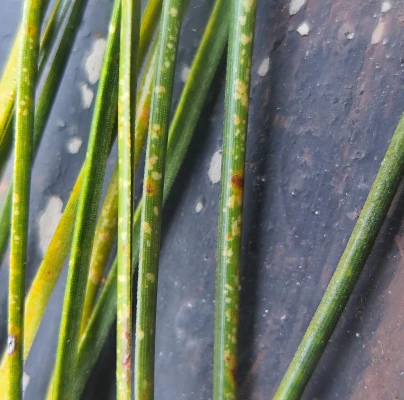
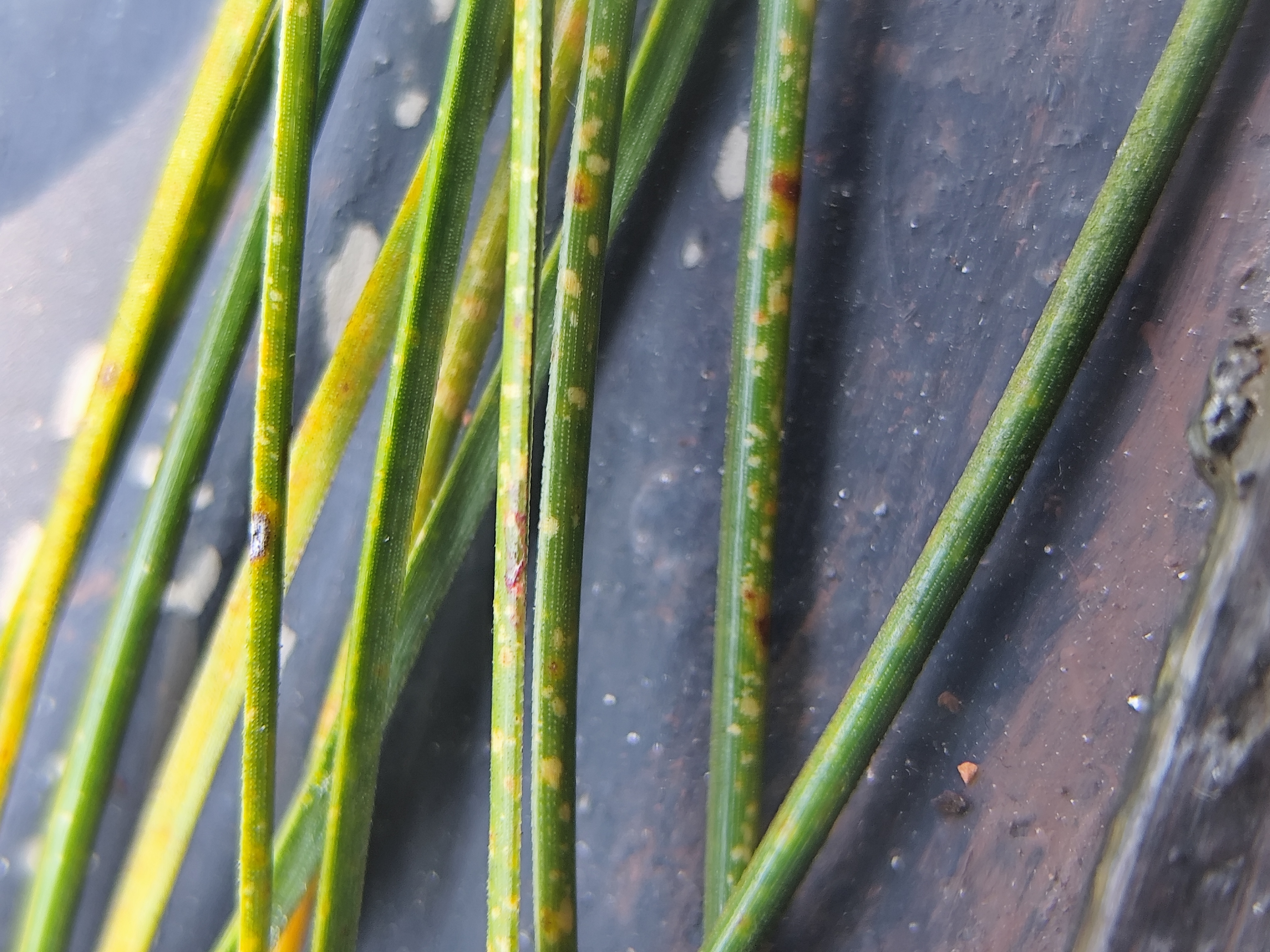
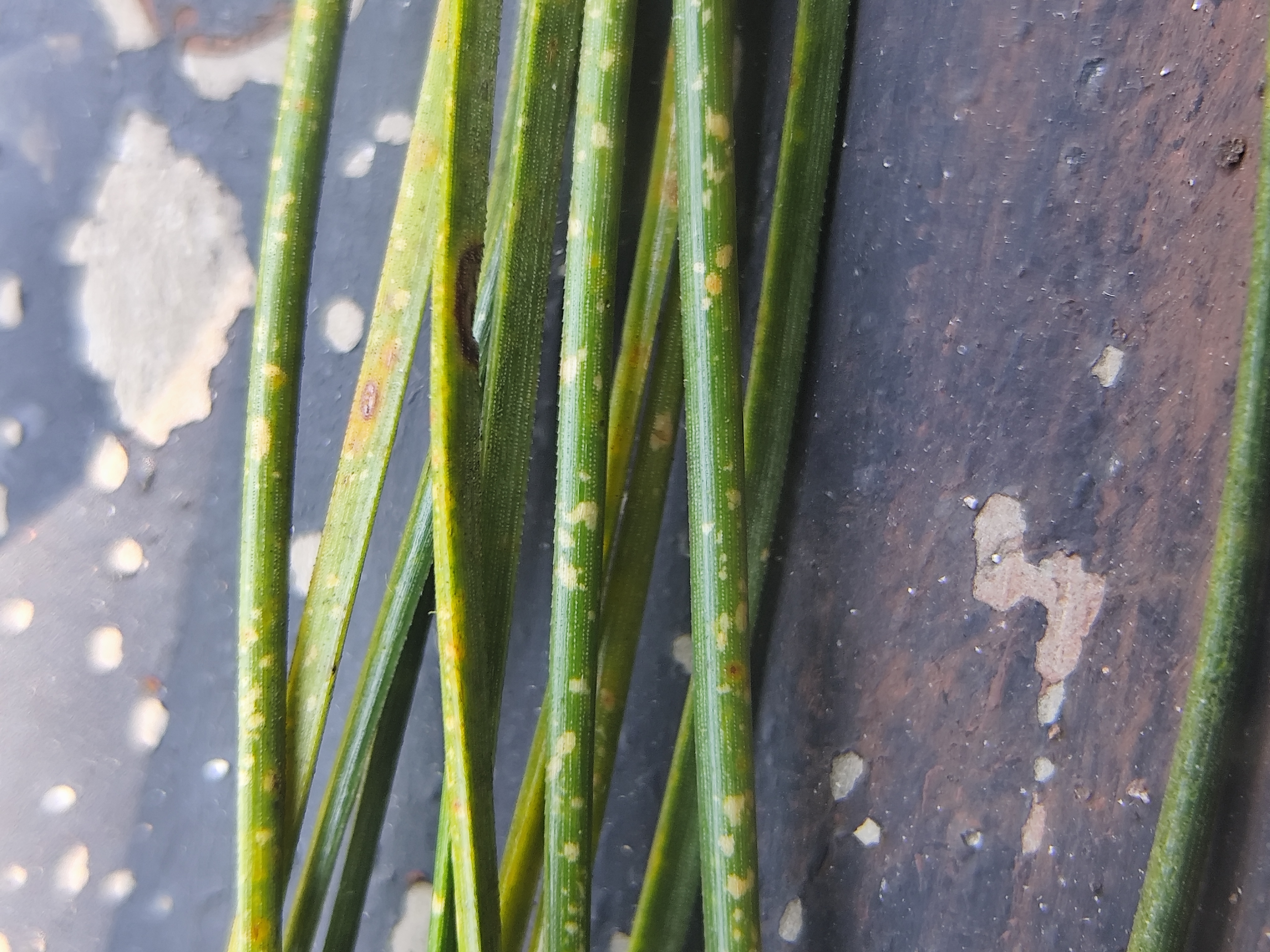
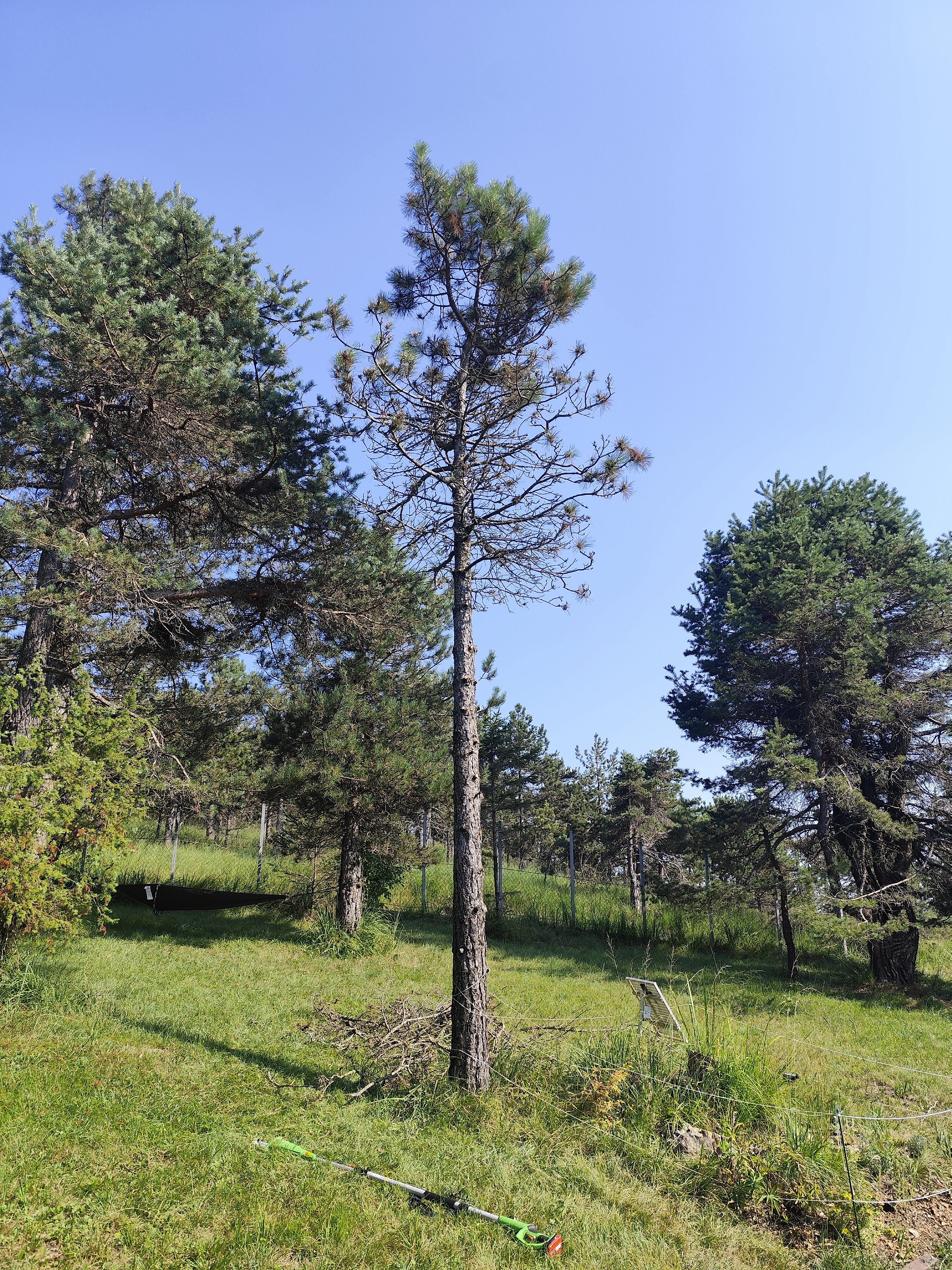
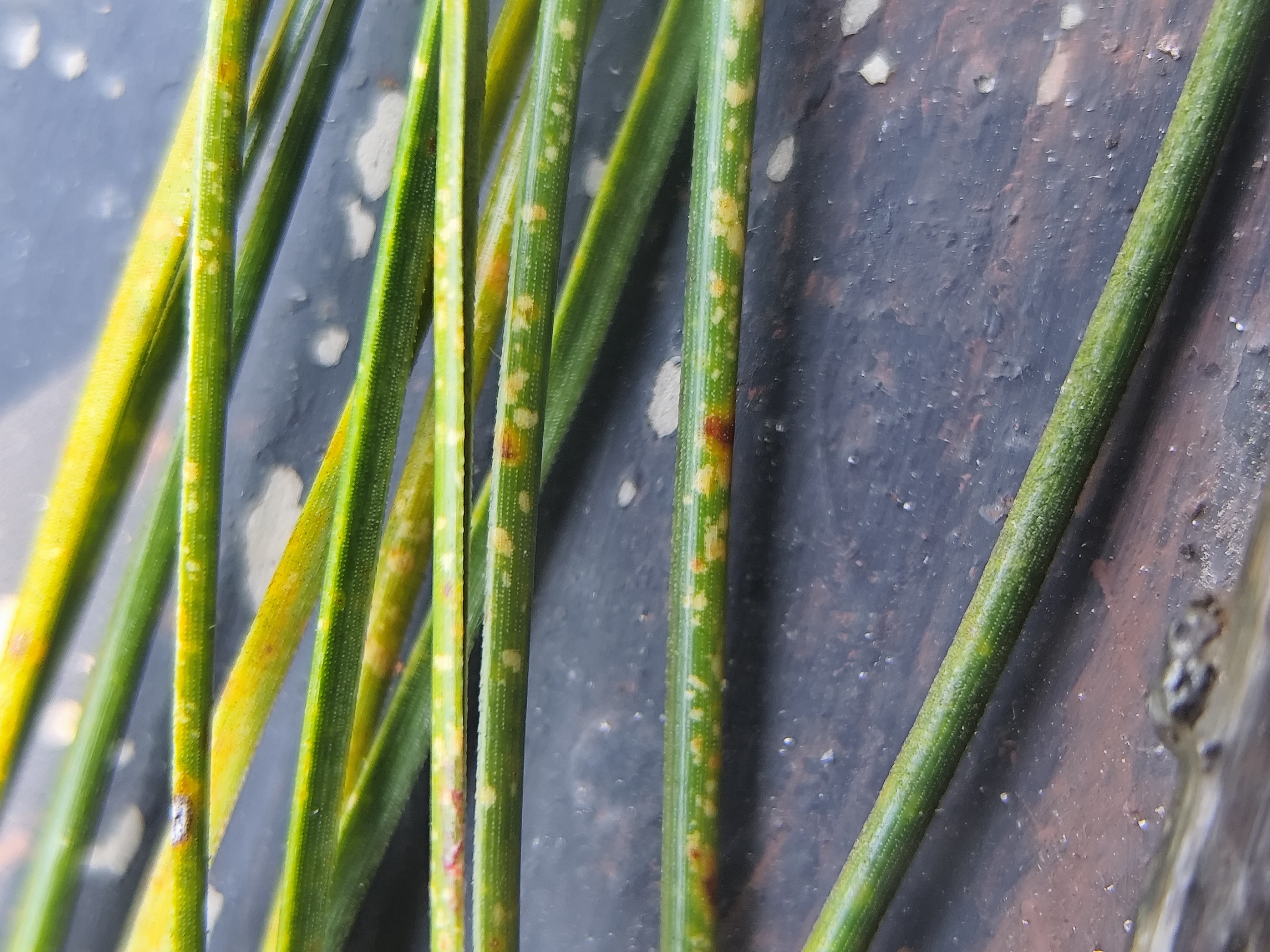
Thank you for your question. Based on the photo, the pathogen appears to be Dothistroma septosporum. Needle infection occurs from early May to late September. The first symptoms are pale yellow to brown spots resembling damage caused by sucking insects. By November, the infected needles have turned brown, and by the end of December, brick-red spots or even transverse stripes may be visible on the brown needles. The asexual stage of the fungus is Mycosphaerella pini.
Best regards.
Valeria
Number of votes for this answer: 0
Pest
Dothistroma needle blight
Dothistroma septosporum
Dothistroma needle blight
Dothistroma septosporum
Received: 11.8.2025
Wood: Pine
Number: 6707
Date of occurrence: 11.8.2025
Discussion
Add comment: Dothistroma needle blight
Number: 6704
Received 10.8.2025
In progress: 1 days
Date of occurrence: 9.8.2025
Significance: Less harmful
Discussion
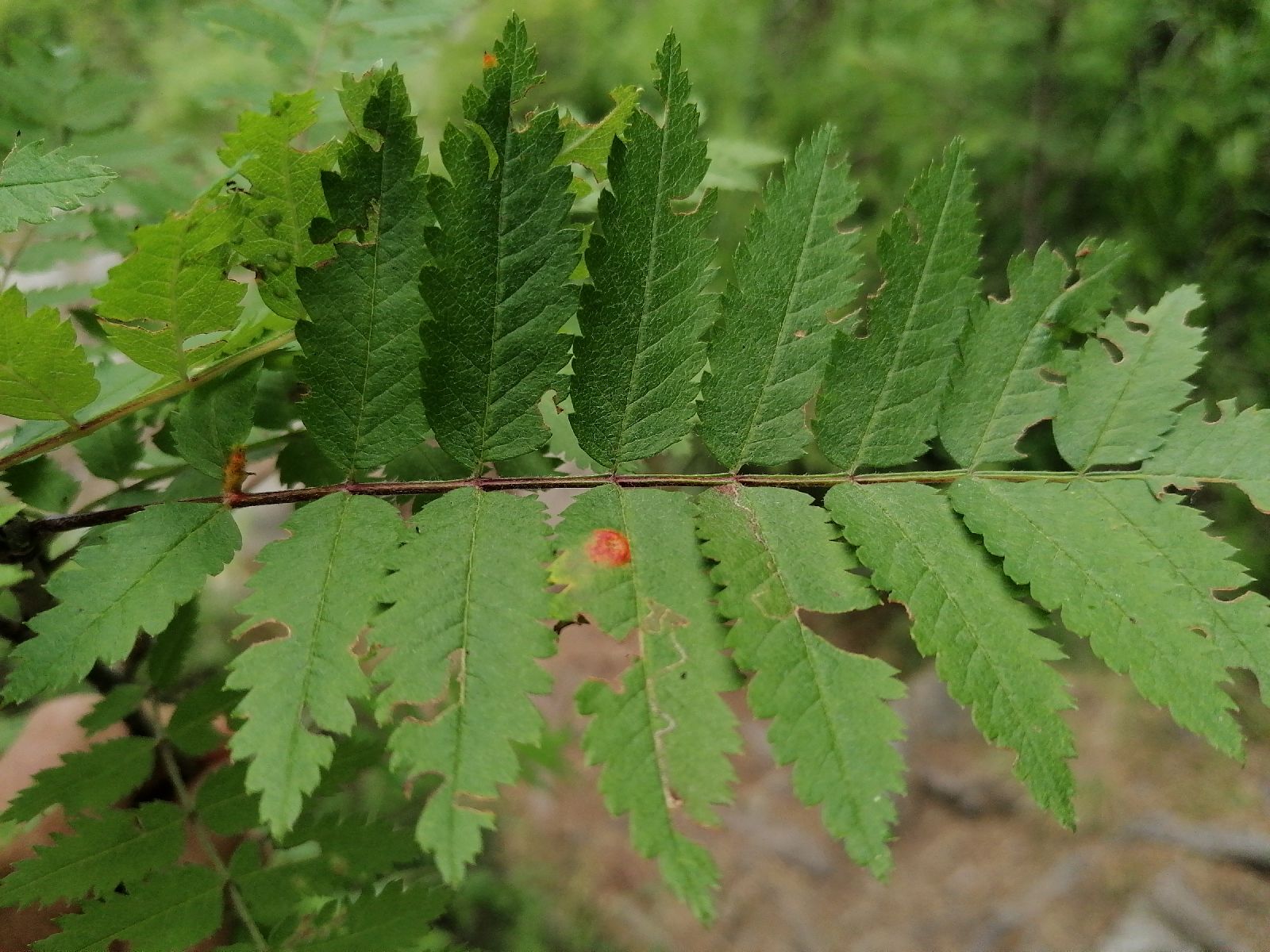
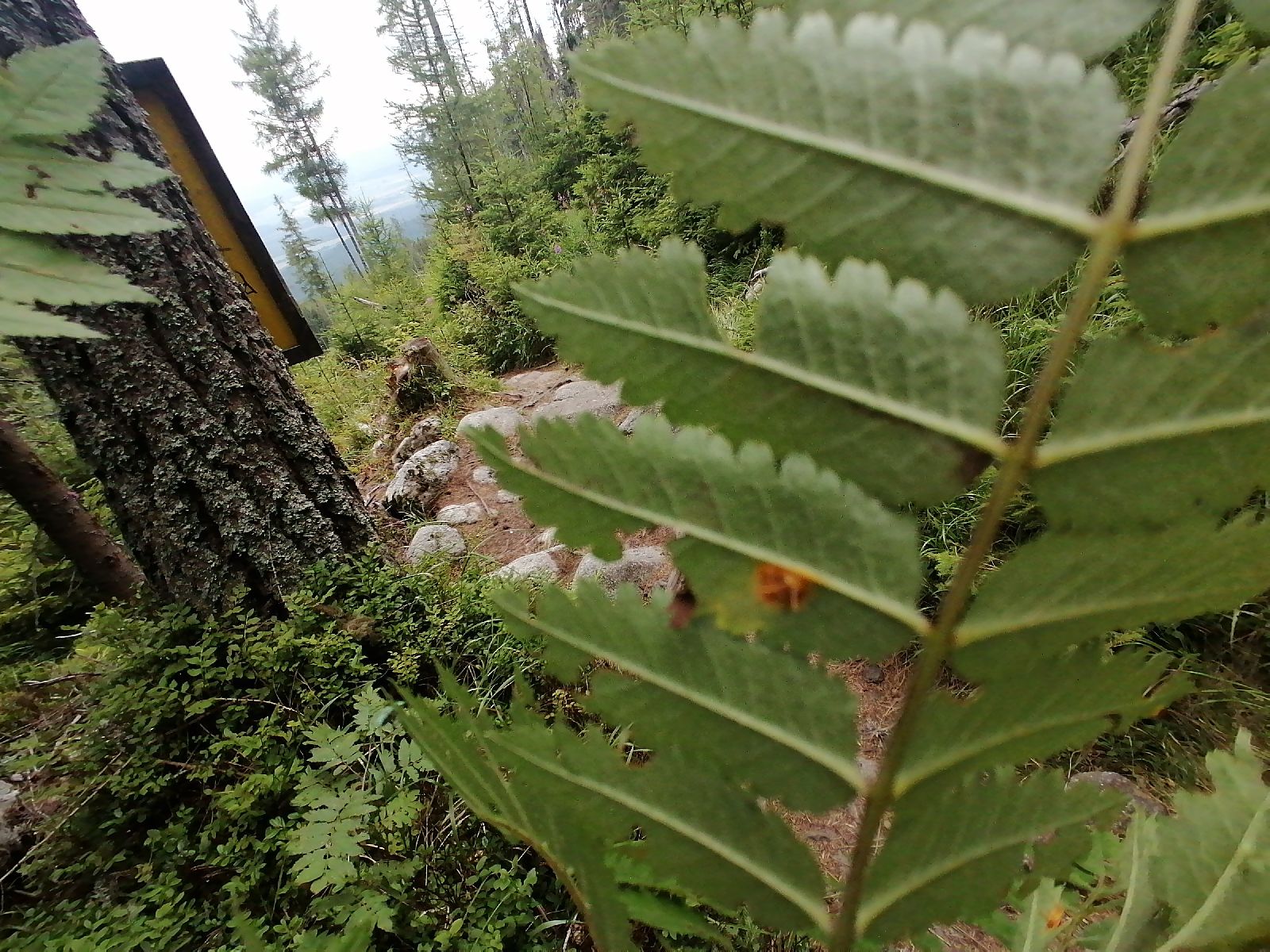
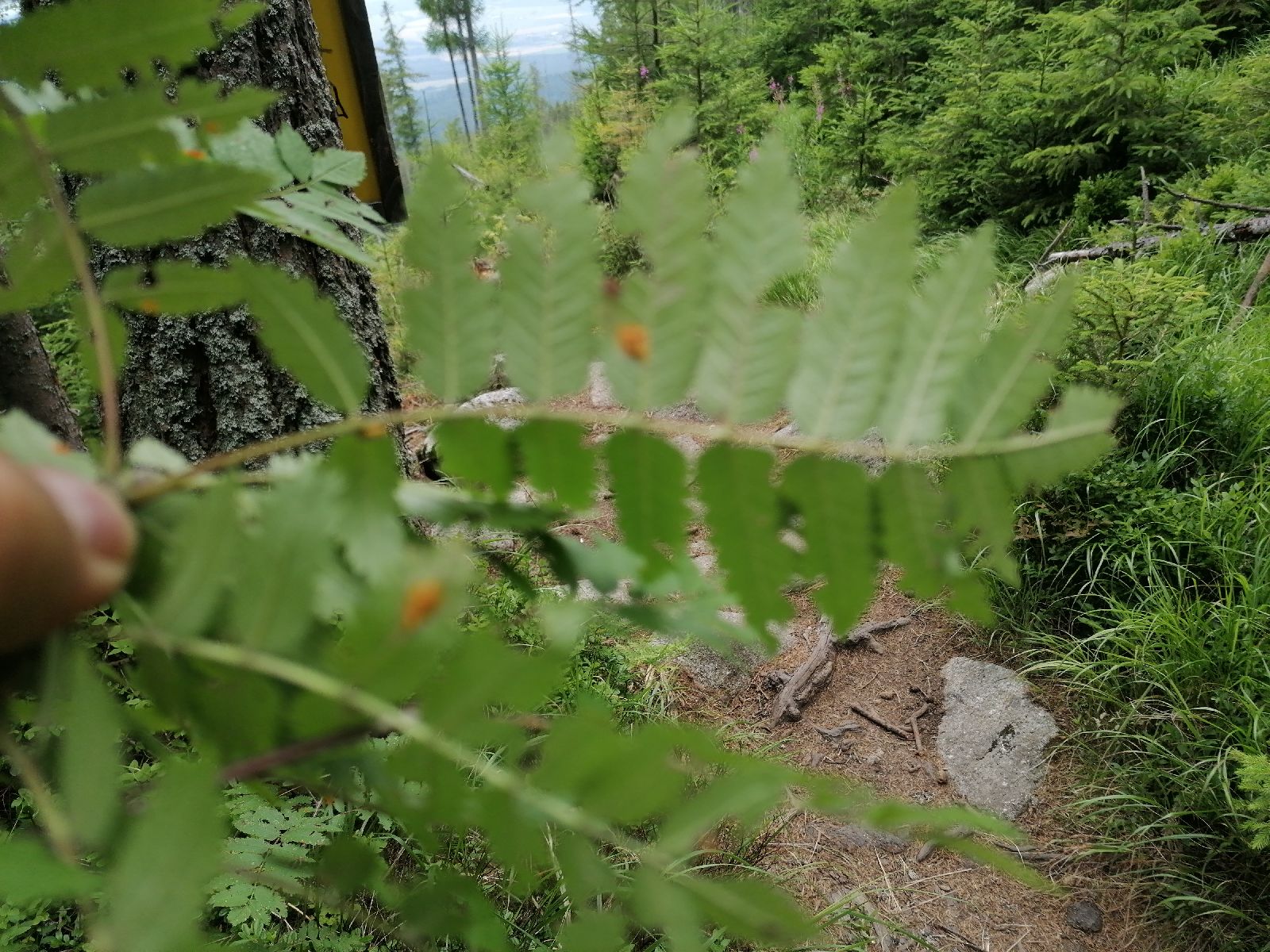
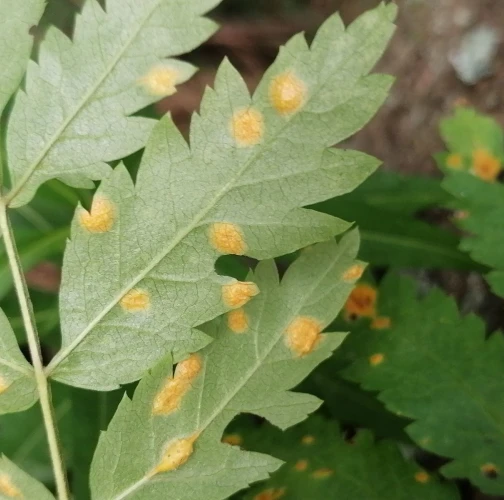
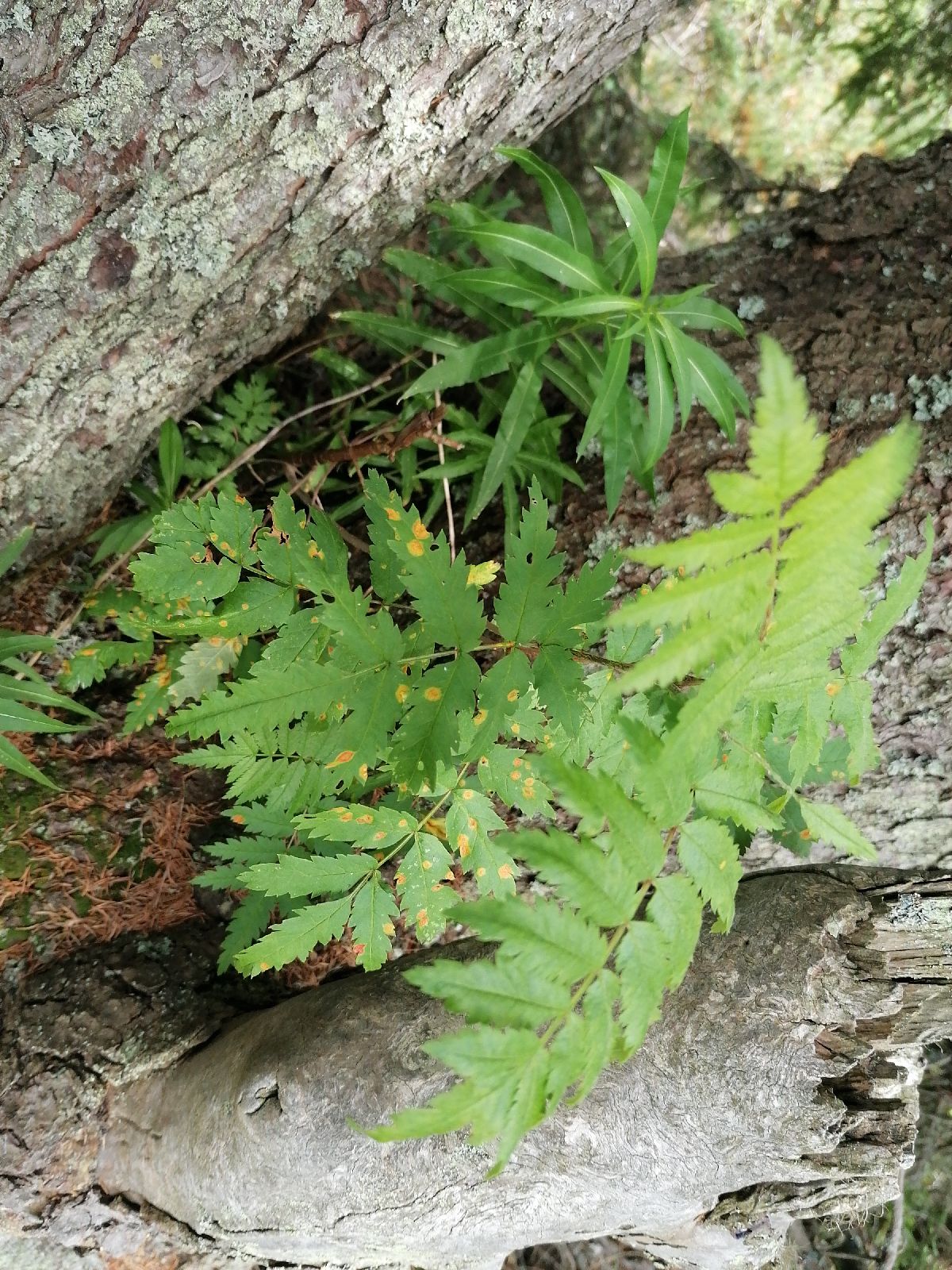
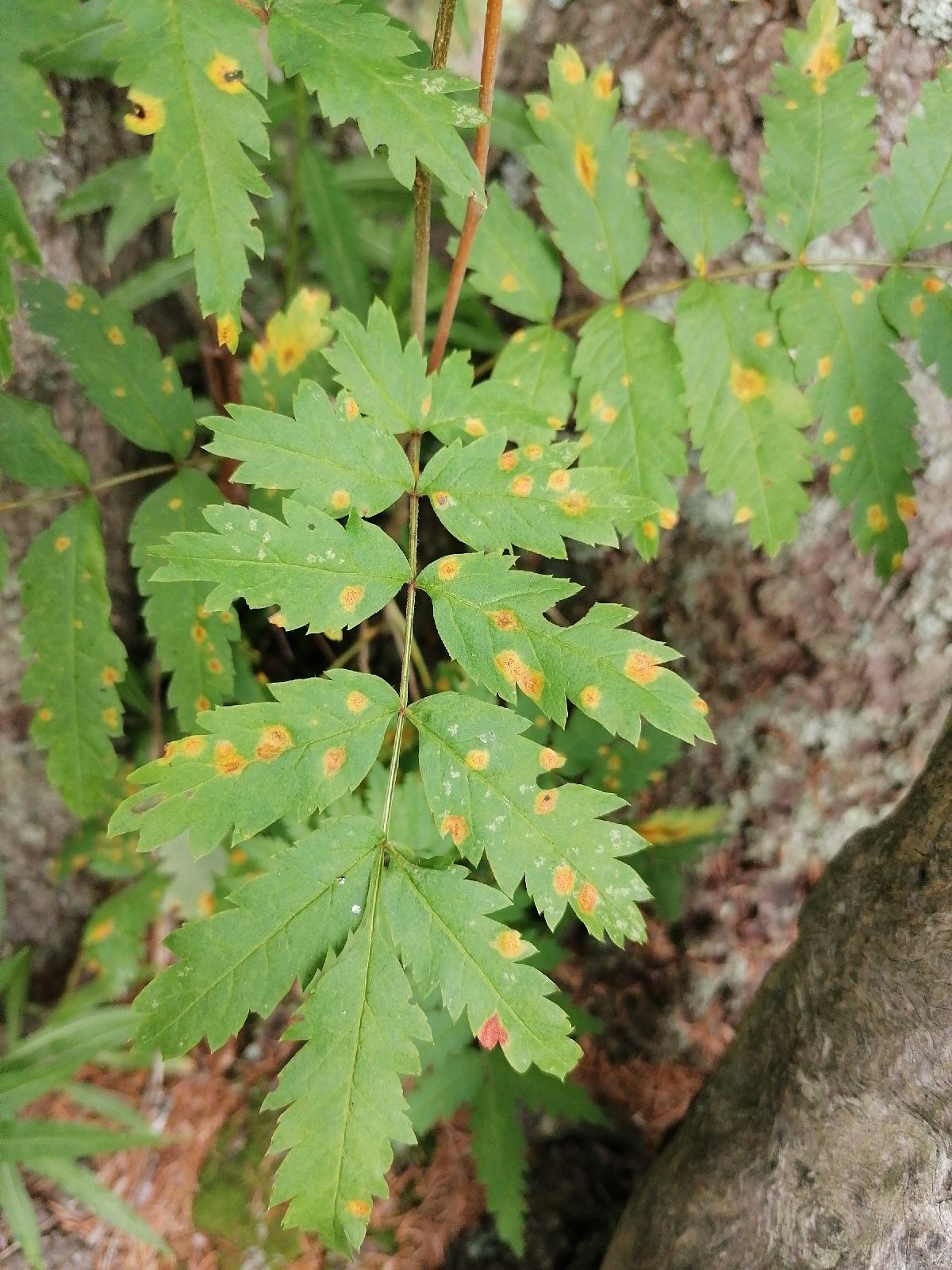
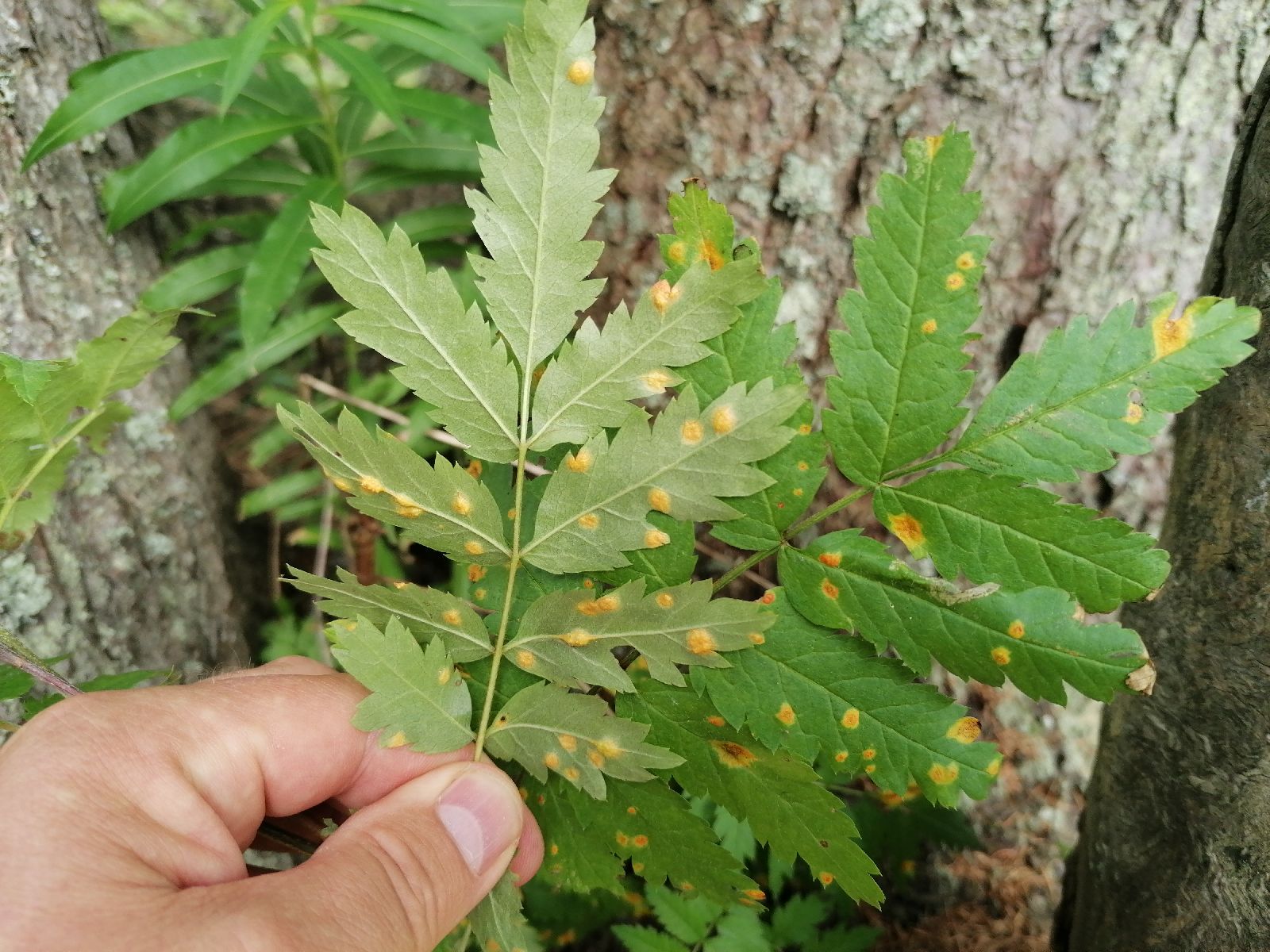
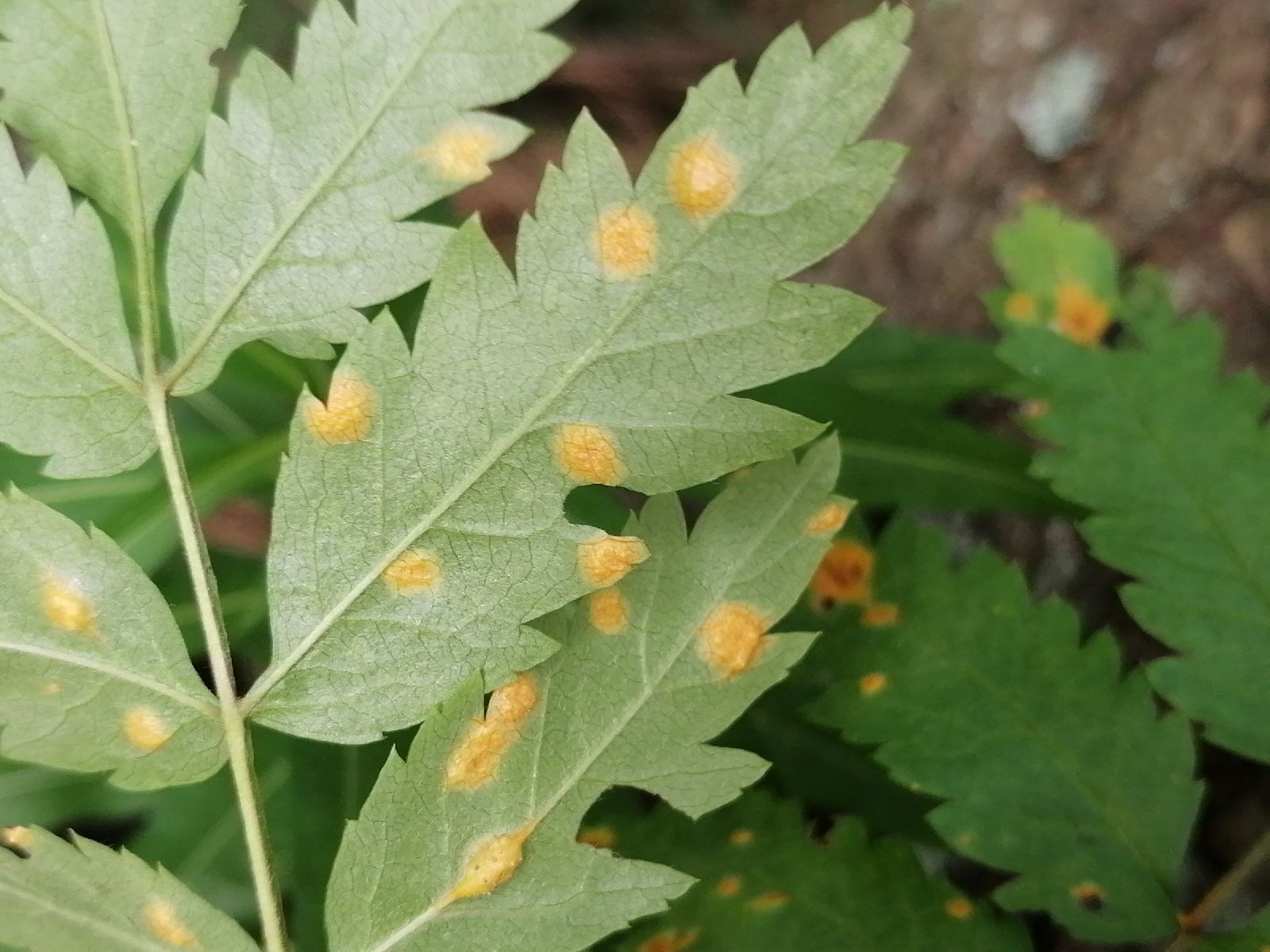
Mountain ash juniper rust
Gymnosporangium cornutum
Received: 10.8.2025
Wood: Jarabina
Number: 6704
Date of occurrence: 9.8.2025
Discussion
Add comment: Mountain ash juniper rust
Number: 6702
Received 10.8.2025
In progress: 1 days
Date of occurrence: 9.8.2025
Significance: Less harmful
Discussion
Mountain ash juniper rust
Gymnosporangium cornutum
Received: 10.8.2025
Wood: Jarabina
Number: 6702
Date of occurrence: 9.8.2025
Discussion
Add comment: Mountain ash juniper rust