Login | Registration | List of contributors

Requests to determine the cause of damage

Here you can request to determine the cause of the damage. You can view the requests of other users and sort them according to the selected criteria. In addition, you can get information about your request, and you can follow the progress of its current state. If your application was not approved, it had probably been because it was impossible to identify the damage based on the sent photos or because the application does not address our topic - determining the pests of trees and shrubs. We will inform you about the status of your application by email.

Filter reset

Code
Date
Assigned
Status
Days from submission
7470
26.2.2026
A. Kunca
Completed
0
7469
26.2.2026
M. Zúbrik
Completed
0
7456
20.2.2026
A. Kunca
Completed
4
7455
19.2.2026
M. Zúbrik
Completed
1
7449
17.2.2026
M. Zúbrik
Completed
1
7448
17.2.2026
V. Longauerová
Completed
1
7416
2.2.2026
M. Zúbrik
Completed
0
7415
2.2.2026
A. Kunca
Completed
1
7409
27.1.2026
R. Leontovyč
Completed
7
7407
27.1.2026
A. Kunca
Completed
7

Rejected requests are not displayed. You have been notified by email that your application has been denied.
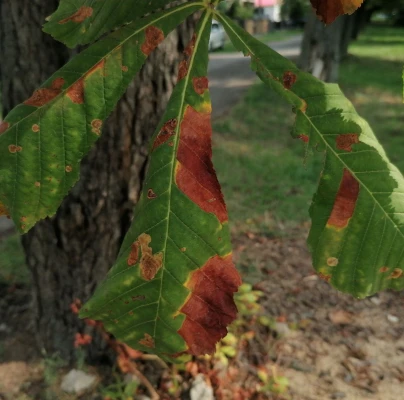
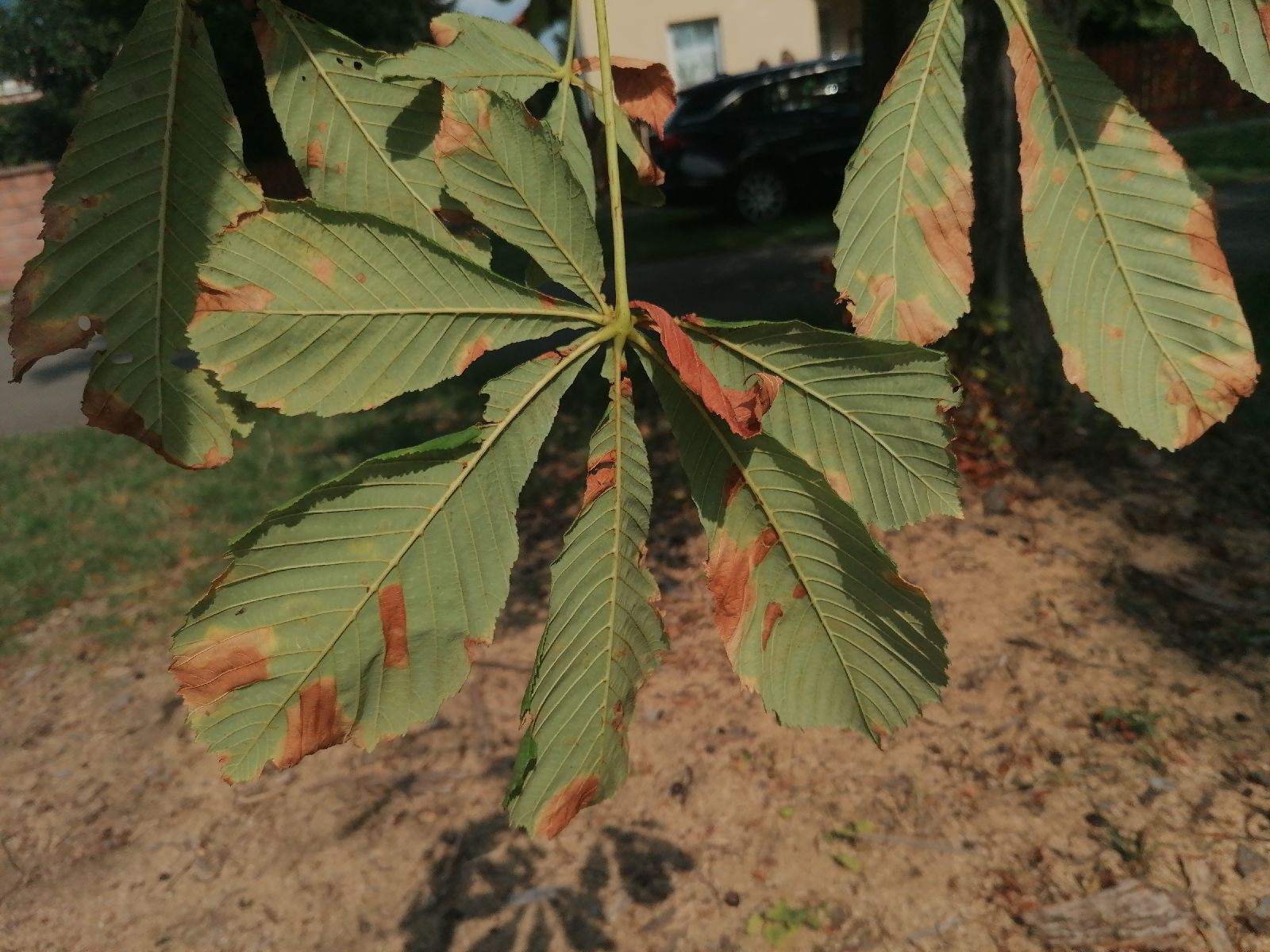
 

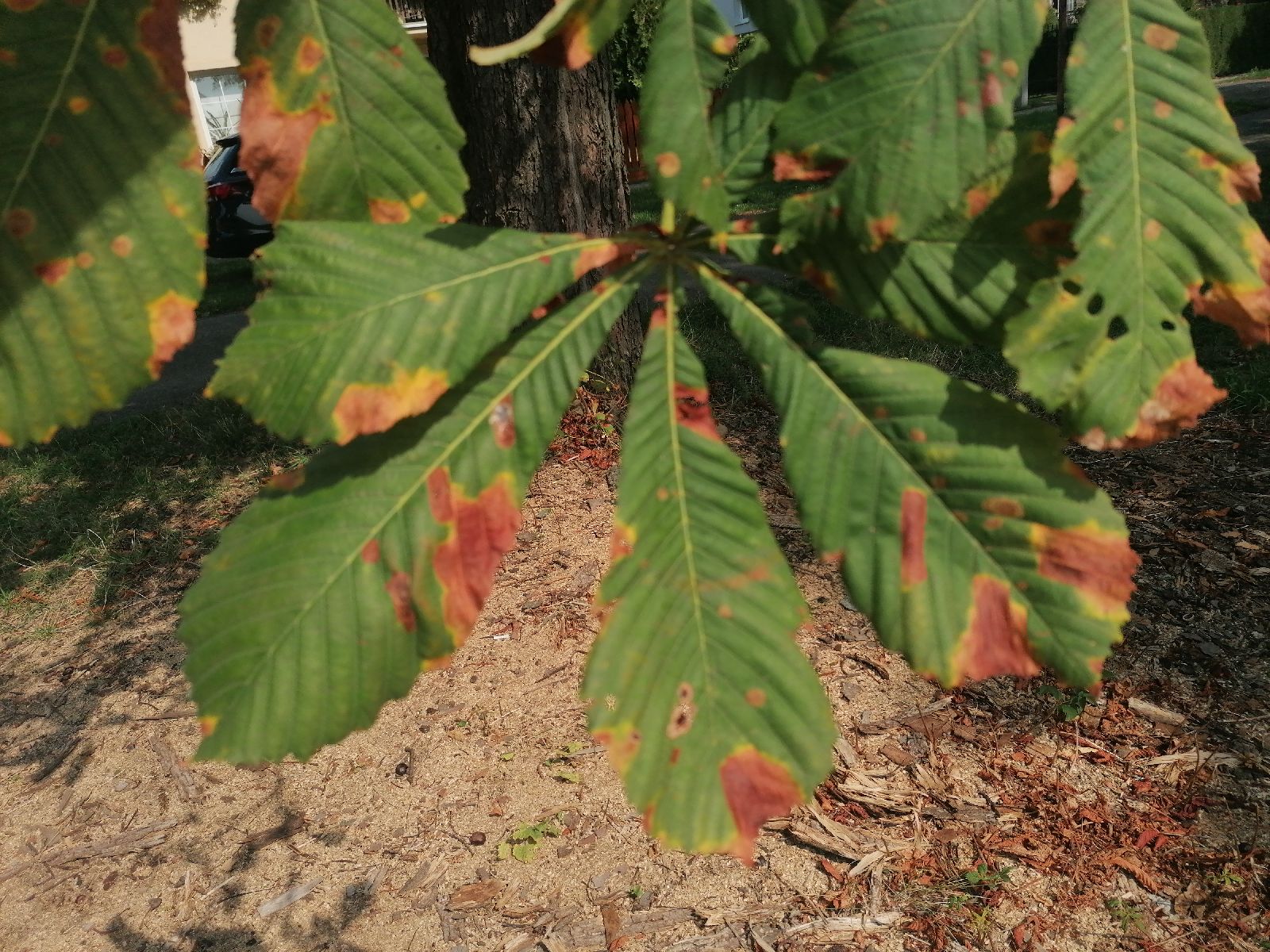
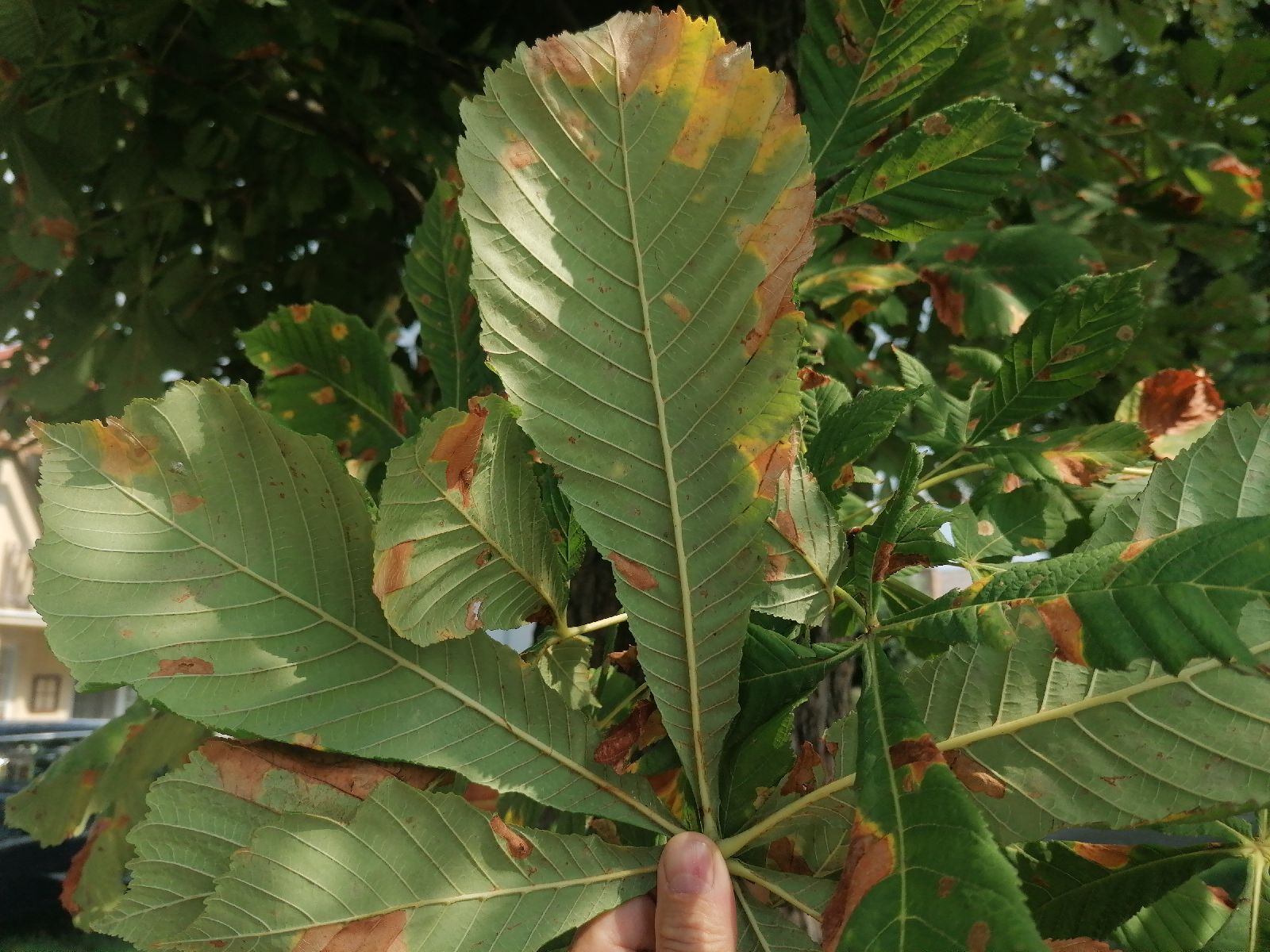
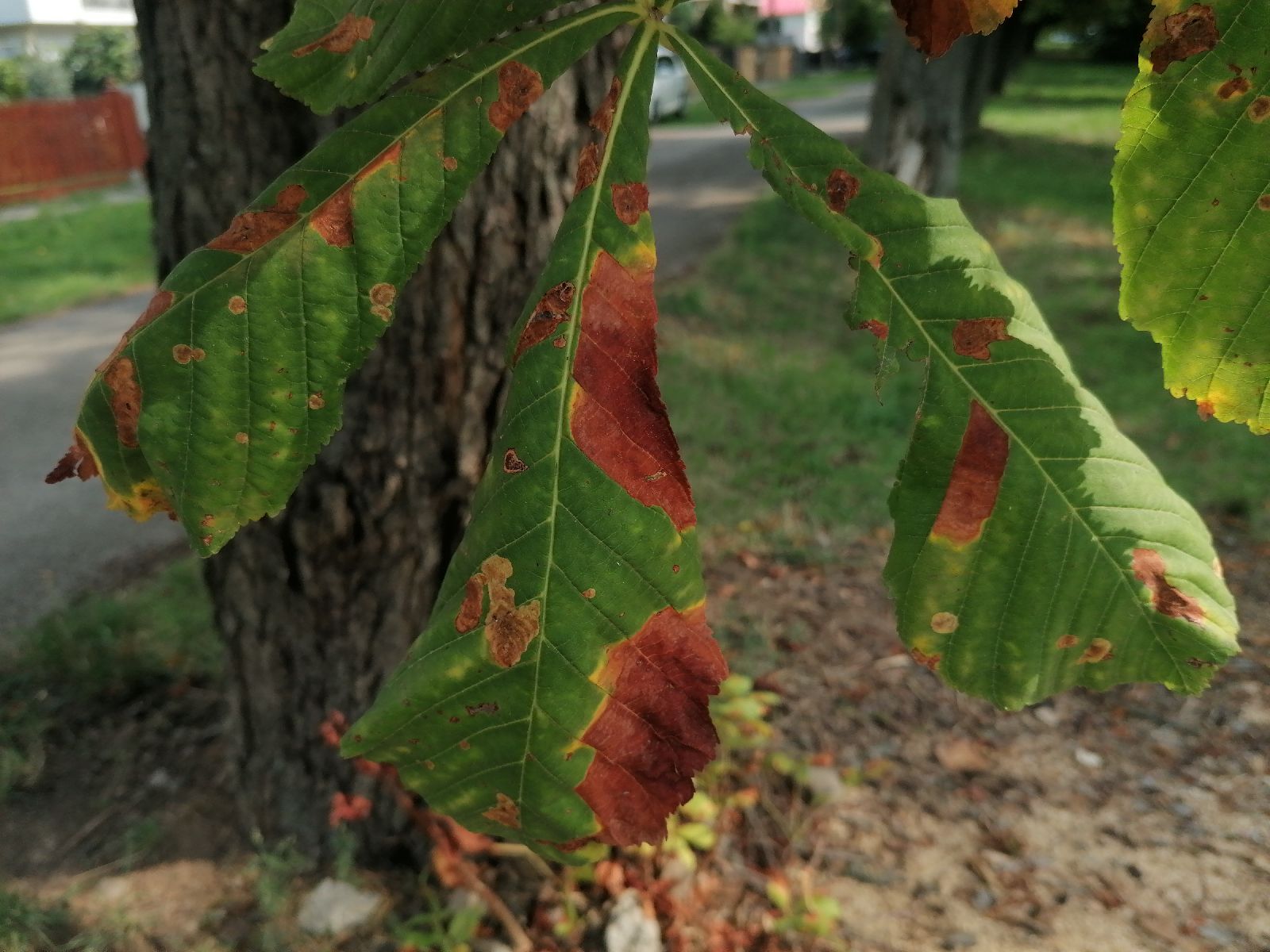
Horse-chestnut leaf blight
Antraknóza pagaštanováAntraknóza pagaštanováAntraknóza pagaštanová
Horse-chestnut leaf blight
Number: 6878
Received 6.9.2025
In progress: 2 days
Date of occurrence: 6.9.2025
Significance: Harmful
Discussion
From: andrej
Assigned: M. Zúbrik
Country: Slovakia

Question

Answer

monitoring
Number of votes for this answer: 0

Pest

Horse-chestnut leaf blight

Guignardia aesculi

Horse-chestnut leaf blight

Guignardia aesculi

huby

Received: 6.9.2025
Wood: Pagaštan
Number: 6878
Date of occurrence: 6.9.2025
Discussion

Add comment: Horse-chestnut leaf blight
A - Ambiguously determined, we are not sure
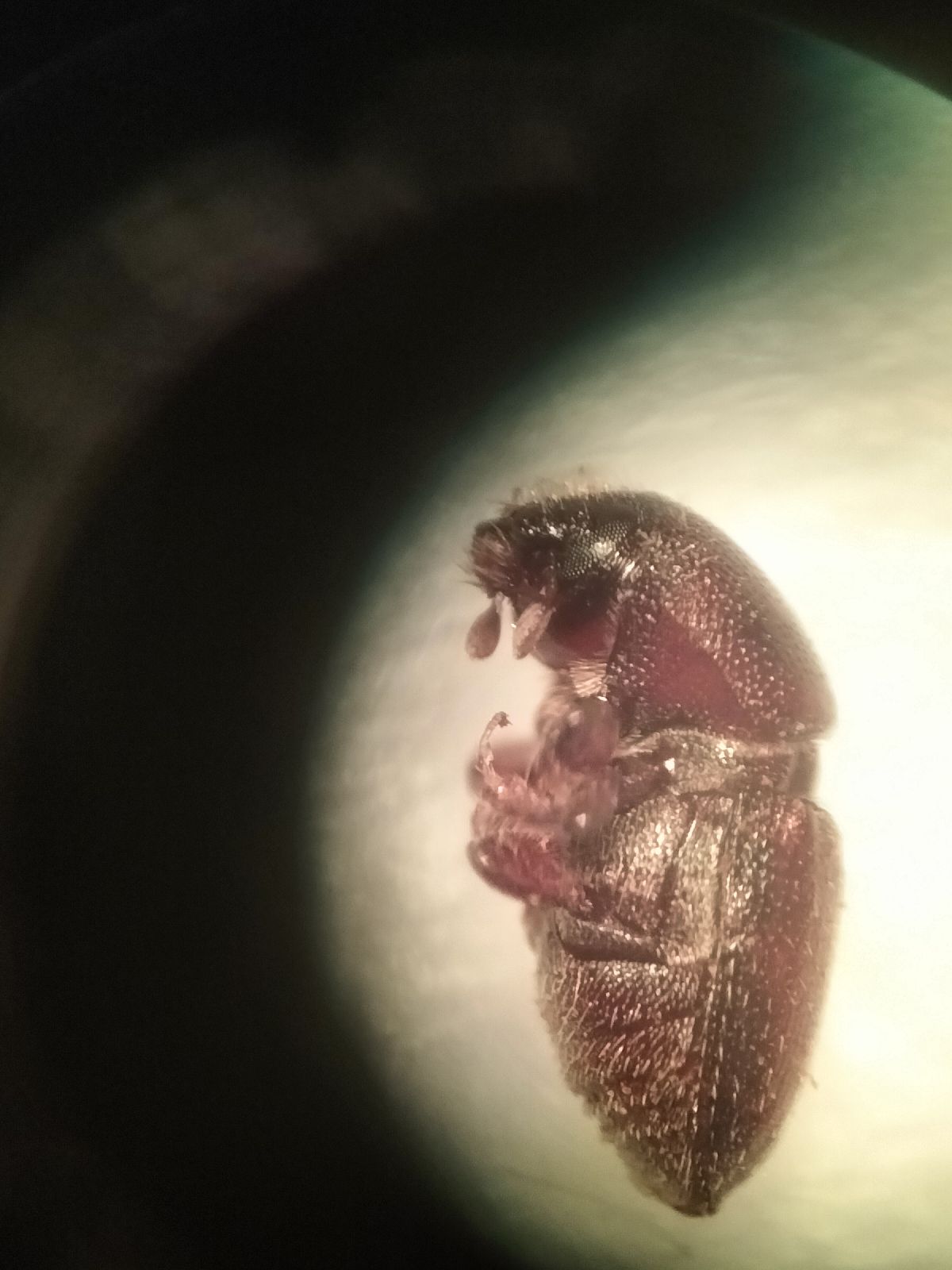
Number: 6875
Received 5.9.2025
In progress: 2 days
Date of occurrence: 5.9.2025
Significance:
Discussion
From: Fran
Assigned: J. Galko
Country: Spain

Question

Answer

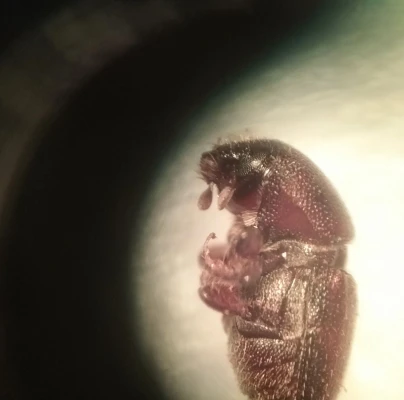
Hello Fran. For sure it is genus Scolytus. In our conditions (Slovakia) very common on plums is Scolytus rugulosus (very small) or S. mali (much bigger). The differences betwen them you can see in our education video here https://youtu.be/i7rhrl33wEM. From your photo I am not able to determine which species it is. All the best, Juraj.
Number of votes for this answer: 0

Pest

A - Ambiguously determined, we are not sure

A - Ambiguously determined, we are not sure

A - Ambiguously determined, we are not sure

A - Ambiguously determined, we are not sure

huby

Received: 5.9.2025
Wood: Plum
Number: 6875
Date of occurrence: 5.9.2025
Discussion

Add comment: A - Ambiguously determined, we are not sure

A - This species is not in the database yet
Number: 6873
Received 3.9.2025
In progress: 4 days
Date of occurrence: 3.9.2025
Significance:
Discussion
From: benedetta
Assigned: M. Zúbrik
Country: Italy

Question

bffyltjeiypeo7

Answer

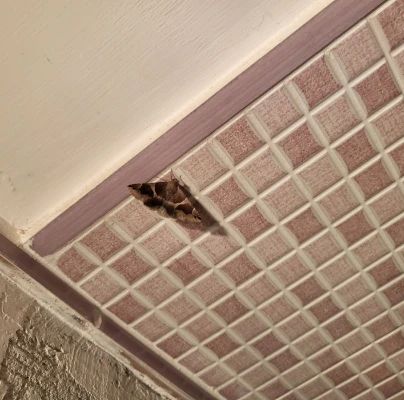
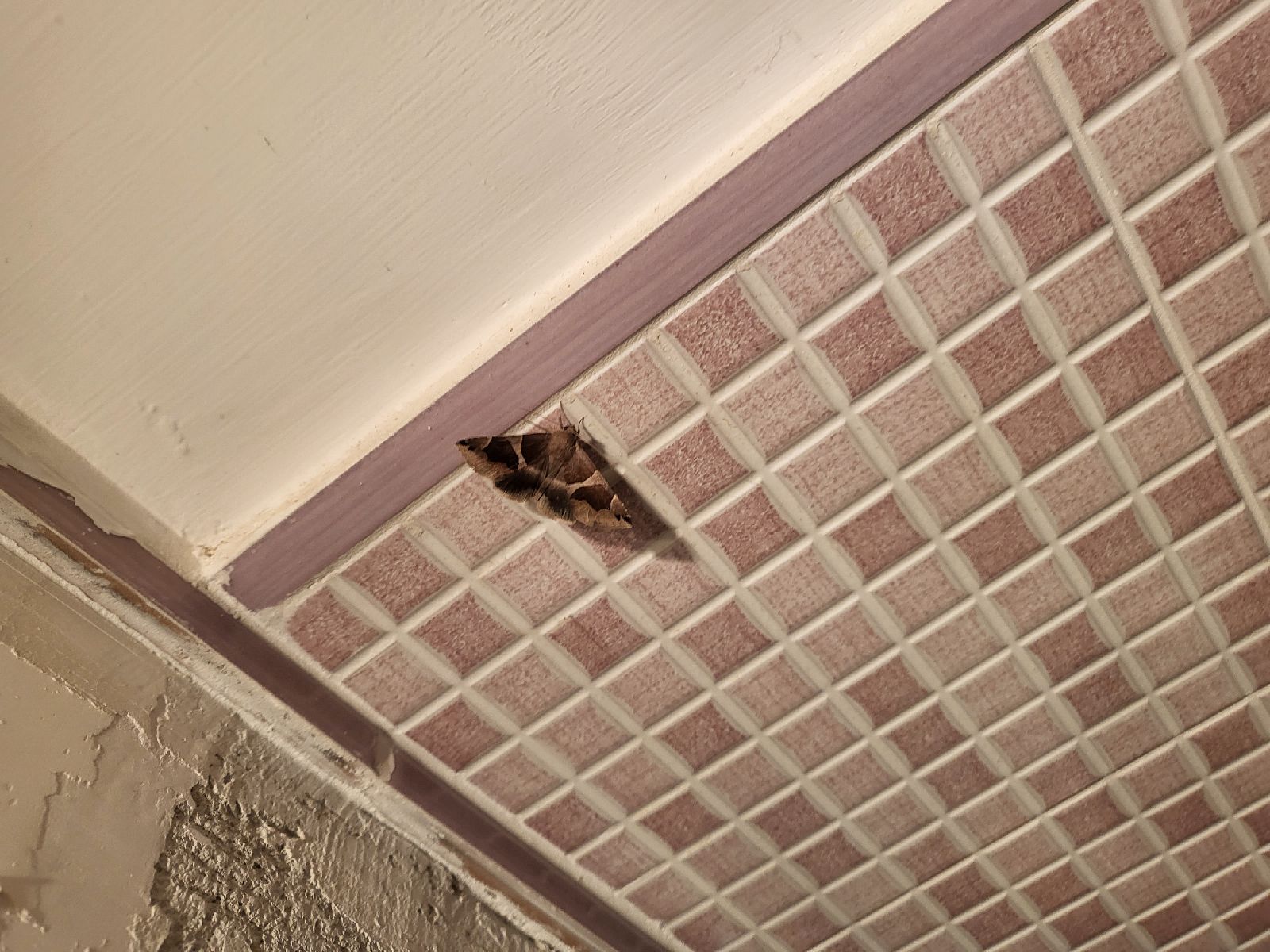
Dear Benedetta, thank you for your question. The picture shows an imago – an adult moth named Dysgonia algira. It is not considered a pest; the larvae usually live on willows or raspberries. Best regards, M. Zubrik
Number of votes for this answer: 0

Pest

A - This species is not in the database yet
A - This species is not in the database yet

A - This species is not in the database yet

A - This species is not in the database yet

huby

Received: 3.9.2025
Wood: Box elder
Number: 6873
Date of occurrence: 3.9.2025
Discussion

Add comment: A - This species is not in the database yet

Red banded polypore
Práchnovček pásikavý
Red banded polypore
Number: 6869
Received 2.9.2025
In progress: 0 days
Date of occurrence: 2.9.2025
Significance: Harmful
Discussion
Assigned: V. Longauerová
Country: Slovakia

Question

Answer

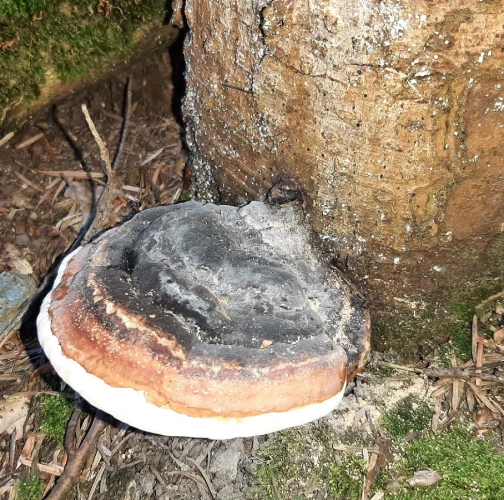
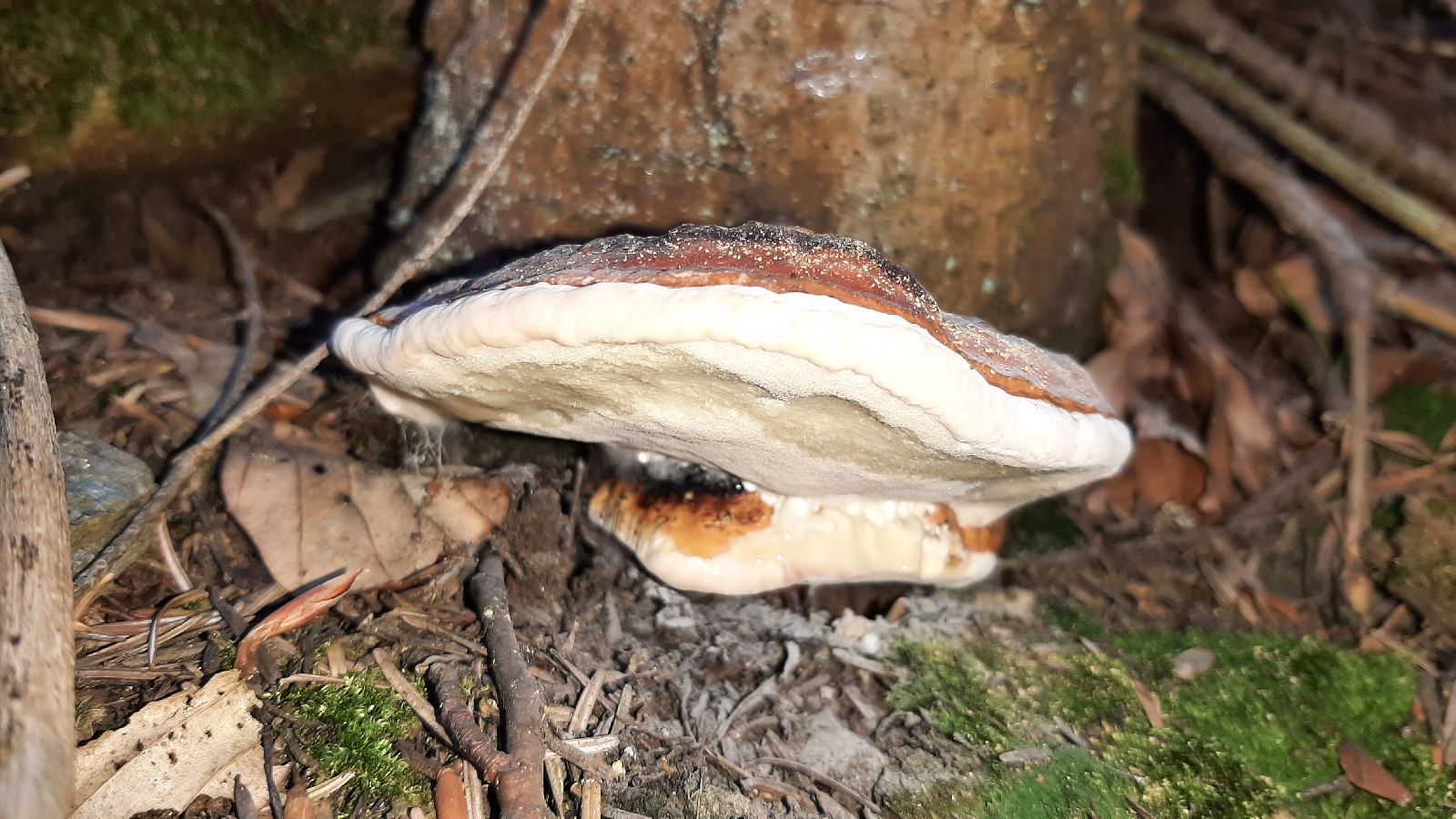
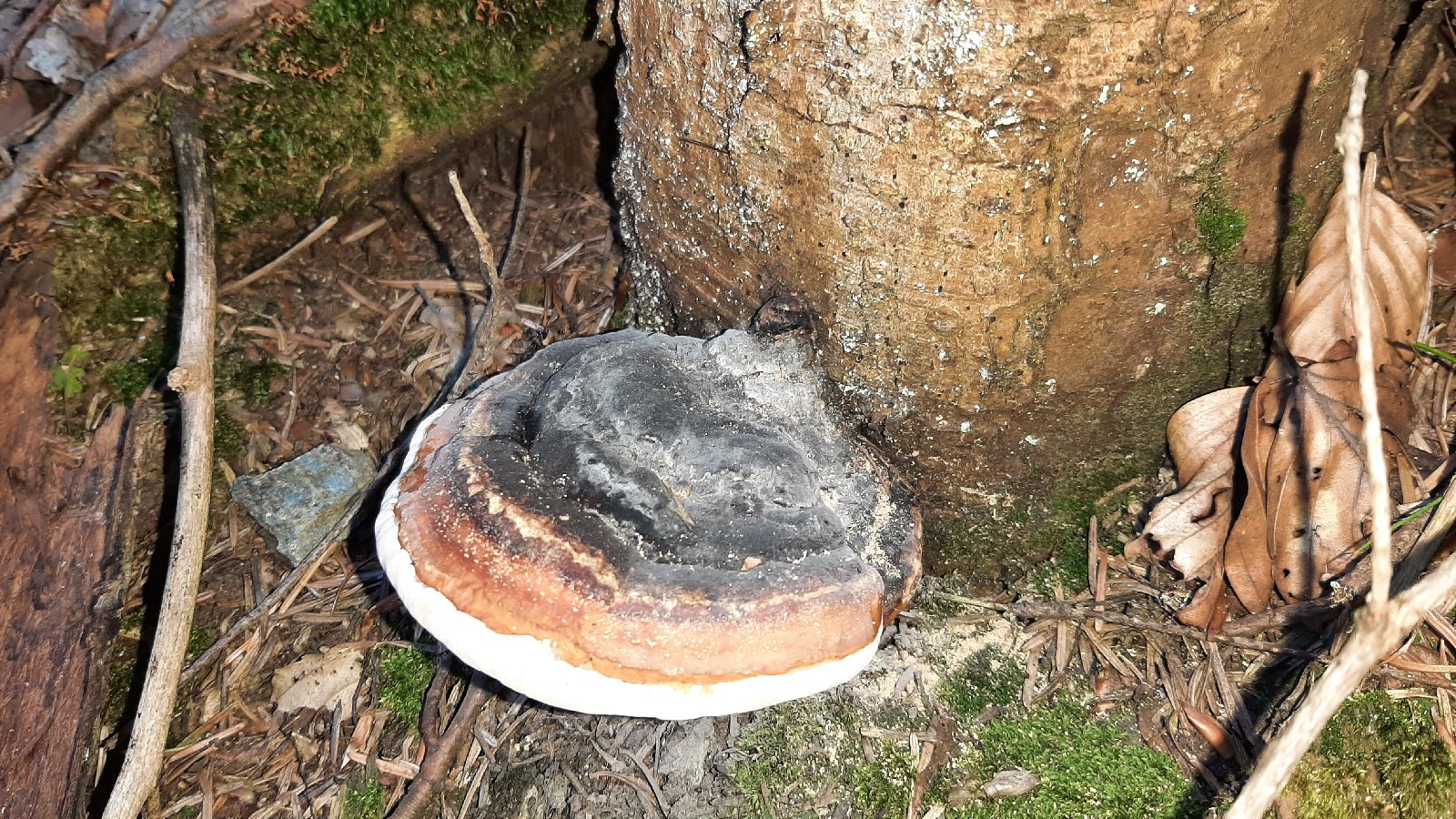
Ahoj Majo,  podľa foto sa jedná o Práchnovček pásikavý. V.
Number of votes for this answer: 0

Pest

Red banded polypore

Fomitopsis pinicola

Red banded polypore

Fomitopsis pinicola

huby

Received: 2.9.2025
Wood: Jedľa
Number: 6869
Date of occurrence: 2.9.2025
Discussion

Add comment: Red banded polypore

A - nie je v databázeA - nie je v databázeA - nie je v databáze
Number: 6865
Received 1.9.2025
In progress: 1 days
Date of occurrence: 5.9.2025
Significance:
Discussion
From: Sajti
Assigned: M. Zúbrik
Country: Hungary

Question

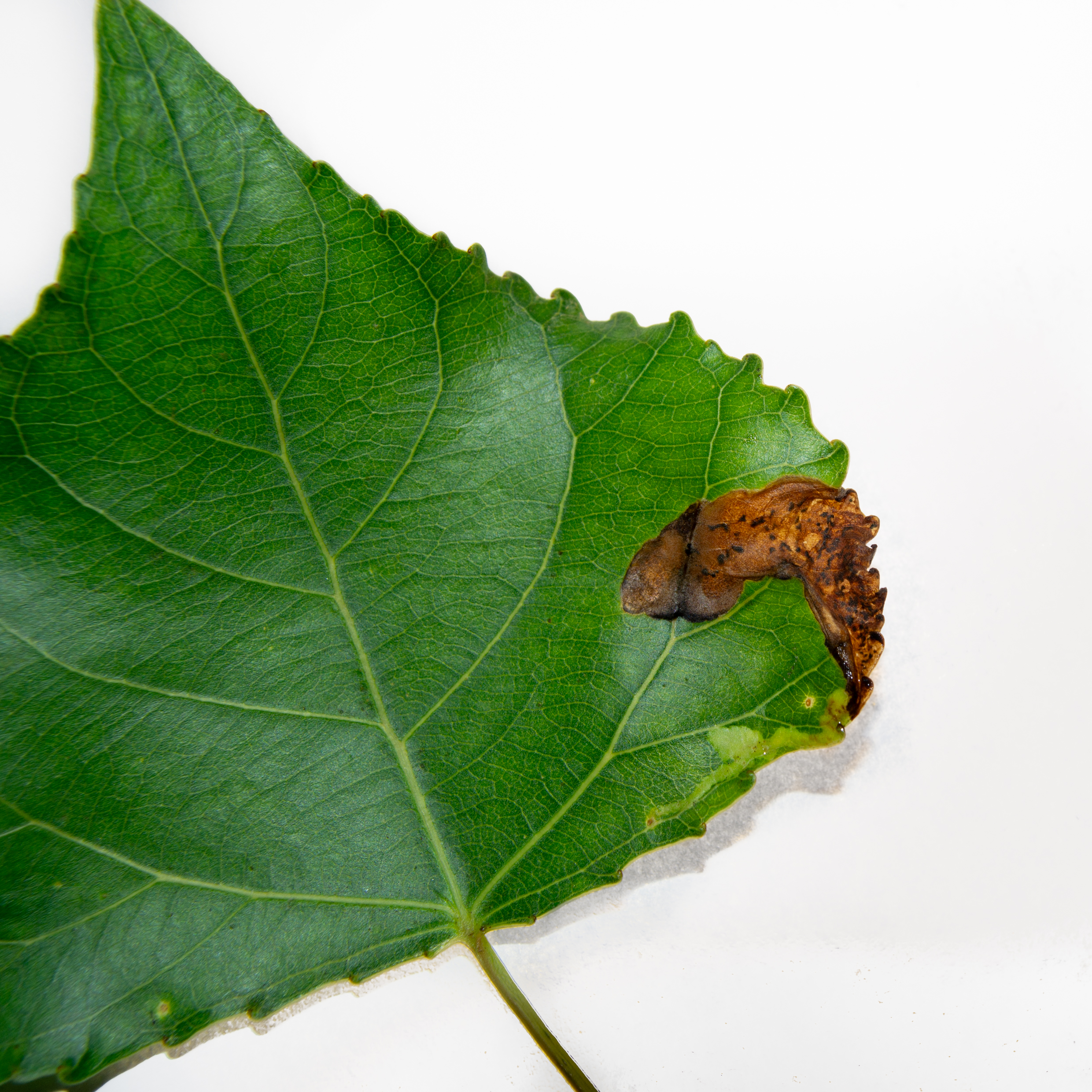
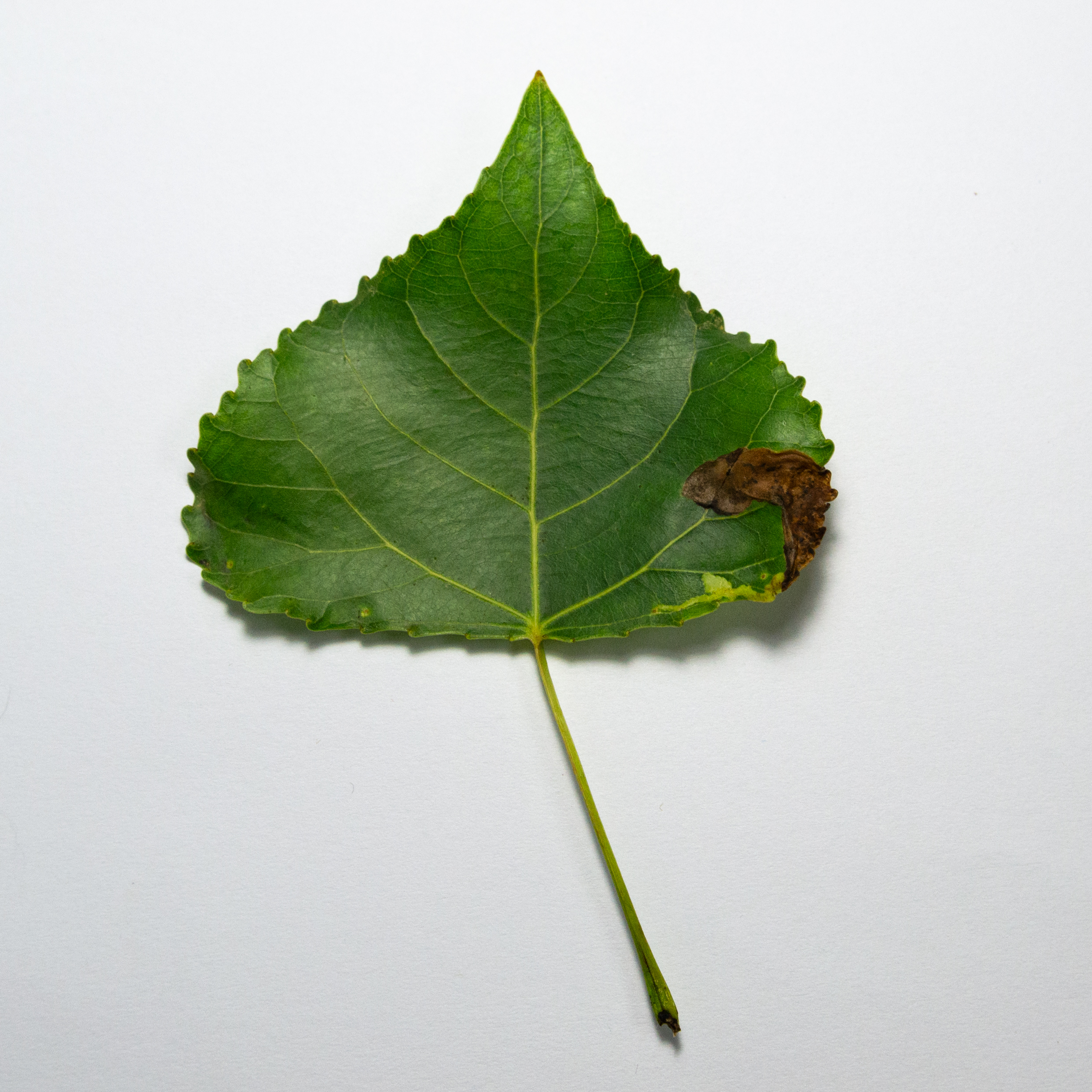
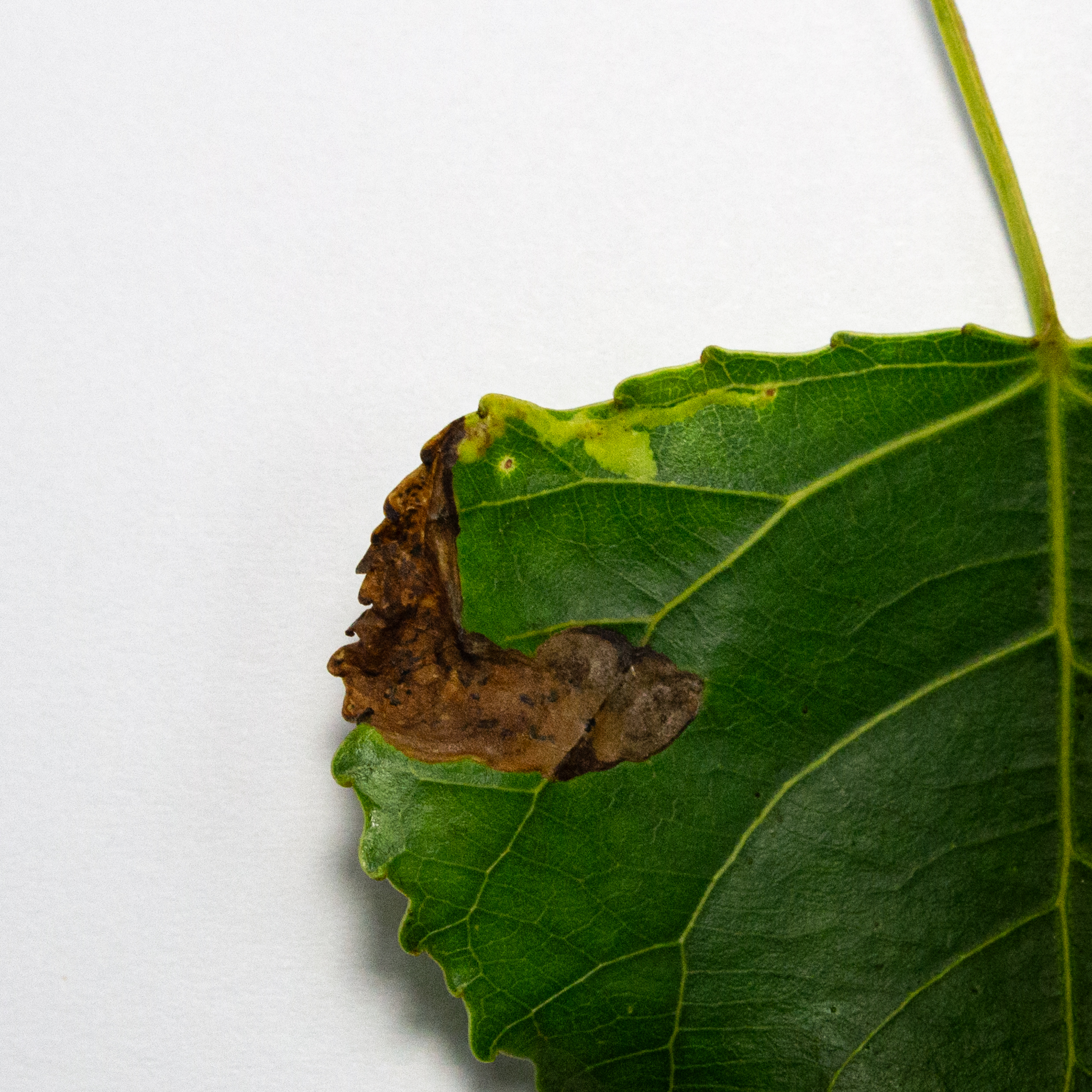
I often see this type of leaf mine on black poplar (Populus nigra), but also on Populus nigra cv. Italica. I noticed it a few weeks ago, but all the leaf mines are already empty. Sometimes I only find the initial short, light green gallery, while the blotch part has already has detached (e.g. here: https://www.inaturalist.org/observations/311079069). In the attached photo you can still see the whole leaf mine (both parts). Do you think *Japanagromyza salicifolii* is the culprit? I’m uncertain, since I couldn’t find any records of this species from Central Europe.

Answer

Dear Sajti, thank you for your very interesting question. Under the bark of young poplar shoots there is a mine – the tissue has been eaten by the larva of a small moth. Several species can behave in a similar way, but in your case it is most likely the species Phyllocnistis extrematrix. Wishing you a nice day, best regards, M. Zúbrik
Number of votes for this answer: 0

Pest

A - nie je v databáze

A - nie je v databáze

huby

Received: 1.9.2025
Wood: Poplar
Number: 6865
Date of occurrence: 5.9.2025
Discussion

Add comment:

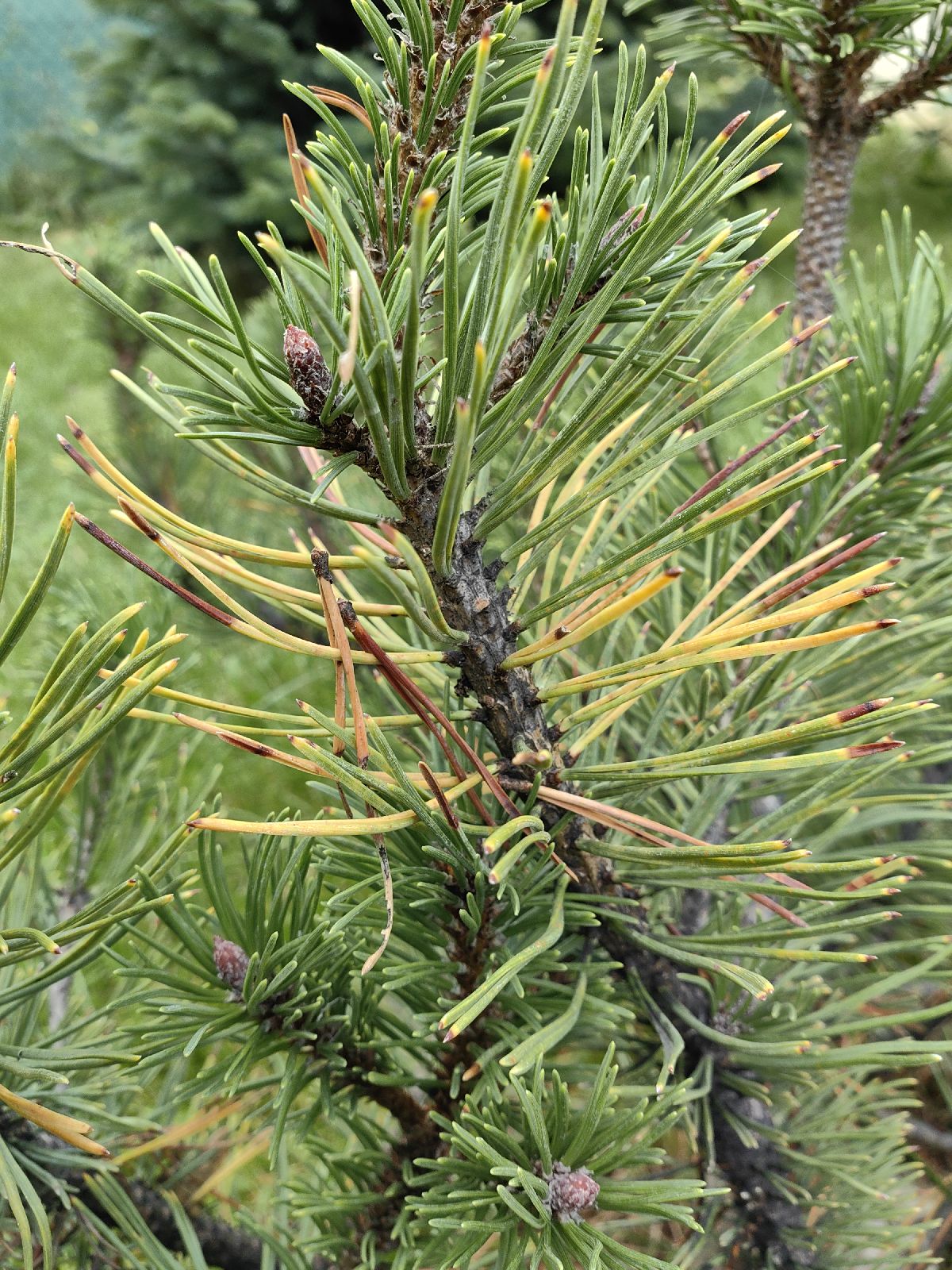
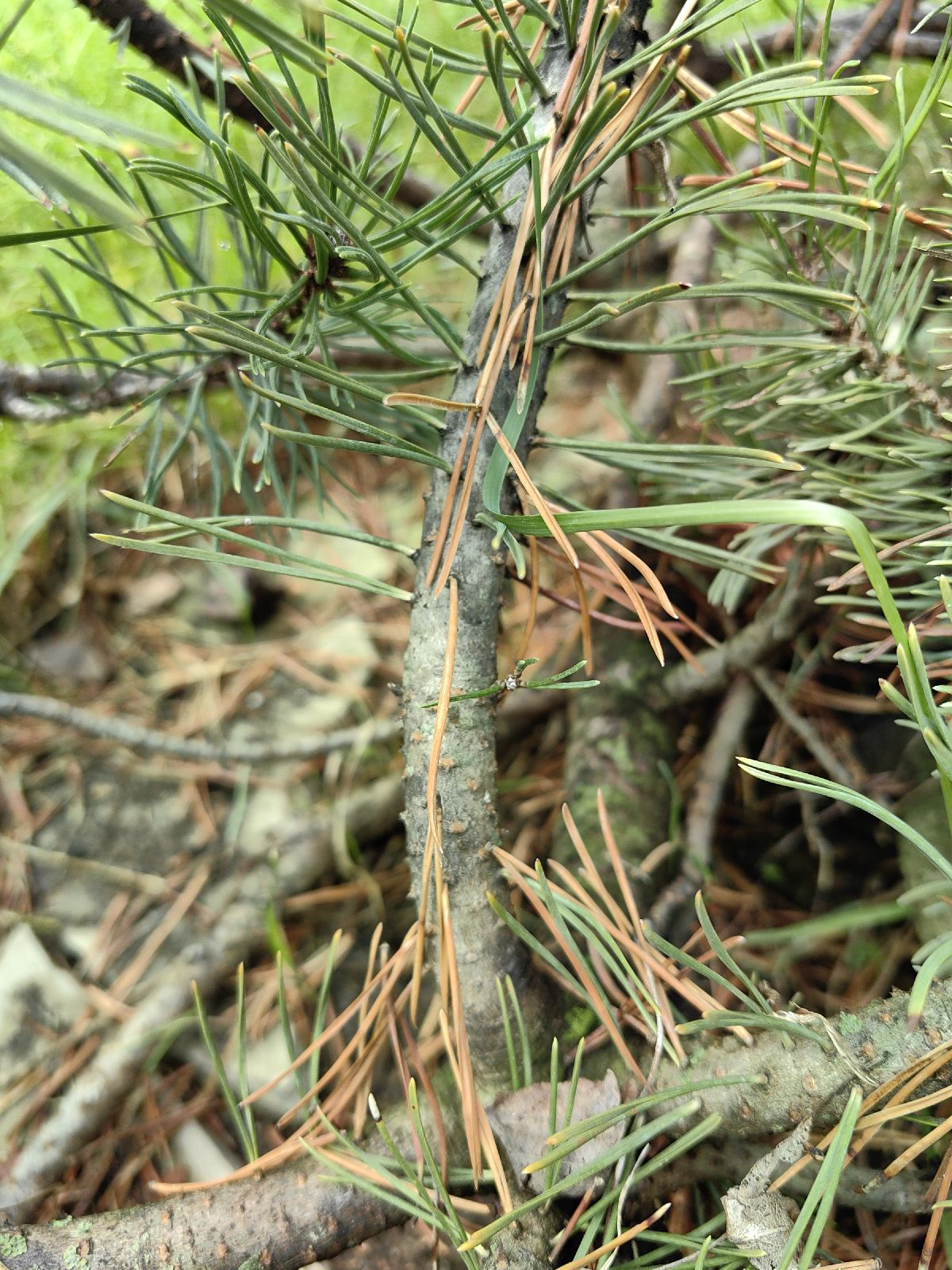
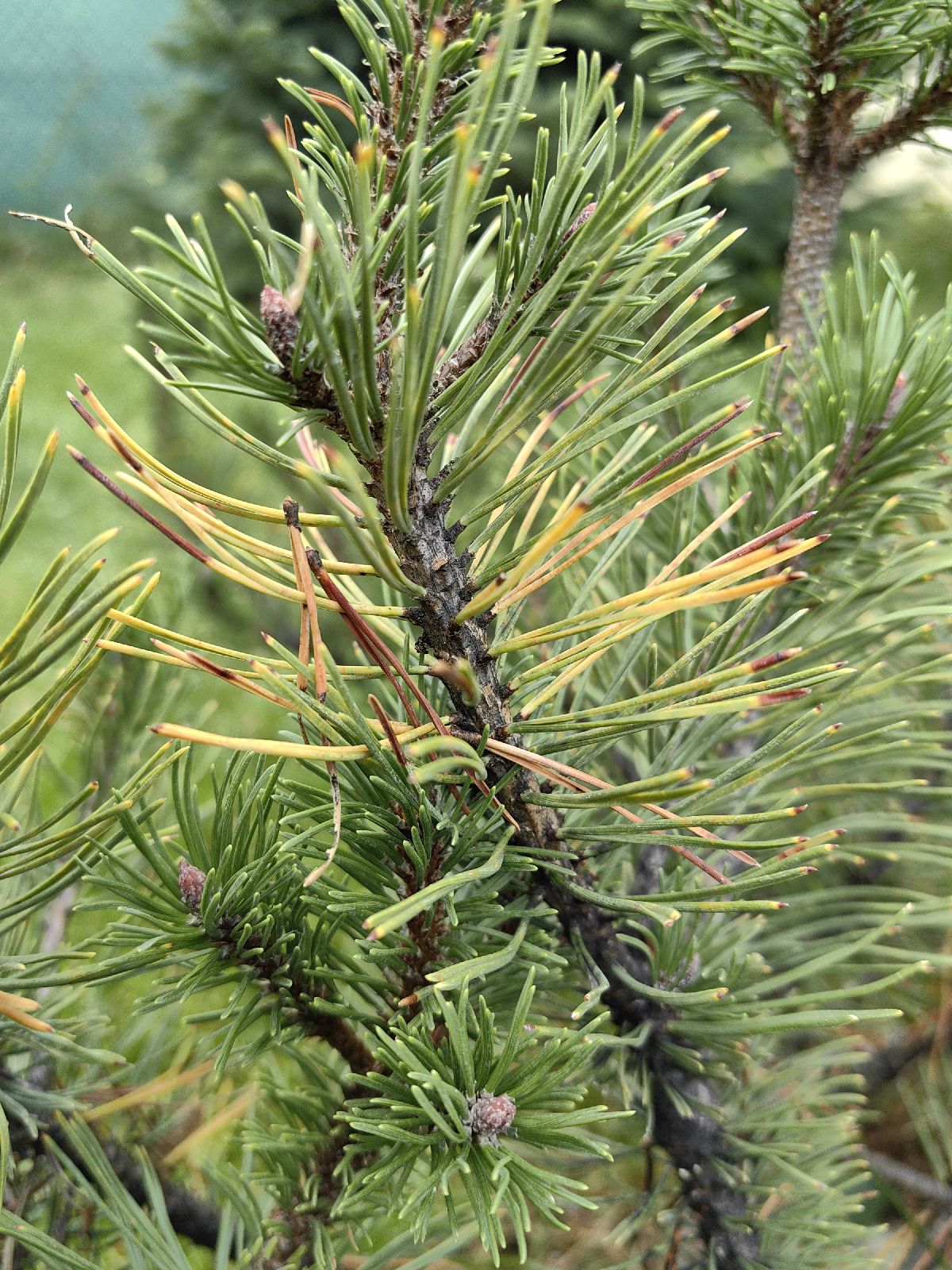
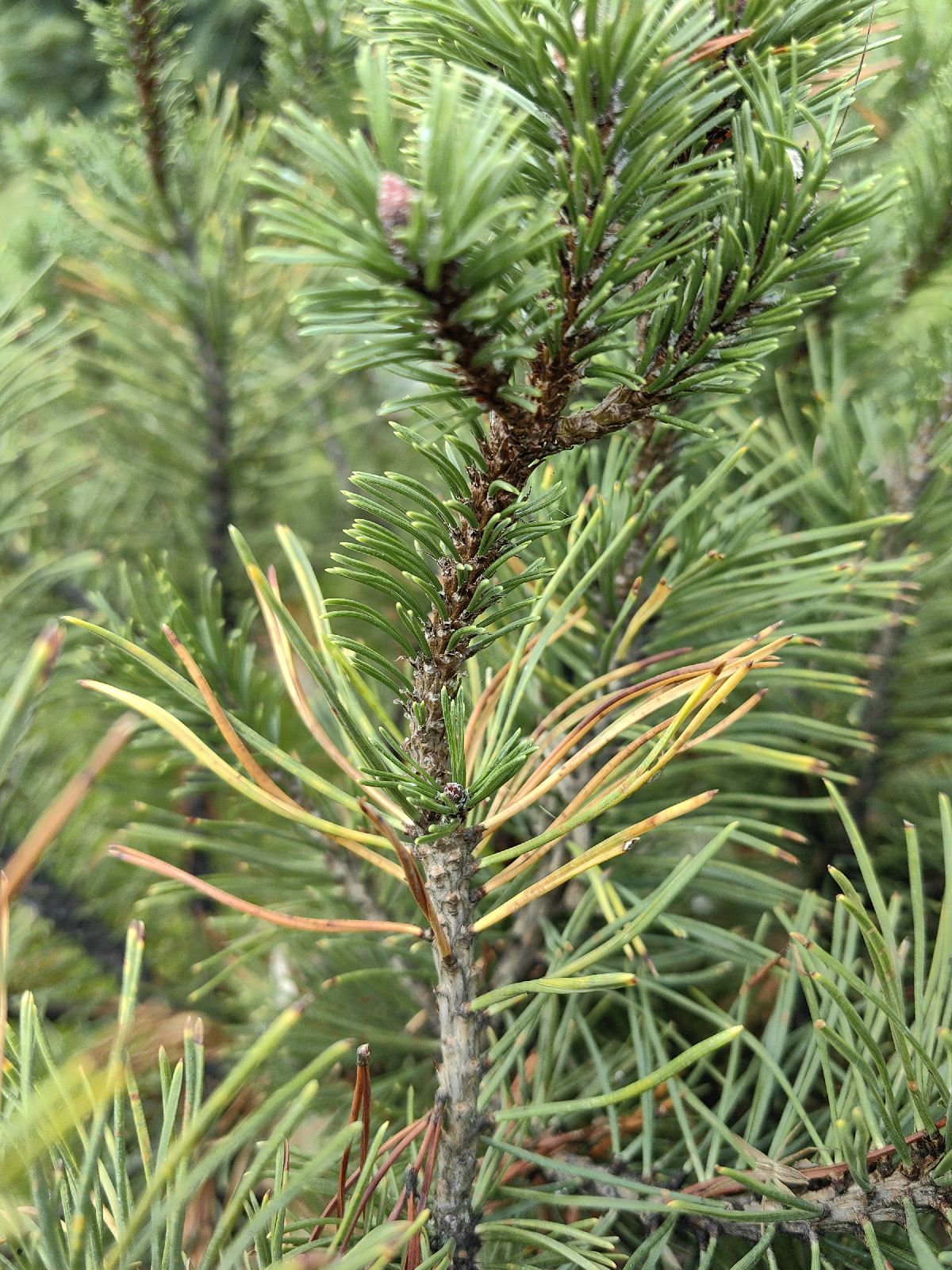
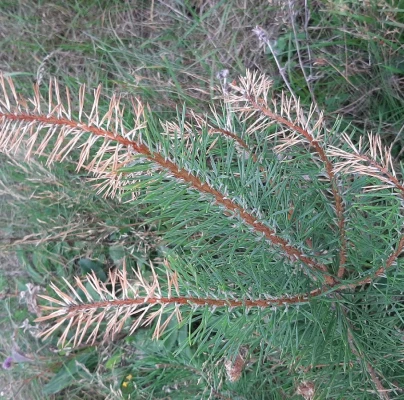
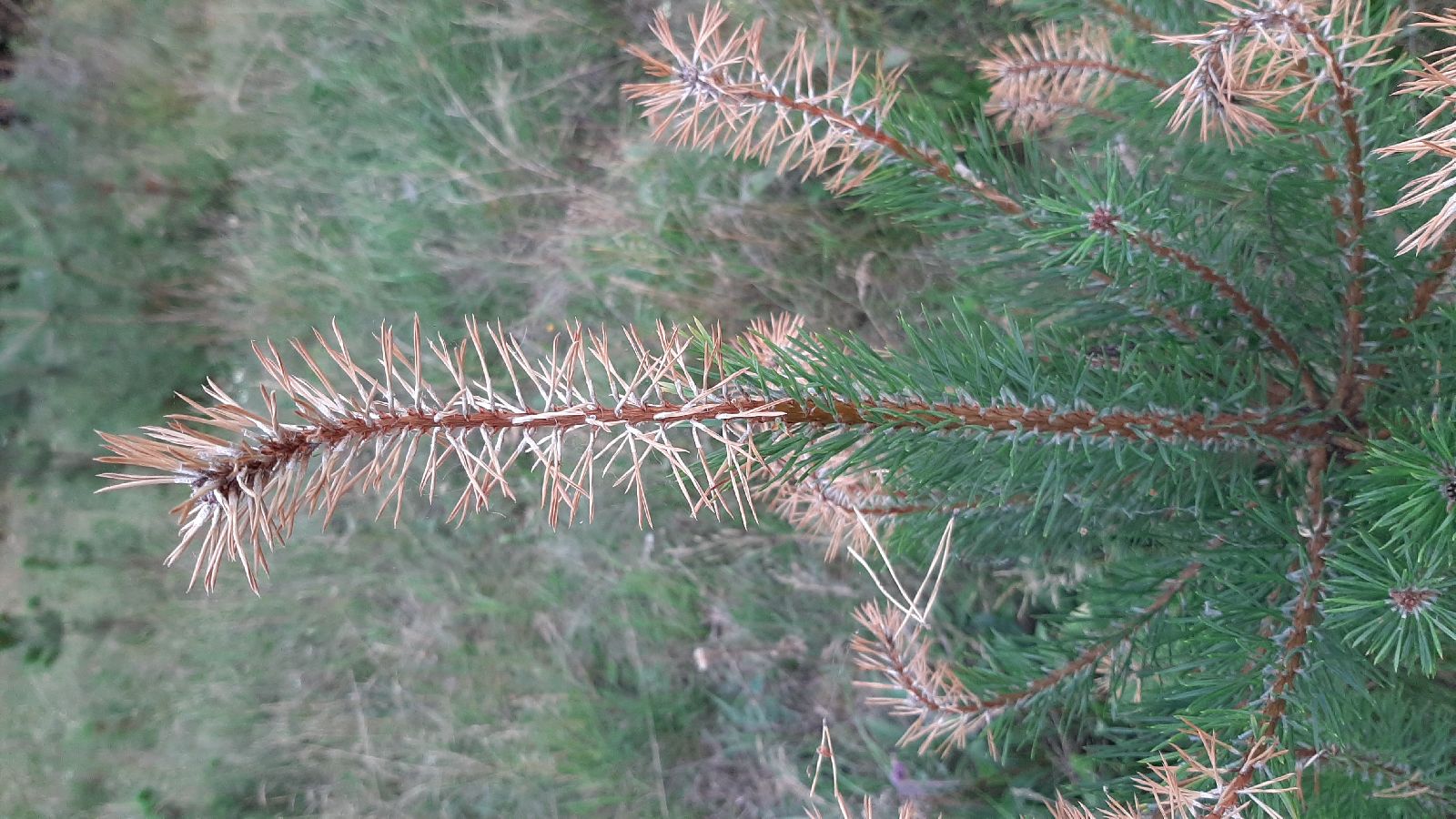
Needle cast
Sypavka borováSypavka borováSypavka borová
Needle cast
Number: 6863
Received 31.8.2025
In progress: 4 days
Date of occurrence: 31.8.2025
Significance: Harmful
Discussion
From: Haros
Assigned: A. Kunca
Country: Slovakia

Question

Answer

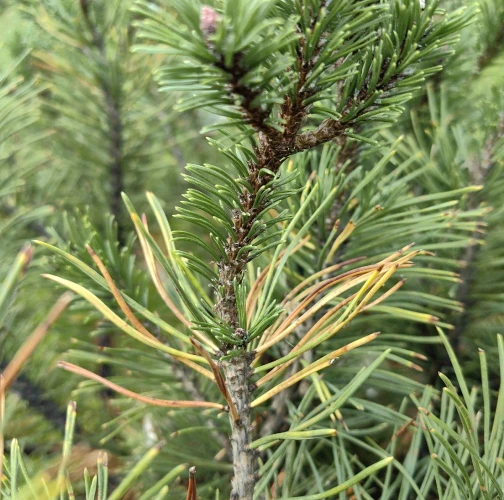
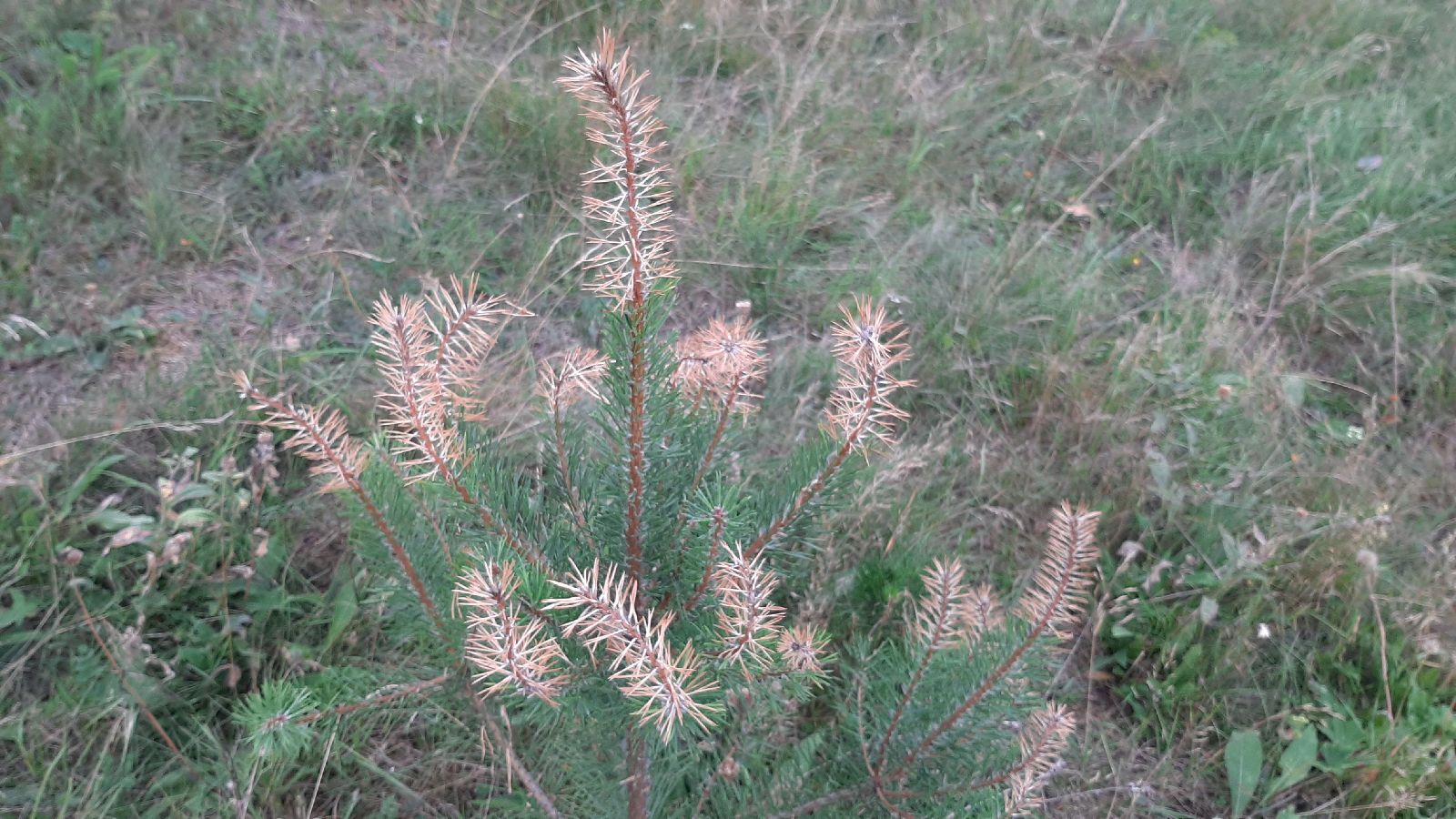
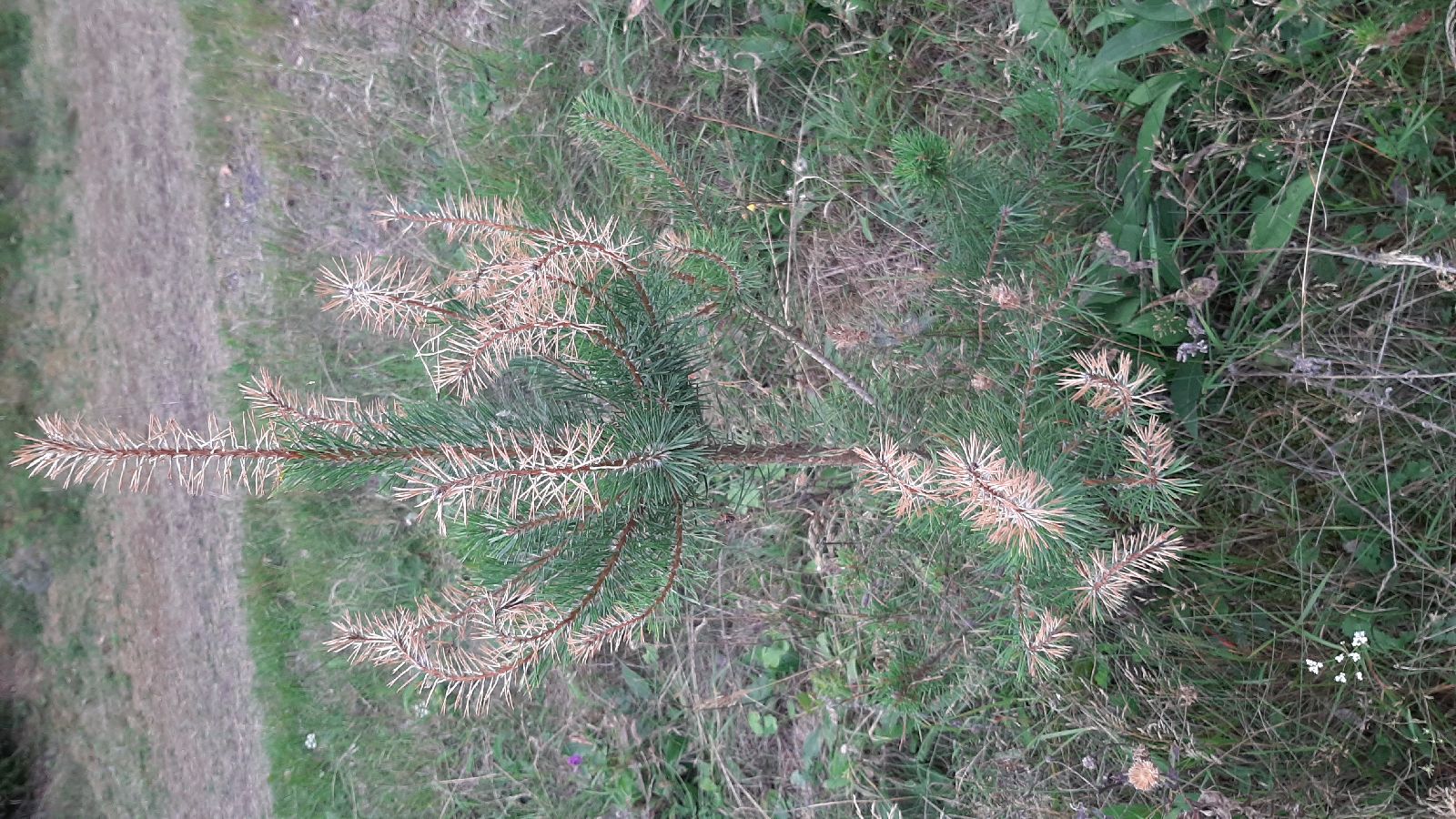
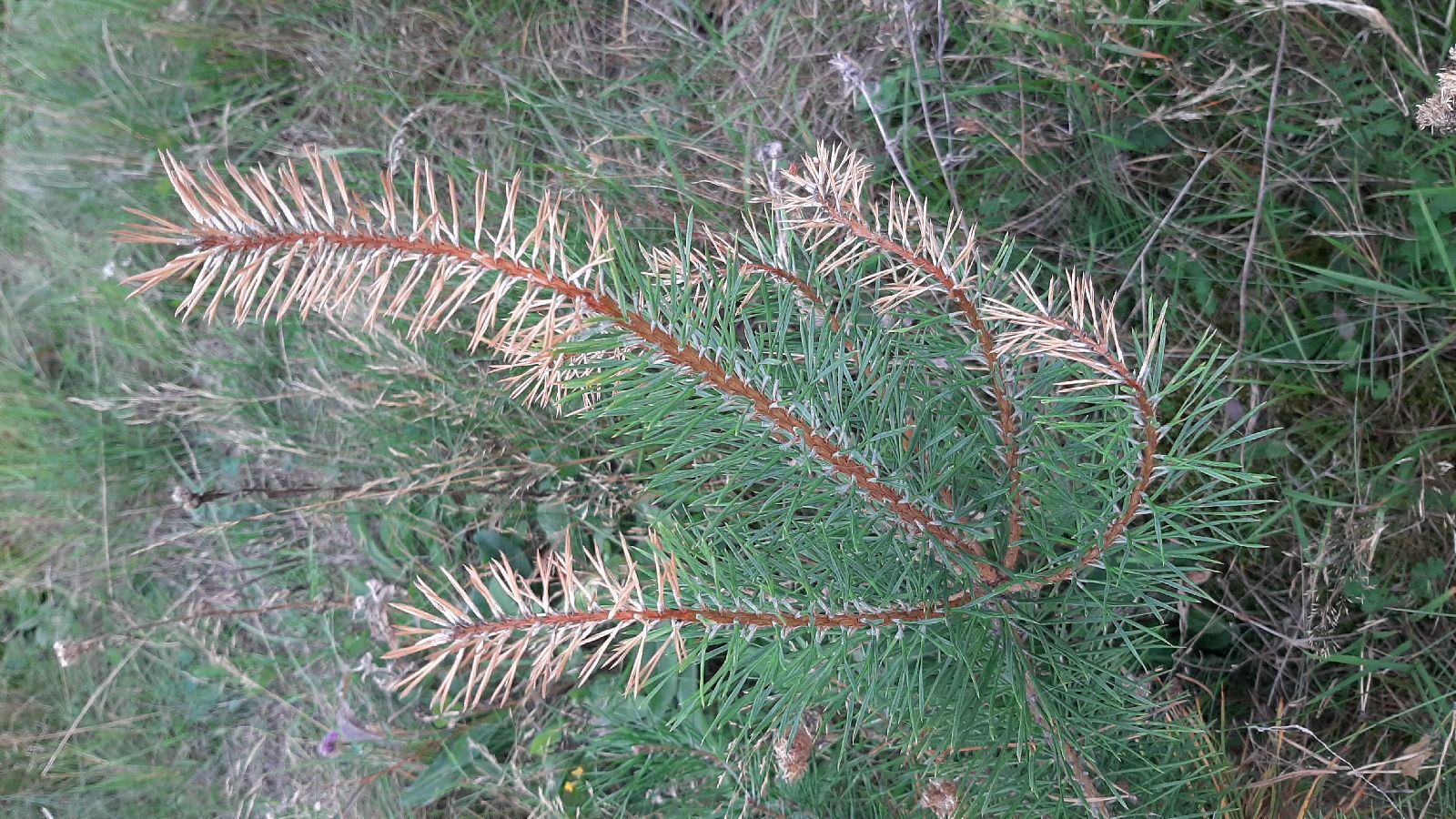
Na niektorých ihliciach sú škvrny po infekcii sypavkou L. seditiosum. Odumreté hroty niektorých ihlíc však môžu byť následkom abiotických činiteľov, teplo, sucho ... Teda niektoré poškodenie ihlíc je hubového pôvodu, niektoré abiotického pôvodu. AK.
Number of votes for this answer: 0

Pest

Needle cast

Lophodermium seditiosum

Needle cast

Lophodermium seditiosum

huby

Received: 31.8.2025
Wood: Borovica
Number: 6863
Date of occurrence: 31.8.2025
Discussion

Add comment: Needle cast

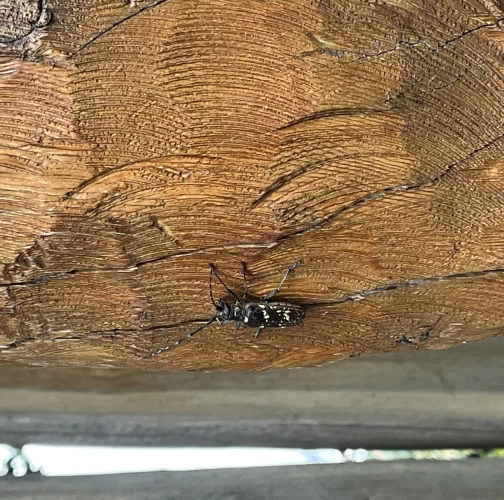
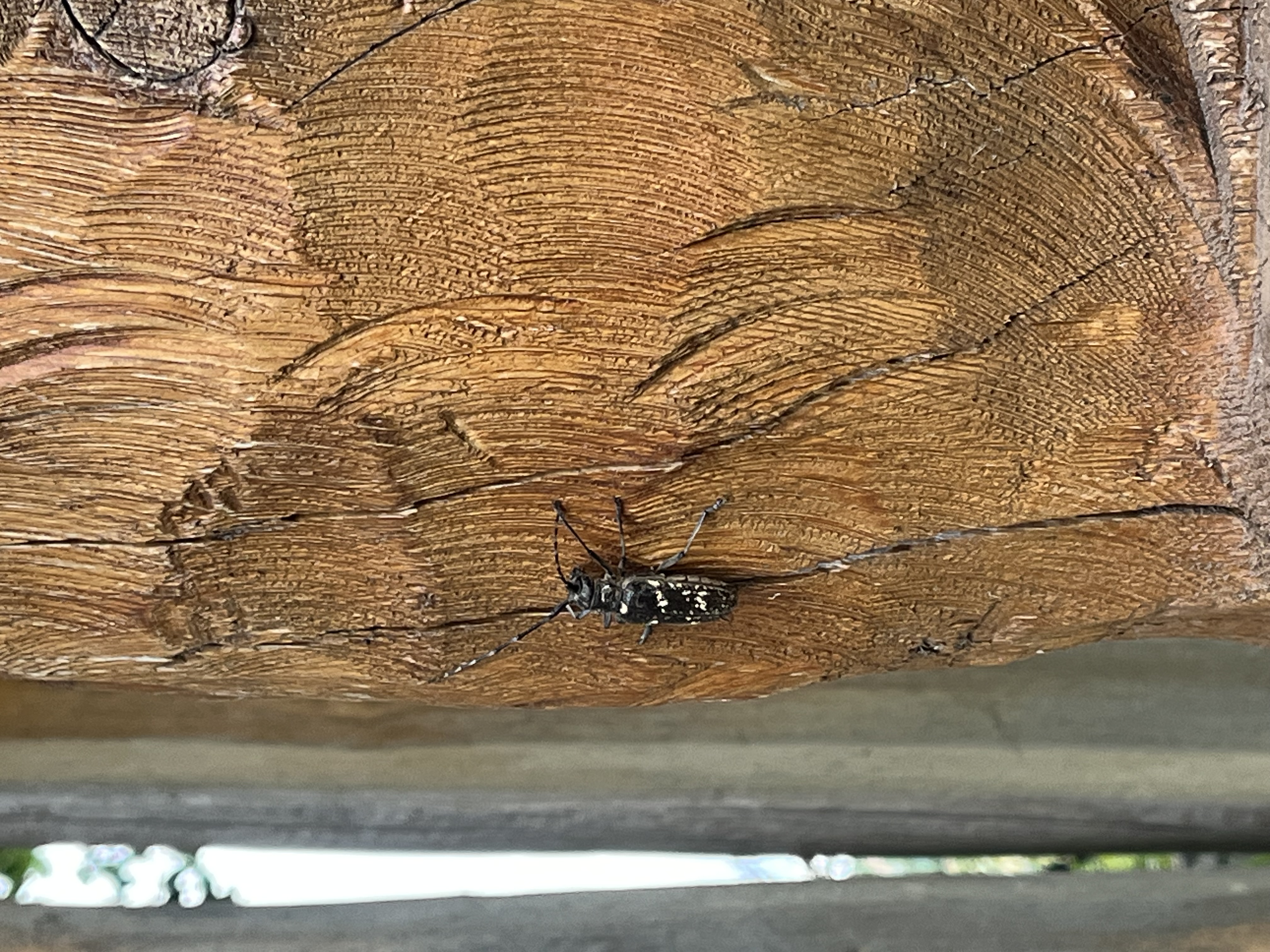
Long-horned beetle
Long-horned beetle
Number: 6861
Received 30.8.2025
In progress: 1 days
Date of occurrence: 30.8.2025
Significance: Very harmful
Discussion
Assigned: J. Vakula
Country: Slovakia

Question

Nezistila som nijaké poškodenie stromu, keďže škodca sa nachádzal na drevenej soche. Posielam Vám to pre istotu, že tento hmyz sa tu nachádza.

Answer

Dobrý deň, je to samička fuzáča - vrzúnik pralesový Monochamus sartor. Larva sa vyvíja v mŕtvom ihličnatom dreve s kôrou, vo vašej soche dokončil vývoj a vyletel. Rezivo bez kôry a iné sochy nie sú ohrozené.  S pozdravom J. Vakula
Number of votes for this answer: 0

Pest

Long-horned beetle

Monochamus sartor

Long-horned beetle

Monochamus sartor

hmyz

Received: 30.8.2025
Wood: Rôzne dreviny
Number: 6861
Date of occurrence: 30.8.2025
Discussion

Add comment: Long-horned beetle

Scleroderris canker
Kalichovka jedľováKalichovka jedľováKalichovka jedľová
Scleroderris canker
Number: 6858
Received 29.8.2025
In progress: 13 days
Date of occurrence: 29.8.2025
Significance: Very harmful
Discussion
Assigned: V. Longauerová
Country: Slovakia

Question

Answer

Ahoj Majo ,  podľa foto by sa malo jednať o Kalichovku jedľovú Ascocalyx abietina . Viac si prečítaš tu  https://www.forestpests.eu/pest/ascocalyx-abietina Pekný deň.  V.L.
Number of votes for this answer: 1

Pest

Scleroderris canker

Ascocalyx abietina

Scleroderris canker

Ascocalyx abietina

huby

Received: 29.8.2025
Wood: Borovica
Number: 6858
Date of occurrence: 29.8.2025
Discussion

Add comment: Scleroderris canker

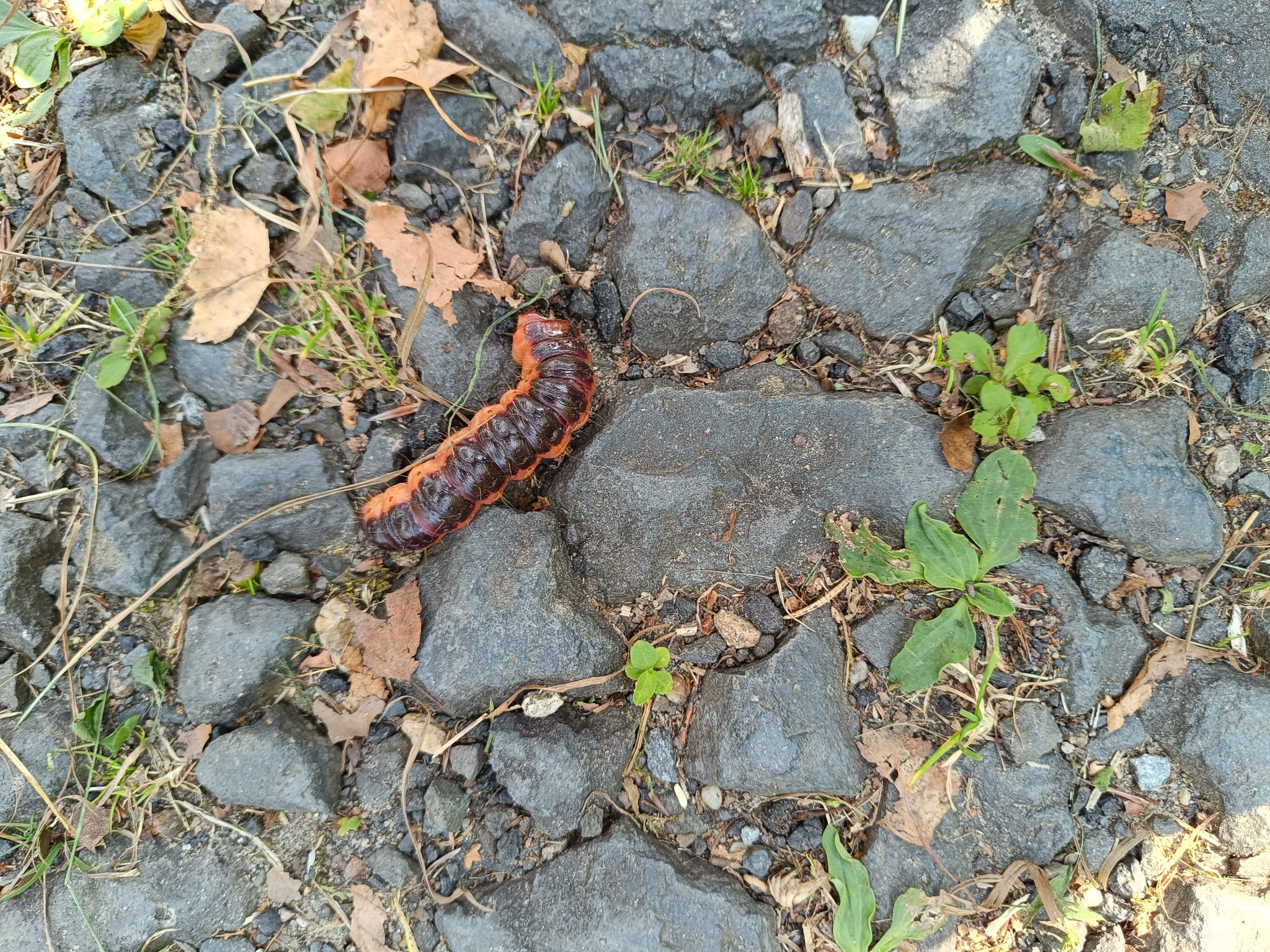
Goat moth
Goat moth
Number: 6857
Received 28.8.2025
In progress: 2 days
Date of occurrence: 27.8.2025
Significance: Harmful
Discussion
From: Sybille
Assigned: M. Zúbrik
Country: Germany

Question

Answer

Dear Sybille, thanks for your picture of Cossus cossus. With best regards M. Zubrik
Number of votes for this answer: 0

Pest

Goat moth

Cossus cossus

Goat moth

Cossus cossus

hmyz

Received: 28.8.2025
Wood: Oak
Number: 6857
Date of occurrence: 27.8.2025
Discussion

Add comment: Goat moth

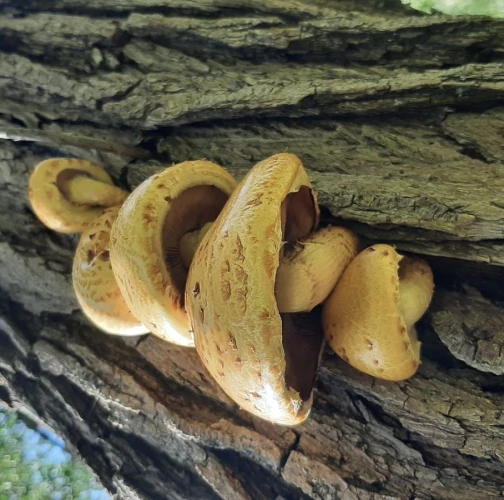
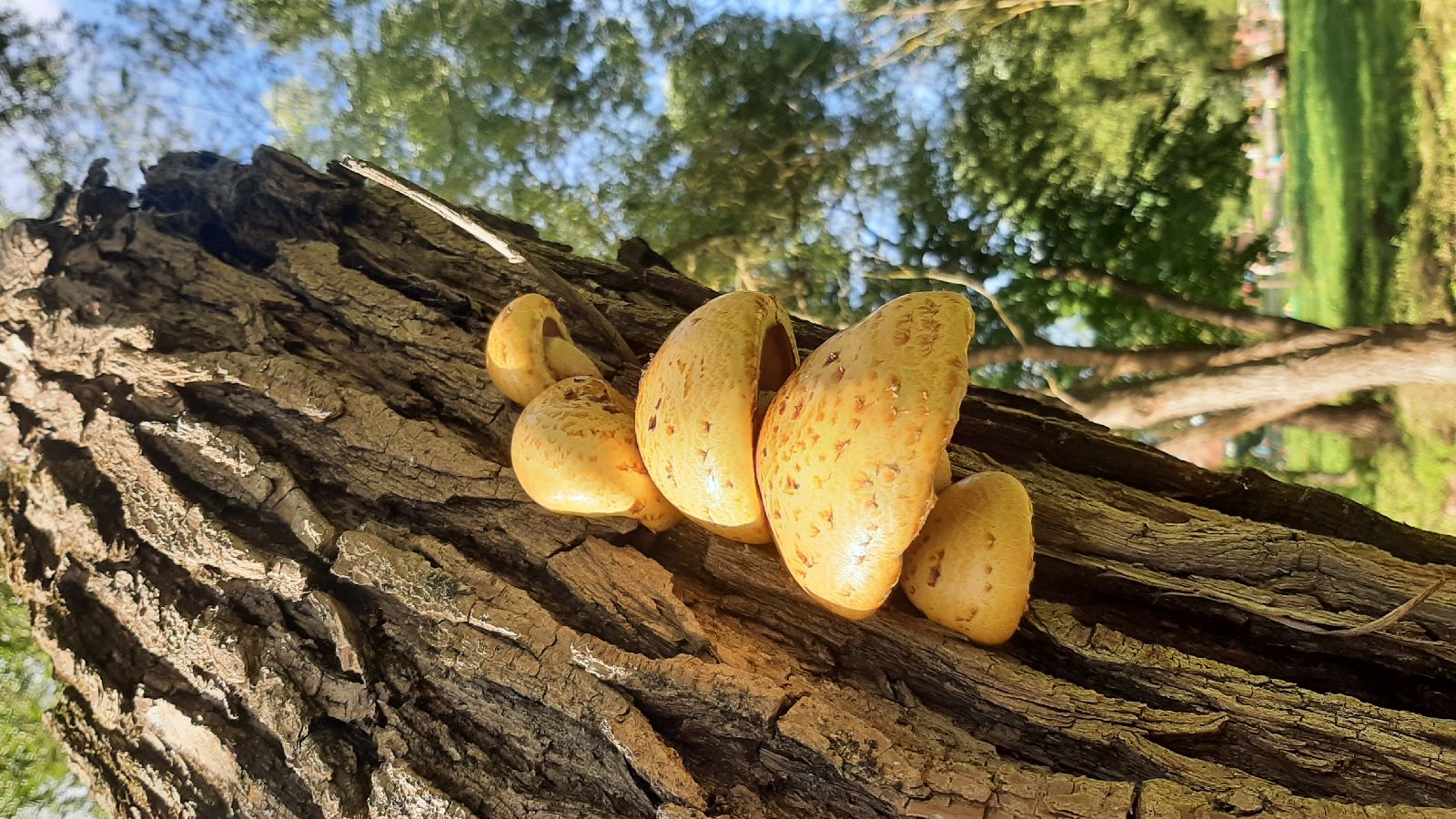
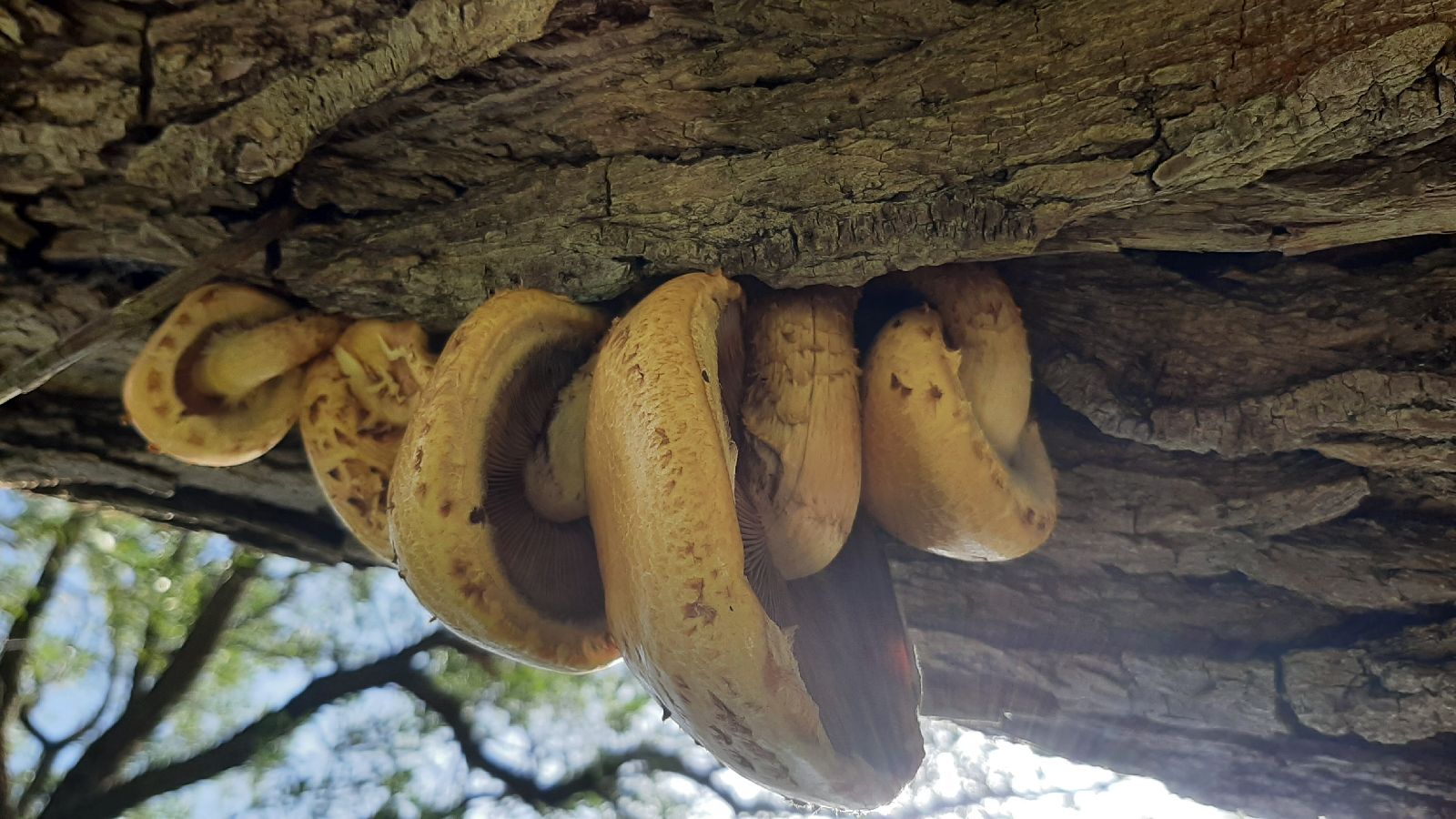
Trunk rot
Šupinovka zhubnáŠupinovka zhubná
Trunk rot
Number: 6856
Received 28.8.2025
In progress: 4 days
Date of occurrence: 28.8.2025
Significance: Harmful
Discussion
Assigned: A. Kunca
Country: Slovakia

Question

Answer

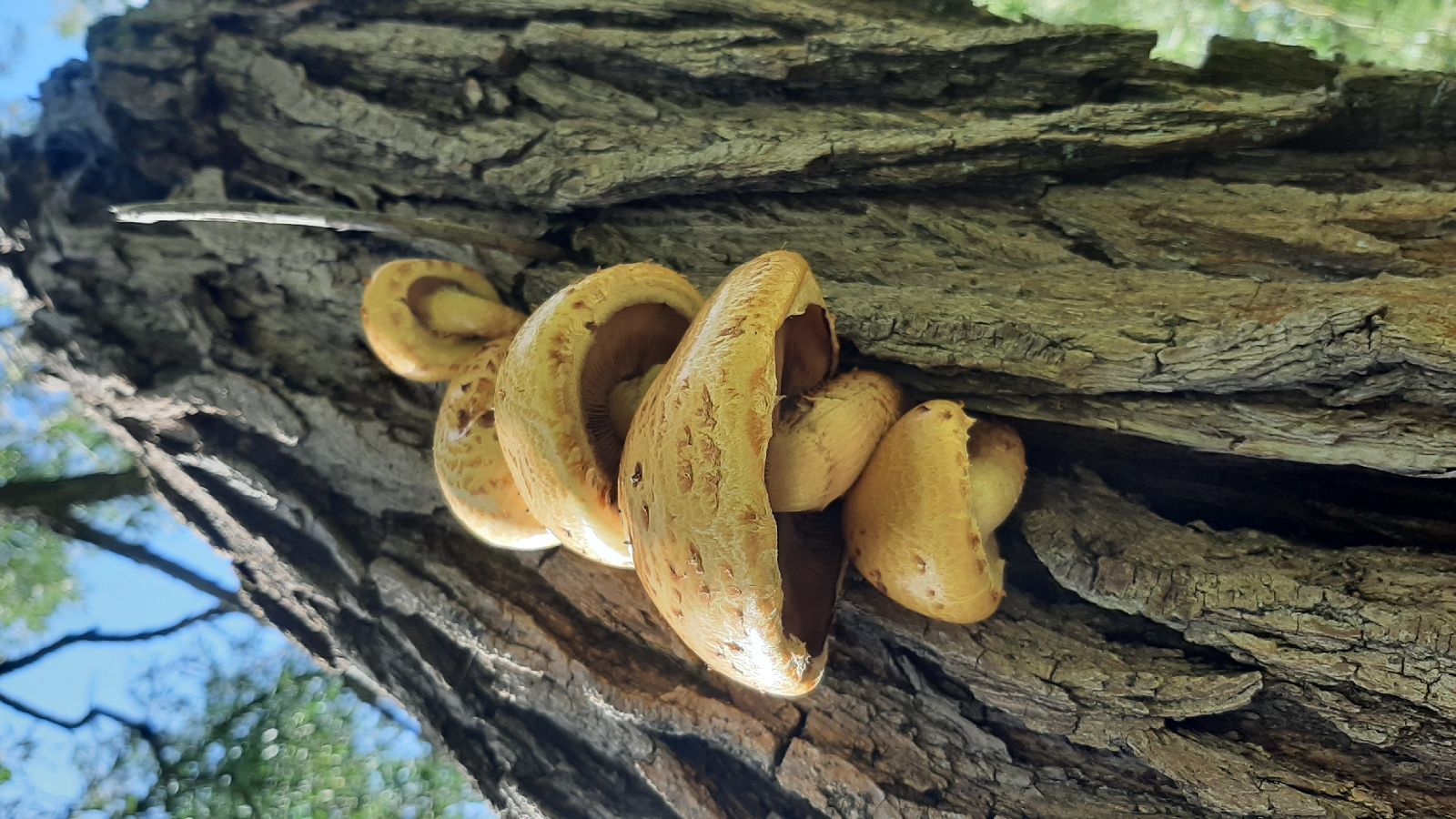
Mohla by to byť Pholiota populnea. Na báze hlúbika by mala byť ešte zhrubnutá hľuza. Nevidno dobre. AK.
Number of votes for this answer: 1

Pest

Trunk rot

Pholiota populnea

Trunk rot

Pholiota populnea

huby

Received: 28.8.2025
Wood: Vŕba
Number: 6856
Date of occurrence: 28.8.2025
Discussion

Add comment: Trunk rot

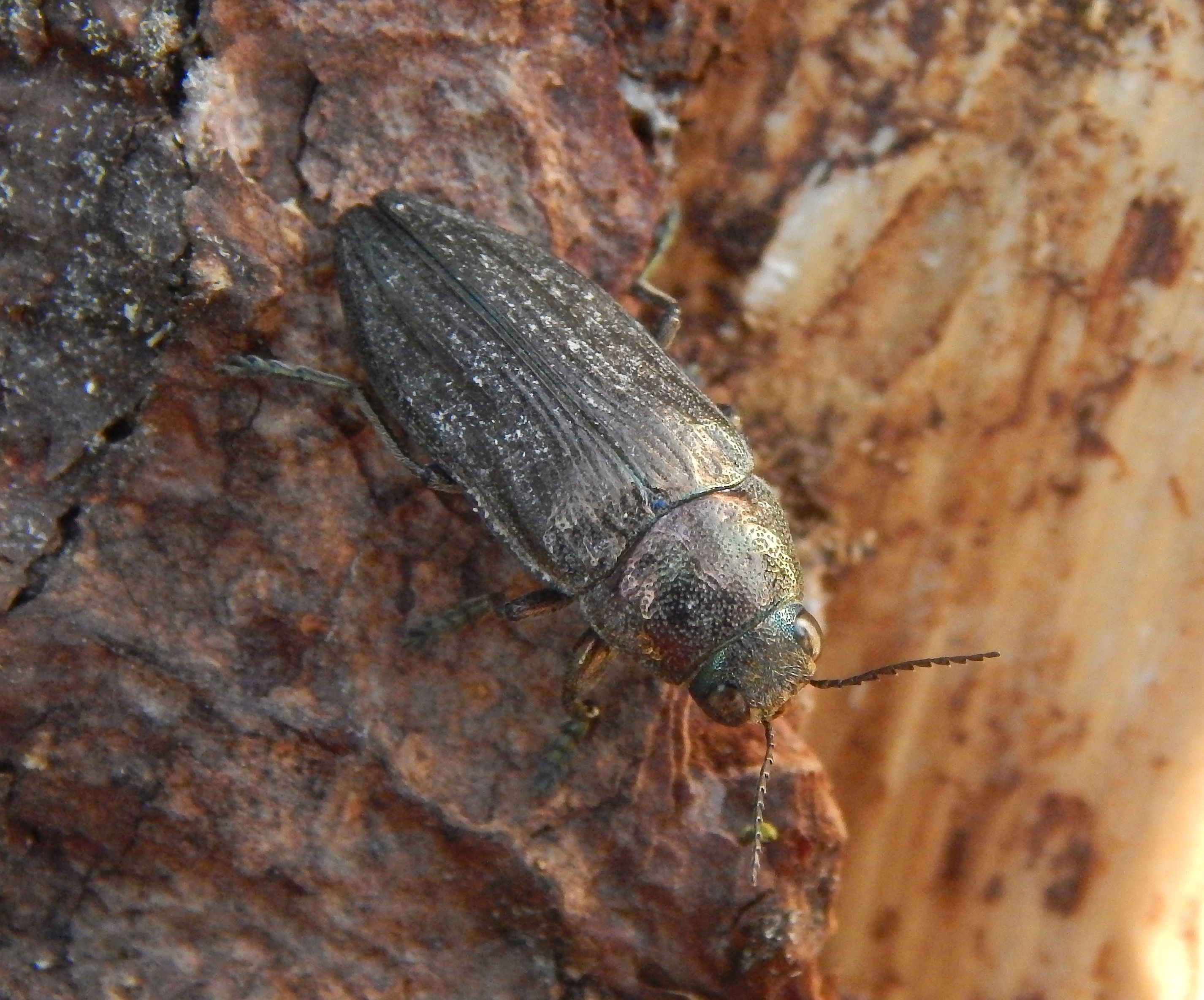
Jewel beetles
KrasoňovitéKrasoňovité
Jewel beetles
Number: 6853
Received 27.8.2025
In progress: 5 days
Date of occurrence: 27.8.2025
Significance: Harmful
Discussion
Assigned: J. Vakula
Country: Slovakia

Question

Answer

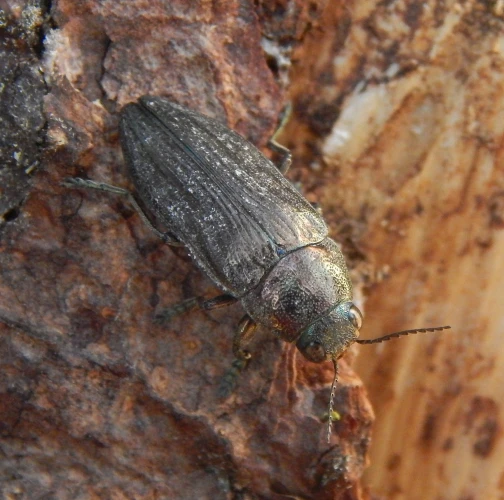
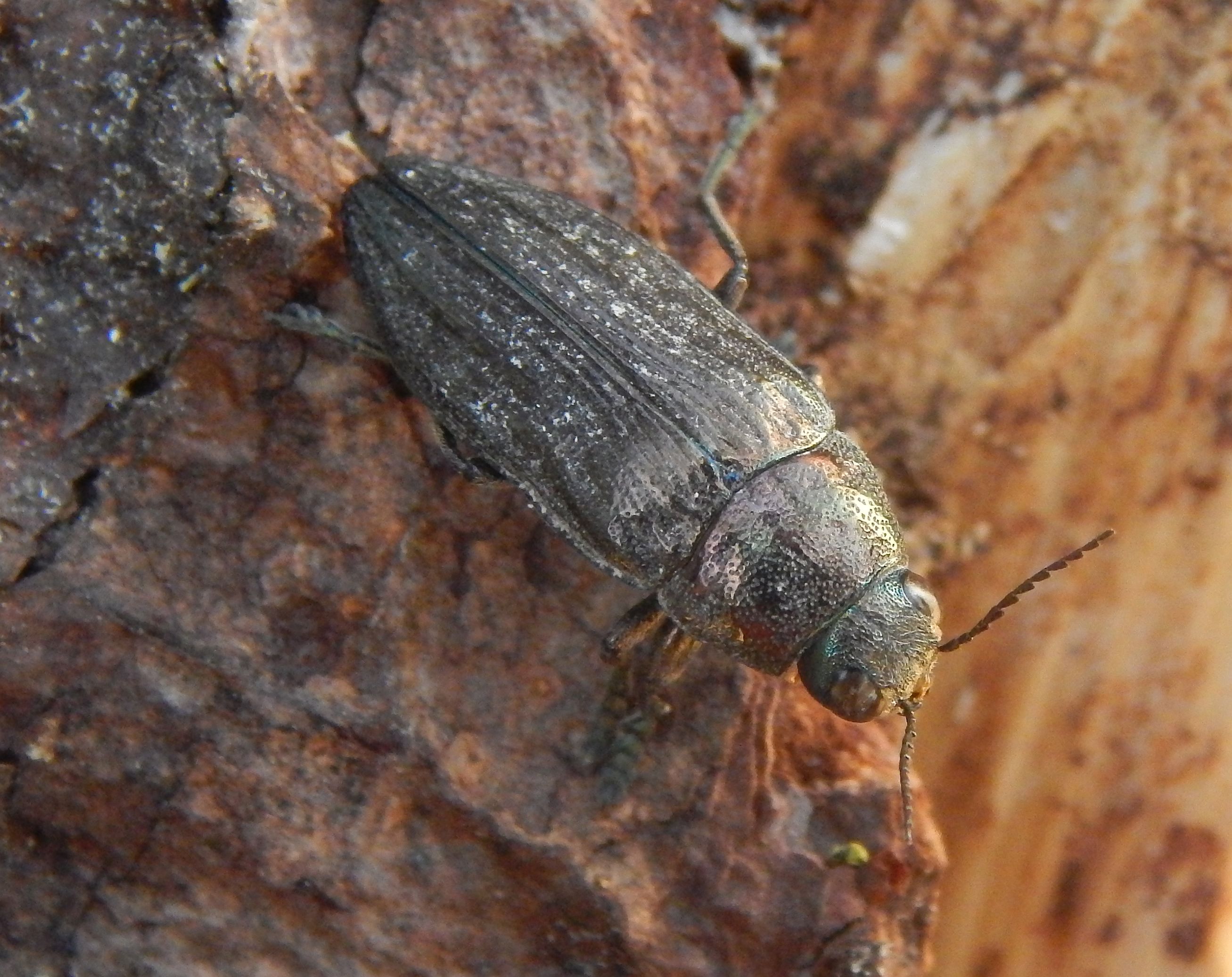
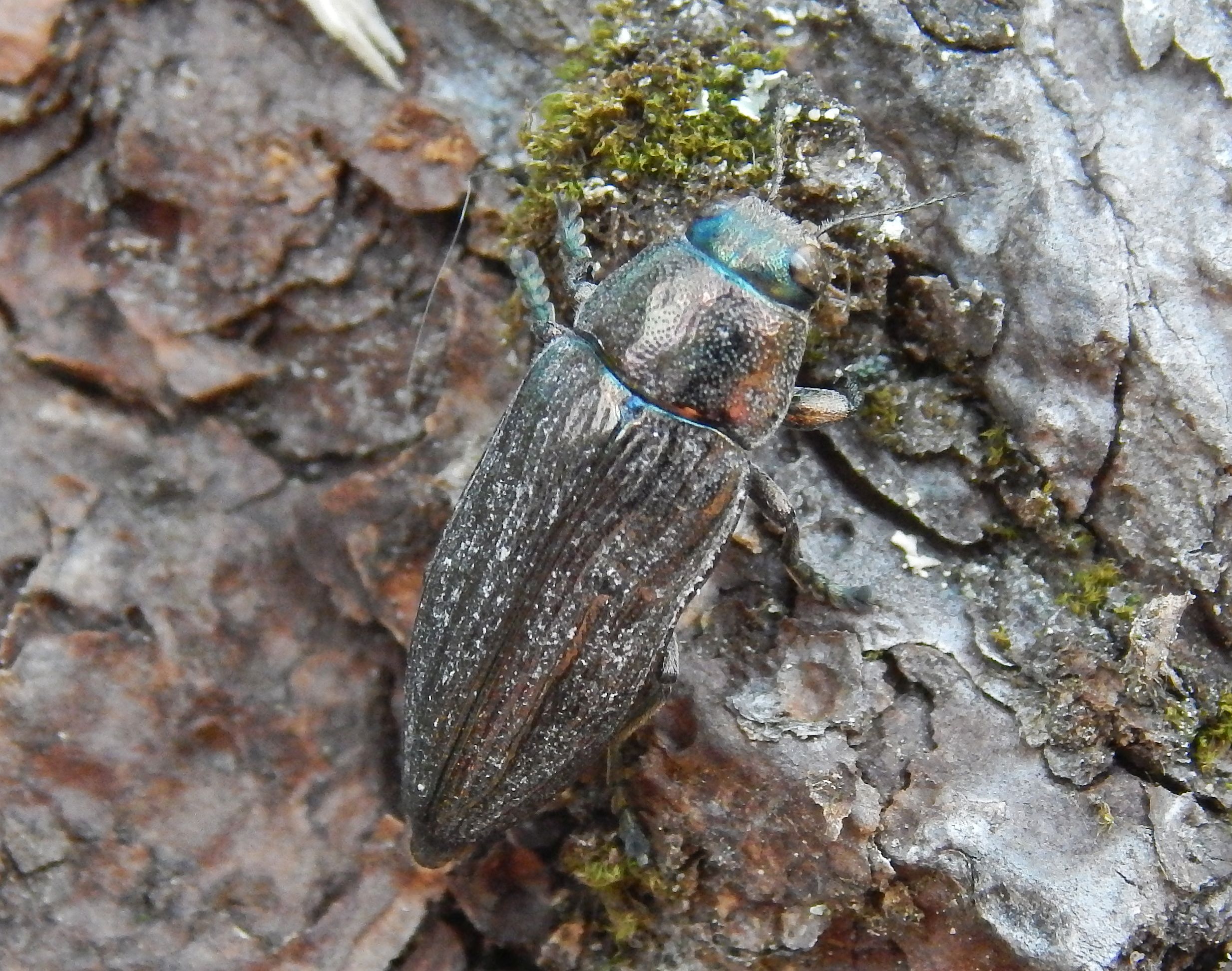
Ahoj Majo, mal by to byť Buprestis haemorrhoidalis.  Pekne fotky... J. Vakula
Number of votes for this answer: 1

Pest

Jewel beetles

Buprestidae

Jewel beetles

Buprestidae

hmyz

Received: 27.8.2025
Wood: Smrek
Number: 6853
Date of occurrence: 27.8.2025
Discussion

Add comment: Jewel beetles

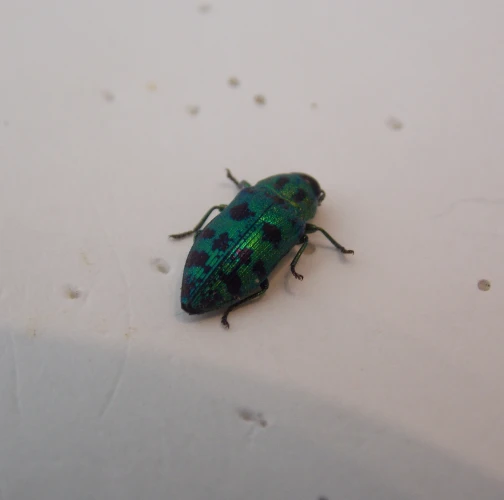
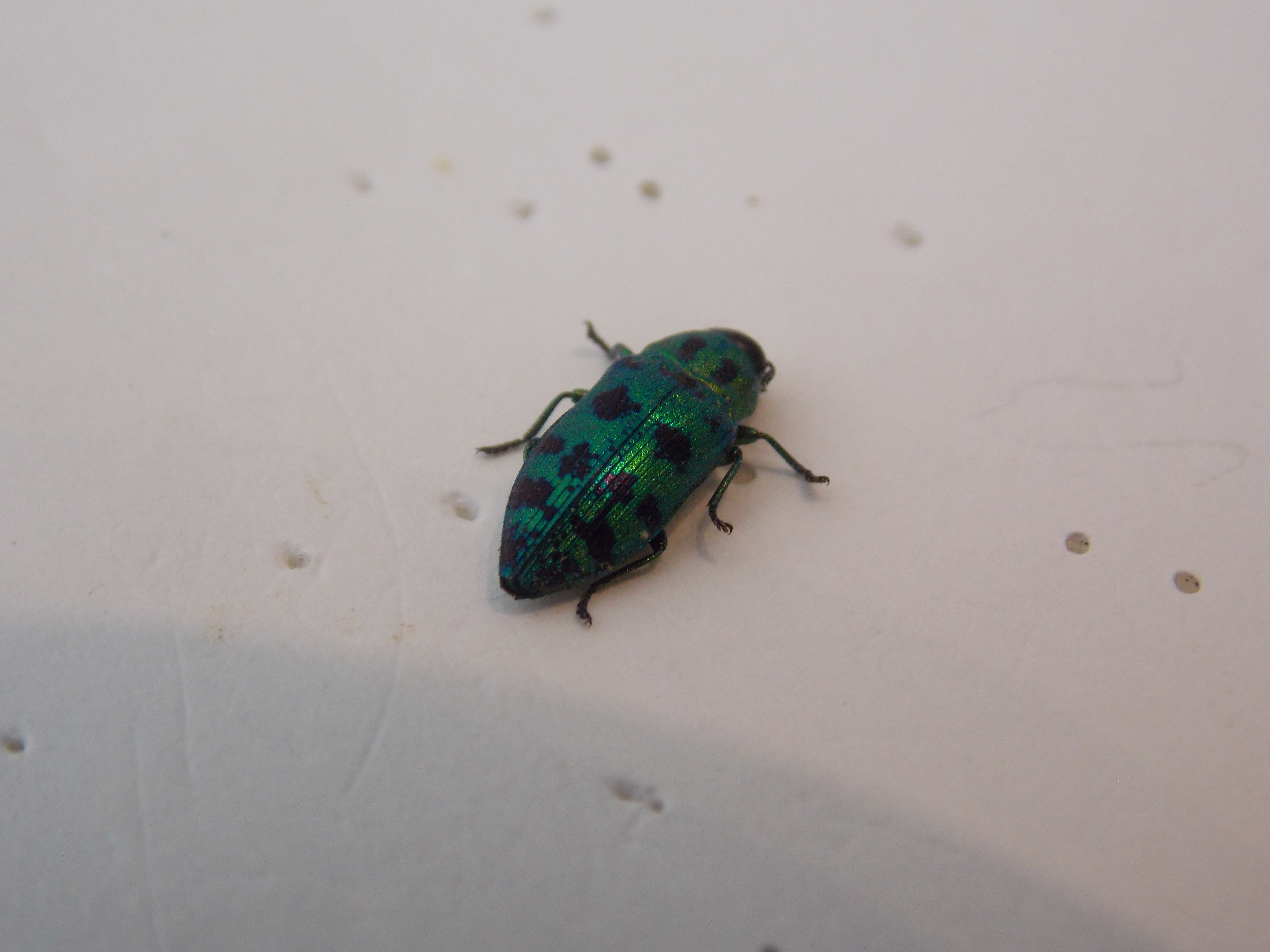
Cypress jewel beetle
Number: 6851
Received 26.8.2025
In progress: 7 days
Date of occurrence: 26.8.2025
Significance: Very harmful
Discussion
Assigned: A. Gubka
Country: Sweden

Question

Answer

Dobrý deň, jedná sa o krasoňa borievkového (Lamprodila festiva), ktorý sa v posledných rokoch významne rozšíril na území Slovenska a aktuálne spôsobuje značné škody najmä v mestách a obciach, kde sú tuve často pestované ako sučasť živých plotov. Viac o tomto škodcovi tují nájdete v atlase (https://www.skodcoviadrevin.sk/skodca/krason-borievkovy). Ďakujeme otázku a používanie našej aplikácie. A. Gubka
Number of votes for this answer: 0

Pest

Cypress jewel beetle

Lamprodila festiva

Cypress jewel beetle

Lamprodila festiva

hmyz

Received: 26.8.2025
Wood: Tuja
Number: 6851
Date of occurrence: 26.8.2025
Discussion

Add comment: Cypress jewel beetle

Back to top