Here you can request to determine the cause of the damage. You can view the requests of other users and sort them according to the selected criteria. In addition, you can get information about your request, and you can follow the progress of its current state. If your application was not approved, it had probably been because it was impossible to identify the damage based on the sent photos or because the application does not address our topic - determining the pests of trees and shrubs. We will inform you about the status of your application by email.
Dobrý deň,
ďakujeme za váš dotaz a ospravedlňujeme sa za oneskorenú odpoveď — váš dotaz sme v systéme prehliadli.
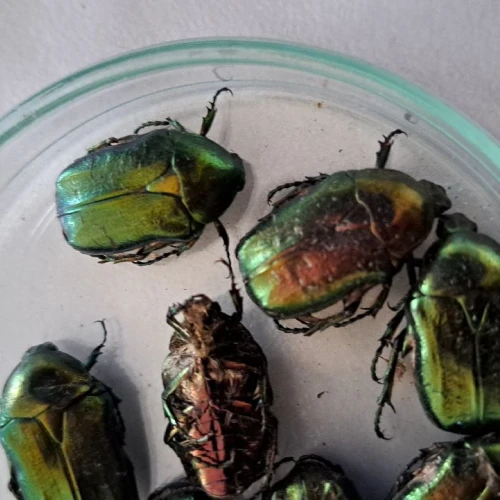
Na fotografii sú chrobáky z rodu Potosia (čeľaď Scarabaeidae, podčeľaď Cetoniinae – zlatone). Dospelé jedince (imága) sa živia sladkými šťavami z dozrievajúcich plodov, miazgy alebo kvetov, a preto ich často možno vidieť na ovocí, kde môžu spôsobiť drobné poškodenie šupky či dužiny. Larvy žijú v trúchnivom dreve, komposte alebo v pôde s obsahom rozkladajúcej sa organickej hmoty a nie sú škodlivé – naopak, prispievajú k rozkladu rastlinných zvyškov.
Prajem vám príjemný deň,Milan Zúbrik
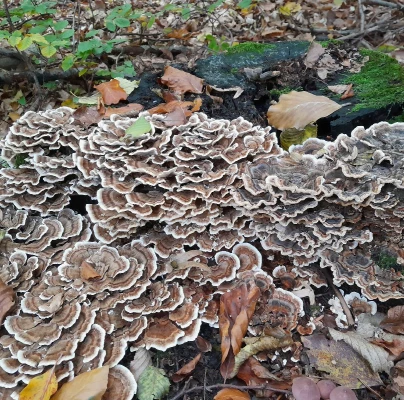
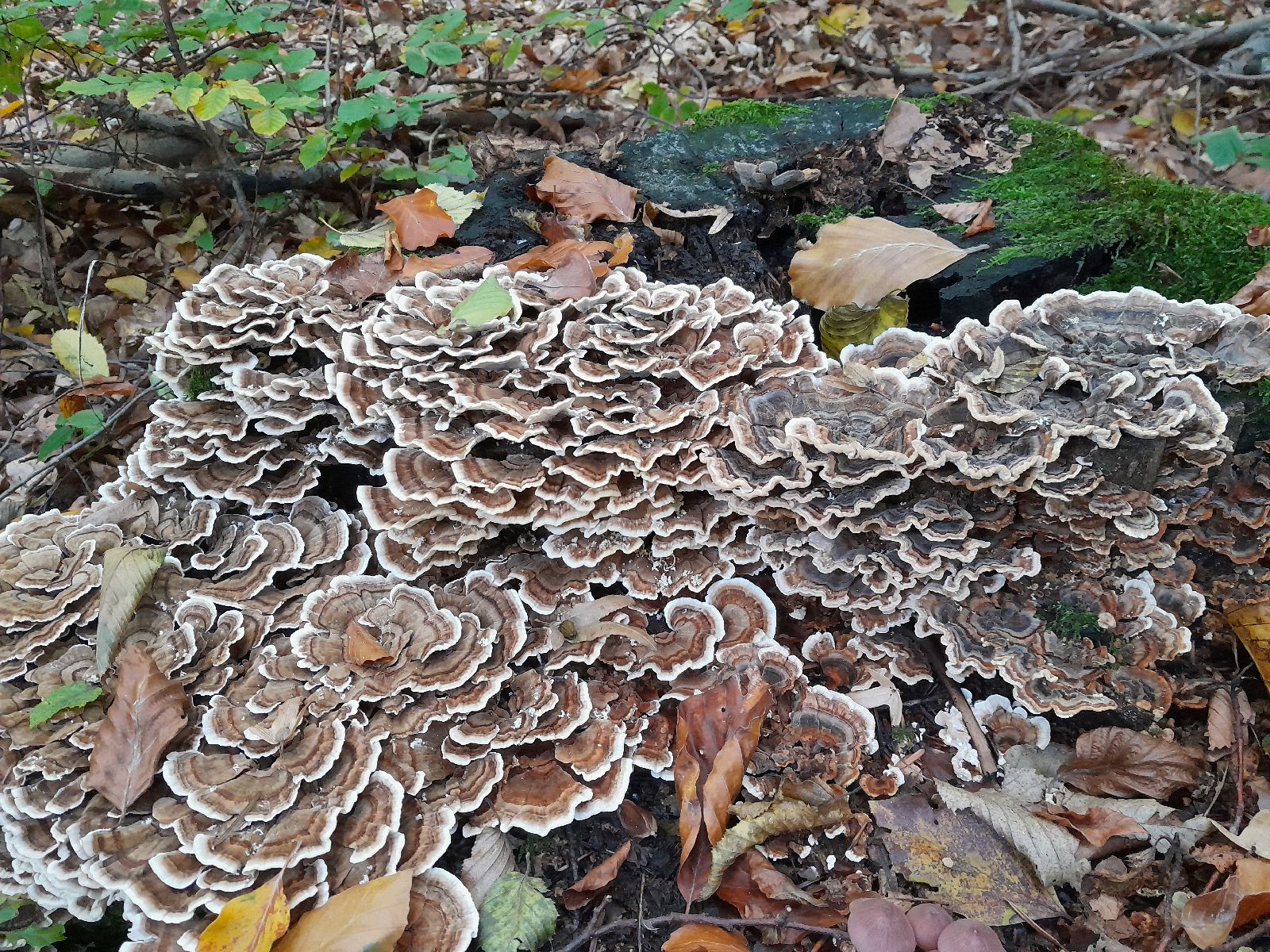
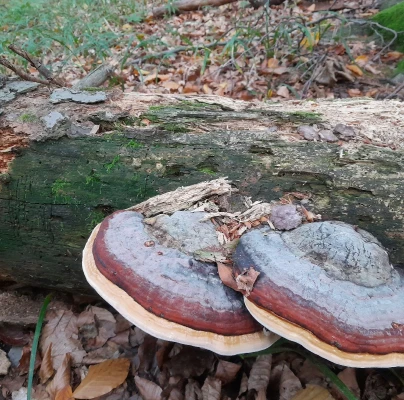
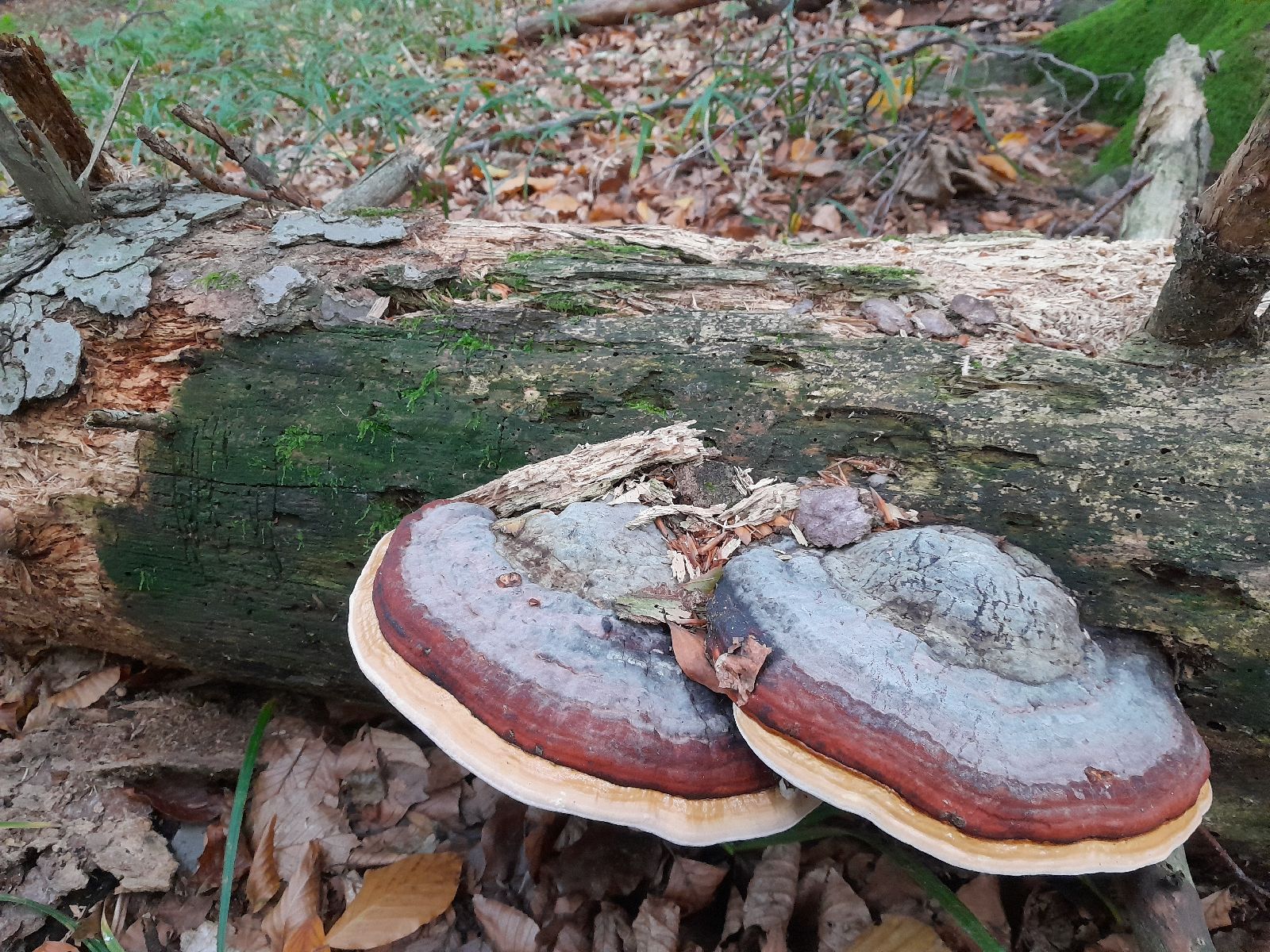
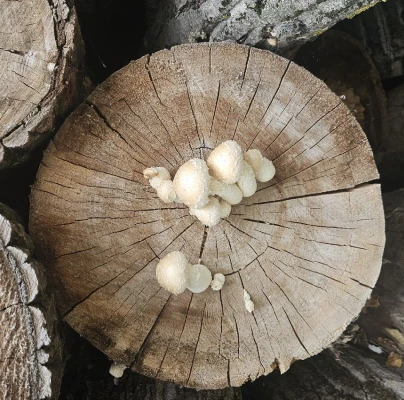
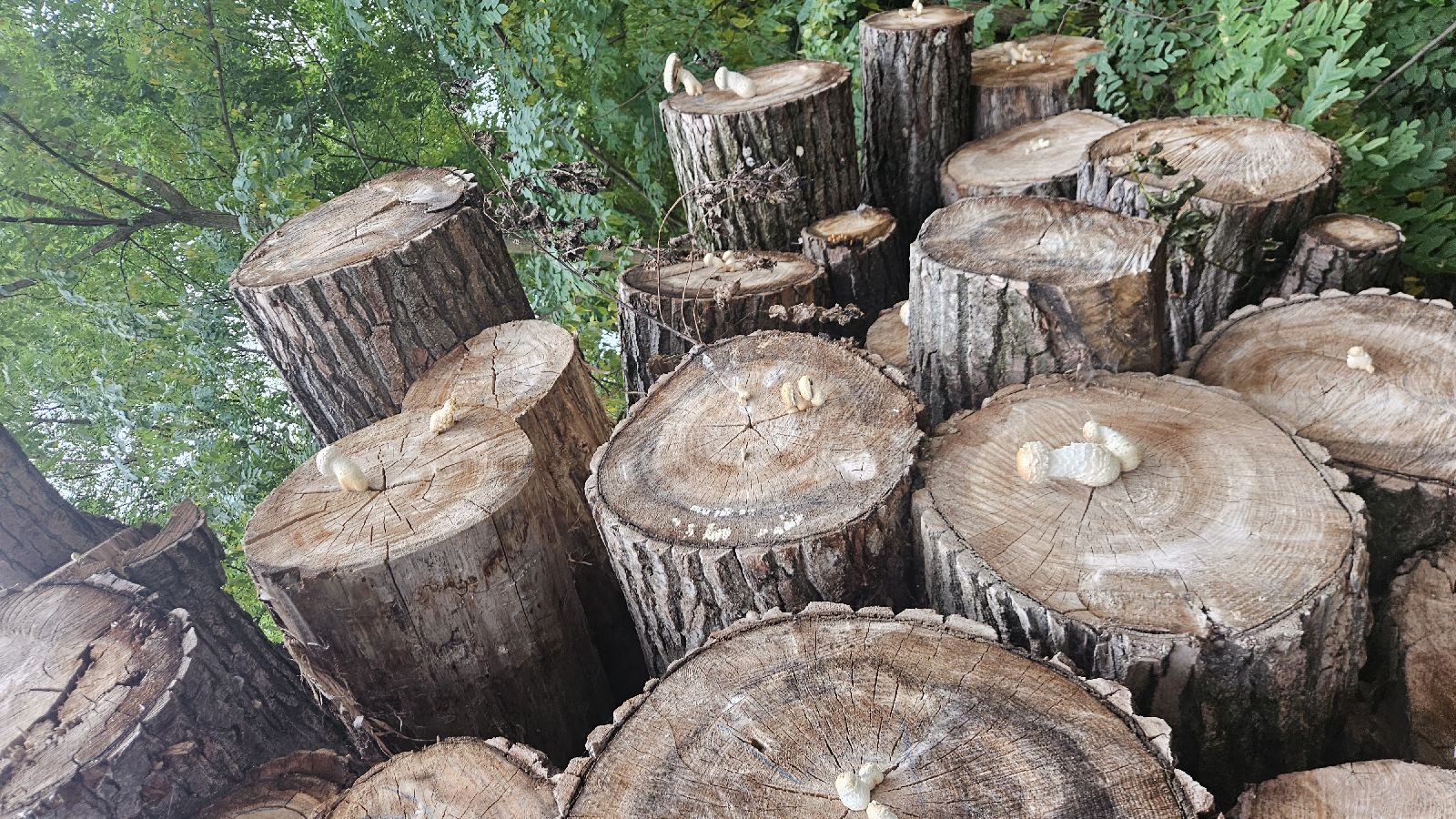
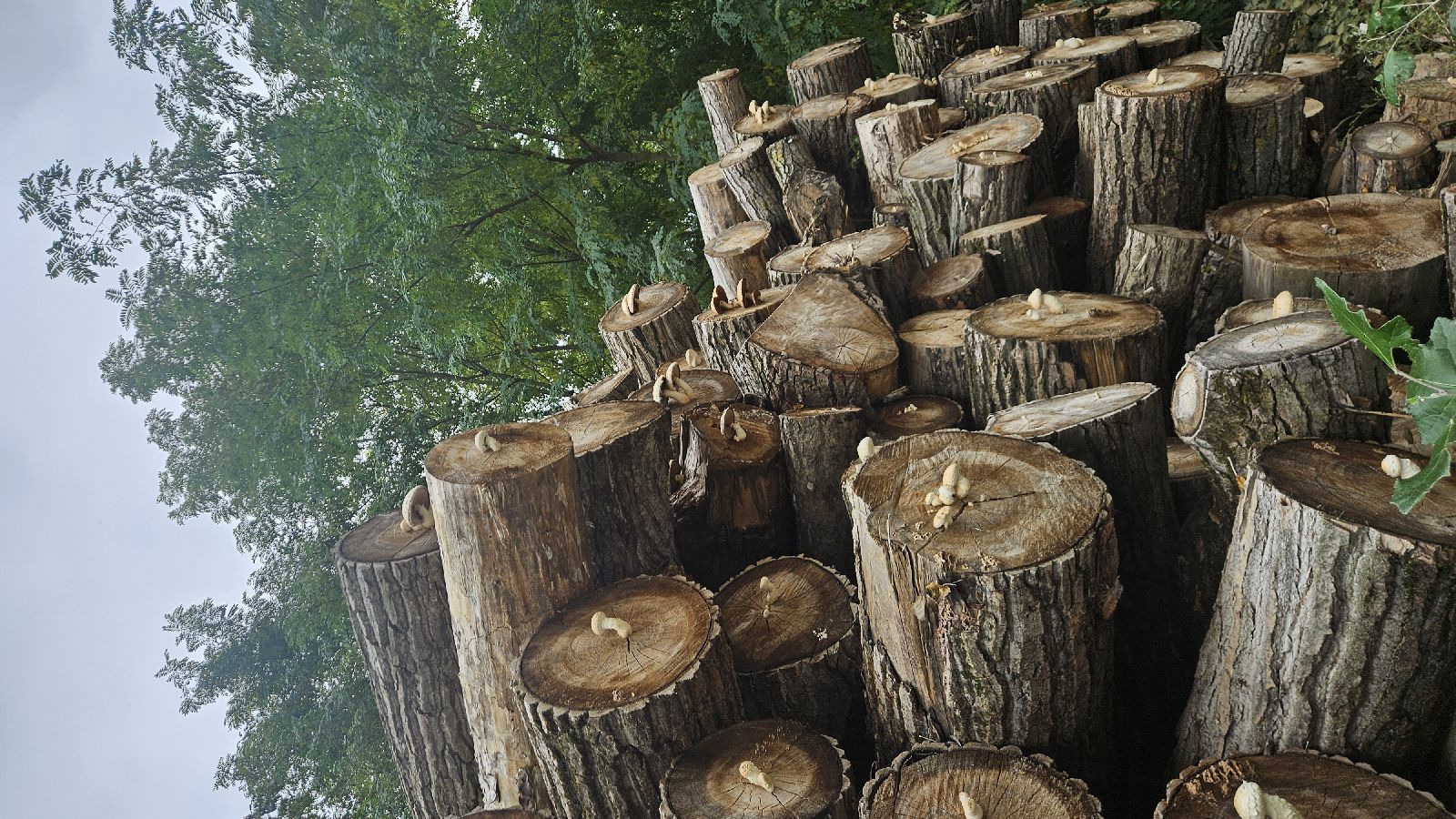
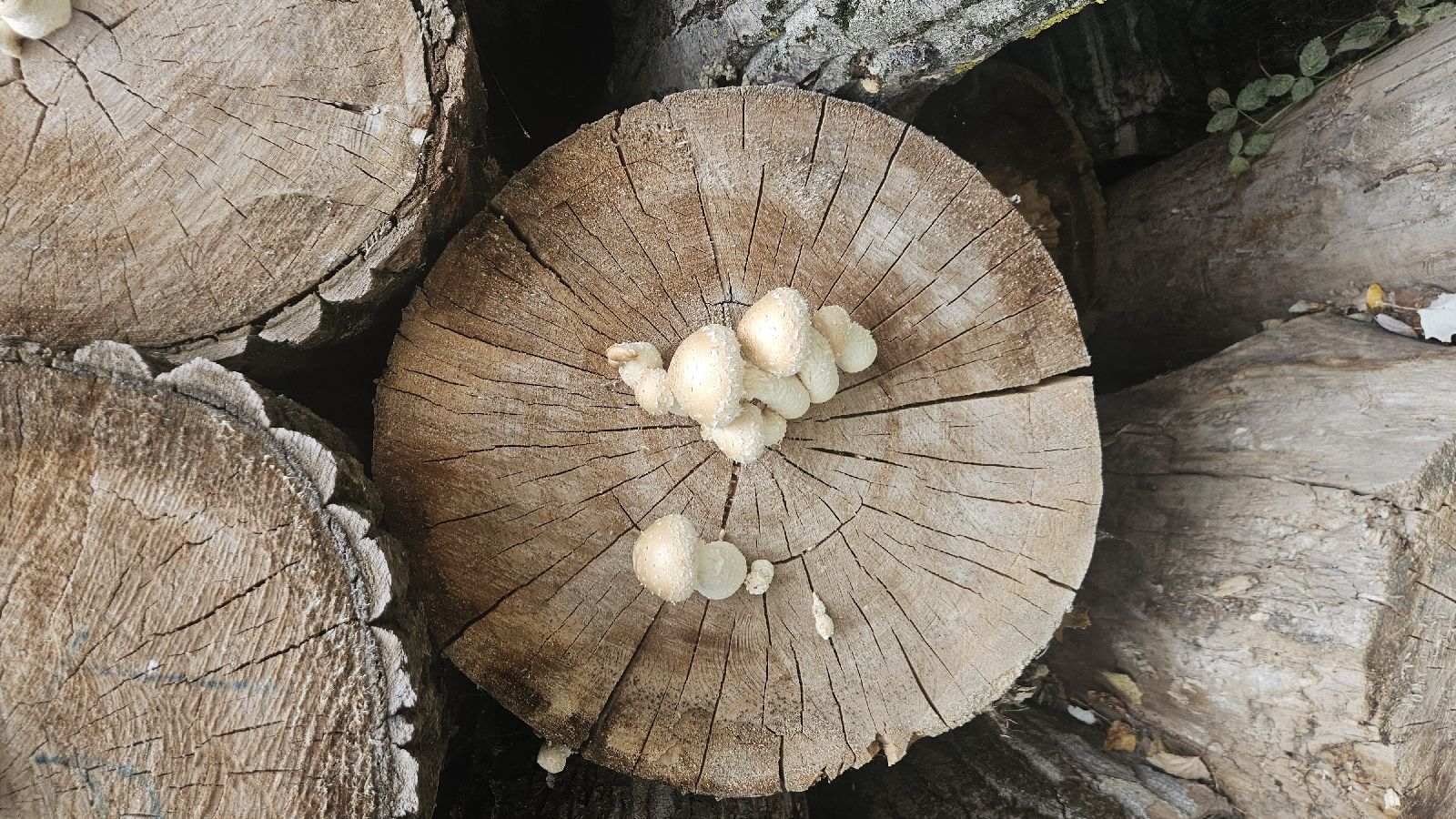
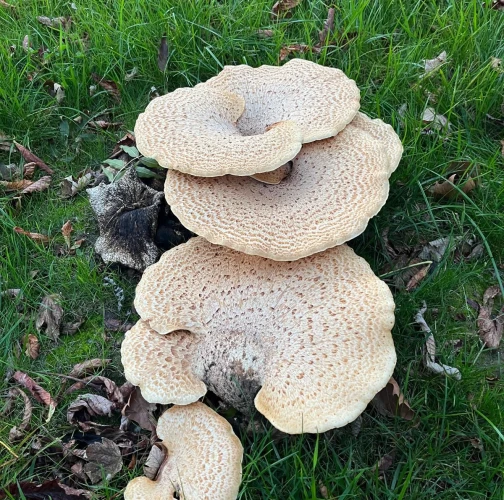
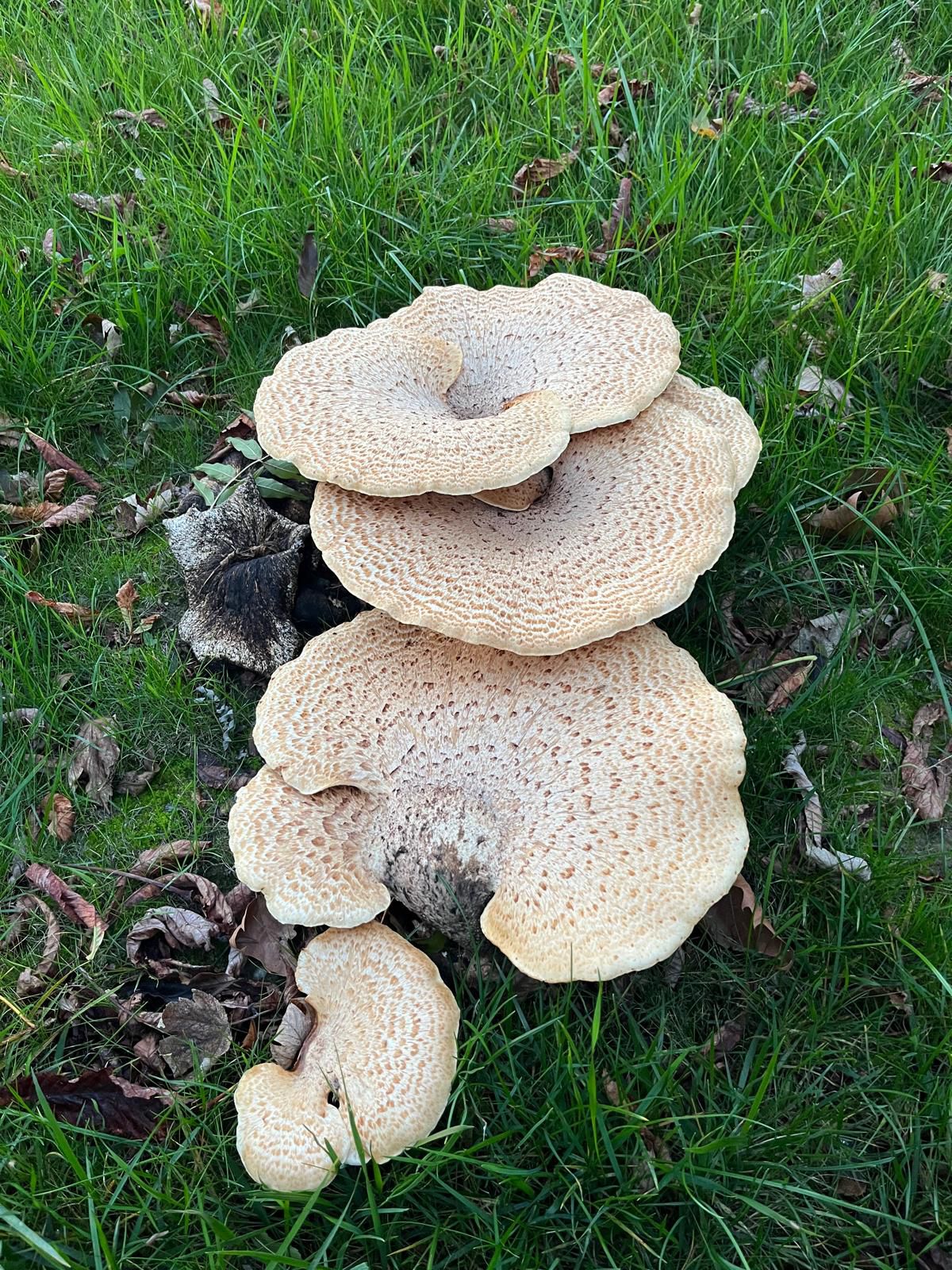
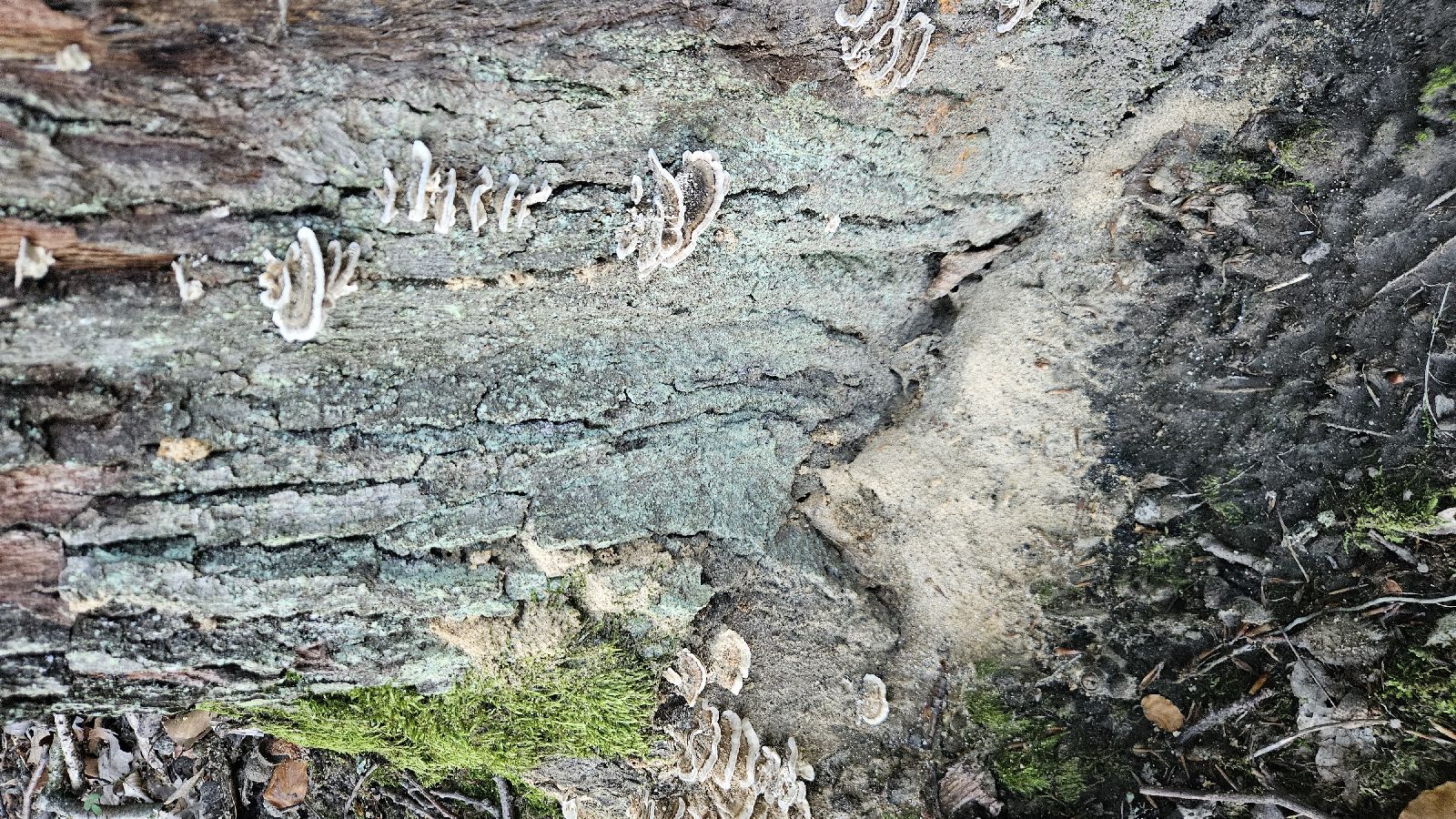
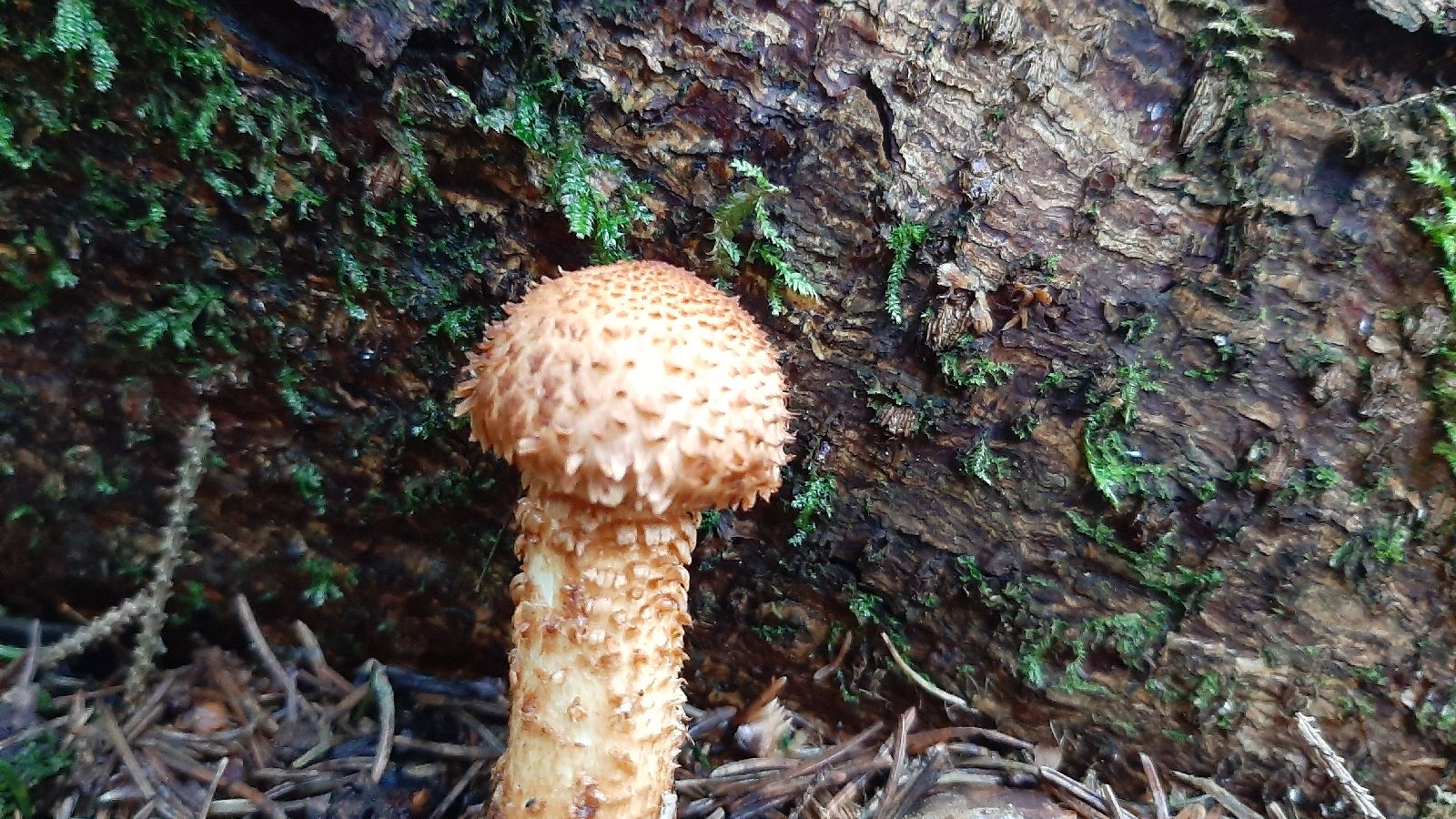
Krásne plodnice Fomitopsis pinicola. Mycélium v dreve (aj jedle) spôsobuje červenú hnilobu dreva. Je to slaby patogén, ale ďaleko častejšie je to saprofyt pňov a ponechaných kmeňov v lese. AK.
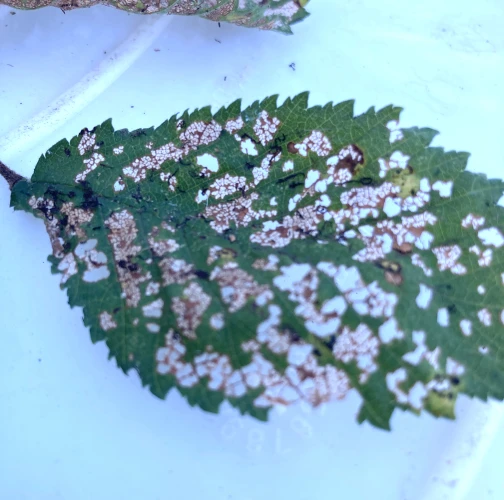
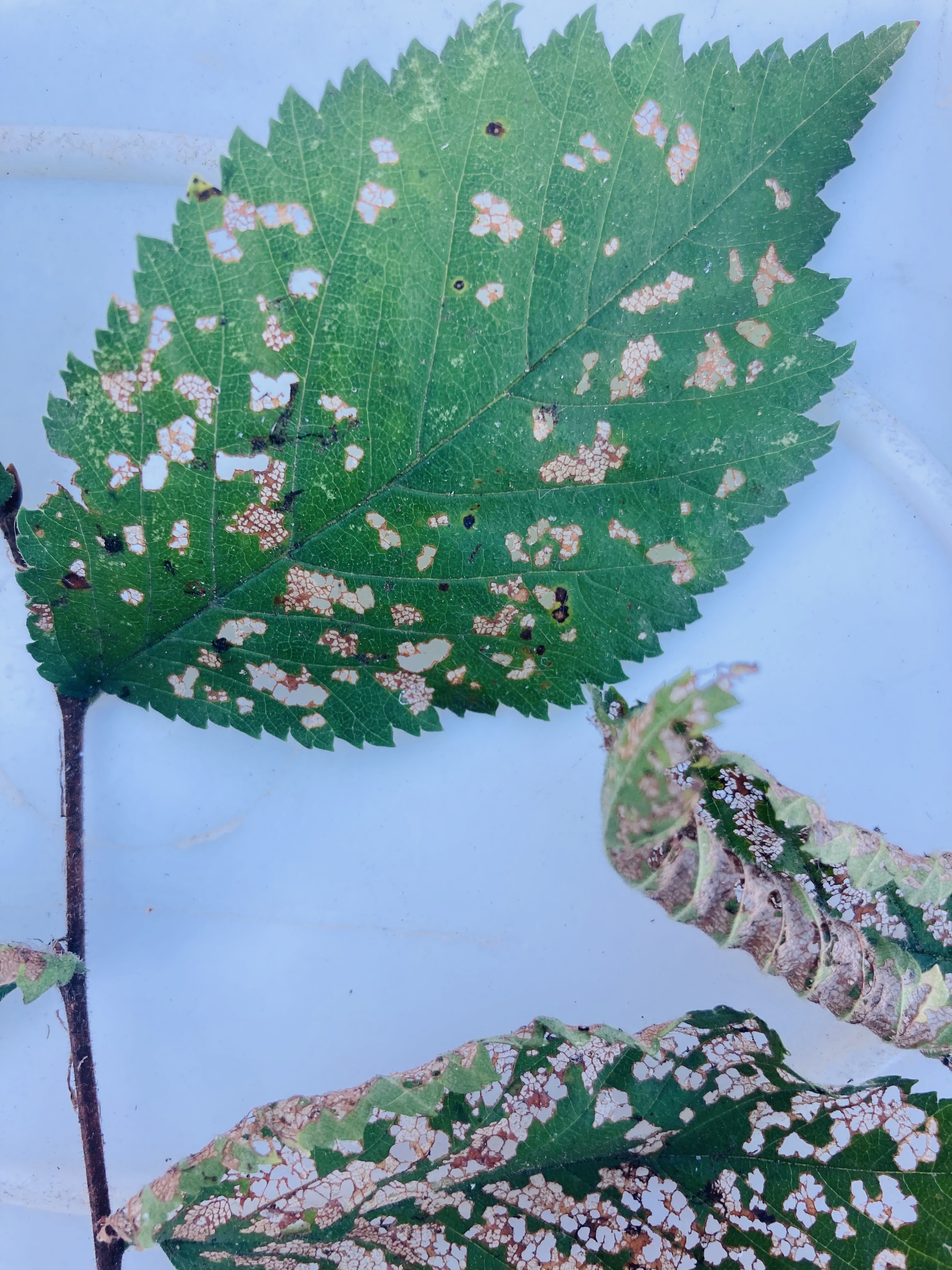
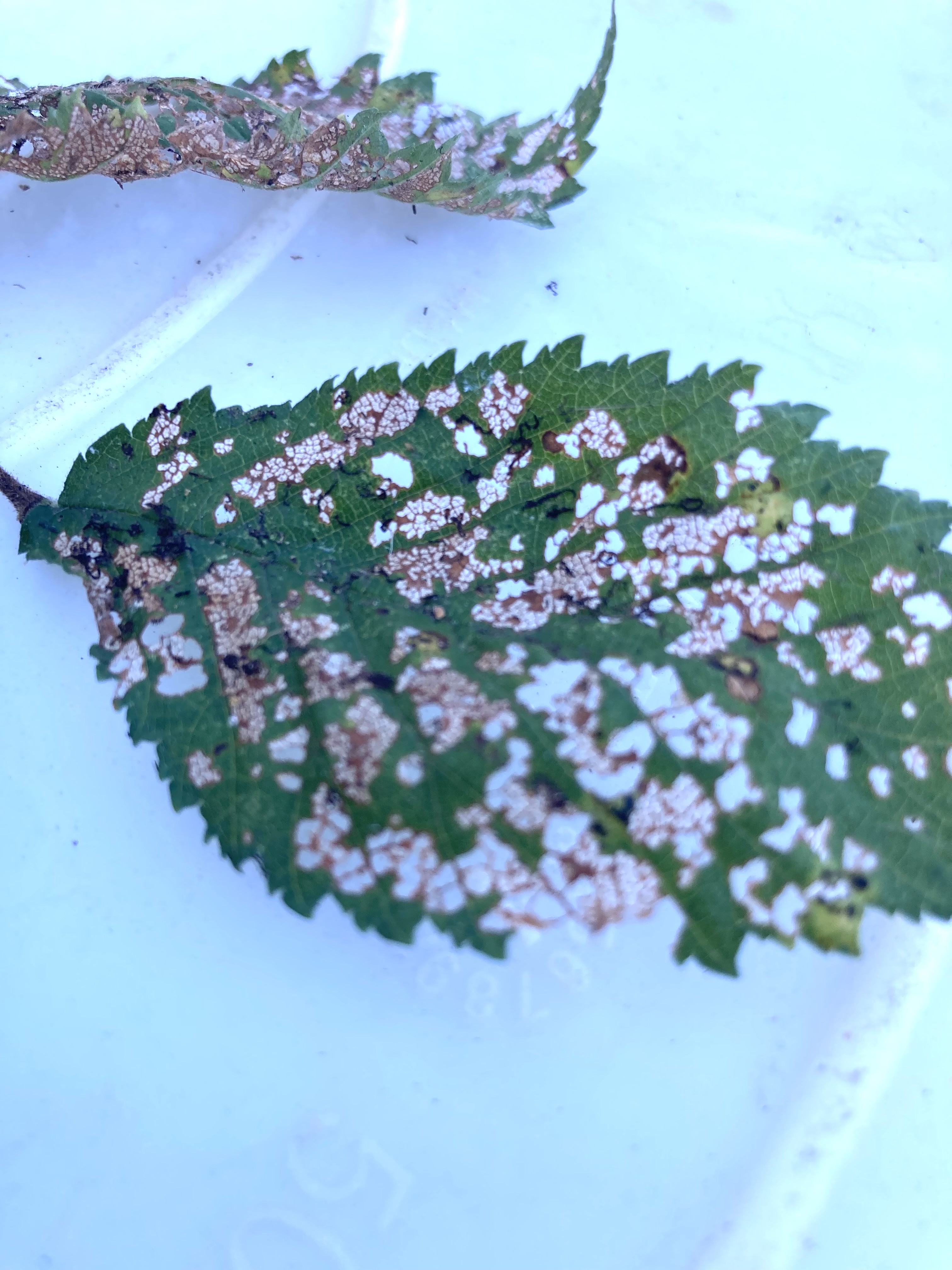
The leaves have patchy, translucent or tan areas some leaves show more extensive damage and curling after the green tissue between the veins are eaten.
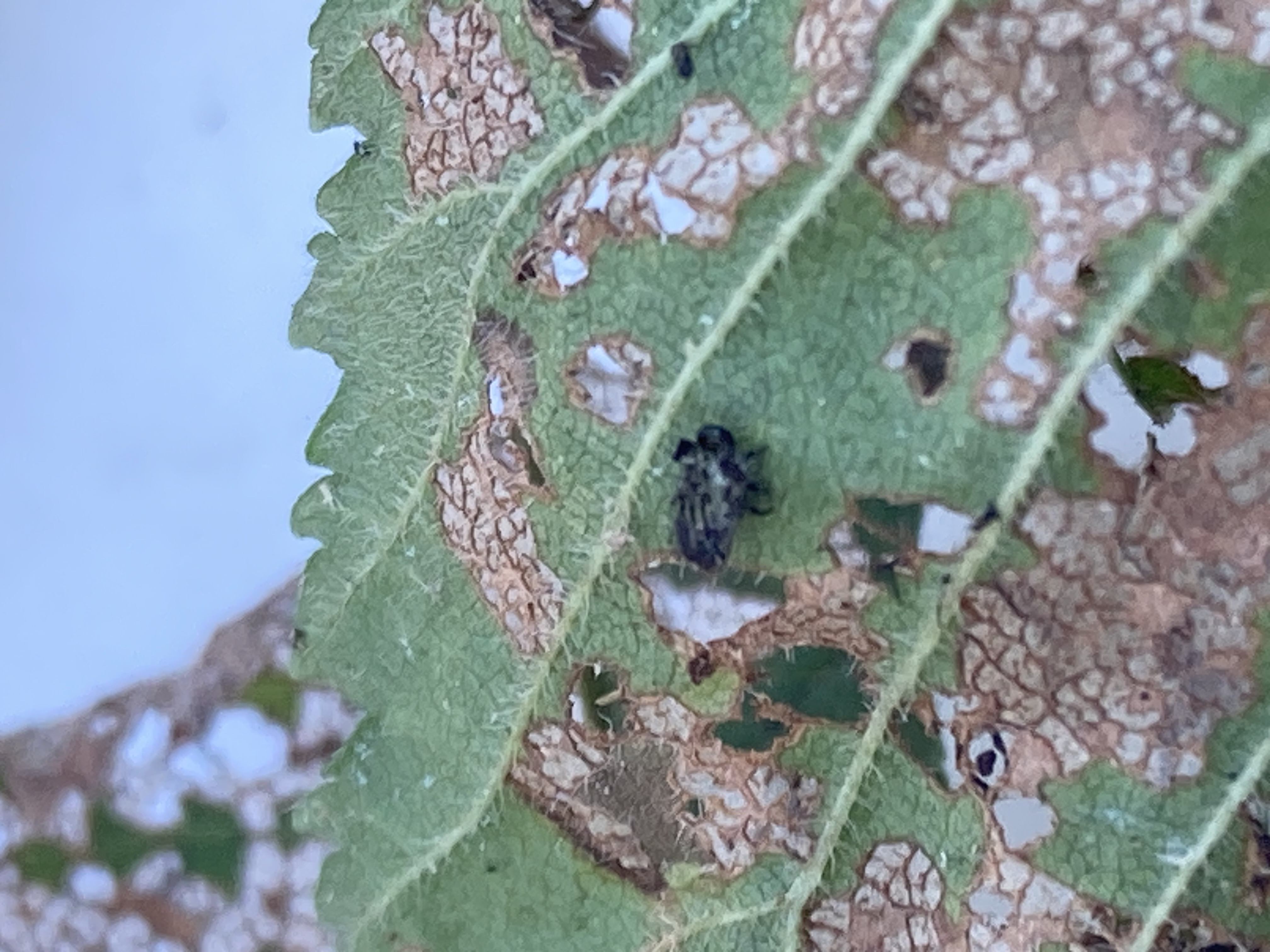
Topside of the leafes are covered in small black excrements and on the bottom of leafes are alot of 1-2mm small empty pupa as seen on one of the Photos.
Answer
Dear Noah, in my opinion, this is not hornbeam but elm. If so, the symptoms match damage caused by Xanthogaleruca luteola (elm leaf beetle). Have a nice evening, Milan Zubrik
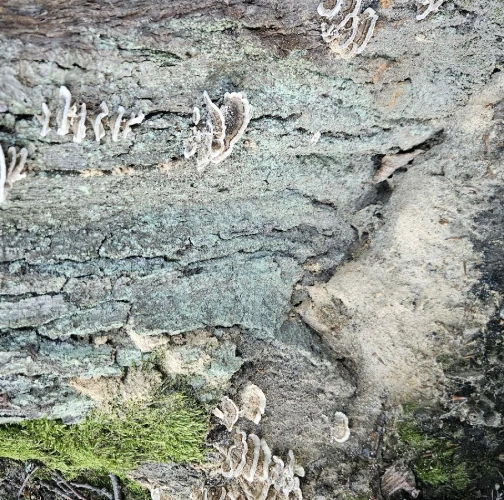
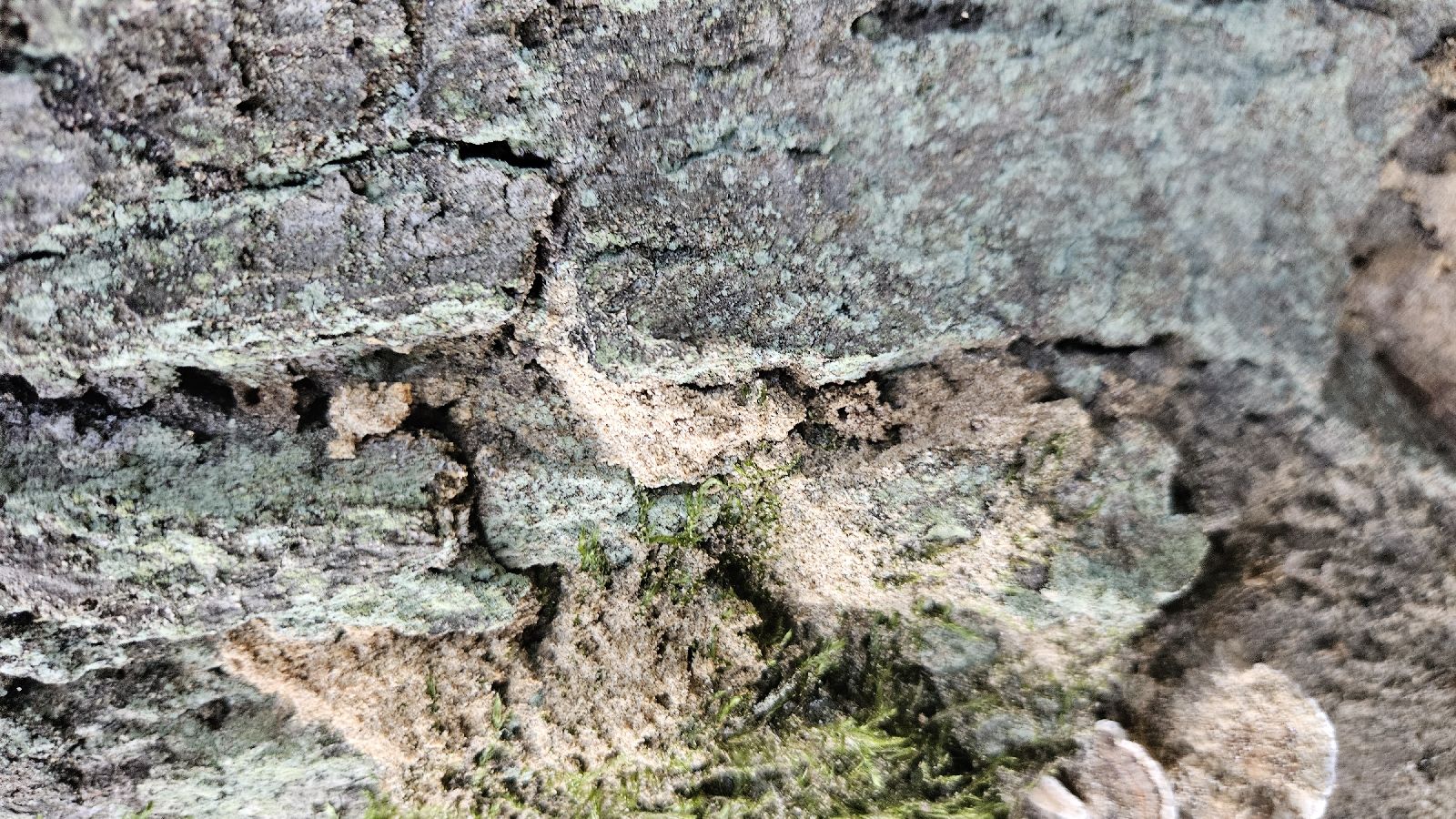
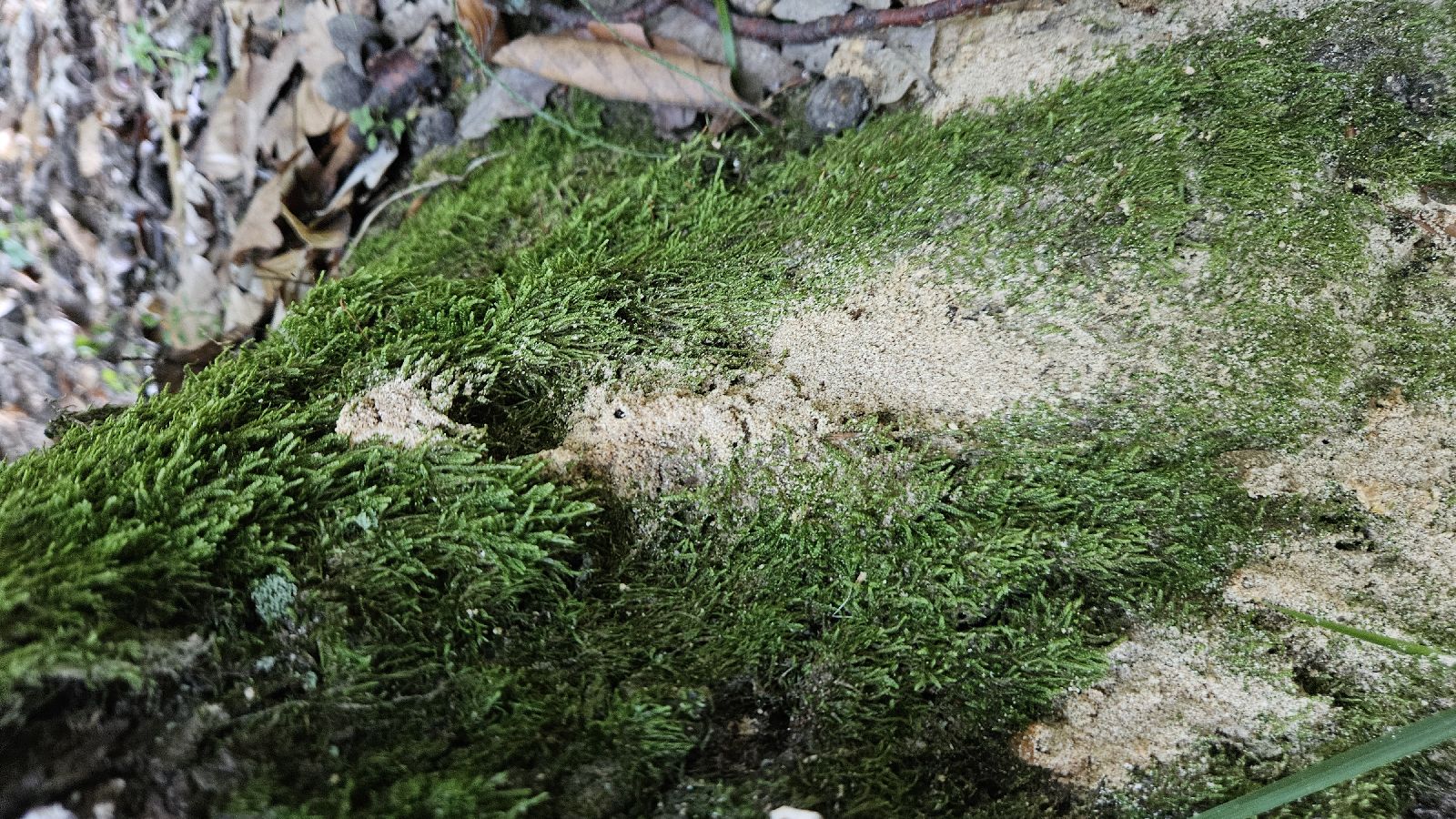
Dobrý deň. Určil som to ako jadrohlod dubový Platypus cylindrus, ktorý najskôr produkuje trieskovité drviny, avšak neskôr pri žere lariev je drvina už viac granulovaná ako na vašich fotkách. Do úvahy pripadajú aj iné druhy ambróziových chrobákov. S pozdravom JG
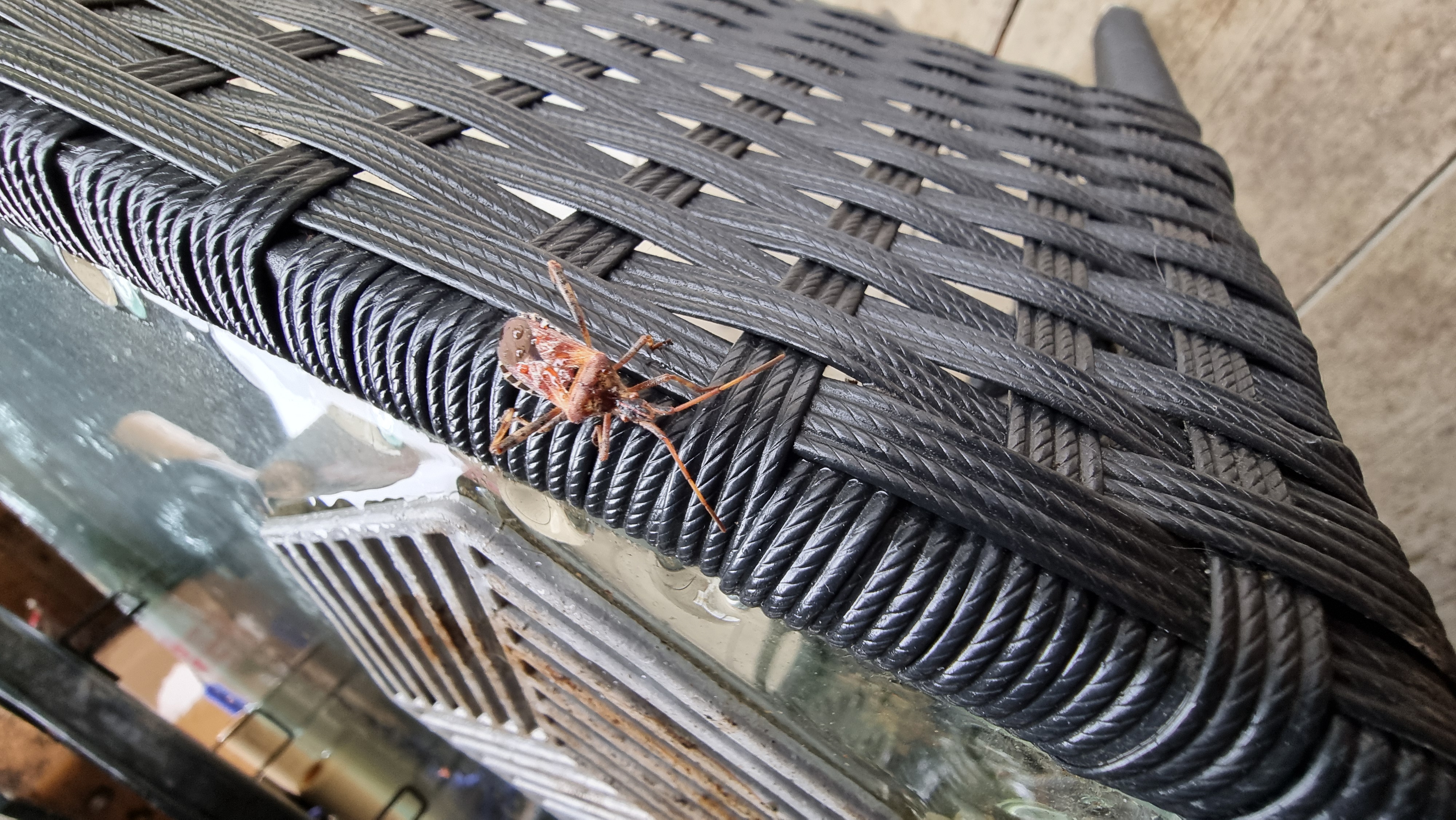
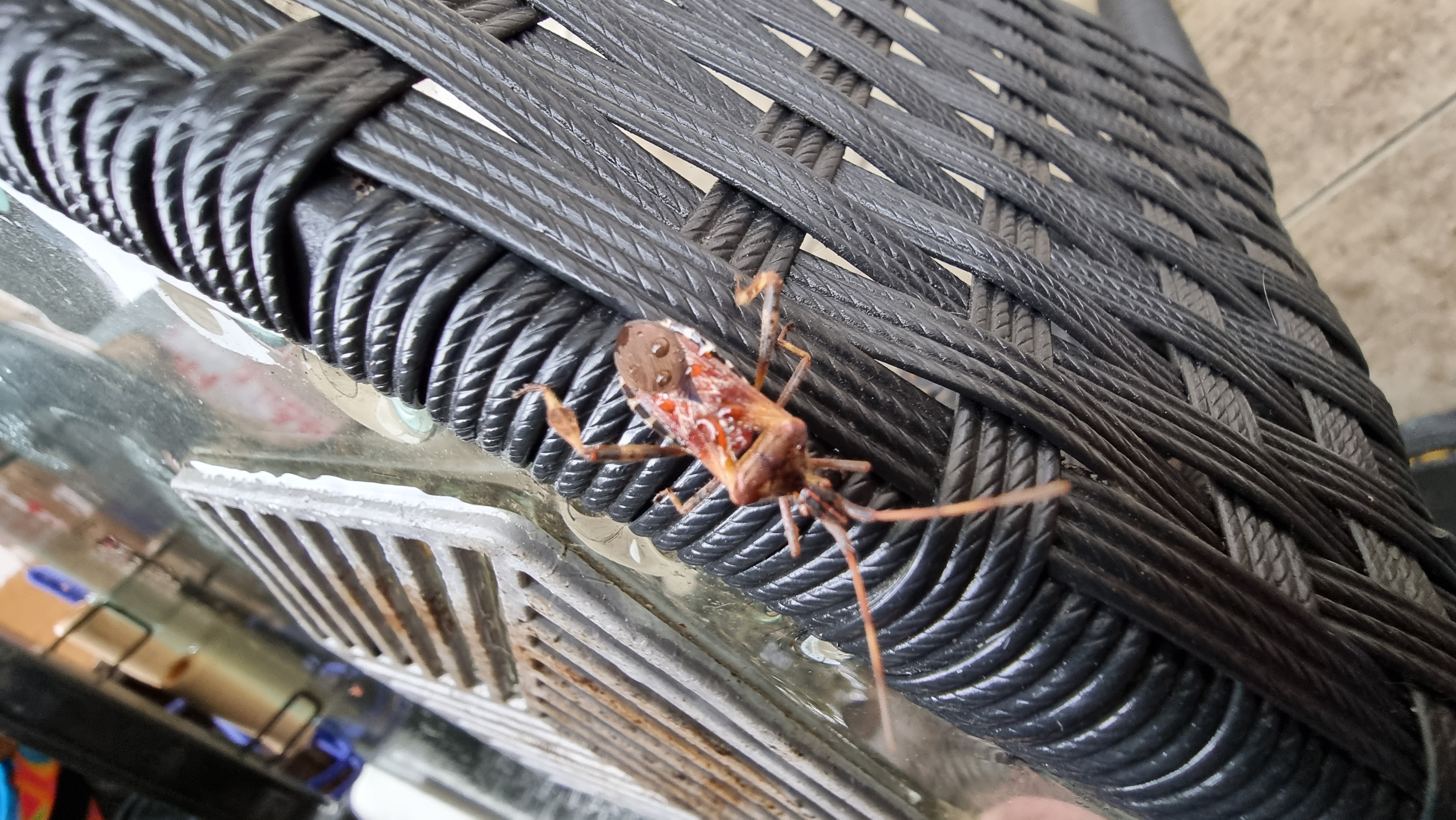
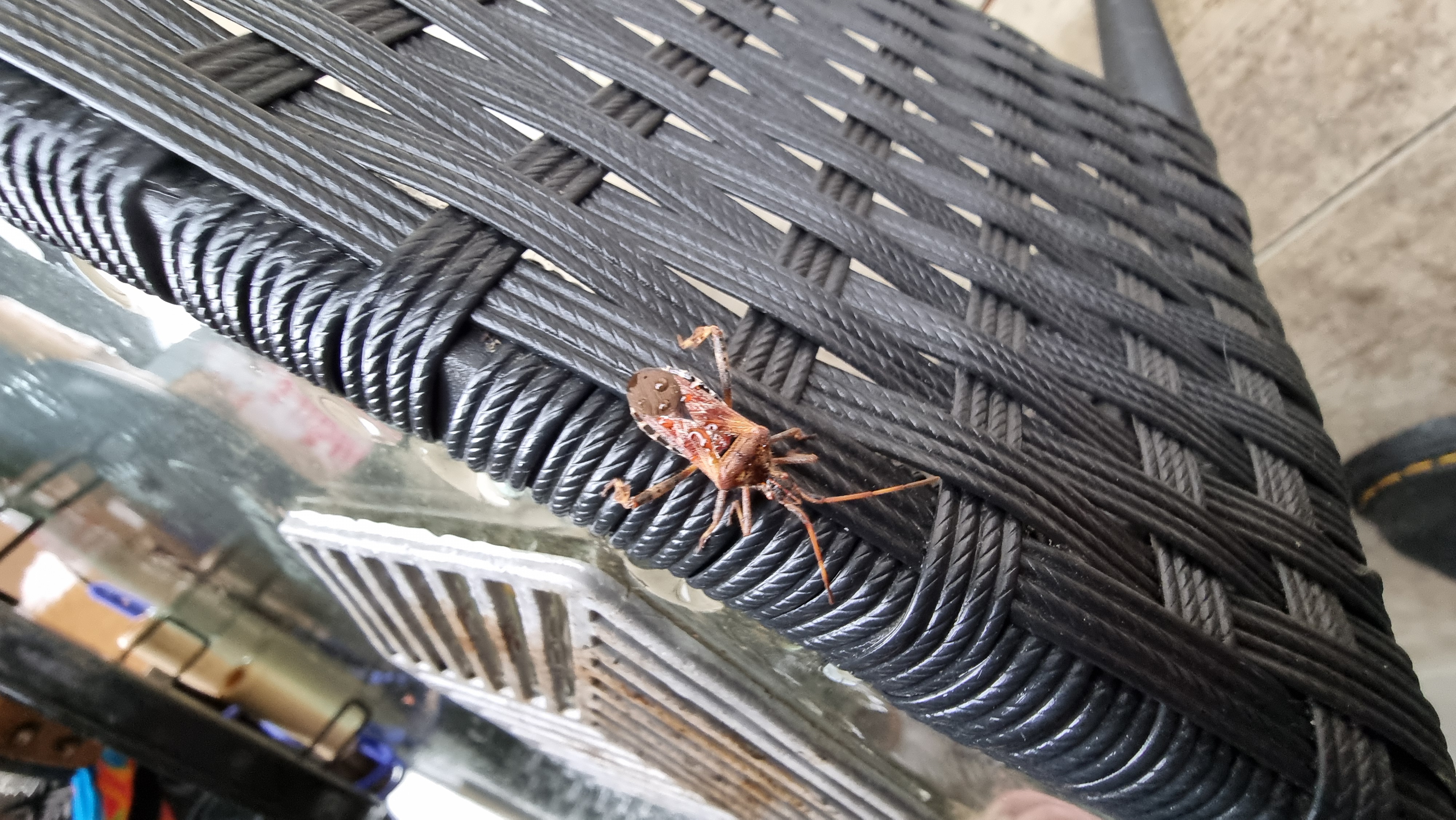
Dear Fysh, this is Leptoglossus occidentalis - Western conifer seed bug. Considered as the main seed predator in seed orchards of Western North America. This large-sized bug (1.6-2 cm long) has been accidentally introduced into northern Italy during the late 1990s (first record 1999). It then invaded the whole Central and Western Europe. Overwintering occurs as an adult in bark crevices or into buildings where it can enter in large numbers in autumn. With best regards Milan Zubrik