






 Show all photos in album
Insert for comparison
We will identify your pest
Add pictures of this species
Show all photos in album
Insert for comparison
We will identify your pest
Add pictures of this species
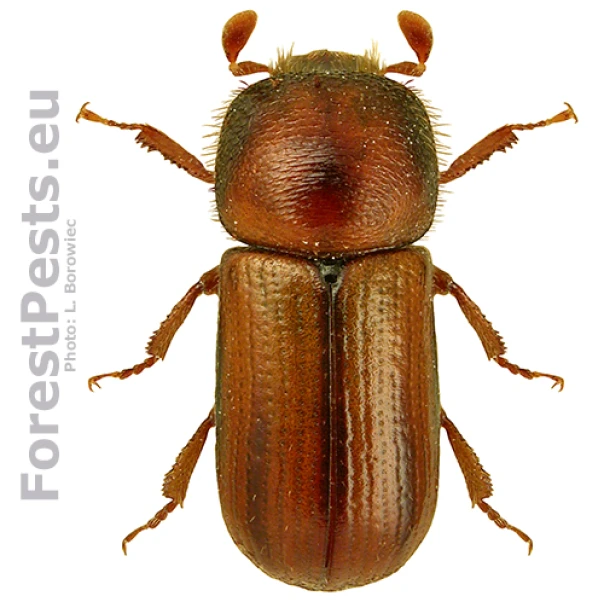
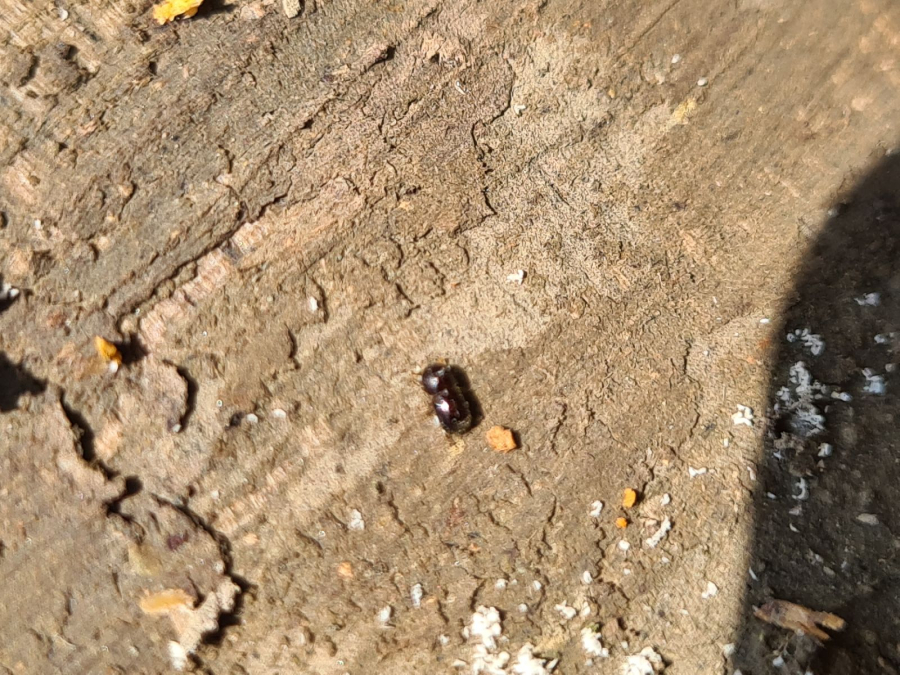
Xylosandrus germanus
Black timber bark beetle
Description
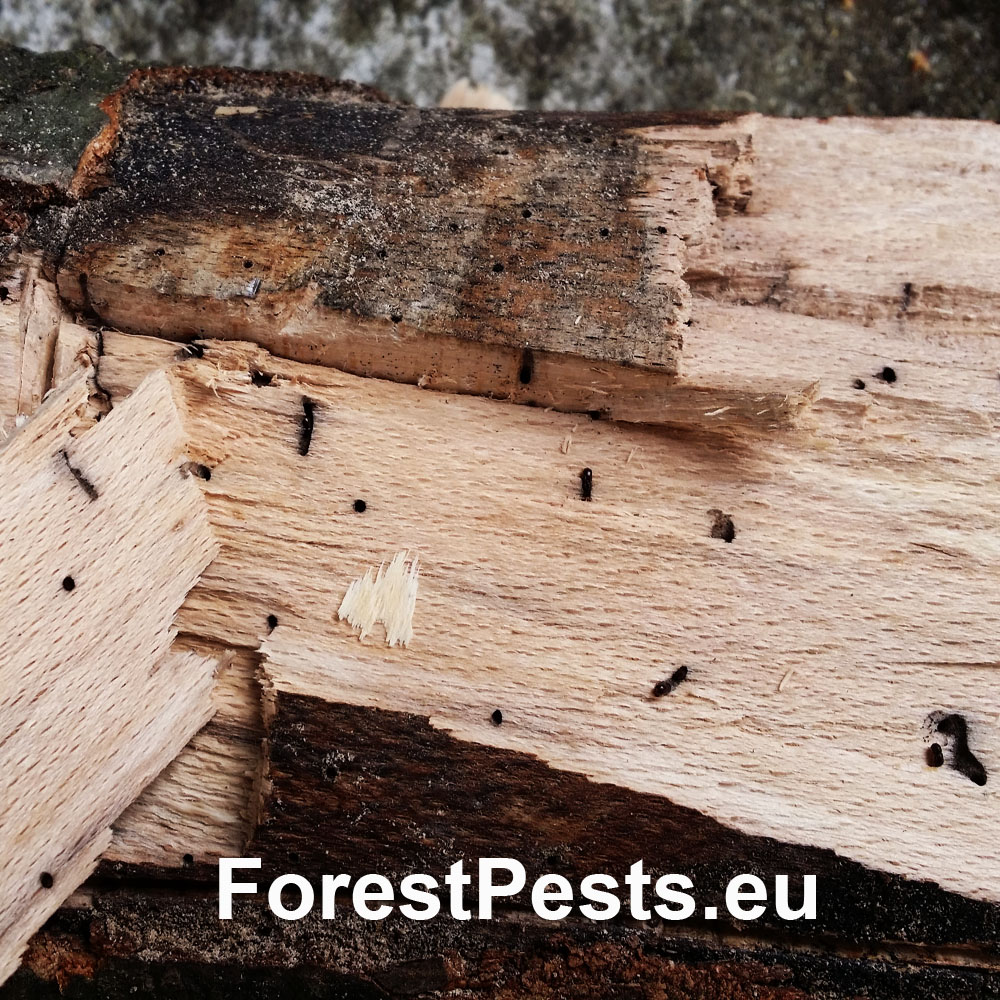
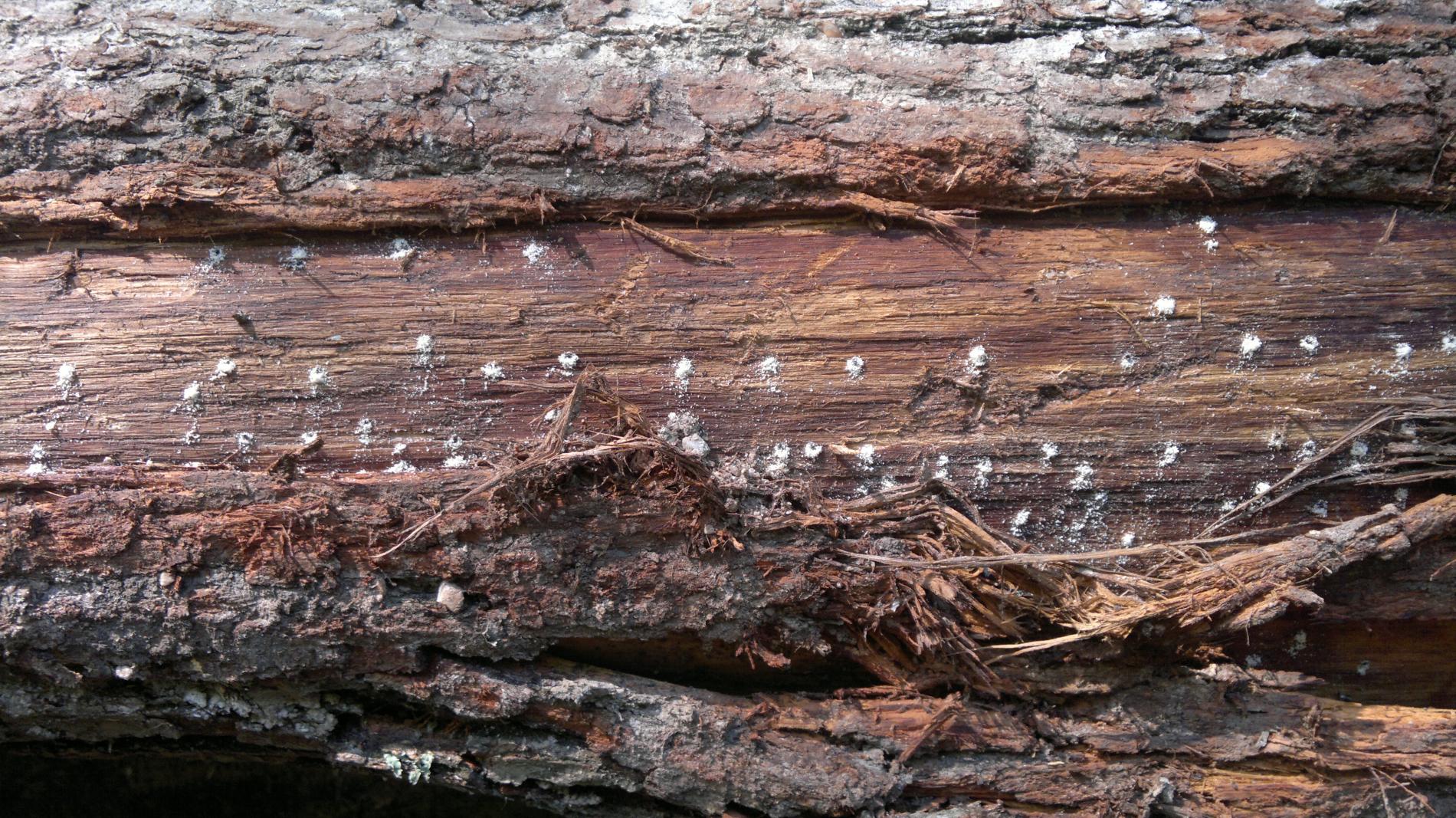
The tiny beetle (females 2-2.5 mm, males 1-1.8 mm) is native to east Asia and was first recorded in Central Europe in the 1950s. It is extremely polyphagous. The females excavate an irregularly shaped cavity reaching up to 20 mm in the wood. The offspring feed on the ambrosia fungi that are introduced by the female. The teneral females mate in the breeding system and stay in the cavity during wintertime before emerging in spring. It is a univoltine species. In Central Europe, X. germanus does not seem to attack living trees. The reduction in timber quality is minor because the cavities usually only go a few millimetres into the wood, but attacked trees often become infected by blue stain fungi. A characteristic sign of attack is the presence of boring dust extruding like a toothpick from an entrance hole during cavity excavation.
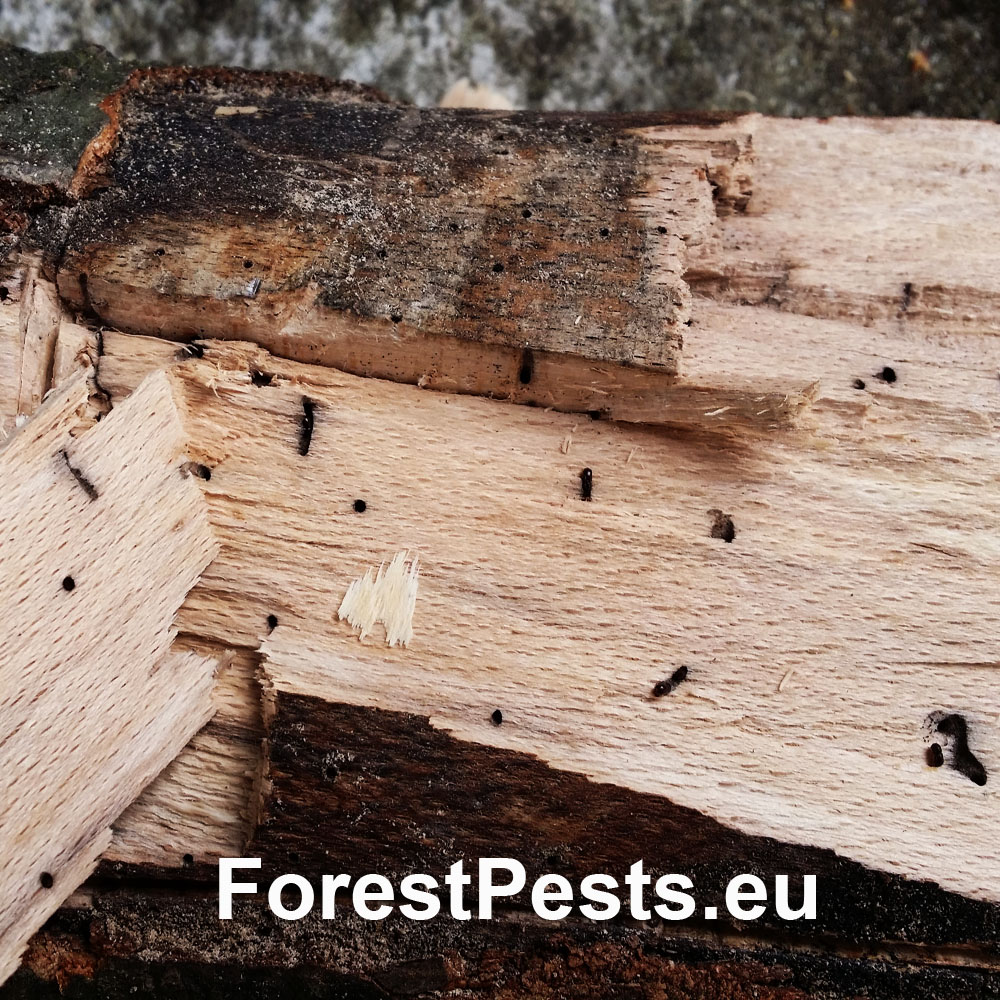
Symptom
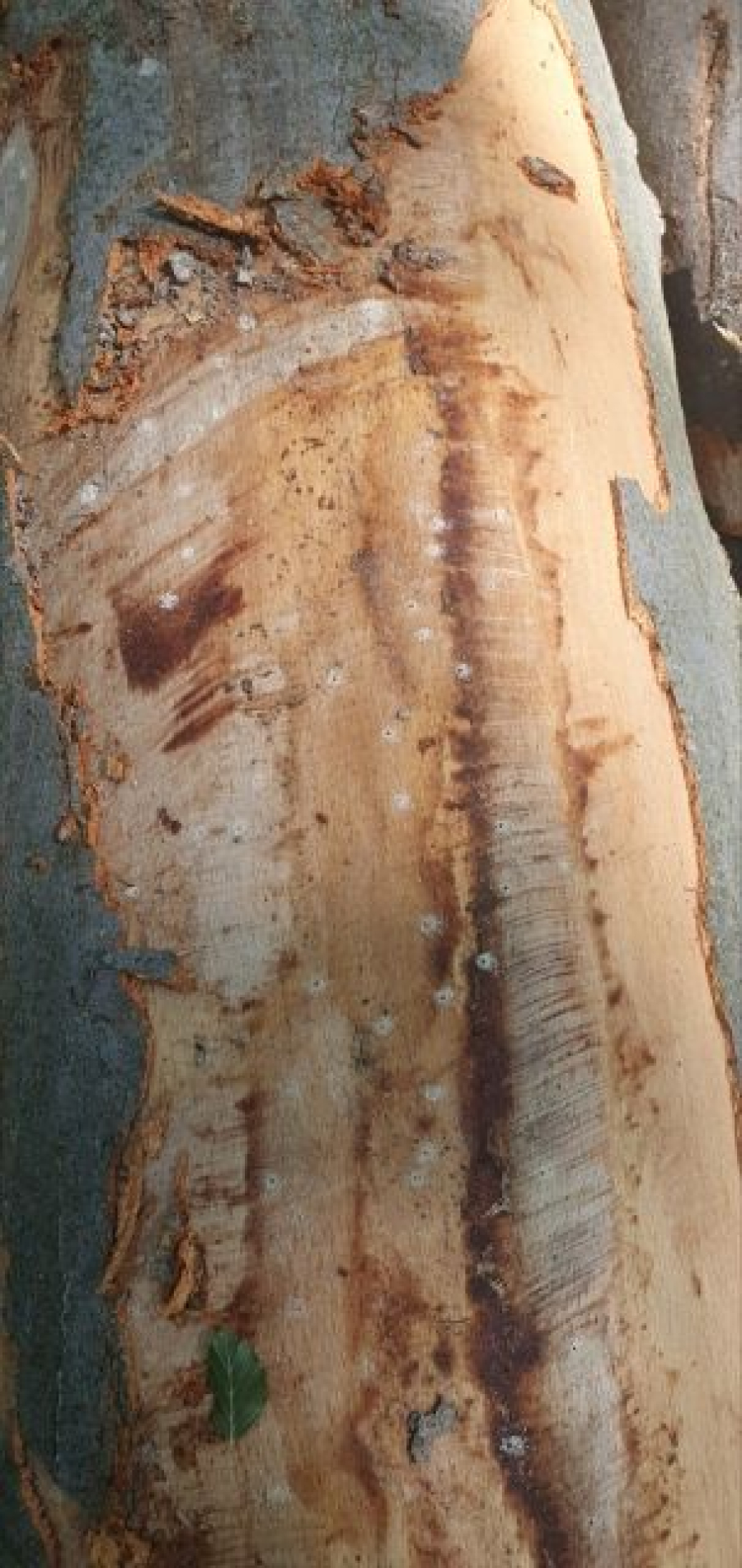
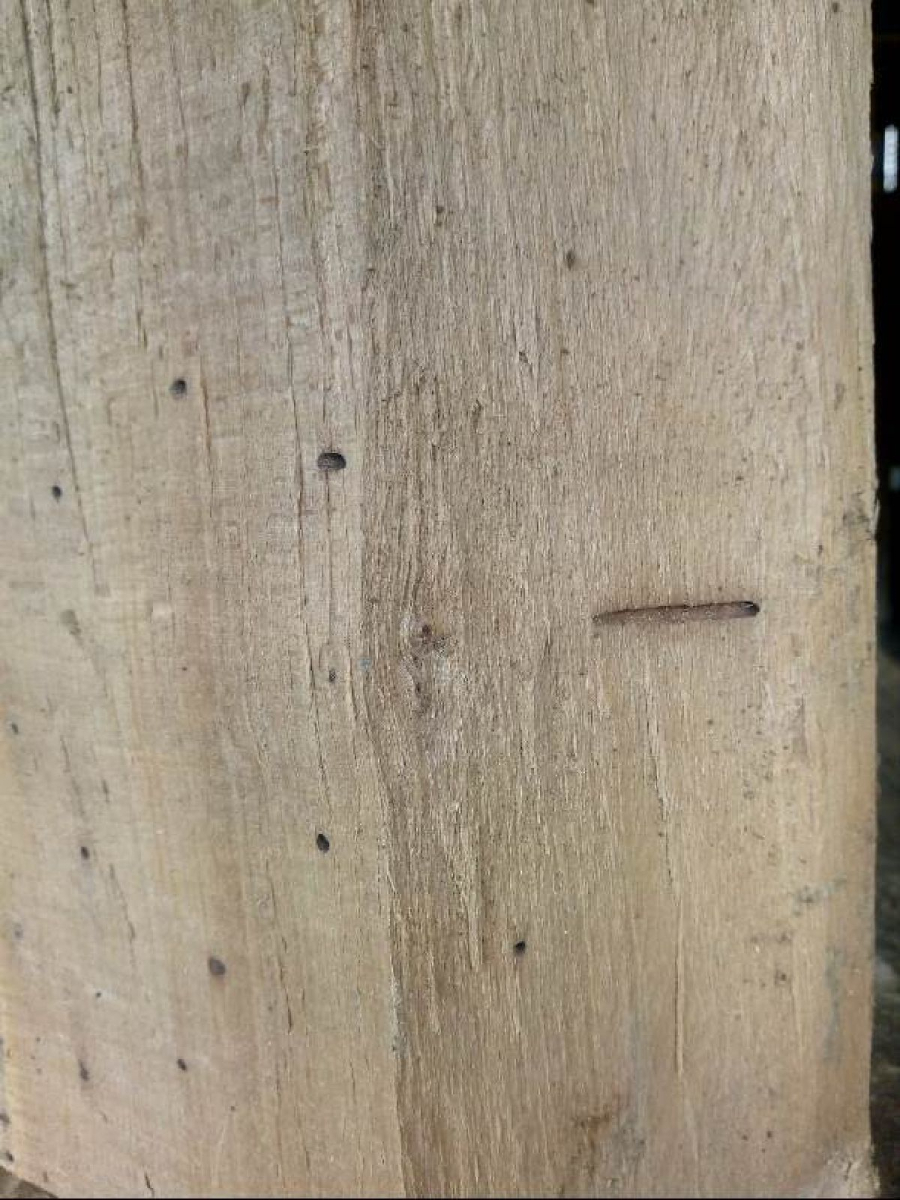
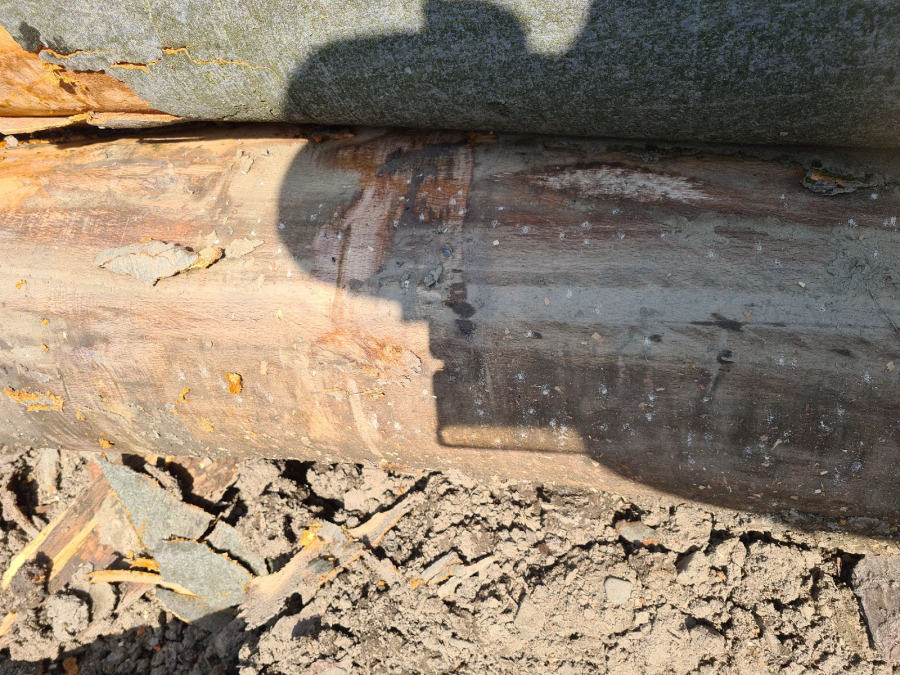
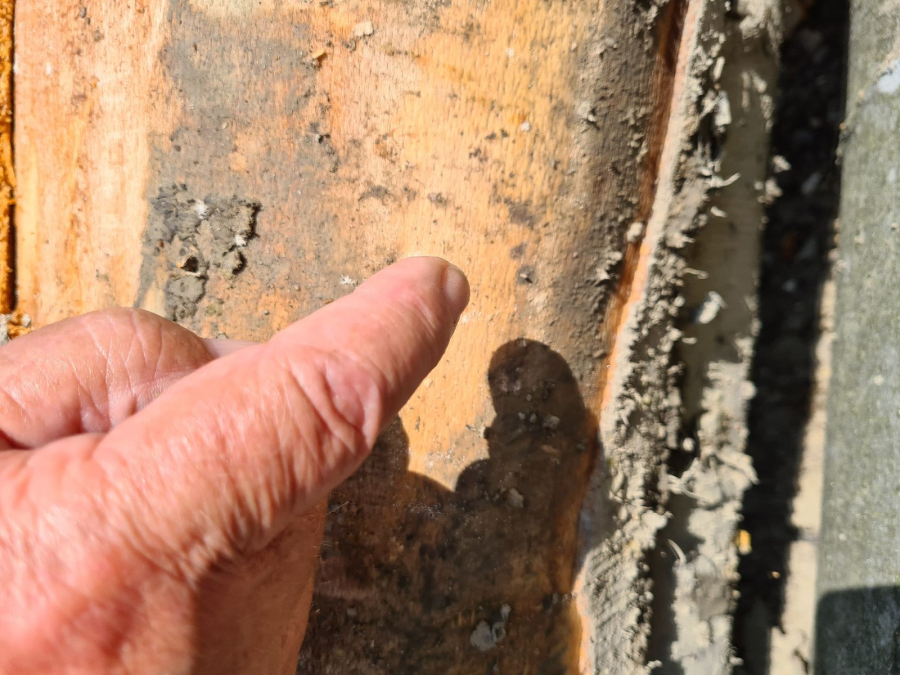
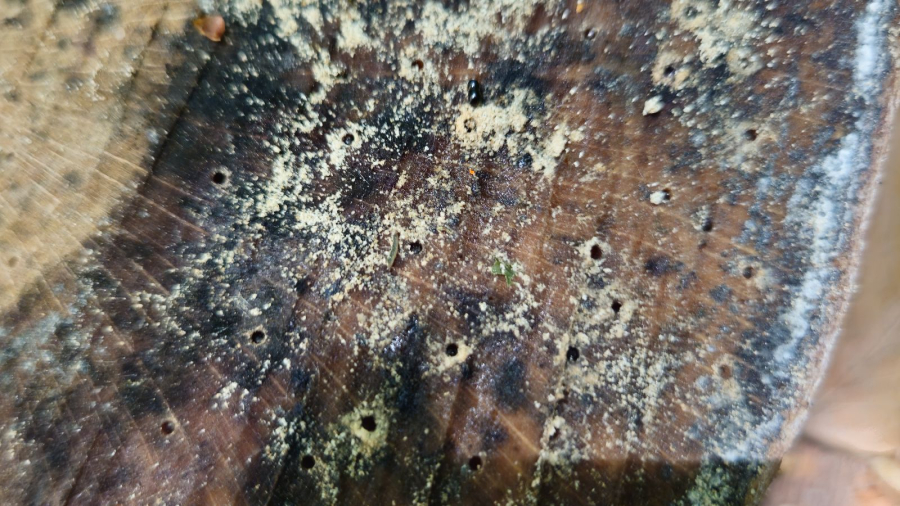
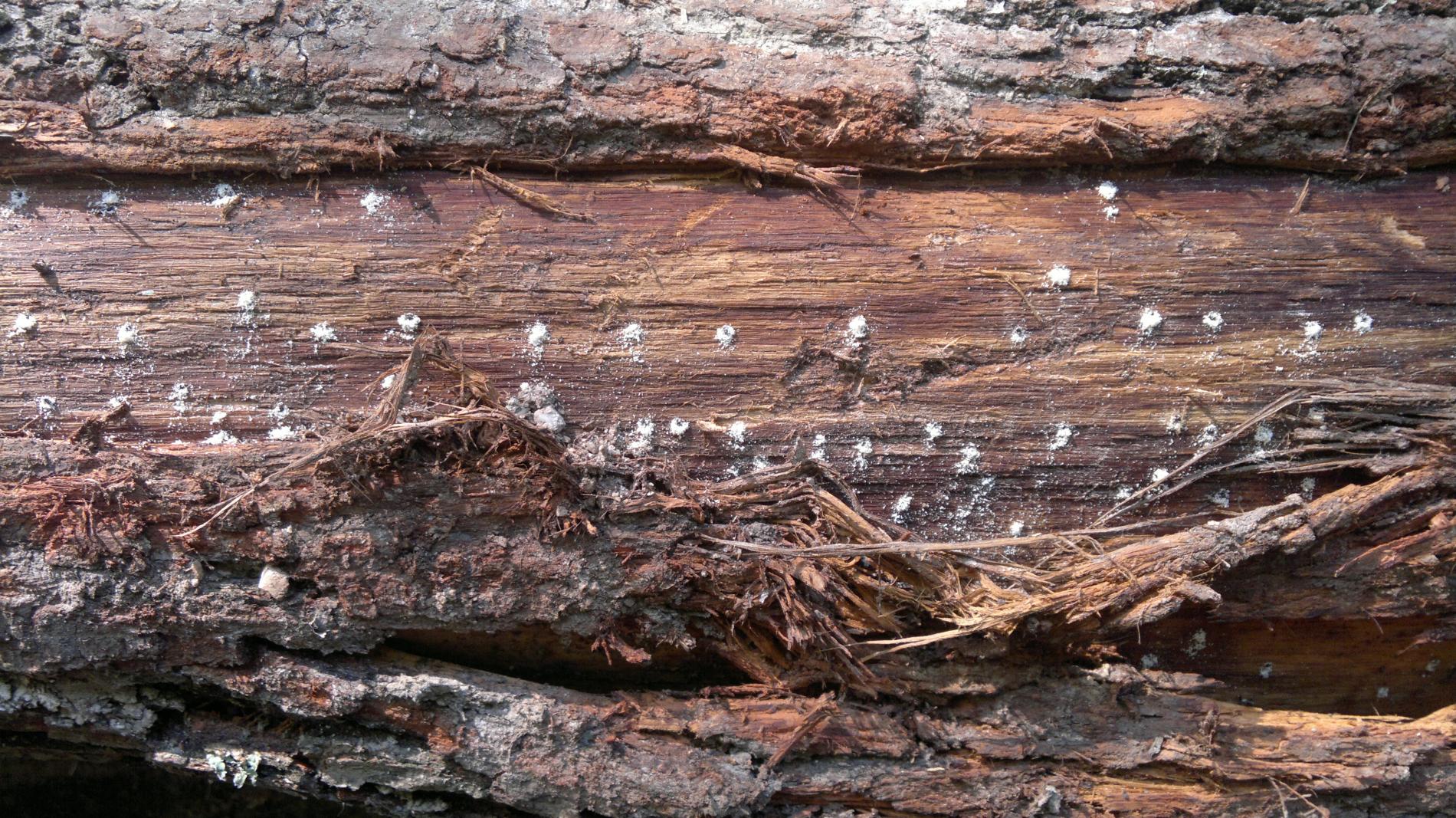
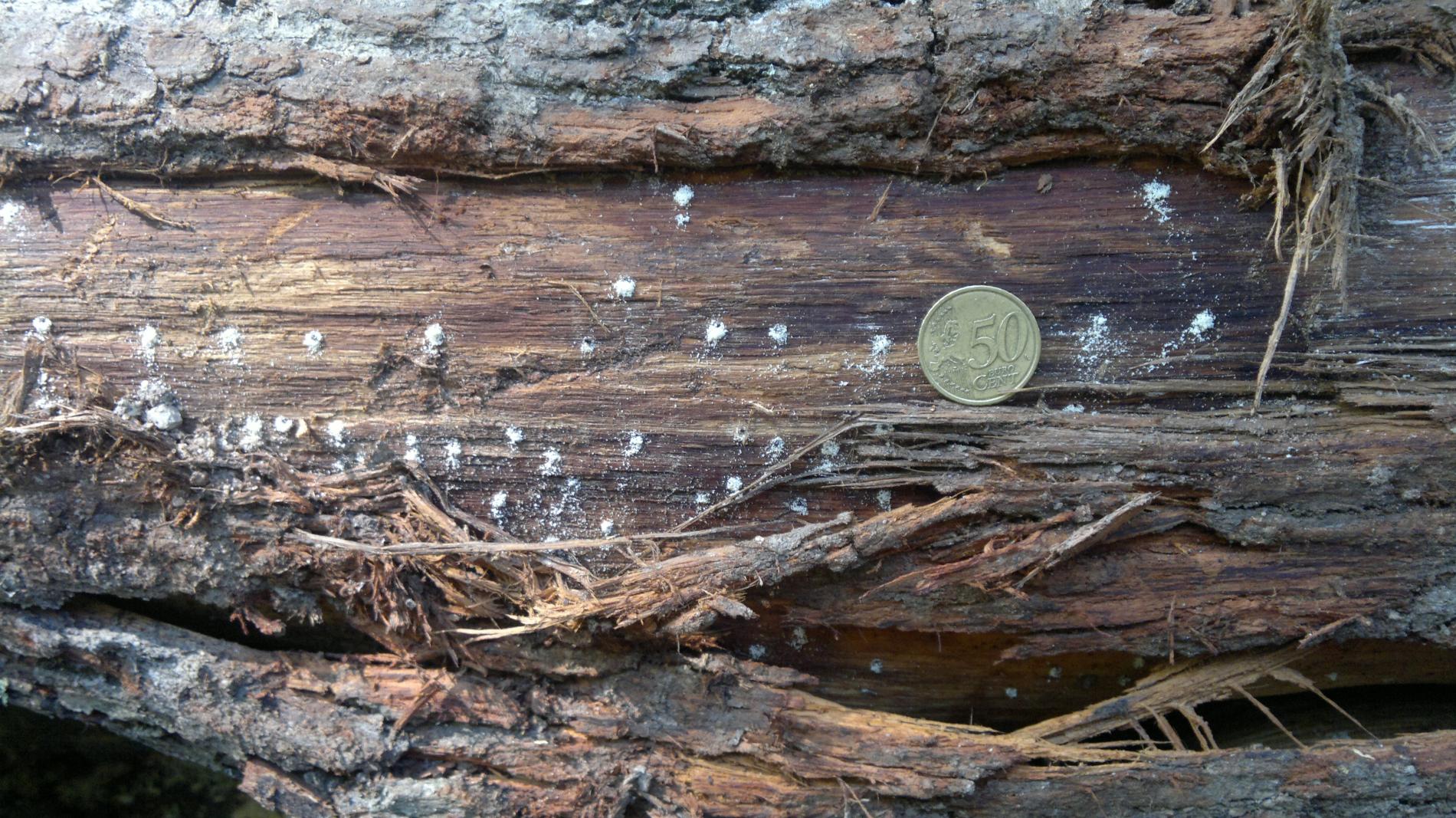
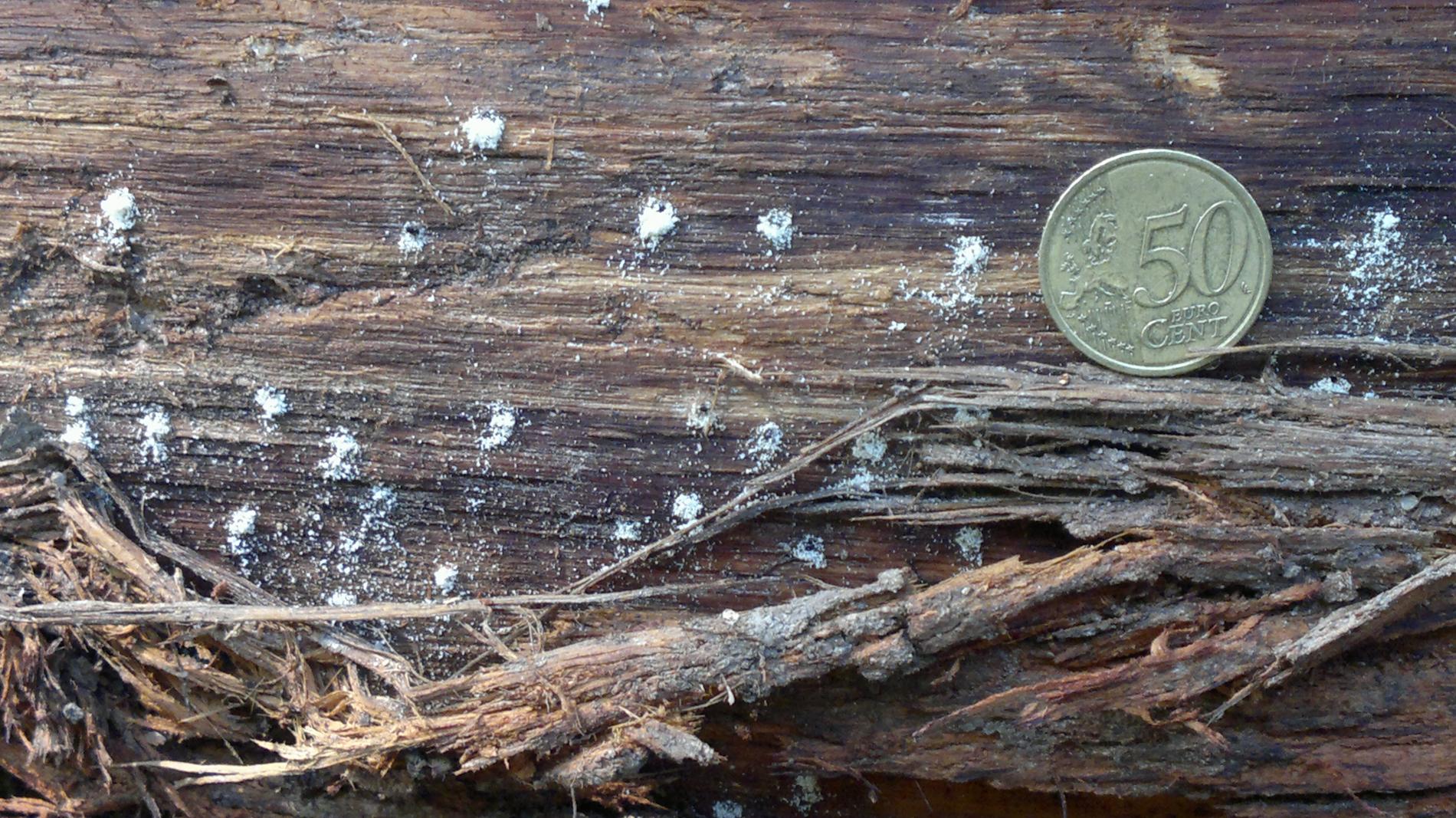
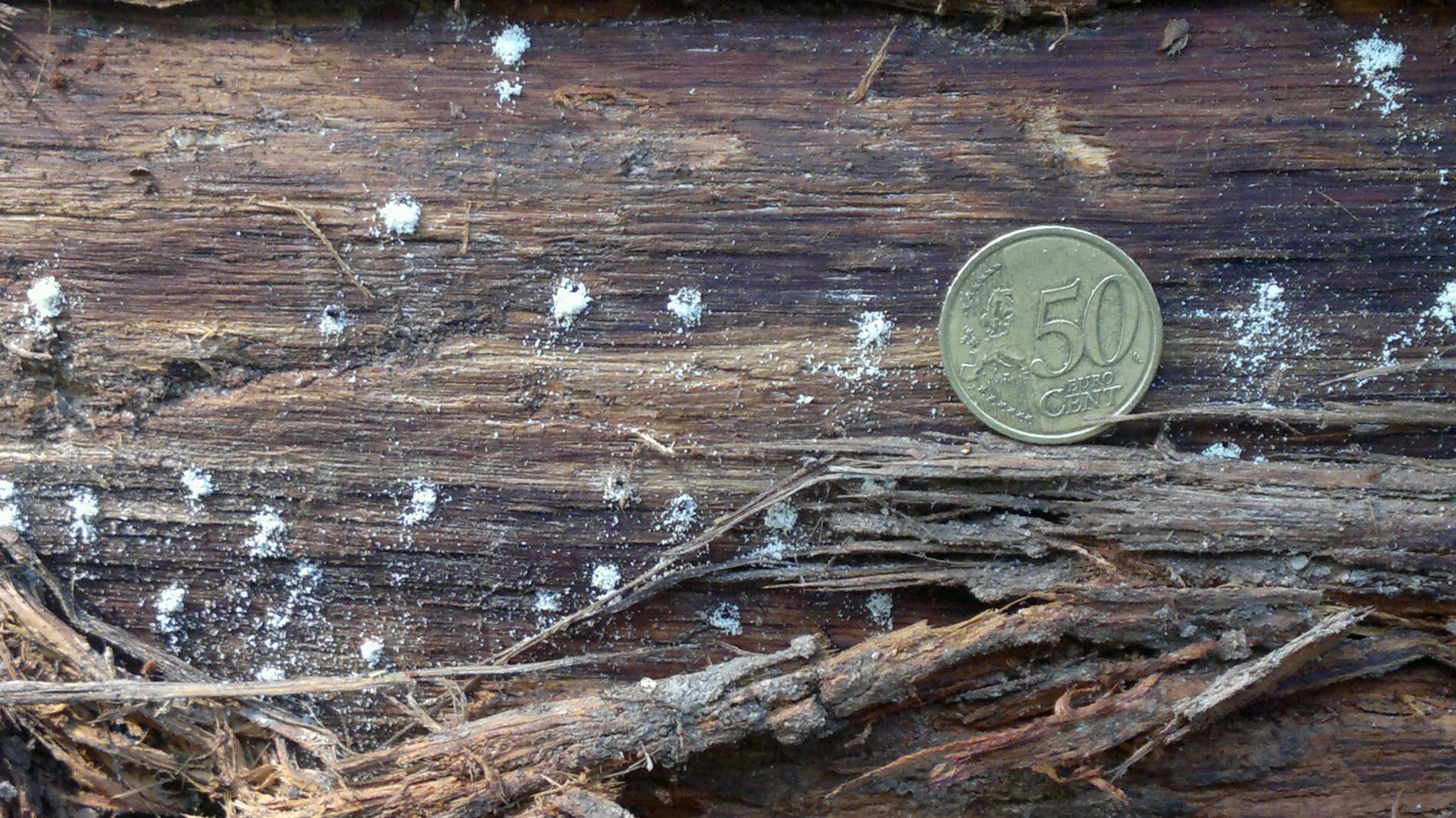
The presence of piles of white debris, later on a sawdust stacks - typical sign of ambrosia beetles - comes out of the excavation hole, with diameter of about 1 mm. the pest preffers stressed trees, dead stumps or harvested timber. Galleries can be seen from the branches to the thickest parts of the stem.
Tree Species: Beech, Oak
Part of a plant- attacked: Tree trunk, Branch
Pest significance: Harmful
Pest Category: Insects
Invasive Species: Yes
Present in EU: Yes

Add comment: Xylosandrus germanus
Location map: Xylosandrus germanus
print viewLegend:

Expert verified points

Unverified points
Observed by users on these tree species
Most sightings of the species


Last observations
There are a total of 4 observations of the species in the system

Xylosandrus germanusBlack timber bark beetle
miso
Number of votes: 0
Published: 18.6.2025

Xylosandrus germanusBlack timber bark beetle
Nikolas
Number of votes: 0
Published: 6.6.2025

Xylosandrus germanusBlack timber bark beetle
Alexander Ivančo
Number of votes: 0
Published: 12.4.2023

Xylosandrus germanusBlack timber bark beetle
majo
Number of votes: 0
Published: 10.6.2022
Similar damage
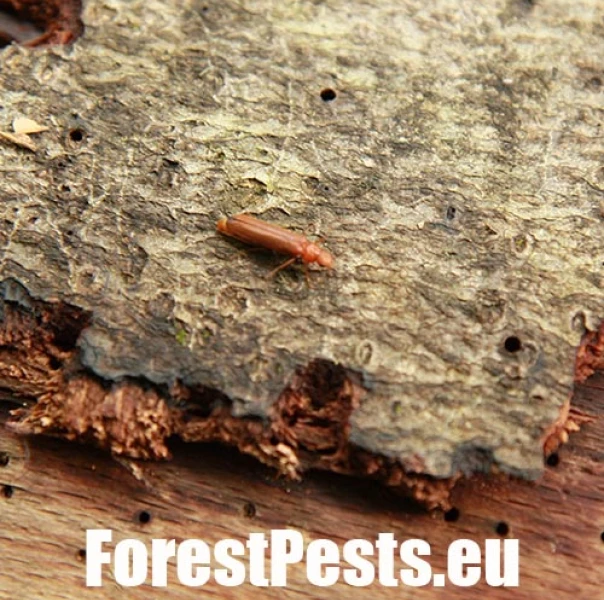
Large timberworm
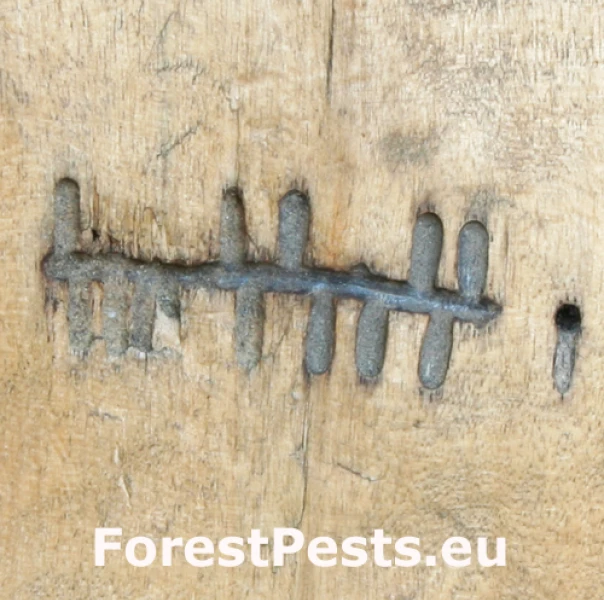
European hardwood ambrosia beetle
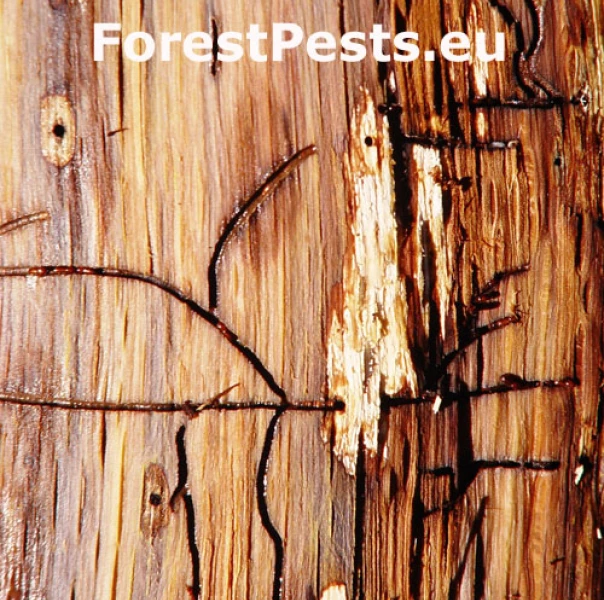
Mediterranean oak borer