







 Show all photos in album
Insert for comparison
We will identify your pest
Add pictures of this species
Show all photos in album
Insert for comparison
We will identify your pest
Add pictures of this species
Inonotus hispidus
Fungus Inonotus hispidus
Description
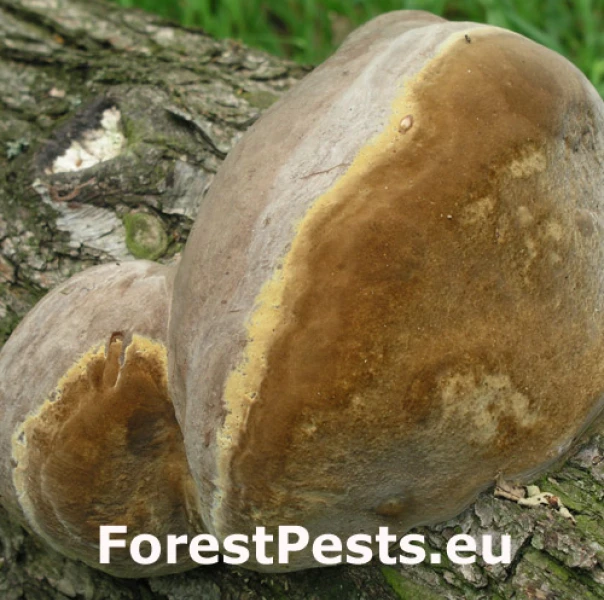
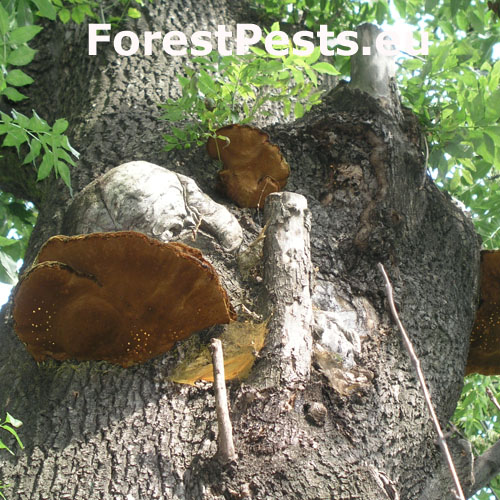
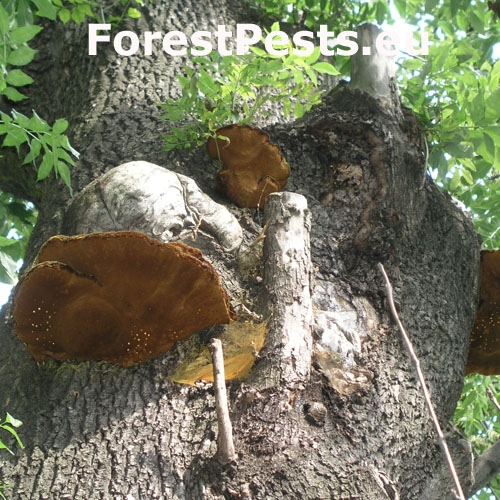
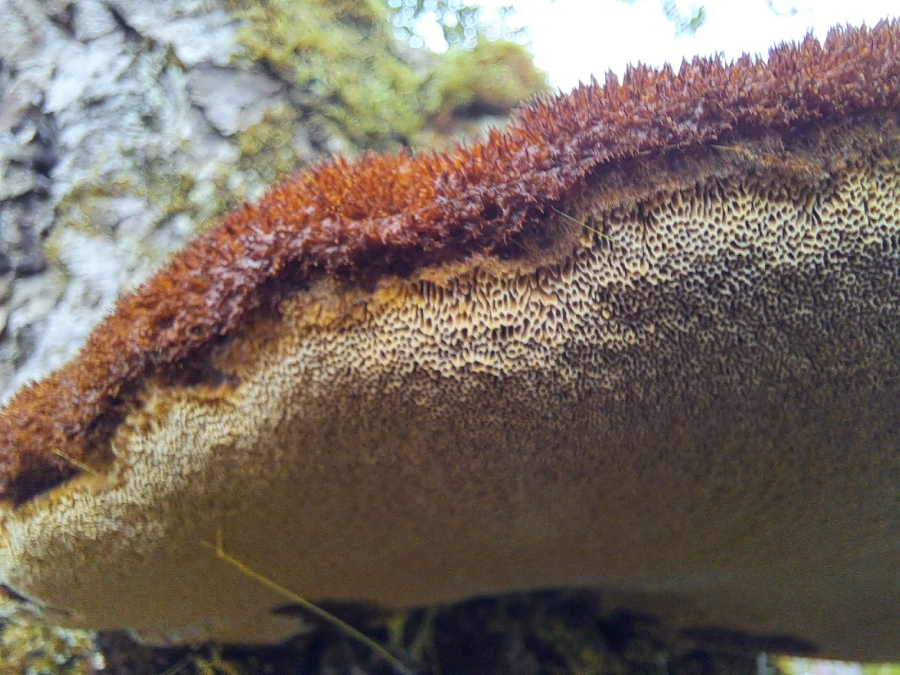
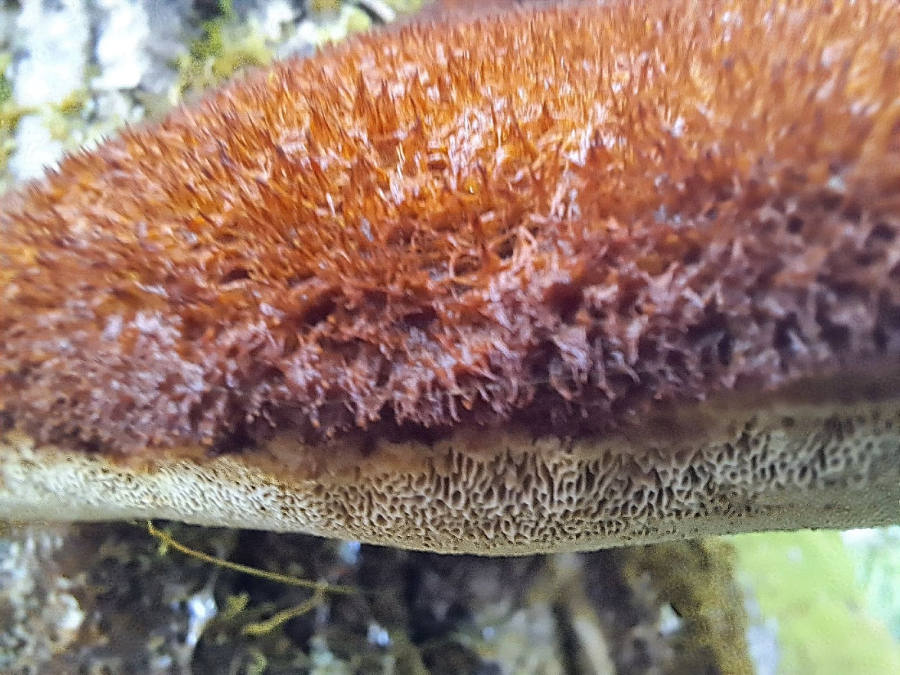
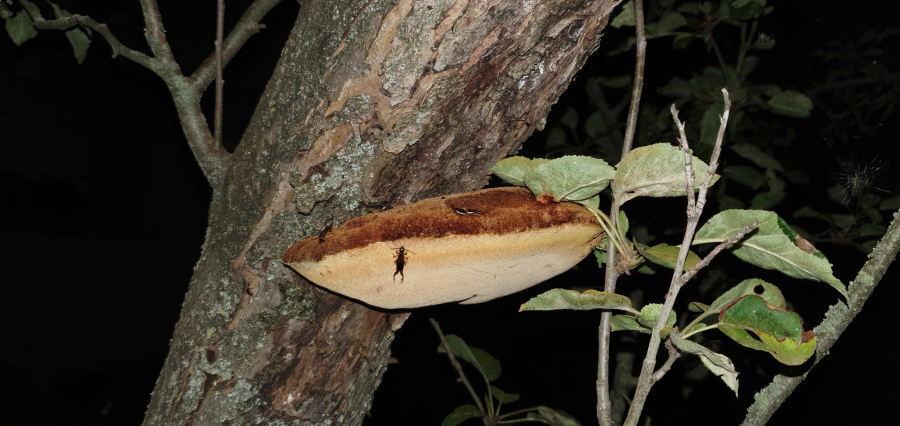
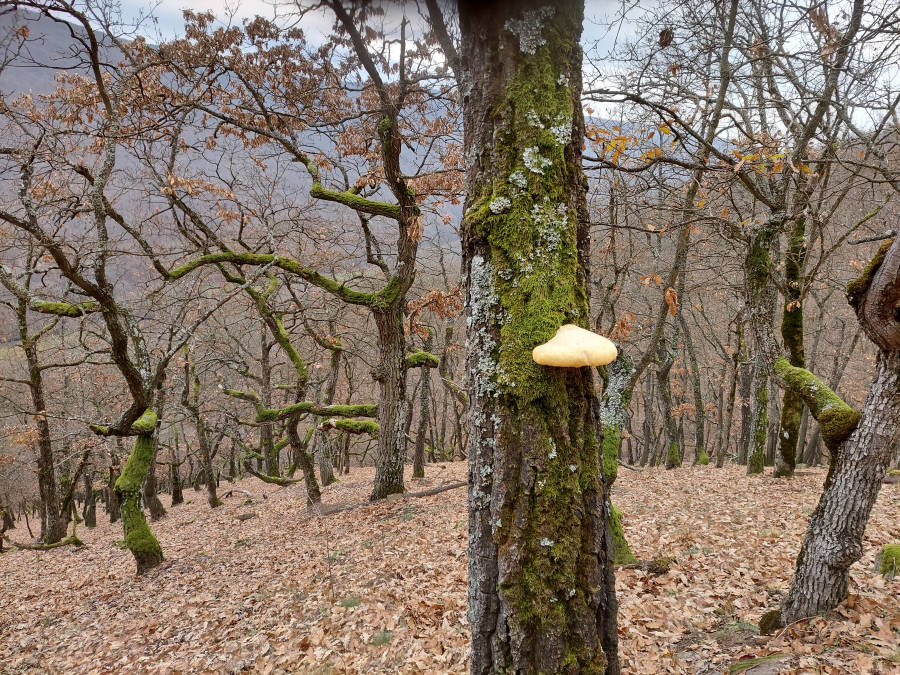
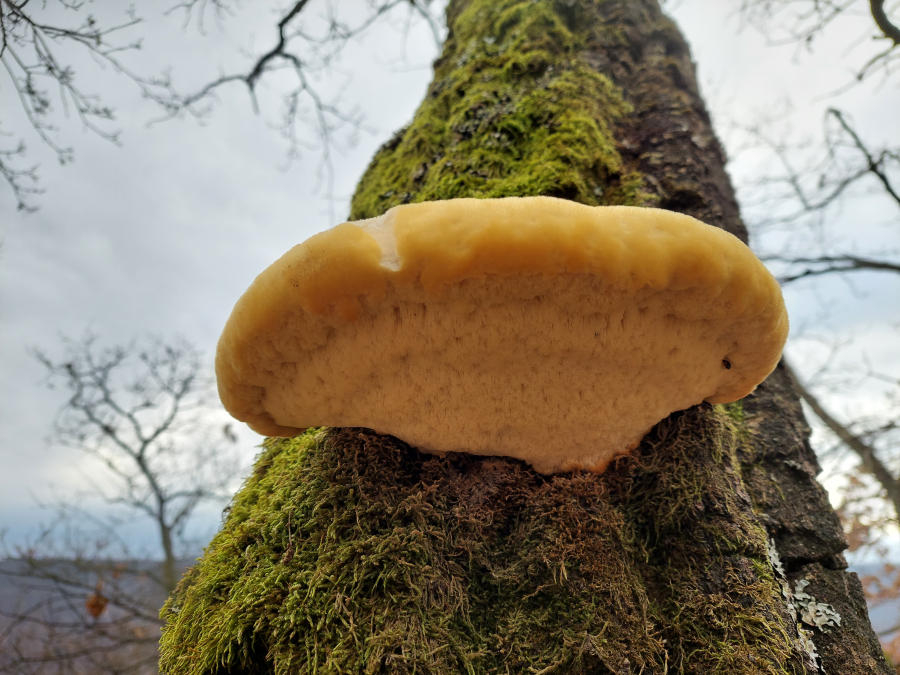
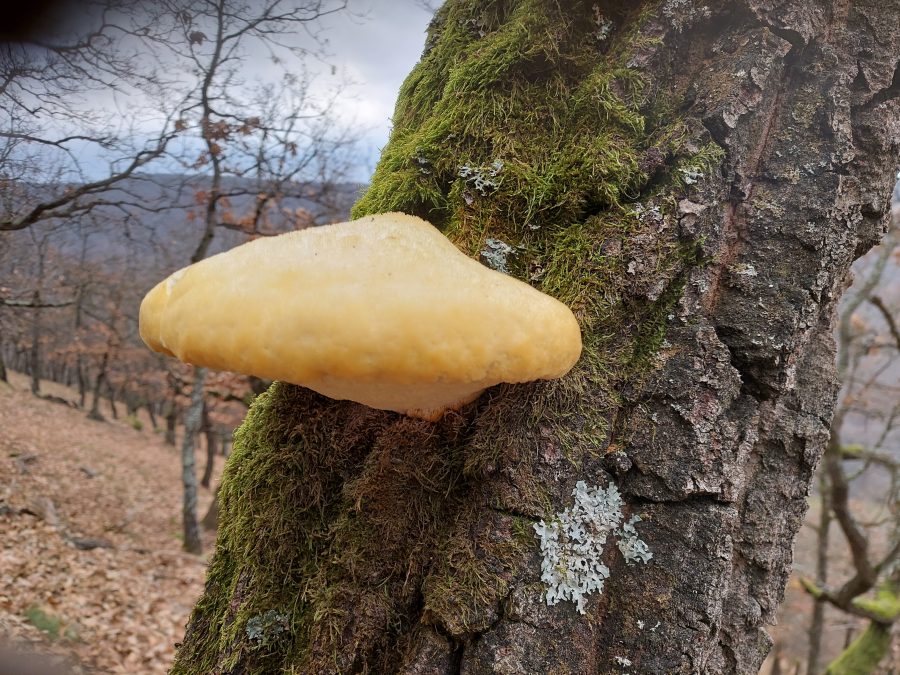
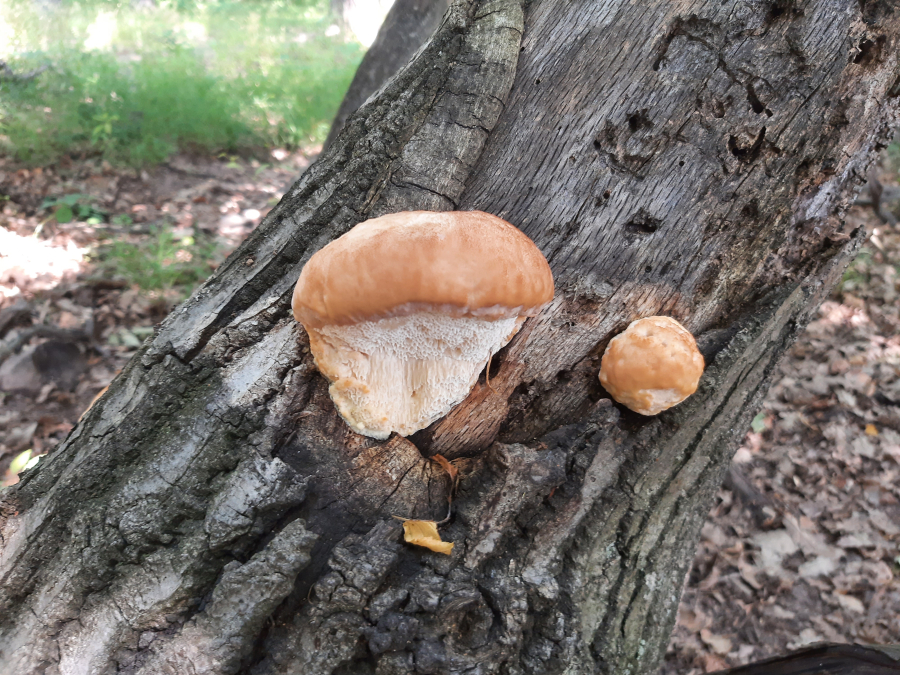
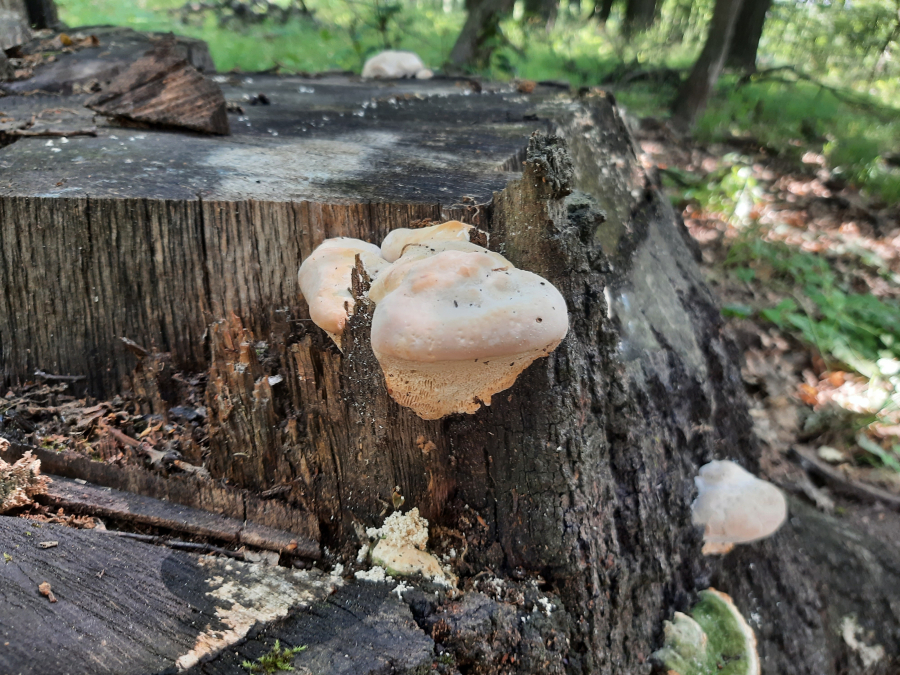
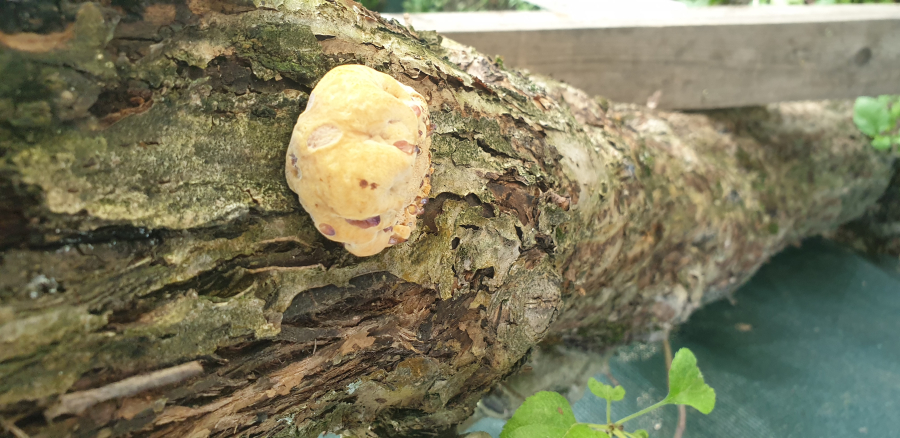
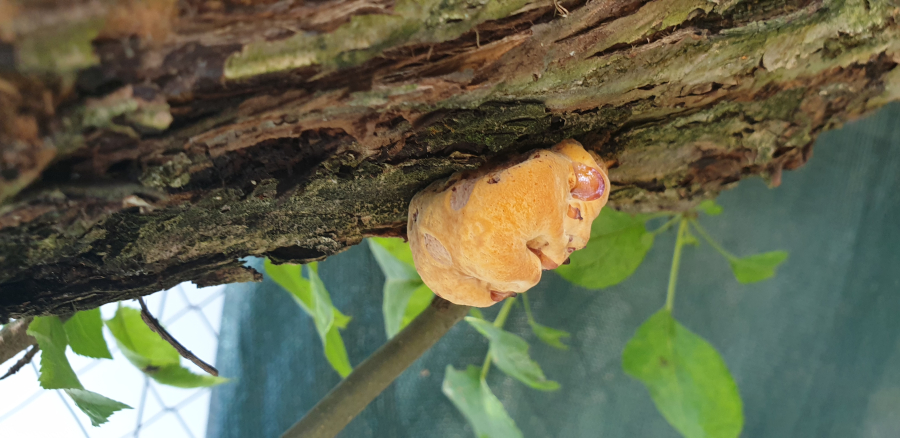
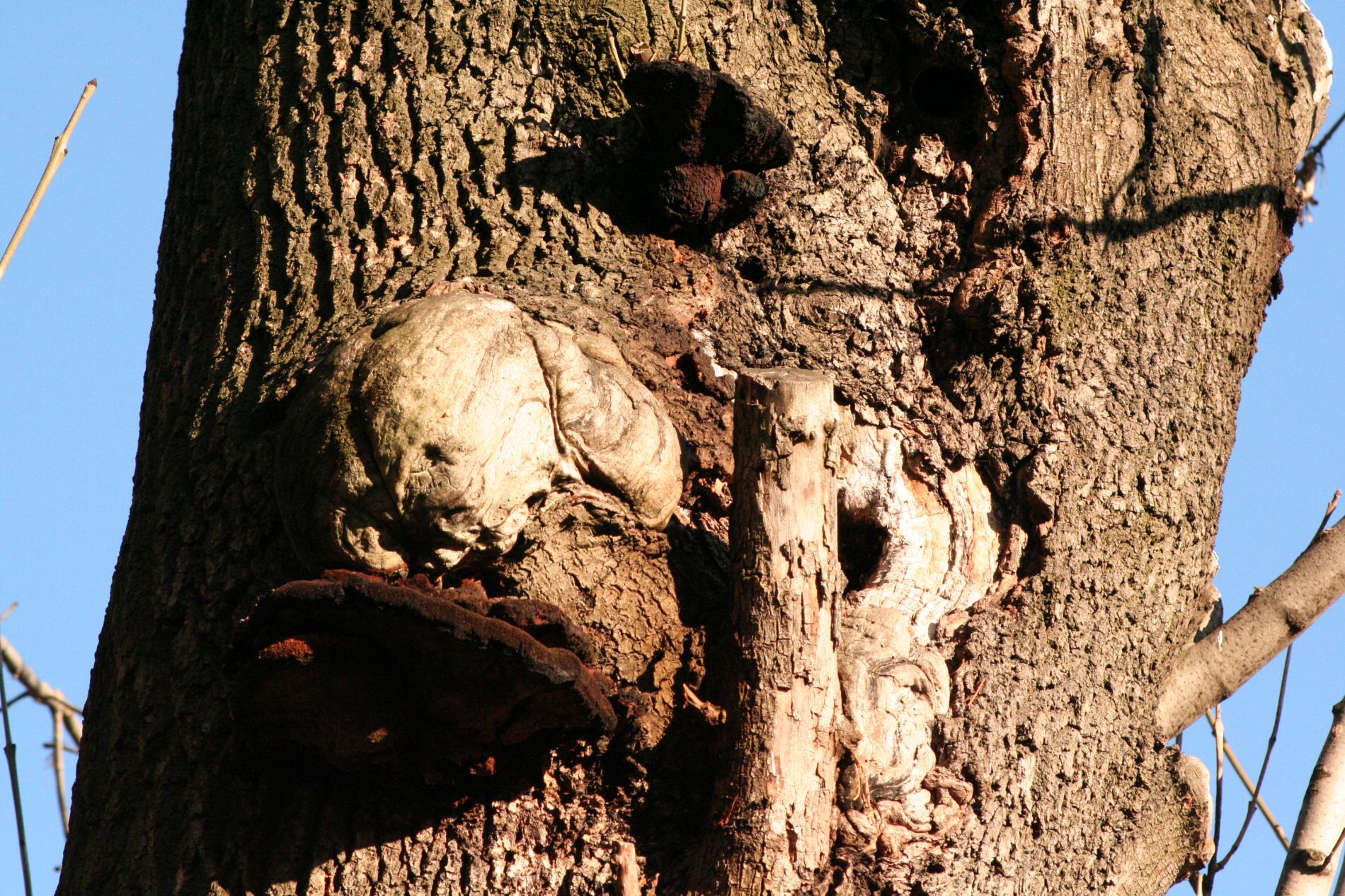
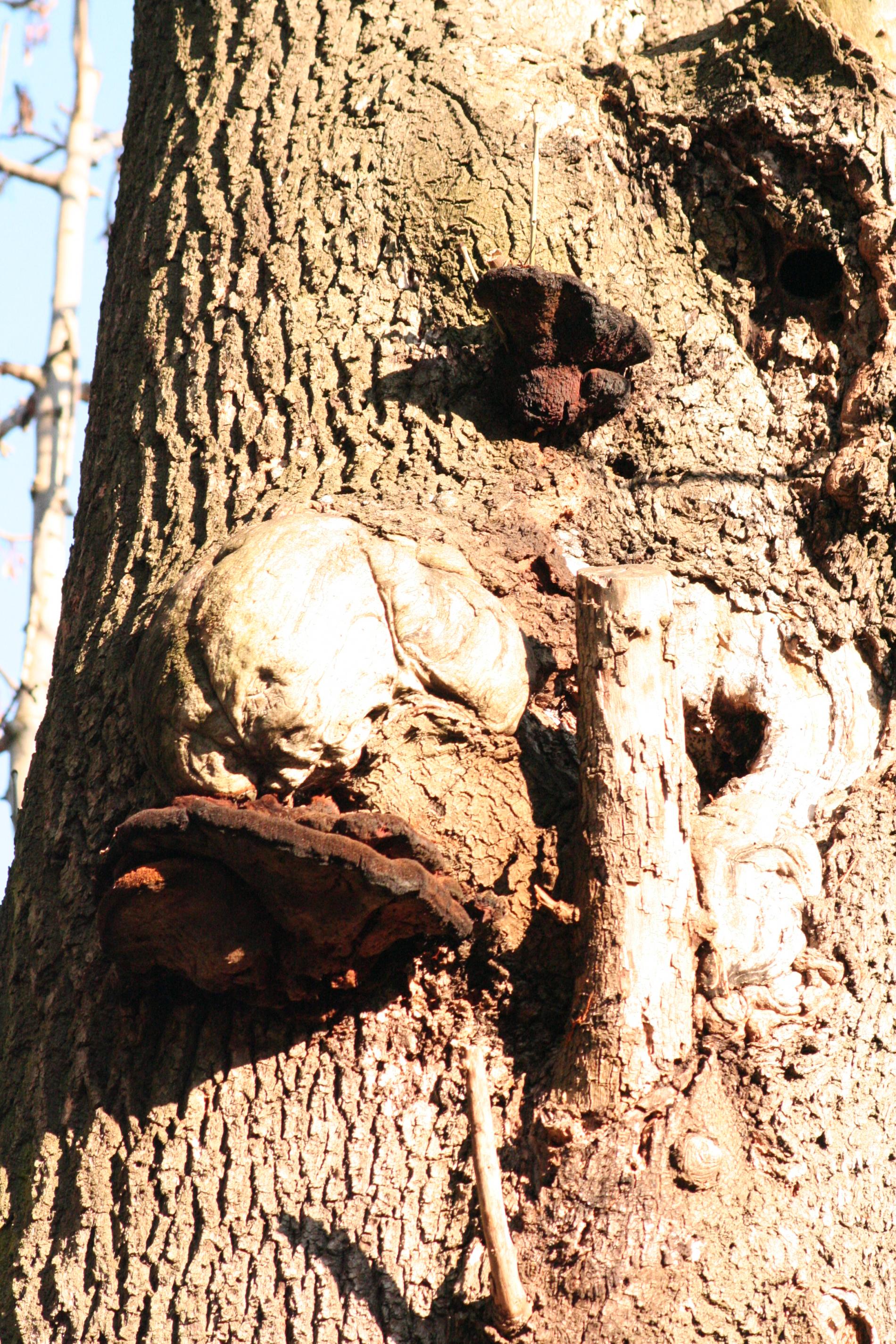
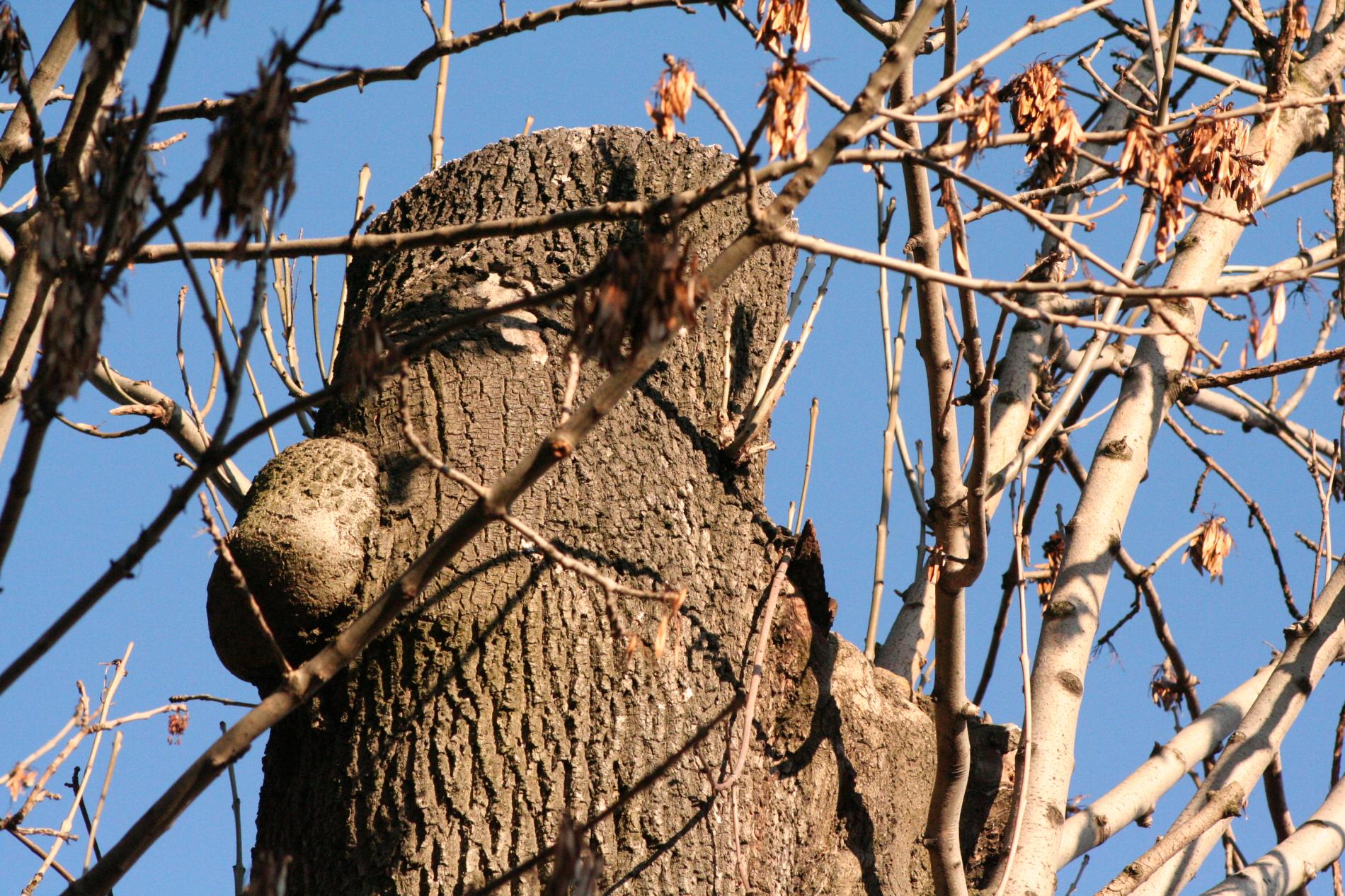
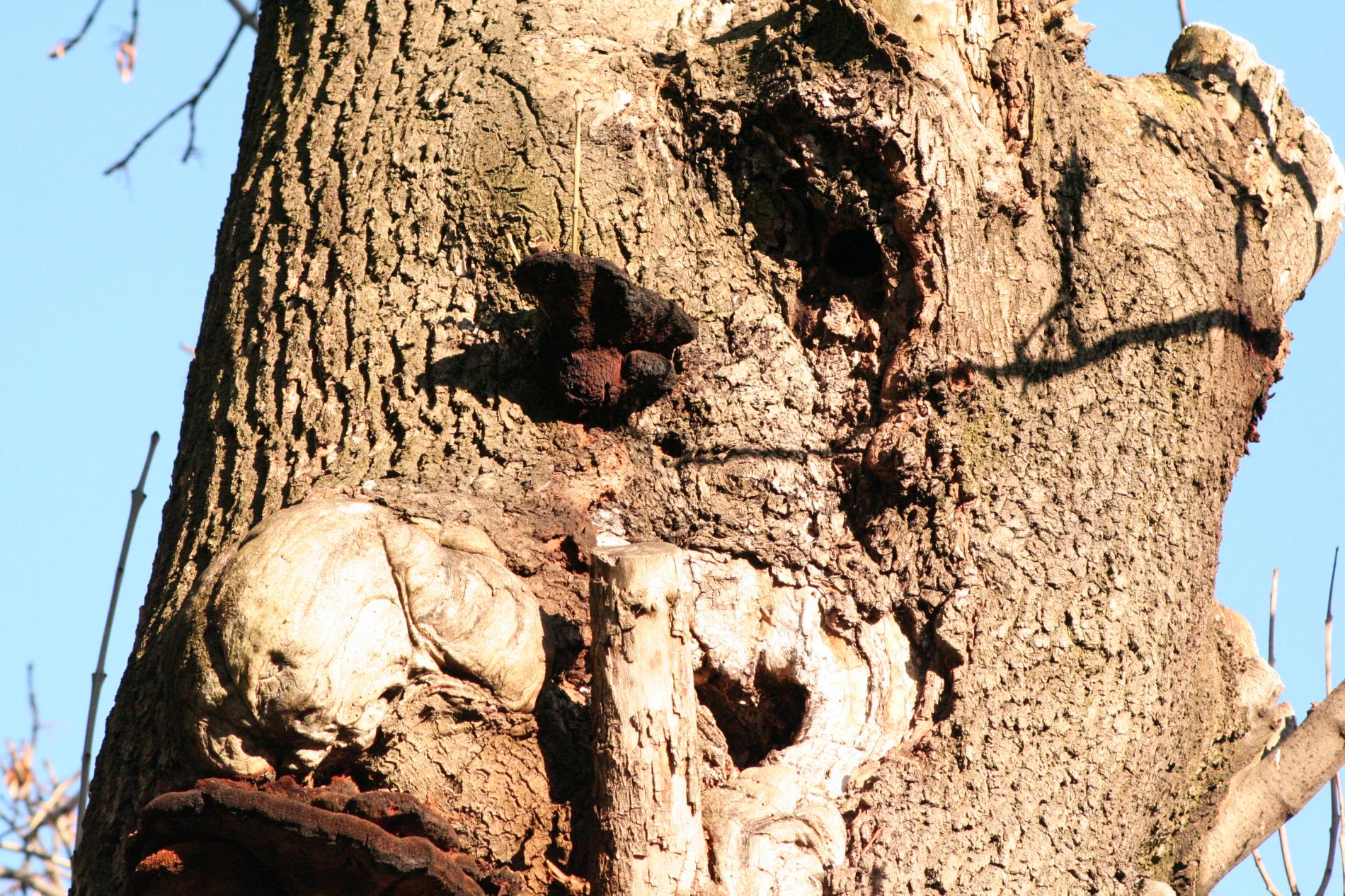
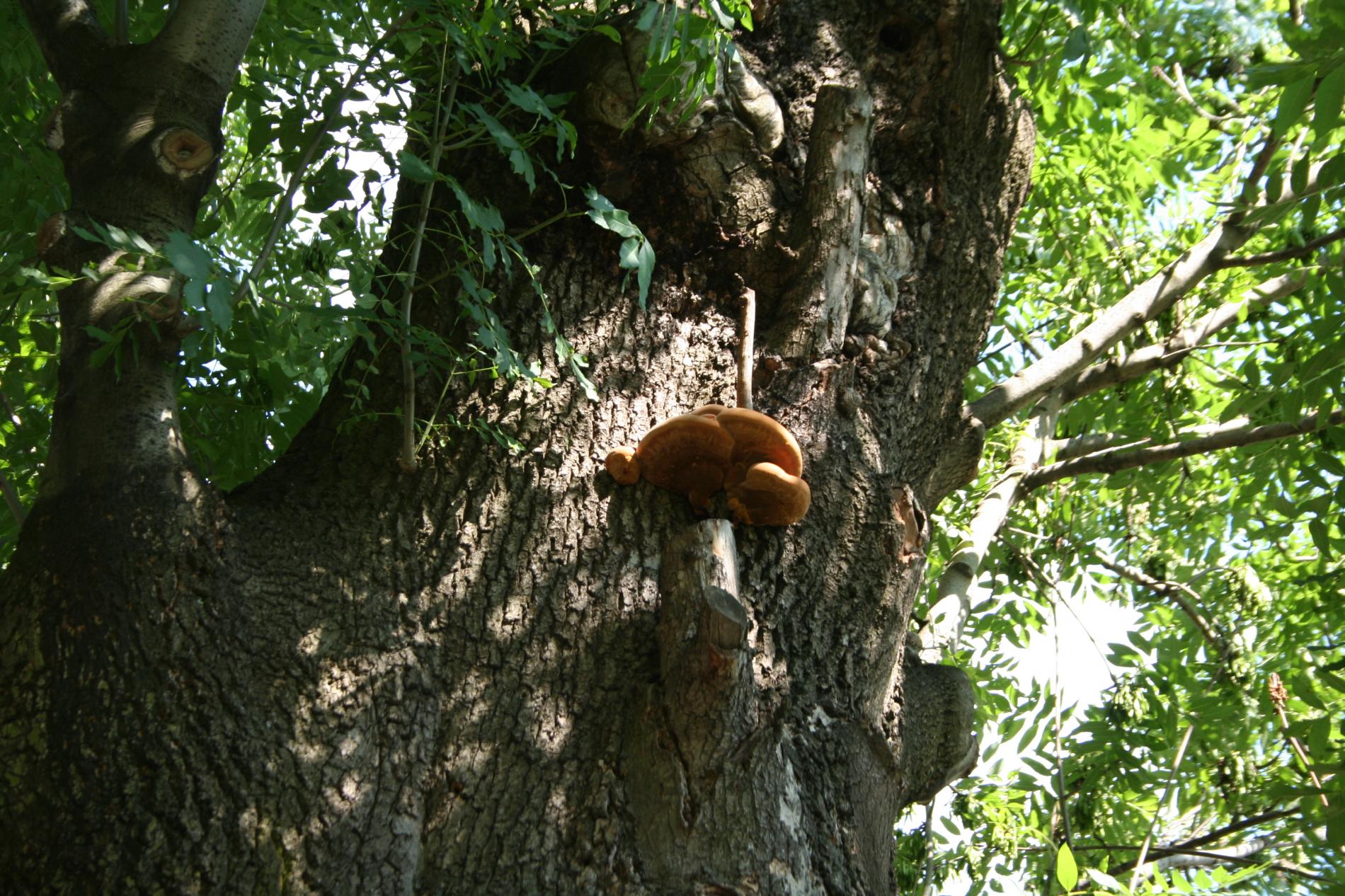
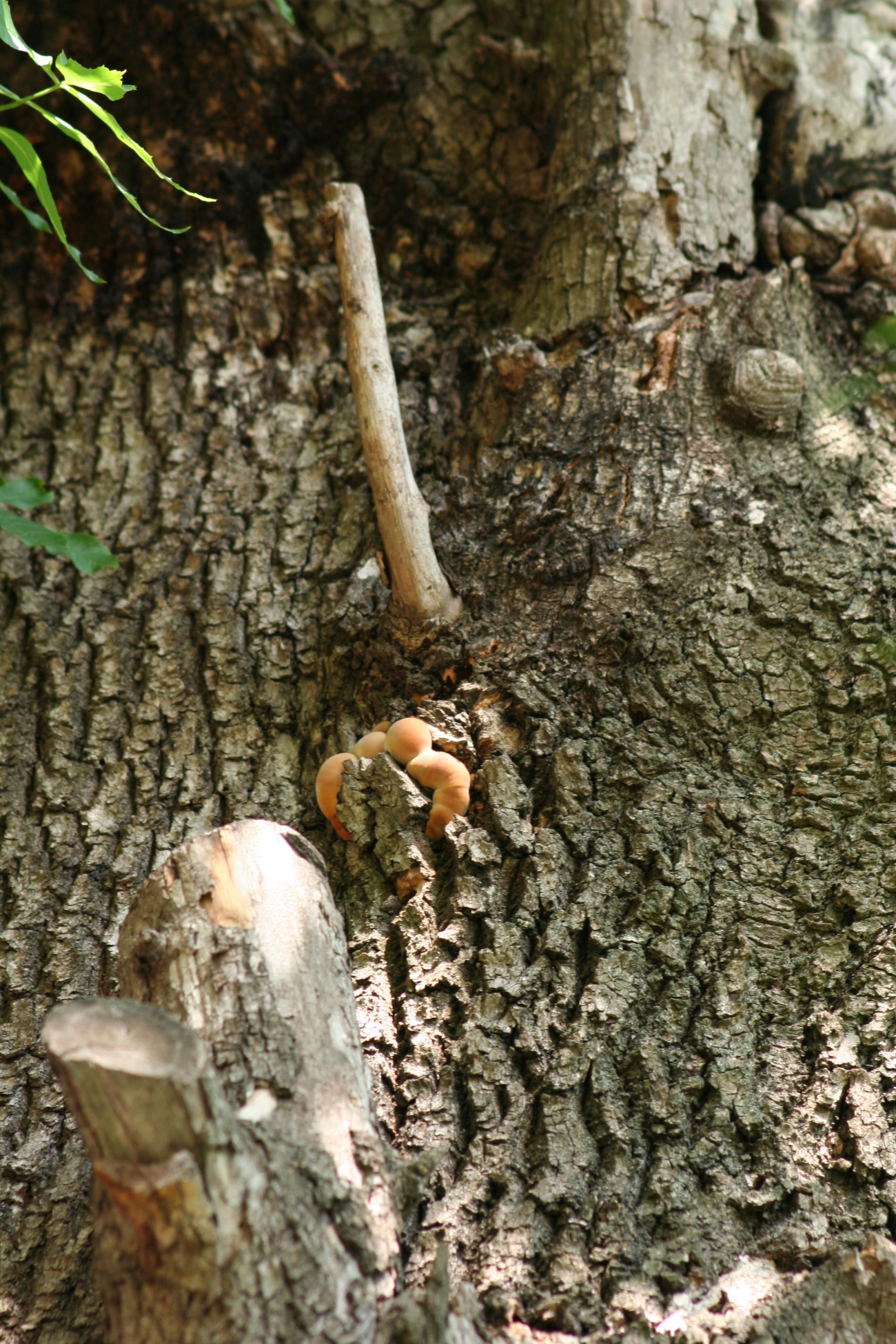
The fruiting bodies are semi-circular, laterally attached, buff-coloured, with a velvety surface that darkens with age. Solitary or in shelved clusters of 2–3 brackets, especially in upper sections of tree trunks (5 or more meters above ground). Incidental symptoms of the infection may be cankerous lumps, formed from wood on the trunk around the fruiting body. Trees are infected through thin branch stubs, physical bark wounds or frost cracks. The mycelium penetrates into the central matured section of the trunk, causing white rot. After 2 or 3 years fruiting bodies appear on the infected area. They grow from July to September, shrink in size in autumn and fall off the trunk in winter. The infection is not severe and trees are able survive for many years.
Symptom
Coarse, massive fruiting body on the trunk.
Tree Species: Apple Tree, Ash, Plane, Sophora
Part of a plant- attacked: Tree trunk
Pest significance: Less harmful
Pest Category: Fungi
Invasive Species: No
Present in EU: Yes
Add comment: Inonotus hispidus
Location map: Inonotus hispidus
print viewLegend:

Expert verified points

Unverified points
Observed by users on these tree species
Most sightings of the species


Last observations
There are a total of 15 observations of the species in the system

Inonotus hispidus Fungus Inonotus hispidus
milan
Number of votes: 0
Published: 22.8.2025

Inonotus hispidus Fungus Inonotus hispidus
Will Robertson
Number of votes: 0
Published: 18.9.2024

Inonotus hispidus Fungus Inonotus hispidus
Will Robertson
Number of votes: 0
Published: 18.9.2024

Inonotus hispidus Fungus Inonotus hispidus
Will Robertson
Number of votes: 0
Published: 18.9.2024

Inonotus hispidus Fungus Inonotus hispidus
Will Robertson
Number of votes: 0
Published: 18.9.2024
Similar damage
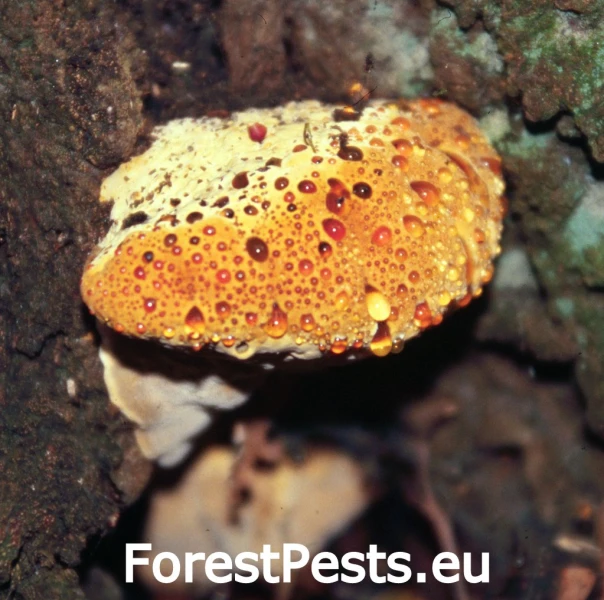
Weeping conk
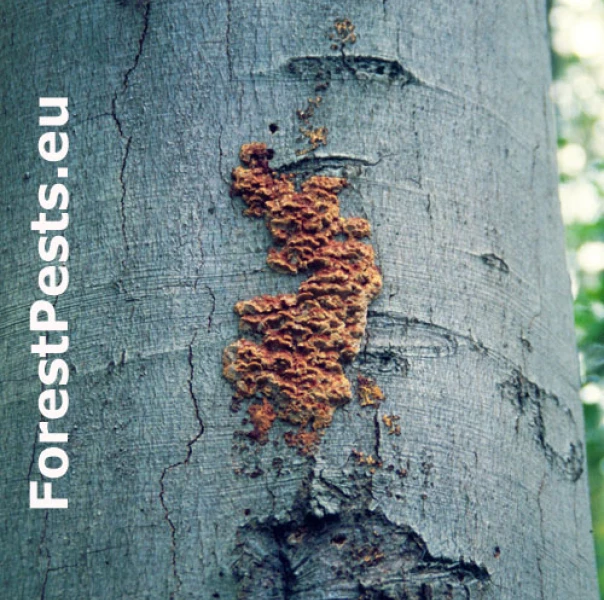
Inonotus canker