





 Show all photos in album
Insert for comparison
We will identify your pest
Add pictures of this species
Show all photos in album
Insert for comparison
We will identify your pest
Add pictures of this species
Fallopia spp.
Knotweed
Description
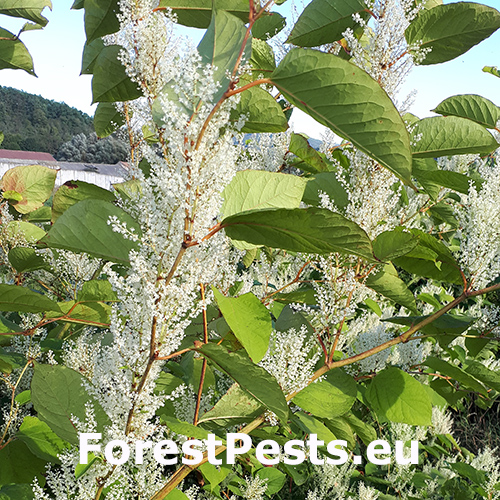
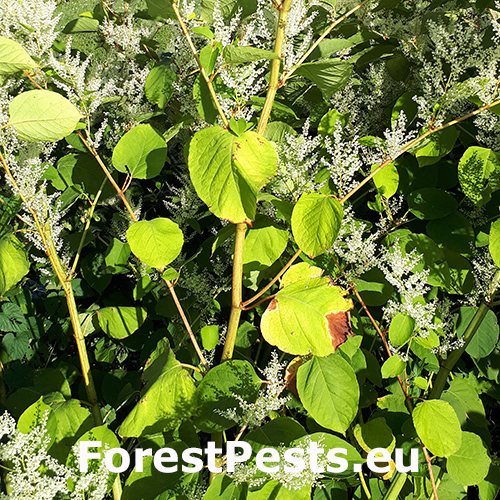
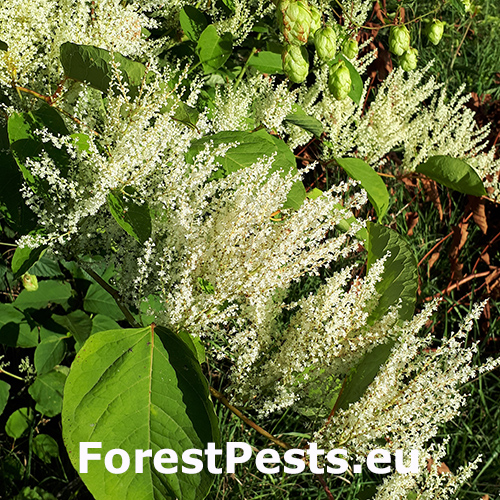
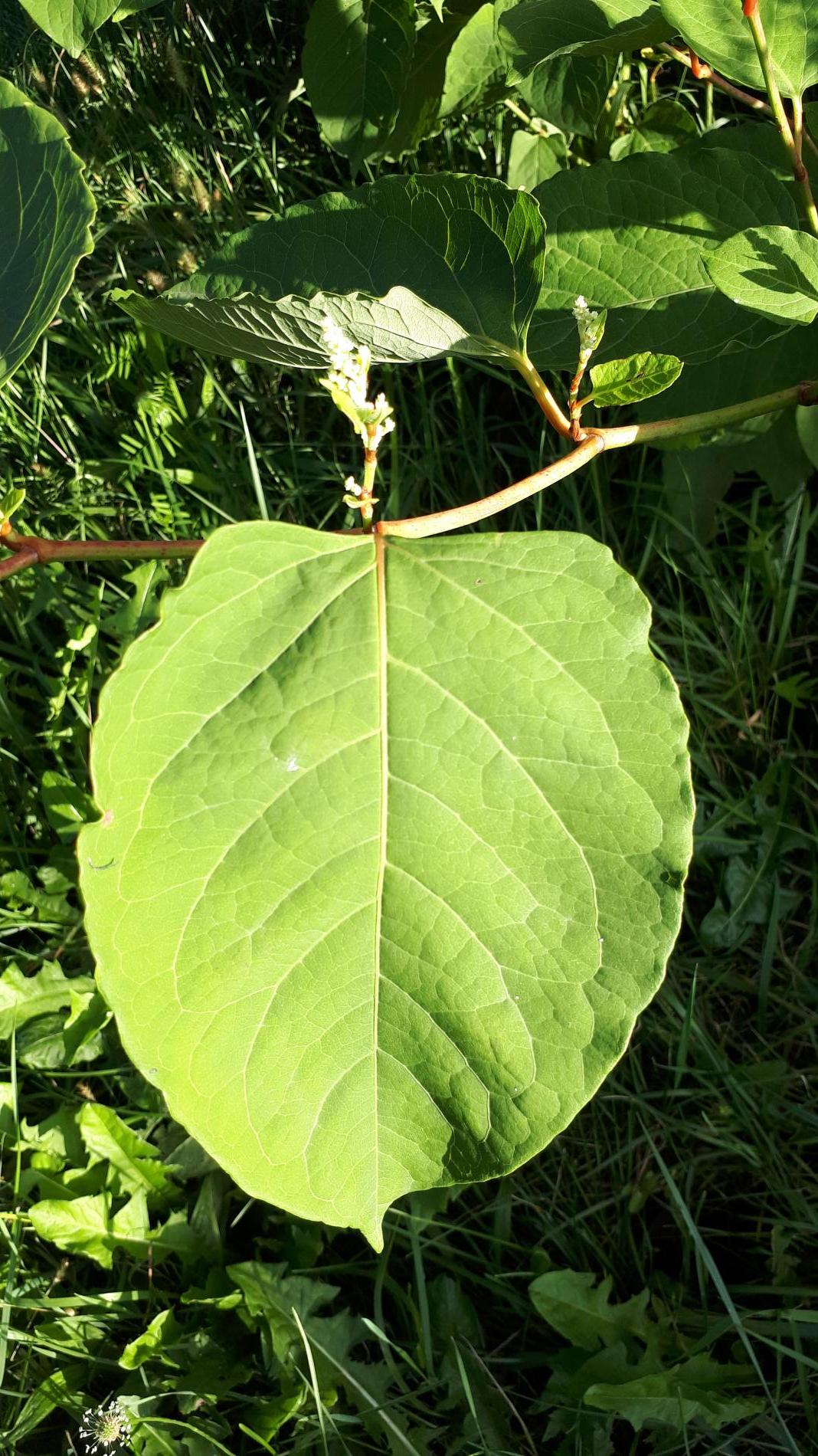
Into this genus belongs such species as Fallopia japonica, Falopia sachalinensis or Falopia bohemica. The types of Japanese knotweed and Sakhalin knotweed come from Asia. They were imported to Europe as honey-bearing and ornamental plants. The Czech knotweed is their hybrid, which originated in Europe. Knotweed are stout, hardy, fast-growing plants. They reach a height of around 2 meters and create impenetrable thickets. They grow in abandoned, unused places with disturbed vegetation, in the vicinity of waterways, roads, railways, but they are also expanding in meadows, in riparian vegetation. They prefer wetter places, richer in nutrients. They often form extensive dense stands that strongly suppress other types of plants. They have a strong root system that can grow over asphalt and concrete. They spread mainly vegetatively - by rhizomes that overgrow the soil in several layers below each other.
Symptom
They reach a height of around 2 meters and create impenetrable thickets. They spread mainly vegetatively - by rhizomes that overgrow the soil in several layers below each other.
Tree Species: Different tree species
Part of a plant- attacked: Roots
Pest significance: Harmful
Pest Category: Other, Invasive plants
Invasive Species: Yes
Present in EU: Yes
Add comment: Fallopia spp.
Location map: Fallopia spp.
Legend:

Expert verified points

Unverified points
Observed by users on these tree species
Similar damage
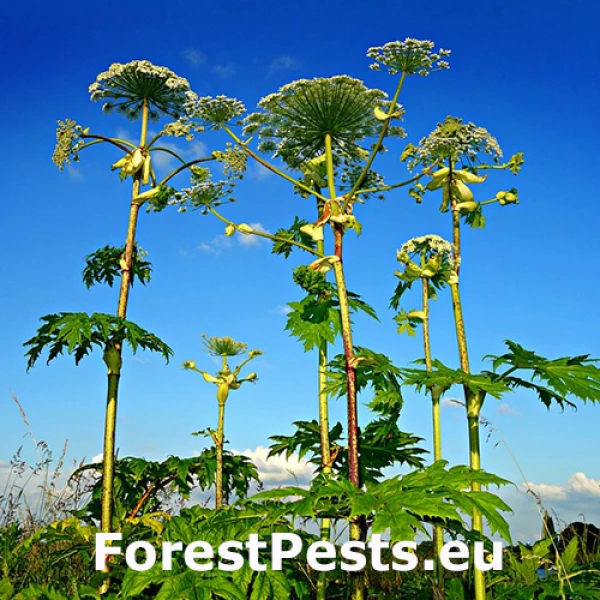
Giant Hogweed
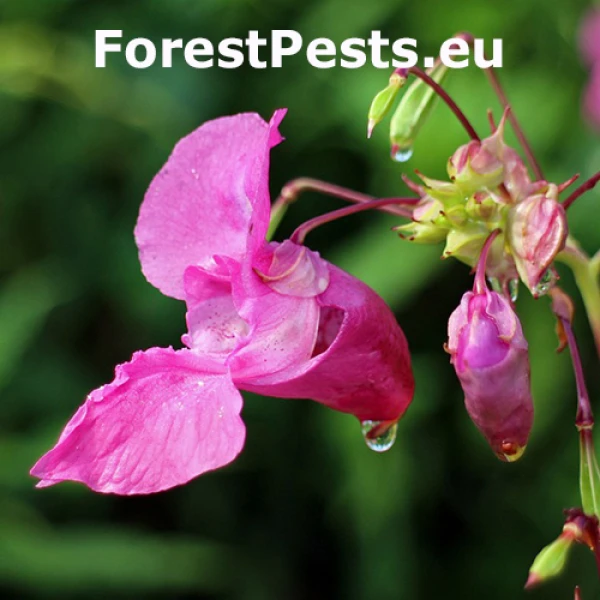
Himalayan balsam
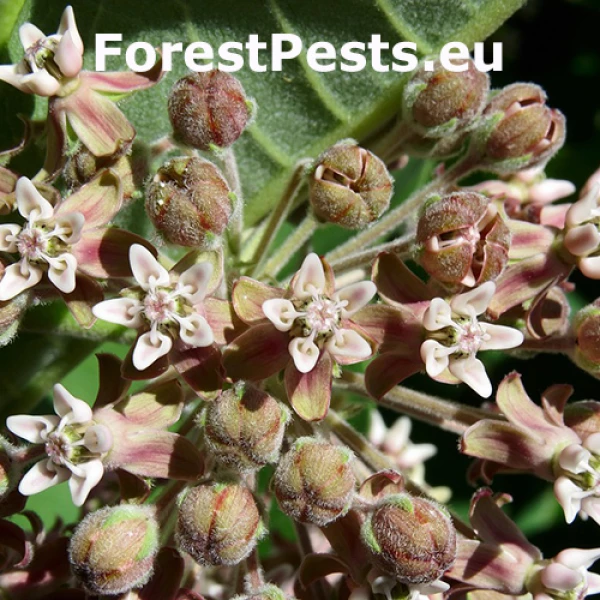
Common milkweed