




 Show all photos in album
Insert for comparison
We will identify your pest
Add pictures of this species
Show all photos in album
Insert for comparison
We will identify your pest
Add pictures of this species
Coleotechnites piceaella
Orange spruce needleminer
Description
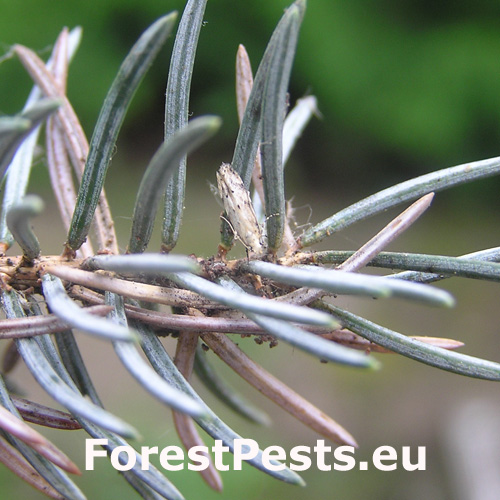
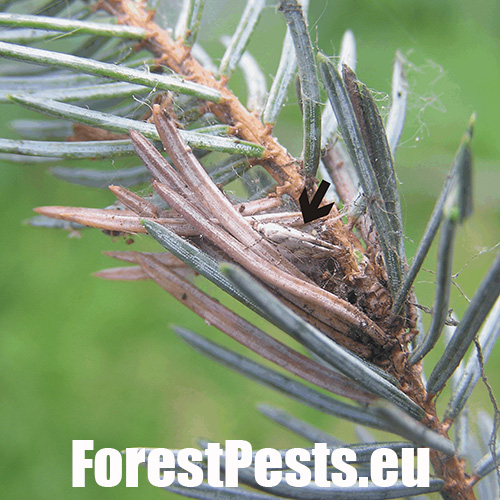
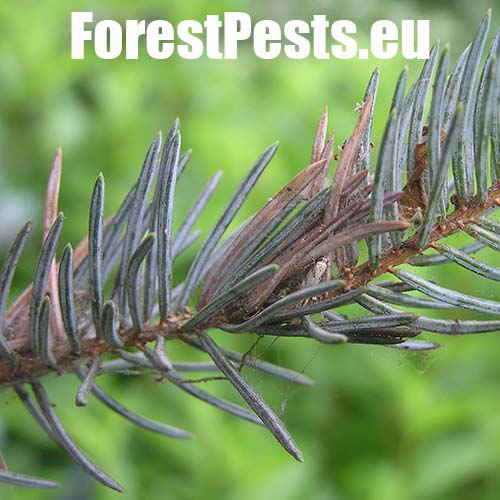
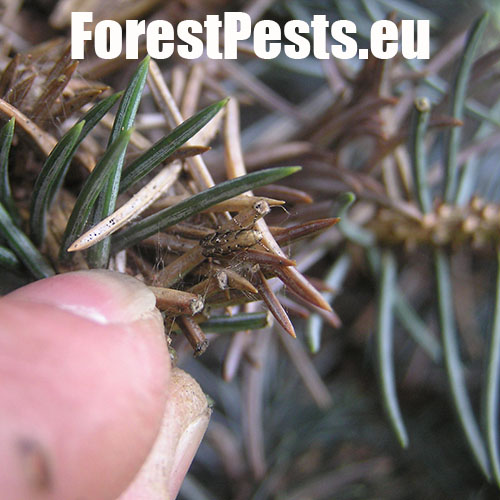
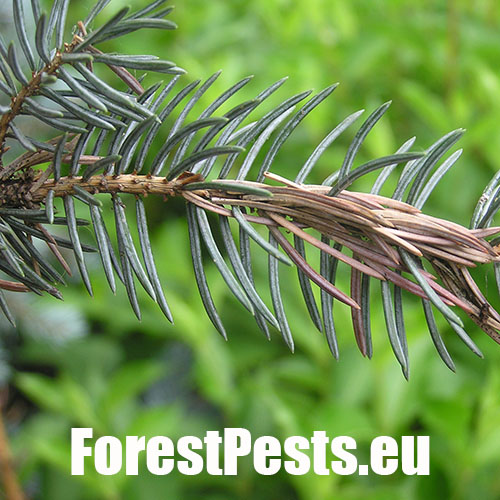
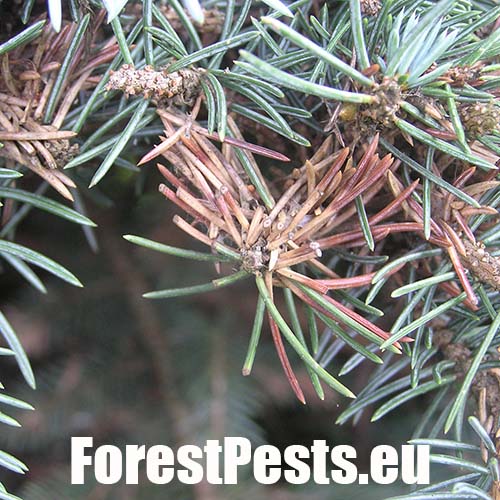
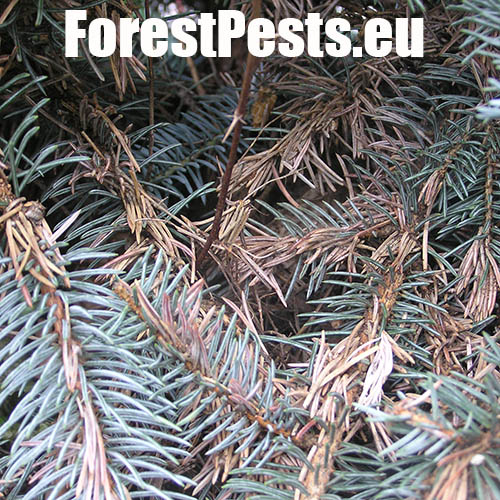
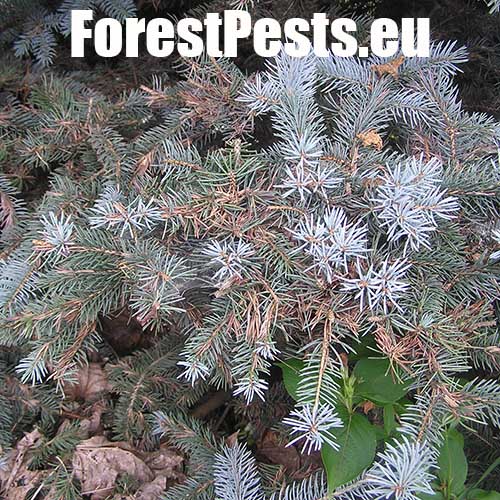
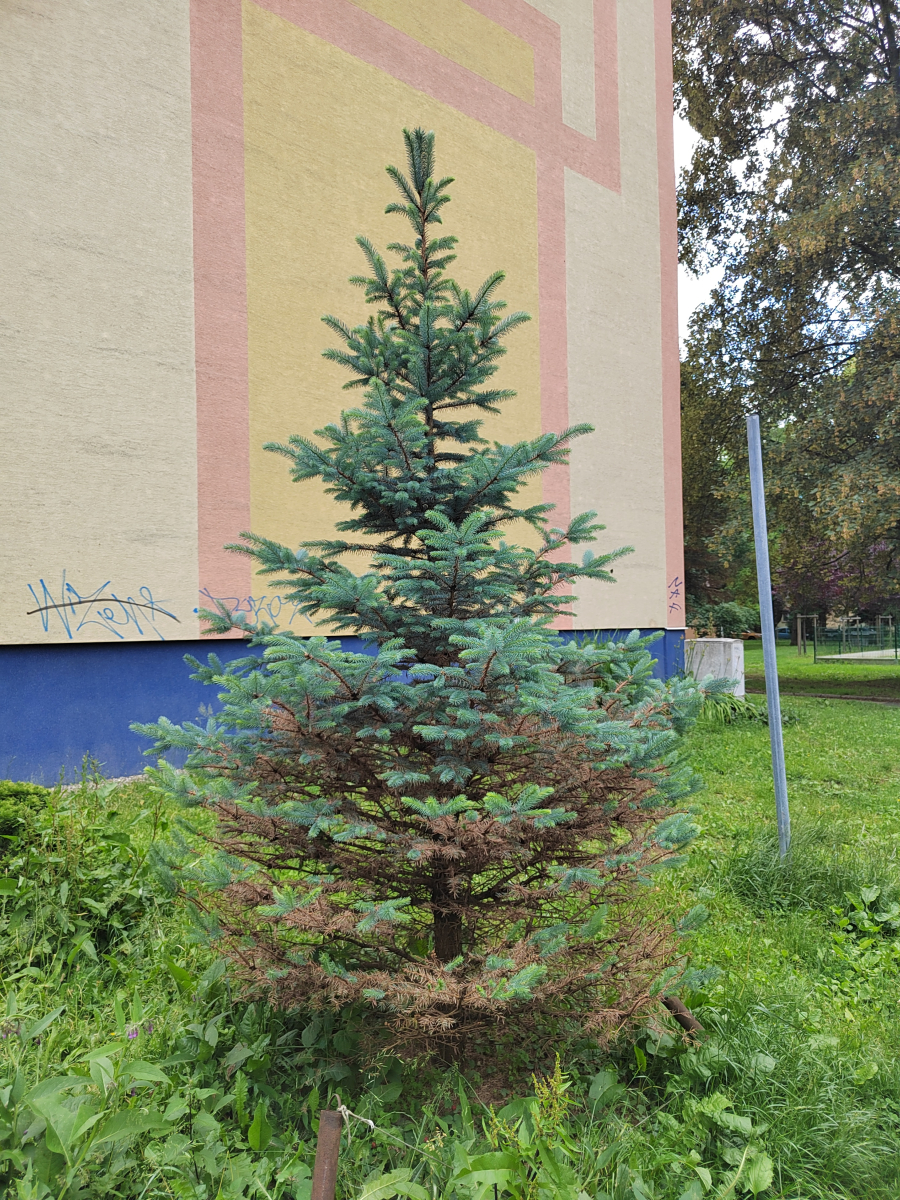
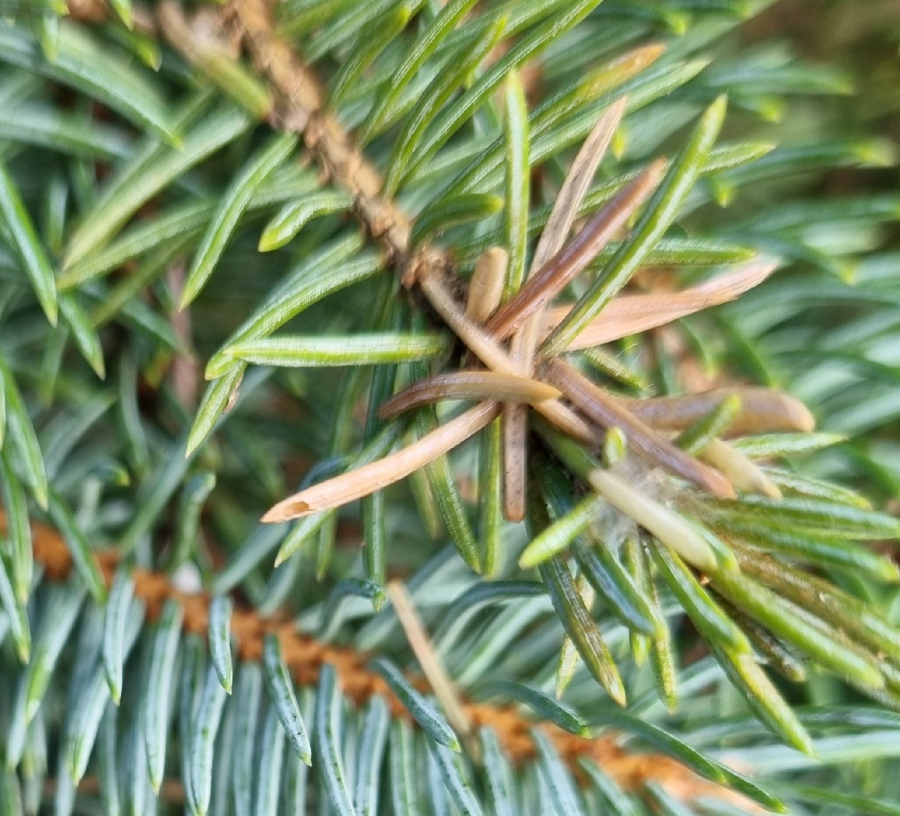
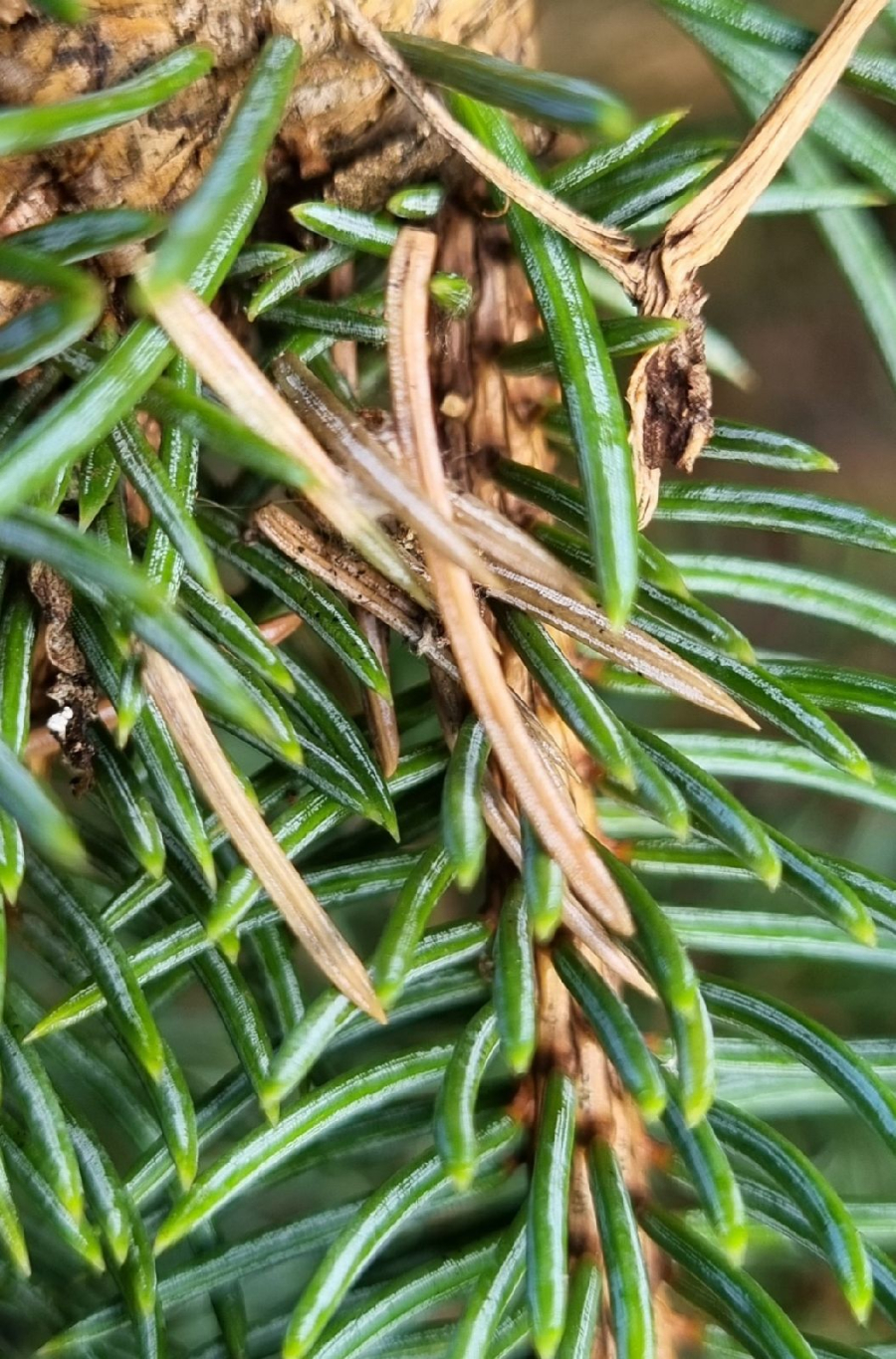
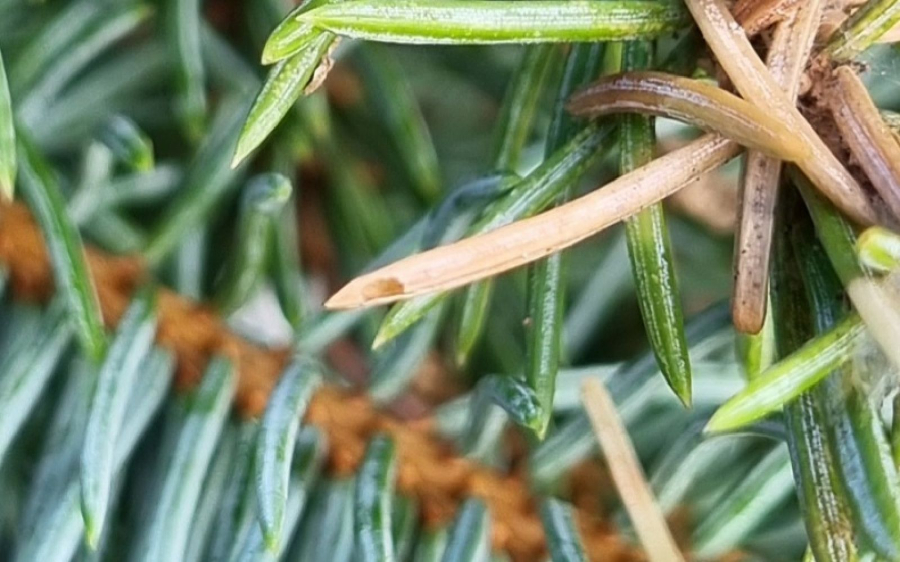
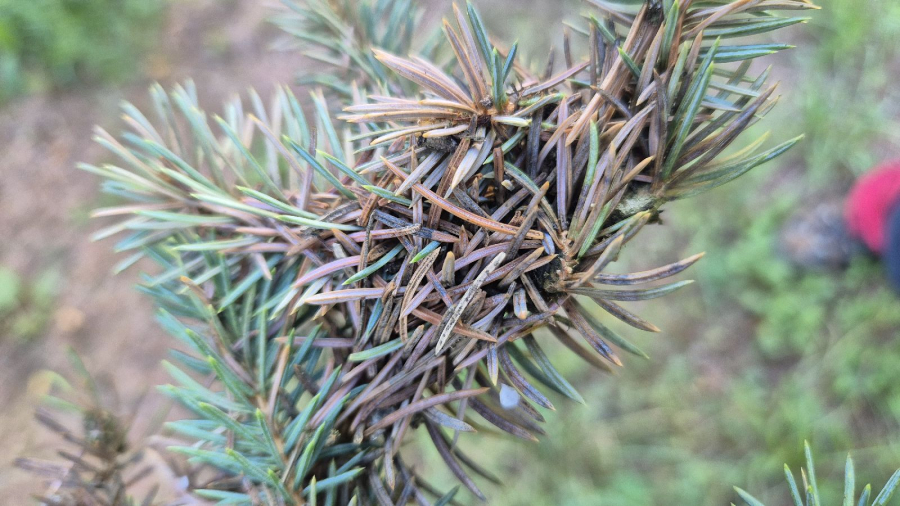
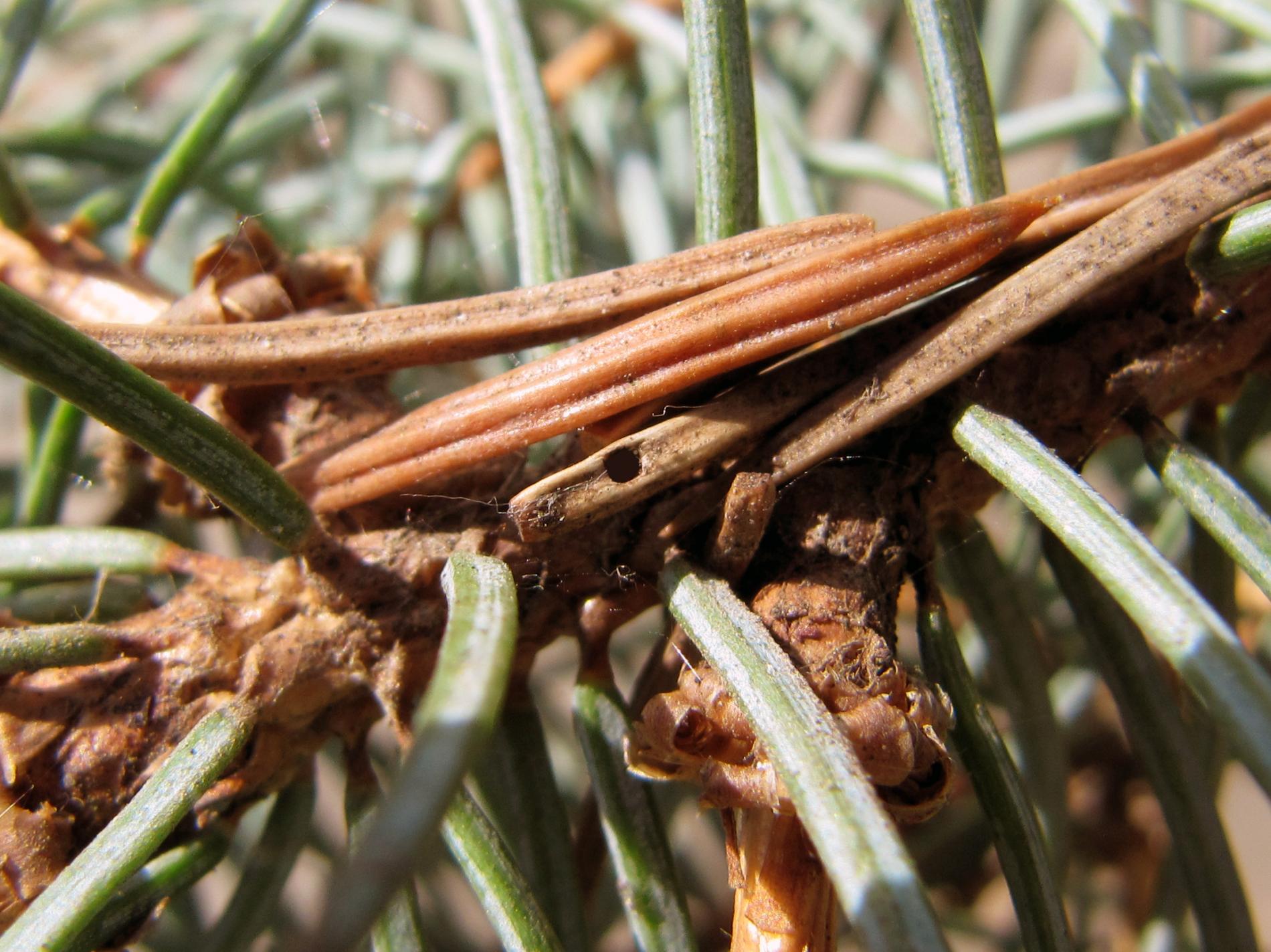
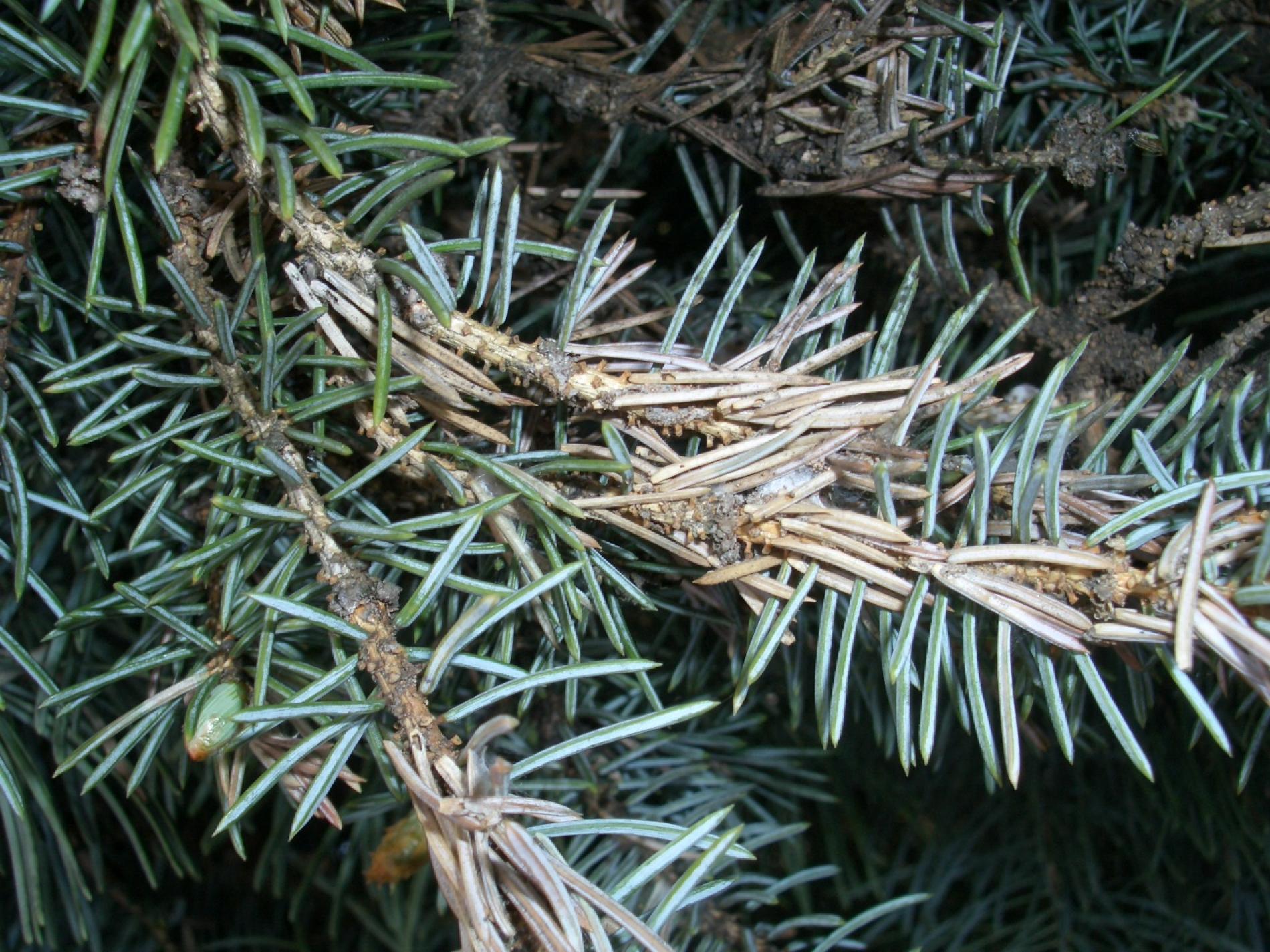
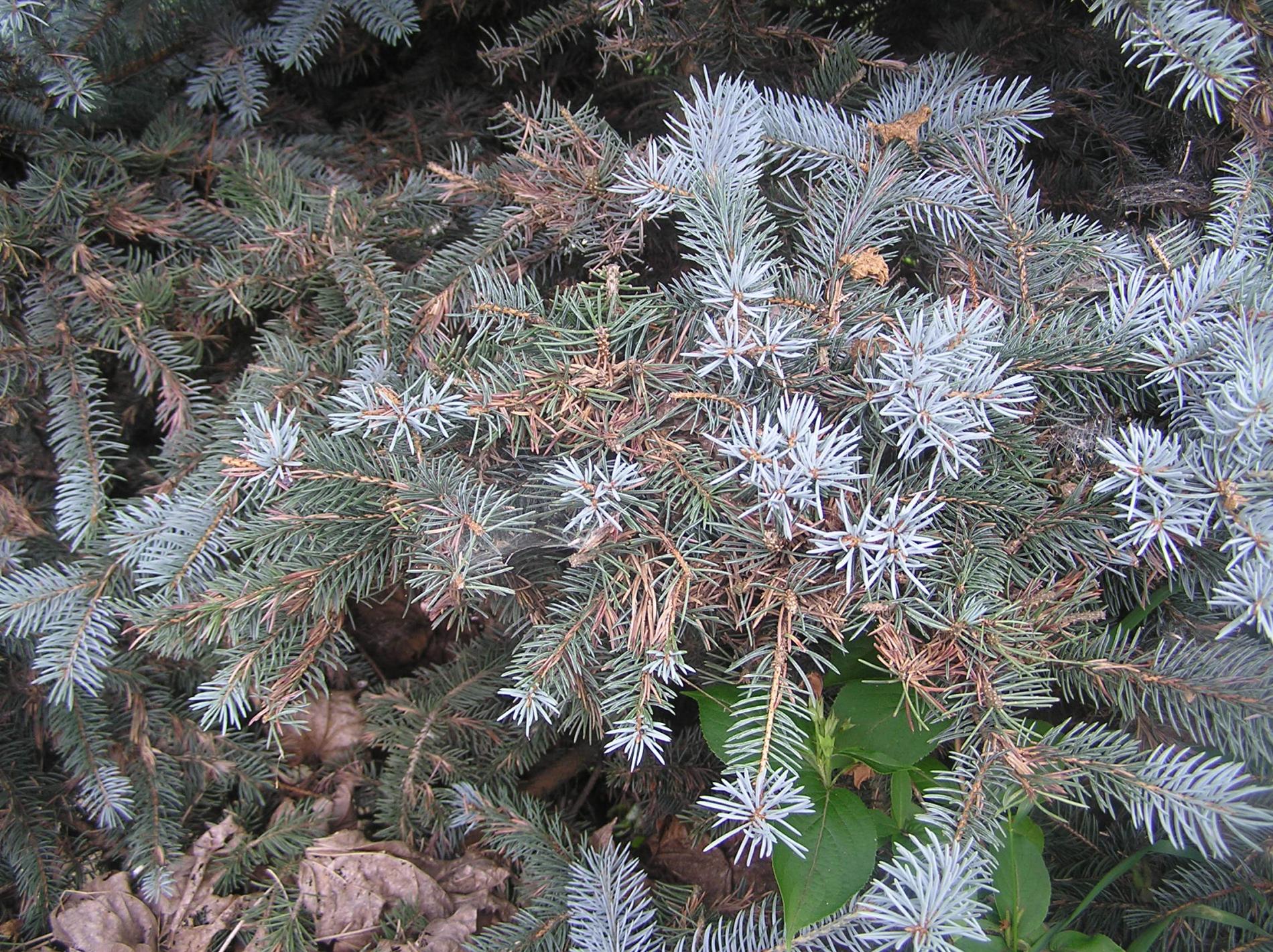
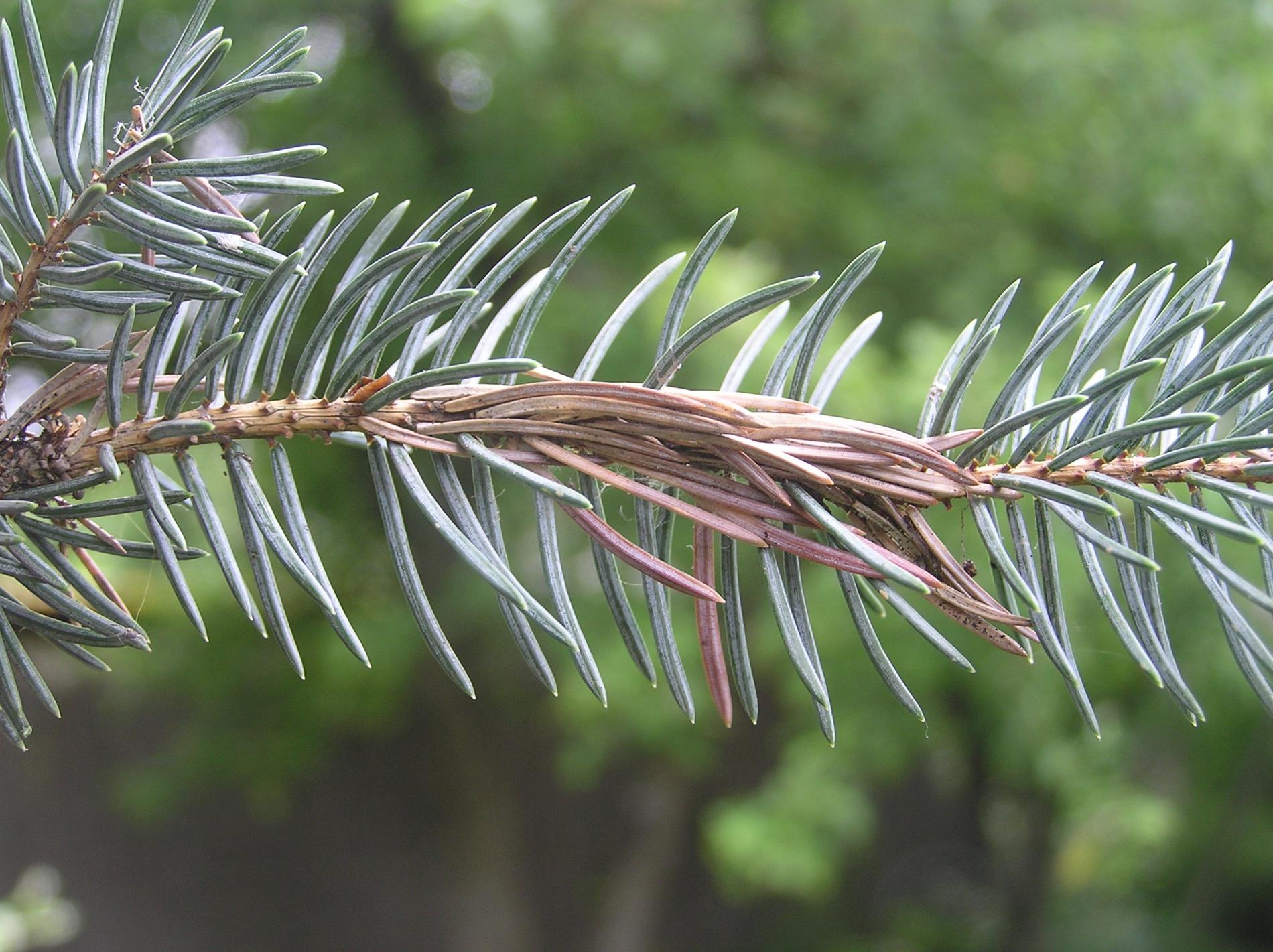
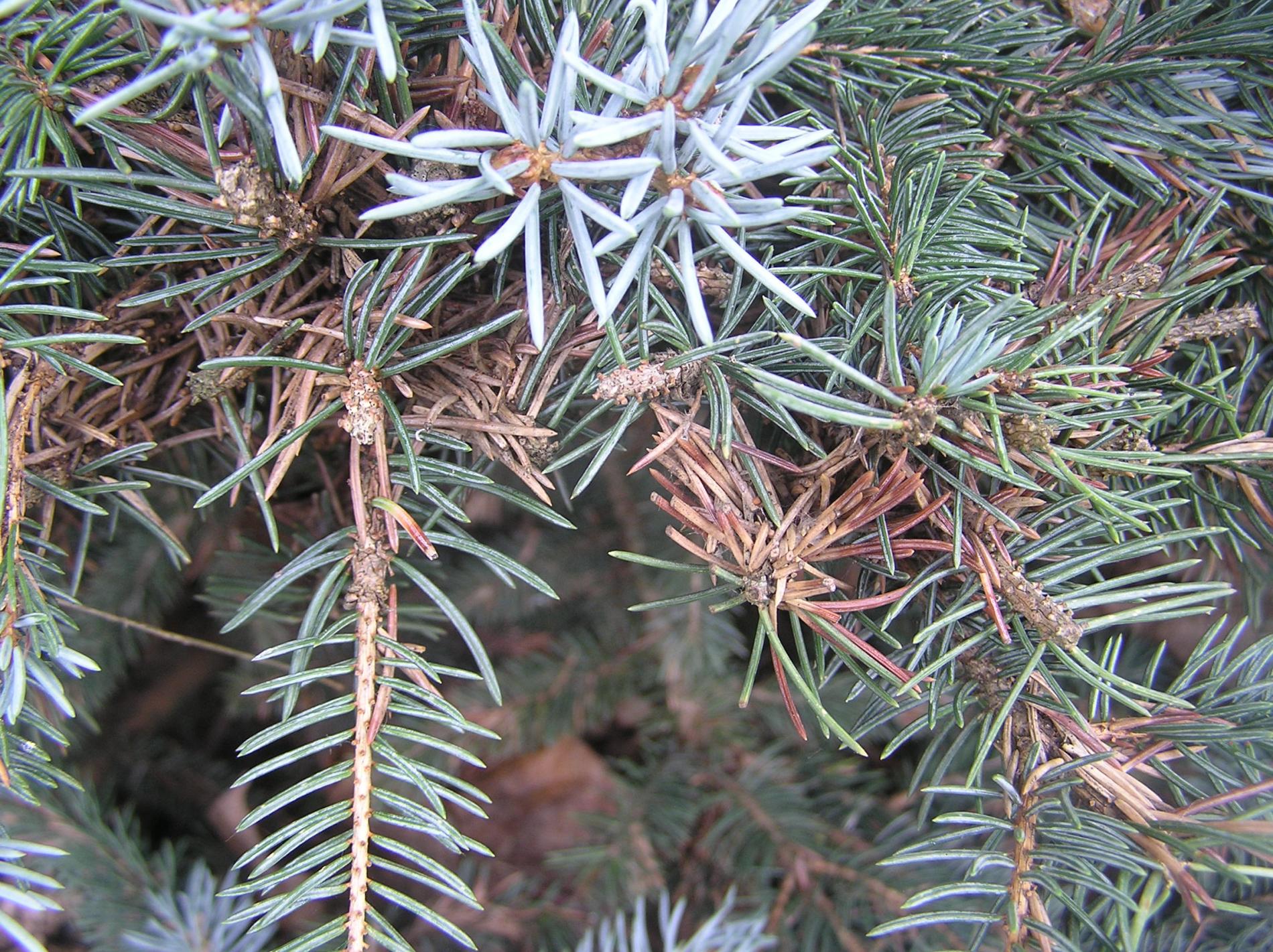
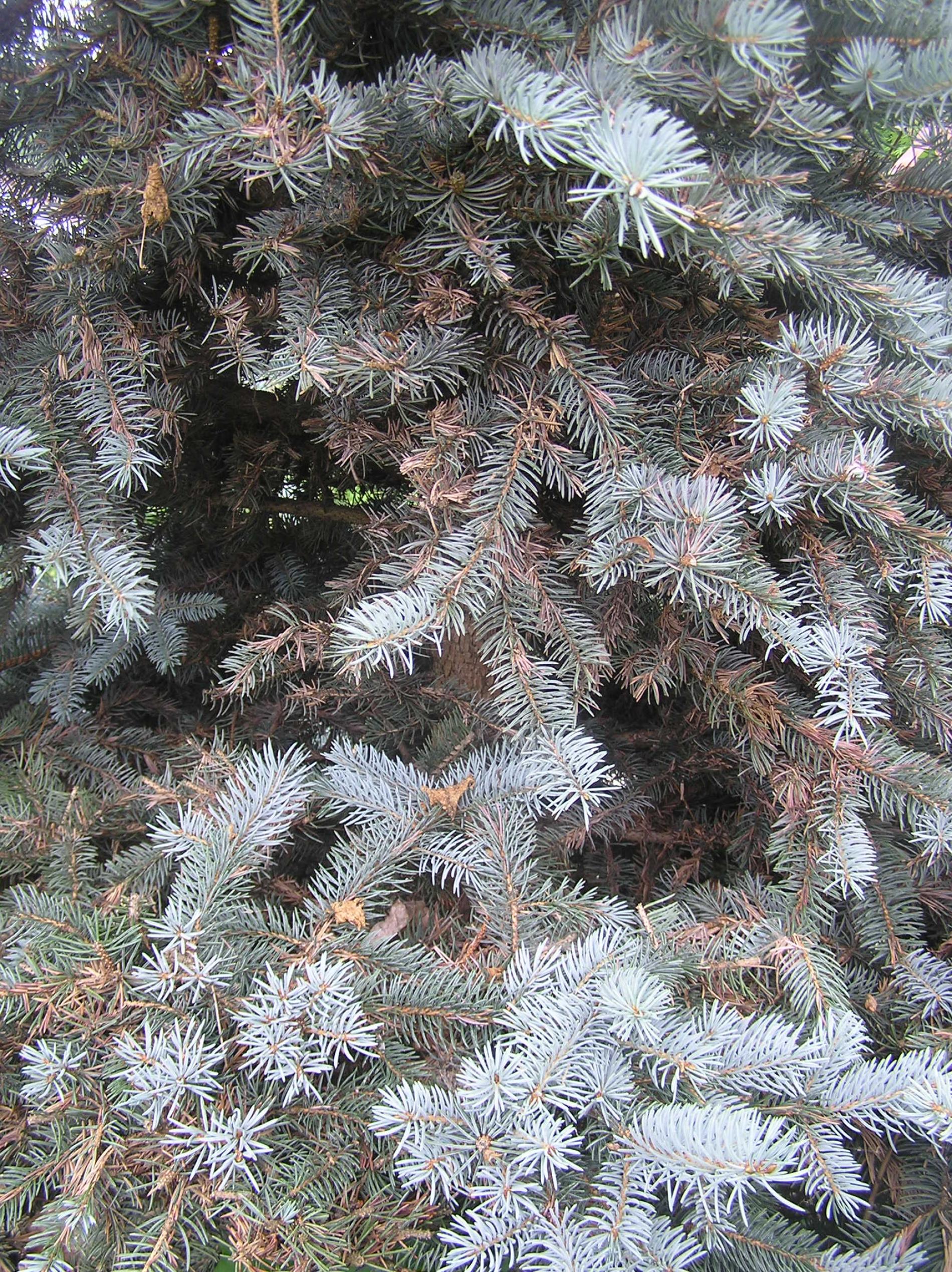
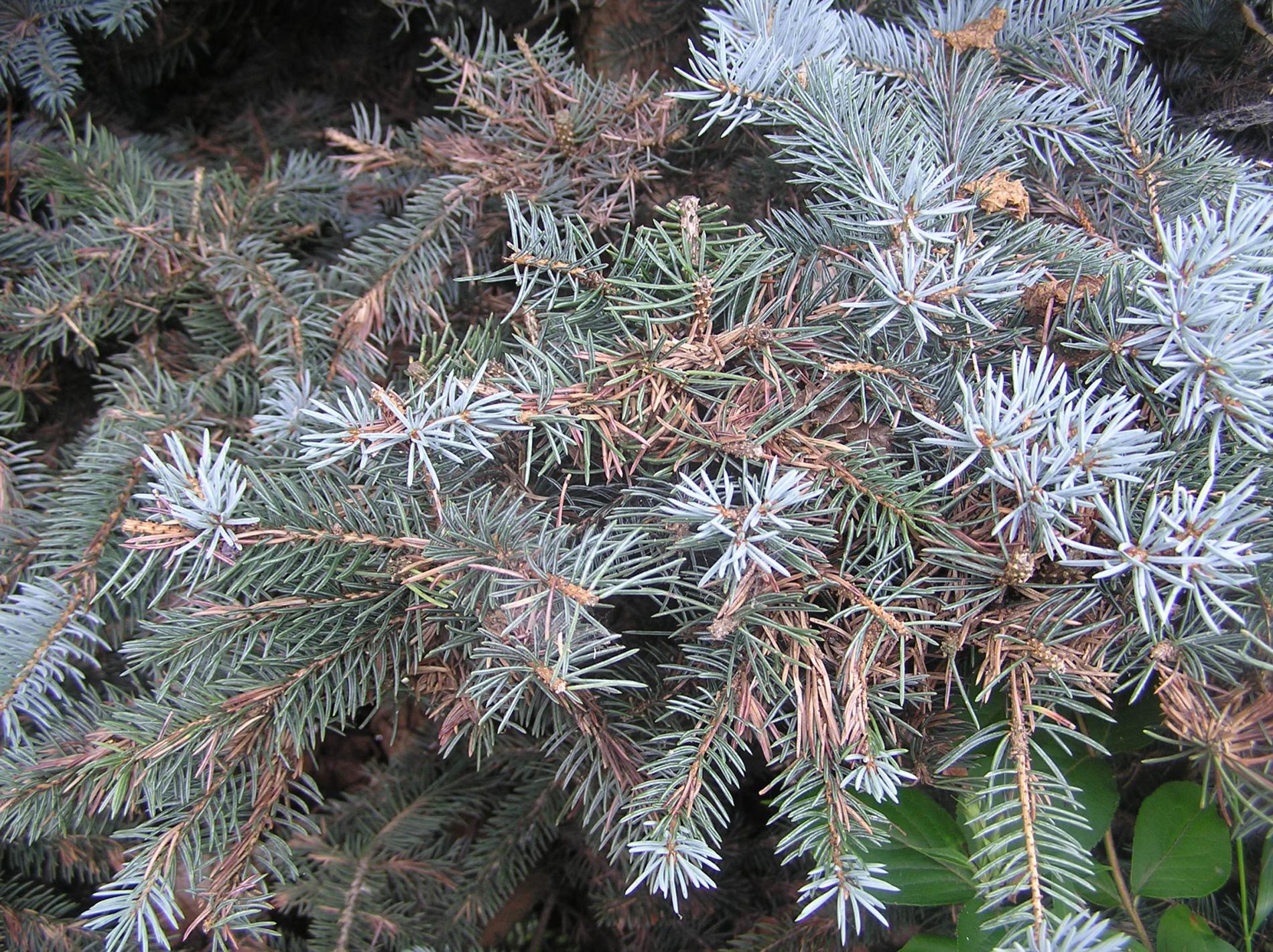
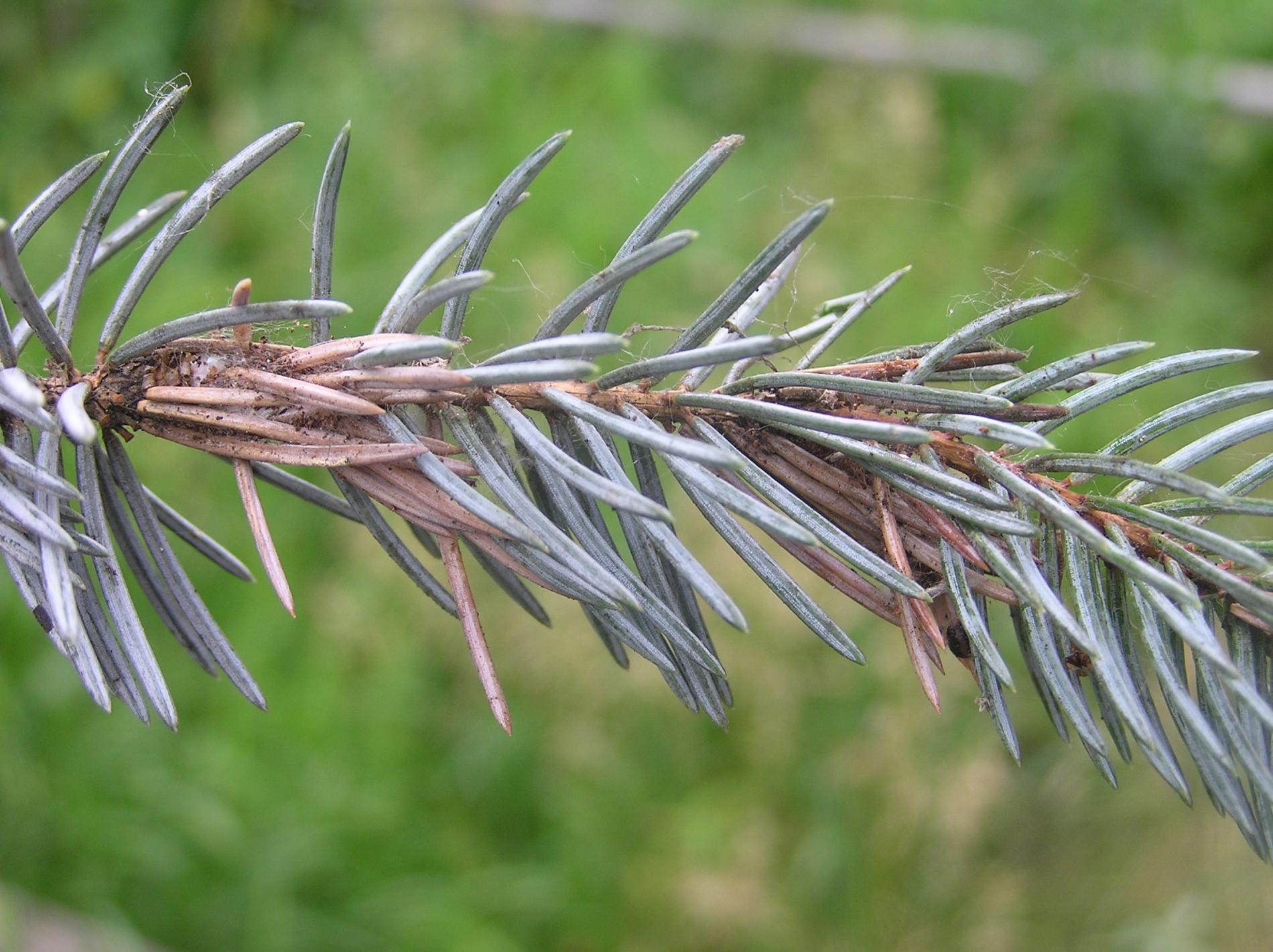
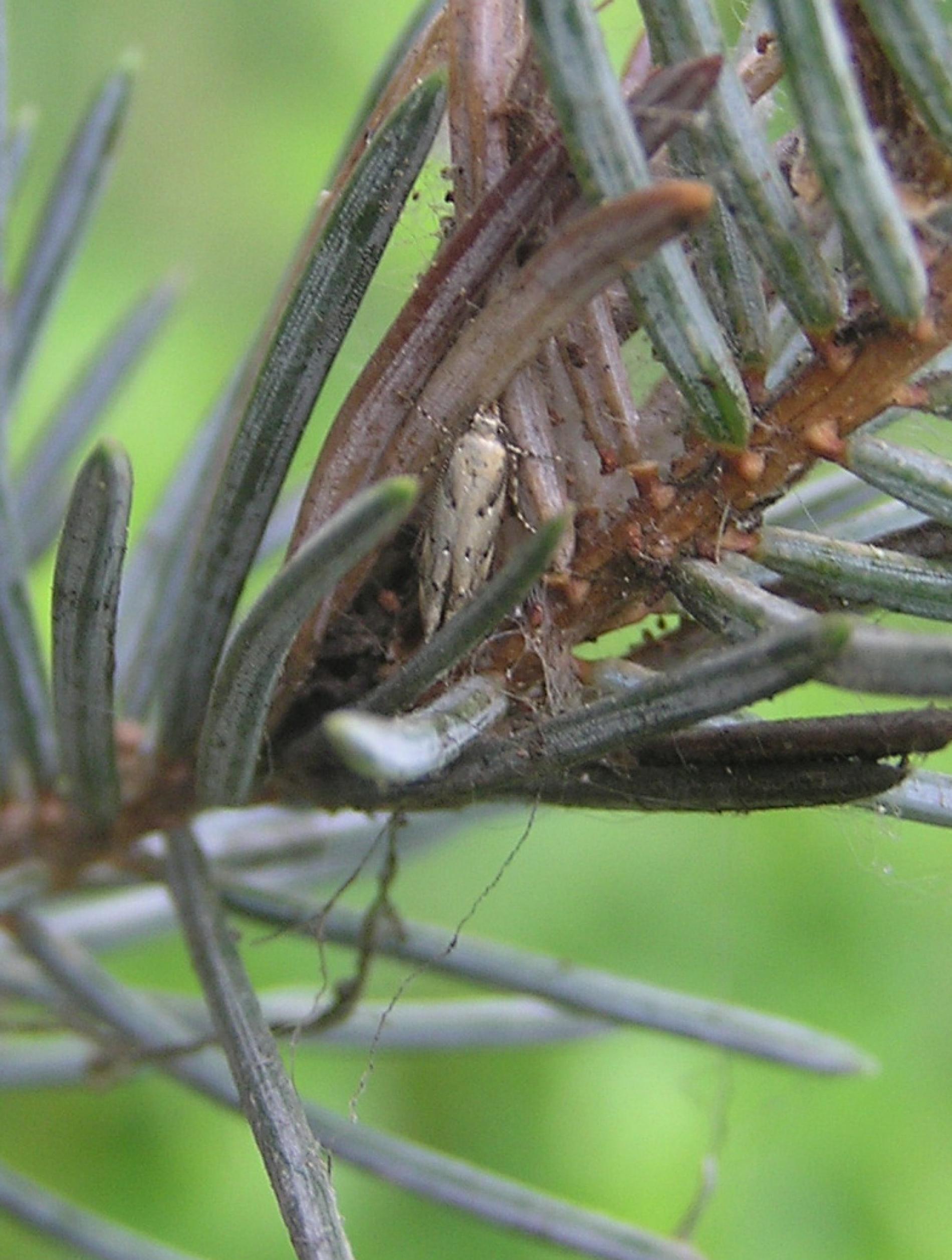
The adult has a wingspan of about 10–11 mm. Females oviposit in July. The larvae bore feeding tunnels inside the needles. On the infested needle round exit holes are found, visible even with the naked eye. During the vegetation period the larvae hollow out a number of needles, using one as a shelter for winter dormancy. The needles are fixed together with fine silk. Partly grown larvae overwinter in the mined needles. Larvae pupate in June. Has one generation per year. A typical symptom of infestation is rusty discolouration of needles in circumference of the spruce canopy. Causes serious damage in orchards and on solitary trees in urban areas. It is an introduced species in Europe and was first recorded in Great Britain in 1952, then in Germany in 1963 and has expanded to entire Europe.
Symptom
Needles spun and attached to a twig. A small hole in each damaged needle.
Tree Species: Spruce
Part of a plant- attacked: Leaf / Needle
Pest significance: Harmful
Pest Category: Insects
Invasive Species: Yes
Present in EU: Yes

Add comment: Coleotechnites piceaella
Location map: Coleotechnites piceaella
print viewLegend:

Expert verified points

Unverified points
Observed by users on these tree species
Most sightings of the species

Last observations
There are a total of 3 observations of the species in the system

Coleotechnites piceaella Orange spruce needleminer
Libuša
Number of votes: 0
Published: 22.9.2025

Coleotechnites piceaella Orange spruce needleminer
Lukáš Bokůvka
Number of votes: 0
Published: 2.6.2024

Coleotechnites piceaella Orange spruce needleminer
Lukáš Bokůvka
Number of votes: 0
Published: 2.6.2024

Coleotechnites piceaella Orange spruce needleminer
milan124
Number of votes: 0
Published: 10.4.2022

Coleotechnites piceaella Orange spruce needleminer
milan124
Number of votes: 0
Published: 10.4.2022
Similar damage
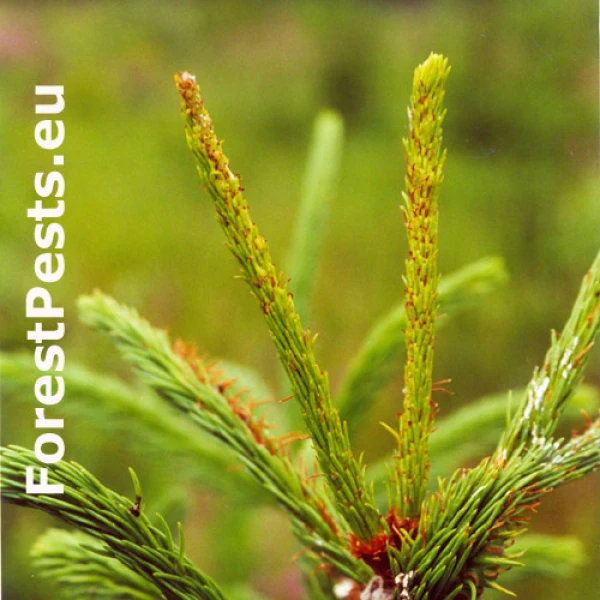
Small spruce sawfly
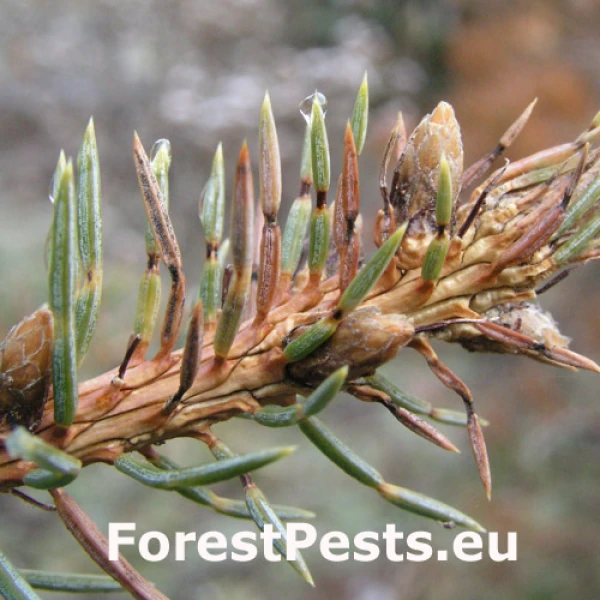
Rhizosphaera needle cast
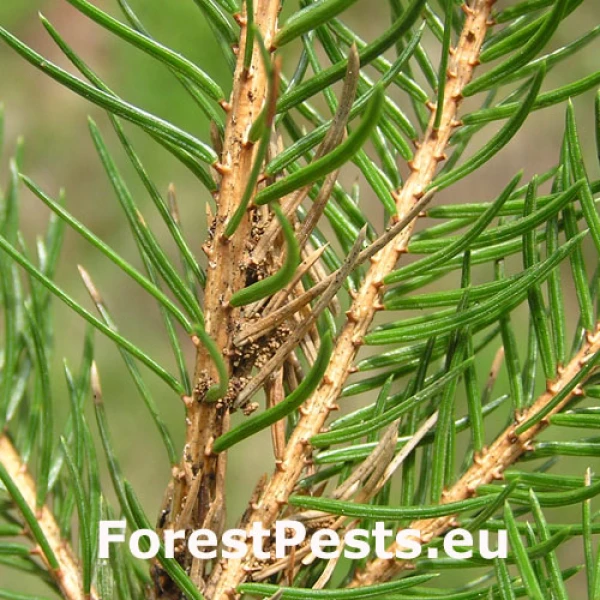
European spruce budmoth