Login | Registration | List of contributors

Requests to determine the cause of damage

Here you can request to determine the cause of the damage. You can view the requests of other users and sort them according to the selected criteria. In addition, you can get information about your request, and you can follow the progress of its current state. If your application was not approved, it had probably been because it was impossible to identify the damage based on the sent photos or because the application does not address our topic - determining the pests of trees and shrubs. We will inform you about the status of your application by email.

Filter reset

Code
Date
Assigned
Status
Days from submission
7442
10.2.2026
J. Galko
In progress
17

Rejected requests are not displayed. You have been notified by email that your application has been denied.
 

A - Ambiguously determined, we are not sure
A - Ambiguously determined, we are not sureA - Ambiguously determined, we are not sureA - Ambiguously determined, we are not sure
A - Ambiguously determined, we are not sure
Number: 3118
Received 15.3.2023
In progress: 1 days
Date of occurrence: 25.2.2023
Significance:
Discussion
From: alderash
Assigned: M. Zúbrik
Country: Serbia

Question

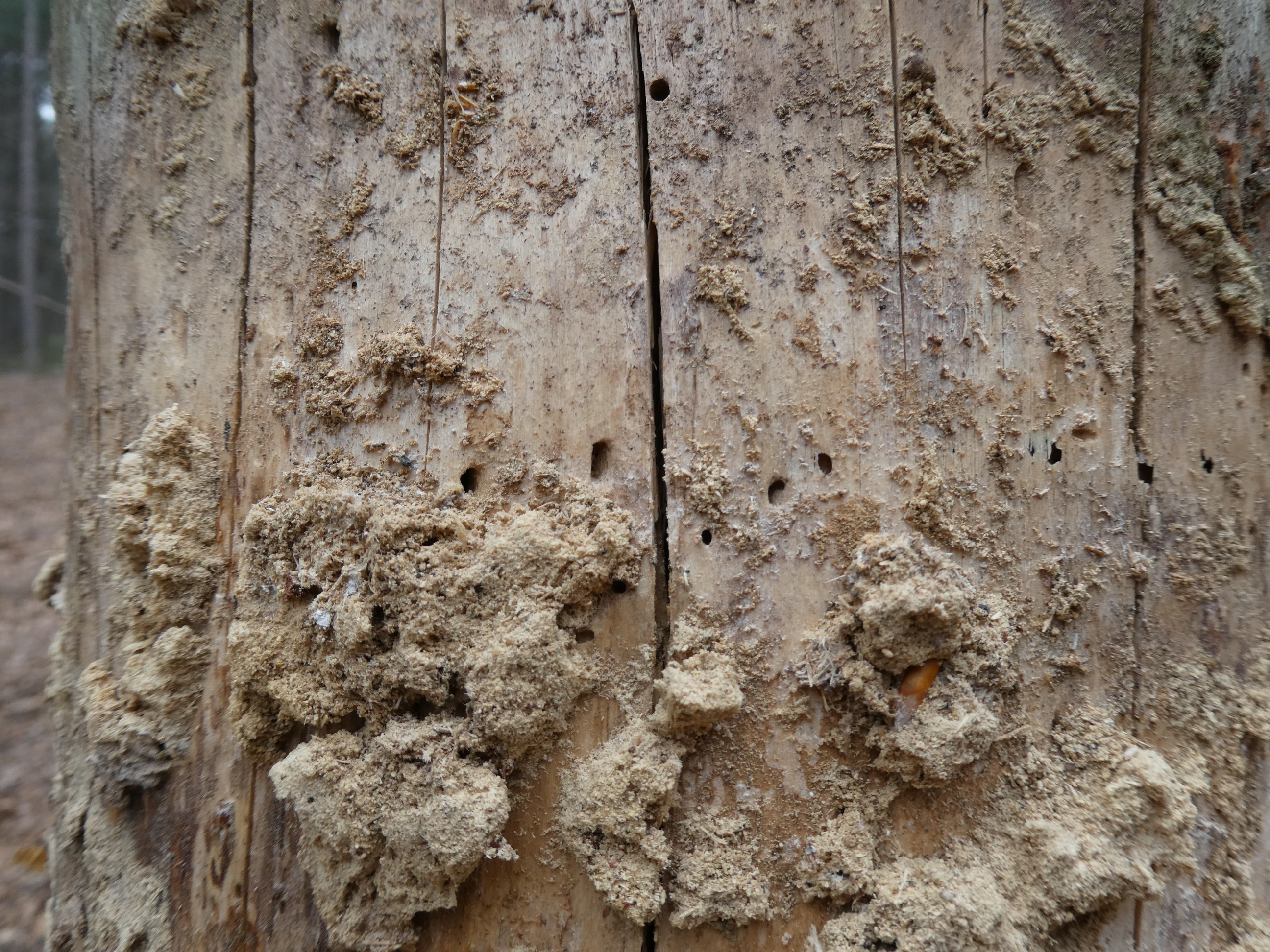
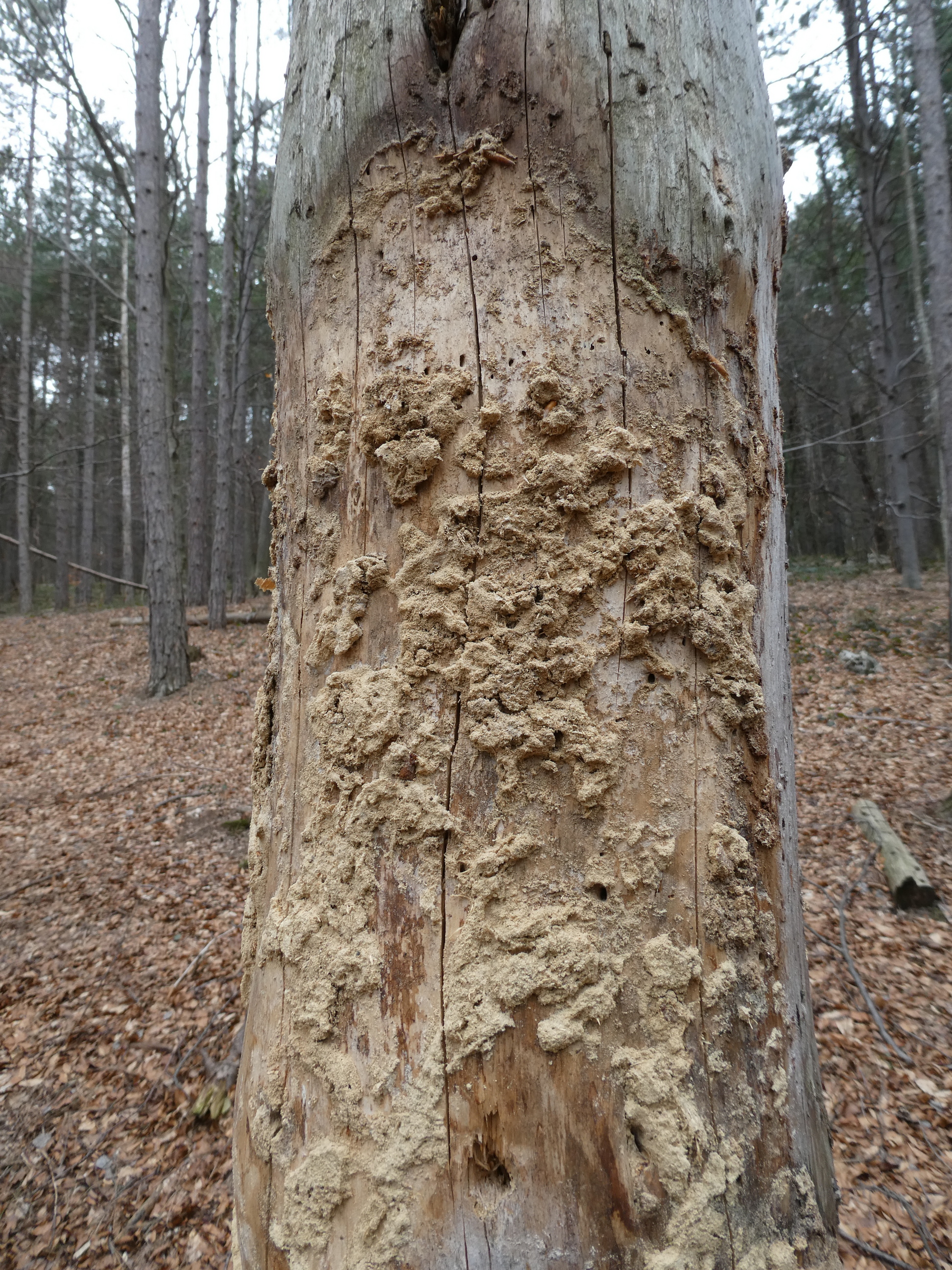
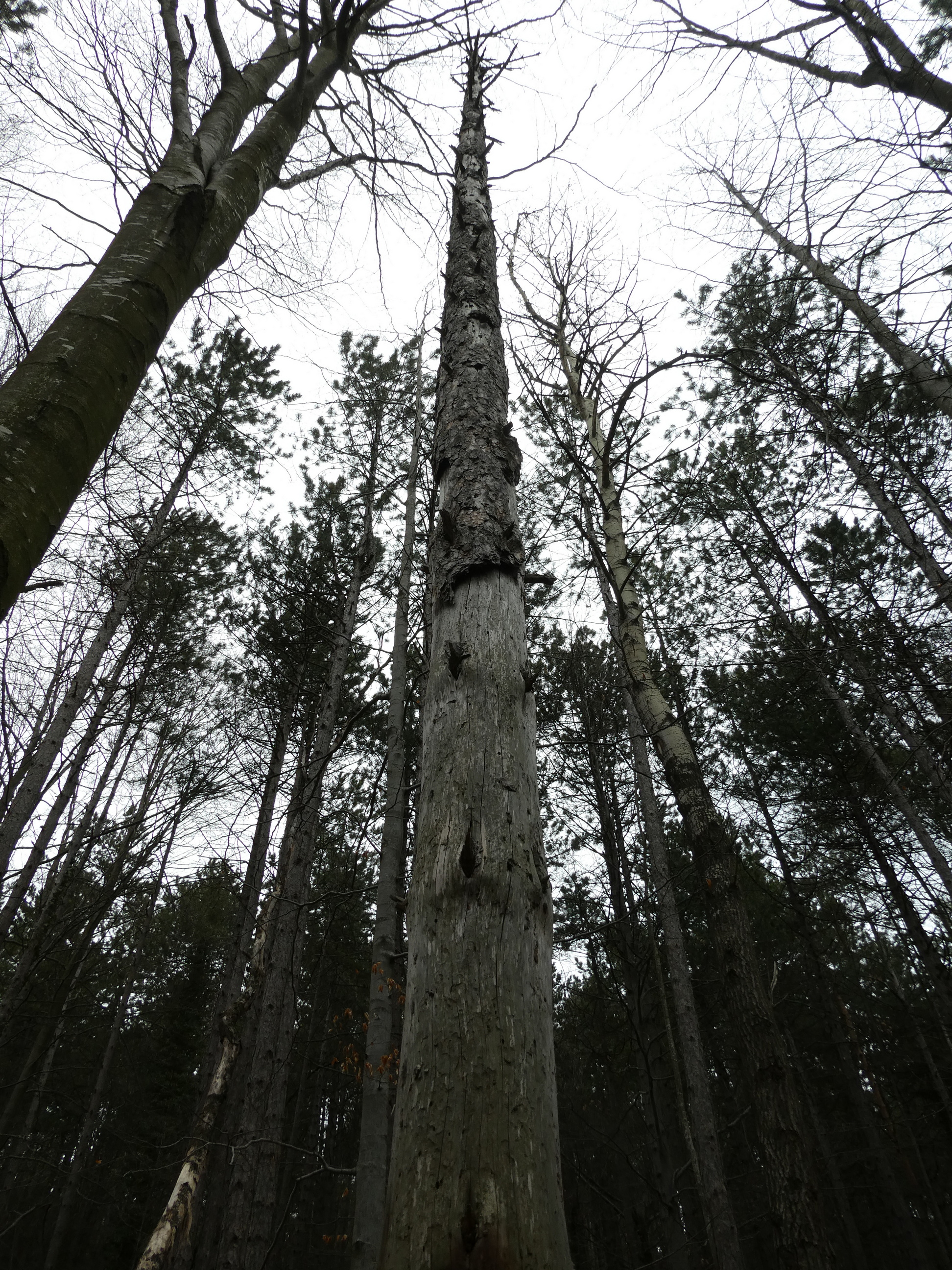
Pinus nigra most likely.

Answer

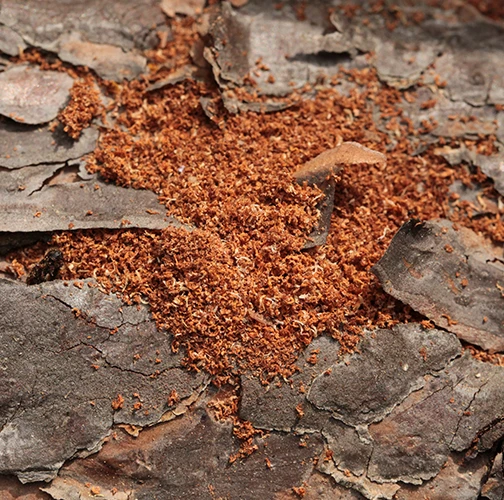
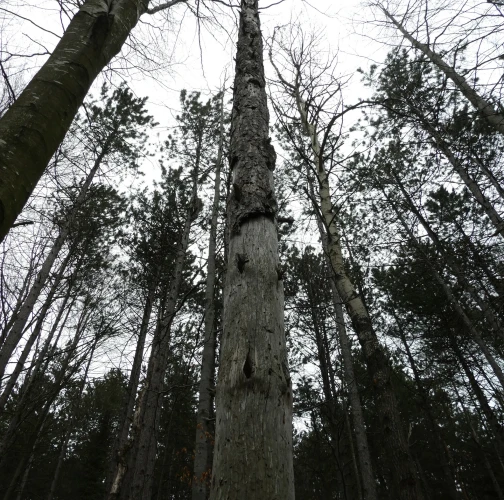
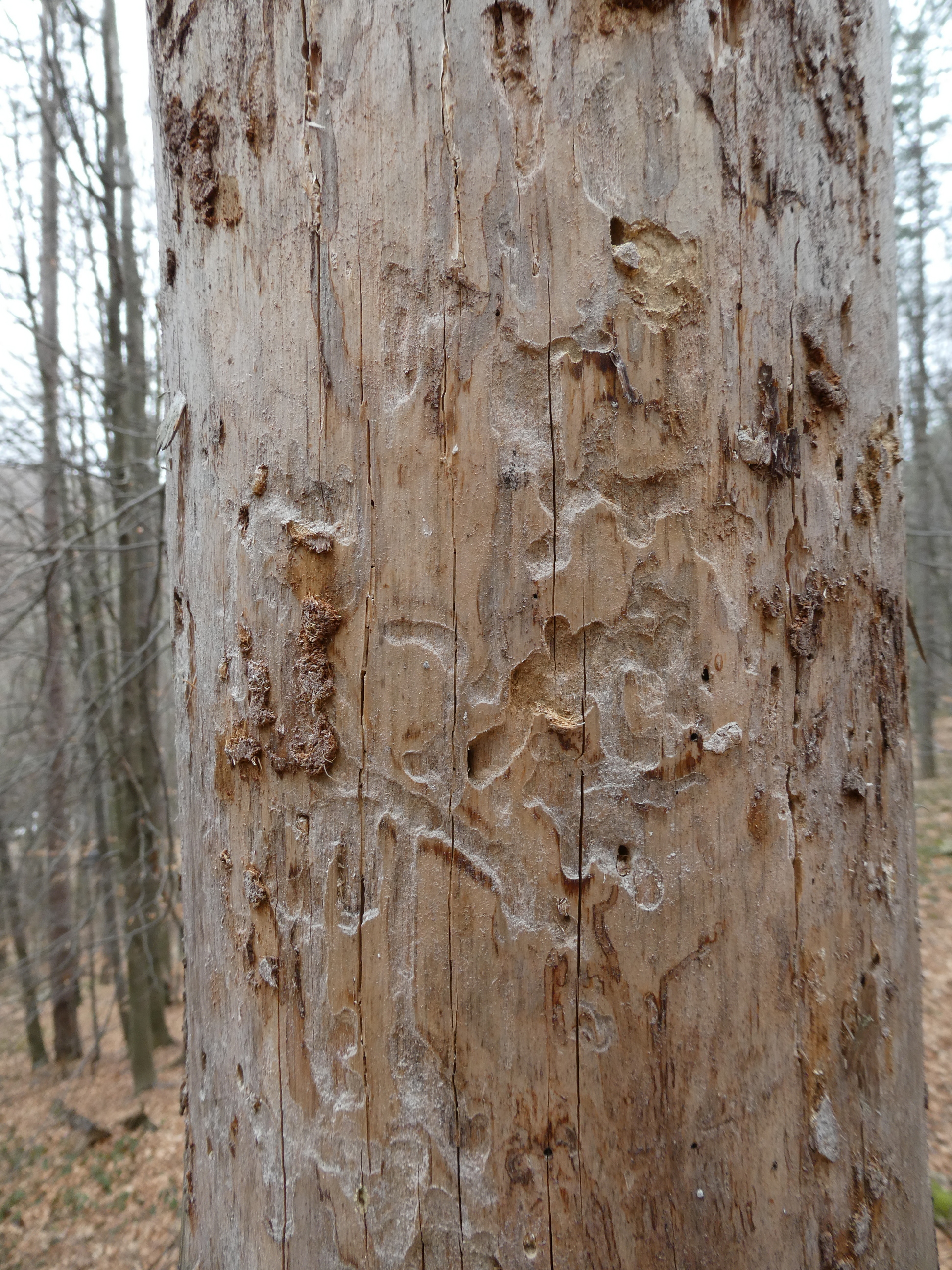
Thank you very much for your inquiry. Upon observation of the tree, there are signs of the presence of some species of Cerambycidae - longhorn beetles. However, from the picture provided, it is not possible to determine the exact species of the beetles. It is important to note that these beetles typically only play a minor role in tree decline, as many of them are strongly secondary pests that attack and inhabit weakened or damaged trees. Therefore, in this case, it is not possible to determine the exact reason for the mortality of the tree from the picture alone. Thank you very much and have a nice day! MZ  
Number of votes for this answer: 0

Pest

A - Ambiguously determined, we are not sure

A - Ambiguously determined, we are not sure

A - Ambiguously determined, we are not sure

A - Ambiguously determined, we are not sure

Received: 15.3.2023
Wood: Pine
Number: 3118
Date of occurrence: 25.2.2023
Discussion

Add comment: A - Ambiguously determined, we are not sure

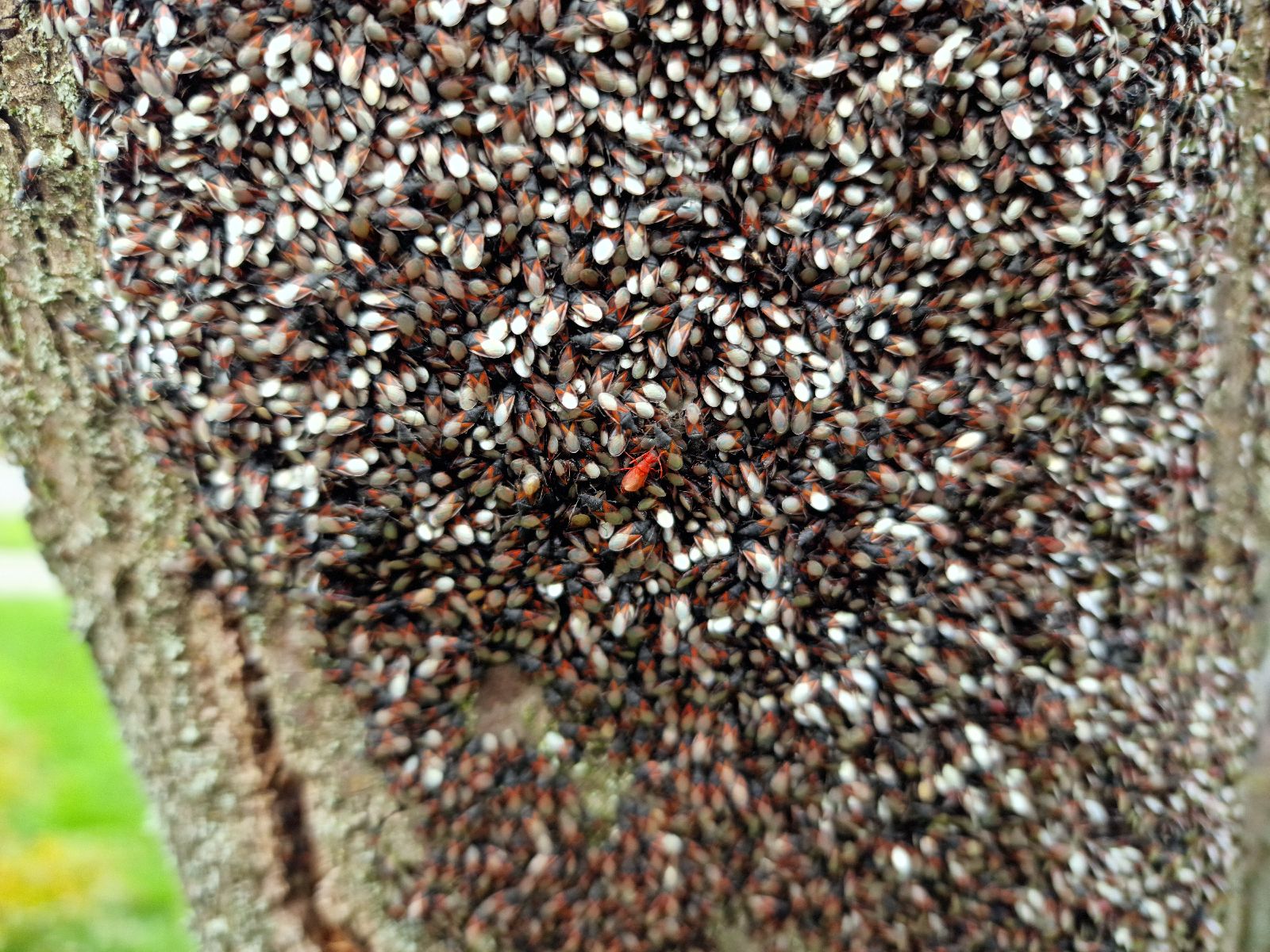
Lime seed bug
Ploštička lipová
Lime seed bug
Number: 2804
Received 17.11.2022
In progress: 0 days
Date of occurrence: 17.11.2022
Significance: Less harmful
Discussion
From: Slavo
Assigned: M. Zúbrik
Country: Slovakia

Question

Answer

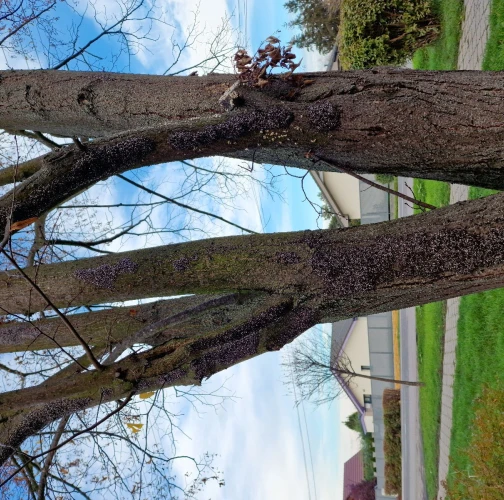
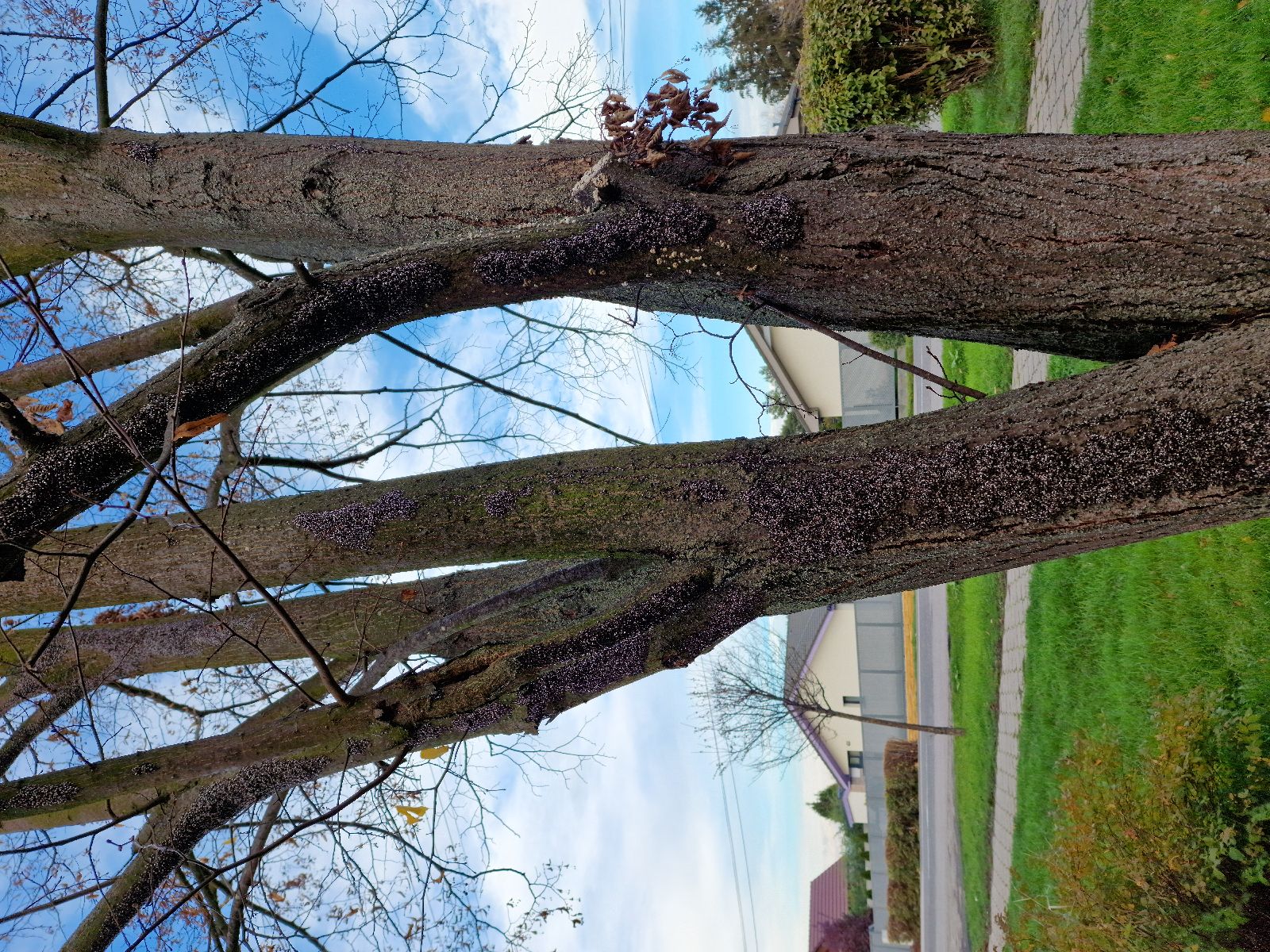
It is lime seed bug Oxycarenus lavaterae, quite common now in the late autumn especialy on lime trees. It spreads from South Europe to the north. Best regards MZ
Number of votes for this answer: 2

Pest

Lime seed bug

Oxycarenus lavaterae

Lime seed bug

Oxycarenus lavaterae

hmyz

Received: 17.11.2022
Wood: Lime
Number: 2804
Date of occurrence: 17.11.2022
Discussion

Add comment: Lime seed bug

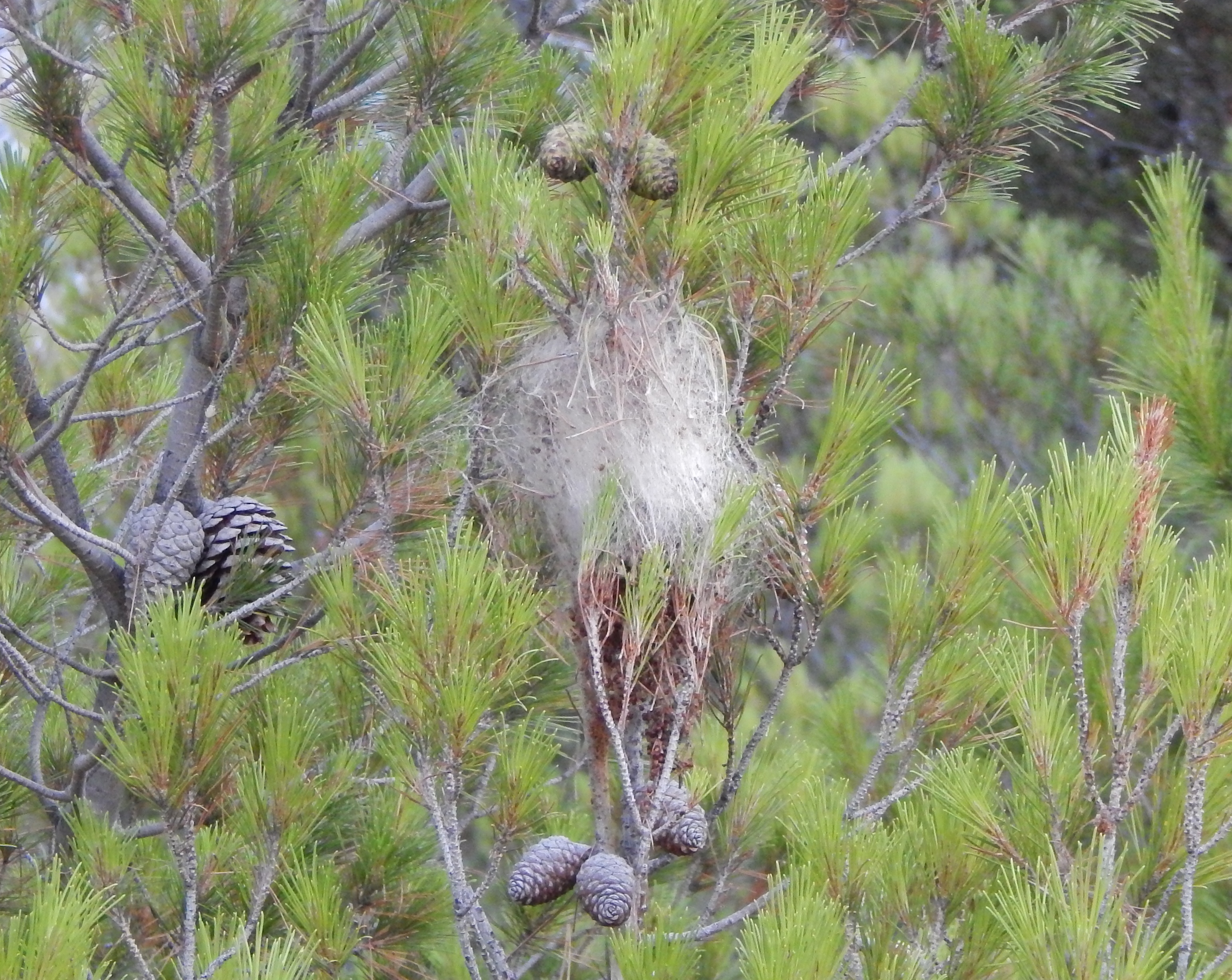
Pine processionary moth
Number: 2375
Received 8.7.2022
In progress: 0 days
Date of occurrence: 3.7.2022
Significance: Very harmful
Discussion
From: majo
Assigned: M. Zúbrik
Country: Slovakia

Question

Thank you for identification. Yours sincerely. Marián

Answer

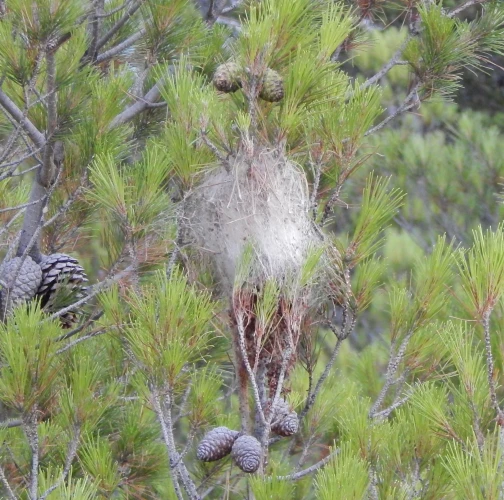
Thanks for request. This is a nest of the pine processionary moth Thaumetopoea pityocampa. It is a common species in a Mediterranean area. I can cause defoliation of the tree. Be careful on hairs of the caterpillars. They can cause an allergic reaction on human skin! Best regards MZ
Number of votes for this answer: 1

Pest

Pine processionary moth

Thaumetopoea pityocampa

Pine processionary moth

Thaumetopoea pityocampa

hmyz

Received: 8.7.2022
Wood: Pine
Number: 2375
Date of occurrence: 3.7.2022
Discussion

Add comment: Pine processionary moth
A - This species is not in the database yet
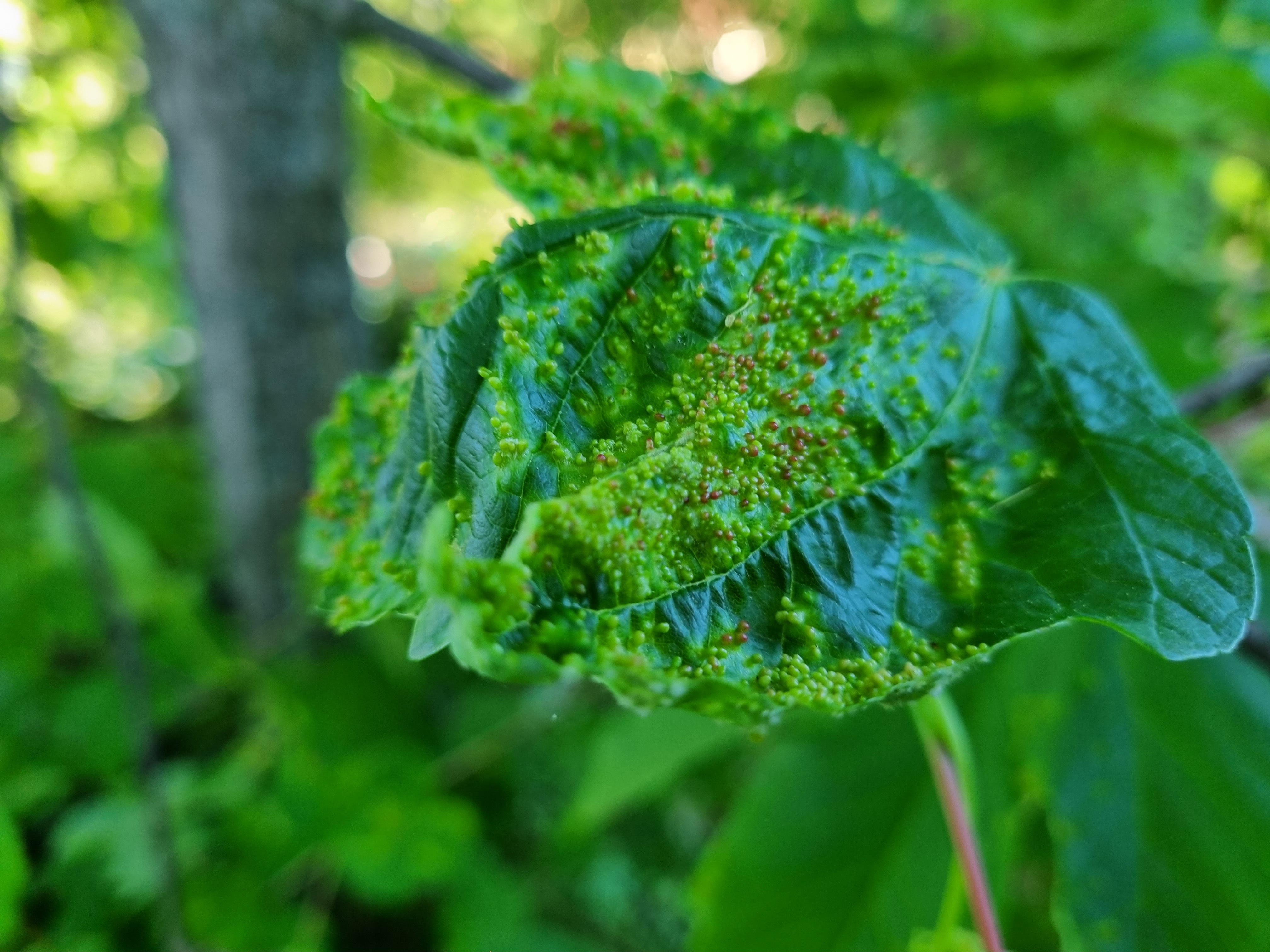
Number: 2374
Received 8.7.2022
In progress: 0 days
Date of occurrence: 4.7.2022
Significance:
Discussion
From: majo
Assigned: M. Zúbrik
Country: Slovakia

Question

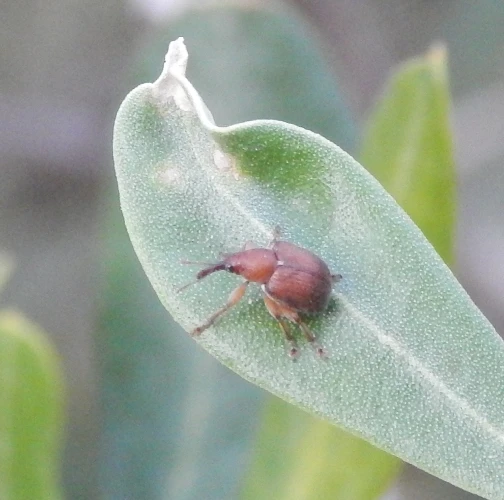
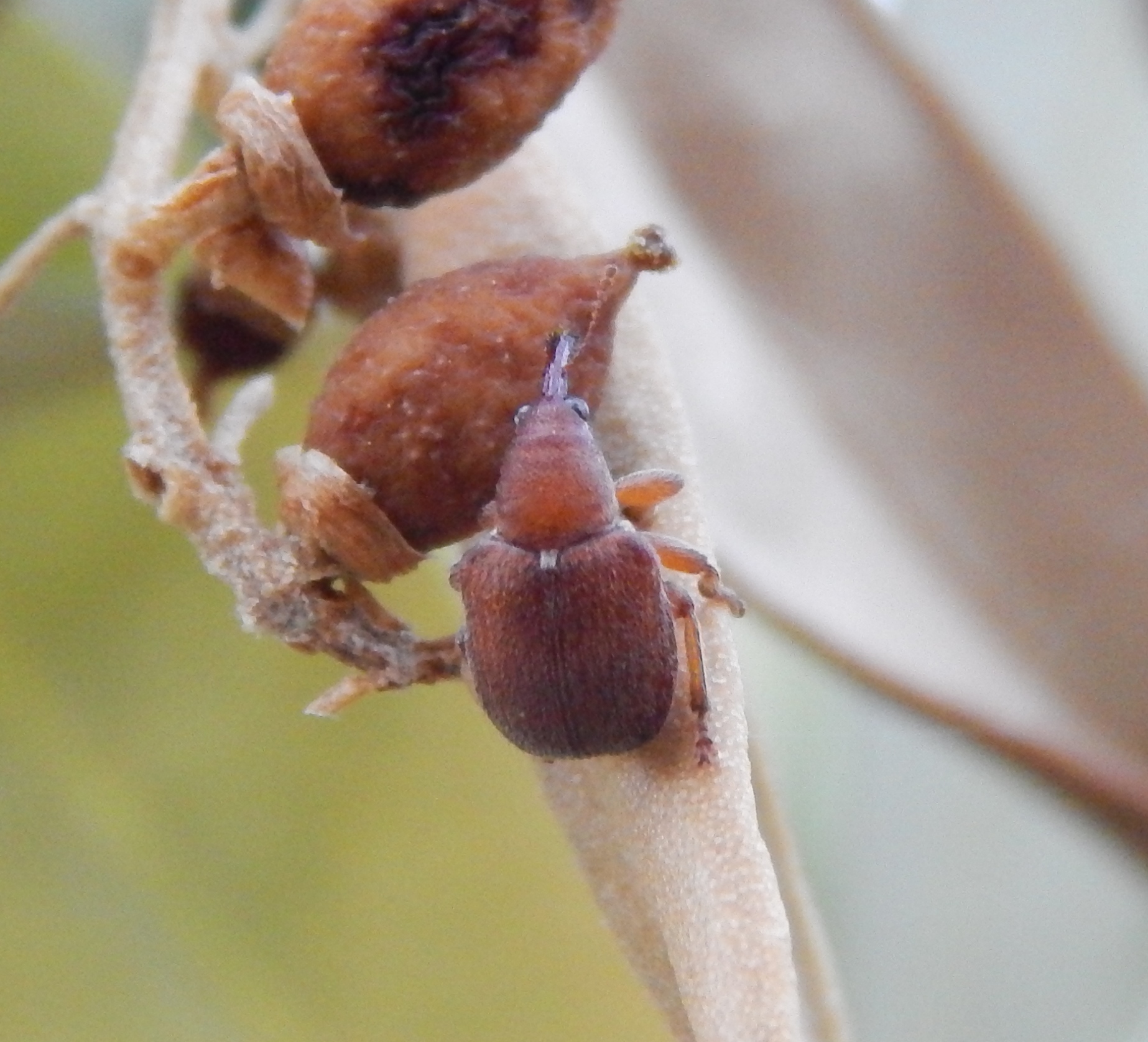
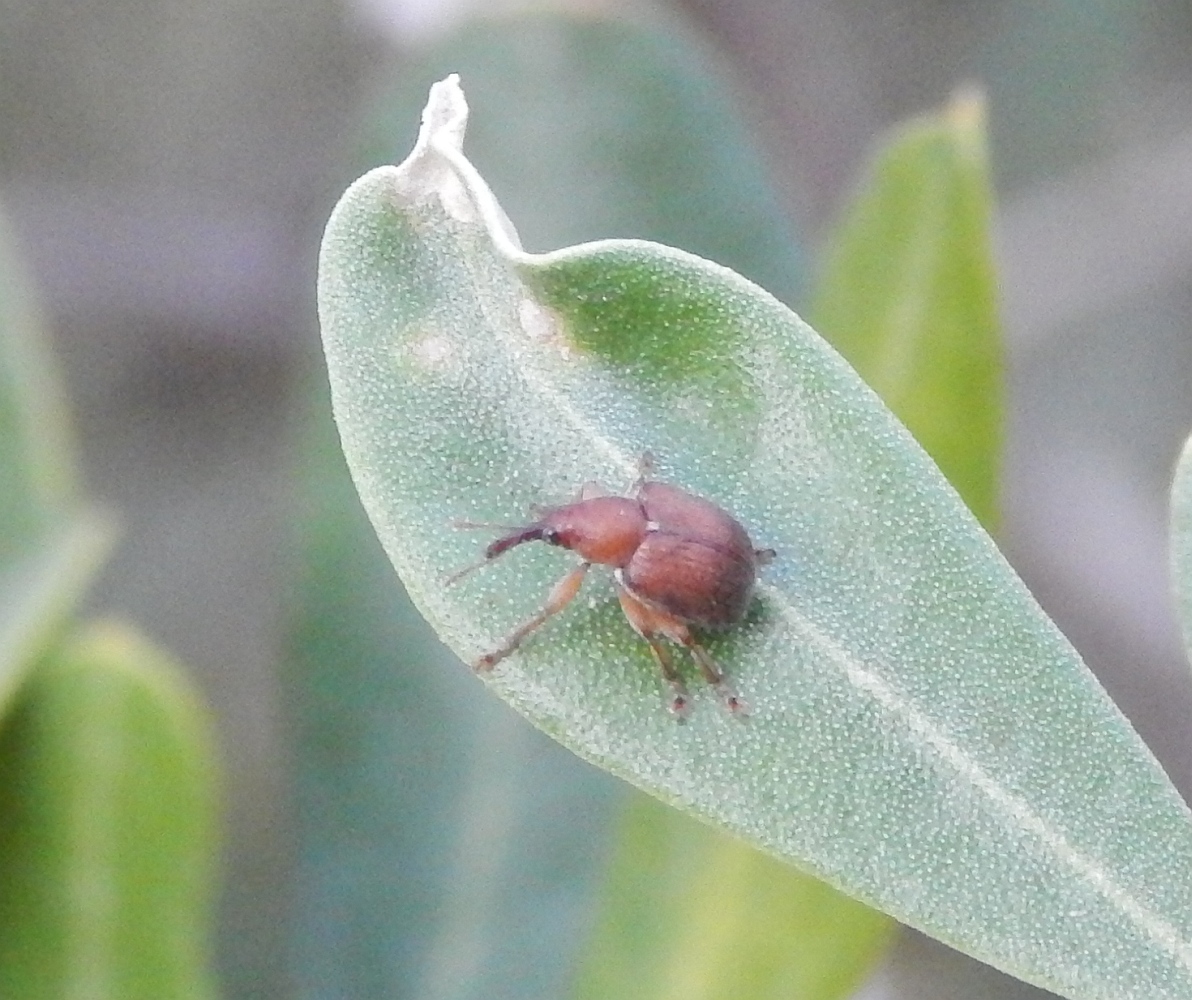
5-6 mm long beetle on olive tree (not in the list), It should be Rhodocyrtus cribripennis, a pest in olive tree plantations. Please identify. Yours sincerely Marián

Answer

Thank you for the request. Yes, it is Rhodocyrtus cribripennis. Best regards.MZ
Number of votes for this answer: 0

Pest

A - This species is not in the database yet

A - This species is not in the database yet

A - This species is not in the database yet

A - This species is not in the database yet

hmyz

Received: 8.7.2022
Wood: -
Number: 2374
Date of occurrence: 4.7.2022
Discussion

Add comment: A - This species is not in the database yet

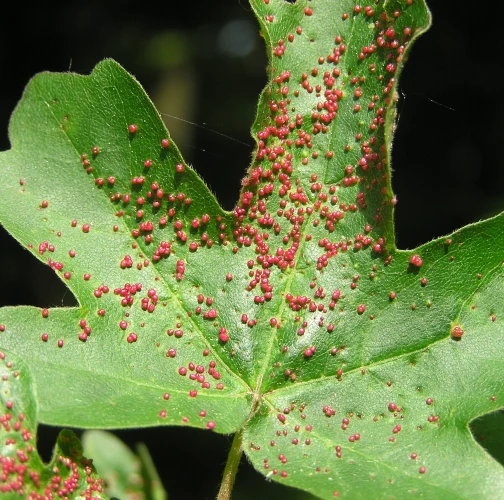
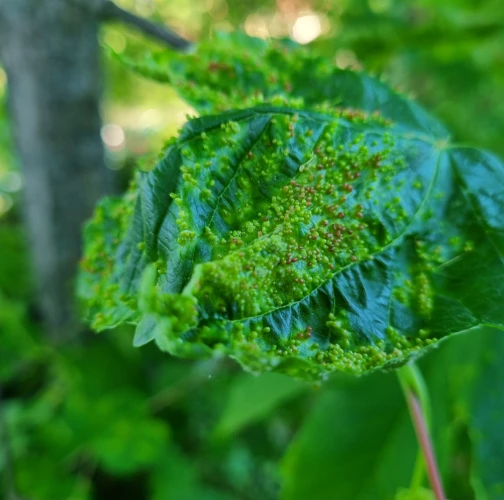
Gall mite Aceria cephalonea
Number: 2213
Received 23.5.2022
In progress: 0 days
Date of occurrence: 23.5.2022
Significance: Less harmful
Discussion
From: zahradkar
Assigned: M. Zúbrik
Country: Slovakia

Question

?

Answer

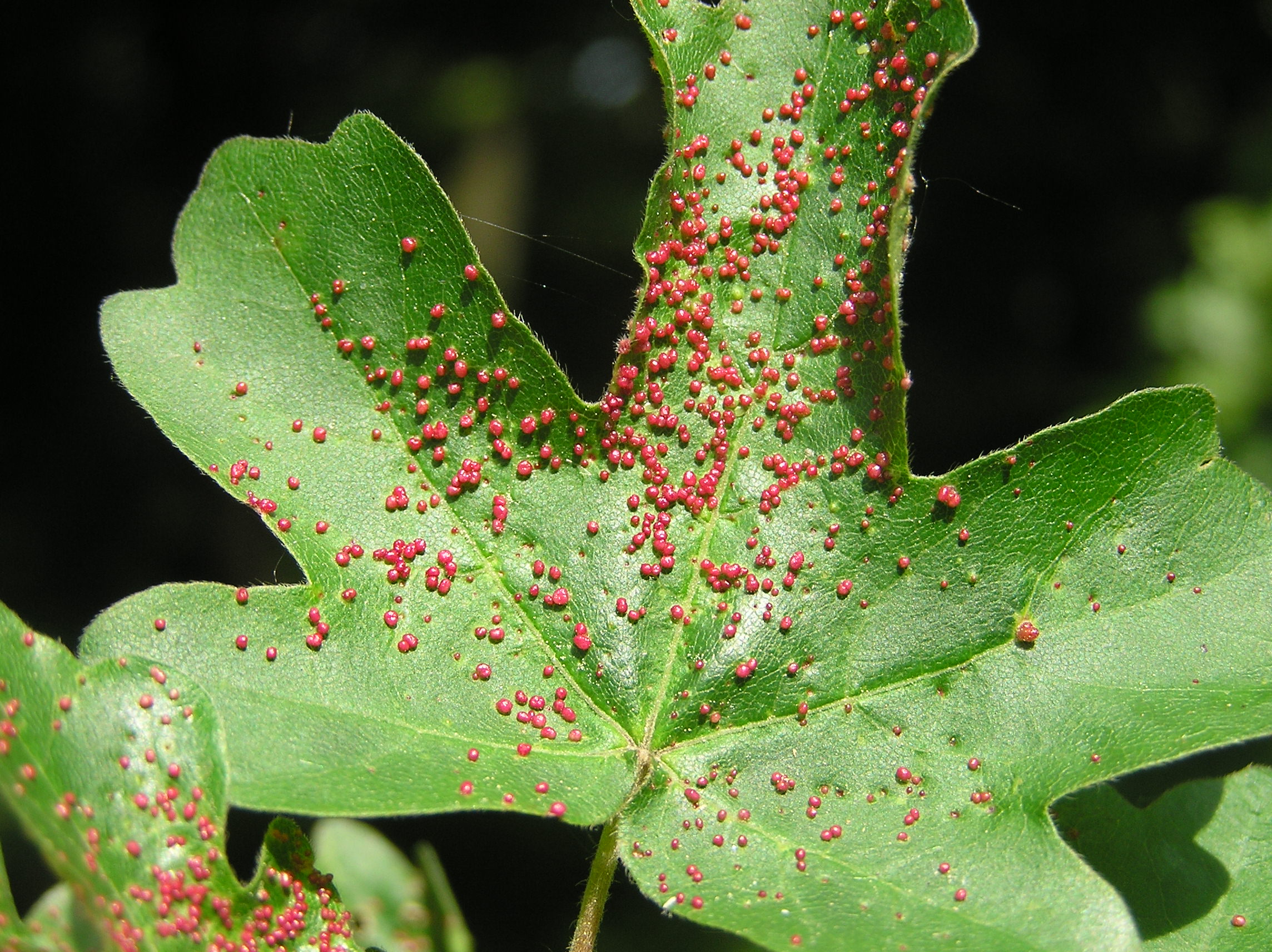
Thanks for request. It is mall mite Aceria macrorhynchus. Gall mittes are extremely tiny plant feeders cousend a swelling or felt coatings on a host trees. Have a nice day! MZ.
Number of votes for this answer: 0

Pest

Gall mite Aceria cephalonea

Aceria cephalonea

Gall mite Aceria cephalonea

Aceria cephalonea

roztoce

Received: 23.5.2022
Wood: Maple
Number: 2213
Date of occurrence: 23.5.2022
Discussion

Add comment: Gall mite Aceria cephalonea
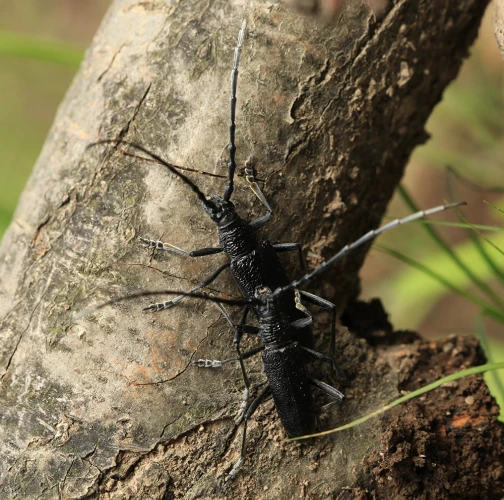
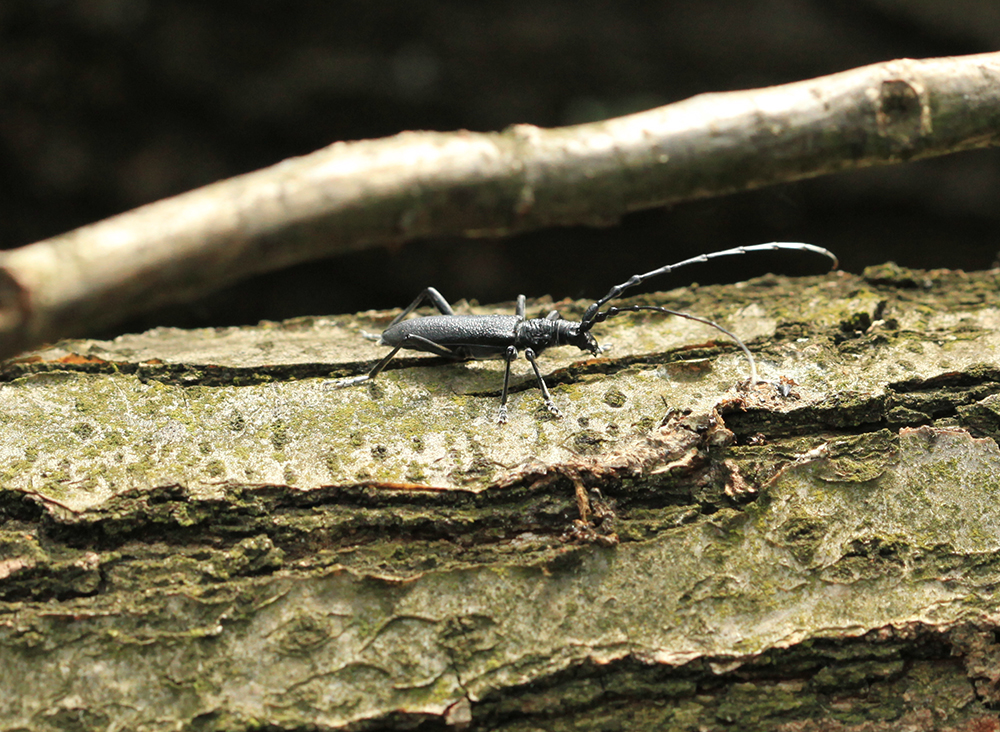
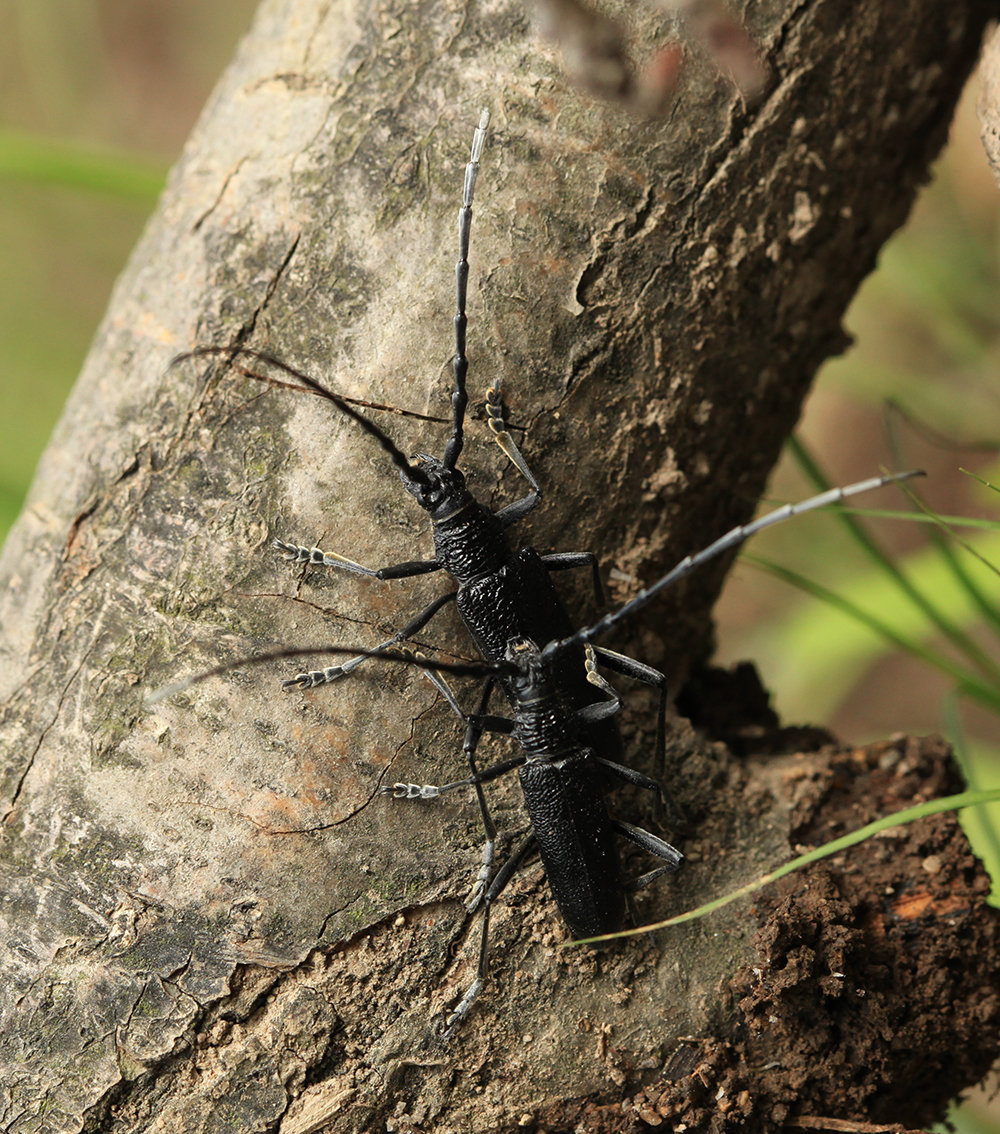
Long-horned beetle Cerambyx scopolii
Fuzáč bukovýFuzáč bukový
Long-horned beetle Cerambyx scopolii
Number: 2087
Received 12.4.2022
In progress: 0 days
Date of occurrence: 20.5.2021
Significance: Less harmful
Discussion
From: zahradkar
Assigned: M. Zúbrik
Country: Slovakia

Question

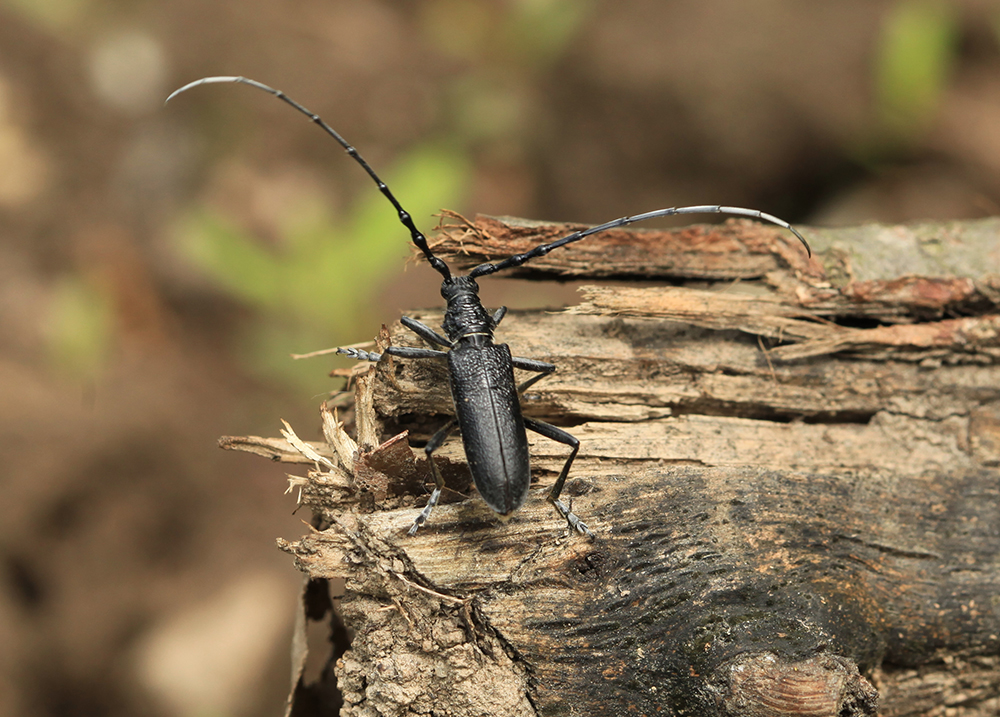
Large big black beetle...

Answer

Thanks for requests. This beetle is common in warm oak forests, it is Cerambyx scopoli. MZ
Number of votes for this answer: 0

Pest

Long-horned beetle Cerambyx scopolii

Cerambyx scopolii

Long-horned beetle Cerambyx scopolii

Cerambyx scopolii

hmyz

Received: 12.4.2022
Wood: Oak
Number: 2087
Date of occurrence: 20.5.2021
Discussion

Add comment: Long-horned beetle Cerambyx scopolii
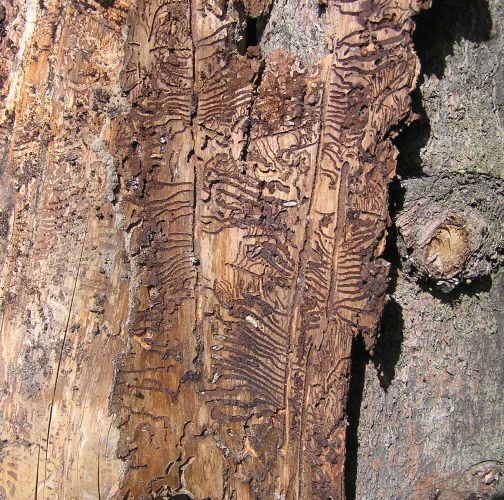
European spruce bark beetle
Number: 2058
Received 5.4.2022
In progress: 0 days
Date of occurrence: 14.7.2021
Significance: Very harmful
Discussion
From: Milan
Assigned: M. Zúbrik
Country: Slovakia

Question

What species?

Answer

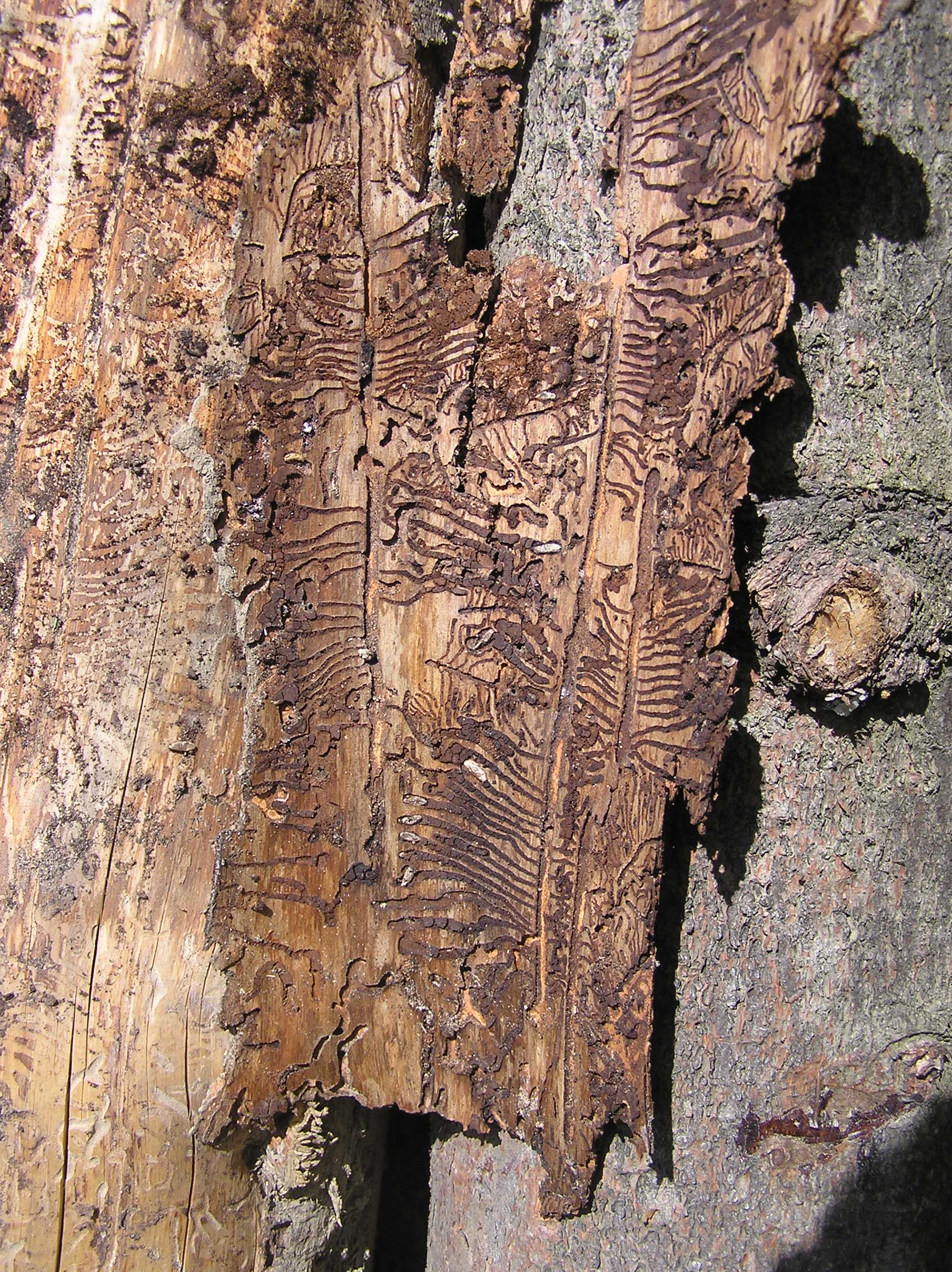
Ips typographus. MZ
Number of votes for this answer: 0

Pest

European spruce bark beetle

Ips typographus

European spruce bark beetle

Ips typographus

hmyz

Received: 5.4.2022
Wood: Spruce
Number: 2058
Date of occurrence: 14.7.2021
Discussion

Add comment: European spruce bark beetle
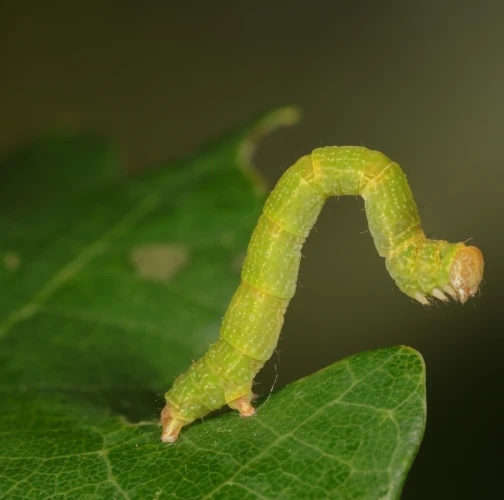
A - This species is not in the database yet
Number: 2055
Received 5.4.2022
In progress: 0 days
Date of occurrence: 5.4.2022
Significance:
Discussion
Assigned: M. Zúbrik
Country: Hungary

Question

Answer

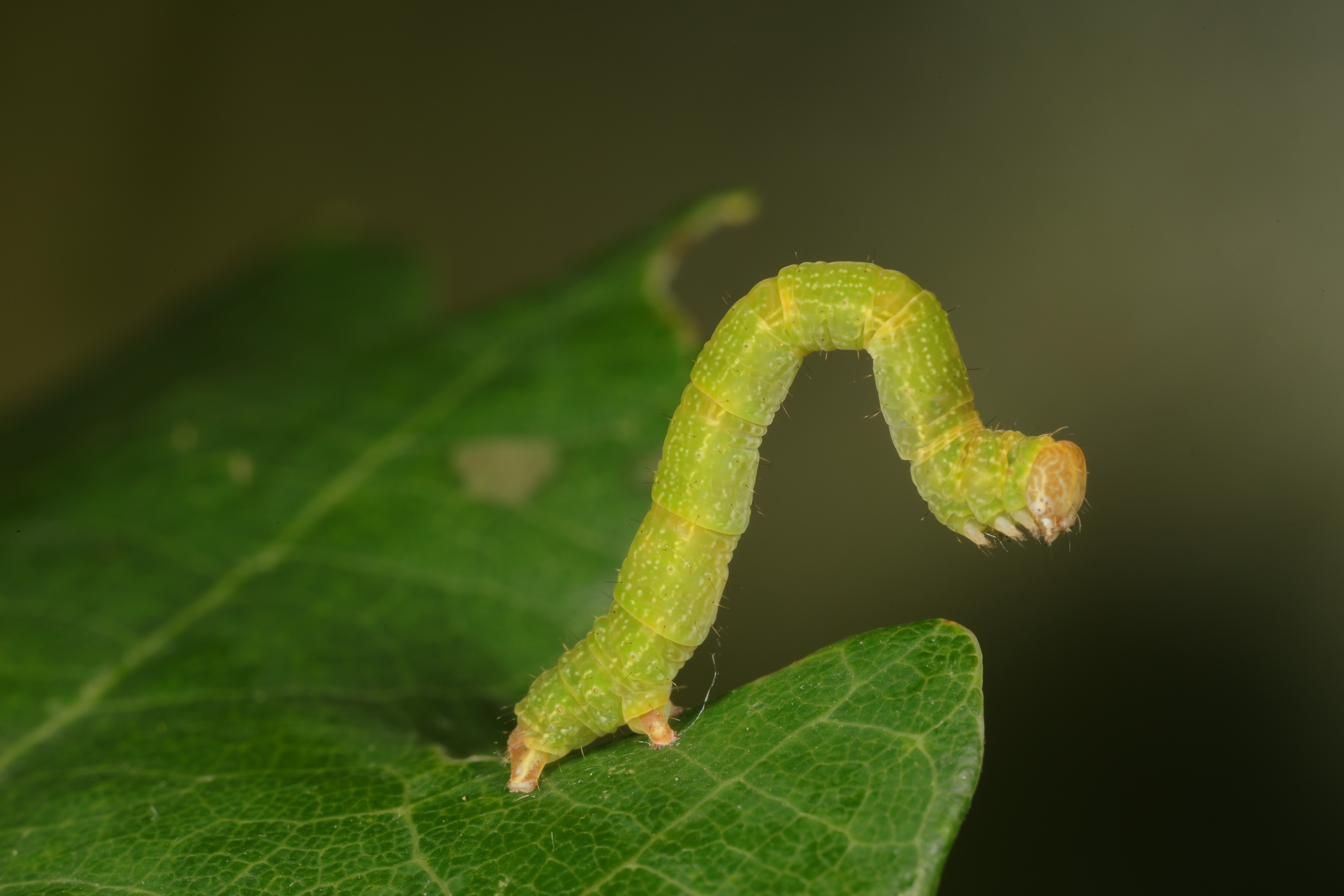
Thanks for request. It looks like this is a larvae of some geometrid moth, probably Cyclophora porata. Have a nice day. MZ
Number of votes for this answer: 0

Pest

A - This species is not in the database yet

A - This species is not in the database yet

A - This species is not in the database yet

A - This species is not in the database yet

hmyz

Received: 5.4.2022
Wood: Oak
Number: 2055
Date of occurrence: 5.4.2022
Discussion

Add comment: A - This species is not in the database yet

Gall mite Aceria myriadeum
Number: 2039
Received 5.4.2022
In progress: 0 days
Date of occurrence: 8.6.2021
Significance: Less harmful
Discussion
Assigned: M. Zúbrik
Country: Slovakia

Question

????

Answer

This is mite on maple - Aceria macrorhynchus. Have a nice day. MZ
Number of votes for this answer: 1

Pest

Gall mite Aceria myriadeum

Aceria myriadeum

Gall mite Aceria myriadeum

Aceria myriadeum

roztoce

Received: 5.4.2022
Wood: Maple
Number: 2039
Date of occurrence: 8.6.2021
Discussion

Add comment: Gall mite Aceria myriadeum

Rosalia longhorn
Rosalia longhorn
Number: 2038
Received 5.4.2022
In progress: 0 days
Date of occurrence: 13.7.2021
Significance: Less harmful
Discussion
From: majo
Assigned: M. Zúbrik
Country: Slovakia

Question

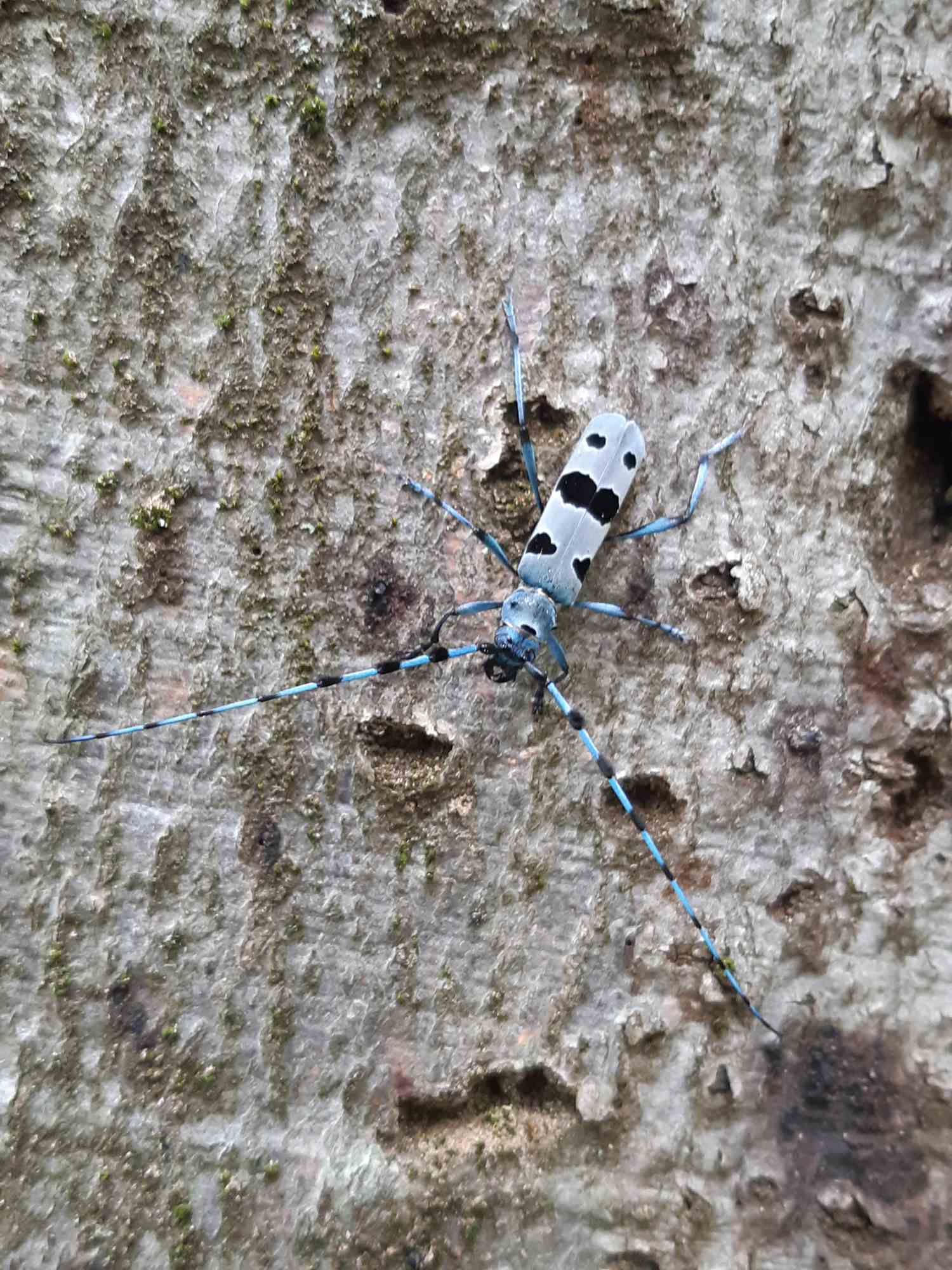
approx 30 mm, Rosalia alpina

Answer

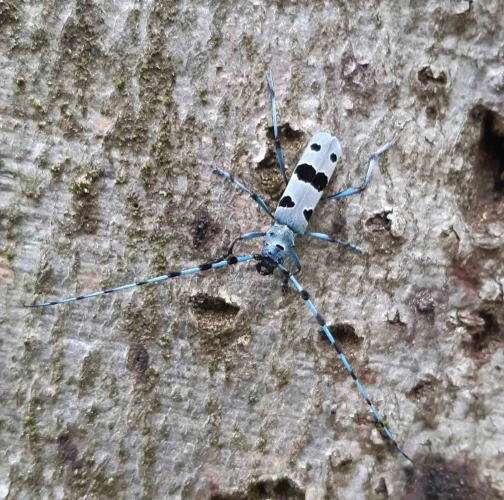
Yes, this is an adult of a very nice beetle that can occasionaly damage the trees - Rosalia alpina. More about rosalia longhorn Rosalia alpina here: https://www.skodcoviadrevin.sk/pest/rosalia-longhorn. Best regards.MZ
Number of votes for this answer: 1

Pest

Rosalia longhorn

Rosalia alpina

Rosalia longhorn

Rosalia alpina

hmyz

Received: 5.4.2022
Wood: Beech
Number: 2038
Date of occurrence: 13.7.2021
Discussion

Add comment: Rosalia longhorn

Six-toothed pine bark beetle
Lykožrút borovicový Lykožrút borovicový
Six-toothed pine bark beetle
Number: 2031
Received 3.4.2022
In progress: 0 days
Date of occurrence: 21.7.2021
Significance: Very harmful
Discussion
From: zahradkar
Assigned: M. Zúbrik
Country: Slovakia

Question

Thank you for identification.

Answer

It is Ips sexdentatus, one from the largerst bark beetles in Europe. Best regards MZ
Number of votes for this answer: 1

Pest

Six-toothed pine bark beetle

Ips sexdentatus

Six-toothed pine bark beetle

Ips sexdentatus

hmyz

Received: 3.4.2022
Wood: Pine
Number: 2031
Date of occurrence: 21.7.2021
Discussion

Add comment: Six-toothed pine bark beetle

European spruce bark beetle
Number: 2017
Received 1.4.2022
In progress: 0 days
Significance: Very harmful
Discussion
From: zahradkar
Assigned: M. Zúbrik
Country: Slovakia

Question

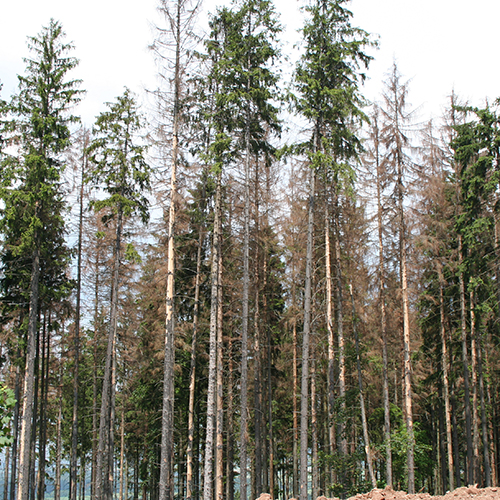
Common spruce trees heavily damaged by some pest. Can you please suggest the reason of damage?

Answer

Trees were damaged by very common pest in that area - Ips typographus. Best regards. MZ
Number of votes for this answer: 0

Pest

European spruce bark beetle

Ips typographus

European spruce bark beetle

Ips typographus

hmyz

Received: 1.4.2022
Wood: Spruce
Number: 2017
Date of occurrence: -
Discussion

Add comment: European spruce bark beetle
Back to top