Login | Registration | List of contributors

Requests to determine the cause of damage

Here you can request to determine the cause of the damage. You can view the requests of other users and sort them according to the selected criteria. In addition, you can get information about your request, and you can follow the progress of its current state. If your application was not approved, it had probably been because it was impossible to identify the damage based on the sent photos or because the application does not address our topic - determining the pests of trees and shrubs. We will inform you about the status of your application by email.

Filter reset

Code
Date
Assigned
Status
Days from submission
7442
10.2.2026
J. Galko
In progress
17

Rejected requests are not displayed. You have been notified by email that your application has been denied.
 

A - This species is not in the database yet
A - This species is not in the database yetA - This species is not in the database yetA - This species is not in the database yet
A - This species is not in the database yet
Number: 4920
Received 5.8.2024
In progress: 0 days
Date of occurrence: 5.8.2024
Significance:
Discussion
From: froukje
Assigned: M. Zúbrik
Country: The Netherlands

Question

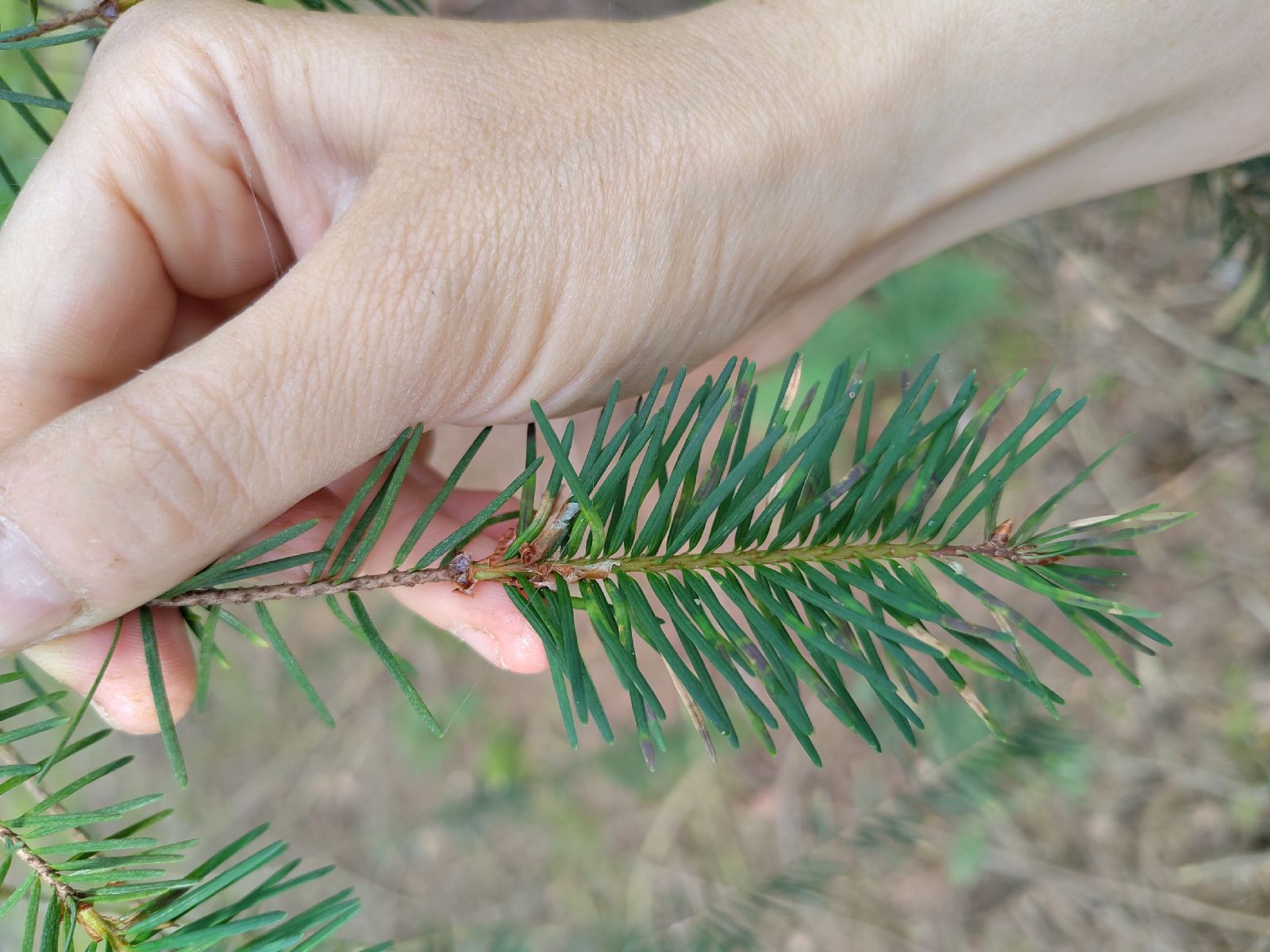
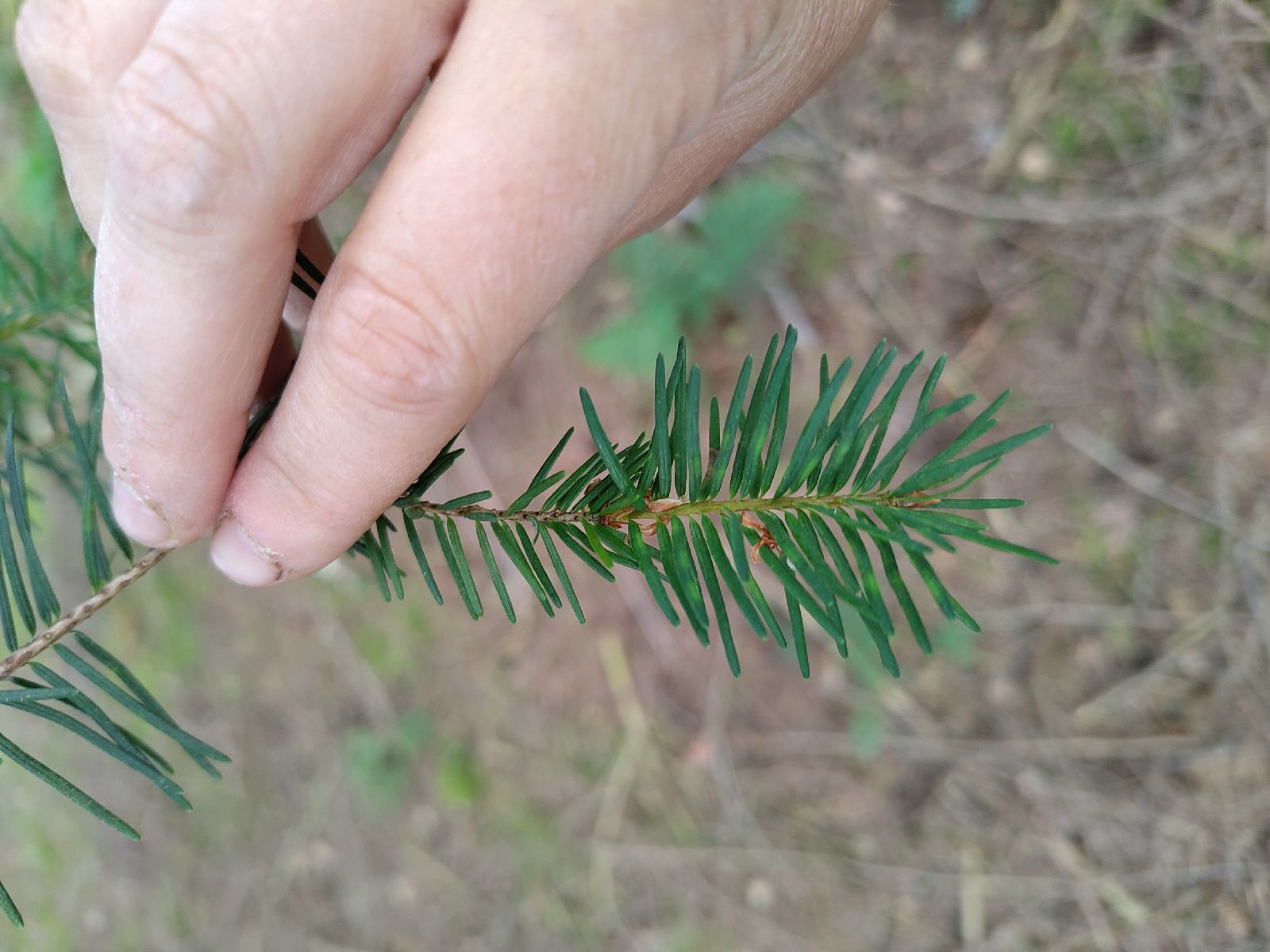
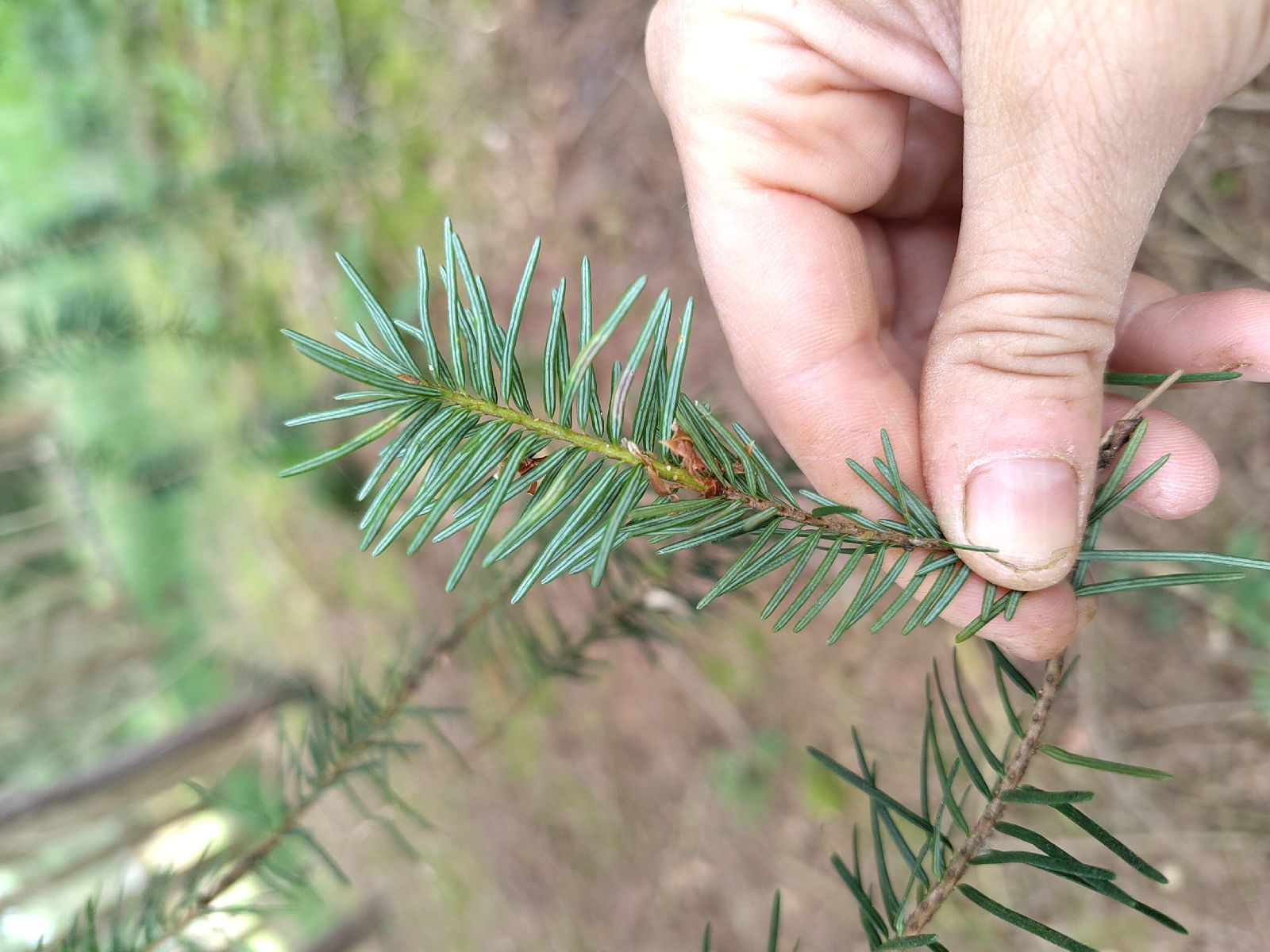
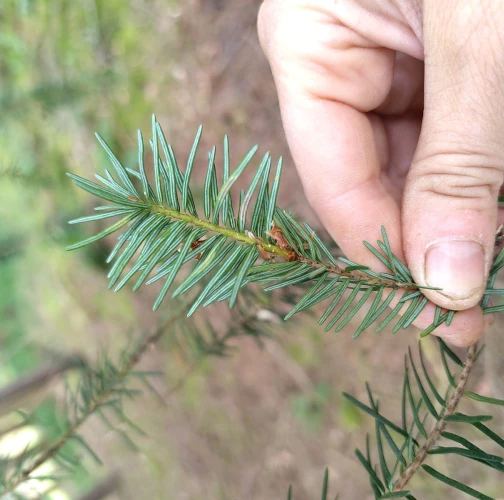
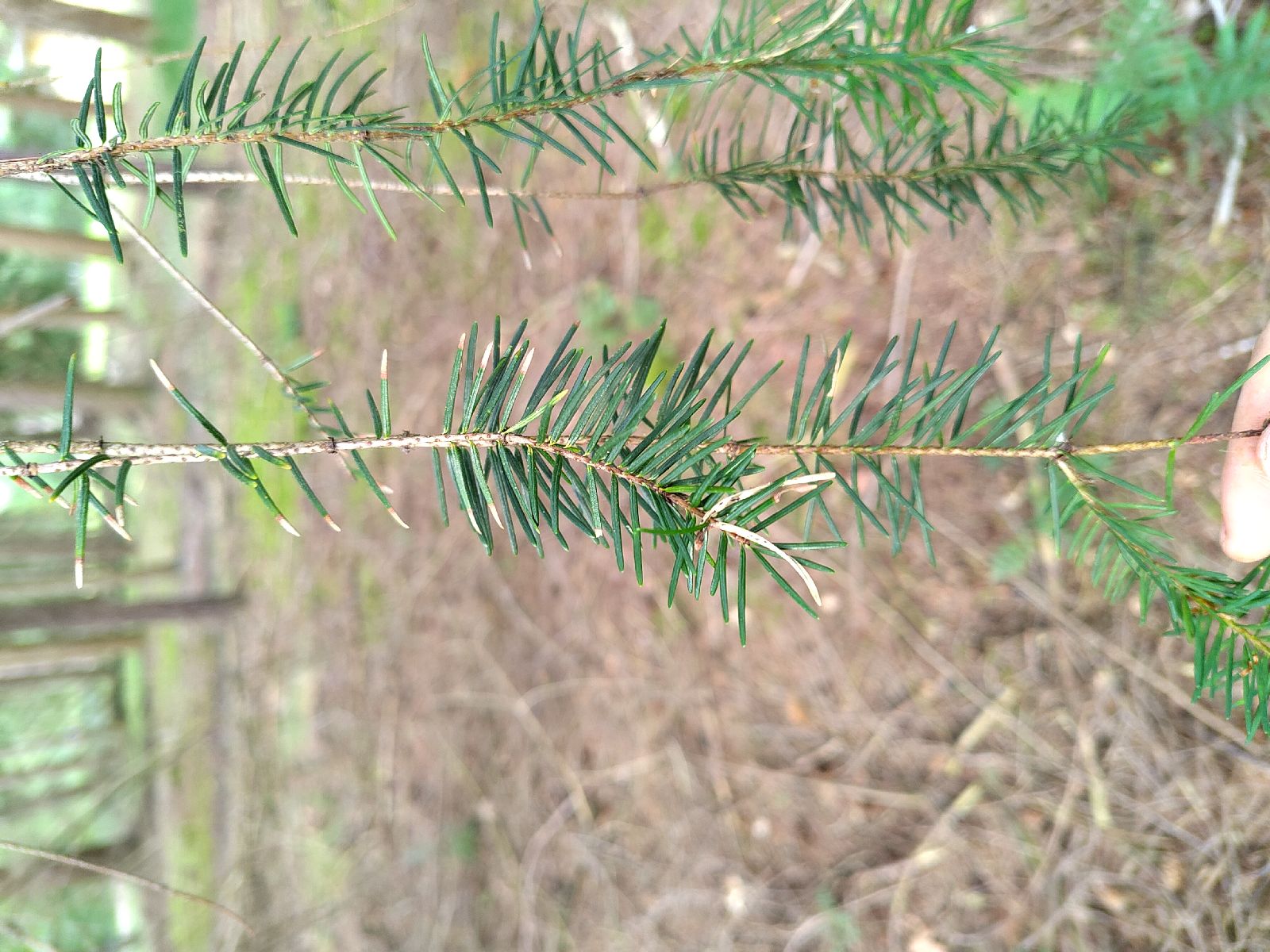
Discolouring spots on the needles. light green first then blue/black. It looks like chrysomyxa, but that does not occur on douglas? some sort of snout beetle?

Answer

Dear froukje, thank you for your inquiry. I have noticed some symptoms that suggest the presence of Douglas-fir needle midge, Contarinia pseudotsugae. This species is not native to Europe and should occur in your area, as it was already introduced to Europe from NA. Further investigation will be necessary to fully confirm its presence. With best regards, M. Zubrik
Number of votes for this answer: 0

Pest

A - This species is not in the database yet

A - This species is not in the database yet

A - This species is not in the database yet

A - This species is not in the database yet

Received: 5.8.2024
Wood: Douglas Fir
Number: 4920
Date of occurrence: 5.8.2024
Discussion

Add comment: A - This species is not in the database yet

Codling moth
Codling moth
Number: 4876
Received 26.7.2024
In progress: 0 days
Date of occurrence: 26.7.2024
Significance: Harmful
Discussion
Assigned: M. Zúbrik
Country: Slovakia

Question

Answer

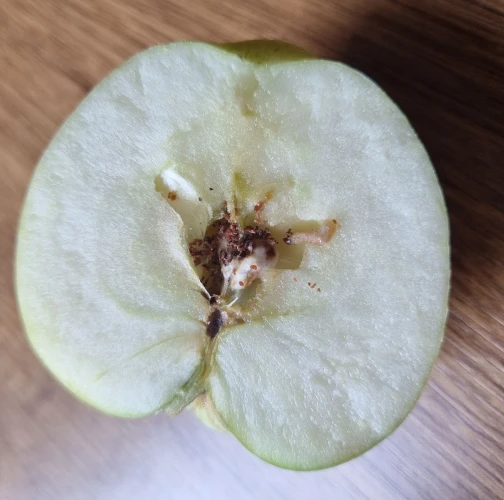
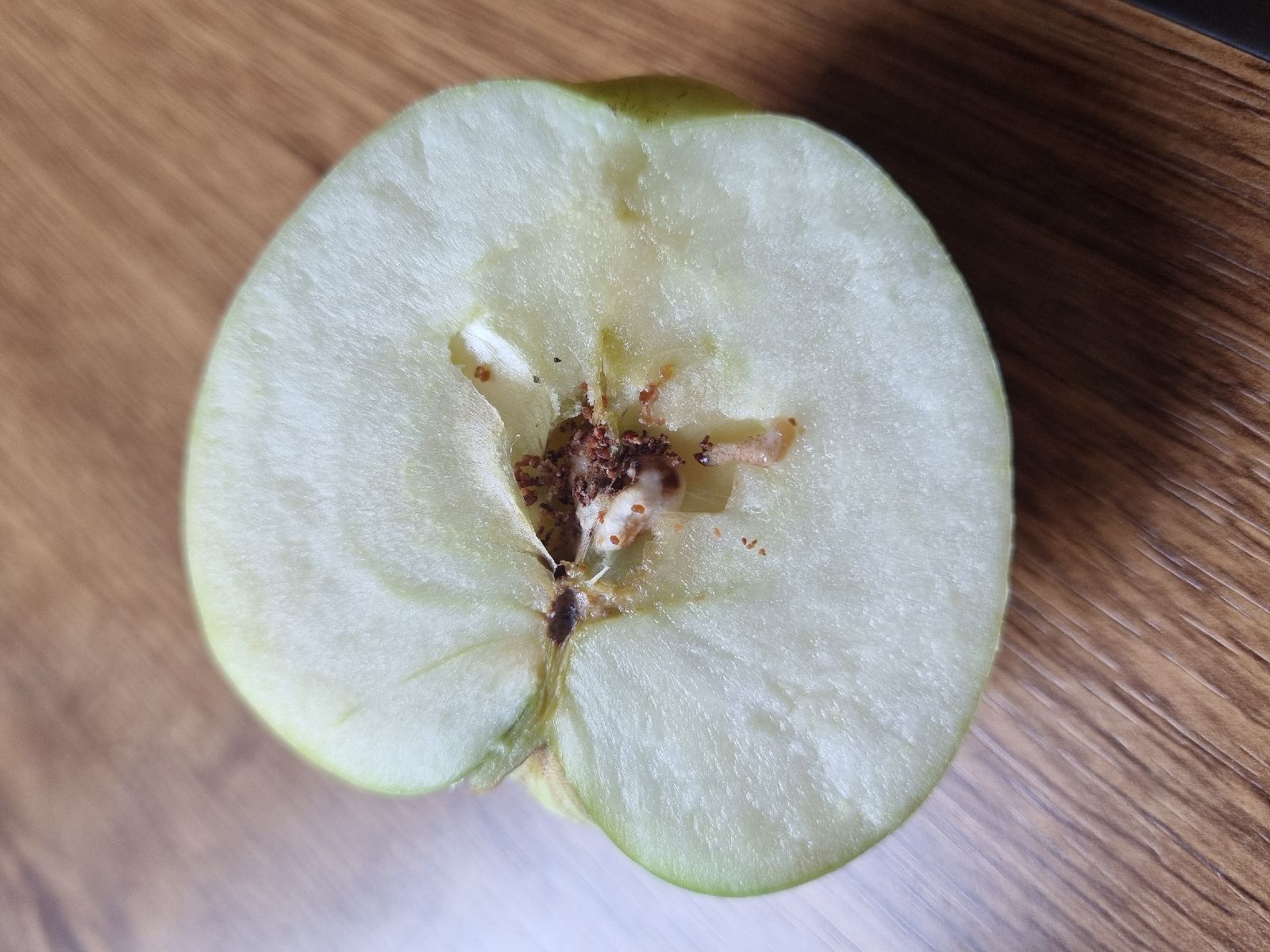
Monitoring: C. pomonella
Number of votes for this answer: 0

Pest

Codling moth

Cydia pomonella

Codling moth

Cydia pomonella

hmyz

Received: 26.7.2024
Wood: Maple
Number: 4876
Date of occurrence: 26.7.2024
Discussion

Add comment: Codling moth

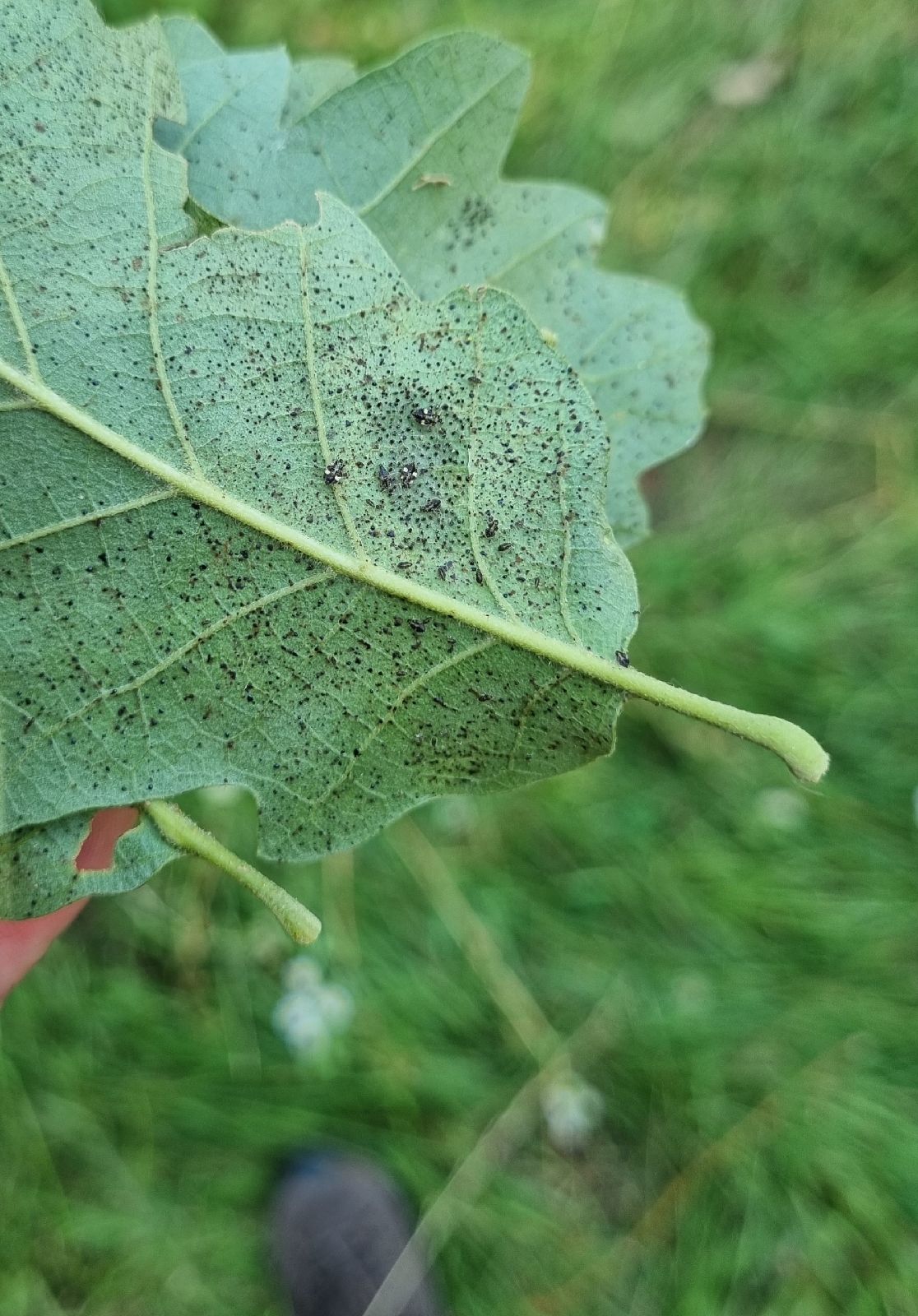
Oak lace bug
Oak lace bug
Number: 4875
Received 26.7.2024
In progress: 0 days
Date of occurrence: 11.7.2024
Significance: Harmful
Discussion
Assigned: M. Zúbrik
Country: Slovakia

Question

Answer

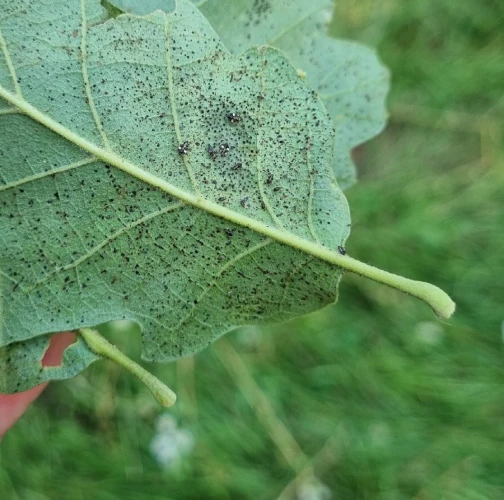
Monitoring: C. arcuata
Number of votes for this answer: 0

Pest

Oak lace bug

Corythucha arcuata

Oak lace bug

Corythucha arcuata

hmyz

Received: 26.7.2024
Wood: Oak
Number: 4875
Date of occurrence: 11.7.2024
Discussion

Add comment: Oak lace bug

A - Ambiguously determined, we are not sure
Number: 4861
Received 24.7.2024
In progress: 1 days
Date of occurrence: 24.7.2024
Significance:
Discussion
From: Fran
Assigned: J. Galko
Country: Spain

Question

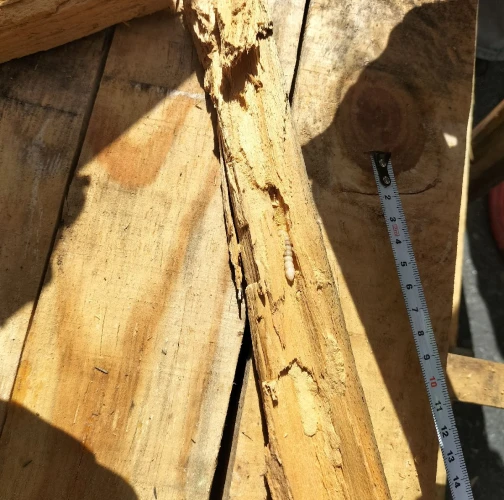
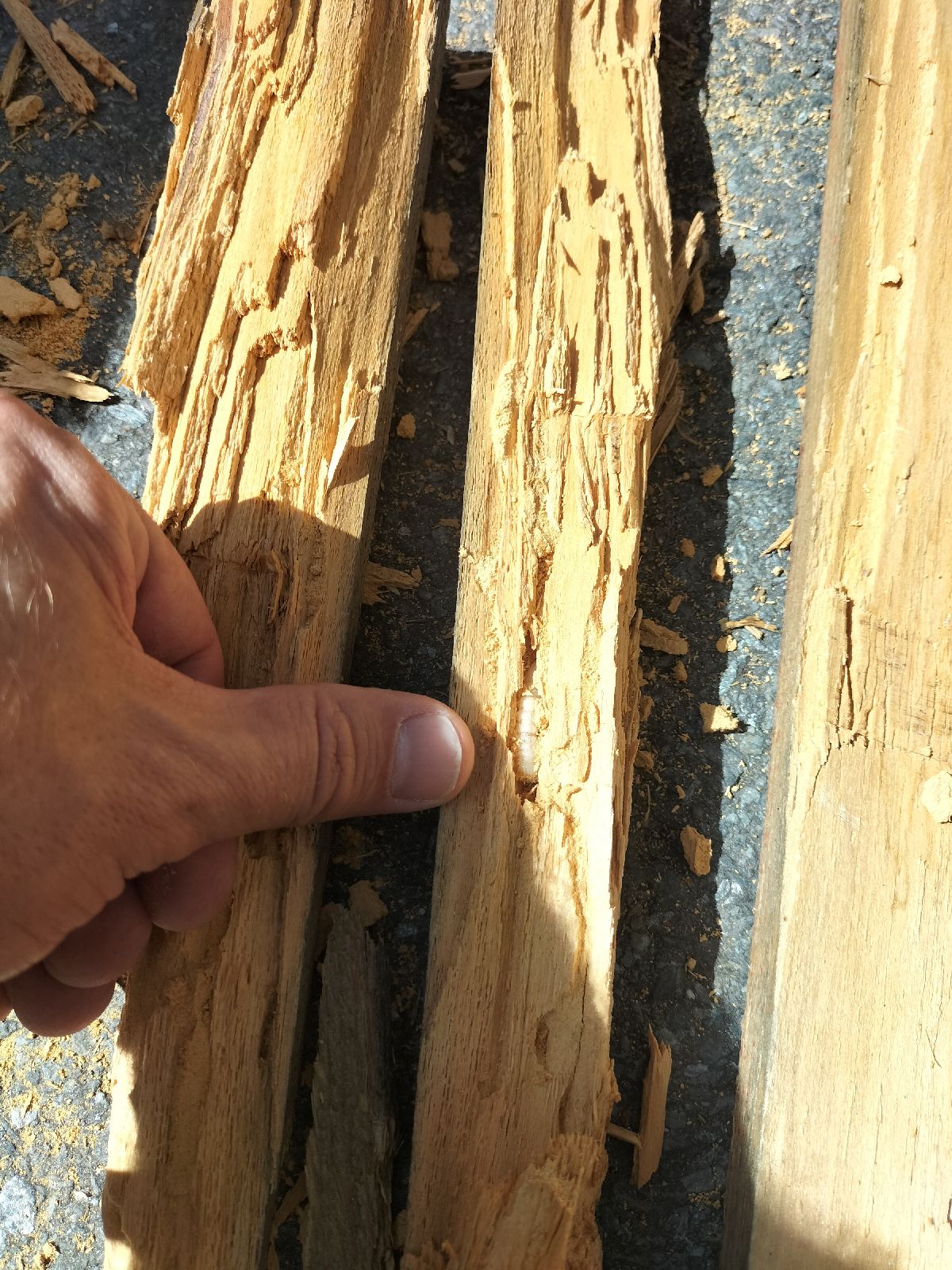
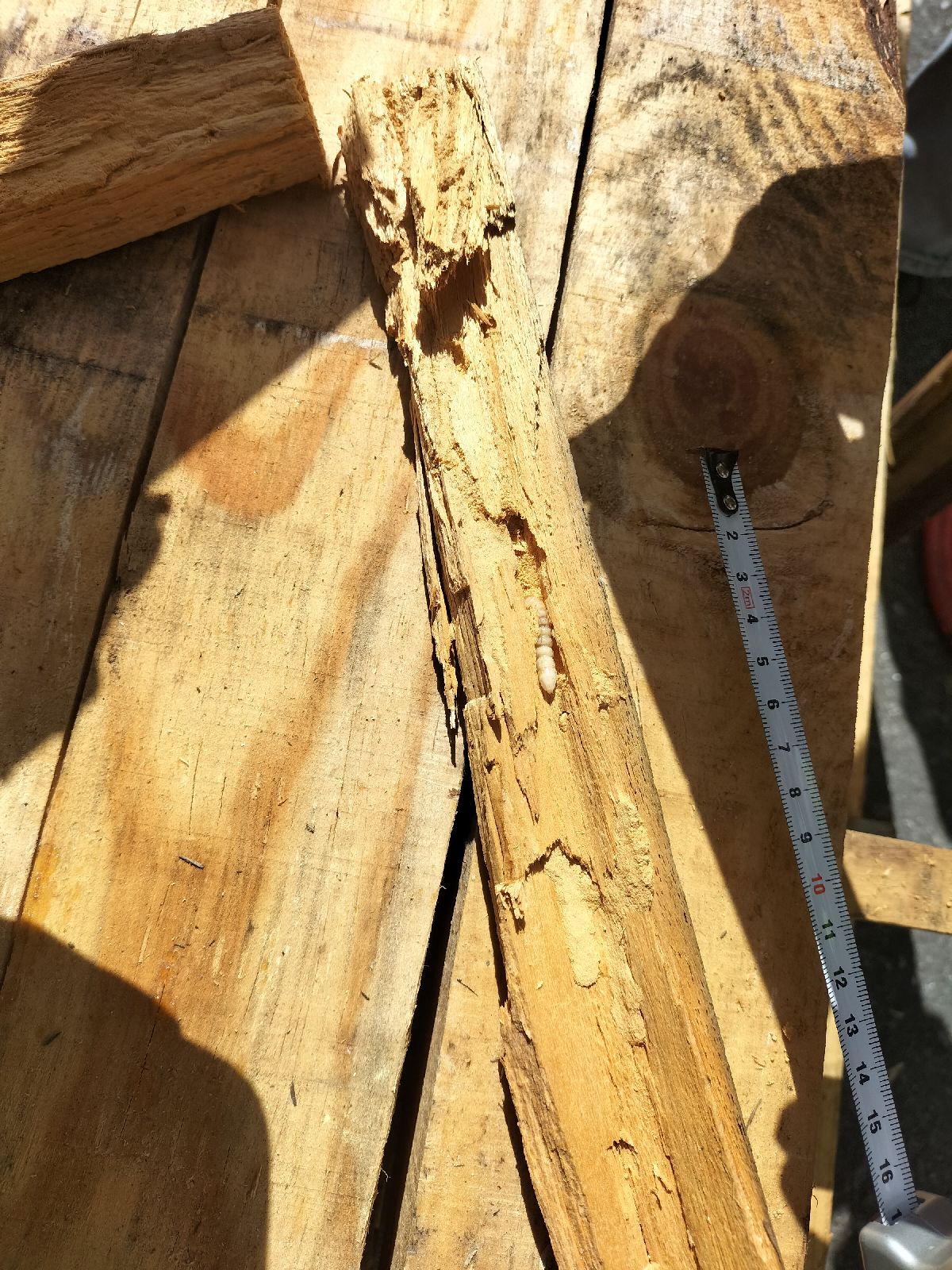
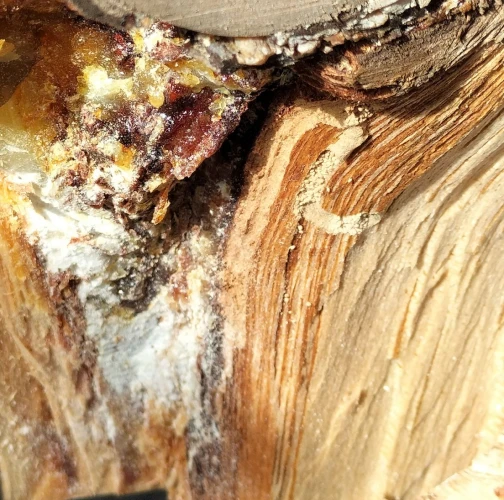
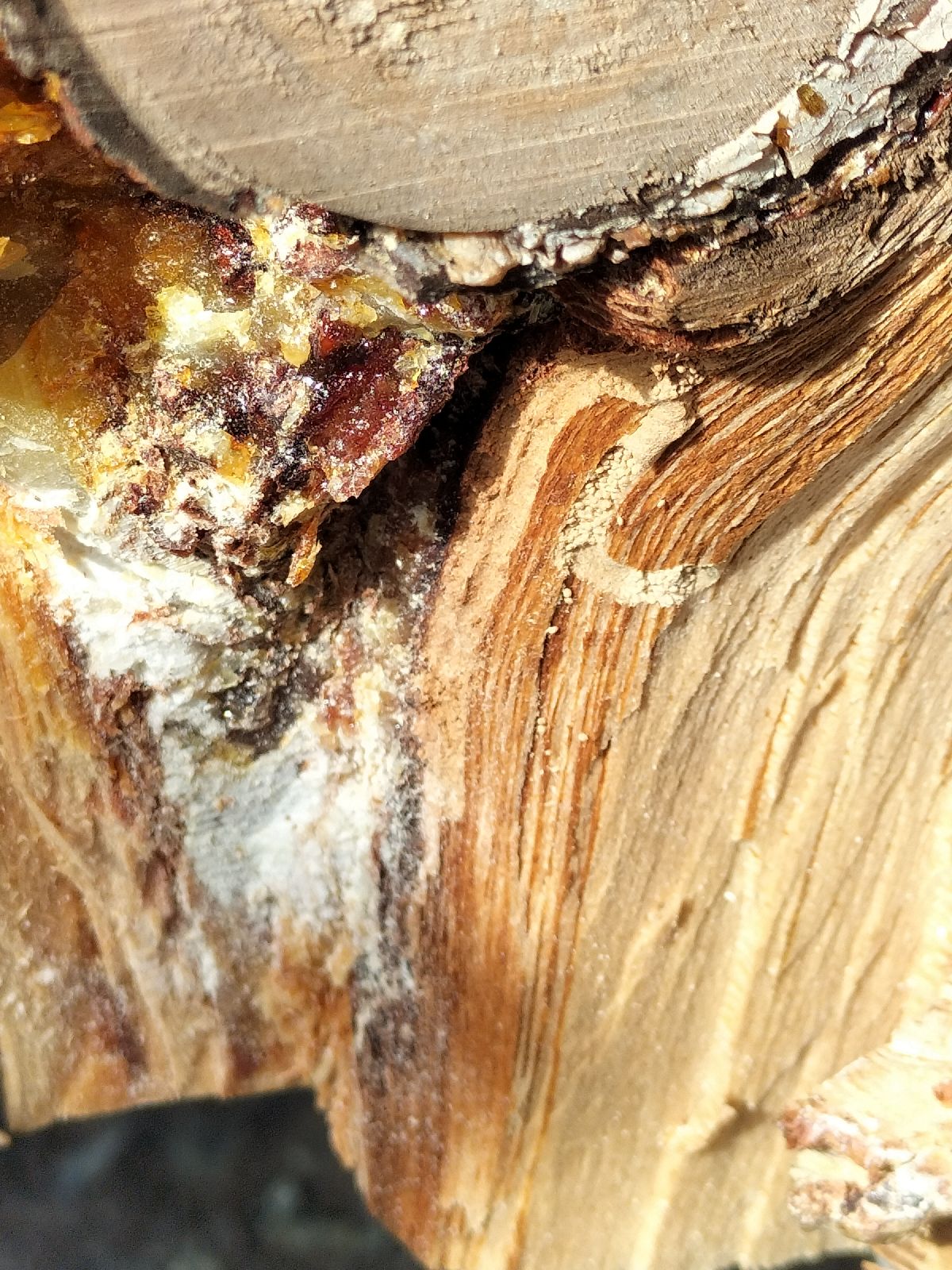
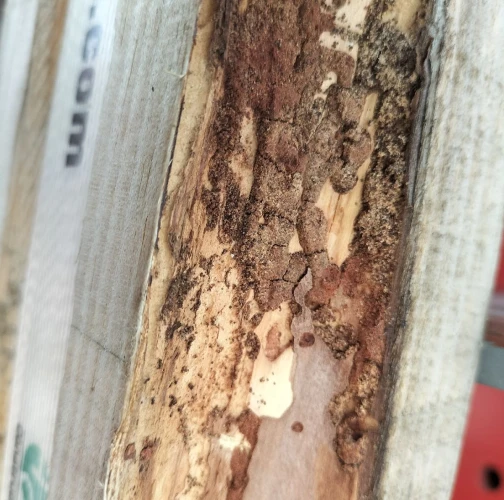
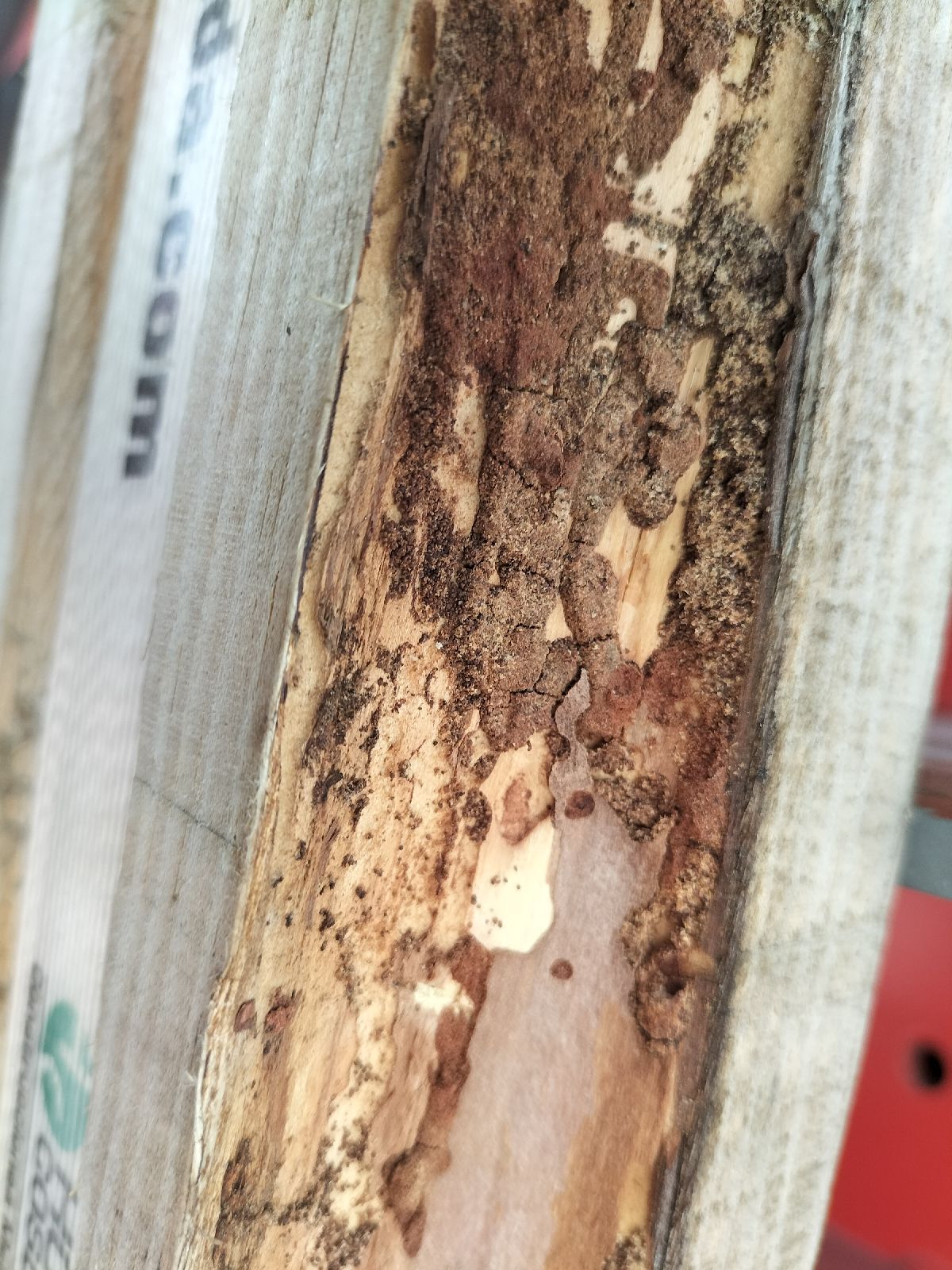
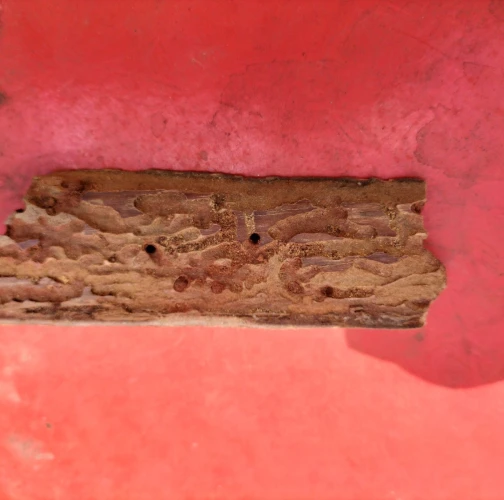
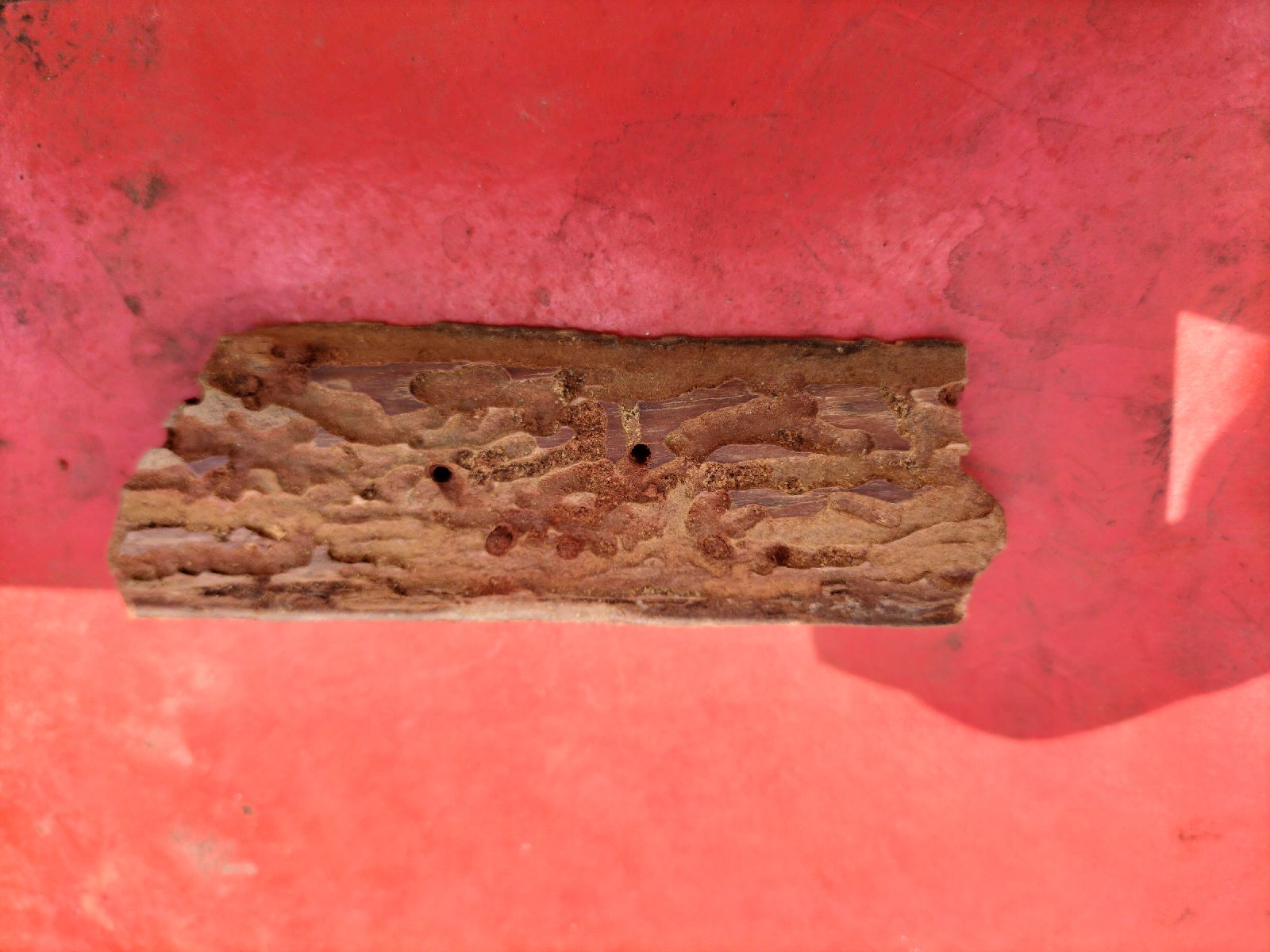
The larvae were found on a cut piece of wood. Thank you!

Answer

Hello Fran. According to the body shape of the larvae it belongs to Cerambycidae family. It could be several cerambycid species but we are not sure which one it is. If you will see the imago then make a picture and send another request. All the best, Juraj.
Number of votes for this answer: 0

Pest

A - Ambiguously determined, we are not sure
A - Ambiguously determined, we are not sure
A - Ambiguously determined, we are not sure
A - Ambiguously determined, we are not sure
hmyz

Received: 24.7.2024
Wood: Pine
Number: 4861
Date of occurrence: 24.7.2024
Discussion

Add comment: A - Ambiguously determined, we are not sure
A - Ambiguously determined, we are not sure
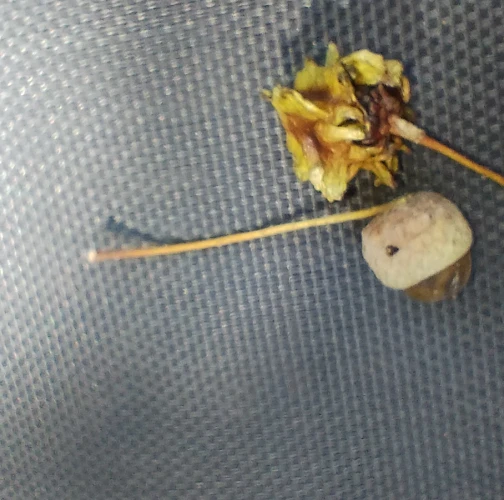
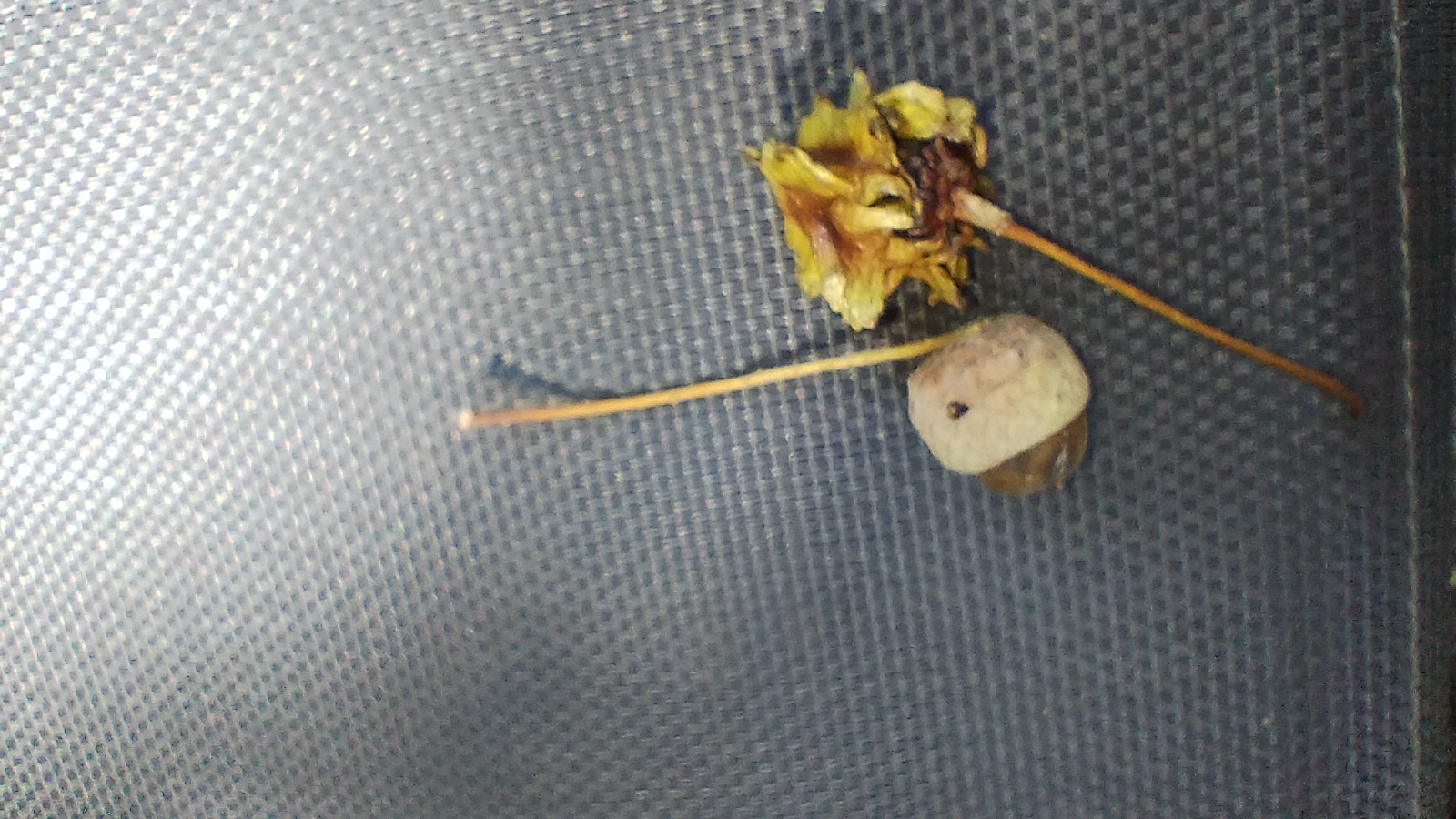
Number: 4860
Received 24.7.2024
In progress: 0 days
Date of occurrence: 24.7.2024
Significance:
Discussion
Assigned: M. Zúbrik
Country: France

Question

Answer

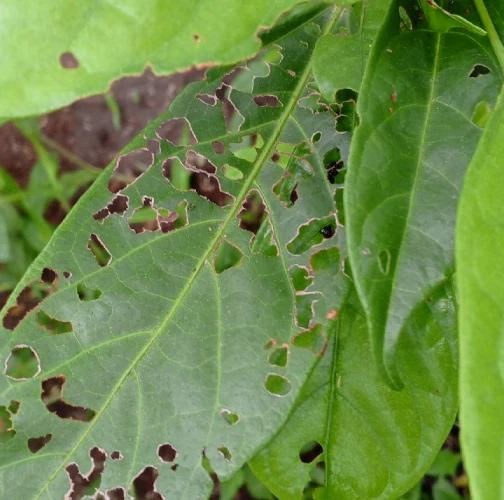
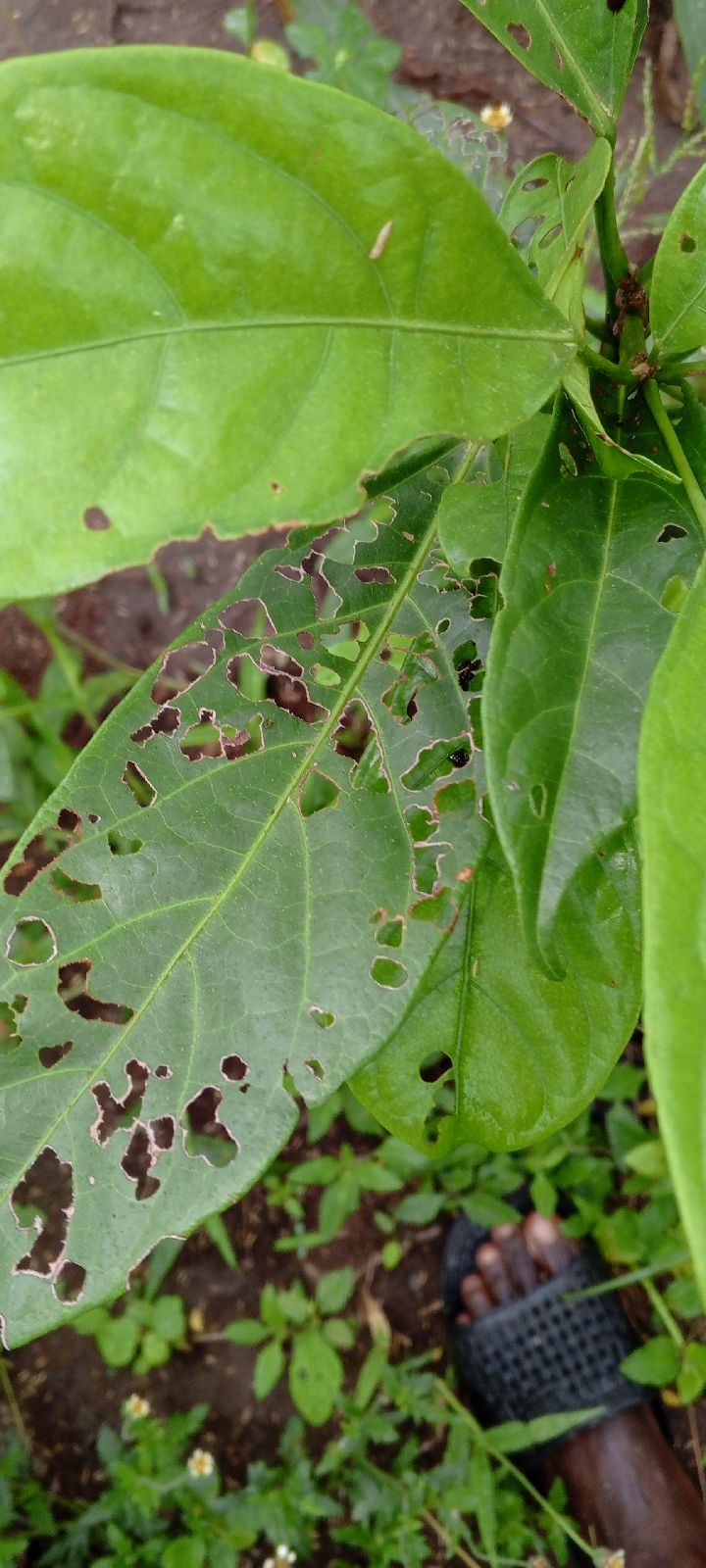
Dear Roméo, thank for your inquiry. Unfortunately there is definitivelly not mulberry on the picture - as you stated in the request. I can not idetified the plant species. Also it looks like it is not photographed on European continent so we can not help you with idetification as we do not know african species. It looks like eaten by some adult beetles. But that can be also something different. Wish you have a nice day. M. Zubrik
Number of votes for this answer: 0

Pest

A - Ambiguously determined, we are not sure

A - Ambiguously determined, we are not sure

A - Ambiguously determined, we are not sure

A - Ambiguously determined, we are not sure

hmyz

Received: 24.7.2024
Wood: Mulberry
Number: 4860
Date of occurrence: 24.7.2024
Discussion

Add comment: A - Ambiguously determined, we are not sure

A - Ambiguously determined, we are not sure
Number: 4848
Received 21.7.2024
In progress: 1 days
Date of occurrence: 21.7.2024
Significance:
Discussion
From: Fran
Assigned: J. Vakula
Country: Spain

Question

Answer

Hello,I think that it is a species from Curculionidae. May be Magdalis frontalis. I am not sure.Best regardsJozef Vakula
Number of votes for this answer: 0

Pest

A - Ambiguously determined, we are not sure

A - Ambiguously determined, we are not sure

A - Ambiguously determined, we are not sure

A - Ambiguously determined, we are not sure

hmyz

Received: 21.7.2024
Wood: Pine
Number: 4848
Date of occurrence: 21.7.2024
Discussion

Add comment: A - Ambiguously determined, we are not sure

A - Ambiguously determined, we are not sure
Number: 4847
Received 21.7.2024
In progress: 1 days
Date of occurrence: 20.7.2024
Significance:
Discussion
From: Fran
Assigned: J. Vakula
Country: Spain

Question

Answer

Hello,I think that it is a species from Curculionidae. May be Magdalis frontalis. I am not sure.Best regardsJozef Vakula
Number of votes for this answer: 0

Pest

A - Ambiguously determined, we are not sure

A - Ambiguously determined, we are not sure

A - Ambiguously determined, we are not sure

A - Ambiguously determined, we are not sure

hmyz

Received: 21.7.2024
Wood: Pine
Number: 4847
Date of occurrence: 20.7.2024
Discussion

Add comment: A - Ambiguously determined, we are not sure

A - Ambiguously determined, we are not sure
Number: 4846
Received 21.7.2024
In progress: 1 days
Date of occurrence: 20.7.2024
Significance:
Discussion
From: Fran
Assigned: J. Vakula
Country: Spain

Question

Answer

Hello,I think that it is a species from Curculionidae. May be Magdalis frontalis. I am not sure.Best regardsJozef Vakula
Number of votes for this answer: 0

Pest

A - Ambiguously determined, we are not sure

A - Ambiguously determined, we are not sure

A - Ambiguously determined, we are not sure

A - Ambiguously determined, we are not sure

hmyz

Received: 21.7.2024
Wood: Pine
Number: 4846
Date of occurrence: 20.7.2024
Discussion

Add comment: A - Ambiguously determined, we are not sure

Knopper gall
Knopper gall
Number: 4842
Received 19.7.2024
In progress: 0 days
Date of occurrence: 19.7.2024
Significance: Less harmful
Discussion
From: Stoyanov
Assigned: M. Zúbrik
Country: Bulgaria

Question

Answer

Thank you for your request. In the picture, there is an Andricus quercuscalicis knopper gall wasp. I wish you have a nice day. Best regards M. Zubrik
Number of votes for this answer: 0

Pest

Knopper gall

Andricus quercuscalicis

Knopper gall

Andricus quercuscalicis

hmyz

Received: 19.7.2024
Wood: Oak
Number: 4842
Date of occurrence: 19.7.2024
Discussion

Add comment: Knopper gall

Oak splendour beetle
Number: 4825
Received 14.7.2024
In progress: 1 days
Date of occurrence: 14.7.2024
Significance: Very harmful
Discussion
From: Jer Nusse
Assigned: J. Galko
Country: The Netherlands

Question

Answer

Horizontal tunnels on oaks like this are created by Agrilus biguttatus larvae. This gallery looks pretty old. All the best, JG.
Number of votes for this answer: 0

Pest

Oak splendour beetle

Agrilus biguttatus

Oak splendour beetle

Agrilus biguttatus

hmyz

Received: 14.7.2024
Wood: Oak
Number: 4825
Date of occurrence: 14.7.2024
Discussion

Add comment: Oak splendour beetle

Euonymus scale
Euonymus scale
Number: 4815
Received 11.7.2024
In progress: 0 days
Date of occurrence: 11.7.2024
Significance: Harmful
Discussion
Assigned: M. Zúbrik
Country: Slovakia

Question

Answer

Monitoring: Unaspis euonymi
Number of votes for this answer: 0

Pest

Euonymus scale

Unaspis euonymi

Euonymus scale

Unaspis euonymi

hmyz

Received: 11.7.2024
Wood: Spindle
Number: 4815
Date of occurrence: 11.7.2024
Discussion

Add comment: Euonymus scale

Back to top