Login | Registration | List of contributors

Requests to determine the cause of damage

Here you can request to determine the cause of the damage. You can view the requests of other users and sort them according to the selected criteria. In addition, you can get information about your request, and you can follow the progress of its current state. If your application was not approved, it had probably been because it was impossible to identify the damage based on the sent photos or because the application does not address our topic - determining the pests of trees and shrubs. We will inform you about the status of your application by email.

Filter reset

Code
Date
Assigned
Status
Days from submission
7442
10.2.2026
J. Galko
In progress
17

Rejected requests are not displayed. You have been notified by email that your application has been denied.
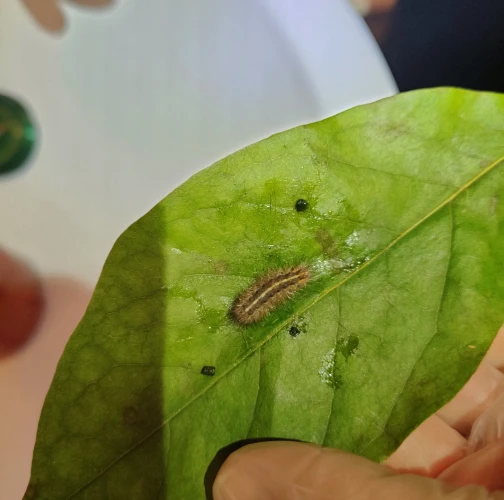
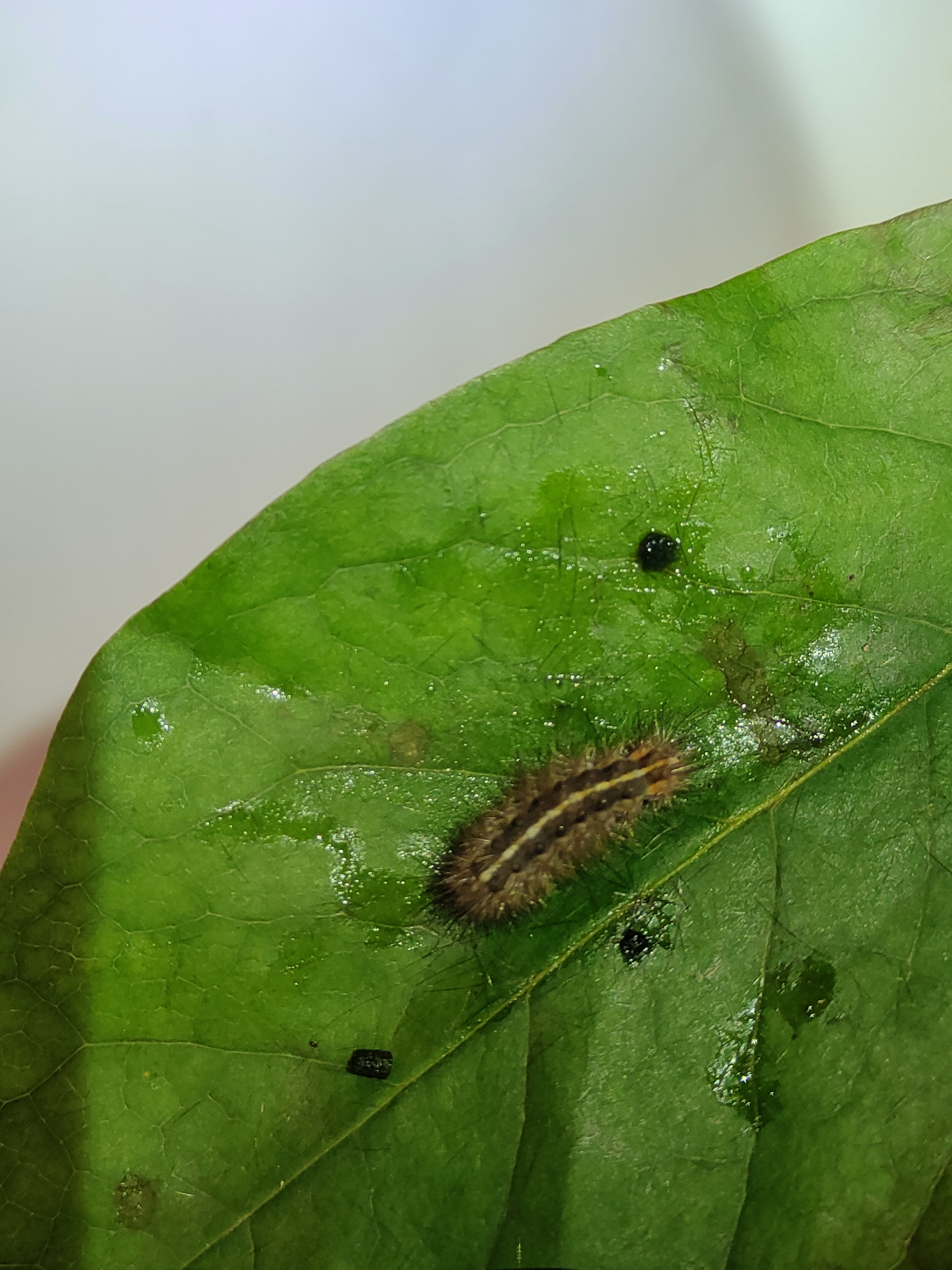
 

A - Ambiguously determined, we are not sure
Number: 5004
Received 25.8.2024
In progress: 1 days
Date of occurrence: 21.8.2024
Significance:
Discussion
From: Spela
Assigned: S. Rell
Country: Slovenia

Question

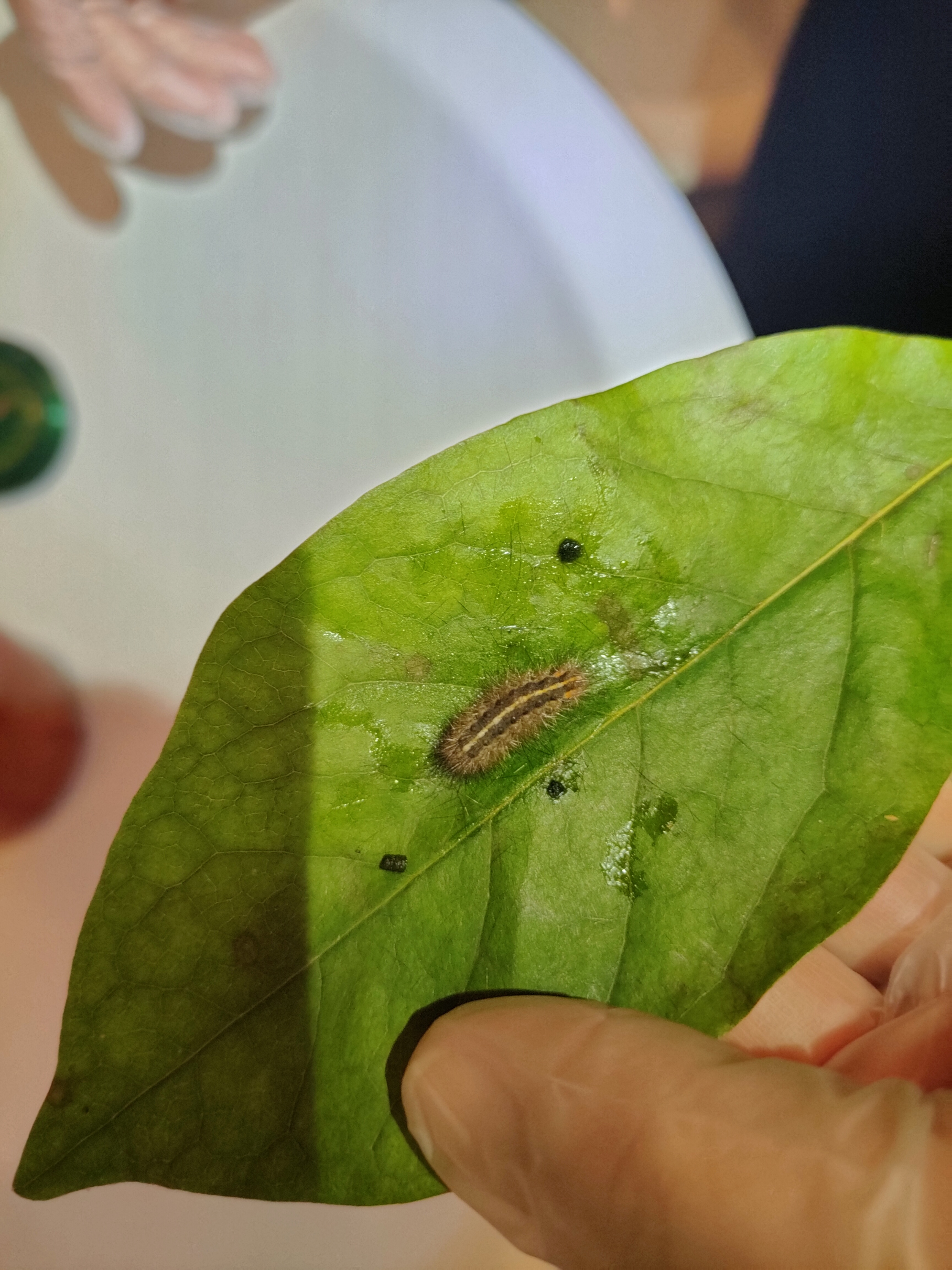
Found on the grass.

Answer

Hello, We are not sure what species that could be. It is a species of the Erebidaea family.   Best regards SR
Number of votes for this answer: 0

Pest

A - Ambiguously determined, we are not sure

A - Ambiguously determined, we are not sure

A - Ambiguously determined, we are not sure

A - Ambiguously determined, we are not sure

Received: 25.8.2024
Wood: -
Number: 5004
Date of occurrence: 21.8.2024
Discussion

Add comment: A - Ambiguously determined, we are not sure

Tinder fungus
Práchnovec kopytovitý
Tinder fungus
Number: 5001
Received 24.8.2024
In progress: 1 days
Date of occurrence: 11.8.2024
Significance: Very harmful
Discussion
From: Debs
Assigned: A. Kunca
Country: United Kingdom

Question

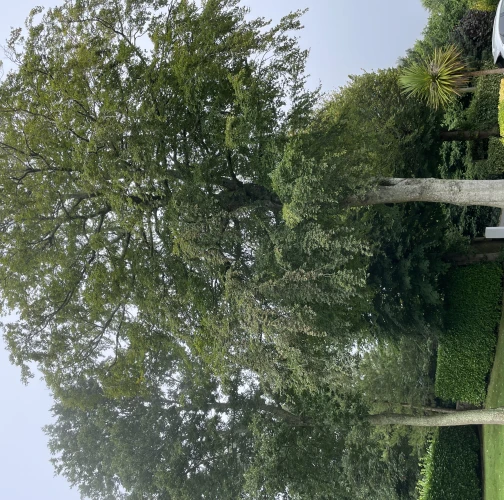
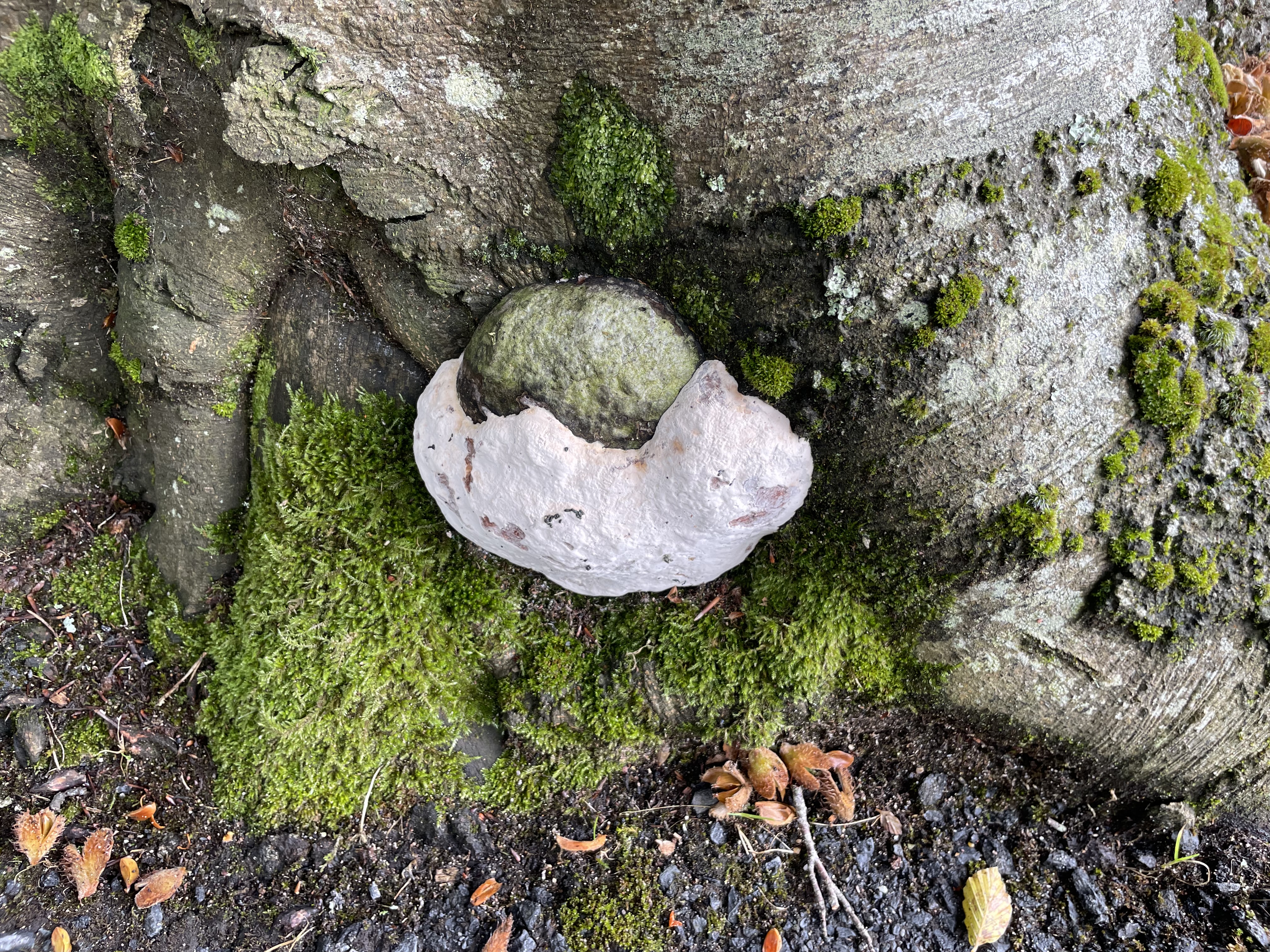
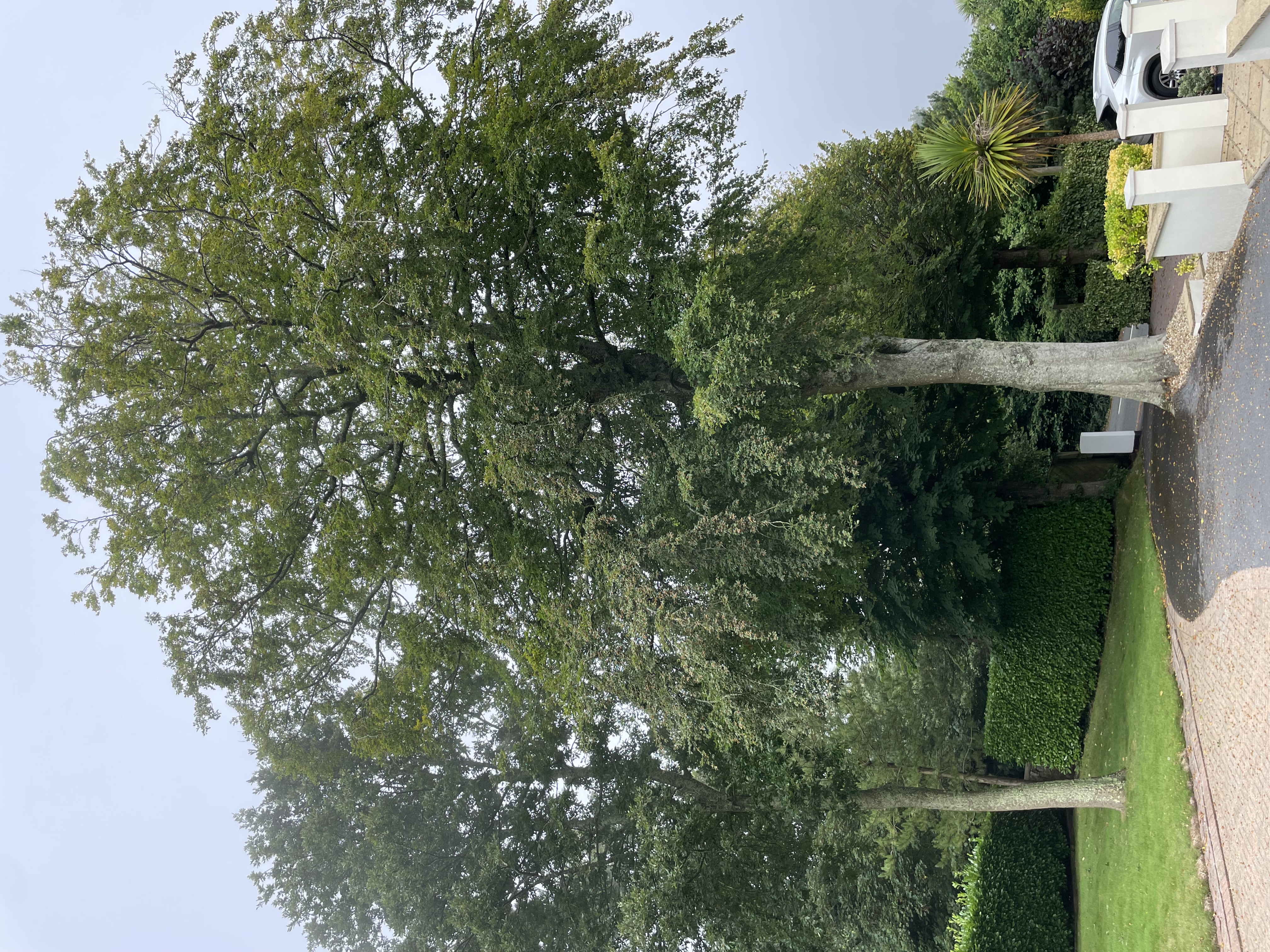
Dome shaped white waxy lesion about 14cm diameter at base of Beech tree Crown thinning and dieback

Answer

Hi Debs, I believe it is Fomes fomentarius. Well, very atypical fruituing body. Andrej Kunca
Number of votes for this answer: 0

Pest

Tinder fungus

Fomes fomentarius

Tinder fungus

Fomes fomentarius

huby

Received: 24.8.2024
Wood: Beech
Number: 5001
Date of occurrence: 11.8.2024
Discussion

Add comment: Tinder fungus

Knopper gall
Hrčiarka kalichováHrčiarka kalichováHrčiarka kalichová
Knopper gall
Number: 4976
Received 19.8.2024
In progress: 0 days
Date of occurrence: 19.8.2024
Significance: Less harmful
Discussion
Assigned: M. Zúbrik
Country: France

Question

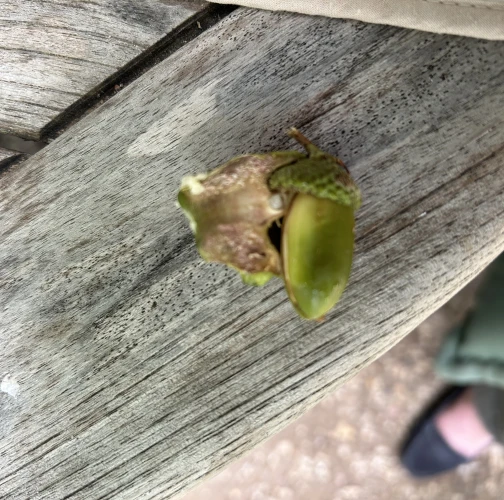
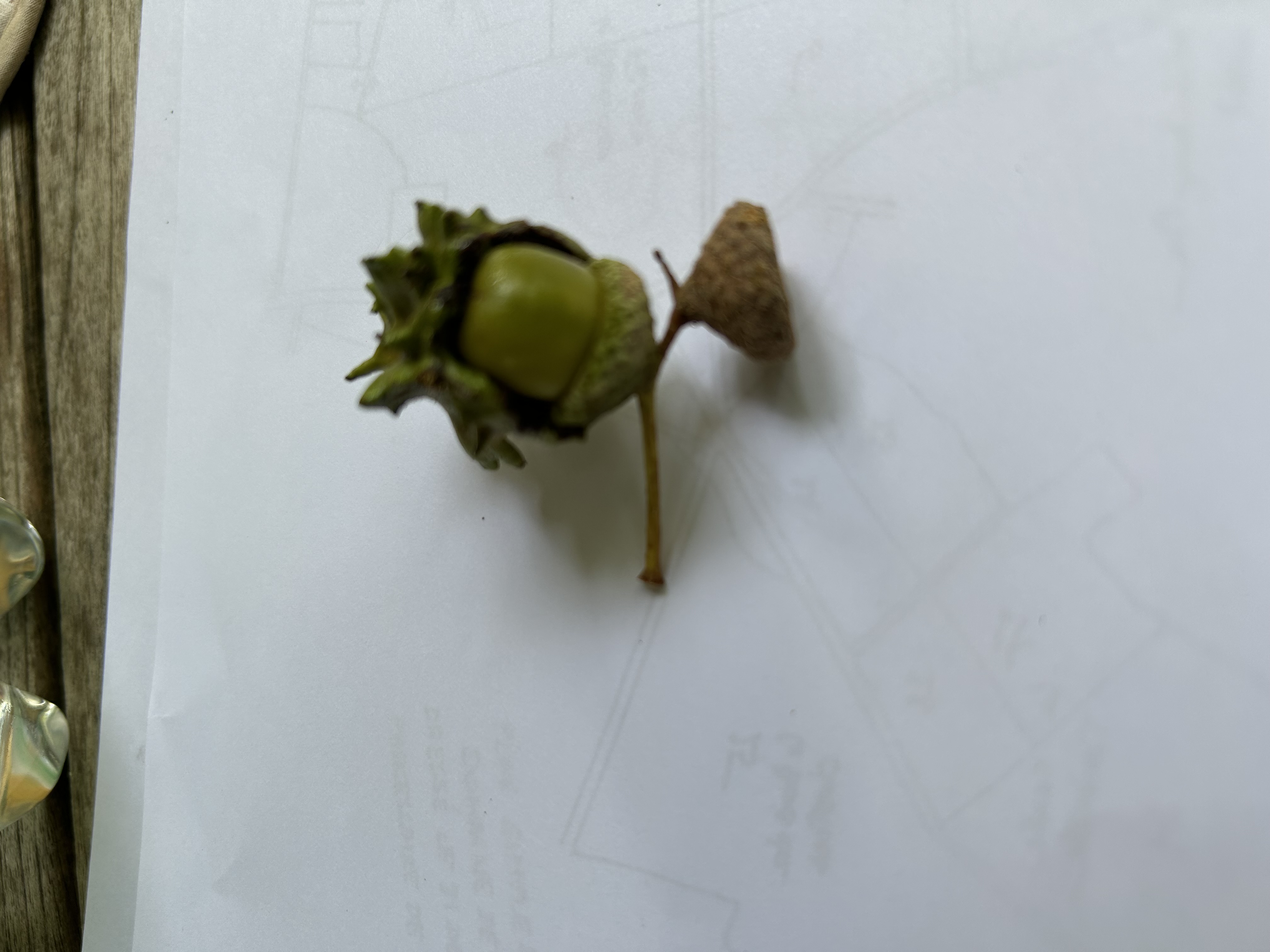
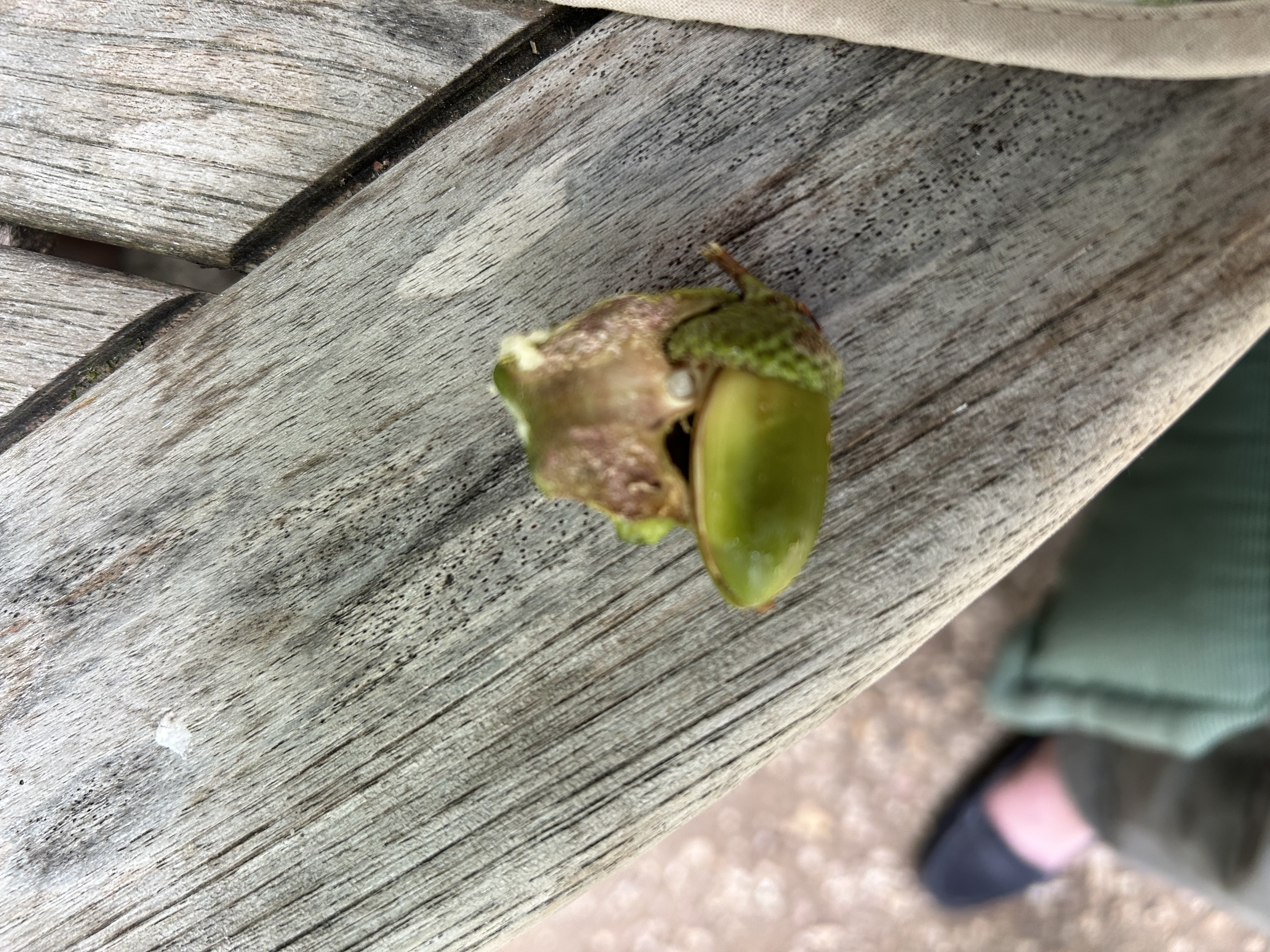
One can see the little larva if we cut the galle in the middle

Answer

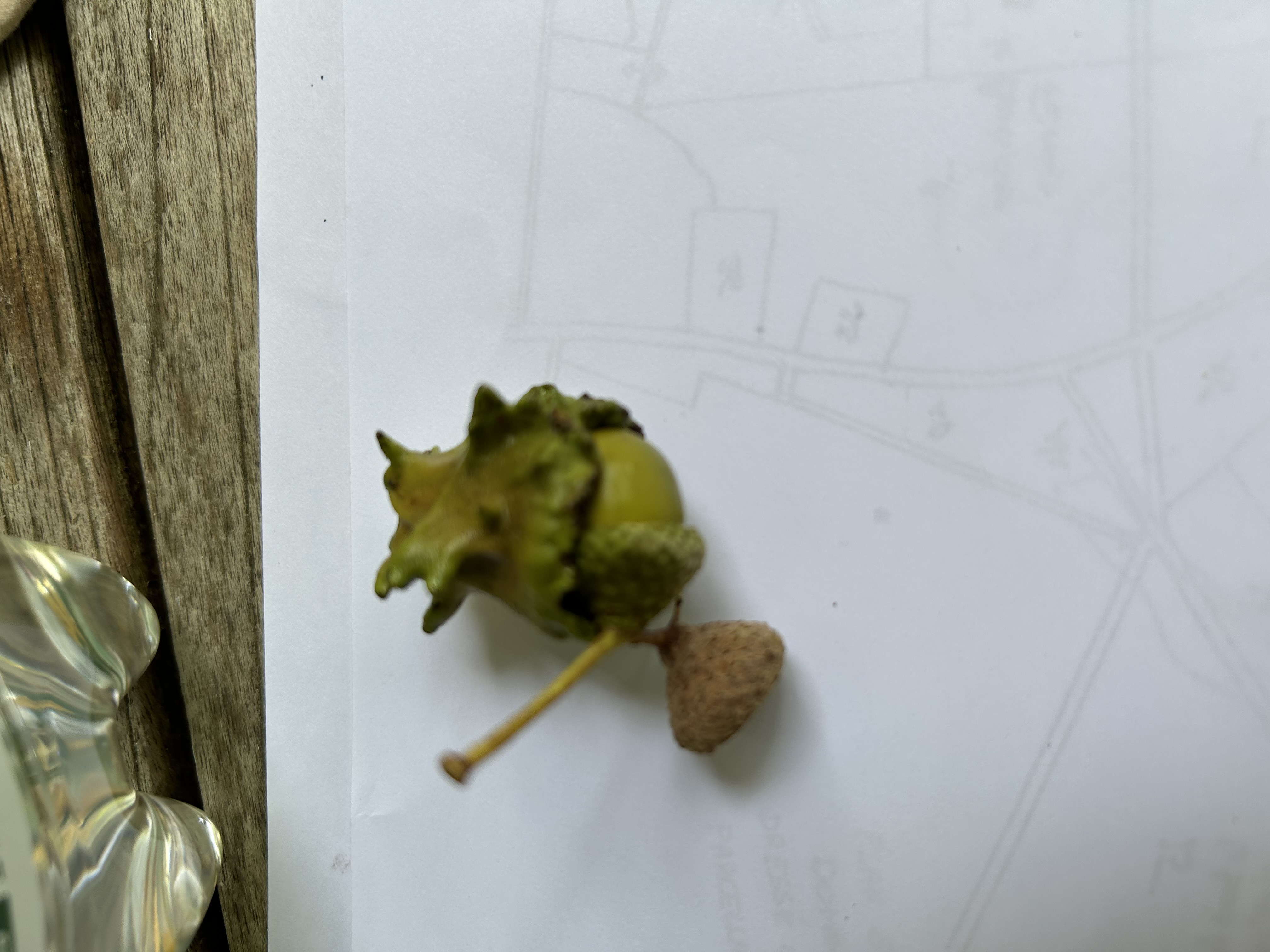
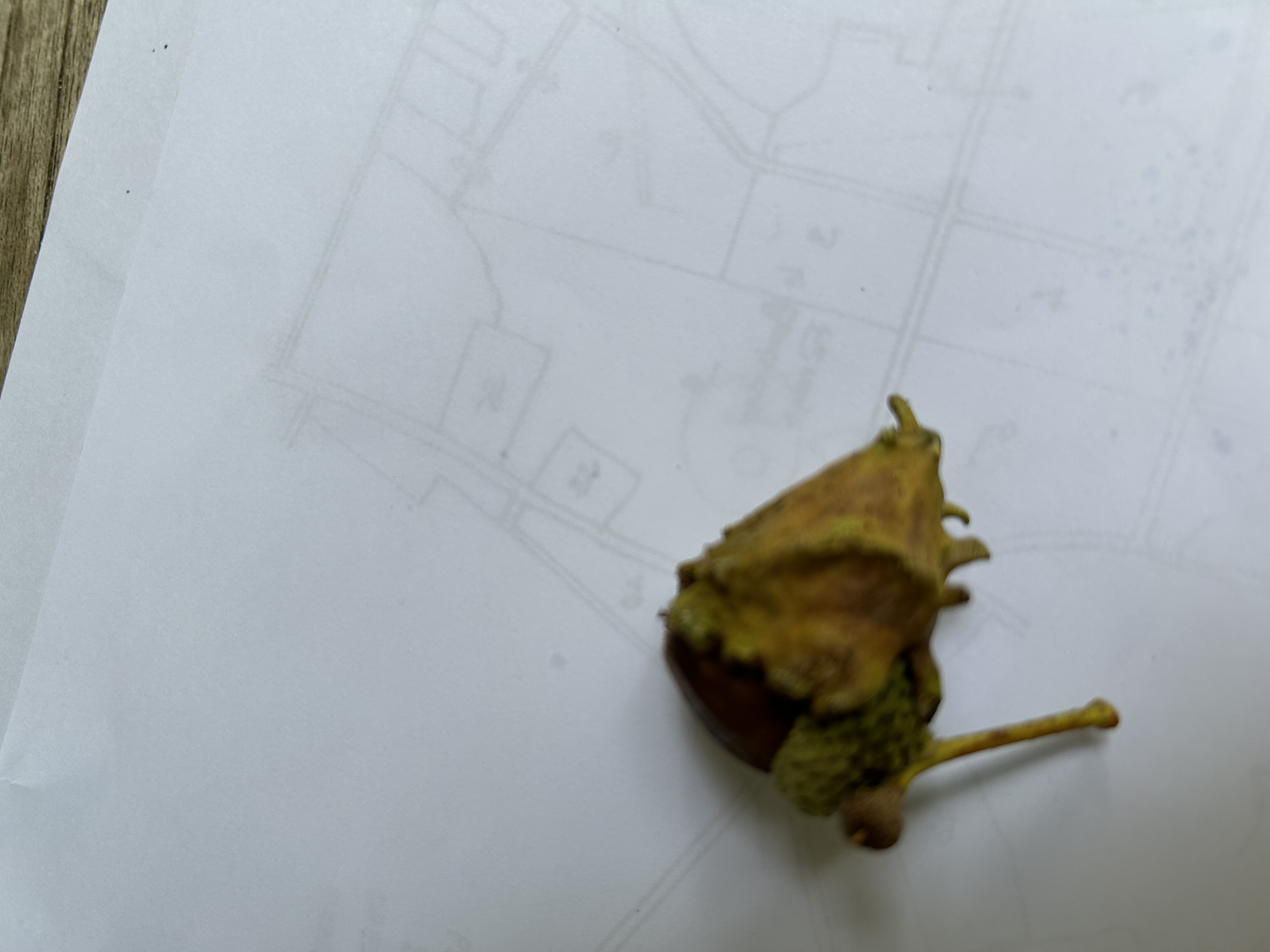
Dear Marie, thank you for your inquiry. This is a gall caused by the small hymenopteran species Andricus quercuscalicis, known as the Knopper gall. The female of this small wasp lays eggs on the acorn cup in May, injecting a special liquid inside. As a result, the oak forms a specific neoplasm — a very irregular, approximately 2 cm long, green lump (gall) — in which the larva develops. The gall seems to overgrow the acorn cup and sometimes even absorbs the entire acorn. This prevents the acorn from developing normally and causes it to lose its ability to germinate. It can damage up to 70-80% of the harvest in localized areas. Damaged acorns fall off prematurely. With best regards, M. Zubrik
Number of votes for this answer: 0

Pest

Knopper gall

Andricus quercuscalicis

Knopper gall

Andricus quercuscalicis

hmyz

Received: 19.8.2024
Wood: Oak
Number: 4976
Date of occurrence: 19.8.2024
Discussion

Add comment: Knopper gall

Pine bark adelgid
Kôrovnica vejmutovkováKôrovnica vejmutovková
Pine bark adelgid
Number: 4951
Received 14.8.2024
In progress: 2 days
Date of occurrence: 14.8.2024
Significance: Harmful
Discussion
From: stephane
Assigned: M. Zúbrik
Country: Czechia

Question

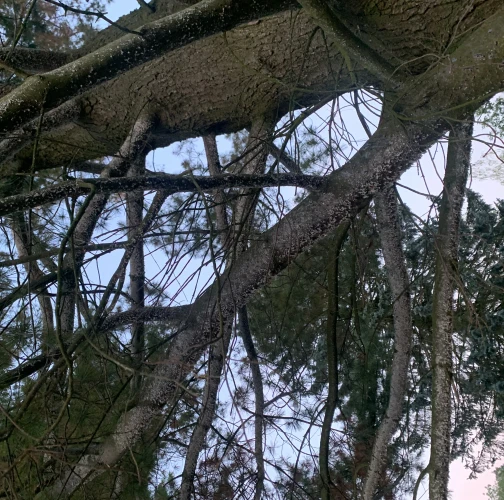
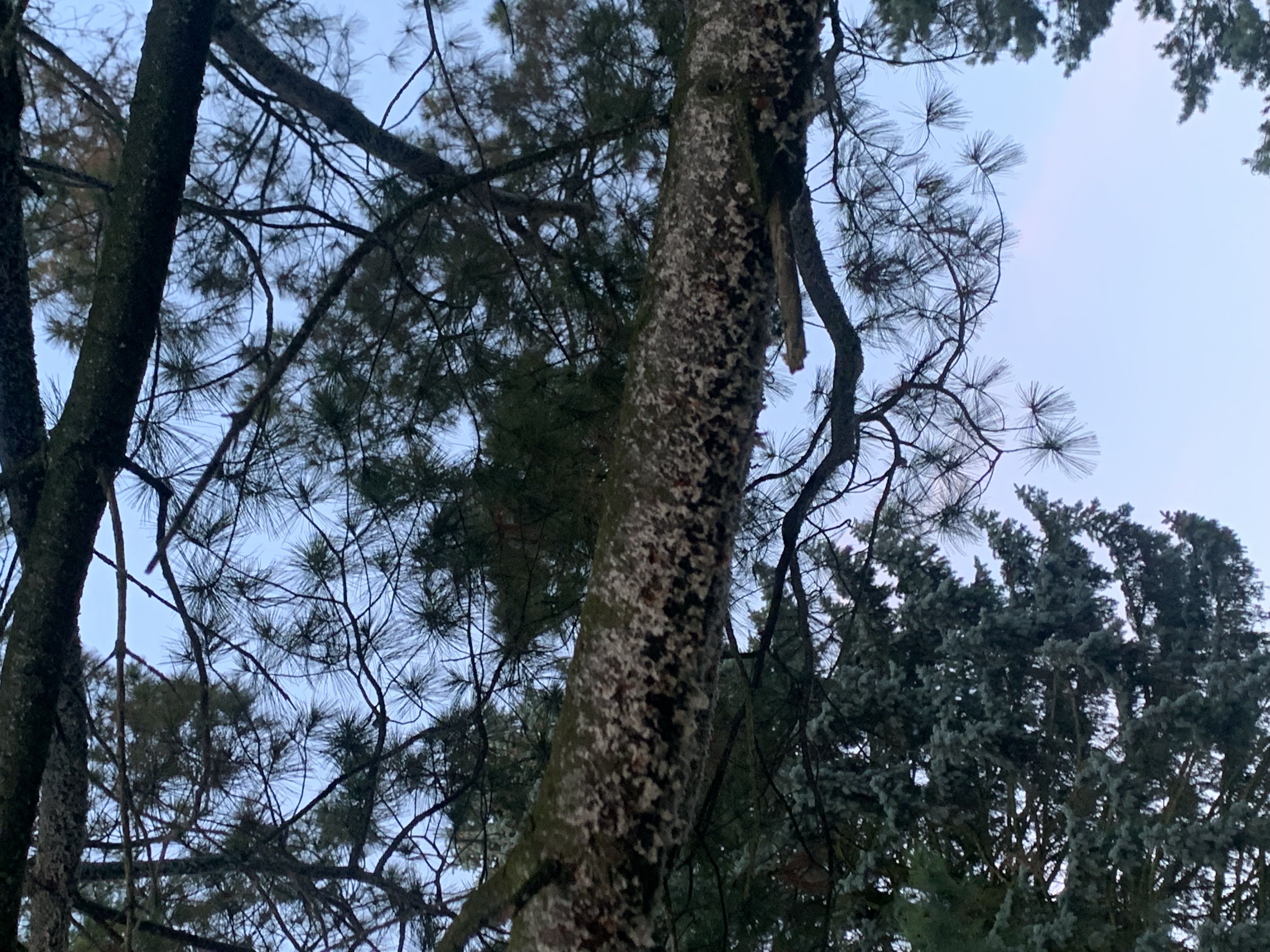
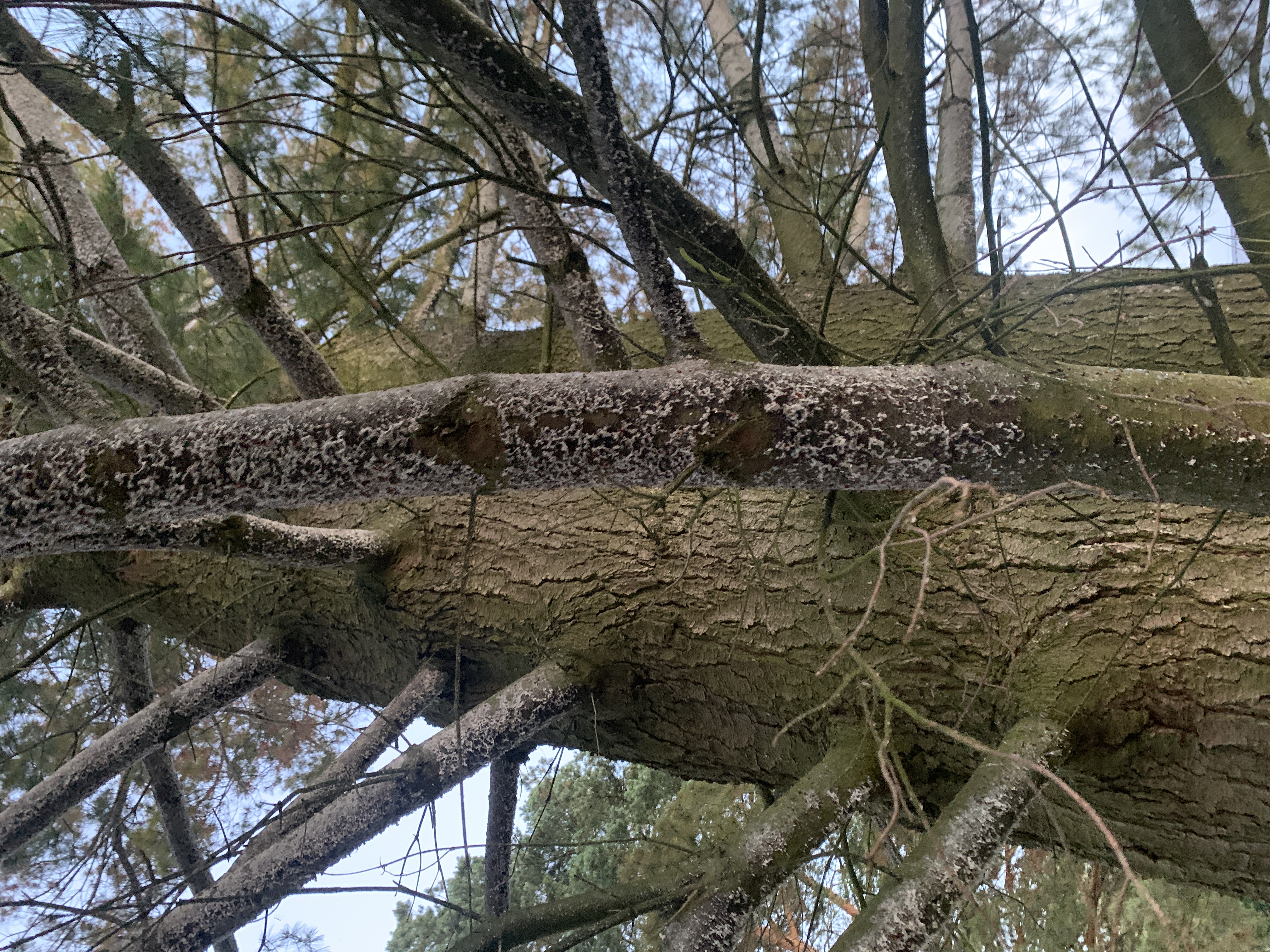
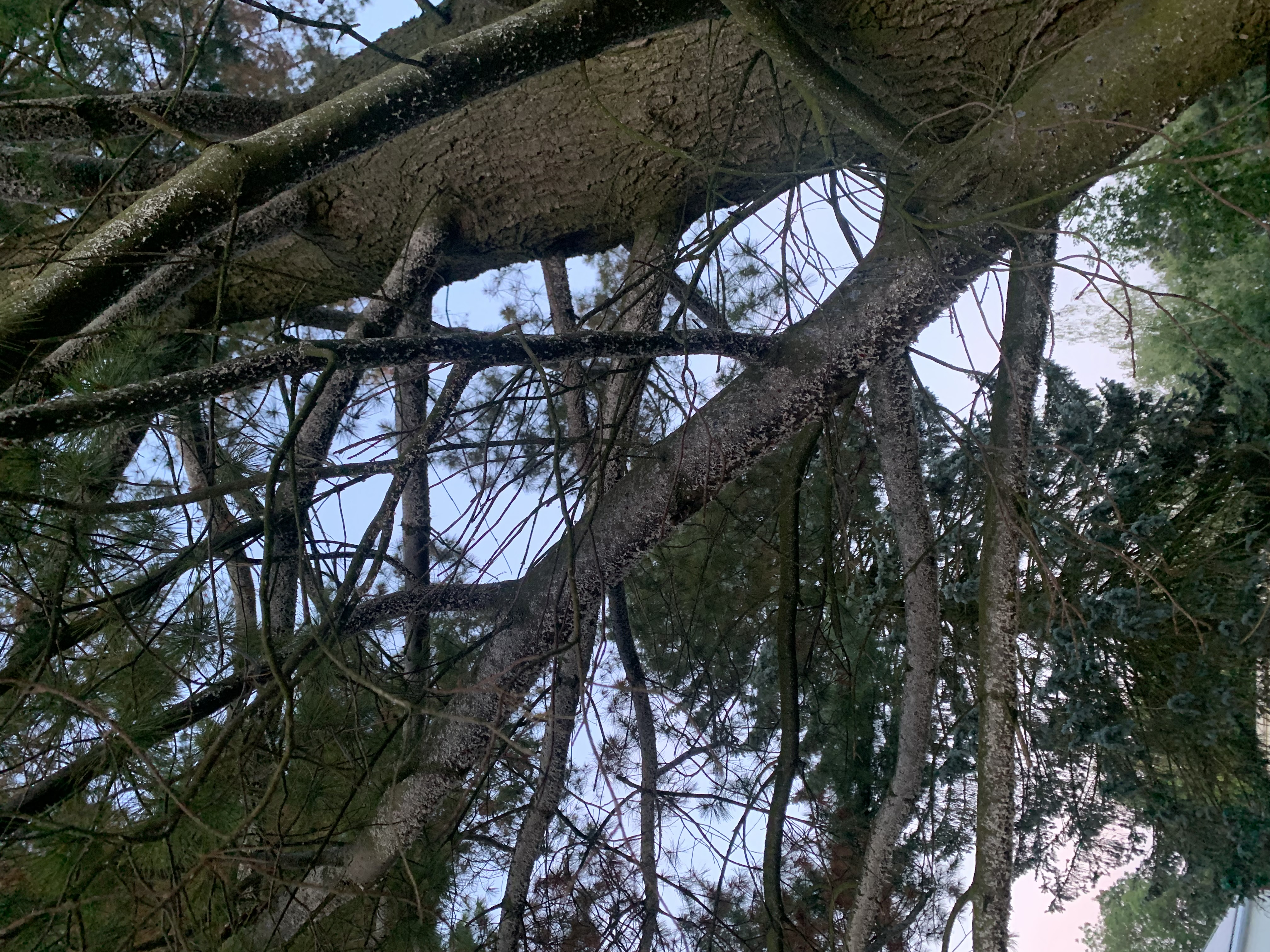
white foam an trunk and branches. needles dry out fall.

Answer

Hello, thank you for your inquiry. It is an aphid – Pineus strobi, the pine bark adelgid.Most individuals overwinter on the bark, where in spring they begin to produce large quantities of cotton-like masses. These cover and protect the larvae from external influences. Eggs are also laid under the cotton, from which individuals hatch and move to young shoots, with some remaining on the trunk. During its occurrence, the pines appear as if they are dusted with lime. In some areas, it is abundant, and its feeding can significantly weaken the trees. Best regards, M. Zúbrik
Number of votes for this answer: 0

Pest

Pine bark adelgid

Pineus strobi

Pine bark adelgid

Pineus strobi

hmyz

Received: 14.8.2024
Wood: Pine
Number: 4951
Date of occurrence: 14.8.2024
Discussion

Add comment: Pine bark adelgid

Citrus leafminer
Citrus leafminer
Number: 4941
Received 12.8.2024
In progress: 0 days
Date of occurrence: 12.8.2024
Significance:
Discussion
From: Igor
Assigned: M. Zúbrik
Country: Montenegro

Question

Answer

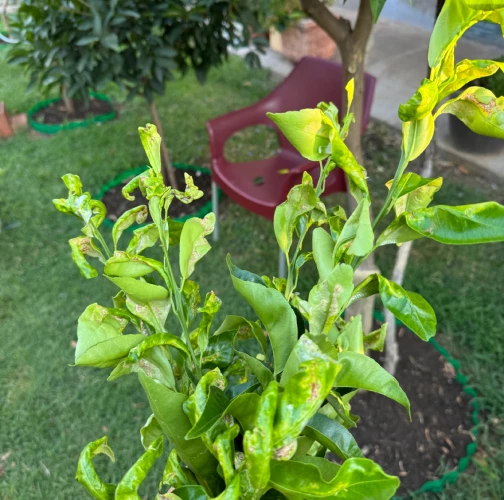
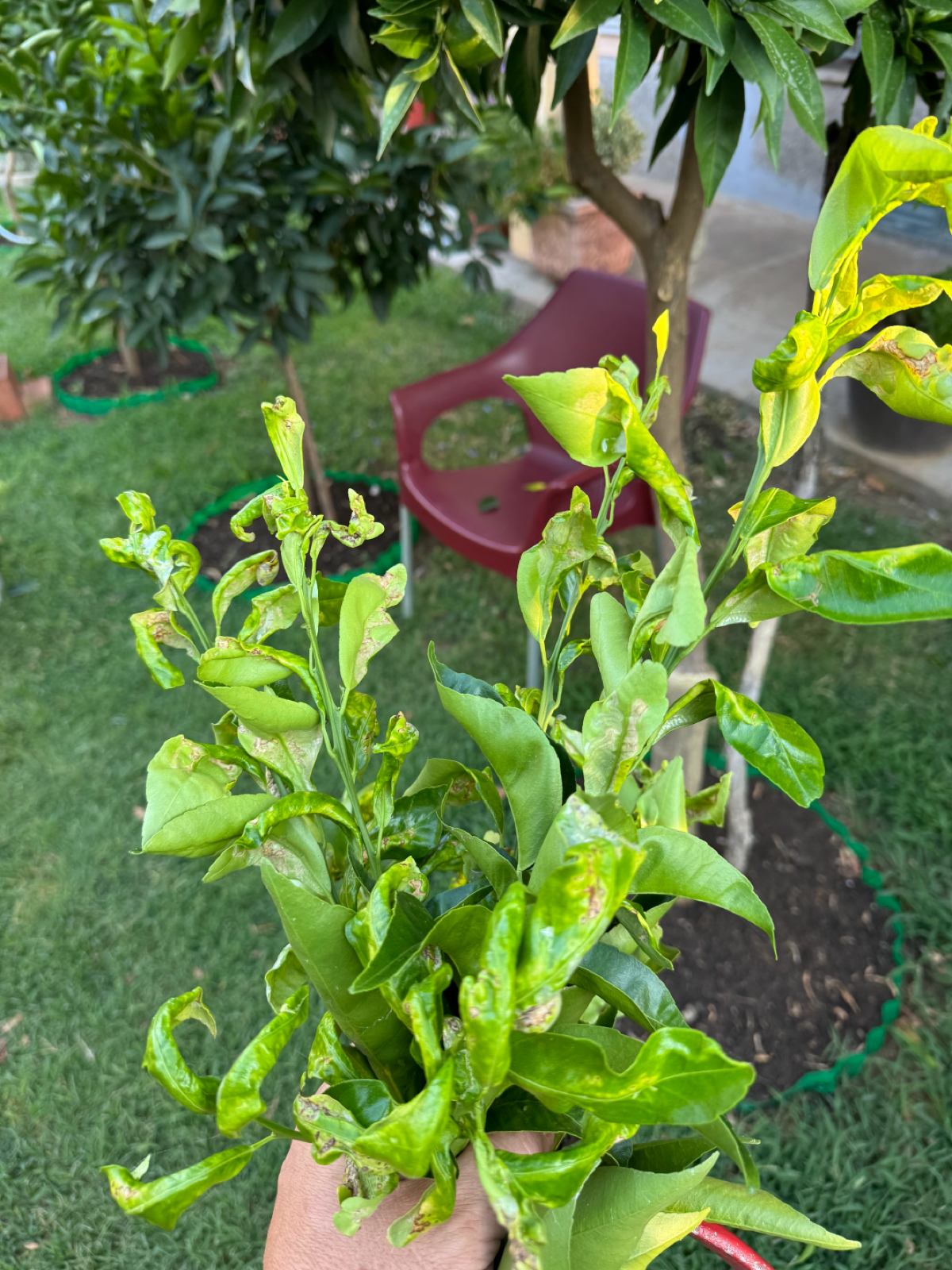
Dear Igor, thanks for your questin. This damages were caused by Phyllocnistis citrella - citrus leafminer. It is a small moth native to Asia but has spread worldwide, including to major citrus-growing regions like Brazil and the United States. Its larvae feed on the leaves of citrus trees, creating characteristic mines and causing damage to crops. Best regards M. Zubrik
Number of votes for this answer: 0

Pest

Citrus leafminer

Phyllocnistis citrella

Citrus leafminer

Phyllocnistis citrella

hmyz

Received: 12.8.2024
Wood: Citrus
Number: 4941
Date of occurrence: 12.8.2024
Discussion

Add comment: Citrus leafminer

A - Ambiguously determined, we are not sure
A - Ambiguously determined, we are not sureA - Ambiguously determined, we are not sureA - Ambiguously determined, we are not sure
A - Ambiguously determined, we are not sure
Number: 4935
Received 8.8.2024
In progress: 1 days
Date of occurrence: 8.8.2024
Significance:
Discussion
From: froukje
Assigned: J. Vakula
Country: The Netherlands

Question

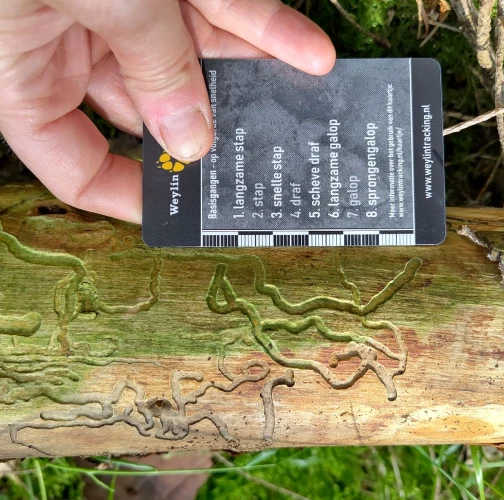
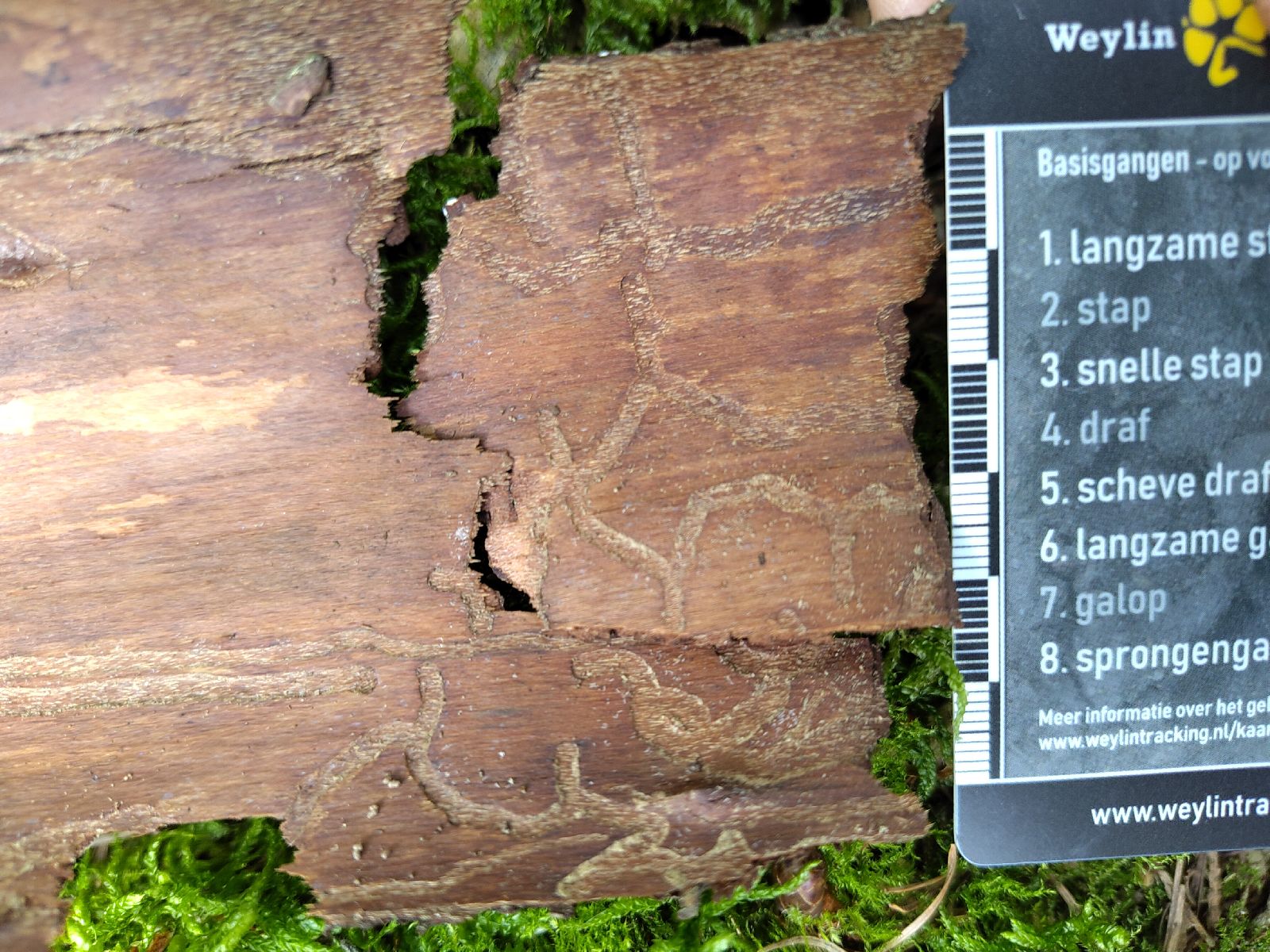
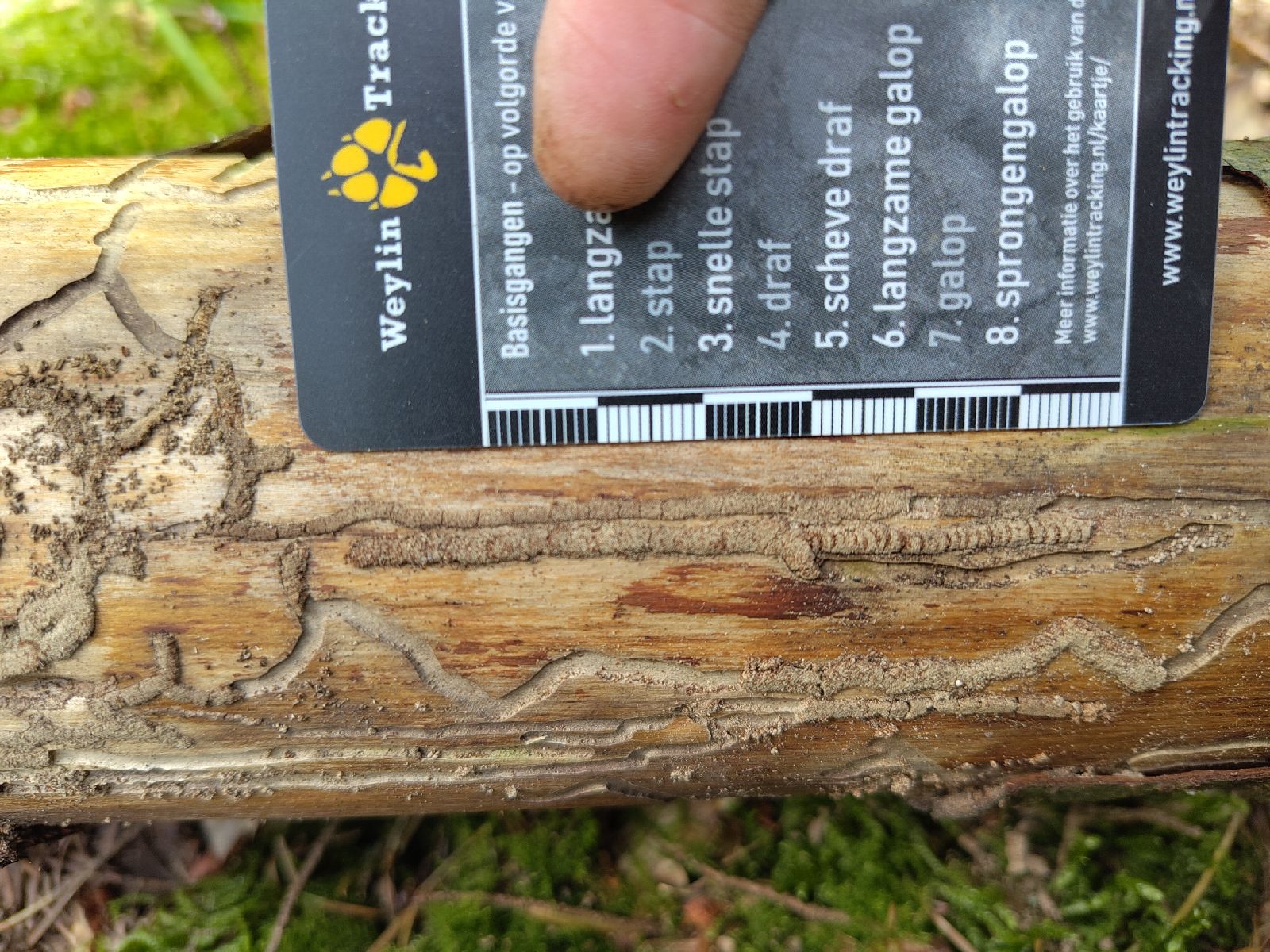
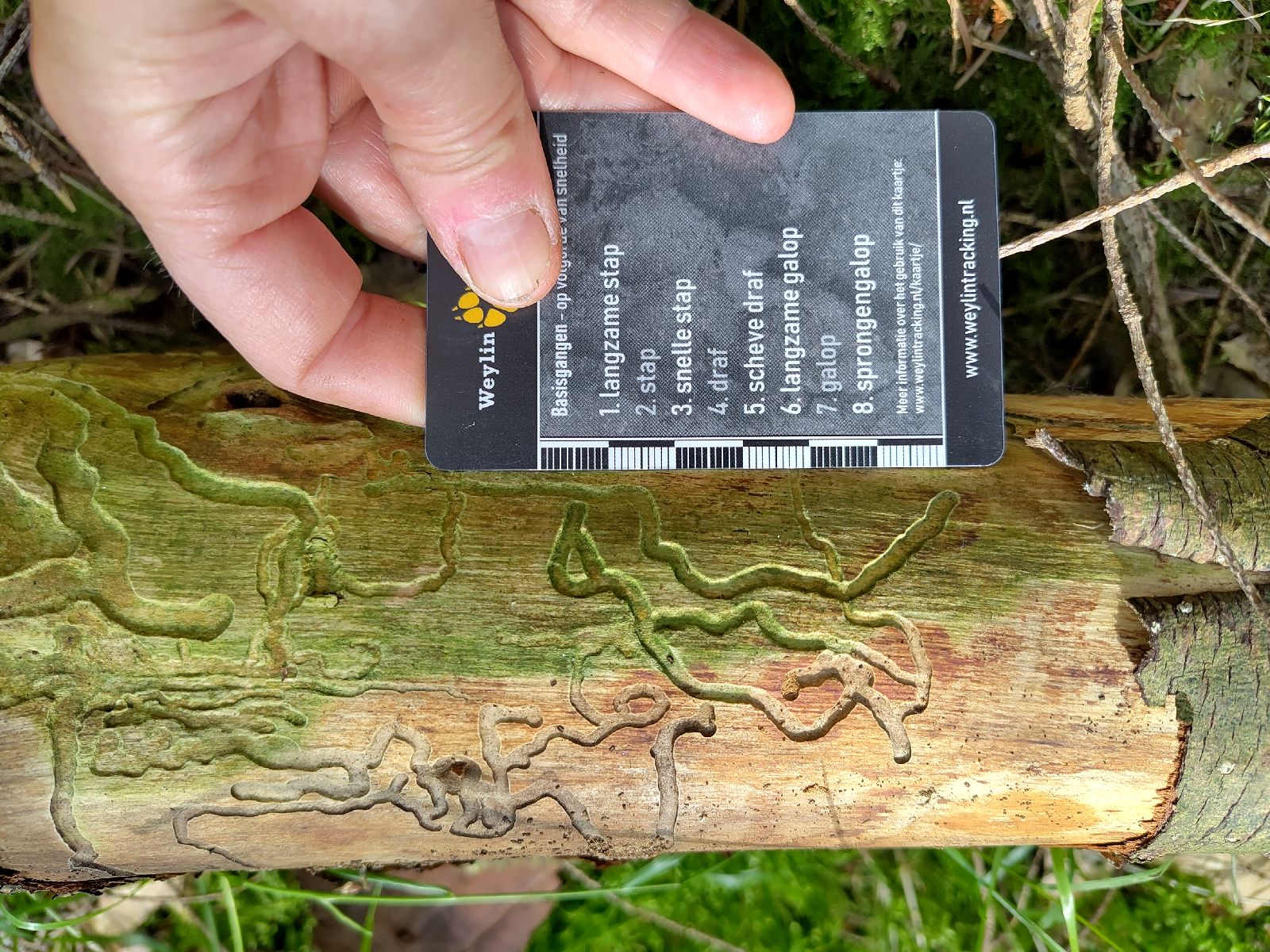
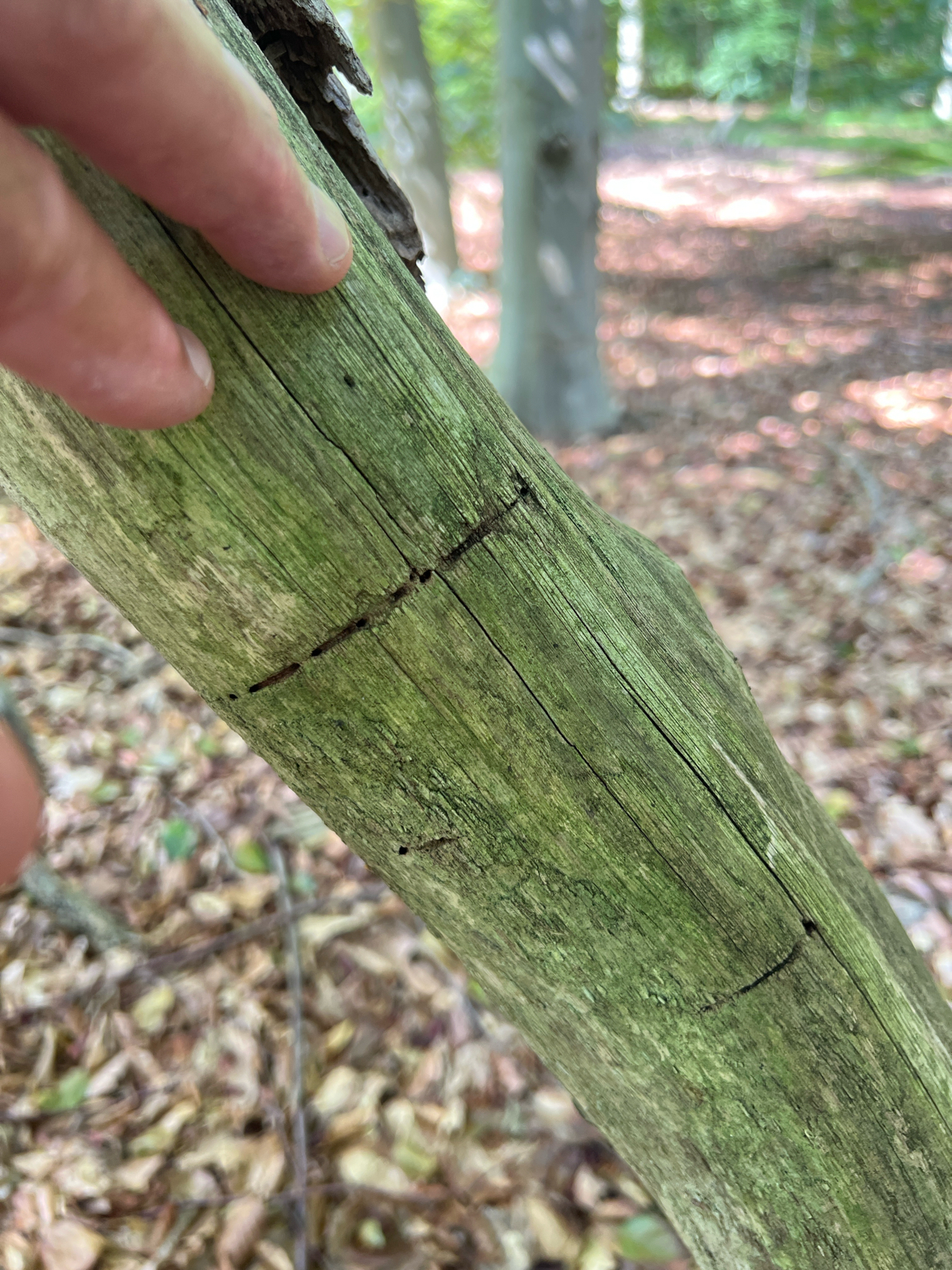
looks like a gallery from a very small jewel beetle. seems it does not pupate in the wood. exit hole about 2 mm. could not determine if tree was abies alba or pseudotsuga menziesii. only seen on smaller dead trees. not on the stem of big trees.

Answer

Hello Mr. Froukje, nice photos. In the pictures there are galleries under the bark of the Cerambycidae, probably Callidium violaceum. The exit hole belongs to Trypodendron lineatum. Best regards Jozef Vakula  
Number of votes for this answer: 0

Pest

A - Ambiguously determined, we are not sure

A - Ambiguously determined, we are not sure

A - Ambiguously determined, we are not sure

A - Ambiguously determined, we are not sure

hmyz

Received: 8.8.2024
Wood: Fir
Number: 4935
Date of occurrence: 8.8.2024
Discussion

Add comment: A - Ambiguously determined, we are not sure

Oak lace bug
Oak lace bug
Number: 4932
Received 7.8.2024
In progress: 0 days
Date of occurrence: 7.8.2024
Significance: Harmful
Discussion
Assigned: M. Zúbrik
Country: Slovakia

Question

Answer

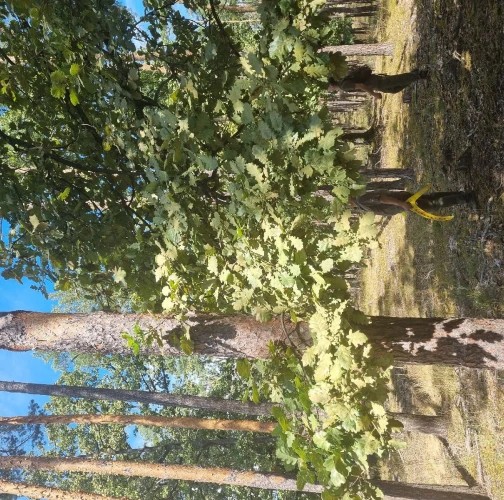
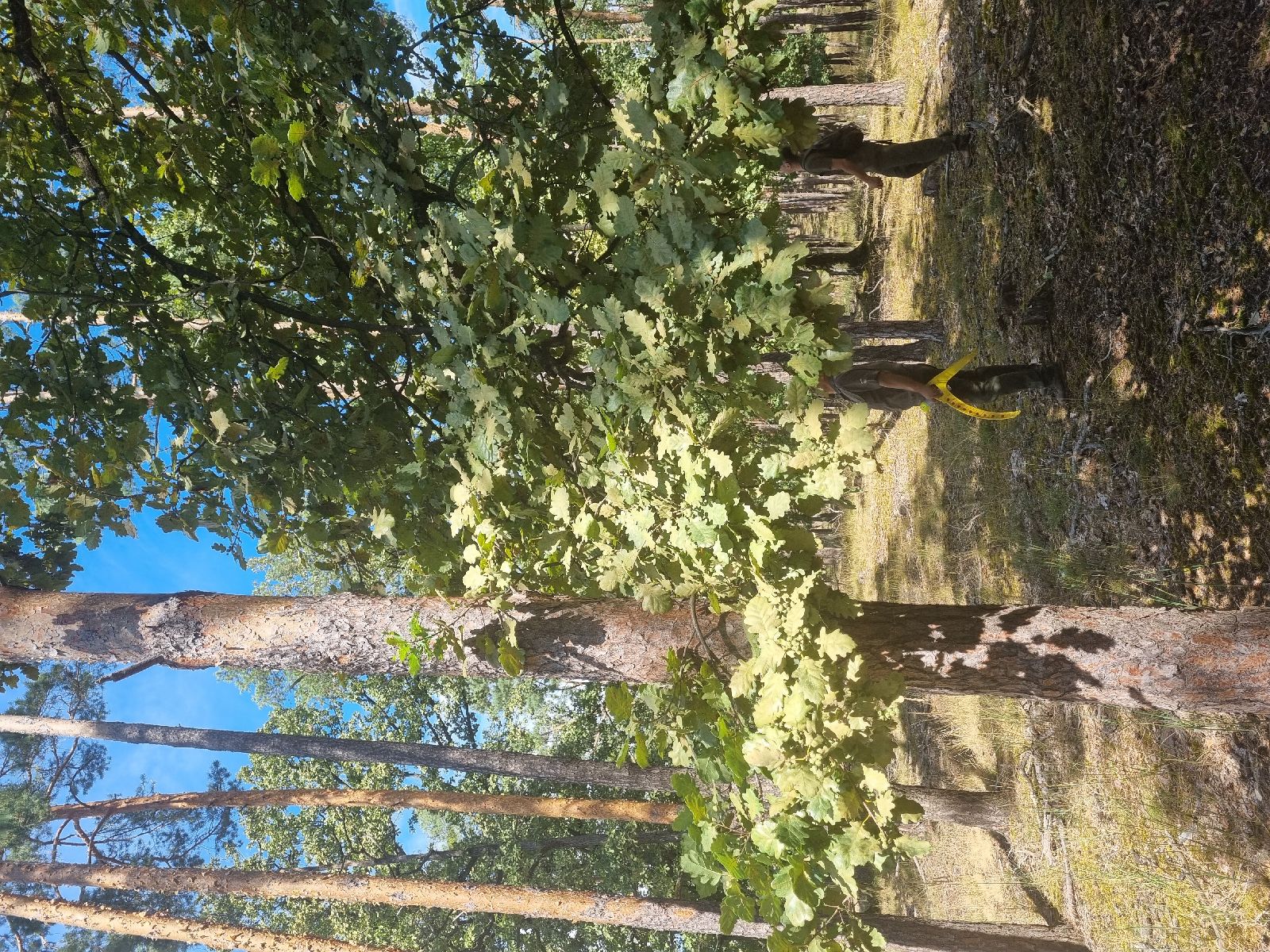
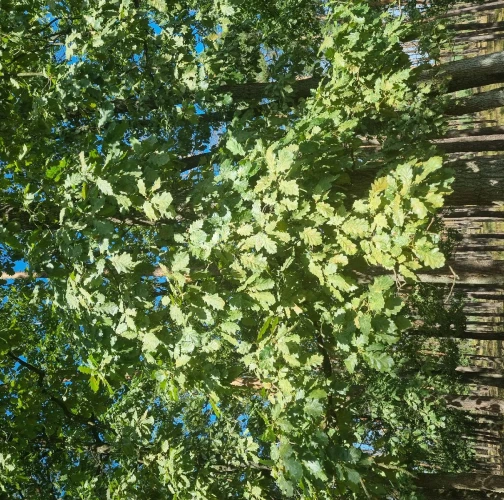
Monitoring: C. arcuata
Number of votes for this answer: 0

Pest

Oak lace bug

Corythucha arcuata

Oak lace bug

Corythucha arcuata

hmyz

Received: 7.8.2024
Wood: Oak
Number: 4932
Date of occurrence: 7.8.2024
Discussion

Add comment: Oak lace bug

Oak lace bug
Oak lace bug
Number: 4931
Received 7.8.2024
In progress: 0 days
Date of occurrence: 7.8.2024
Significance: Harmful
Discussion
Assigned: M. Zúbrik
Country: Slovakia

Question

Answer

Monitoring: C. arcuata
Number of votes for this answer: 0

Pest

Oak lace bug

Corythucha arcuata

Oak lace bug

Corythucha arcuata

hmyz

Received: 7.8.2024
Wood: Oak
Number: 4931
Date of occurrence: 7.8.2024
Discussion

Add comment: Oak lace bug

Oak lace bug
Oak lace bug
Number: 4930
Received 7.8.2024
In progress: 0 days
Date of occurrence: 7.8.2024
Significance: Harmful
Discussion
Assigned: M. Zúbrik
Country: Slovakia

Question

Answer

Monitoring: C. arcuata
Number of votes for this answer: 0

Pest

Oak lace bug

Corythucha arcuata

Oak lace bug

Corythucha arcuata

hmyz

Received: 7.8.2024
Wood: Oak
Number: 4930
Date of occurrence: 7.8.2024
Discussion

Add comment: Oak lace bug

Oak lace bug
Oak lace bug
Number: 4929
Received 7.8.2024
In progress: 0 days
Date of occurrence: 7.8.2024
Significance: Harmful
Discussion
Assigned: M. Zúbrik
Country: Slovakia

Question

Answer

Monitoring: C. arcuata
Number of votes for this answer: 0

Pest

Oak lace bug

Corythucha arcuata

Oak lace bug

Corythucha arcuata

hmyz

Received: 7.8.2024
Wood: Oak
Number: 4929
Date of occurrence: 7.8.2024
Discussion

Add comment: Oak lace bug

Oak burncow
Oak burncow
Number: 4926
Received 6.8.2024
In progress: 0 days
Date of occurrence: 6.8.2024
Significance: Less harmful
Discussion
From: Jer Nusse
Assigned: M. Zúbrik
Country: The Netherlands

Question

Answer

Dear Jer, thanks for your request. This looks like a gallery causes by the early stage of larva of the beele Coraebus fasciatus, also know under the name Coraebus florentinus. It can be serious pests of oak forests. With best regards M. Zubrik  
Number of votes for this answer: 0

Pest

Oak burncow

Coraebus florentinus

Oak burncow

Coraebus florentinus

hmyz

Received: 6.8.2024
Wood: Oak
Number: 4926
Date of occurrence: 6.8.2024
Discussion

Add comment: Oak burncow

Number: 4922
Received 5.8.2024
In progress: 1 days
Date of occurrence: 25.7.2024
Significance:
Discussion
Assigned: J. Galko
Country: The Netherlands

Question

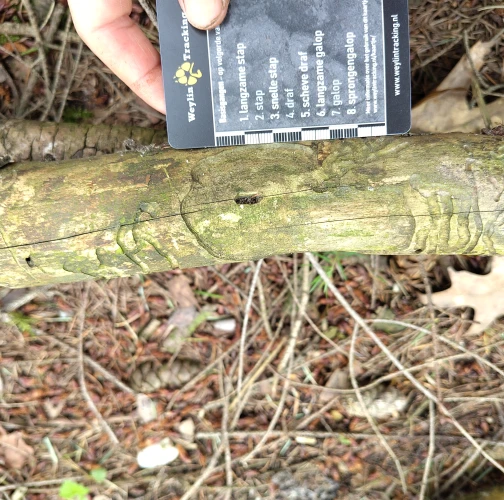
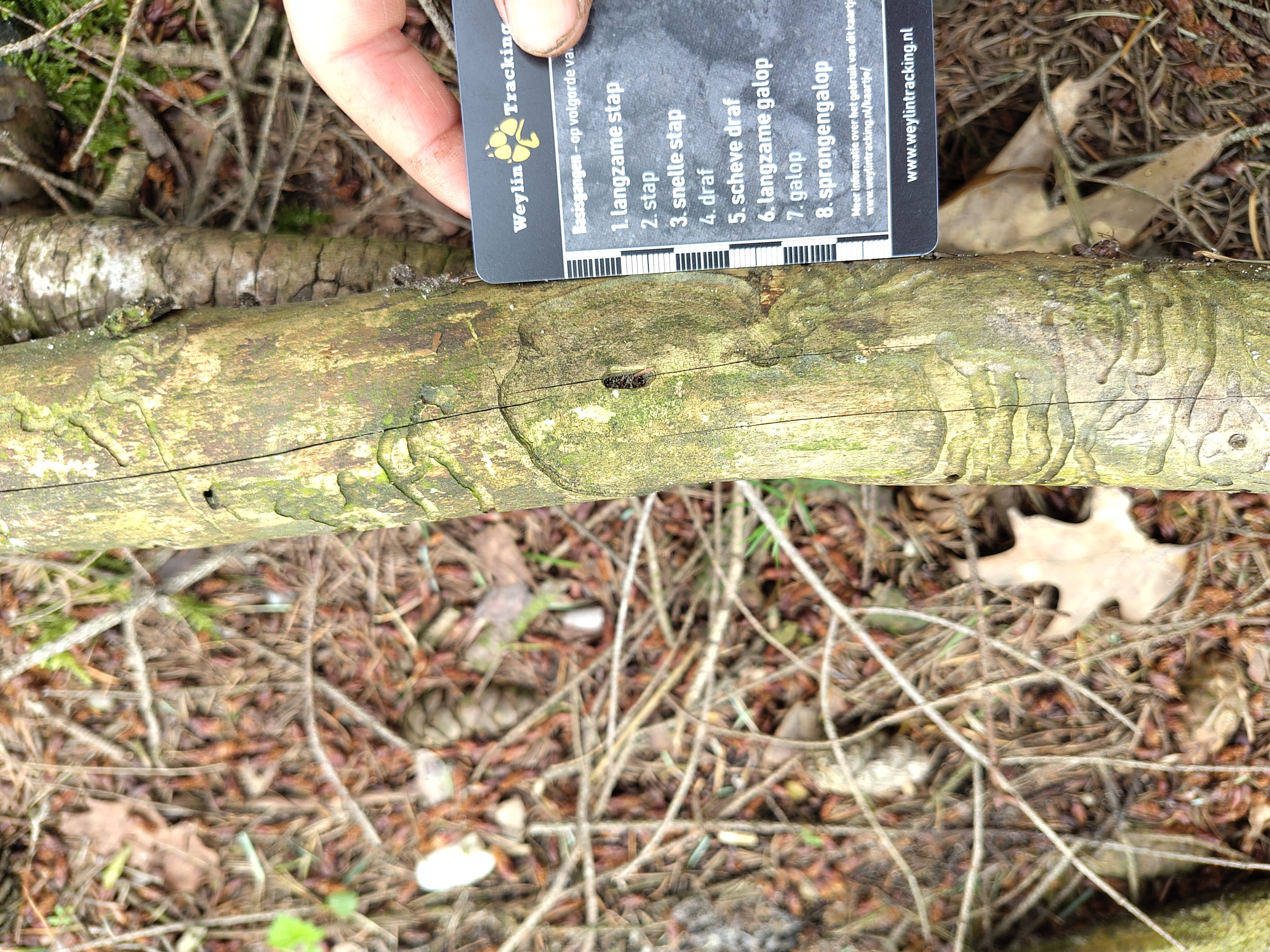
I think it is callidium aeneum. A short larva tunnel goes to a excavated large round with sharp edges. Clearly sunken into the wood. In the middle is a hole about 1 cm wide. Occurances found on pine and Norway spruce. Often together with callidium violaceum. Found very often, but less often then c. Violaceum. On wristsize branches (4-10 cm thickness or so)

Answer

Hello. Yes, the gallery looks like the gallery system of Callidium aeneum. This species is so far not in our database. Best regards JG
Number of votes for this answer: 0

Pest

A - nie je v databáze

A - nie je v databáze

hmyz

Received: 5.8.2024
Wood: Different tree species
Number: 4922
Date of occurrence: 25.7.2024
Discussion

Add comment:

Back to top