Login | Registration | List of contributors

Requests to determine the cause of damage

Here you can request to determine the cause of the damage. You can view the requests of other users and sort them according to the selected criteria. In addition, you can get information about your request, and you can follow the progress of its current state. If your application was not approved, it had probably been because it was impossible to identify the damage based on the sent photos or because the application does not address our topic - determining the pests of trees and shrubs. We will inform you about the status of your application by email.

Filter reset

Code
Date
Assigned
Status
Days from submission
7442
10.2.2026
J. Galko
In progress
17

Rejected requests are not displayed. You have been notified by email that your application has been denied.
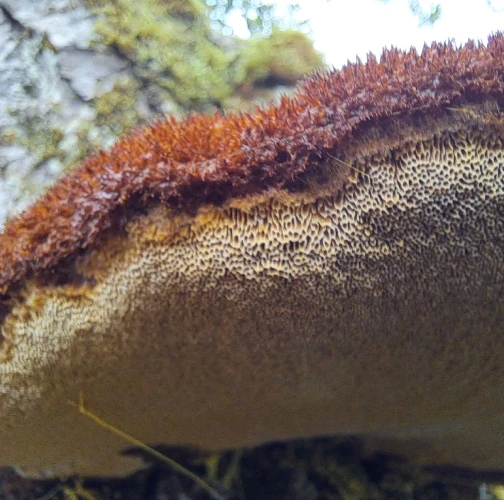
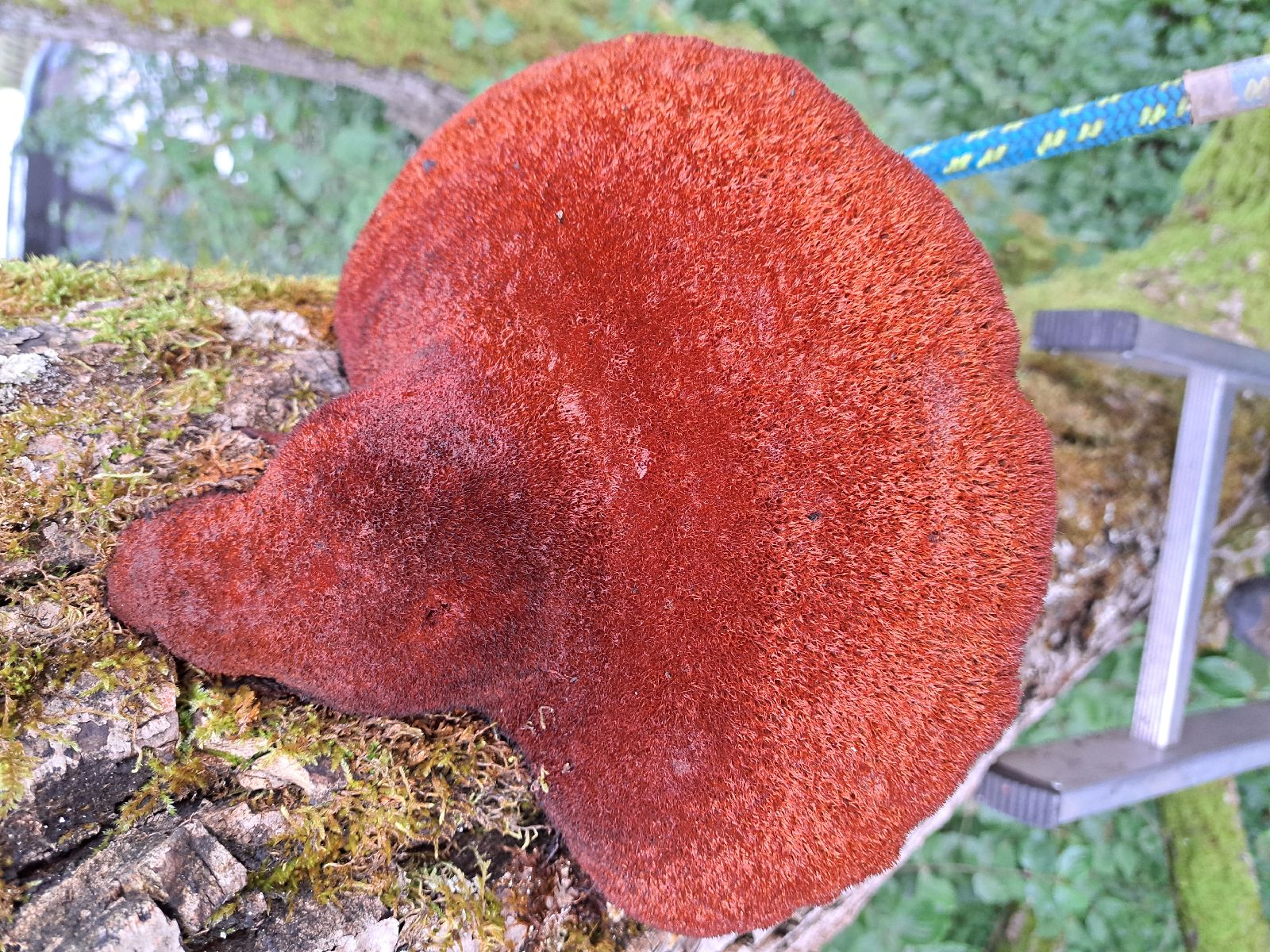
 

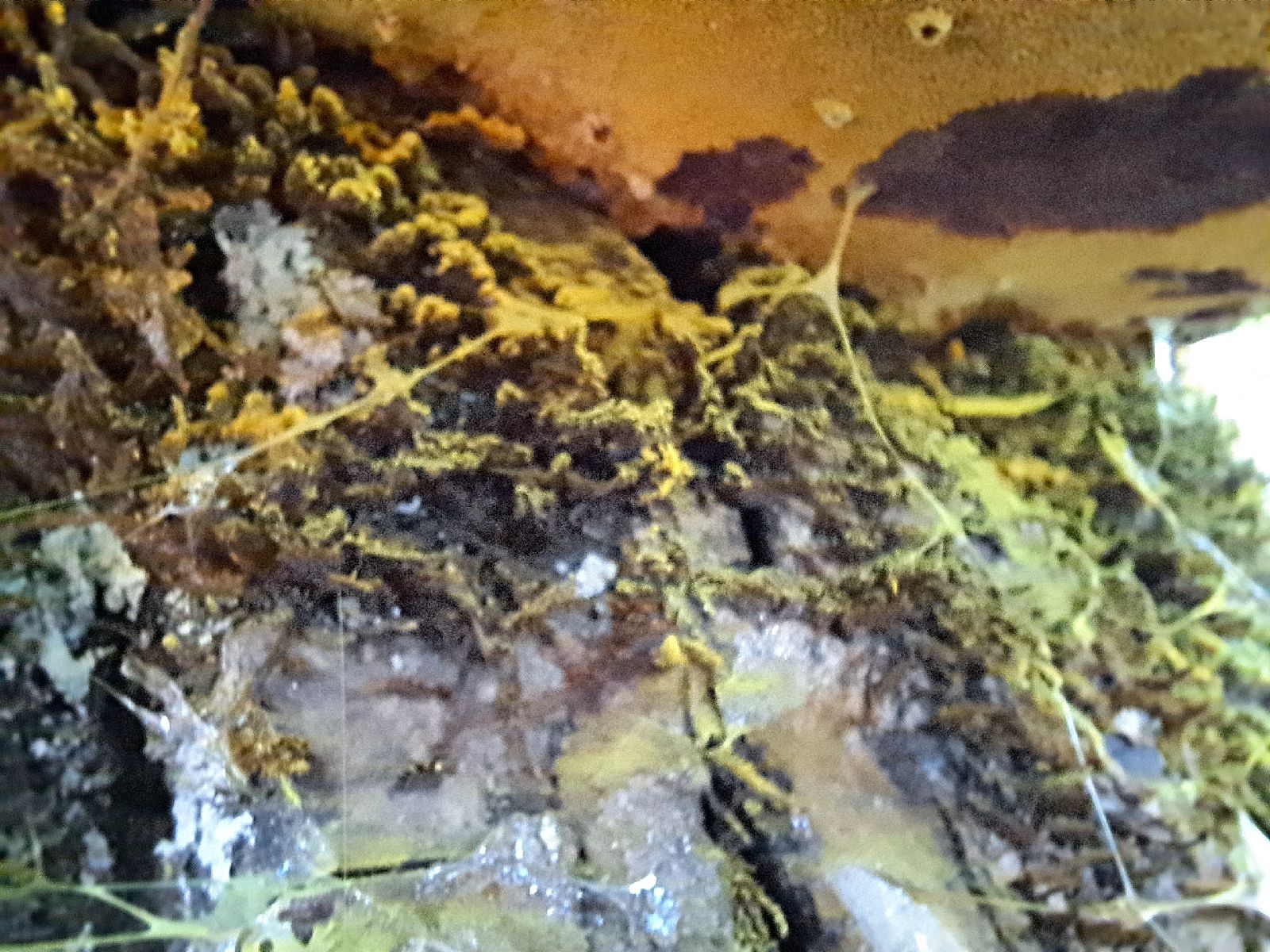
Fungus Inonotus hispidus
Ryšavec srstnatýRyšavec srstnatýRyšavec srstnatý
Fungus Inonotus hispidus
Number: 5098
Received 18.9.2024
In progress: 0 days
Date of occurrence: 18.9.2024
Significance: Less harmful
Discussion
Assigned: A. Kunca
Country: United Kingdom

Question

Individual fruiting bodies on upper half of the tree stem.

Answer

Dear will, I would say it is Inonotus hispidus. But could be also some other Inonotus, as this one is pretty red.   cheers andrej.
Number of votes for this answer: 0

Pest

Fungus Inonotus hispidus

Inonotus hispidus

Fungus Inonotus hispidus

Inonotus hispidus

huby

Received: 18.9.2024
Wood: Walnut
Number: 5098
Date of occurrence: 18.9.2024
Discussion

Add comment: Fungus Inonotus hispidus
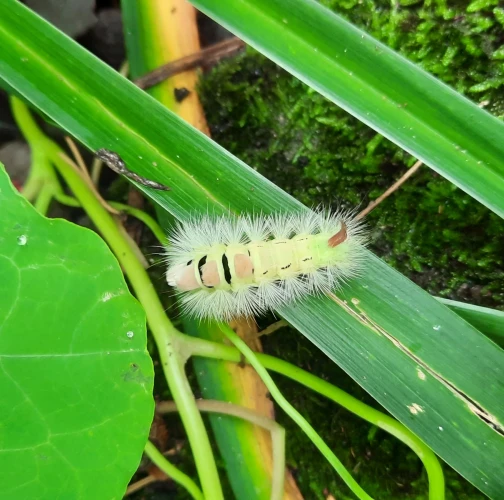
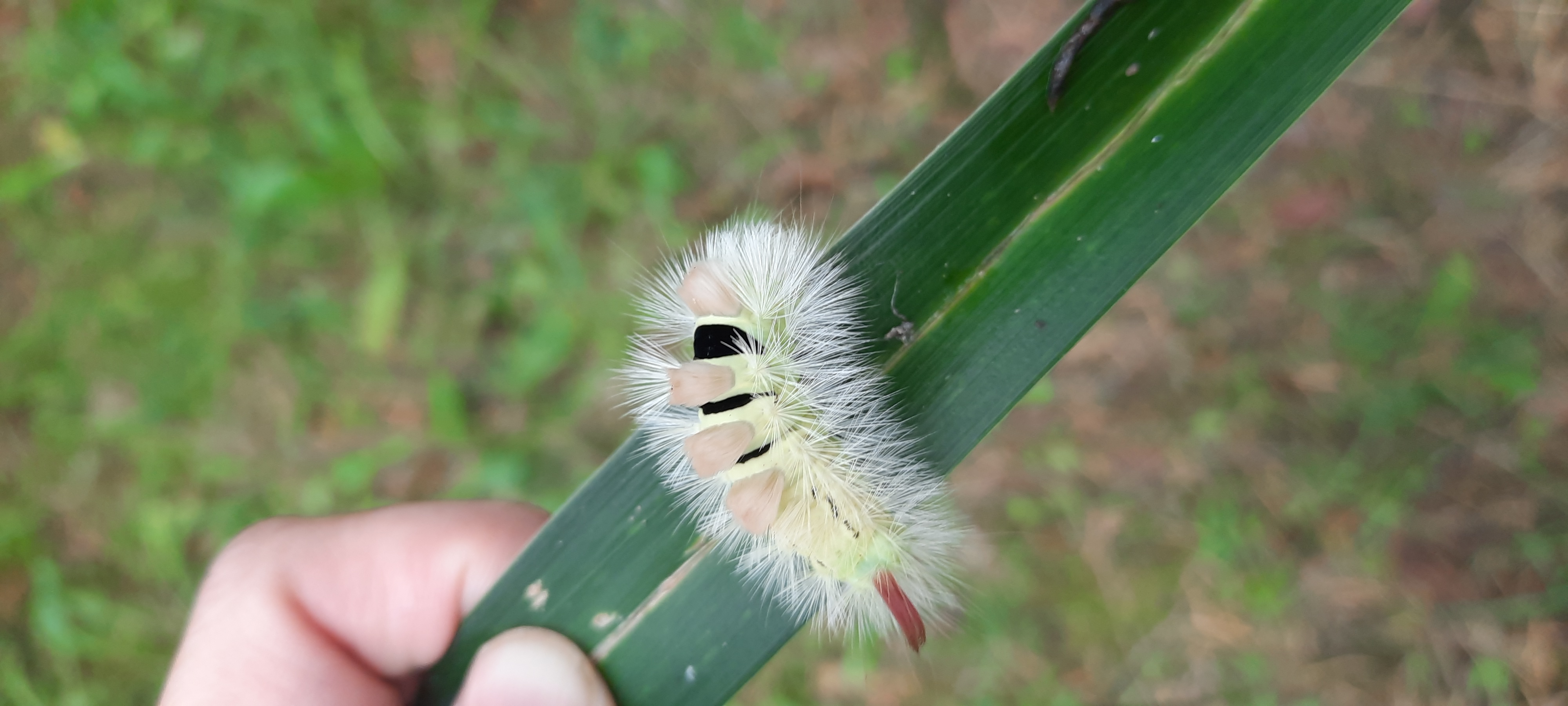
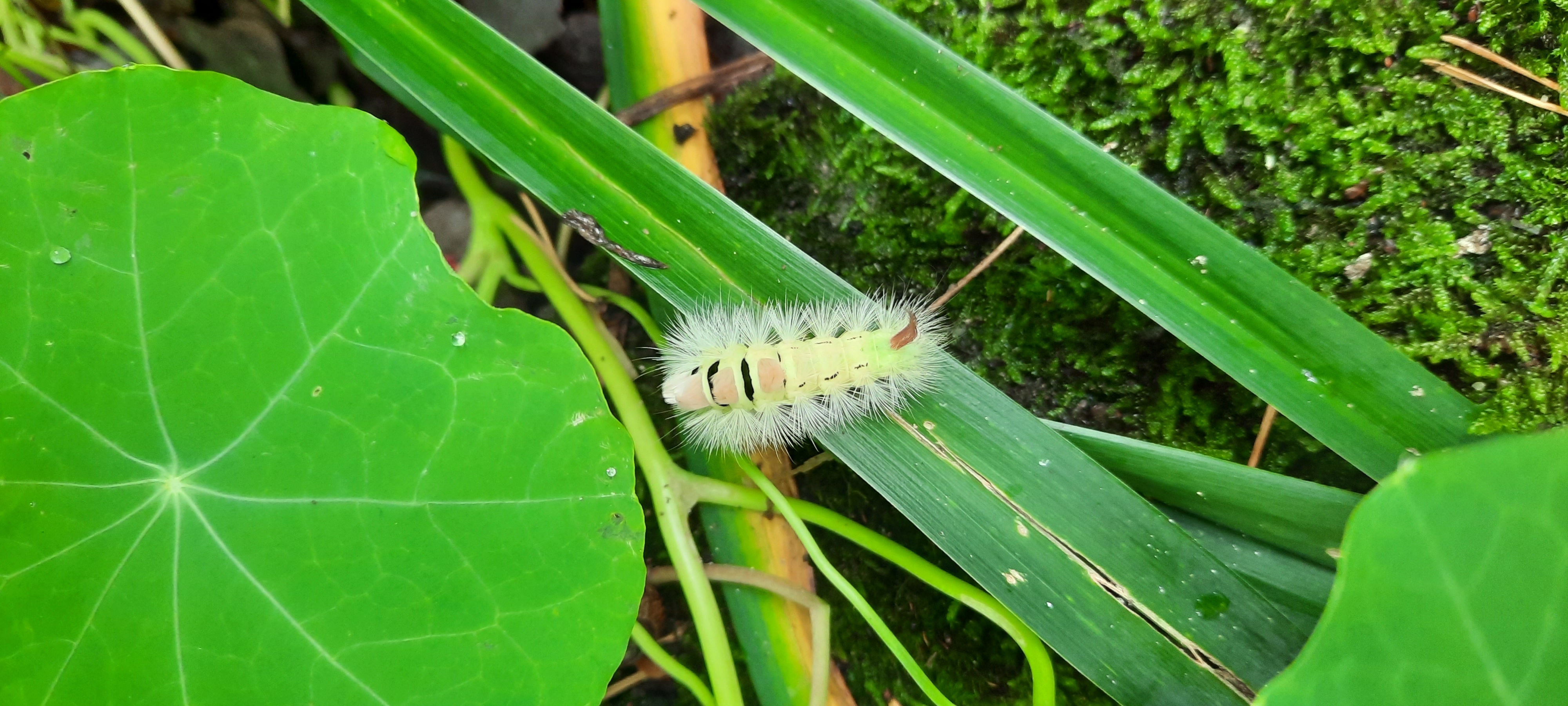
Pale tussock
Štetinavec orechový
Pale tussock
Number: 5083
Received 15.9.2024
In progress: 0 days
Date of occurrence: 14.9.2024
Significance: Harmful
Discussion
From: Ilknis
Assigned: M. Zúbrik
Country: Latvia

Question

Answer

Dear Ilknis, this is larva of Calliteara pudibunda - pale tussock. This medium-sized moth and is a pest of European beech forests. With best regards M. Zubrik
Number of votes for this answer: 0

Pest

Pale tussock

Calliteara pudibunda

Pale tussock

Calliteara pudibunda

hmyz

Received: 15.9.2024
Wood: Oak
Number: 5083
Date of occurrence: 14.9.2024
Discussion

Add comment: Pale tussock

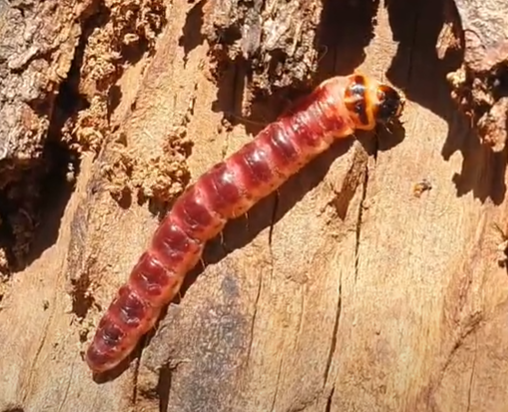
Goat moth
Goat moth
Number: 5068
Received 10.9.2024
In progress: 0 days
Date of occurrence: 8.9.2024
Significance: Harmful
Discussion
From: Arne
Assigned: M. Zúbrik
Country: The Netherlands

Question

The tree has been damages for a year now, big and deep holes at the base of the trunk, about half a meter high. this was the first time I saw the larva eating in the sun. I made a small video here: https://www.youtube.com/watch?v=-6_TRFmnq64 I never saw a caterpillar this big and it looks like it is not native in our country.

Answer

Dear Arne, thank you for your inquiry, the photo, and the interesting information. This is a fairly common species of moth – the goat moth Cossus cossus. Its large larvae feed on the wood of many trees, where they can be quite harmful. In the autumn, they leave their feeding site and look for a place to pupate, which is why they are more frequently encountered during this part of the season. Have a nice day, M. Zúbrik
Number of votes for this answer: 0

Pest

Goat moth

Cossus cossus

Goat moth

Cossus cossus

hmyz

Received: 10.9.2024
Wood: -
Number: 5068
Date of occurrence: 8.9.2024
Discussion

Add comment: Goat moth

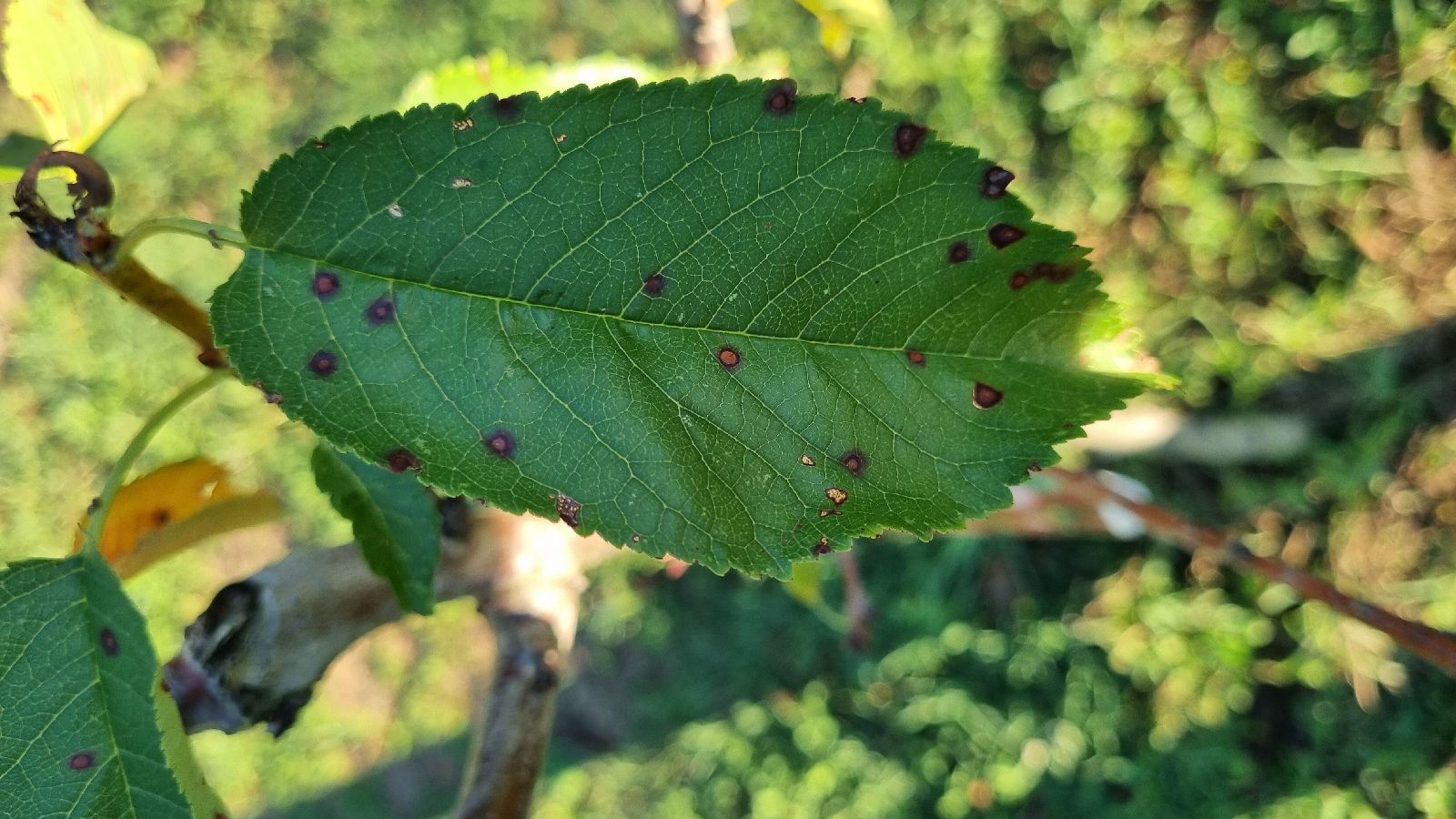
Cherry leaf spot
Cherry leaf spot
Number: 5067
Received 9.9.2024
In progress: 1 days
Date of occurrence: 9.9.2024
Significance: Less harmful
Discussion
From: gio
Assigned: V. Longauerová
Country: Italy

Question

Answer

Dear Gio, thank you for your request and picture. Cherry leaf spot (Blumeriella jaapii) is an important disease in Europe and America. Bird cherry (Prunus avium) causes the greatest damage. Other host plants include cherry (Prunus cerasus), common apricot (Prunus armeniaca) and common peach (Prunus persica). The pathogen mainly attacks the leaf blades, but exceptionally it can also attack the stems and fruits. Symptoms and harmfulnessParadoxically, unlike many other pathogens, cherry leaf spot primarily attacks older leaves. On the upper side of the leaf blade, distinctly red round spots of 1-2 mm in size are formed. On the underside of the leaf blade, smaller, sharply demarcated reddish-brown to dark brown spots are formed. They are covered with a fine coating of conidia. The spots on the lower and upper side of the leaf blade gradually become necrotic. The leaves gradually turn yellow, deform and subsequently fall. When fruits are attacked, significantly darker, sharply demarcated spots appear on the fruits. Infested fruits are usually deformed. The damage consists in the premature fall of the leaves, which reduces the photosynthetic activity of the tree. Trees have weaker growth, they are susceptible to environmental stress factors such as winter frosts or significant periods of drought. The pathogen results in a qualitative and, in particular, a quantitative reduction of the harvest. Spotting causes a huge problem in fruit nurseries or young plantings, where it slows growth and delays the fruiting period. Development cycleThe pathogen overwinters on fallen leaves, from which the infection spreads in the spring in the form of ascospores. Ascospores are able to infect leaves, stems and fruits in the period of 3-4 weeks after flowering of cherries. The leaves are infected through the stomata and the first symptoms can be observed 2 weeks after infection. Depending on the weather, they are released into the environment for 4-5 weeks. In addition to ascospore infection, conidia are the source of primary and secondary infection in many cases. Wet and rainy weather significantly promotes infection pressure. Infection can only occur if the leaf is wet. In the case of temperature, the optimum conditions for germination are in the range of 15-25 °C. ProtectionThe basis of protection is, first of all, the selection of habitat, variety, and cultivation form. It is important to avoid cold and damp locations, where the conditions for the development of mottledness are optimal. Ensuring an airy and non-compacted crown is important from the point of view of shortening the time of wetness of the leaves and thus preventing the germination of ascospores and conidia. Similar to the case of apple scab, it is also advisable to dispose of the fallen leaves and thereby significantly reduce the infection pressure in the following growing season. In the case of optimal weather conditions for the spread of the pathogen, it is advisable to carry out protection with fungicidal preparations 3-4 weeks after flowering. Preparations that contain the active substances mancozeb, fluopyram+trebuconazole, boscalid+paraclostrobin, dithianone have proven to be suitable. This treatment should be repeated after 10 days. If there is a long dry period during this period, there is no need to apply fungicides. With best regards,  Valeria
Number of votes for this answer: 0

Pest

Cherry leaf spot

Blumeriella jaapii

Cherry leaf spot

Blumeriella jaapii

huby

Received: 9.9.2024
Wood: Cherry
Number: 5067
Date of occurrence: 9.9.2024
Discussion

Add comment: Cherry leaf spot

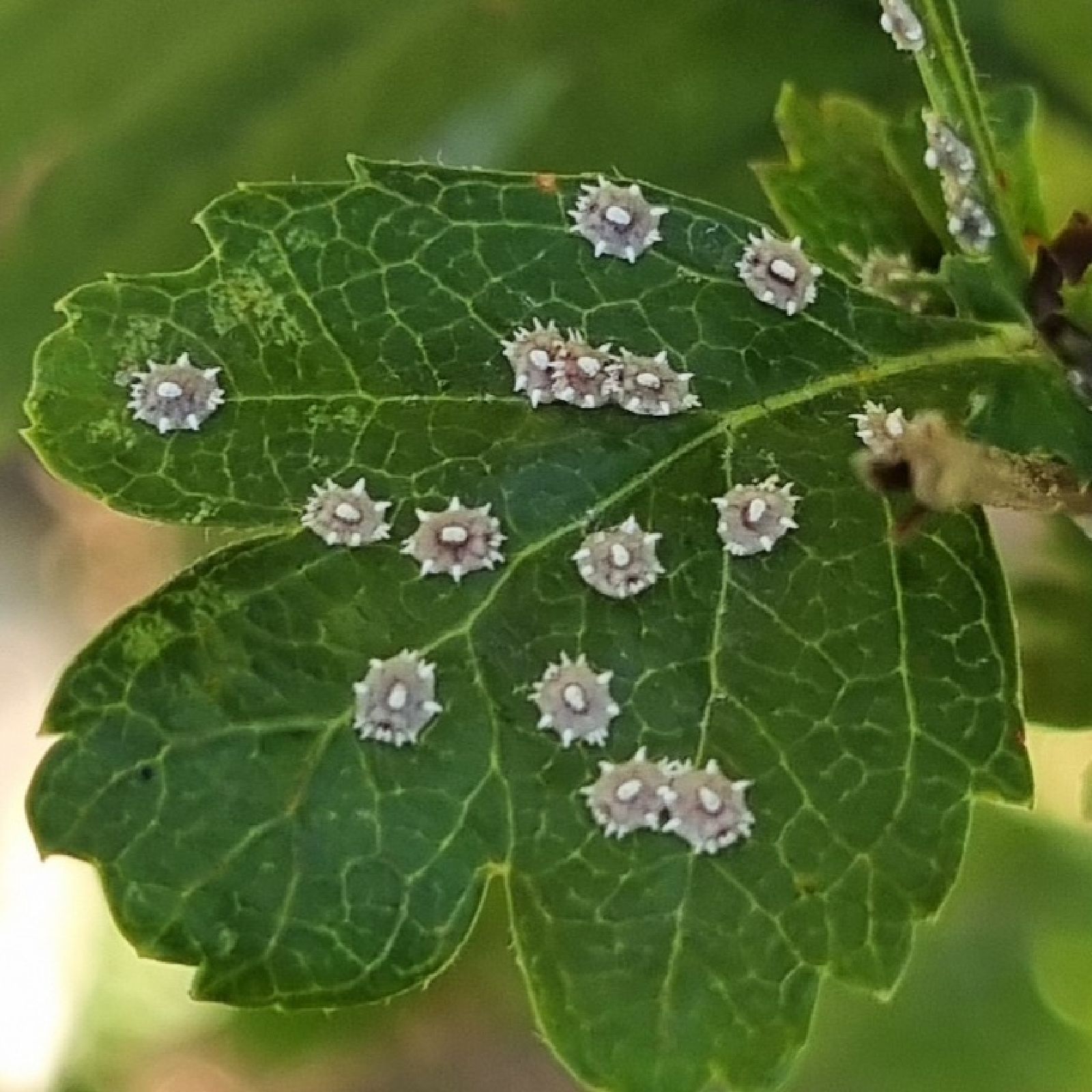
Japanese wax scale
Japanese wax scale
Number: 5066
Received 9.9.2024
In progress: 1 days
Date of occurrence: 9.9.2024
Significance: Harmful
Discussion
From: gio
Assigned: M. Zúbrik
Country: Italy

Question

Answer

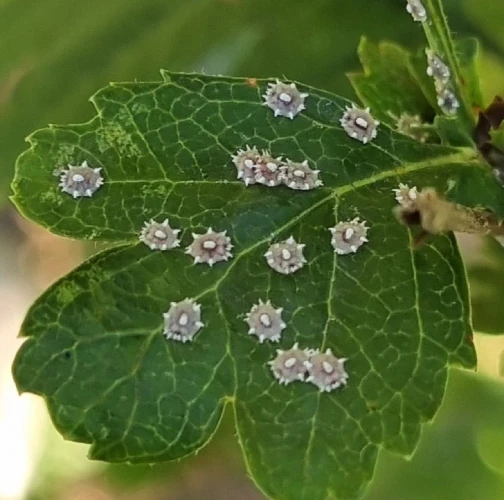
Dear Gio, thank you for your request and picture. It appears to be a species from the genus Ceroplastes. There are at least four very similar species in your area: Ceroplastes rusci (Fig wax scale), Ceroplastes floridensis (Florida wax scale), Ceroplastes japonicus, and Ceroplastes sinensis (Chinese wax scale). All these species produce waxy coverings that look similar, and they are mainly found in the warmer parts of Europe, particularly in the Mediterranean region. Among these species, Ceroplastes japonicus, Ceroplastes rusci (Fig wax scale), and Ceroplastes floridensis (Florida wax scale) have been reported to infest hawthorn (Crataegus spp.) as a host plant. All of them are polyphagous, meaning they can feed on a wide variety of plants, including ornamental and fruit-bearing species like hawthorn. Identifying these species often requires a detailed examination of their physical characteristics, possibly using a microscope to examine the body structure beneath the wax. There is quite a lot of information about Ceroplastes japonicus on our website. Please visit this page: https://www.forestpests.eu/pest/ceroplastes-japonicus. With best regards, M. Zubrik
Number of votes for this answer: 0

Pest

Japanese wax scale

Ceroplastes japonicus

Japanese wax scale

Ceroplastes japonicus

hmyz

Received: 9.9.2024
Wood: Hawthorn
Number: 5066
Date of occurrence: 9.9.2024
Discussion

Add comment: Japanese wax scale

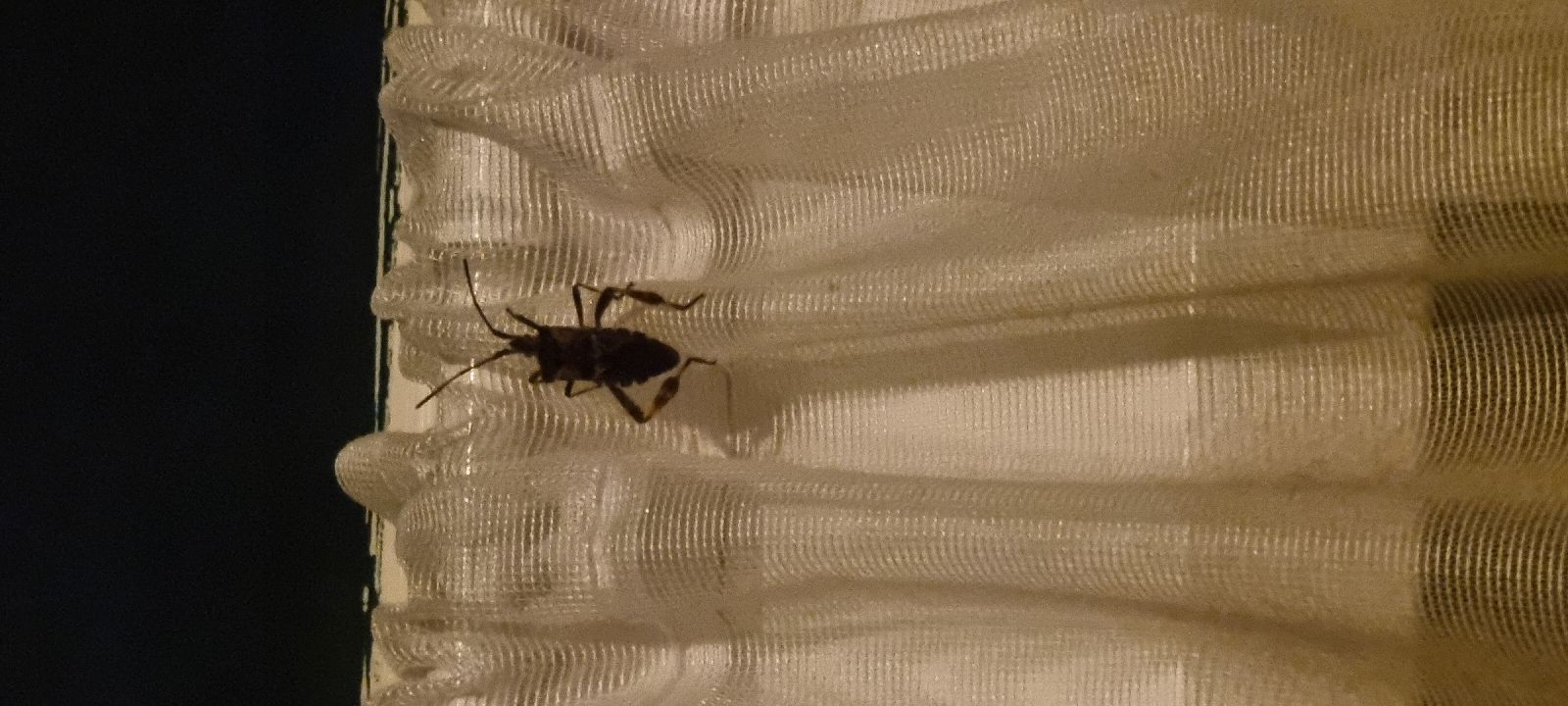
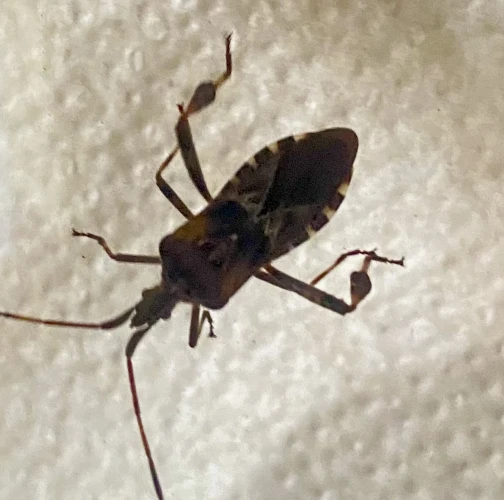
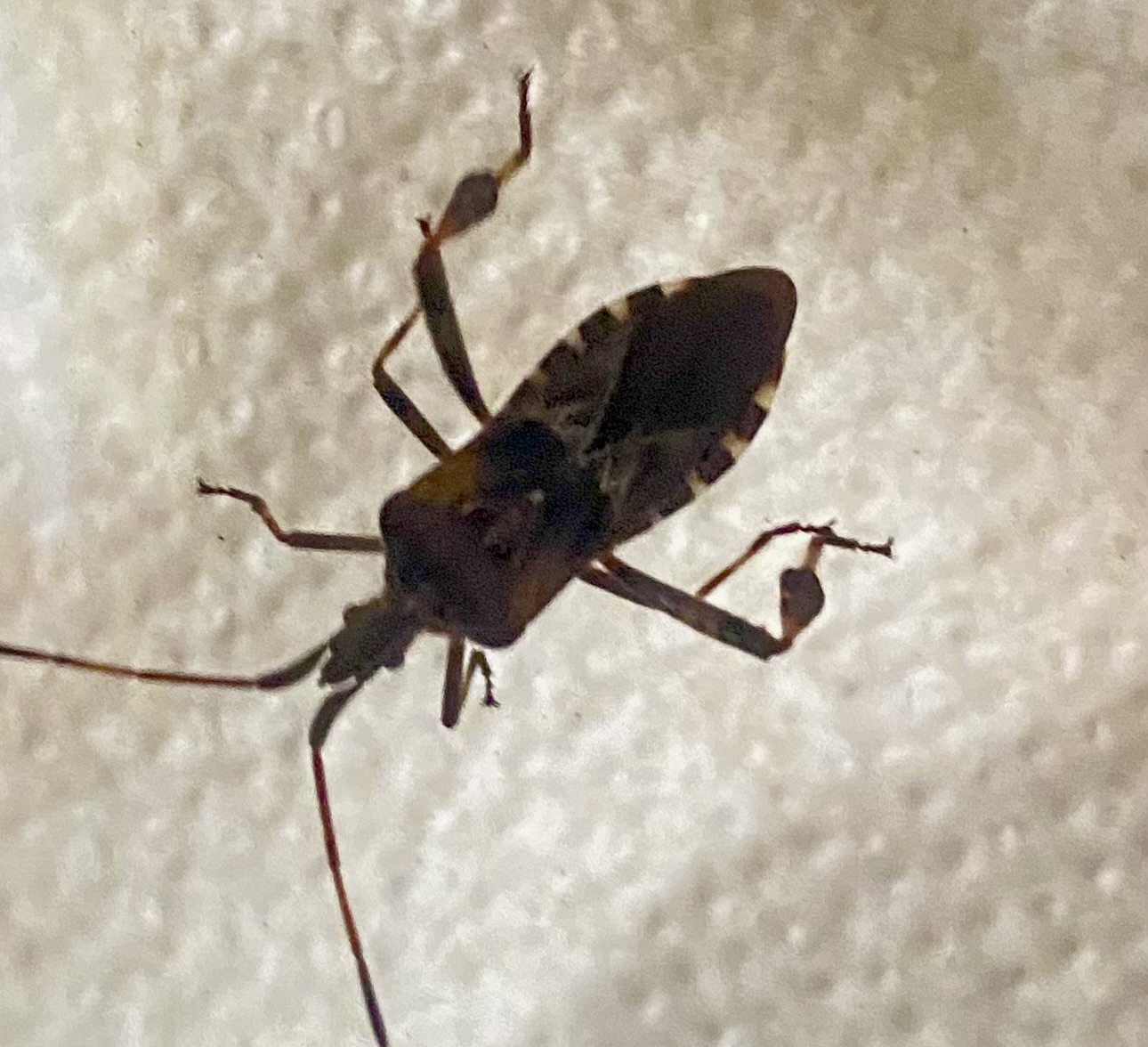
Western conifer seed bug
Number: 5061
Received 7.9.2024
In progress: 0 days
Date of occurrence: 7.9.2024
Significance: Less harmful
Discussion
Assigned: M. Zúbrik
Country: United Kingdom

Question

Answer

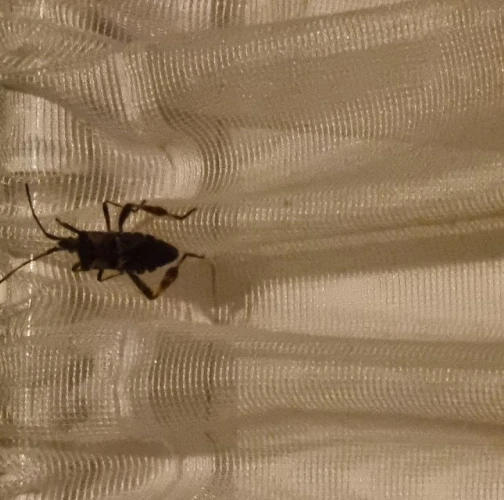
Dear Elize, thank you for a picture of Leptoglossus occidentalis. With best regards M. Zubrik
Number of votes for this answer: 0

Pest

Western conifer seed bug

Leptoglossus occidentalis

Western conifer seed bug

Leptoglossus occidentalis

hmyz

Received: 7.9.2024
Wood: Blackthorn
Number: 5061
Date of occurrence: 7.9.2024
Discussion

Add comment: Western conifer seed bug
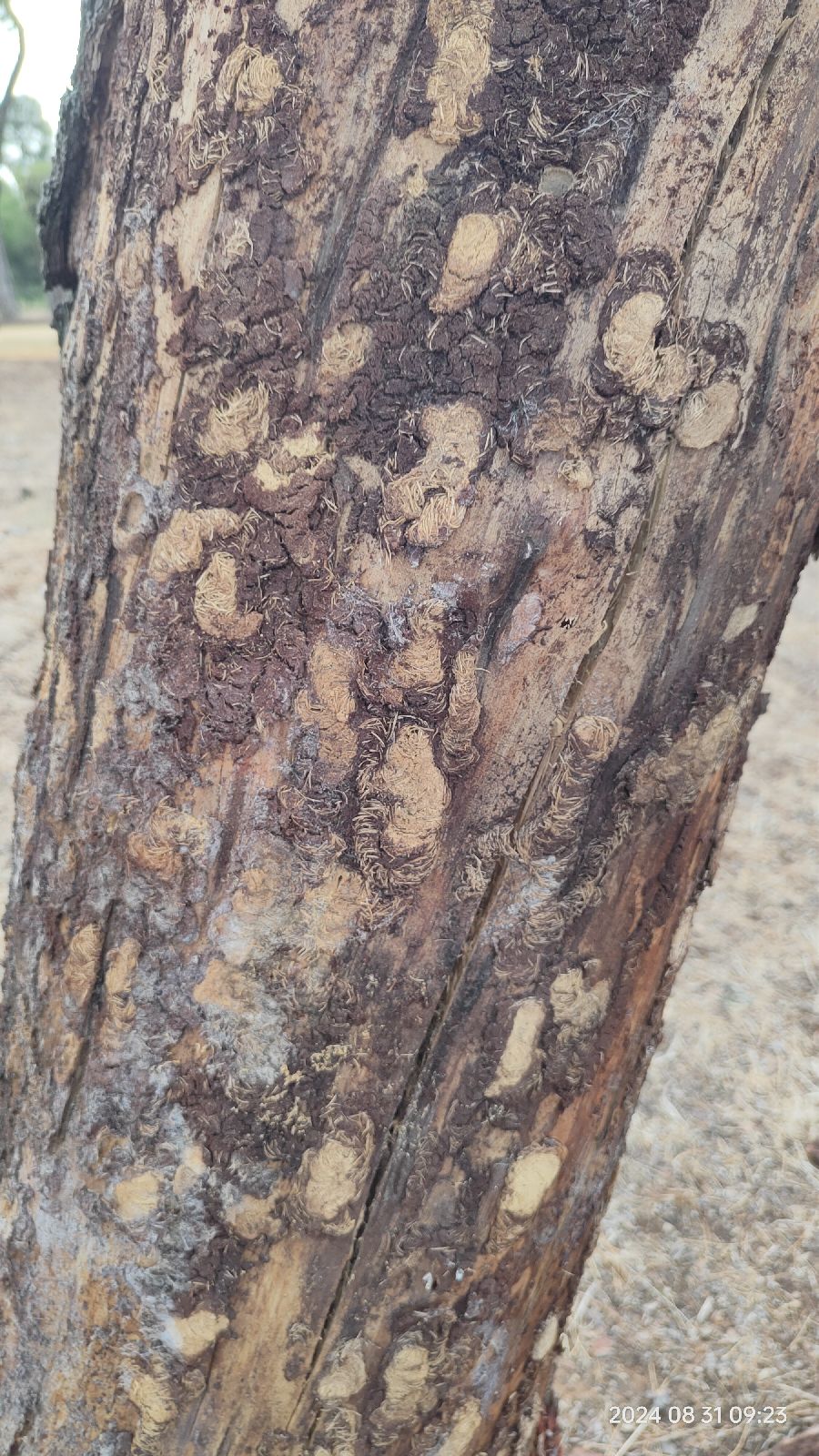
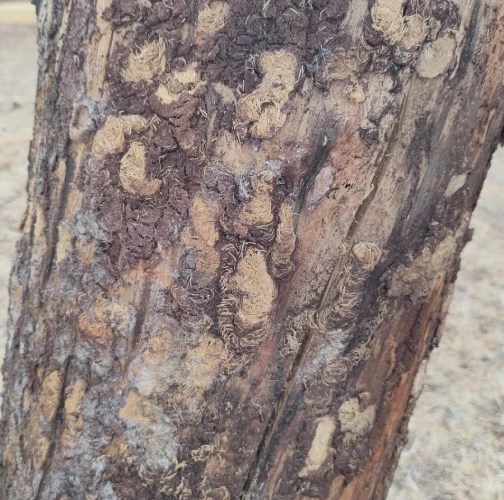
Black pine sawyer beetle
Number: 5060
Received 7.9.2024
In progress: 0 days
Date of occurrence: 7.9.2024
Significance: Harmful
Discussion
Assigned: M. Zúbrik
Country: Spain

Question

Answer

Dear Ignacio, thank you for your reguest. I think on the pictures are galleries caused by Monochamus galloprovincialis - the black pine sawyer beetle. It is cerambycid species. Larvae lives under the bark and pupation take place in the wood. It attack weakened trees. The adults maturation feeding can damage the twigs. It was recently found to be the vector of dangerous pathogenic pine wood nematode Bursaphelenchus xylophilus. With best regards M. Zúbrik
Number of votes for this answer: 0

Pest

Black pine sawyer beetle

Monochamus galloprovincialis

Black pine sawyer beetle

Monochamus galloprovincialis

hmyz

Received: 7.9.2024
Wood: Pine
Number: 5060
Date of occurrence: 7.9.2024
Discussion

Add comment: Black pine sawyer beetle
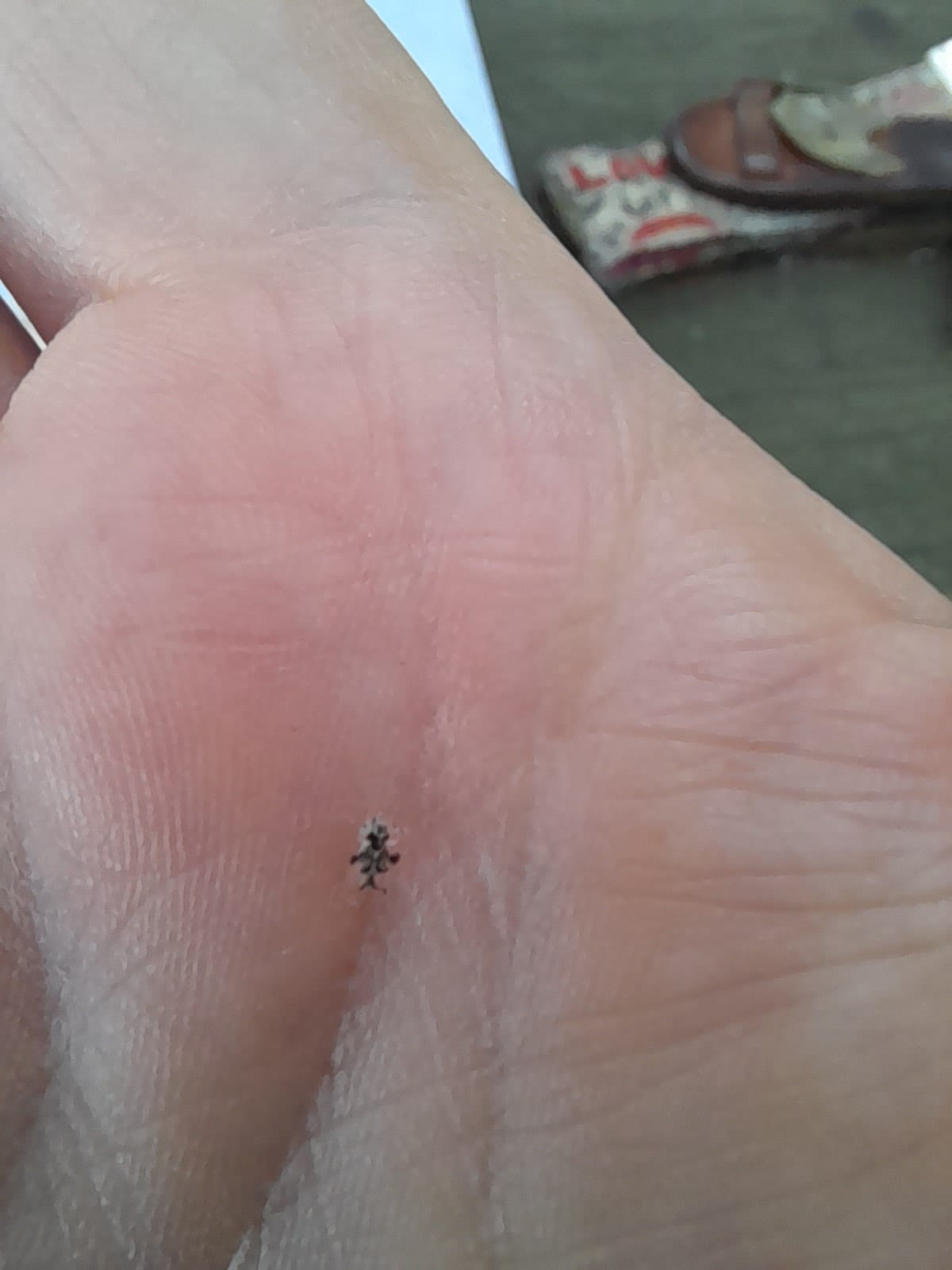
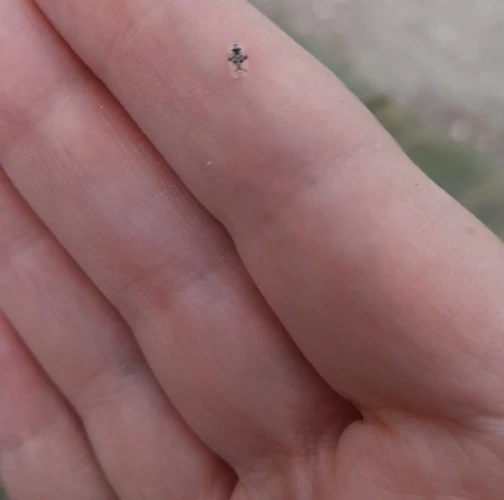
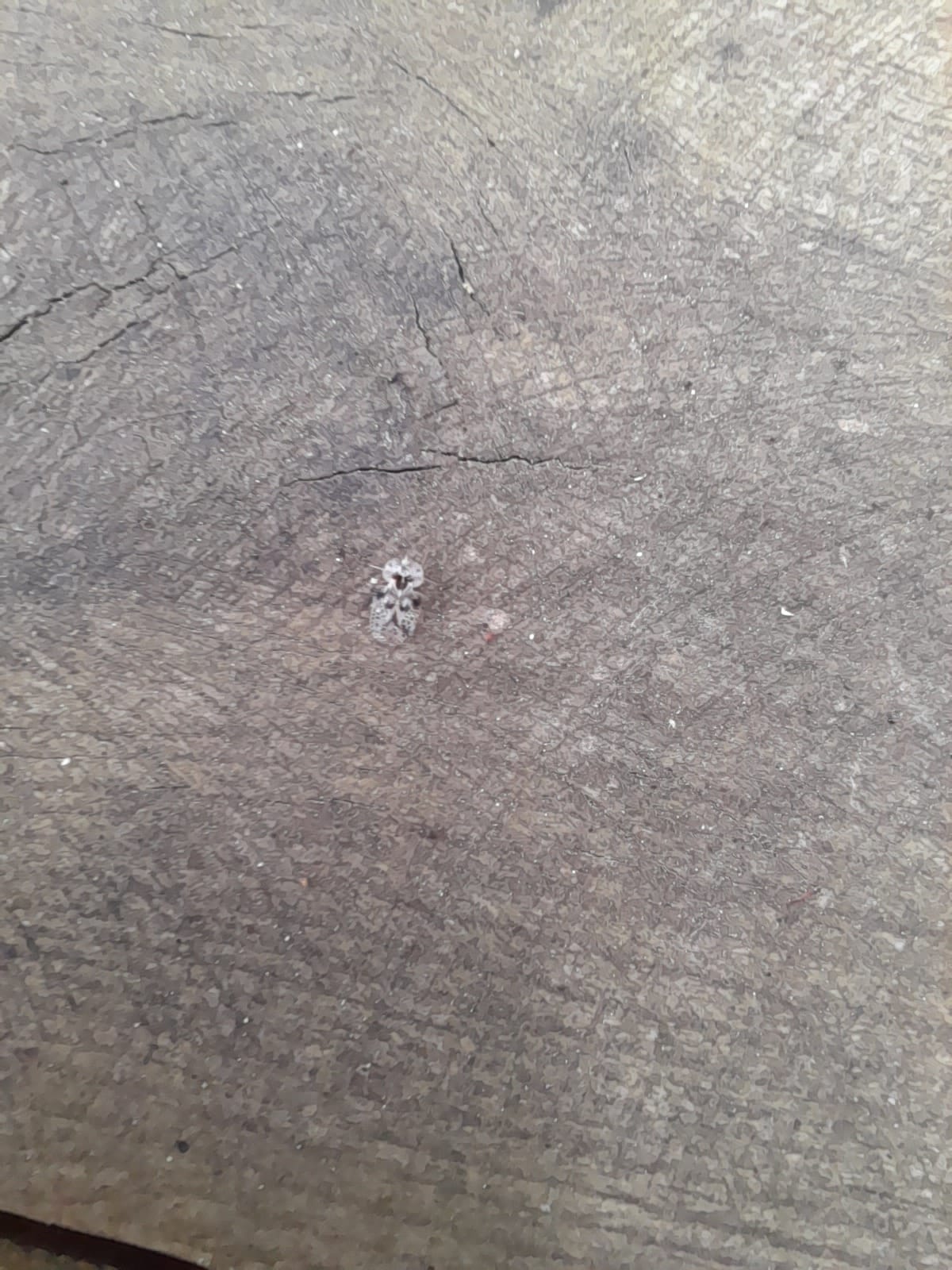
Oak lace bug
Sietnička dubováSietnička dubová
Oak lace bug
Number: 5052
Received 5.9.2024
In progress: 0 days
Date of occurrence: 5.9.2024
Significance: Harmful
Discussion
From: Soares
Assigned: M. Zúbrik
Country: Portugal

Question

Answer

Dear Soares, thank you for your question. This is invasive species oal lace bug Corythucha arcuata. This North American species was first reported in Europe in 2000. The 3 mm long, bizarrely-shaped bugs overwinter in bark crevices or in leaf litter. There are 2–4 generations per year. Adults are usually present from June to September, and during this time they continue to feed on the leaves of oak trees. Feeding results in discoloured, pale, mottled leaves, which may, if the attack is heavy, drop prematurely. While the oak lace bug is considered a pest of oak trees, it typically does not cause significant harm to the trees. However, severe infestations can occur, particularly in areas where the bugs are abundant. In these cases, the oak lace bug can cause defoliation, weaken the tree, and make it more susceptible to other pests and diseases. Best regards M. Zubrik
Number of votes for this answer: 0

Pest

Oak lace bug

Corythucha arcuata

Oak lace bug

Corythucha arcuata

hmyz

Received: 5.9.2024
Wood: Oak
Number: 5052
Date of occurrence: 5.9.2024
Discussion

Add comment: Oak lace bug

Western conifer seed bug
Number: 5046
Received 3.9.2024
In progress: 1 days
Date of occurrence: 9.3.2024
Significance: Less harmful
Discussion
From: Albe
Assigned: M. Zúbrik
Country: The Netherlands

Question

Answer

Dear Albe, thanks for your inquiry. This is adults of Leptoglossus occidentalis, western conifer seed bug. Best regards M. Zúbrik
Number of votes for this answer: 0

Pest

Western conifer seed bug

Leptoglossus occidentalis

Western conifer seed bug

Leptoglossus occidentalis

hmyz

Received: 3.9.2024
Wood: -
Number: 5046
Date of occurrence: 9.3.2024
Discussion

Add comment: Western conifer seed bug
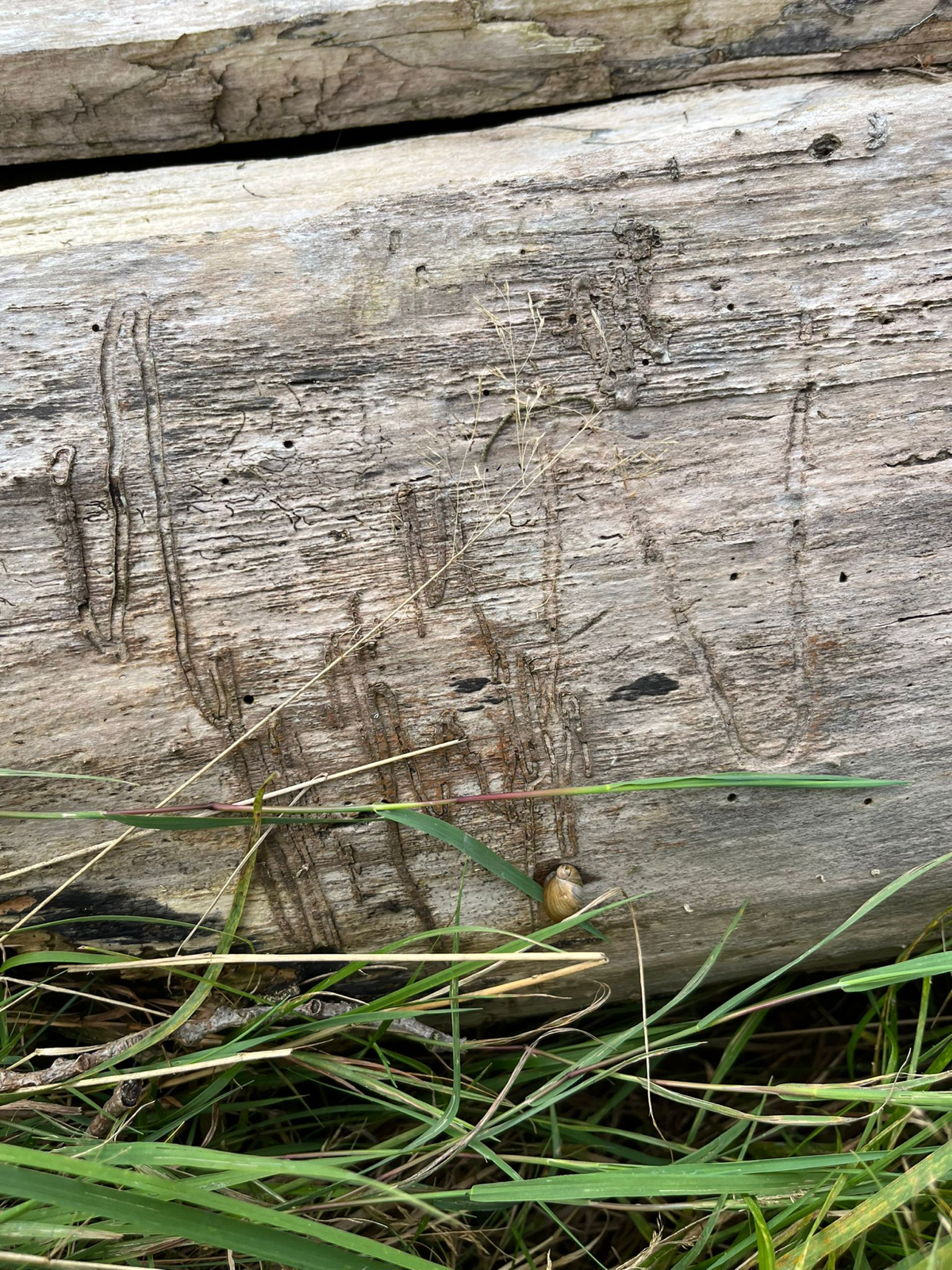
Agrilus ater
Krasoň topoľovýKrasoň topoľový
Agrilus ater
Number: 5031
Received 1.9.2024
In progress: 1 days
Date of occurrence: 1.9.2024
Significance: Less harmful
Discussion
From: Jer Nusse
Assigned: M. Zúbrik
Country: The Netherlands

Question

Answer

Dear Jer, thank you for your inquiry. In your photos, there are feeding galleries likely caused by Agrilus ater. However, it cannot be determined if this insect species caused tree mortality in this case. Best regards, M. Zúbrik
Number of votes for this answer: 0

Pest

Agrilus ater

Agrilus ater

Agrilus ater

Agrilus ater

hmyz

Received: 1.9.2024
Wood: Poplar
Number: 5031
Date of occurrence: 1.9.2024
Discussion

Add comment: Agrilus ater

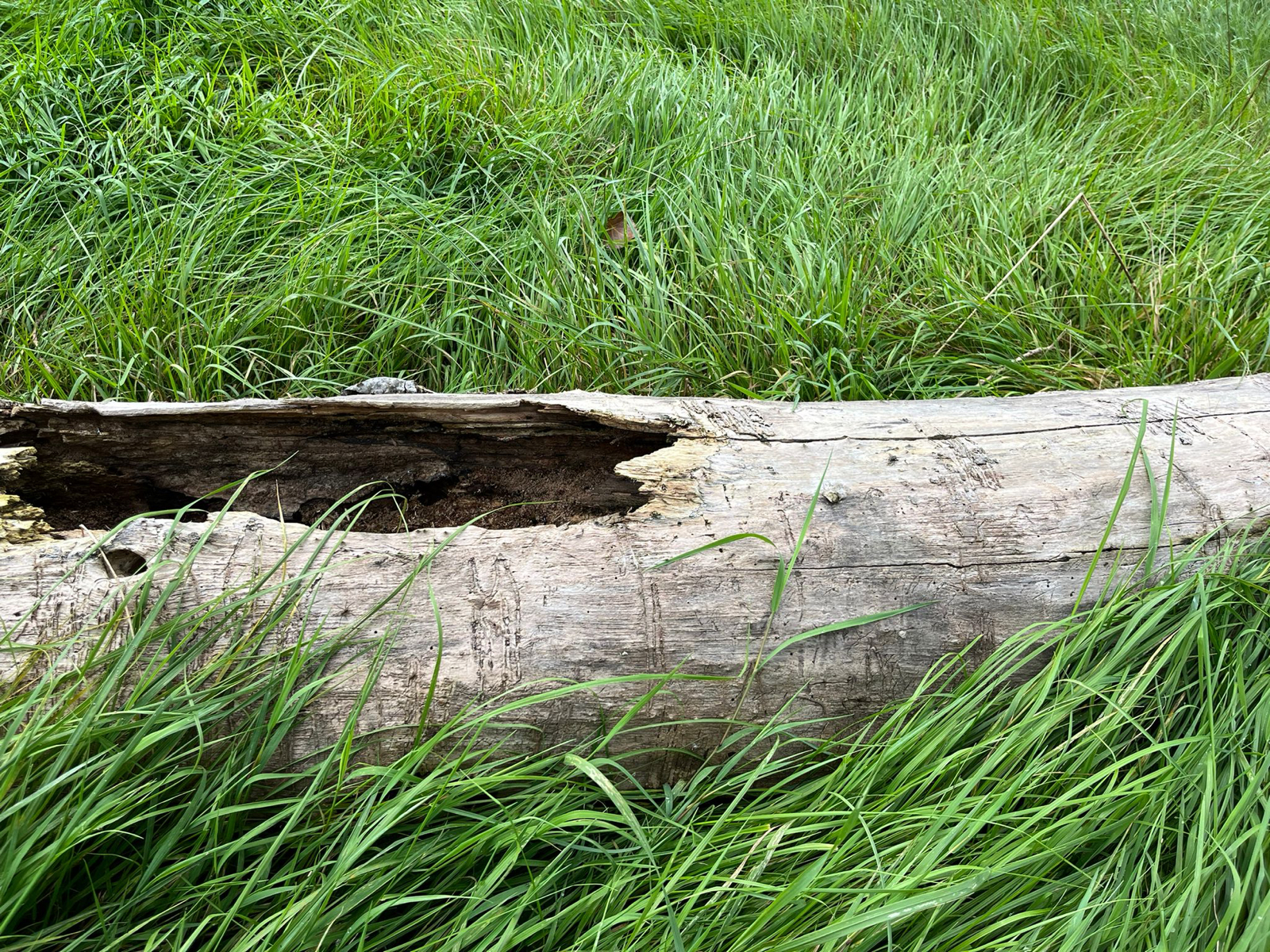
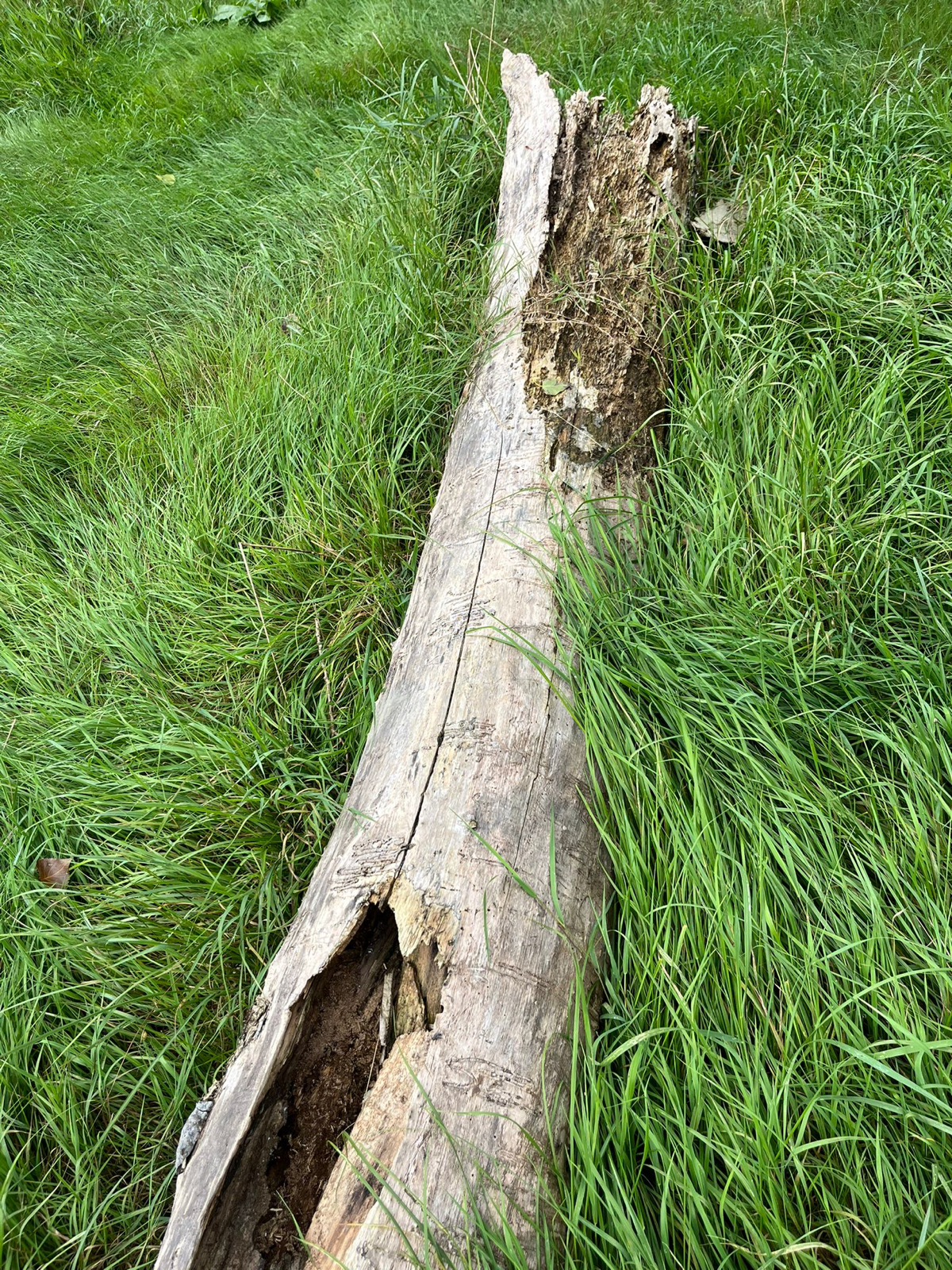
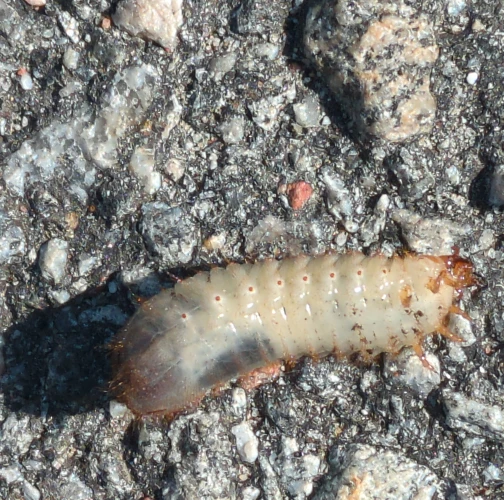
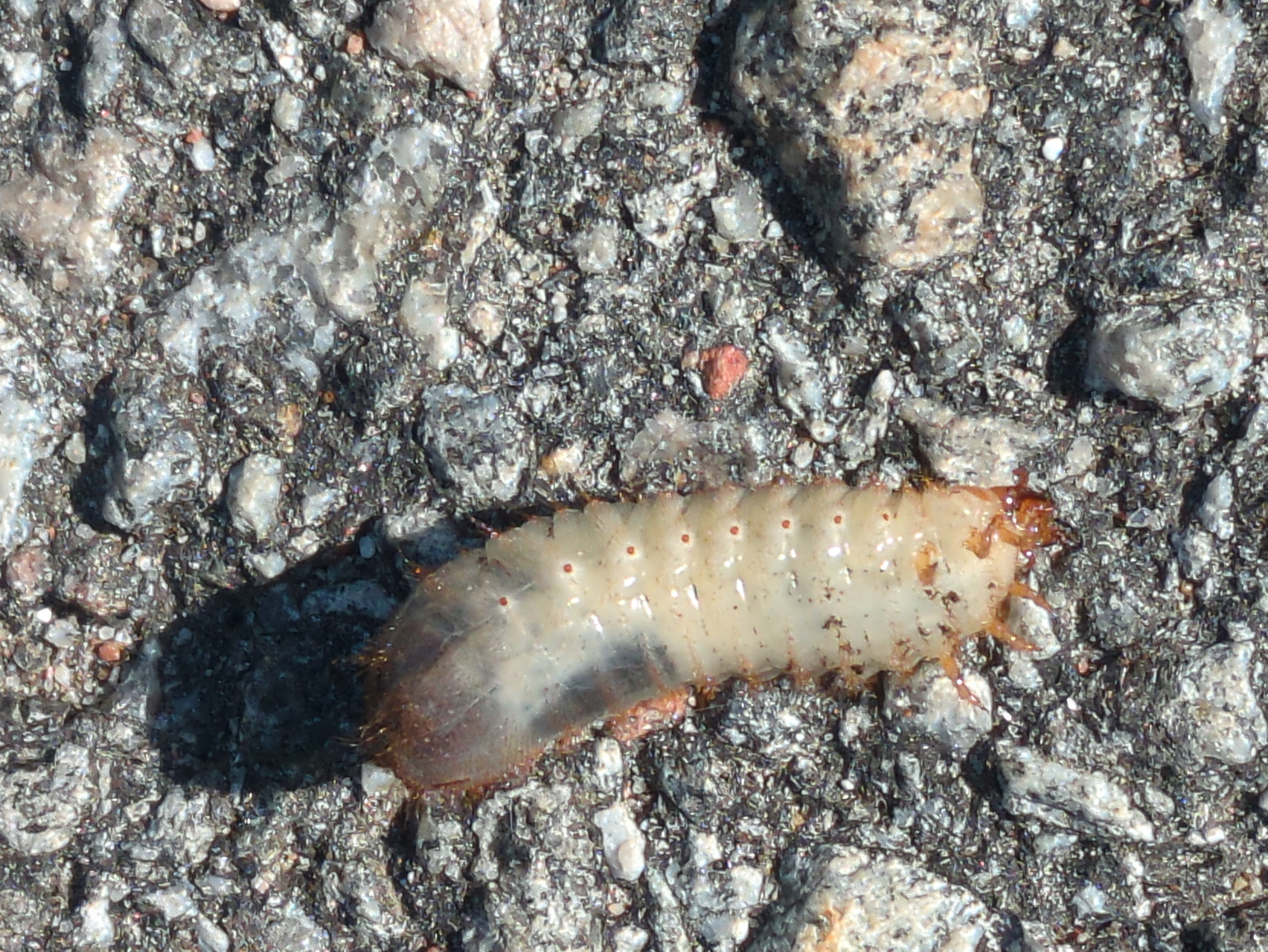
Flower chafers Cetoniinae
Number: 5019
Received 28.8.2024
In progress: 0 days
Date of occurrence: 28.8.2024
Significance: Less harmful
Discussion
Assigned: M. Zúbrik
Country: Sweden

Question

Answer

Dear Sverker, this is a larva of some species of a beetle from the group of Cetoniinae. Larvae of these species are not harmful as they live in dead wood. Adults can feed on fruit and flowers and can make some injuries. Wish you have a nice day. M. Zubrik
Number of votes for this answer: 0

Pest

Flower chafers Cetoniinae

Cetoniinae

Flower chafers Cetoniinae

Cetoniinae

hmyz

Received: 28.8.2024
Wood: -
Number: 5019
Date of occurrence: 28.8.2024
Discussion

Add comment: Flower chafers Cetoniinae
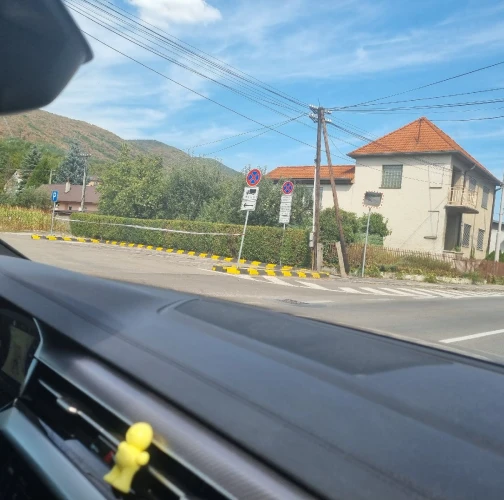
Heat, drought and bark burn
Number: 5005
Received 25.8.2024
In progress: 2 days
Date of occurrence: 25.8.2024
Significance: Very harmful
Discussion
Assigned: M. Zúbrik
Country: Slovakia

Question

Answer

Monitoring: Heat, drought  
Number of votes for this answer: 0

Pest

Heat, drought and bark burn

Heat, drought and bark burn

Heat, drought and bark burn

Heat, drought and bark burn

ine

Received: 25.8.2024
Wood: Different tree species
Number: 5005
Date of occurrence: 25.8.2024
Discussion

Add comment: Heat, drought and bark burn

Back to top