Login | Registration | List of contributors

Requests to determine the cause of damage

Here you can request to determine the cause of the damage. You can view the requests of other users and sort them according to the selected criteria. In addition, you can get information about your request, and you can follow the progress of its current state. If your application was not approved, it had probably been because it was impossible to identify the damage based on the sent photos or because the application does not address our topic - determining the pests of trees and shrubs. We will inform you about the status of your application by email.

Filter reset

Code
Date
Assigned
Status
Days from submission
7442
10.2.2026
J. Galko
In progress
17

Rejected requests are not displayed. You have been notified by email that your application has been denied.
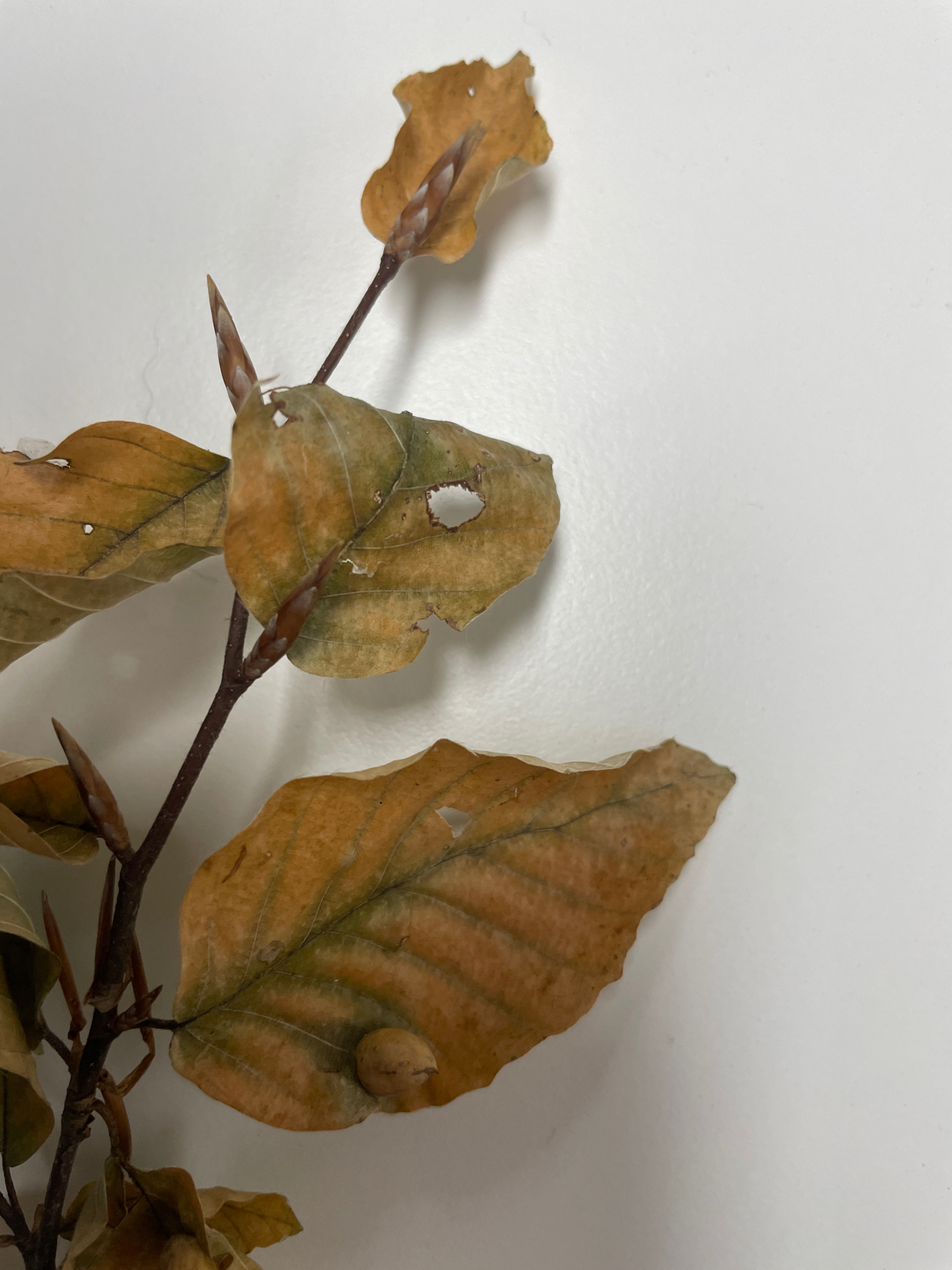
 

Beach gall midge
Beach gall midge
Number: 5255
Received 6.11.2024
In progress: 1 days
Date of occurrence: 6.11.2024
Significance: Less harmful
Discussion
From: Marketa
Assigned: M. Zúbrik
Country: Czechia

Question

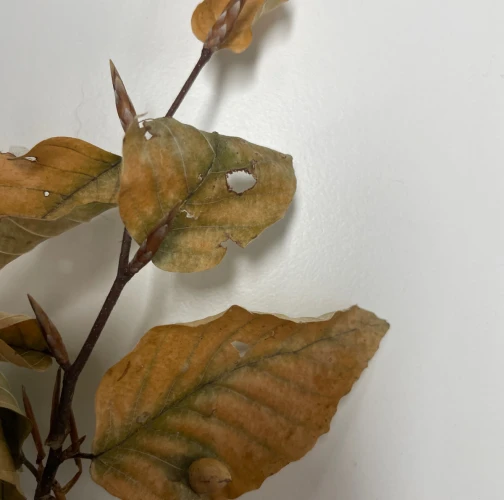
Holes in leaves

Answer

Thank you for your inquiry. There are holes in the leaf, but there are many potential causes that could have led to this damage. It would be necessary to obtain more supplementary information. On the lower leaf, there is a gall of the species Mikiola fagi. With best regards, M. Zubrik
Number of votes for this answer: 0

Pest

Beach gall midge

Mikiola fagi

Beach gall midge

Mikiola fagi

hmyz

Received: 6.11.2024
Wood: Beech
Number: 5255
Date of occurrence: 6.11.2024
Discussion

Add comment: Beach gall midge

A - Ambiguously determined, we are not sure
Number: 5254
Received 6.11.2024
In progress: 1 days
Date of occurrence: 8.9.2024
Significance:
Discussion
Assigned: M. Zúbrik
Country: Sweden

Question

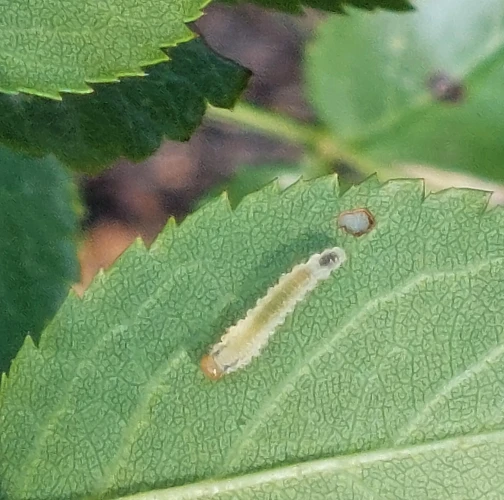
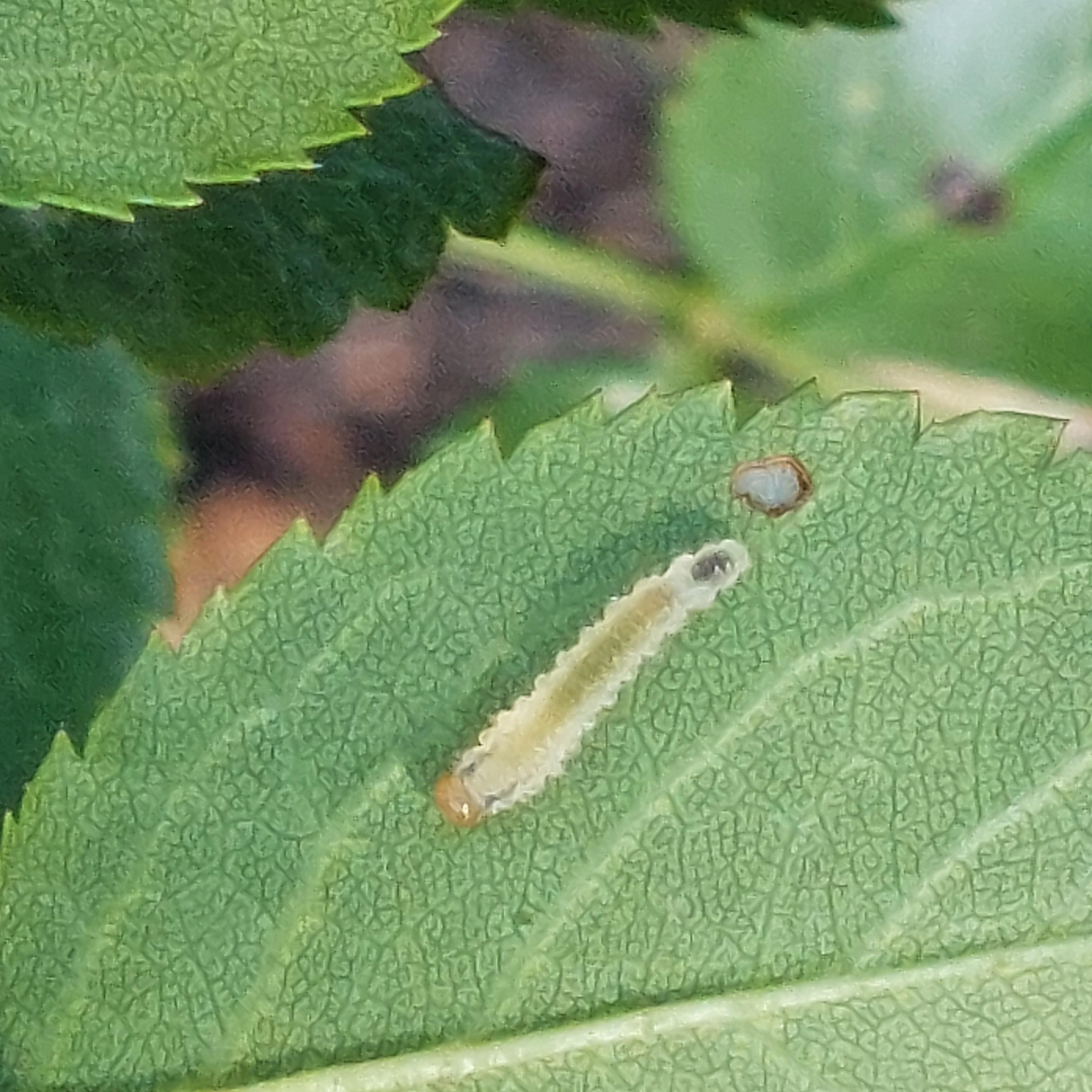
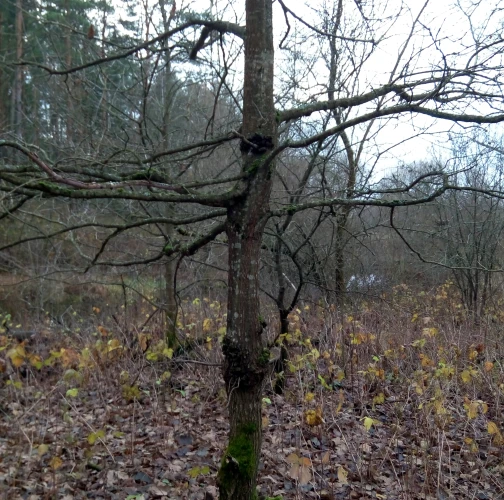
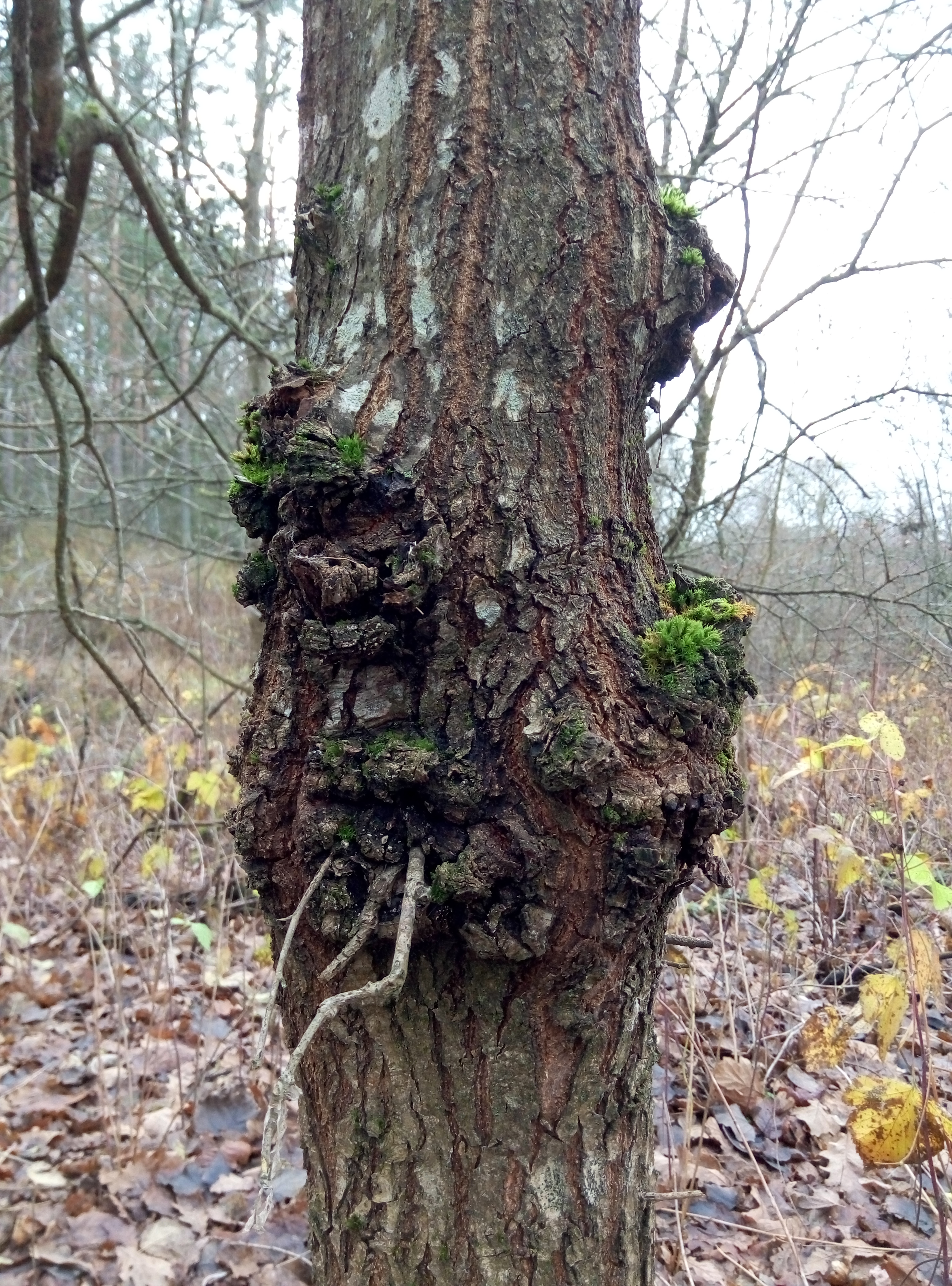
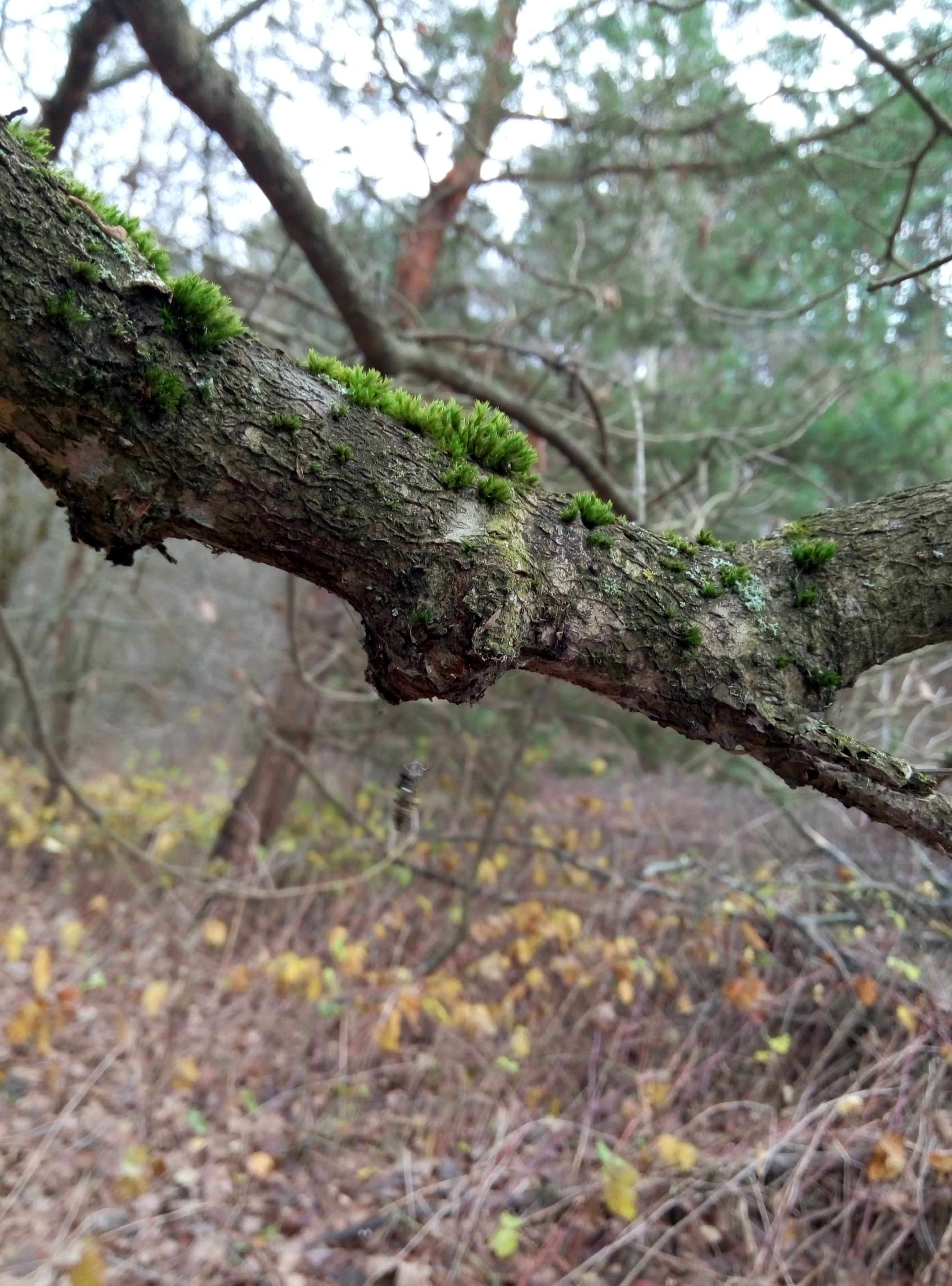
Äter på rosenblad och vissa nävor

Answer

Thank you for your inquiry. The image shows an insect larva from the order Hymenoptera, specifically from the suborder Symphyta – commonly known as sawflies. The larvae of these species feed on rose leaves, and in Europe, several similar species inhabit rose plants. They cause defoliation, which reduces the plant vitality and aesthetic value. The image is somewhat unclear, so we cannot confidently identify the exact species. It could potentially be the larva of Endelomyia aethiops. With best regards M. Zubrik
Number of votes for this answer: 0

Pest

A - Ambiguously determined, we are not sure
A - Ambiguously determined, we are not sure
A - Ambiguously determined, we are not sure
A - Ambiguously determined, we are not sure
hmyz

Received: 6.11.2024
Wood: Rose
Number: 5254
Date of occurrence: 8.9.2024
Discussion

Add comment: A - Ambiguously determined, we are not sure
A - nejednoznačne určený, nie sme si istíA - nejednoznačne určený, nie sme si istíA - nejednoznačne určený, nie sme si istí
Number: 5253
Received 5.11.2024
In progress: 6 days
Date of occurrence: 13.11.2019
Significance:
Discussion
Assigned: A. Kunca
Country: Belarus

Question

Answer

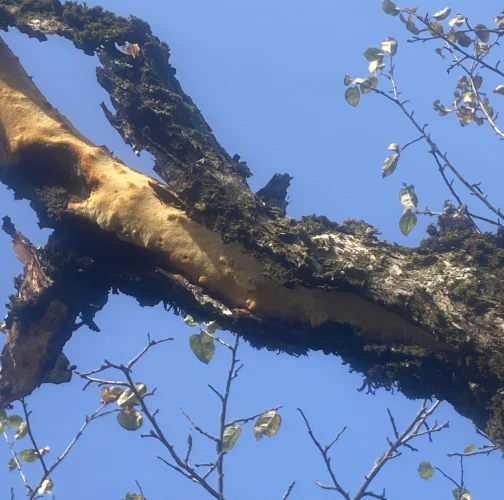
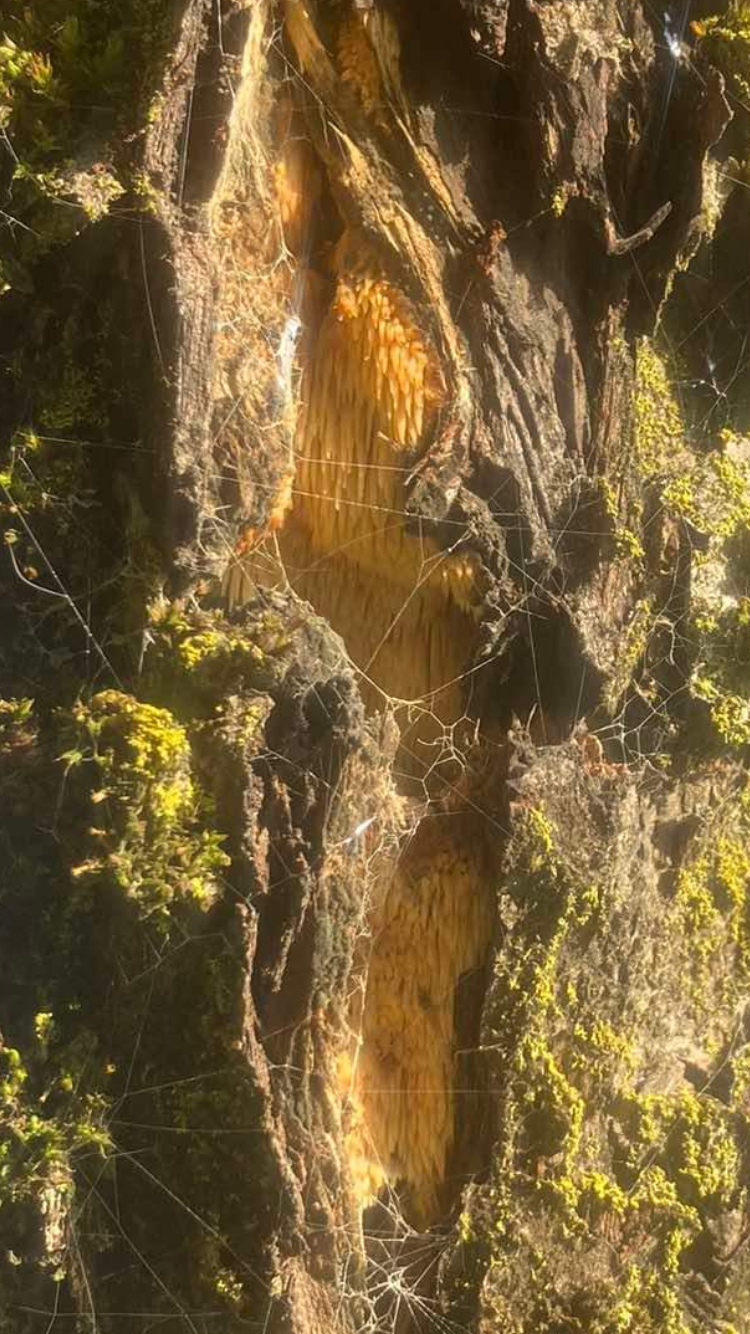
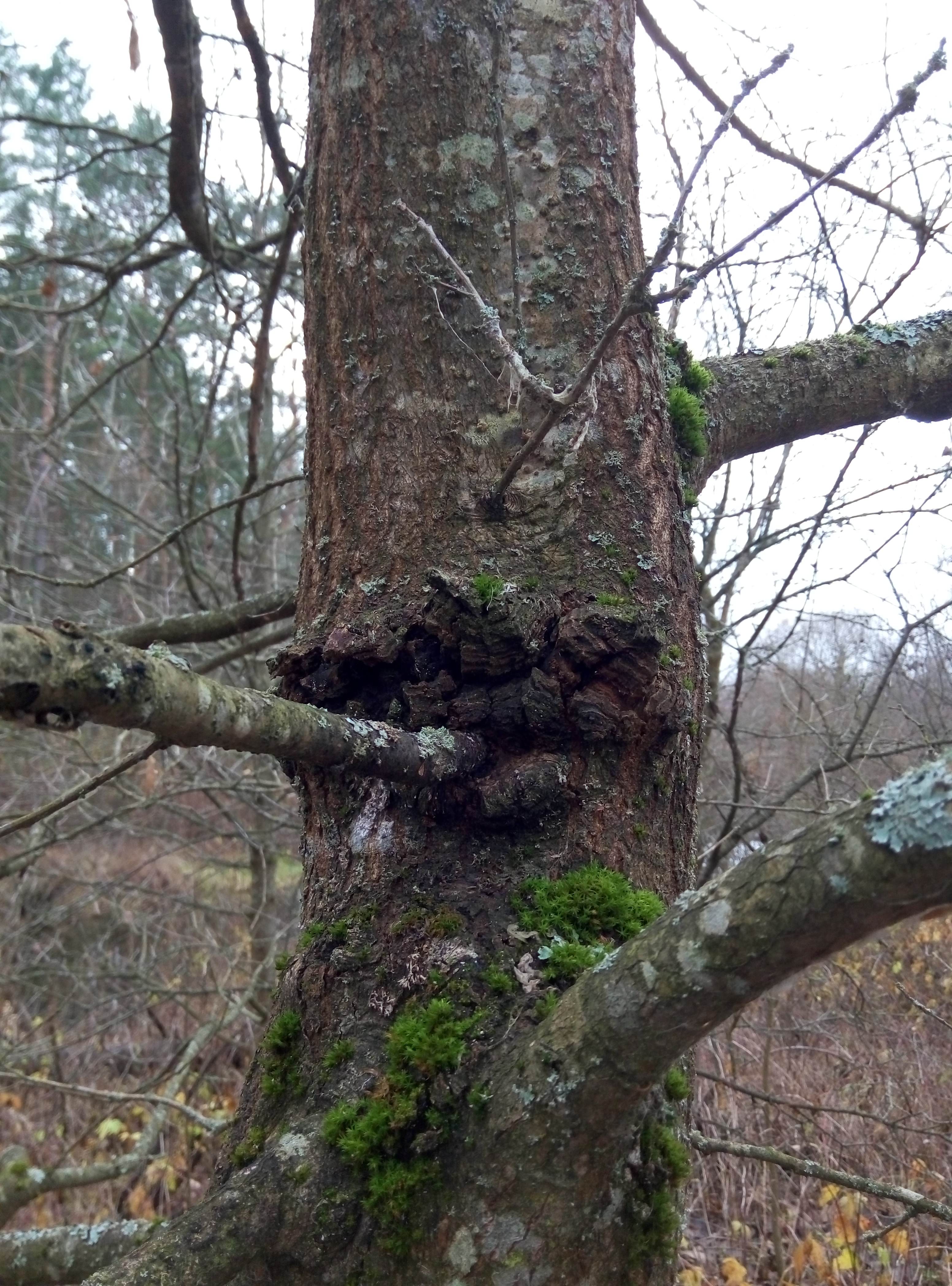
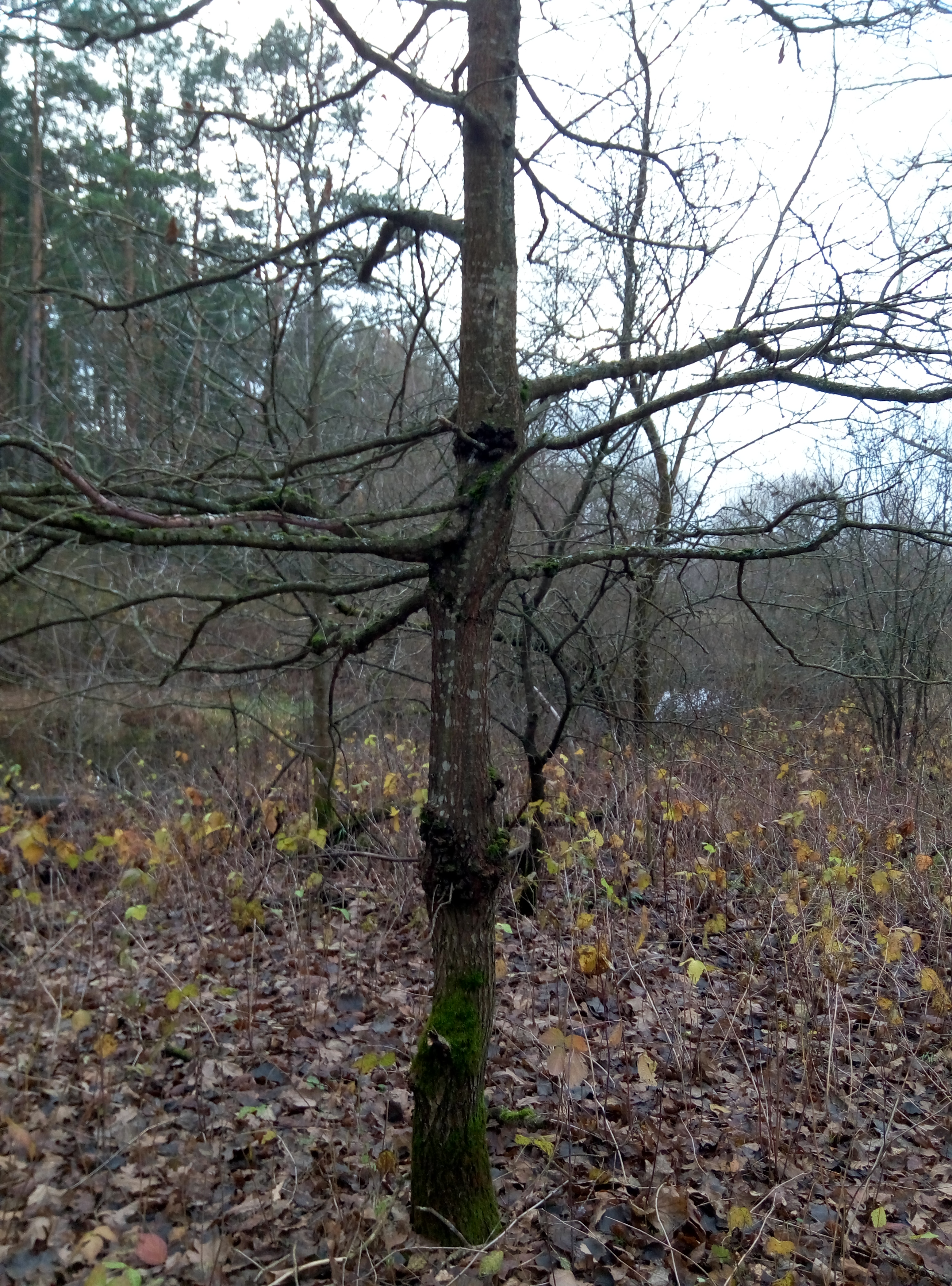
Dear Aliaxandr, something like this is caused by Inonotus nidus pici on Quercus cerris. Could be something else, as well.. Andrej Kunca
Number of votes for this answer: 0

Pest

A - nejednoznačne určený, nie sme si istí

A - nejednoznačne určený, nie sme si istí

hmyz

Received: 5.11.2024
Wood: Oak
Number: 5253
Date of occurrence: 13.11.2019
Discussion

Add comment:

A - Ambiguously determined, we are not sure
A - Ambiguously determined, we are not sureA - Ambiguously determined, we are not sure
A - Ambiguously determined, we are not sure
Number: 5240
Received 31.10.2024
In progress: 0 days
Date of occurrence: 1.10.2024
Significance:
Discussion
Assigned: M. Zúbrik
Country: Italy

Question

Answer

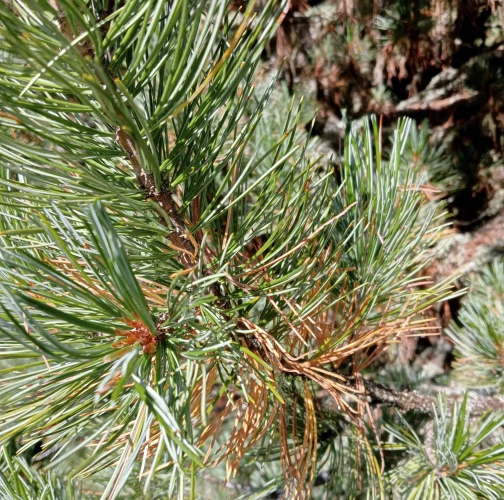
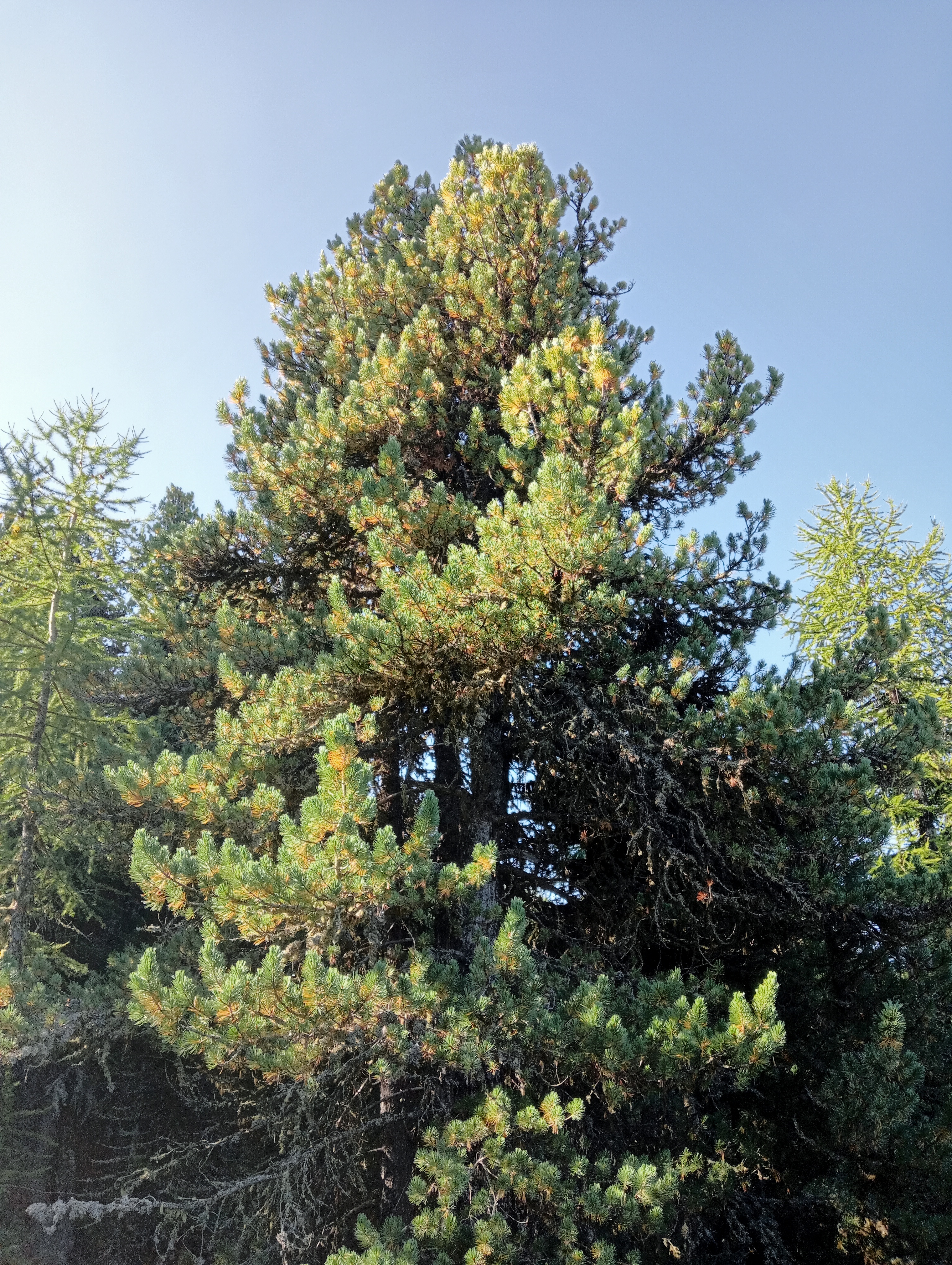
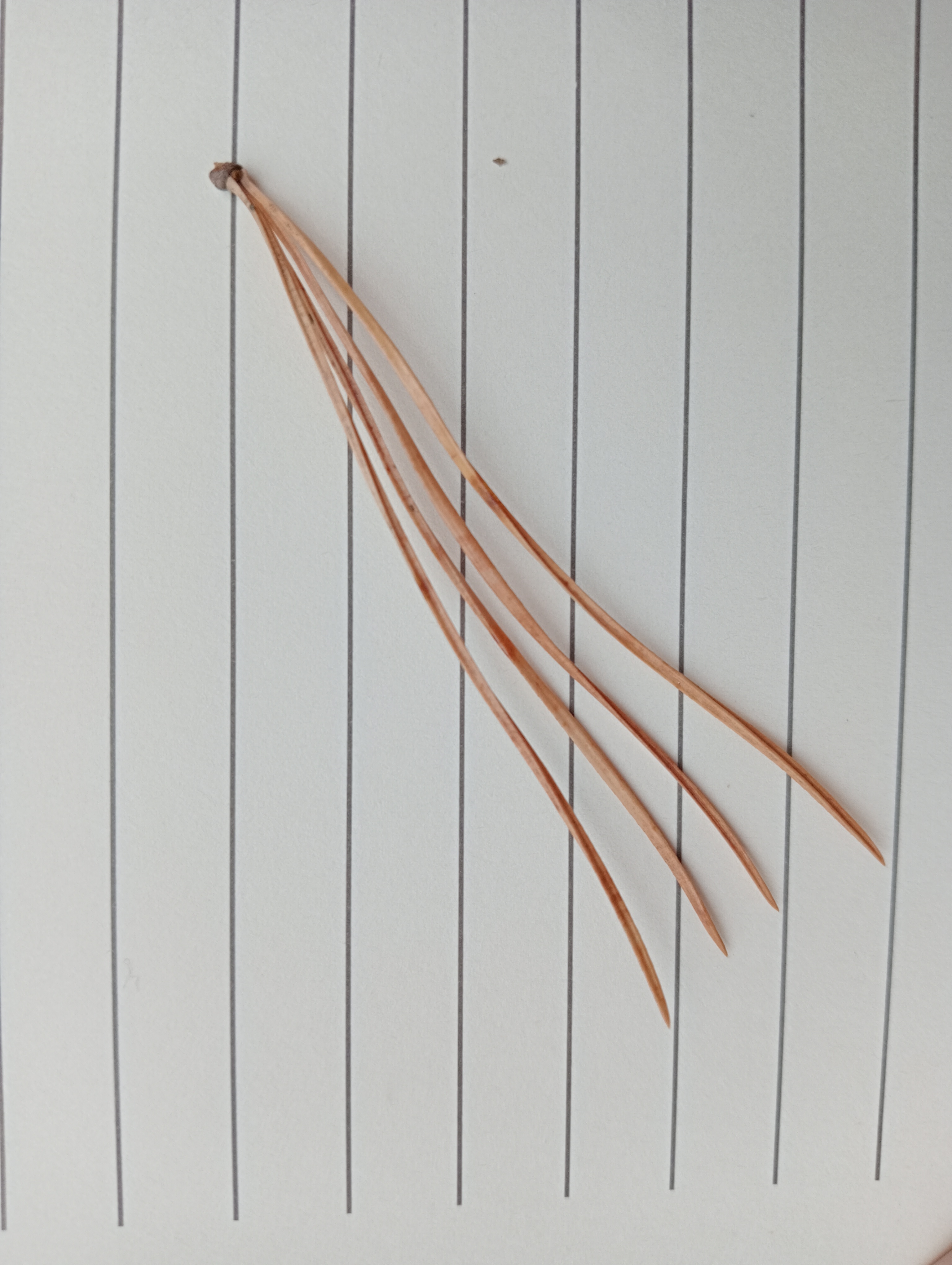
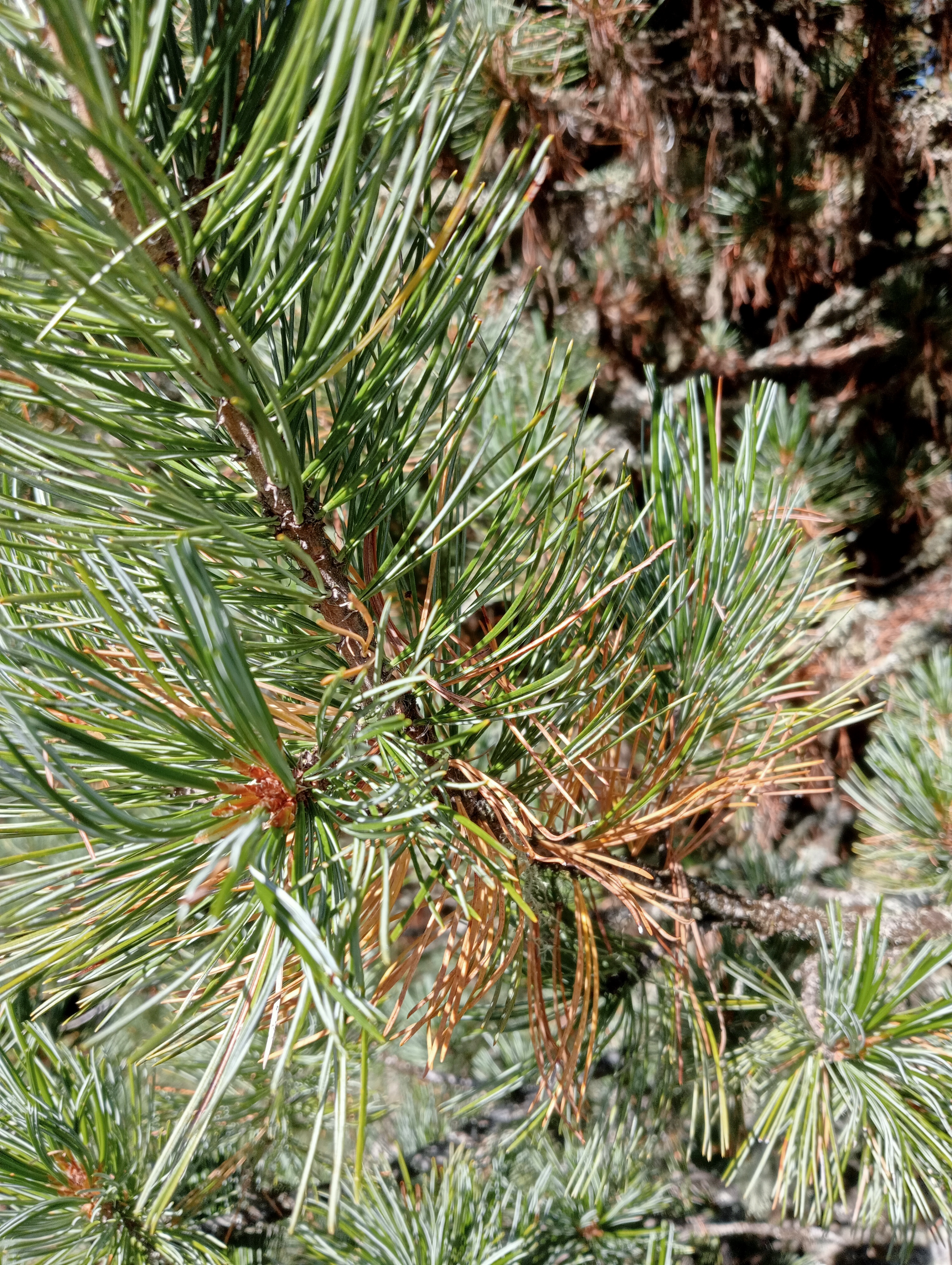
Dear Alessandra, Thank you for your inquiry. The tree in the picture appears to be a species of five-needle pine. Given the location, it may be Pinus cembra. Based on the photos provided, it is not entirely possible to determine the exact cause of the damage. The youngest needles appear to be mostly unaffected, while older needles are brown, which is a good sign. There are no visible symptoms of fungal pathogens on the needles, also a positive indicator. We assume this is likely a common response to unfavorable conditions, possibly due to recent weather patterns or summer conditions, combined with the natural shedding of older needles. Additionally, there appears to be an injury on the trunk with significant resin exudation, which could be contributing to the tree reduced vitality. However, this does not necessarily indicate a long-term decline, given the absence of pathogens, and the tree may still recover. With best regards M. Zubrik
Number of votes for this answer: 0

Pest

A - Ambiguously determined, we are not sure

A - Ambiguously determined, we are not sure

A - Ambiguously determined, we are not sure

A - Ambiguously determined, we are not sure

hmyz

Received: 31.10.2024
Wood: Pine
Number: 5240
Date of occurrence: 1.10.2024
Discussion

Add comment: A - Ambiguously determined, we are not sure

Buff-tip moth
Faléra lipováFaléra lipová
Buff-tip moth
Number: 5239
Received 30.10.2024
In progress: 0 days
Date of occurrence: 30.10.2024
Significance: Less harmful
Discussion
From: VilelaVet
Assigned: M. Zúbrik
Country: Portugal

Question

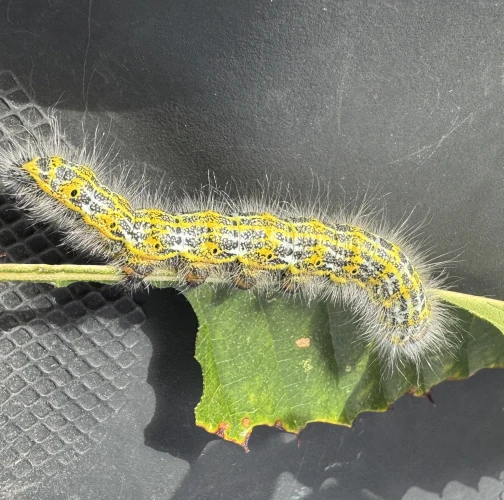
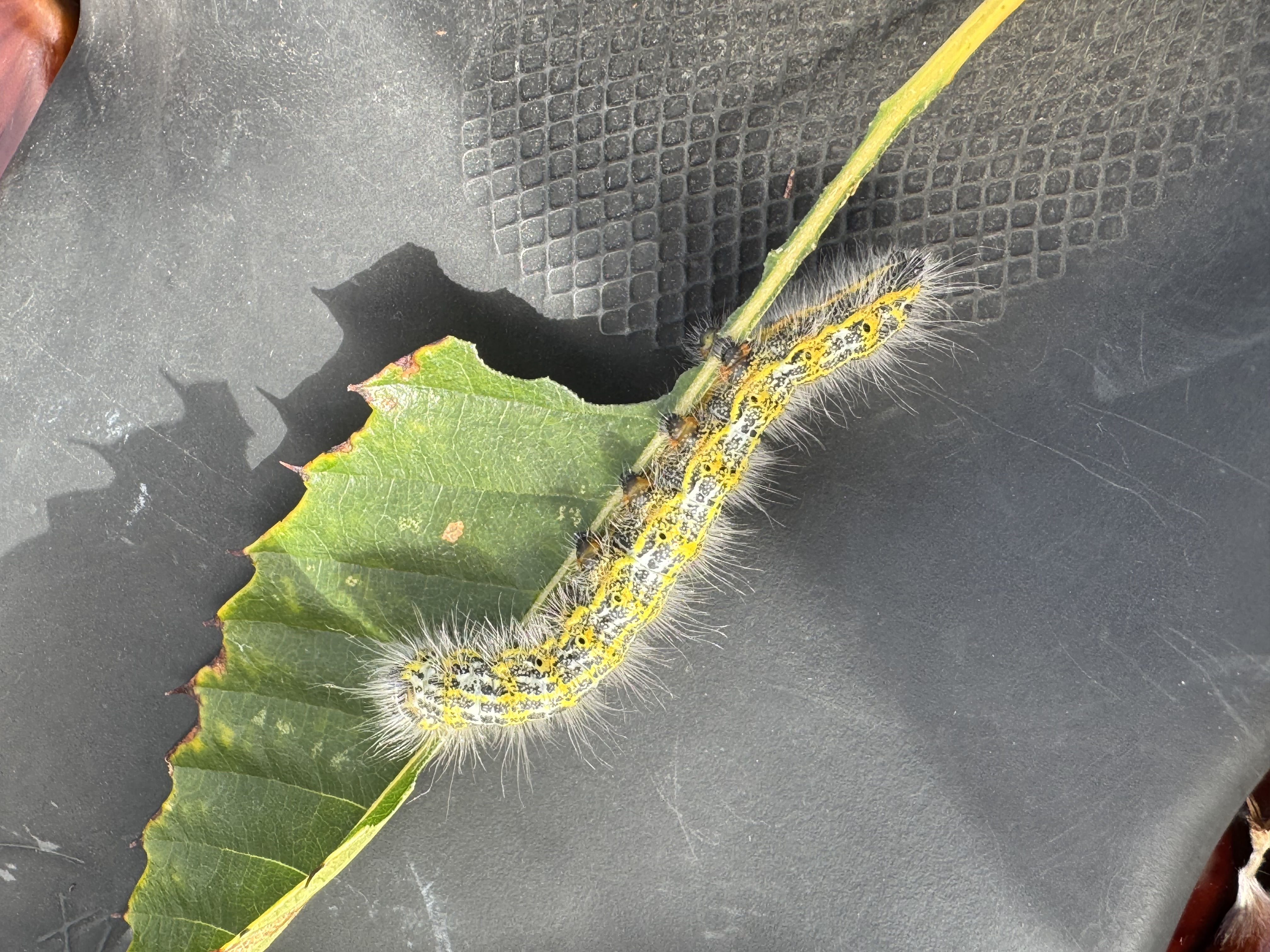
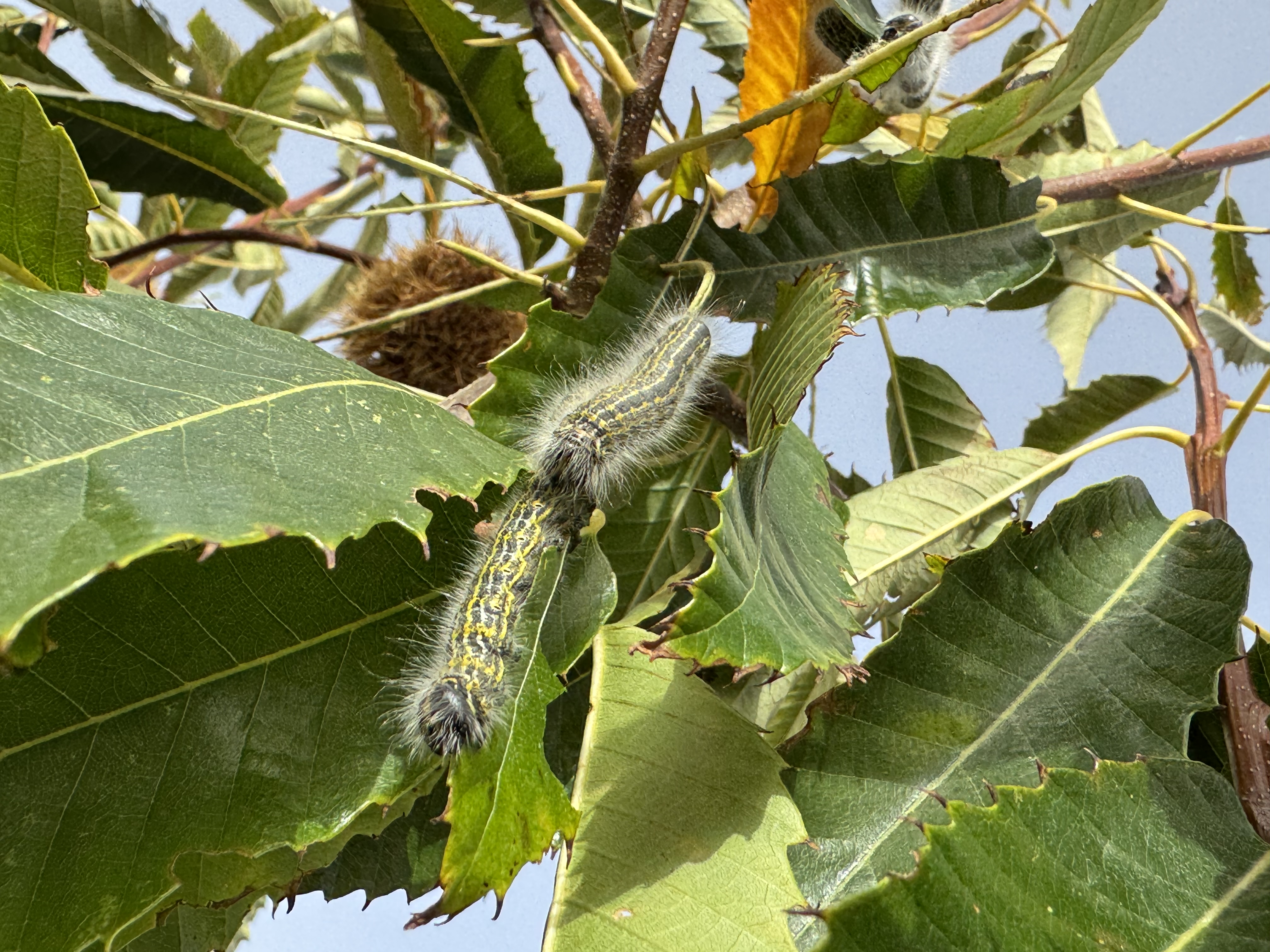
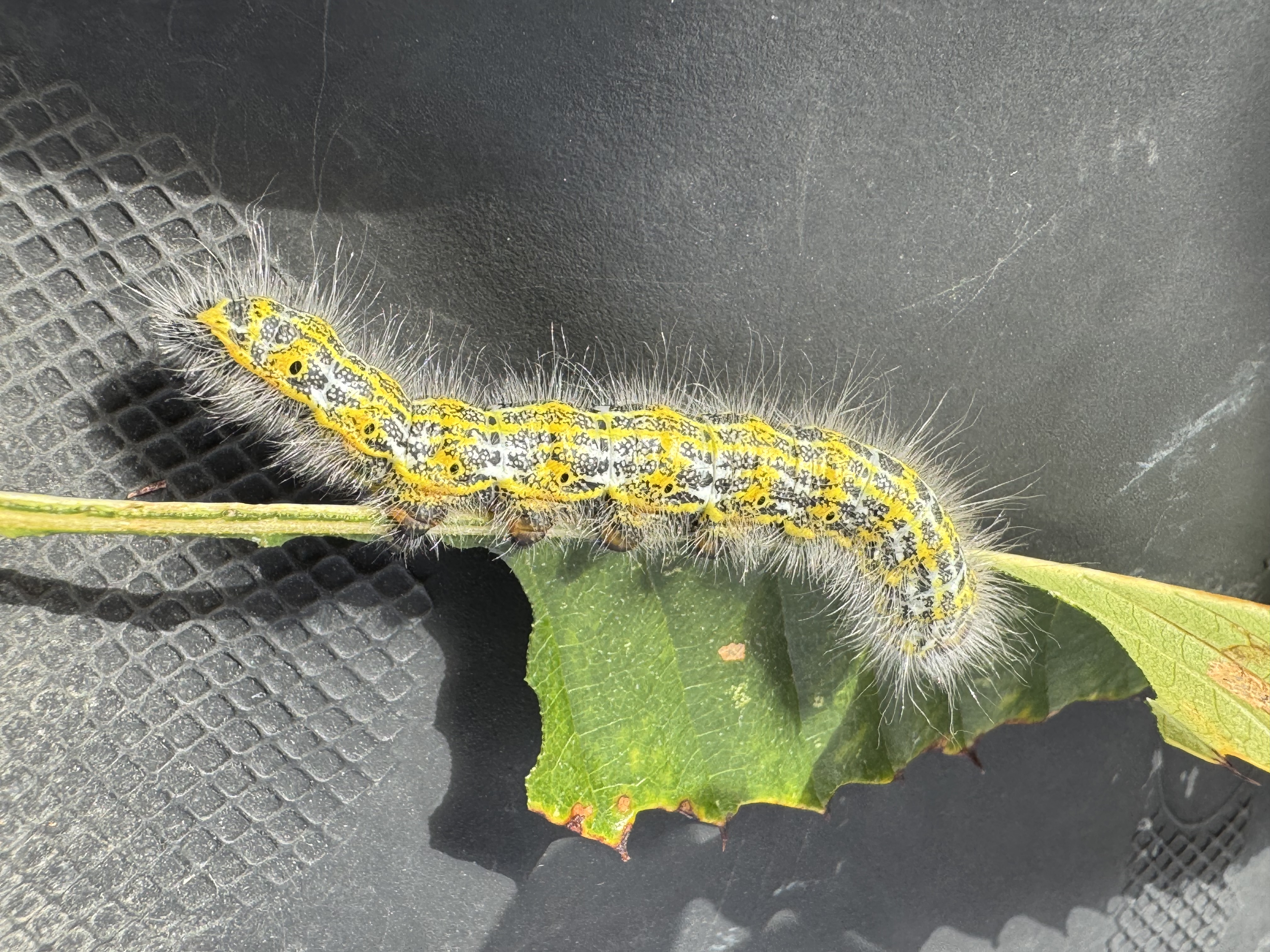
Pet that complentely defoliates chesnut tree leaves

Answer

Hi VilelaVet, thank you for the request. The caterpillars belong to the species Phalera bucephala – the Buff-tip moth. Phalera bucephala has large, hairy caterpillars. This species belongs to the family Notodontidae. Although Phalera bucephala primarily feeds on a range of broadleaf trees like oak, birch, willow, and hazel, it is a generalist and can feed on Castanea sativa (European Chestnut). The caterpillars can cause defoliation. With best regards, Milan Zubrik.
Number of votes for this answer: 0

Pest

Buff-tip moth

Phalera bucephala

Buff-tip moth

Phalera bucephala

hmyz

Received: 30.10.2024
Wood: Chestnut
Number: 5239
Date of occurrence: 30.10.2024
Discussion

Add comment: Buff-tip moth

A - nejednoznačne určený, nie sme si istí
Number: 5238
Received 28.10.2024
In progress: 0 days
Date of occurrence: 27.10.2024
Significance:
Discussion
From: JK
Assigned: A. Kunca
Country: Slovenia

Question

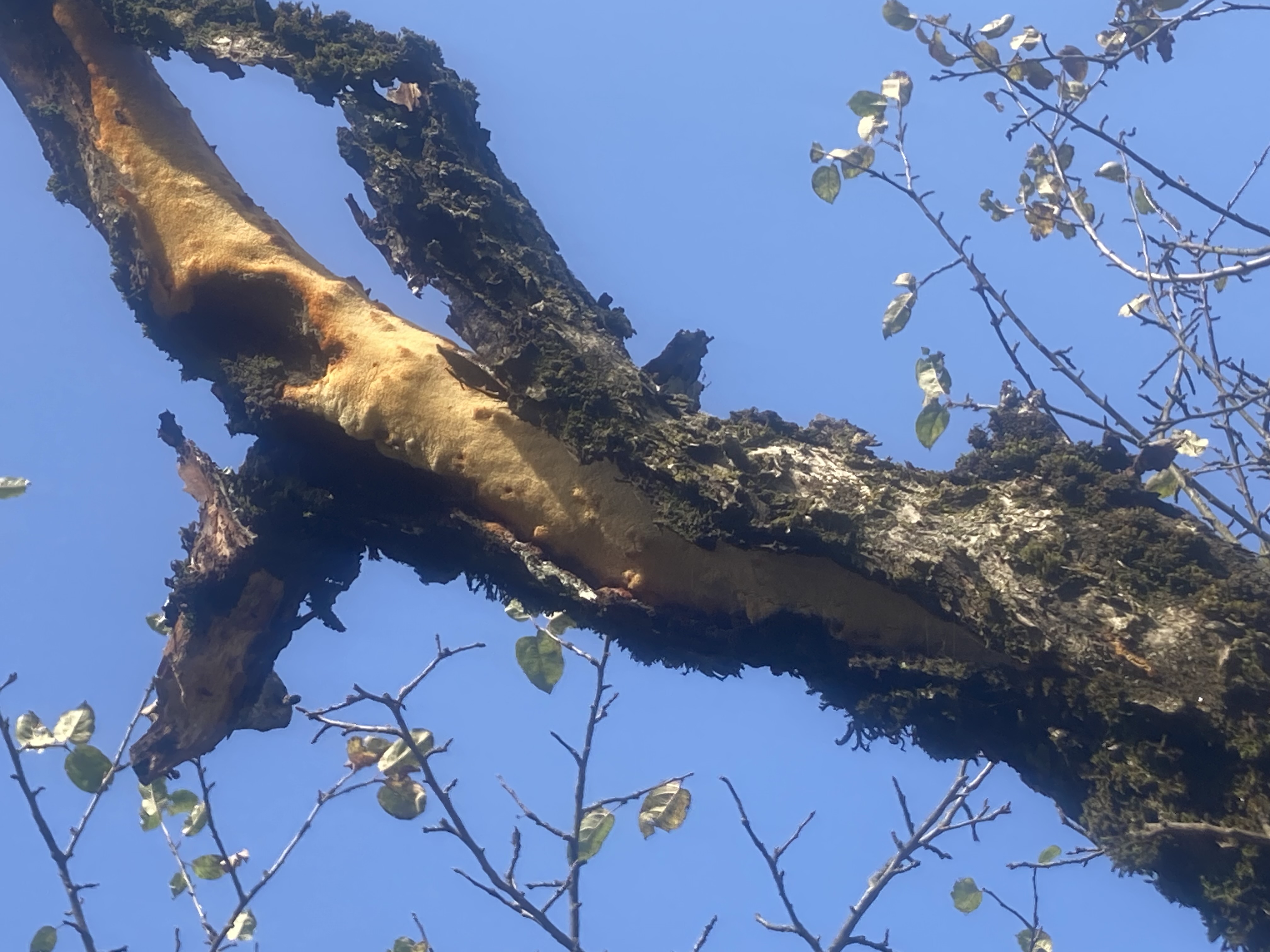
Found growing under the bark on deadwood, old apple orchard. Two trees affected

Answer

Dear friend, I would say it might be Phellinus contiguus, but it could be something else too. Cheers. Andrej K. 
Number of votes for this answer: 0

Pest

A - nejednoznačne určený, nie sme si istí

A - nejednoznačne určený, nie sme si istí

hmyz

Received: 28.10.2024
Wood: Apple Tree
Number: 5238
Date of occurrence: 27.10.2024
Discussion

Add comment:

Black pine sawyer beetle
Number: 5182
Received 15.10.2024
In progress: 3 days
Date of occurrence: 28.9.2024
Significance: Harmful
Discussion
From: LefVa
Assigned: M. Zúbrik
Country: Greece

Question

Answer

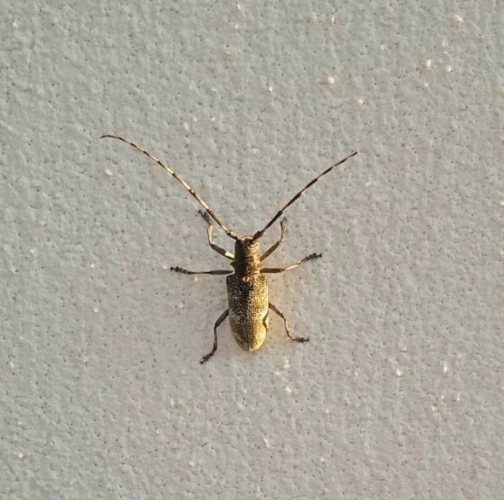
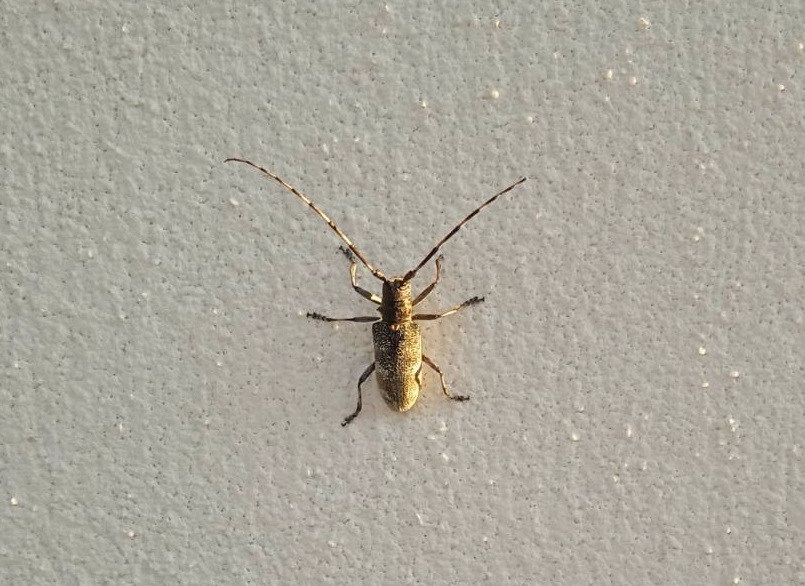
Hello, thank you for your inquiry. The attached photo shows the adult beetle of the species Monochamus galloprovincialis (female). Its larvae live under the bark of pine trees. Best regards, M. Zúbrik
Number of votes for this answer: 0

Pest

Black pine sawyer beetle

Monochamus galloprovincialis

Black pine sawyer beetle

Monochamus galloprovincialis

hmyz

Received: 15.10.2024
Wood: -
Number: 5182
Date of occurrence: 28.9.2024
Discussion

Add comment: Black pine sawyer beetle
Linden jewel beetle
Krasoň lipovýKrasoň lipovýKrasoň lipový
Linden jewel beetle
Number: 5181
Received 15.10.2024
In progress: 6 days
Date of occurrence: 15.10.2024
Significance: Less harmful
Discussion
From: Erik
Assigned: S. Rell
Country: Slovenia

Question

Answer

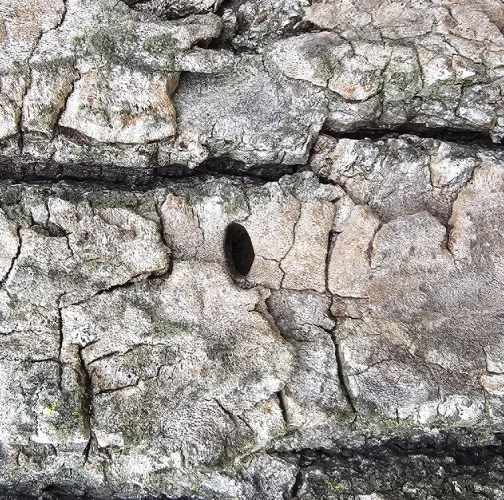
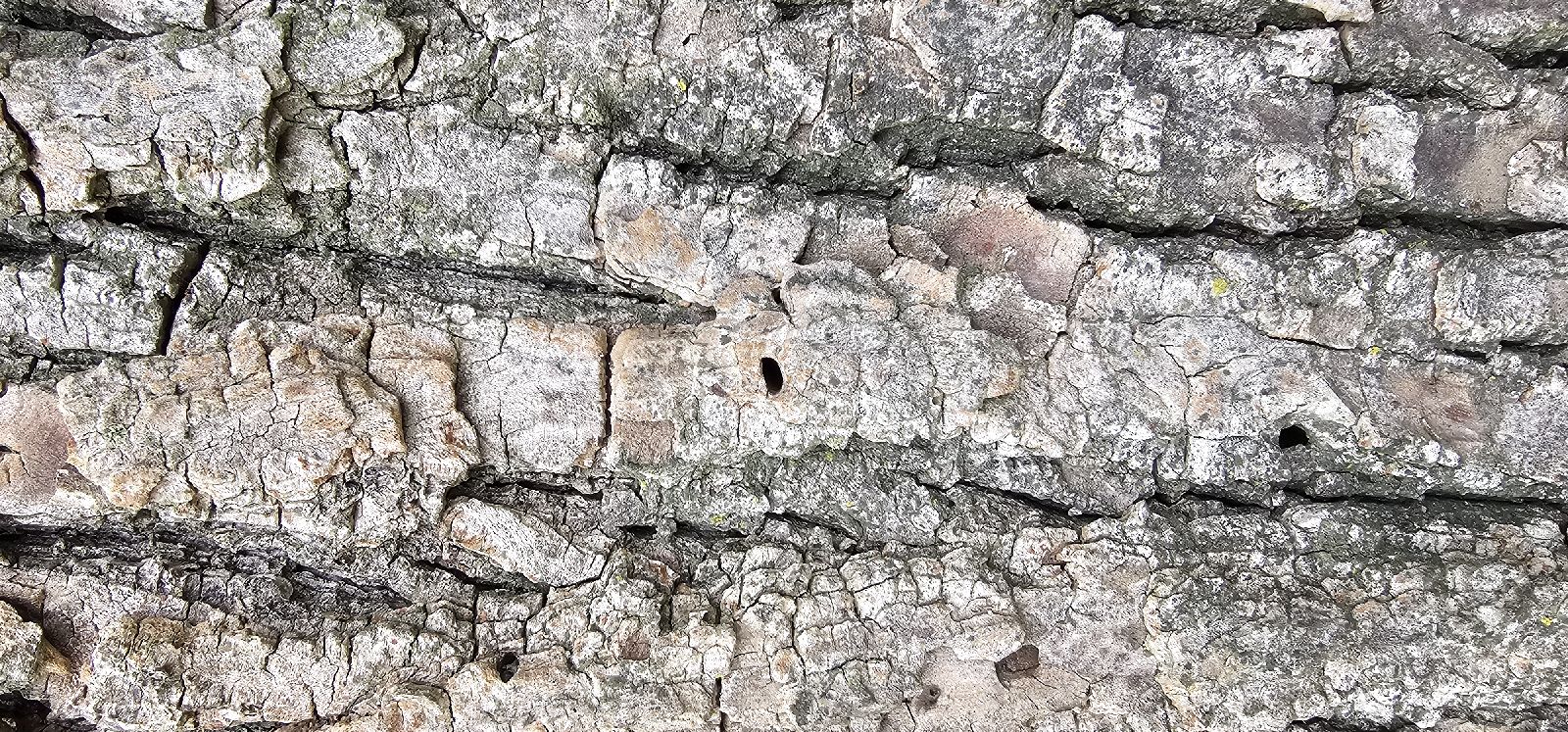
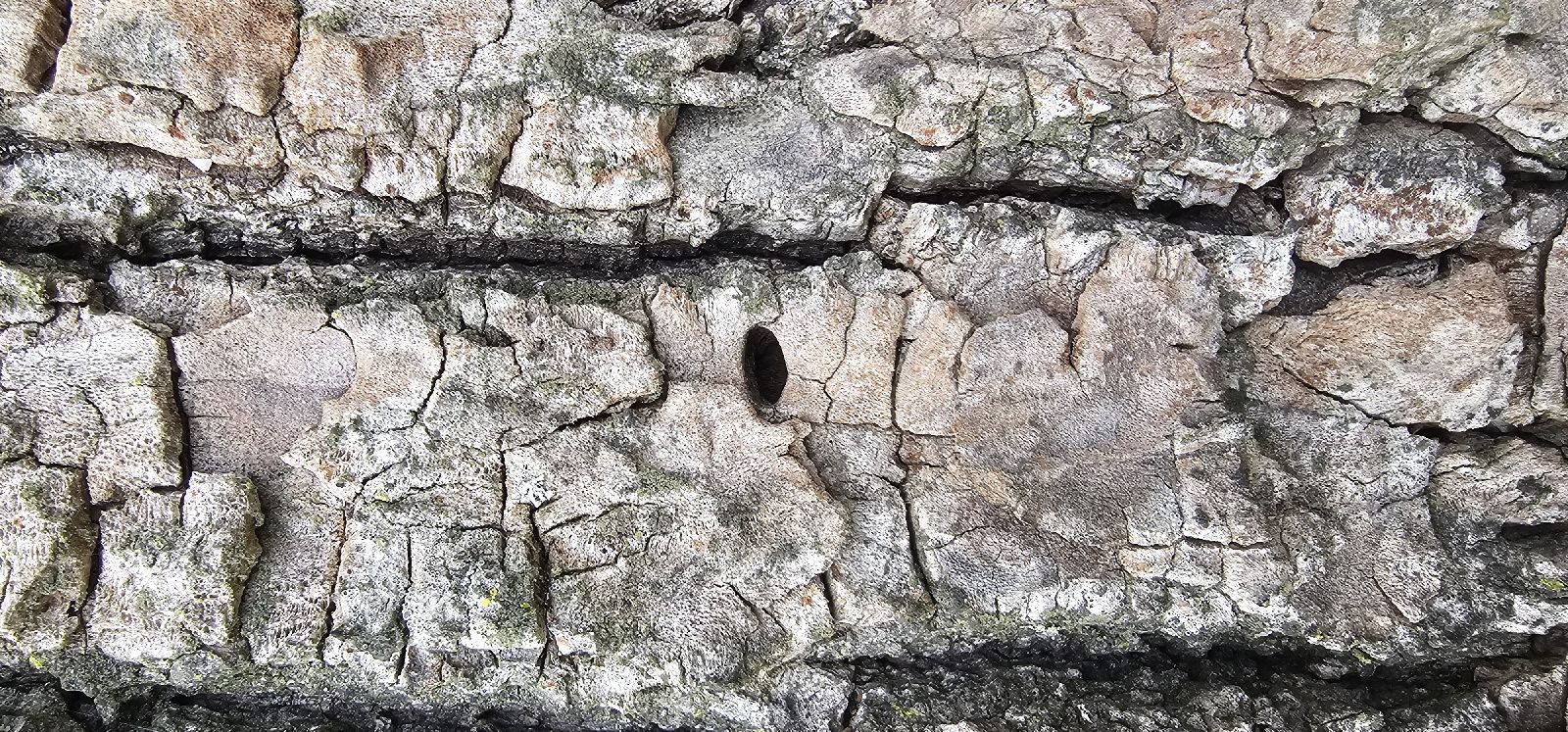
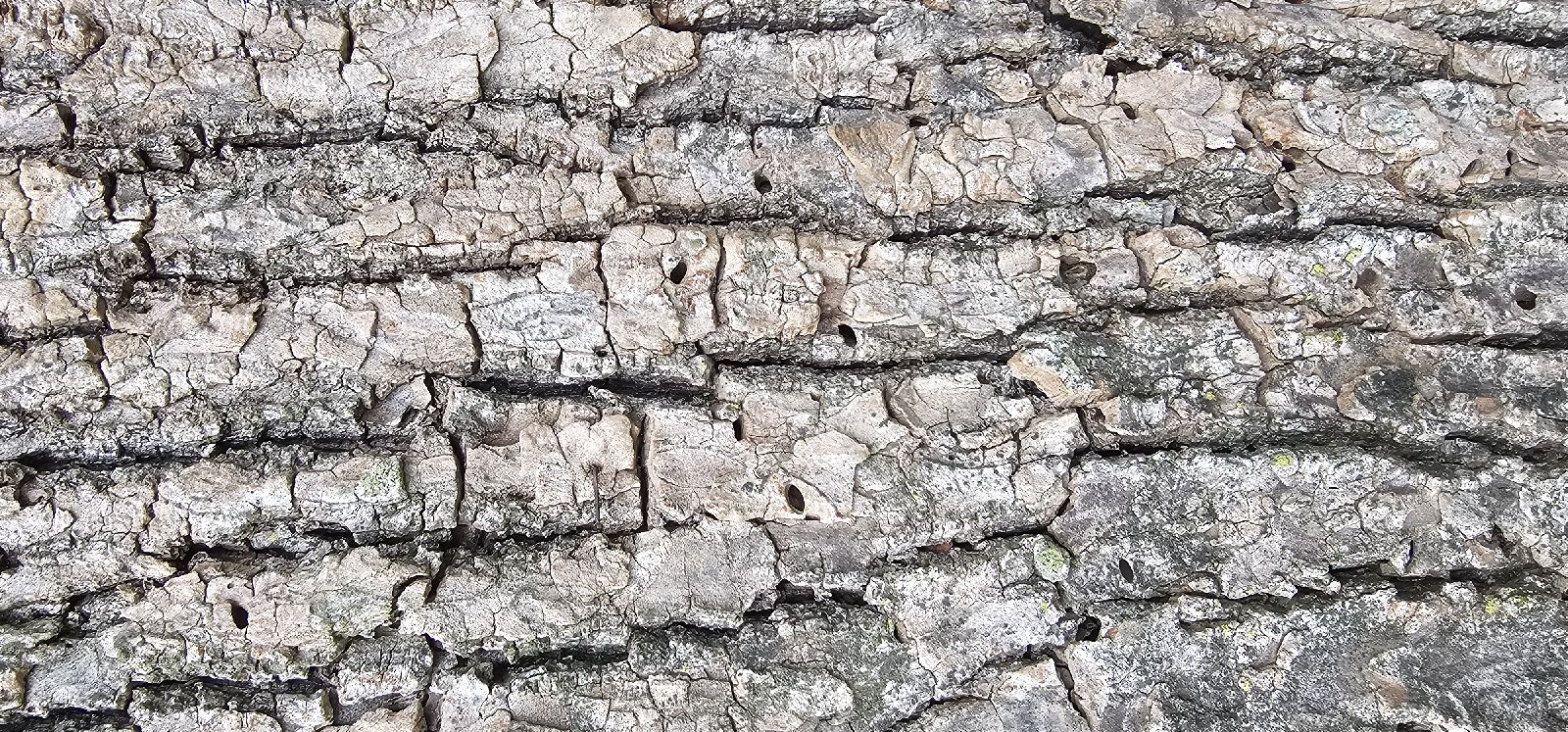
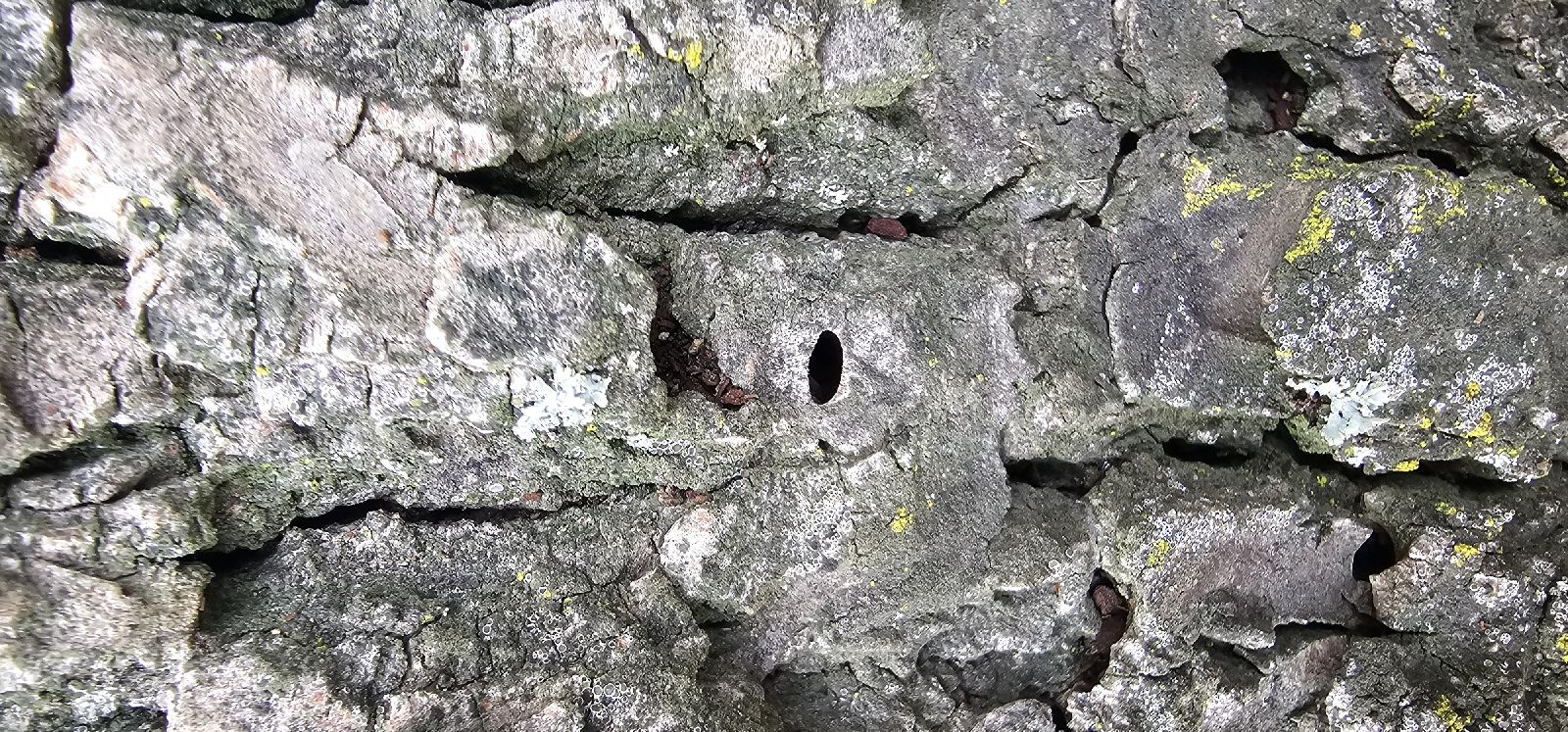
Hello, These are the exit holes of the Linden jewel beetle Lamprodila rutilans. It develops under the bark of trunks and bare roots on the sunny side of the tree. If the tree trunk is shaded, this species should not attack it.   more info: https://www.forestpests.eu/pest/lamprodila-rutilans   Best regards SR
Number of votes for this answer: 0

Pest

Linden jewel beetle

Lamprodila rutilans

Linden jewel beetle

Lamprodila rutilans

hmyz

Received: 15.10.2024
Wood: Lime
Number: 5181
Date of occurrence: 15.10.2024
Discussion

Add comment: Linden jewel beetle

Pale tussock
Pale tussock
Number: 5151
Received 7.10.2024
In progress: 0 days
Date of occurrence: 7.10.2024
Significance: Harmful
Discussion
From: Jessica
Assigned: M. Zúbrik
Country: Germany

Question

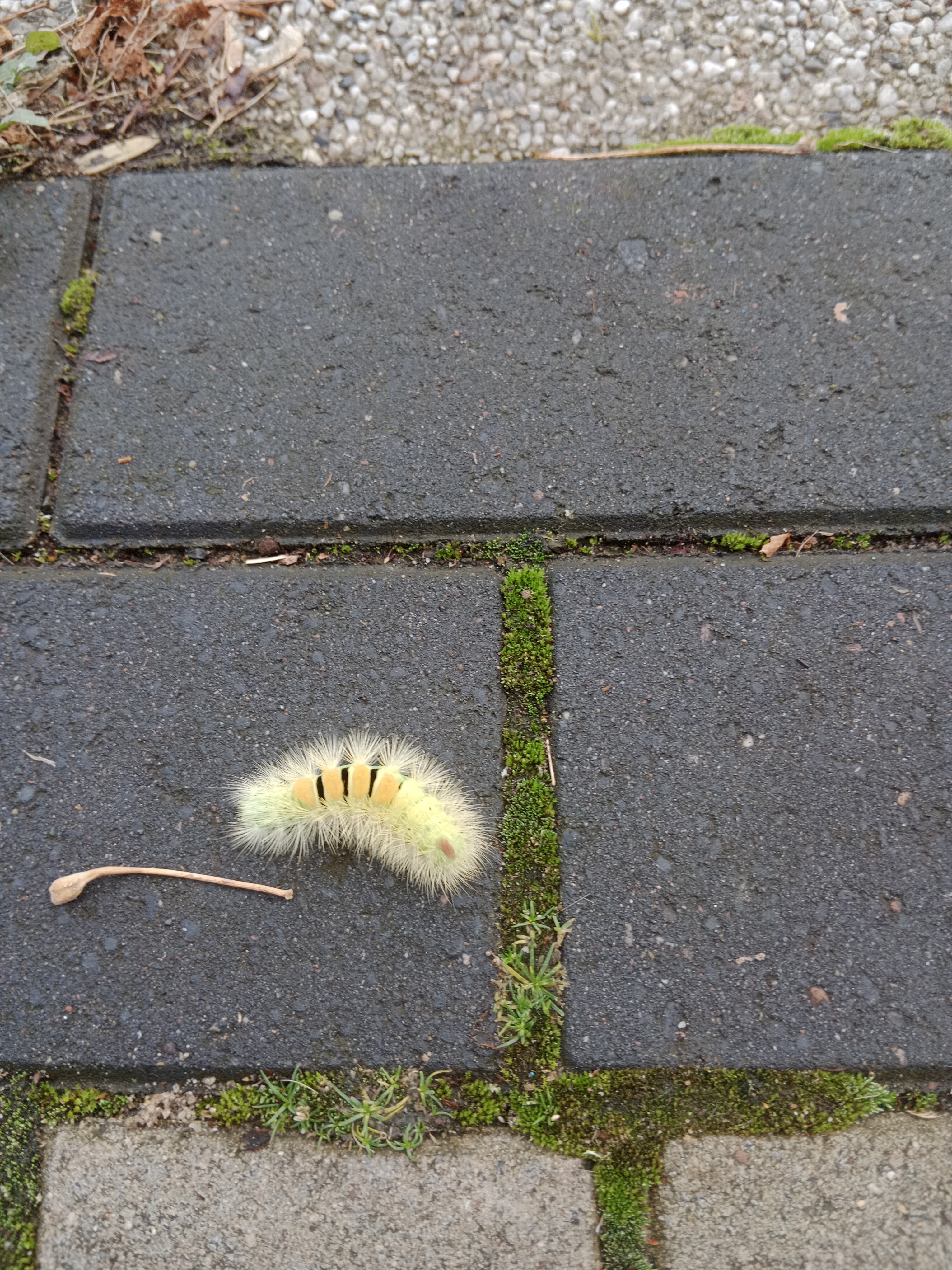
No idea where or what the tree was. Fell out off a bus stop shelter and skedaddled onto the road.

Answer

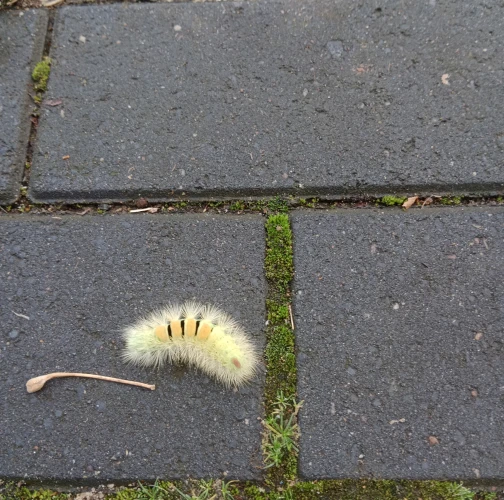
Dear Jessica, thank you for your inquiry. The larvae in question belong to the well-known pest Calliteara pudibunda, commonly known as the pale tussock moth. It typically feeds on beech (Fagus sylvatica), but it can also be found on a variety of fruit trees. The larvae appear in the second half of summer or autumn and overwinter in the pupal stage. Best regards, M. Zubrik
Number of votes for this answer: 0

Pest

Pale tussock

Calliteara pudibunda

Pale tussock

Calliteara pudibunda

hmyz

Received: 7.10.2024
Wood: -
Number: 5151
Date of occurrence: 7.10.2024
Discussion

Add comment: Pale tussock

A - Ambiguously determined, we are not sure
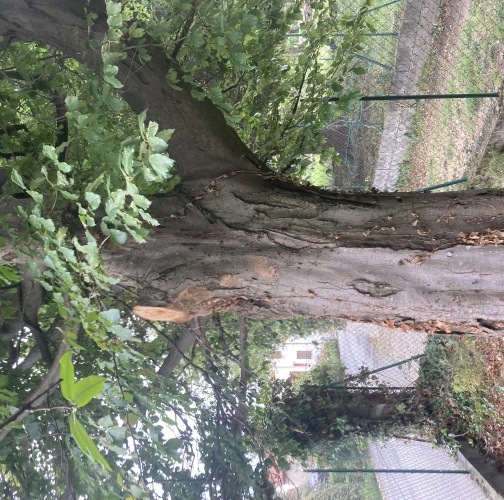
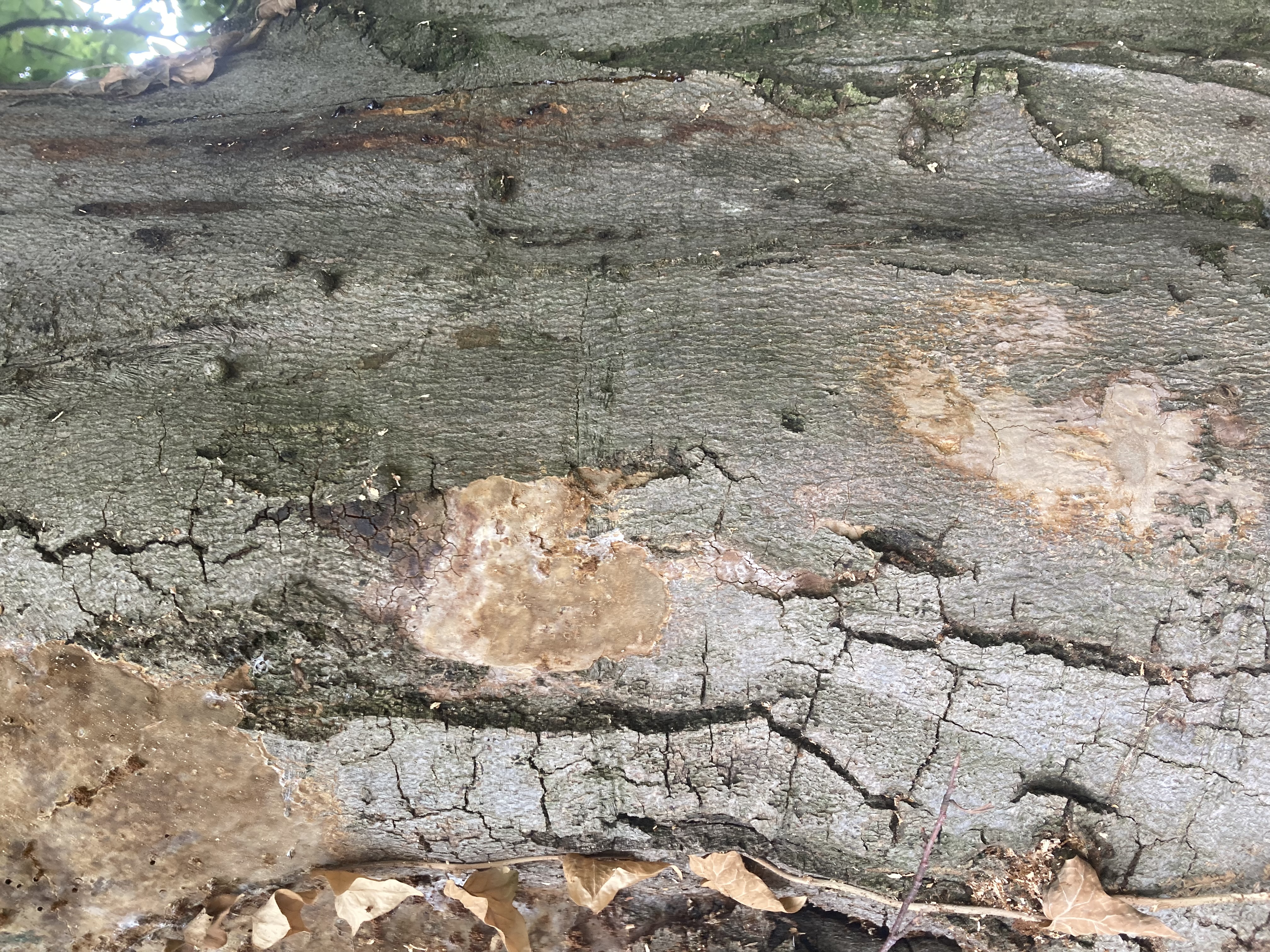
Number: 5147
Received 6.10.2024
In progress: 0 days
Date of occurrence: 6.10.2024
Significance:
Discussion
From: Jer Nusse
Assigned: J. Vakula
Country: The Netherlands

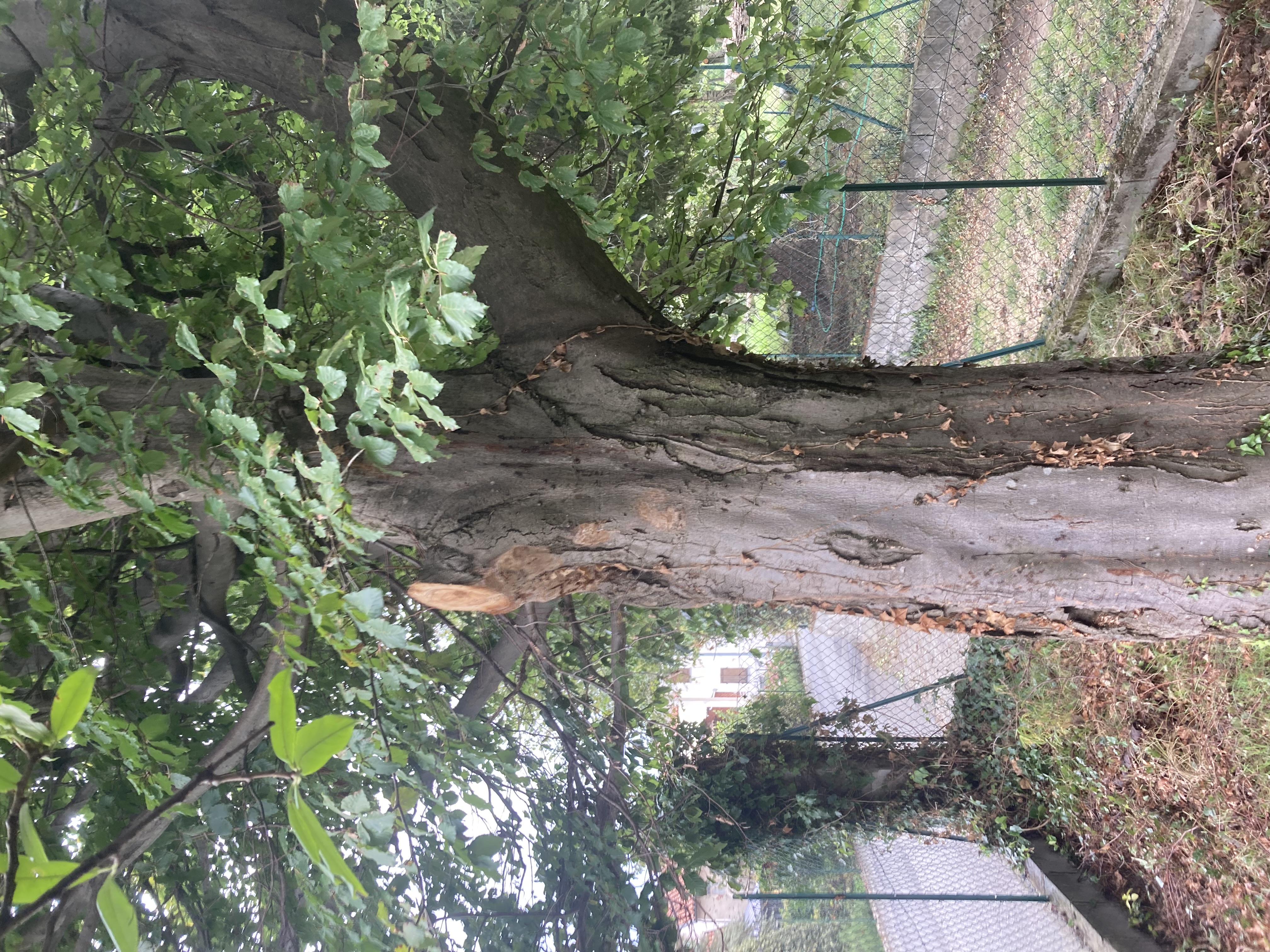
Question

Answer

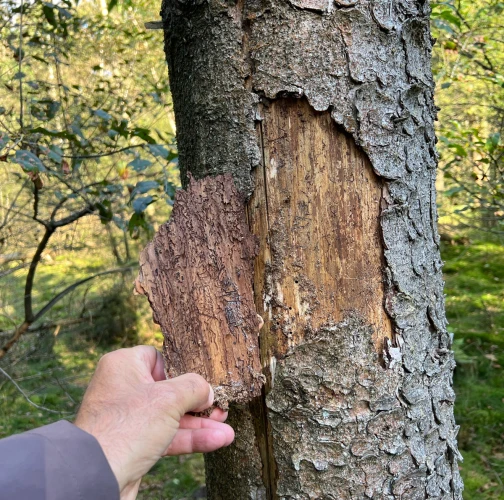
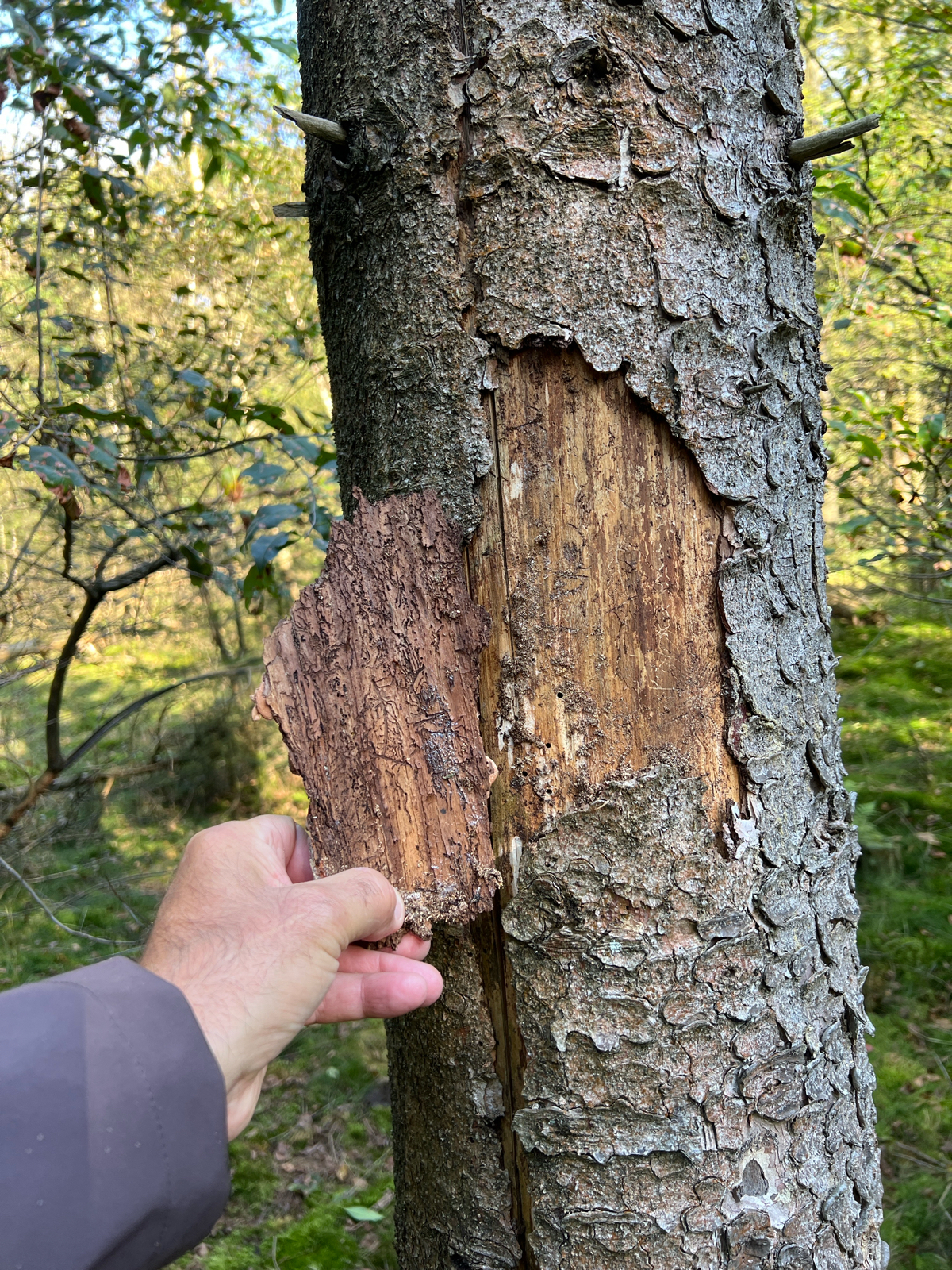
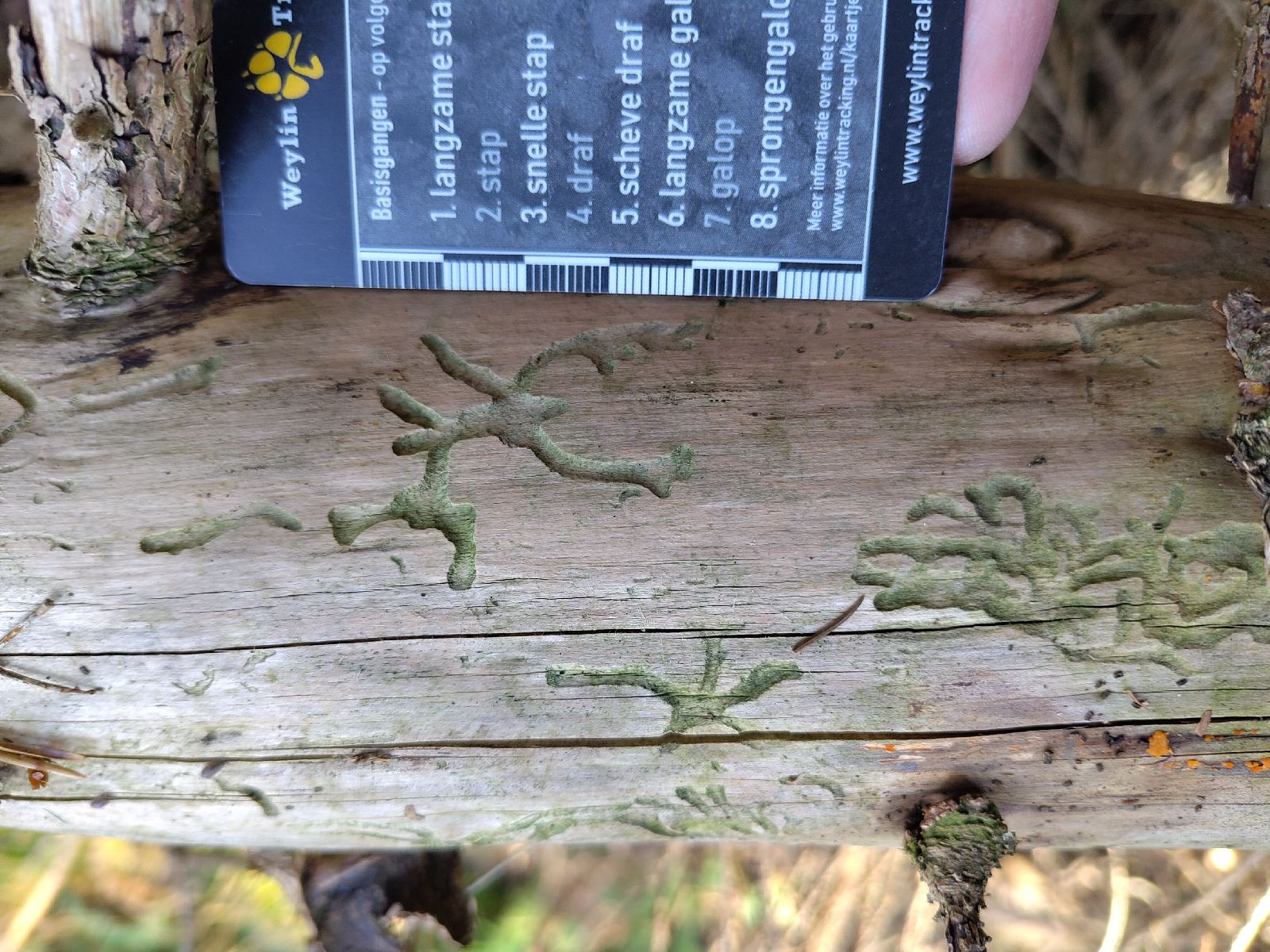
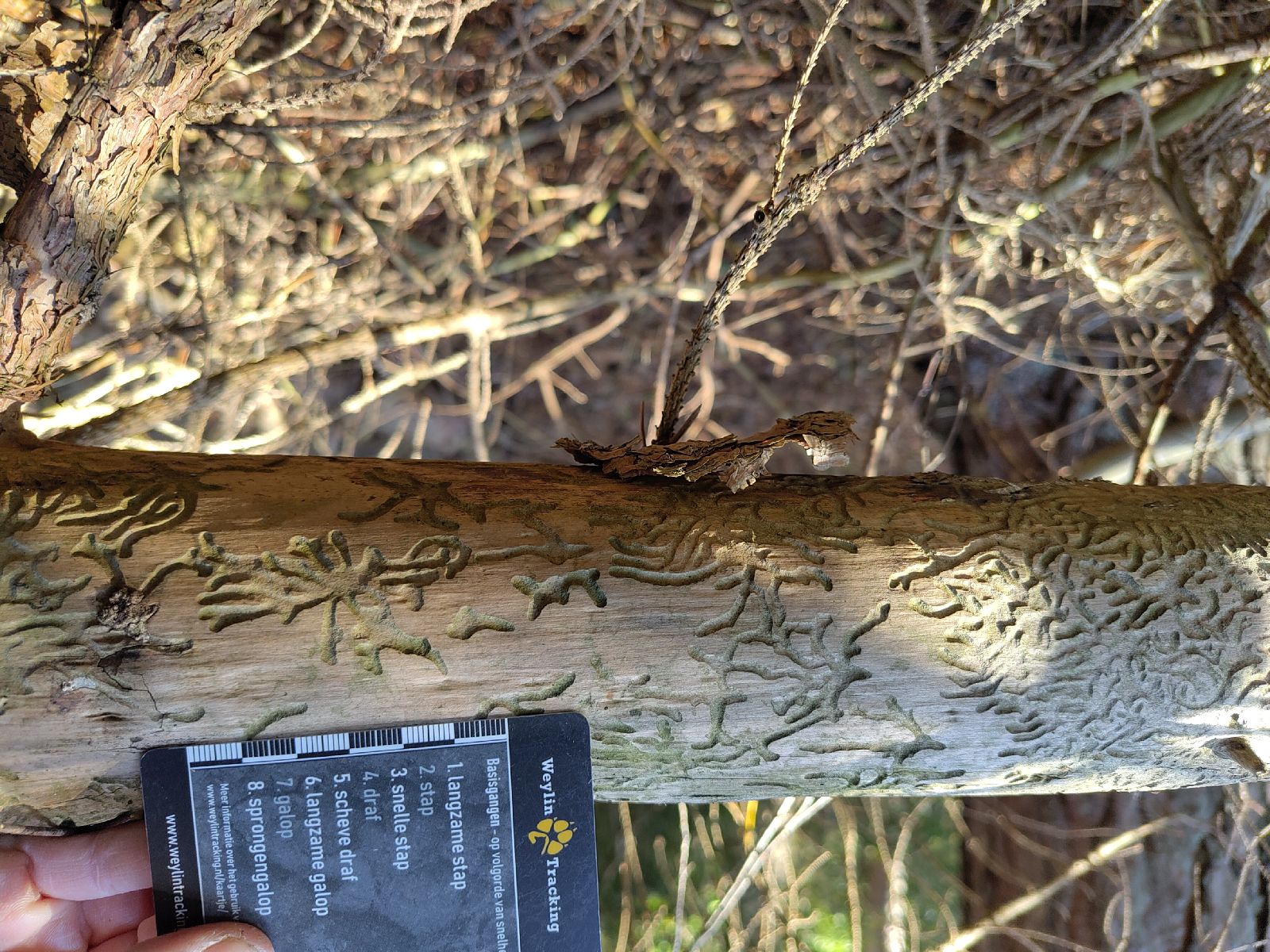
Hello, I think that tree species is spruce and galleries under the bark were made by Pityogenes chalcographus. Circle exit holes in the wood are probably from Siricidae species. Best regards Jozef Vakula
Number of votes for this answer: 0

Pest

A - Ambiguously determined, we are not sure
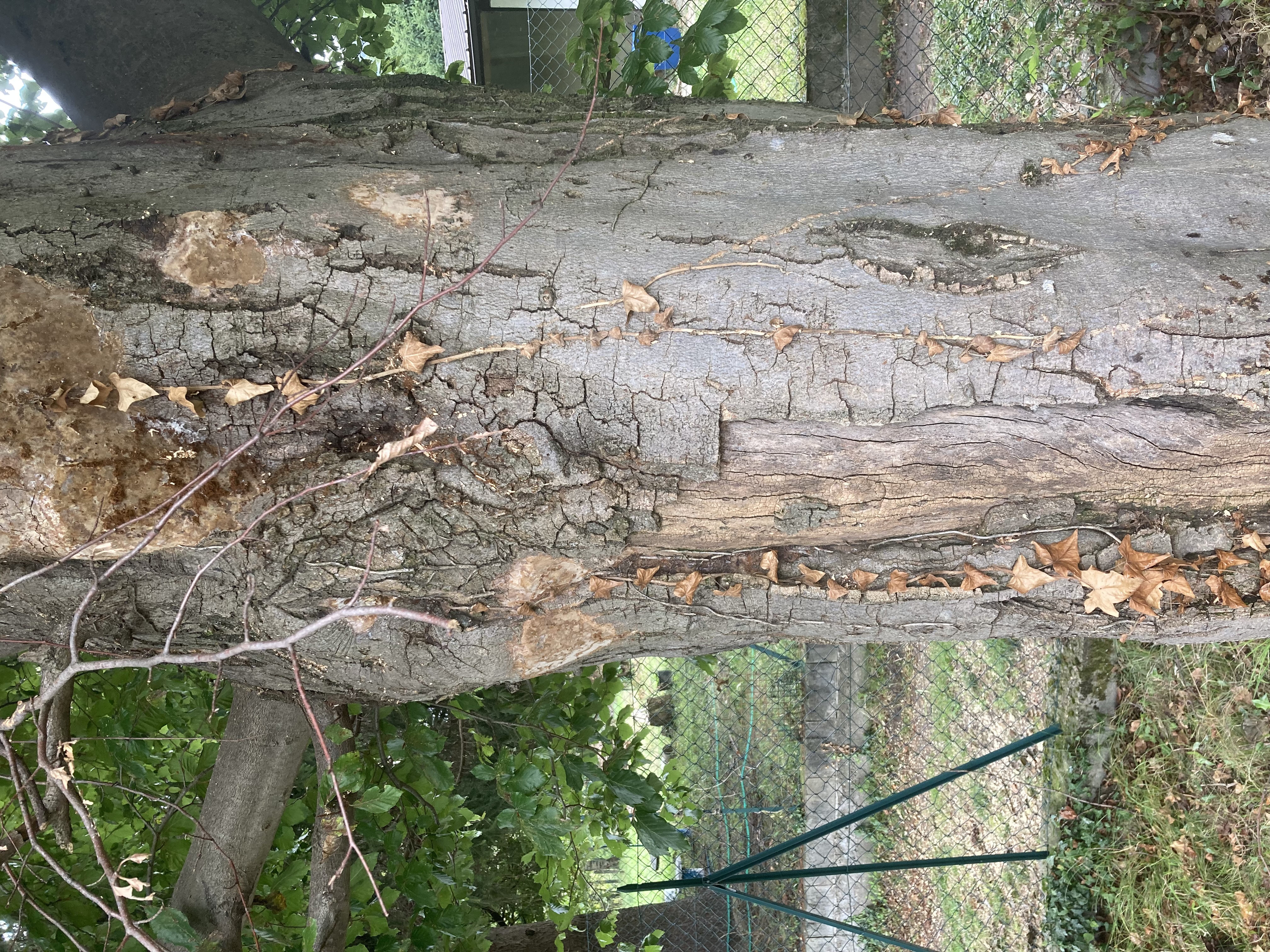
A - Ambiguously determined, we are not sure
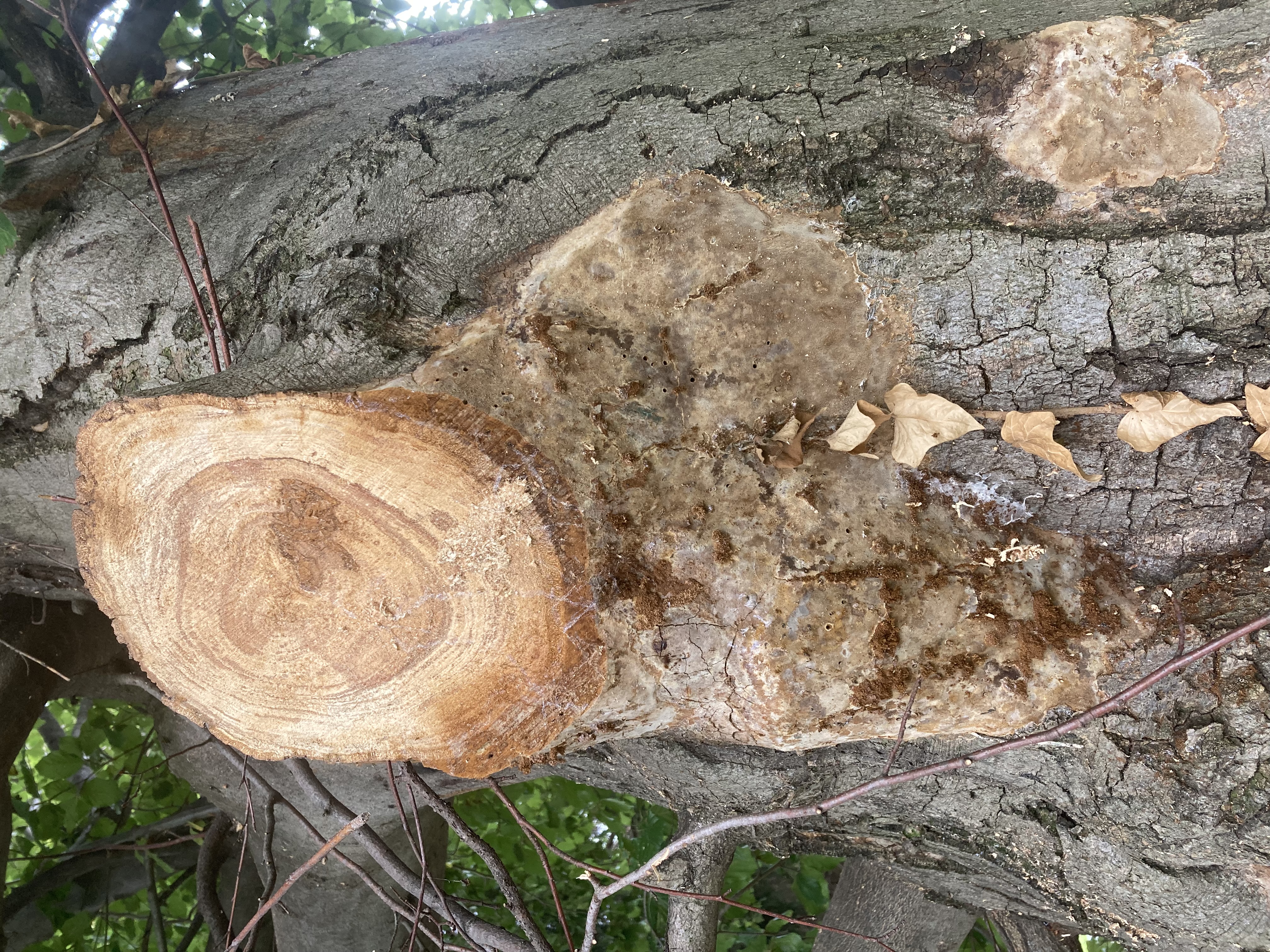
A - Ambiguously determined, we are not sure
A - Ambiguously determined, we are not sure

hmyz

Received: 6.10.2024
Wood: Douglas Fir
Number: 5147
Date of occurrence: 6.10.2024
Discussion

Add comment: A - Ambiguously determined, we are not sure

Phellinus ferruginosus
Ohňovec hrdzavohnedýOhňovec hrdzavohnedýOhňovec hrdzavohnedý
Phellinus ferruginosus
Number: 5141
Received 3.10.2024
In progress: 5 days
Date of occurrence: 18.9.2024
Significance: Harmful
Discussion
From: EricD
Assigned: V. Longauerová
Country: The Netherlands

Question

Answer

Dear Eric, thank you for your request and picture. According to the photo, it is about Phellinus ferruginosus. Fruiting bodies are annual and also perennial,  0.1-1.0 cm thick, decaying in an area of several square centimetres and even square decimetres, strongly attached to its base. Predisposed are tree species growing in sites with the humic soil. It occurs commonly in Europe, in the north of Scandinavia it is bordered more or less with the northern border of oak occurrence. The similar fruiting body is formed by Phellinus ferreus that differs only in microscopic features and moderately also in host trees. The mycelium causes white rot of attacked wood. It lives parasitically or saprotrophically on the wood of hardwoods and conifers. Host selection is sometimes quite specific for a particular species and is an important defining feature. With best regards,  Valeria
Number of votes for this answer: 0

Pest

Phellinus ferruginosus

Phellinus ferruginosus

Phellinus ferruginosus

Phellinus ferruginosus

huby

Received: 3.10.2024
Wood: Beech
Number: 5141
Date of occurrence: 18.9.2024
Discussion

Add comment: Phellinus ferruginosus
A - Ambiguously determined, we are not sure
A - Ambiguously determined, we are not sureA - Ambiguously determined, we are not sureA - Ambiguously determined, we are not sure
A - Ambiguously determined, we are not sure
Number: 5138
Received 3.10.2024
In progress: 6 days
Date of occurrence: 3.10.2024
Significance:
Discussion
From: froukje
Assigned: J. Vakula
Country: The Netherlands

Question

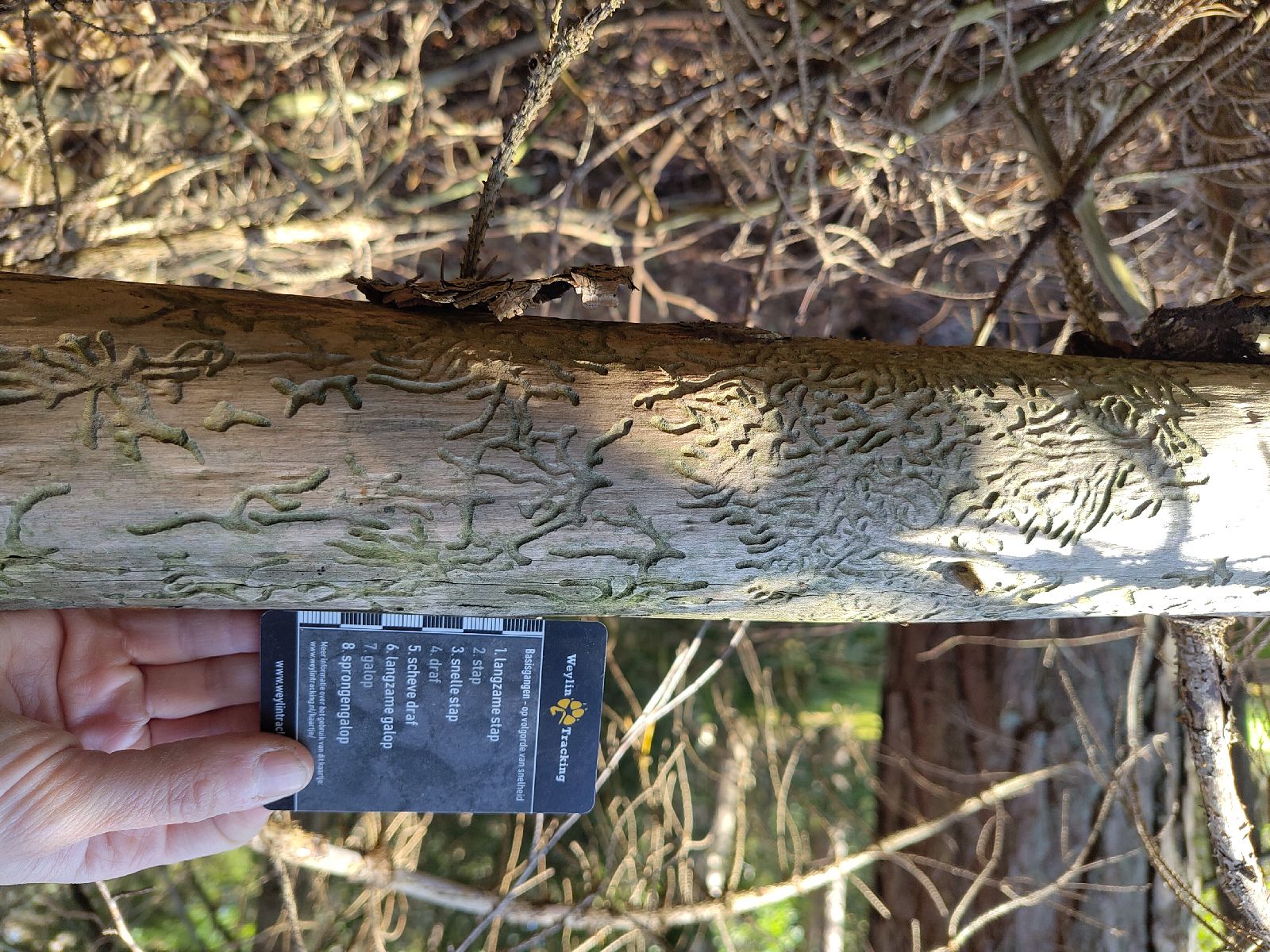
An image which is mostly 4-5 mother galleries rather deep in the sapwood. no larvae galleries in the sapwood. the tree was cut in half, this was the top. it was more frequent in the top of the tree. i think ips amitinus, but it does not occur in NL?

Answer

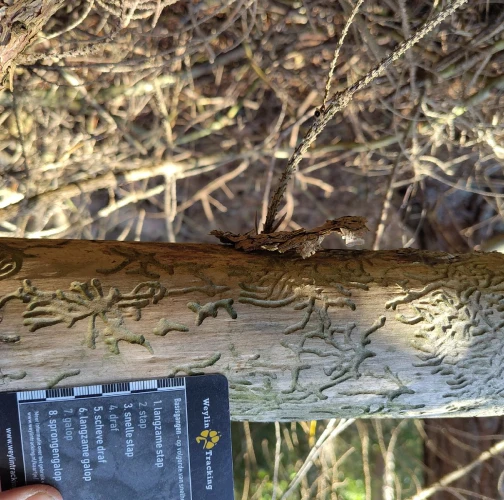
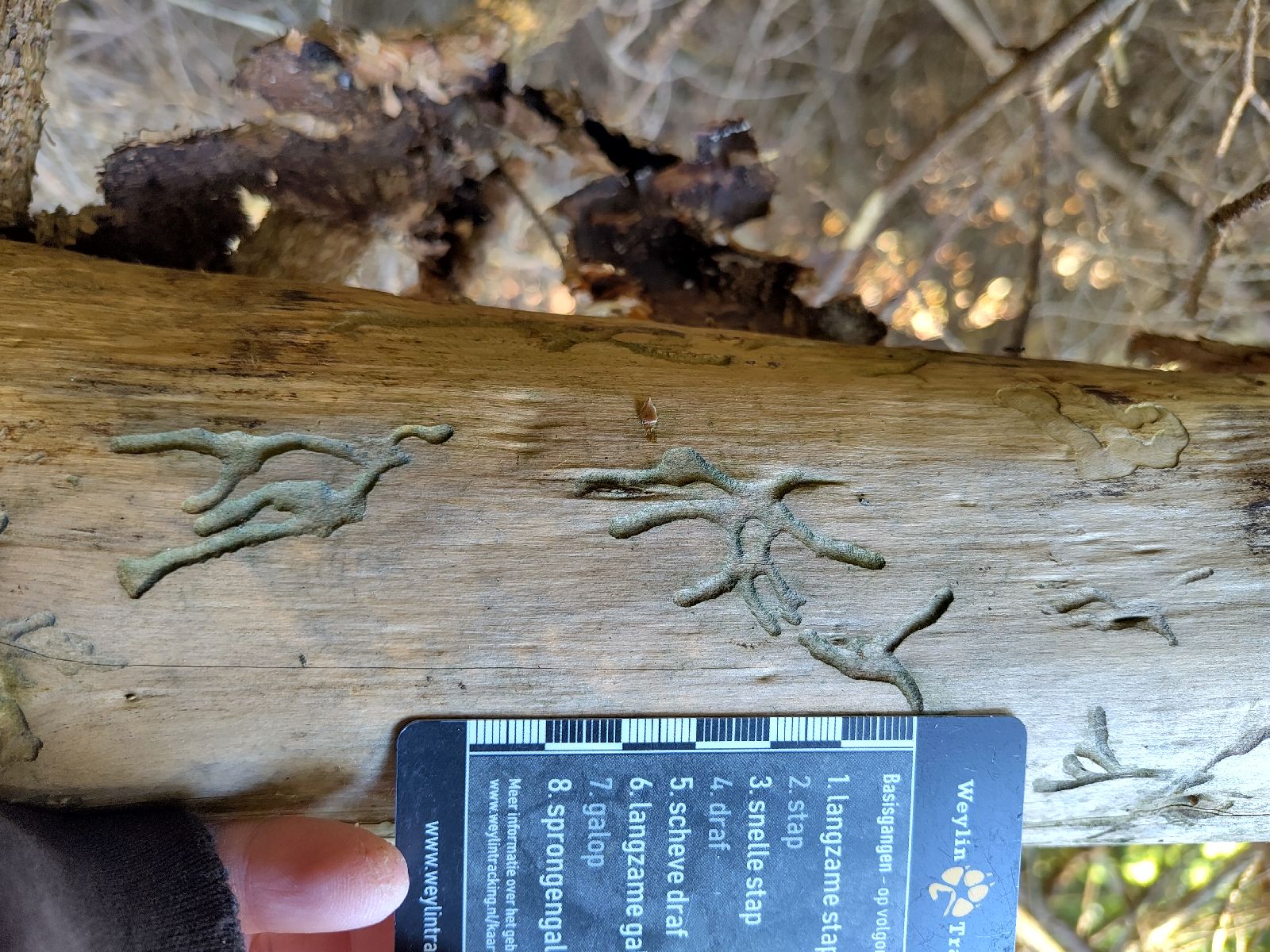
Hello, I think that it is maturation feeding of Ips species. Probably Ips typographus. Galleries with maturation feeding are often on thinner part of trunks. Ips amitinus is less frequent and abundant. Best regardsJozef Vakula
Number of votes for this answer: 0

Pest

A - Ambiguously determined, we are not sure

A - Ambiguously determined, we are not sure

A - Ambiguously determined, we are not sure

A - Ambiguously determined, we are not sure

huby

Received: 3.10.2024
Wood: Spruce
Number: 5138
Date of occurrence: 3.10.2024
Discussion

Add comment: A - Ambiguously determined, we are not sure

Back to top