Login | Registration | List of contributors

Requests to determine the cause of damage

Here you can request to determine the cause of the damage. You can view the requests of other users and sort them according to the selected criteria. In addition, you can get information about your request, and you can follow the progress of its current state. If your application was not approved, it had probably been because it was impossible to identify the damage based on the sent photos or because the application does not address our topic - determining the pests of trees and shrubs. We will inform you about the status of your application by email.

Filter reset

Code
Date
Assigned
Status
Days from submission
7004
20.9.2025
J. Galko
Completed
2
6861
30.8.2025
J. Vakula
Completed
1
6786
21.8.2025
J. Vakula
Completed
4
6584
27.7.2025
J. Vakula
Completed
1
6548
20.7.2025
M. Zúbrik
Completed
1
6414
29.6.2025
M. Zúbrik
Completed
1
6393
27.6.2025
A. Kunca
Completed
3
6378
24.6.2025
S. Rell
Completed
0
6376
23.6.2025
A. Kunca
Completed
1
6345
18.6.2025
M. Zúbrik
Completed
0

Rejected requests are not displayed. You have been notified by email that your application has been denied.


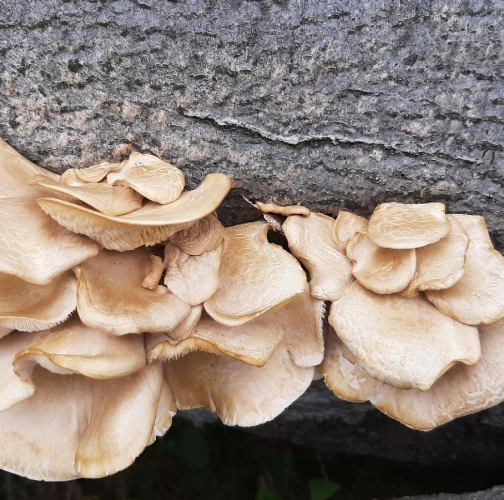
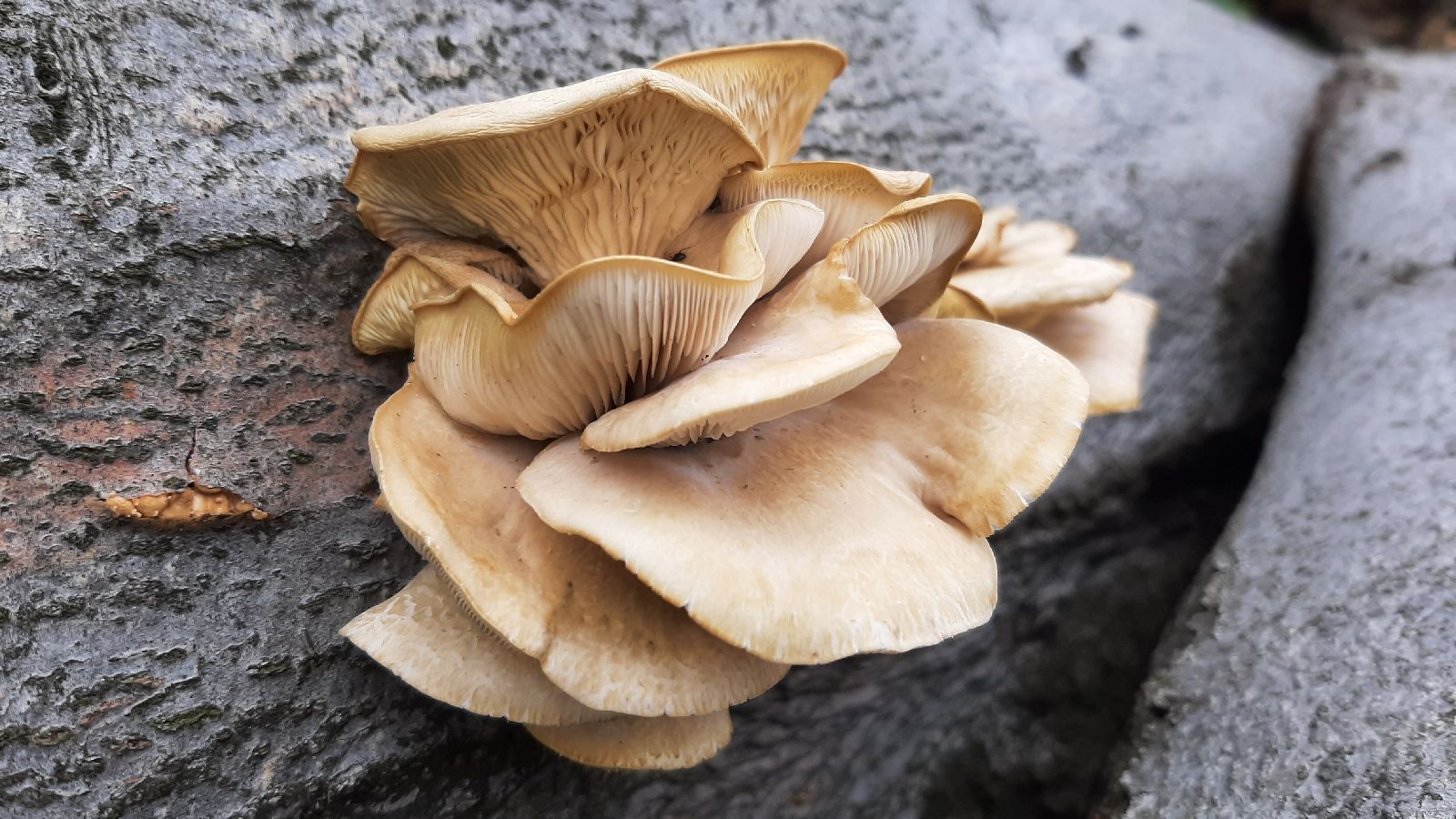
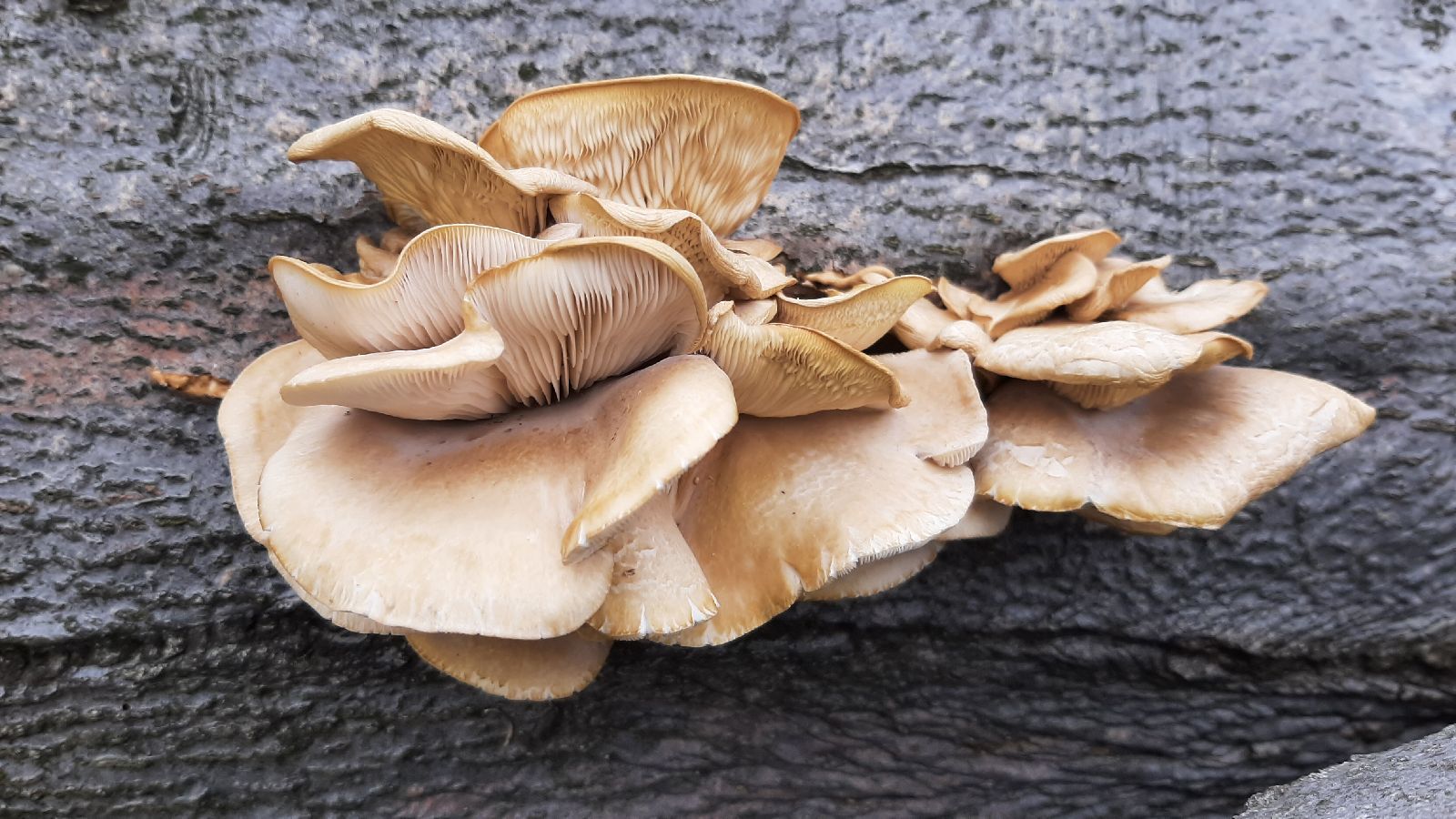
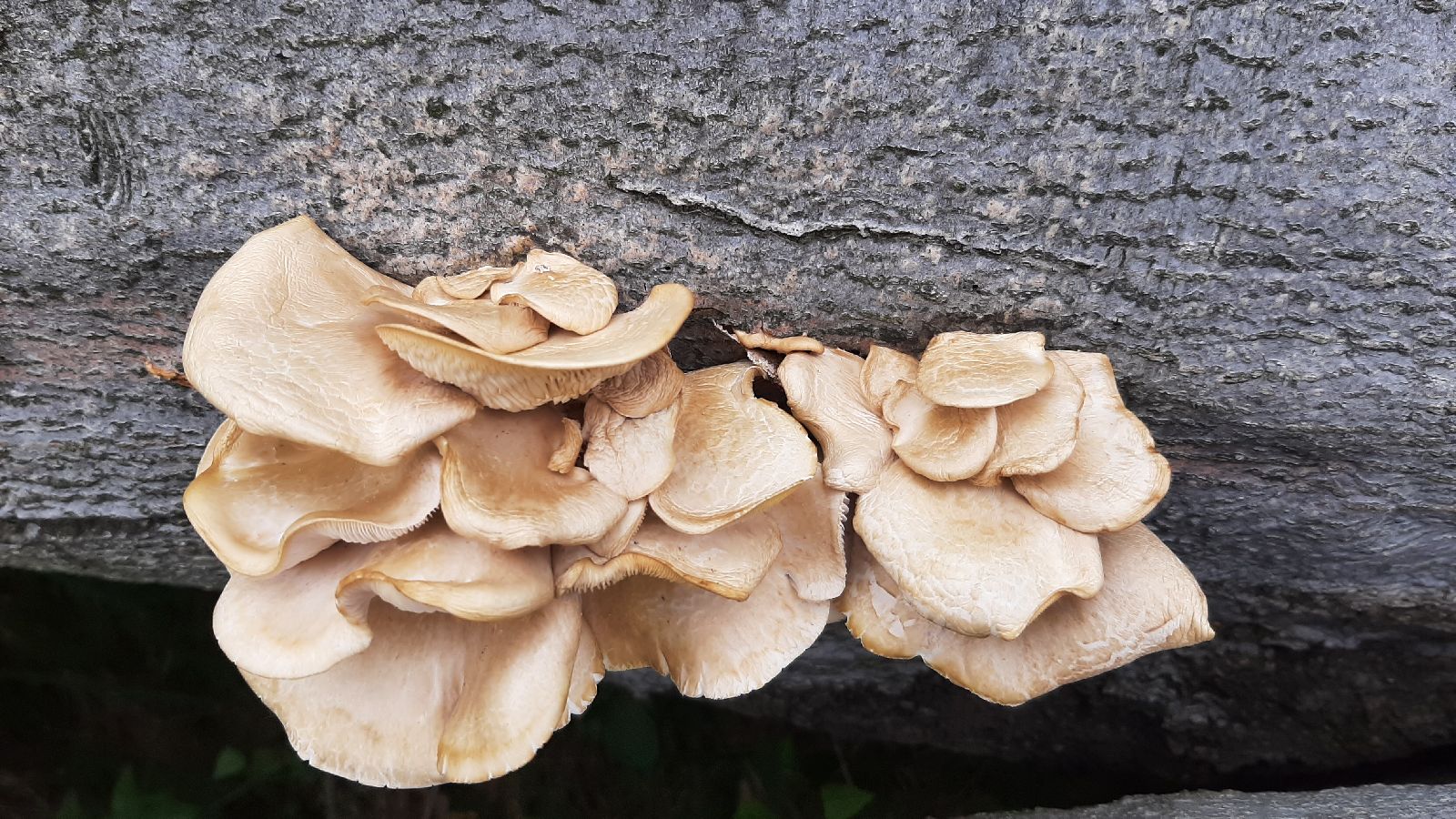
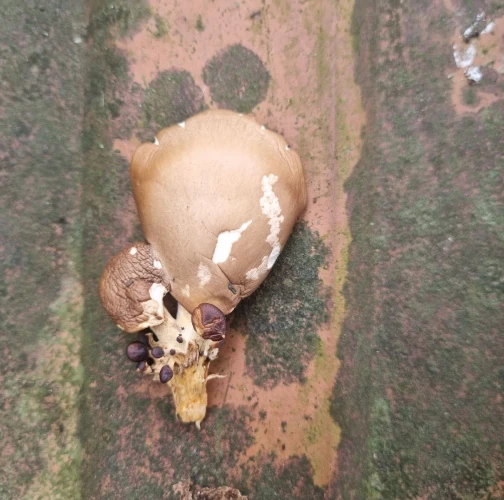
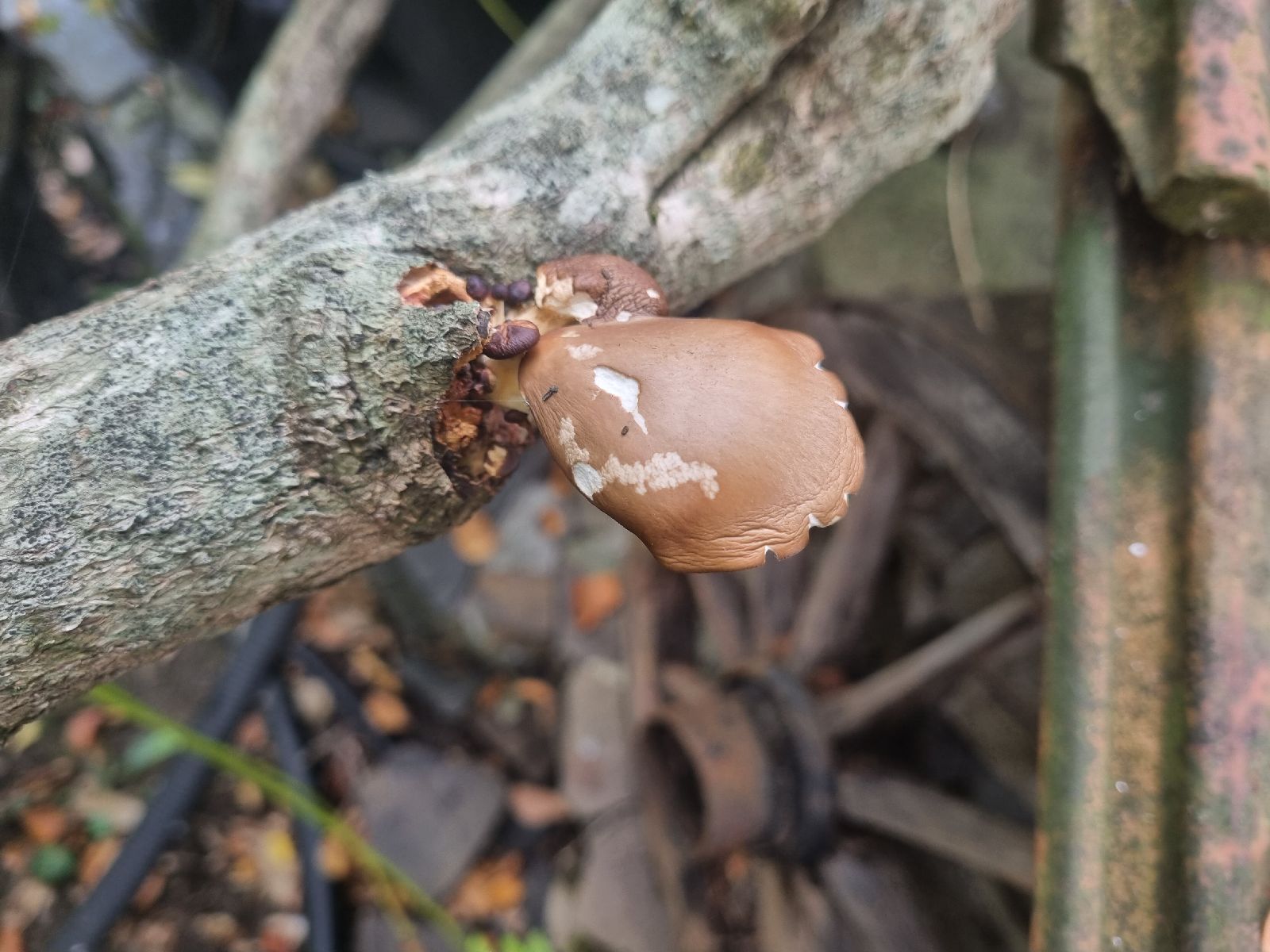
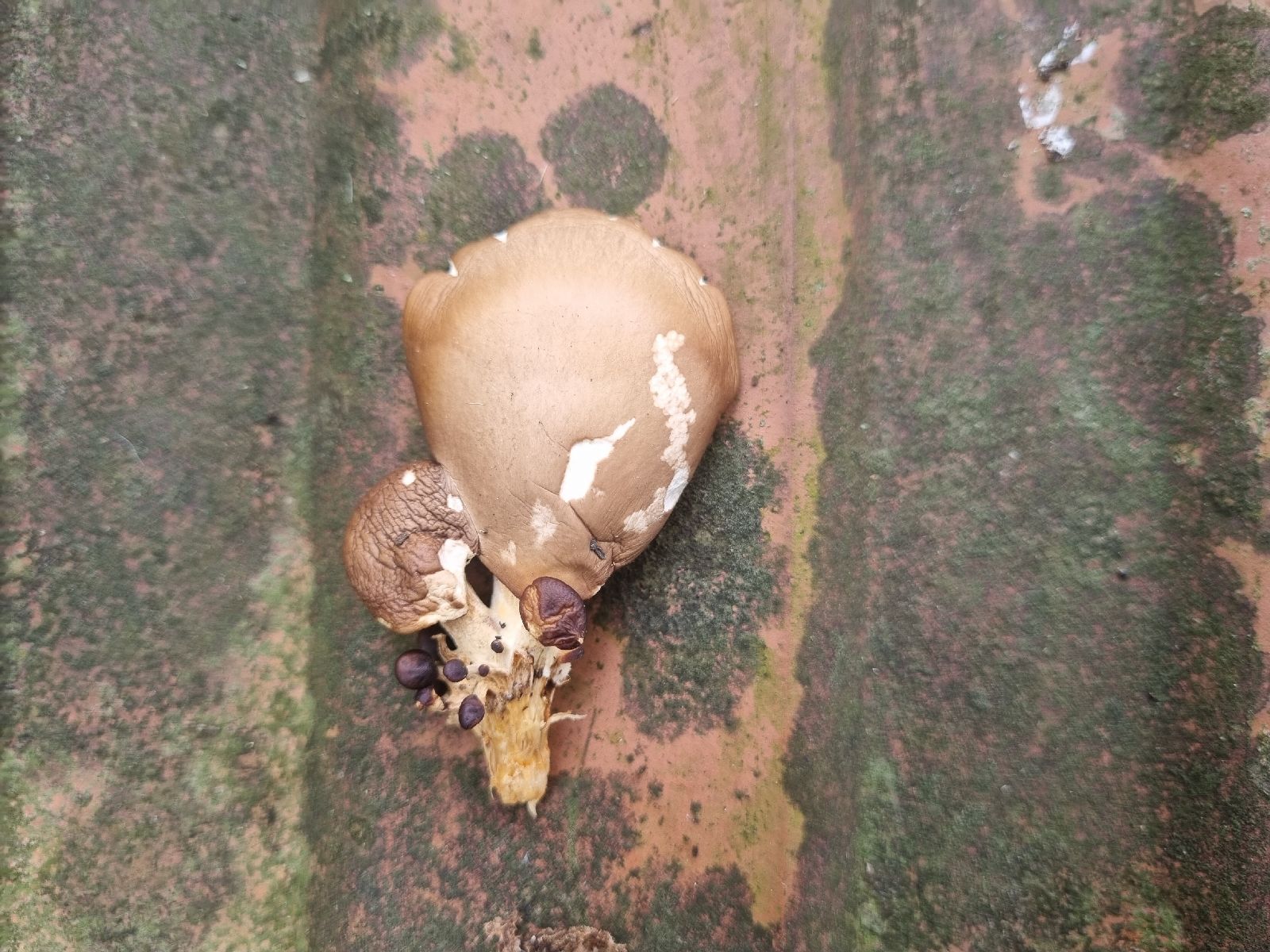
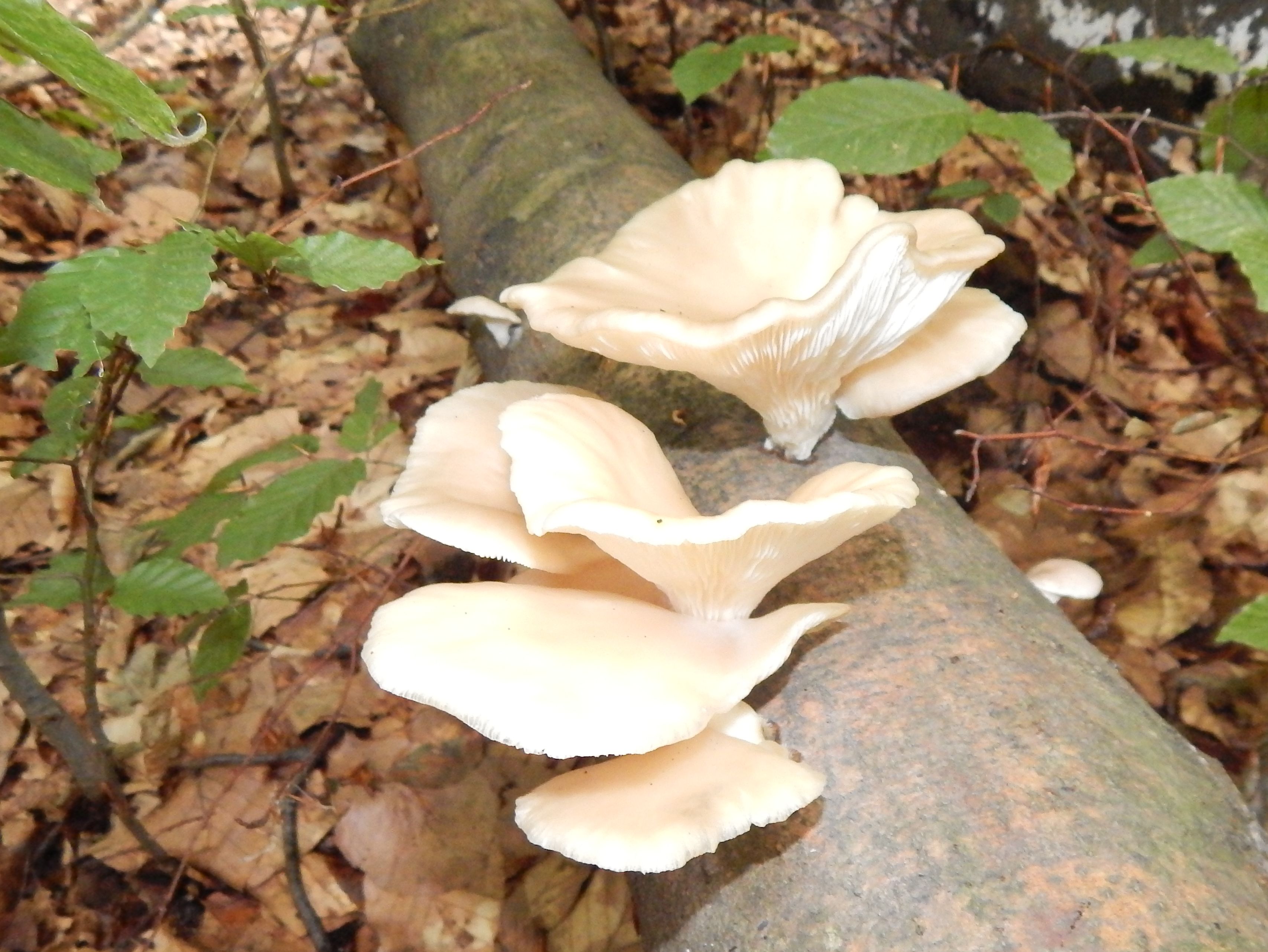
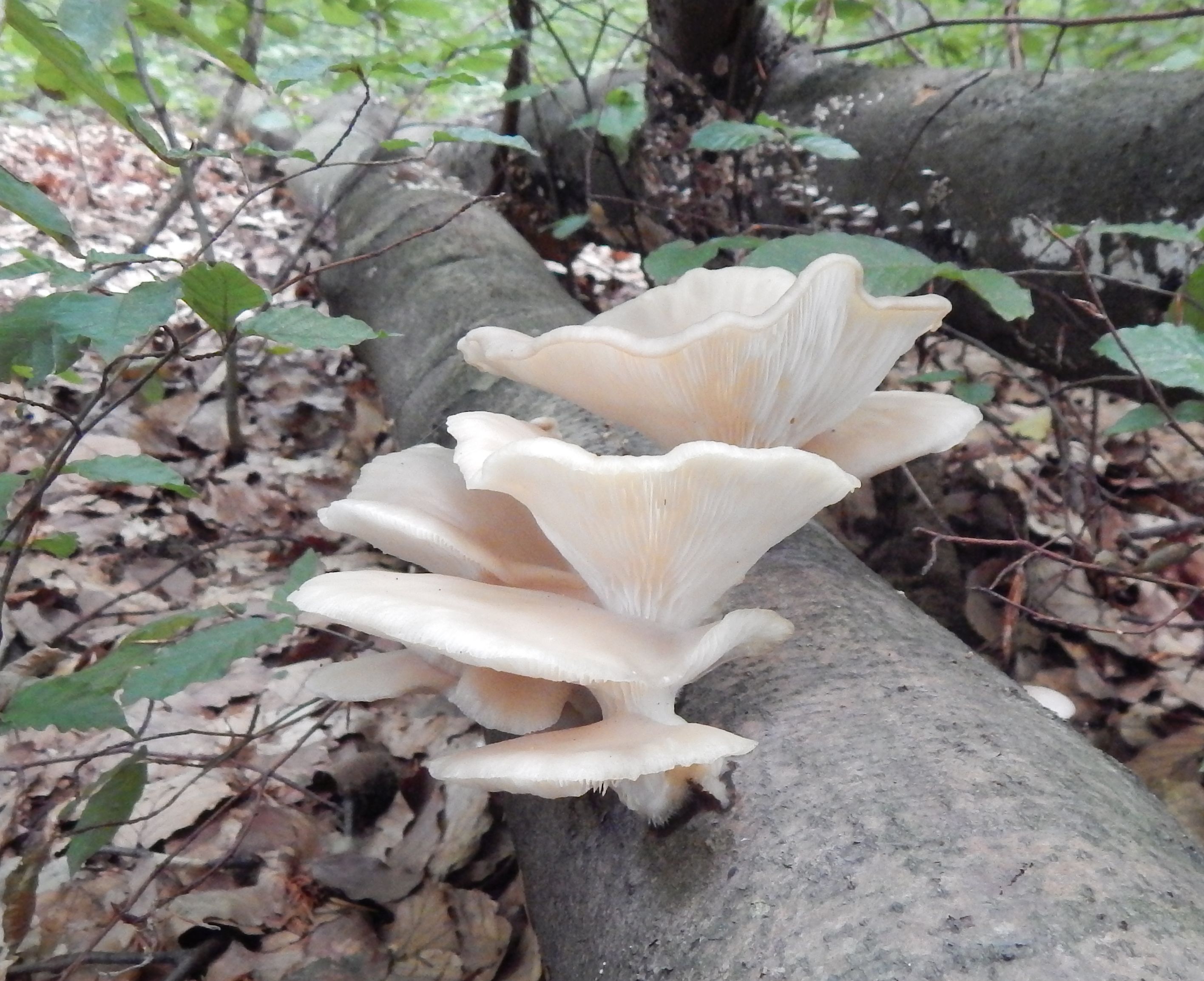
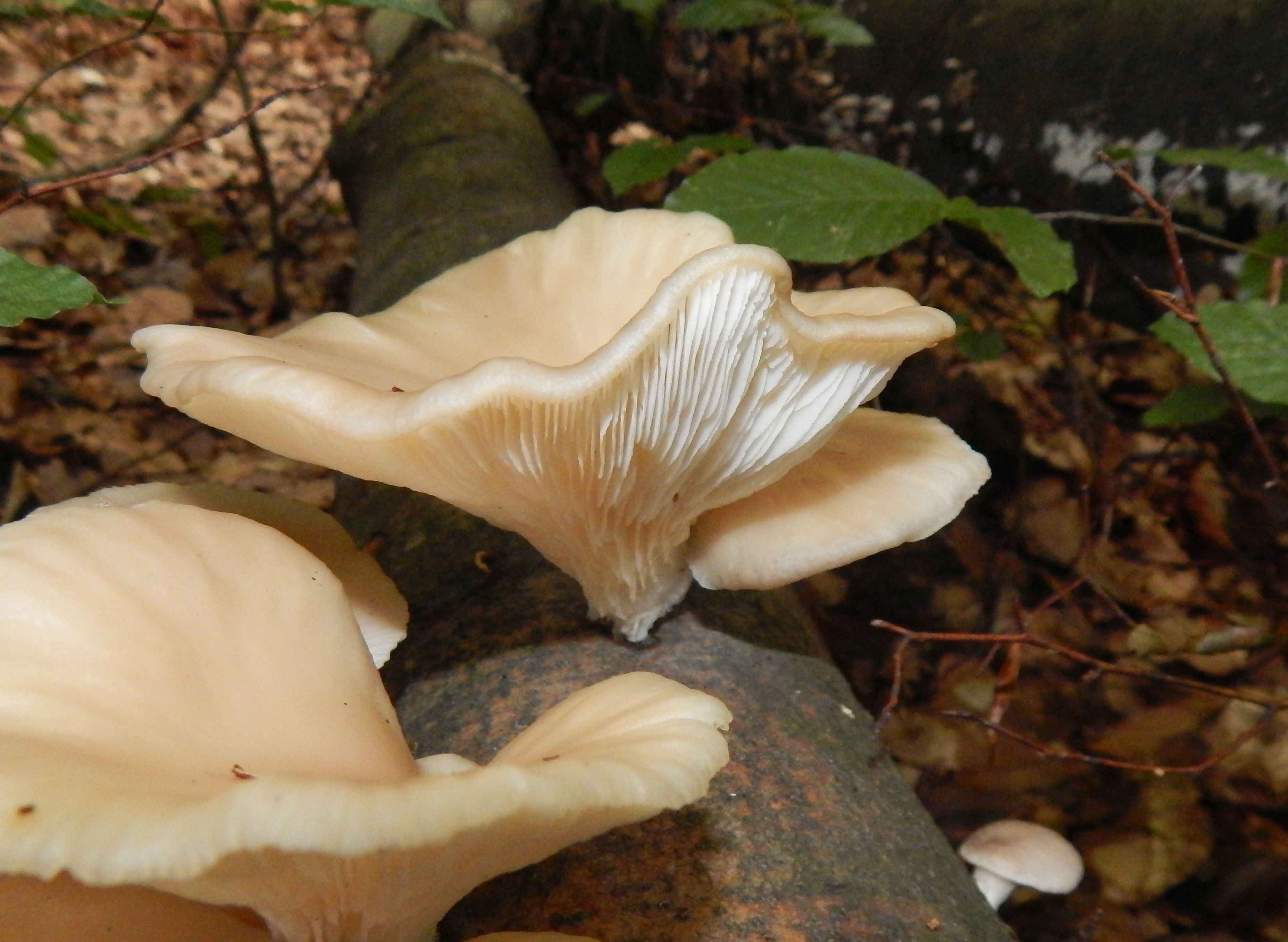
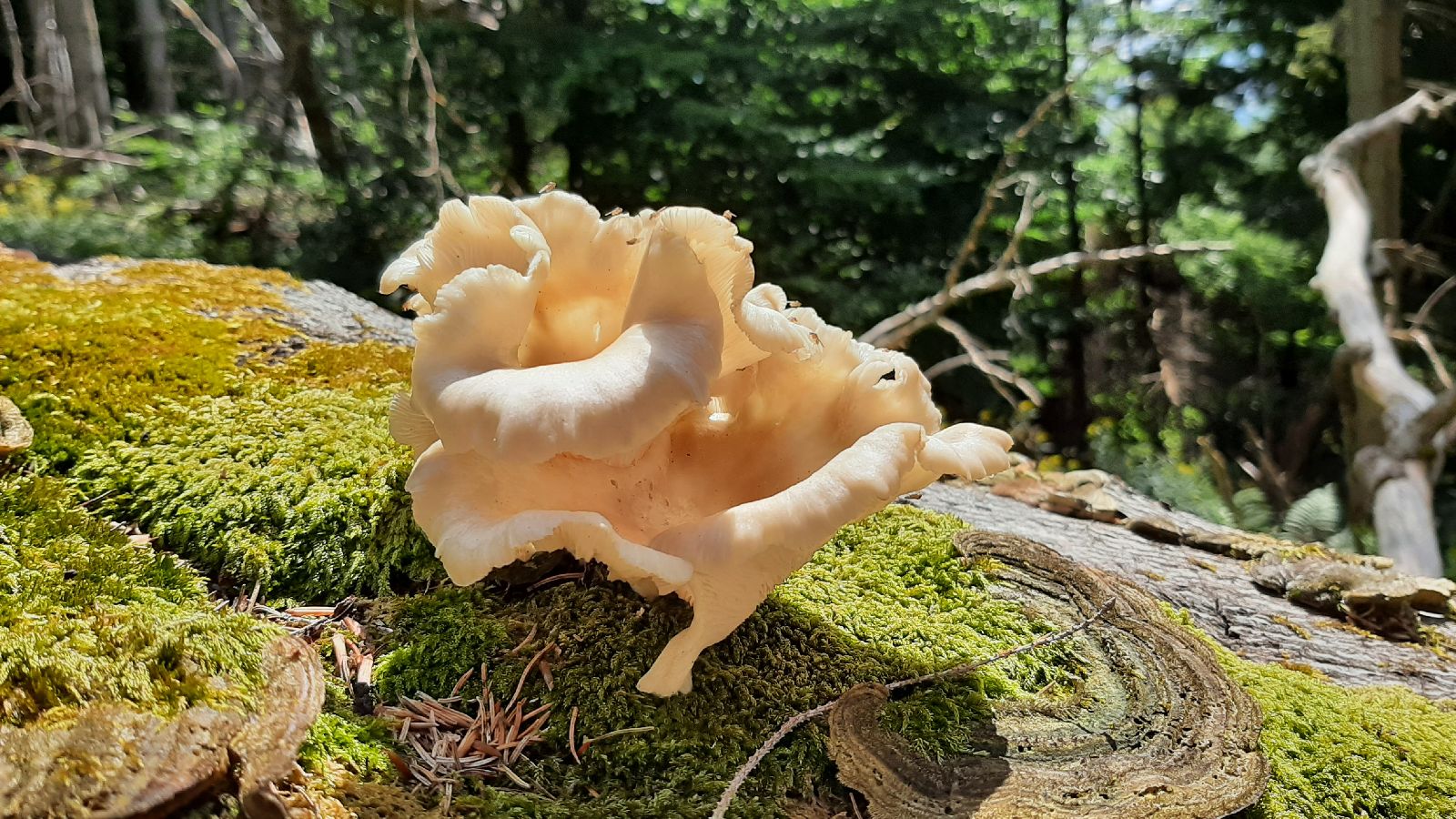
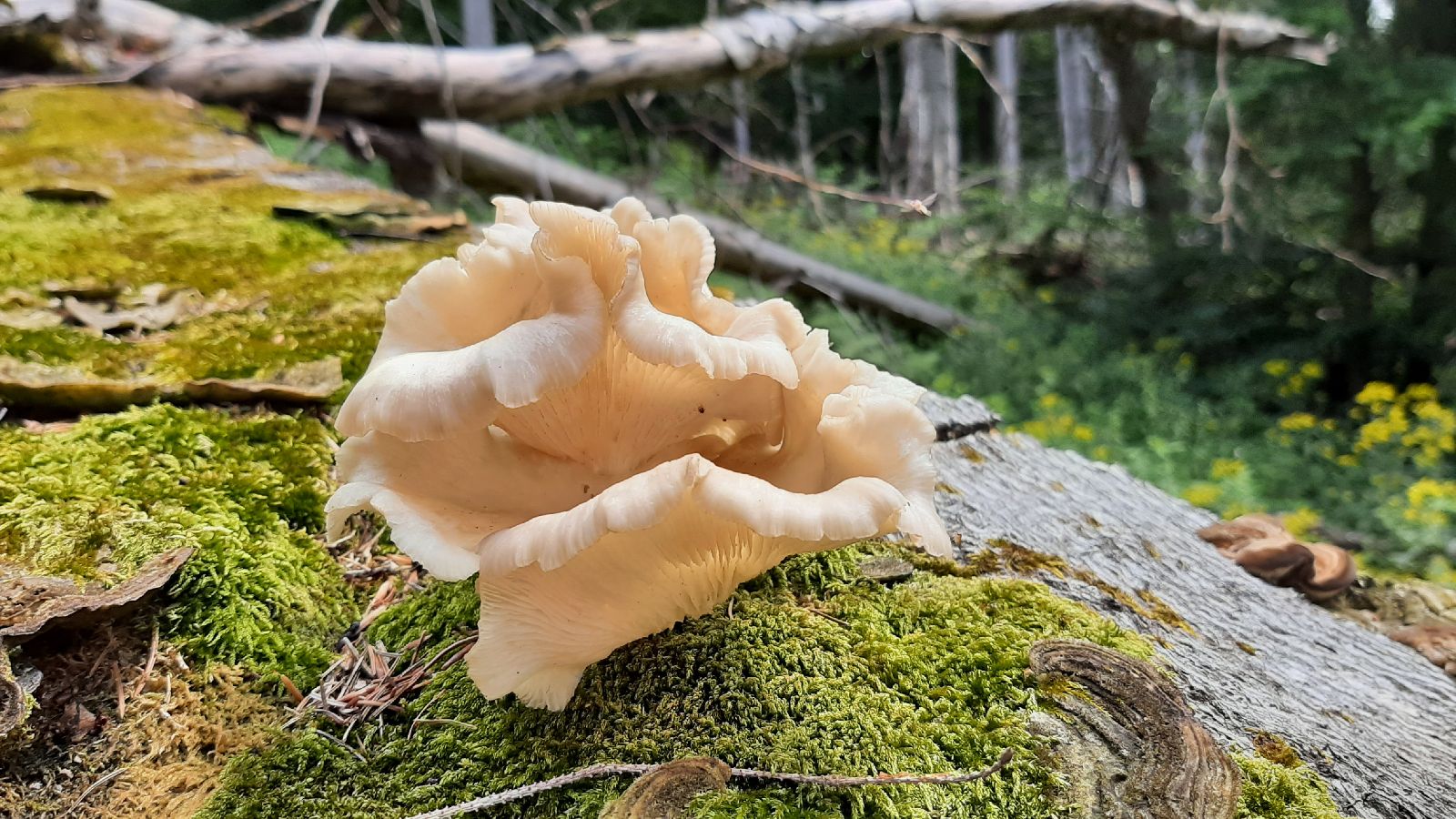
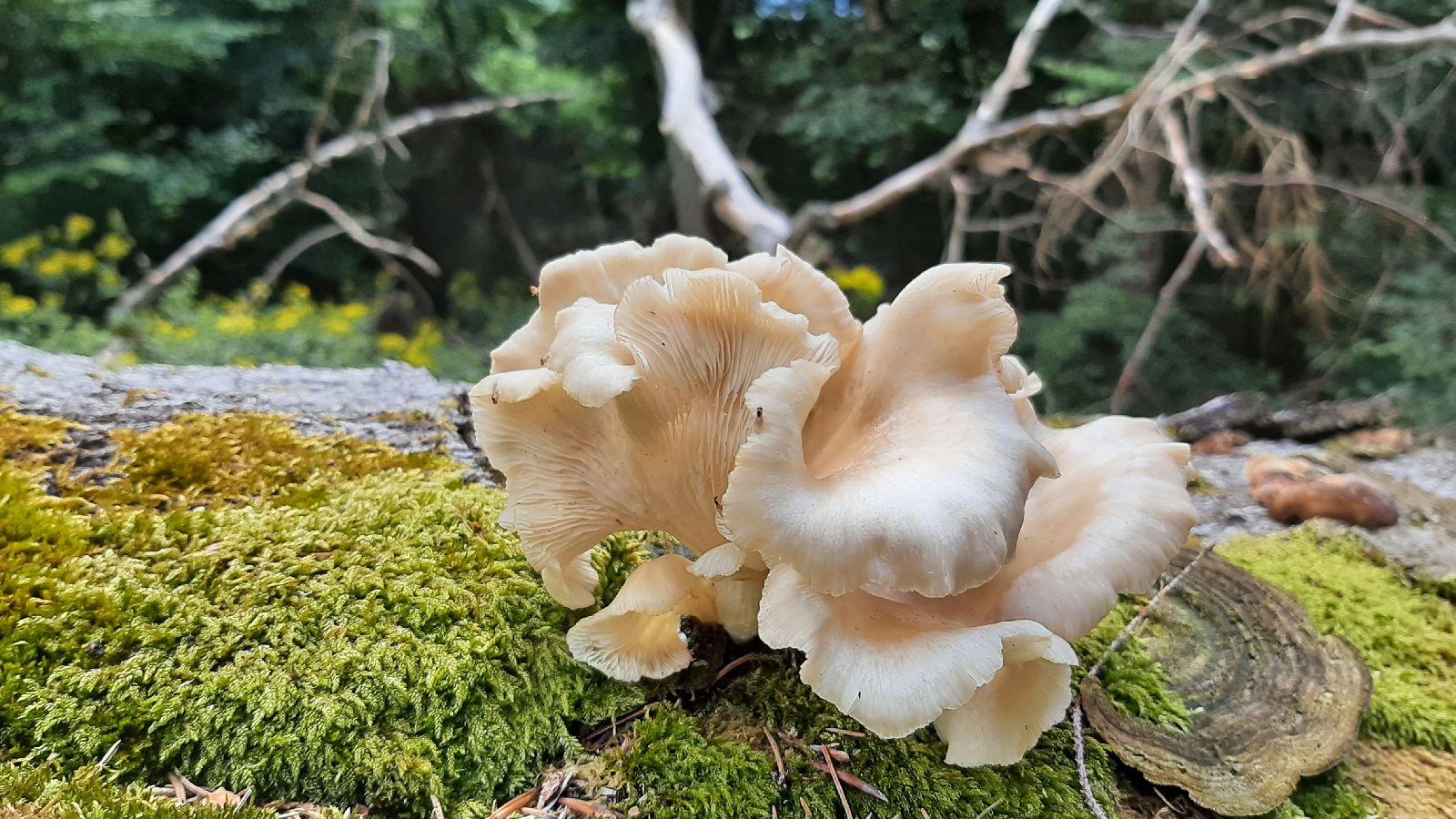
Pale oyster
Hliva bukováHliva buková
Pale oyster
Number: 6331
Received 17.6.2025
In progress: 0 days
Date of occurrence: 17.6.2025
Significance: Harmful
Discussion
Assigned: R. Leontovyč
Country: Slovakia

Question

Answer

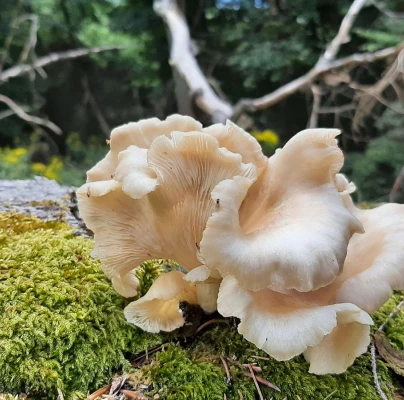
Ahoj Marián, jedná sa hlivu bukovú (Pleurotus pulmonarius), rastie najmä na odumretom dreve, je chutná aj na jedenie, pekný deň Roman Leontovyč
Number of votes for this answer: 0

Pest

Pale oyster

Pleurotus pulmonarius

Pale oyster

Pleurotus pulmonarius

huby

Received: 17.6.2025
Wood: Buk
Number: 6331
Date of occurrence: 17.6.2025
Discussion

Add comment: Pale oyster

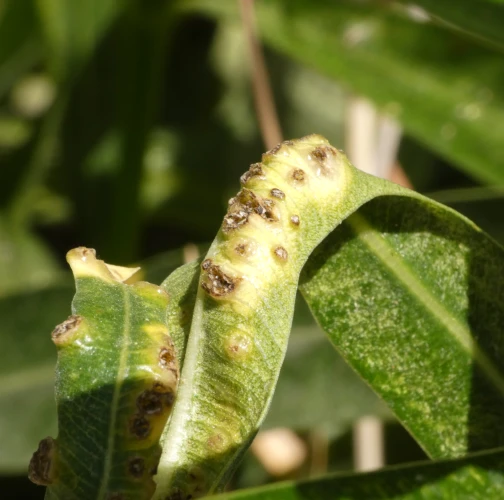
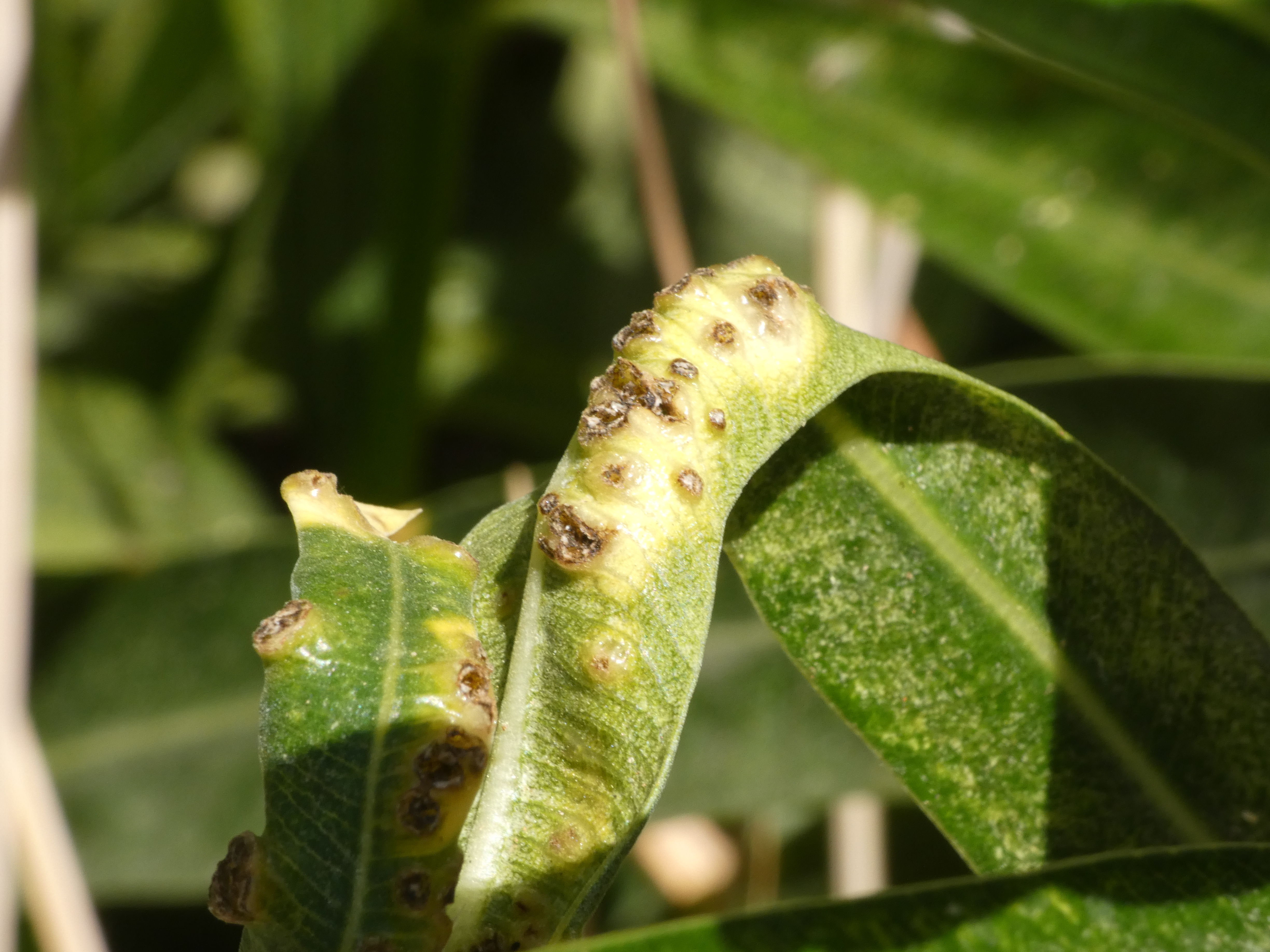
Oleander knot
Oleander knot
Number: 5983
Received 25.5.2025
In progress: 1 days
Date of occurrence: 20.5.2025
Significance: Very harmful
Discussion
From: Ken G
Assigned: M. Zúbrik
Country: United Kingdom

Question

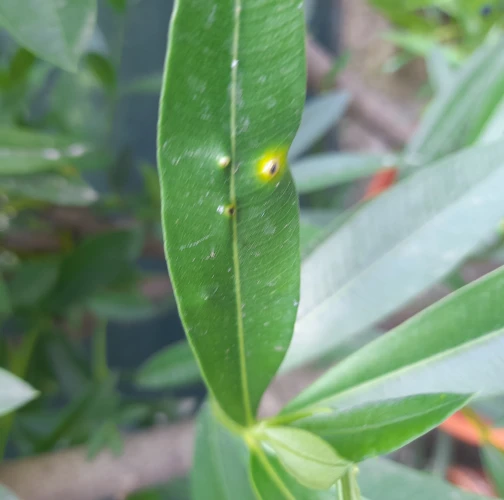
Oleander knot gall - Pseudomonas savastanoi nerii on Oleander on Tilos, Dodecanese.

Answer

Dear Ken, thanks for your request. We confirm, it is oleander knot gall - Pseudomonas savastanoi nerii. With best regards M. Zubrik
Number of votes for this answer: 0

Pest

Oleander knot

Pseudomonas savastanoi nerii

Oleander knot

Pseudomonas savastanoi nerii

bakterie a virusy

Received: 25.5.2025
Wood: Oleander
Number: 5983
Date of occurrence: 20.5.2025
Discussion

Add comment: Oleander knot

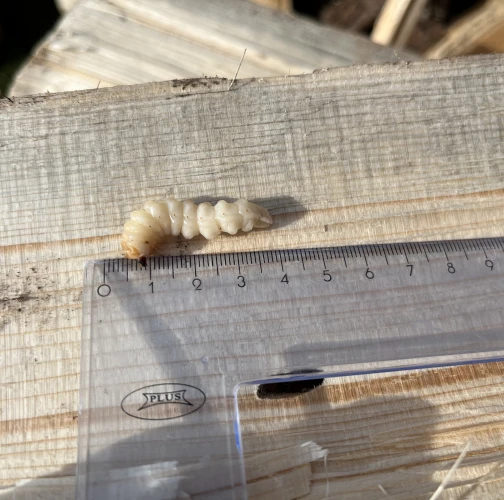
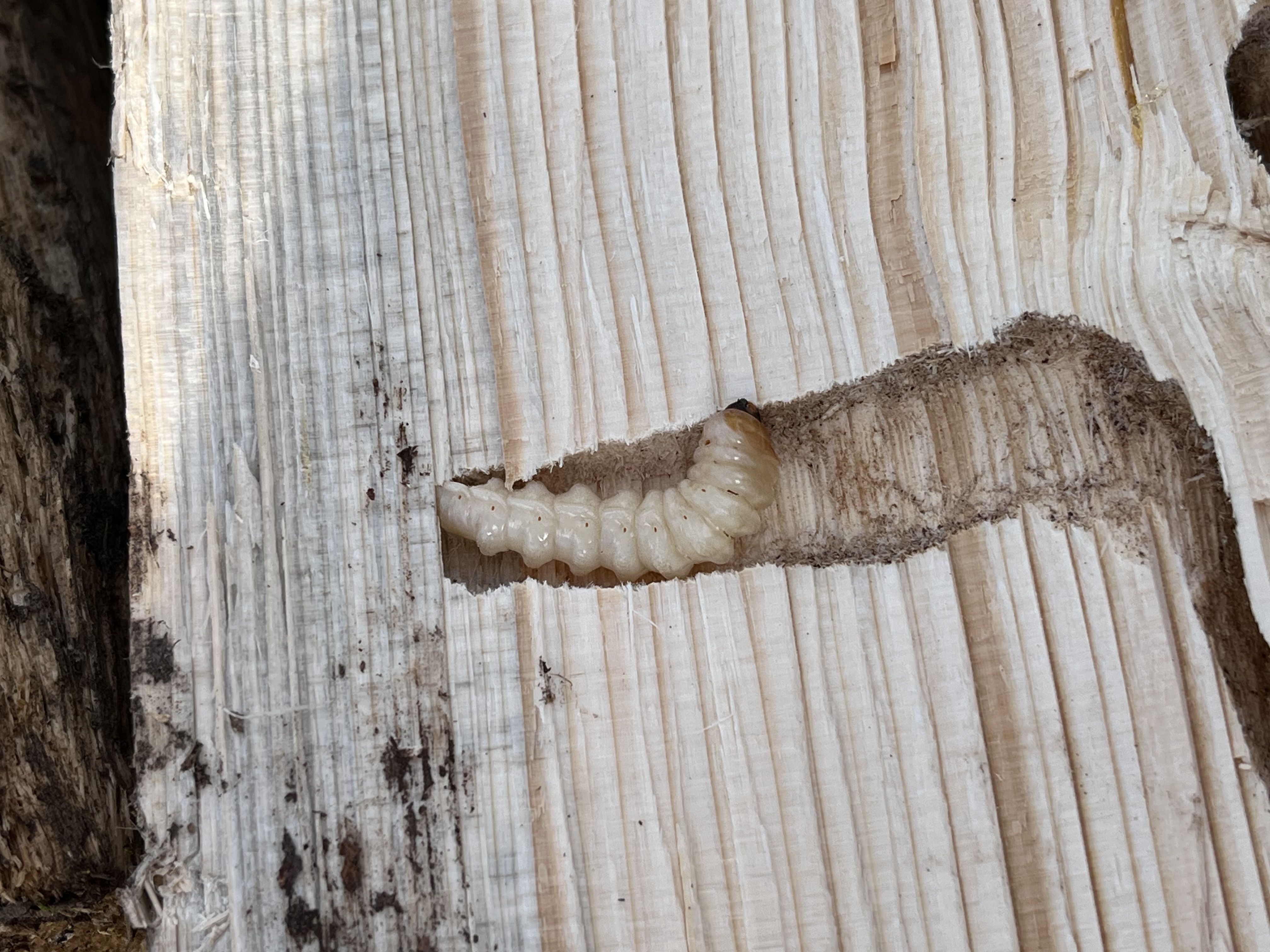
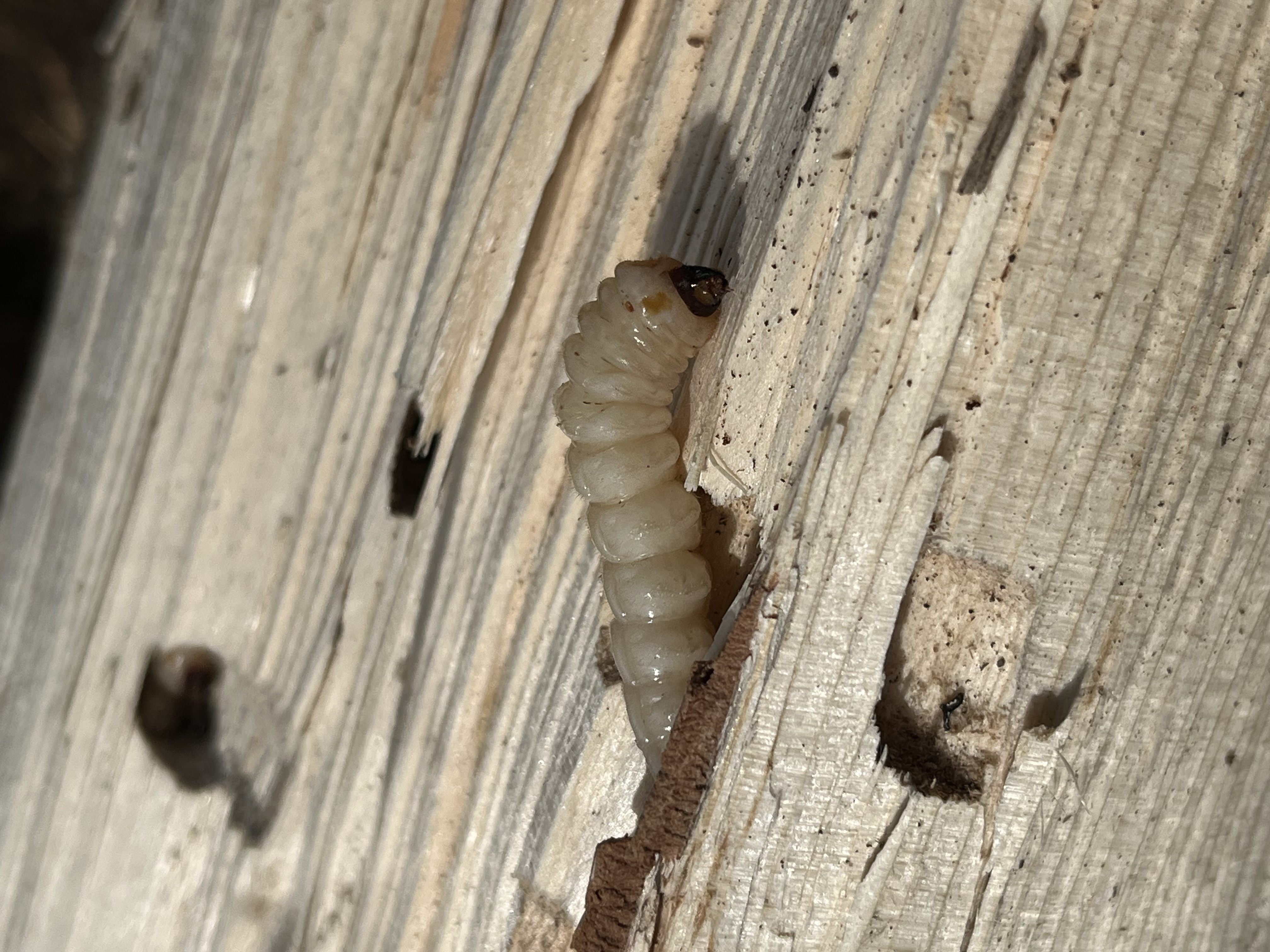
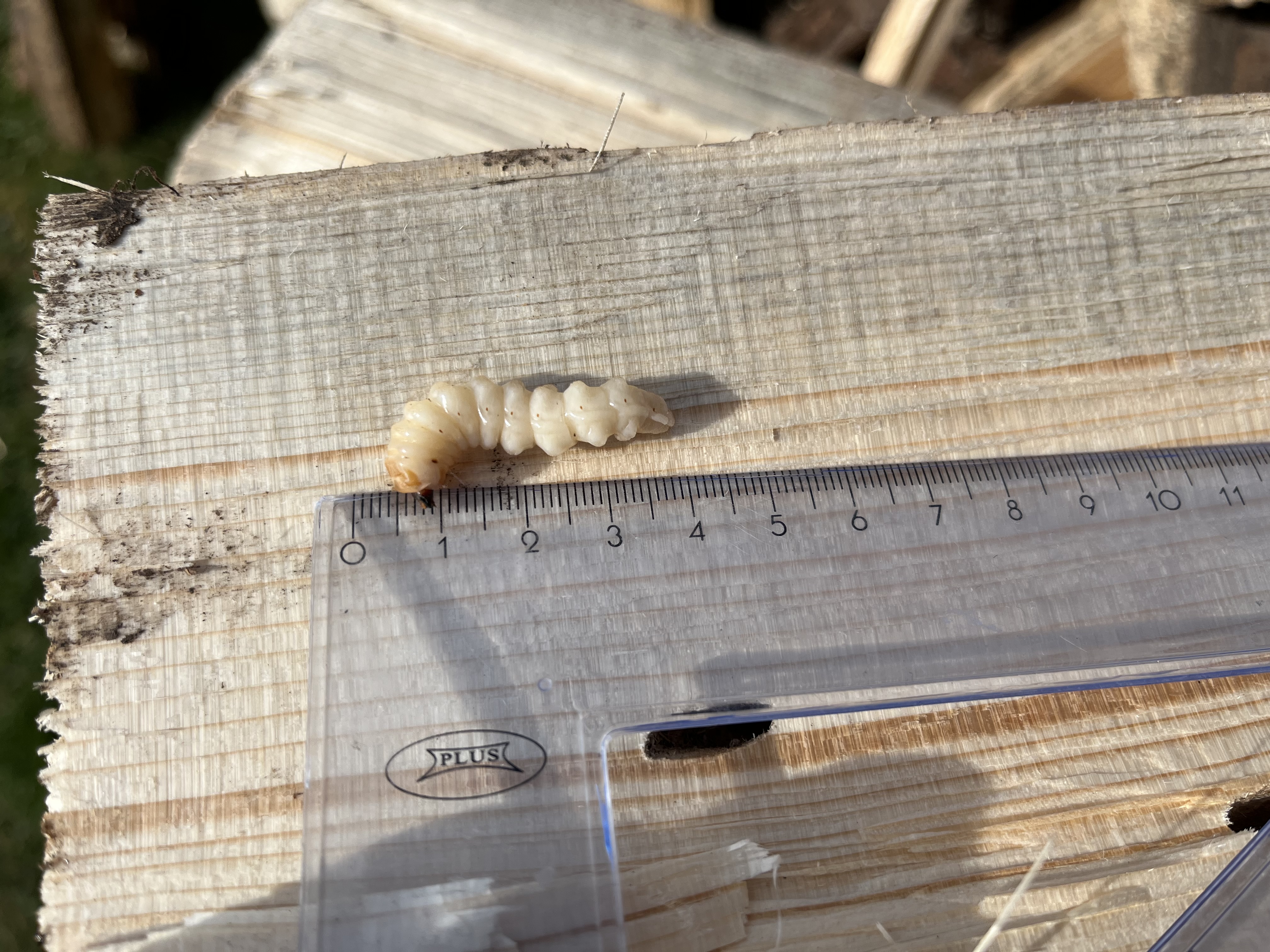
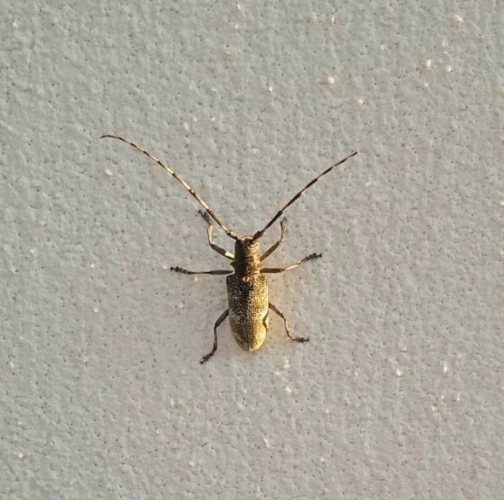
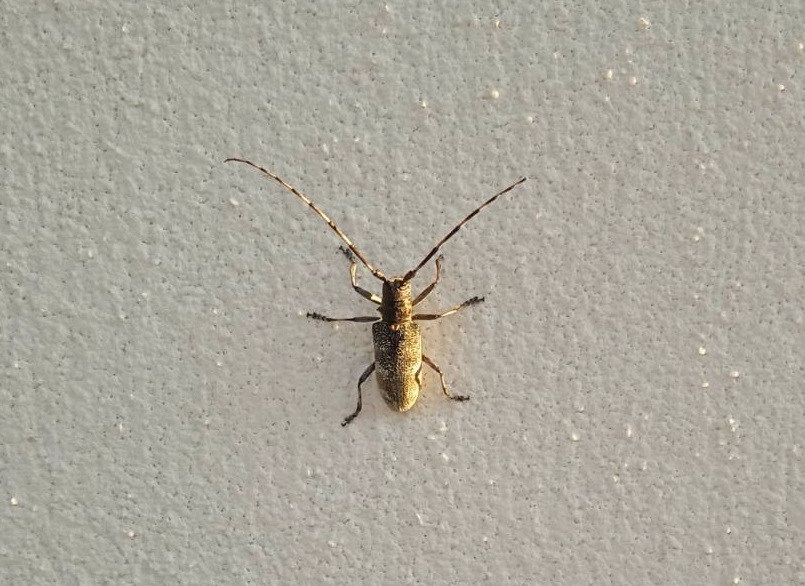
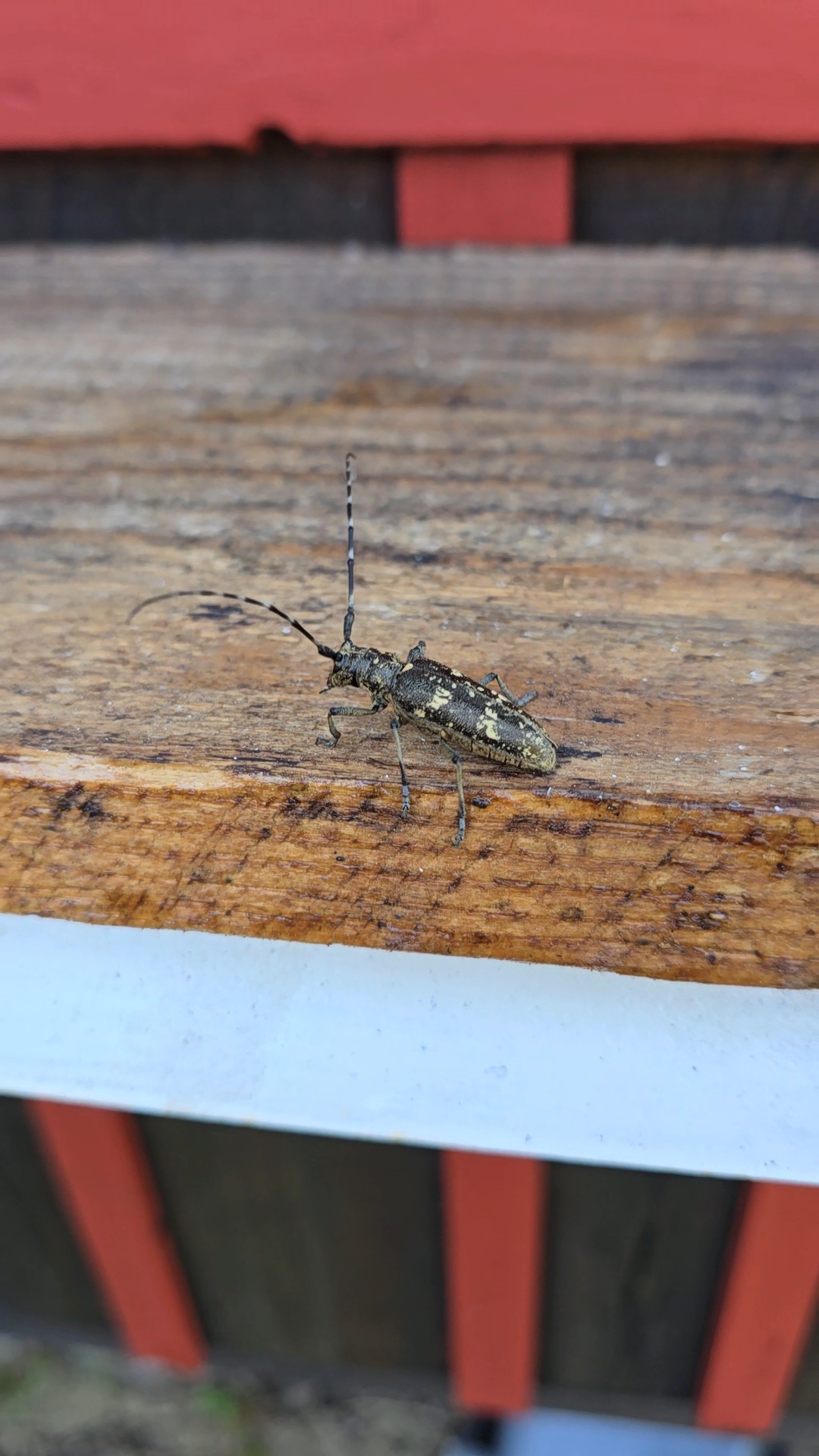
Small white-marmorated longicorn
Vrzúnik smrekovýVrzúnik smrekový
Small white-marmorated longicorn
Number: 5759
Received 17.4.2025
In progress: 0 days
Date of occurrence: 16.4.2025
Significance: Harmful
Discussion
Assigned: J. Vakula
Country: Slovakia

Question

Larva fúzača

Answer

Dobrý deň, je to larva druhu fuzáča z rodu Monochamus. Jedná sa o technického škodcu dreva, nalietava na mŕtve stromy.  S pozdravom J. Vakula 
Number of votes for this answer: 0

Pest

Small white-marmorated longicorn

Monochamus sutor

Small white-marmorated longicorn

Monochamus sutor

hmyz

Received: 17.4.2025
Wood: Smrek
Number: 5759
Date of occurrence: 16.4.2025
Discussion

Add comment: Small white-marmorated longicorn

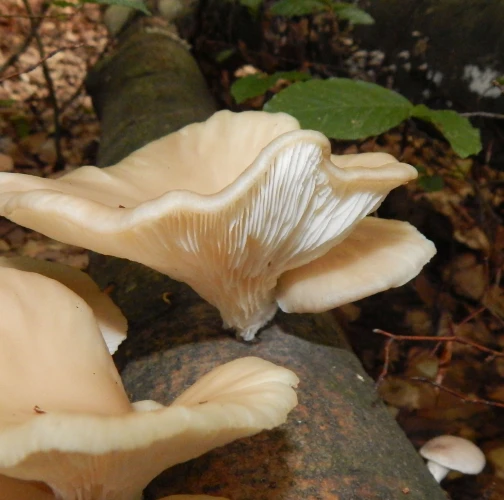
Pale oyster
Hliva bukováHliva bukováHliva buková
Pale oyster
Number: 5232
Received 26.10.2024
In progress: 2 days
Date of occurrence: 26.10.2024
Significance: Harmful
Discussion
From: milan
Assigned: V. Longauerová
Country: Slovakia

Question

Answer

Ahoj Milan,  podľa foto sa jedná o hlivu bukovú. V.L
Number of votes for this answer: 0

Pest

Pale oyster

Pleurotus pulmonarius

Pale oyster

Pleurotus pulmonarius

huby

Received: 26.10.2024
Wood: Rôzne dreviny
Number: 5232
Date of occurrence: 26.10.2024
Discussion

Add comment: Pale oyster

Black pine sawyer beetle
Number: 5182
Received 15.10.2024
In progress: 3 days
Date of occurrence: 28.9.2024
Significance: Harmful
Discussion
From: LefVa
Assigned: M. Zúbrik
Country: Greece

Question

Answer

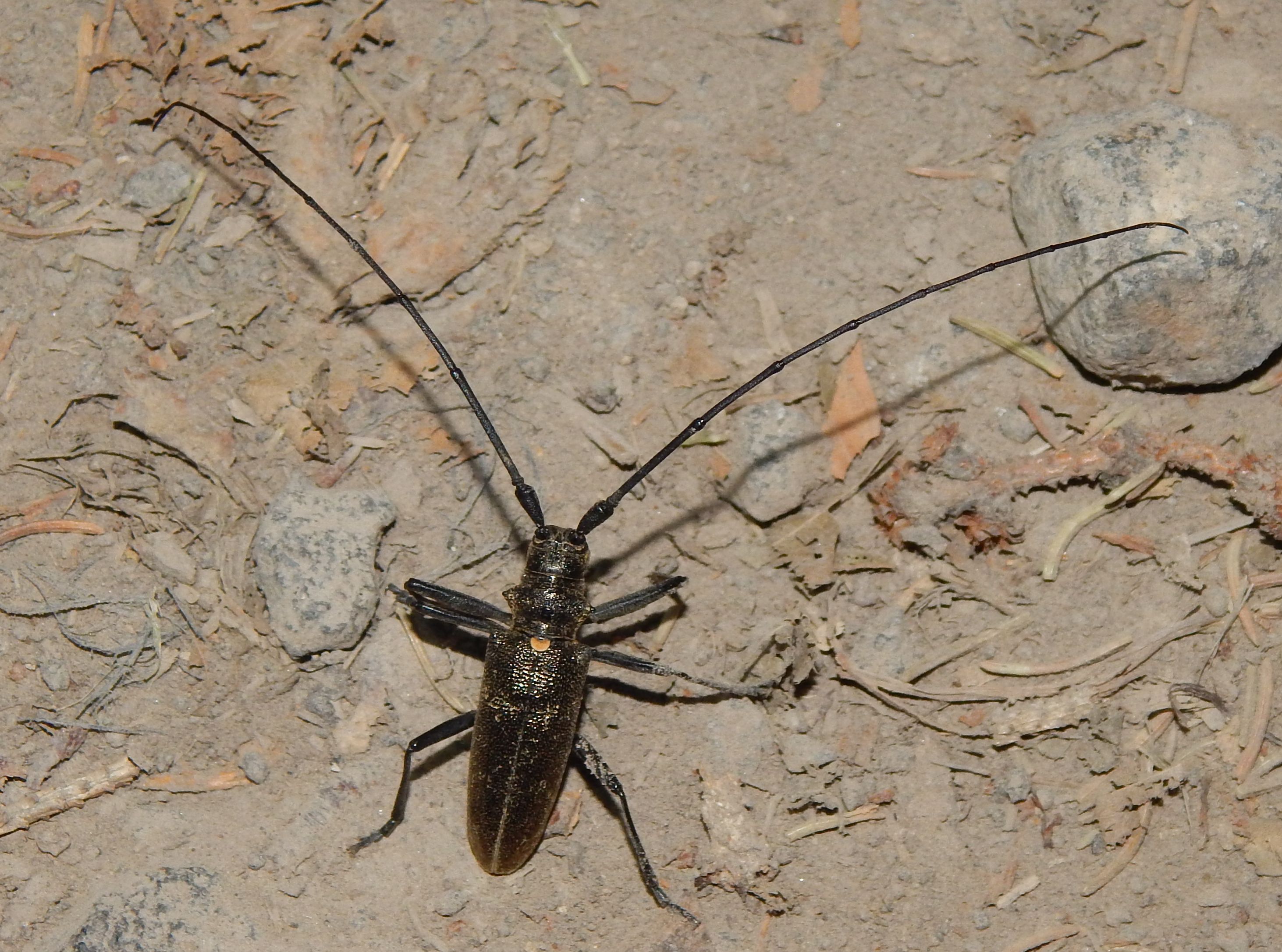
Hello, thank you for your inquiry. The attached photo shows the adult beetle of the species Monochamus galloprovincialis (female). Its larvae live under the bark of pine trees. Best regards, M. Zúbrik
Number of votes for this answer: 0

Pest

Black pine sawyer beetle

Monochamus galloprovincialis

Black pine sawyer beetle

Monochamus galloprovincialis

hmyz

Received: 15.10.2024
Wood: -
Number: 5182
Date of occurrence: 28.9.2024
Discussion

Add comment: Black pine sawyer beetle

Pale oyster
Hliva bukováHliva buková
Pale oyster
Number: 5100
Received 18.9.2024
In progress: 0 days
Date of occurrence: 18.9.2024
Significance: Harmful
Discussion
From: majo
Assigned: V. Longauerová
Country: Slovakia

Question

S pozdravom Marián

Answer

Ahoj Majo ,  je to hliva buková. Výborná jedlá :-) V.L.
Number of votes for this answer: 0

Pest

Pale oyster

Pleurotus pulmonarius

Pale oyster

Pleurotus pulmonarius

huby

Received: 18.9.2024
Wood: Buk
Number: 5100
Date of occurrence: 18.9.2024
Discussion

Add comment: Pale oyster

Black pine sawyer beetle
Number: 5060
Received 7.9.2024
In progress: 0 days
Date of occurrence: 7.9.2024
Significance: Harmful
Discussion
Assigned: M. Zúbrik
Country: Spain

Question

Answer

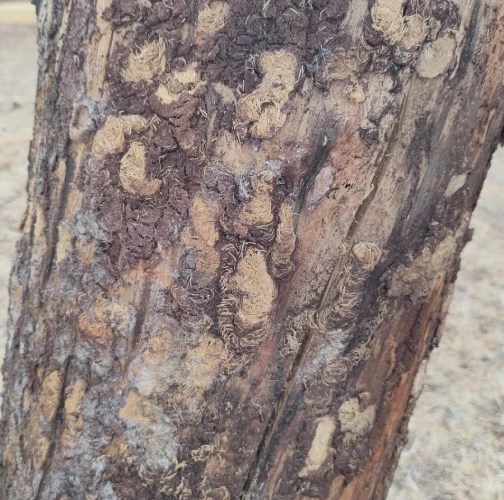
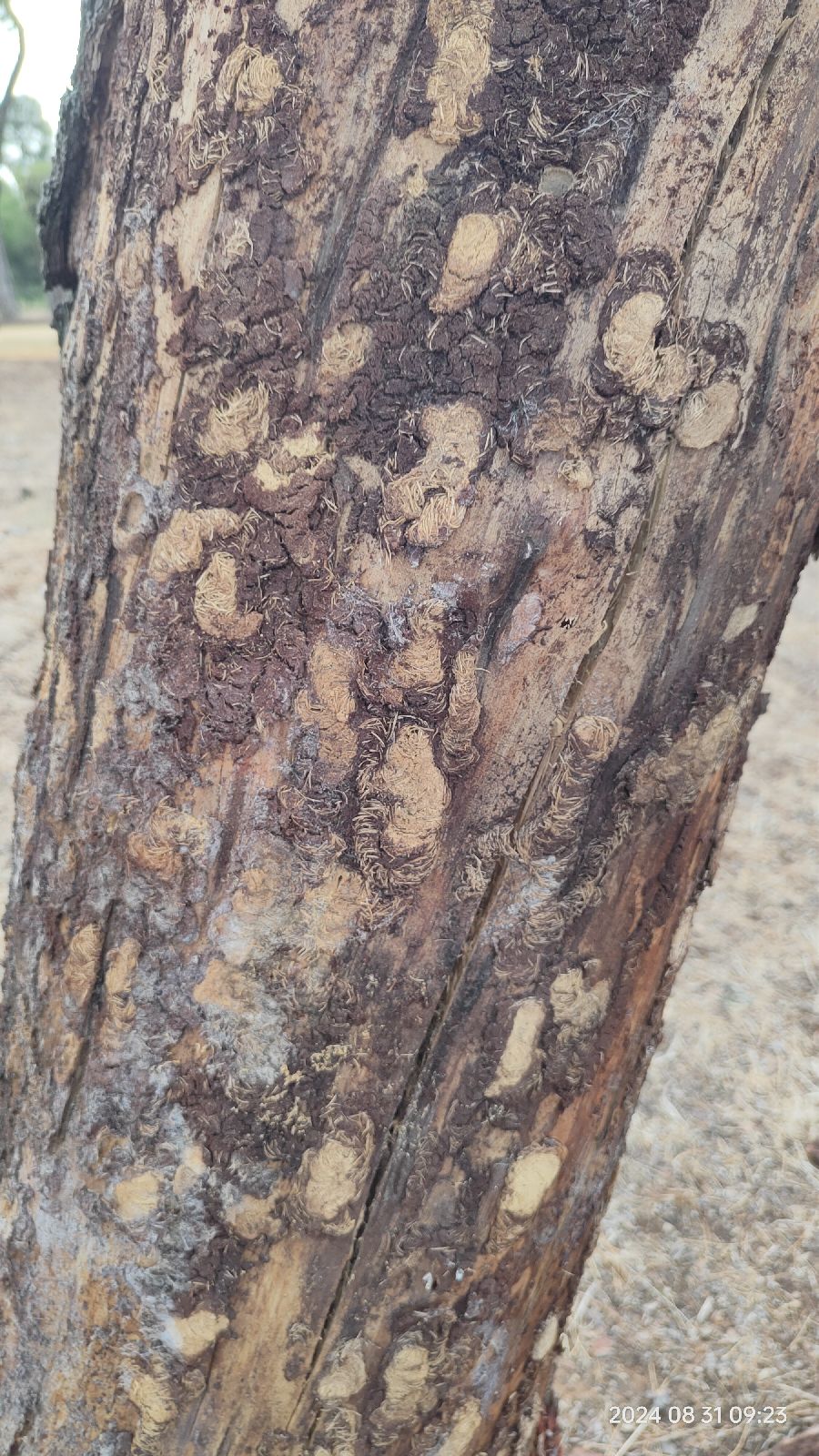
Dear Ignacio, thank you for your reguest. I think on the pictures are galleries caused by Monochamus galloprovincialis - the black pine sawyer beetle. It is cerambycid species. Larvae lives under the bark and pupation take place in the wood. It attack weakened trees. The adults maturation feeding can damage the twigs. It was recently found to be the vector of dangerous pathogenic pine wood nematode Bursaphelenchus xylophilus. With best regards M. Zúbrik
Number of votes for this answer: 0

Pest

Black pine sawyer beetle

Monochamus galloprovincialis

Black pine sawyer beetle

Monochamus galloprovincialis

hmyz

Received: 7.9.2024
Wood: Pine
Number: 5060
Date of occurrence: 7.9.2024
Discussion

Add comment: Black pine sawyer beetle

Codling moth
Codling moth
Number: 4876
Received 26.7.2024
In progress: 0 days
Date of occurrence: 26.7.2024
Significance: Harmful
Discussion
Assigned: M. Zúbrik
Country: Slovakia

Question

Answer

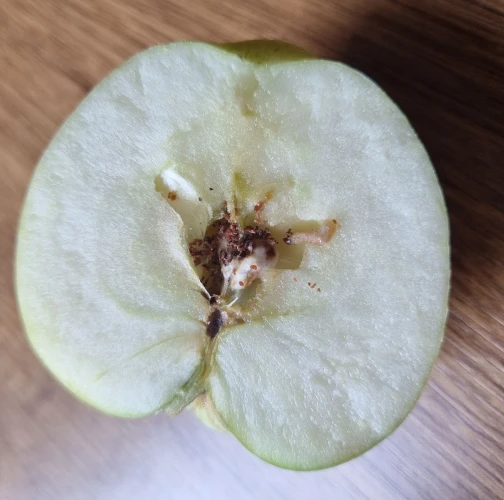
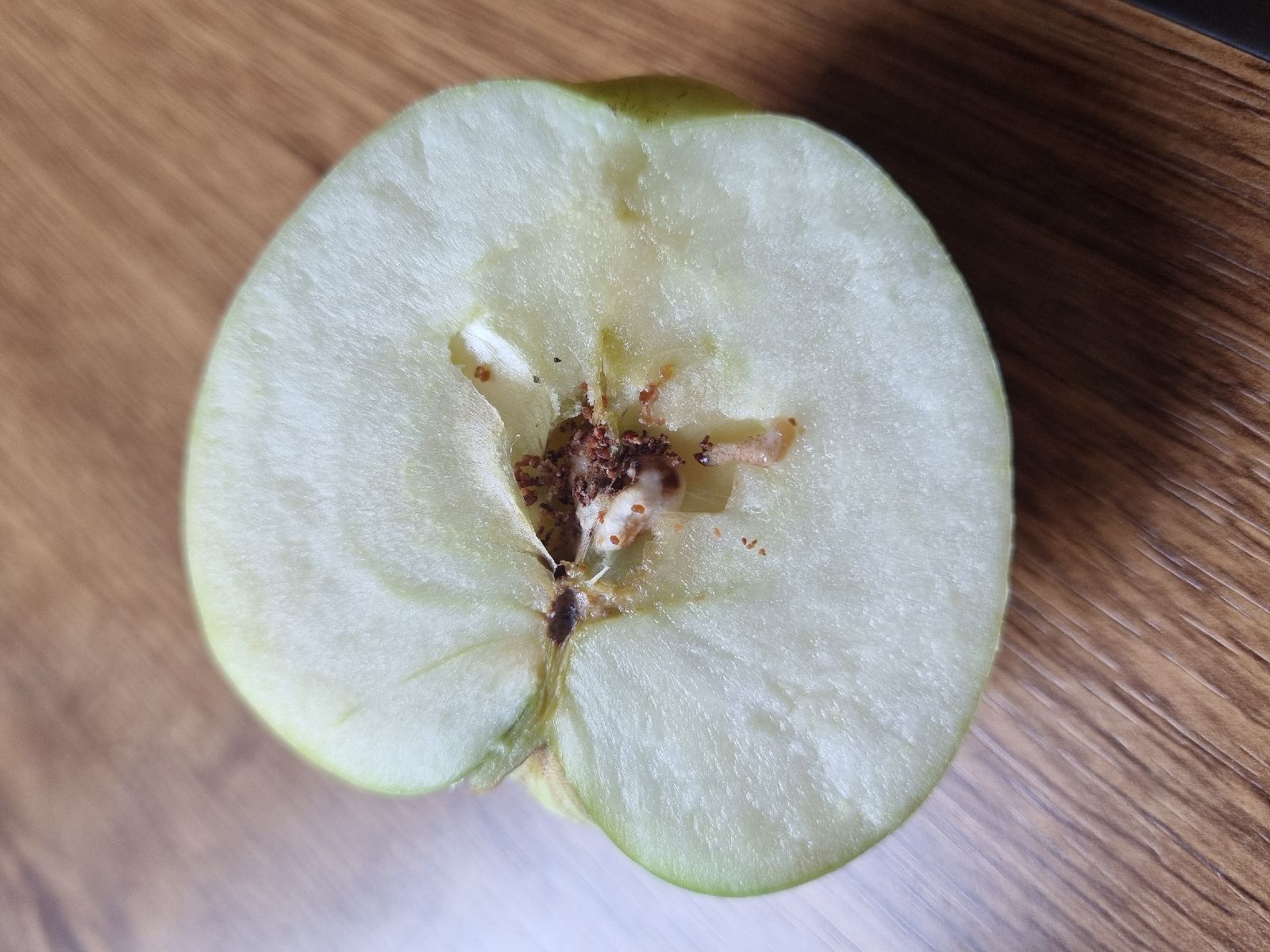
Monitoring: C. pomonella
Number of votes for this answer: 0

Pest

Codling moth

Cydia pomonella

Codling moth

Cydia pomonella

hmyz

Received: 26.7.2024
Wood: Maple
Number: 4876
Date of occurrence: 26.7.2024
Discussion

Add comment: Codling moth

Pale oyster
Hliva bukováHliva buková
Pale oyster
Number: 4869
Received 25.7.2024
In progress: 9 days
Date of occurrence: 25.7.2024
Significance: Harmful
Discussion
From: majo
Assigned: V. Longauerová
Country: Slovakia

Question

mŕtve drevo

Answer

Hliva buková.
Number of votes for this answer: 0

Pest

Pale oyster

Pleurotus pulmonarius

Pale oyster

Pleurotus pulmonarius

huby

Received: 25.7.2024
Wood: Buk
Number: 4869
Date of occurrence: 25.7.2024
Discussion

Add comment: Pale oyster

Long-horned beetle
Long-horned beetle
Number: 4757
Received 25.6.2024
In progress: 2 days
Date of occurrence: 25.6.2024
Significance: Very harmful
Discussion
Assigned: S. Rell
Country: Slovakia

Question

Answer

Dobrý deň,   je to Vrzúnik pralesový Monochamus sartor.   viac info: https://www.skodcoviadrevin.sk/skodca/vrzunik-pralesovy
Number of votes for this answer: 0

Pest

Long-horned beetle

Monochamus sartor

Long-horned beetle

Monochamus sartor

hmyz

Received: 25.6.2024
Wood: Smrek
Number: 4757
Date of occurrence: 25.6.2024
Discussion

Add comment: Long-horned beetle

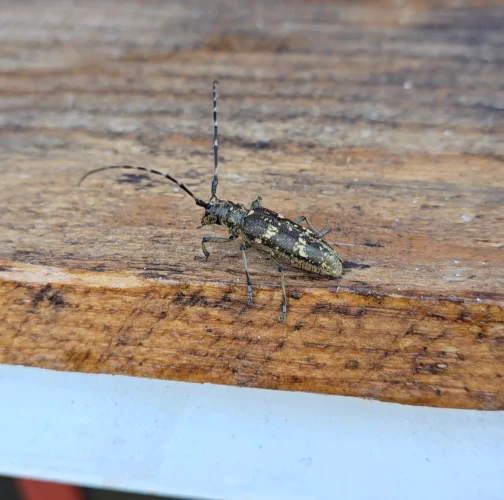
Long-horned beetle
Long-horned beetle
Number: 4755
Received 24.6.2024
In progress: 0 days
Date of occurrence: 21.6.2024
Significance: Very harmful
Discussion
From: majo
Assigned: M. Zúbrik
Country: Slovakia

Question

cca 30 mm, na sklade dreva (prevažne buk, dub). Prosím o určenie druhu. Ďakujem Marián

Answer

Vďaka za krásnu fotku. Je to určite samček druhu z rodu Monochamus spp. asi Monochamus sartor ale ruku do ohňa za to nedám :-). Vďaka. Milan
Number of votes for this answer: 0

Pest

Long-horned beetle

Monochamus sartor

Long-horned beetle

Monochamus sartor

hmyz

Received: 24.6.2024
Wood: Buk
Number: 4755
Date of occurrence: 21.6.2024
Discussion

Add comment: Long-horned beetle

Oleander knot
Bakteriálne ochorenie oleandrovBakteriálne ochorenie oleandrov
Oleander knot
Number: 4754
Received 23.6.2024
In progress: 2 days
Date of occurrence: 22.6.2024
Significance: Very harmful
Discussion
From: Ingrid
Assigned: M. Zúbrik
Country: Slovakia

Question

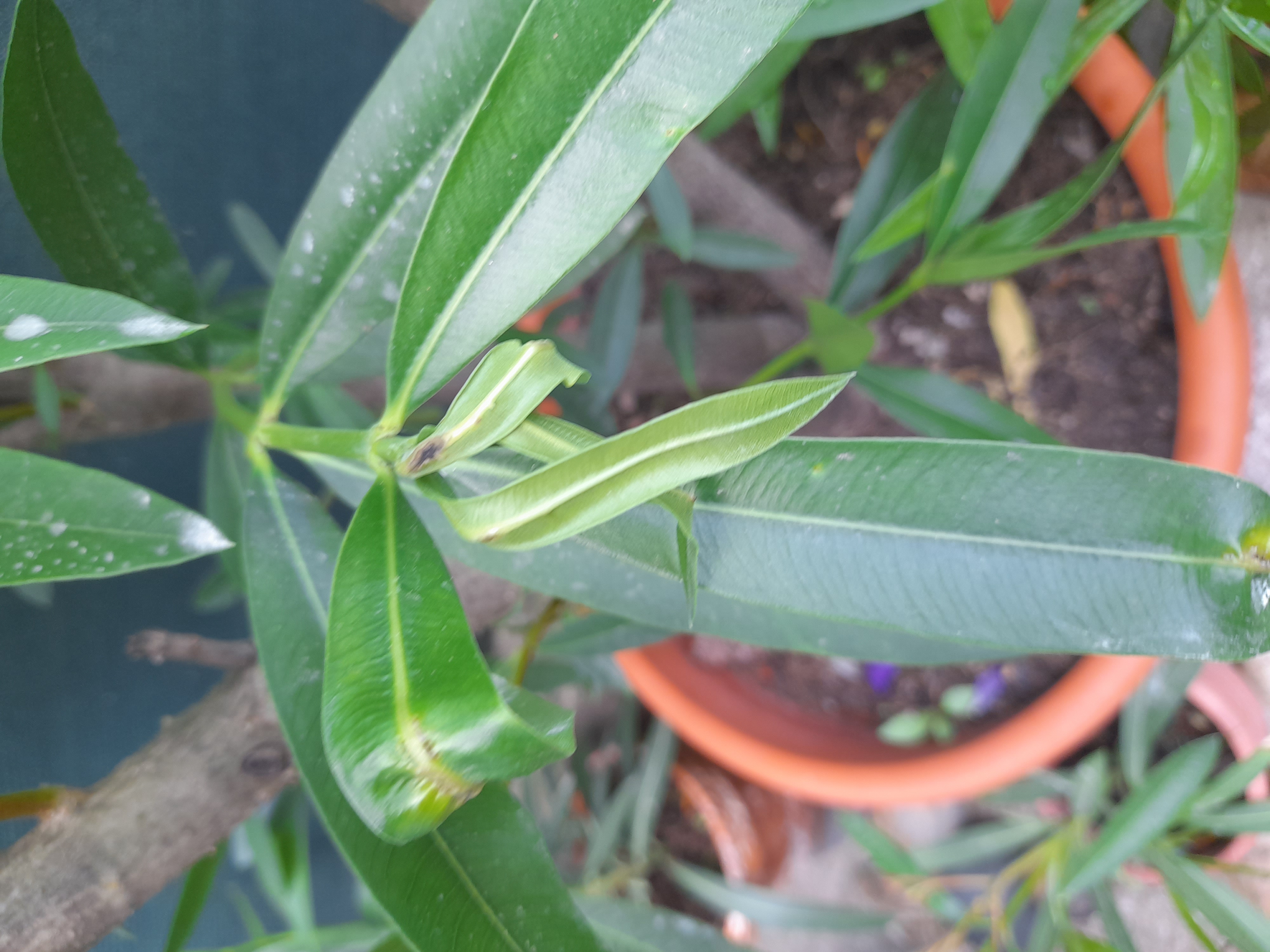
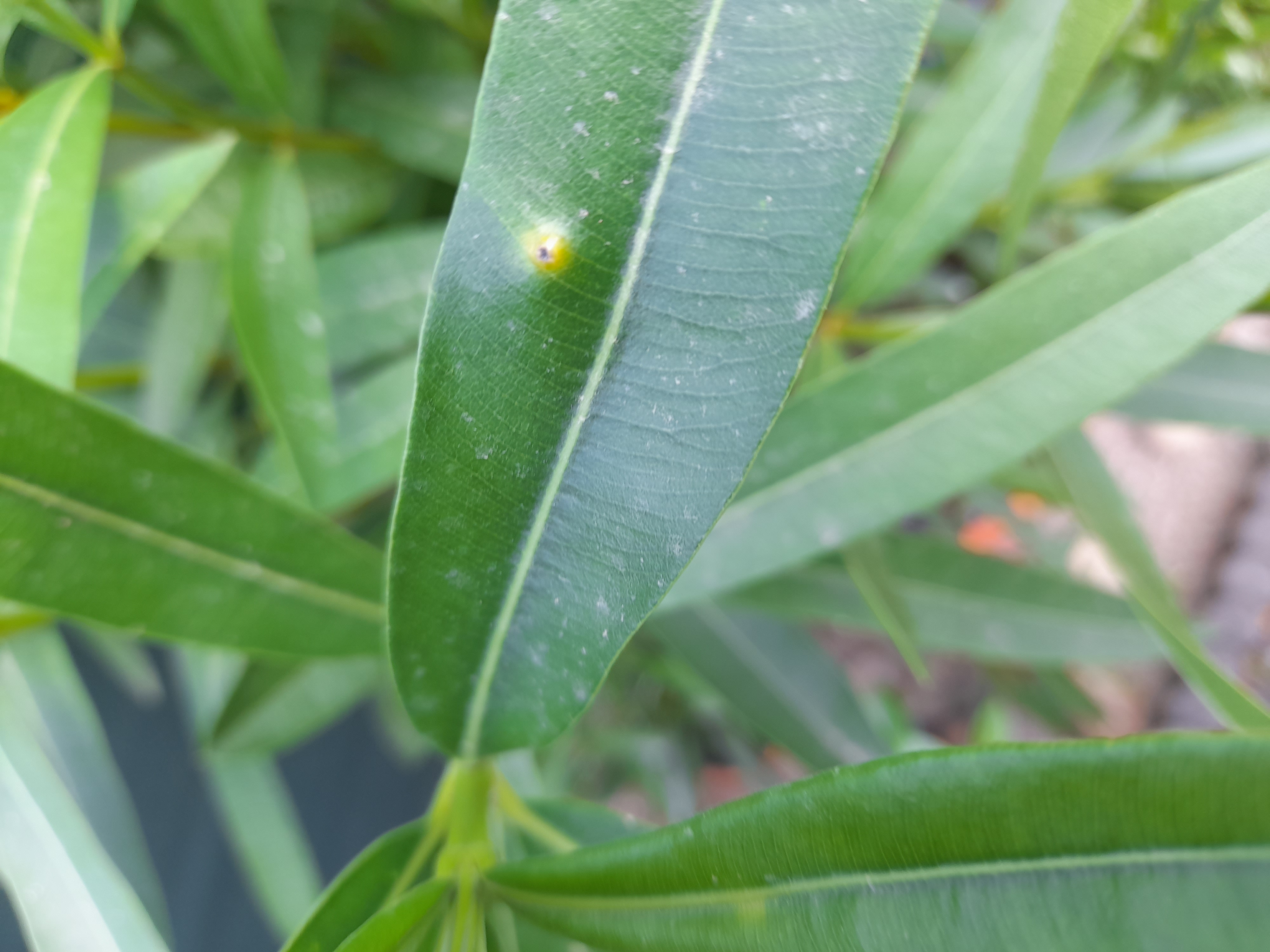
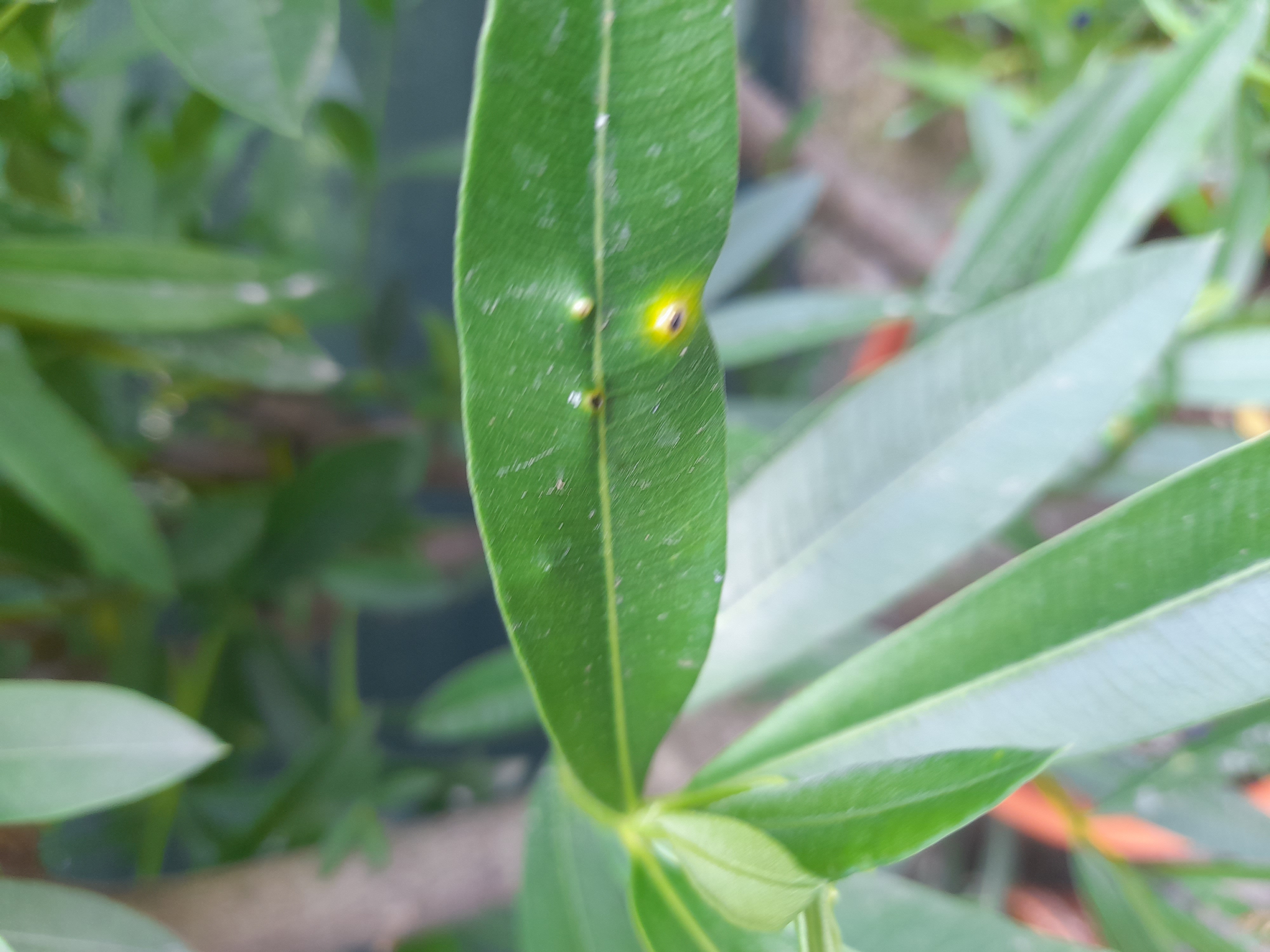
Dobrý deň, posielam fotografie napadnutých oleandrov.Škodcovia sa objavujú na listoch, hlavne na nových výhonkoch. Najskôr sa vytvorí hrčka na liste, neskôr sa list zdeformuje. Napadnuté výhonky odstrihávam a likvidujem, žiaľ, objavujú sa ďalšie. Prosím radu, čím možno týchto škodcov zlikvidovať úplne. Vopred ďakujem. Ingrid

Answer

Dobrý deň, ďakujeme za dotaz. Poškodenie spôsobuje baktéria Pseudomonas savastanoi pv. nerii , ktorá je pôvodcom parenchymatóznych hálok na listoch oleandrov. Často sú prítomné na listoch žlté škvrny a rôzne deformácie listov. Na hornej strane povrchu listov môžu byť malé okrúhle hálky (uzlíky, výrastky). P. savastanoi môže byť vážnym škodcom pri produkcii oleandrov v črepníkoch na okrasné účely. Silnejší rez a odstránenie napadnutých častí rastliny zo záhrady mohlo nákazu spomaliť ale pravdepodobne nie úplne odstrániť. Chemické ošetrenie na toto ochorenie neexistuje. S pozdravom M. Zúbrik
Number of votes for this answer: 0

Pest

Oleander knot

Pseudomonas savastanoi nerii

Oleander knot

Pseudomonas savastanoi nerii

bakterie a virusy

Received: 23.6.2024
Wood: Oleander
Number: 4754
Date of occurrence: 22.6.2024
Discussion

Add comment: Oleander knot

Back to top