Login | Registration | List of contributors

Requests to determine the cause of damage

Here you can request to determine the cause of the damage. You can view the requests of other users and sort them according to the selected criteria. In addition, you can get information about your request, and you can follow the progress of its current state. If your application was not approved, it had probably been because it was impossible to identify the damage based on the sent photos or because the application does not address our topic - determining the pests of trees and shrubs. We will inform you about the status of your application by email.

Filter reset

Code
Date
Assigned
Status
Days from submission
7470
26.2.2026
A. Kunca
Completed
0
7469
26.2.2026
M. Zúbrik
Completed
0
7456
20.2.2026
A. Kunca
Completed
4
7455
19.2.2026
M. Zúbrik
Completed
1
7449
17.2.2026
M. Zúbrik
Completed
1
7448
17.2.2026
V. Longauerová
Completed
1
7416
2.2.2026
M. Zúbrik
Completed
0
7415
2.2.2026
A. Kunca
Completed
1
7409
27.1.2026
R. Leontovyč
Completed
7
7407
27.1.2026
A. Kunca
Completed
7

Rejected requests are not displayed. You have been notified by email that your application has been denied.
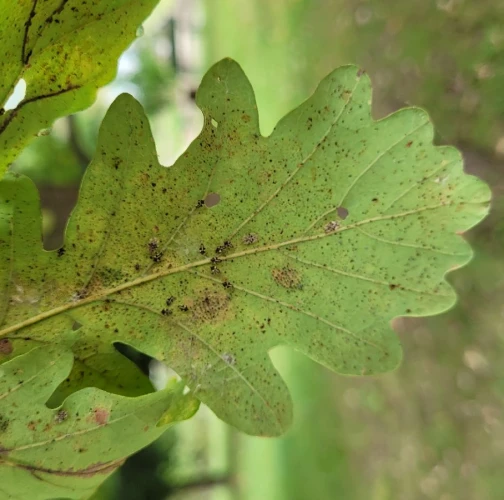
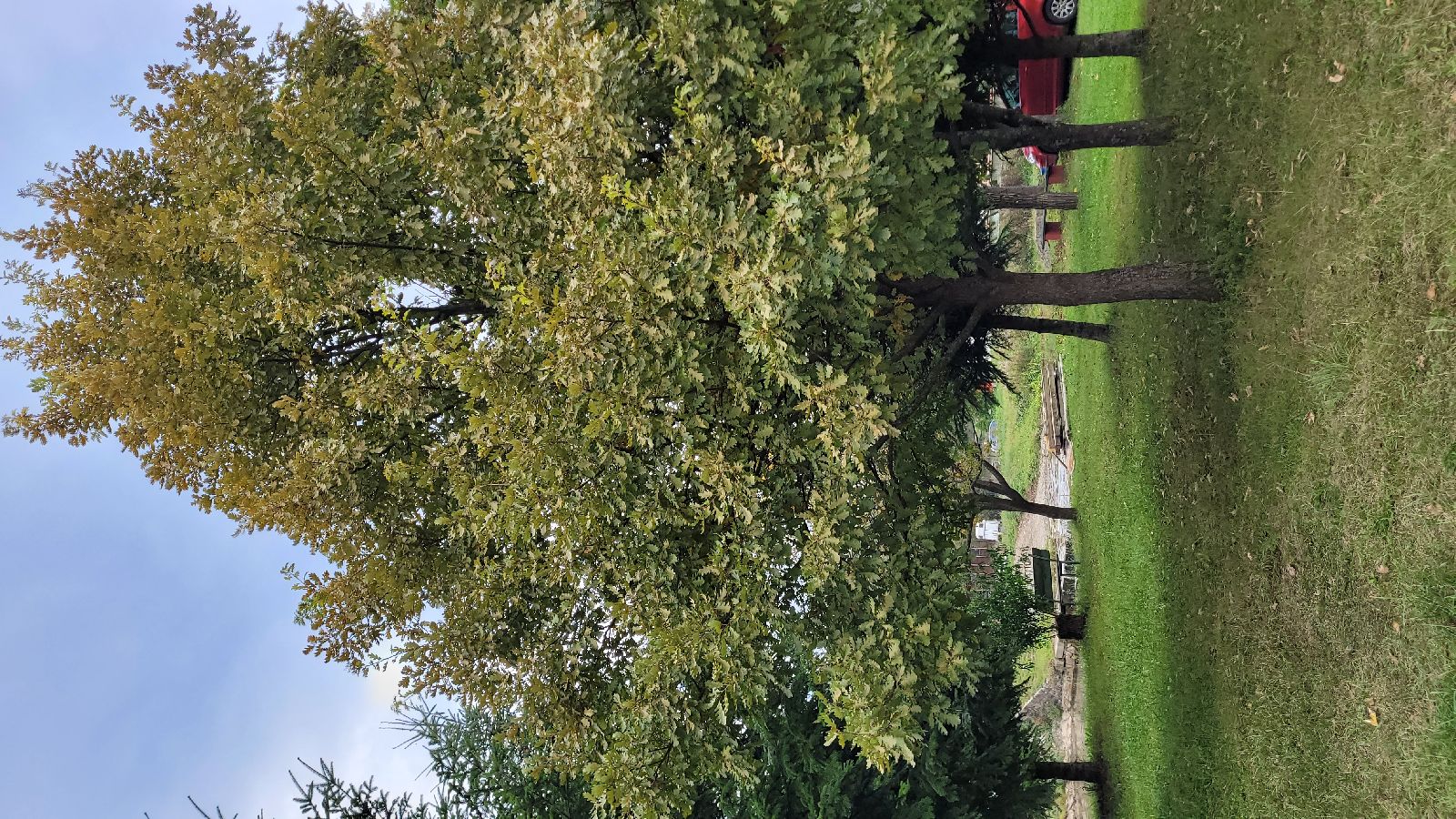
 

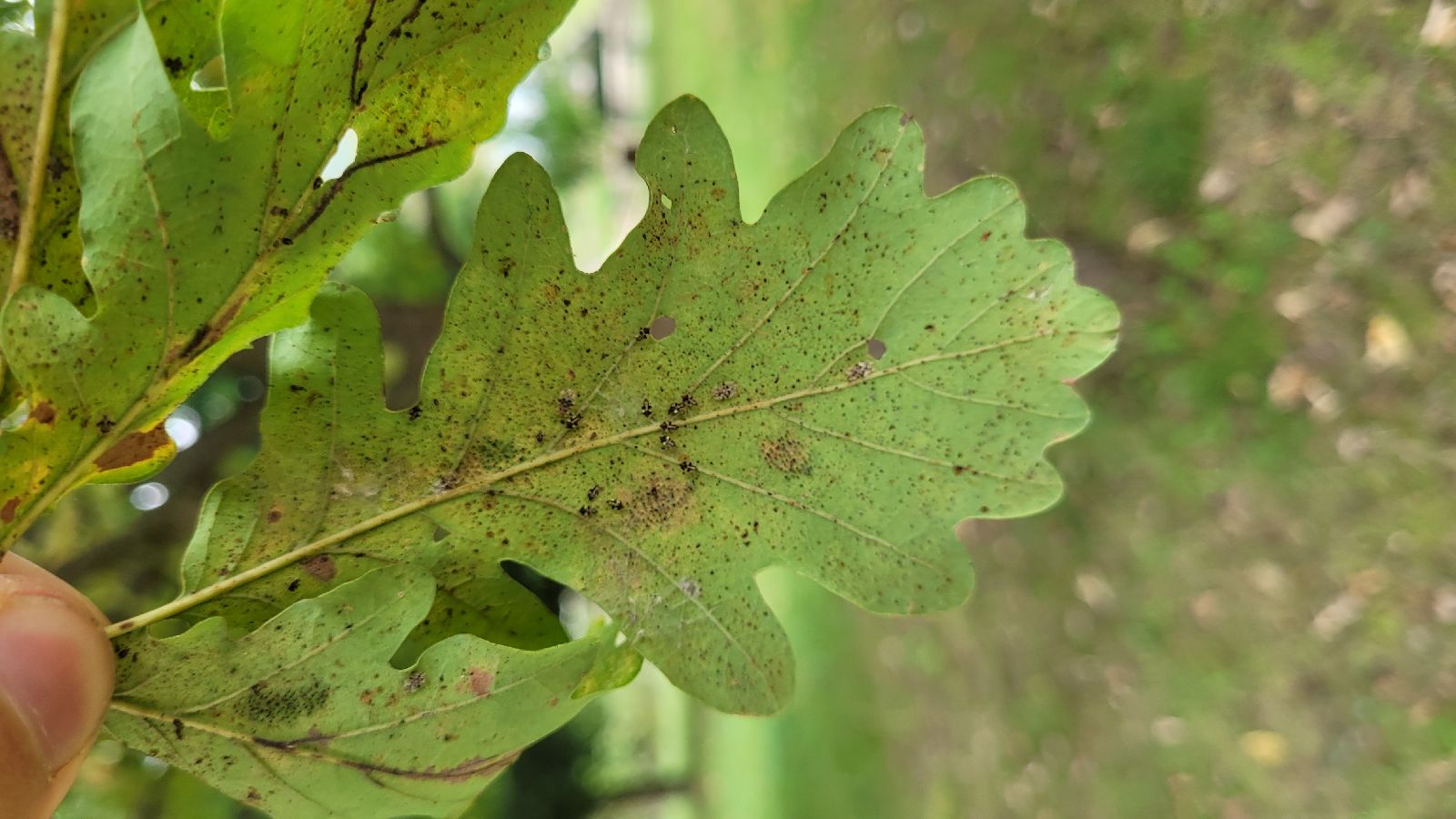
Oak lace bug
Sietnička dubová
Oak lace bug
Number: 5102
Received 19.9.2024
In progress: 0 days
Date of occurrence: 19.9.2024
Significance: Harmful
Discussion
From: Andrej
Assigned: M. Zúbrik
Country: Slovakia

Question

Answer

Monitoring: C. arcuata
Number of votes for this answer: 0

Pest

Oak lace bug

Corythucha arcuata

Oak lace bug

Corythucha arcuata

hmyz

Received: 19.9.2024
Wood: Dub
Number: 5102
Date of occurrence: 19.9.2024
Discussion

Add comment: Oak lace bug

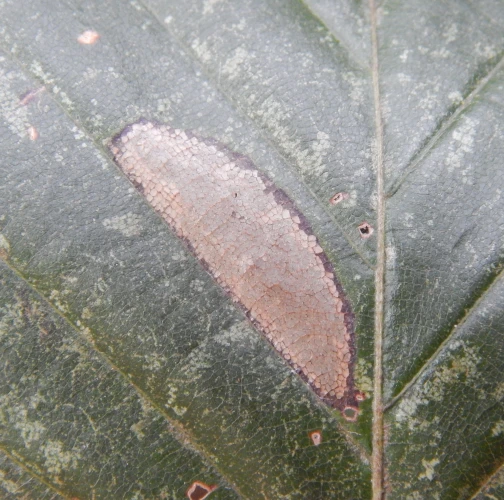
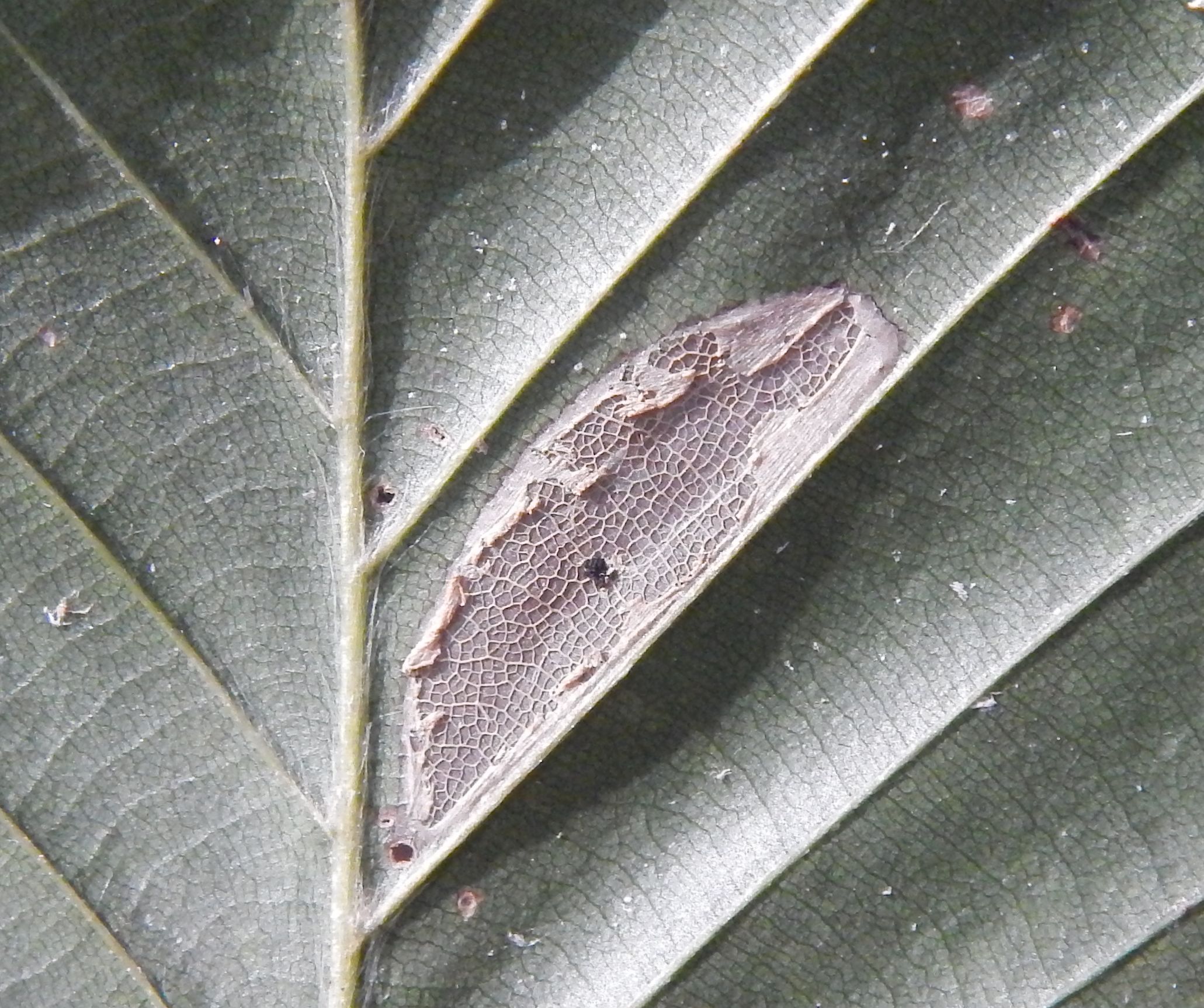
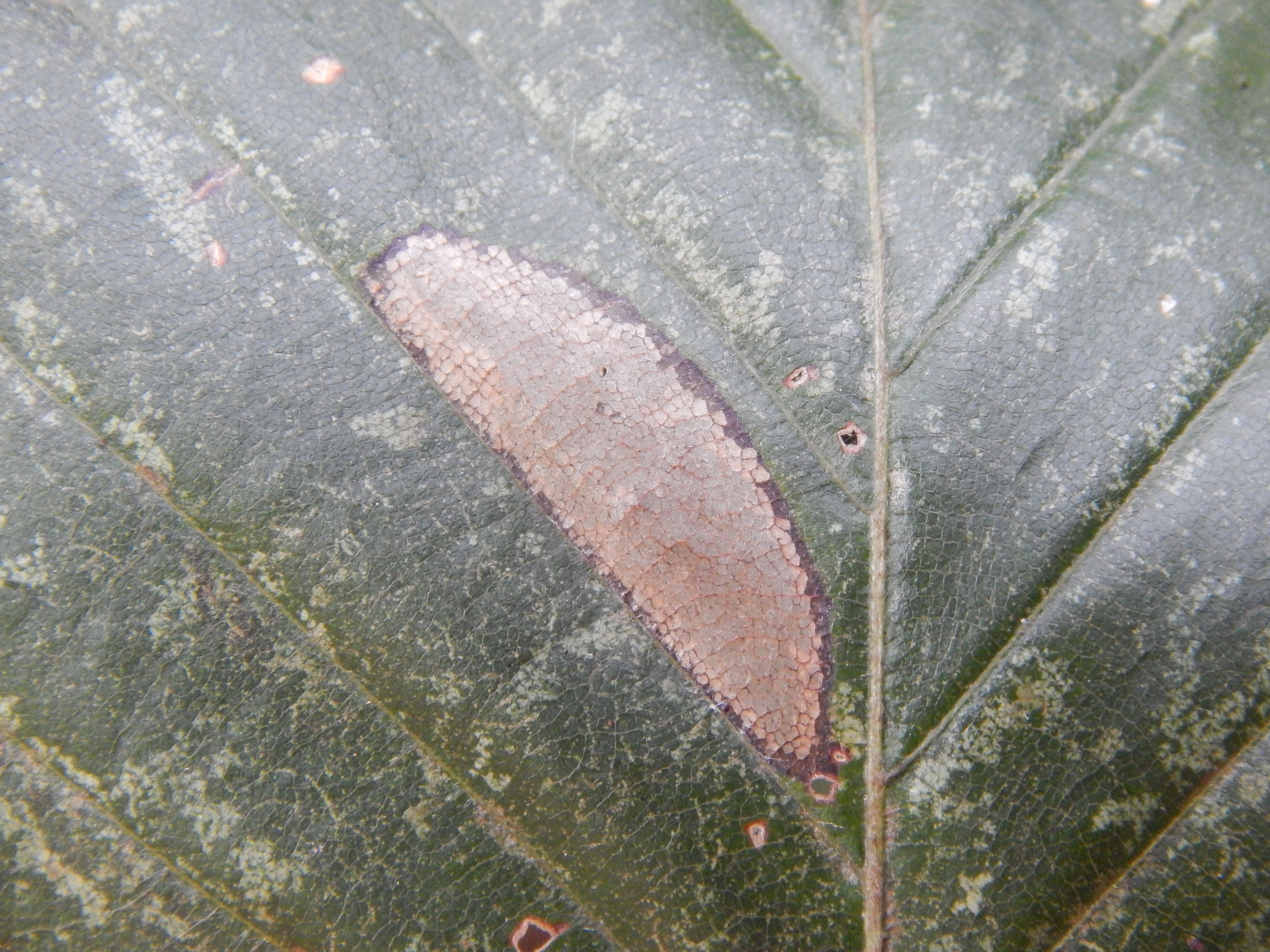
Leaf miner Phyllonorycter maestingella
Ploskáčik Phyllonorycter maestingella
Leaf miner Phyllonorycter maestingella
Number: 5101
Received 18.9.2024
In progress: 0 days
Date of occurrence: 18.9.2024
Significance: Less harmful
Discussion
From: majo
Assigned: M. Zúbrik
Country: Slovakia

Question

S pozdravom Marián

Answer

Na obrázku je miesto,kde žila larva malého motýla. Phyllonorycter maestingella je malý nočný motýľ, ktorého larvy sú známe tým, že vytvárajú podlhovasté míny na listoch bukov (Fagus spp.). Samička Phyllonorycter maestingella kladie vajíčka na spodnú stranu bukových listov, vždy blízko bočnej žilky. Mína larvy začína ako podlhovastá škvrna, približne 5-7 mm dlhá, pozdĺž žilky. Ako mína rastie, mení sa na dlhú štruktúru na spodnej strane listu, typicky takmer vždy medzi dvoma bočnými žilkami. Larva žije a kuklí sa v míne. Mína je viditeľná aj na vrchnej strane listu ako svetlá škvrna. Nie je to významný škodca, ale často sa vyskytuje a môže lokálne znížiť estetickú hodnotu stromov najmä v parkoch a záhradách. S pozdravom M. Zúbrik
Number of votes for this answer: 1

Pest

Leaf miner Phyllonorycter maestingella
Phyllonorycter maestingella

Leaf miner Phyllonorycter maestingella
Phyllonorycter maestingella

hmyz

Received: 18.9.2024
Wood: Buk
Number: 5101
Date of occurrence: 18.9.2024
Discussion

Add comment: Leaf miner Phyllonorycter maestingella

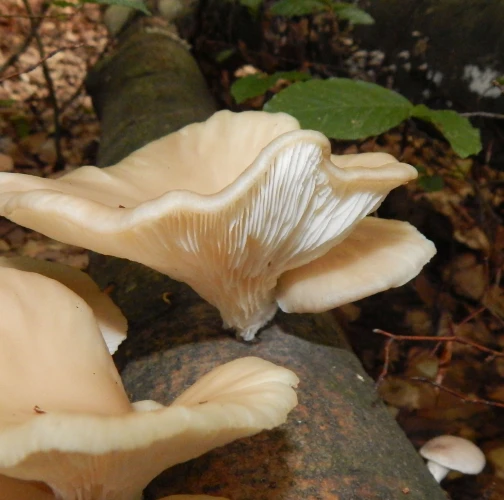
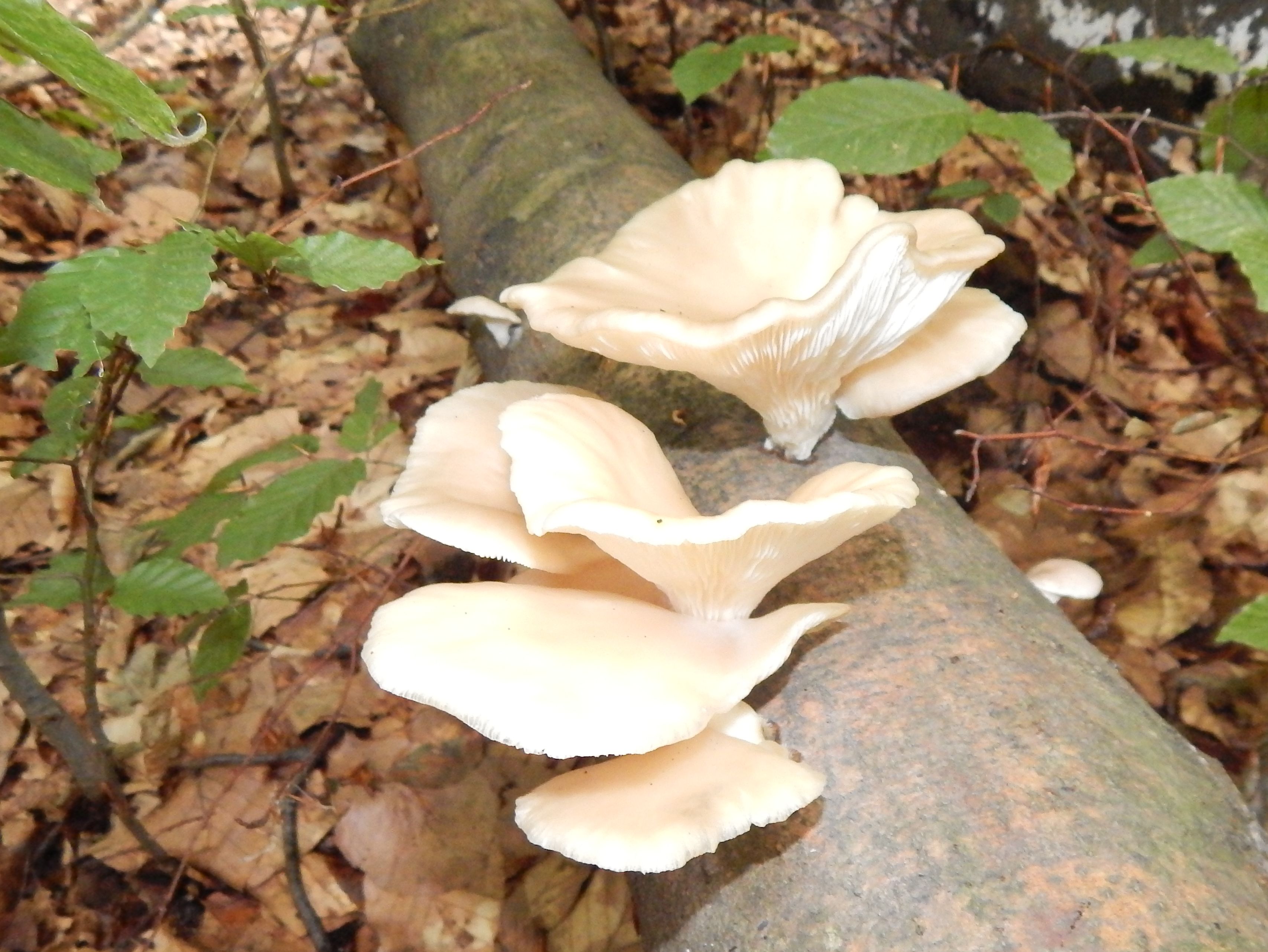
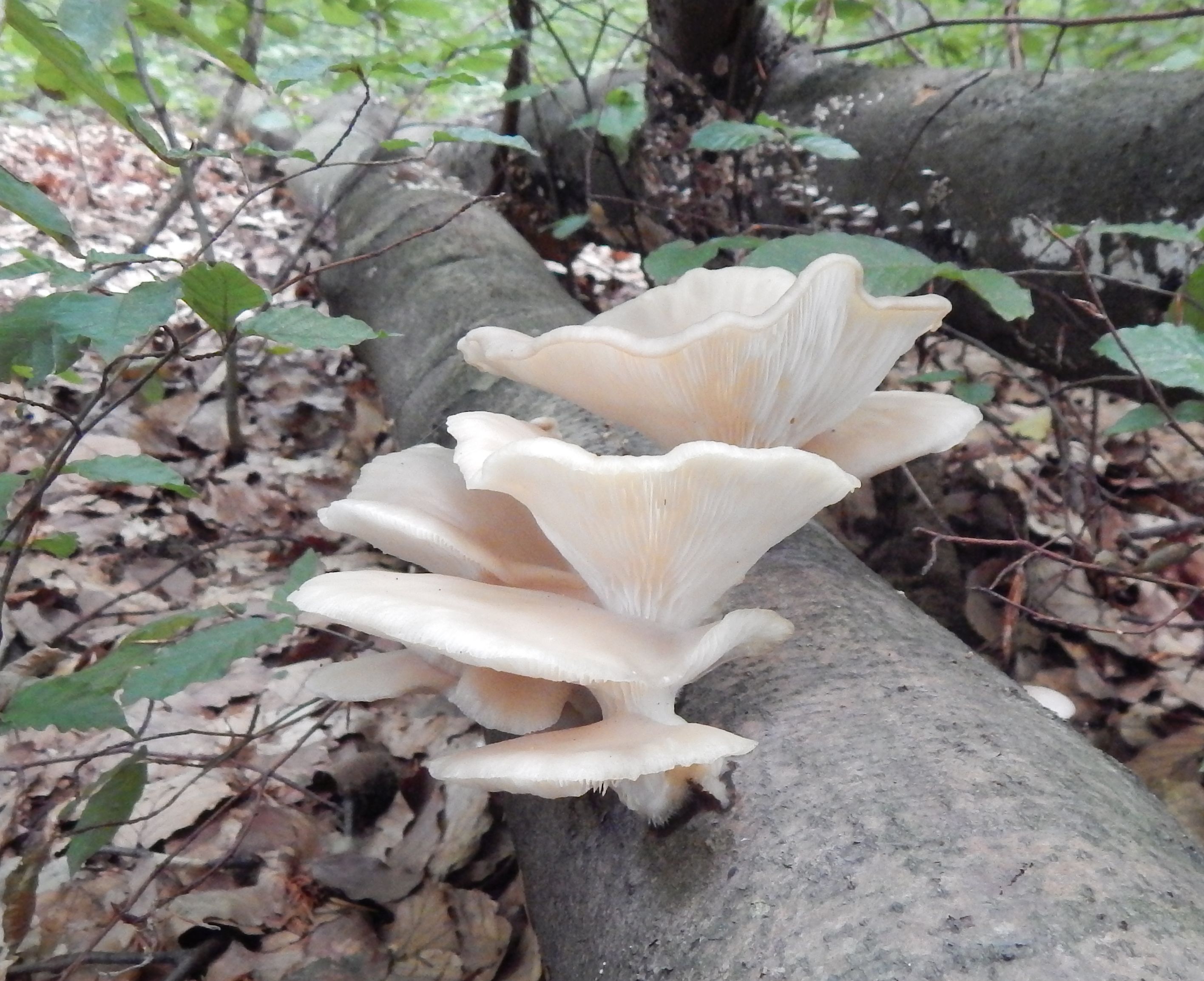
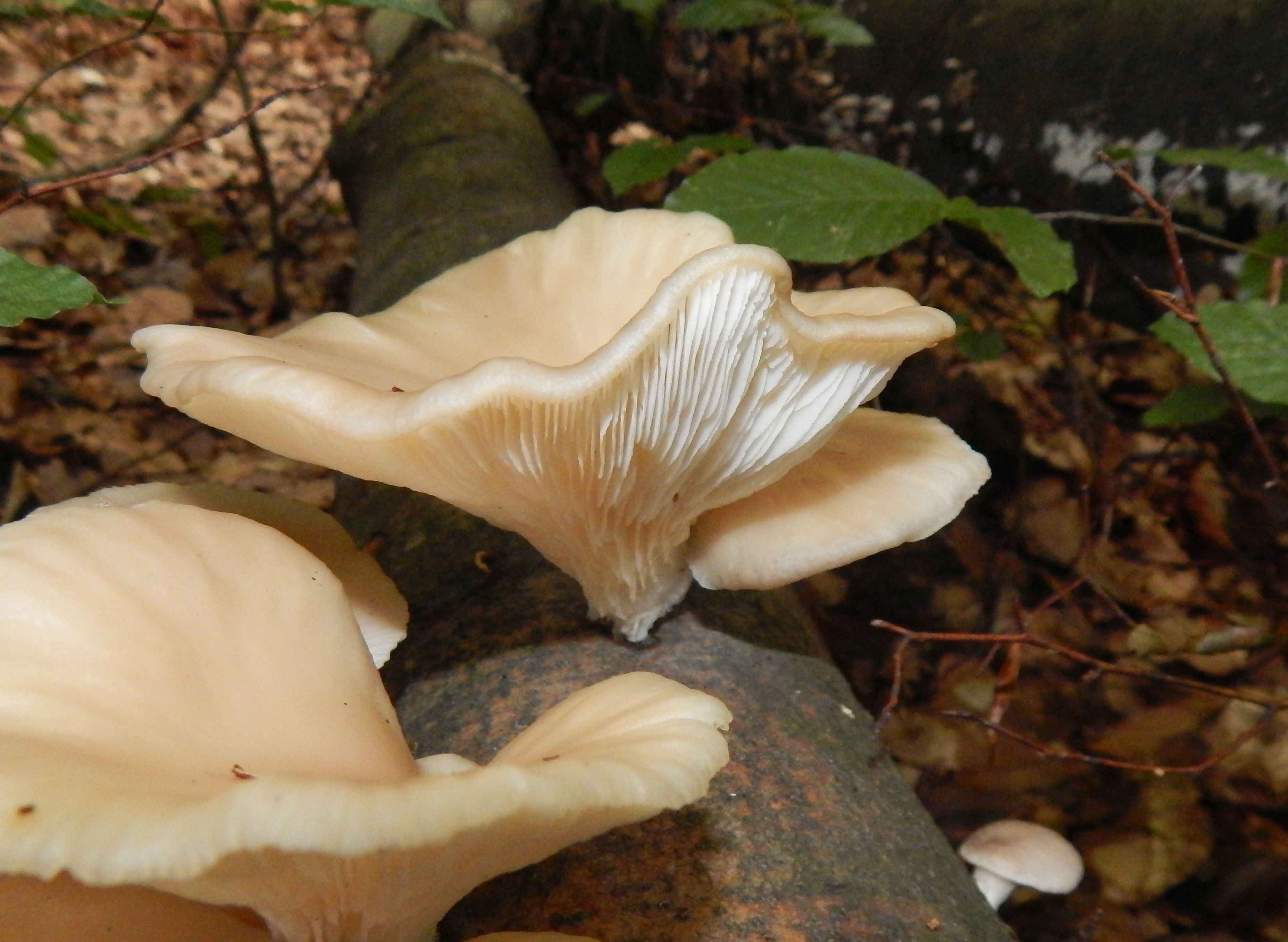
Pale oyster
Hliva bukováHliva buková
Pale oyster
Number: 5100
Received 18.9.2024
In progress: 0 days
Date of occurrence: 18.9.2024
Significance: Harmful
Discussion
From: majo
Assigned: V. Longauerová
Country: Slovakia

Question

S pozdravom Marián

Answer

Ahoj Majo ,  je to hliva buková. Výborná jedlá :-) V.L.
Number of votes for this answer: 0

Pest

Pale oyster

Pleurotus pulmonarius

Pale oyster

Pleurotus pulmonarius

huby

Received: 18.9.2024
Wood: Buk
Number: 5100
Date of occurrence: 18.9.2024
Discussion

Add comment: Pale oyster

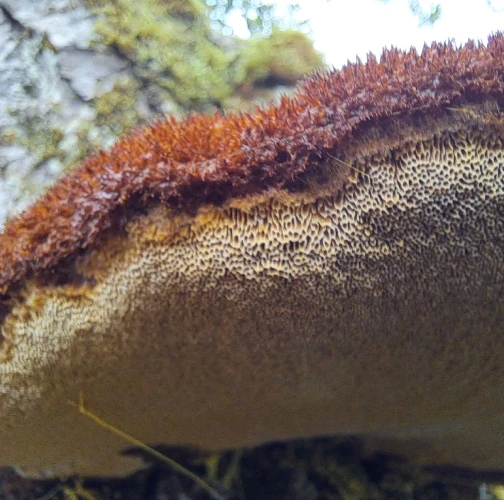
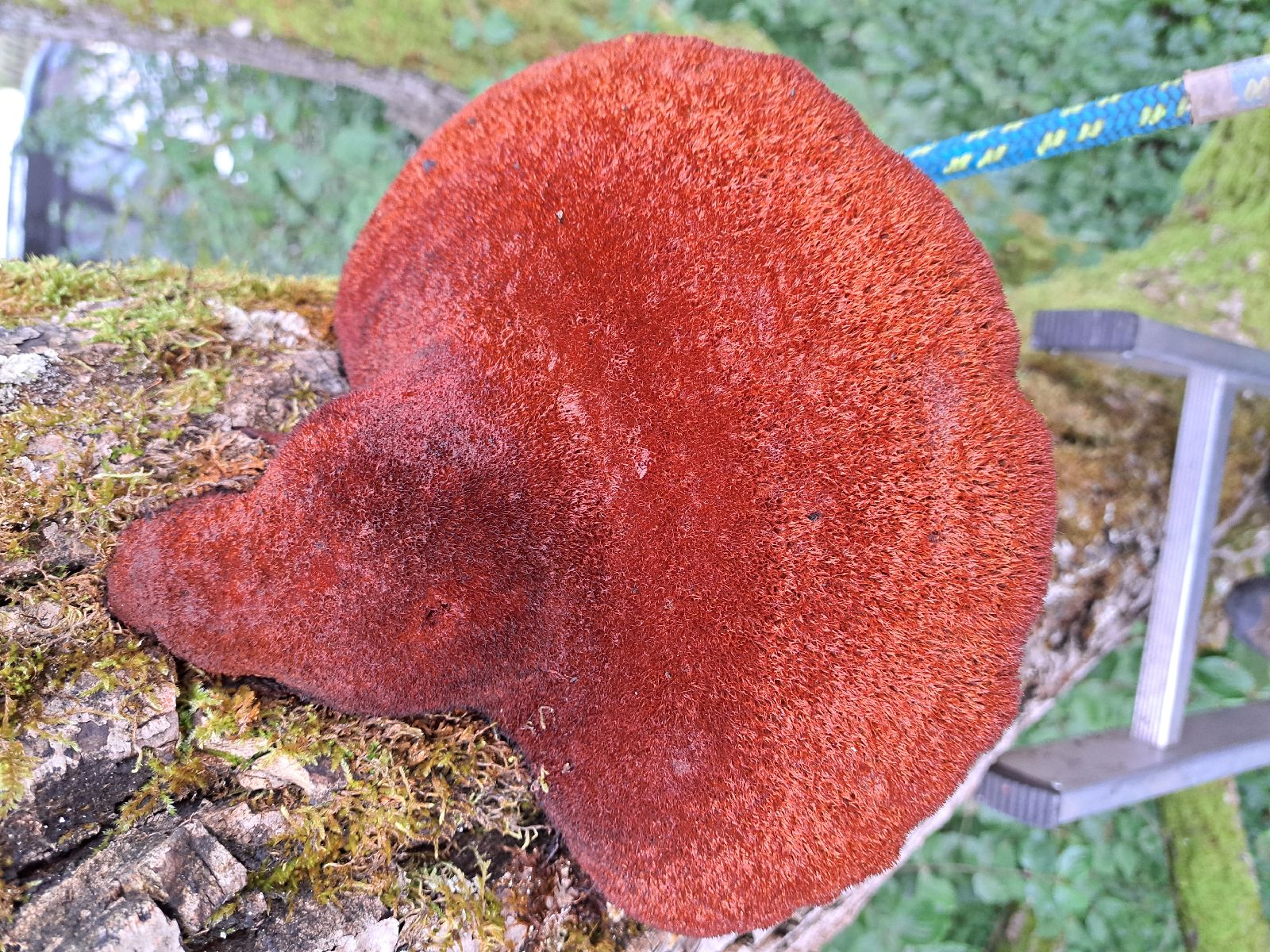
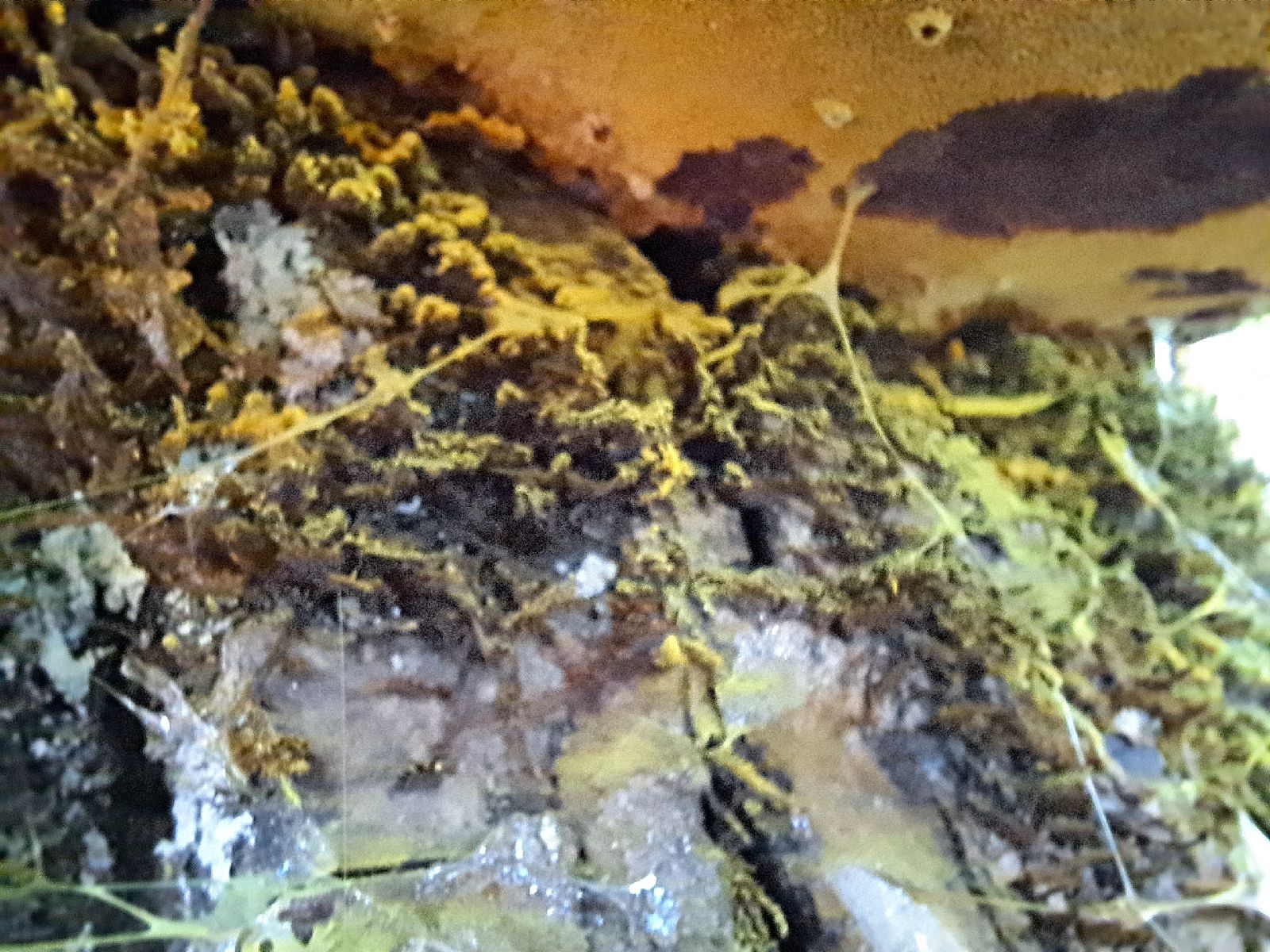
Fungus Inonotus hispidus
Ryšavec srstnatýRyšavec srstnatýRyšavec srstnatý
Fungus Inonotus hispidus
Number: 5098
Received 18.9.2024
In progress: 0 days
Date of occurrence: 18.9.2024
Significance: Less harmful
Discussion
Assigned: A. Kunca
Country: United Kingdom

Question

Individual fruiting bodies on upper half of the tree stem.

Answer

Dear will, I would say it is Inonotus hispidus. But could be also some other Inonotus, as this one is pretty red.   cheers andrej.
Number of votes for this answer: 0

Pest

Fungus Inonotus hispidus

Inonotus hispidus

Fungus Inonotus hispidus

Inonotus hispidus

huby

Received: 18.9.2024
Wood: Walnut
Number: 5098
Date of occurrence: 18.9.2024
Discussion

Add comment: Fungus Inonotus hispidus
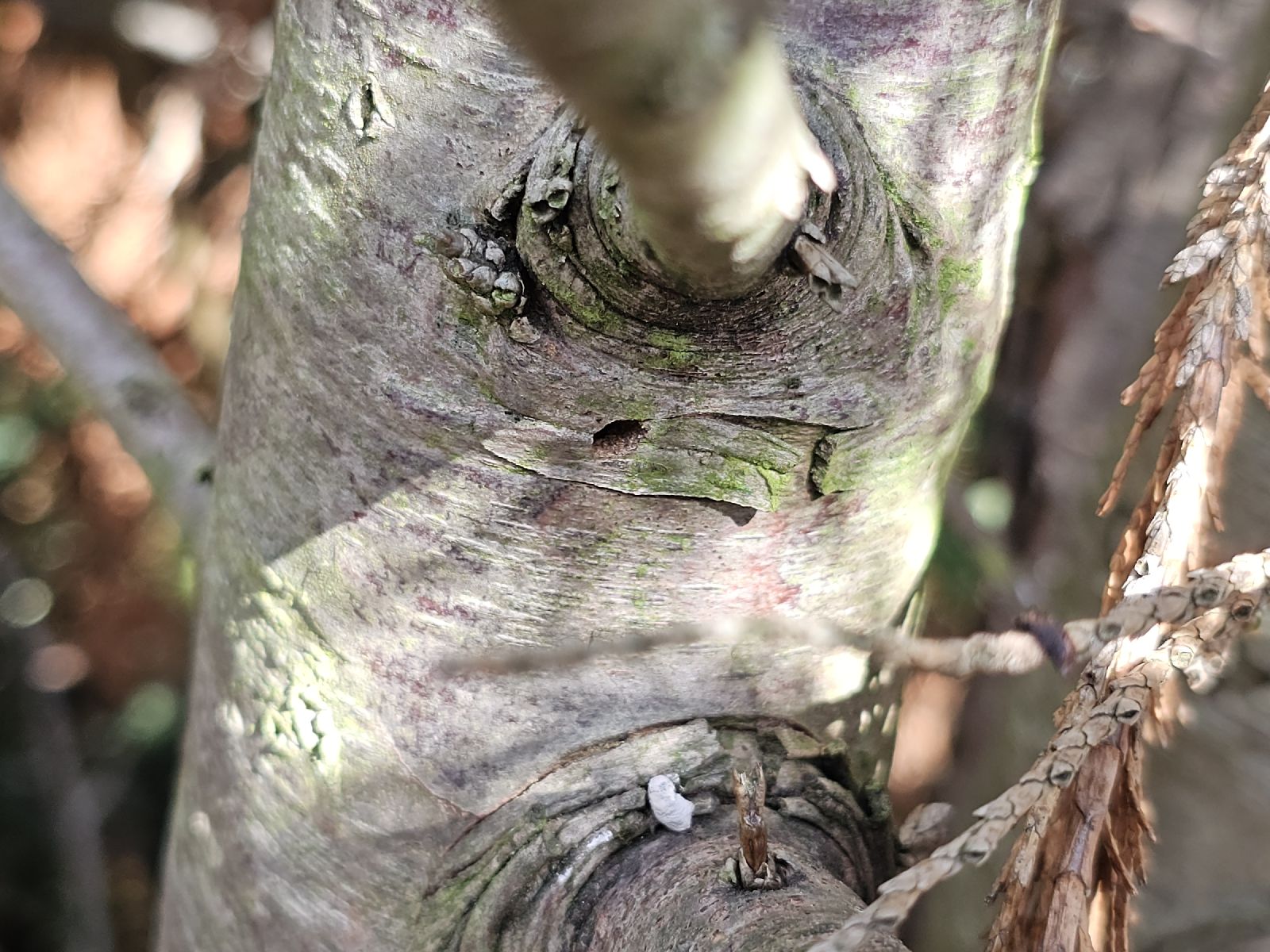
Cypress jewel beetle
Number: 5096
Received 18.9.2024
In progress: 0 days
Date of occurrence: 18.9.2024
Significance: Very harmful
Discussion
From: Slavo
Assigned: Appka
Country: Slovakia

Question

Answer

Number of votes for this answer: 0

Pest

Cypress jewel beetle

Lamprodila festiva

Cypress jewel beetle

Lamprodila festiva

hmyz

Received: 18.9.2024
Wood: Cypruštek
Number: 5096
Date of occurrence: 18.9.2024
Discussion

Add comment: Cypress jewel beetle

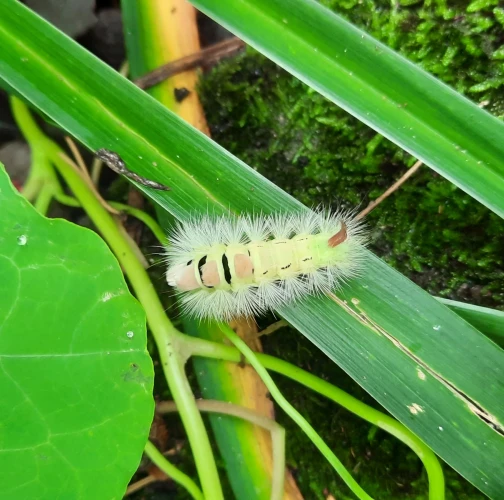
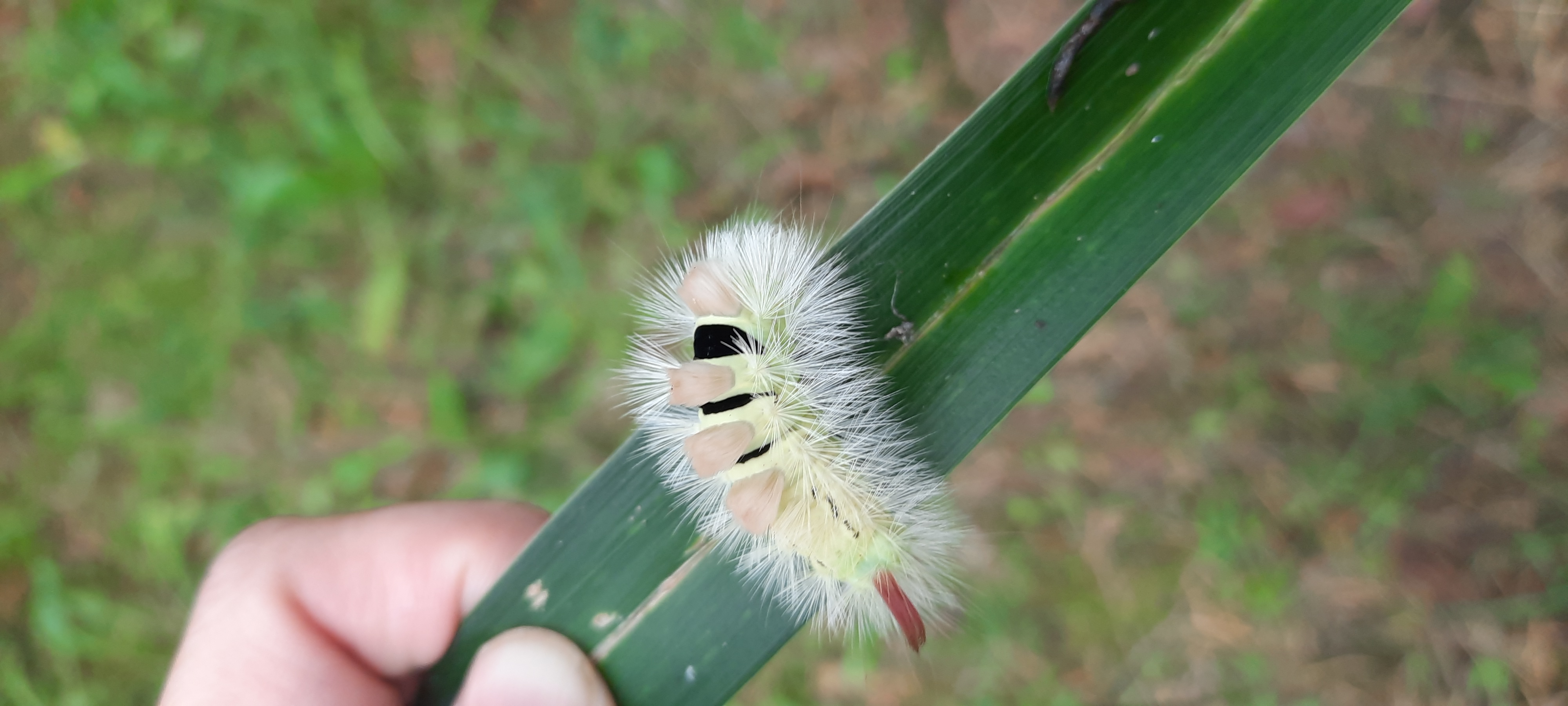
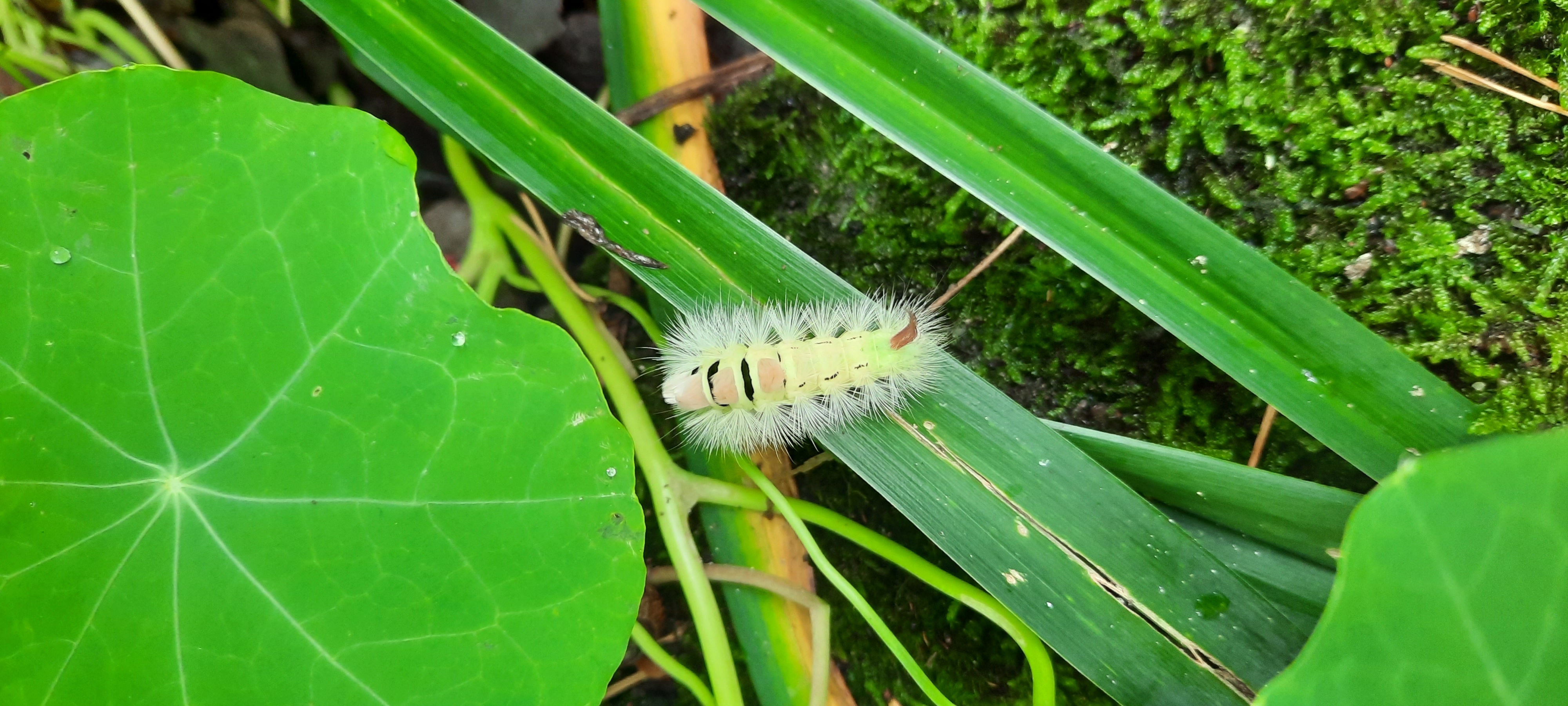
Pale tussock
Štetinavec orechový
Pale tussock
Number: 5083
Received 15.9.2024
In progress: 0 days
Date of occurrence: 14.9.2024
Significance: Harmful
Discussion
From: Ilknis
Assigned: M. Zúbrik
Country: Latvia

Question

Answer

Dear Ilknis, this is larva of Calliteara pudibunda - pale tussock. This medium-sized moth and is a pest of European beech forests. With best regards M. Zubrik
Number of votes for this answer: 0

Pest

Pale tussock

Calliteara pudibunda

Pale tussock

Calliteara pudibunda

hmyz

Received: 15.9.2024
Wood: Oak
Number: 5083
Date of occurrence: 14.9.2024
Discussion

Add comment: Pale tussock

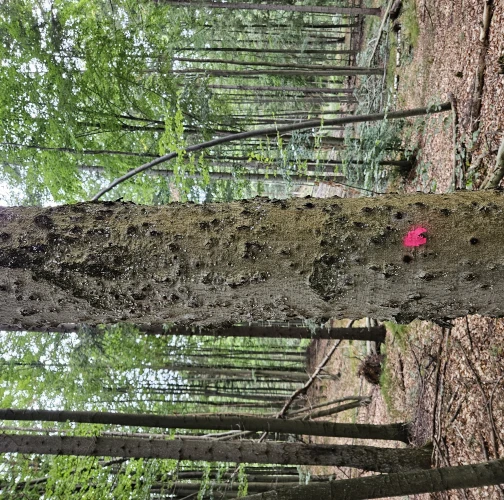
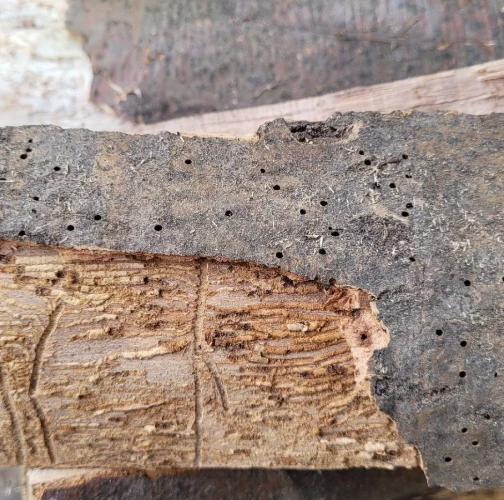
Beech bark beetle
Lykožrút bukovýLykožrút bukový
Beech bark beetle
Number: 5079
Received 14.9.2024
In progress: 1 days
Date of occurrence: 13.9.2024
Significance: Very harmful
Discussion
Assigned: J. Galko
Country: Slovakia

Question

Answer

Dobrý deň. Takéto deformácie na kmeňoch buka vznikajú ako sekundárna infekcia po závrtoch lykožrúta bukového (Taphrorychus bicolor). S pozdravom JG
Number of votes for this answer: 0

Pest

Beech bark beetle

Taphrorychus bicolor

Beech bark beetle

Taphrorychus bicolor

hmyz

Received: 14.9.2024
Wood: Buk
Number: 5079
Date of occurrence: 13.9.2024
Discussion

Add comment: Beech bark beetle

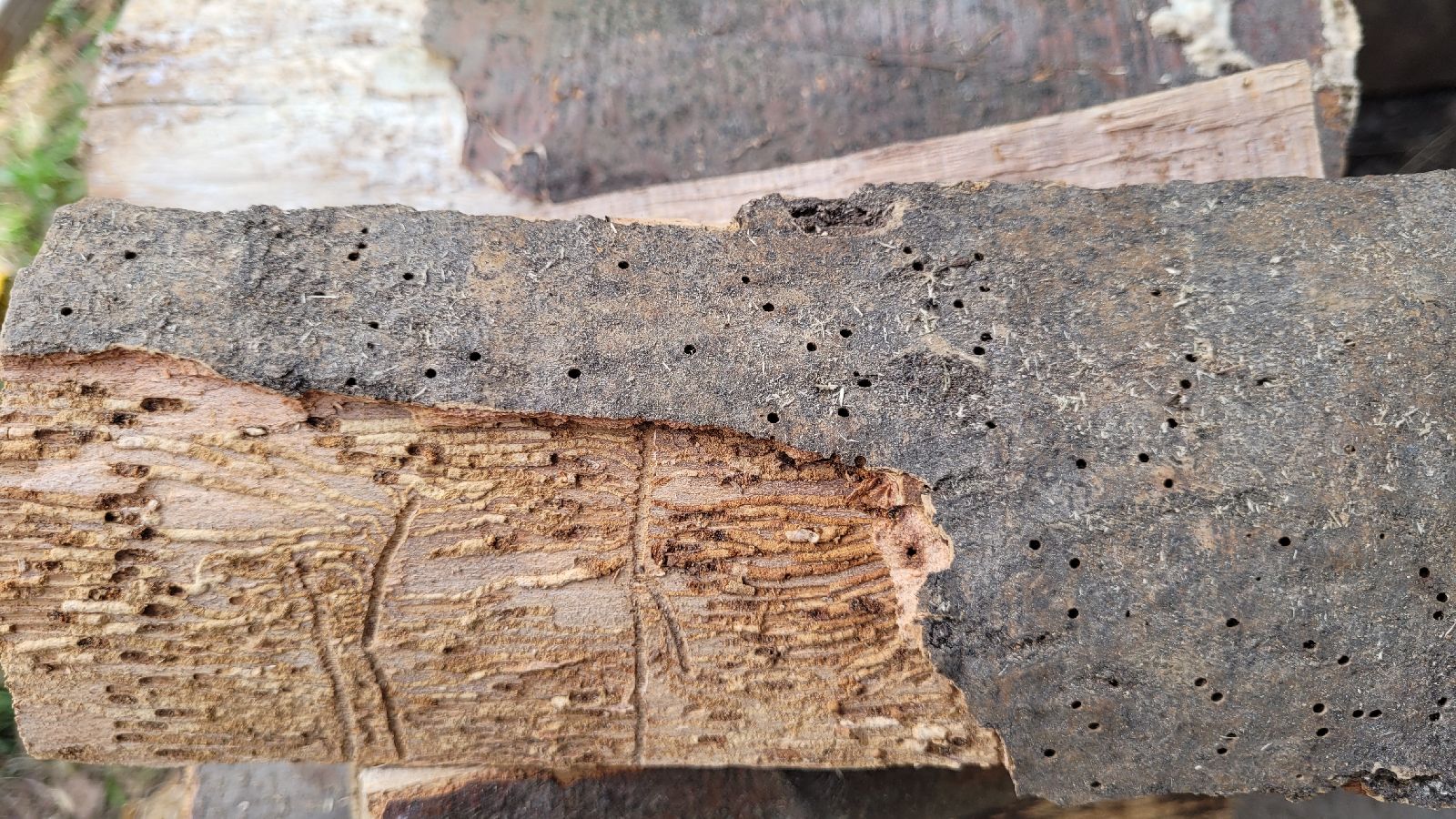
Ash bark beetle
Ash bark beetle
Number: 5077
Received 14.9.2024
In progress: 1 days
Date of occurrence: 14.9.2024
Significance: Harmful
Discussion
From: Andrej
Assigned: A. Gubka
Country: Slovakia

Question

Answer

Nie je to buk ale jaseň.
Number of votes for this answer: 0

Pest

Ash bark beetle

Hylesinus varius (=fraxini)

Ash bark beetle

Hylesinus varius (=fraxini)

hmyz

Received: 14.9.2024
Wood: Buk
Number: 5077
Date of occurrence: 14.9.2024
Discussion

Add comment: Ash bark beetle

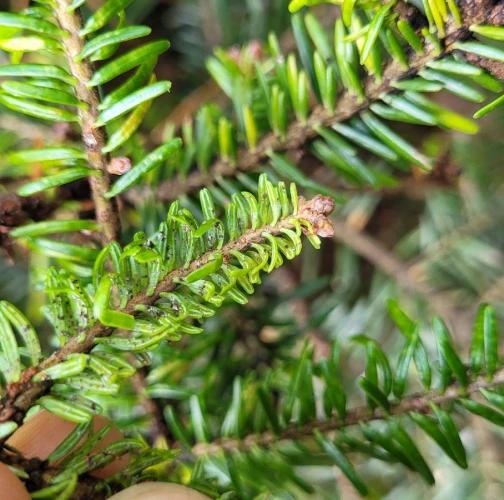
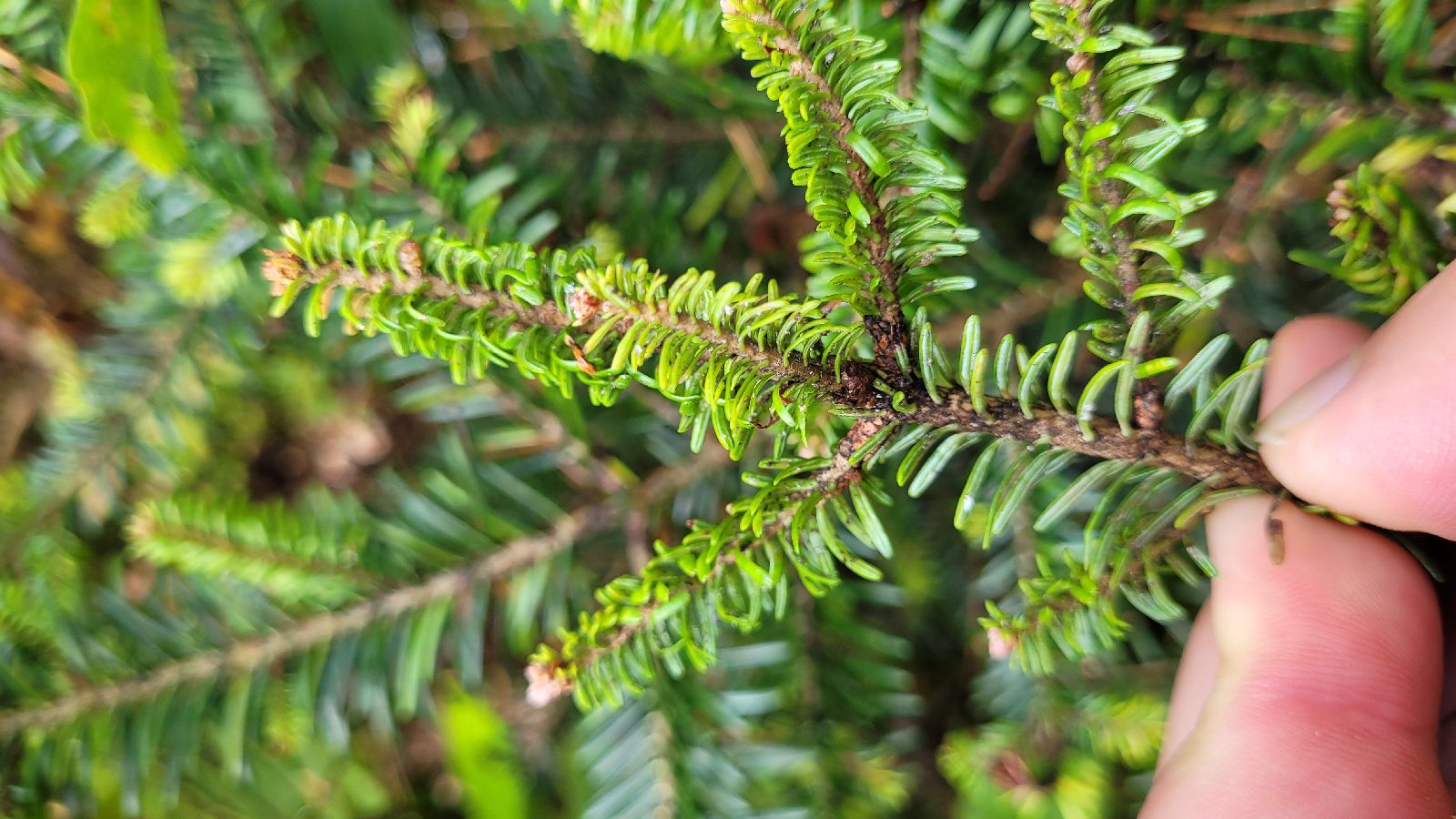
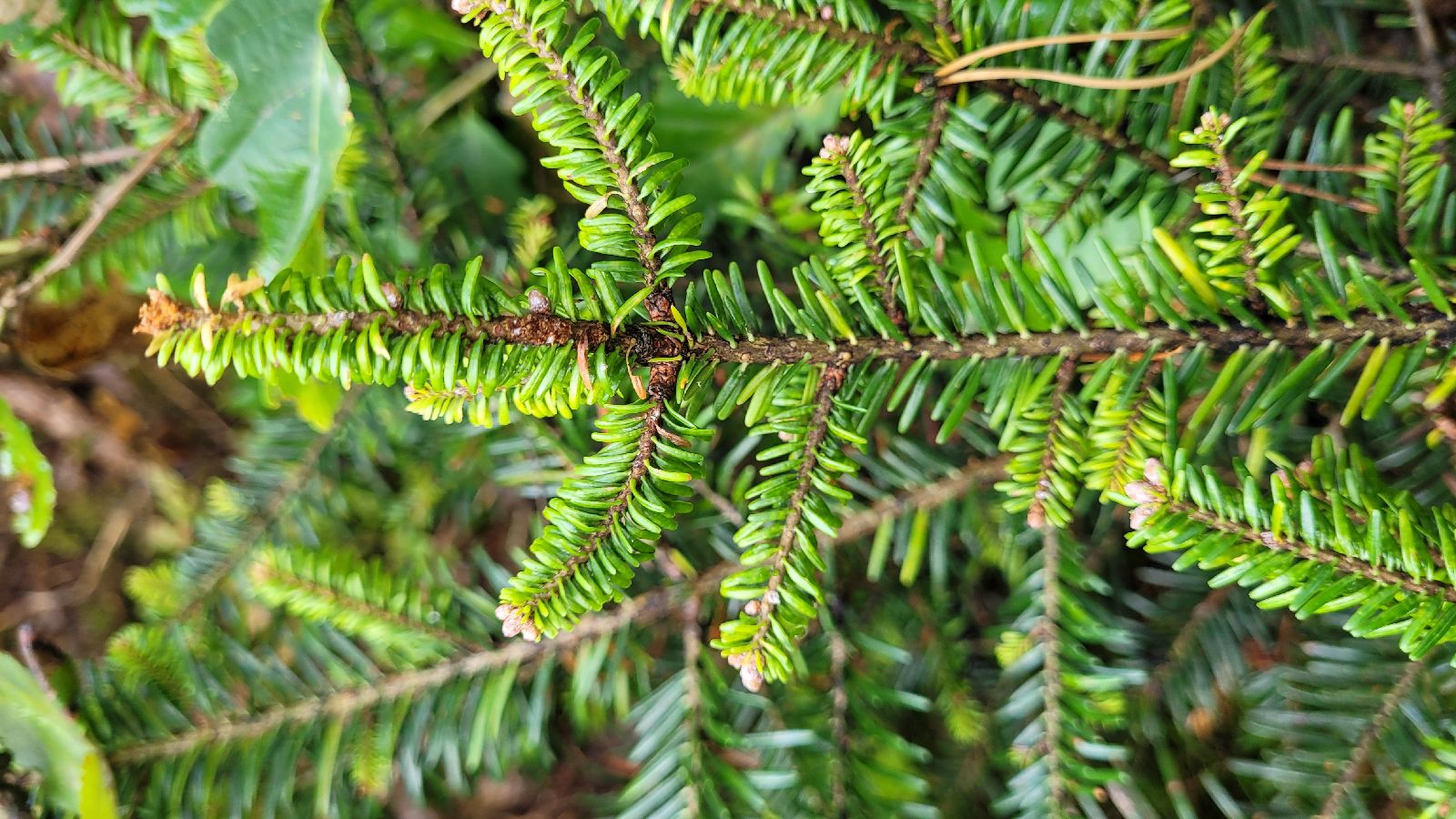
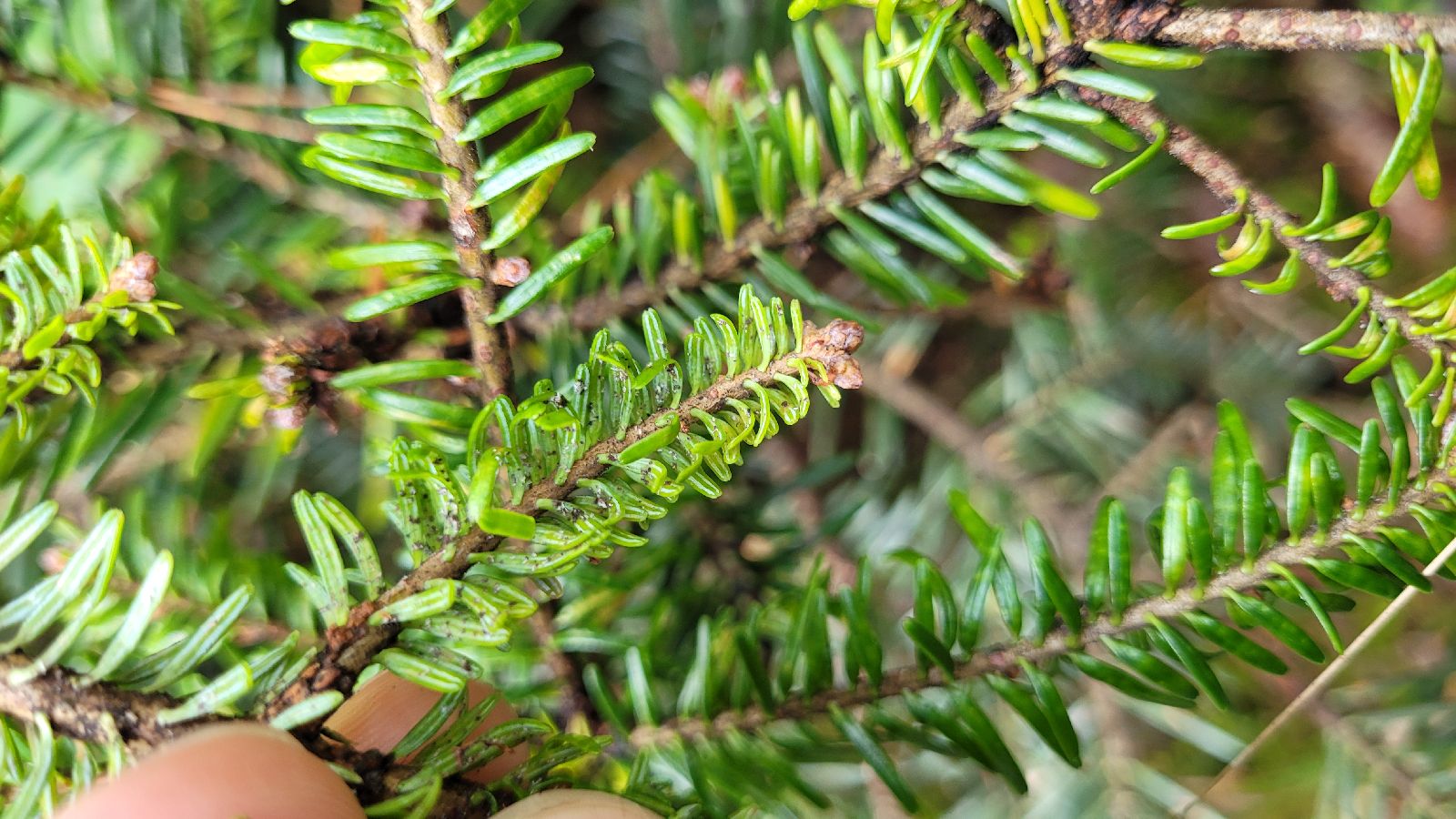
Silver fir woolly aphid
Kôrovnica kaukazskáKôrovnica kaukazská
Silver fir woolly aphid
Number: 5076
Received 14.9.2024
In progress: 1 days
Date of occurrence: 12.9.2024
Significance: Very harmful
Discussion
From: Andrej
Assigned: M. Zúbrik
Country: Slovakia

Question

Answer

Monitoring: D. nordmannianae
Number of votes for this answer: 0

Pest

Silver fir woolly aphid

Dreyfusia nordmannianae

Silver fir woolly aphid

Dreyfusia nordmannianae

hmyz

Received: 14.9.2024
Wood: Jedľa
Number: 5076
Date of occurrence: 12.9.2024
Discussion

Add comment: Silver fir woolly aphid
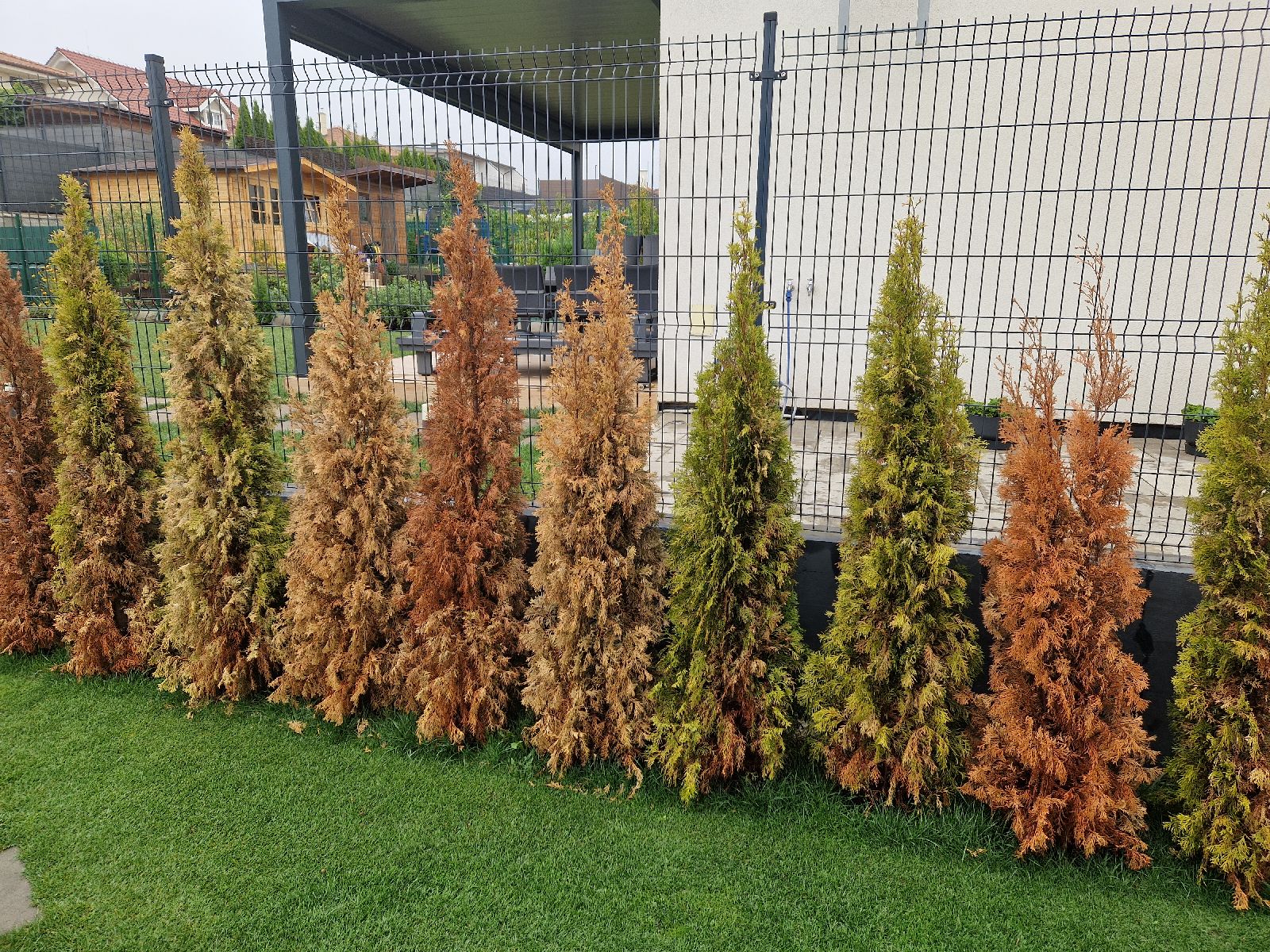
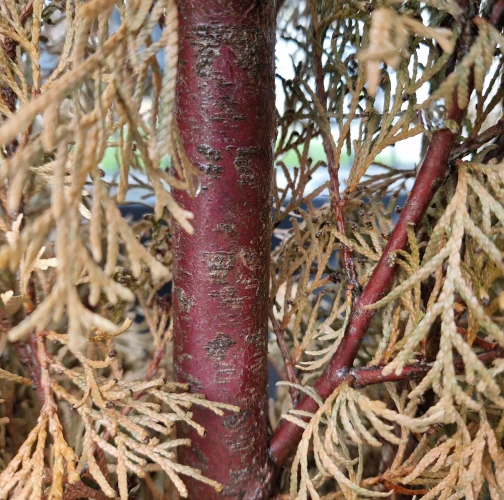
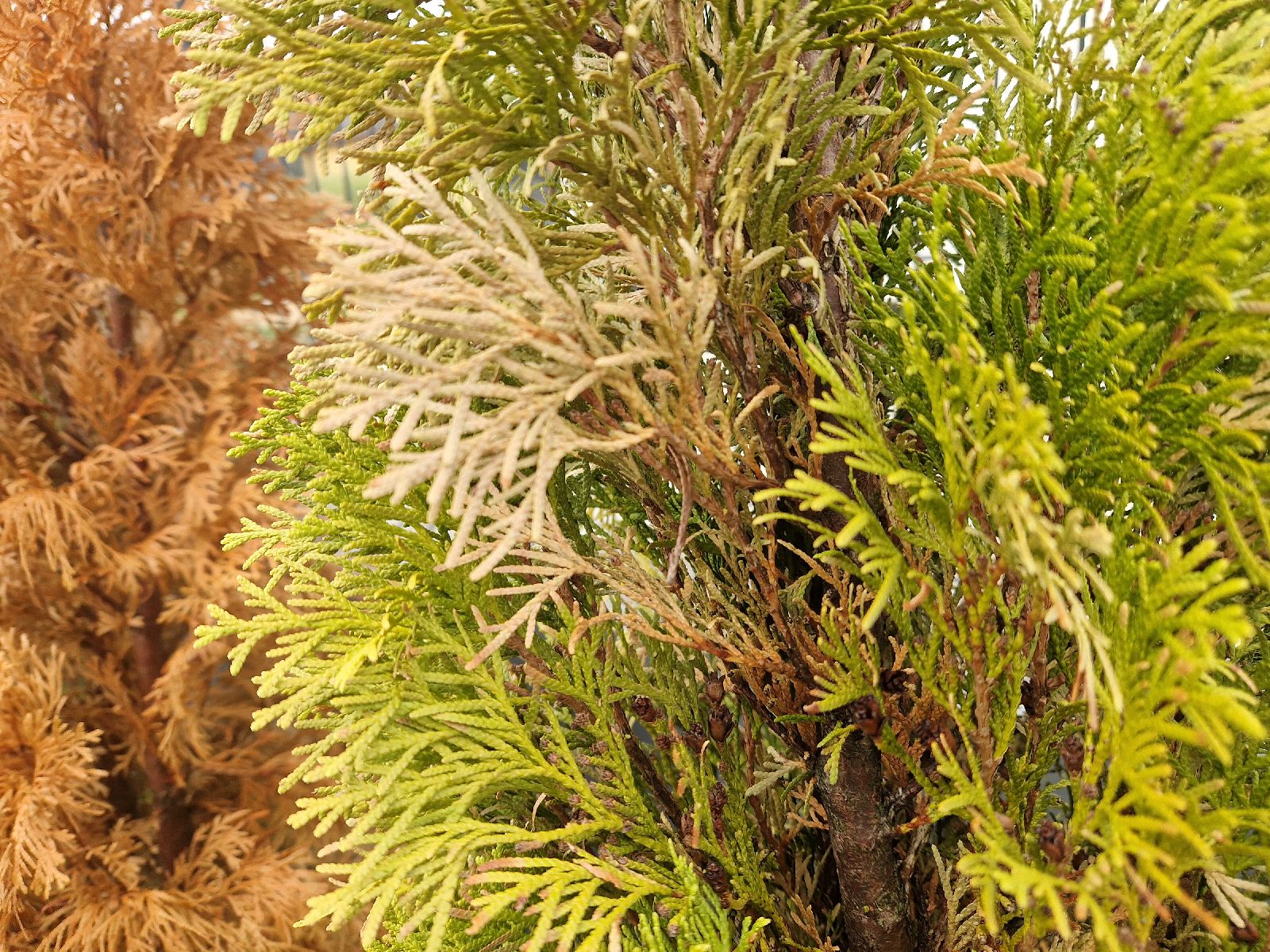
Cypress bark beetle
Lykokaz tujovýLykokaz tujový
Cypress bark beetle
Number: 5075
Received 14.9.2024
In progress: 2 days
Date of occurrence: 14.9.2024
Significance: Harmful
Discussion
From: Marek
Assigned: V. Longauerová
Country: Slovakia

Question

v 04/2024 kúpené 200cm, sadene do 40x40x40cm jamy s humusu a cernozemou, do 07/2024 pekné, dosť polievané , hnojené + horká sol, od spodu vysycha

Answer

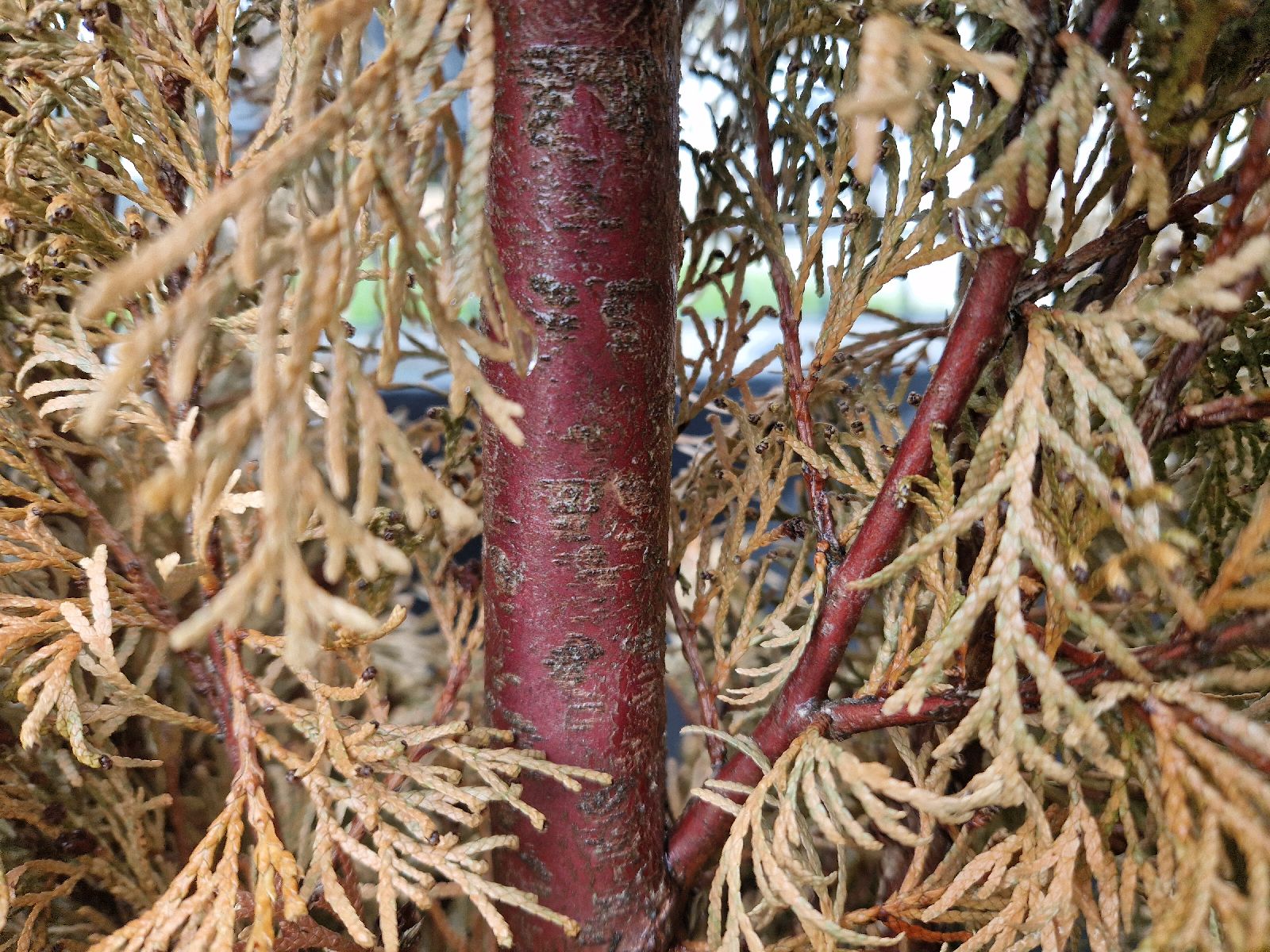
Dobrý deň,  uschýnanie tují môže mať viacero príčin. Podľa vášho  popisu  môžeme vylúčiť  sucho, nedostatok horčíka, nevhodné stanovište. Podľa príznakov najpravdepodobnejšou príčinou uschýnania  je lykokaz tujový, alebo lykokaz borievkový  Obaja spôsobujú rovnaké škody, a aj ich prítomnosť na rastlinách má rovnaké prejavy. Lykokaz borievkový aj lykokaz tujový sú invazívne škodce, ktoré sa u nás v posledných rokoch značne rozšírili. Vyhovuje im suché a teplé počasie. Vtedy dochádza k premnoženiu. Voľným okom ich spozorujete len ťažko. Lykokazy patria do čeľade podkôrnikovitých, pričom škodia nielen larvy, ale aj dospelé chrobáky. Sú veľmi malé (1,5 až 3 mm) a v našich podmienkach mávajú počas roka jednu generáciu. Prezimované dospelé lykokyzy sa začínajú rojiť keď teplota vystúpi nad 20 °C. O odoch druhoch si viac prečítate tu https://www.skodcoviadrevin.sk/skodca/lykokaz-tujovy https://www.skodcoviadrevin.sk/skodca/lykokaz-borievkovy   Pekný deň.    V. Longauerová
Number of votes for this answer: 1

Pest

Cypress bark beetle

Phloeosinus thujae

Cypress bark beetle

Phloeosinus thujae

hmyz

Received: 14.9.2024
Wood: Tuja
Number: 5075
Date of occurrence: 14.9.2024
Discussion

Add comment: Cypress bark beetle

Web-spinning pine-sawfly
Ploskanka sadenicováPloskanka sadenicová
Web-spinning pine-sawfly
Number: 5073
Received 12.9.2024
In progress: 0 days
Date of occurrence: 12.9.2024
Significance: Harmful
Discussion
From: majo
Assigned: M. Zúbrik
Country: Slovakia

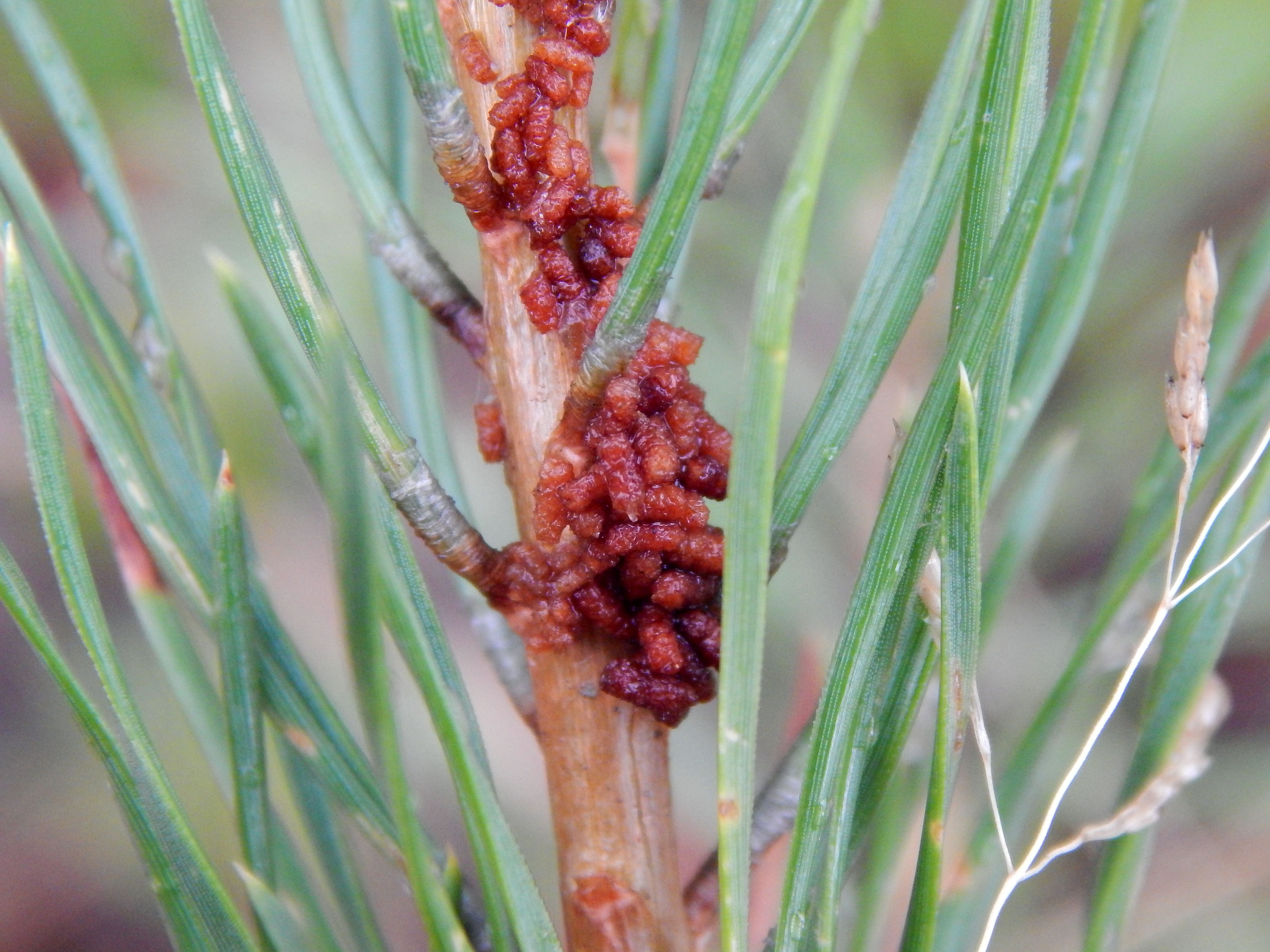
Question

S pozdravom Marián

Answer

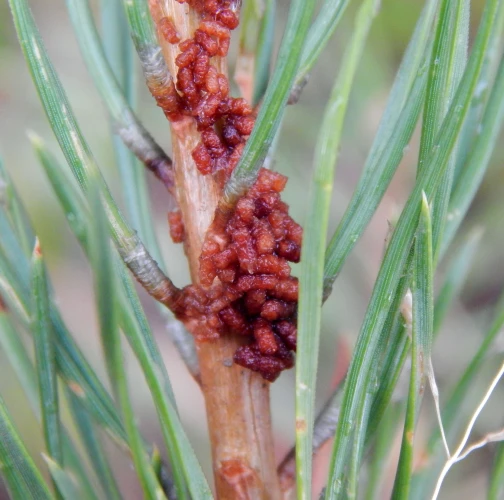
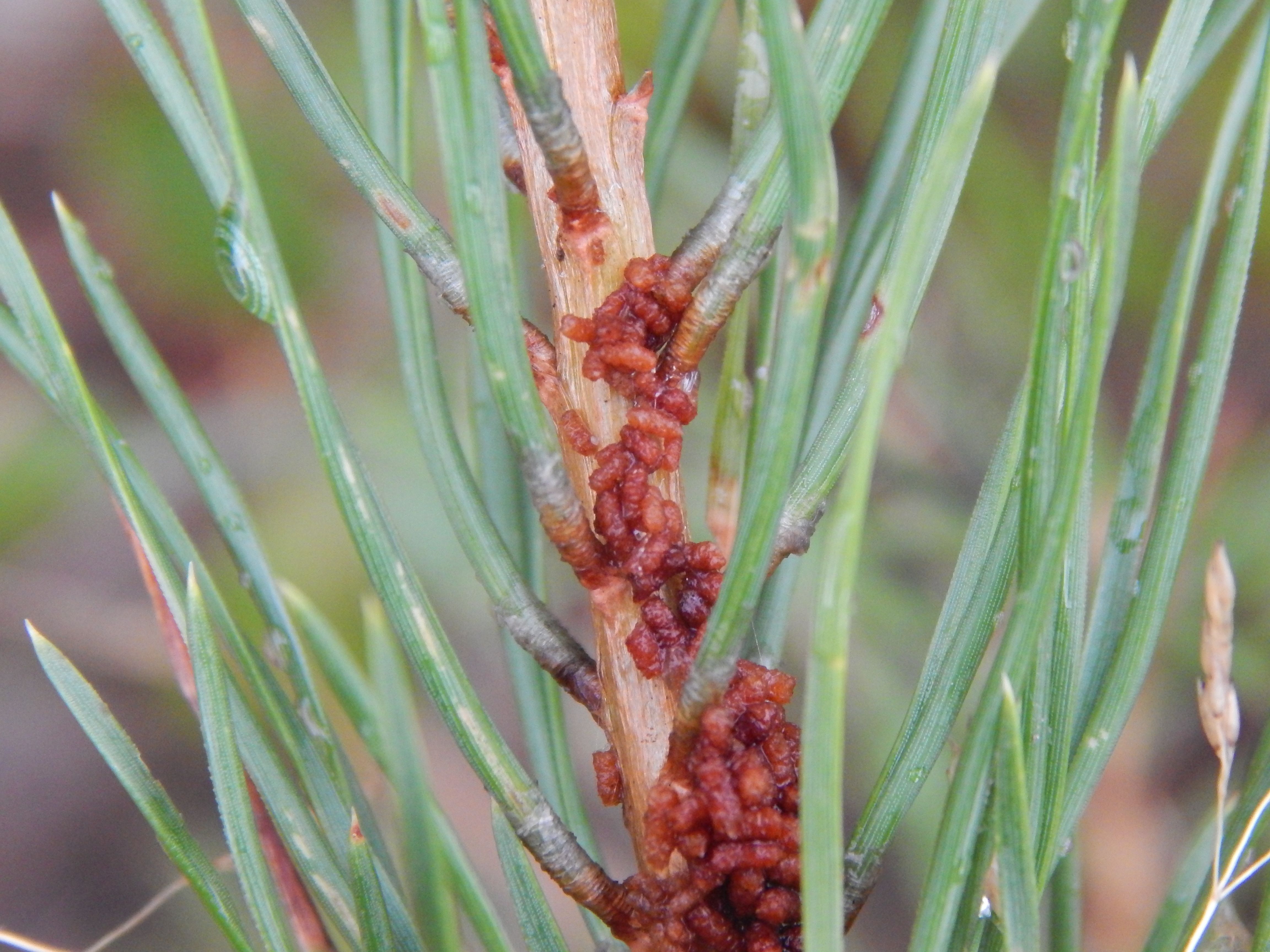
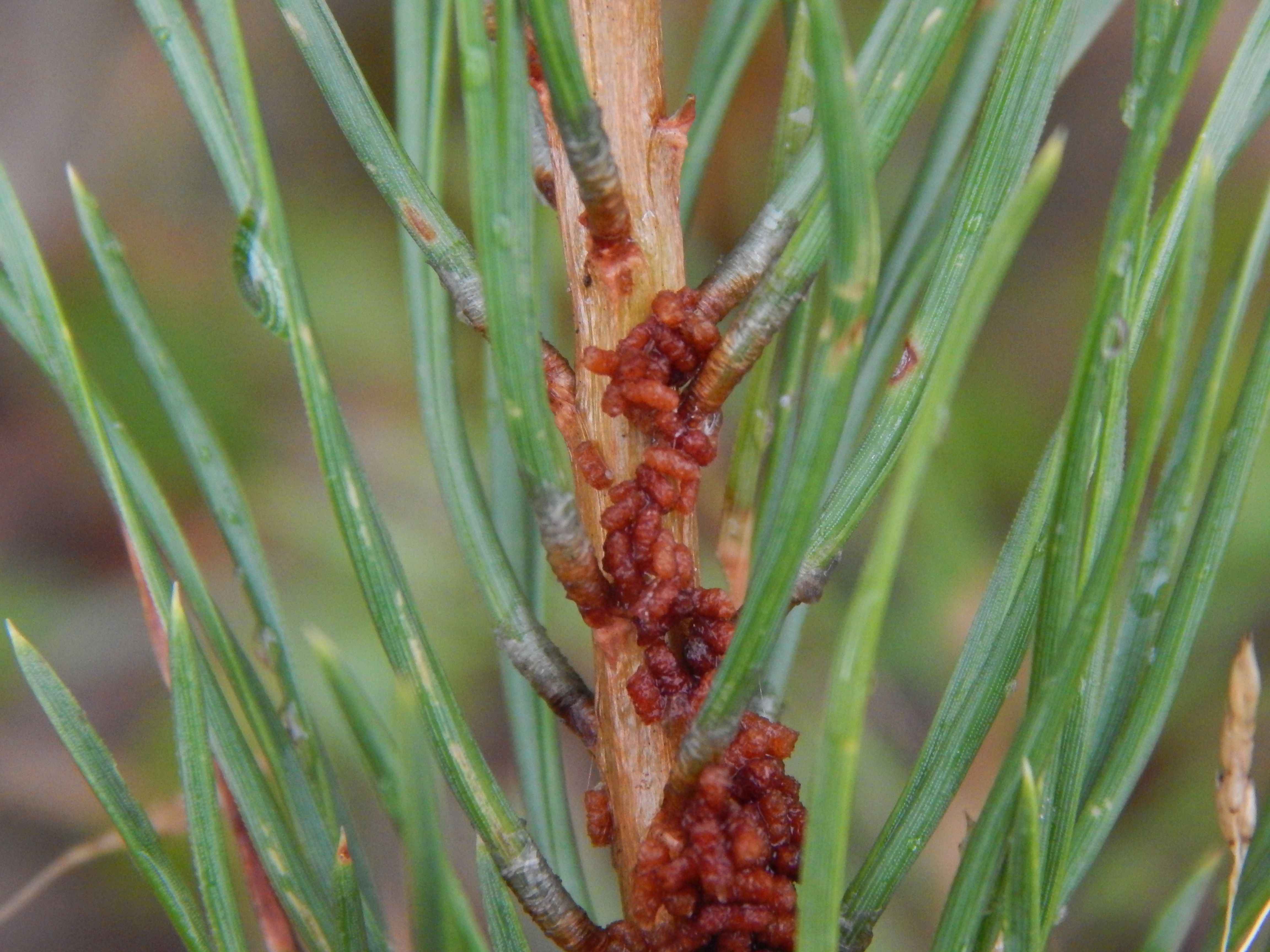
Ahoj Majo, myslím, že ten trus by mohol patriť ploskanke sadenicovej, ale obsolútne sa nedá vylúčiť zámena s nejakým príbuzným druhom. Pekný deň M. Zúbrik
Number of votes for this answer: 0

Pest

Web-spinning pine-sawfly

Acantholyda hieroglyphica

Web-spinning pine-sawfly

Acantholyda hieroglyphica

hmyz

Received: 12.9.2024
Wood: Borovica
Number: 5073
Date of occurrence: 12.9.2024
Discussion

Add comment: Web-spinning pine-sawfly
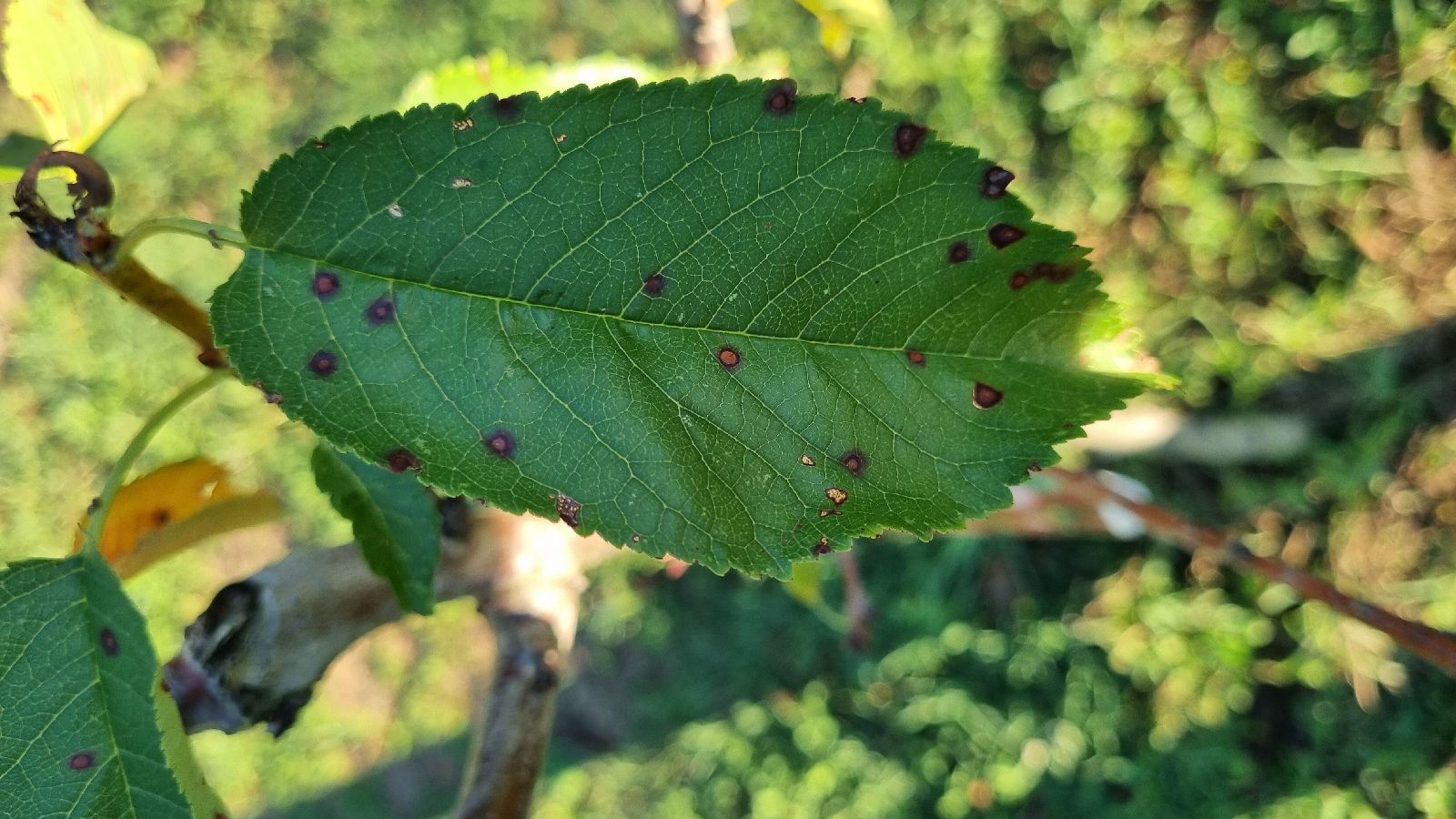
Cherry leaf spot
Cherry leaf spot
Number: 5067
Received 9.9.2024
In progress: 1 days
Date of occurrence: 9.9.2024
Significance: Less harmful
Discussion
From: gio
Assigned: V. Longauerová
Country: Italy

Question

Answer

Dear Gio, thank you for your request and picture. Cherry leaf spot (Blumeriella jaapii) is an important disease in Europe and America. Bird cherry (Prunus avium) causes the greatest damage. Other host plants include cherry (Prunus cerasus), common apricot (Prunus armeniaca) and common peach (Prunus persica). The pathogen mainly attacks the leaf blades, but exceptionally it can also attack the stems and fruits. Symptoms and harmfulnessParadoxically, unlike many other pathogens, cherry leaf spot primarily attacks older leaves. On the upper side of the leaf blade, distinctly red round spots of 1-2 mm in size are formed. On the underside of the leaf blade, smaller, sharply demarcated reddish-brown to dark brown spots are formed. They are covered with a fine coating of conidia. The spots on the lower and upper side of the leaf blade gradually become necrotic. The leaves gradually turn yellow, deform and subsequently fall. When fruits are attacked, significantly darker, sharply demarcated spots appear on the fruits. Infested fruits are usually deformed. The damage consists in the premature fall of the leaves, which reduces the photosynthetic activity of the tree. Trees have weaker growth, they are susceptible to environmental stress factors such as winter frosts or significant periods of drought. The pathogen results in a qualitative and, in particular, a quantitative reduction of the harvest. Spotting causes a huge problem in fruit nurseries or young plantings, where it slows growth and delays the fruiting period. Development cycleThe pathogen overwinters on fallen leaves, from which the infection spreads in the spring in the form of ascospores. Ascospores are able to infect leaves, stems and fruits in the period of 3-4 weeks after flowering of cherries. The leaves are infected through the stomata and the first symptoms can be observed 2 weeks after infection. Depending on the weather, they are released into the environment for 4-5 weeks. In addition to ascospore infection, conidia are the source of primary and secondary infection in many cases. Wet and rainy weather significantly promotes infection pressure. Infection can only occur if the leaf is wet. In the case of temperature, the optimum conditions for germination are in the range of 15-25 °C. ProtectionThe basis of protection is, first of all, the selection of habitat, variety, and cultivation form. It is important to avoid cold and damp locations, where the conditions for the development of mottledness are optimal. Ensuring an airy and non-compacted crown is important from the point of view of shortening the time of wetness of the leaves and thus preventing the germination of ascospores and conidia. Similar to the case of apple scab, it is also advisable to dispose of the fallen leaves and thereby significantly reduce the infection pressure in the following growing season. In the case of optimal weather conditions for the spread of the pathogen, it is advisable to carry out protection with fungicidal preparations 3-4 weeks after flowering. Preparations that contain the active substances mancozeb, fluopyram+trebuconazole, boscalid+paraclostrobin, dithianone have proven to be suitable. This treatment should be repeated after 10 days. If there is a long dry period during this period, there is no need to apply fungicides. With best regards,  Valeria
Number of votes for this answer: 0

Pest

Cherry leaf spot

Blumeriella jaapii

Cherry leaf spot

Blumeriella jaapii

huby

Received: 9.9.2024
Wood: Cherry
Number: 5067
Date of occurrence: 9.9.2024
Discussion

Add comment: Cherry leaf spot

Back to top