Login | Registration | List of contributors

Requests to determine the cause of damage

Here you can request to determine the cause of the damage. You can view the requests of other users and sort them according to the selected criteria. In addition, you can get information about your request, and you can follow the progress of its current state. If your application was not approved, it had probably been because it was impossible to identify the damage based on the sent photos or because the application does not address our topic - determining the pests of trees and shrubs. We will inform you about the status of your application by email.

Filter reset

Code
Date
Assigned
Status
Days from submission
7470
26.2.2026
A. Kunca
Completed
0
7469
26.2.2026
M. Zúbrik
Completed
0
7456
20.2.2026
A. Kunca
Completed
4
7455
19.2.2026
M. Zúbrik
Completed
1
7449
17.2.2026
M. Zúbrik
Completed
1
7448
17.2.2026
V. Longauerová
Completed
1
7416
2.2.2026
M. Zúbrik
Completed
0
7415
2.2.2026
A. Kunca
Completed
1
7409
27.1.2026
R. Leontovyč
Completed
7
7407
27.1.2026
A. Kunca
Completed
7

Rejected requests are not displayed. You have been notified by email that your application has been denied.
 

A - Ambiguously determined, we are not sure
Number: 5258
Received 6.11.2024
In progress: 1 days
Date of occurrence: 6.11.2024
Significance:
Discussion
Assigned: M. Zúbrik
Country: Czechia

Question

Answer

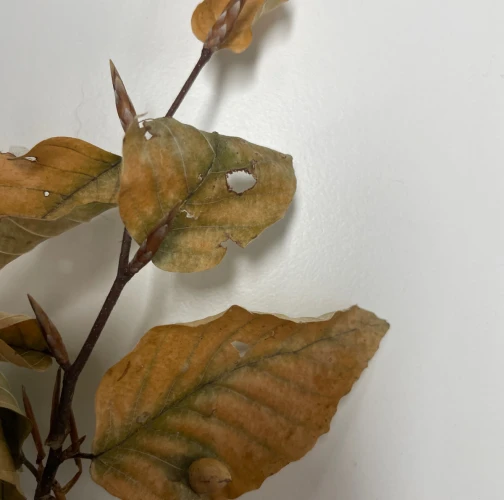
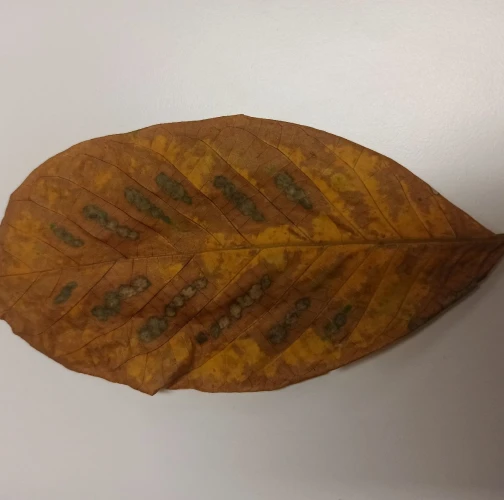
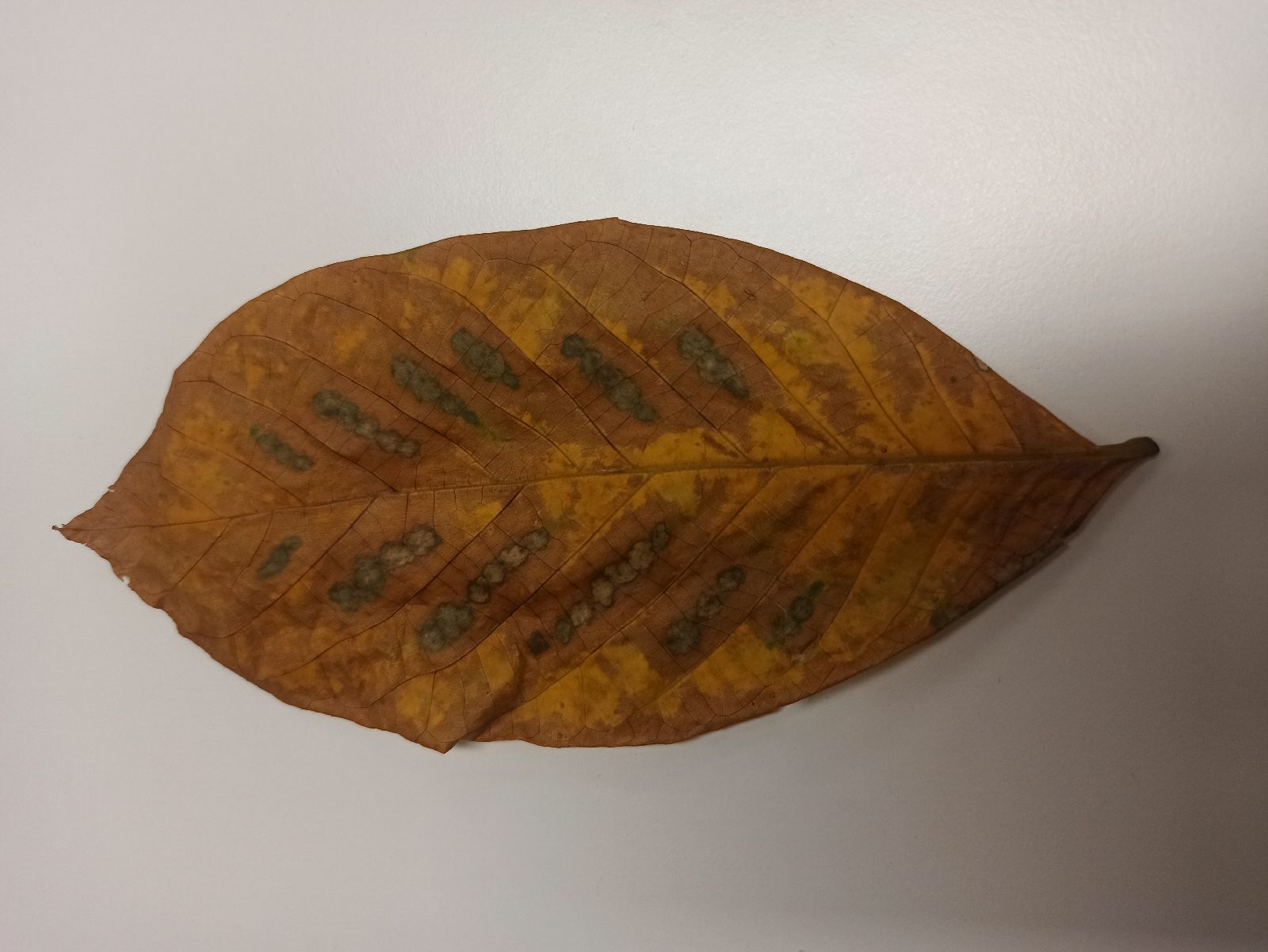
Thank you for your interesting inquiry and the lovely photograph. It’s unfortunate that the leaf is dead (an autumn aspect), making the damage less visible. It strongly resembles the mite Aceria nervisequa faginea, but since I am not completely certain, I would place this in the category of ambiguously identified species. If this were in summer and the photo included the underside of the leaf, identification would be clearer. Thank you once again.With best regards M. Zubrik
Number of votes for this answer: 0

Pest

A - Ambiguously determined, we are not sure
A - Ambiguously determined, we are not sure
A - Ambiguously determined, we are not sure

A - Ambiguously determined, we are not sure

Received: 6.11.2024
Wood: Walnut
Number: 5258
Date of occurrence: 6.11.2024
Discussion

Add comment: A - Ambiguously determined, we are not sure

A - Ambiguously determined, we are not sure
Number: 5257
Received 6.11.2024
In progress: 1 days
Date of occurrence: 6.11.2024
Significance:
Discussion
From: Eva
Assigned: M. Zúbrik
Country: Czechia

Question

Answer

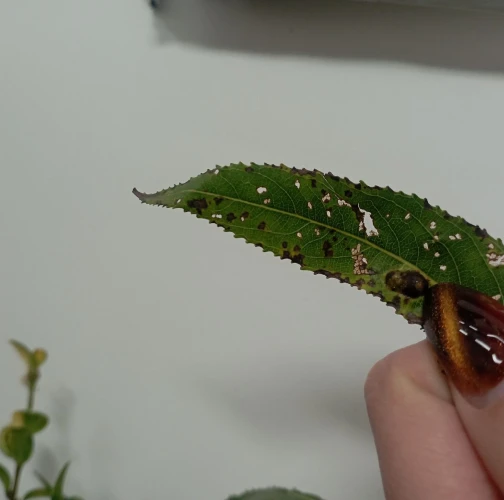
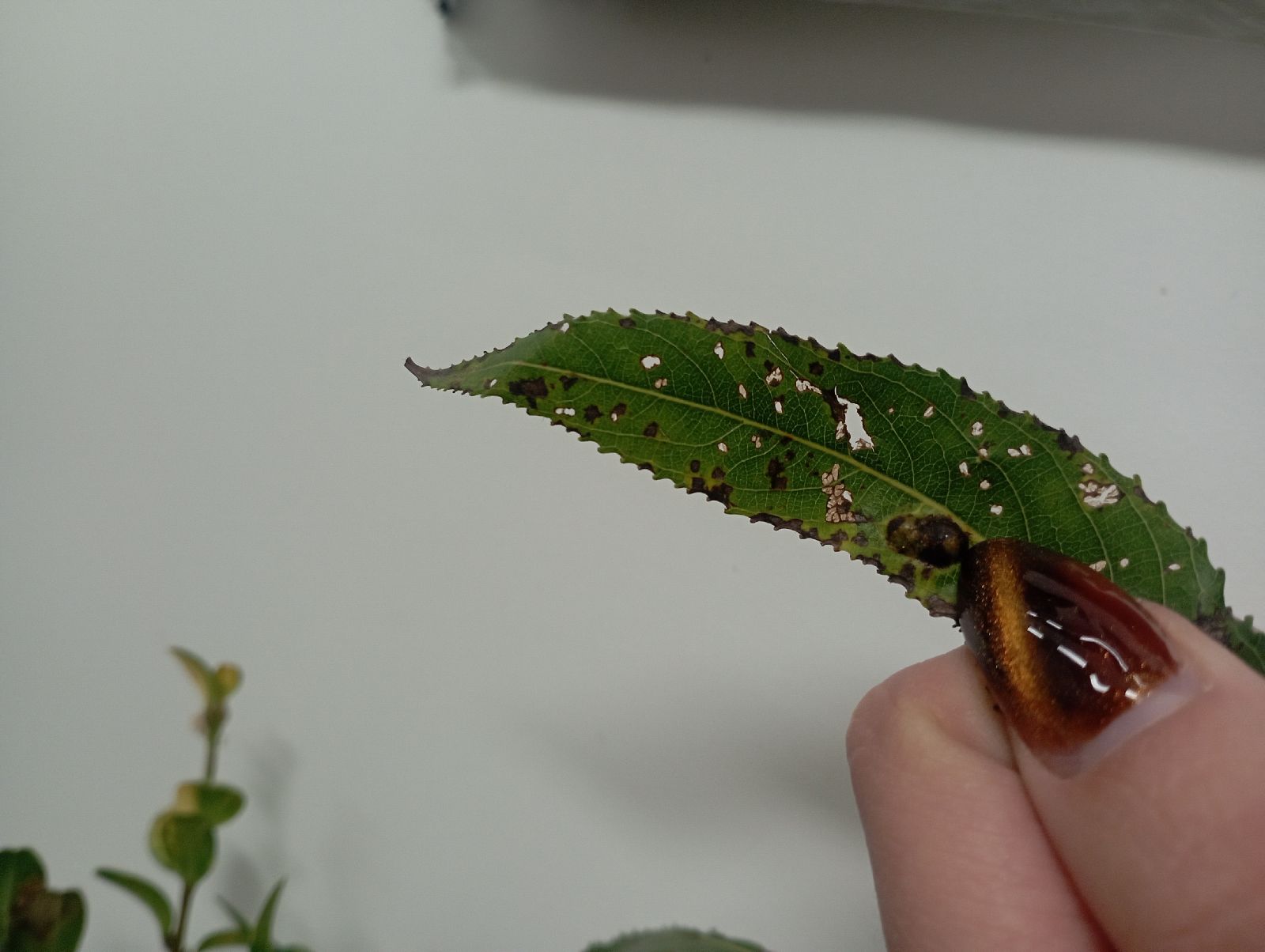
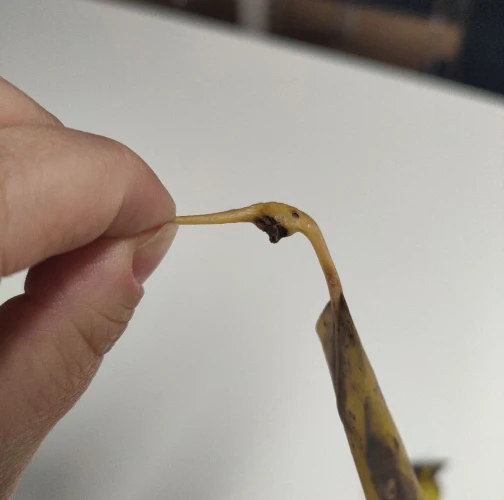
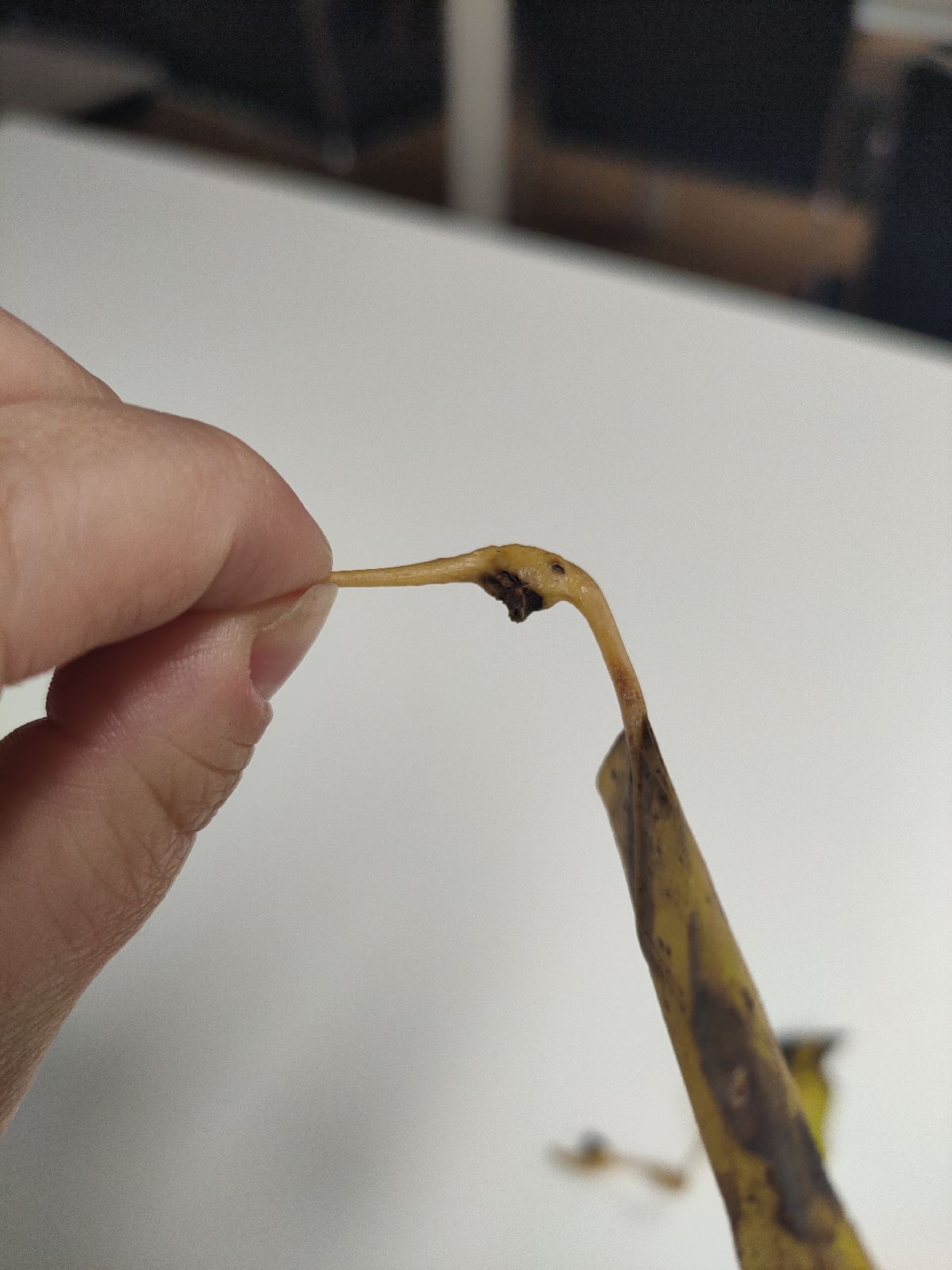
Hello, thank you for your interesting inquiry. Such small holes are usually caused by small beetles that consume plant tissues to allow their reproductive organs to mature, a process known as maturation feeding. From these symptoms alone, it is not possible to determine the exact species involved. The most likely candidates are Chrysomela vigintipunctata or Lochmaea caprea, as these species are probably the most common in your area. With best regards M. Zubrik
Number of votes for this answer: 0

Pest

A - Ambiguously determined, we are not sure

A - Ambiguously determined, we are not sure

A - Ambiguously determined, we are not sure

A - Ambiguously determined, we are not sure

Received: 6.11.2024
Wood: Willow
Number: 5257
Date of occurrence: 6.11.2024
Discussion

Add comment: A - Ambiguously determined, we are not sure

Aspen gall midge
Aspen gall midge
Number: 5256
Received 6.11.2024
In progress: 1 days
Date of occurrence: 6.11.2024
Significance: Less harmful
Discussion
From: ronie
Assigned: M. Zúbrik
Country: Czechia

Question

Answer

Hello, thank you for your interesting inquiry. There is a gall on the leaf stalk. It is not fully intact, so an exact identification of the cause is challenging. Many gall-forming species inhabit poplar leaves. It could be Contarinia petioli if it is on an aspen poplar (which cannot be determined from the image). A similar gall can also be found on poplars, caused by Pemphigus spyrothecae, and it cannot be entirely ruled out. However, I lean more towards C. petioli. Best regards M. Zubrik
Number of votes for this answer: 0

Pest

Aspen gall midge

Contarinia petioli

Aspen gall midge

Contarinia petioli

hmyz

Received: 6.11.2024
Wood: Poplar
Number: 5256
Date of occurrence: 6.11.2024
Discussion

Add comment: Aspen gall midge

Beach gall midge
Beach gall midge
Number: 5255
Received 6.11.2024
In progress: 1 days
Date of occurrence: 6.11.2024
Significance: Less harmful
Discussion
From: Marketa
Assigned: M. Zúbrik
Country: Czechia

Question

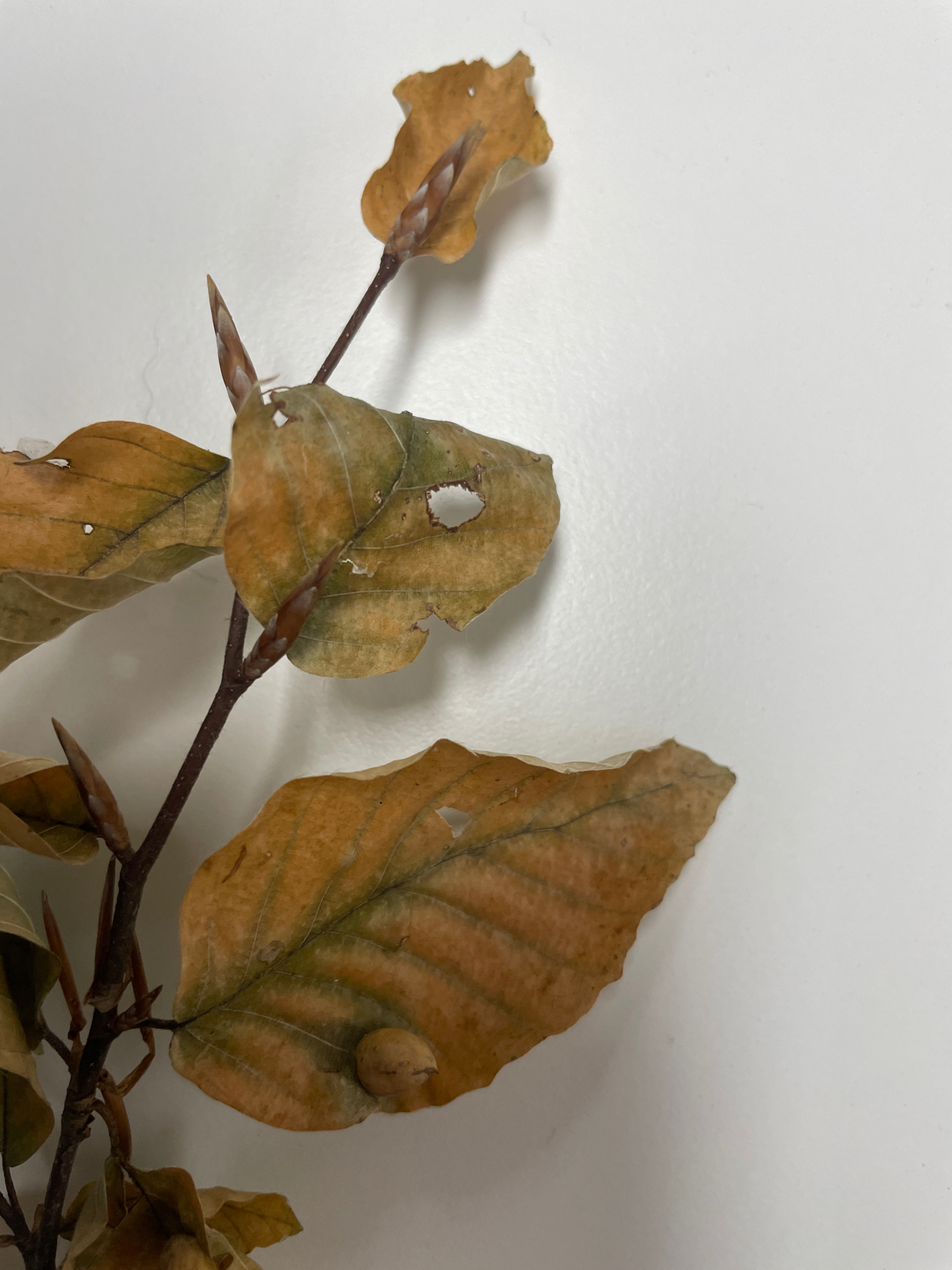
Holes in leaves

Answer

Thank you for your inquiry. There are holes in the leaf, but there are many potential causes that could have led to this damage. It would be necessary to obtain more supplementary information. On the lower leaf, there is a gall of the species Mikiola fagi. With best regards, M. Zubrik
Number of votes for this answer: 0

Pest

Beach gall midge

Mikiola fagi

Beach gall midge

Mikiola fagi

hmyz

Received: 6.11.2024
Wood: Beech
Number: 5255
Date of occurrence: 6.11.2024
Discussion

Add comment: Beach gall midge

A - Ambiguously determined, we are not sure
Number: 5254
Received 6.11.2024
In progress: 1 days
Date of occurrence: 8.9.2024
Significance:
Discussion
Assigned: M. Zúbrik
Country: Sweden

Question

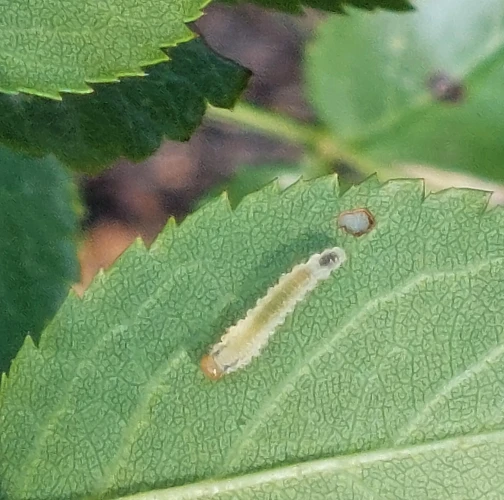
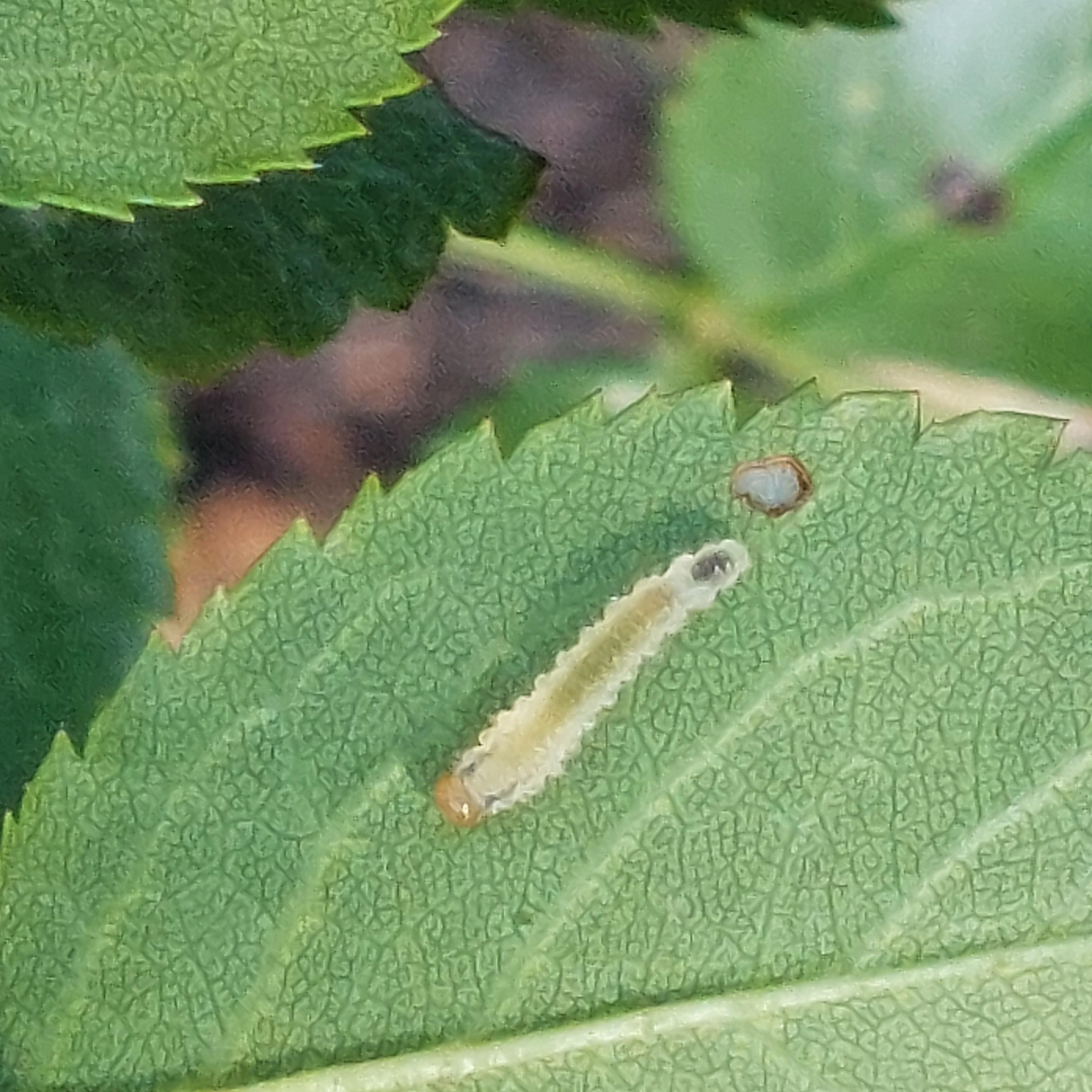
Äter på rosenblad och vissa nävor

Answer

Thank you for your inquiry. The image shows an insect larva from the order Hymenoptera, specifically from the suborder Symphyta – commonly known as sawflies. The larvae of these species feed on rose leaves, and in Europe, several similar species inhabit rose plants. They cause defoliation, which reduces the plant vitality and aesthetic value. The image is somewhat unclear, so we cannot confidently identify the exact species. It could potentially be the larva of Endelomyia aethiops. With best regards M. Zubrik
Number of votes for this answer: 0

Pest

A - Ambiguously determined, we are not sure
A - Ambiguously determined, we are not sure
A - Ambiguously determined, we are not sure
A - Ambiguously determined, we are not sure

hmyz

Received: 6.11.2024
Wood: Rose
Number: 5254
Date of occurrence: 8.9.2024
Discussion

Add comment: A - Ambiguously determined, we are not sure

A - nejednoznačne určený, nie sme si istíA - nejednoznačne určený, nie sme si istíA - nejednoznačne určený, nie sme si istí
Number: 5253
Received 5.11.2024
In progress: 6 days
Date of occurrence: 13.11.2019
Significance:
Discussion
Assigned: A. Kunca
Country: Belarus

Question

Answer

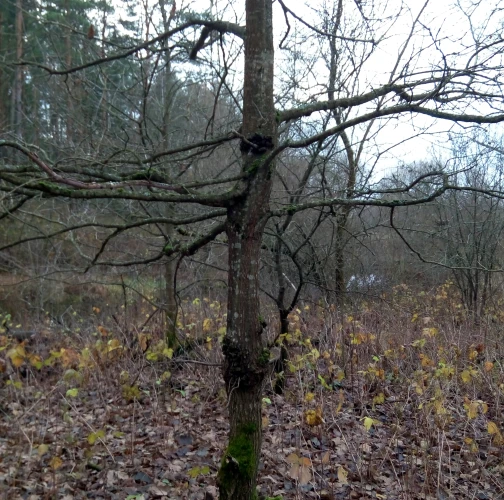
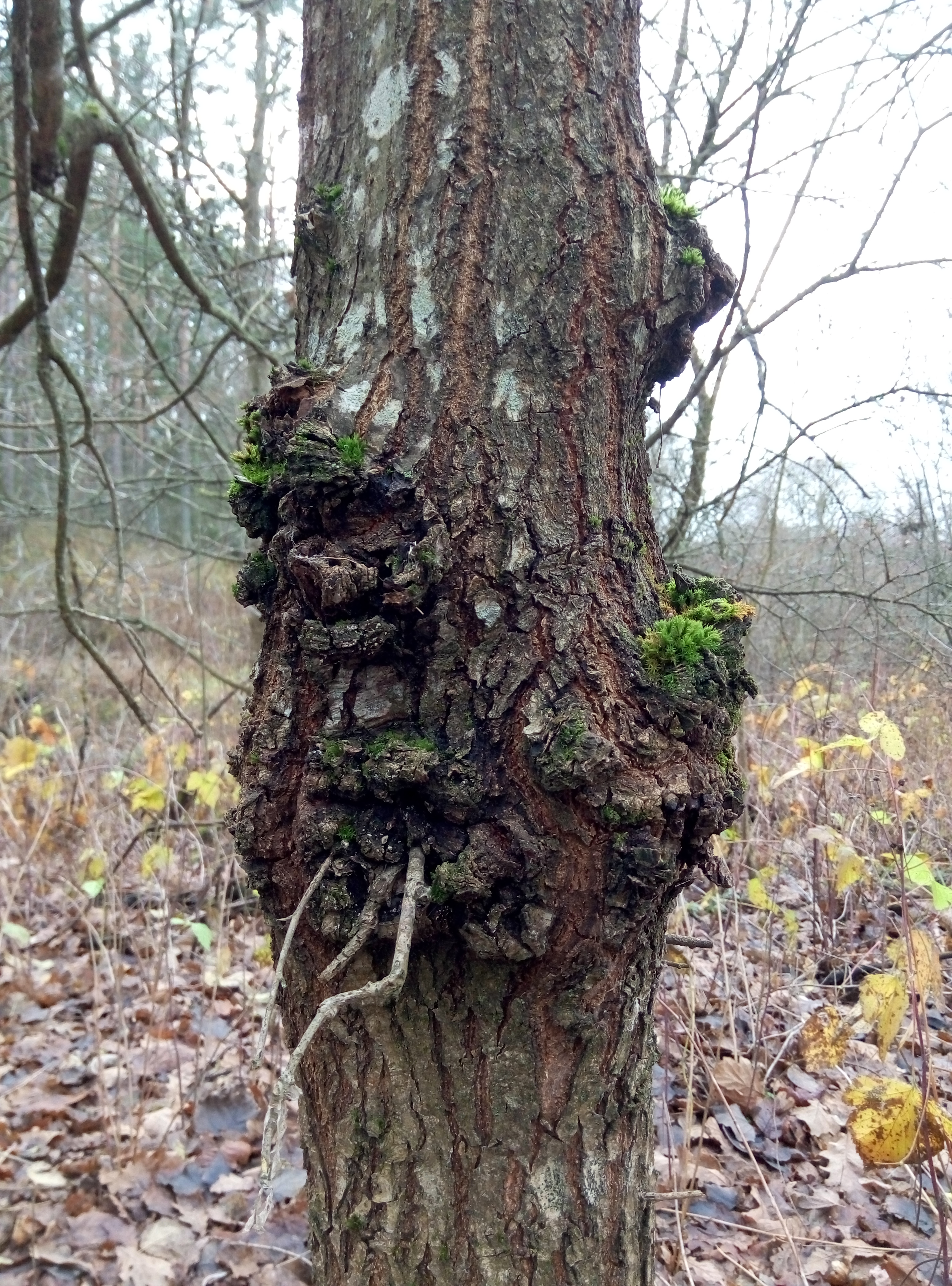
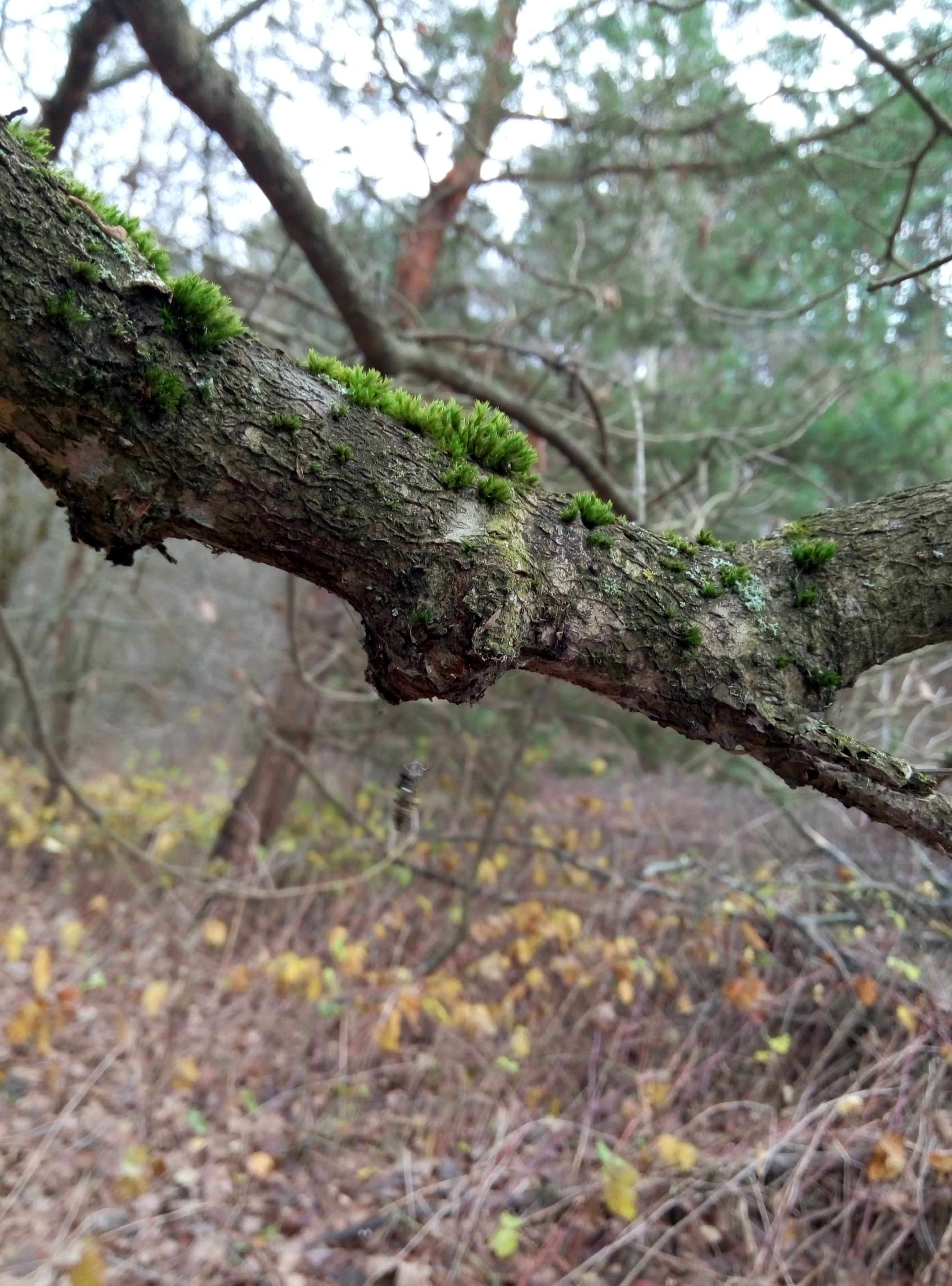
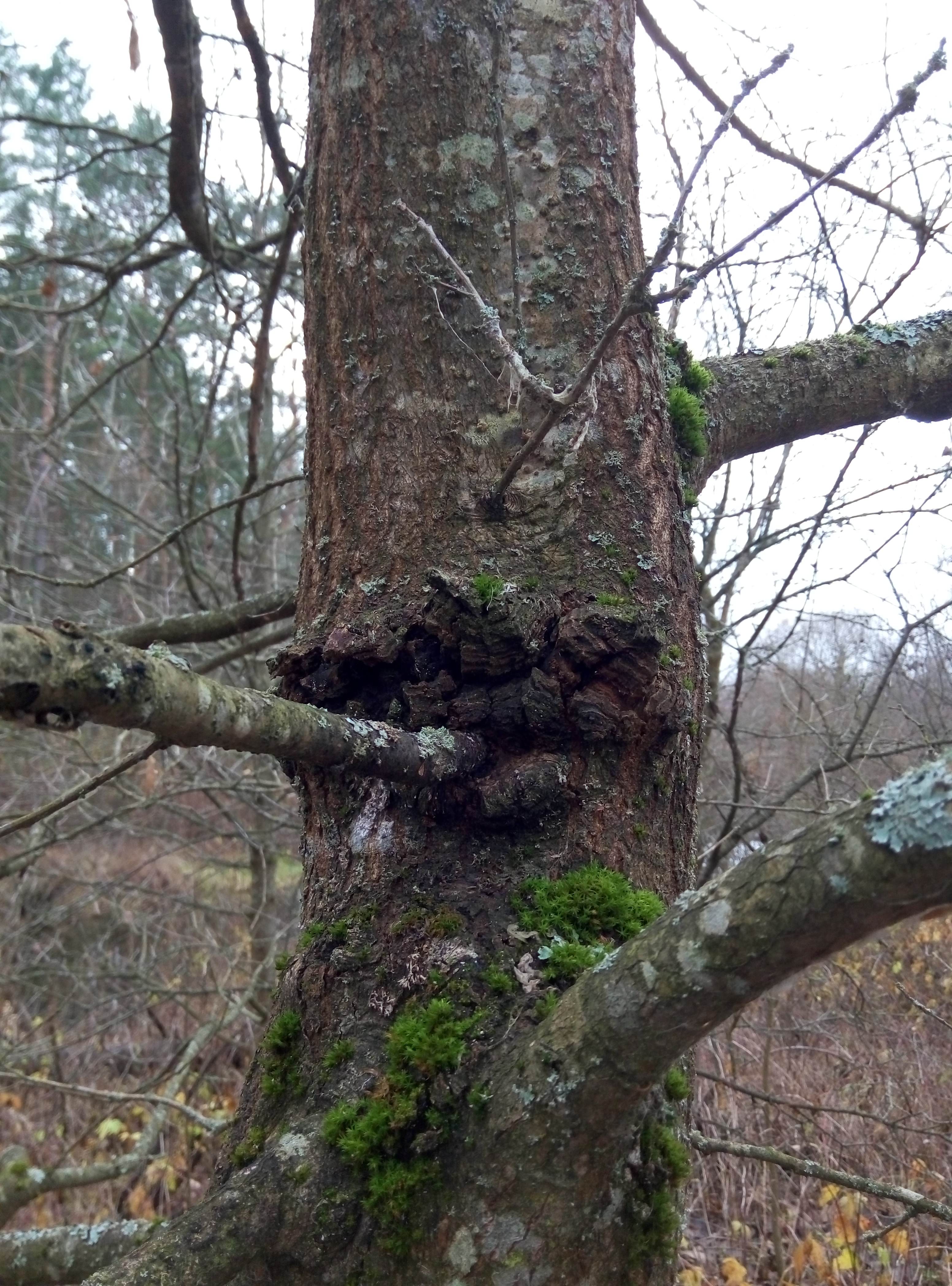
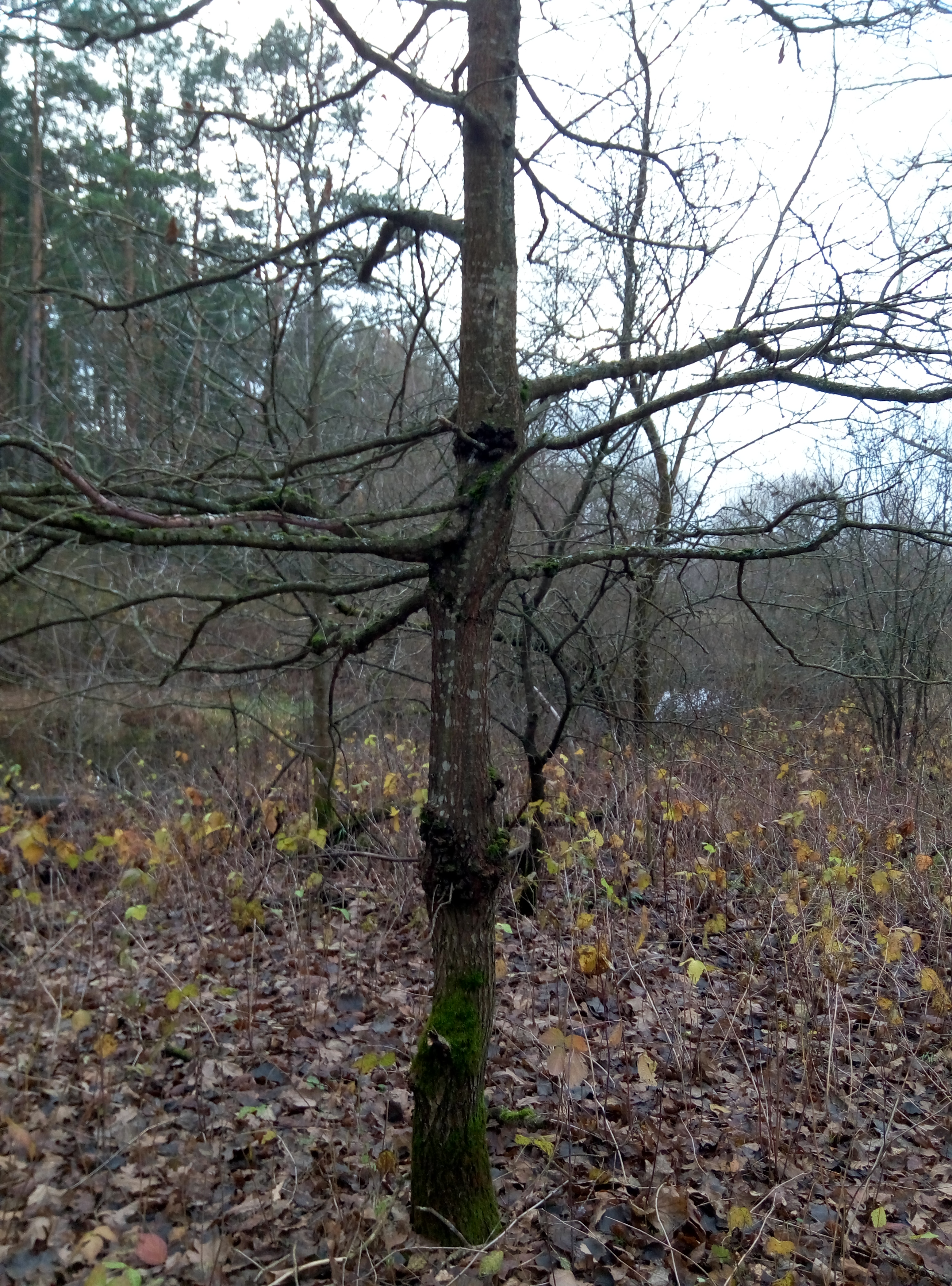
Dear Aliaxandr, something like this is caused by Inonotus nidus pici on Quercus cerris. Could be something else, as well.. Andrej Kunca
Number of votes for this answer: 0

Pest

A - nejednoznačne určený, nie sme si istí

A - nejednoznačne určený, nie sme si istí

hmyz

Received: 5.11.2024
Wood: Oak
Number: 5253
Date of occurrence: 13.11.2019
Discussion

Add comment:

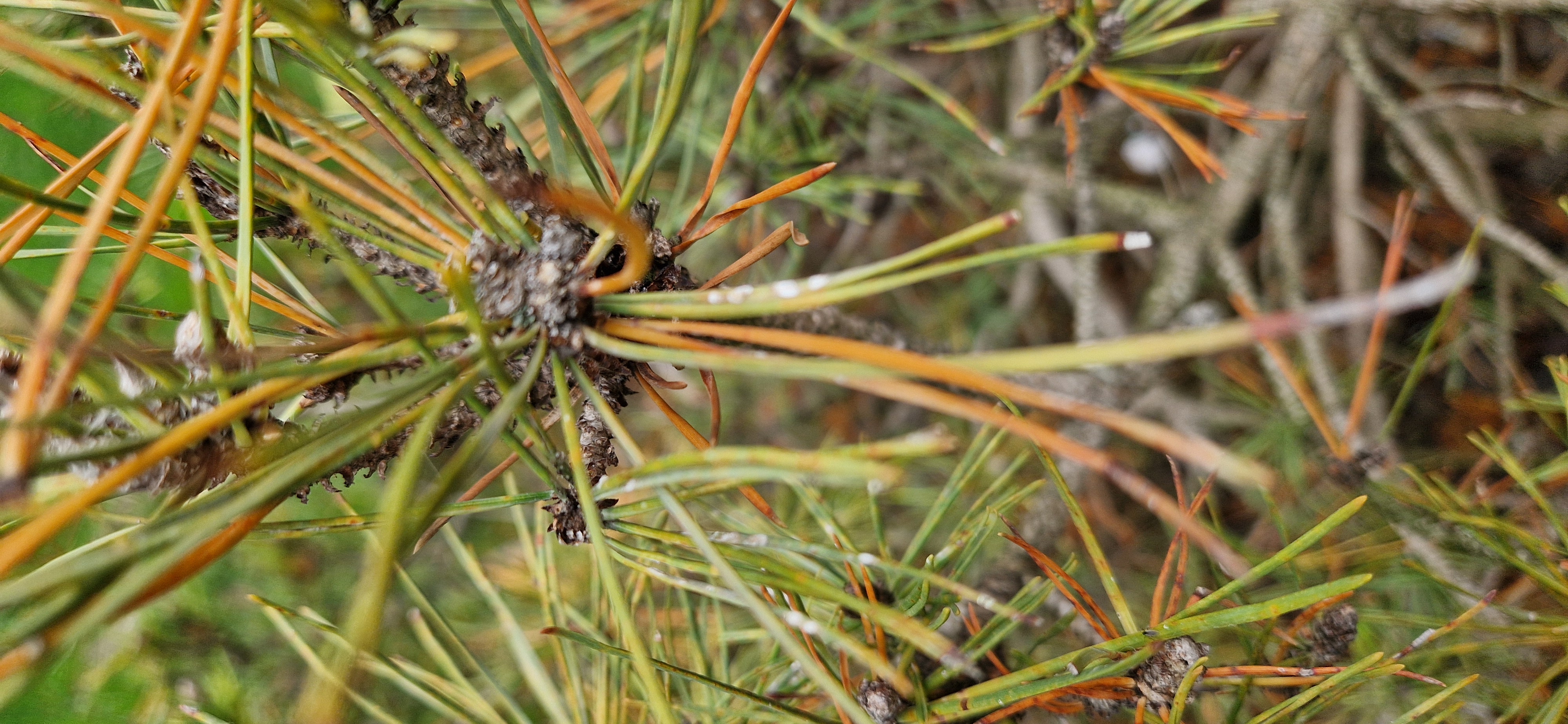
White pine scale
Štítnička borovicováŠtítnička borovicováŠtítnička borovicová
White pine scale
Number: 5246
Received 4.11.2024
In progress: 1 days
Date of occurrence: 31.10.2024
Significance: Less harmful
Discussion
From: trapsson
Assigned: M. Zúbrik
Country: Slovakia

Question

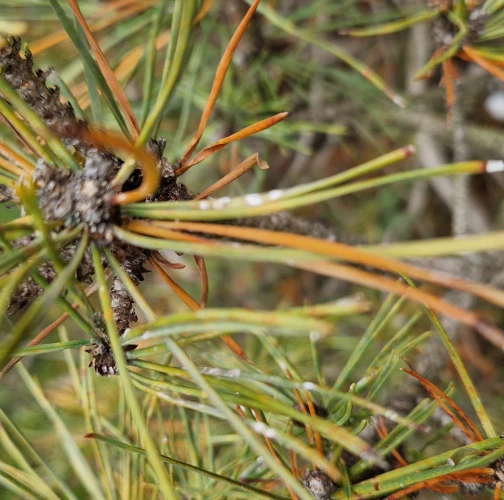
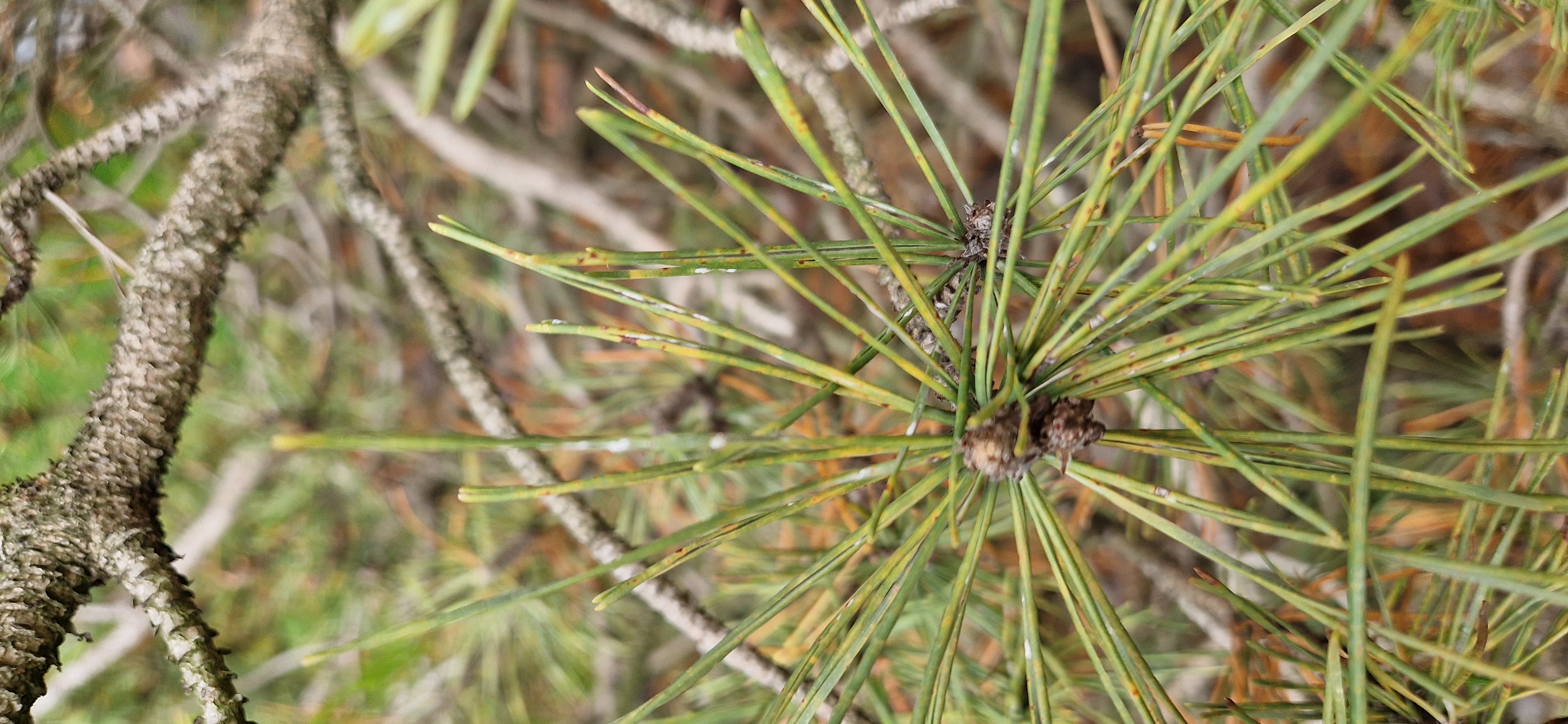
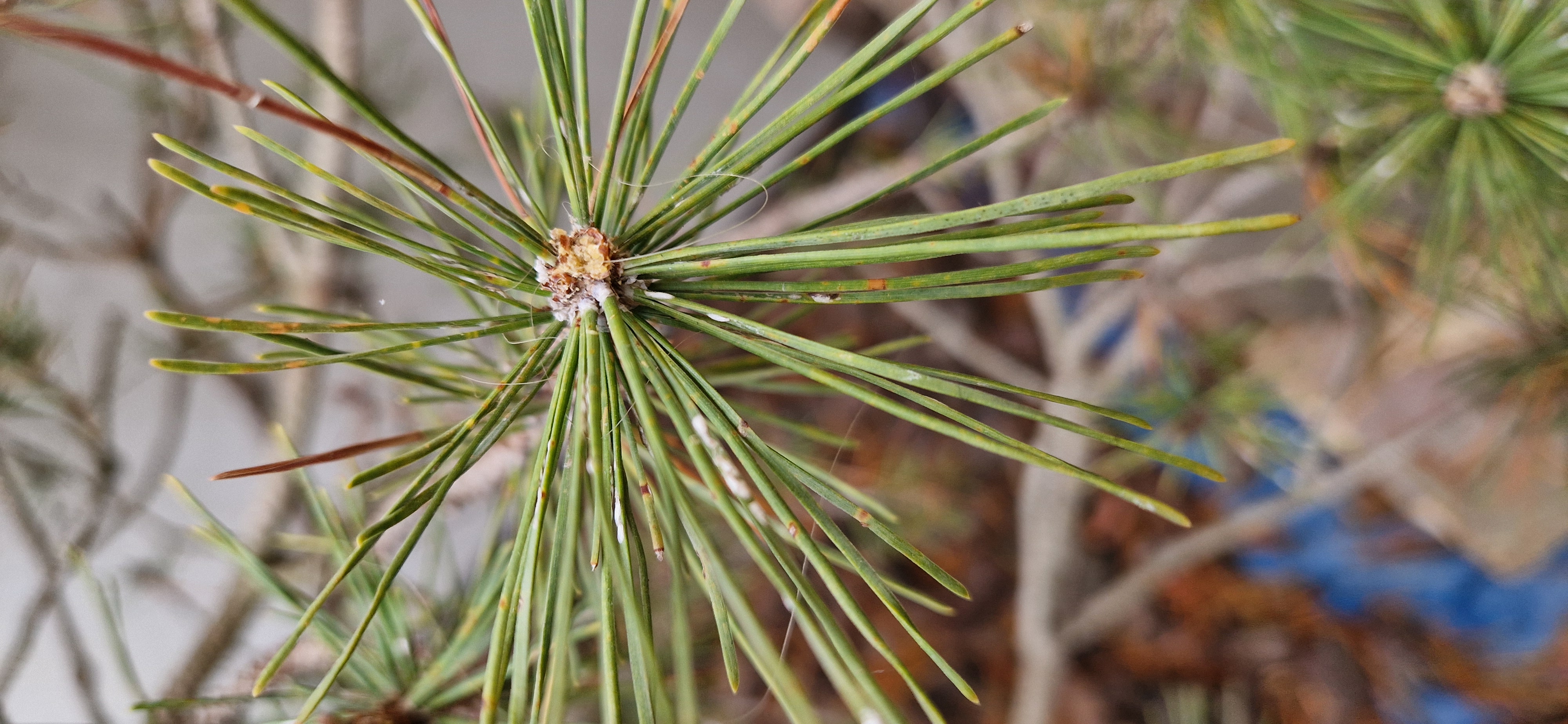
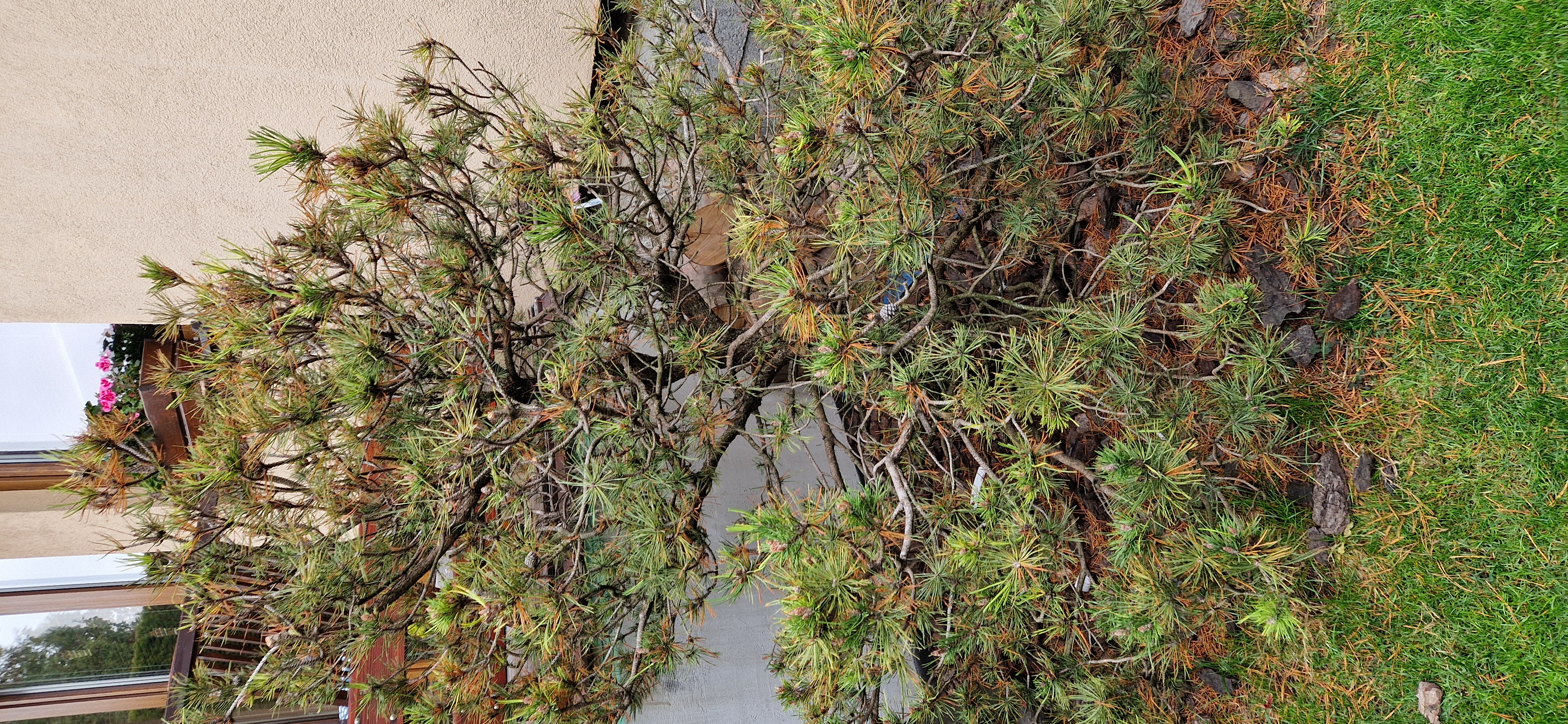
Na ihliciach sa vyskytujú biele škvrny. Nové tohtoročné prírastky zhnedli a boli odstránené (začiatok leta). Borovica mala dlhodobo (niekoľko rokov) korene vo vlhkom prostredí (netkaná textília). Fólia je už niekoľko mesiacov odstránená, ale biele škvrny pretrvávajú.

Answer

Dobrý deň, ďakujeme za dotaz. Na ihliciach je patrná prítomnosť dvoch druhov škodcov, ktoré zásadne znižujú vitalitu stromu. Deje sa tak ale zrejme aj v kombinácii s nevhodným stanovišťom. Borovica je sĺnna drevina, ktorá ma rada priame slnko. Z obrázkov nie je jasné celková expozícia lokality, ale blízkosť domu môže zvyšovať riziko vyššej vlhkosti a menšieho oslnenia, čo borovici neprospieva. Zo škodcov na ihliciach je vidieť prítomnosť druhu štítnička borovicová, Leucaspis pusilla a napadnutie hubou najpravdepodobnejšie sypavkou borovicovou Lophodermium pinastri. S pozdravom M. Zúbrik
Number of votes for this answer: 0

Pest

White pine scale

Leucaspis pusilla

White pine scale

Leucaspis pusilla

hmyz

Received: 4.11.2024
Wood: Borovica
Number: 5246
Date of occurrence: 31.10.2024
Discussion

Add comment: White pine scale

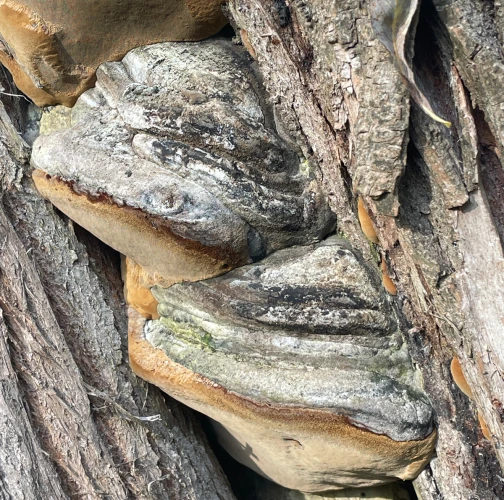
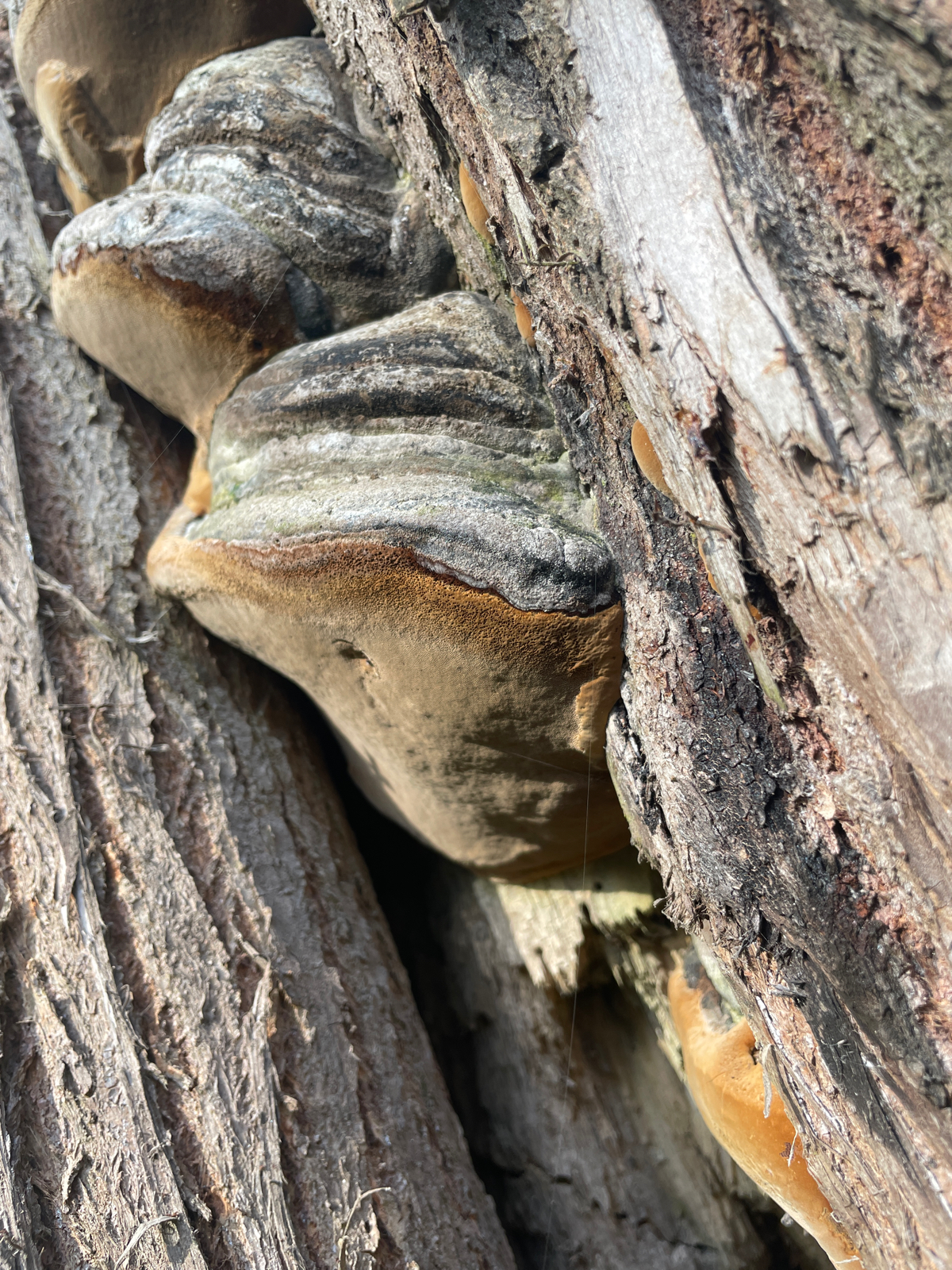
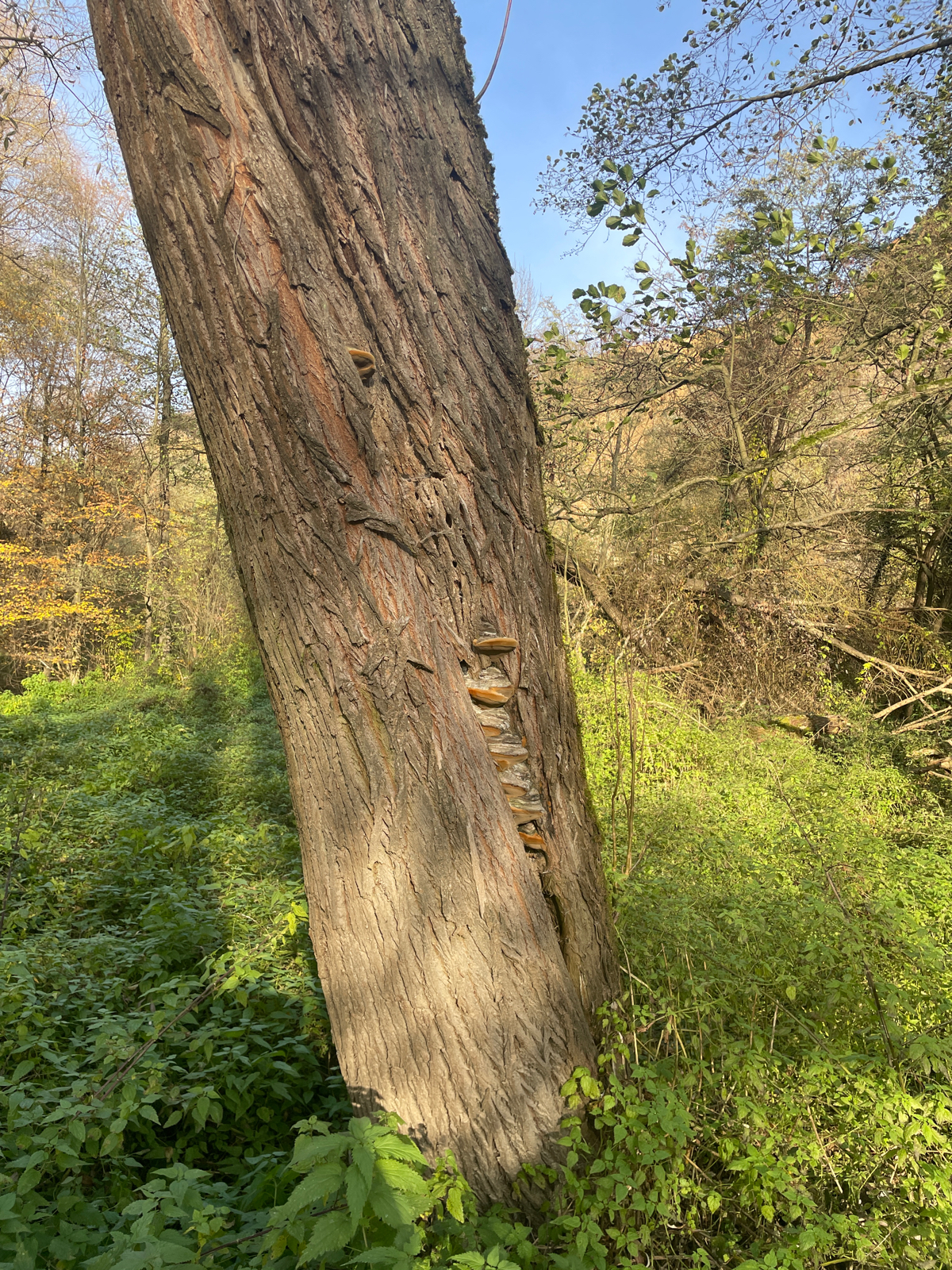
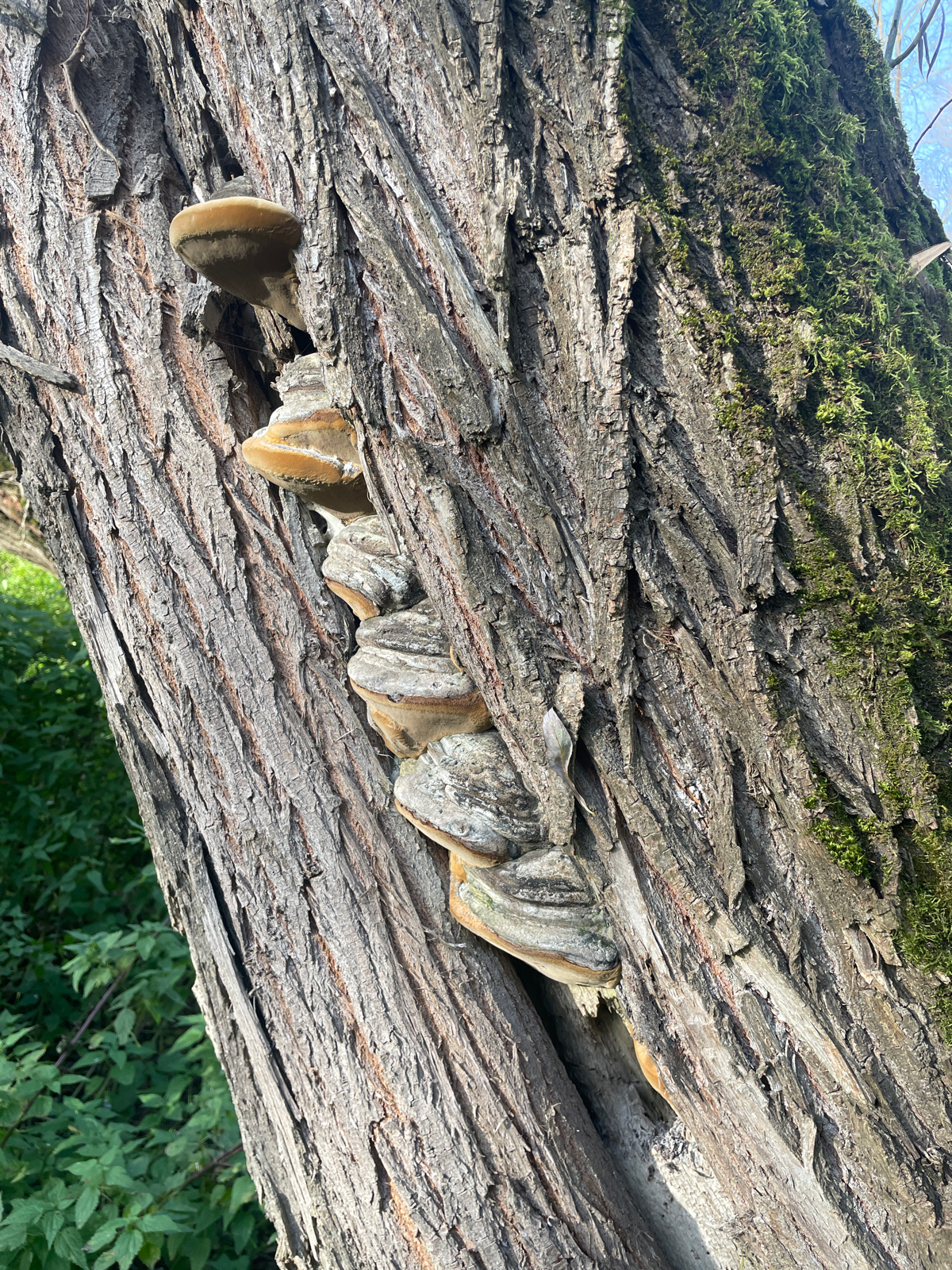
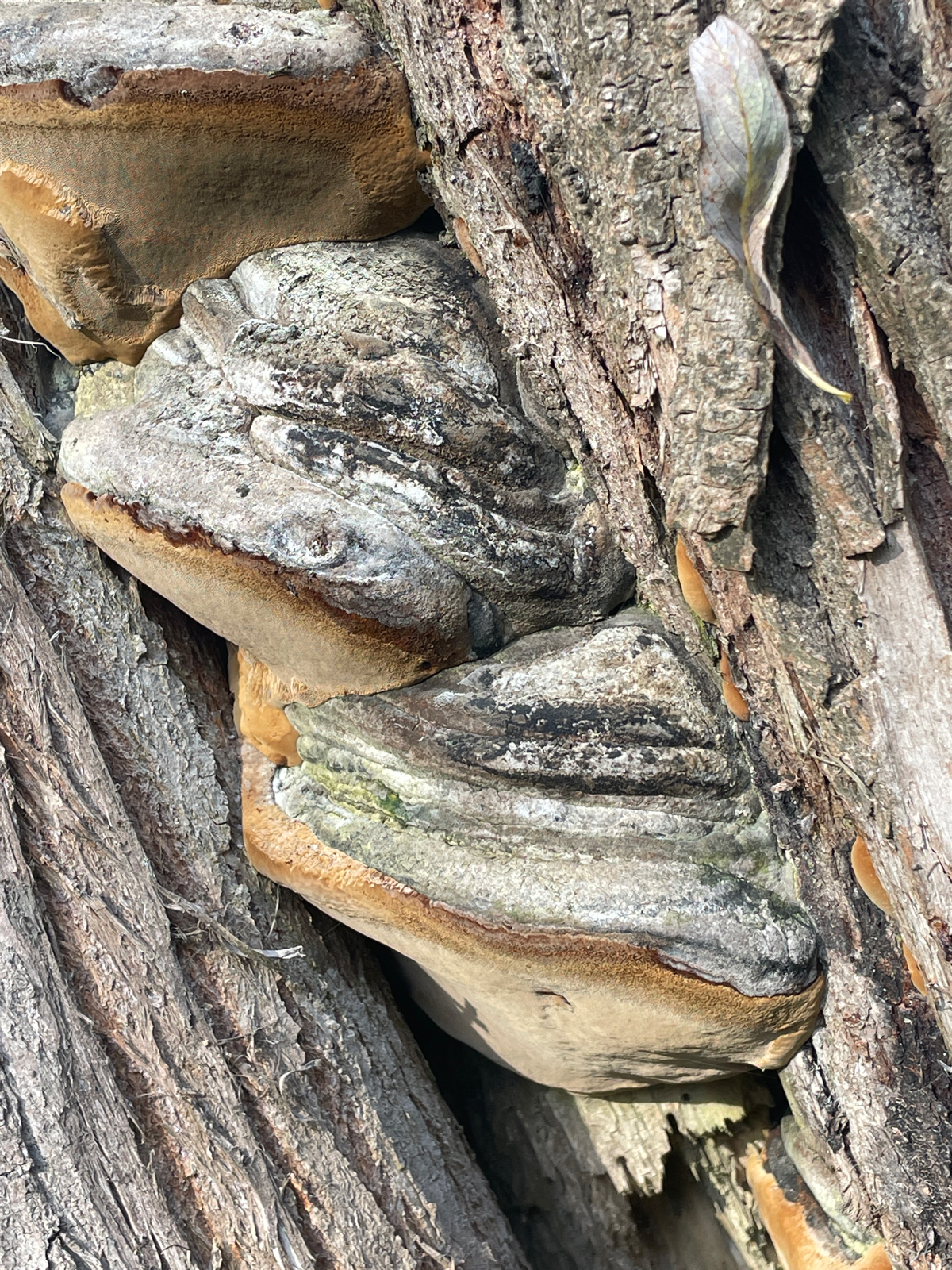
Willow bracket
Ohňovec obyčajnýOhňovec obyčajnýOhňovec obyčajný
Willow bracket
Number: 5245
Received 3.11.2024
In progress: 8 days
Date of occurrence: 3.11.2024
Significance: Very harmful
Discussion
From: AK73
Assigned: A. Kunca
Country: Slovakia

Question

Answer

Phellinus igniarius. AK.
Number of votes for this answer: 0

Pest

Willow bracket

Phellinus igniarius

Willow bracket

Phellinus igniarius

huby

Received: 3.11.2024
Wood: Vŕba
Number: 5245
Date of occurrence: 3.11.2024
Discussion

Add comment: Willow bracket

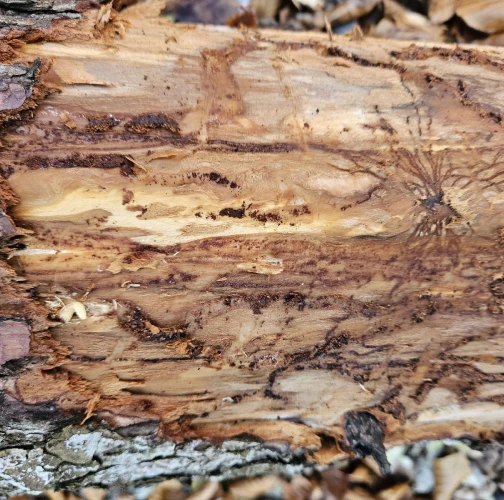
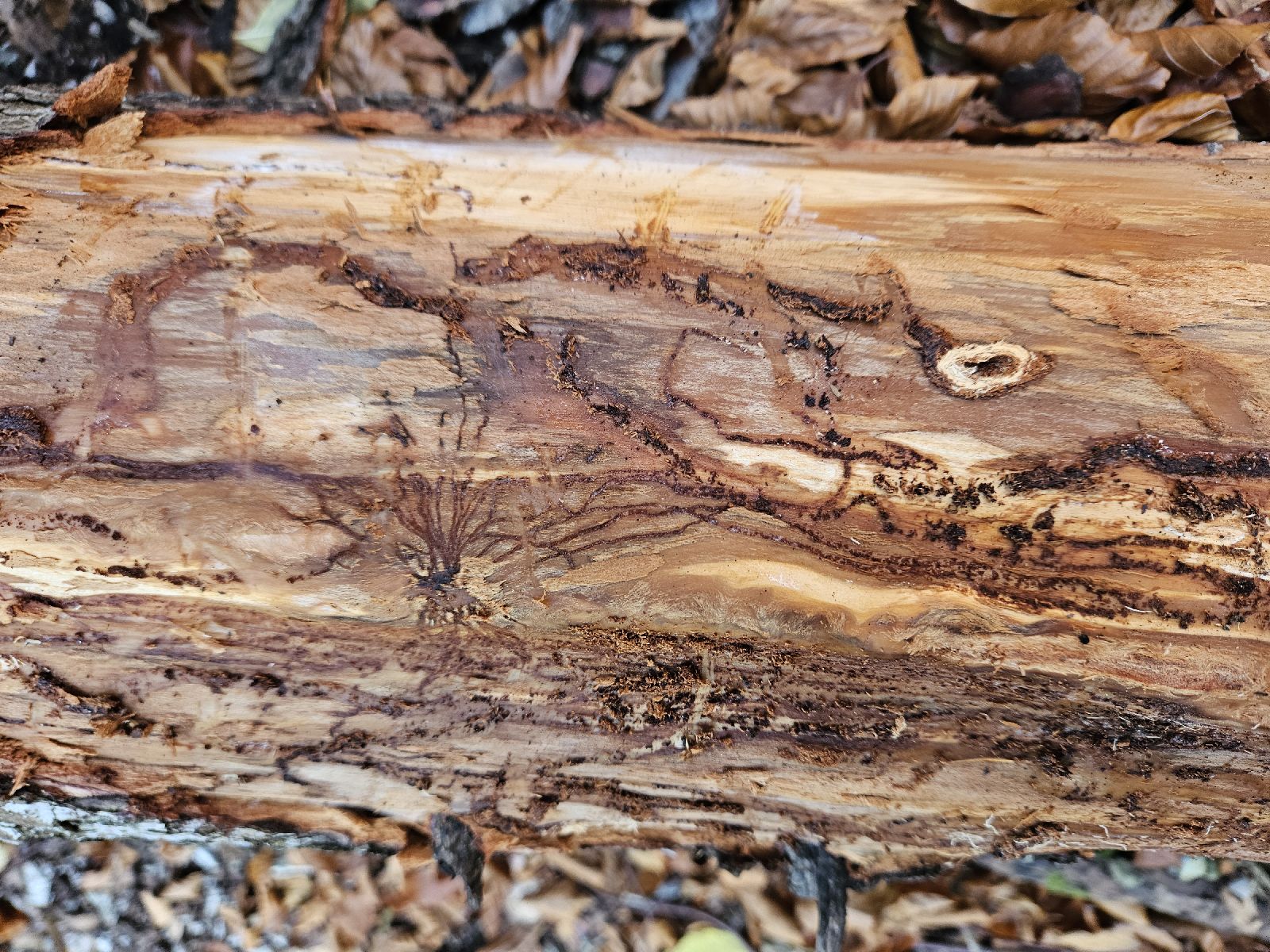
European silver fir weevil
Smoliar jedľový
European silver fir weevil
Number: 5242
Received 1.11.2024
In progress: 3 days
Date of occurrence: 1.11.2024
Significance: Harmful
Discussion
From: Jozef
Assigned: J. Vakula
Country: Slovakia

Question

Answer

Number of votes for this answer: 0

Pest

European silver fir weevil

Pissodes piceae

European silver fir weevil

Pissodes piceae

hmyz

Received: 1.11.2024
Wood: Jedľa
Number: 5242
Date of occurrence: 1.11.2024
Discussion

Add comment: European silver fir weevil
A - Ambiguously determined, we are not sure
A - Ambiguously determined, we are not sureA - Ambiguously determined, we are not sure
A - Ambiguously determined, we are not sure
Number: 5240
Received 31.10.2024
In progress: 0 days
Date of occurrence: 1.10.2024
Significance:
Discussion
Assigned: M. Zúbrik
Country: Italy

Question

Answer

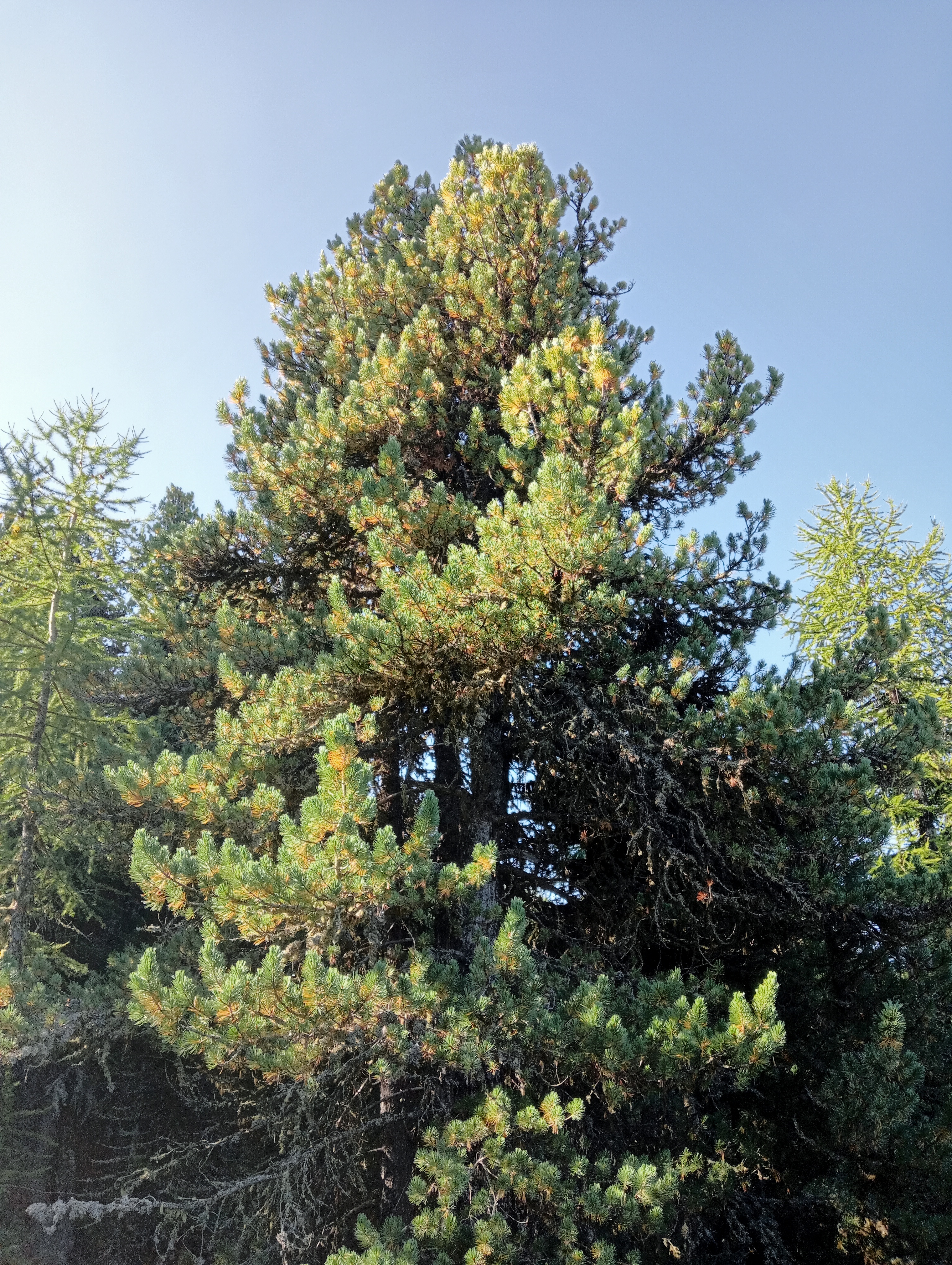
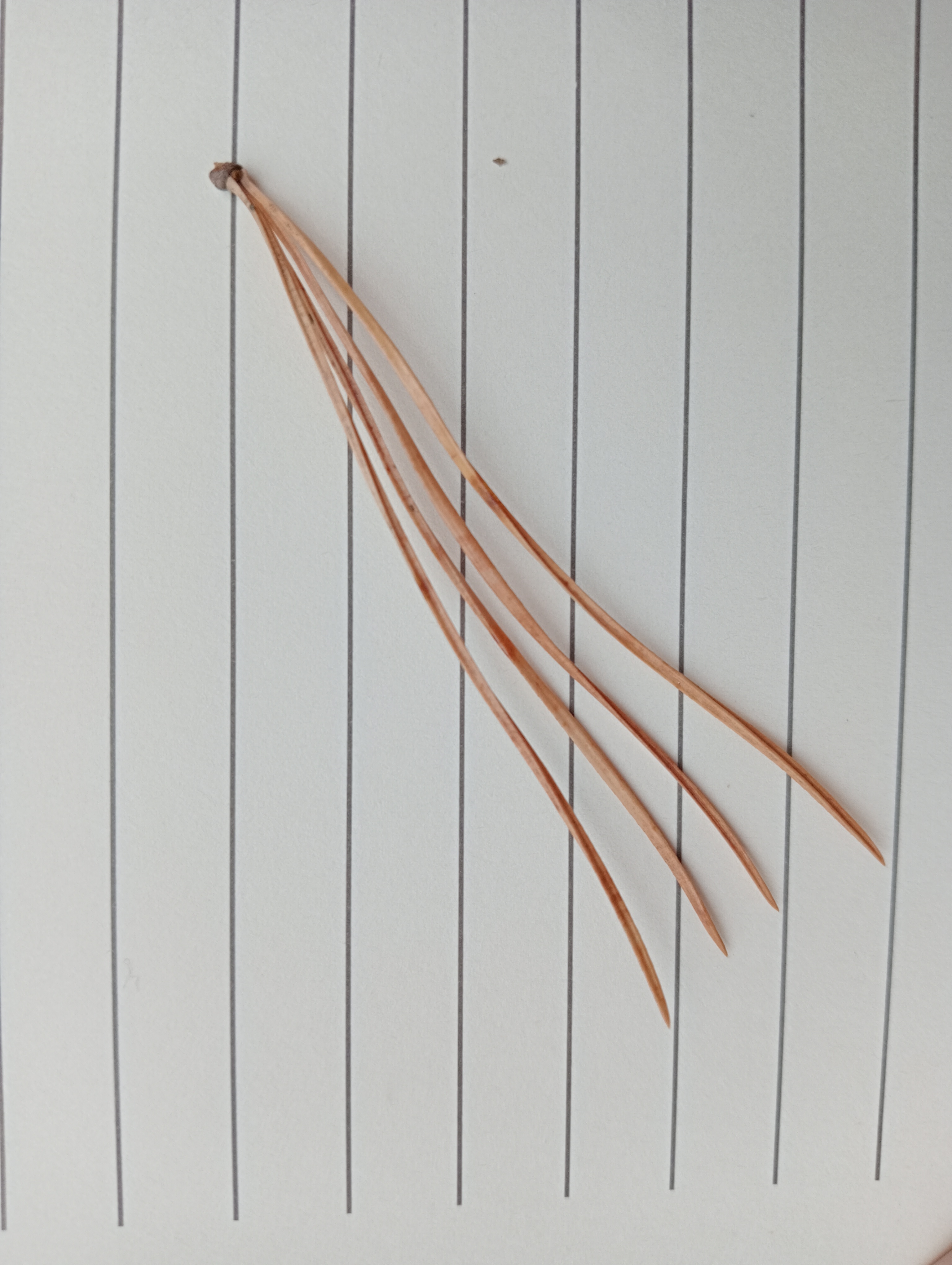
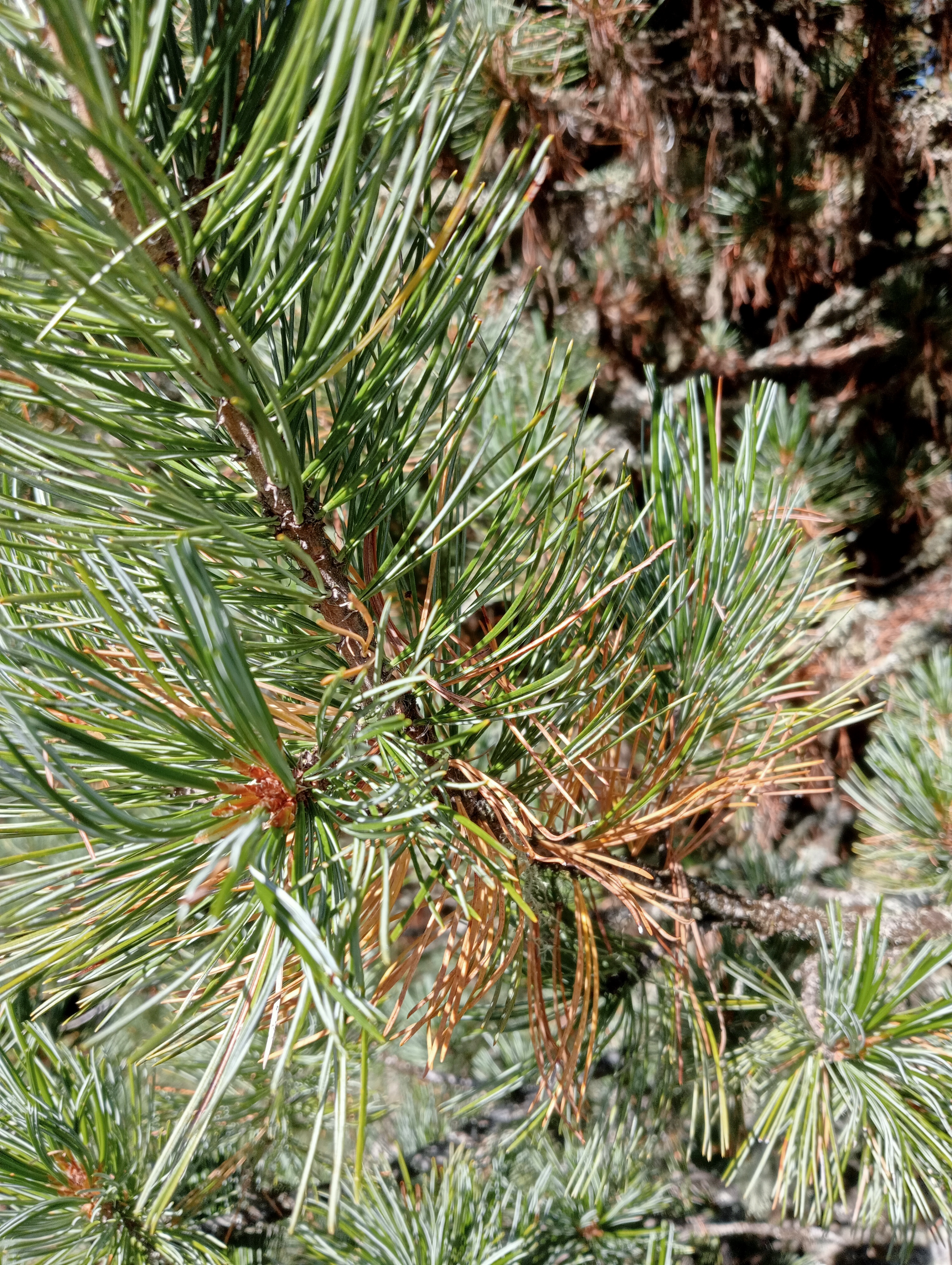
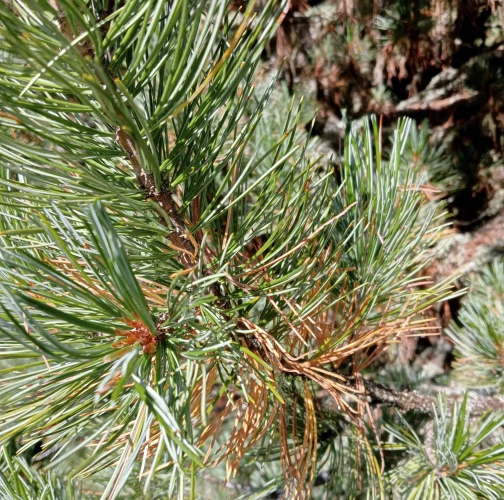
Dear Alessandra, Thank you for your inquiry. The tree in the picture appears to be a species of five-needle pine. Given the location, it may be Pinus cembra. Based on the photos provided, it is not entirely possible to determine the exact cause of the damage. The youngest needles appear to be mostly unaffected, while older needles are brown, which is a good sign. There are no visible symptoms of fungal pathogens on the needles, also a positive indicator. We assume this is likely a common response to unfavorable conditions, possibly due to recent weather patterns or summer conditions, combined with the natural shedding of older needles. Additionally, there appears to be an injury on the trunk with significant resin exudation, which could be contributing to the tree reduced vitality. However, this does not necessarily indicate a long-term decline, given the absence of pathogens, and the tree may still recover. With best regards M. Zubrik
Number of votes for this answer: 0

Pest

A - Ambiguously determined, we are not sure
A - Ambiguously determined, we are not sure

A - Ambiguously determined, we are not sure

A - Ambiguously determined, we are not sure

hmyz

Received: 31.10.2024
Wood: Pine
Number: 5240
Date of occurrence: 1.10.2024
Discussion

Add comment: A - Ambiguously determined, we are not sure

Buff-tip moth
Faléra lipováFaléra lipová
Buff-tip moth
Number: 5239
Received 30.10.2024
In progress: 0 days
Date of occurrence: 30.10.2024
Significance: Less harmful
Discussion
From: VilelaVet
Assigned: M. Zúbrik
Country: Portugal

Question

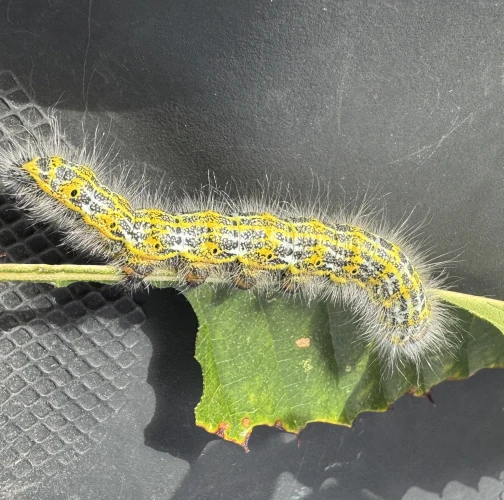
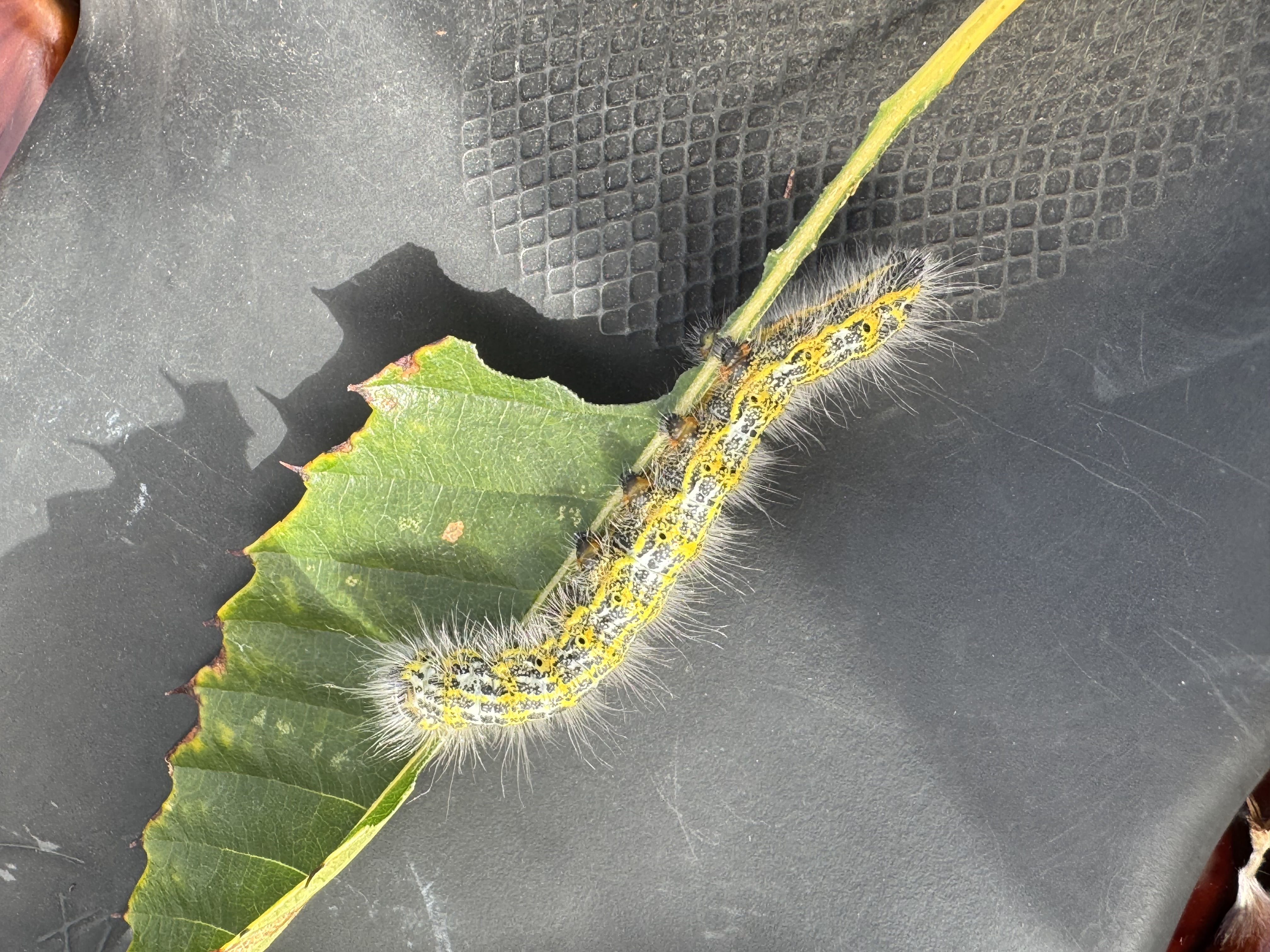
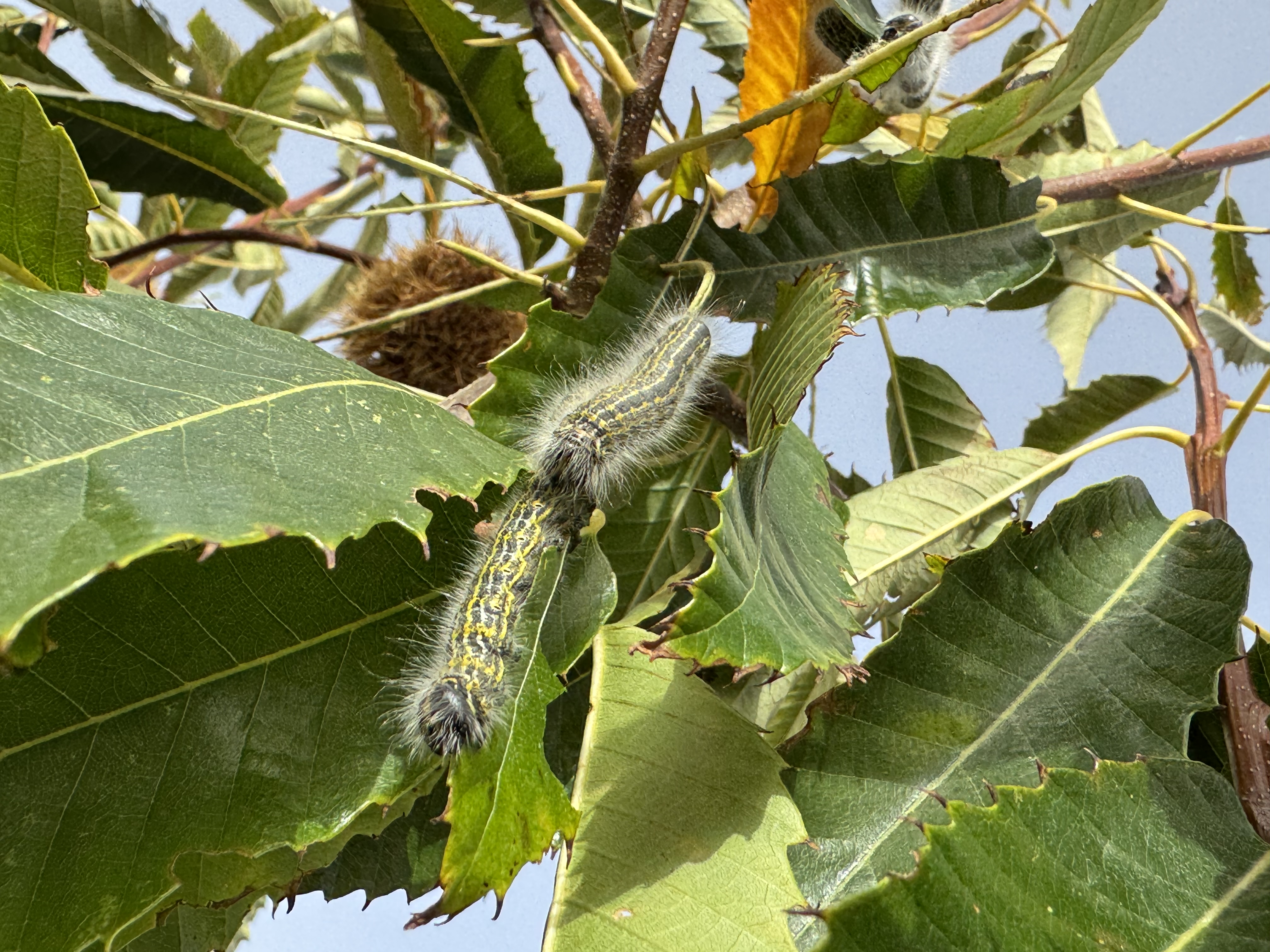
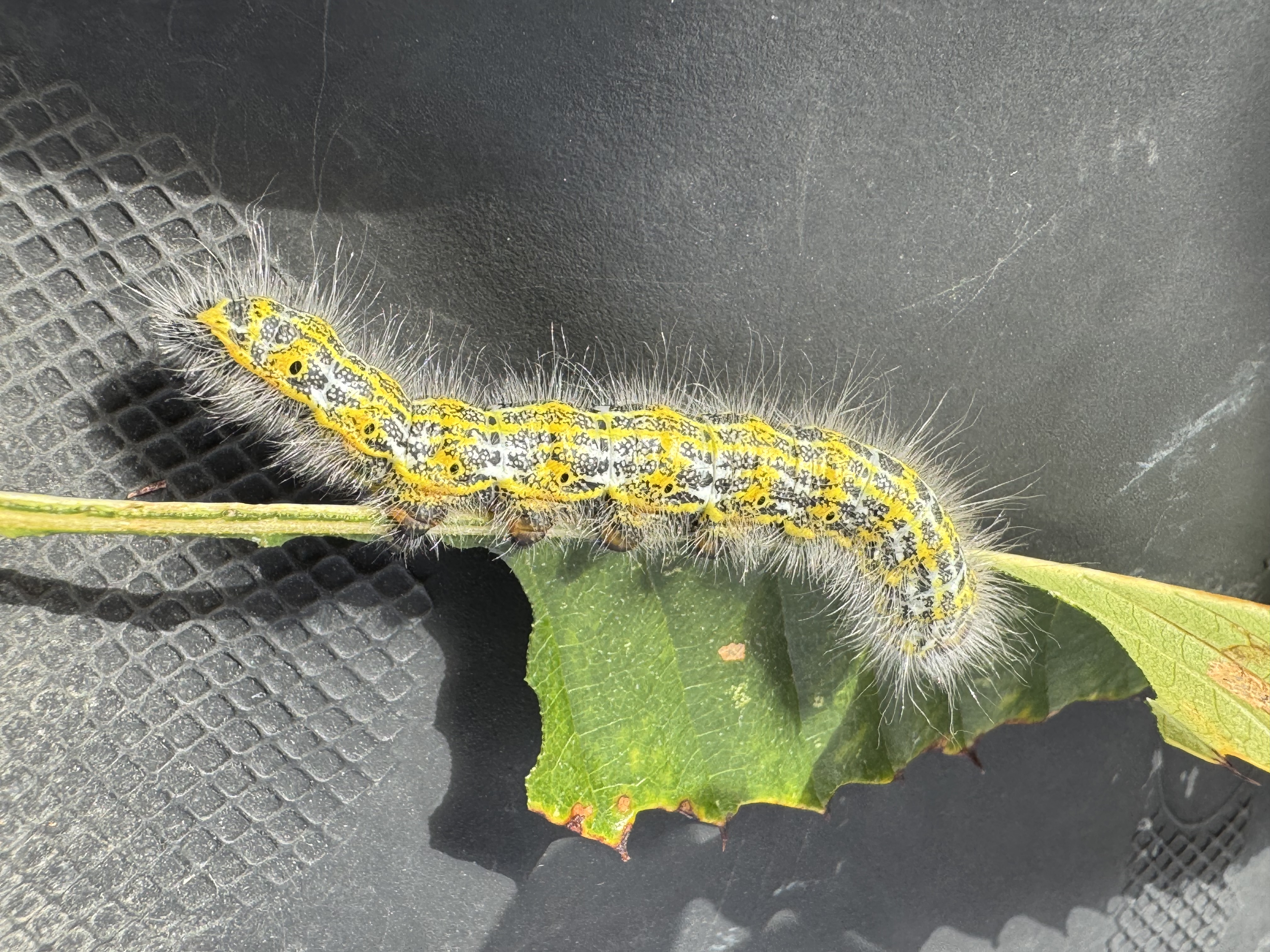
Pet that complentely defoliates chesnut tree leaves

Answer

Hi VilelaVet, thank you for the request. The caterpillars belong to the species Phalera bucephala – the Buff-tip moth. Phalera bucephala has large, hairy caterpillars. This species belongs to the family Notodontidae. Although Phalera bucephala primarily feeds on a range of broadleaf trees like oak, birch, willow, and hazel, it is a generalist and can feed on Castanea sativa (European Chestnut). The caterpillars can cause defoliation. With best regards, Milan Zubrik.
Number of votes for this answer: 0

Pest

Buff-tip moth

Phalera bucephala

Buff-tip moth

Phalera bucephala

hmyz

Received: 30.10.2024
Wood: Chestnut
Number: 5239
Date of occurrence: 30.10.2024
Discussion

Add comment: Buff-tip moth

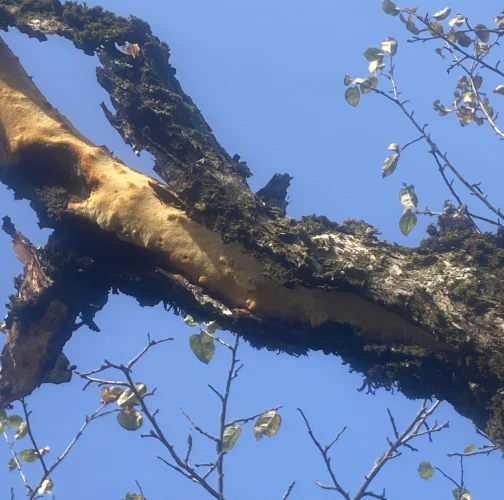
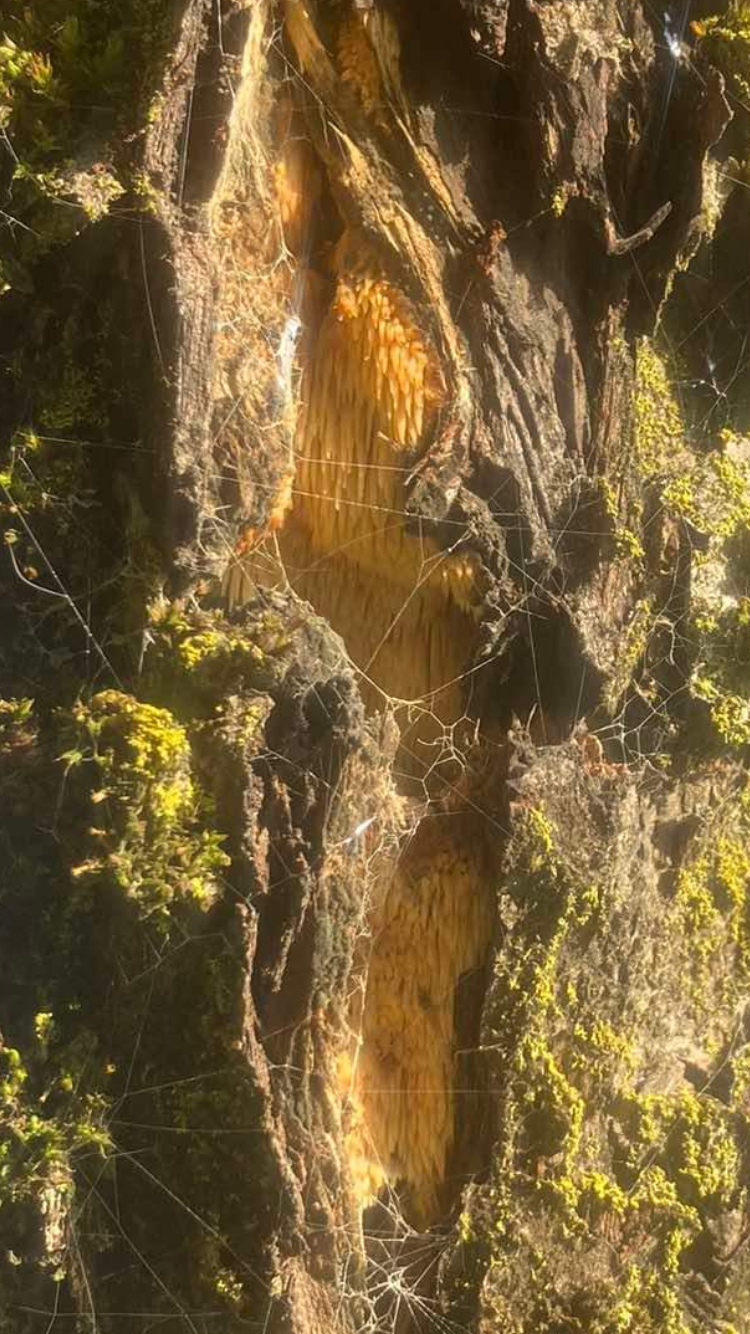
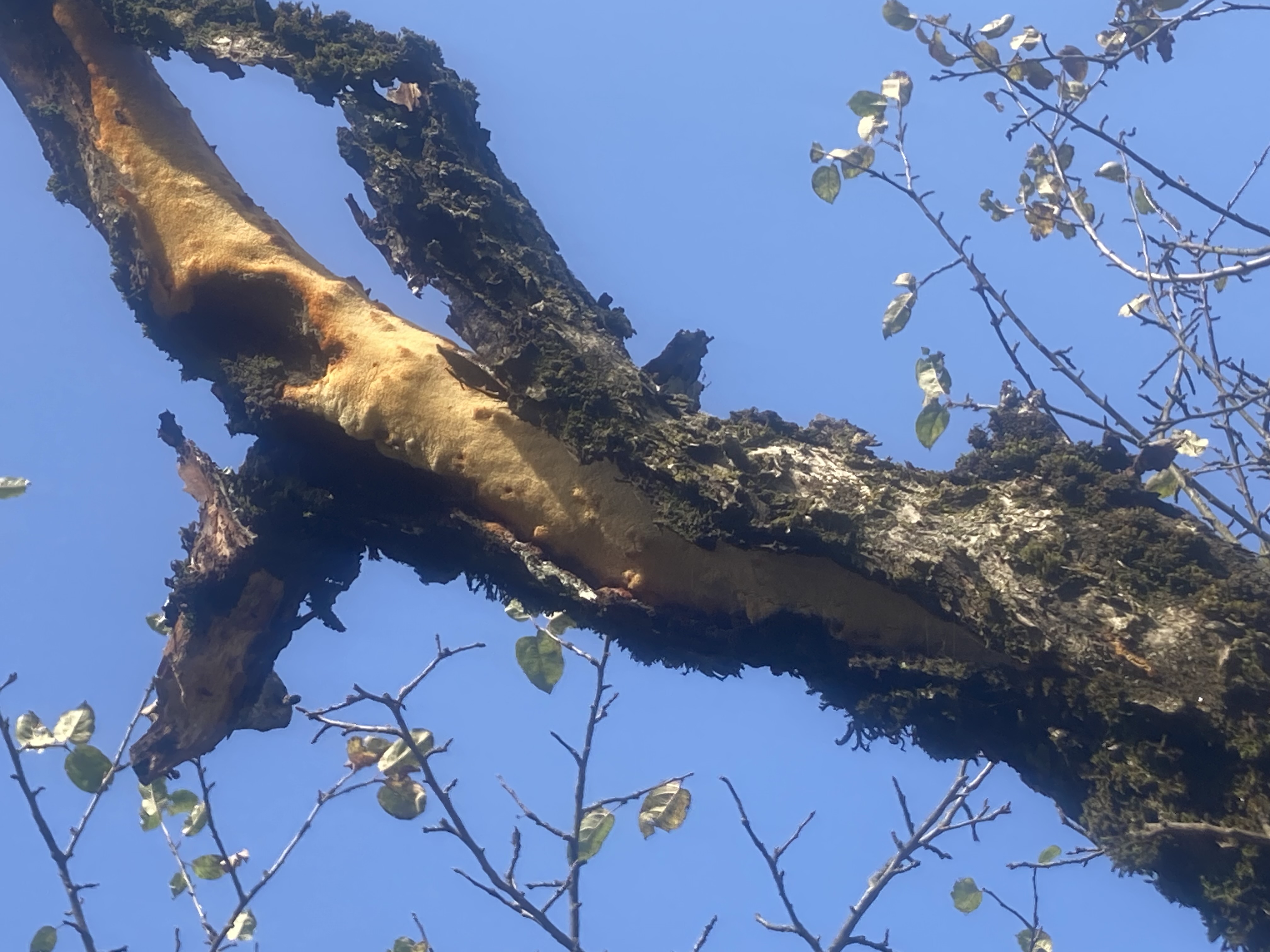
A - nejednoznačne určený, nie sme si istí
Number: 5238
Received 28.10.2024
In progress: 0 days
Date of occurrence: 27.10.2024
Significance:
Discussion
From: JK
Assigned: A. Kunca
Country: Slovenia

Question

Found growing under the bark on deadwood, old apple orchard. Two trees affected

Answer

Dear friend, I would say it might be Phellinus contiguus, but it could be something else too. Cheers. Andrej K. 
Number of votes for this answer: 0

Pest

A - nejednoznačne určený, nie sme si istí

A - nejednoznačne určený, nie sme si istí

hmyz

Received: 28.10.2024
Wood: Apple Tree
Number: 5238
Date of occurrence: 27.10.2024
Discussion

Add comment:

Back to top