Login | Registration | List of contributors

Requests to determine the cause of damage

Here you can request to determine the cause of the damage. You can view the requests of other users and sort them according to the selected criteria. In addition, you can get information about your request, and you can follow the progress of its current state. If your application was not approved, it had probably been because it was impossible to identify the damage based on the sent photos or because the application does not address our topic - determining the pests of trees and shrubs. We will inform you about the status of your application by email.

Filter reset

Code
Date
Assigned
Status
Days from submission
7199
17.11.2025
J. Galko
Completed
1
6578
24.7.2025
M. Zúbrik
Completed
4
6375
23.6.2025
J. Galko
Completed
1
5737
14.4.2025
S. Rell
Completed
2
5454
9.1.2025
J. Galko
Completed
1
5441
7.1.2025
J. Galko
Completed
1
4619
30.5.2024
M. Zúbrik
Completed
1
4616
30.5.2024
M. Zúbrik
Completed
1
3888
23.10.2023
M. Zúbrik
Completed
0
3846
18.10.2023
M. Zúbrik
Completed
0

Rejected requests are not displayed. You have been notified by email that your application has been denied.
 

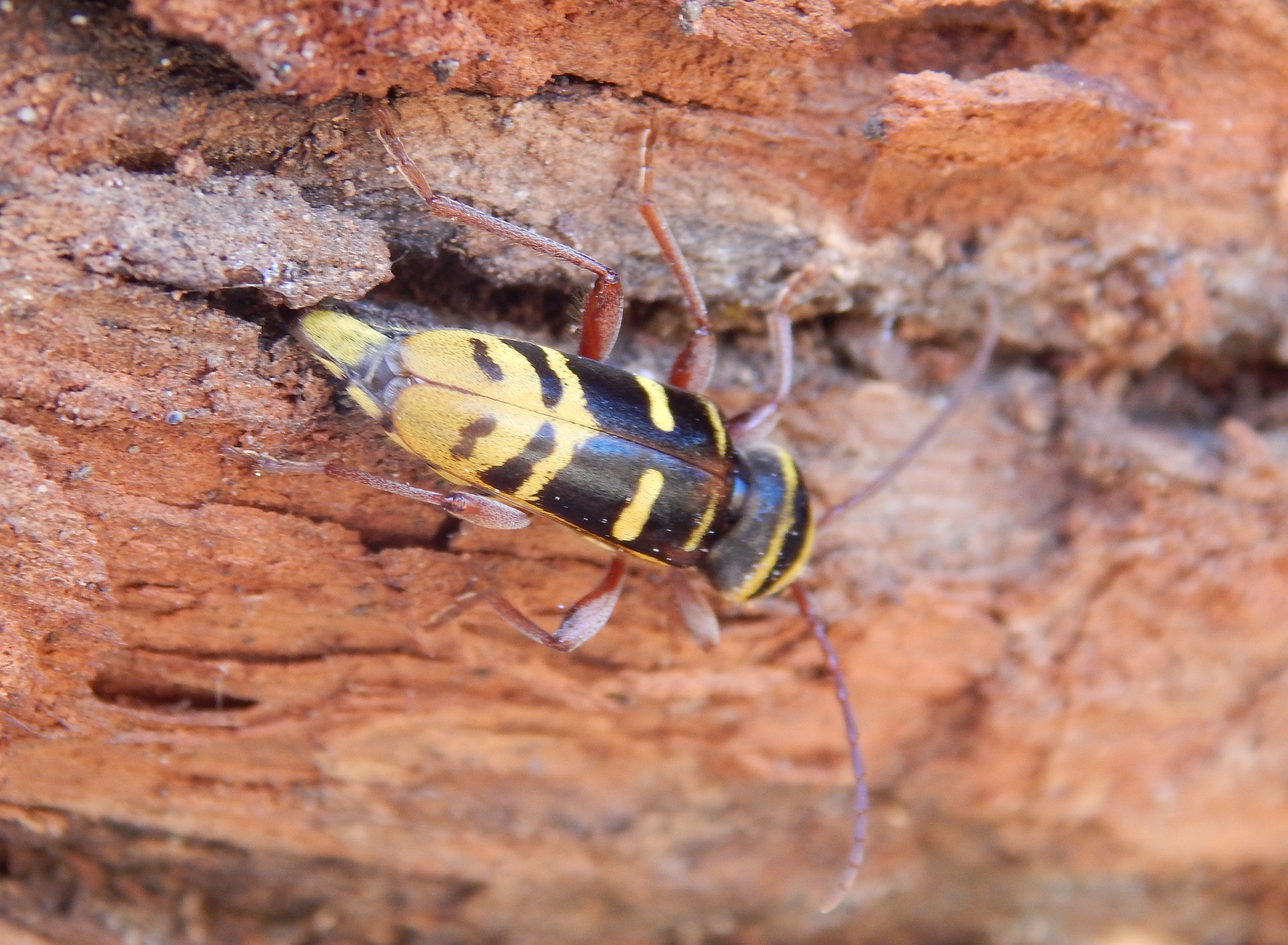
Long-horned beetle Plagionotus arcuatus
Fuzáč dubovýFuzáč dubovýFuzáč dubový
Long-horned beetle Plagionotus arcuatus
Number: 7199
Received 17.11.2025
In progress: 1 days
Date of occurrence: 16.11.2025
Significance: Very harmful
Discussion
From: Karlo
Assigned: J. Galko
Country: Croatia

Question

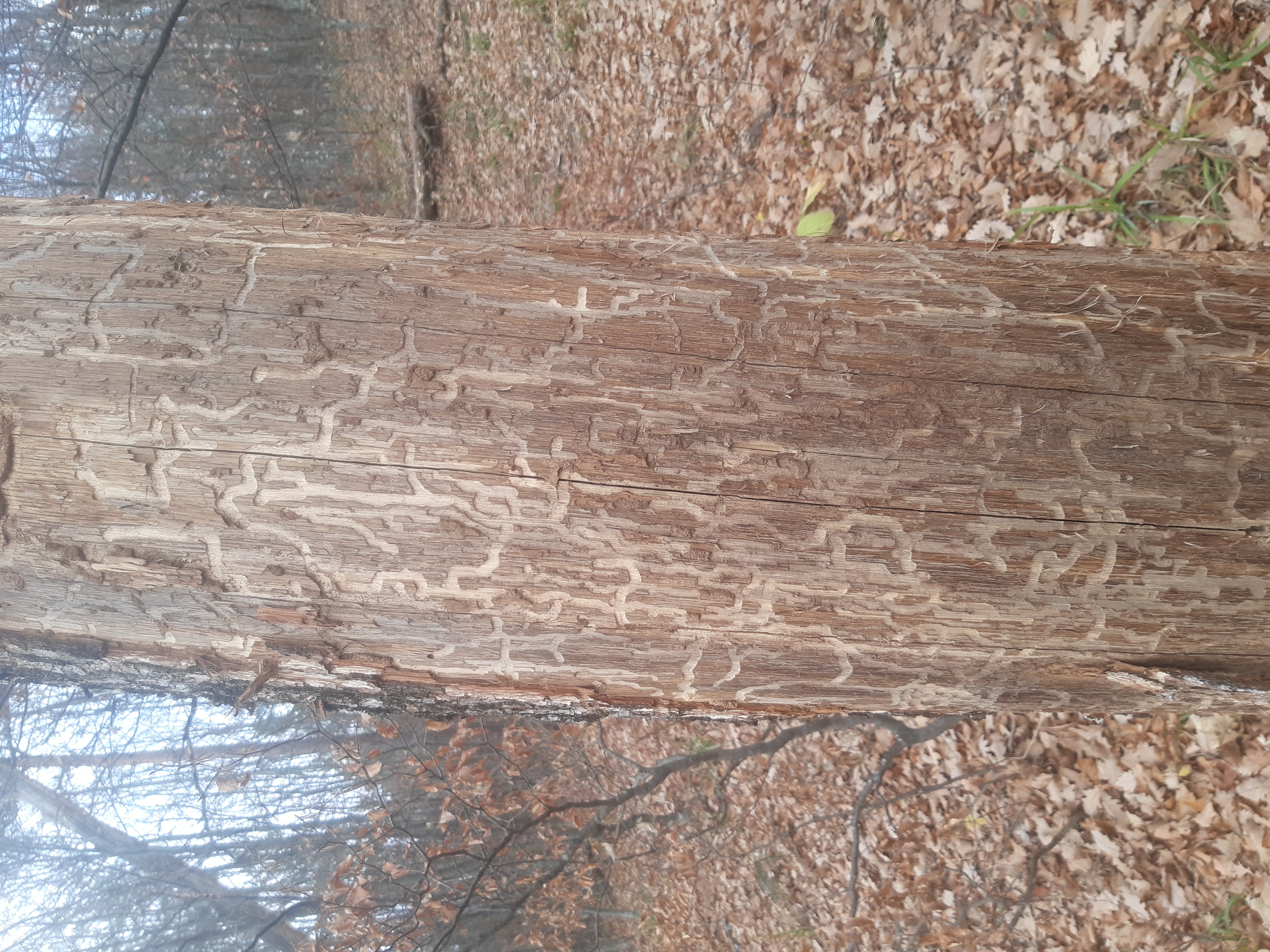
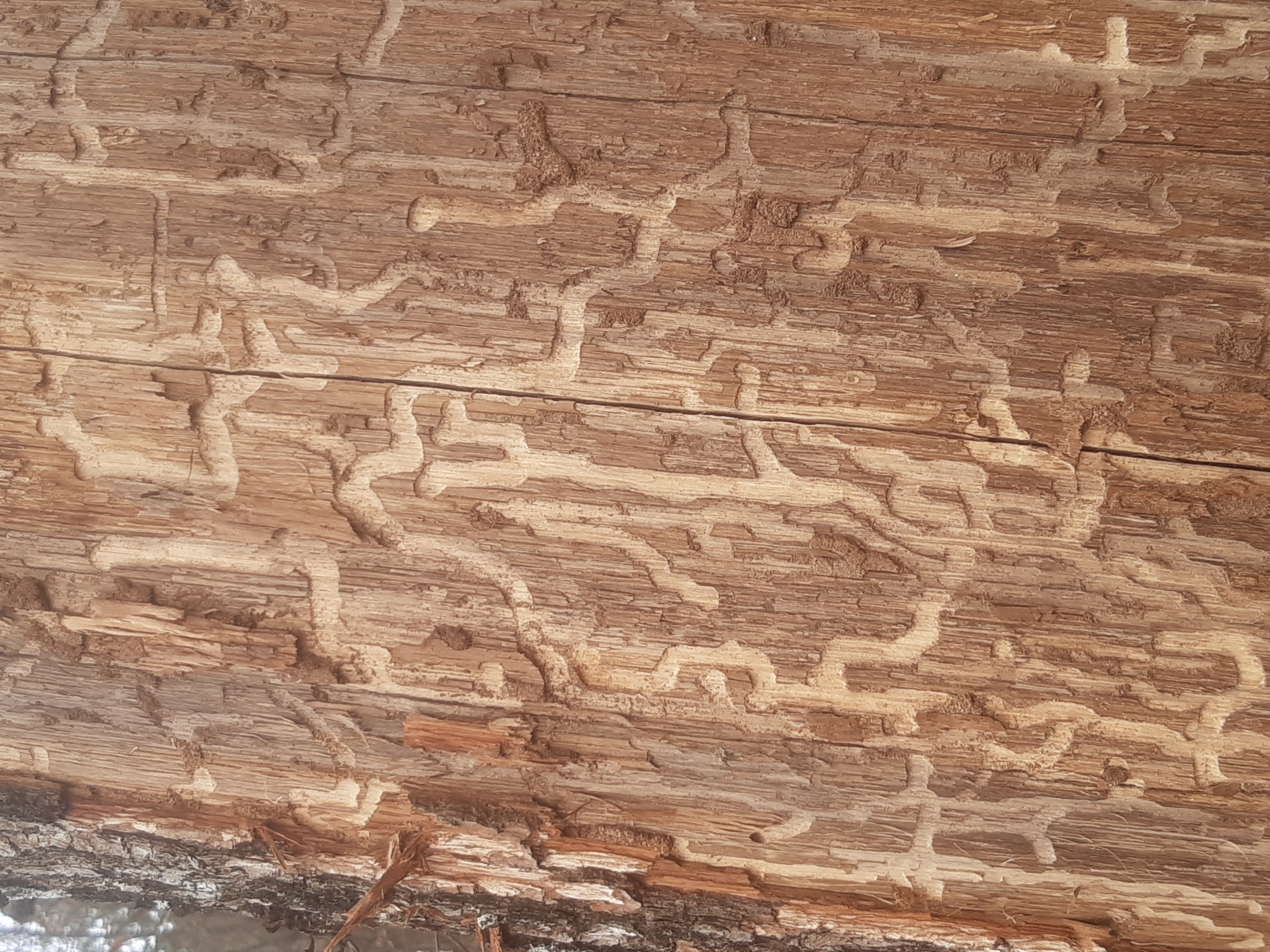
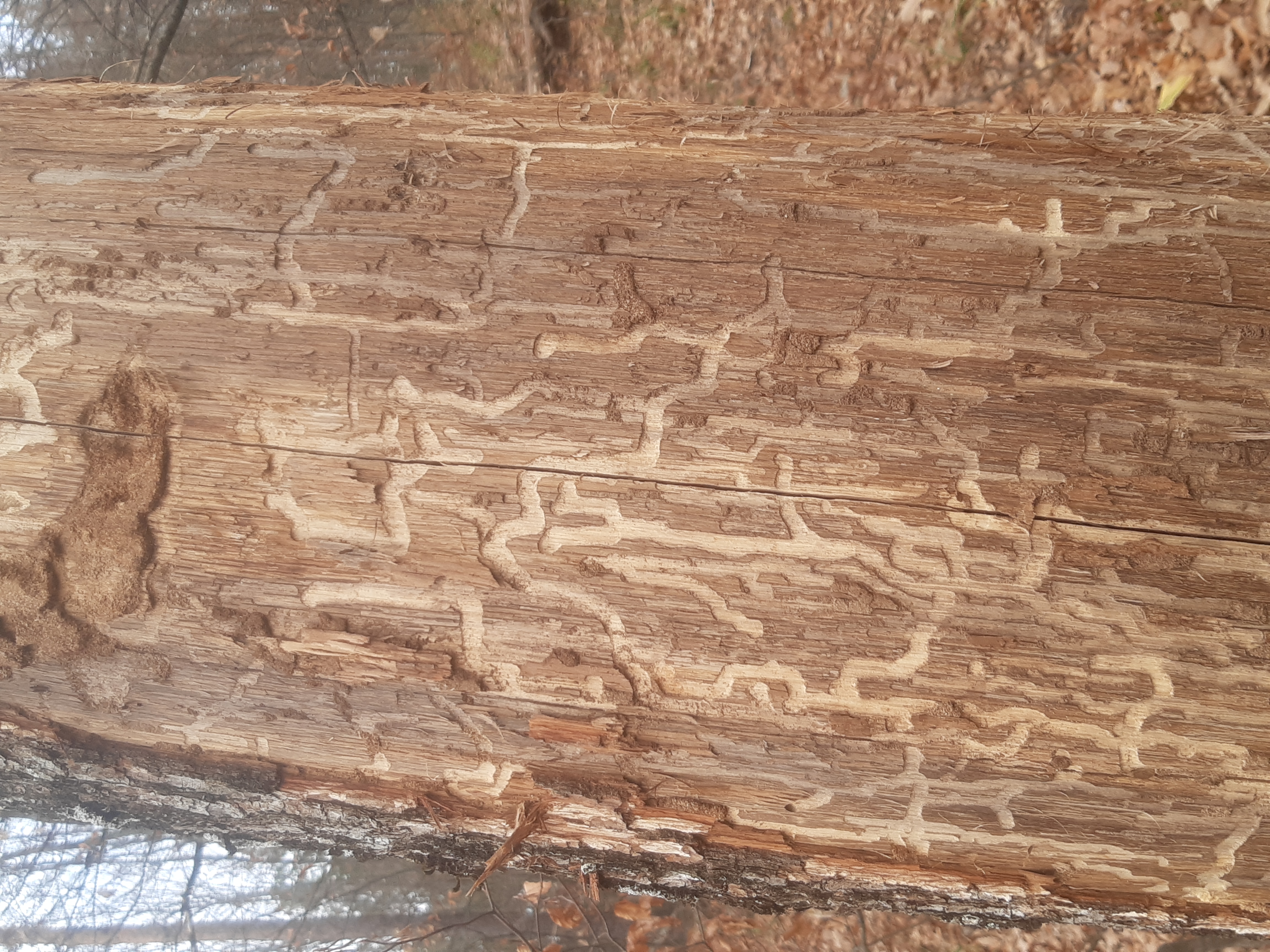
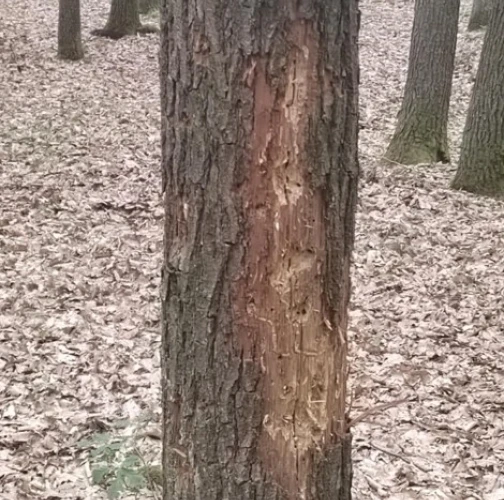
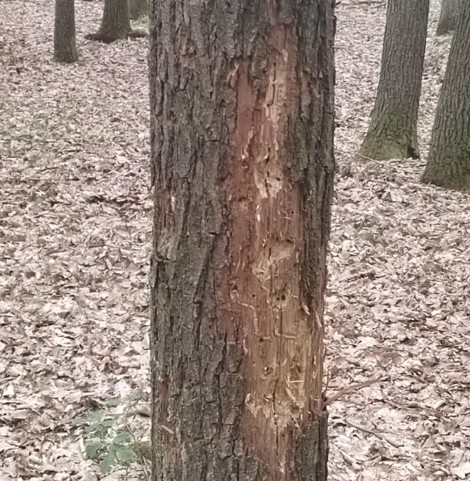
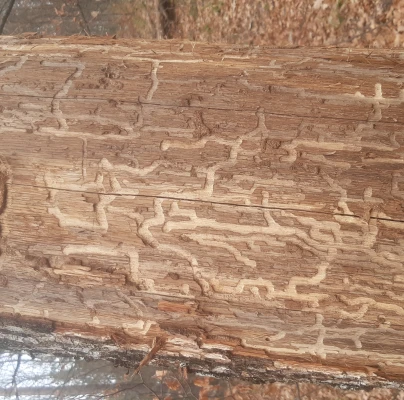
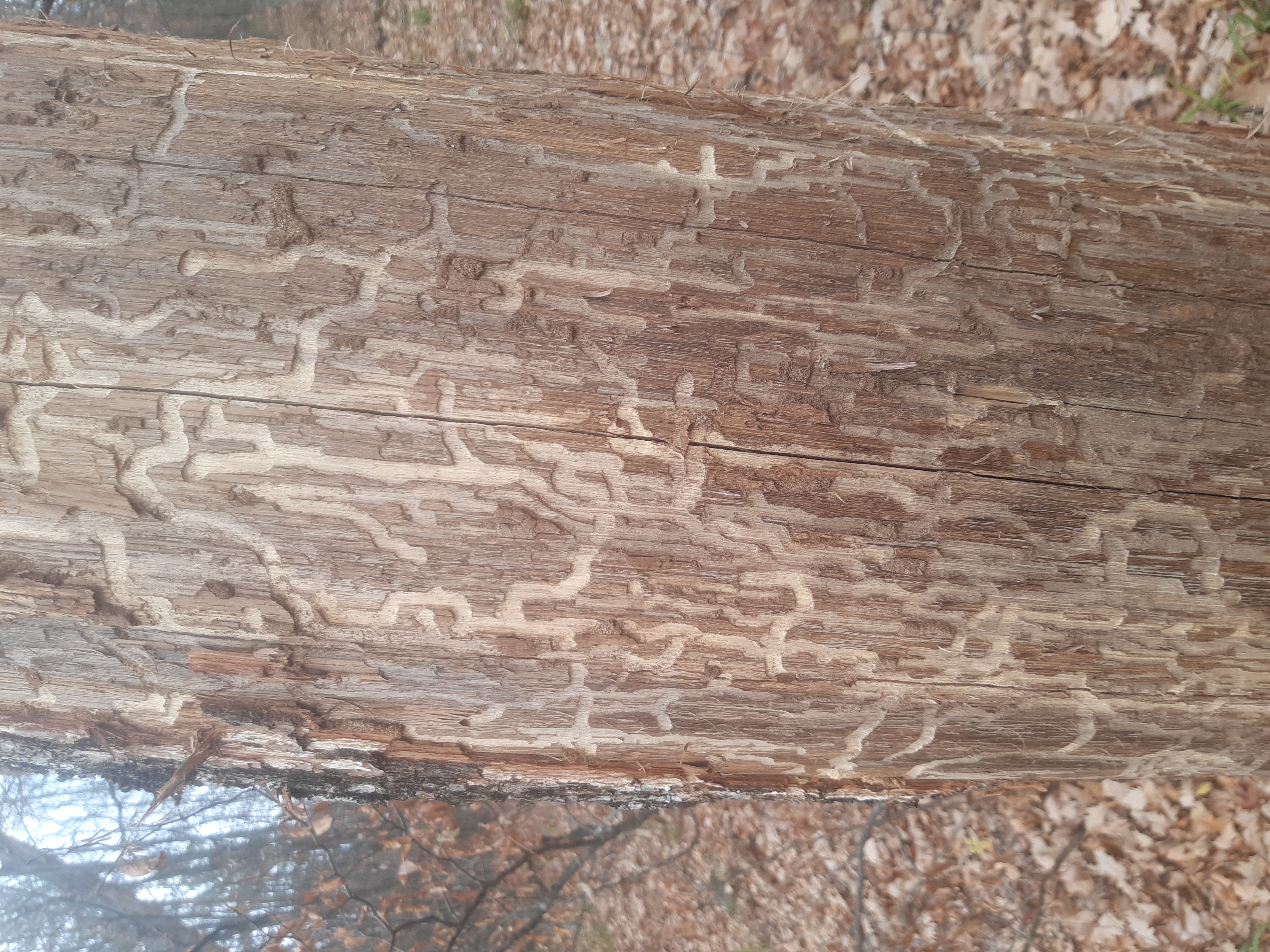
I suspect that the damage was caused by beetles in the order Coleoptera, most likely from the families Cerambycidae or Buprestidae. The affected material was found on sessile oak (Quercus petraea), and the tree was already dead.

Answer

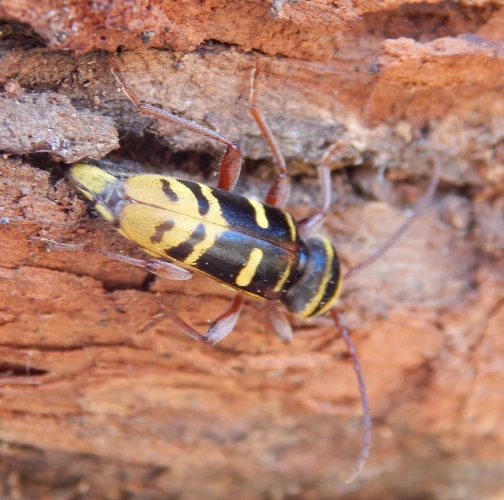
Dear Karlo. The gallery belongs to Cerambycidae family and it is most probably the genus Plagionotus. On oaks there develops many Cerambycid species so it is hard to say witch one is it without imago picture. All the best, Juraj.
Number of votes for this answer: 0

Pest

Long-horned beetle Plagionotus arcuatus

Plagionotus arcuatus

Long-horned beetle Plagionotus arcuatus
Plagionotus arcuatus

hmyz

Received: 17.11.2025
Wood: Oak
Number: 7199
Date of occurrence: 16.11.2025
Discussion

Add comment: Long-horned beetle Plagionotus arcuatus
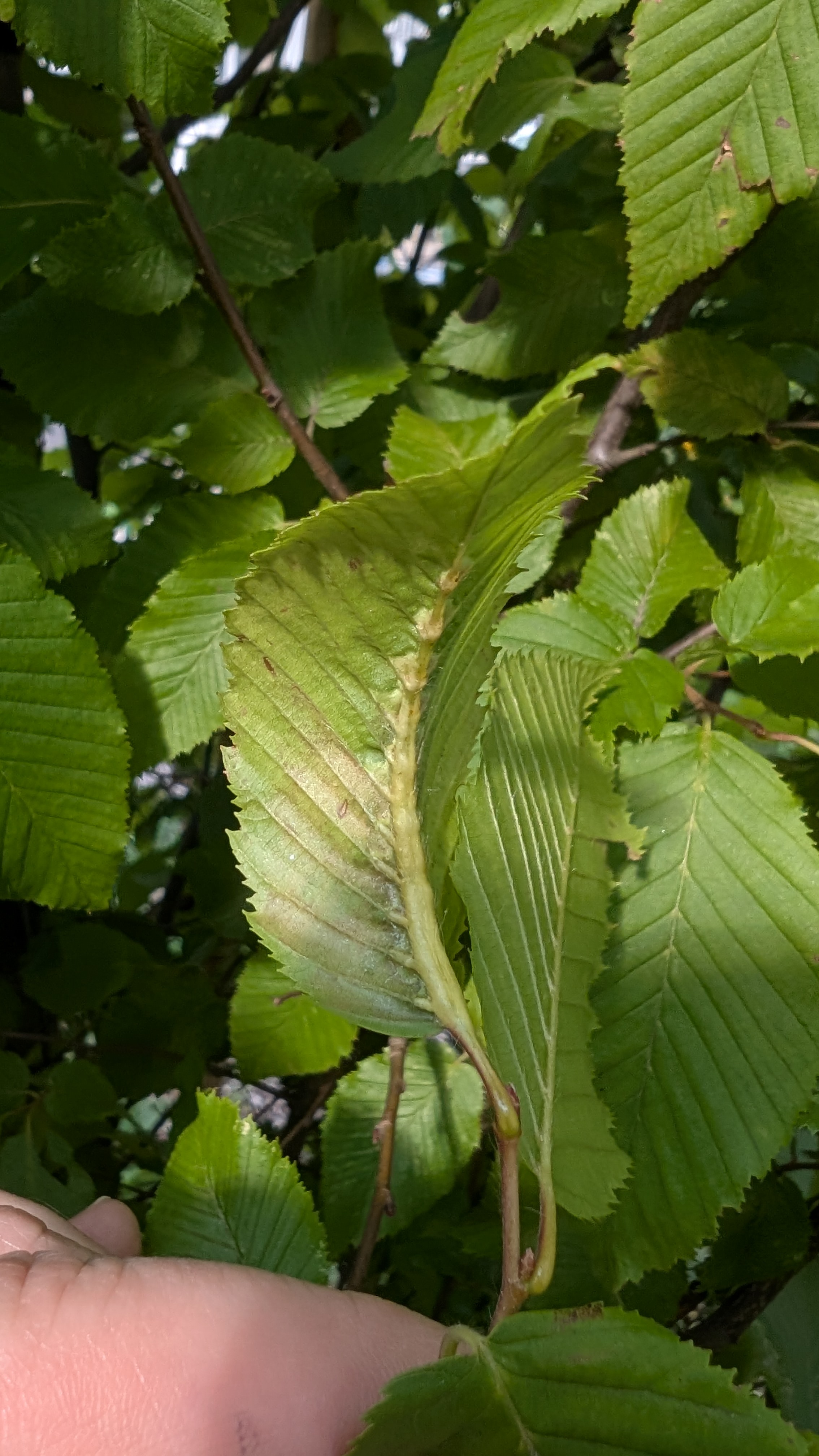
Gall midge Zygiobia carpini
Plodomorka Zygiobia carpiniPlodomorka Zygiobia carpini
Gall midge Zygiobia carpini
Number: 6578
Received 24.7.2025
In progress: 4 days
Date of occurrence: 23.7.2025
Significance: Less harmful
Discussion
From: Piotr
Assigned: M. Zúbrik
Country: Poland

Question

Answer

Thank you for your question. The damage is caused by Zygiobia carpini, a gall midge that forms elongated galls on hornbeam leaves. It affects the appearance but usually does not seriously harm the tree.Best regards, Milan Zúbrik
Number of votes for this answer: 0

Pest

Gall midge Zygiobia carpini

Zygiobia carpini

Gall midge Zygiobia carpini

Zygiobia carpini

hmyz

Received: 24.7.2025
Wood: Hornbeam
Number: 6578
Date of occurrence: 23.7.2025
Discussion

Add comment: Gall midge Zygiobia carpini

Long-horned beetle Plagionotus arcuatus
Number: 6375
Received 23.6.2025
In progress: 1 days
Date of occurrence: 19.6.2025
Significance: Very harmful
Discussion
Assigned: J. Galko
Country: Slovakia

Question

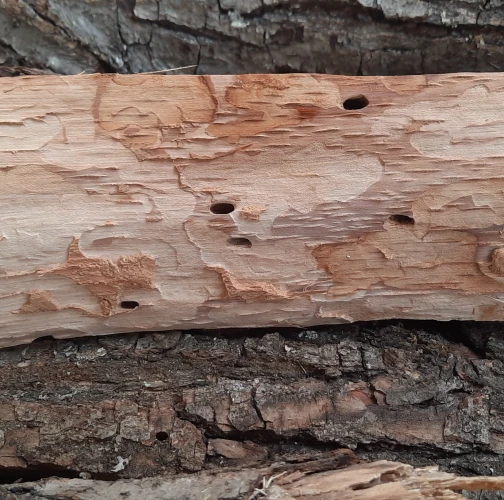
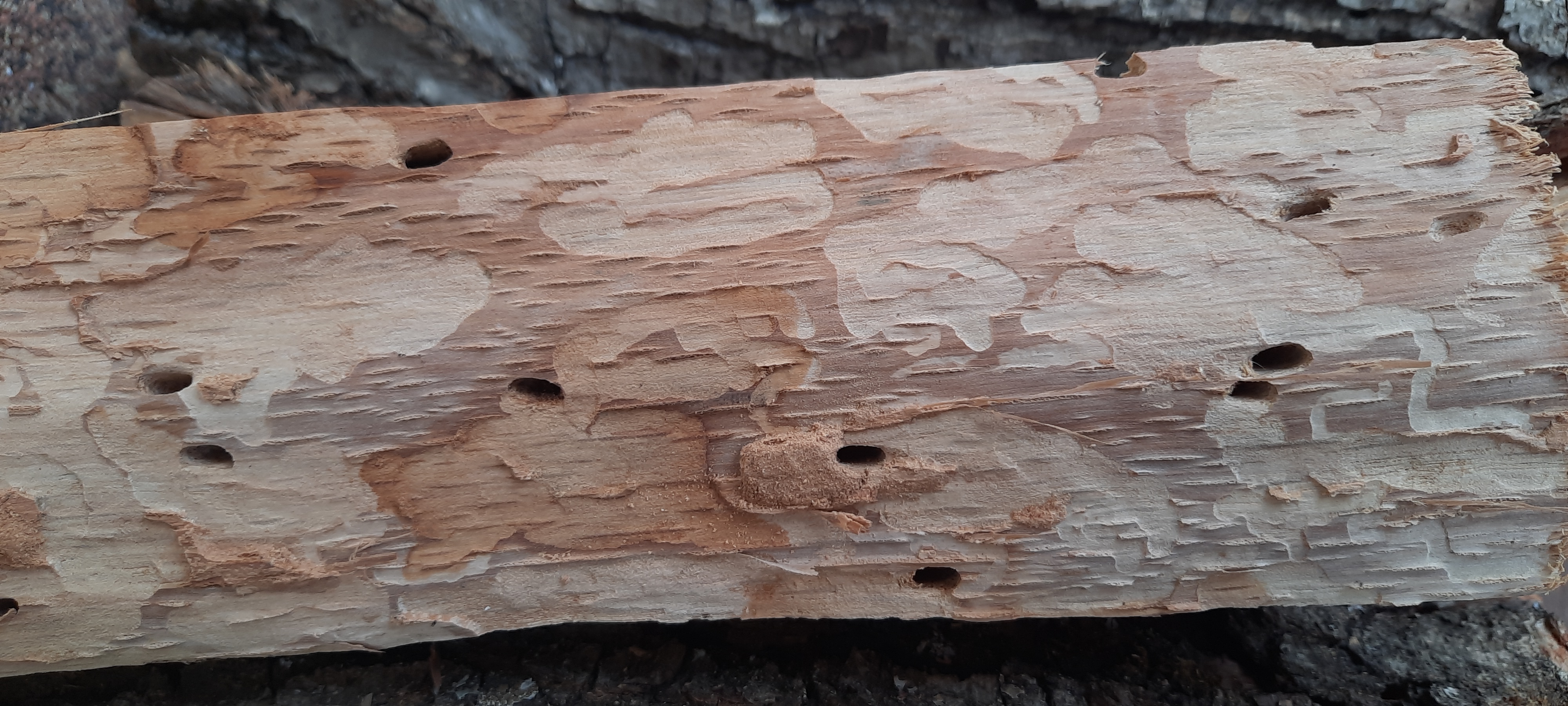
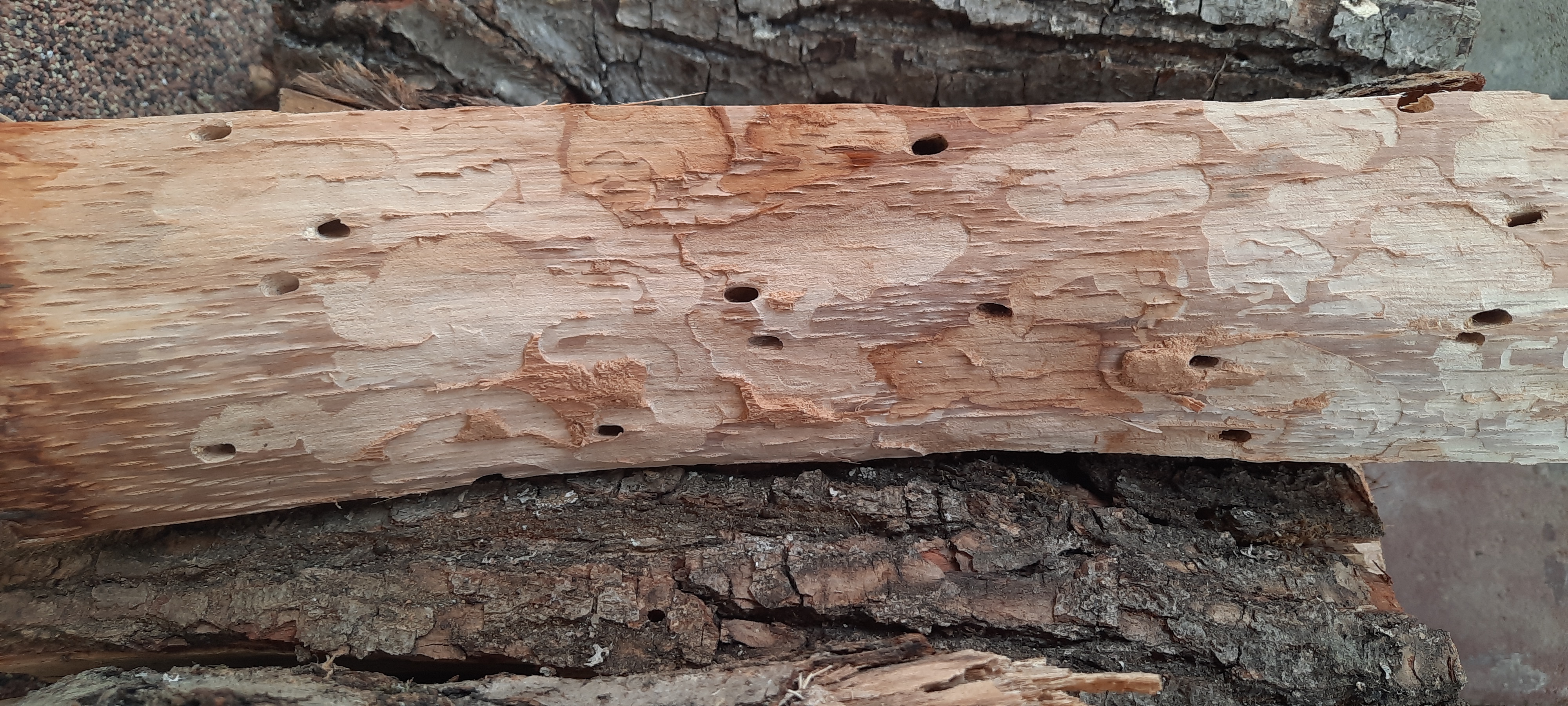
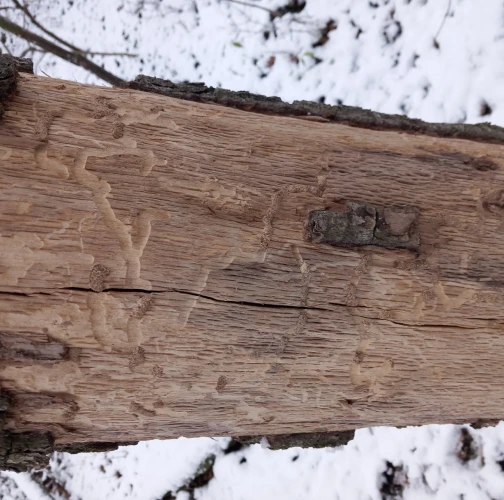
• Latinský názov: Plagionotus arcuatus • Slovenský názov: Fuzáč dubový • Druh poškodenej dreviny: dub letný- Quercus robur • Miesto poškodenia: Kmeň • Kategória škodcov: Hmyz • Názov lokalita: Piesky • Makroznaky: Svetložltá larva, dlhá približne 20 – 22 mm, vyhrýza chodbičky najskôr v lyku a neskôr aj v dreve pod kôrou. Chodbičky sú silno vyplnené jemnými drvinkami. Dospelý jedinec opúšťa kmeň cez oválny výletový otvor s rozmermi približne 3 × 6 mm.

Answer

Dobrý deň. Áno kmeň je poškodený od lariev fuzáča. Okrem P. arcuatus, to môže byť aj P. detritus, prípadne iný druh fuzáča. Taktiež sú na fotke znaky otesania ďatľami, ktorí vyberali larvy alebo kukly týchto druhov. S pozdravom JG
Number of votes for this answer: 0

Pest

Long-horned beetle Plagionotus arcuatus
Plagionotus arcuatus

Long-horned beetle Plagionotus arcuatus
Plagionotus arcuatus

hmyz

Received: 23.6.2025
Wood: Dub
Number: 6375
Date of occurrence: 19.6.2025
Discussion

Add comment: Long-horned beetle Plagionotus arcuatus
Long-horned beetle Plagionotus arcuatus
Fuzáč dubový
Long-horned beetle Plagionotus arcuatus
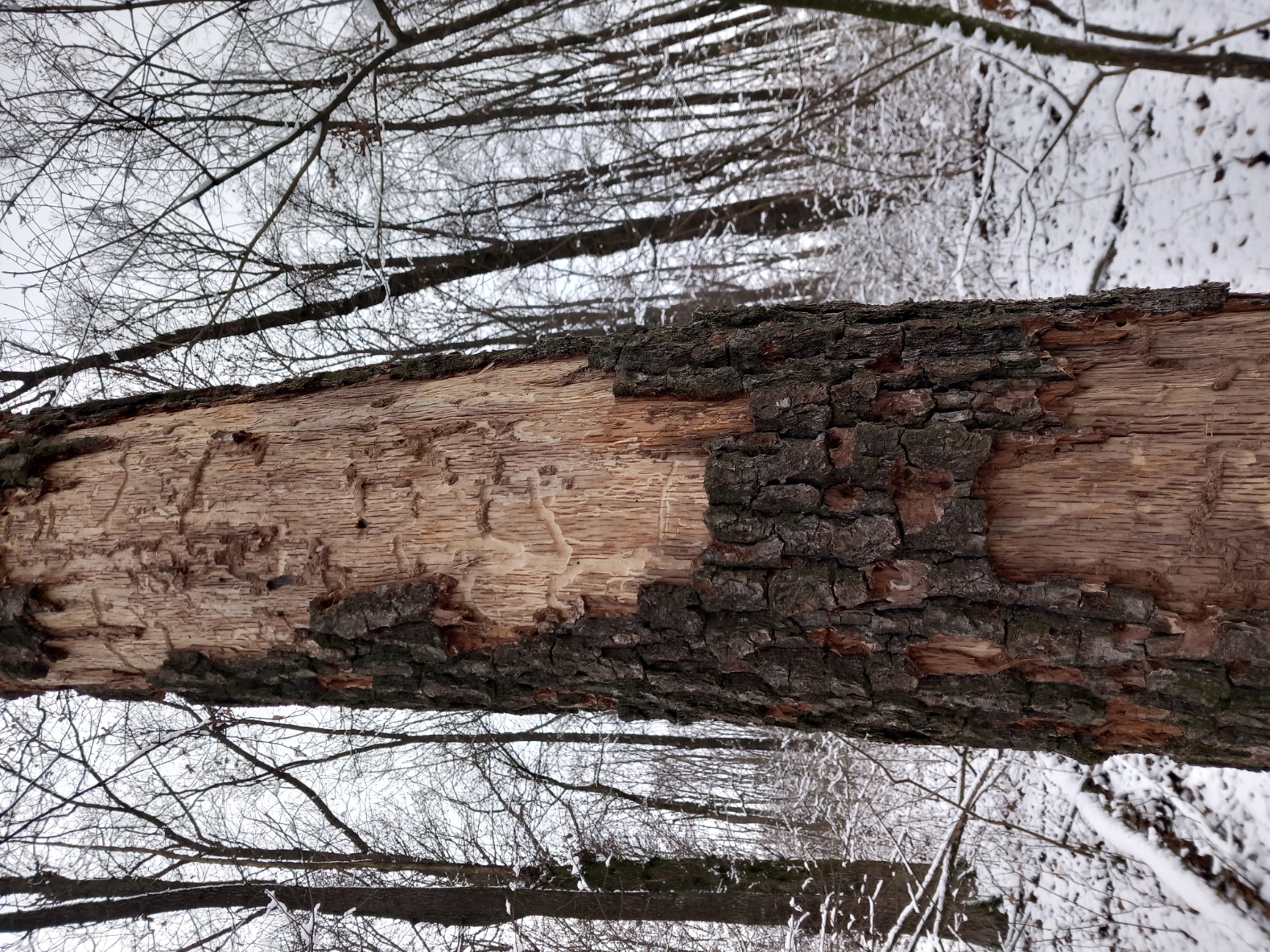
Number: 5737
Received 14.4.2025
In progress: 2 days
Date of occurrence: 14.4.2025
Significance: Very harmful
Discussion
Assigned: S. Rell
Country: Slovakia

Question

Answer

Dobrý deň, S najvyššou pravdepodobnosťou sa jedná o požerky fuzáča dubového Plagionotus arcuatus.   S pozdravom Slavomír Rell
Number of votes for this answer: 0

Pest

Long-horned beetle Plagionotus arcuatus
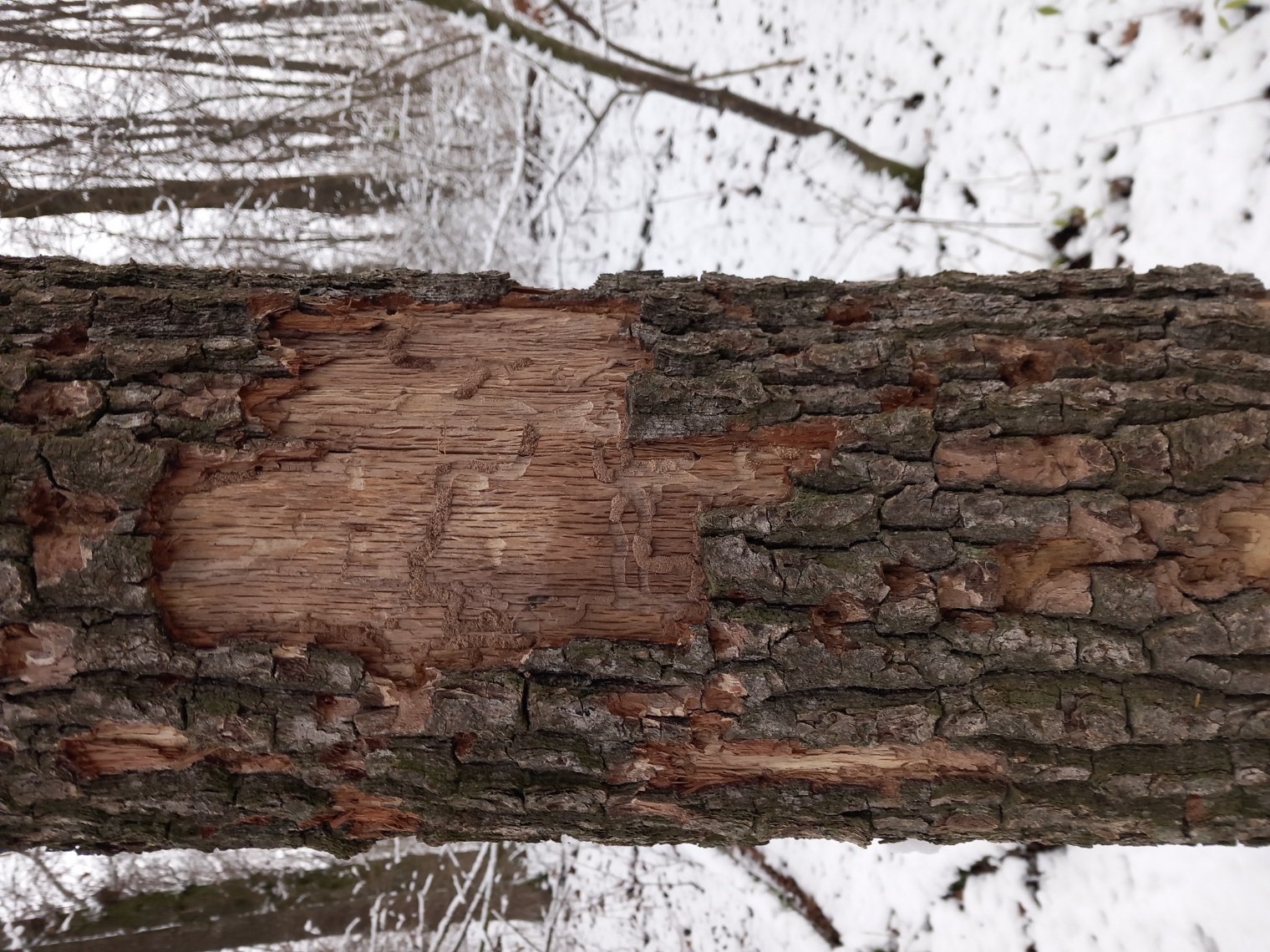
Plagionotus arcuatus

Long-horned beetle Plagionotus arcuatus
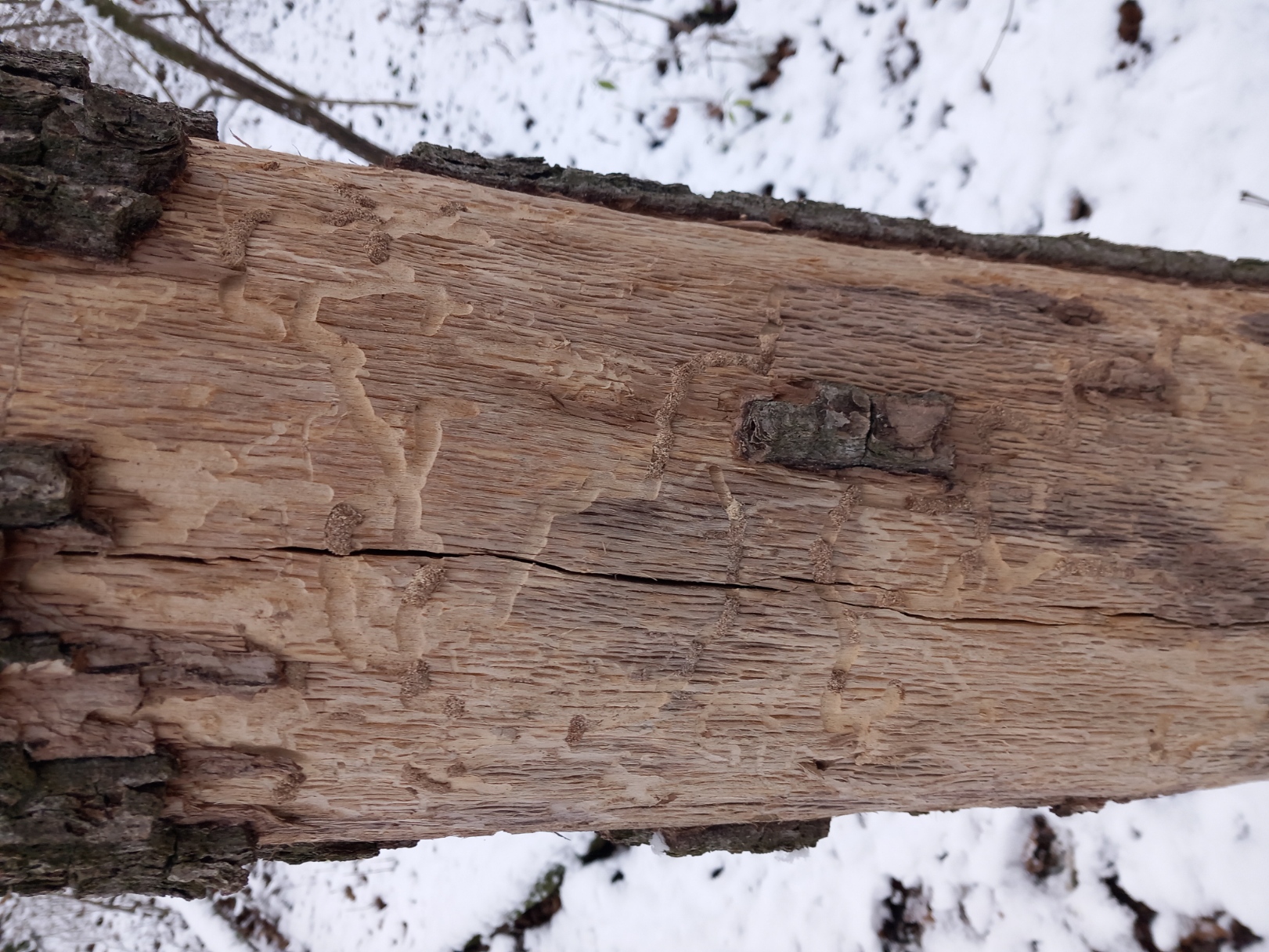
Plagionotus arcuatus

hmyz

Received: 14.4.2025
Wood: Dub
Number: 5737
Date of occurrence: 14.4.2025
Discussion

Add comment: Long-horned beetle Plagionotus arcuatus
Long-horned beetle Plagionotus arcuatus
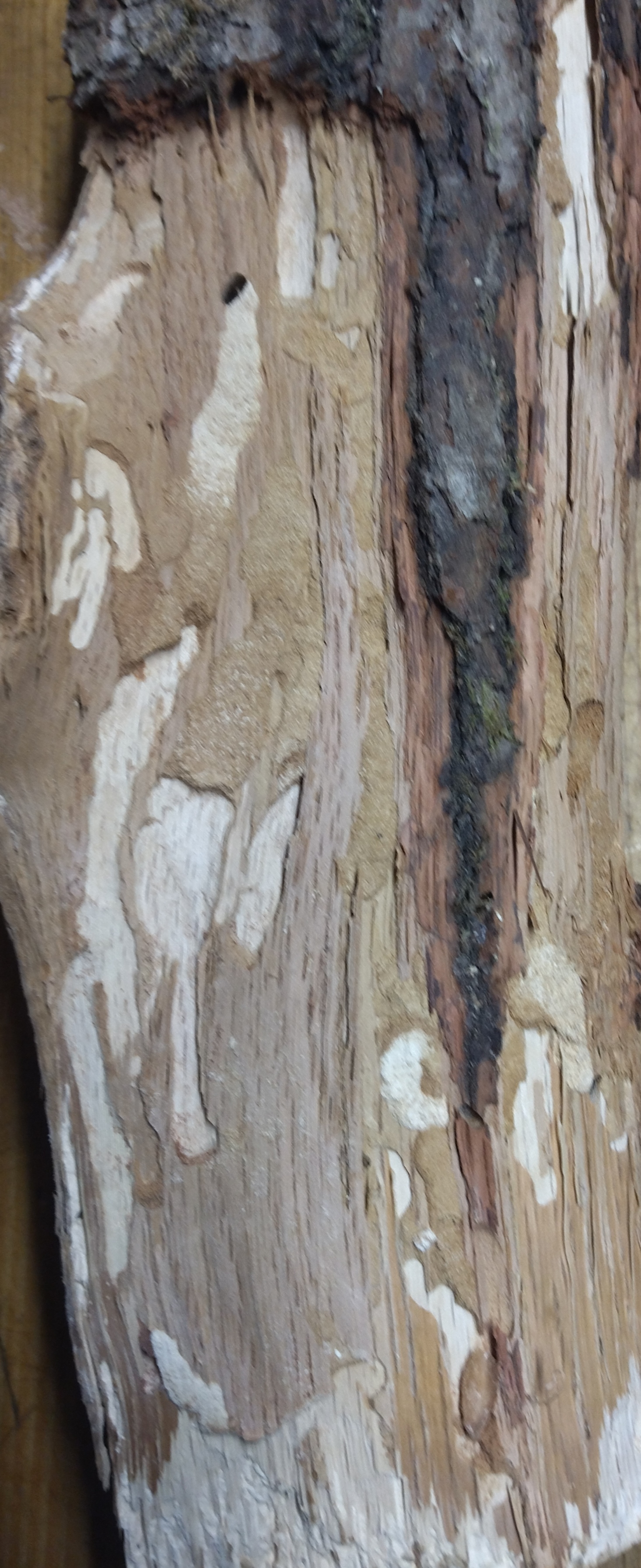
Fuzáč dubovýFuzáč dubový
Long-horned beetle Plagionotus arcuatus
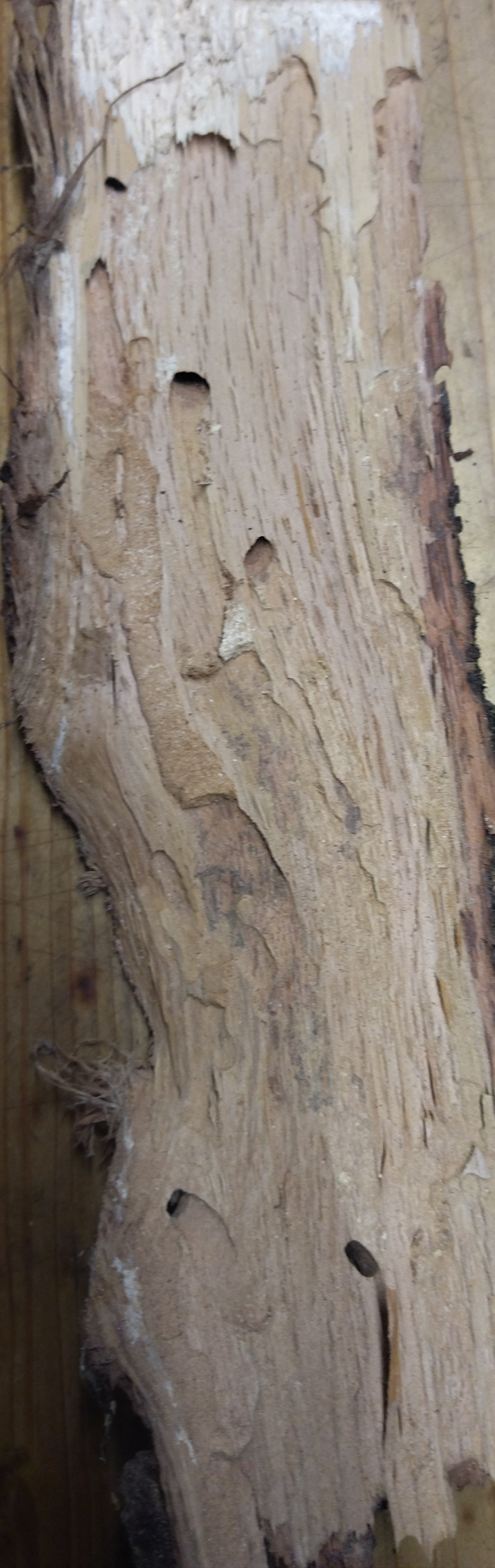
Number: 5454
Received 9.1.2025
In progress: 1 days
Date of occurrence: 11.12.2024
Significance: Very harmful
Discussion
Assigned: J. Galko
Country: Slovakia

Question

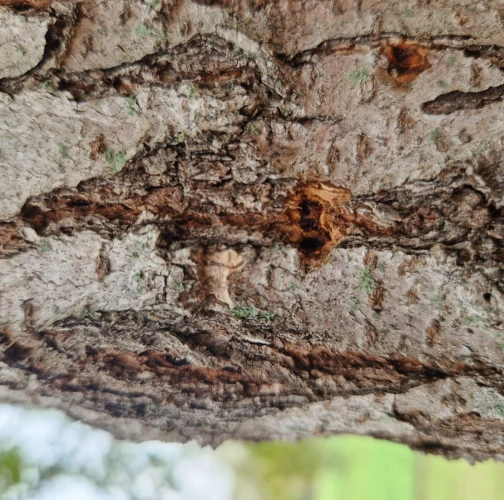
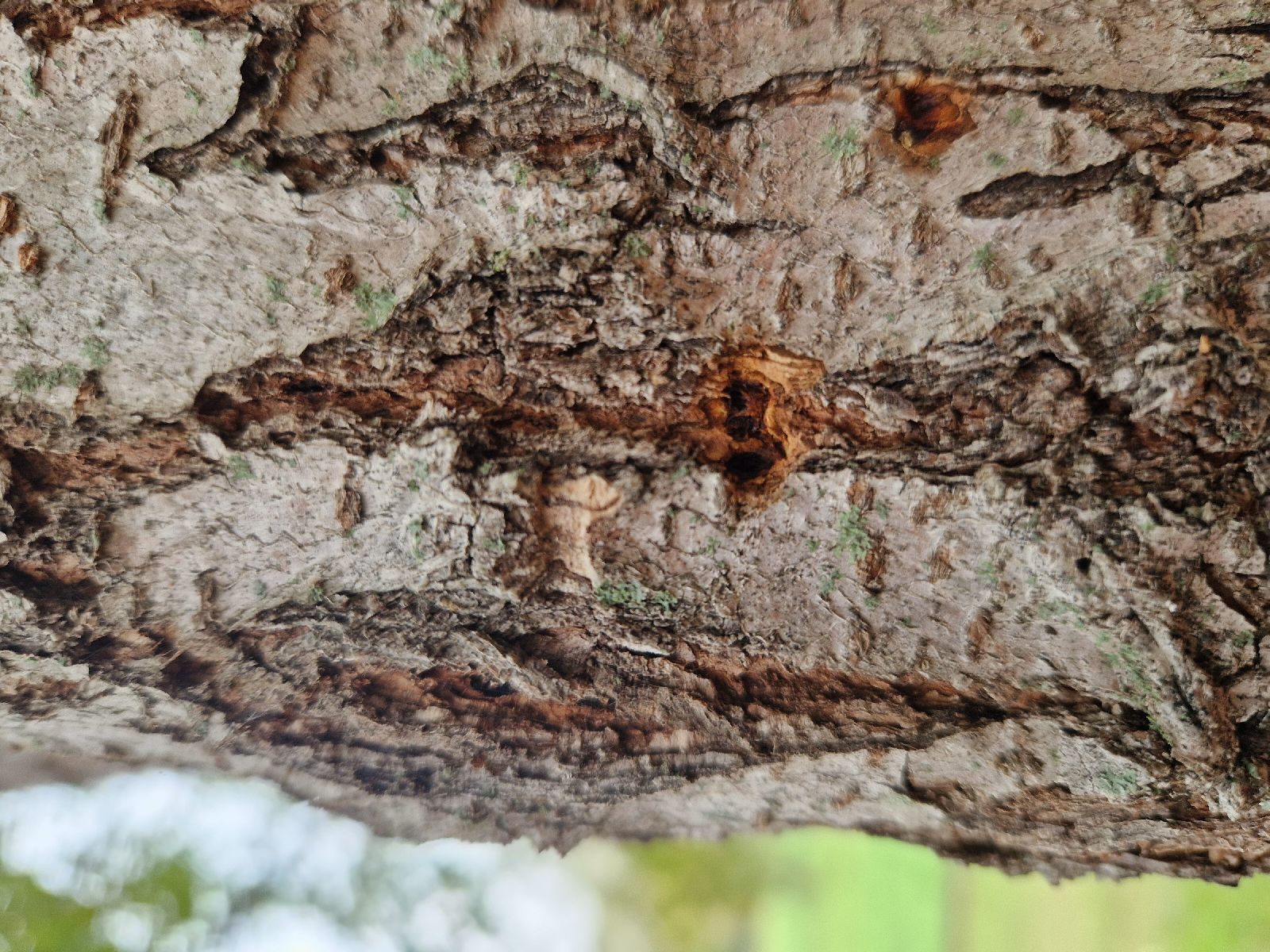
predpokladám, že ide o Plagionotus arcuatus

Answer

Dobrý deň. Áno ide o poškodenie duba fuzáčom a kôra bola následne otesaná datľom, ktorý vyhladáva jeho larvy. Môže to byť fuzáč dubový Plagionotus arcuatus ale teoreticky aj P. detritus alebo iný druh fuzáča. S pozdravom JG
Number of votes for this answer: 0

Pest

Long-horned beetle Plagionotus arcuatus
Plagionotus arcuatus

Long-horned beetle Plagionotus arcuatus
Plagionotus arcuatus

hmyz

Received: 9.1.2025
Wood: Dub
Number: 5454
Date of occurrence: 11.12.2024
Discussion

Add comment: Long-horned beetle Plagionotus arcuatus

Long-horned beetle Plagionotus arcuatus
Fuzáč dubový
Long-horned beetle Plagionotus arcuatus
Number: 5441
Received 7.1.2025
In progress: 1 days
Date of occurrence: 7.1.2025
Significance: Very harmful
Discussion
From: Maťo
Assigned: J. Galko
Country: Slovakia

Question

Answer

Dobrý deň. Je to na 100% požerok fuzáča. Dal som to ko fuzáč dubový ale môže to byť aj iný podobný druh. S pozdravom JG
Number of votes for this answer: 0

Pest

Long-horned beetle Plagionotus arcuatus

Plagionotus arcuatus

Long-horned beetle Plagionotus arcuatus

Plagionotus arcuatus

hmyz

Received: 7.1.2025
Wood: Dub
Number: 5441
Date of occurrence: 7.1.2025
Discussion

Add comment: Long-horned beetle Plagionotus arcuatus

A - Ambiguously determined, we are not sure
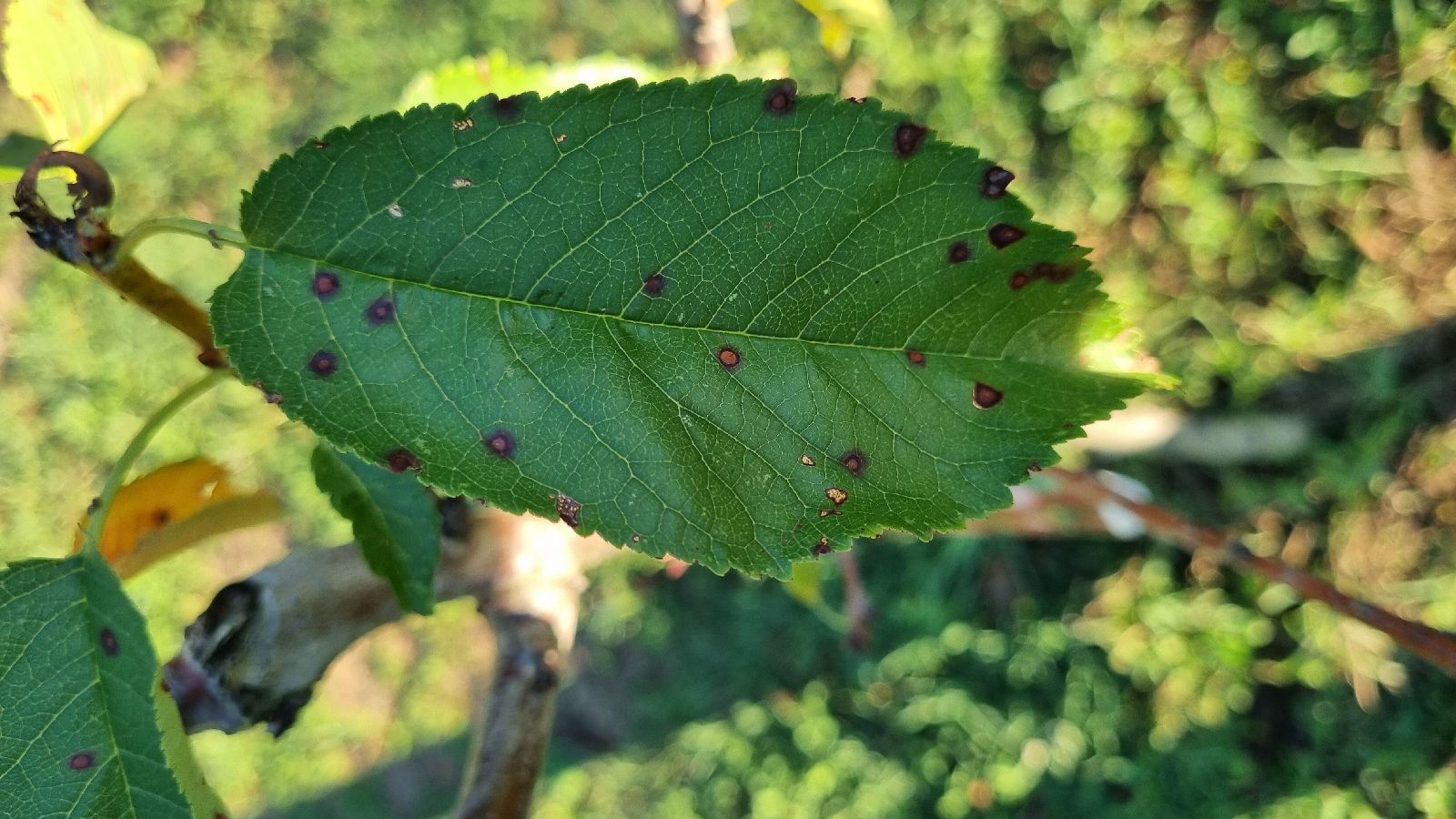
Number: 5301
Received 19.11.2024
In progress: 0 days
Date of occurrence: 19.11.2024
Significance:
Discussion
From: Andrea
Assigned: M. Zúbrik
Country: Italy

Question

Answer

Dear Andrea, Thank you for your inquiry. The information provided is not sufficient to determine the cause of the damage. If it is indeed an elm (the photograph does not make this entirely clear), it is worth noting that a whole group of bark beetle species from the genus Scolytus can affect elm trees. You can read more about them here: https://www.forestpests.eu/pest/scolytus-spp&rurl=YXRsYXMmYW1wO2ZpbHRlcj00OCZhbXA7cD00. However, other possible causes of the damage cannot be ruled out either. Have a nice day, M. Zúbrik
Number of votes for this answer: 0

Pest

A - Ambiguously determined, we are not sure

A - Ambiguously determined, we are not sure

A - Ambiguously determined, we are not sure

A - Ambiguously determined, we are not sure

hmyz

Received: 19.11.2024
Wood: Elm
Number: 5301
Date of occurrence: 19.11.2024
Discussion

Add comment: A - Ambiguously determined, we are not sure

Cherry leaf spot
Cherry leaf spot
Number: 5067
Received 9.9.2024
In progress: 1 days
Date of occurrence: 9.9.2024
Significance: Less harmful
Discussion
From: gio
Assigned: V. Longauerová
Country: Italy

Question

Answer

Dear Gio, thank you for your request and picture. Cherry leaf spot (Blumeriella jaapii) is an important disease in Europe and America. Bird cherry (Prunus avium) causes the greatest damage. Other host plants include cherry (Prunus cerasus), common apricot (Prunus armeniaca) and common peach (Prunus persica). The pathogen mainly attacks the leaf blades, but exceptionally it can also attack the stems and fruits. Symptoms and harmfulnessParadoxically, unlike many other pathogens, cherry leaf spot primarily attacks older leaves. On the upper side of the leaf blade, distinctly red round spots of 1-2 mm in size are formed. On the underside of the leaf blade, smaller, sharply demarcated reddish-brown to dark brown spots are formed. They are covered with a fine coating of conidia. The spots on the lower and upper side of the leaf blade gradually become necrotic. The leaves gradually turn yellow, deform and subsequently fall. When fruits are attacked, significantly darker, sharply demarcated spots appear on the fruits. Infested fruits are usually deformed. The damage consists in the premature fall of the leaves, which reduces the photosynthetic activity of the tree. Trees have weaker growth, they are susceptible to environmental stress factors such as winter frosts or significant periods of drought. The pathogen results in a qualitative and, in particular, a quantitative reduction of the harvest. Spotting causes a huge problem in fruit nurseries or young plantings, where it slows growth and delays the fruiting period. Development cycleThe pathogen overwinters on fallen leaves, from which the infection spreads in the spring in the form of ascospores. Ascospores are able to infect leaves, stems and fruits in the period of 3-4 weeks after flowering of cherries. The leaves are infected through the stomata and the first symptoms can be observed 2 weeks after infection. Depending on the weather, they are released into the environment for 4-5 weeks. In addition to ascospore infection, conidia are the source of primary and secondary infection in many cases. Wet and rainy weather significantly promotes infection pressure. Infection can only occur if the leaf is wet. In the case of temperature, the optimum conditions for germination are in the range of 15-25 °C. ProtectionThe basis of protection is, first of all, the selection of habitat, variety, and cultivation form. It is important to avoid cold and damp locations, where the conditions for the development of mottledness are optimal. Ensuring an airy and non-compacted crown is important from the point of view of shortening the time of wetness of the leaves and thus preventing the germination of ascospores and conidia. Similar to the case of apple scab, it is also advisable to dispose of the fallen leaves and thereby significantly reduce the infection pressure in the following growing season. In the case of optimal weather conditions for the spread of the pathogen, it is advisable to carry out protection with fungicidal preparations 3-4 weeks after flowering. Preparations that contain the active substances mancozeb, fluopyram+trebuconazole, boscalid+paraclostrobin, dithianone have proven to be suitable. This treatment should be repeated after 10 days. If there is a long dry period during this period, there is no need to apply fungicides. With best regards,  Valeria
Number of votes for this answer: 0

Pest

Cherry leaf spot

Blumeriella jaapii

Cherry leaf spot

Blumeriella jaapii

huby

Received: 9.9.2024
Wood: Cherry
Number: 5067
Date of occurrence: 9.9.2024
Discussion

Add comment: Cherry leaf spot

Japanese wax scale
Japanese wax scale
Number: 5066
Received 9.9.2024
In progress: 1 days
Date of occurrence: 9.9.2024
Significance: Harmful
Discussion
From: gio
Assigned: M. Zúbrik
Country: Italy

Question

Answer

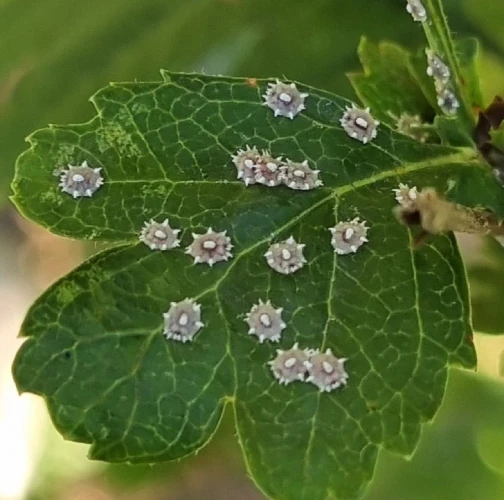
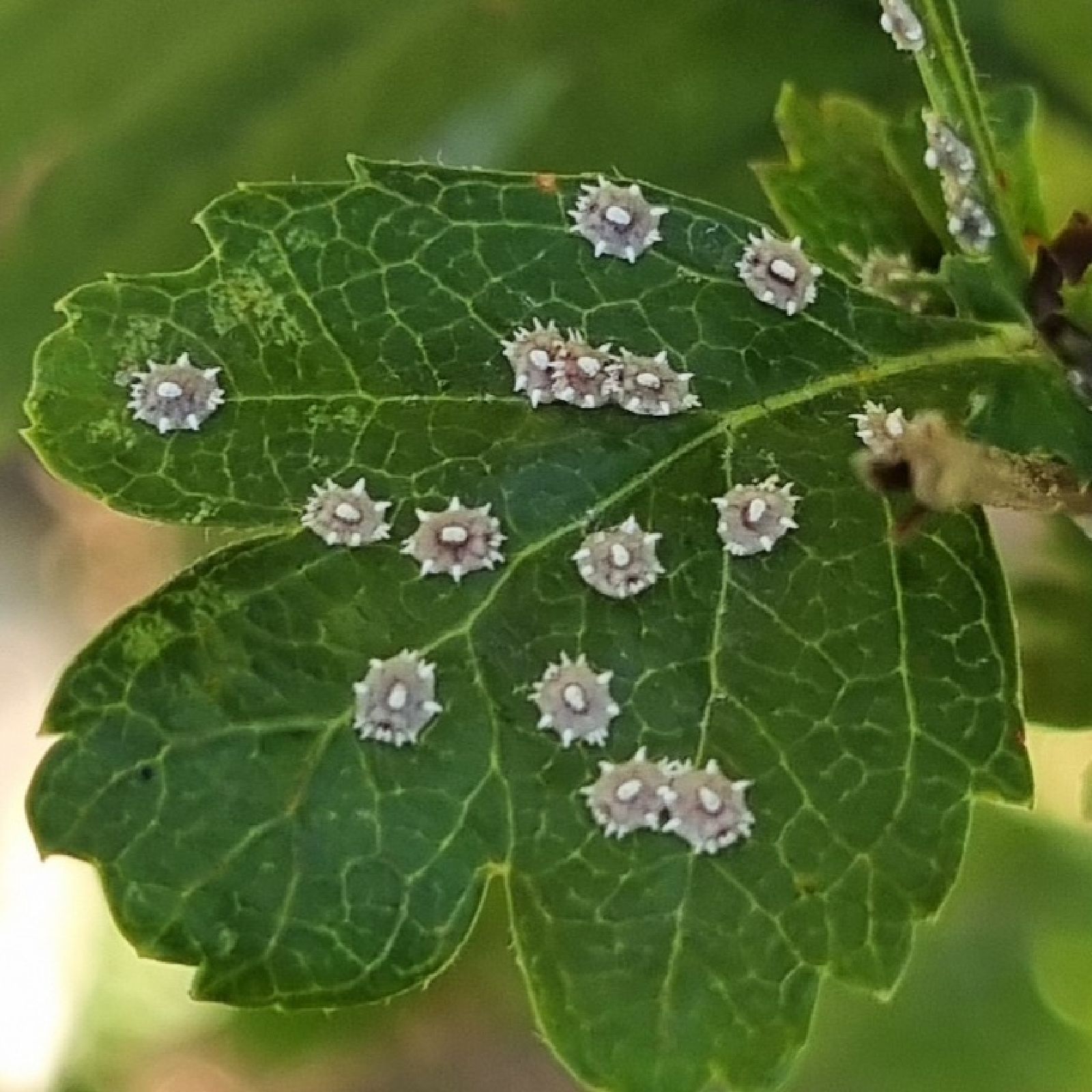
Dear Gio, thank you for your request and picture. It appears to be a species from the genus Ceroplastes. There are at least four very similar species in your area: Ceroplastes rusci (Fig wax scale), Ceroplastes floridensis (Florida wax scale), Ceroplastes japonicus, and Ceroplastes sinensis (Chinese wax scale). All these species produce waxy coverings that look similar, and they are mainly found in the warmer parts of Europe, particularly in the Mediterranean region. Among these species, Ceroplastes japonicus, Ceroplastes rusci (Fig wax scale), and Ceroplastes floridensis (Florida wax scale) have been reported to infest hawthorn (Crataegus spp.) as a host plant. All of them are polyphagous, meaning they can feed on a wide variety of plants, including ornamental and fruit-bearing species like hawthorn. Identifying these species often requires a detailed examination of their physical characteristics, possibly using a microscope to examine the body structure beneath the wax. There is quite a lot of information about Ceroplastes japonicus on our website. Please visit this page: https://www.forestpests.eu/pest/ceroplastes-japonicus. With best regards, M. Zubrik
Number of votes for this answer: 0

Pest

Japanese wax scale

Ceroplastes japonicus

Japanese wax scale

Ceroplastes japonicus

hmyz

Received: 9.9.2024
Wood: Hawthorn
Number: 5066
Date of occurrence: 9.9.2024
Discussion

Add comment: Japanese wax scale

Long-horned beetle Plagionotus detritus
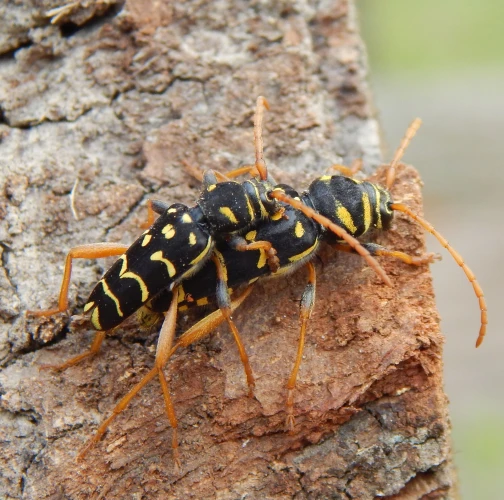
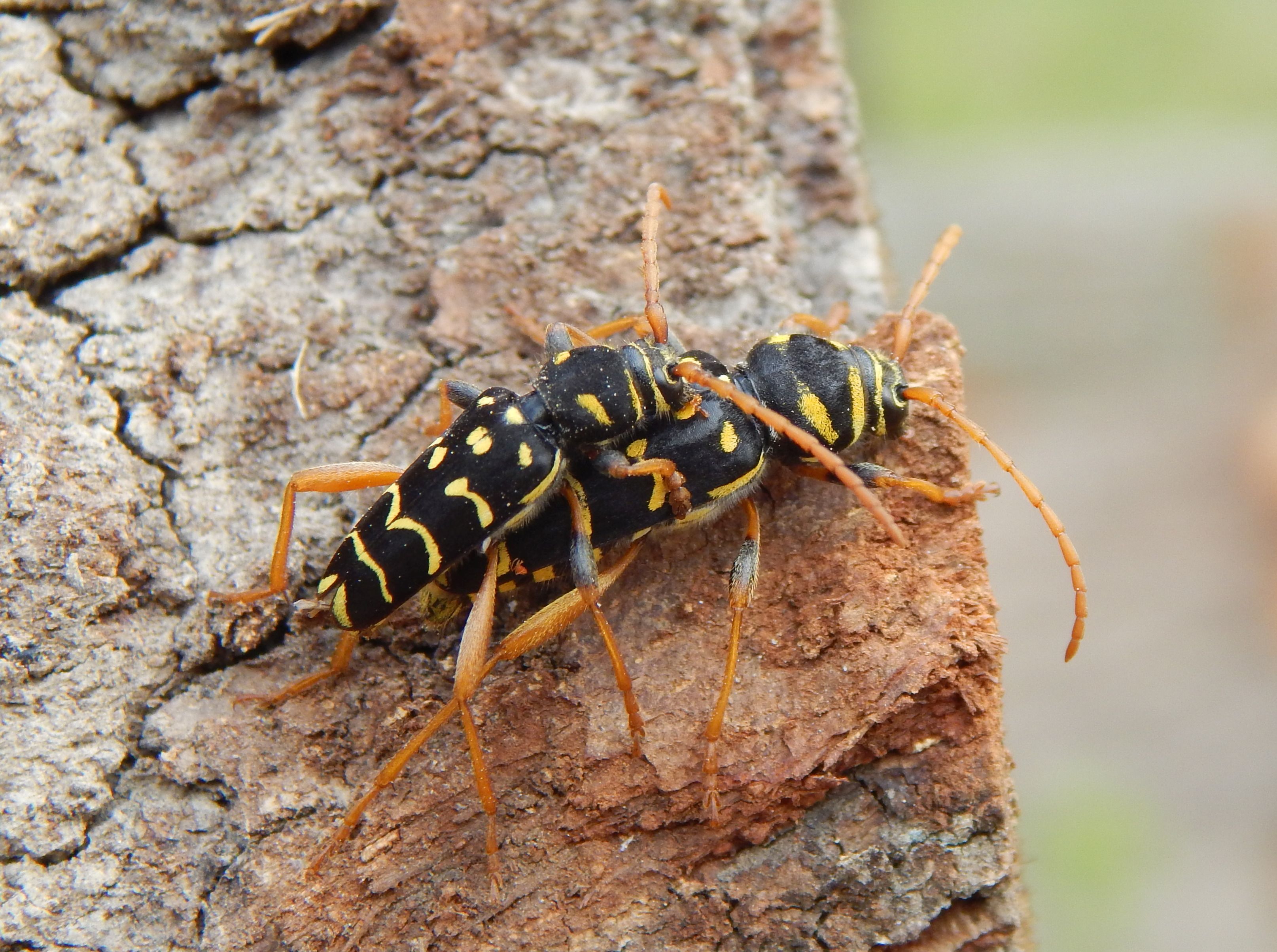
Number: 4619
Received 30.5.2024
In progress: 1 days
Date of occurrence: 27.5.2024
Significance:
Discussion
Assigned: M. Zúbrik
Country: Slovakia

Question

Plagionotus detritus? Ďakujem S pozdravom Marián

Answer

Áno, Plagionotus detritus. Pekný večer! MZ
Number of votes for this answer: 0

Pest

Long-horned beetle Plagionotus detritus

Plagionotus detritus

Long-horned beetle Plagionotus detritus

Plagionotus detritus

hmyz

Received: 30.5.2024
Wood: Dub
Number: 4619
Date of occurrence: 27.5.2024
Discussion

Add comment: Long-horned beetle Plagionotus detritus

Long-horned beetle Plagionotus arcuatus
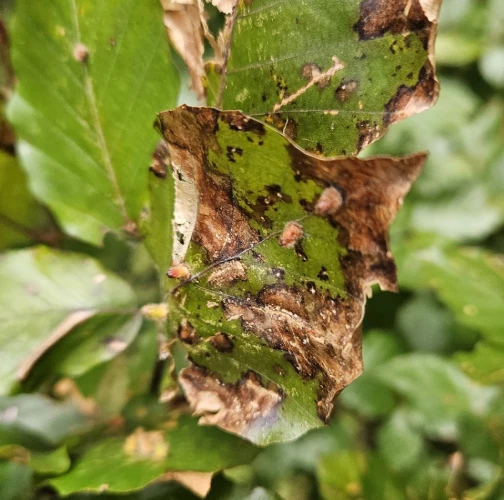
Number: 4616
Received 30.5.2024
In progress: 1 days
Date of occurrence: 29.5.2024
Significance: Very harmful
Discussion
From: majo
Assigned: M. Zúbrik
Country: Slovakia

Question

Plagionotus arcuatus? Ďakujem S pozdravom Marián

Answer

Áno, Plagionotus arcuatus. Pekný večer M. Z. 
Number of votes for this answer: 0

Pest

Long-horned beetle Plagionotus arcuatus

Plagionotus arcuatus

Long-horned beetle Plagionotus arcuatus

Plagionotus arcuatus

hmyz

Received: 30.5.2024
Wood: Dub
Number: 4616
Date of occurrence: 29.5.2024
Discussion

Add comment: Long-horned beetle Plagionotus arcuatus

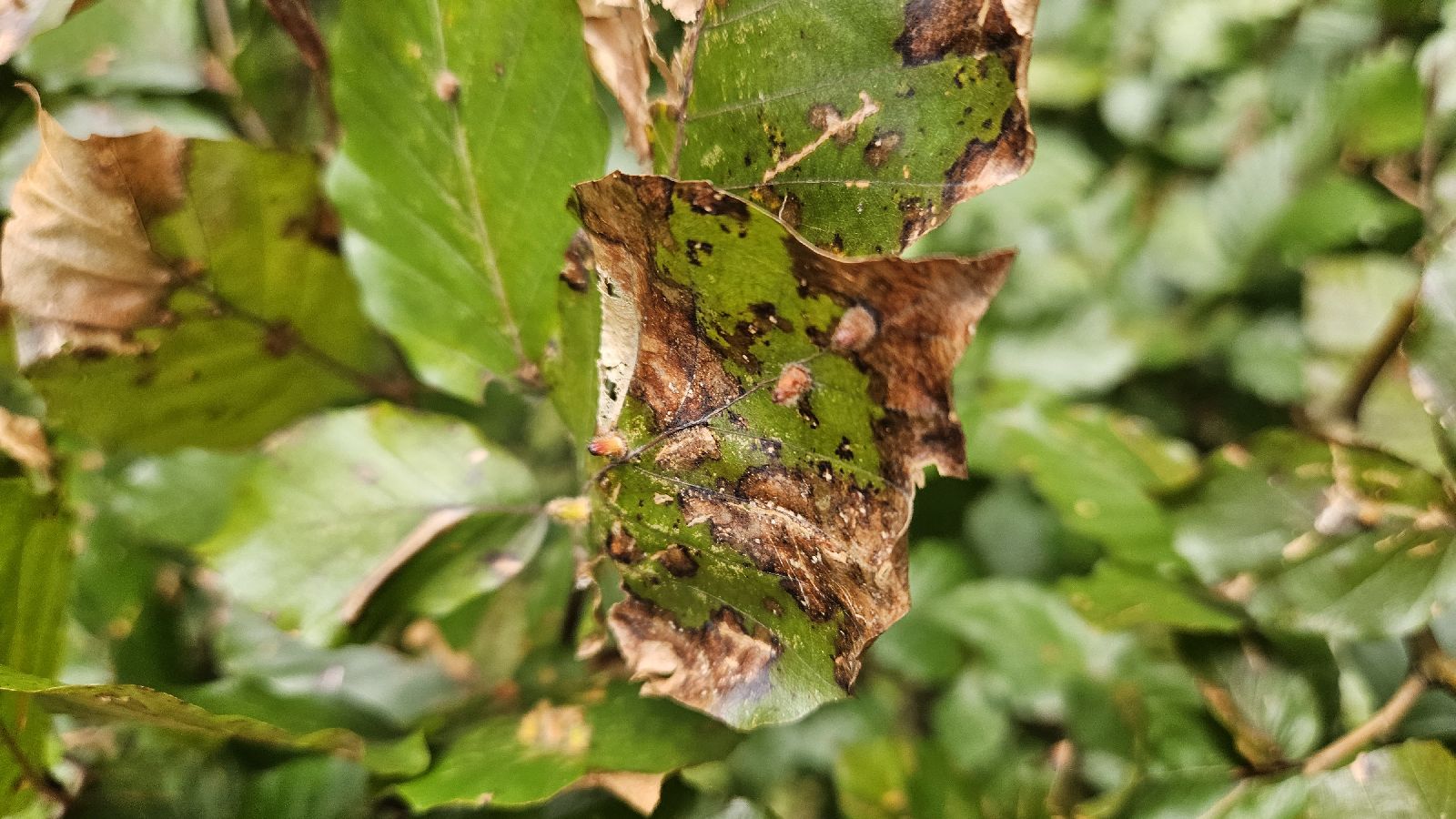
Hairy beech gall
Hairy beech gall
Number: 3888
Received 23.10.2023
In progress: 0 days
Date of occurrence: 23.10.2023
Significance: Less harmful
Discussion
From: Christo
Assigned: M. Zúbrik
Country: Slovakia

Question

Answer

It is not full clear from the picture, but there are cylindrical hairy galls on the leaves, that are caused by Hartigiola annulipes. Best regards M. Zubrik
Number of votes for this answer: 0

Pest

Hairy beech gall

Hartigiola annulipes

Hairy beech gall

Hartigiola annulipes

hmyz

Received: 23.10.2023
Wood: Beech
Number: 3888
Date of occurrence: 23.10.2023
Discussion

Add comment: Hairy beech gall

Back to top