Here you can request to determine the cause of the damage. You can view the requests of other users and sort them according to the selected criteria. In addition, you can get information about your request, and you can follow the progress of its current state. If your application was not approved, it had probably been because it was impossible to identify the damage based on the sent photos or because the application does not address our topic - determining the pests of trees and shrubs. We will inform you about the status of your application by email.
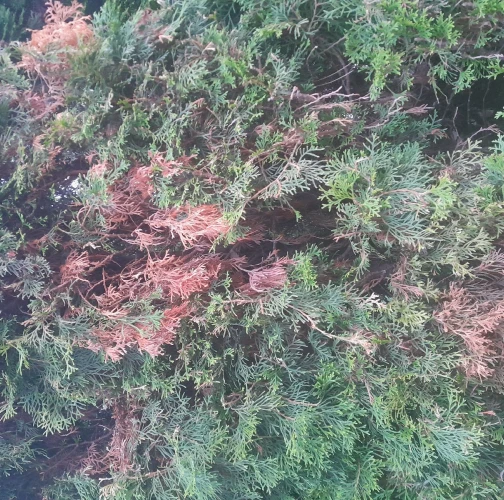
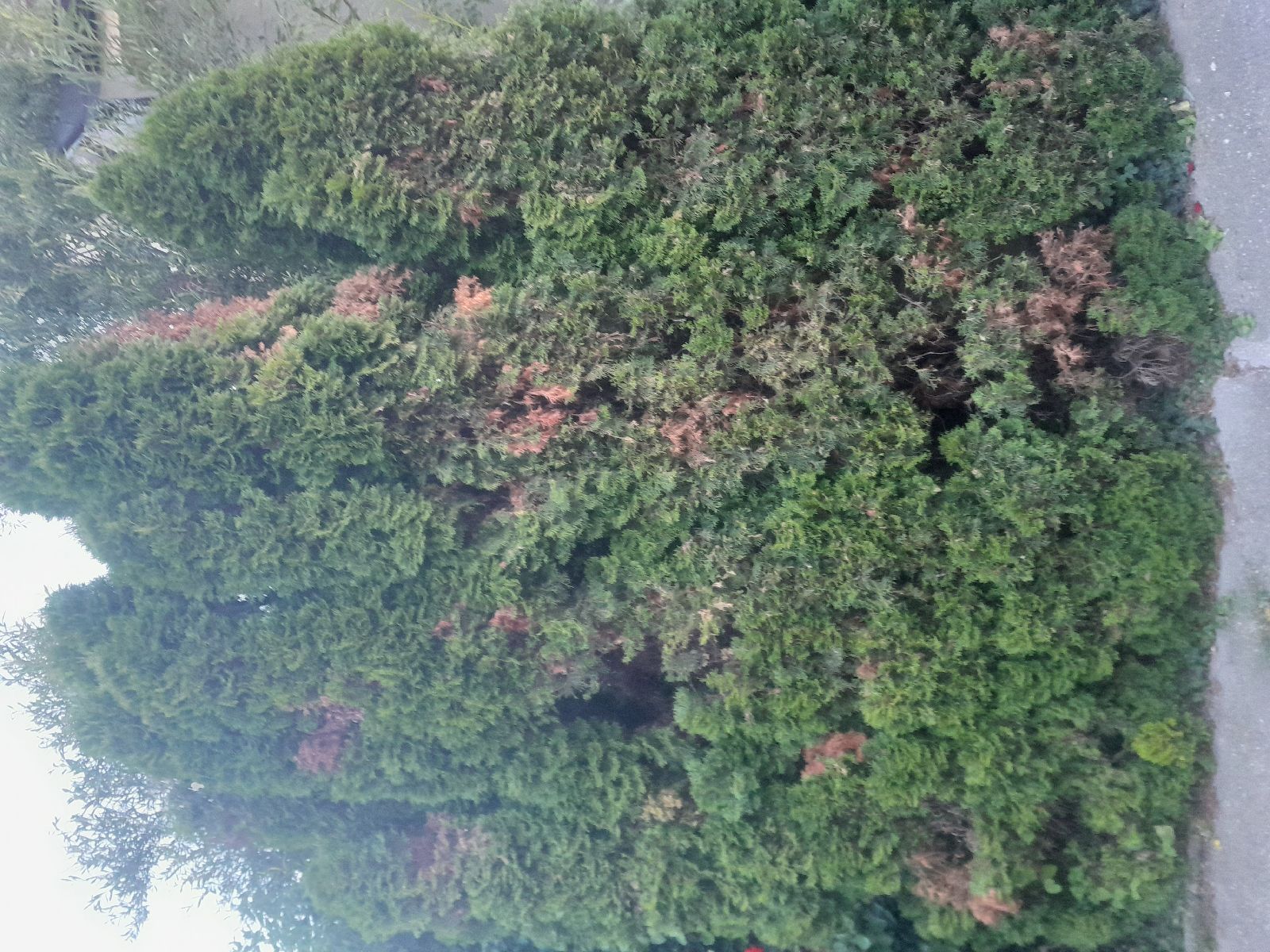
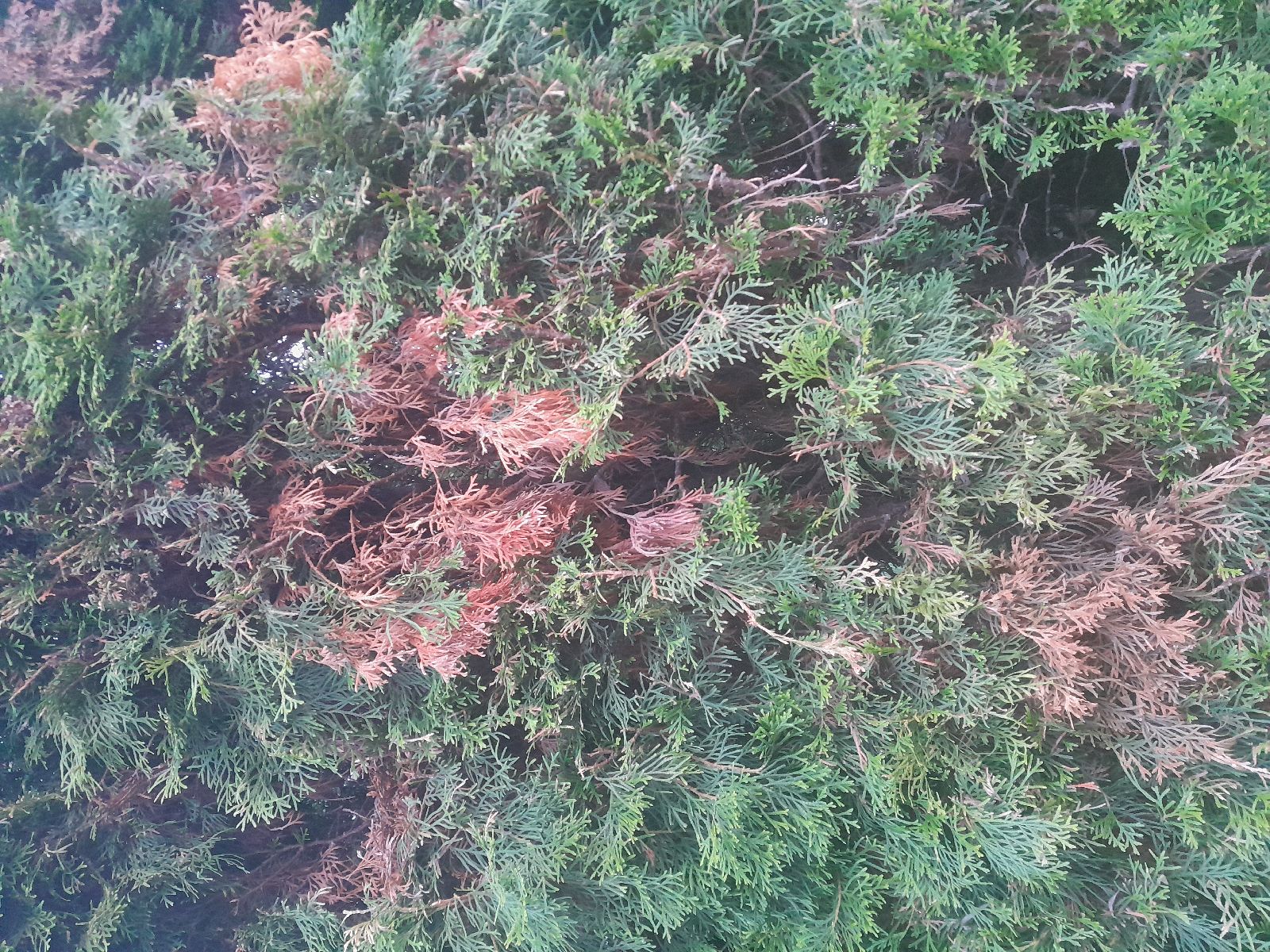
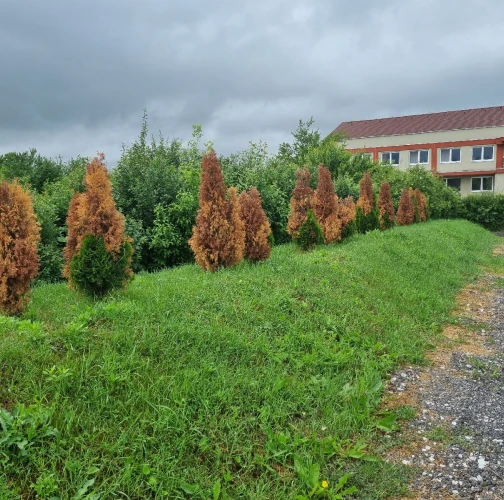
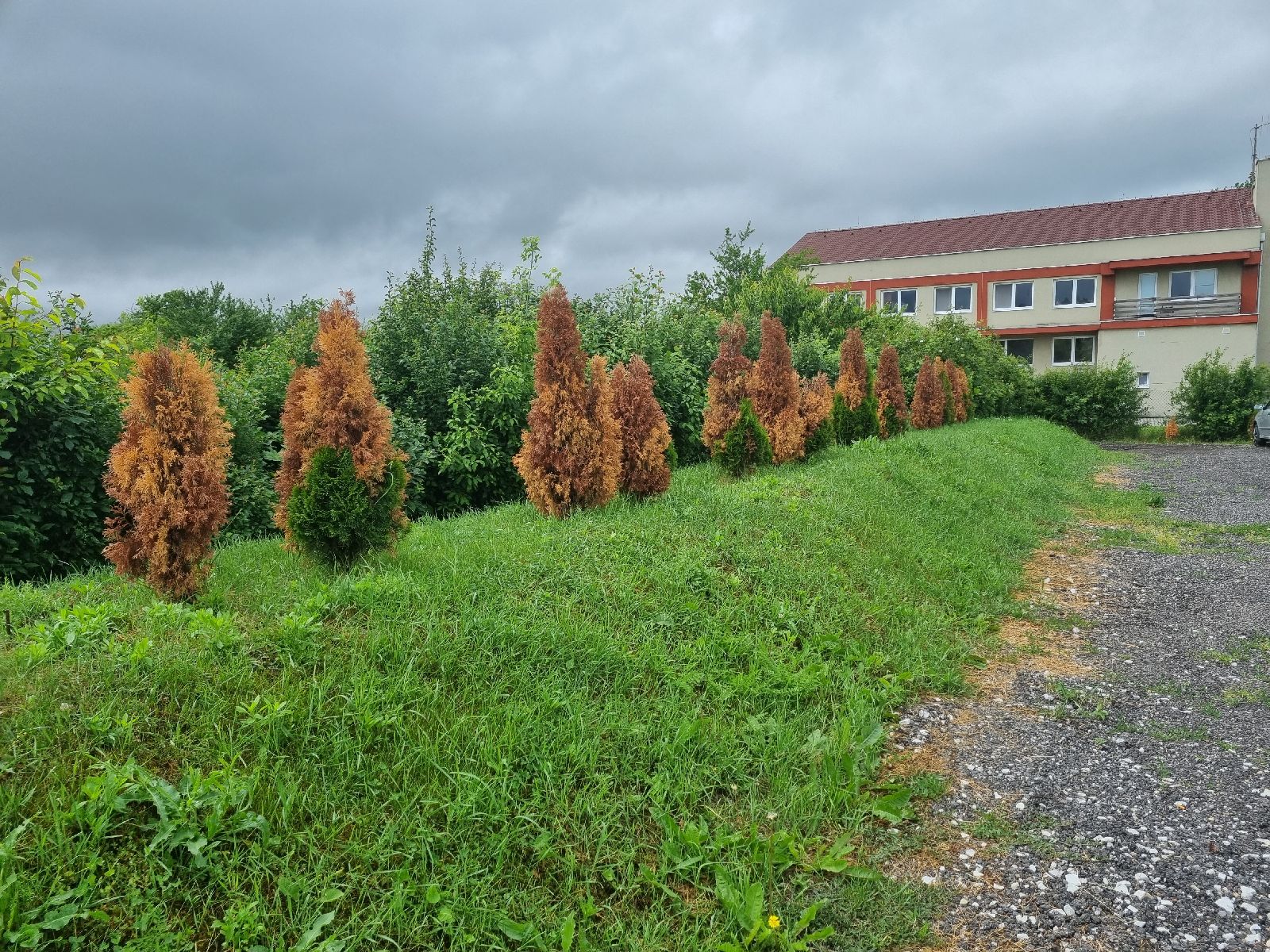
schnutie tují, nepravidelné, prosím o radu ako a čím tuje ošetriť, ďakujem
Answer
Dobrý deň. Je to veľký problém južného Slovenska. Veľa informácií sa dozviete z nášho videa, ktoré si môžete pozrieť tu: https://youtu.be/AJn1HB9rAgU
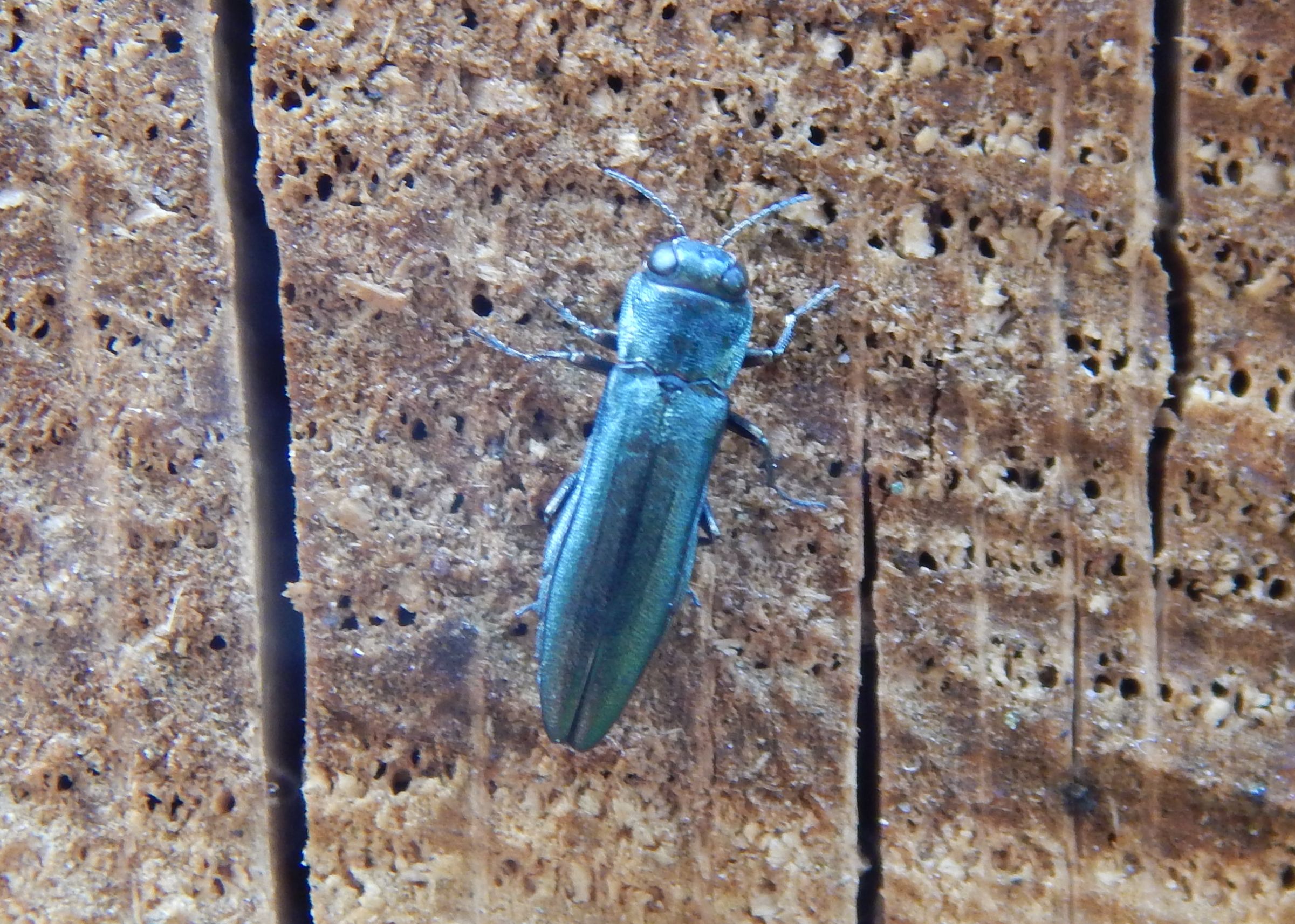
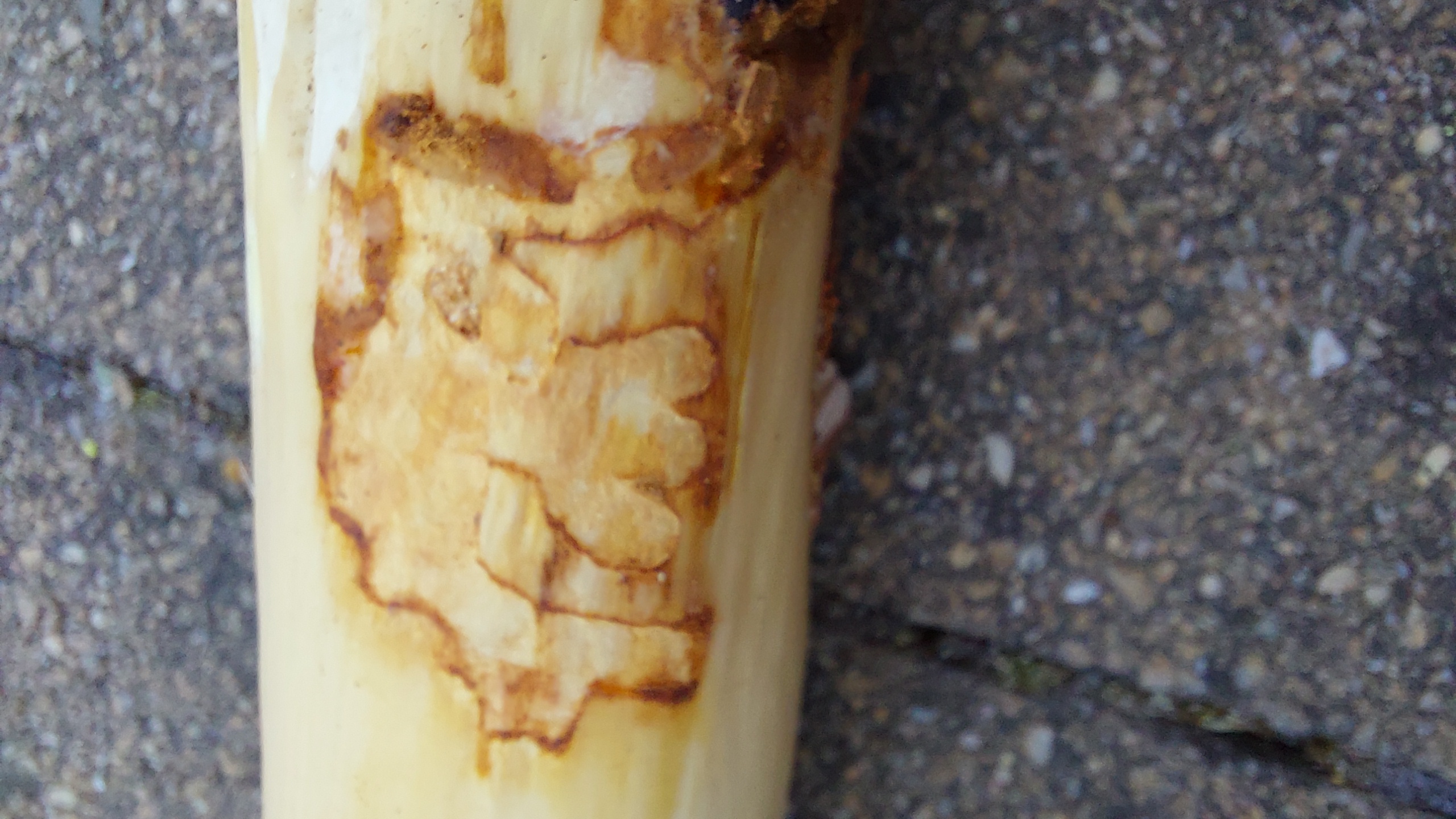
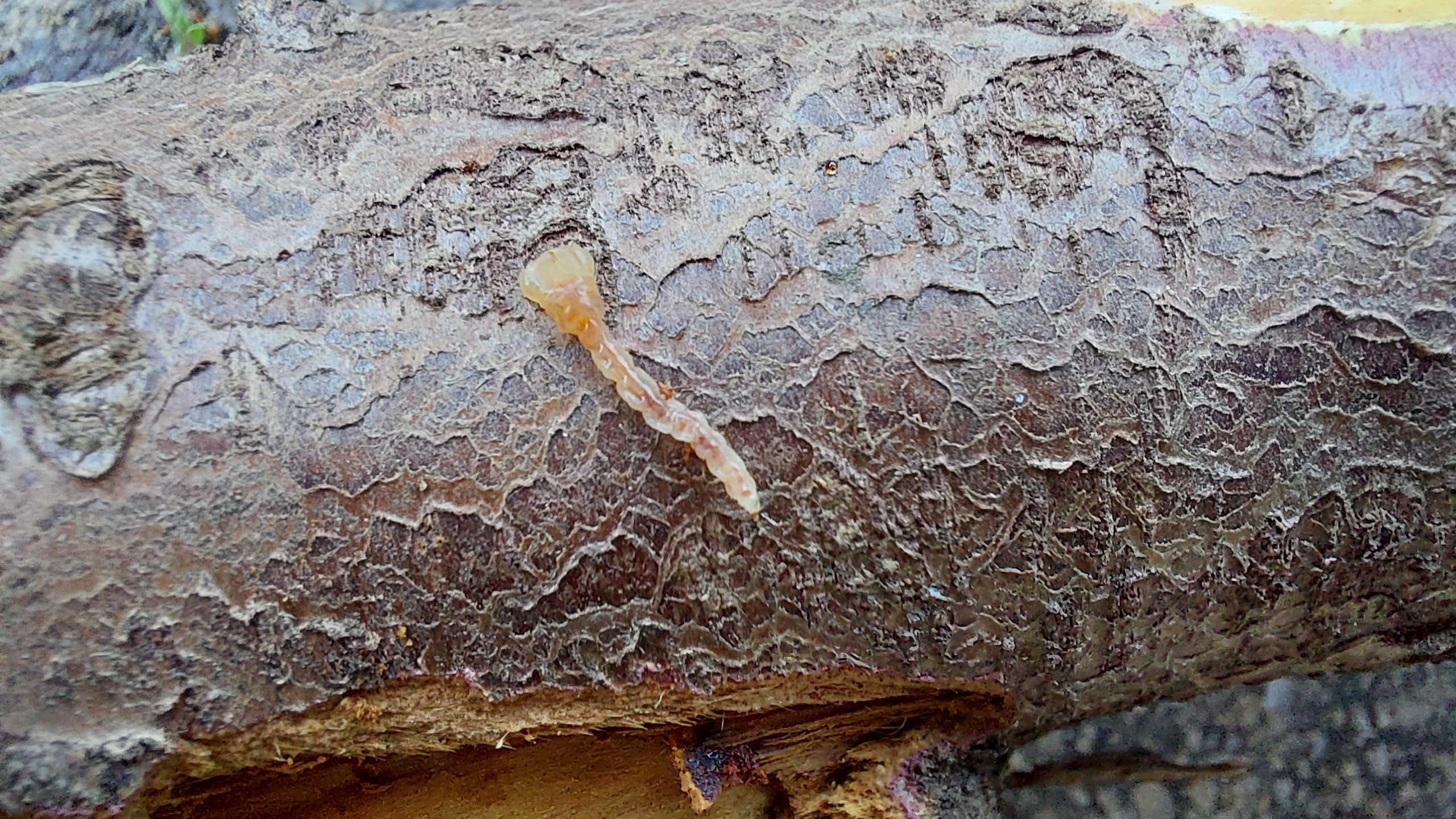
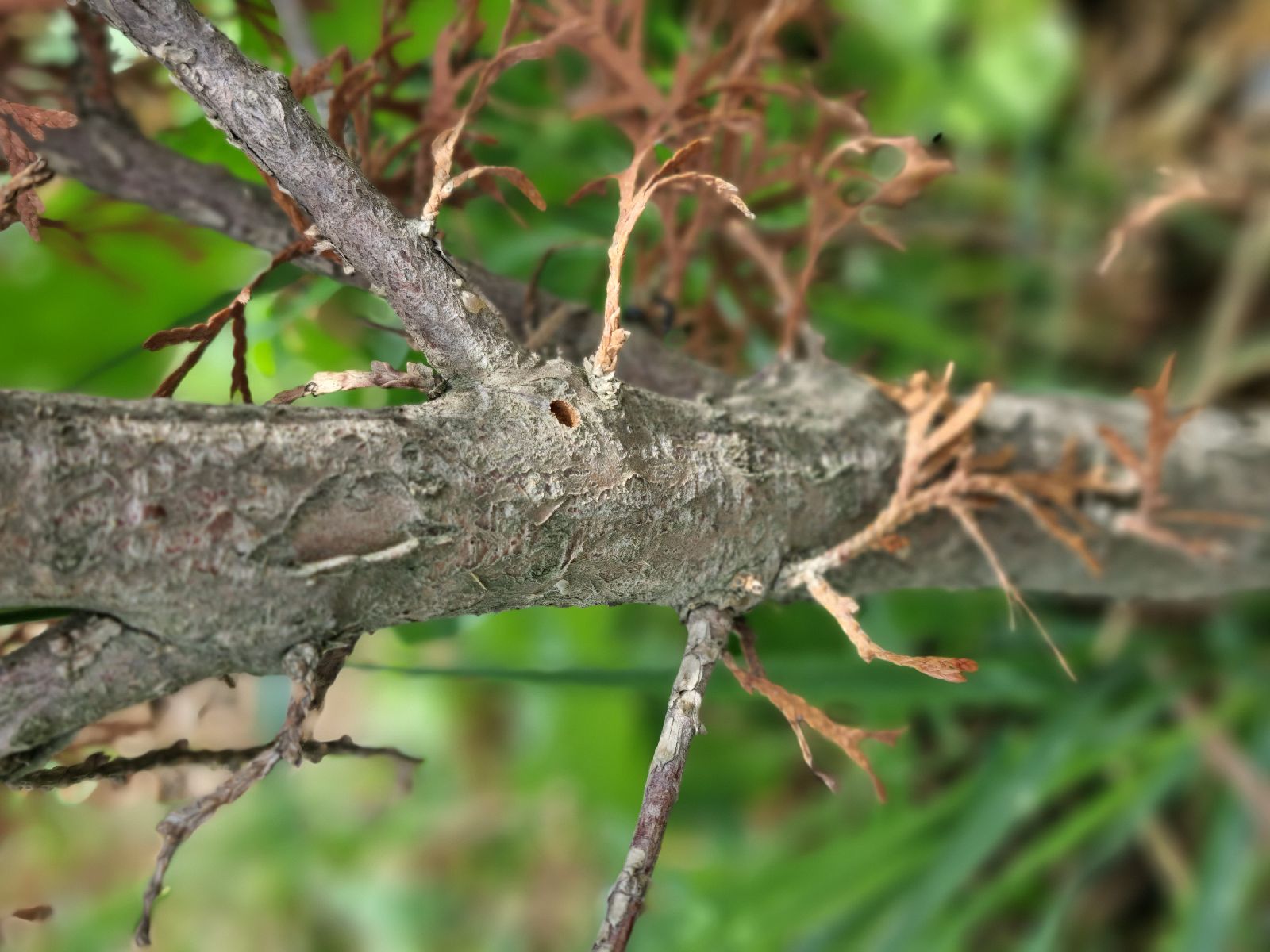
Vo väčšine prípadov sú takéto tuje napadnuté u nás nepôvodným krasoňom borievkovým (Lamprodila festiva).
Treba hnojiť, polievať, suché a odumierajúce časti ihneď odrezať a spáliť a preventívne streknúť povoleným insekticídom.
Do budúcna sa treba pripraviť na zmenu dreviny, lebo ten tlak týchto škodcov na tujách sa bude zväčšovať.
S pozdravom JG
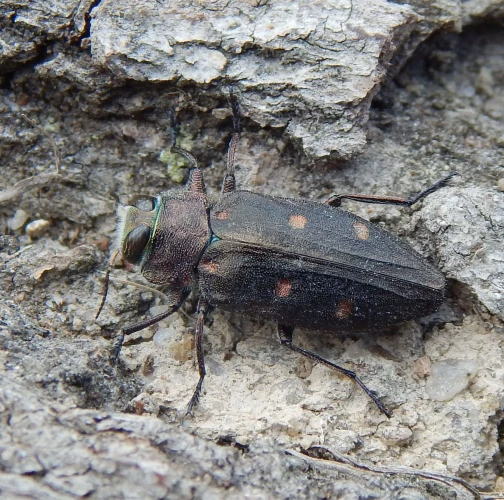
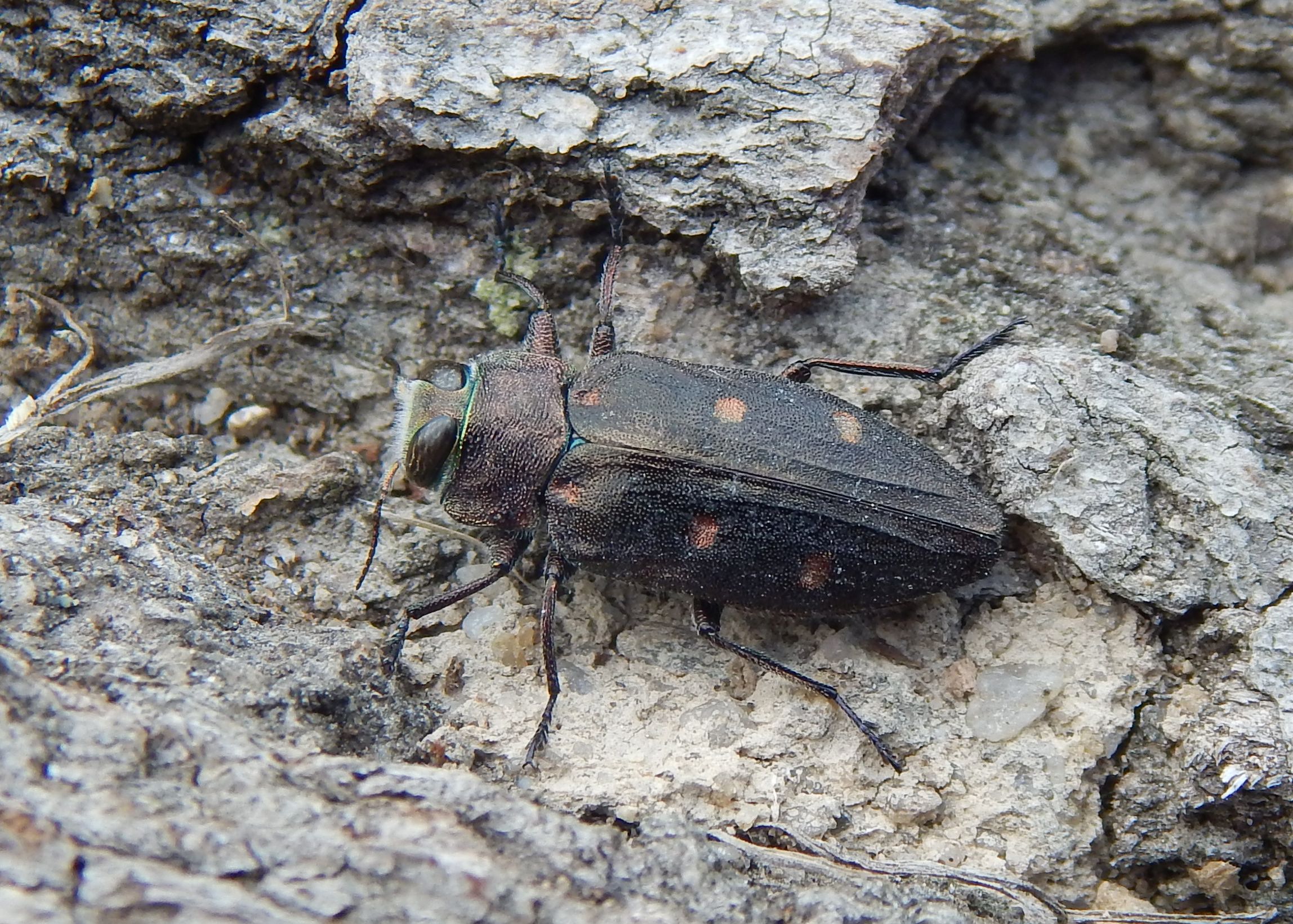
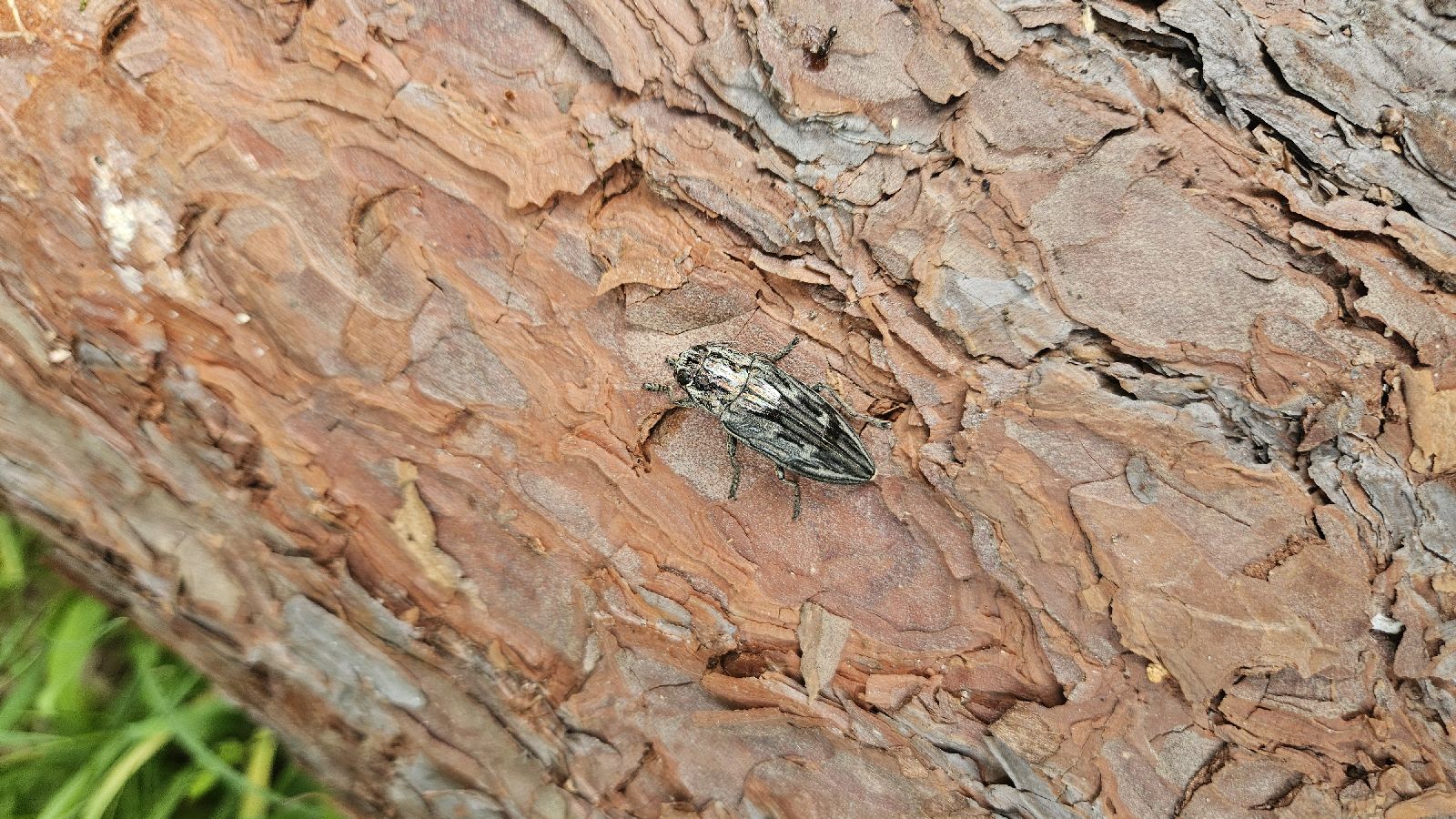
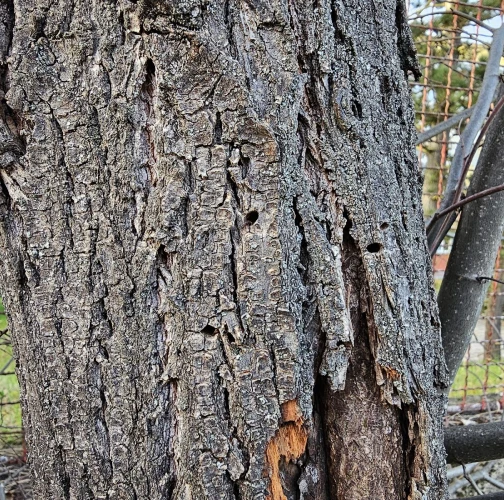
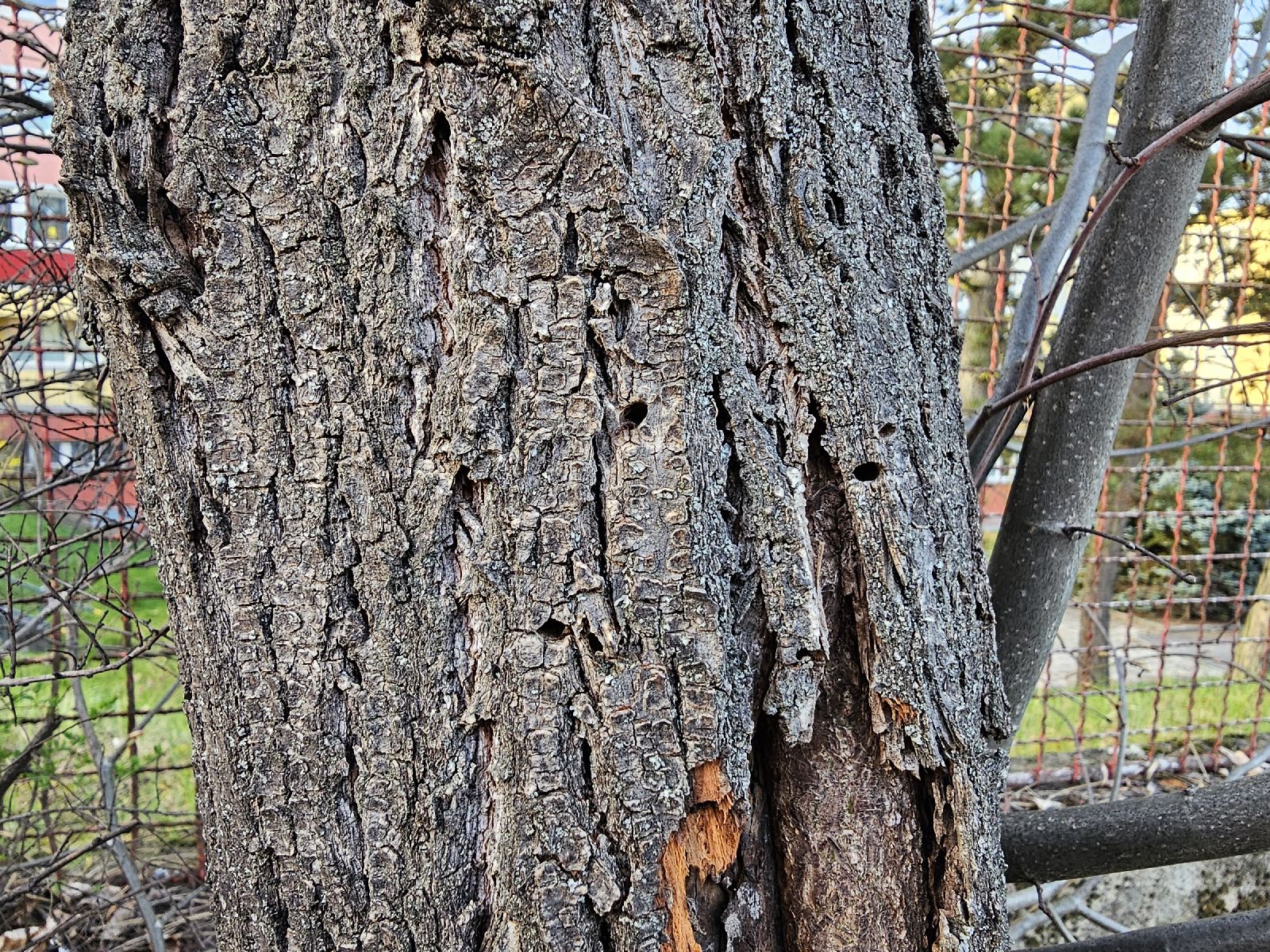
Dobrý deň. Určite ide o rod krasoňa Agrilus, avšak presná determinácia na druh je v tomto prípade mimoriadne náročná. Pravdepodobne sa môže jednať o druh A. sulcicollis, ktorý je spomedzi možných druhov Agrilusov na dube asi najpočetnejší. S pozdravom JG
Dobrý deň,
prosím o identifikáciu. Môžem urobiť aj viac fotiek, ak je potrebné.
Ďakujem
Krajčír
Answer
Dobrý deň,
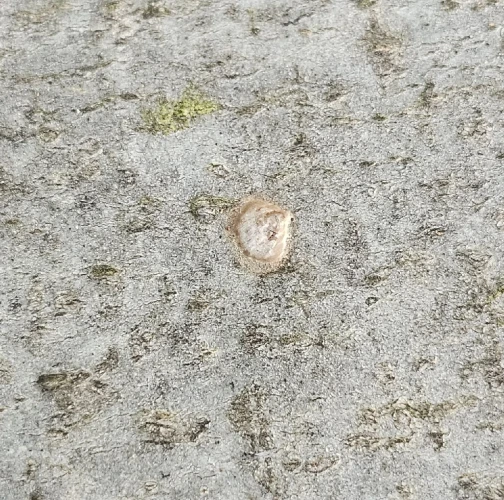
jedná sa o nebezpečného krasoňa borievkového, kotrý môže spôsobiť hynutie tují oslabených napr. suchom.
Pekné fotografie.
S pozdravom
Jozef Vakula
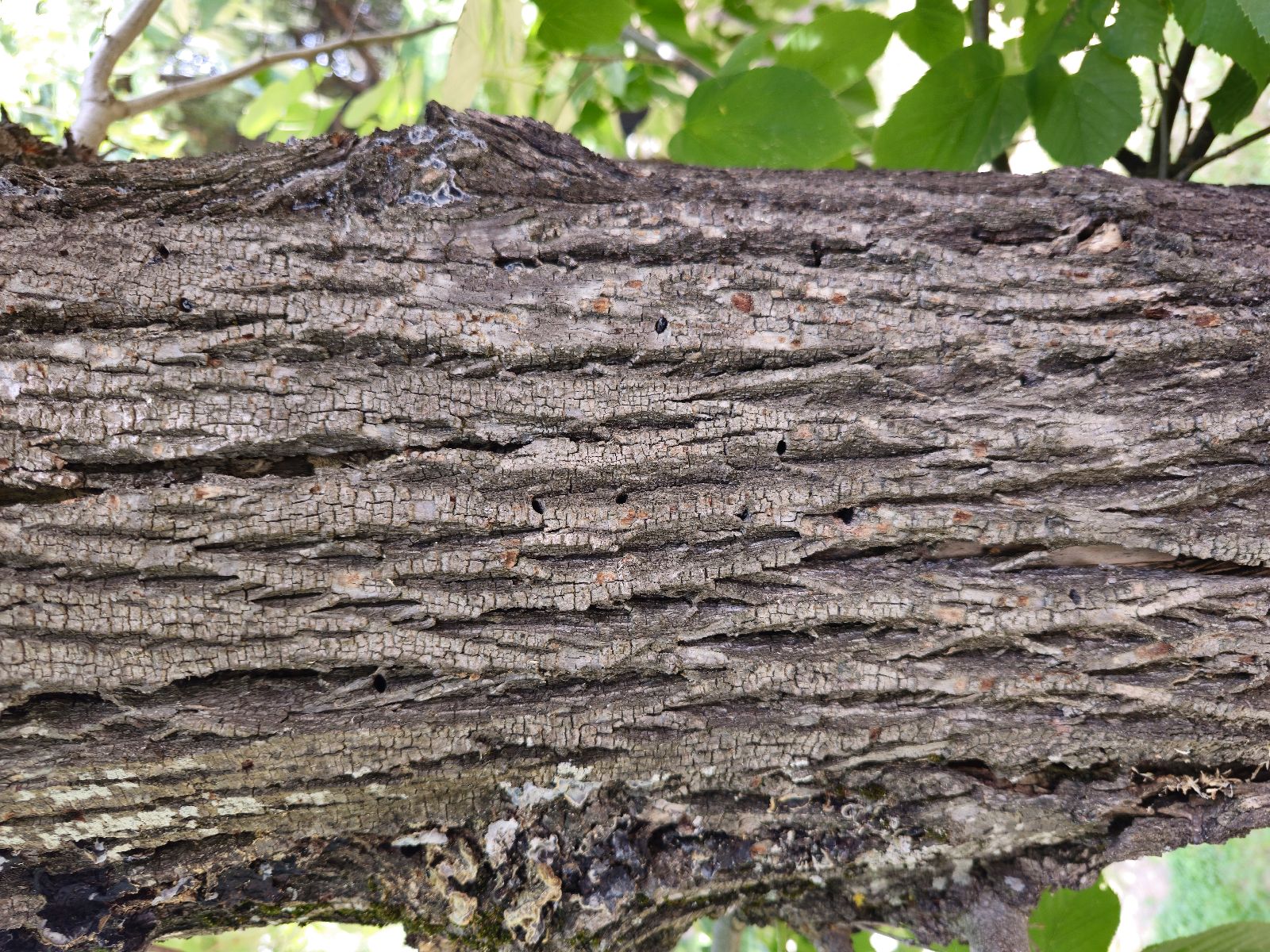
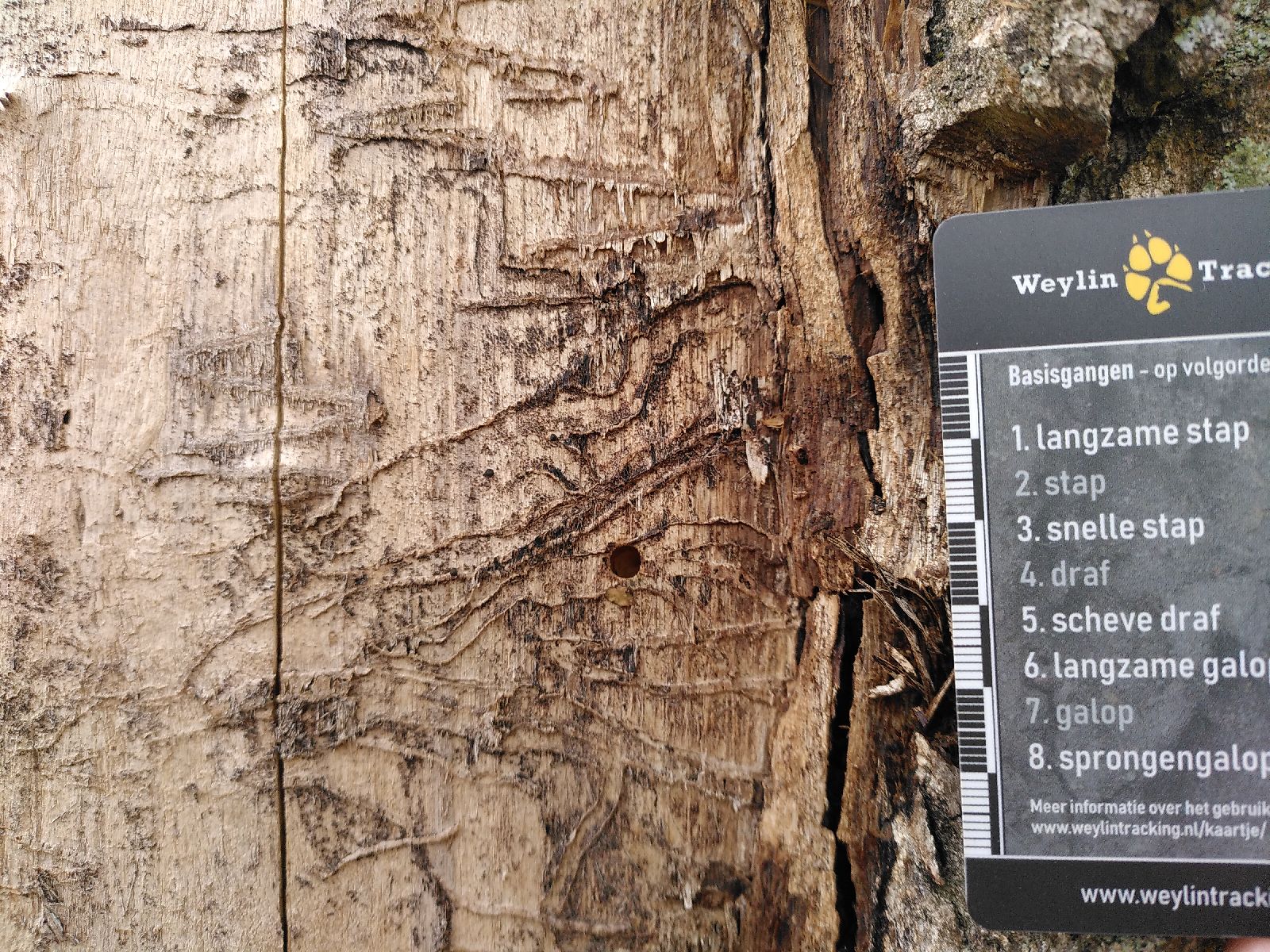
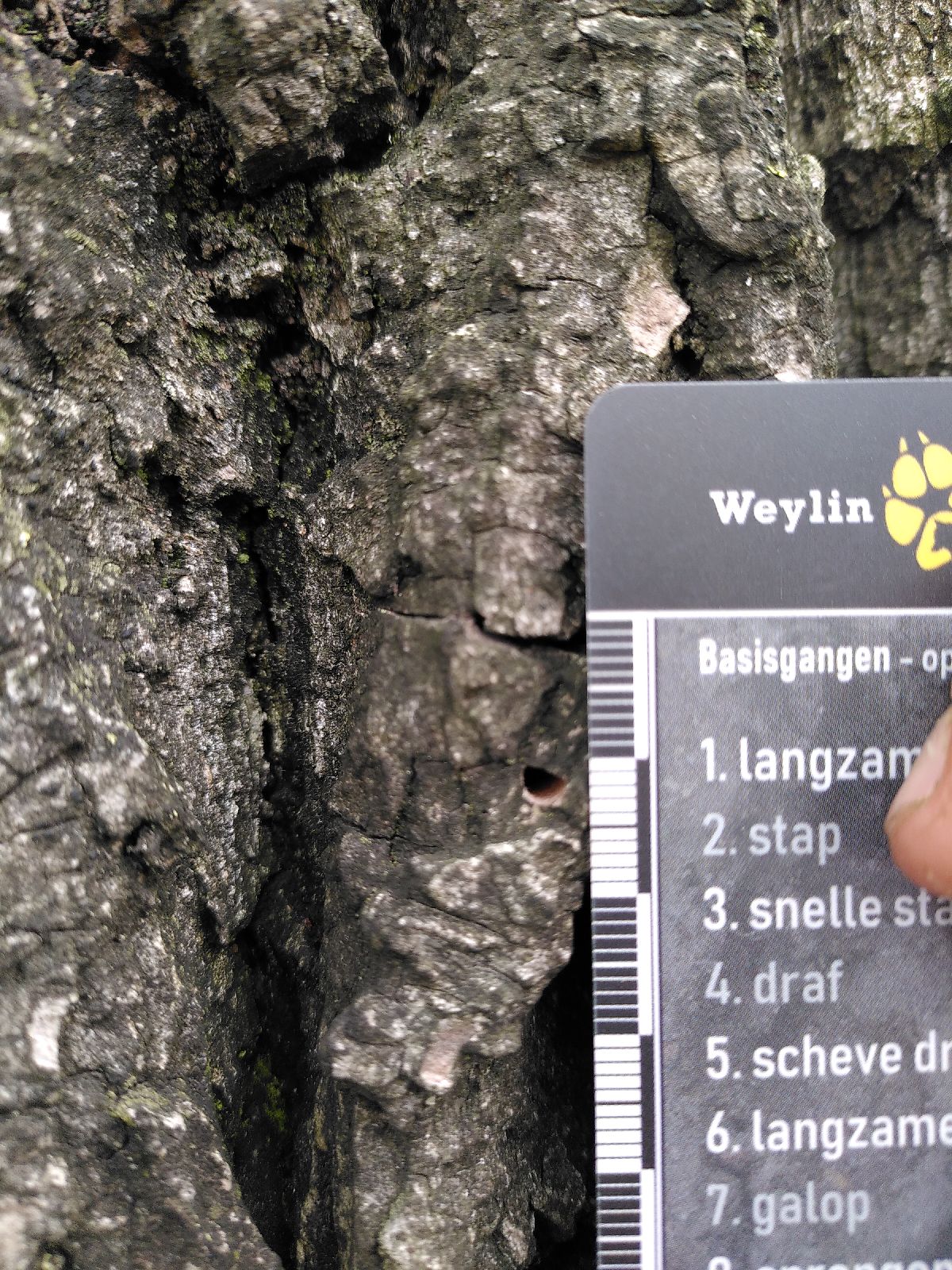
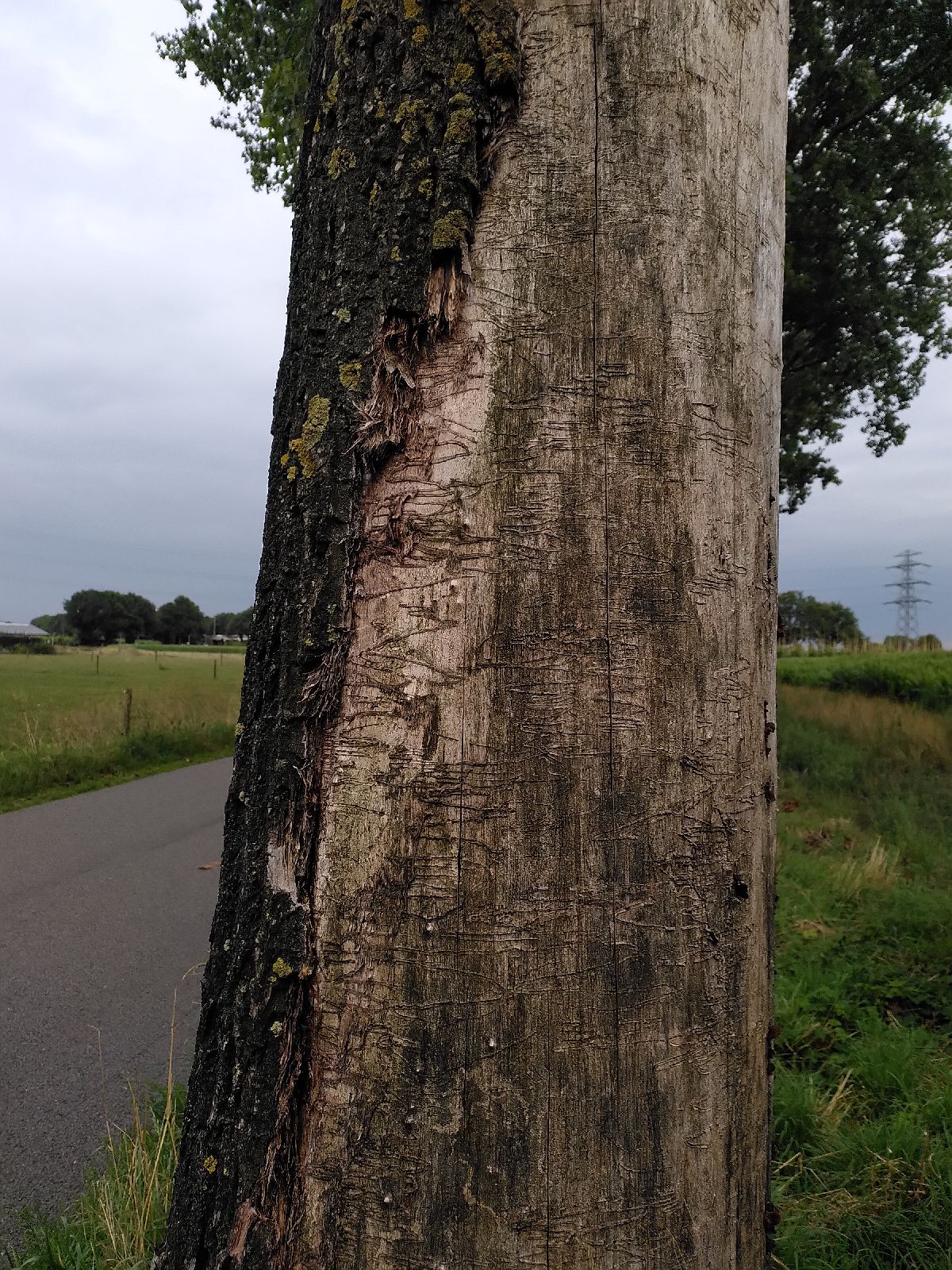
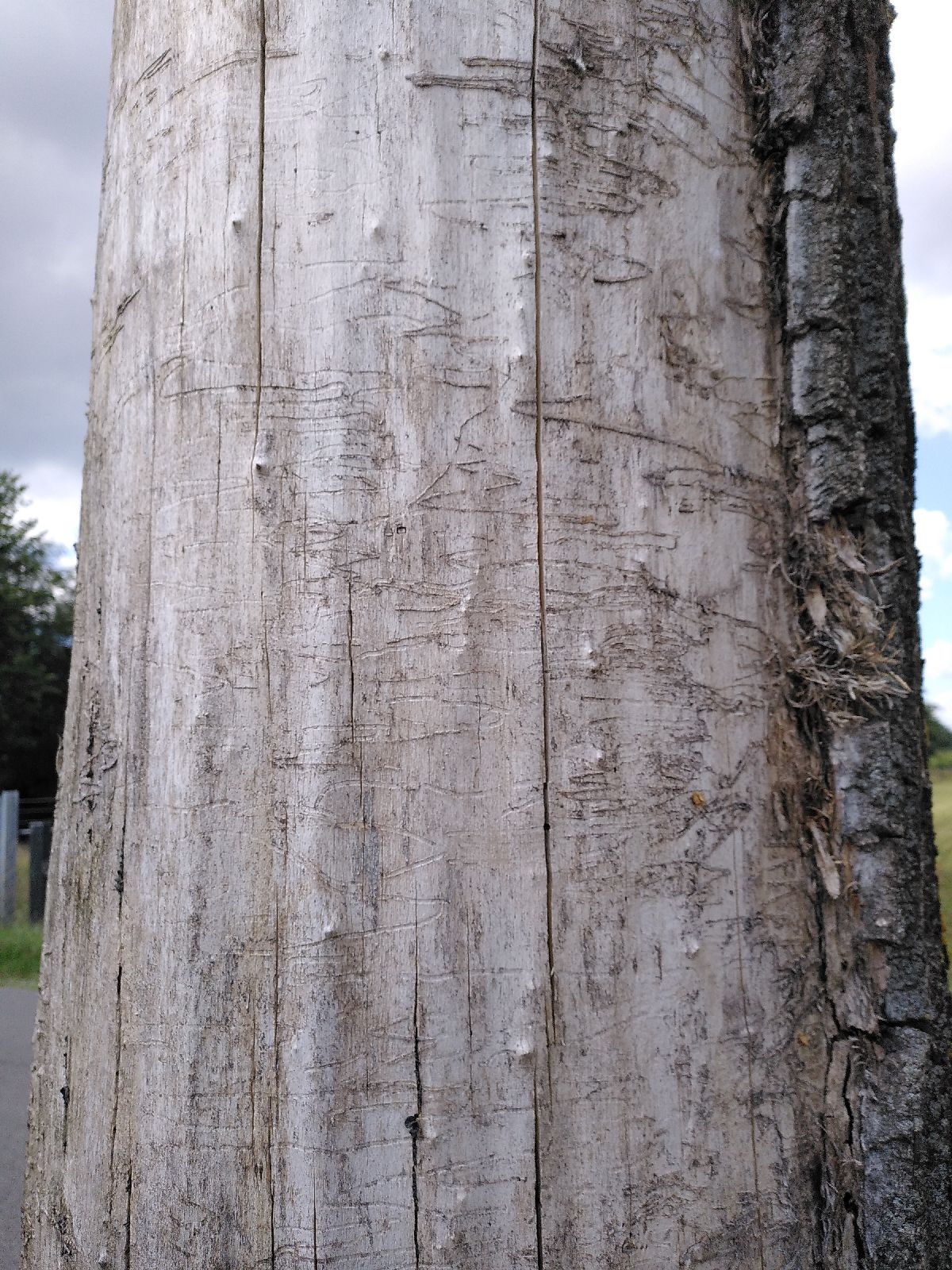
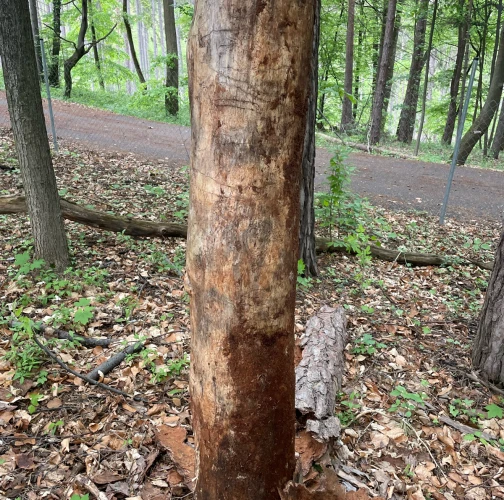
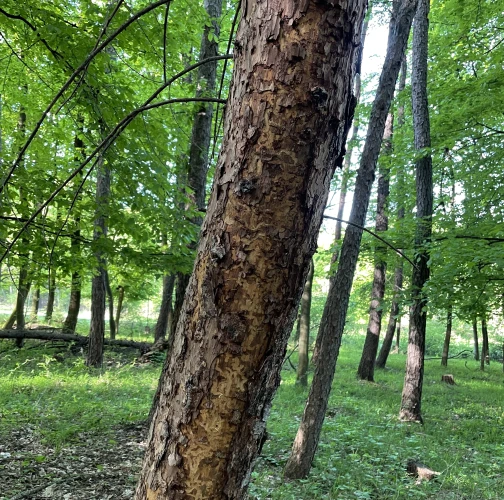
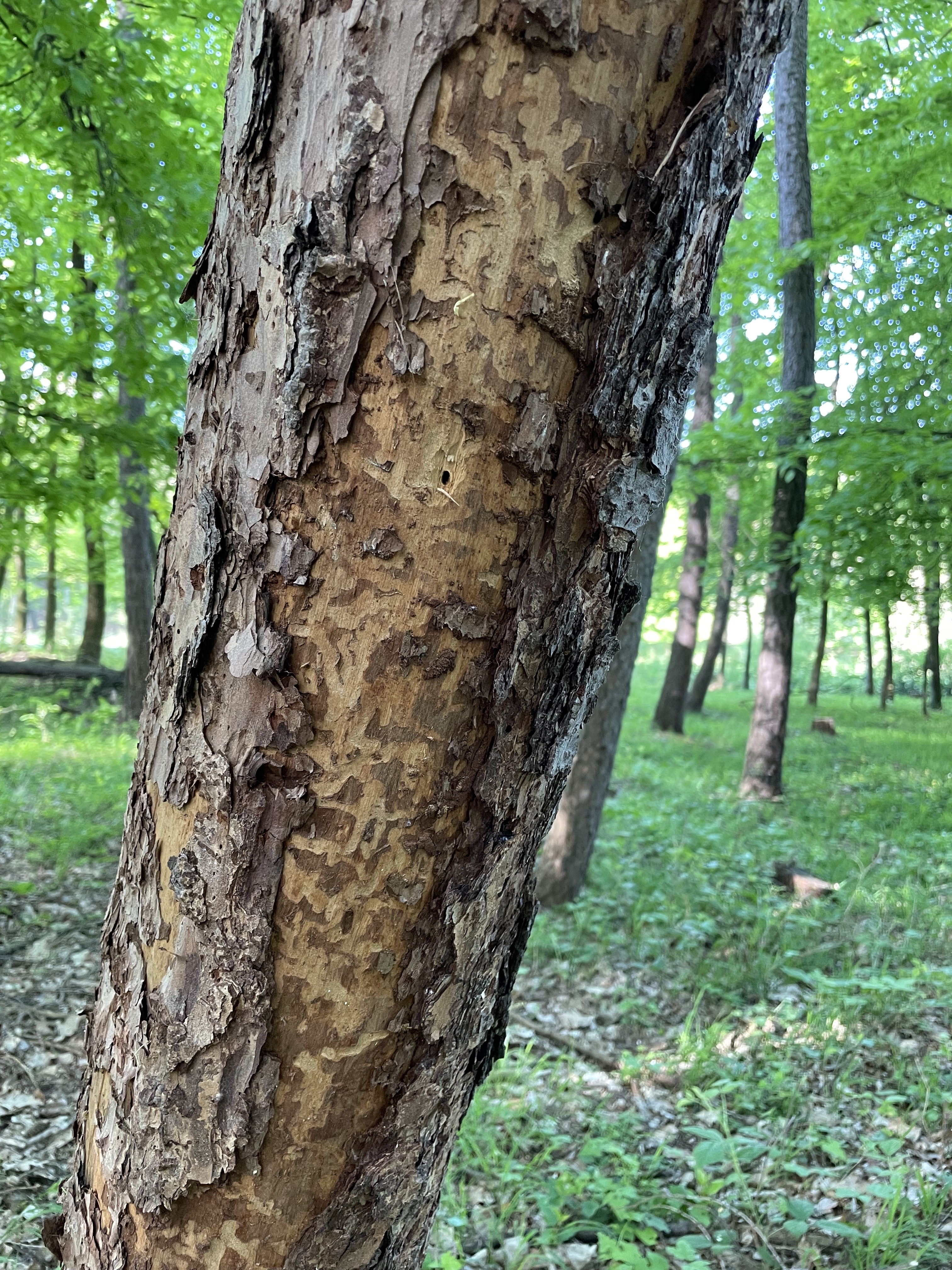
large feeding galleries, d-shape exit holes. Could only be agrilus ater? by description agrilus suvurovi could fit. but cannot find a trace or even acknowledgement of existence in the netherlands. is it a new species?
Answer
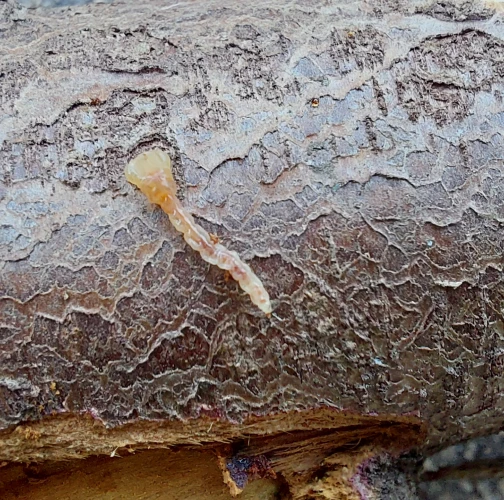
Thank you for your request and a nice pictures. Yes, it is absolutely sure, these galleries and exit holes belongs to some species from the genus Agrilus. I think it could be A. ater, that is already known from Netherlands. See: https://www.tuite.nl/iwg/Coleoptera/Agrilus_ater2017.pdf. Best regards M. Zubrik
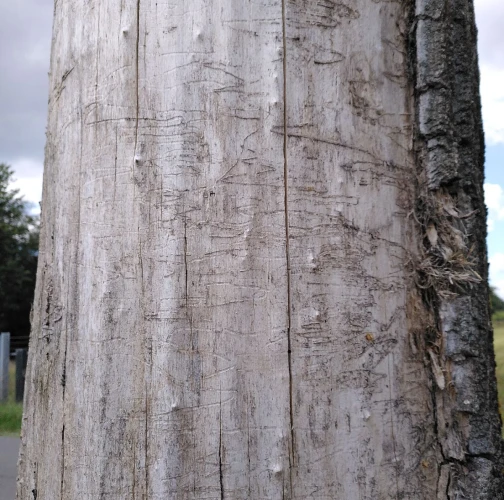
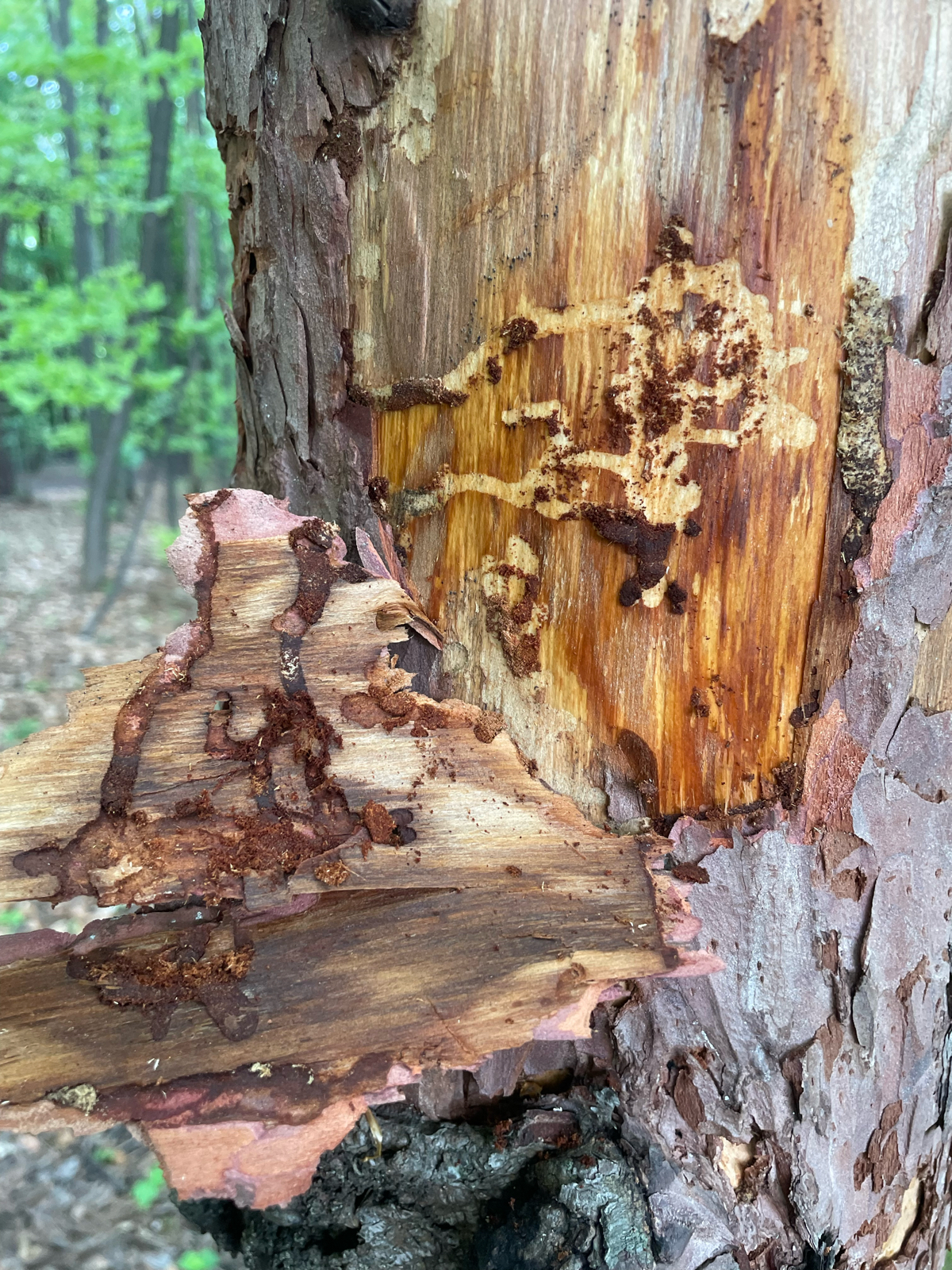
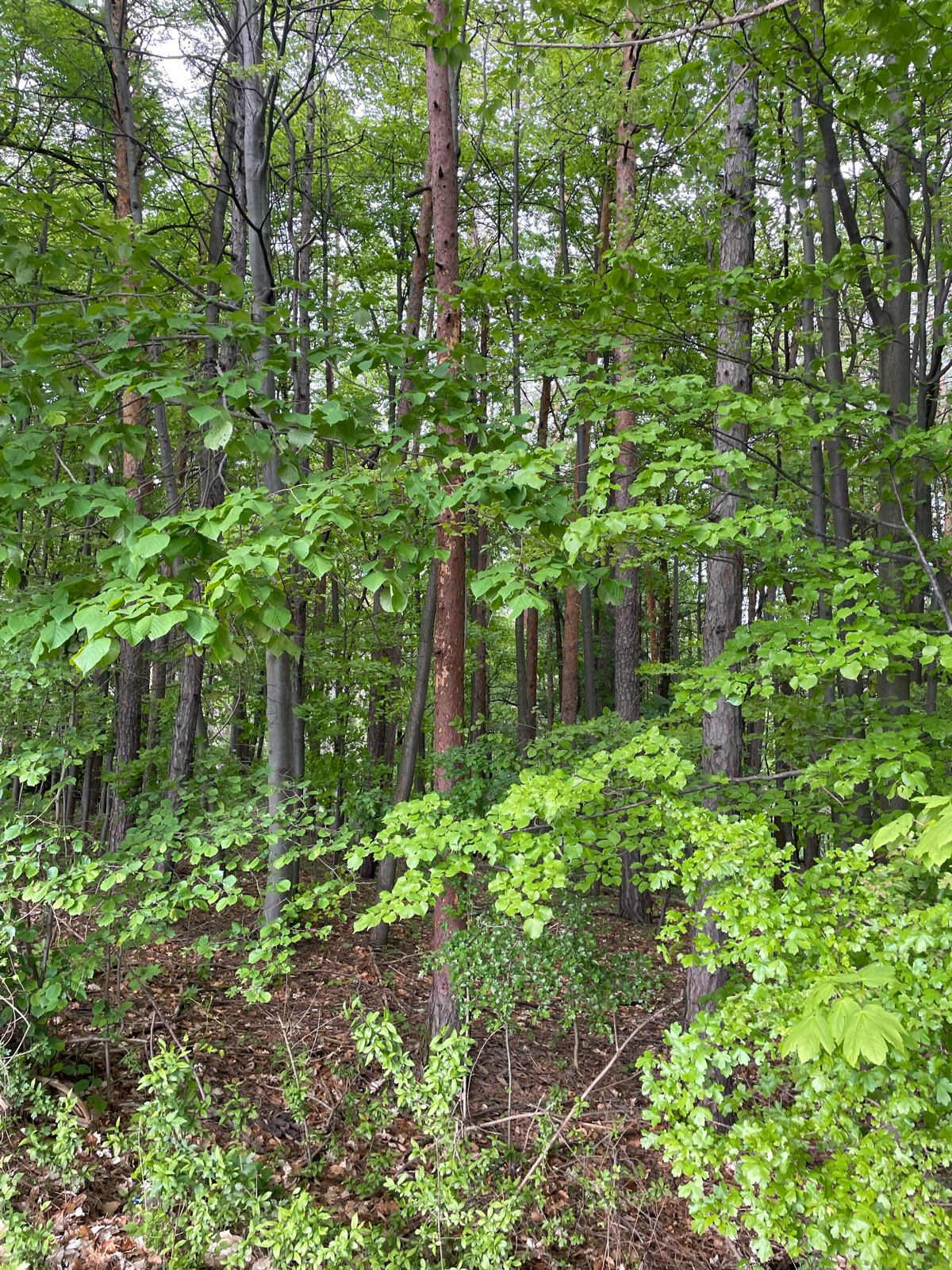
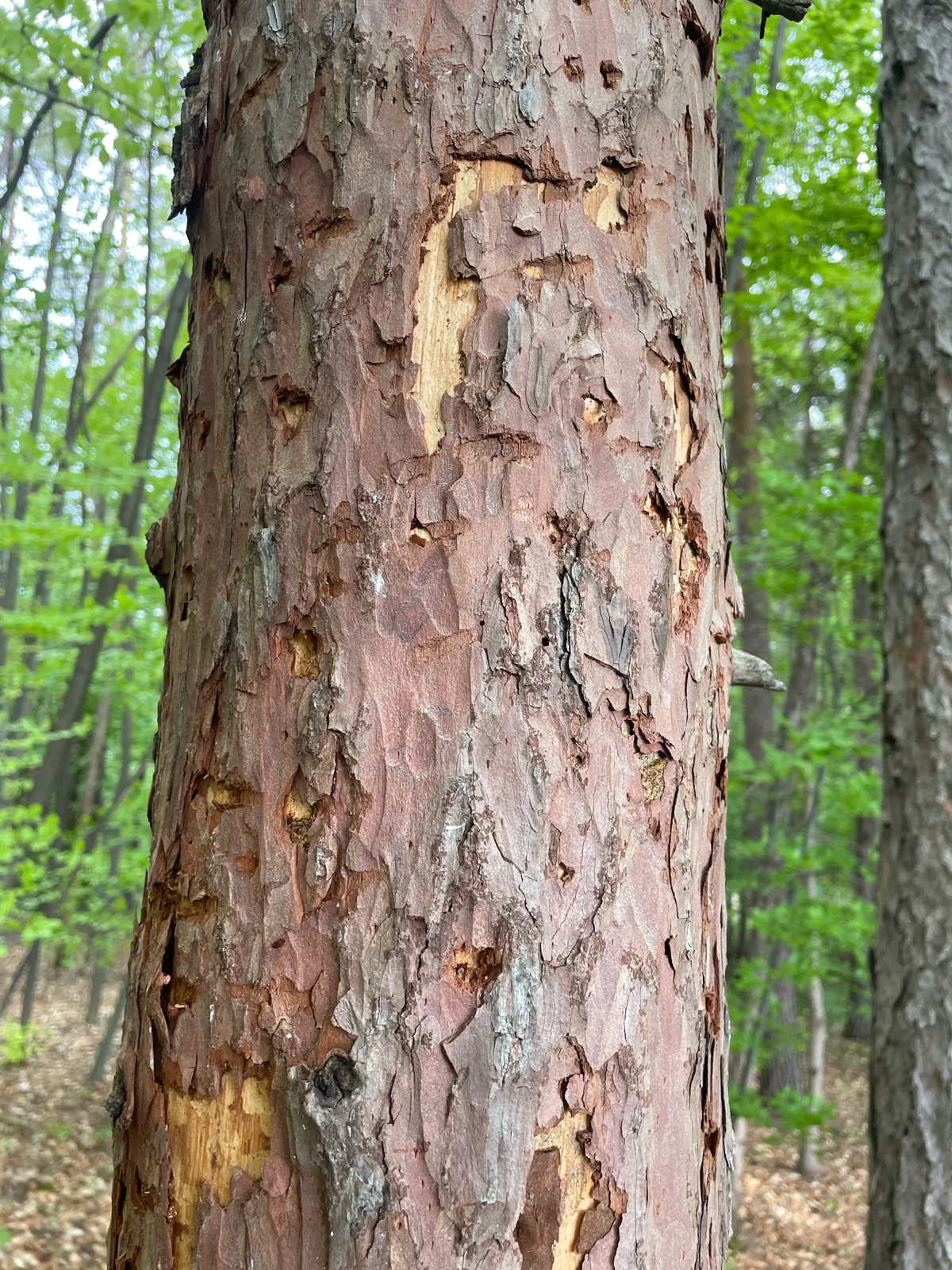
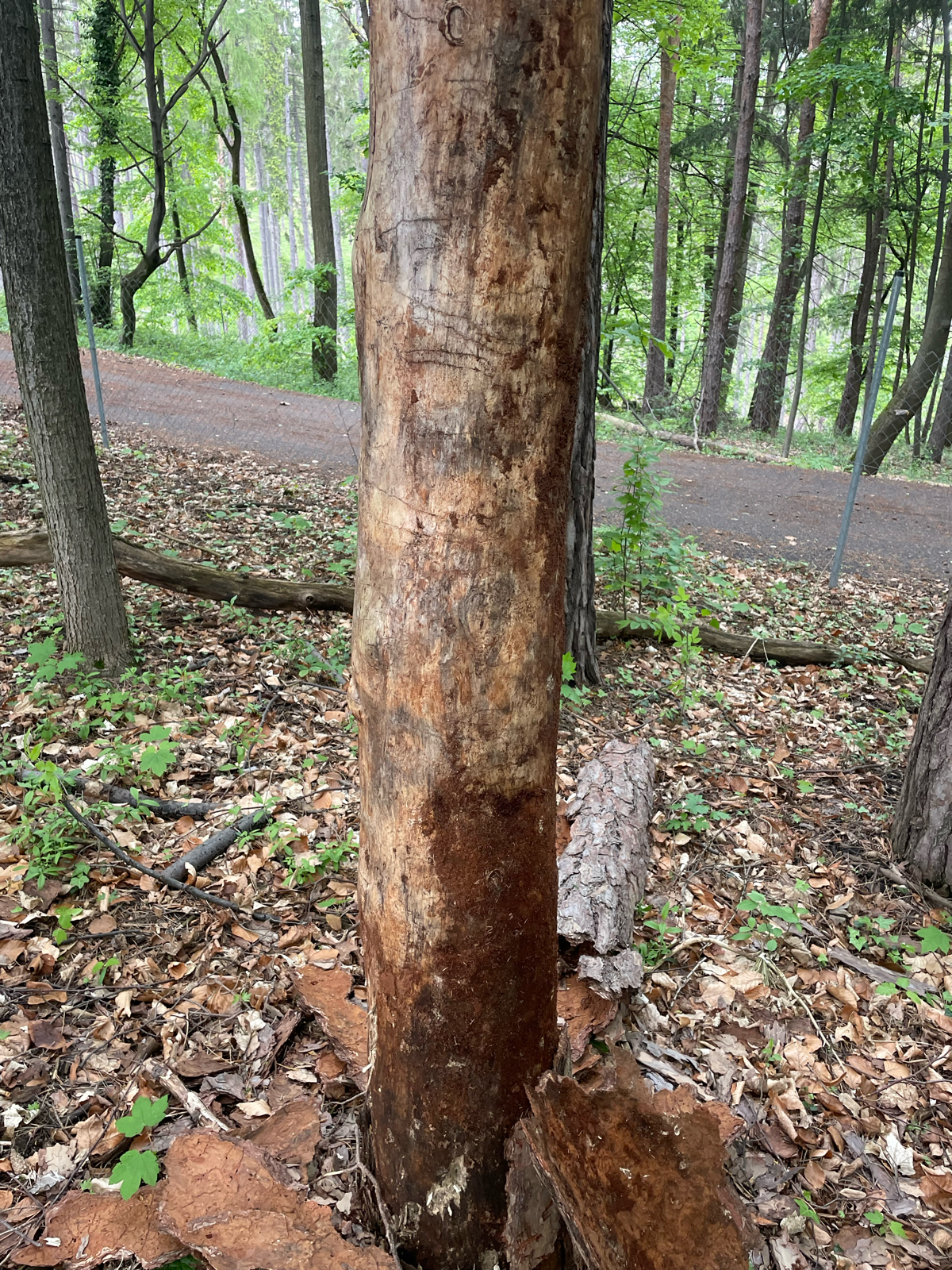
Dobrý deň. Na fotkách je vidieť požerky krasoňa modrého (Phaenops cyanea). Taktiež sú tam požerky fuzáčov a myslím, že aj zástupcov lykožrútov z rodu Orthotomicus (na kmeni bez kôry). S pozdravom JG