Login | Registration | List of contributors

Requests to determine the cause of damage

Here you can request to determine the cause of the damage. You can view the requests of other users and sort them according to the selected criteria. In addition, you can get information about your request, and you can follow the progress of its current state. If your application was not approved, it had probably been because it was impossible to identify the damage based on the sent photos or because the application does not address our topic - determining the pests of trees and shrubs. We will inform you about the status of your application by email.

Filter reset

Rejected requests are not displayed. You have been notified by email that your application has been denied.


A - This species is not in the database yet
A - This species is not in the database yetA - This species is not in the database yetA - This species is not in the database yet
A - This species is not in the database yet
Number: 7037
Received 30.9.2025
In progress: 0 days
Date of occurrence: 10.8.2025
Significance:
Discussion
From: Piotr
Assigned: M. Zúbrik
Country: Poland

Question

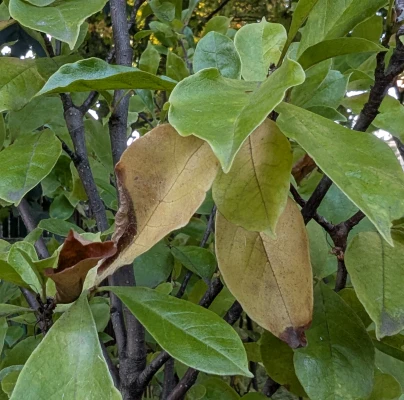
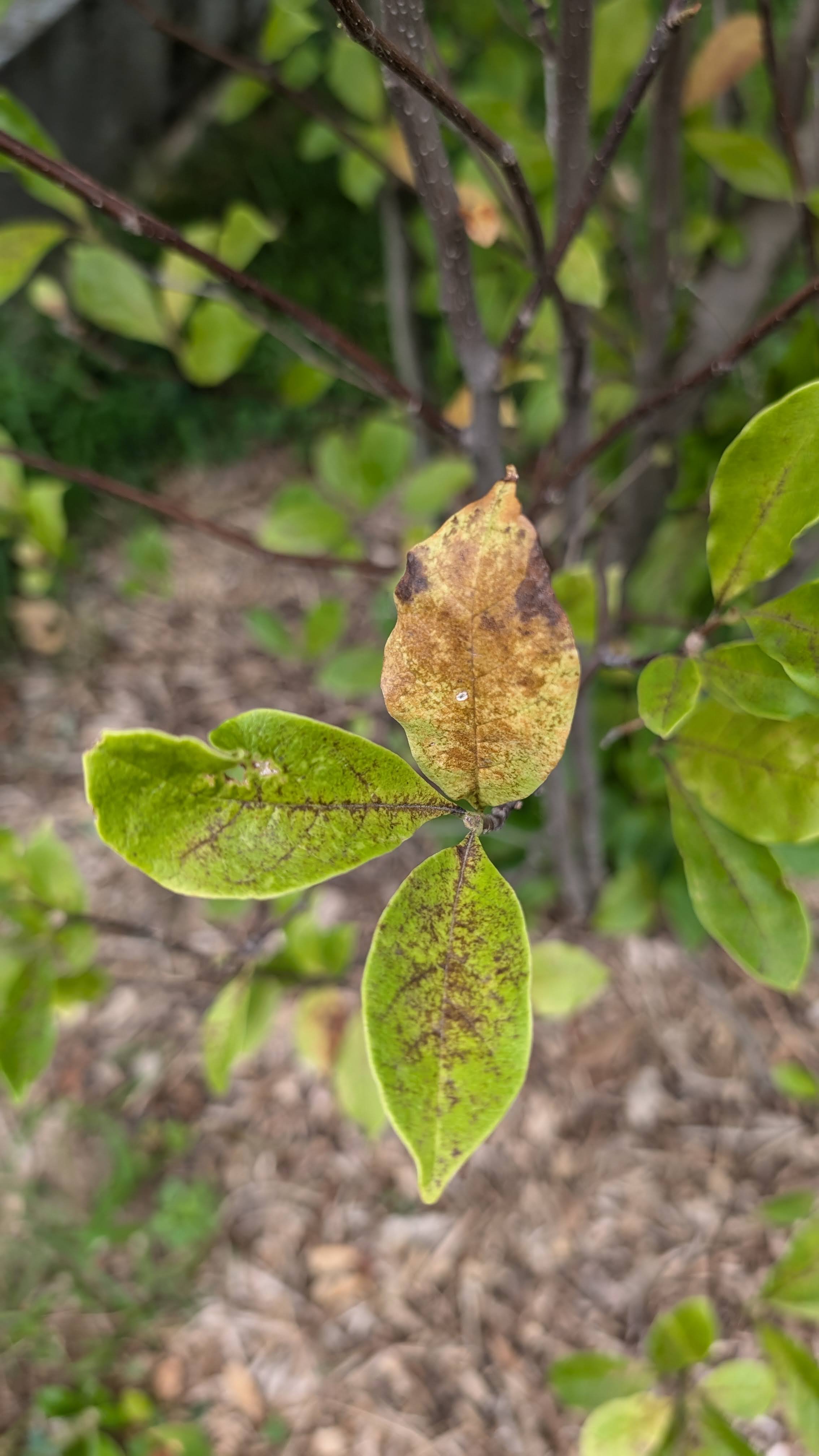
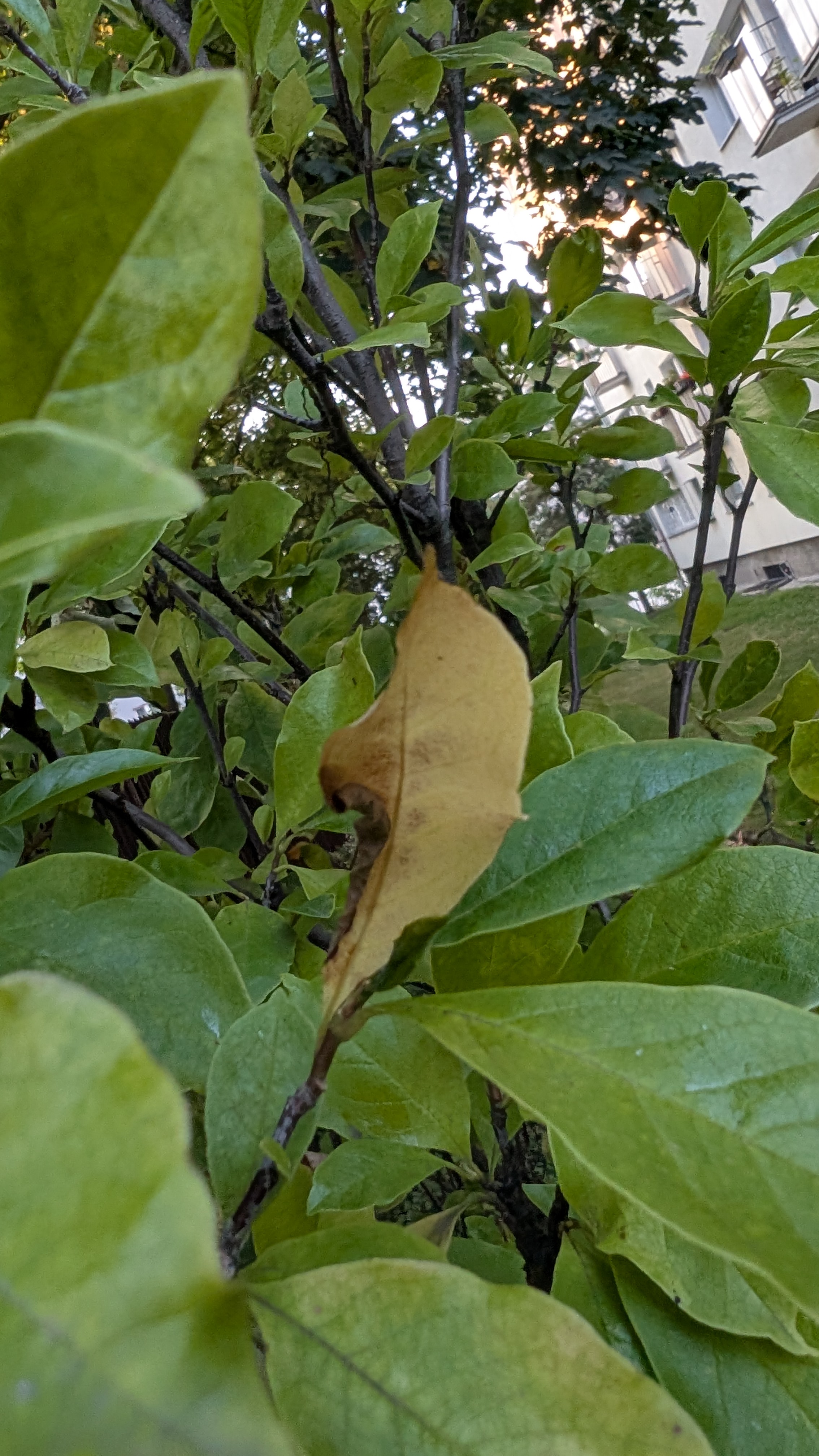
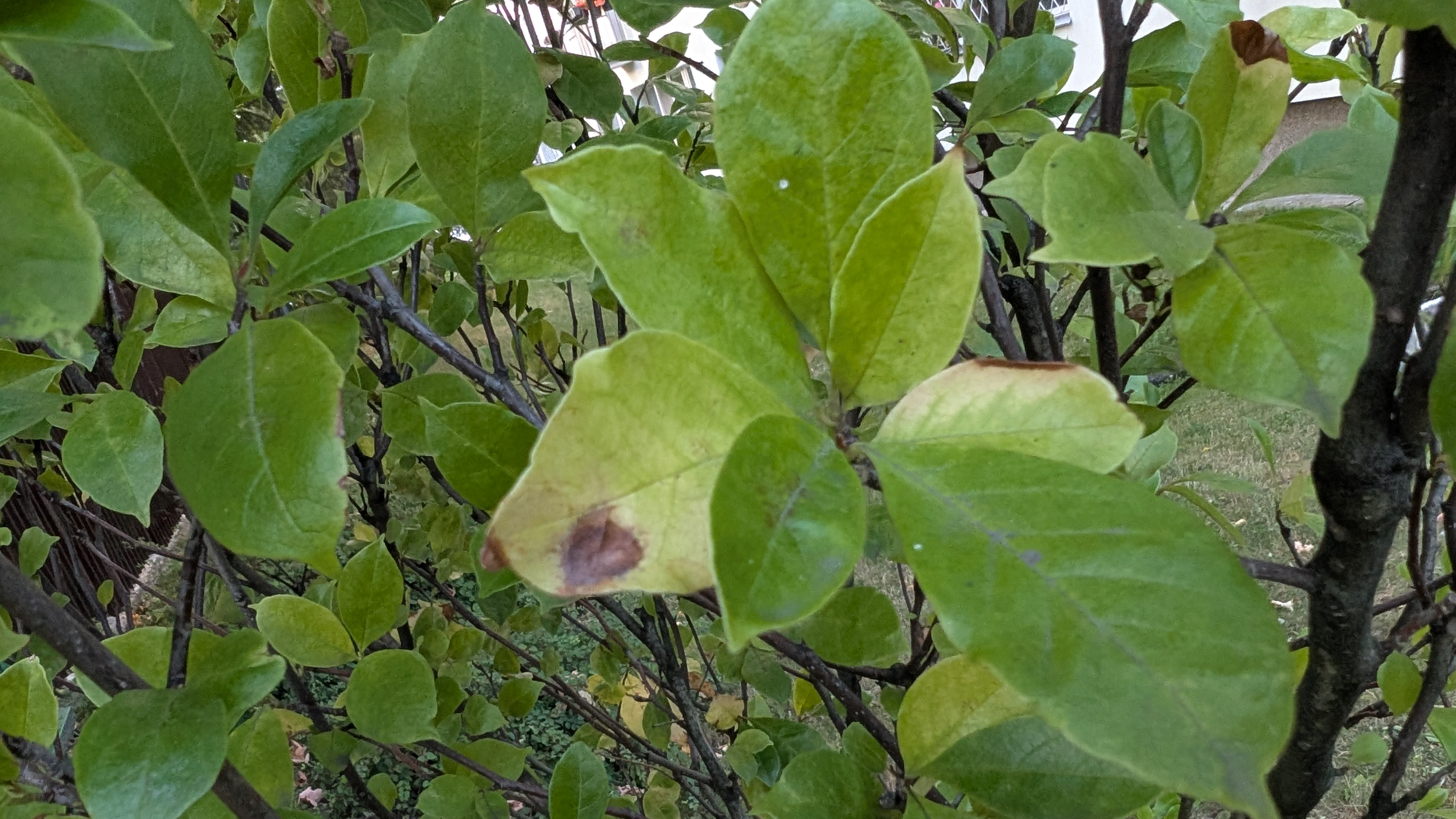
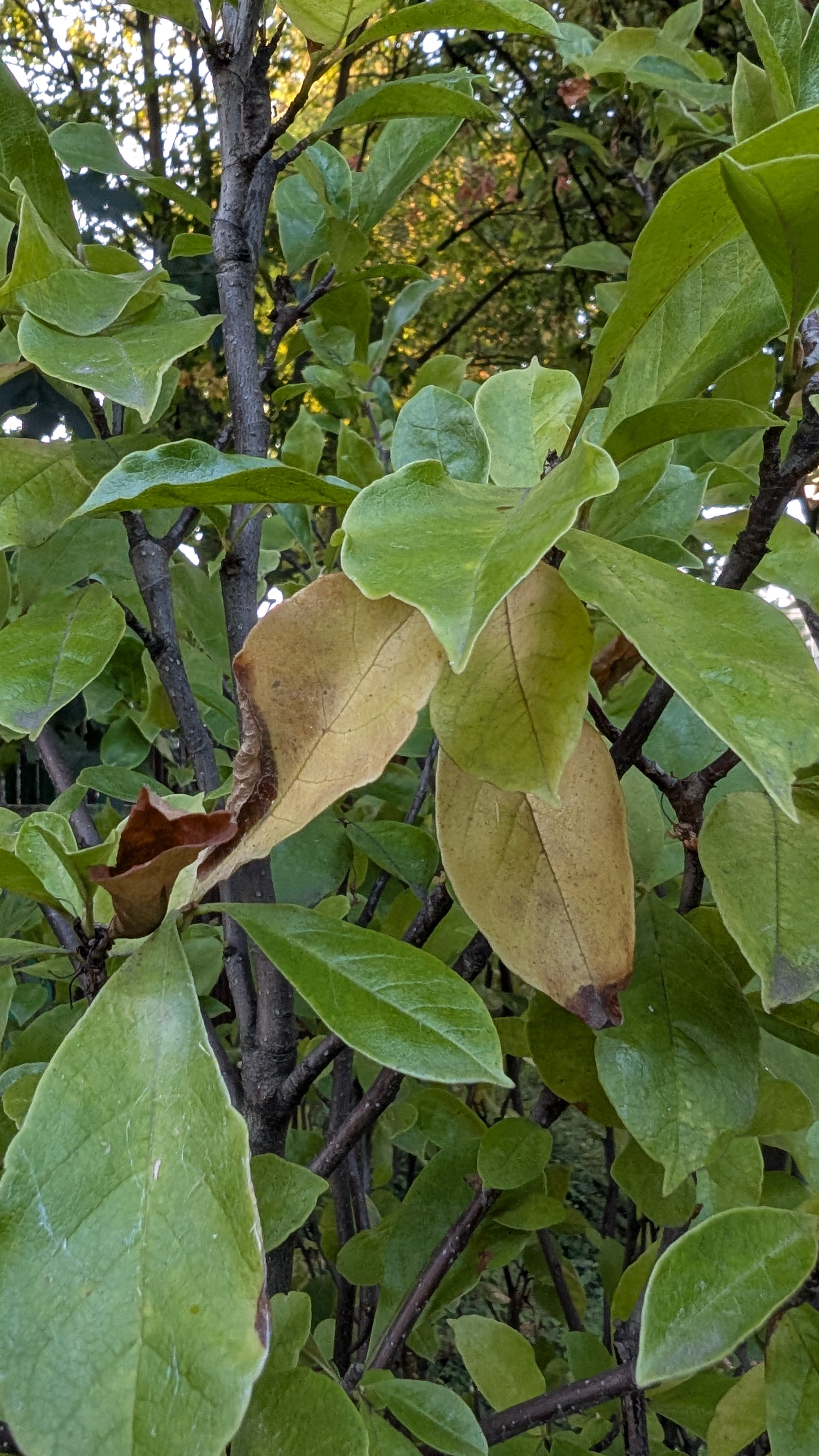
Recurring every year, starting from late July with fast deterioration of the foliage towards autumn.

Answer

Dear Piotr, thank you for your question. In autumn, this kind of leaf drop can be partly natural/seasonal, but it may also be contributed to by foliar fungal pathogens—for example, Phyllosticta magnoliae or related species. Best regards, Milan Zubrik
Number of votes for this answer: 0

Pest

A - This species is not in the database yet

A - This species is not in the database yet

A - This species is not in the database yet

A - This species is not in the database yet

Received: 30.9.2025
Wood: Magnolia
Number: 7037
Date of occurrence: 10.8.2025
Discussion

Add comment: A - This species is not in the database yet

A - This species is not in the database yet
Number: 7036
Received 30.9.2025
In progress: 0 days
Date of occurrence: 28.9.2025
Significance:
Discussion
From: Piotr
Assigned: M. Zúbrik
Country: Poland

Question

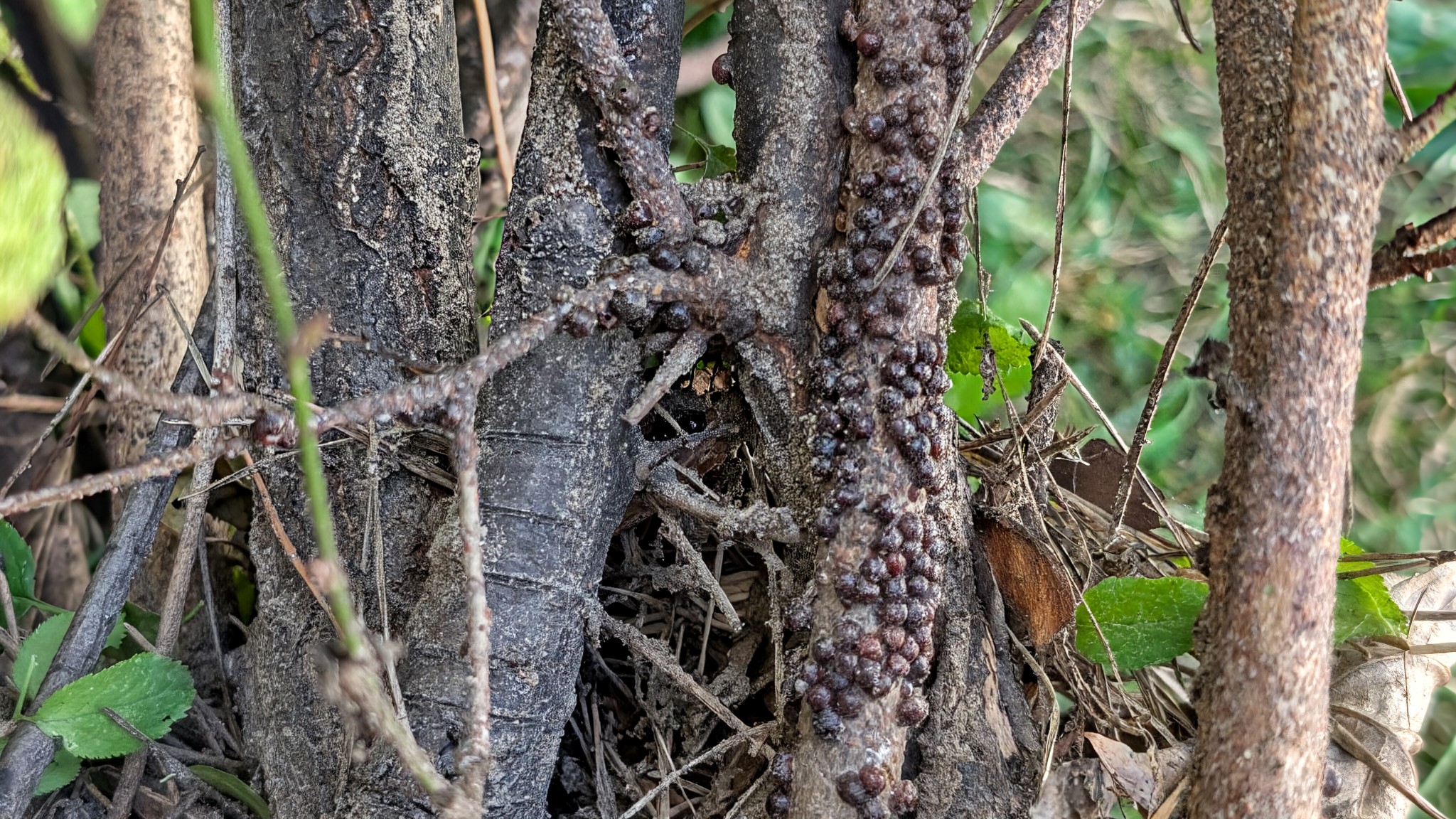
Insect eggs located on the trunk of plum shrub (close to the ground level)

Answer

Dear Piotr, thank you for your inquiry. The insect in the photo is a scale insect, most likely Sphaerolecanium prunastri, which commonly occurs on plum trees. Best regards, Milan Zubrik
Number of votes for this answer: 0

Pest

A - This species is not in the database yet

A - This species is not in the database yet

A - This species is not in the database yet

A - This species is not in the database yet

Received: 30.9.2025
Wood: Plum
Number: 7036
Date of occurrence: 28.9.2025
Discussion

Add comment: A - This species is not in the database yet

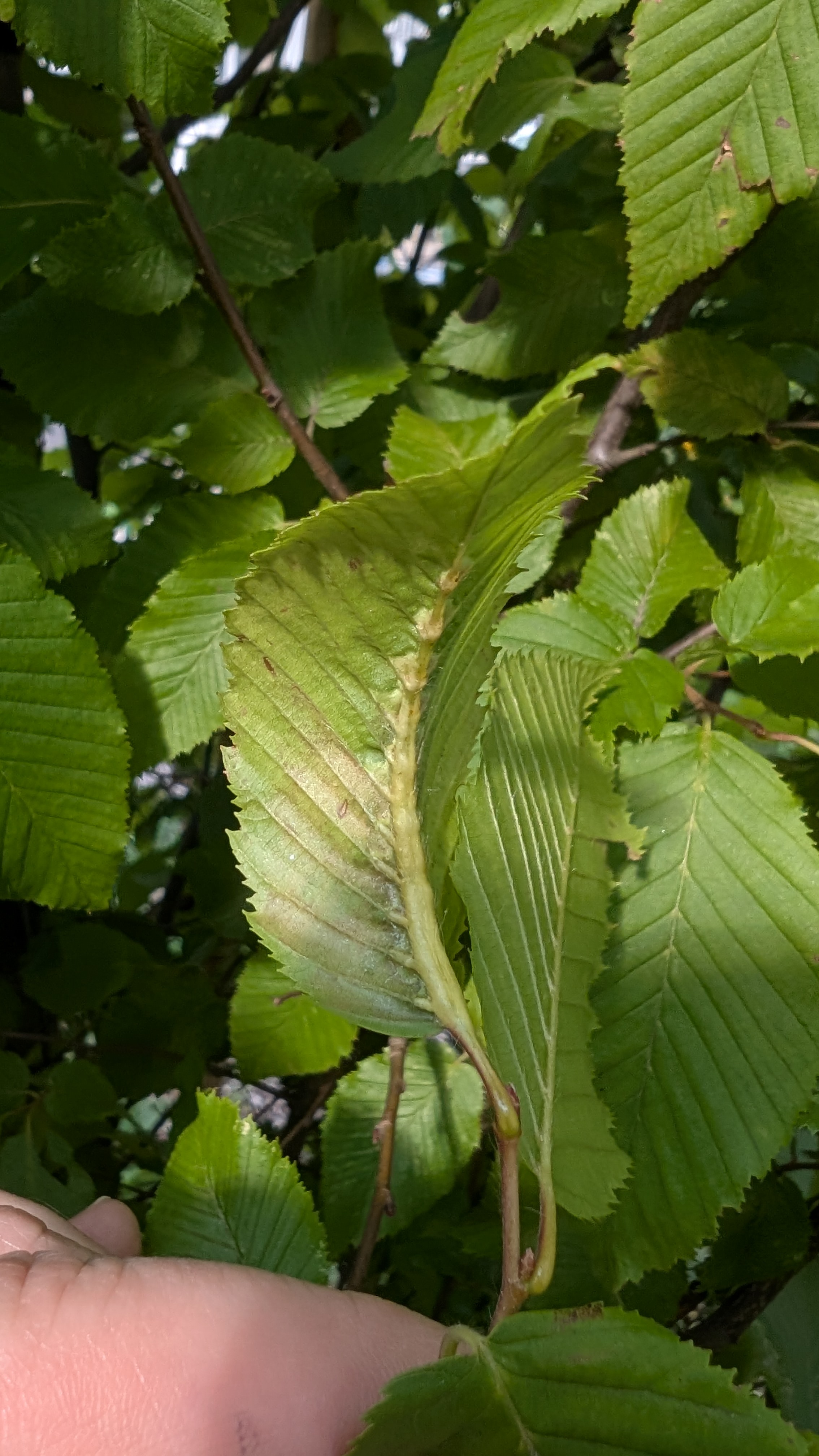
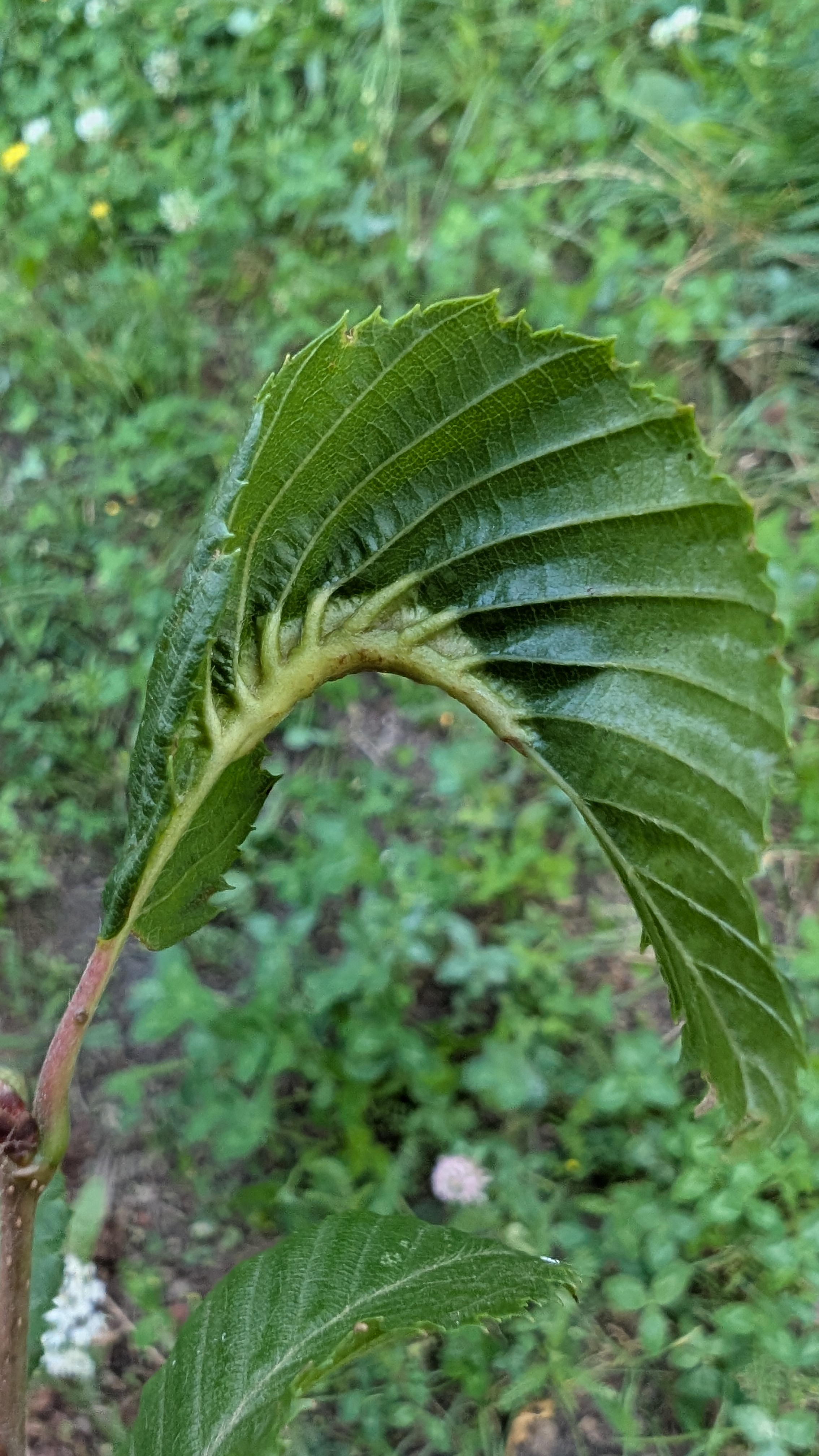
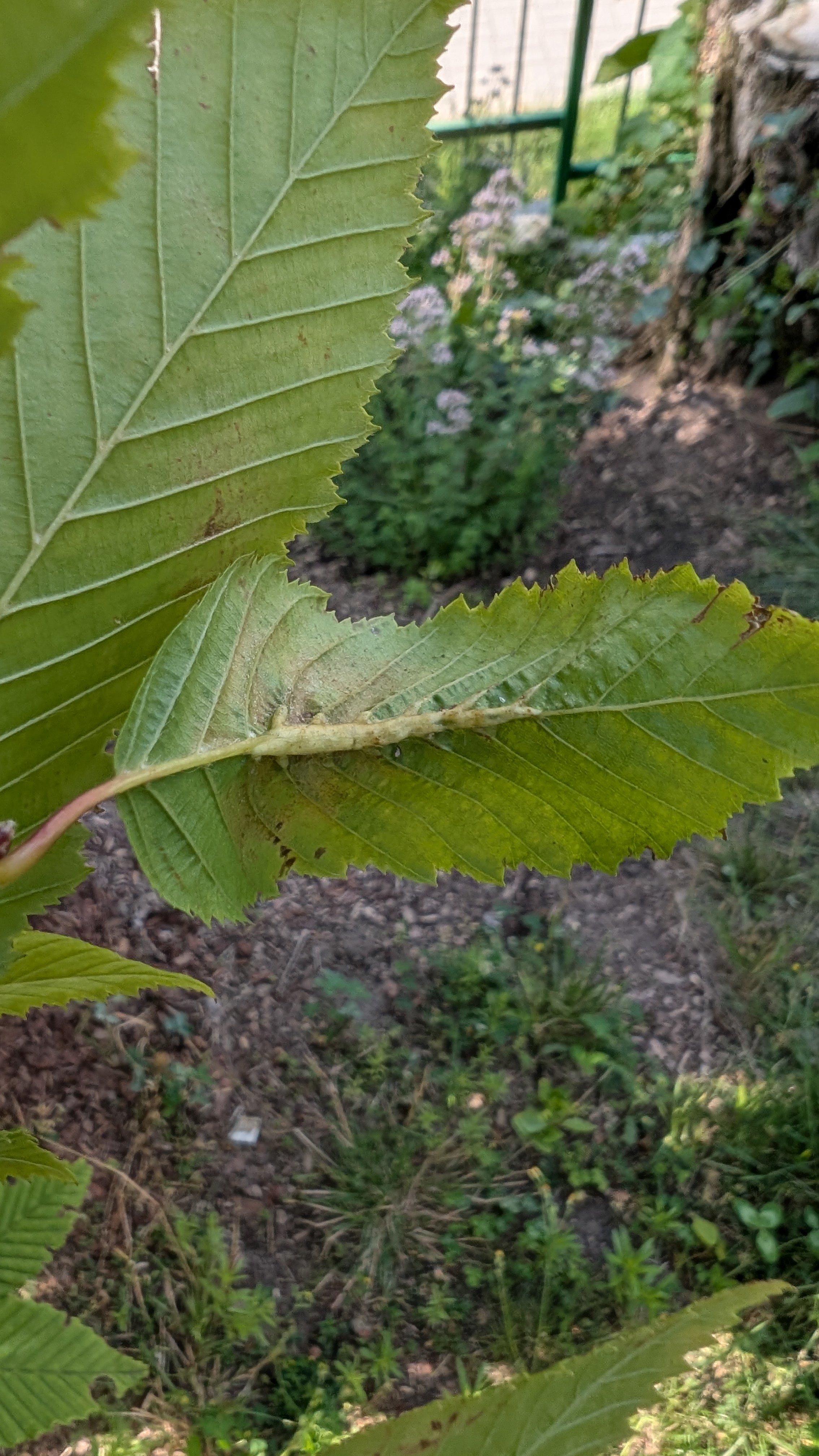
Gall midge Zygiobia carpini
Plodomorka Zygiobia carpiniPlodomorka Zygiobia carpini
Gall midge Zygiobia carpini
Number: 6578
Received 24.7.2025
In progress: 4 days
Date of occurrence: 23.7.2025
Significance: Less harmful
Discussion
From: Piotr
Assigned: M. Zúbrik
Country: Poland

Question

Answer

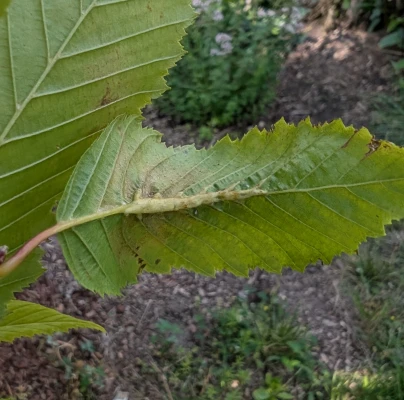
Thank you for your question. The damage is caused by Zygiobia carpini, a gall midge that forms elongated galls on hornbeam leaves. It affects the appearance but usually does not seriously harm the tree.Best regards, Milan Zúbrik

Number of votes for this answer: 0

Pest

Gall midge Zygiobia carpini

Zygiobia carpini

Gall midge Zygiobia carpini

Zygiobia carpini

hmyz

Received: 24.7.2025
Wood: Hornbeam
Number: 6578
Date of occurrence: 23.7.2025
Discussion

Add comment: Gall midge Zygiobia carpini

Back to top