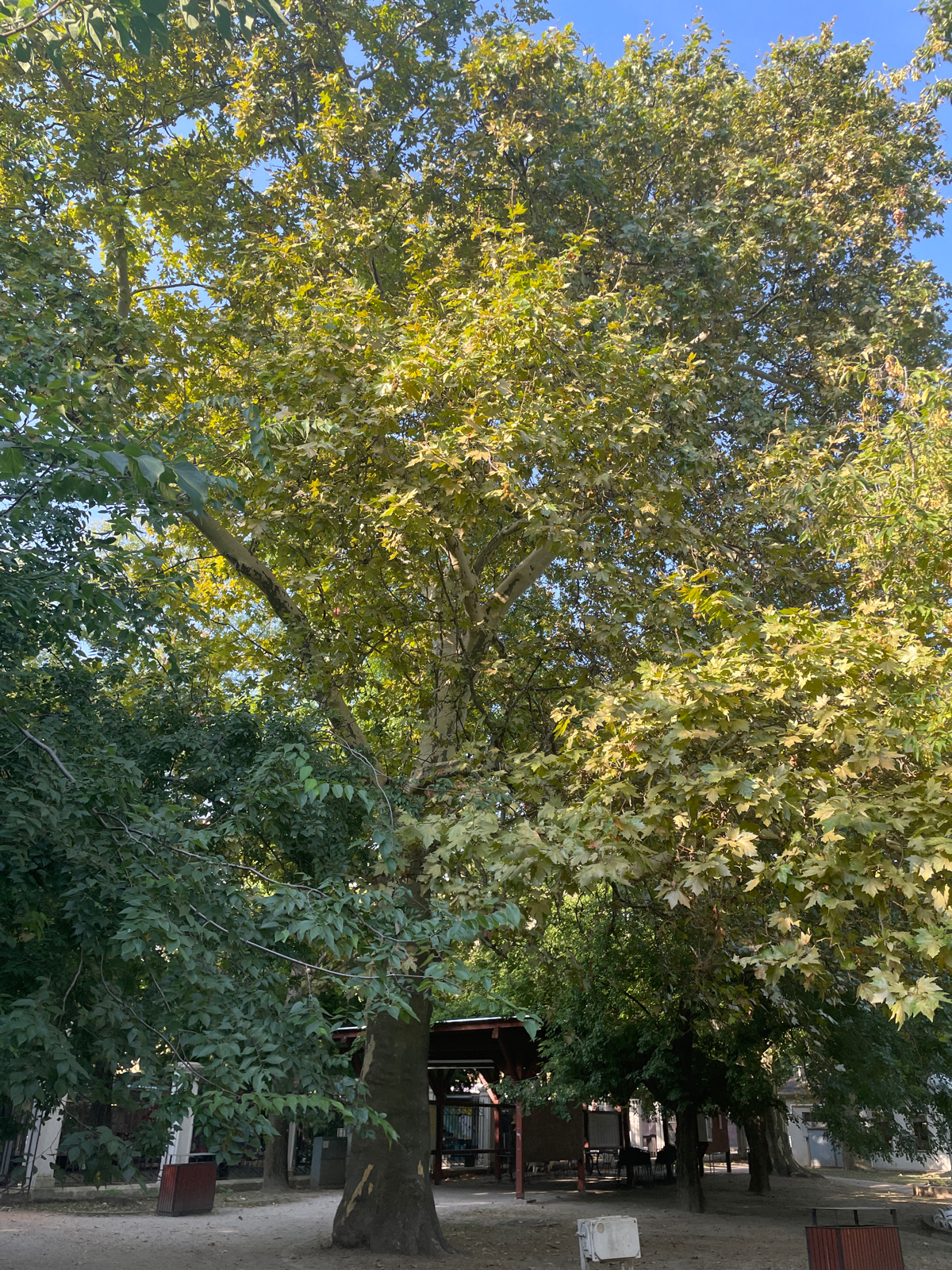
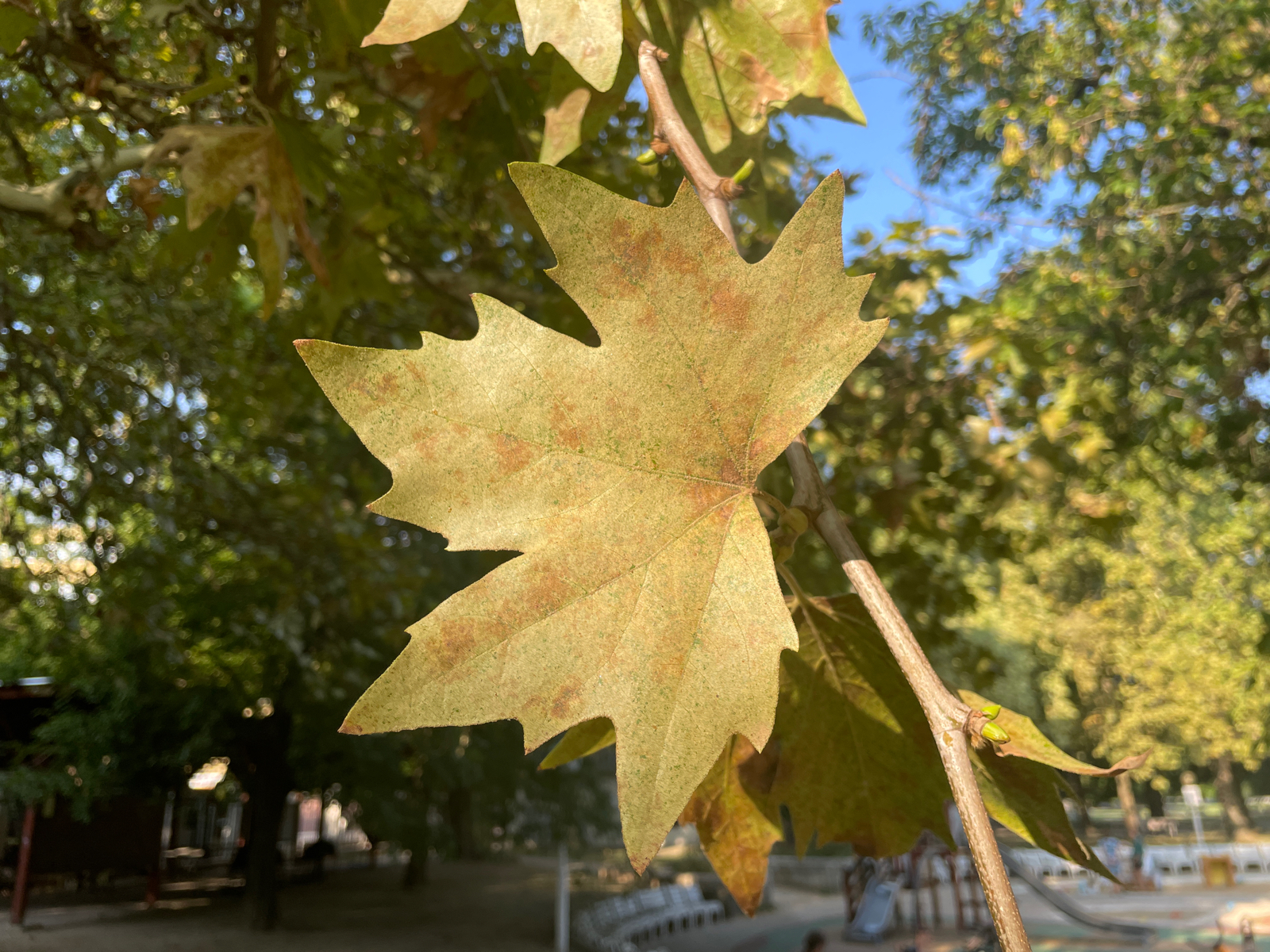
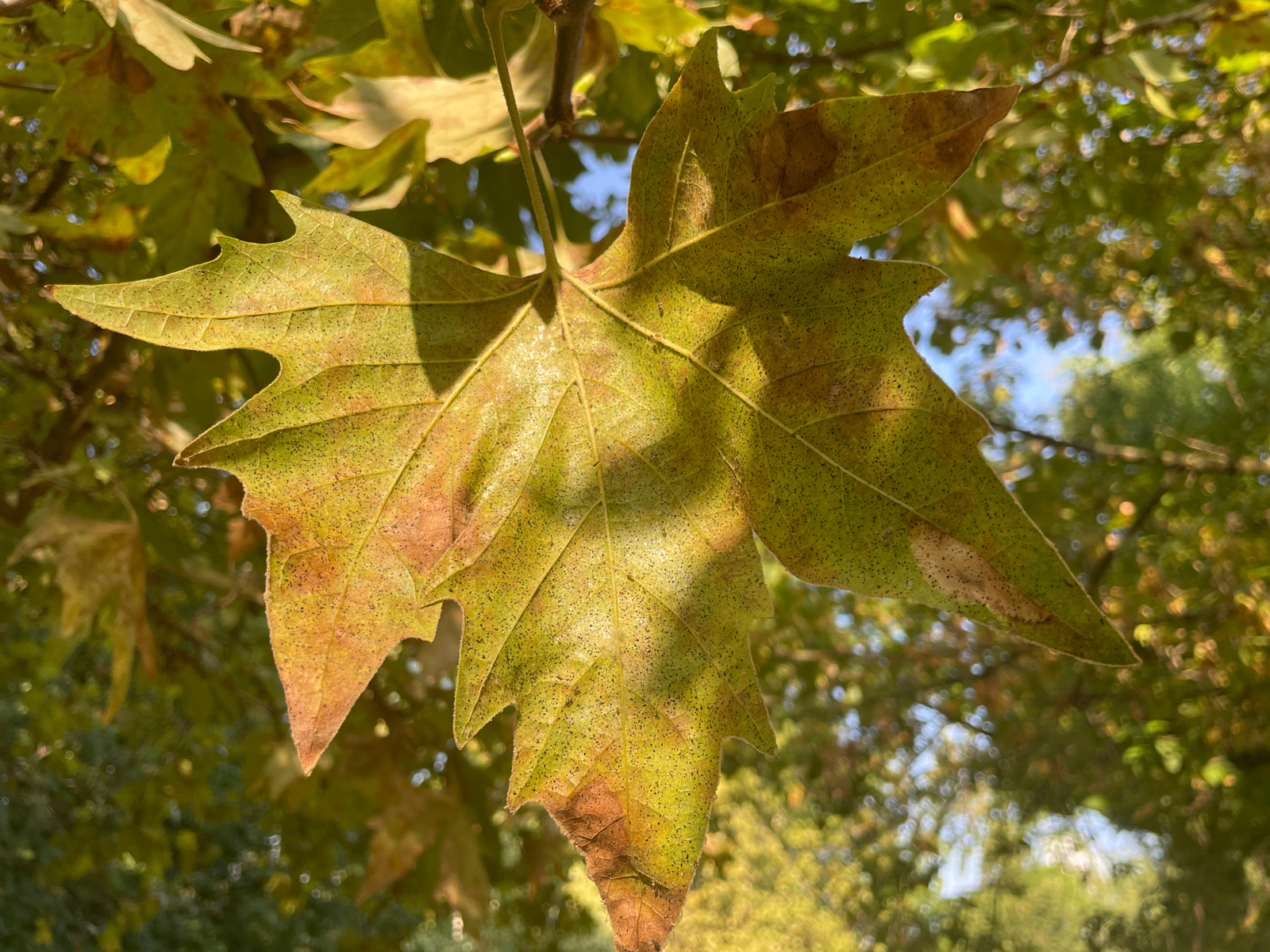
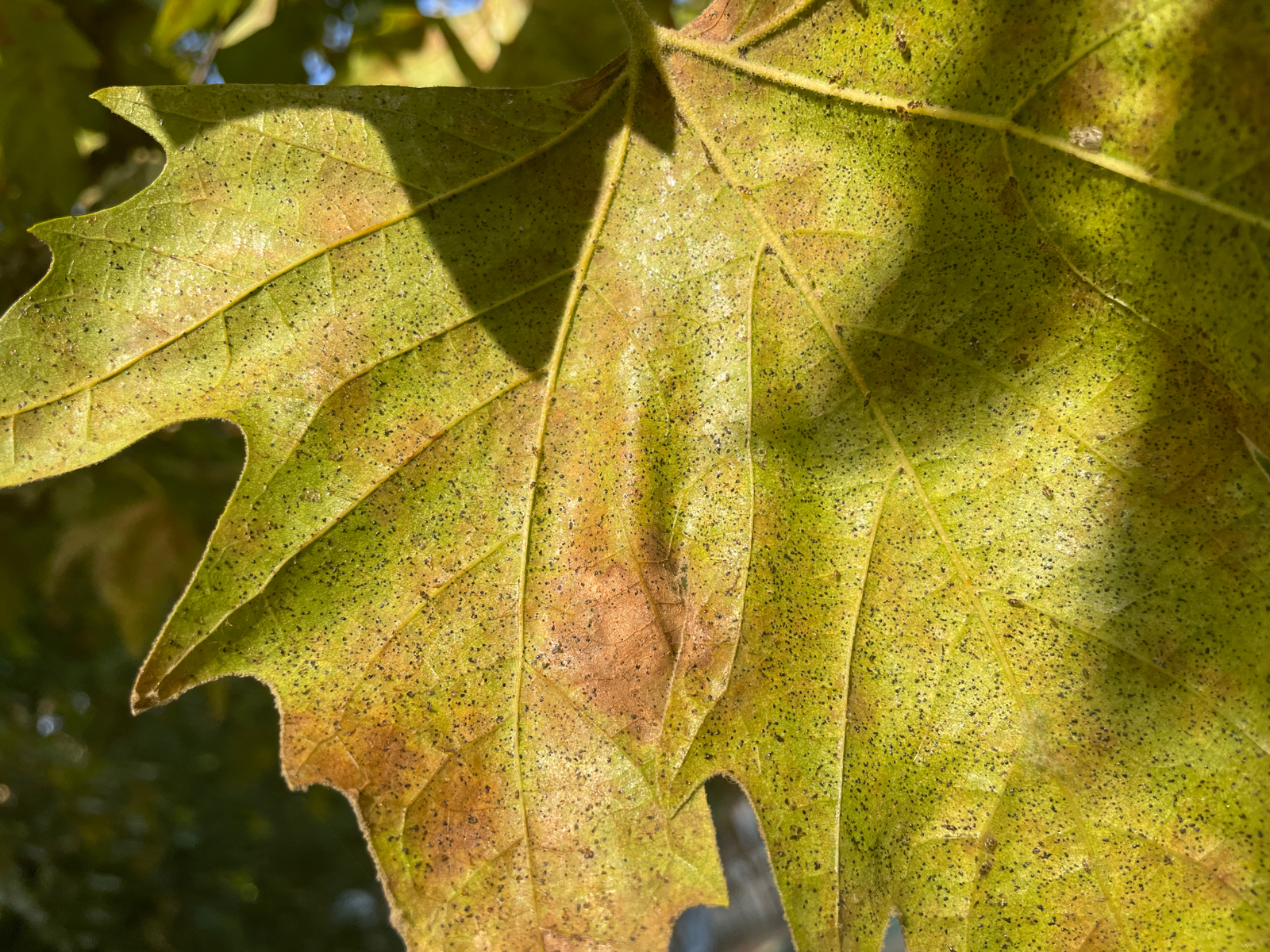
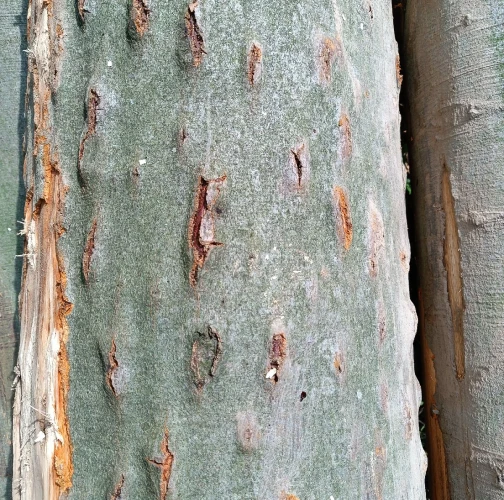
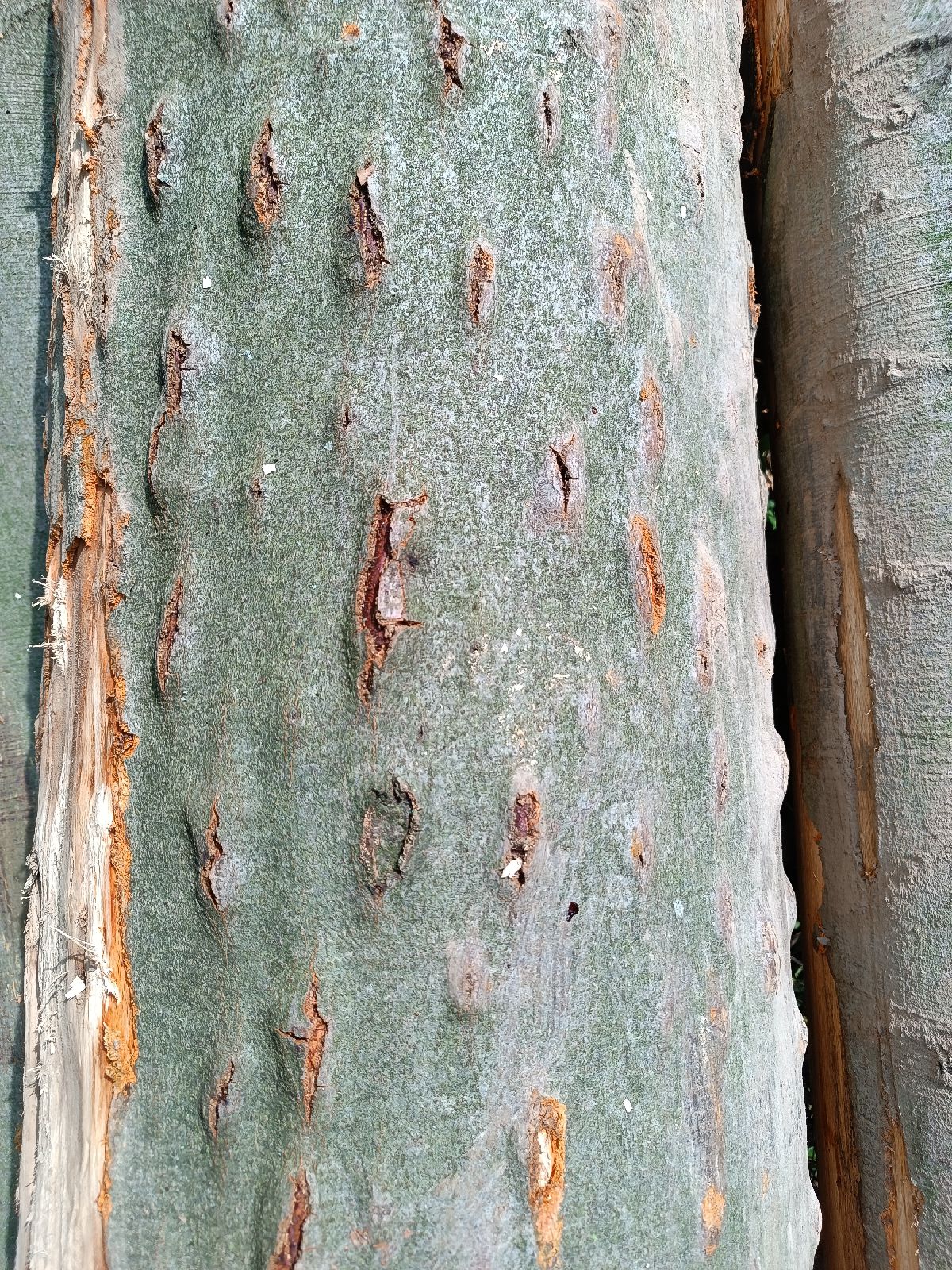
Here you can request to determine the cause of the damage. You can view the requests of other users and sort them according to the selected criteria. In addition, you can get information about your request, and you can follow the progress of its current state. If your application was not approved, it had probably been because it was impossible to identify the damage based on the sent photos or because the application does not address our topic - determining the pests of trees and shrubs. We will inform you about the status of your application by email.
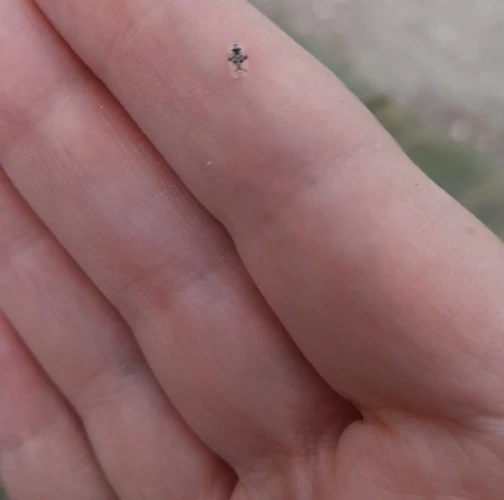
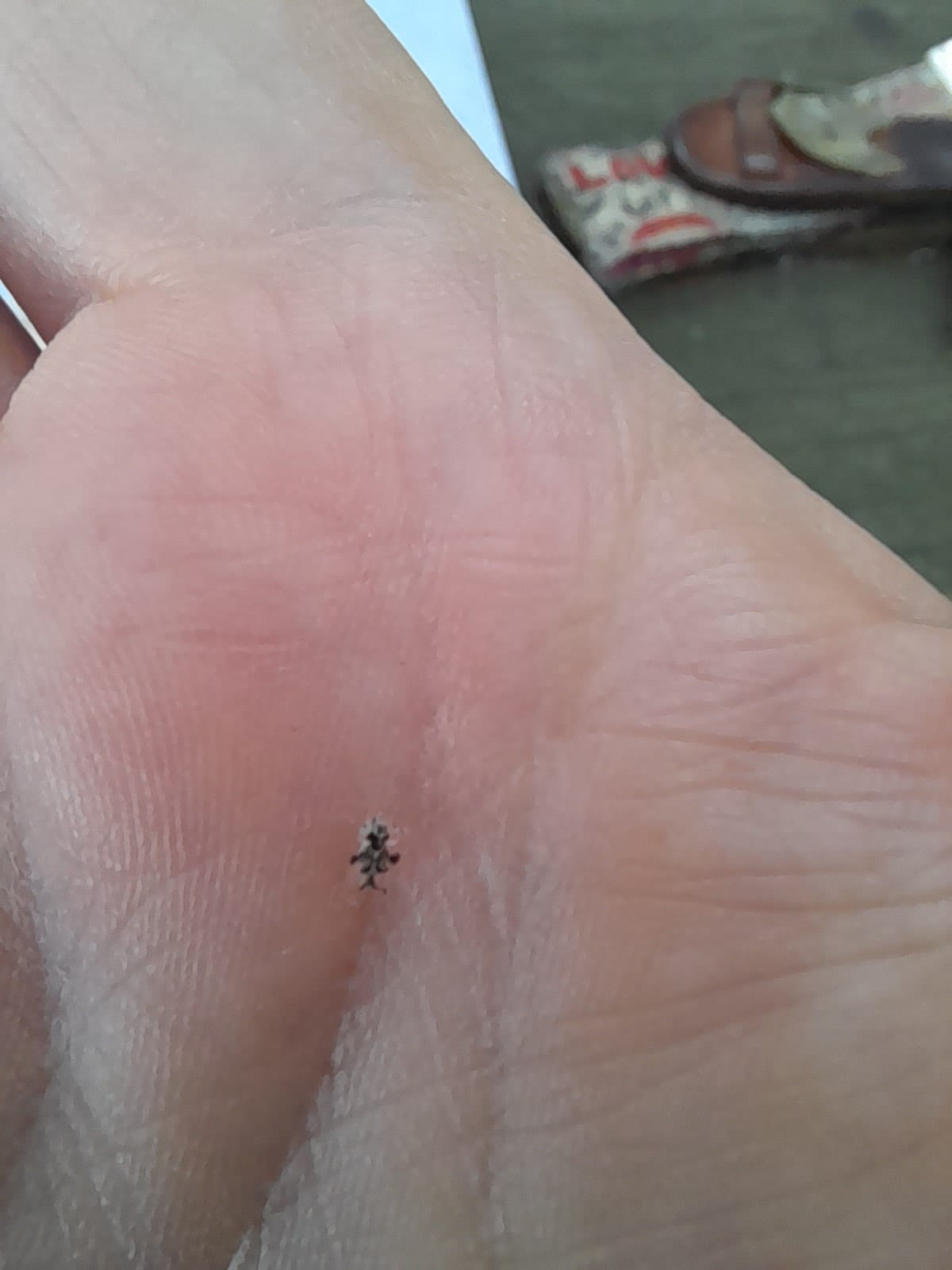
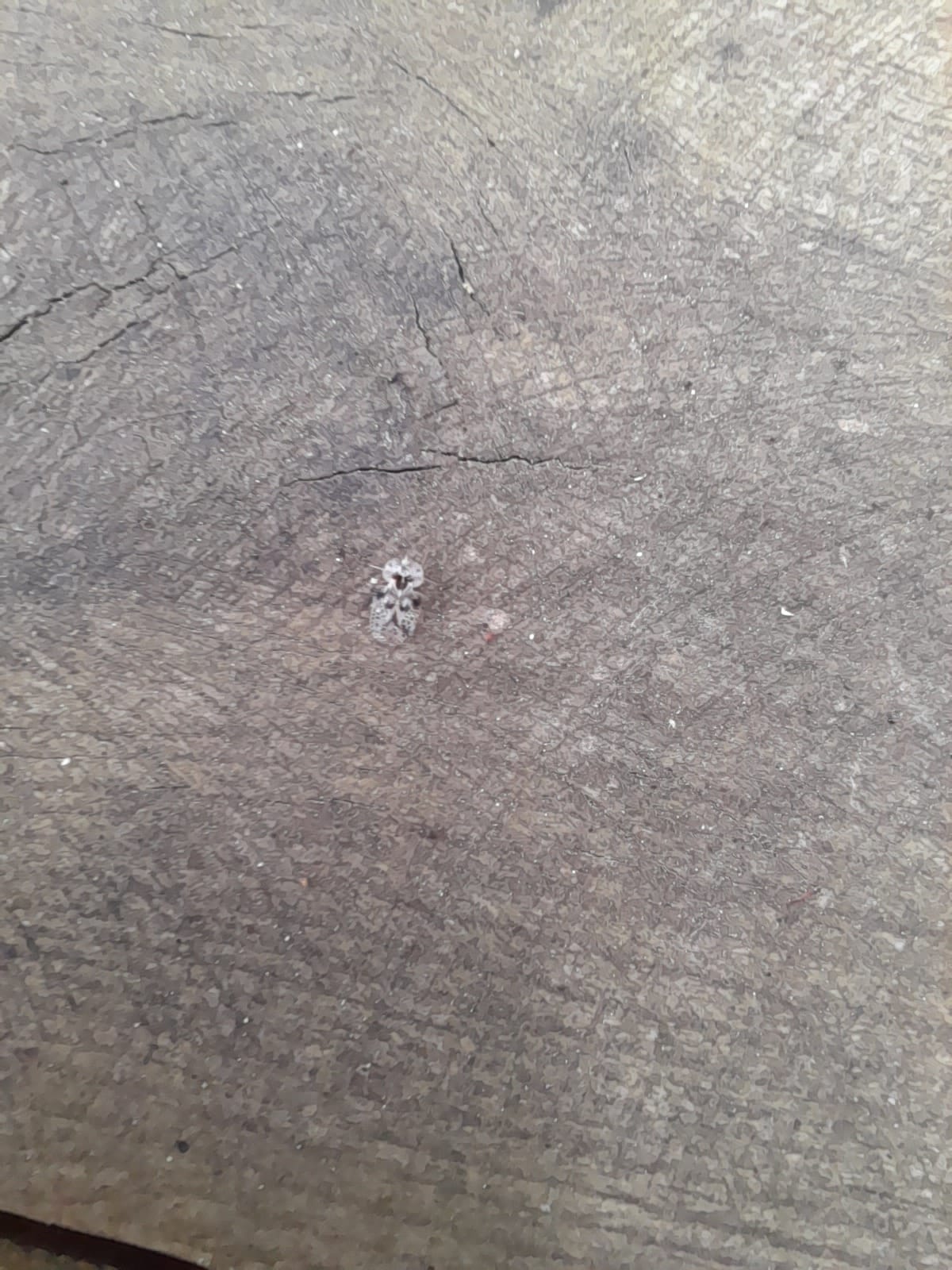
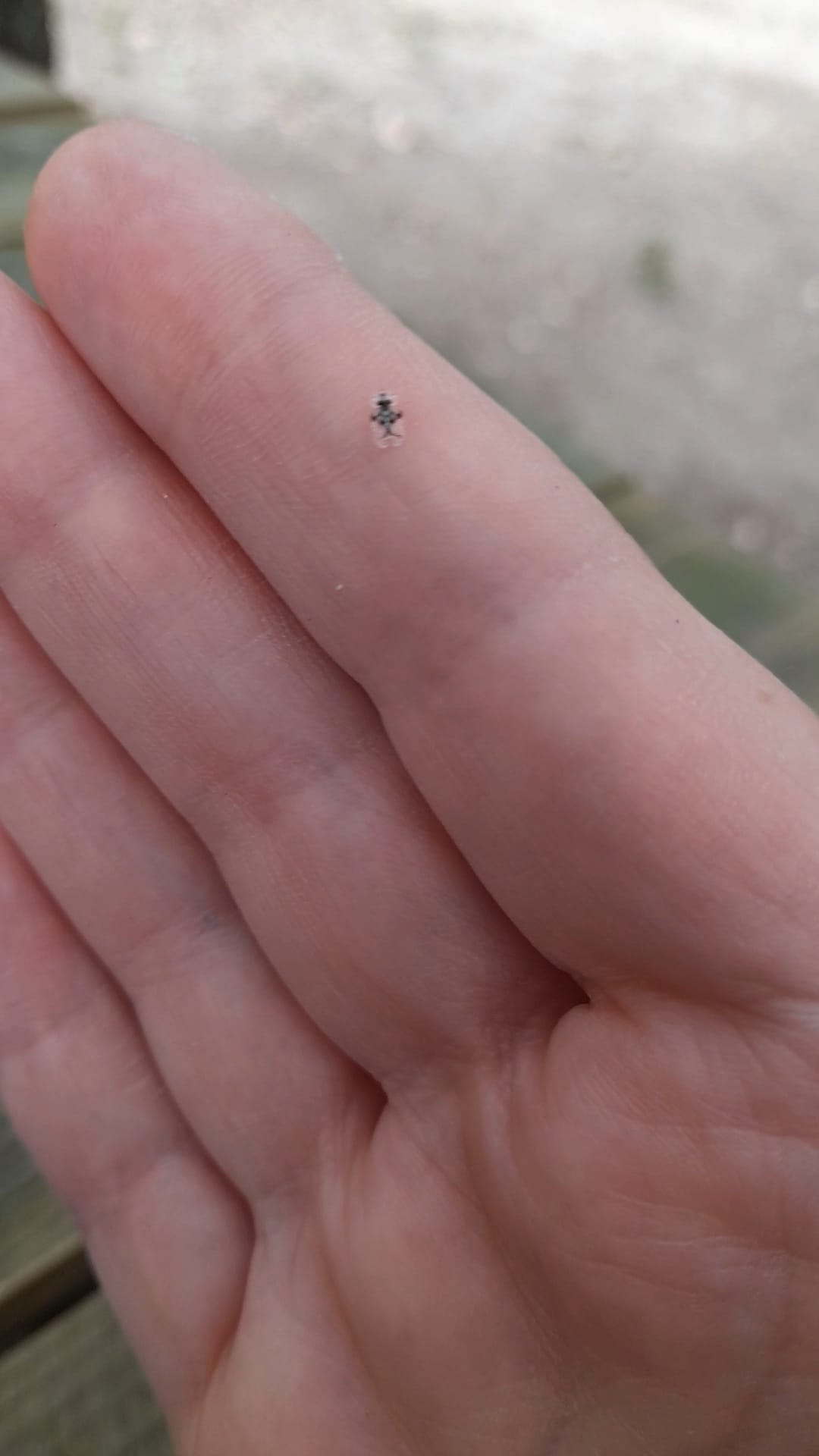
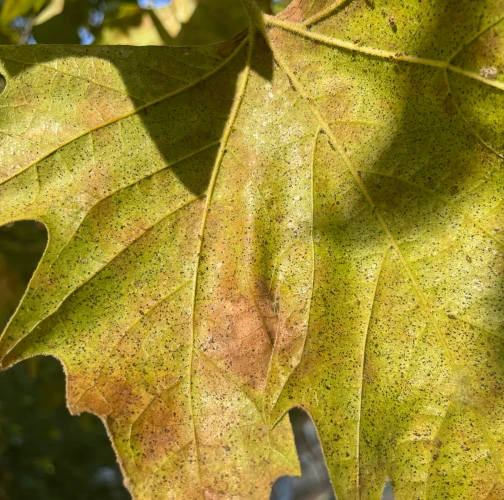
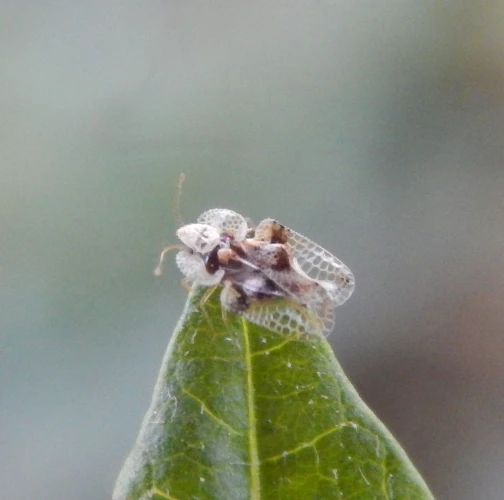
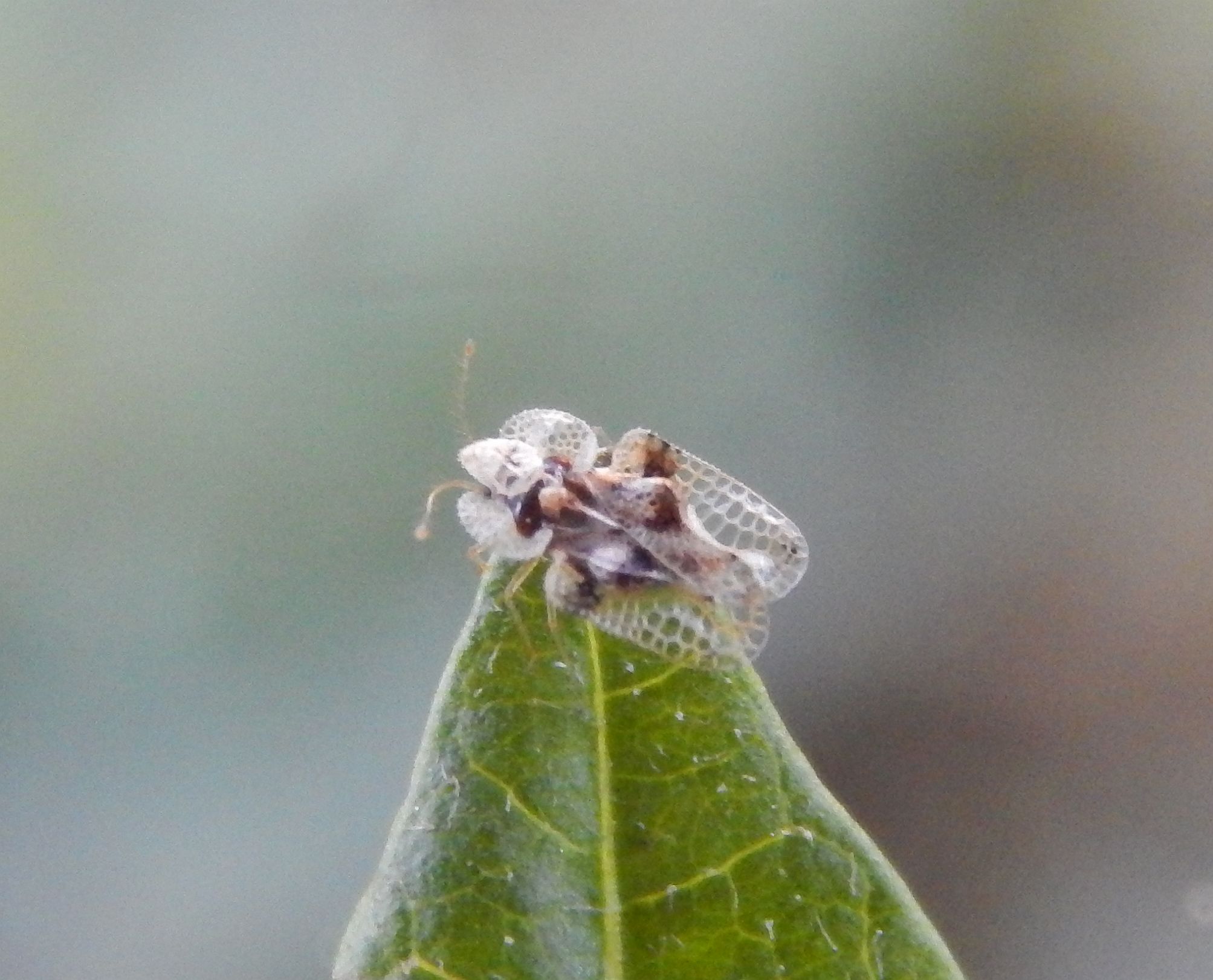
Dear Soares, thank you for your question. This is invasive species oal lace bug Corythucha arcuata. This North American species was first reported in Europe in 2000. The 3 mm long, bizarrely-shaped bugs overwinter in bark crevices or in leaf litter. There are 2–4 generations per year. Adults are usually present from June to September, and during this time they continue to feed on the leaves of oak trees. Feeding results in discoloured, pale, mottled leaves, which may, if the attack is heavy, drop prematurely. While the oak lace bug is considered a pest of oak trees, it typically does not cause significant harm to the trees. However, severe infestations can occur, particularly in areas where the bugs are abundant. In these cases, the oak lace bug can cause defoliation, weaken the tree, and make it more susceptible to other pests and diseases. Best regards M. Zubrik
Poškodenie som ani neevidoval. Len su ich stovky a je ich plna dedina Velčice. Nie som si istý, ci sa ale jedna o tento druh, lebo tie naše sú oveľa menšie.
Answer
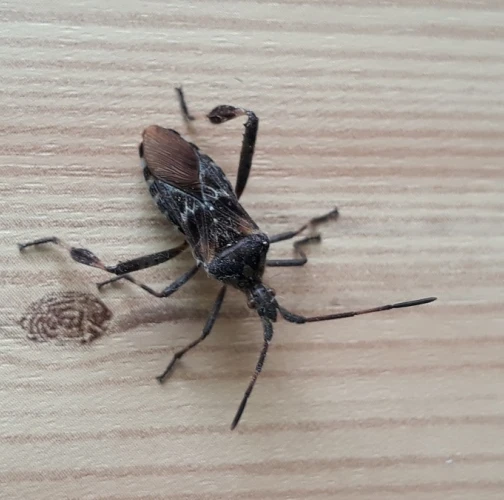
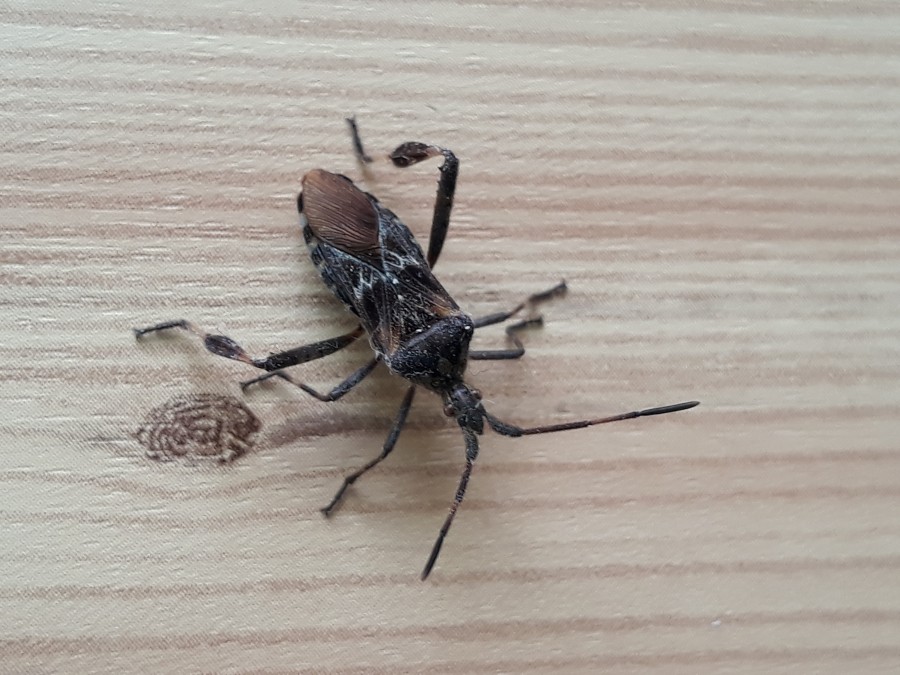
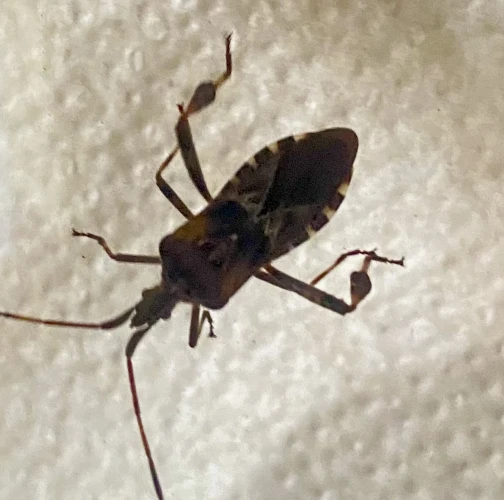
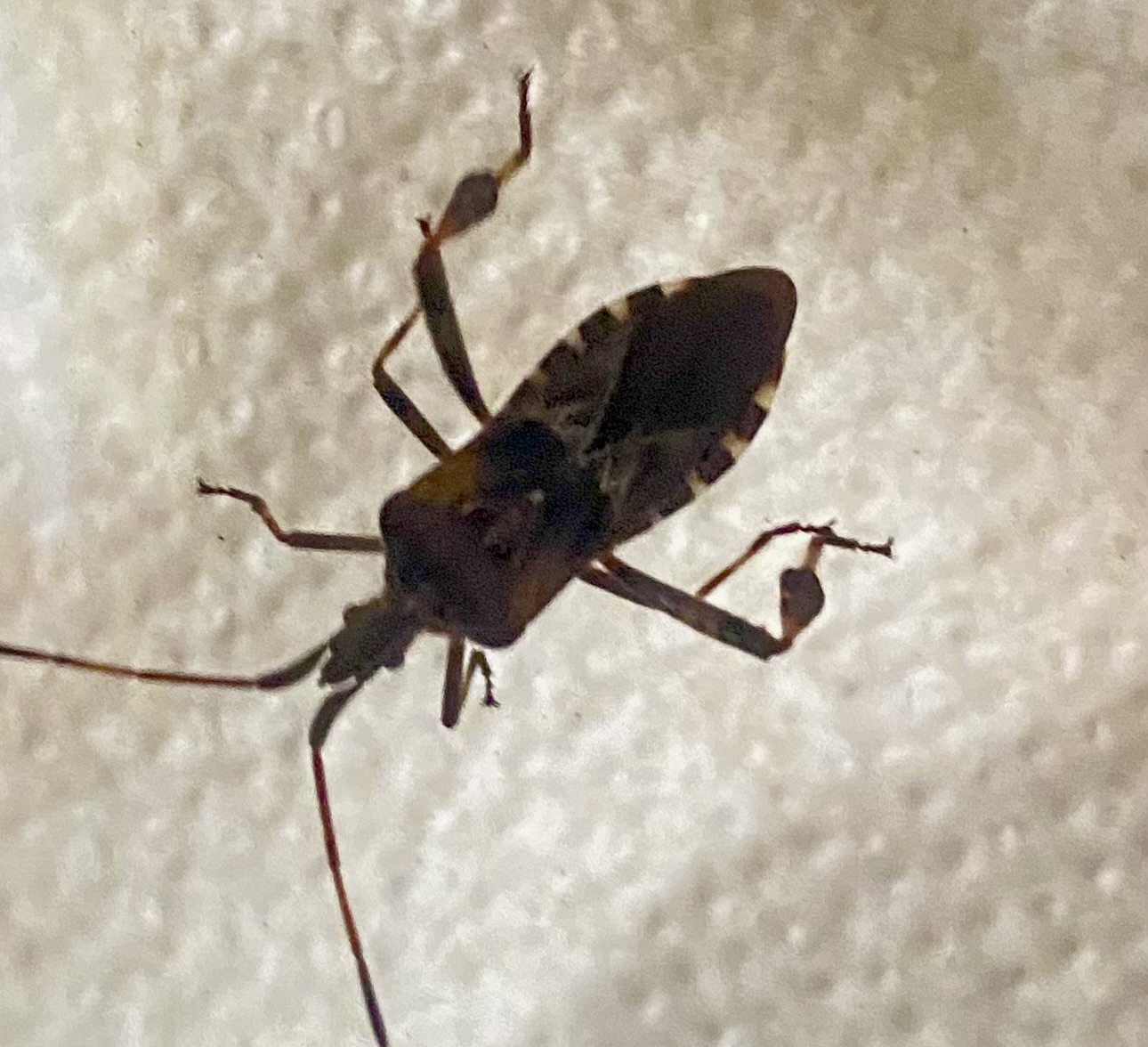
Dobrý deň, ďakujeme za dotaz. Je to obrubnica americká Leptoglossus occindentalis. S pozdravom M. Zúbrik
Predpokladám že Sietnička dubová (Corythucha aurata).
Na lokalite zaznamenaných množstvo jedincov, najmä po budovách.
Dub sa tu vyskytuje len ojedinele.
S pozdravom
Marián
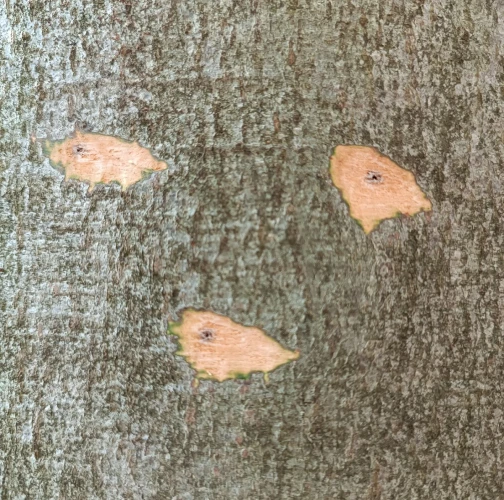
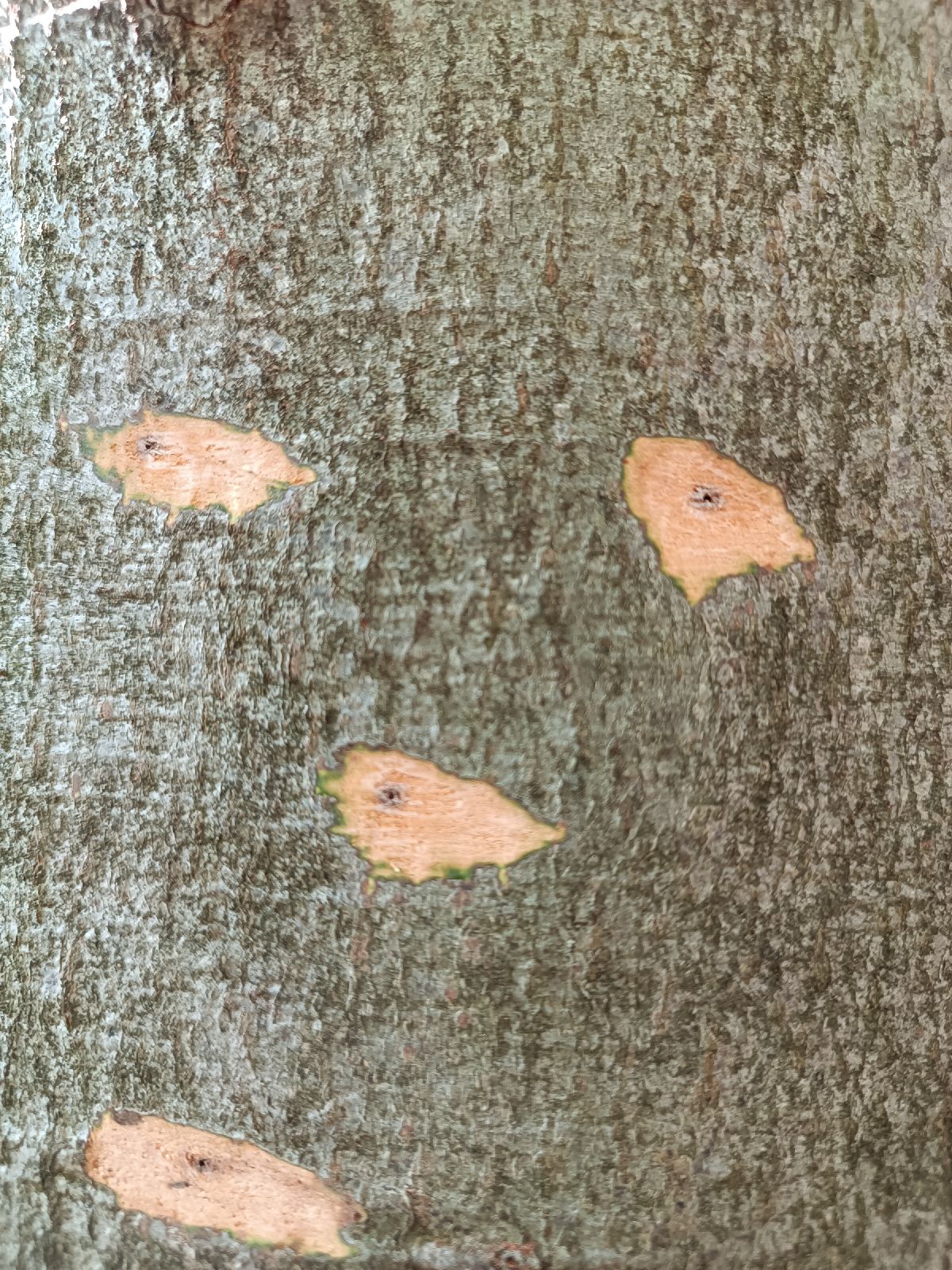
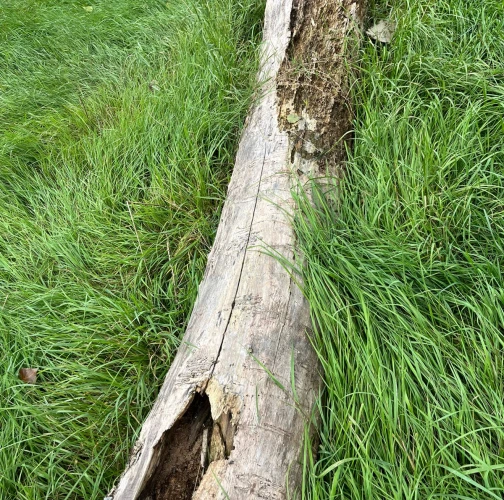
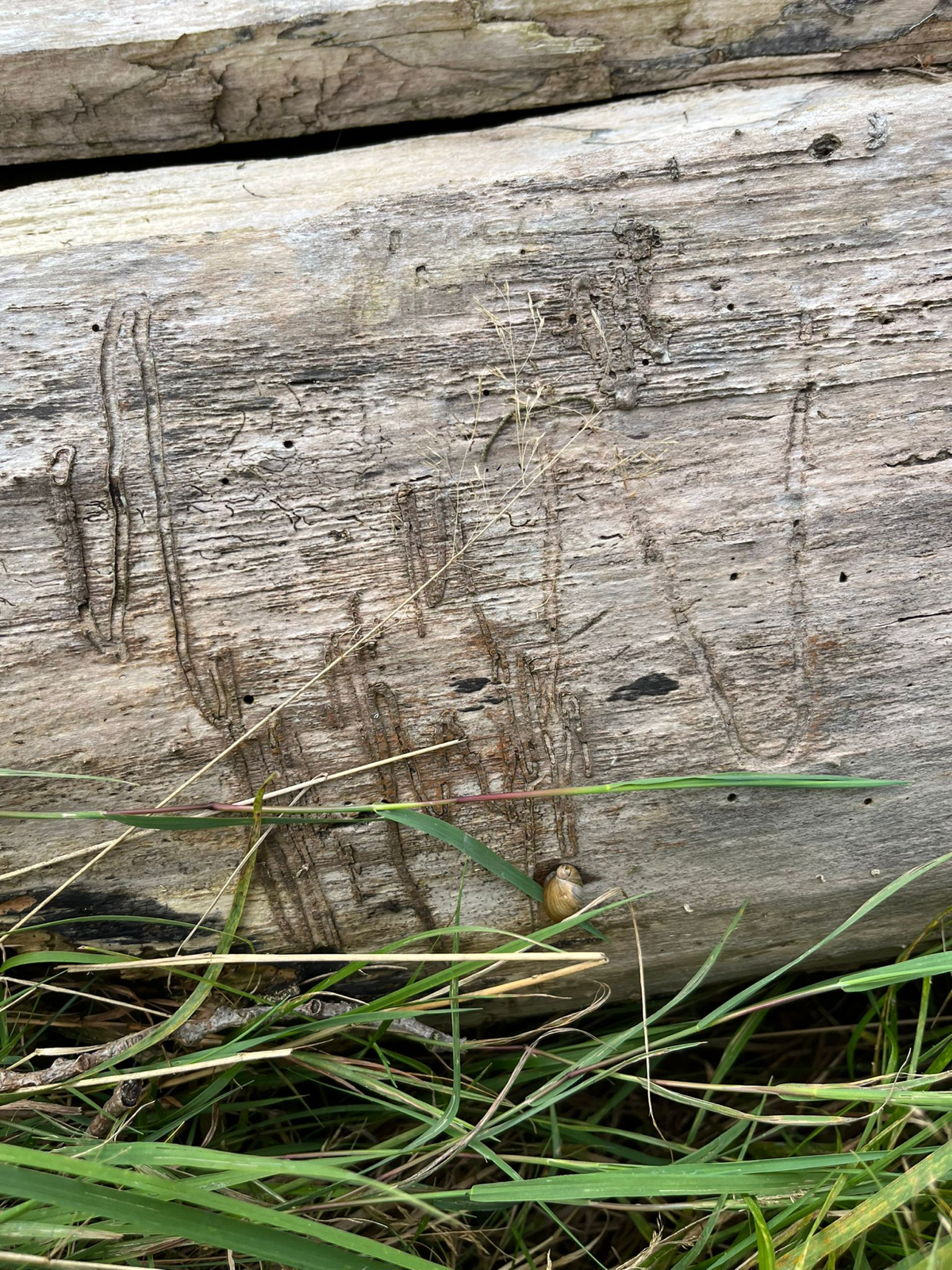
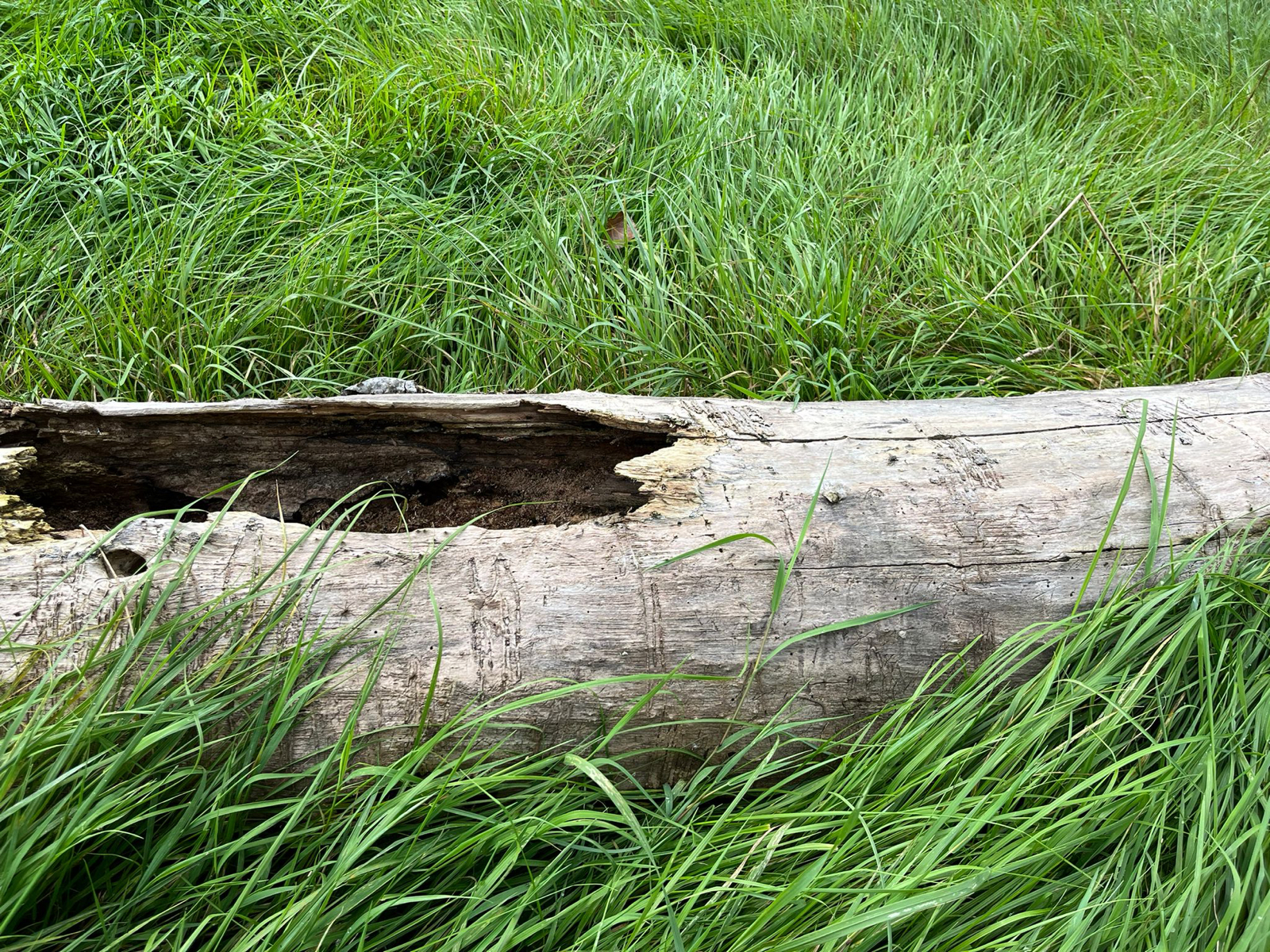
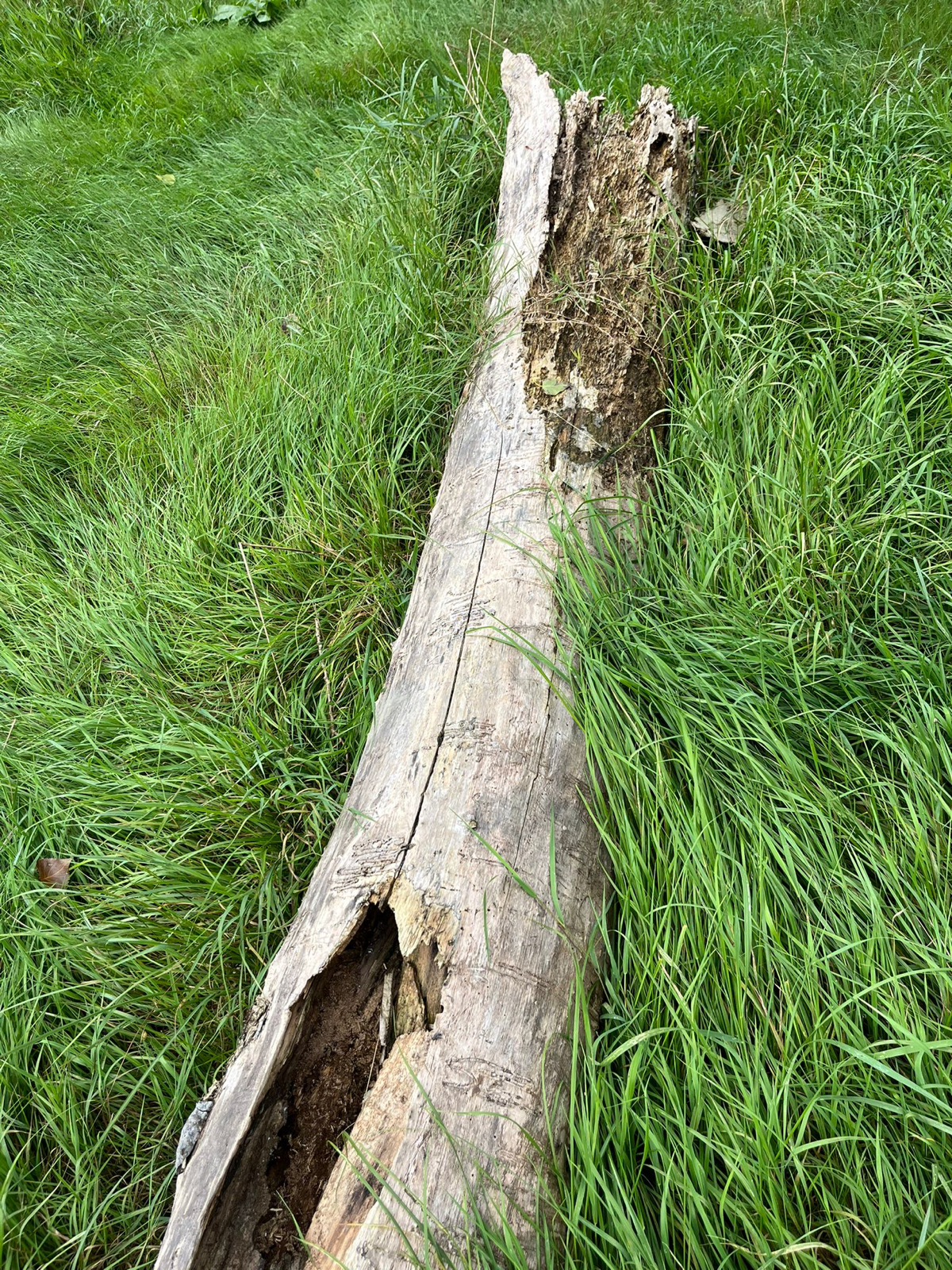
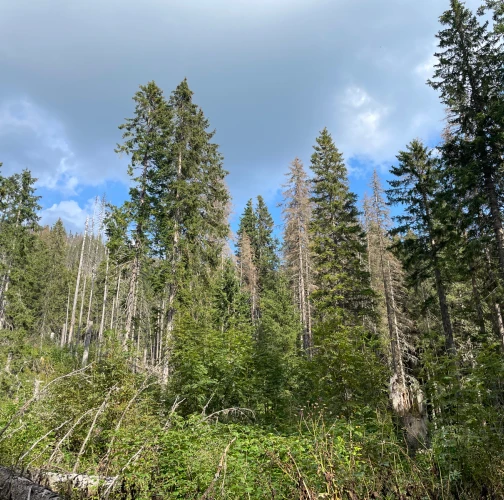
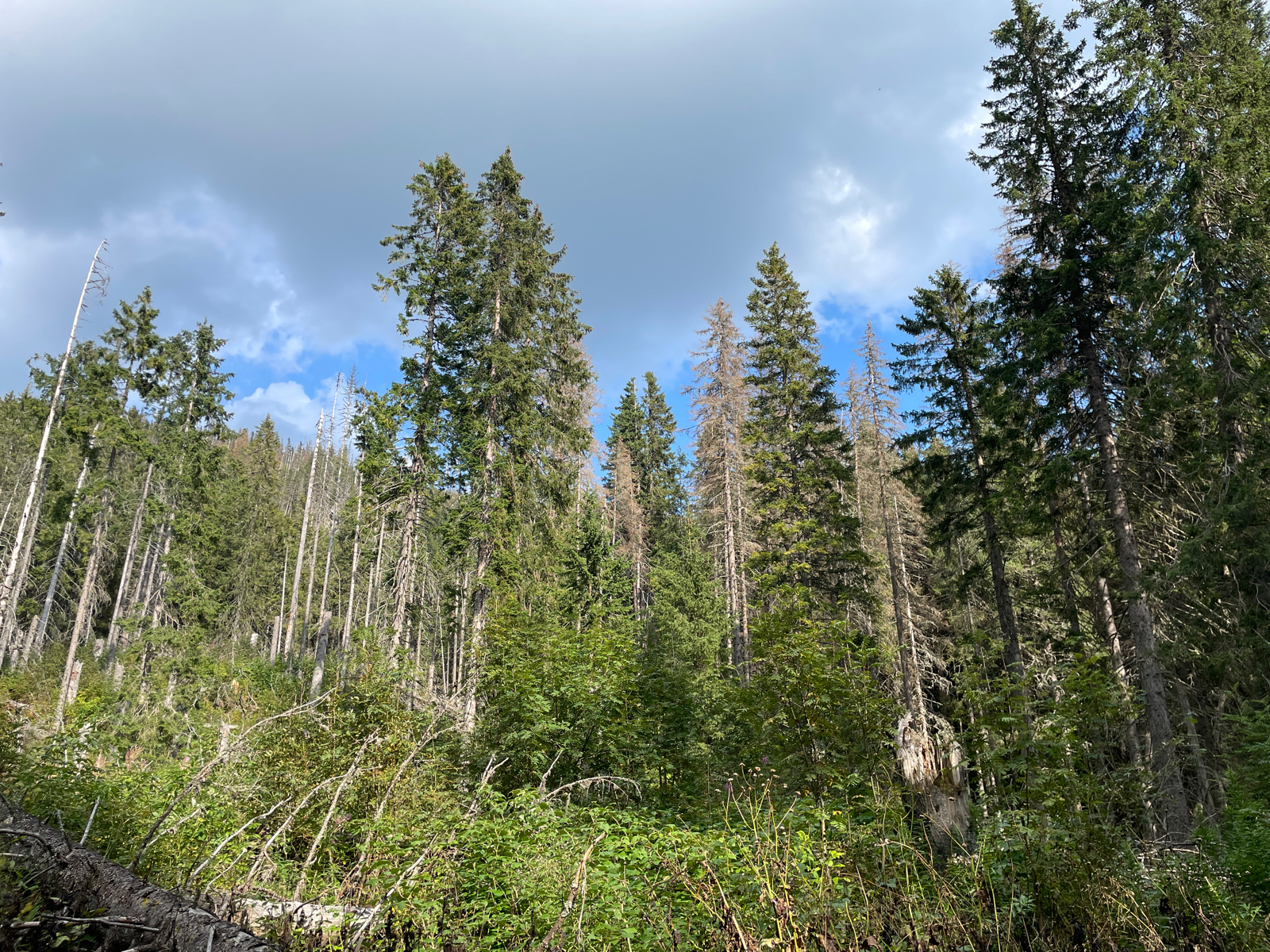
Dear Jer, thank you for your inquiry. In your photos, there are feeding galleries likely caused by Agrilus ater. However, it cannot be determined if this insect species caused tree mortality in this case. Best regards, M. Zúbrik
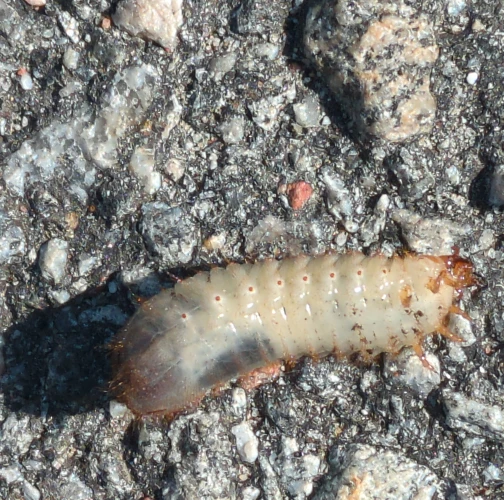
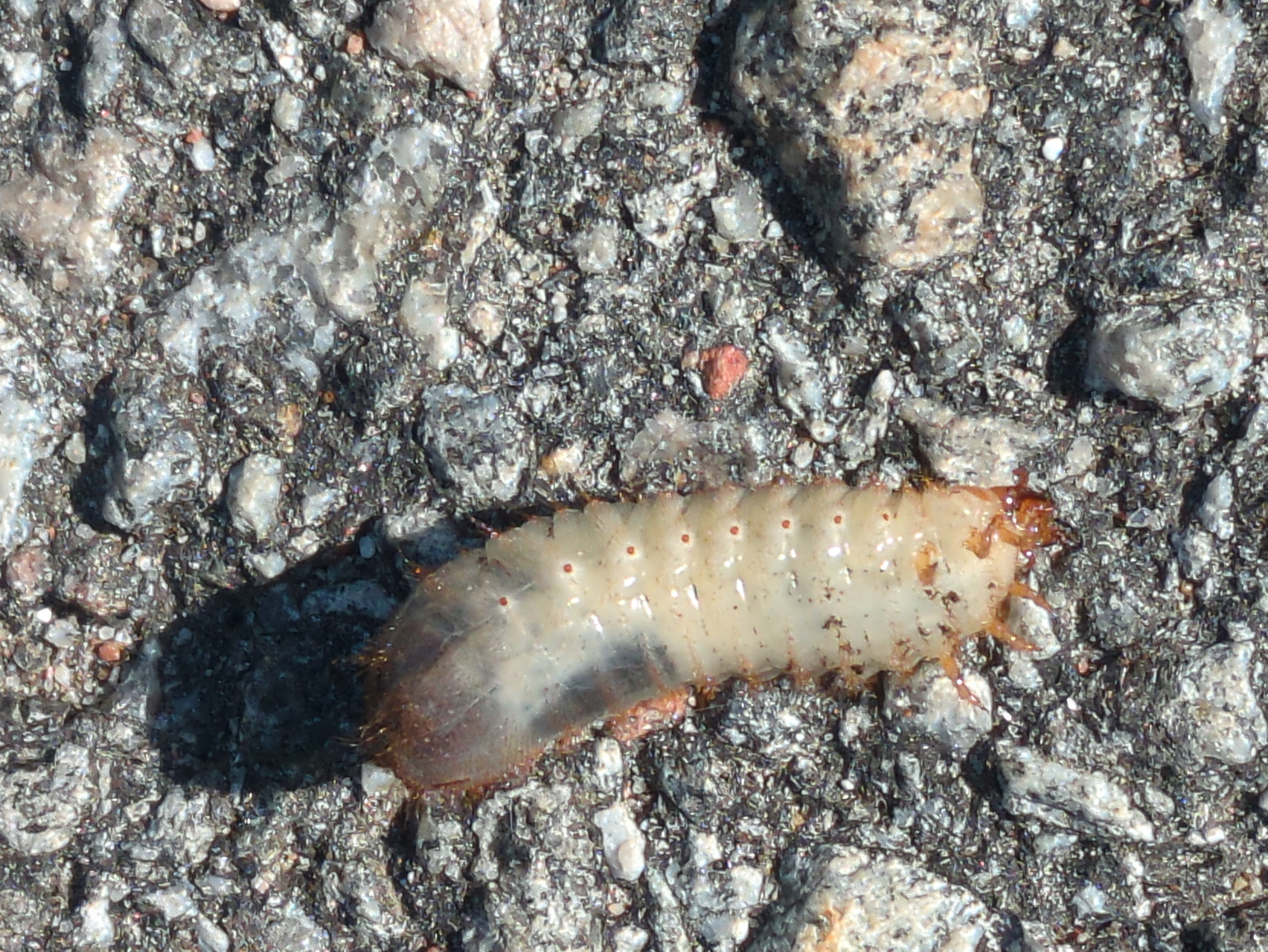
Dear Sverker, this is a larva of some species of a beetle from the group of Cetoniinae. Larvae of these species are not harmful as they live in dead wood. Adults can feed on fruit and flowers and can make some injuries. Wish you have a nice day. M. Zubrik
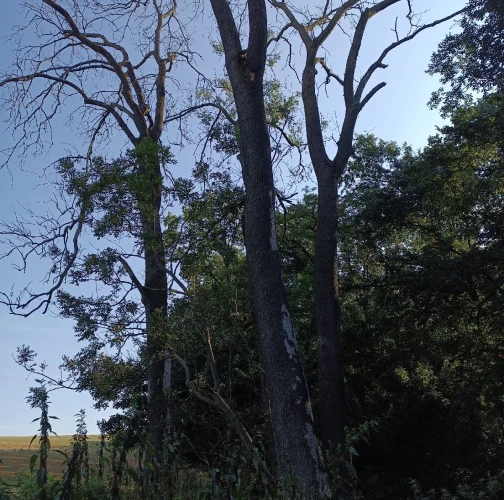
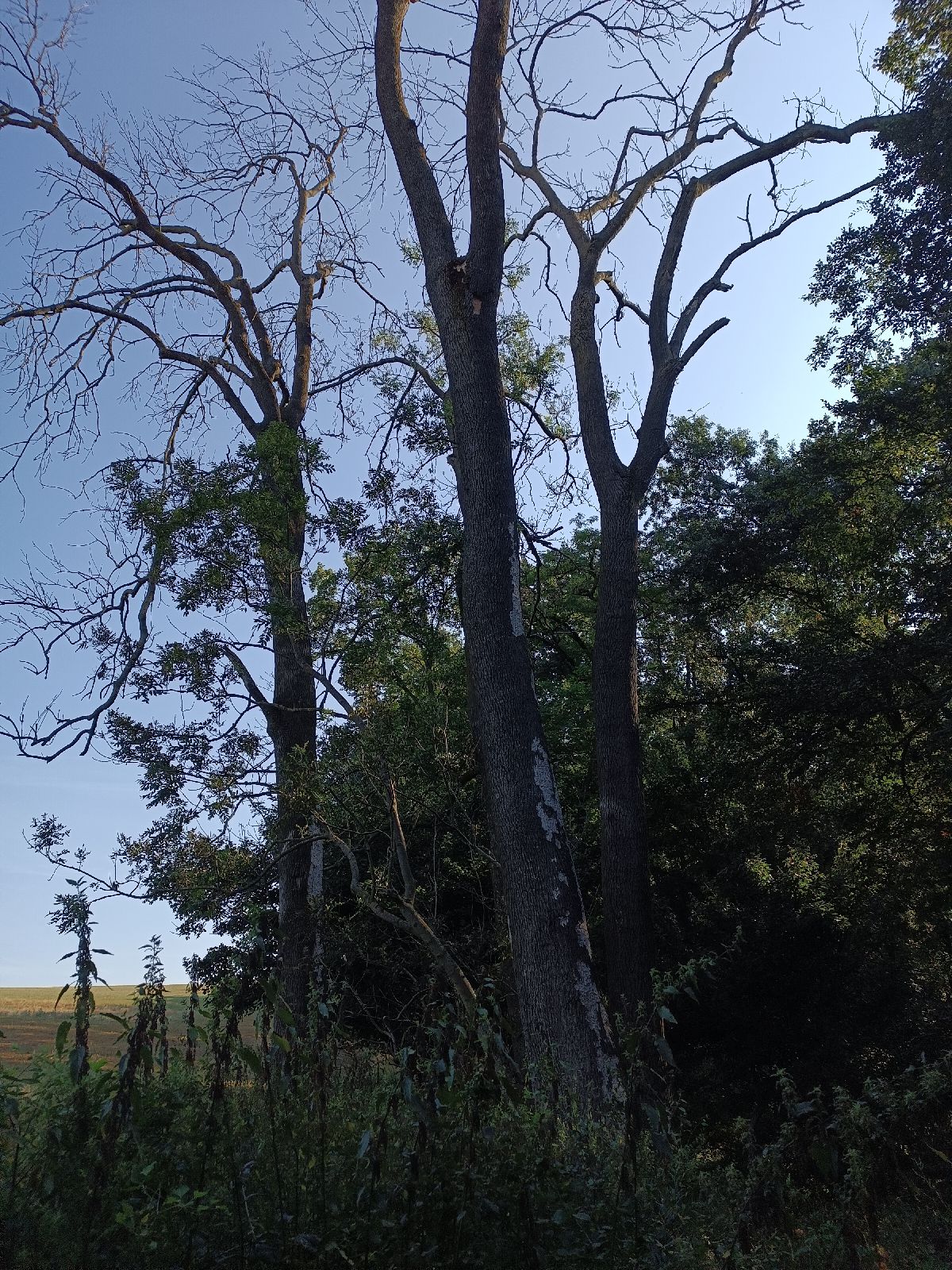
Dobrý deň, ďakujeme za dotaz. Ten váš obrázok neposkytuje dostatok detailov na úplne spoľahlivé určenie príčiny odumretia tých stromov. Na Slovensku je ale veľmi rozšírené hubové ochorenie s názvom Chalara fraxinea a tá dokáže takéto stromy usmrtiť v priebehu 2-3 sezón. Je preto vysoko pravdepodobné, že sa jedná o tonto typ patogéna. Oslabené stromy bývajú potom veľmi často napádané lykokazom jaseňovým Hylesinus varius (=fraxini), prípadne inými druhmi podkôrnyho hmyzu. S pozdravom M. Zúbrik