Here you can request to determine the cause of the damage. You can view the requests of other users and sort them according to the selected criteria. In addition, you can get information about your request, and you can follow the progress of its current state. If your application was not approved, it had probably been because it was impossible to identify the damage based on the sent photos or because the application does not address our topic - determining the pests of trees and shrubs. We will inform you about the status of your application by email.
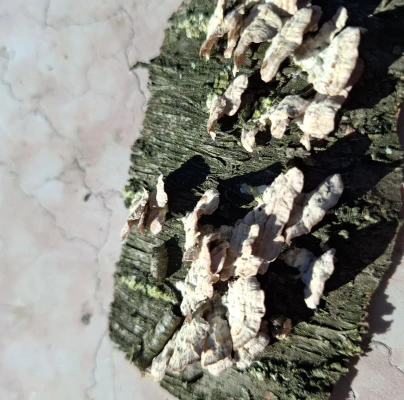
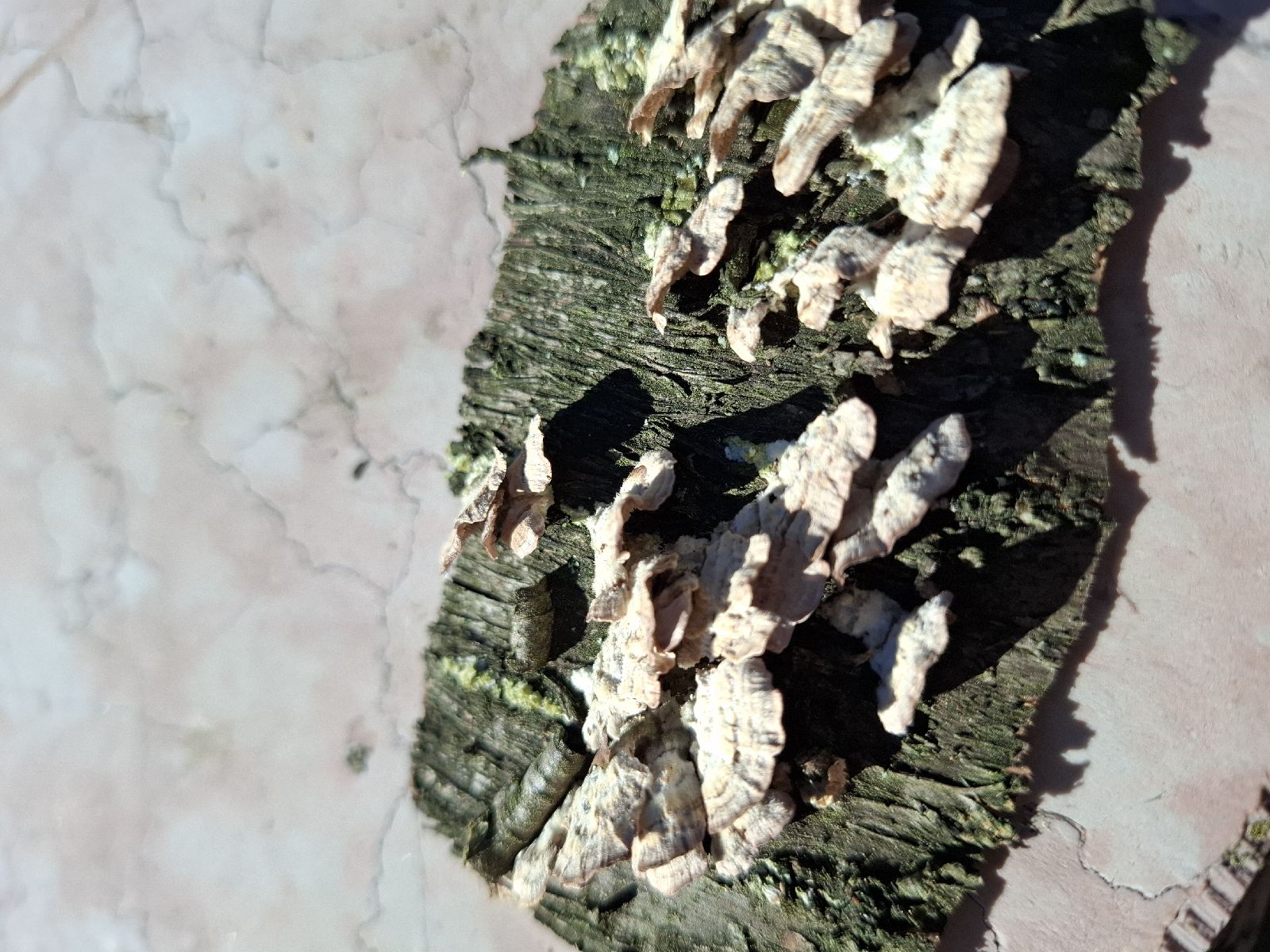
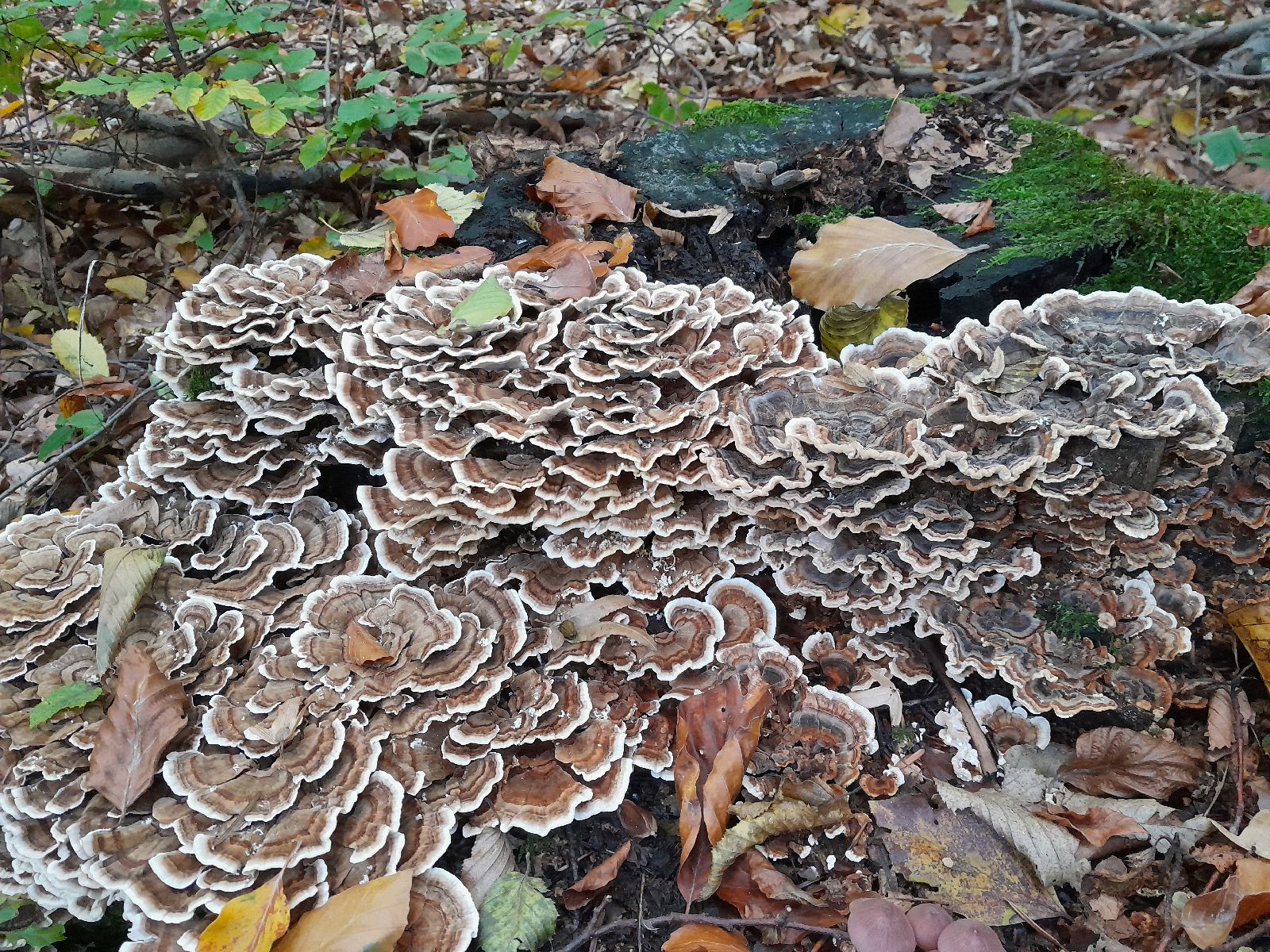
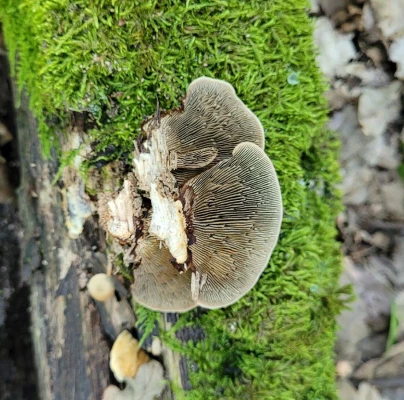
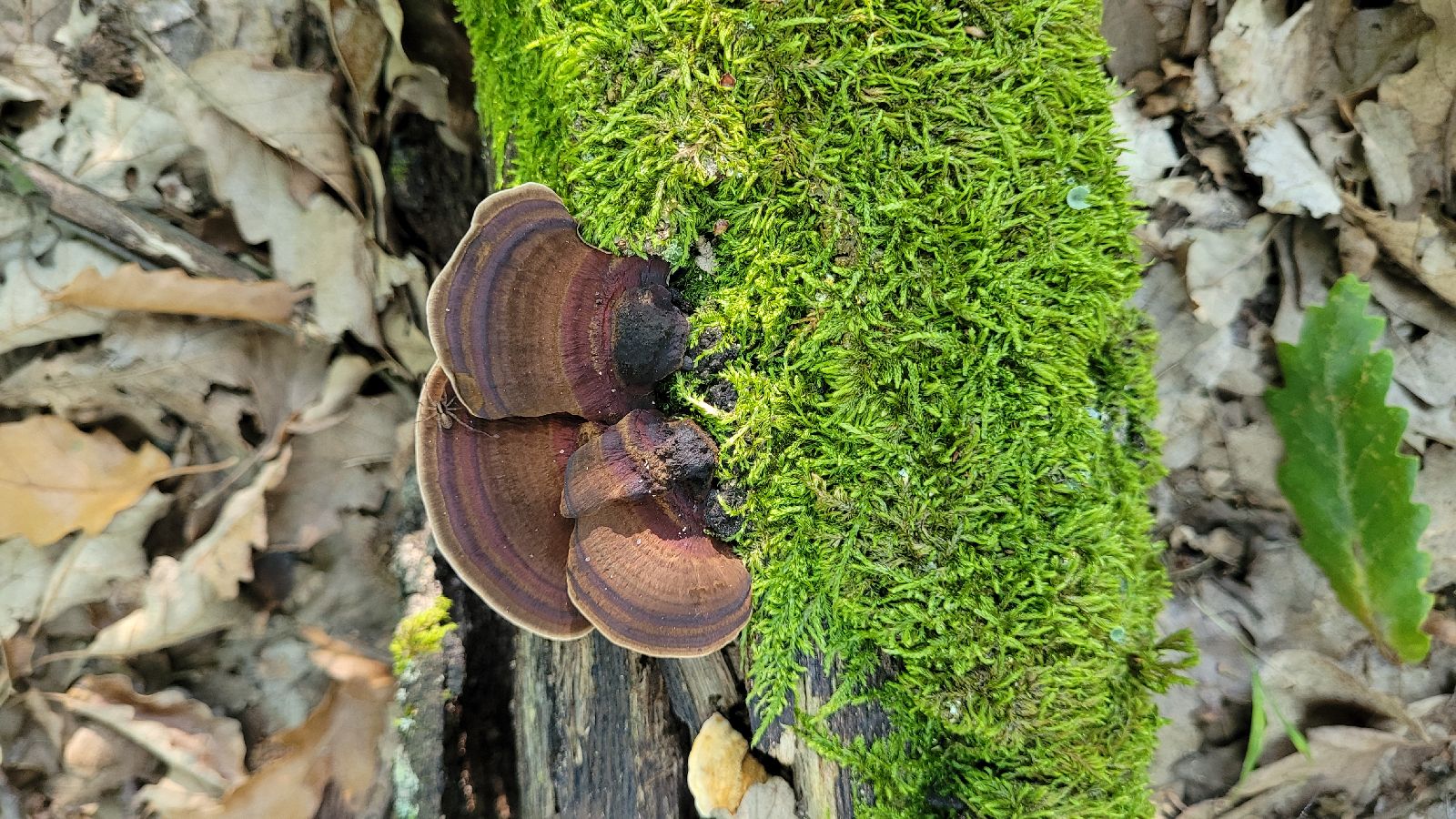
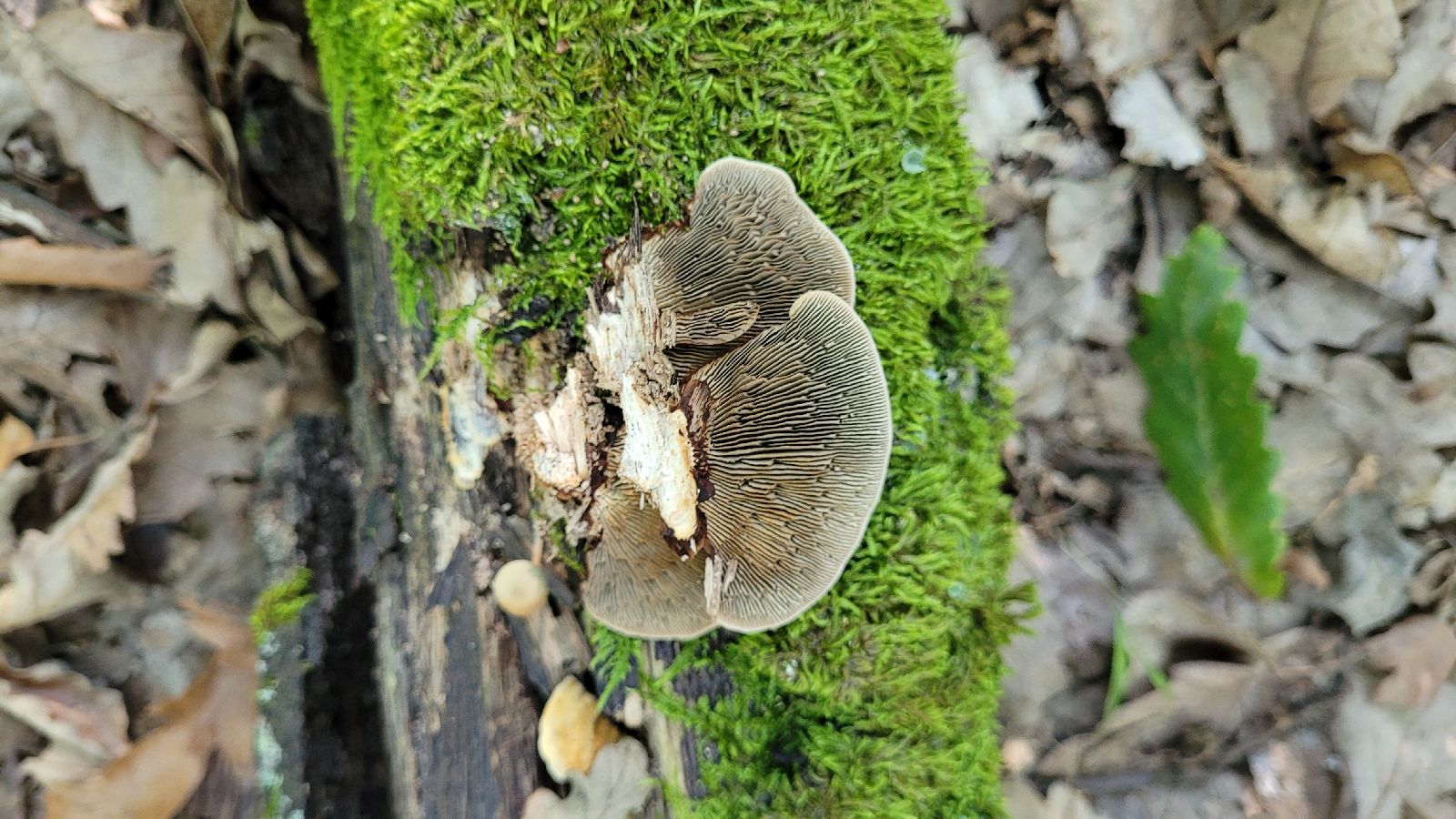
Môže byť Stereum hirsutum. Pri determinácii je dôležité vidieť hyménium - teda spodnú stranu "klobúka", či je hladké, lupeňovité, rúrkovité, ostnité, rebrovité, ... pretože vrchná strana plodnice môže byť podobná u viacerých druhov. Ale pekná fotka a správna determinácia! Dík. AK.
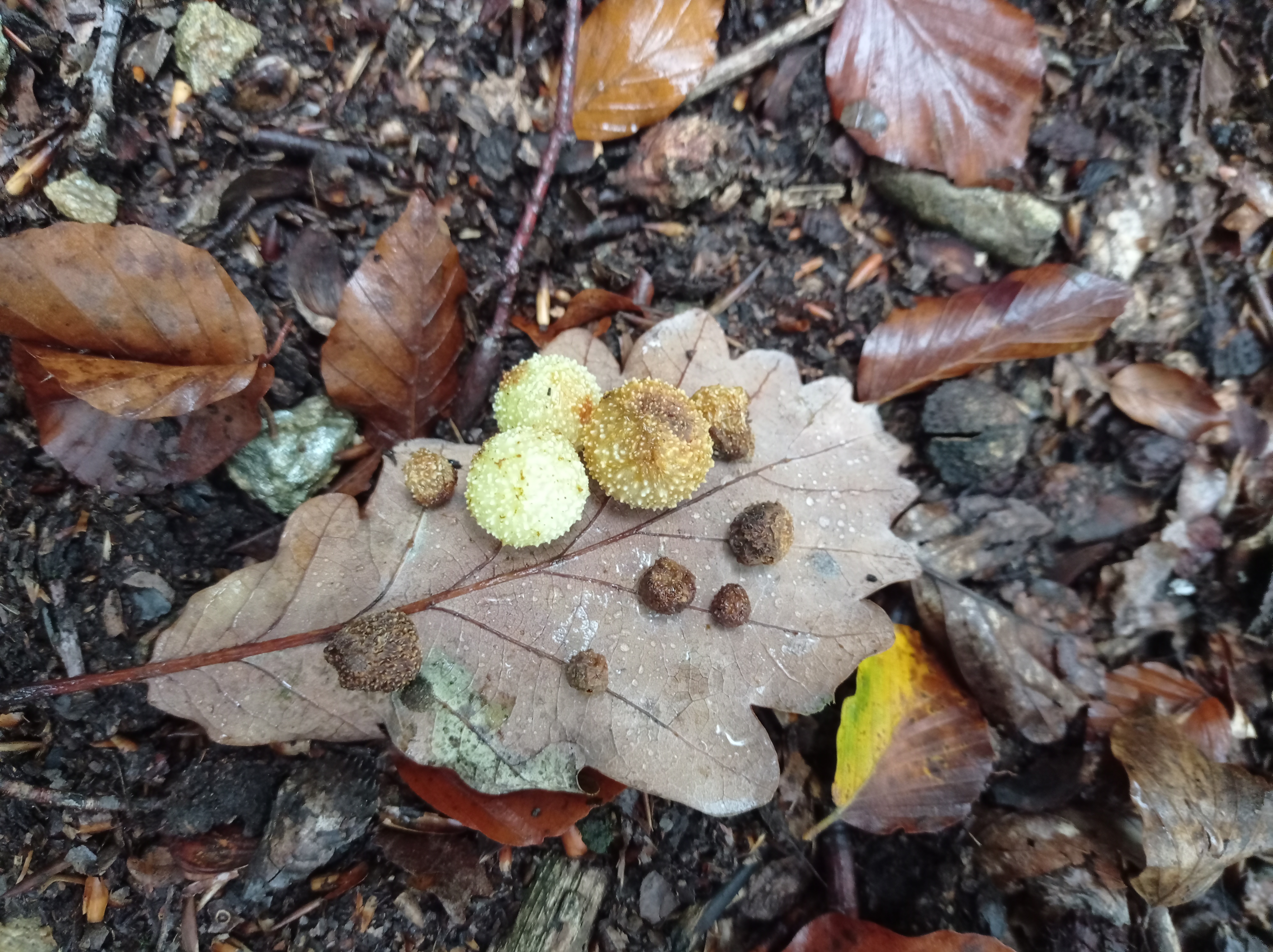
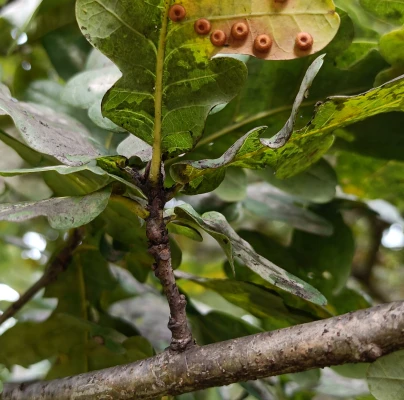
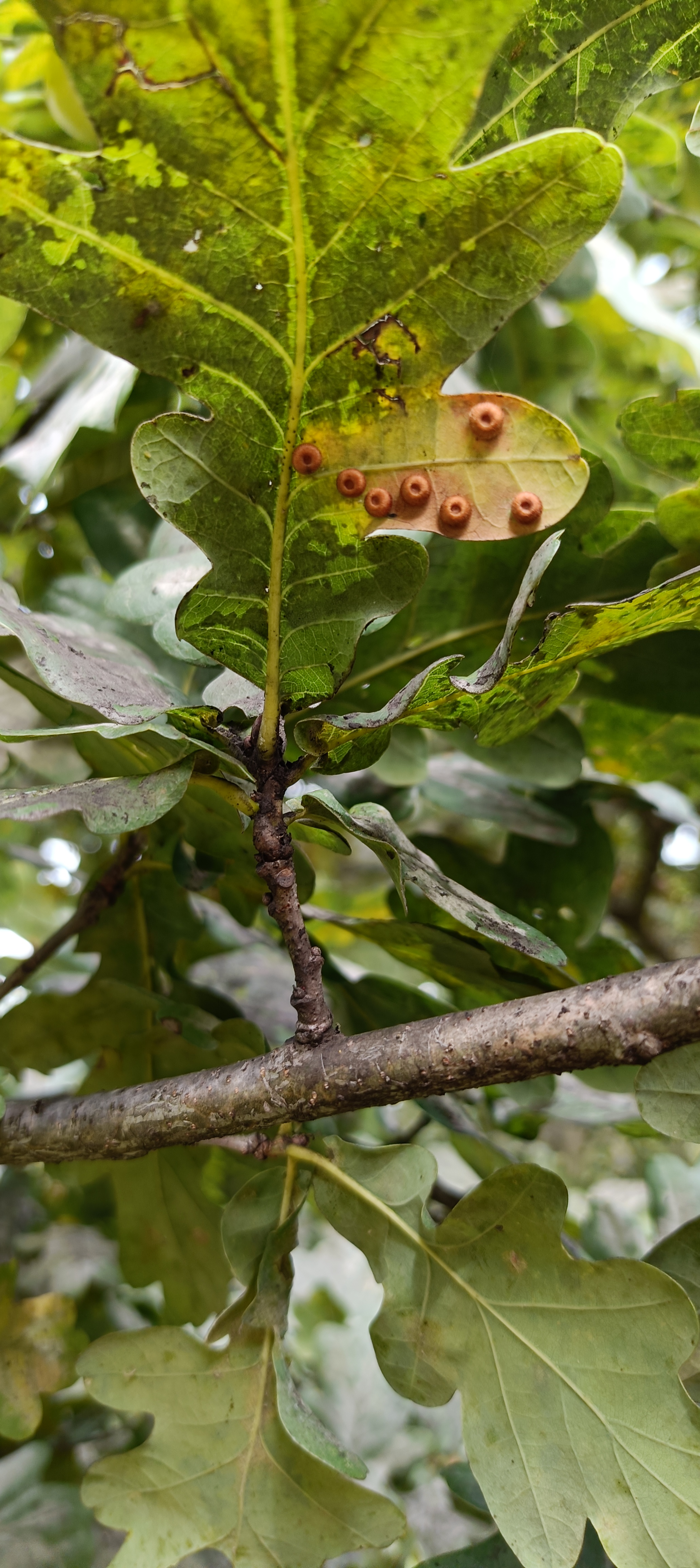
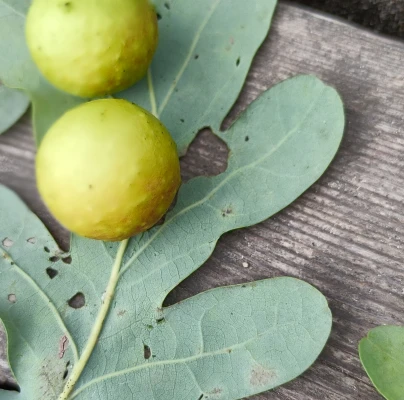
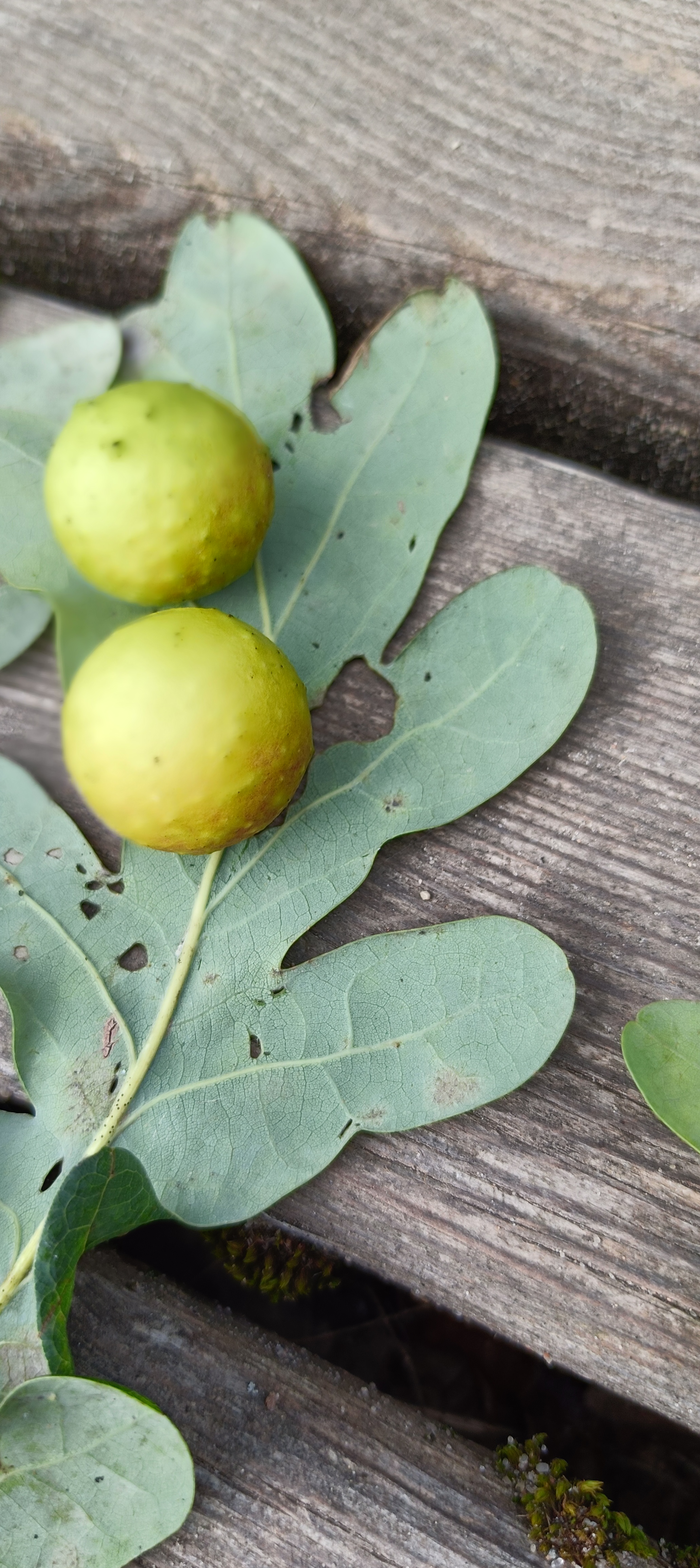
Ďakujeme za dotaz. Na obrázku sú hálky druhu hrčiarka listová (Cynips quercusfolii). Ide o druh drobného hmyzu, ktorého larvy žijú vo vnútri takýchto útvarov. Strom ich vytvára ako reakciu na chemické látky, ktoré samička tohto druhu vstrekuje do rastliny pri kladení vajíčka. S pozdravom, Milan Zúbrik
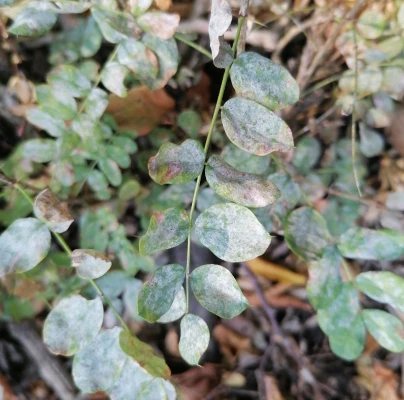
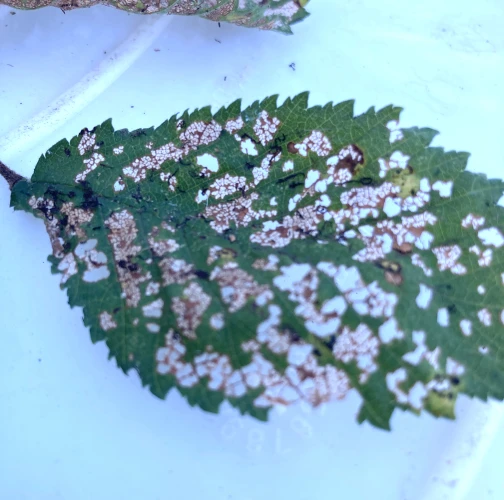
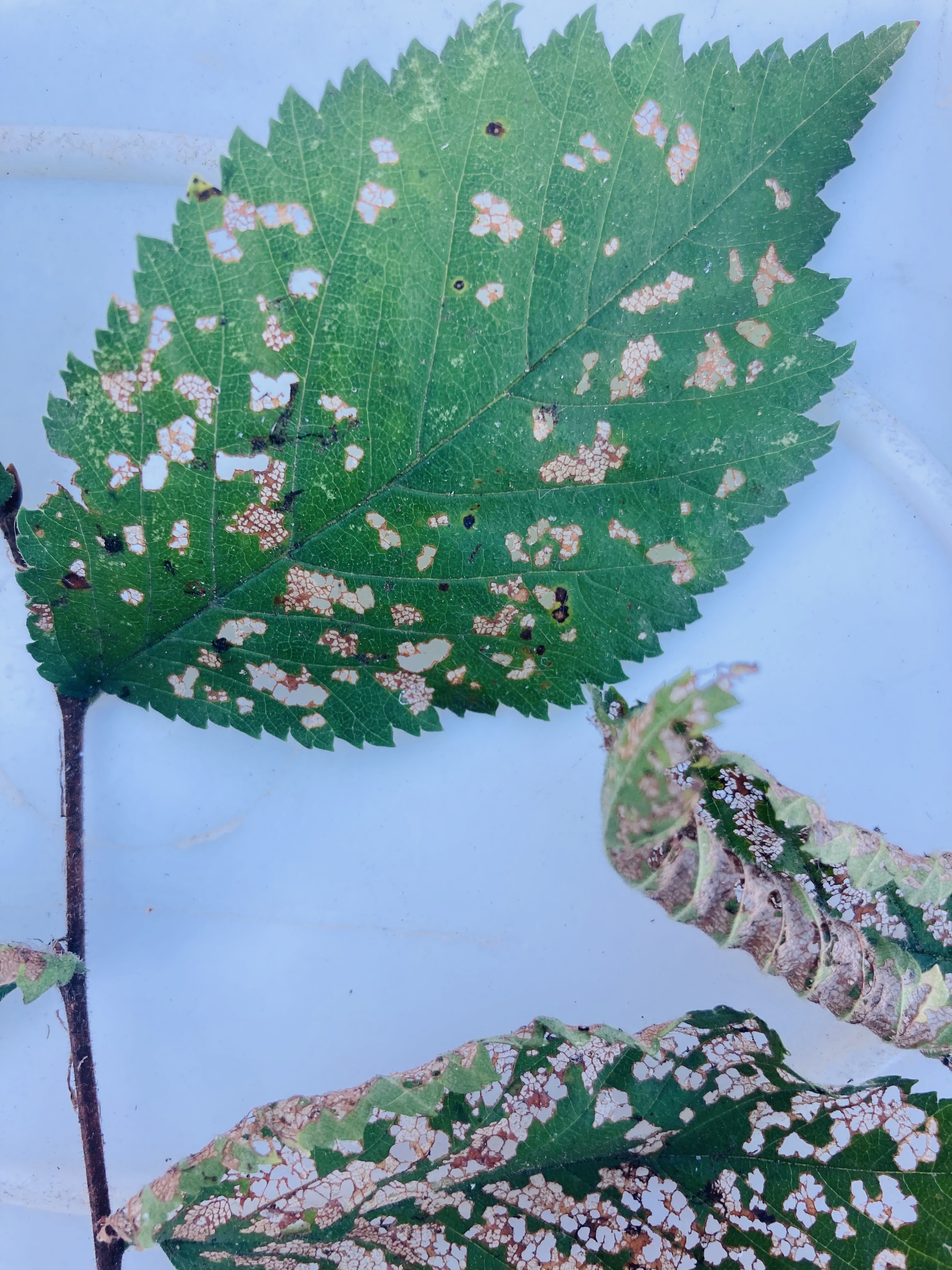
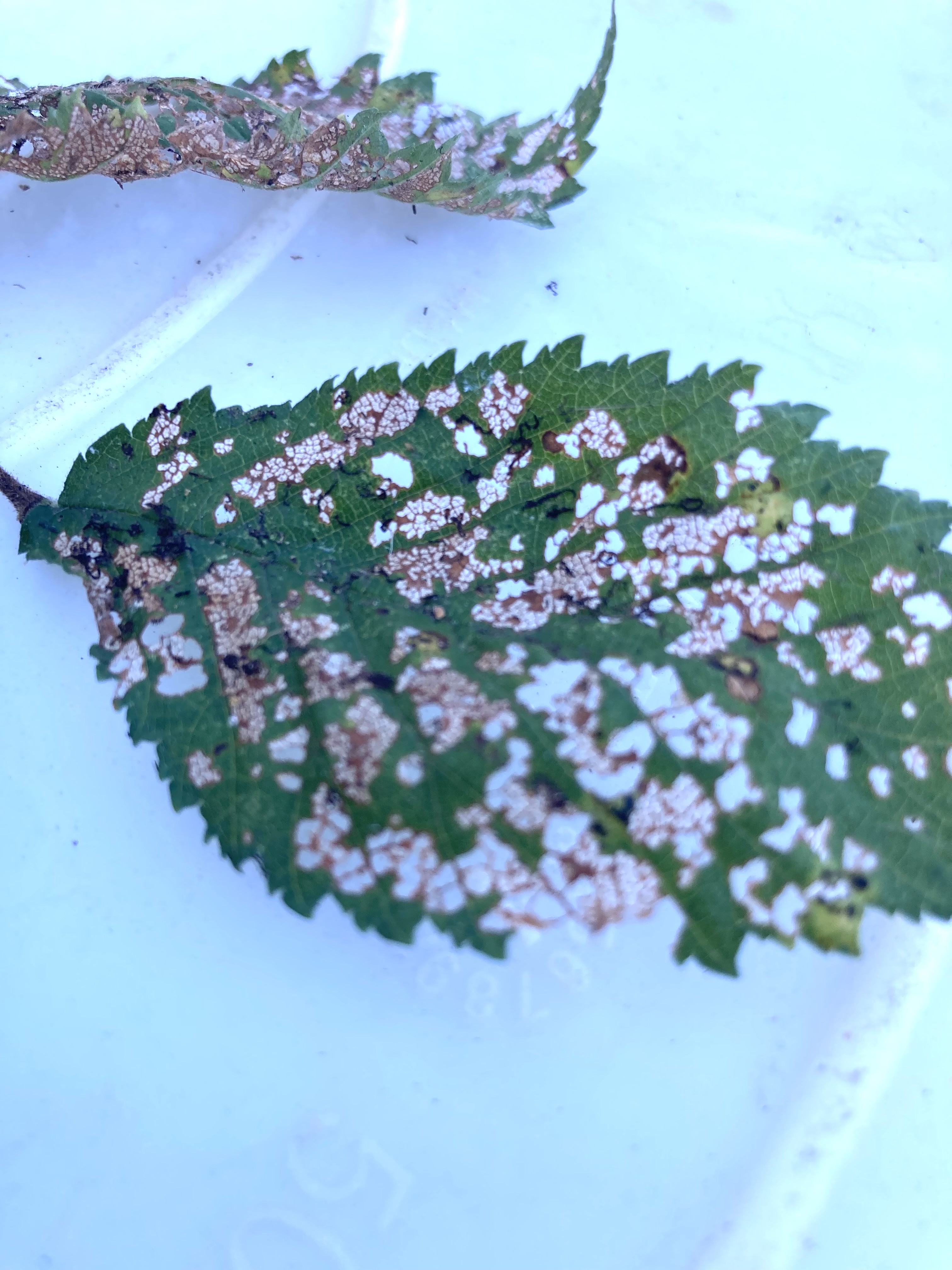
The leaves have patchy, translucent or tan areas some leaves show more extensive damage and curling after the green tissue between the veins are eaten.
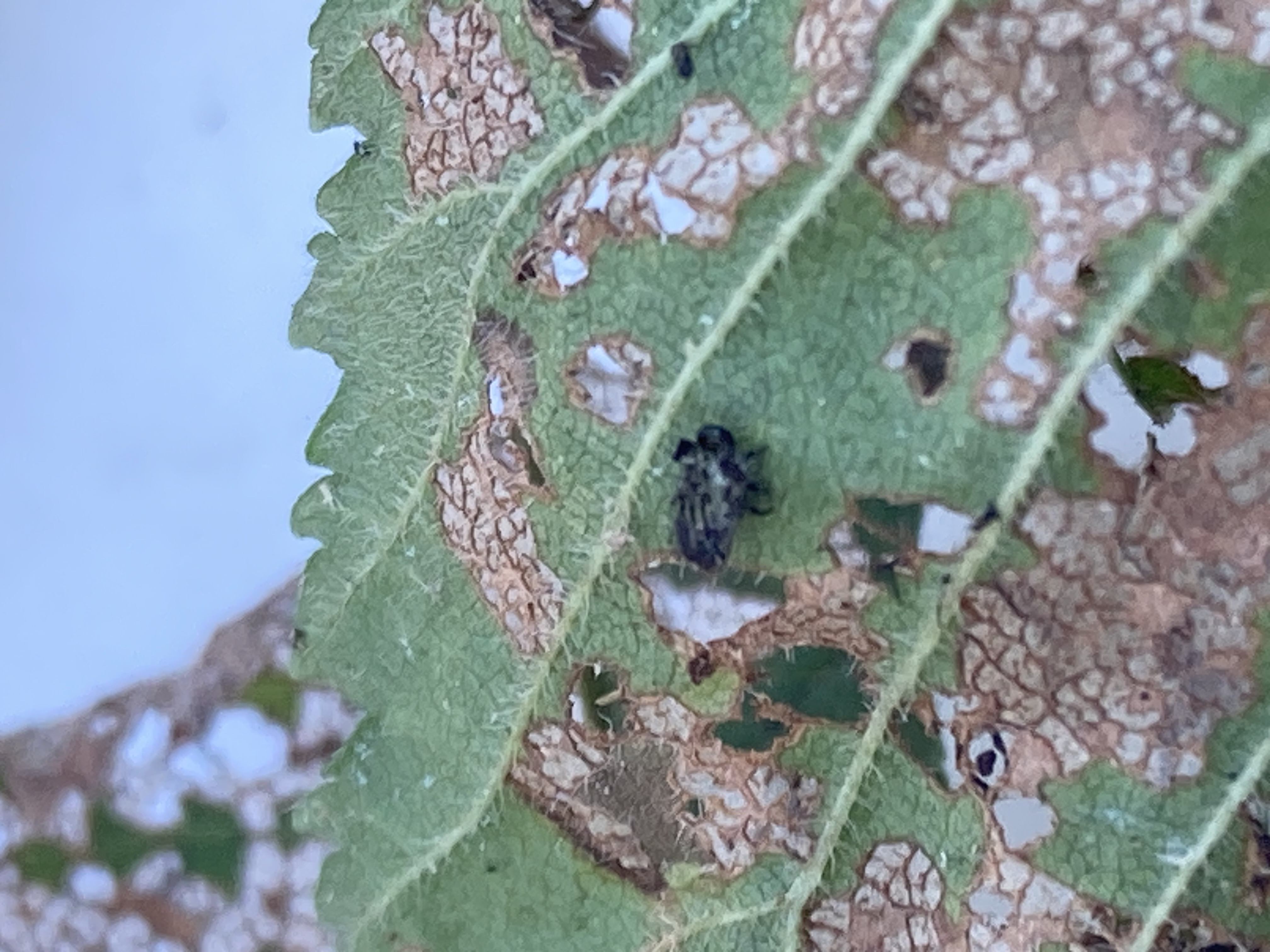
Topside of the leafes are covered in small black excrements and on the bottom of leafes are alot of 1-2mm small empty pupa as seen on one of the Photos.
Answer
Dear Noah, in my opinion, this is not hornbeam but elm. If so, the symptoms match damage caused by Xanthogaleruca luteola (elm leaf beetle). Have a nice evening, Milan Zubrik
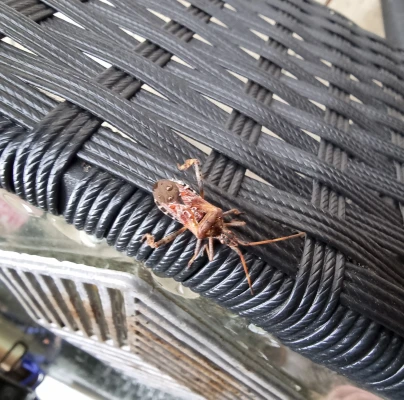
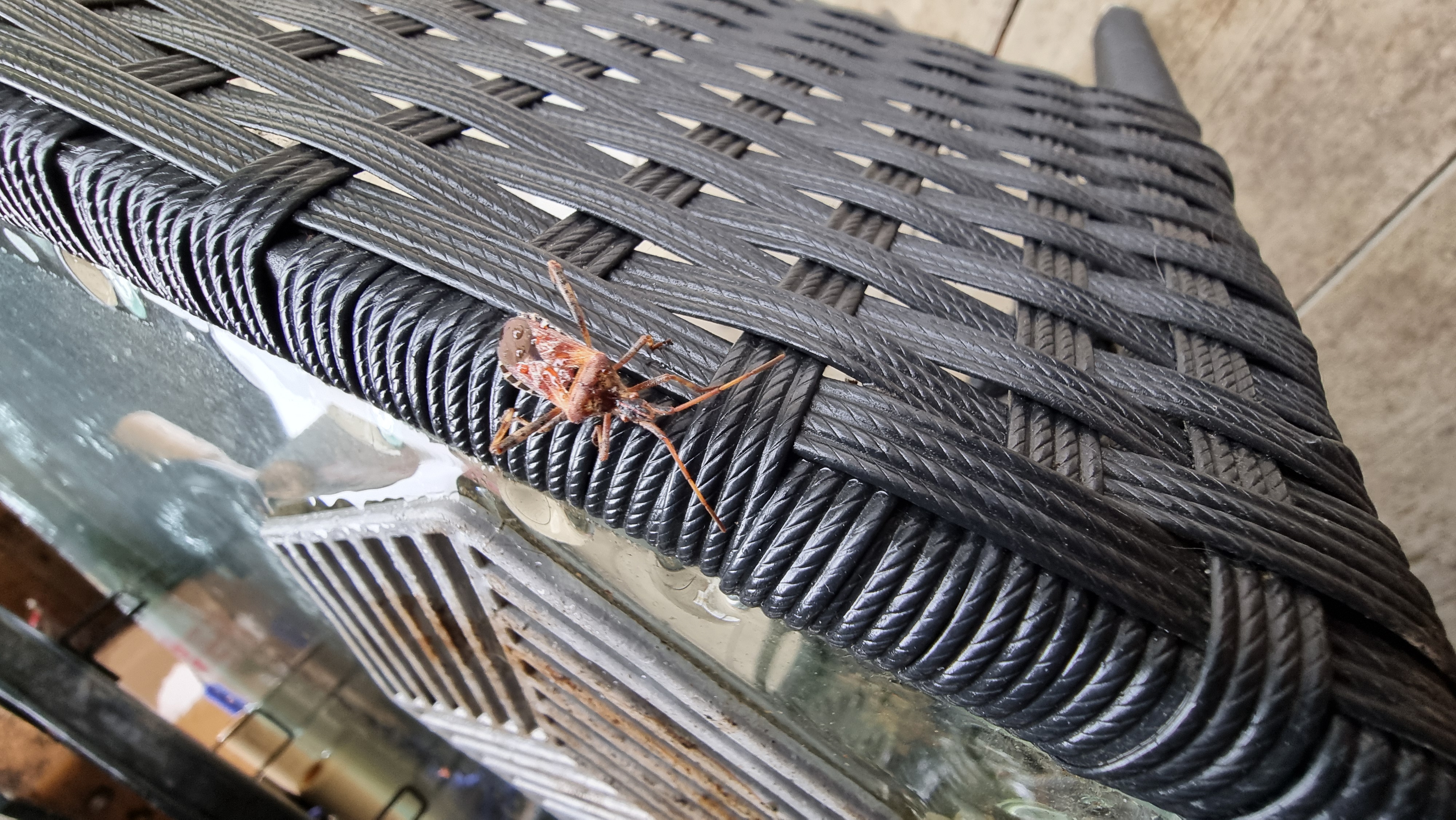
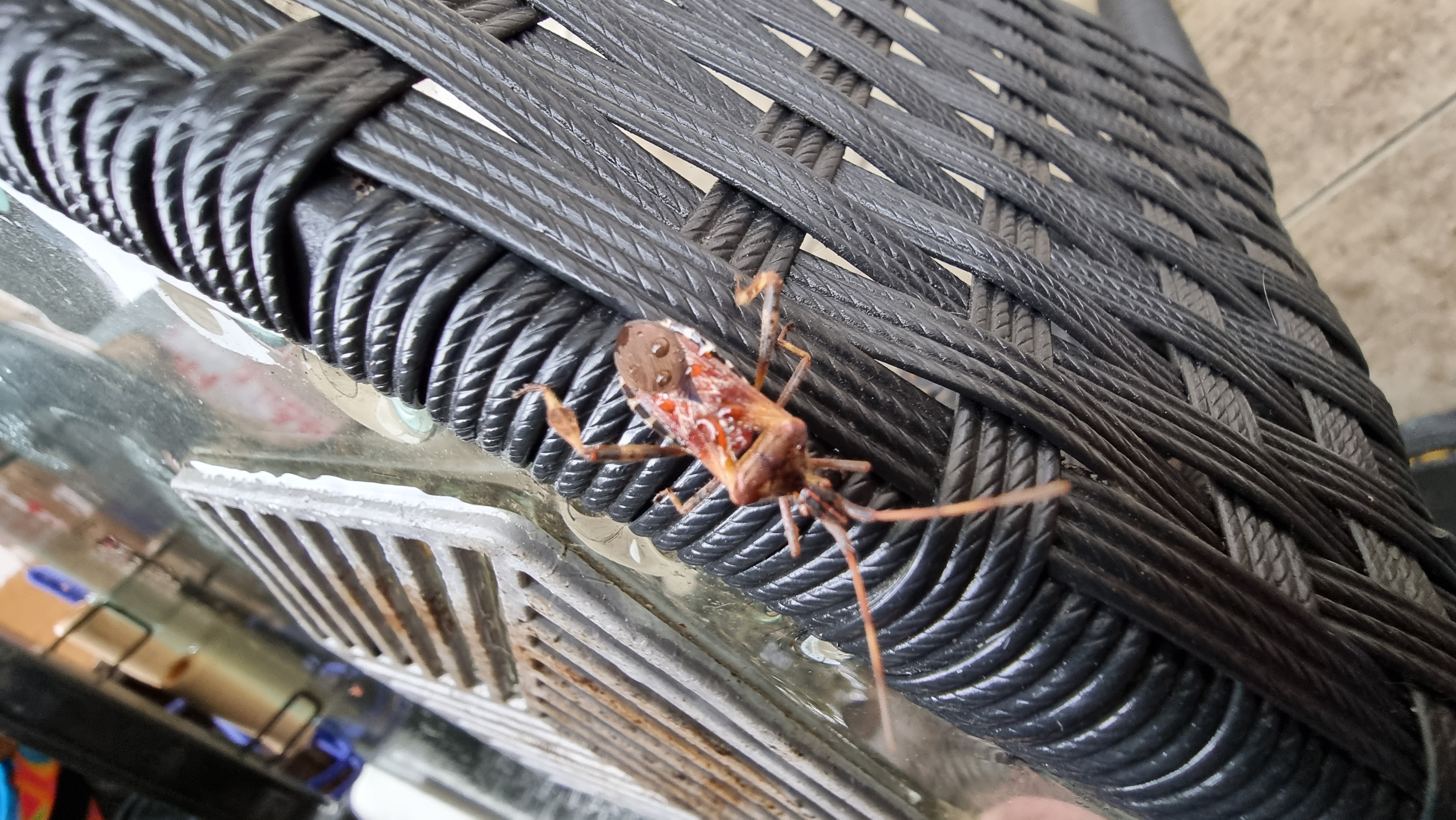
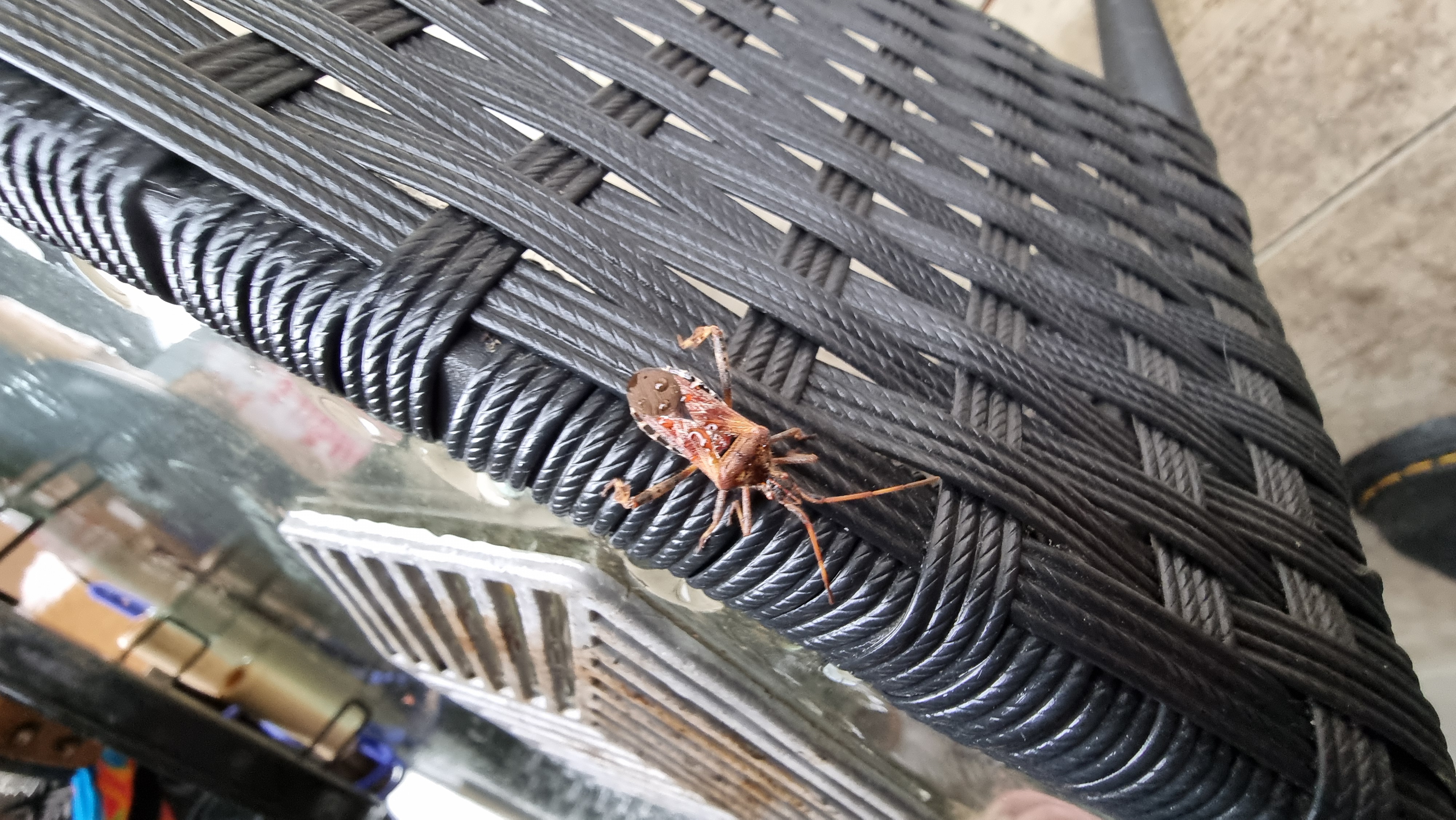
Dear Fysh, this is Leptoglossus occidentalis - Western conifer seed bug. Considered as the main seed predator in seed orchards of Western North America. This large-sized bug (1.6-2 cm long) has been accidentally introduced into northern Italy during the late 1990s (first record 1999). It then invaded the whole Central and Western Europe. Overwintering occurs as an adult in bark crevices or into buildings where it can enter in large numbers in autumn. With best regards Milan Zubrik
Dobrý deň,
podľa foto sa pravdepodobne jedná o Psotu americkú . Viac si prečítate tu https://www.skodcoviadrevin.sk/skodca/psota-americka
Pekný deň.
V. Longauerová