Login | Registration | List of contributors

Requests to determine the cause of damage

Here you can request to determine the cause of the damage. You can view the requests of other users and sort them according to the selected criteria. In addition, you can get information about your request, and you can follow the progress of its current state. If your application was not approved, it had probably been because it was impossible to identify the damage based on the sent photos or because the application does not address our topic - determining the pests of trees and shrubs. We will inform you about the status of your application by email.

Filter reset

Code
Date
Assigned
Status
Days from submission
7458
21.2.2026
michal.lalik@nlcsk.org
Completed
3
7456
20.2.2026
A. Kunca
Completed
4
7409
27.1.2026
R. Leontovyč
Completed
7
7407
27.1.2026
A. Kunca
Completed
7
7349
16.1.2026
R. Leontovyč
Completed
1
7341
14.1.2026
R. Leontovyč
Completed
1
7340
14.1.2026
A. Kunca
Completed
2
7325
9.1.2026
R. Leontovyč
Completed
4
7323
8.1.2026
A. Gubka
Completed
1
7315
7.1.2026
R. Leontovyč
Completed
1

Rejected requests are not displayed. You have been notified by email that your application has been denied.
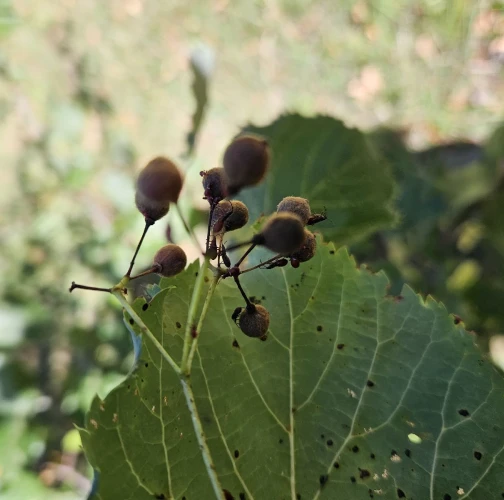
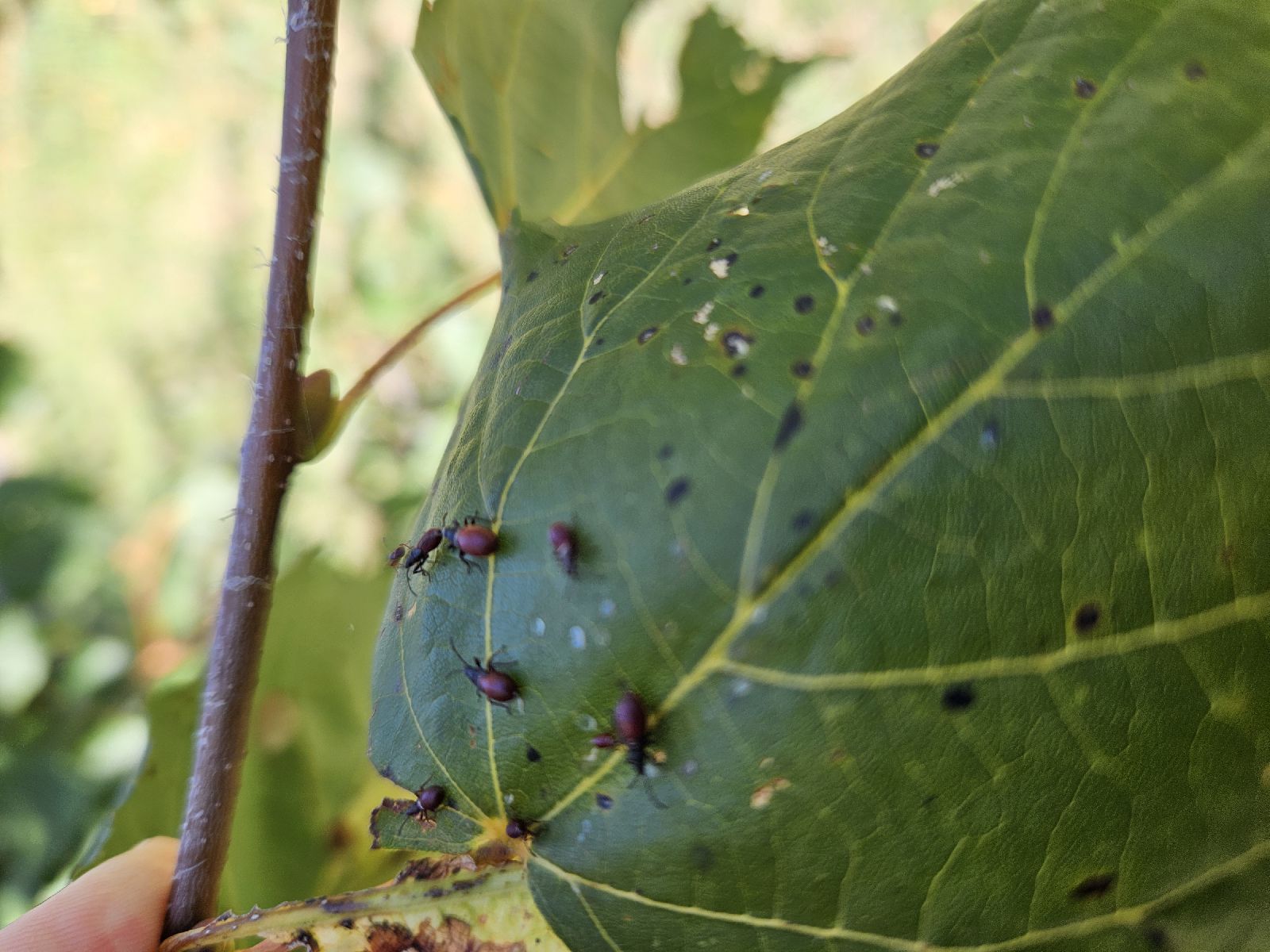
 

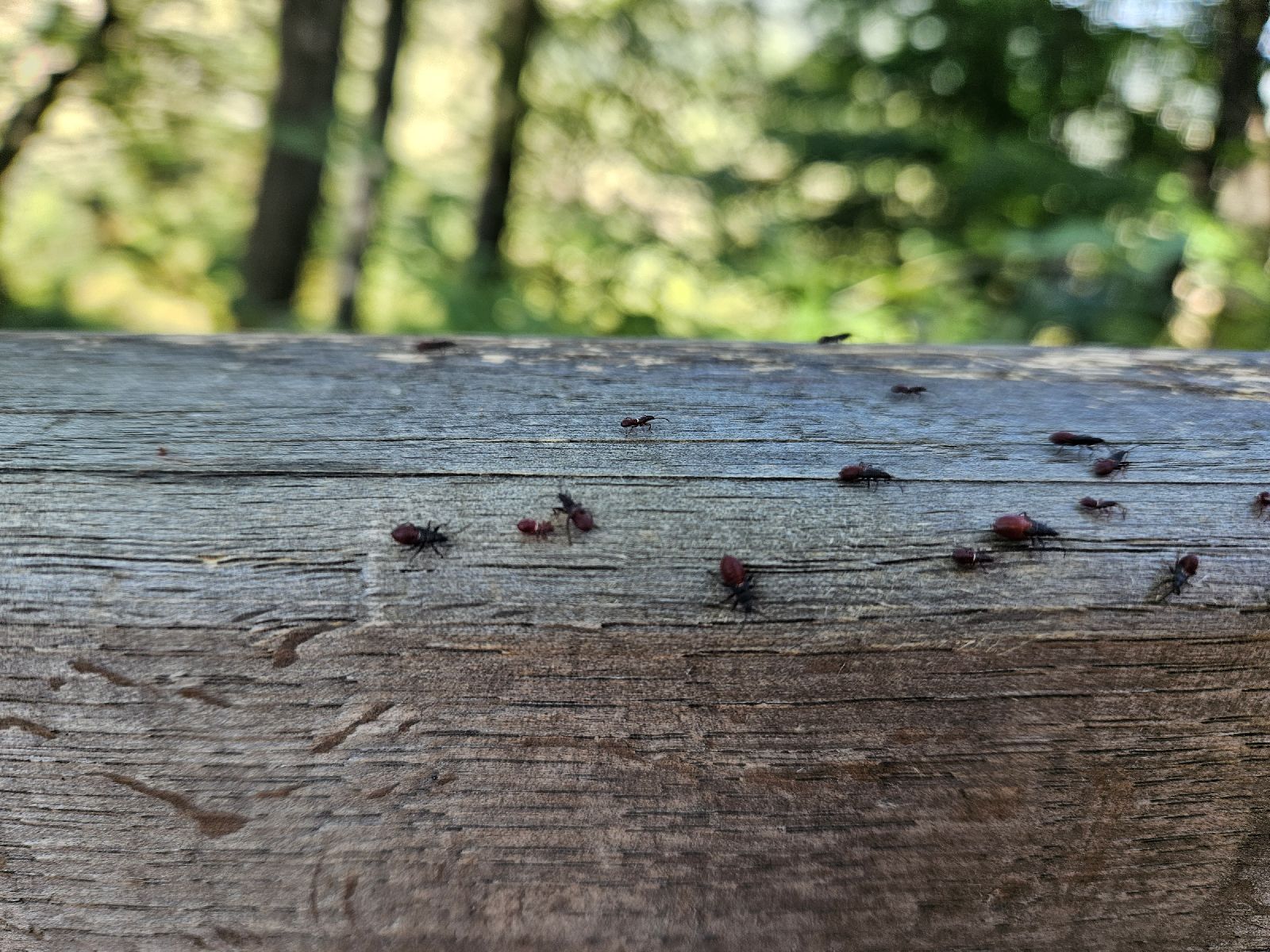
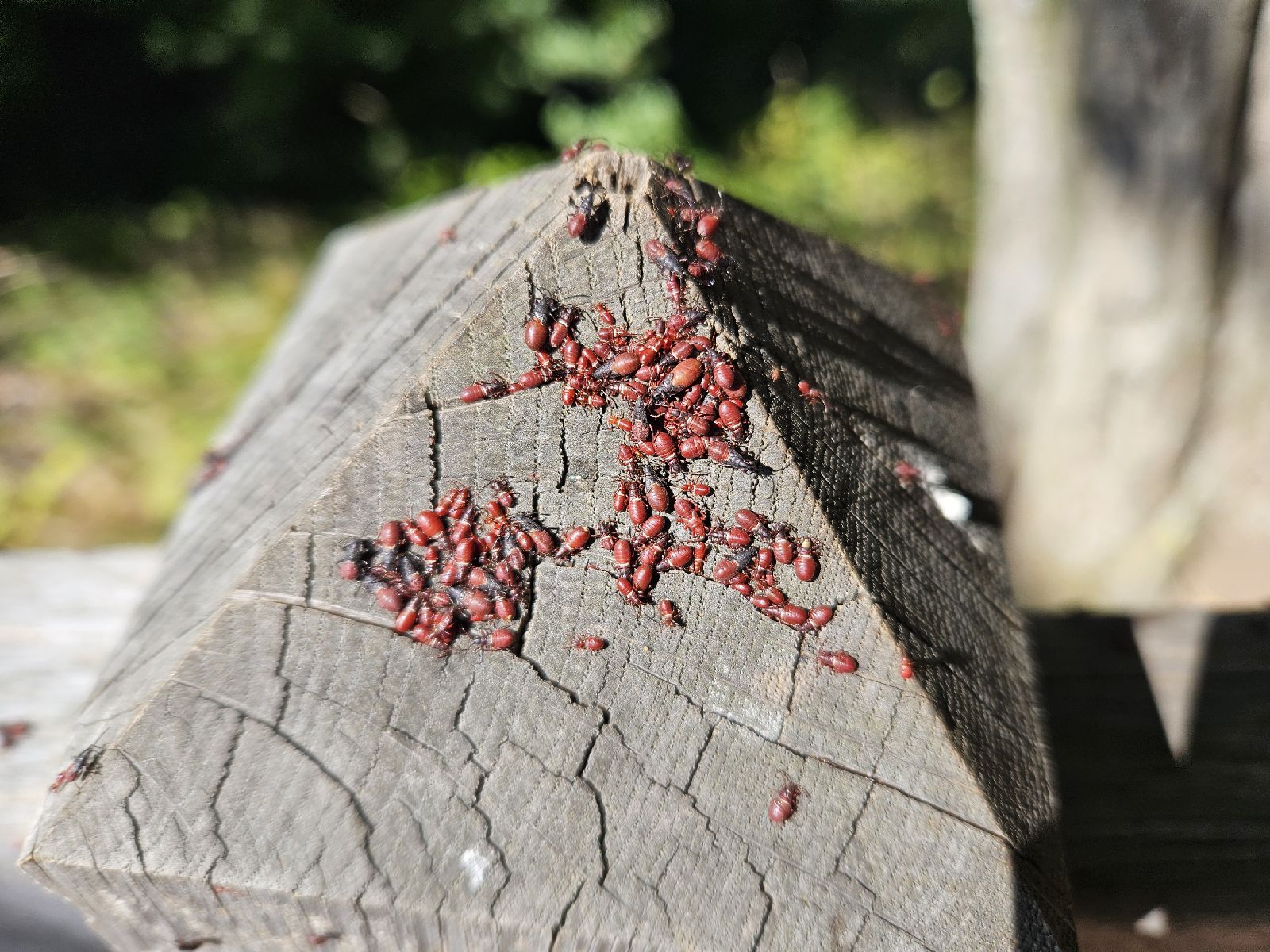
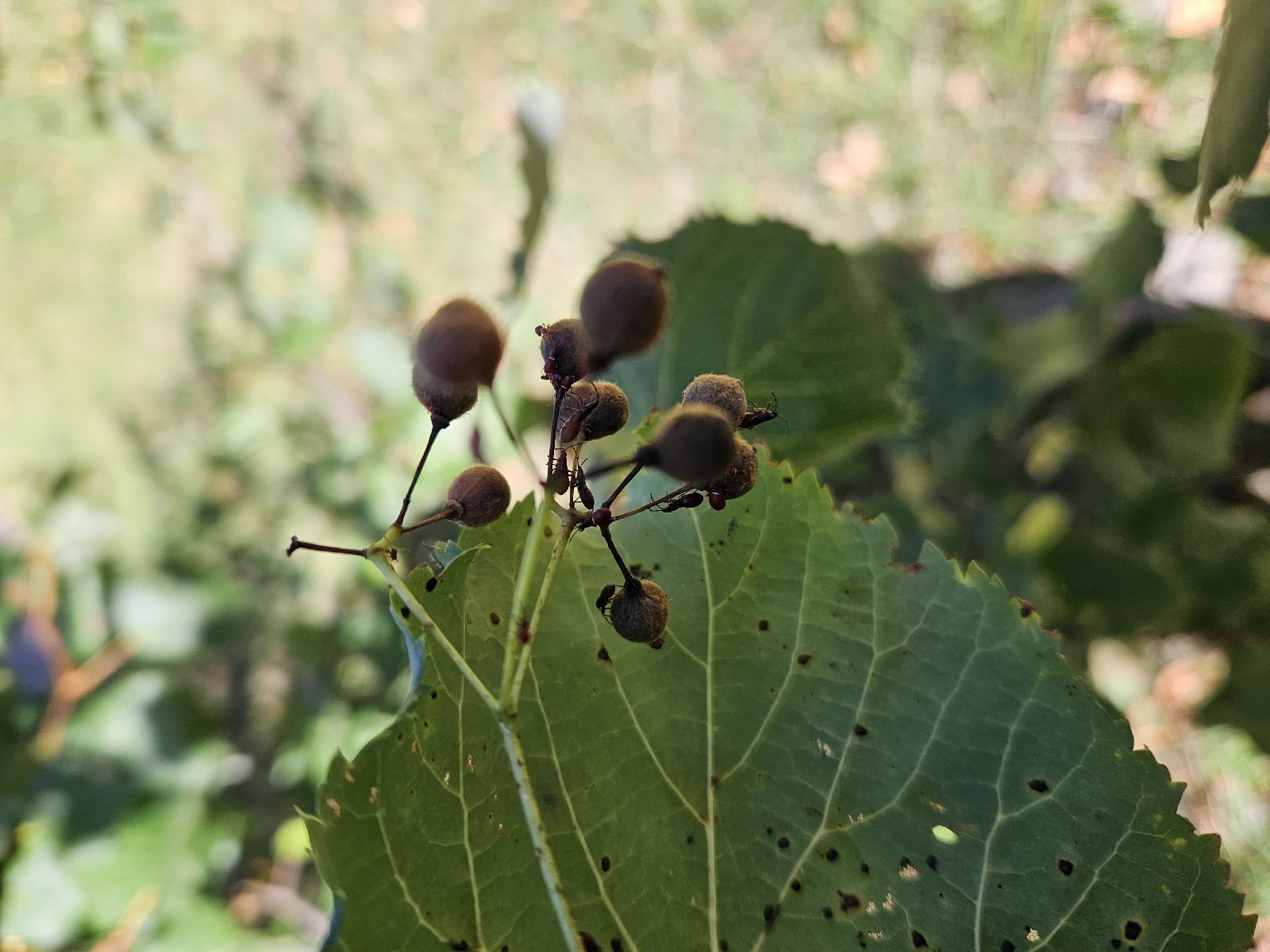
Lime seed bug
Ploštička lipováPloštička lipováPloštička lipová
Lime seed bug
Number: 5120
Received 22.9.2024
In progress: 1 days
Date of occurrence: 22.9.2024
Significance: Less harmful
Discussion
From: rado
Assigned: M. Zúbrik
Country: Slovakia

Question

Answer

Monitoring: O. lavaterae
Number of votes for this answer: 0

Pest

Lime seed bug

Oxycarenus lavaterae

Lime seed bug

Oxycarenus lavaterae

hmyz

Received: 22.9.2024
Wood: Lipa
Number: 5120
Date of occurrence: 22.9.2024
Discussion

Add comment: Lime seed bug

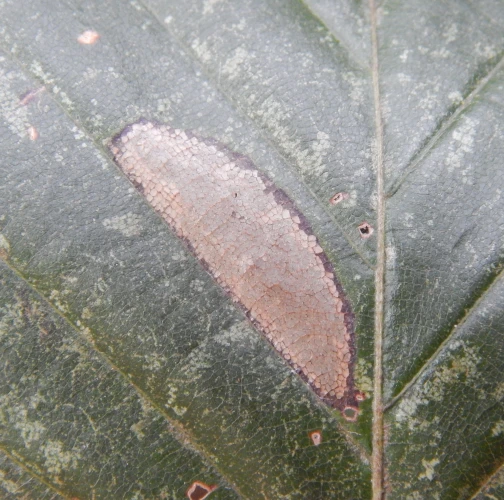
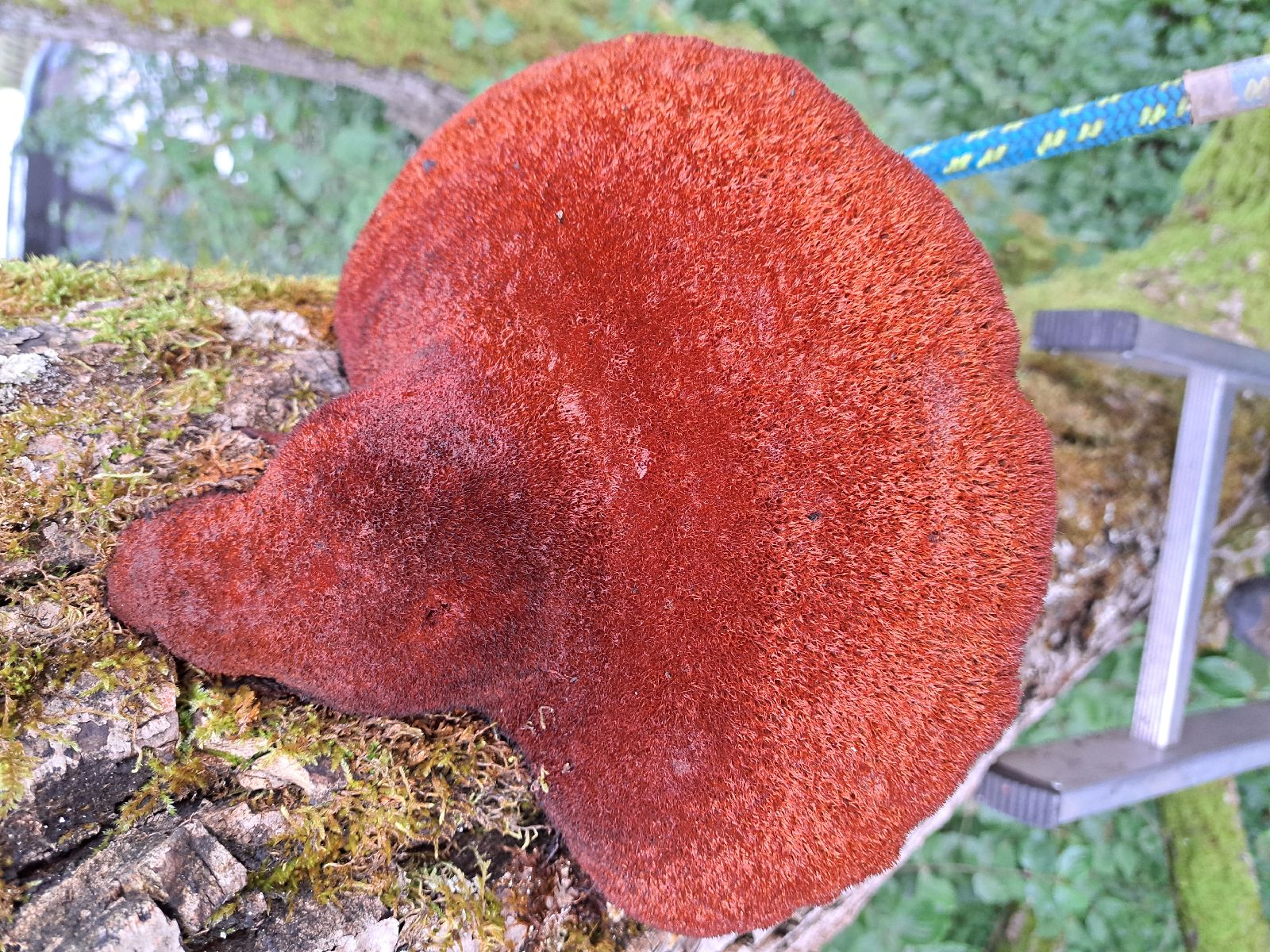
Leaf miner Phyllonorycter maestingella
Ploskáčik Phyllonorycter maestingella
Leaf miner Phyllonorycter maestingella
Number: 5101
Received 18.9.2024
In progress: 0 days
Date of occurrence: 18.9.2024
Significance: Less harmful
Discussion
From: majo
Assigned: M. Zúbrik
Country: Slovakia

Question

S pozdravom Marián

Answer

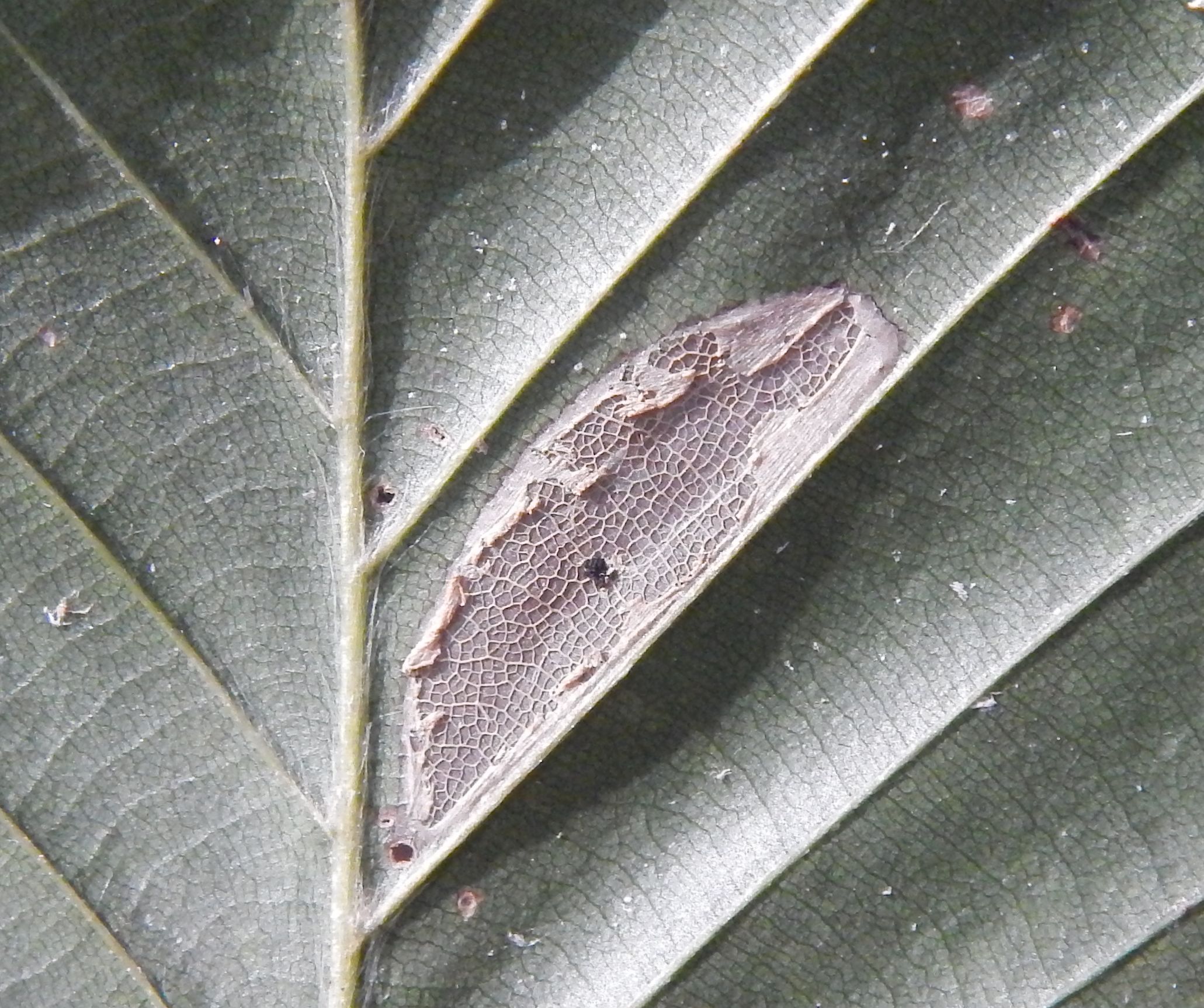
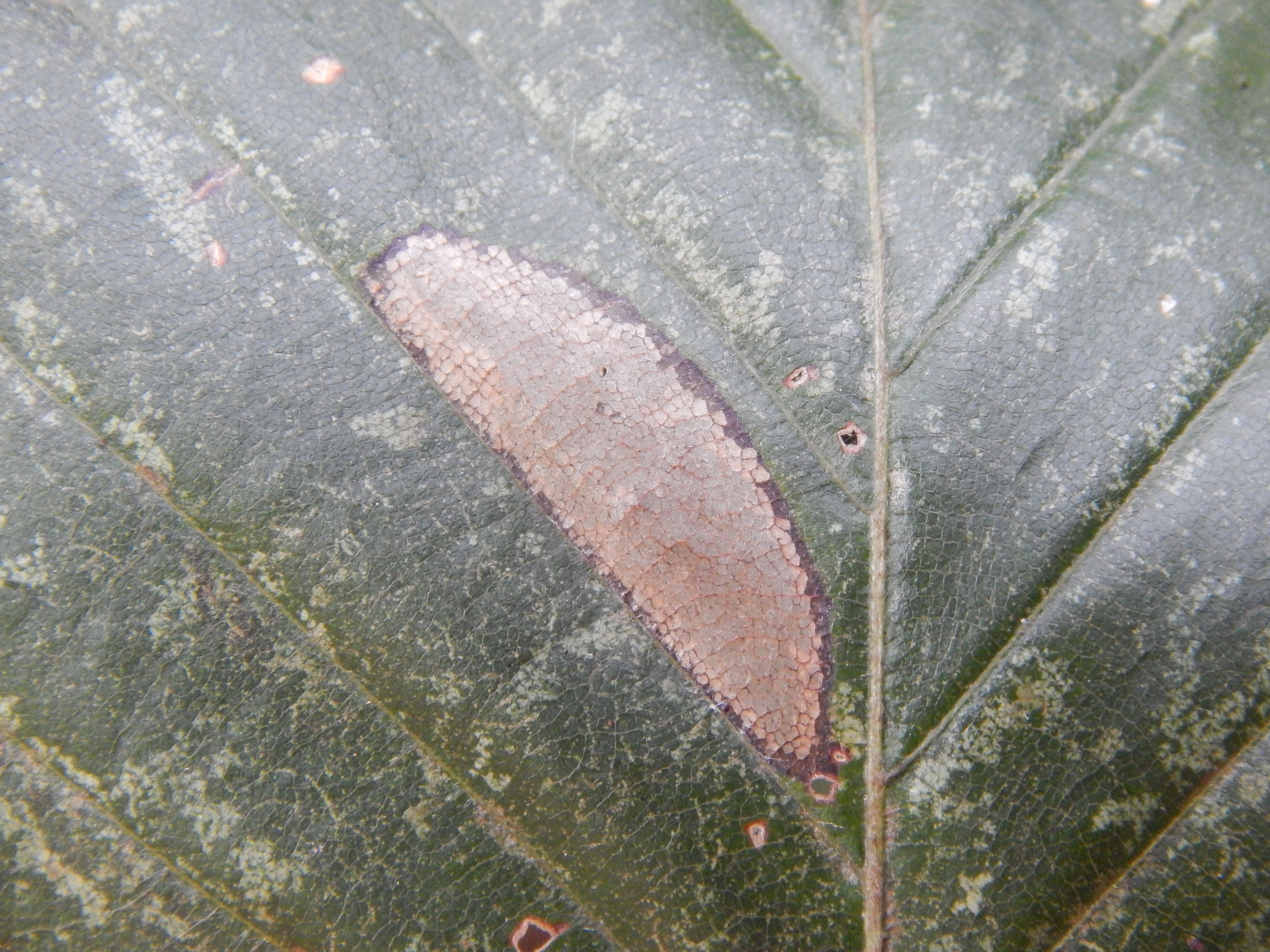
Na obrázku je miesto,kde žila larva malého motýla. Phyllonorycter maestingella je malý nočný motýľ, ktorého larvy sú známe tým, že vytvárajú podlhovasté míny na listoch bukov (Fagus spp.). Samička Phyllonorycter maestingella kladie vajíčka na spodnú stranu bukových listov, vždy blízko bočnej žilky. Mína larvy začína ako podlhovastá škvrna, približne 5-7 mm dlhá, pozdĺž žilky. Ako mína rastie, mení sa na dlhú štruktúru na spodnej strane listu, typicky takmer vždy medzi dvoma bočnými žilkami. Larva žije a kuklí sa v míne. Mína je viditeľná aj na vrchnej strane listu ako svetlá škvrna. Nie je to významný škodca, ale často sa vyskytuje a môže lokálne znížiť estetickú hodnotu stromov najmä v parkoch a záhradách. S pozdravom M. Zúbrik
Number of votes for this answer: 1

Pest

Leaf miner Phyllonorycter maestingella
Phyllonorycter maestingella

Leaf miner Phyllonorycter maestingella

Phyllonorycter maestingella

hmyz

Received: 18.9.2024
Wood: Buk
Number: 5101
Date of occurrence: 18.9.2024
Discussion

Add comment: Leaf miner Phyllonorycter maestingella

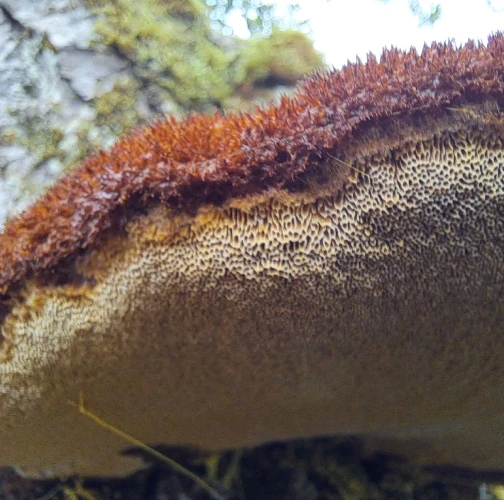
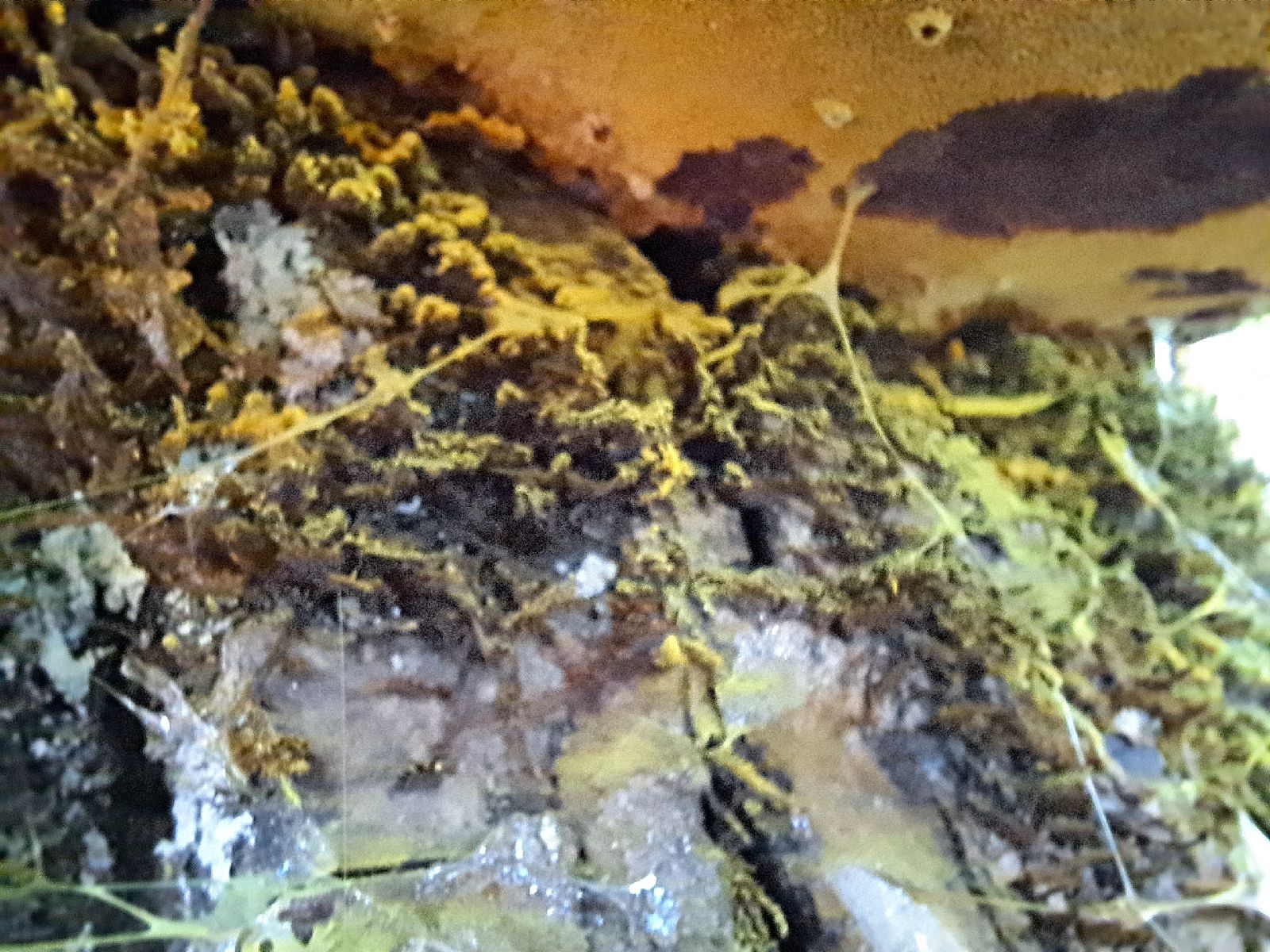
Fungus Inonotus hispidus
Ryšavec srstnatýRyšavec srstnatýRyšavec srstnatý
Fungus Inonotus hispidus
Number: 5098
Received 18.9.2024
In progress: 0 days
Date of occurrence: 18.9.2024
Significance: Less harmful
Discussion
Assigned: A. Kunca
Country: United Kingdom

Question

Individual fruiting bodies on upper half of the tree stem.

Answer

Dear will, I would say it is Inonotus hispidus. But could be also some other Inonotus, as this one is pretty red.   cheers andrej.
Number of votes for this answer: 0

Pest

Fungus Inonotus hispidus

Inonotus hispidus

Fungus Inonotus hispidus

Inonotus hispidus

huby

Received: 18.9.2024
Wood: Walnut
Number: 5098
Date of occurrence: 18.9.2024
Discussion

Add comment: Fungus Inonotus hispidus
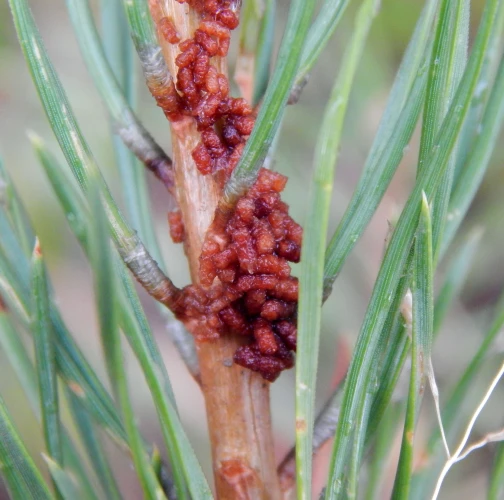
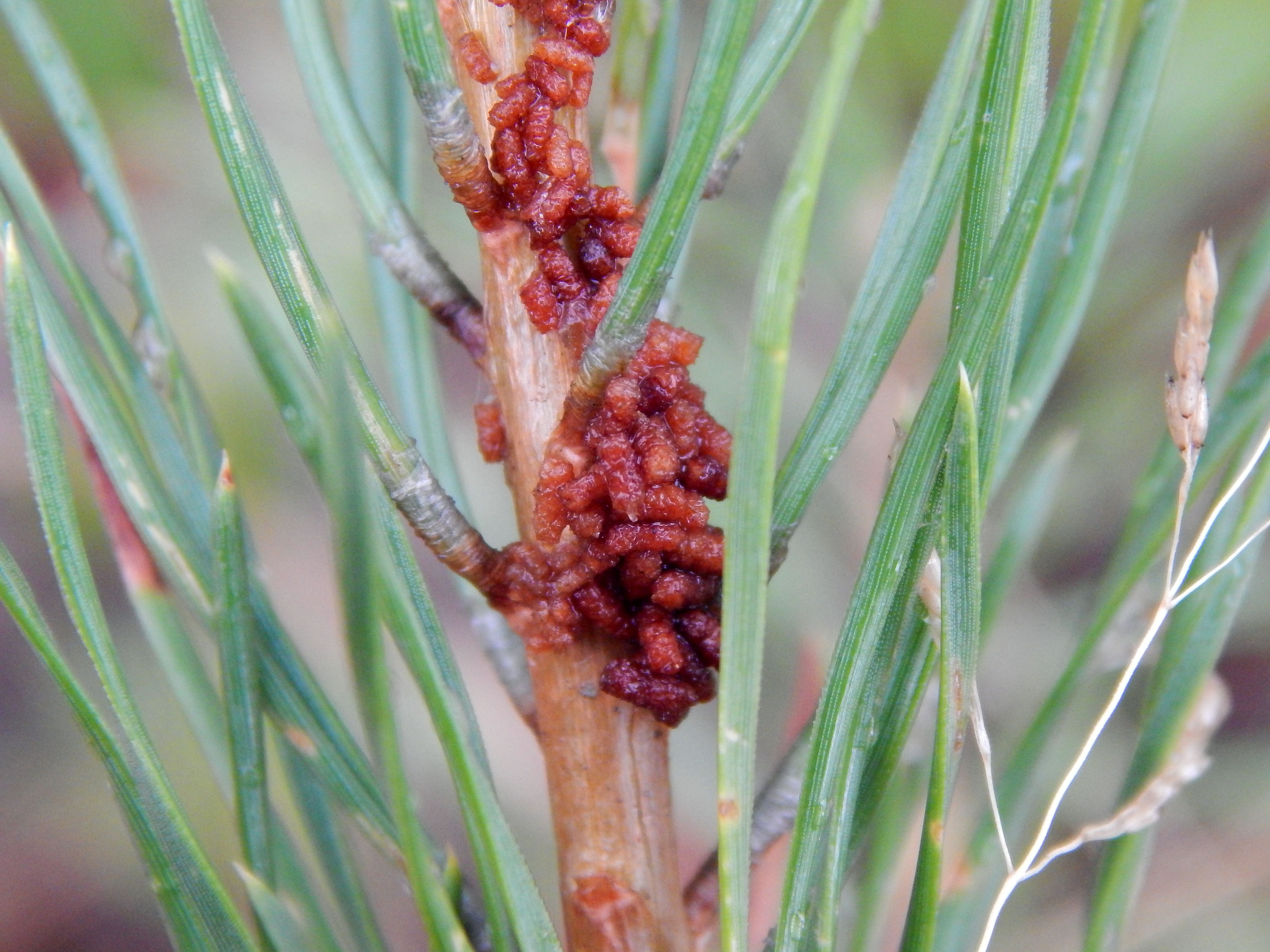
Web-spinning pine-sawfly
Ploskanka sadenicováPloskanka sadenicová
Web-spinning pine-sawfly
Number: 5073
Received 12.9.2024
In progress: 0 days
Date of occurrence: 12.9.2024
Significance: Harmful
Discussion
From: majo
Assigned: M. Zúbrik
Country: Slovakia

Question

S pozdravom Marián

Answer

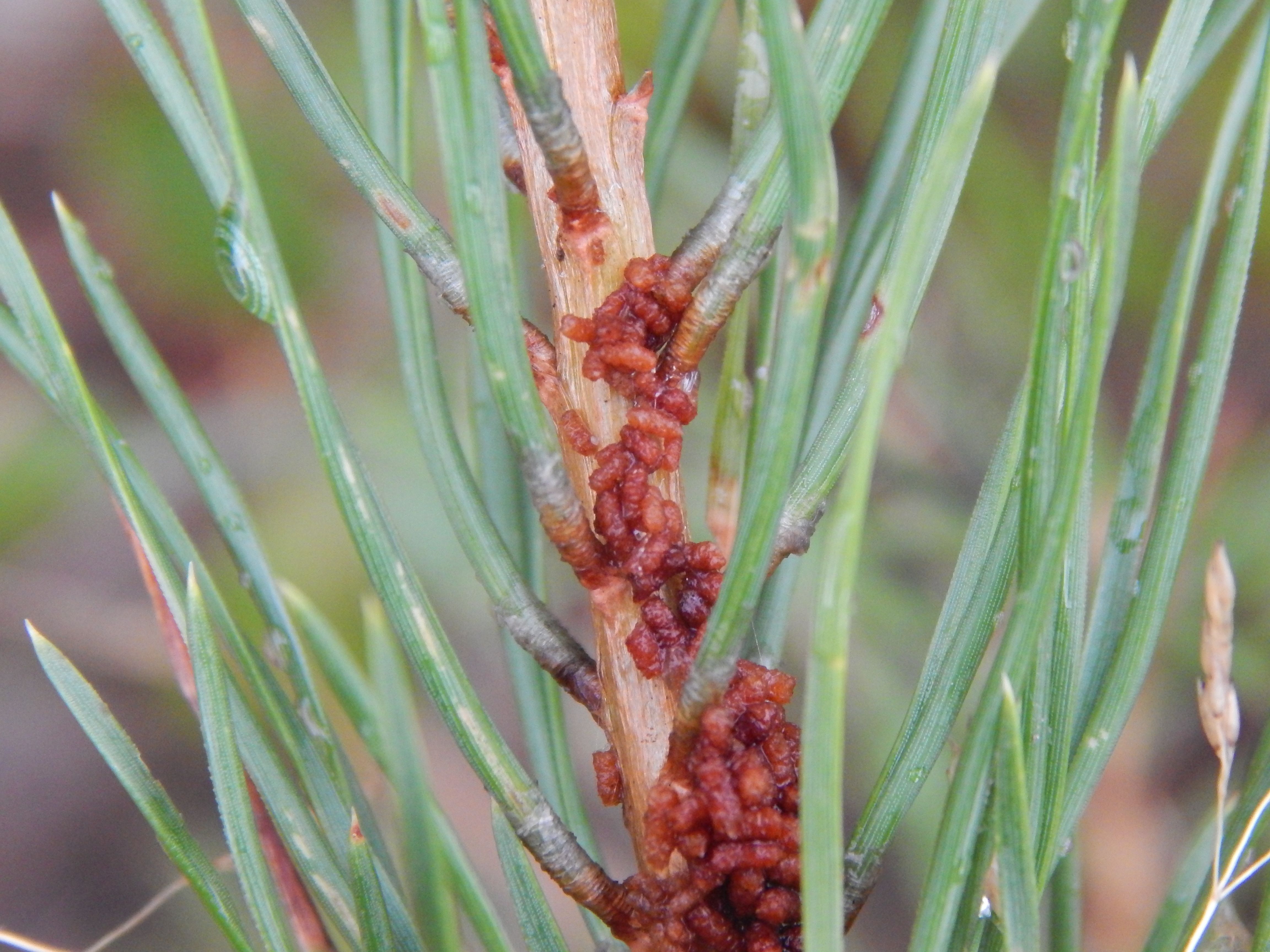
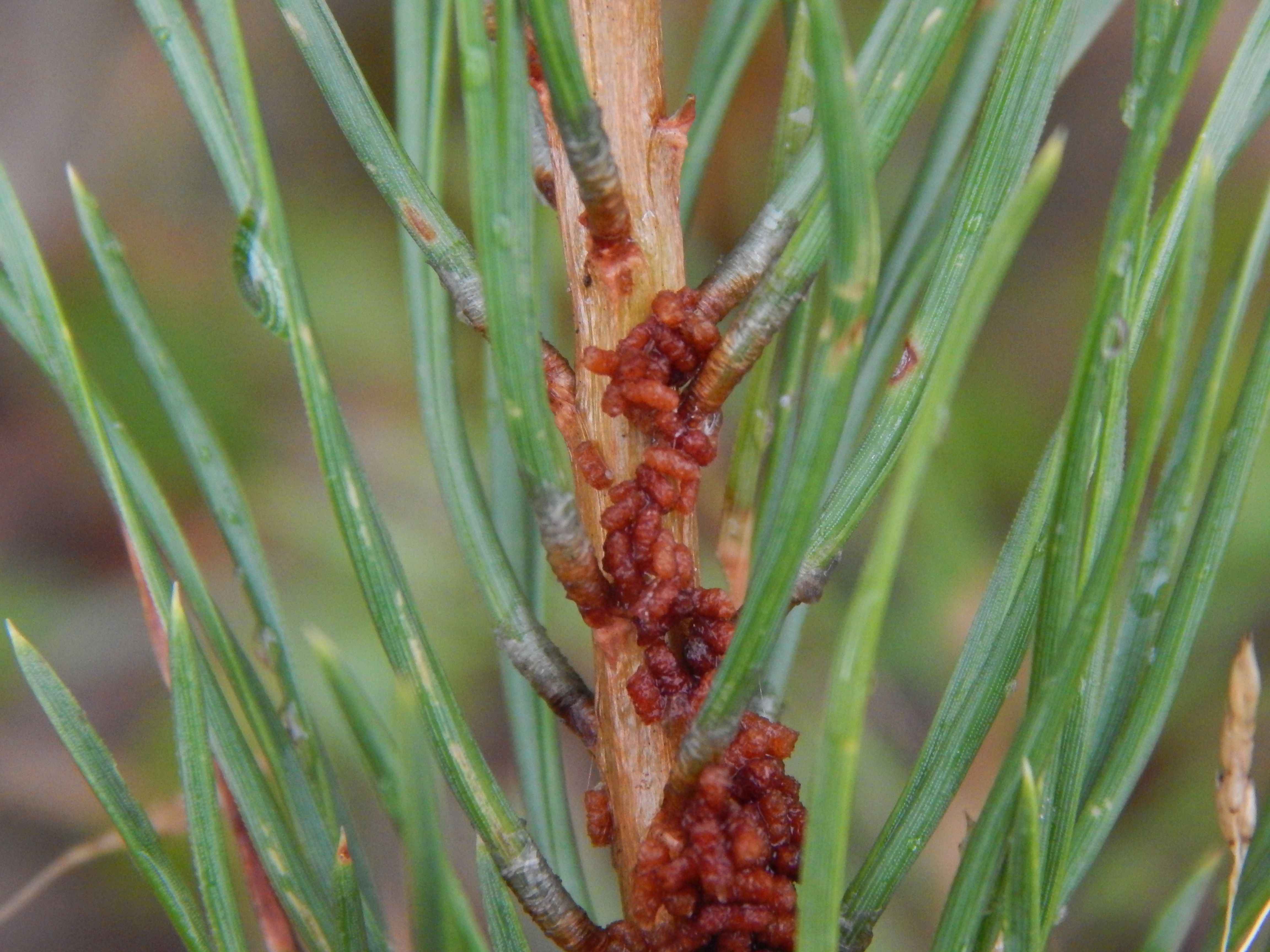
Ahoj Majo, myslím, že ten trus by mohol patriť ploskanke sadenicovej, ale obsolútne sa nedá vylúčiť zámena s nejakým príbuzným druhom. Pekný deň M. Zúbrik
Number of votes for this answer: 0

Pest

Web-spinning pine-sawfly

Acantholyda hieroglyphica

Web-spinning pine-sawfly

Acantholyda hieroglyphica

hmyz

Received: 12.9.2024
Wood: Borovica
Number: 5073
Date of occurrence: 12.9.2024
Discussion

Add comment: Web-spinning pine-sawfly
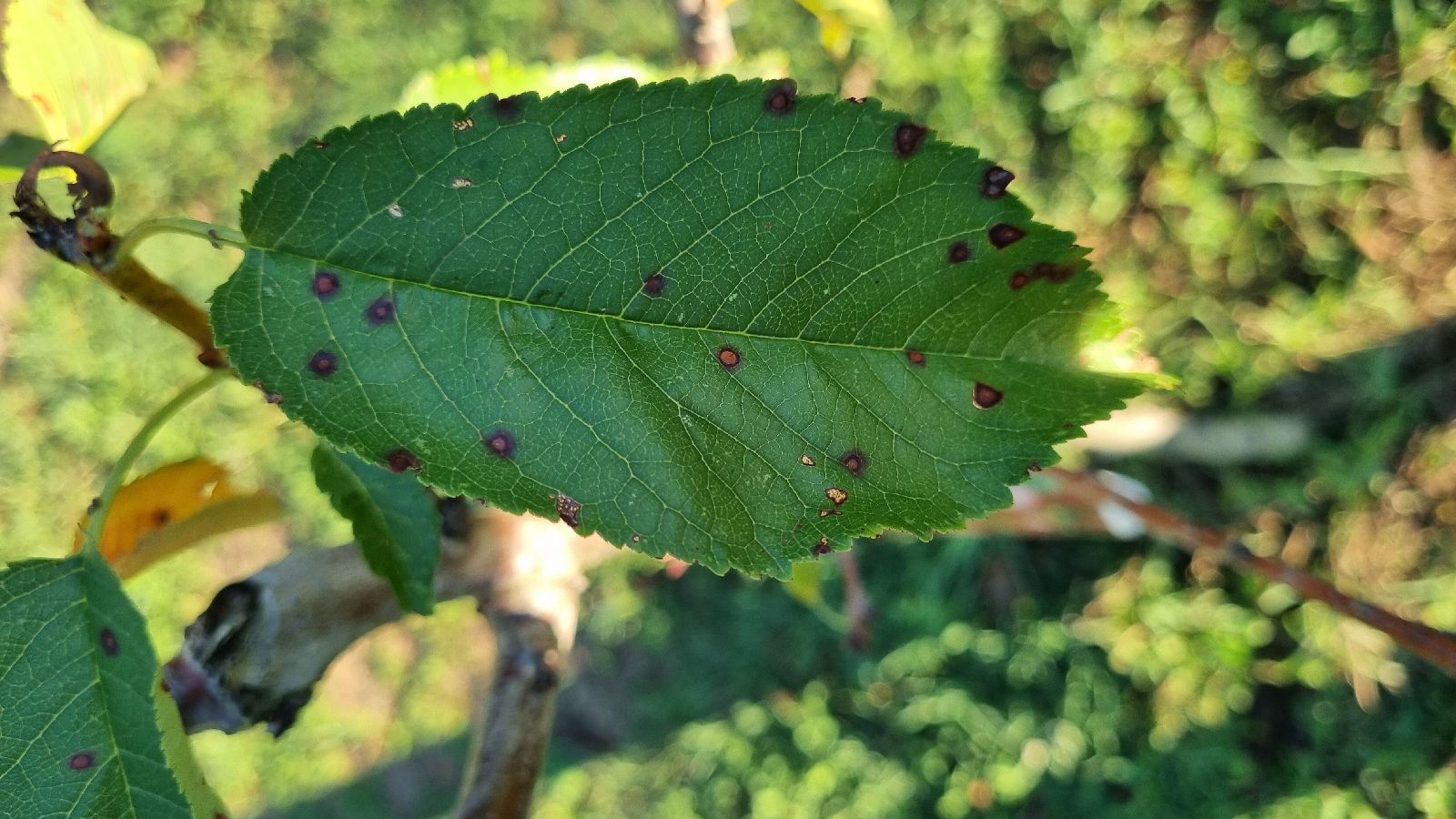
Cherry leaf spot
Cherry leaf spot
Number: 5067
Received 9.9.2024
In progress: 1 days
Date of occurrence: 9.9.2024
Significance: Less harmful
Discussion
From: gio
Assigned: V. Longauerová
Country: Italy

Question

Answer

Dear Gio, thank you for your request and picture. Cherry leaf spot (Blumeriella jaapii) is an important disease in Europe and America. Bird cherry (Prunus avium) causes the greatest damage. Other host plants include cherry (Prunus cerasus), common apricot (Prunus armeniaca) and common peach (Prunus persica). The pathogen mainly attacks the leaf blades, but exceptionally it can also attack the stems and fruits. Symptoms and harmfulnessParadoxically, unlike many other pathogens, cherry leaf spot primarily attacks older leaves. On the upper side of the leaf blade, distinctly red round spots of 1-2 mm in size are formed. On the underside of the leaf blade, smaller, sharply demarcated reddish-brown to dark brown spots are formed. They are covered with a fine coating of conidia. The spots on the lower and upper side of the leaf blade gradually become necrotic. The leaves gradually turn yellow, deform and subsequently fall. When fruits are attacked, significantly darker, sharply demarcated spots appear on the fruits. Infested fruits are usually deformed. The damage consists in the premature fall of the leaves, which reduces the photosynthetic activity of the tree. Trees have weaker growth, they are susceptible to environmental stress factors such as winter frosts or significant periods of drought. The pathogen results in a qualitative and, in particular, a quantitative reduction of the harvest. Spotting causes a huge problem in fruit nurseries or young plantings, where it slows growth and delays the fruiting period. Development cycleThe pathogen overwinters on fallen leaves, from which the infection spreads in the spring in the form of ascospores. Ascospores are able to infect leaves, stems and fruits in the period of 3-4 weeks after flowering of cherries. The leaves are infected through the stomata and the first symptoms can be observed 2 weeks after infection. Depending on the weather, they are released into the environment for 4-5 weeks. In addition to ascospore infection, conidia are the source of primary and secondary infection in many cases. Wet and rainy weather significantly promotes infection pressure. Infection can only occur if the leaf is wet. In the case of temperature, the optimum conditions for germination are in the range of 15-25 °C. ProtectionThe basis of protection is, first of all, the selection of habitat, variety, and cultivation form. It is important to avoid cold and damp locations, where the conditions for the development of mottledness are optimal. Ensuring an airy and non-compacted crown is important from the point of view of shortening the time of wetness of the leaves and thus preventing the germination of ascospores and conidia. Similar to the case of apple scab, it is also advisable to dispose of the fallen leaves and thereby significantly reduce the infection pressure in the following growing season. In the case of optimal weather conditions for the spread of the pathogen, it is advisable to carry out protection with fungicidal preparations 3-4 weeks after flowering. Preparations that contain the active substances mancozeb, fluopyram+trebuconazole, boscalid+paraclostrobin, dithianone have proven to be suitable. This treatment should be repeated after 10 days. If there is a long dry period during this period, there is no need to apply fungicides. With best regards,  Valeria
Number of votes for this answer: 0

Pest

Cherry leaf spot

Blumeriella jaapii

Cherry leaf spot

Blumeriella jaapii

huby

Received: 9.9.2024
Wood: Cherry
Number: 5067
Date of occurrence: 9.9.2024
Discussion

Add comment: Cherry leaf spot

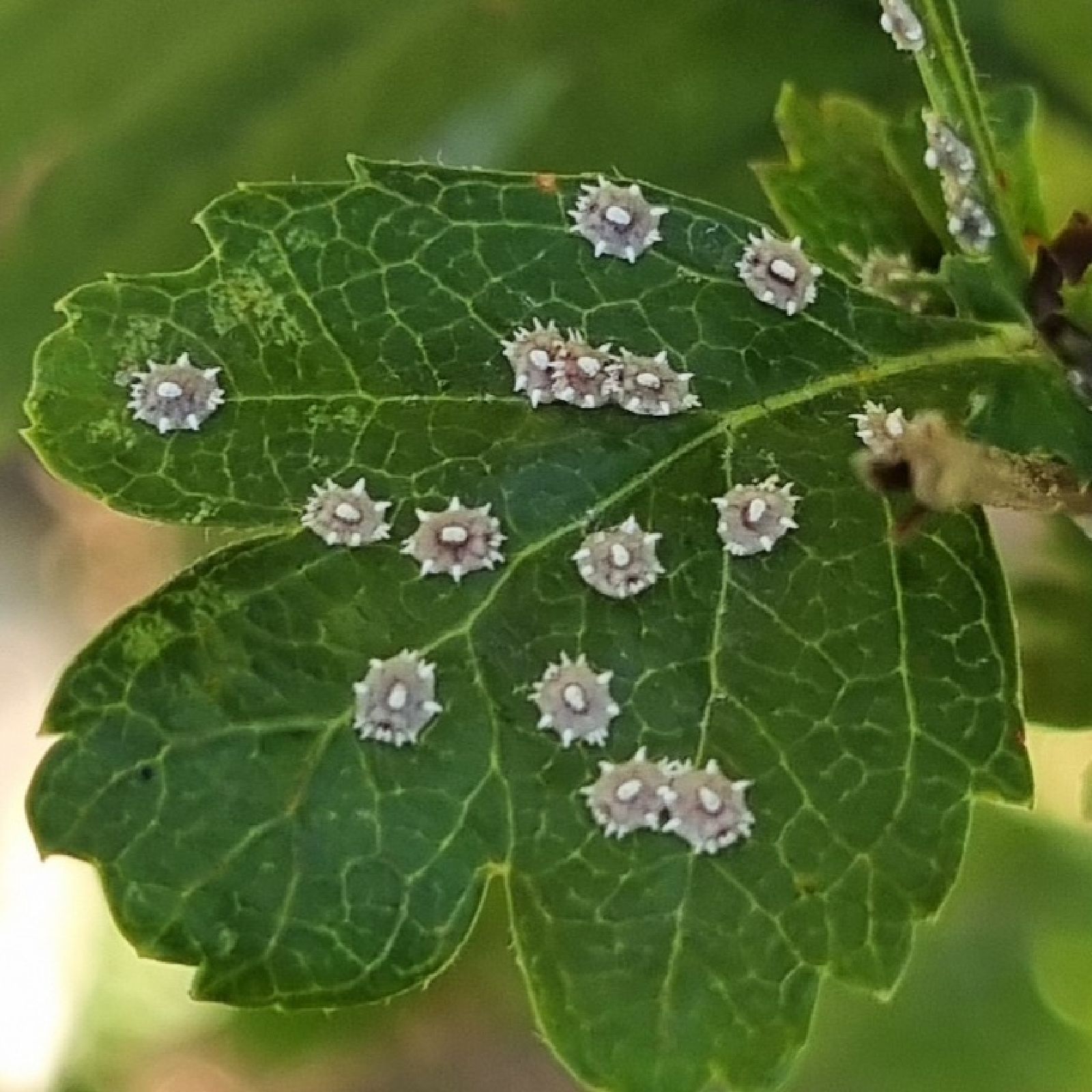
Japanese wax scale
Japanese wax scale
Number: 5066
Received 9.9.2024
In progress: 1 days
Date of occurrence: 9.9.2024
Significance: Harmful
Discussion
From: gio
Assigned: M. Zúbrik
Country: Italy

Question

Answer

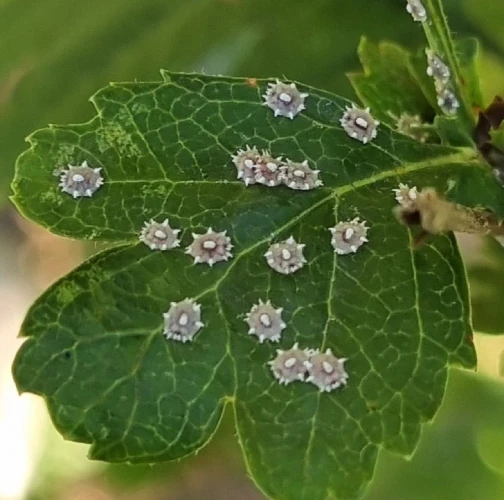
Dear Gio, thank you for your request and picture. It appears to be a species from the genus Ceroplastes. There are at least four very similar species in your area: Ceroplastes rusci (Fig wax scale), Ceroplastes floridensis (Florida wax scale), Ceroplastes japonicus, and Ceroplastes sinensis (Chinese wax scale). All these species produce waxy coverings that look similar, and they are mainly found in the warmer parts of Europe, particularly in the Mediterranean region. Among these species, Ceroplastes japonicus, Ceroplastes rusci (Fig wax scale), and Ceroplastes floridensis (Florida wax scale) have been reported to infest hawthorn (Crataegus spp.) as a host plant. All of them are polyphagous, meaning they can feed on a wide variety of plants, including ornamental and fruit-bearing species like hawthorn. Identifying these species often requires a detailed examination of their physical characteristics, possibly using a microscope to examine the body structure beneath the wax. There is quite a lot of information about Ceroplastes japonicus on our website. Please visit this page: https://www.forestpests.eu/pest/ceroplastes-japonicus. With best regards, M. Zubrik
Number of votes for this answer: 0

Pest

Japanese wax scale

Ceroplastes japonicus

Japanese wax scale

Ceroplastes japonicus

hmyz

Received: 9.9.2024
Wood: Hawthorn
Number: 5066
Date of occurrence: 9.9.2024
Discussion

Add comment: Japanese wax scale

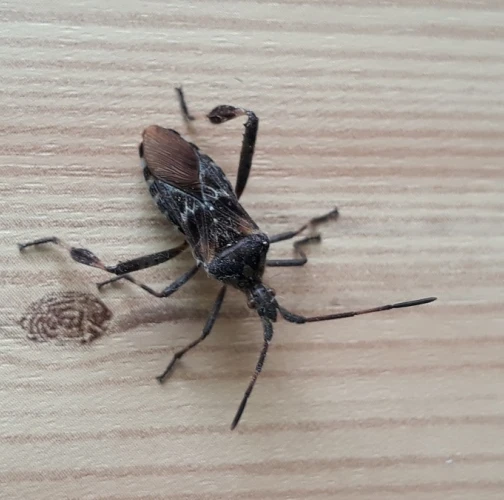
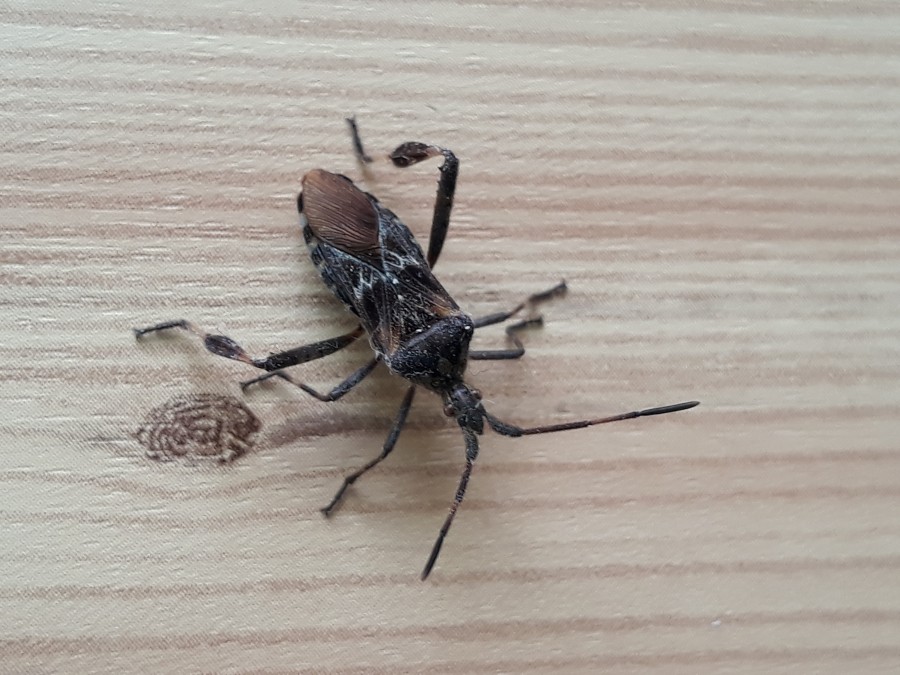
Western conifer seed bug
Number: 5061
Received 7.9.2024
In progress: 0 days
Date of occurrence: 7.9.2024
Significance: Less harmful
Discussion
Assigned: M. Zúbrik
Country: United Kingdom

Question

Answer

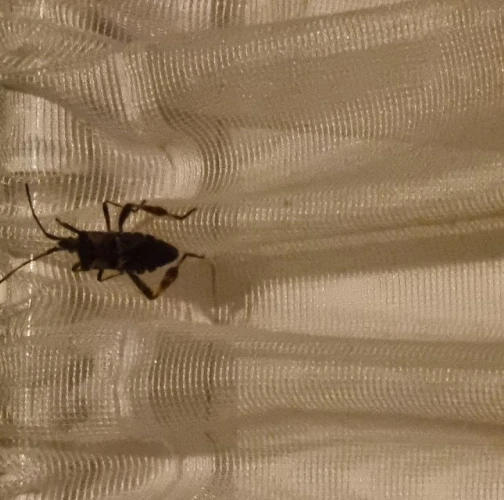
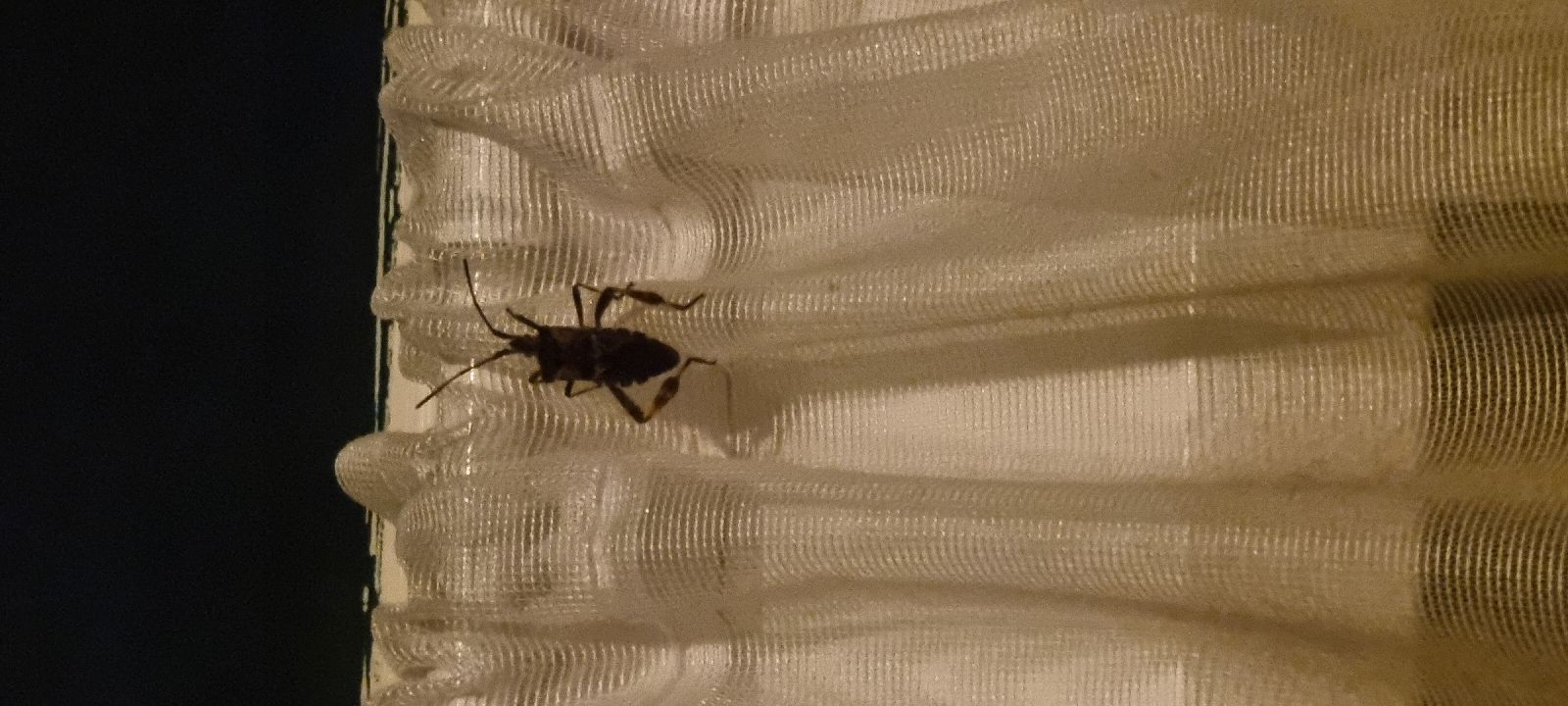
Dear Elize, thank you for a picture of Leptoglossus occidentalis. With best regards M. Zubrik
Number of votes for this answer: 0

Pest

Western conifer seed bug

Leptoglossus occidentalis

Western conifer seed bug

Leptoglossus occidentalis

hmyz

Received: 7.9.2024
Wood: Blackthorn
Number: 5061
Date of occurrence: 7.9.2024
Discussion

Add comment: Western conifer seed bug
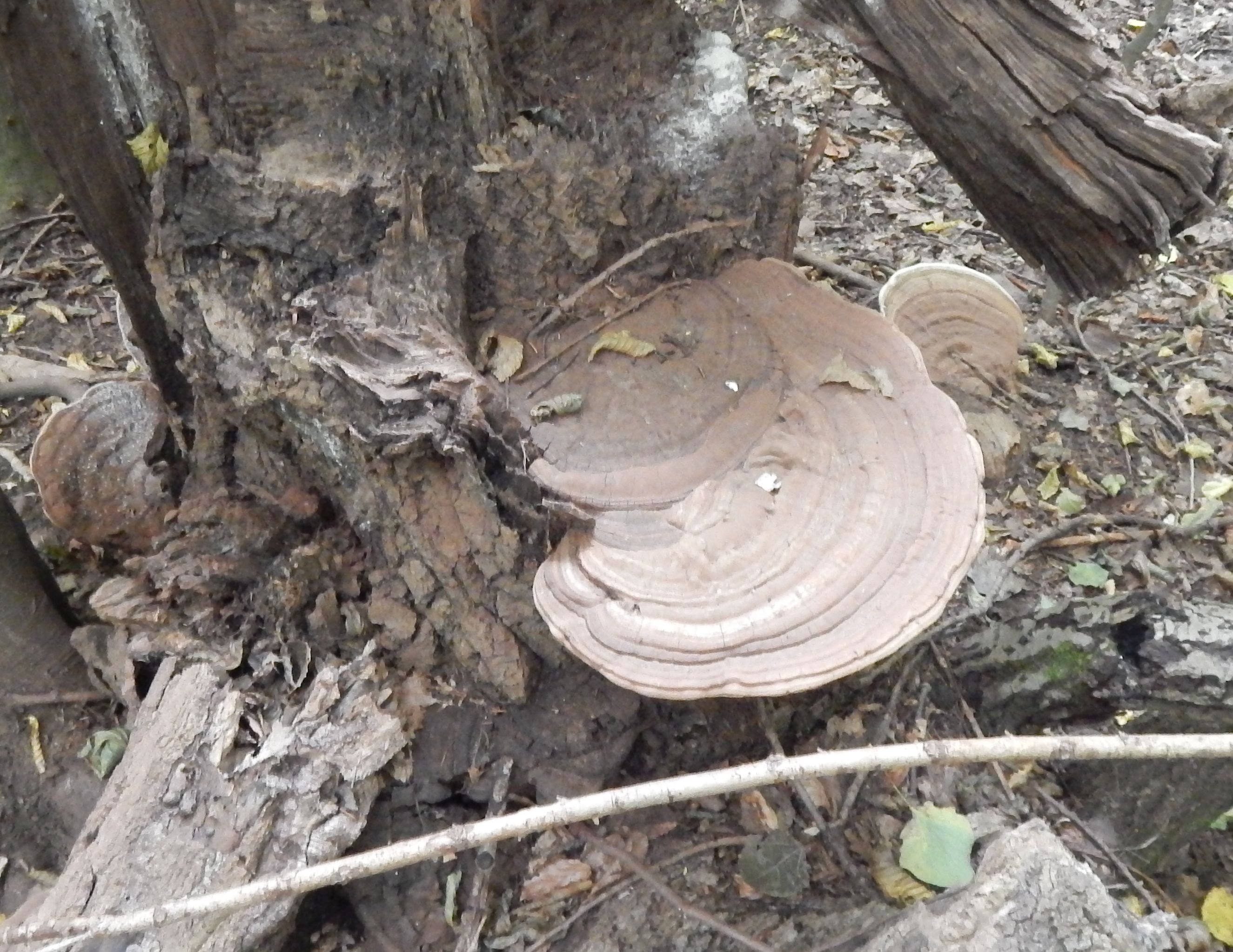
Ganoderma applanatum (= lipsiense)
Lesklokôrovka plocháLesklokôrovka plochá
Ganoderma applanatum (= lipsiense)
Number: 5058
Received 7.9.2024
In progress: 2 days
Date of occurrence: 6.9.2024
Significance: Harmful
Discussion
From: majo
Assigned: V. Longauerová
Country: Slovakia

Question

S pozdravom Marián

Answer

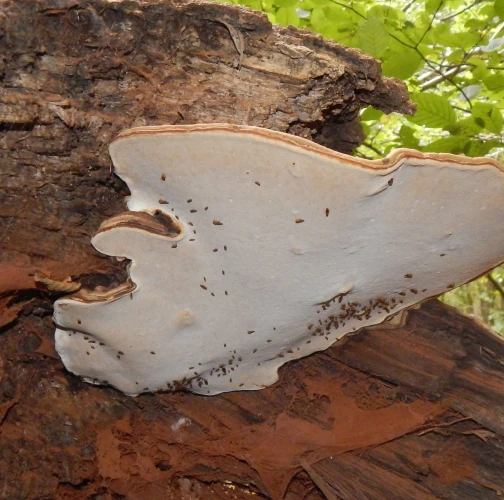
Ahoj Majo ,  podľa foto sa jedná o lesklokôrku plochú.  V.
Number of votes for this answer: 0

Pest

Ganoderma applanatum (= lipsiense)

Ganoderma applanatum (= lipsiense)

Ganoderma applanatum (= lipsiense)

Ganoderma applanatum (= lipsiense)

huby

Received: 7.9.2024
Wood: Topoľ
Number: 5058
Date of occurrence: 6.9.2024
Discussion

Add comment: Ganoderma applanatum (= lipsiense)

Stag beetle
Roháč obyčajný
Stag beetle
Number: 5051
Received 5.9.2024
In progress: 10 days
Date of occurrence: 5.9.2024
Significance: Not harmful
Discussion
From: majo
Assigned: A. Gubka
Country: Slovakia

Question

Answer

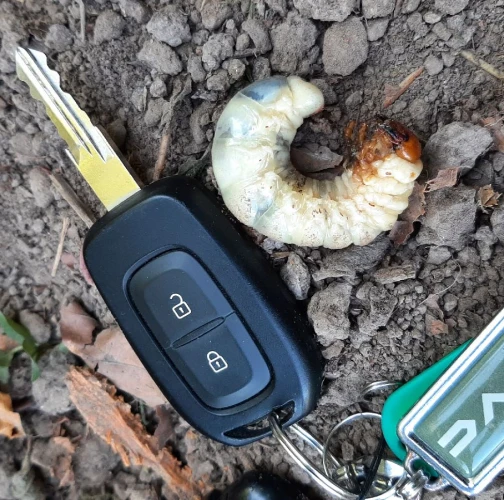
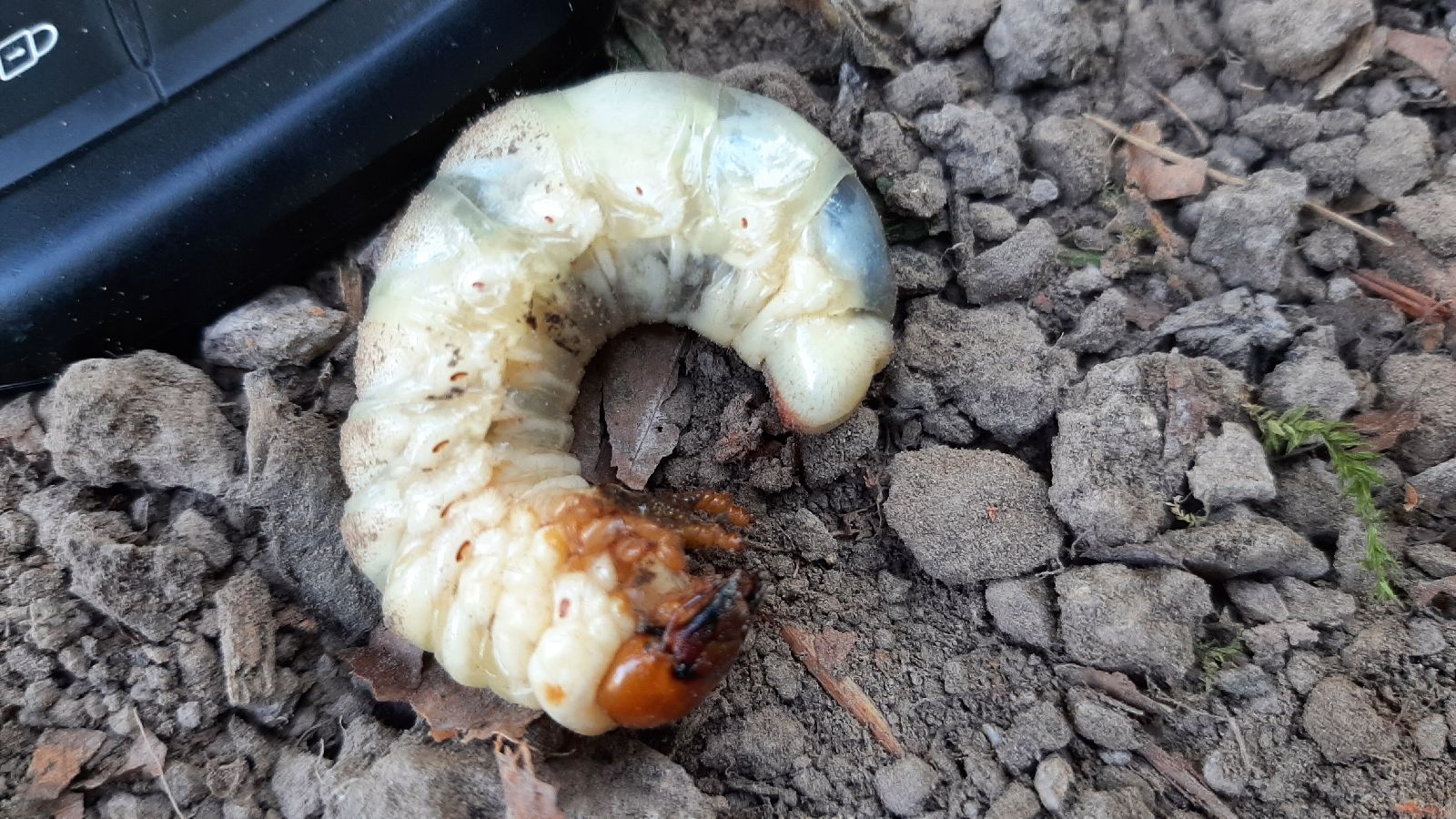
Pravdepodobne je to larva roháča.
Number of votes for this answer: 0

Pest

Stag beetle

Lucanus cervus

Stag beetle

Lucanus cervus

hmyz

Received: 5.9.2024
Wood: Buk
Number: 5051
Date of occurrence: 5.9.2024
Discussion

Add comment: Stag beetle

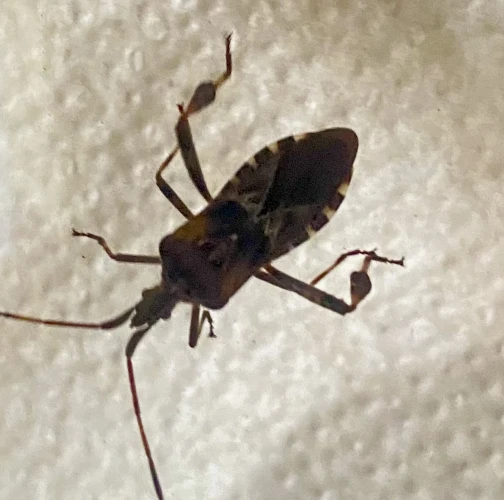
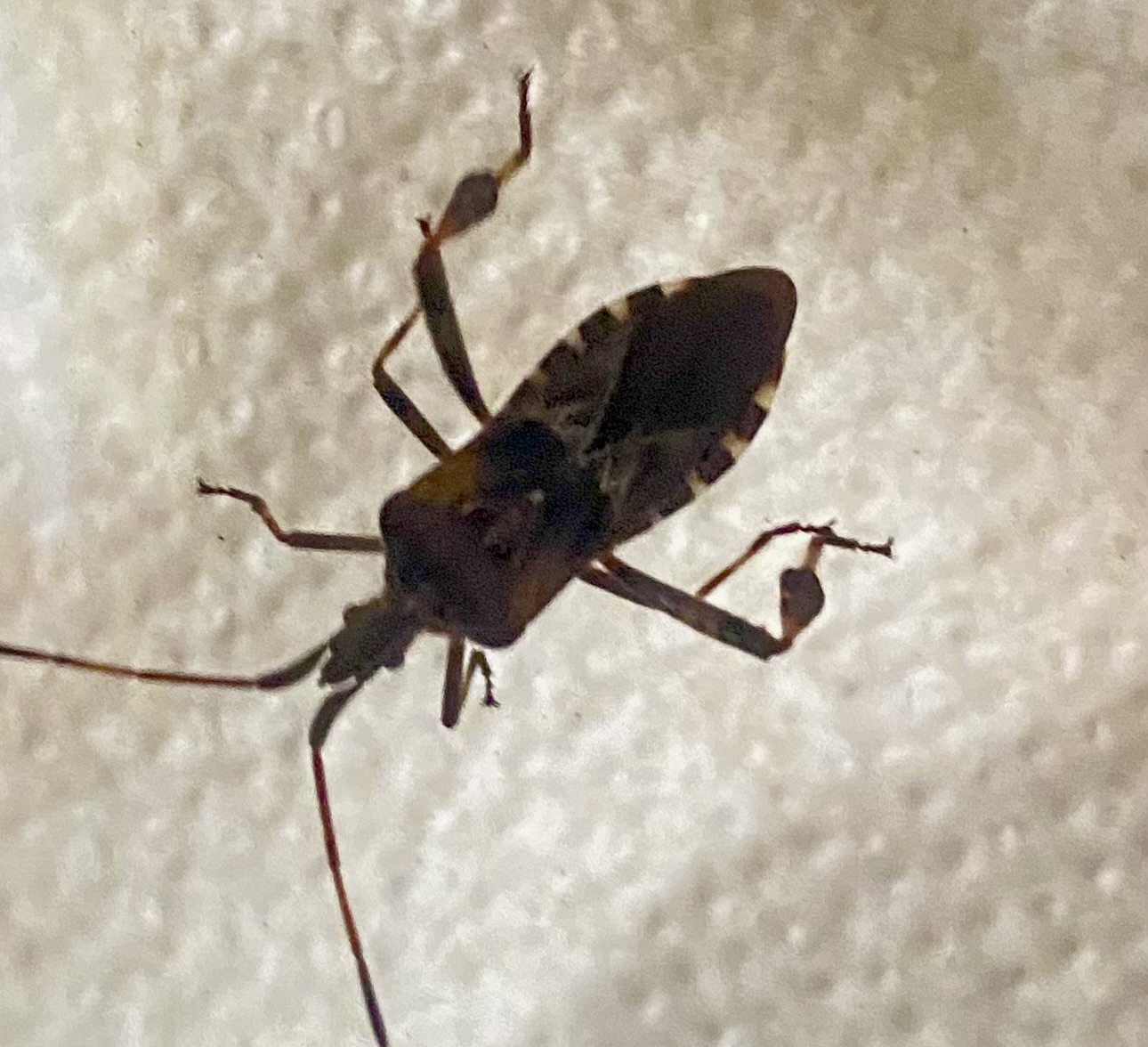
Western conifer seed bug
Number: 5050
Received 4.9.2024
In progress: 0 days
Date of occurrence: 30.8.2024
Significance: Less harmful
Discussion
Assigned: M. Zúbrik
Country: Slovakia

Question

Poškodenie som ani neevidoval. Len su ich stovky a je ich plna dedina Velčice. Nie som si istý, ci sa ale jedna o tento druh, lebo tie naše sú oveľa menšie.

Answer

Dobrý deň, ďakujeme za dotaz. Je to obrubnica americká Leptoglossus occindentalis. S pozdravom M. Zúbrik
Number of votes for this answer: 0

Pest

Western conifer seed bug

Leptoglossus occidentalis

Western conifer seed bug

Leptoglossus occidentalis

hmyz

Received: 4.9.2024
Wood: -
Number: 5050
Date of occurrence: 30.8.2024
Discussion

Add comment: Western conifer seed bug
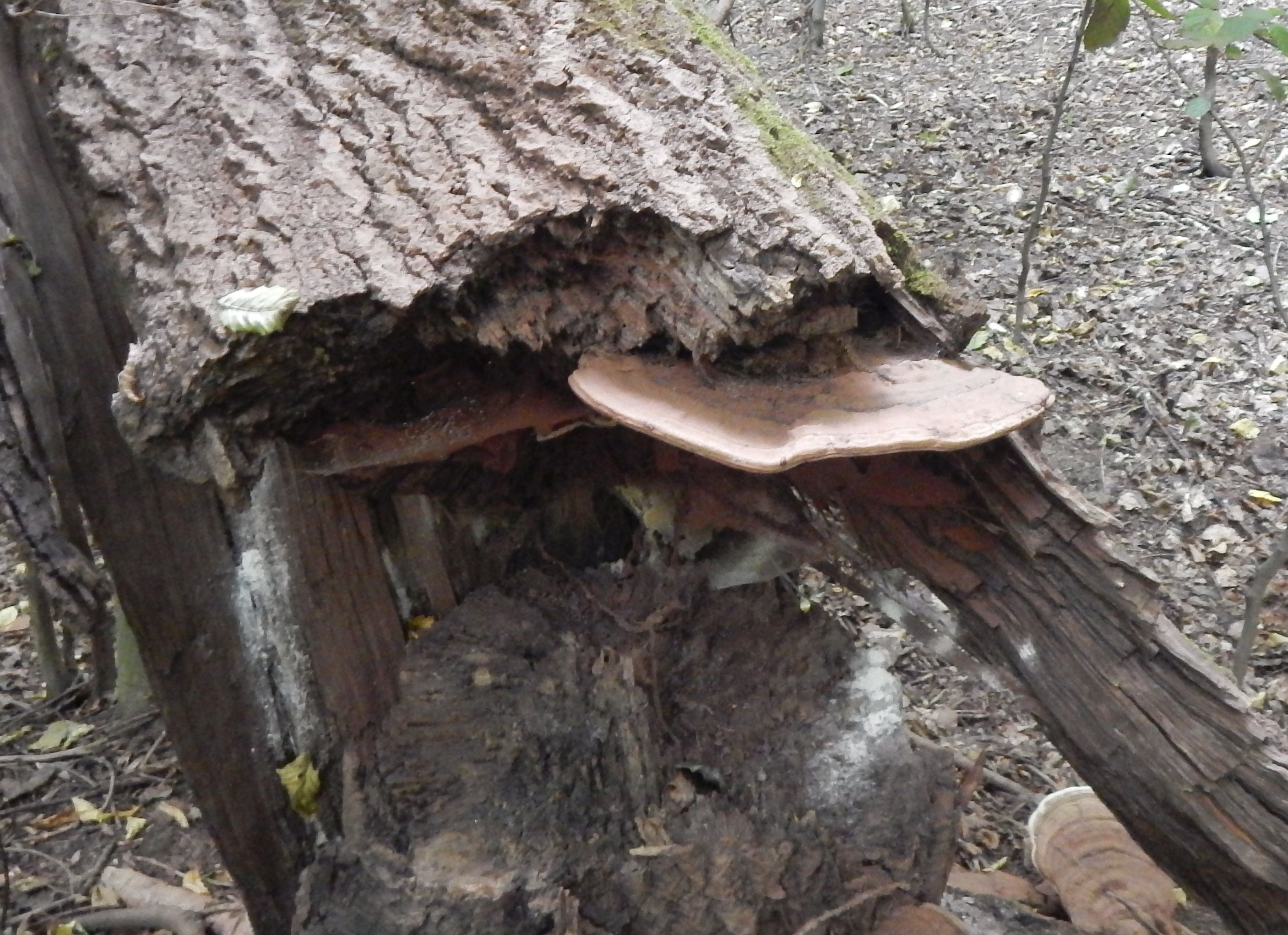
Western conifer seed bug
Number: 5046
Received 3.9.2024
In progress: 1 days
Date of occurrence: 9.3.2024
Significance: Less harmful
Discussion
From: Albe
Assigned: M. Zúbrik
Country: The Netherlands

Question

Answer

Dear Albe, thanks for your inquiry. This is adults of Leptoglossus occidentalis, western conifer seed bug. Best regards M. Zúbrik
Number of votes for this answer: 0

Pest

Western conifer seed bug

Leptoglossus occidentalis

Western conifer seed bug

Leptoglossus occidentalis

hmyz

Received: 3.9.2024
Wood: -
Number: 5046
Date of occurrence: 9.3.2024
Discussion

Add comment: Western conifer seed bug
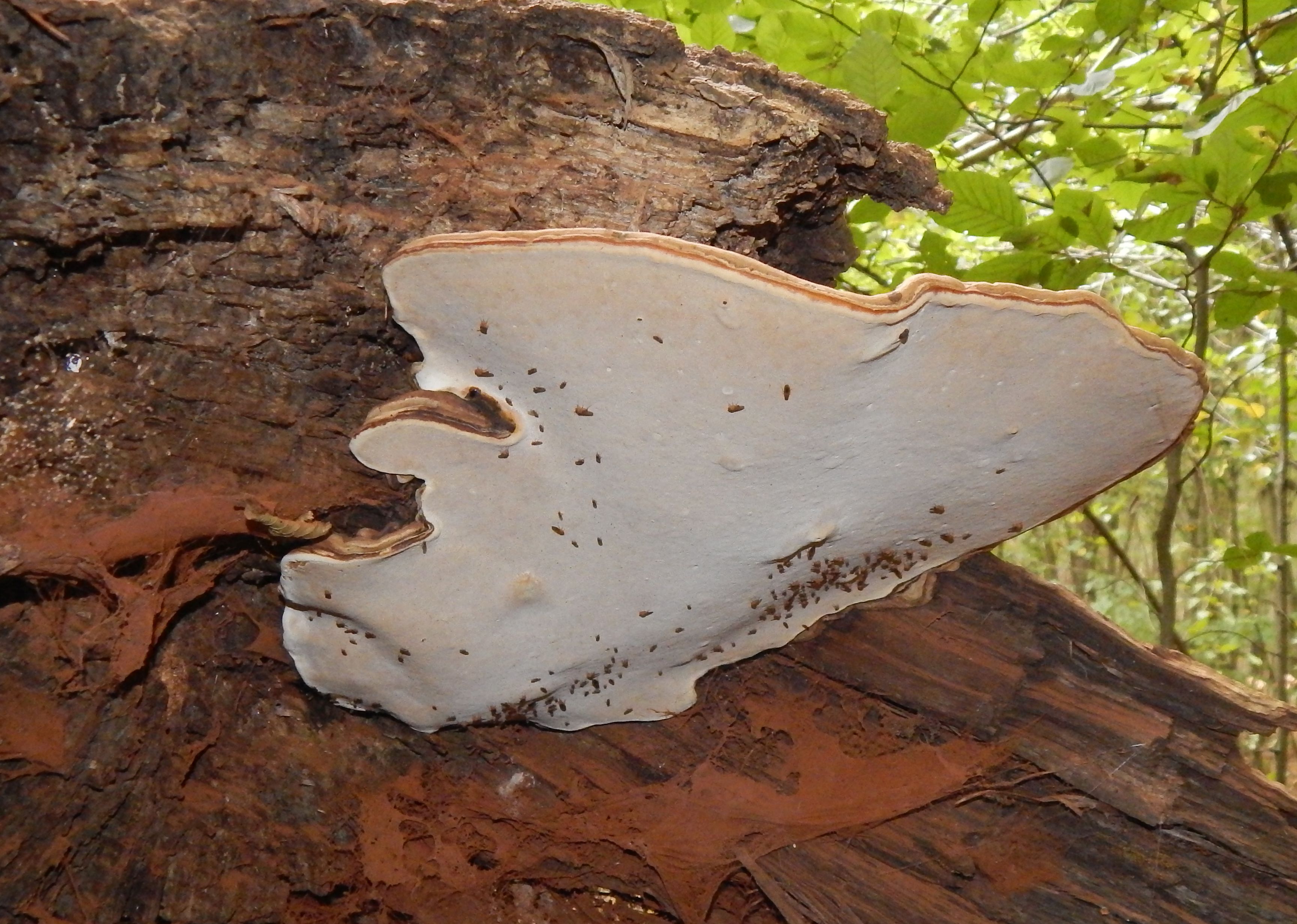
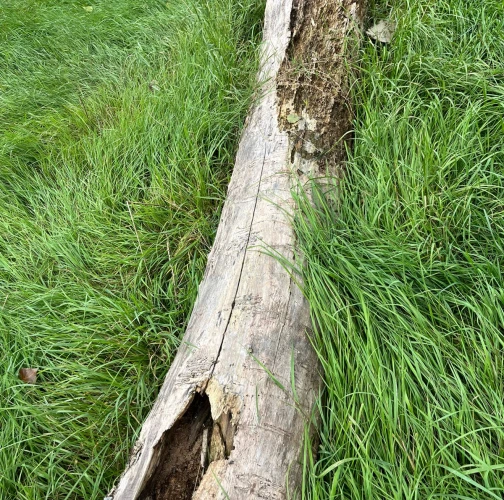
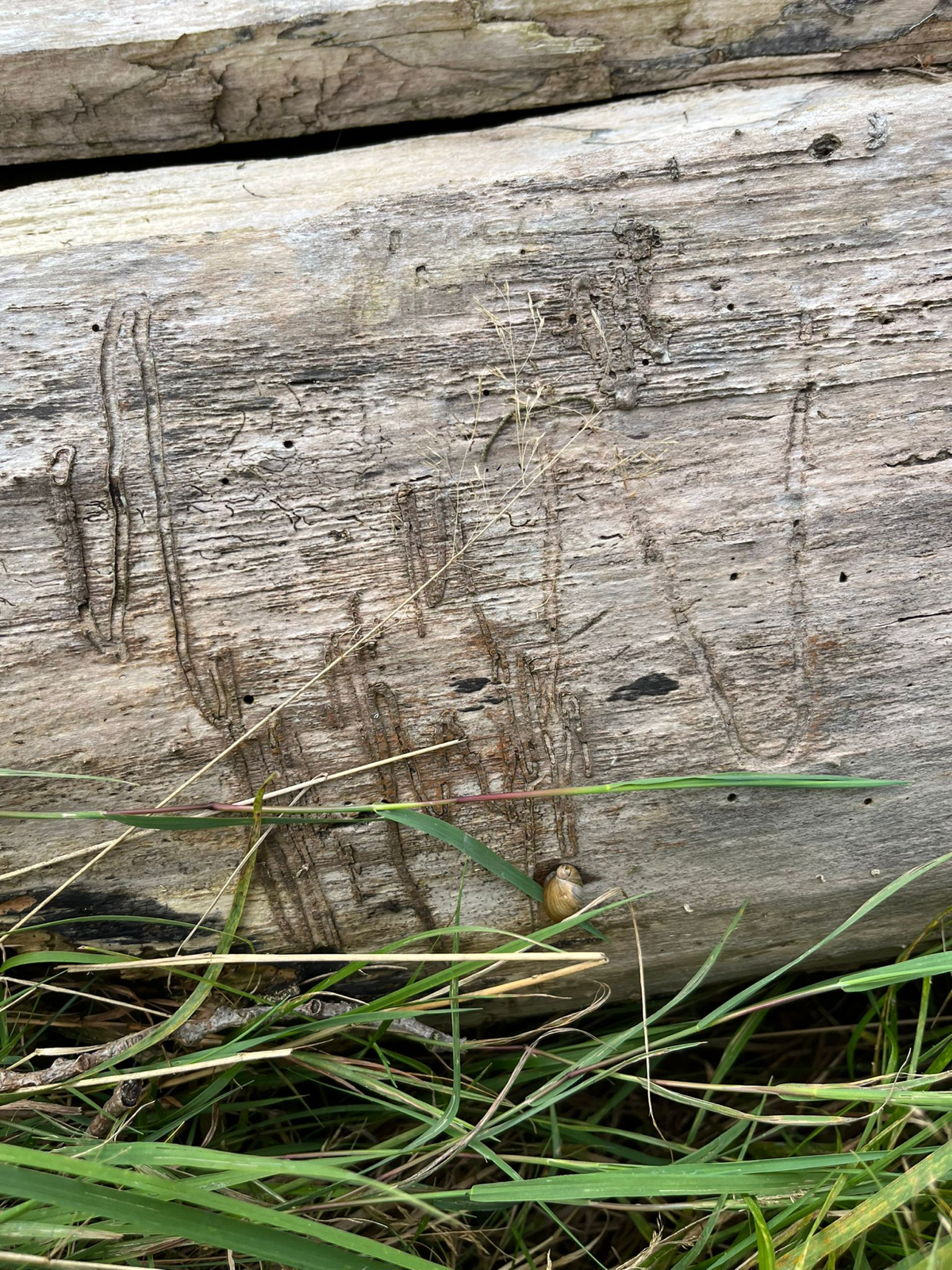
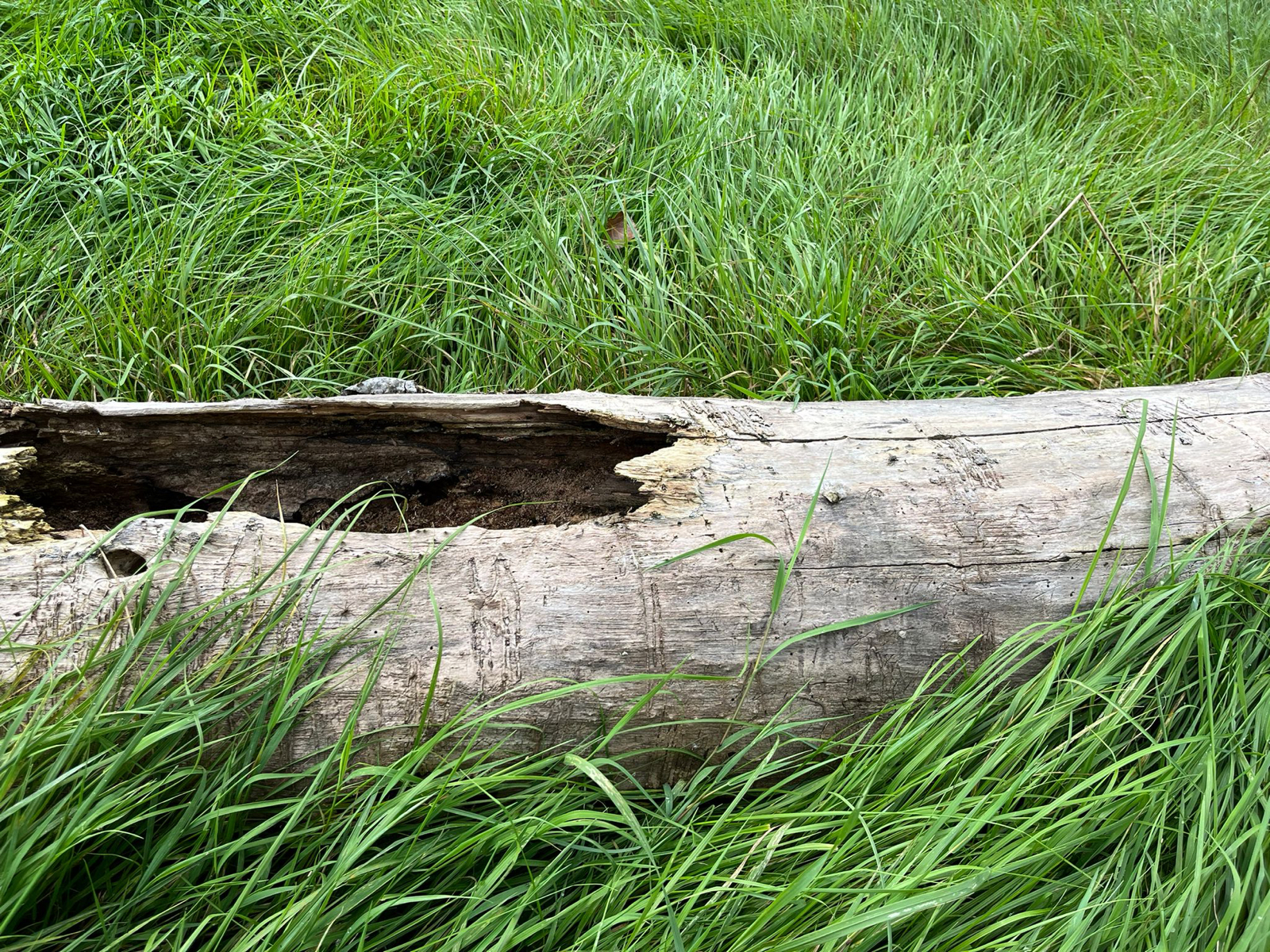
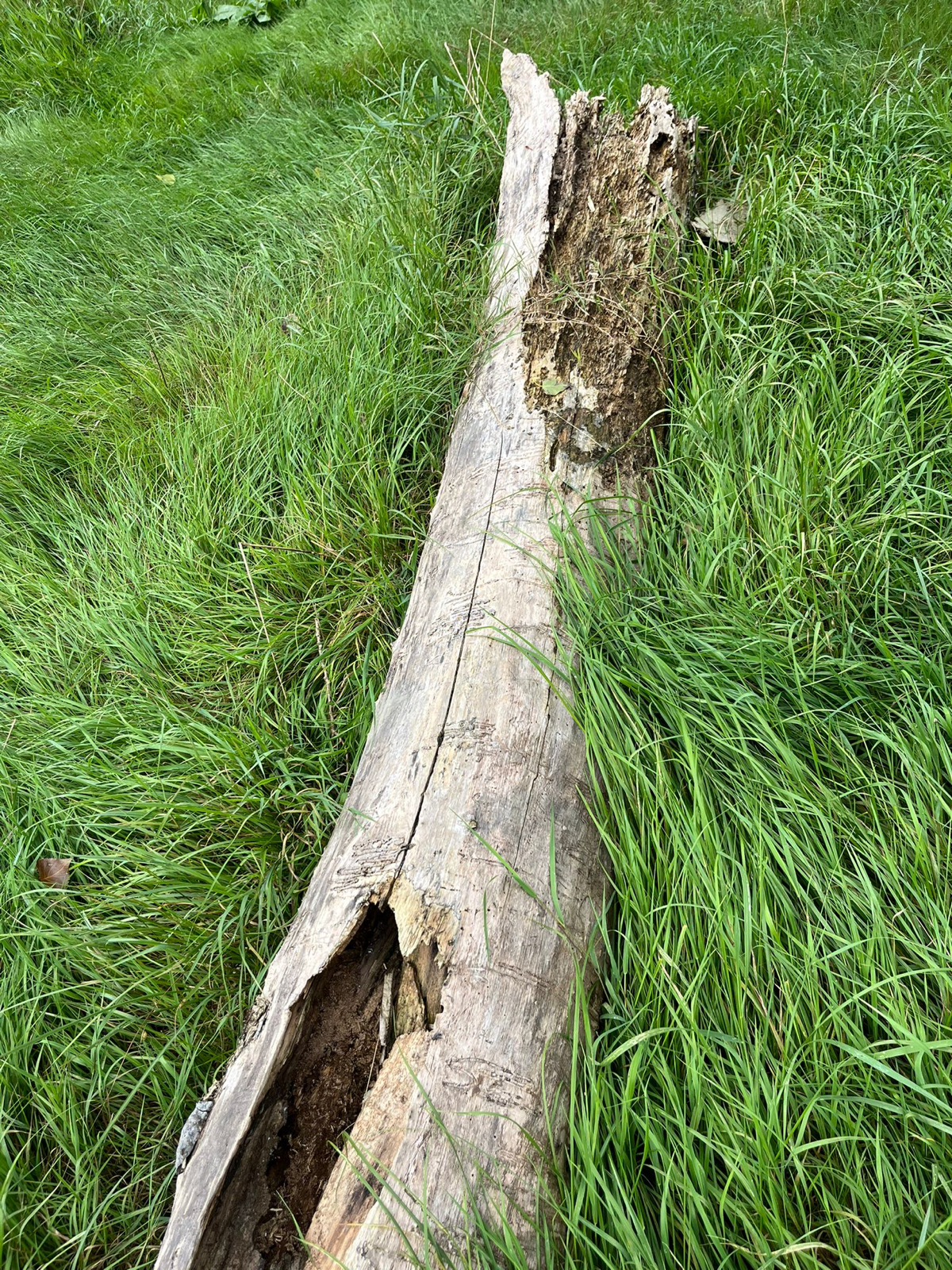
Agrilus ater
Krasoň topoľovýKrasoň topoľový
Agrilus ater
Number: 5031
Received 1.9.2024
In progress: 1 days
Date of occurrence: 1.9.2024
Significance: Less harmful
Discussion
From: Jer Nusse
Assigned: M. Zúbrik
Country: The Netherlands

Question

Answer

Dear Jer, thank you for your inquiry. In your photos, there are feeding galleries likely caused by Agrilus ater. However, it cannot be determined if this insect species caused tree mortality in this case. Best regards, M. Zúbrik
Number of votes for this answer: 0

Pest

Agrilus ater

Agrilus ater

Agrilus ater

Agrilus ater

hmyz

Received: 1.9.2024
Wood: Poplar
Number: 5031
Date of occurrence: 1.9.2024
Discussion

Add comment: Agrilus ater

Back to top