Login | Registration | List of contributors

Requests to determine the cause of damage

Here you can request to determine the cause of the damage. You can view the requests of other users and sort them according to the selected criteria. In addition, you can get information about your request, and you can follow the progress of its current state. If your application was not approved, it had probably been because it was impossible to identify the damage based on the sent photos or because the application does not address our topic - determining the pests of trees and shrubs. We will inform you about the status of your application by email.

Filter reset

Rejected requests are not displayed. You have been notified by email that your application has been denied.


A - This species is not in the database yet
Number: 7113
Received 2.11.2025
In progress: 16 days
Date of occurrence: 30.10.2025
Significance:
Discussion
Assigned: J. Galko
Country: The Netherlands

Question

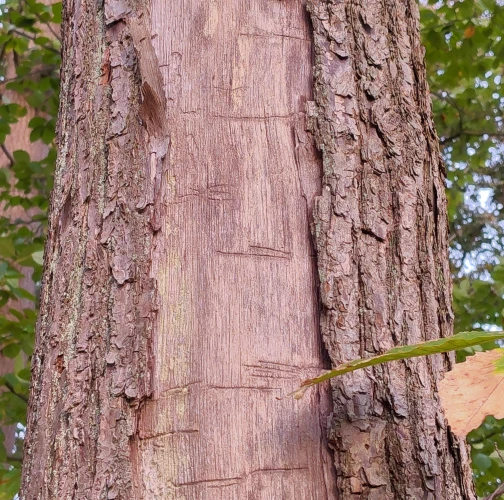
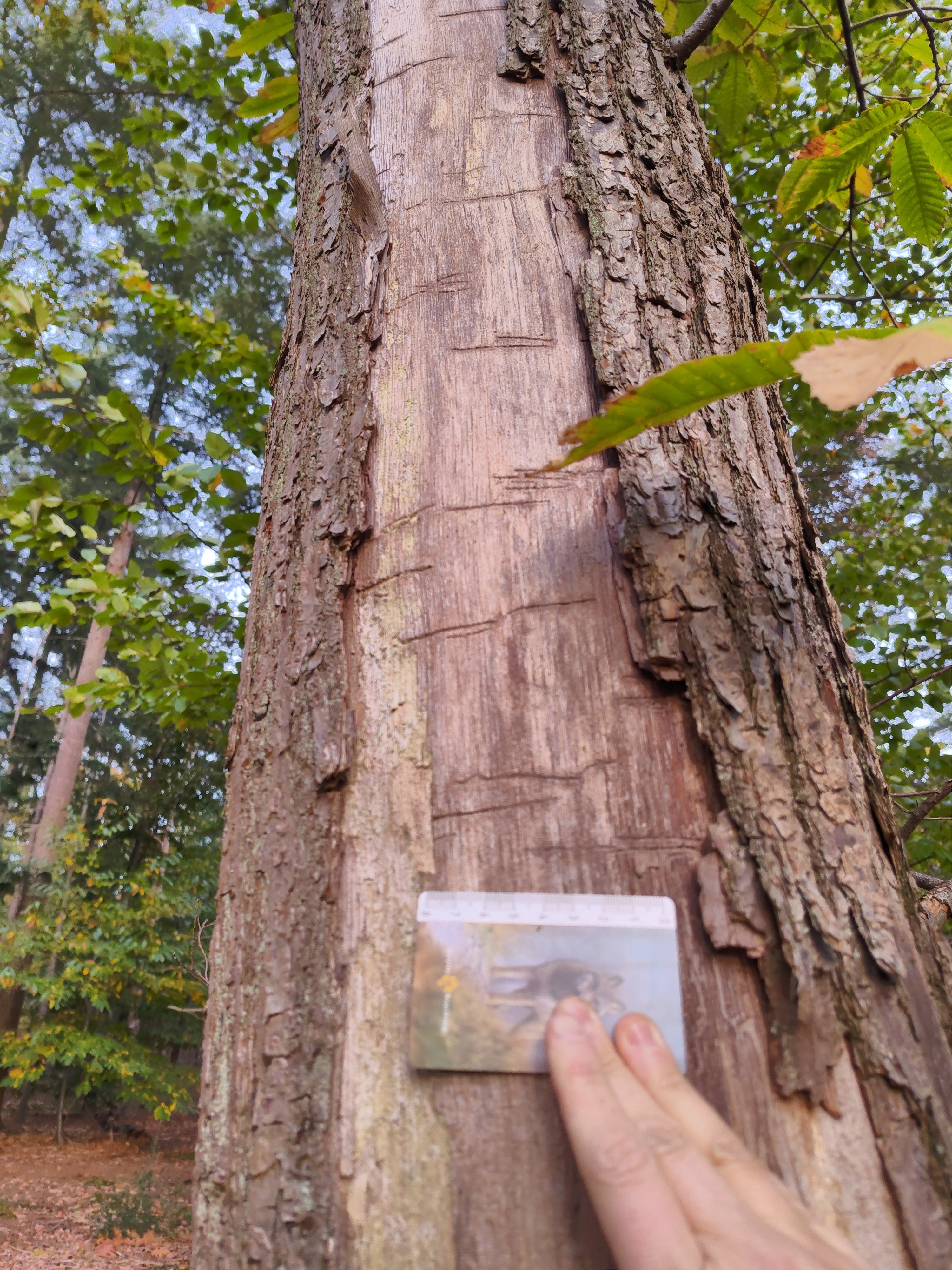
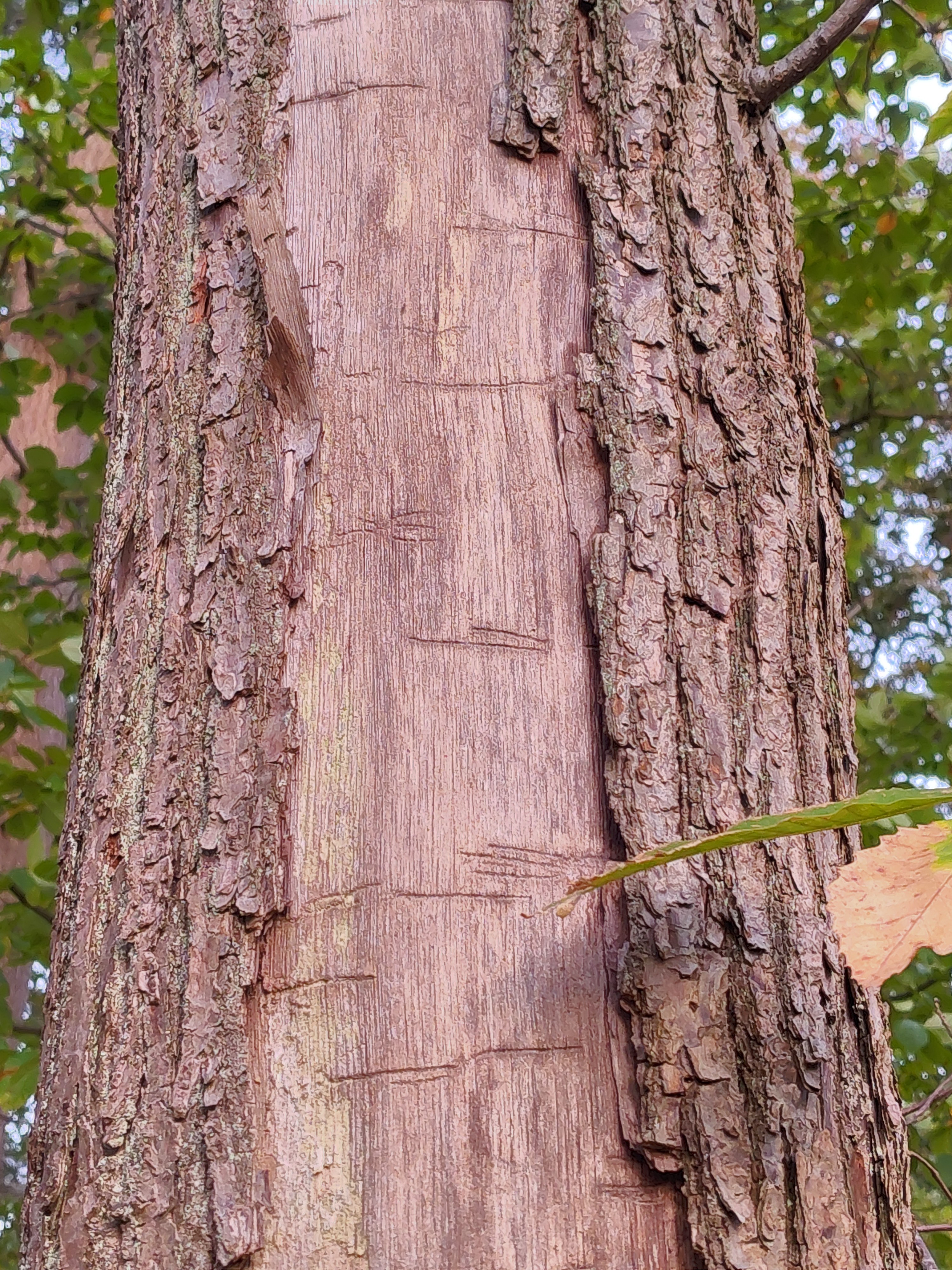
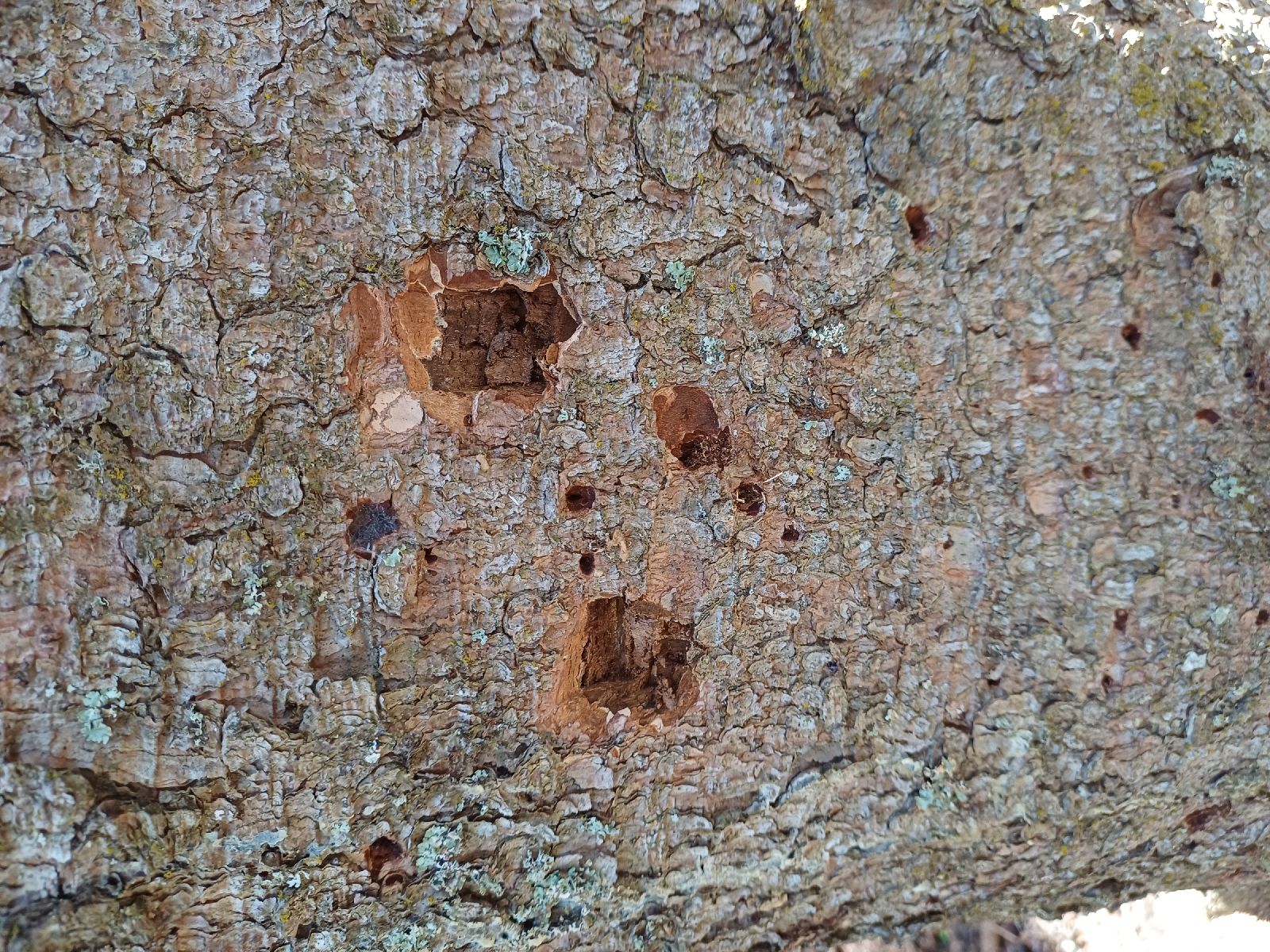
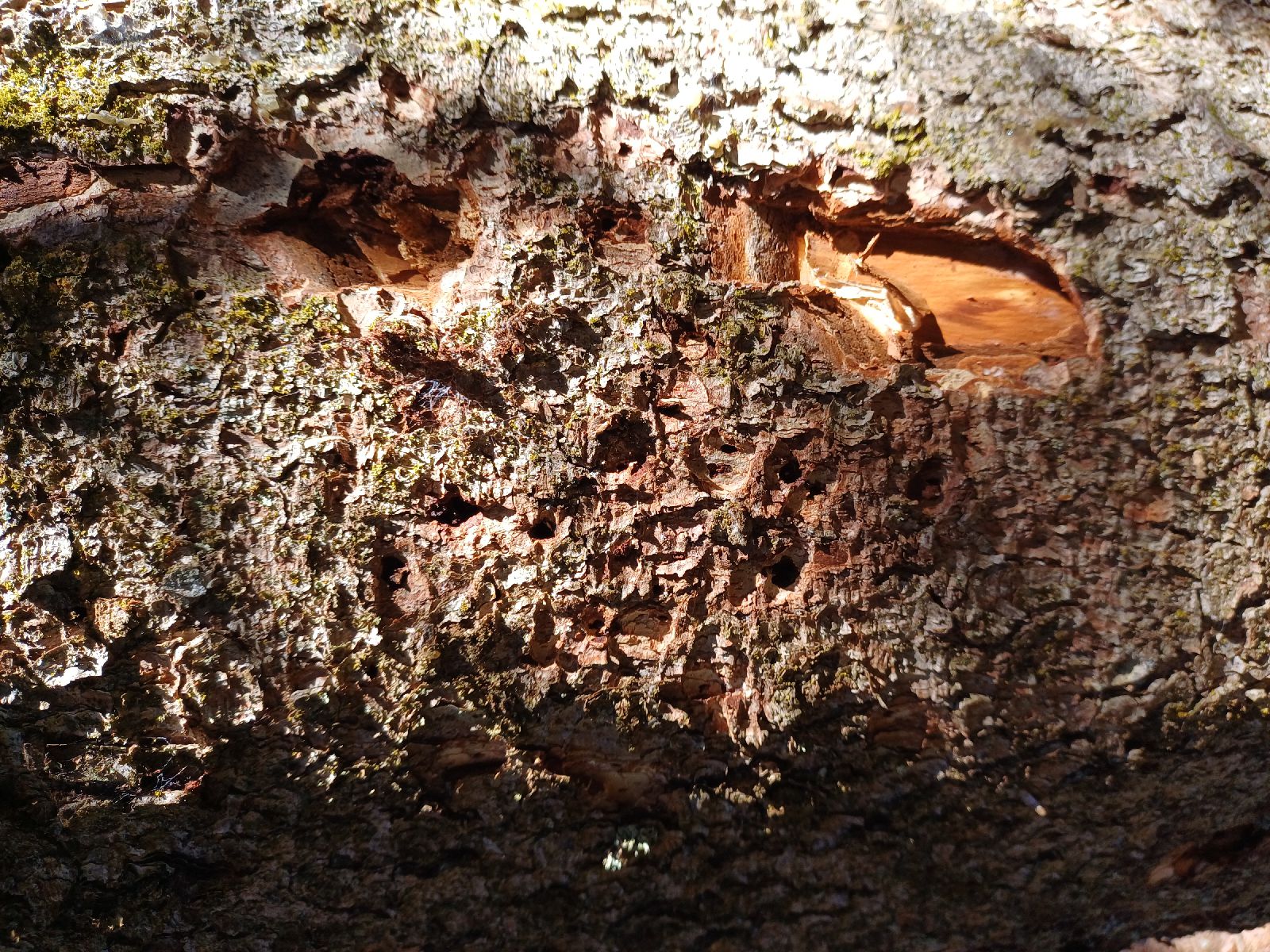
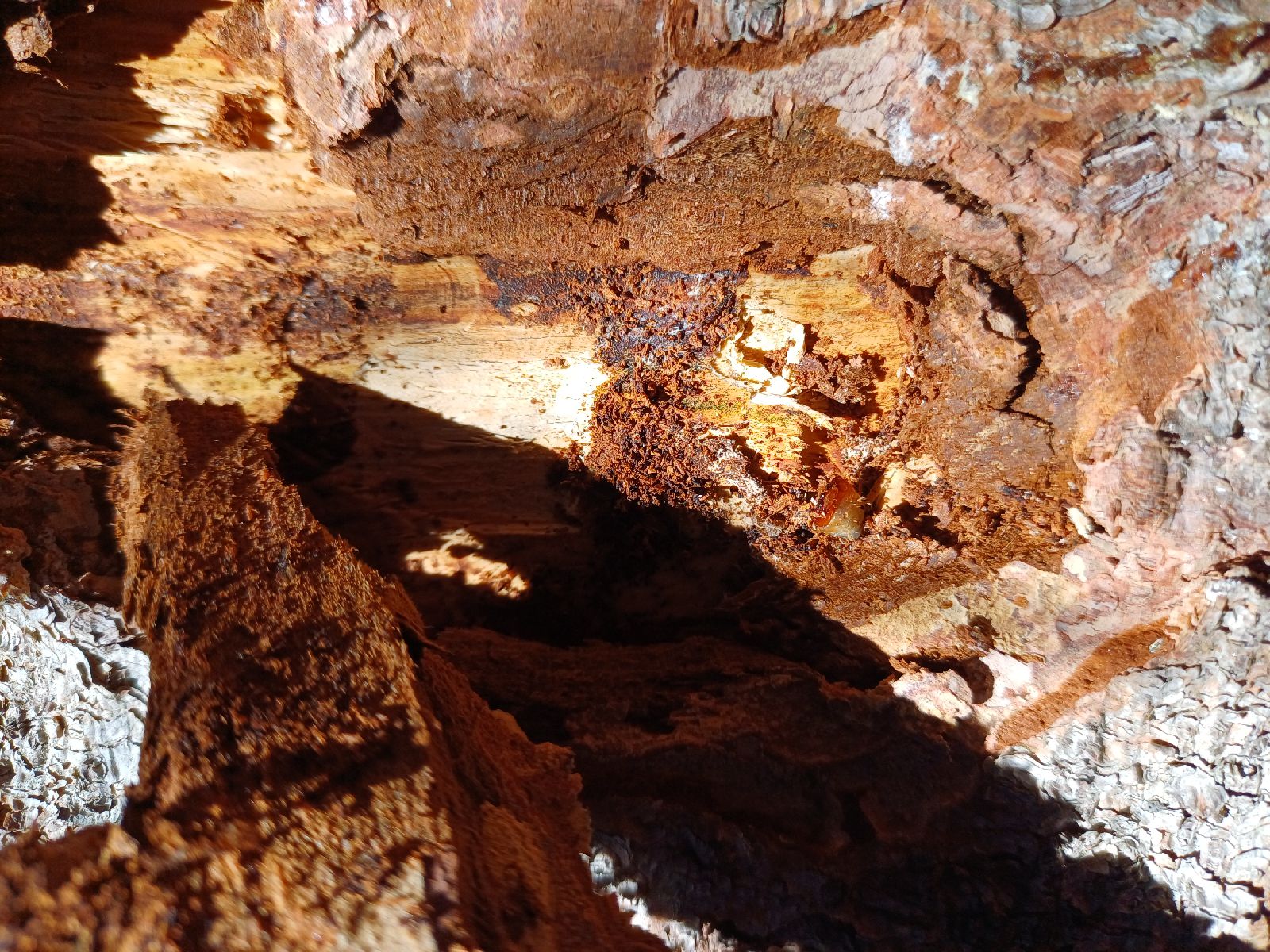
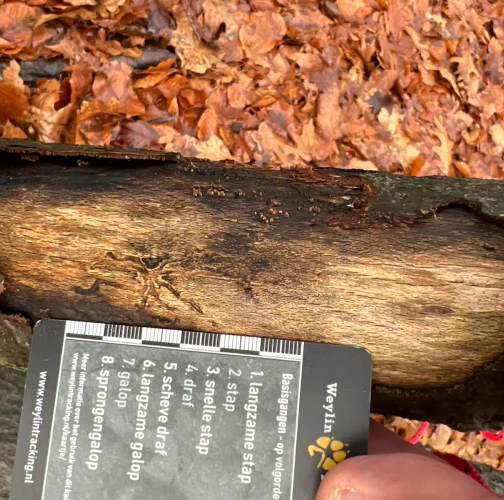
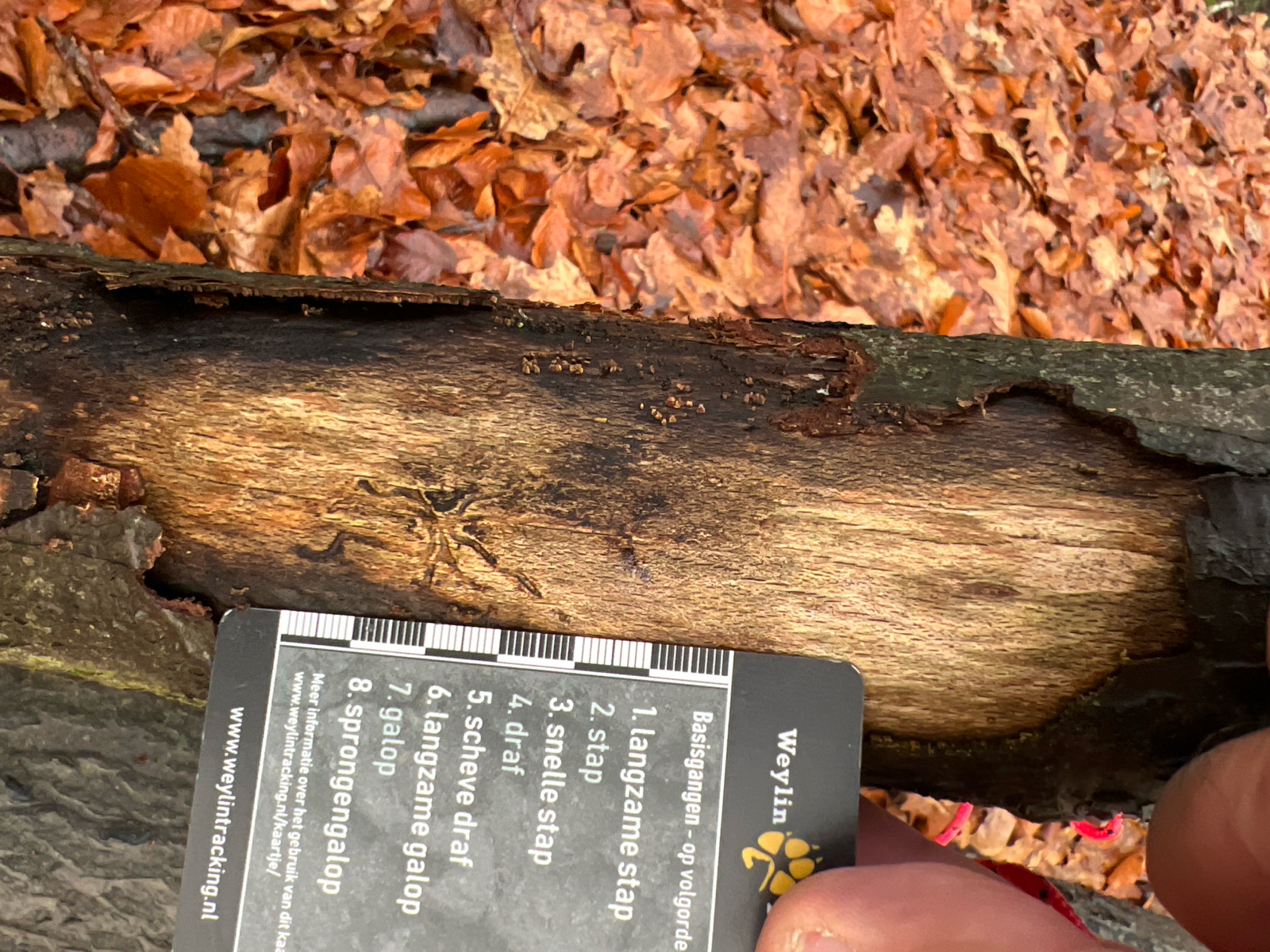
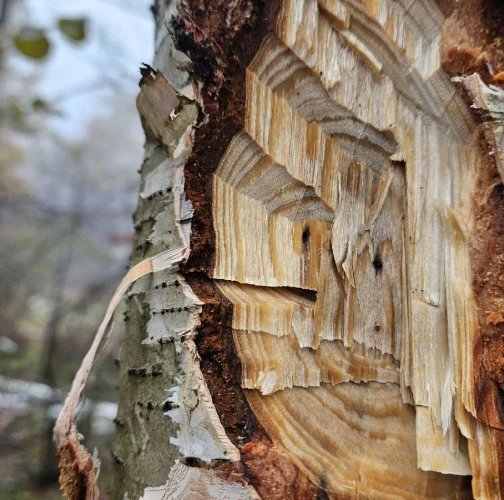
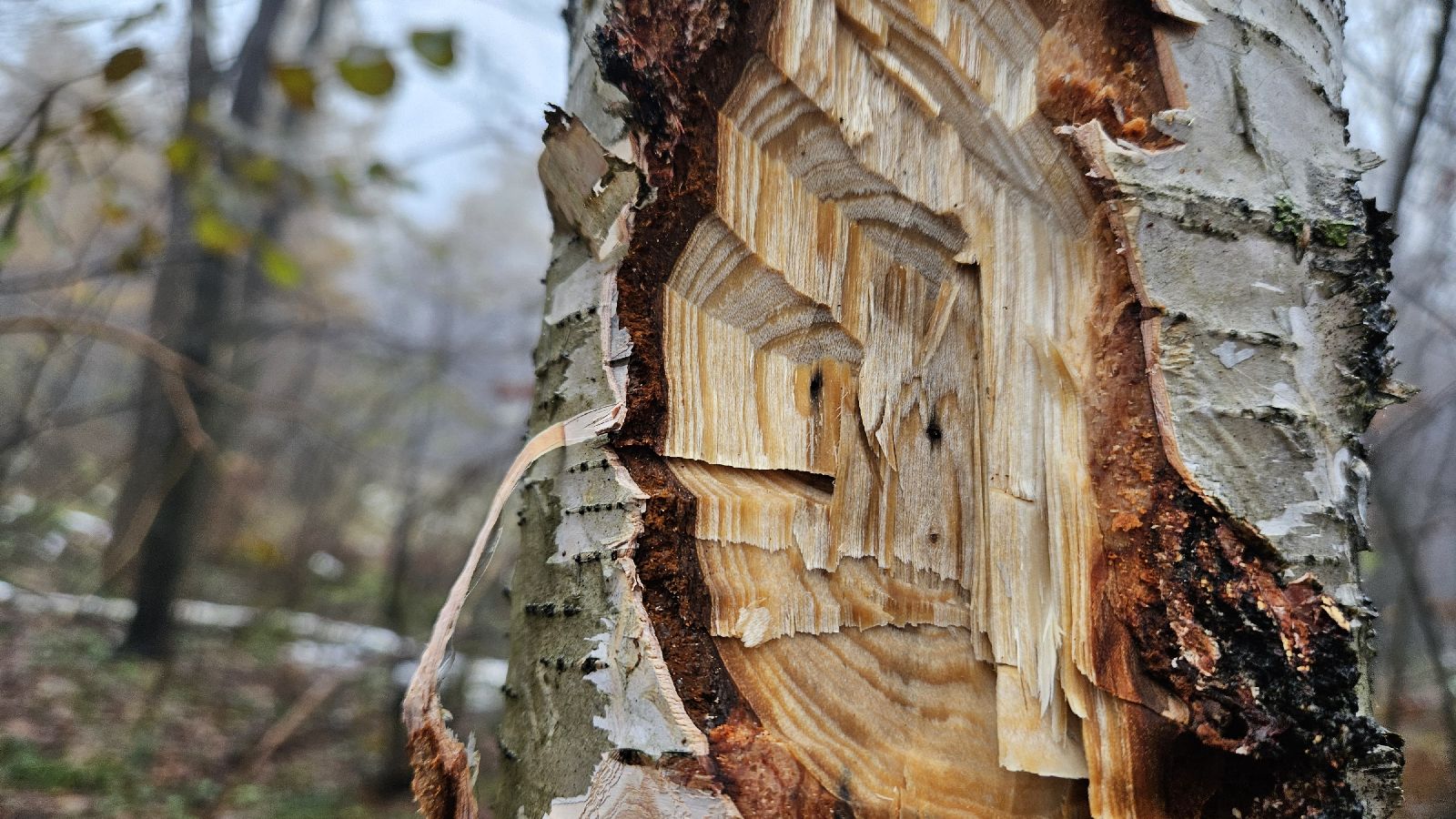
On chestnut, above 2 meters. Looks like bark beetle, with 3 up to 6 mother galleries from central point. No black color or entrance holes like hylecoetus dermestoides. What could it be?

Answer

Dear Froukje. Thank you for this interesting findings, but sorry I dont really know what bark beetle is able to make such gallery. Kind, Juraj
Number of votes for this answer: 0

Pest

A - This species is not in the database yet

A - This species is not in the database yet

A - This species is not in the database yet

A - This species is not in the database yet

Received: 2.11.2025
Wood: Chestnut
Number: 7113
Date of occurrence: 30.10.2025
Discussion

Add comment: A - This species is not in the database yet

A - This species is not in the database yet
A - This species is not in the database yetA - This species is not in the database yetA - This species is not in the database yet
A - This species is not in the database yet
Number: 7037
Received 30.9.2025
In progress: 0 days
Date of occurrence: 10.8.2025
Significance:
Discussion
From: Piotr
Assigned: M. Zúbrik
Country: Poland

Question

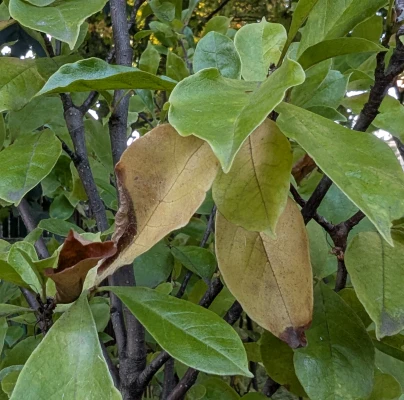
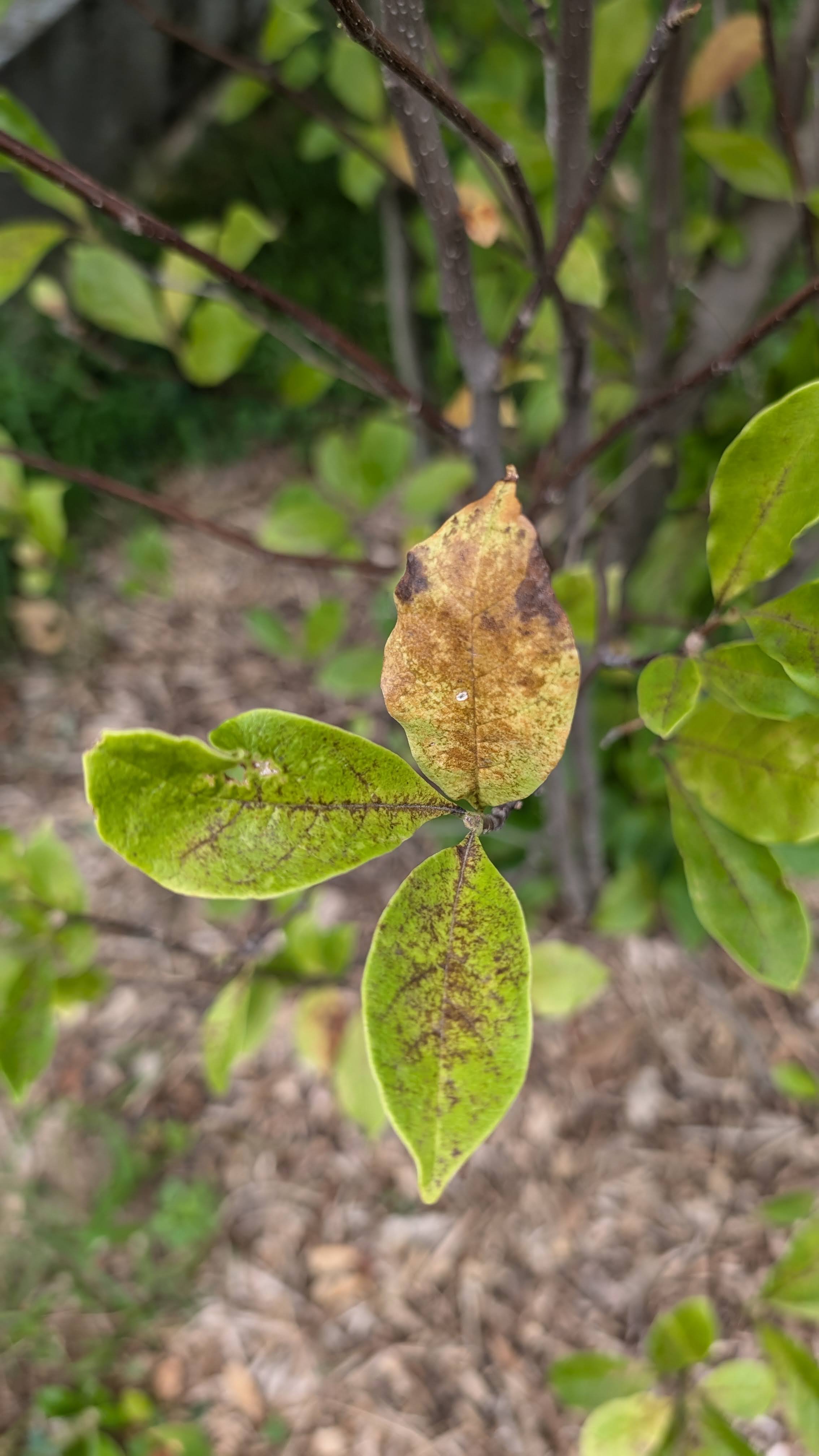
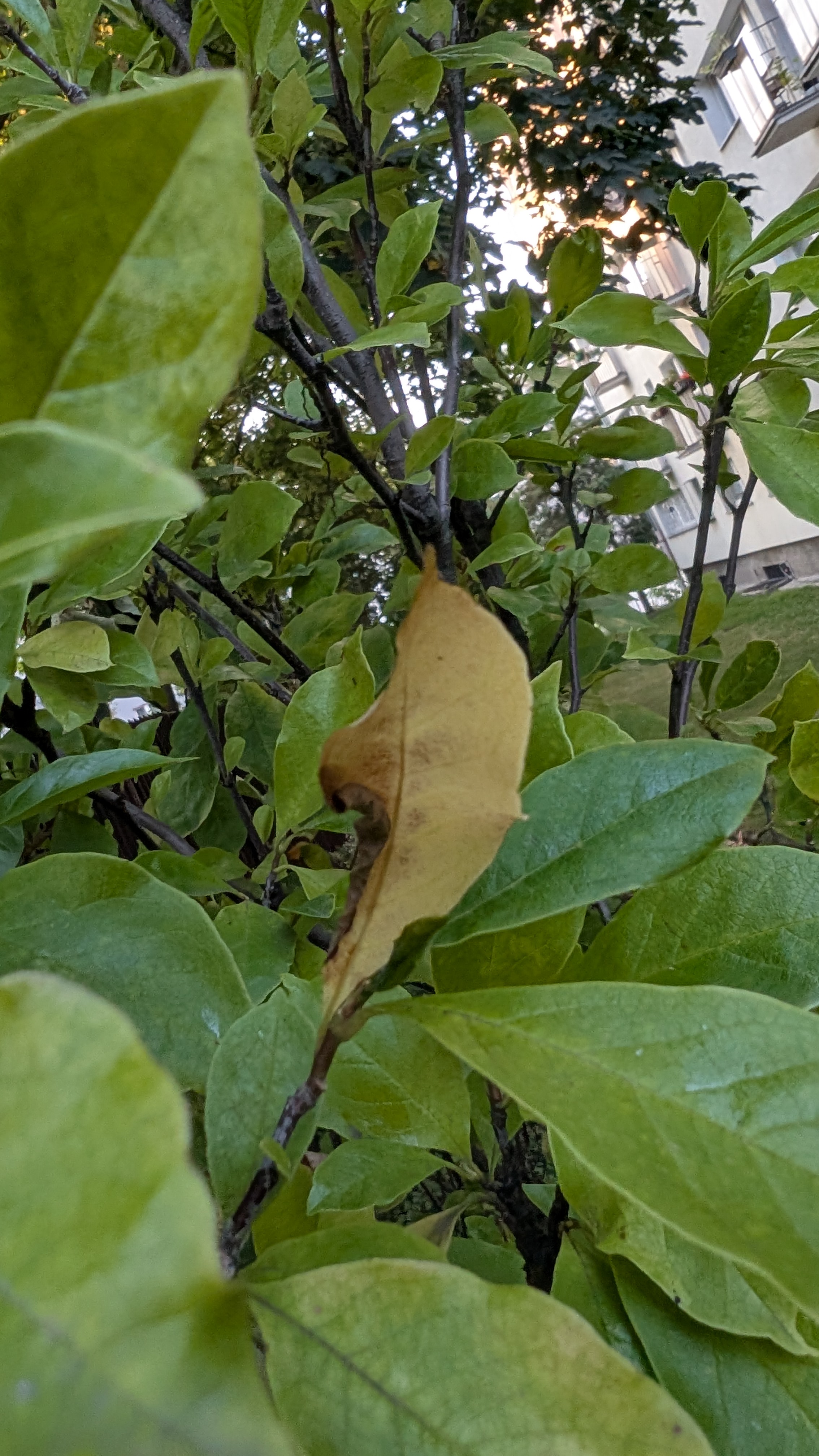
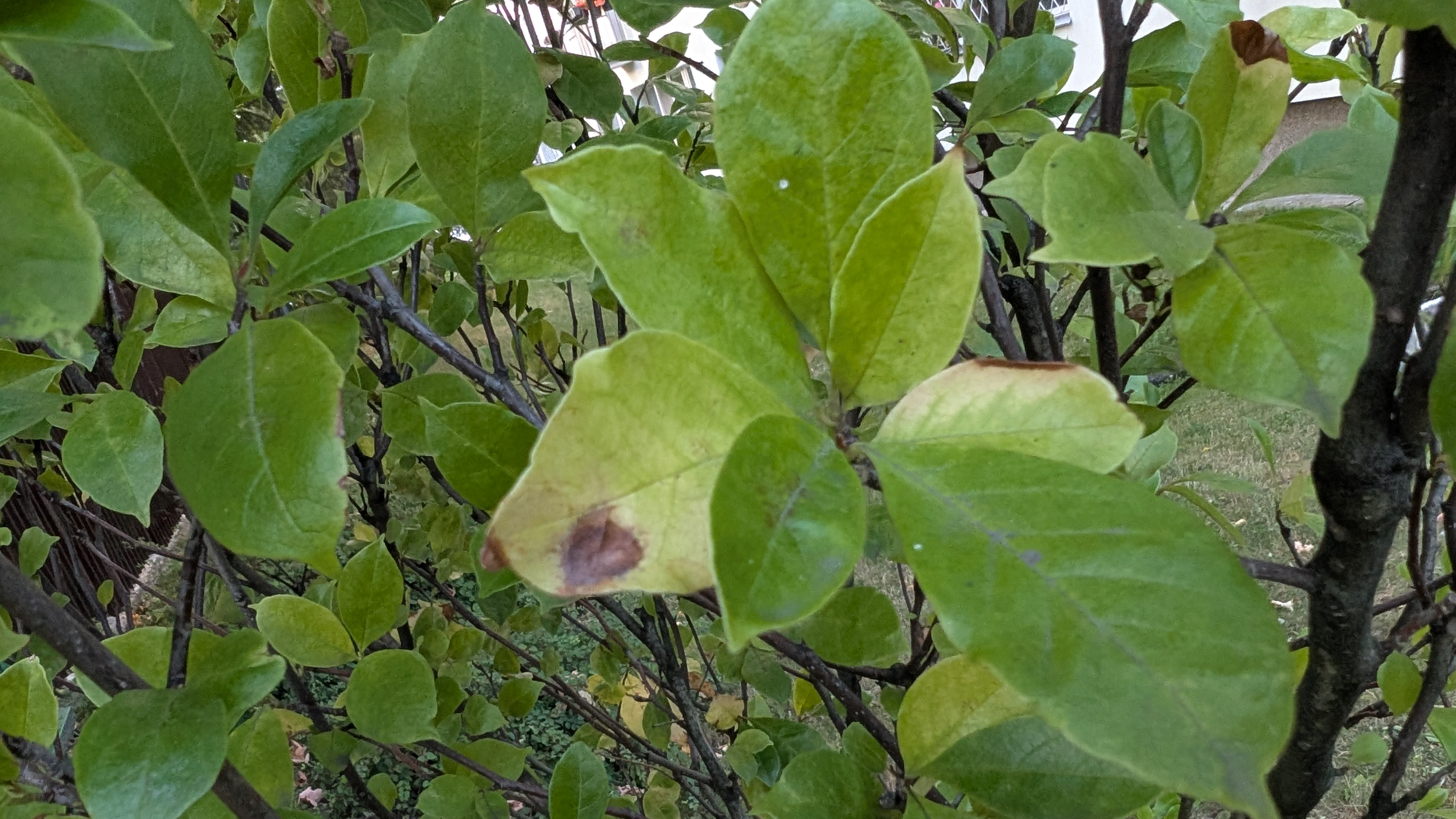
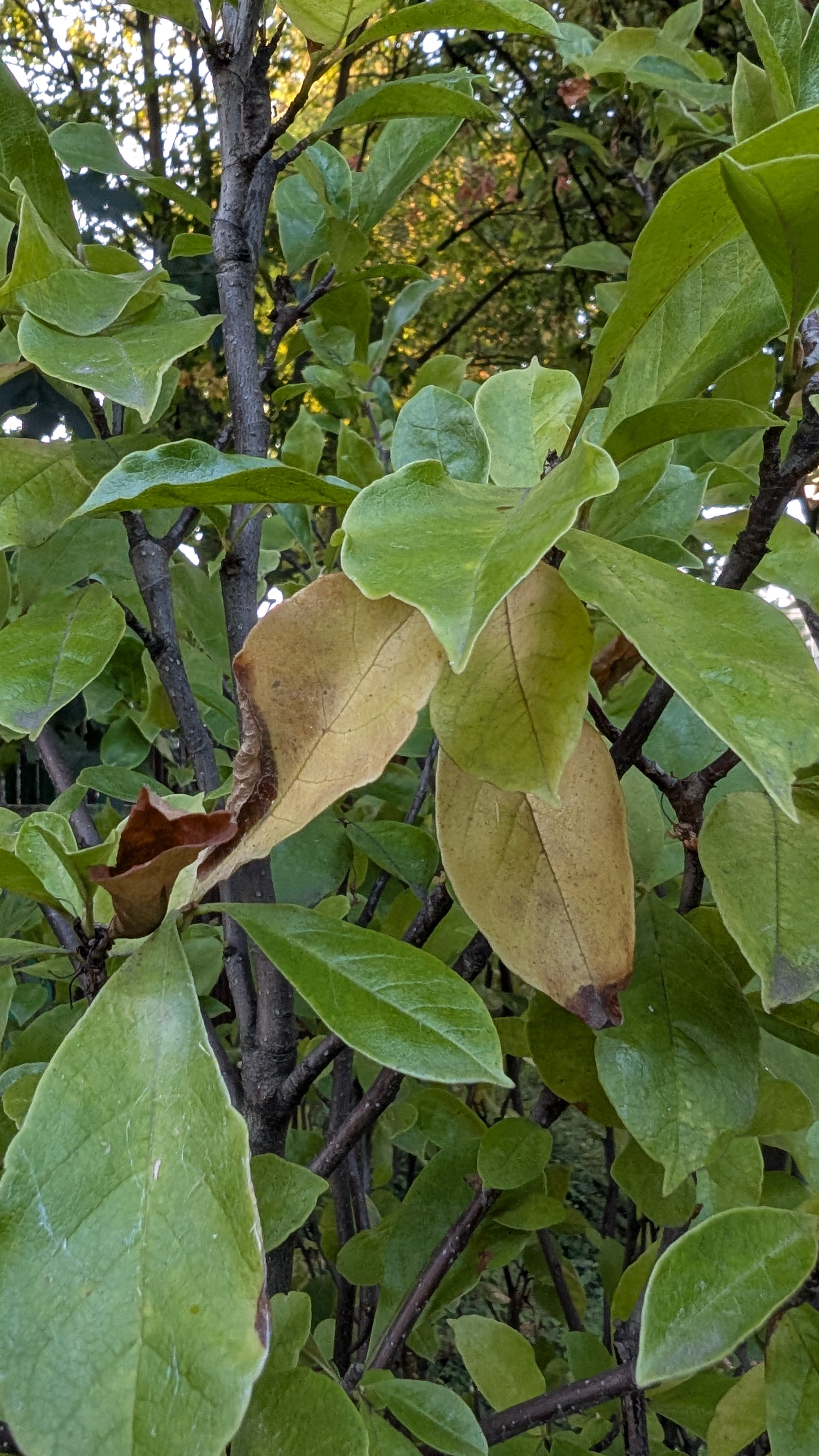
Recurring every year, starting from late July with fast deterioration of the foliage towards autumn.

Answer

Dear Piotr, thank you for your question. In autumn, this kind of leaf drop can be partly natural/seasonal, but it may also be contributed to by foliar fungal pathogens—for example, Phyllosticta magnoliae or related species. Best regards, Milan Zubrik
Number of votes for this answer: 0

Pest

A - This species is not in the database yet

A - This species is not in the database yet

A - This species is not in the database yet

A - This species is not in the database yet

Received: 30.9.2025
Wood: Magnolia
Number: 7037
Date of occurrence: 10.8.2025
Discussion

Add comment: A - This species is not in the database yet

A - This species is not in the database yet
Number: 7036
Received 30.9.2025
In progress: 0 days
Date of occurrence: 28.9.2025
Significance:
Discussion
From: Piotr
Assigned: M. Zúbrik
Country: Poland

Question

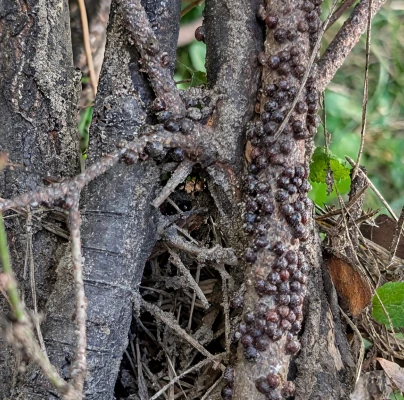
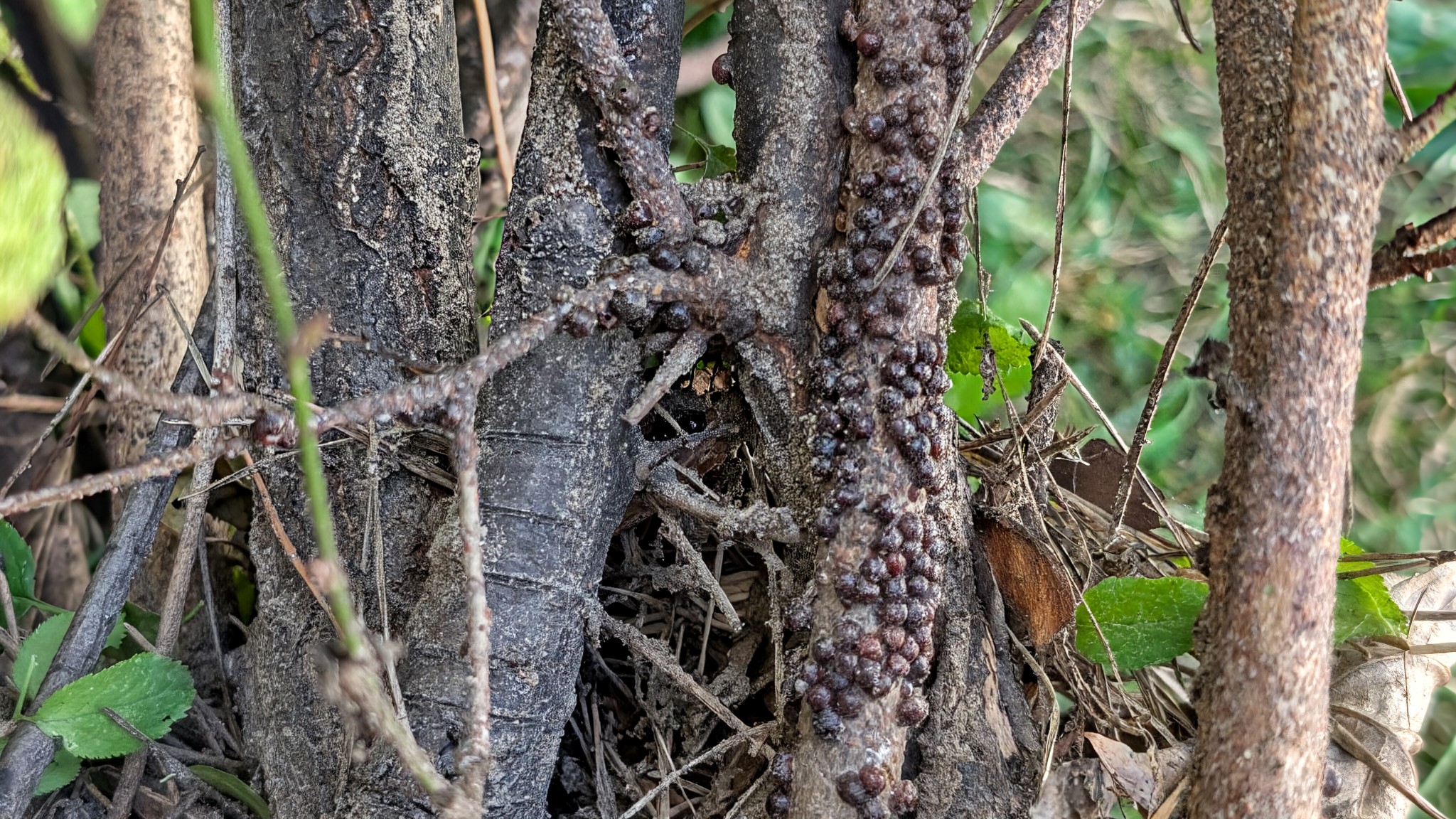
Insect eggs located on the trunk of plum shrub (close to the ground level)

Answer

Dear Piotr, thank you for your inquiry. The insect in the photo is a scale insect, most likely Sphaerolecanium prunastri, which commonly occurs on plum trees. Best regards, Milan Zubrik
Number of votes for this answer: 0

Pest

A - This species is not in the database yet

A - This species is not in the database yet

A - This species is not in the database yet

A - This species is not in the database yet

Received: 30.9.2025
Wood: Plum
Number: 7036
Date of occurrence: 28.9.2025
Discussion

Add comment: A - This species is not in the database yet

A - This species is not in the database yet
A - This species is not in the database yetA - This species is not in the database yetA - This species is not in the database yet
A - This species is not in the database yet
Number: 6940
Received 11.9.2025
In progress: 5 days
Date of occurrence: 11.9.2025
Significance:
Discussion
Assigned: J. Vakula
Country: Italy

Question

Answer

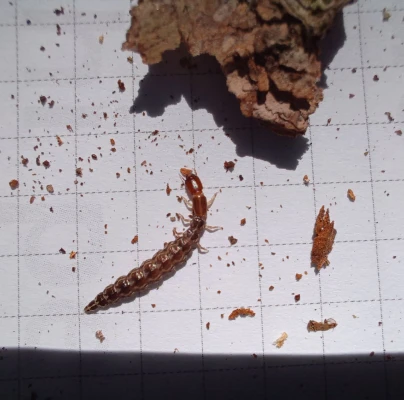
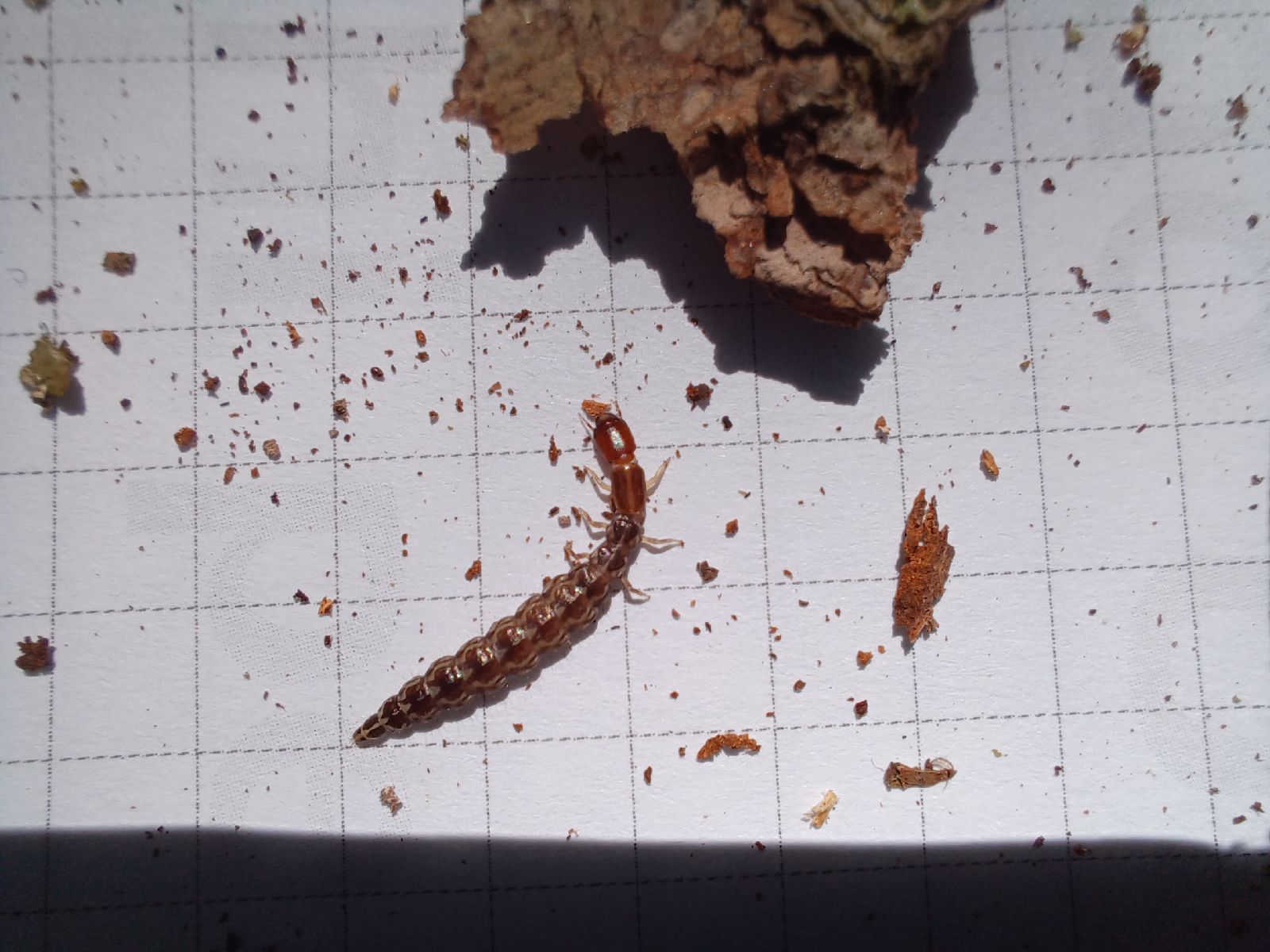
Hello,on the pisture 1 is larvae from family Raphidiidae "snakeflies". They are insect predators. On fig. 4 is head of larvae from family Cerambycidae "longhorned beetle". Best regardsJozef Vakula
Number of votes for this answer: 0

Pest

A - This species is not in the database yet

A - This species is not in the database yet

A - This species is not in the database yet

A - This species is not in the database yet

Received: 11.9.2025
Wood: Spruce
Number: 6940
Date of occurrence: 11.9.2025
Discussion

Add comment: A - This species is not in the database yet

A - This species is not in the database yet
Number: 6873
Received 3.9.2025
In progress: 4 days
Date of occurrence: 3.9.2025
Significance:
Discussion
From: benedetta
Assigned: M. Zúbrik
Country: Italy

Question

bffyltjeiypeo7

Answer

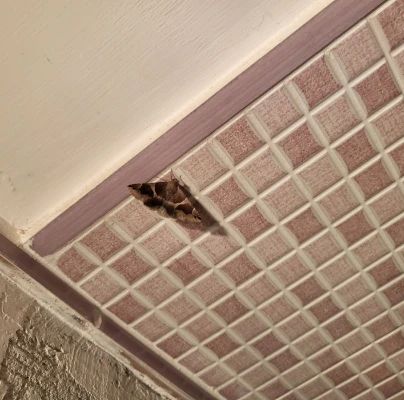
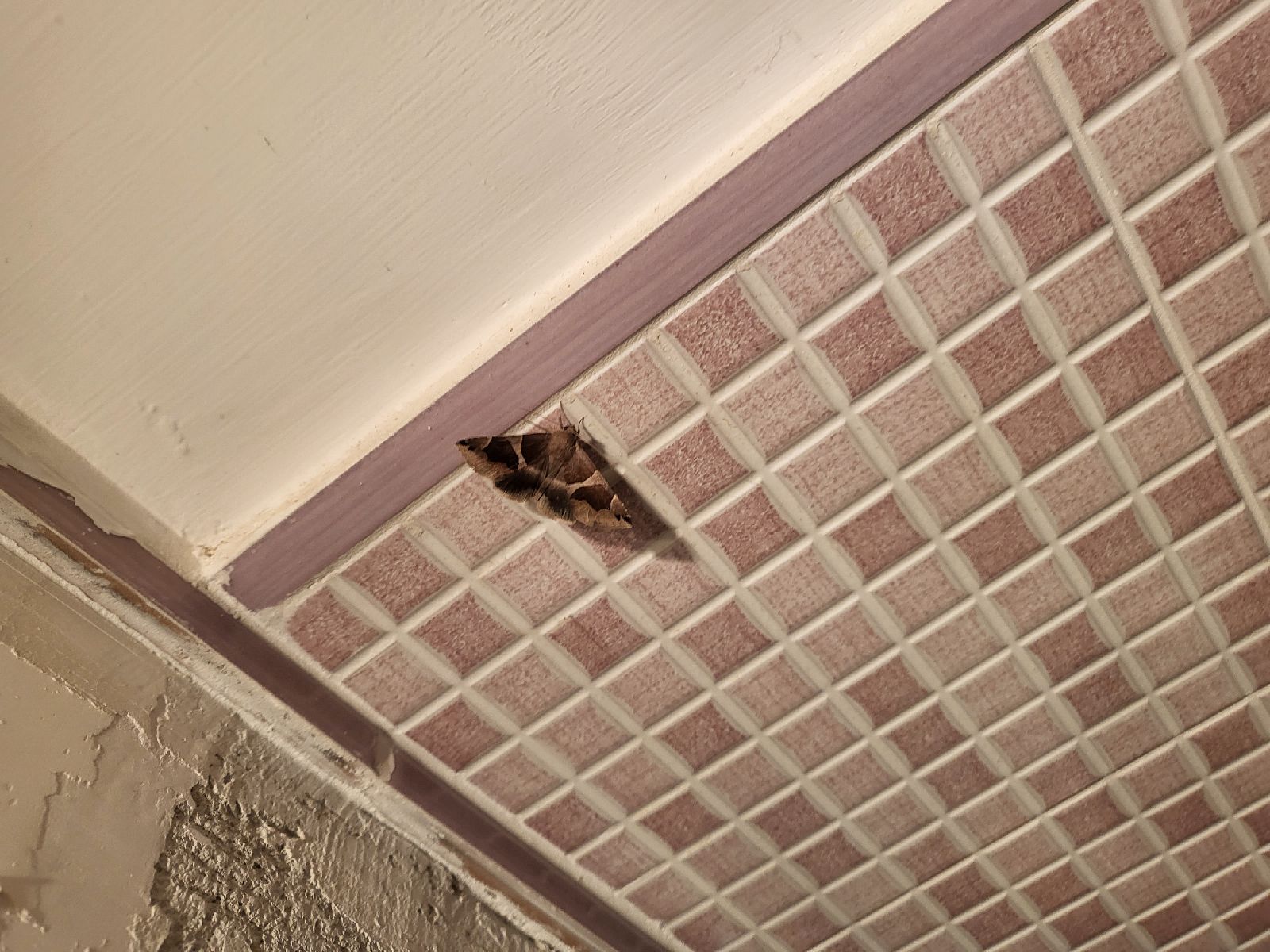
Dear Benedetta, thank you for your question. The picture shows an imago – an adult moth named Dysgonia algira. It is not considered a pest; the larvae usually live on willows or raspberries. Best regards, M. Zubrik
Number of votes for this answer: 0

Pest

A - This species is not in the database yet

A - This species is not in the database yet

A - This species is not in the database yet

A - This species is not in the database yet

Received: 3.9.2025
Wood: Box elder
Number: 6873
Date of occurrence: 3.9.2025
Discussion

Add comment: A - This species is not in the database yet

A - This species is not in the database yet
Number: 6459
Received 6.7.2025
In progress: 2 days
Date of occurrence: 6.7.2025
Significance:
Discussion
Assigned: M. Zúbrik
Country: Iran

Question

Answer

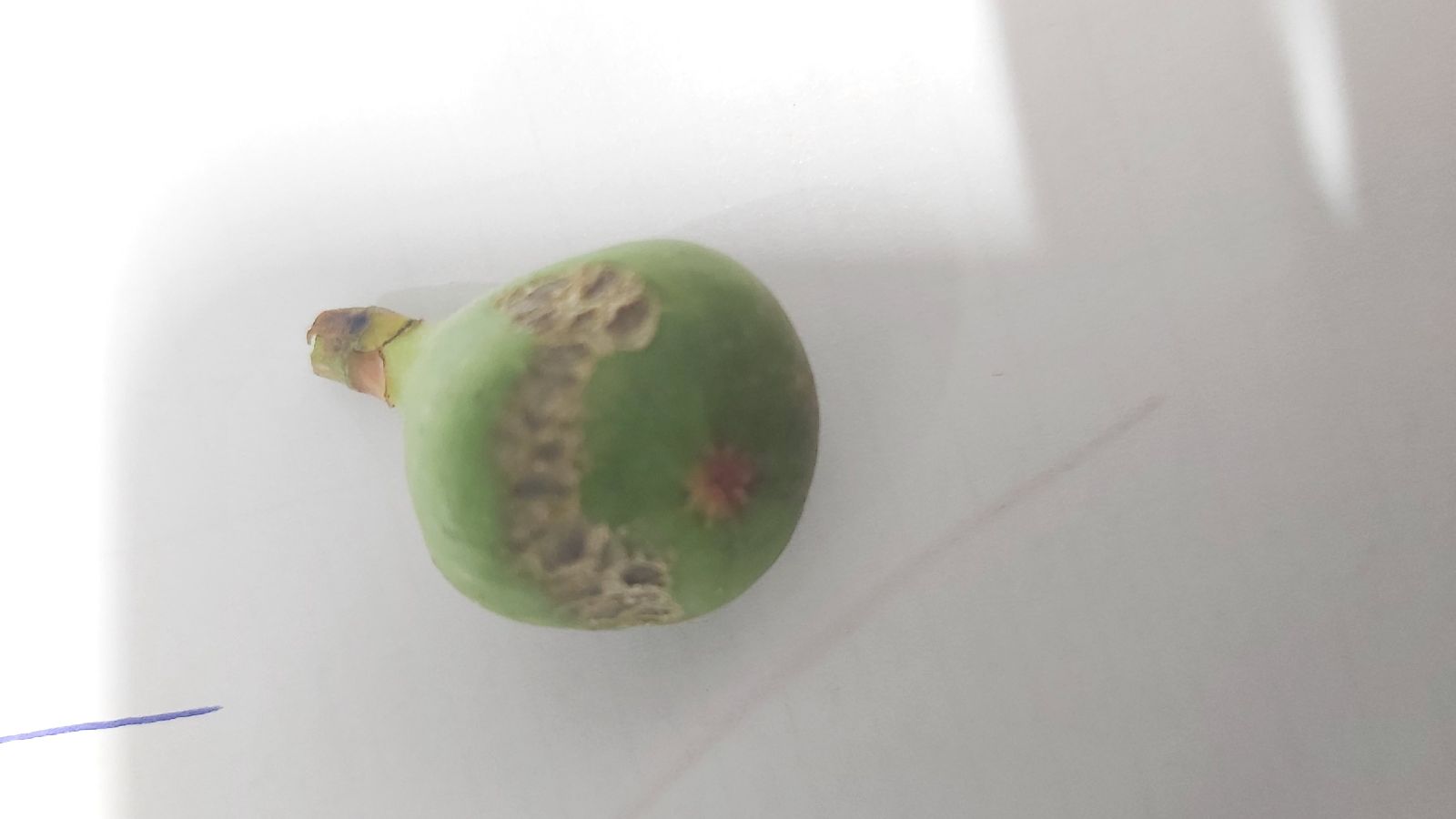
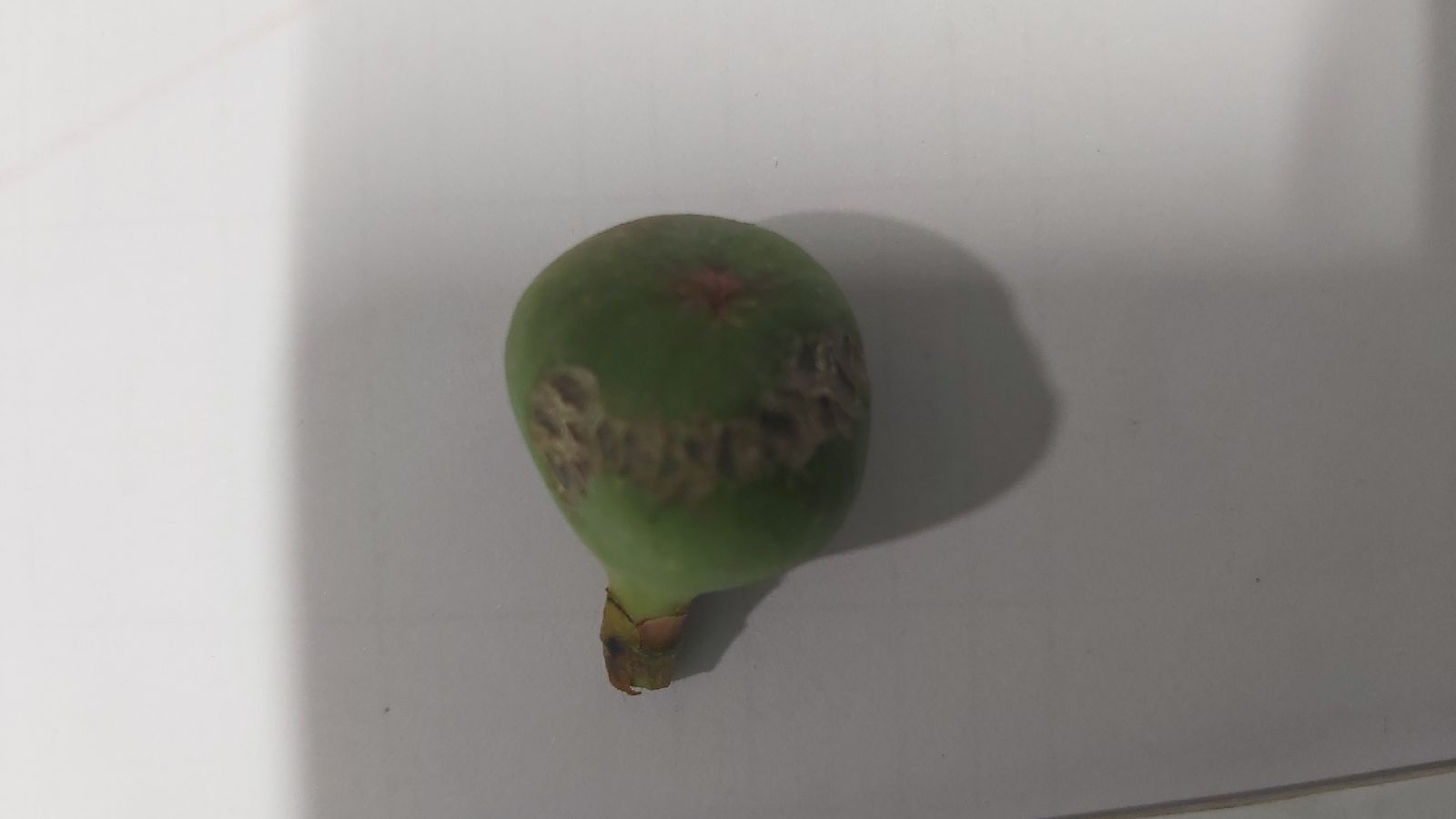
Thank you for your inquiry. It appears to be a rather unspecific symptom, and therefore it is difficult to identify the exact cause of this type of damage. Damage by slugs is one possibility, but other causes cannot be ruled out. We are unable to determine the precise cause based on the photograph. Best regards, M. Zúbrik
Number of votes for this answer: 0

Pest

A - This species is not in the database yet

A - This species is not in the database yet

A - This species is not in the database yet

A - This species is not in the database yet

Received: 6.7.2025
Wood: Fig tree
Number: 6459
Date of occurrence: 6.7.2025
Discussion

Add comment: A - This species is not in the database yet

A - This species is not in the database yet
Number: 6454
Received 5.7.2025
In progress: 0 days
Date of occurrence: 5.7.2025
Significance:
Discussion
Assigned: M. Zúbrik
Country: Iran

Question

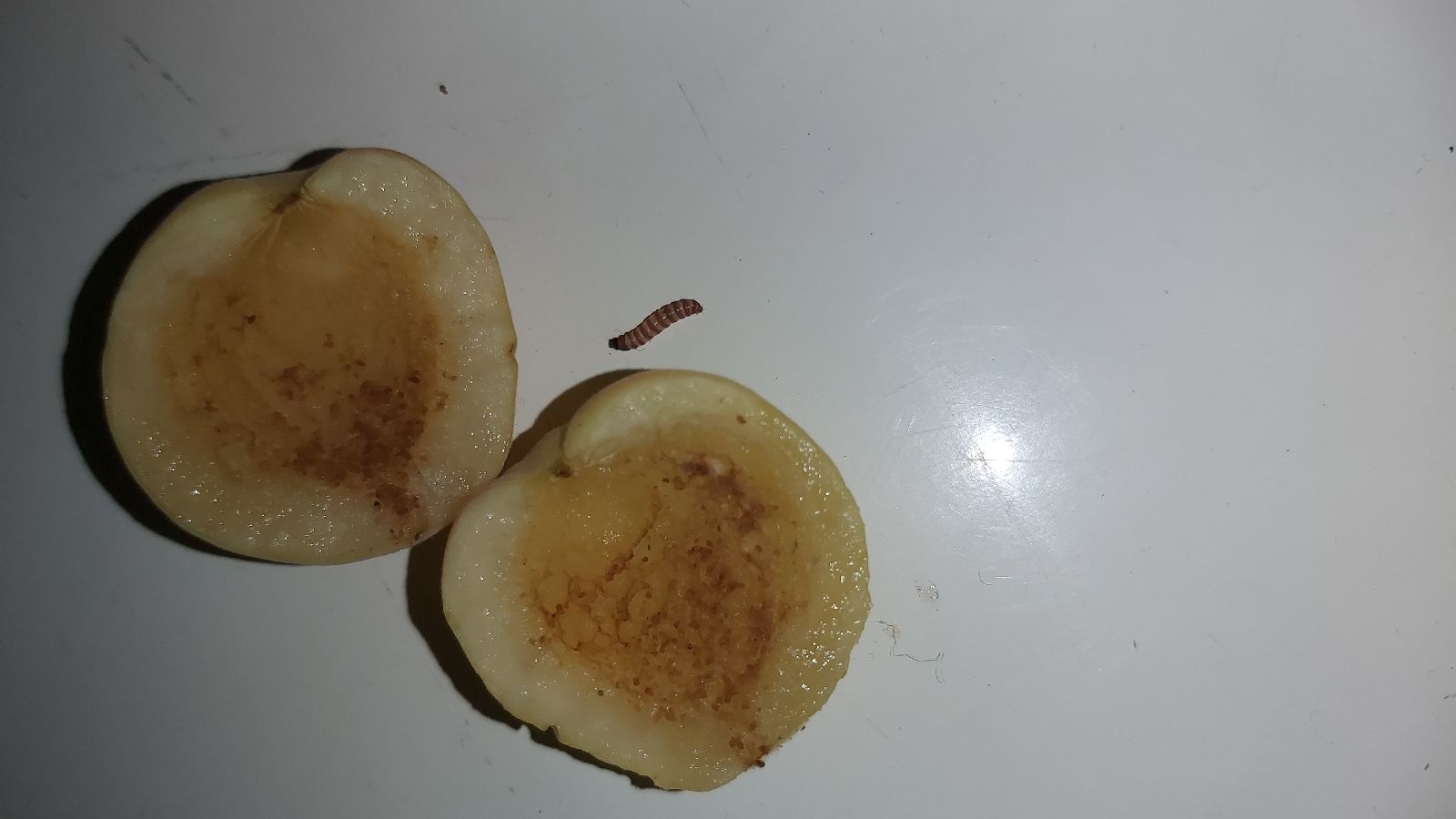
larvae of pests in fruits

Answer

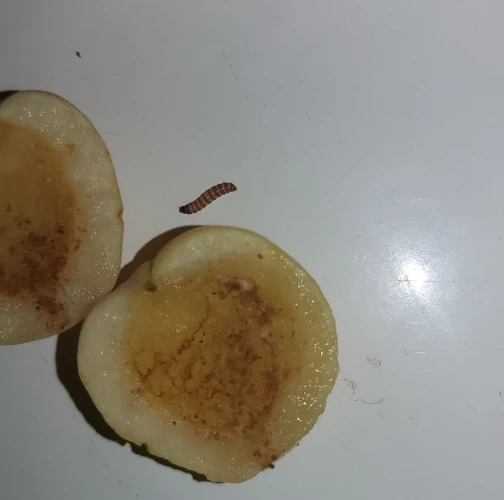
Dear Afarinesh, I think this is larva of Anarsia lineatella. With best regards M. Zubrik
Number of votes for this answer: 0

Pest

A - This species is not in the database yet

A - This species is not in the database yet

A - This species is not in the database yet

A - This species is not in the database yet

Received: 5.7.2025
Wood: Apricots
Number: 6454
Date of occurrence: 5.7.2025
Discussion

Add comment: A - This species is not in the database yet

A - This species is not in the database yet
Number: 6362
Received 20.6.2025
In progress: 3 days
Date of occurrence: 20.6.2025
Significance:
Discussion
From: milan
Assigned: M. Zúbrik
Country: Slovakia

Question

Answer

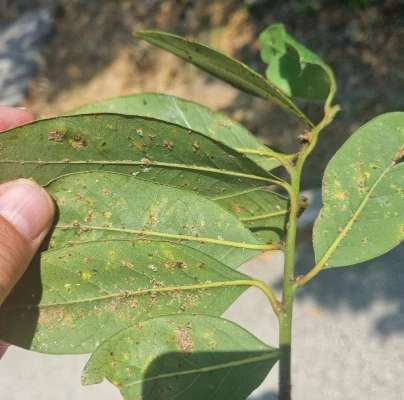
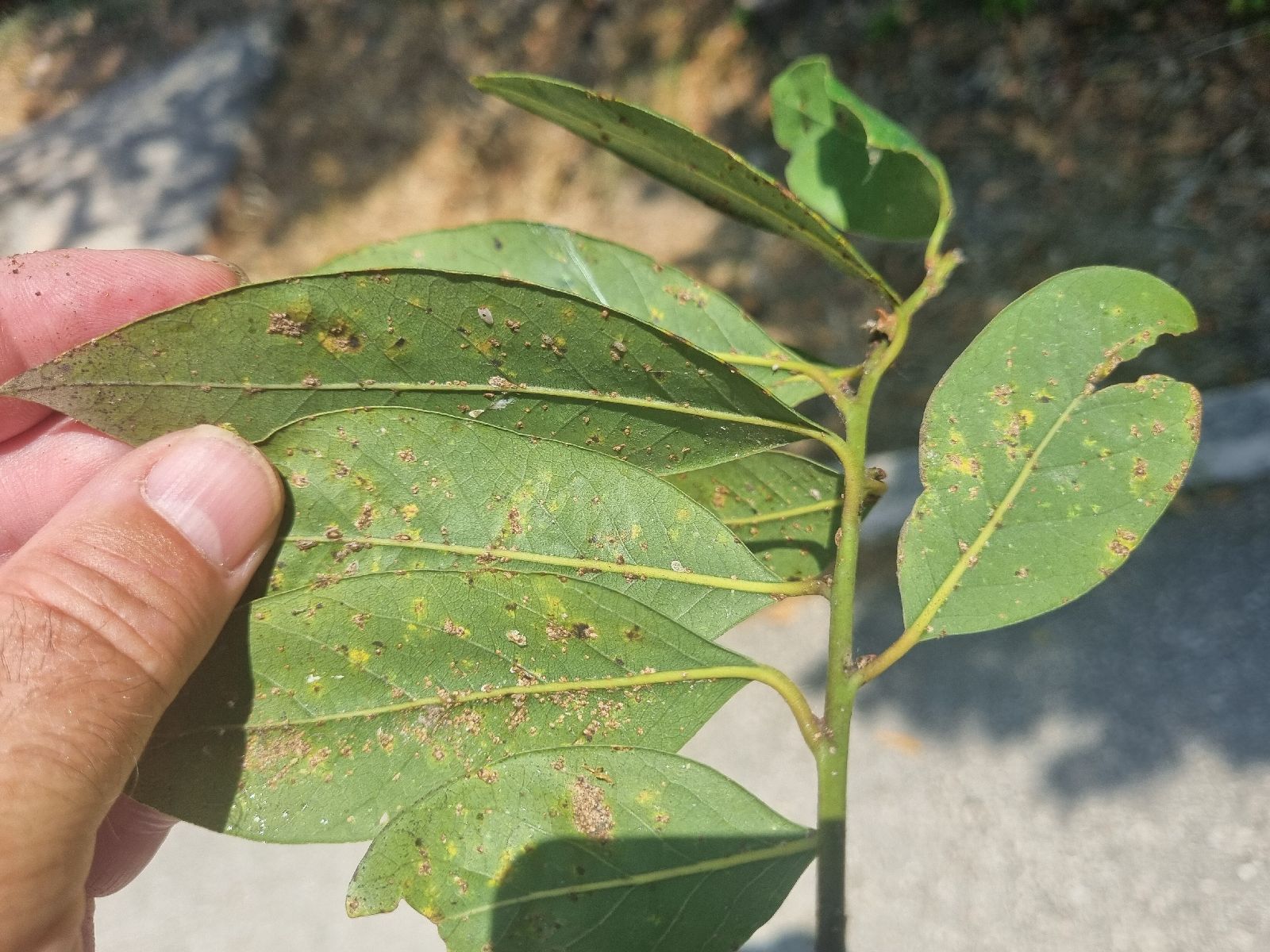
monitoring: Coccus hesperidum
Number of votes for this answer: 0

Pest

A - This species is not in the database yet

A - This species is not in the database yet

A - This species is not in the database yet

A - This species is not in the database yet

Received: 20.6.2025
Wood: Bay laurel
Number: 6362
Date of occurrence: 20.6.2025
Discussion

Add comment: A - This species is not in the database yet

A - This species is not in the database yet
Number: 5356
Received 8.12.2024
In progress: 1 days
Date of occurrence: 8.12.2024
Significance:
Discussion
From: Jer Nusse
Assigned: J. Galko
Country: The Netherlands

Question

Fallen dead tree

Answer

Hi Jer. Possibly it is Taphrorychus villifrons but I am not sure. Here is our video about this species: https://youtu.be/6uDaHUna4Pk?si=TmbBb5Dp0oBTaIv7. Best regards, Juraj
Number of votes for this answer: 0

Pest

A - This species is not in the database yet

A - This species is not in the database yet

A - This species is not in the database yet

A - This species is not in the database yet

Received: 8.12.2024
Wood: Oak
Number: 5356
Date of occurrence: 8.12.2024
Discussion

Add comment: A - This species is not in the database yet

A - This species is not in the database yet
A - This species is not in the database yetA - This species is not in the database yetA - This species is not in the database yet
A - This species is not in the database yet
Number: 4920
Received 5.8.2024
In progress: 0 days
Date of occurrence: 5.8.2024
Significance:
Discussion
From: froukje
Assigned: M. Zúbrik
Country: The Netherlands

Question

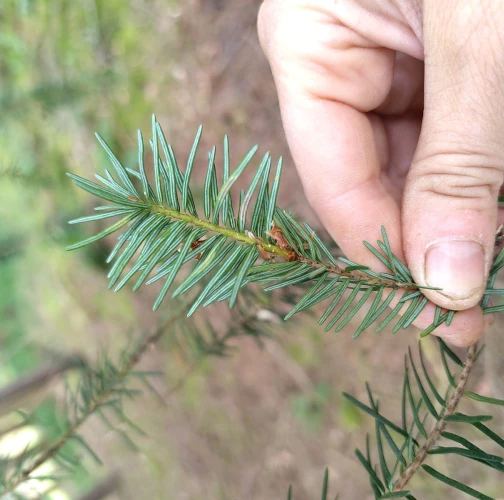
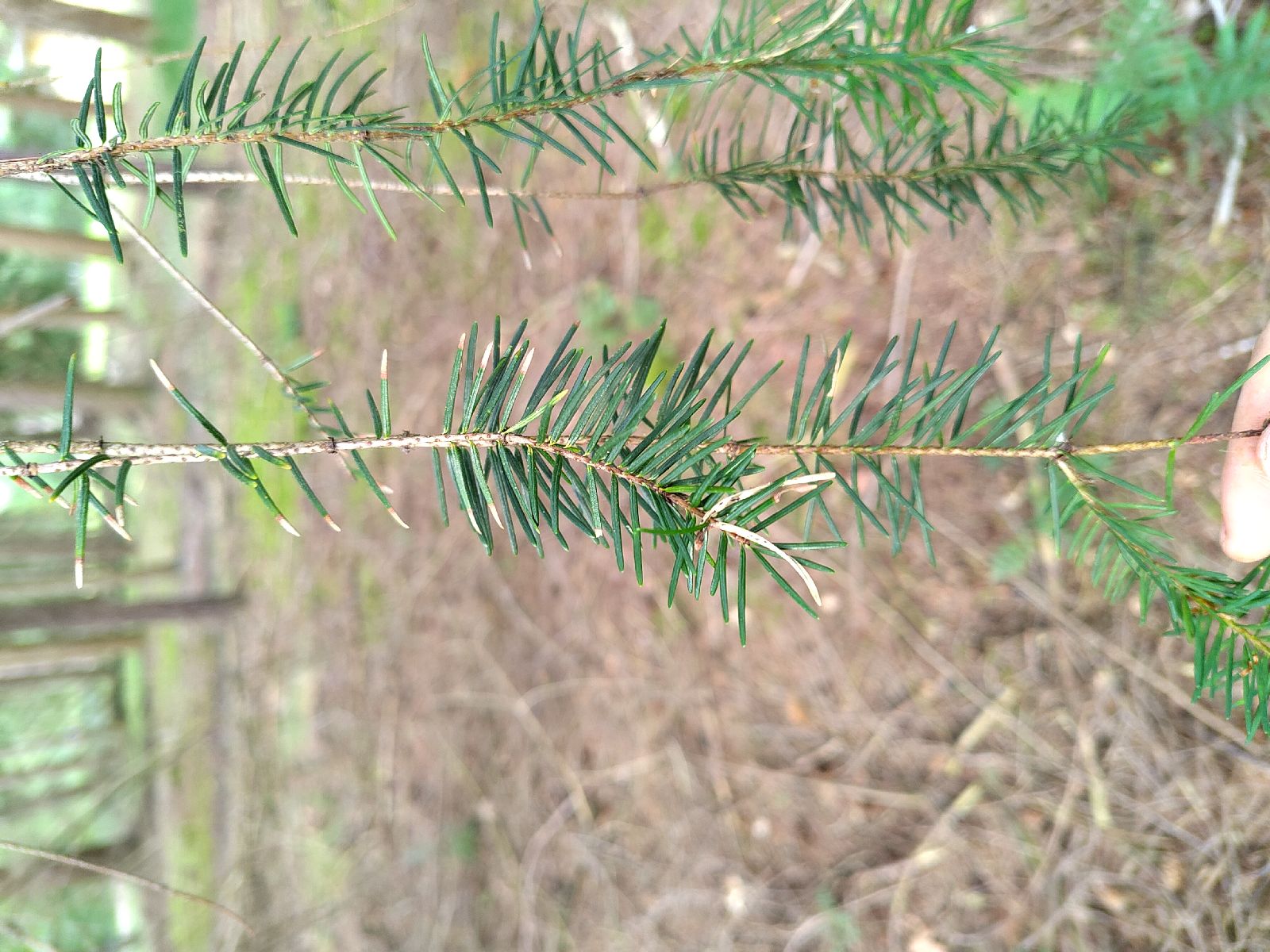
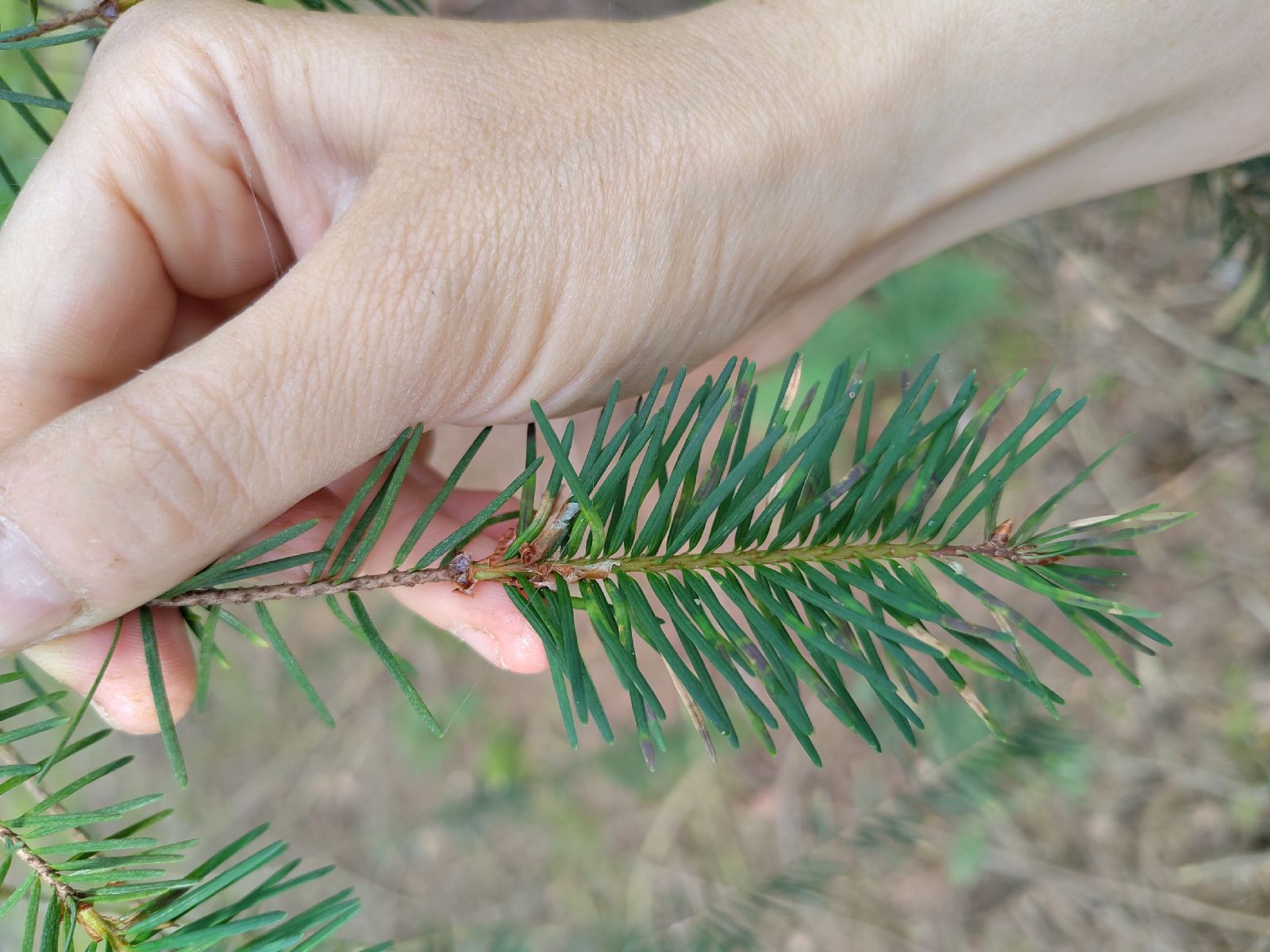
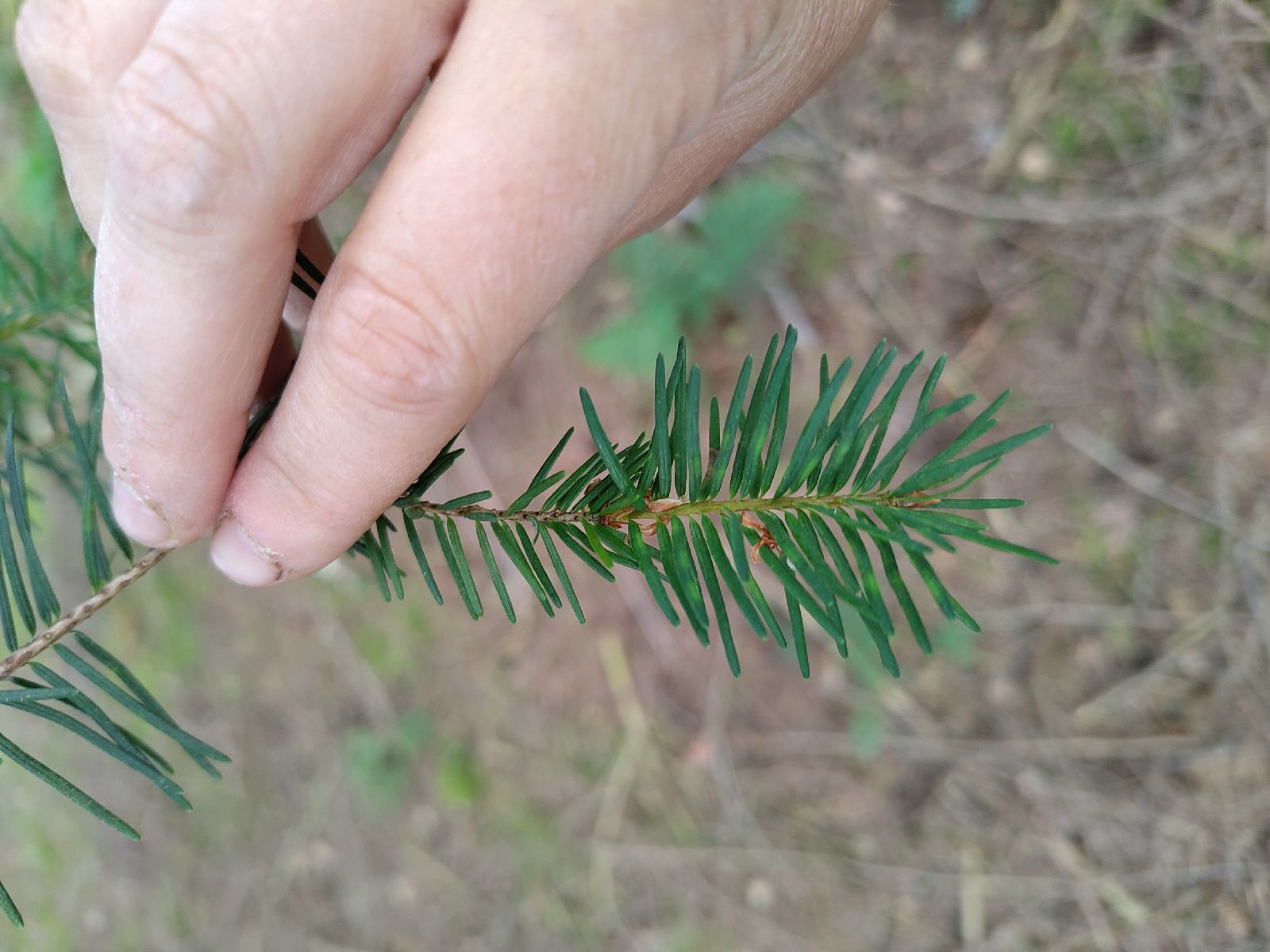
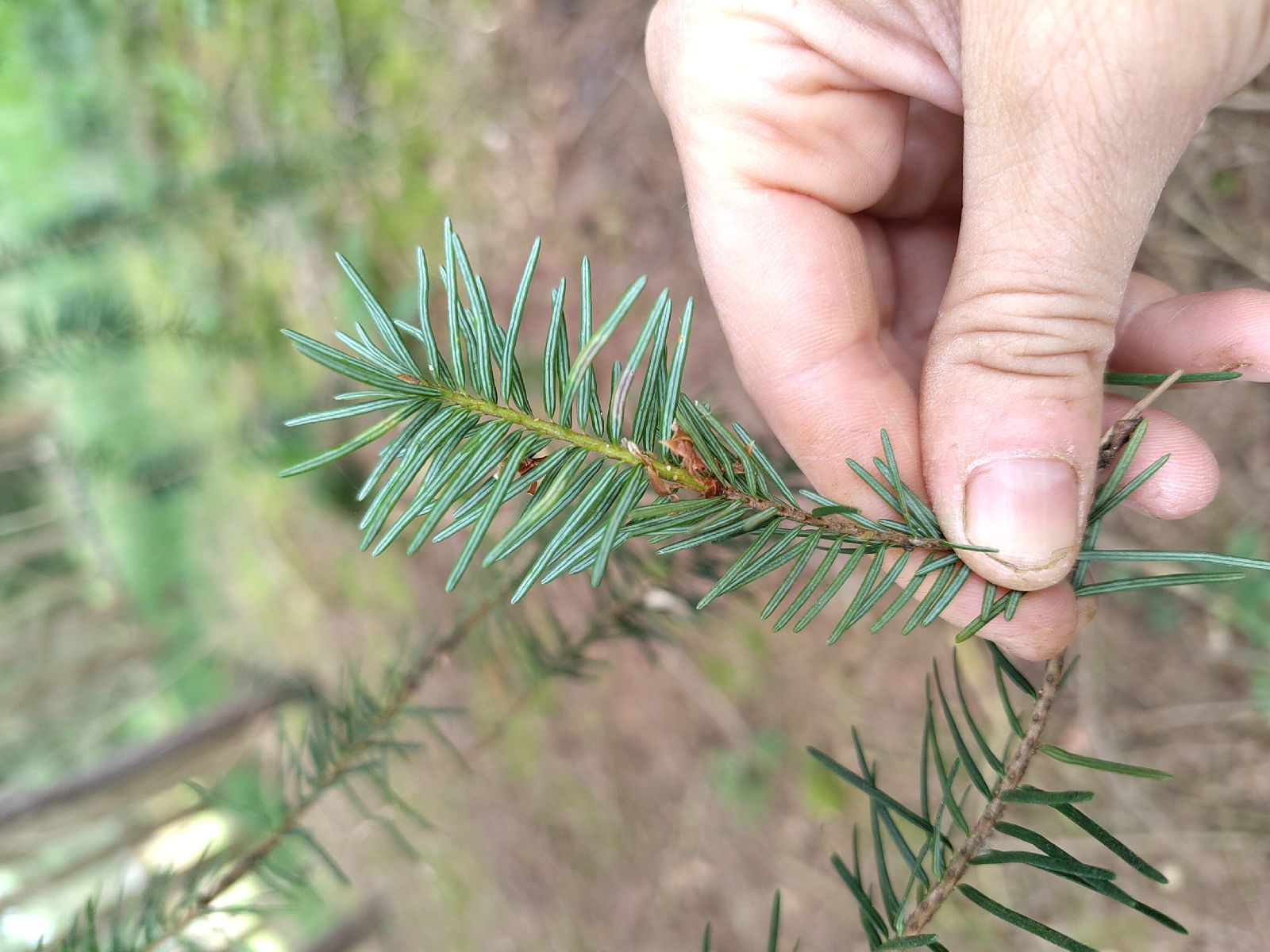
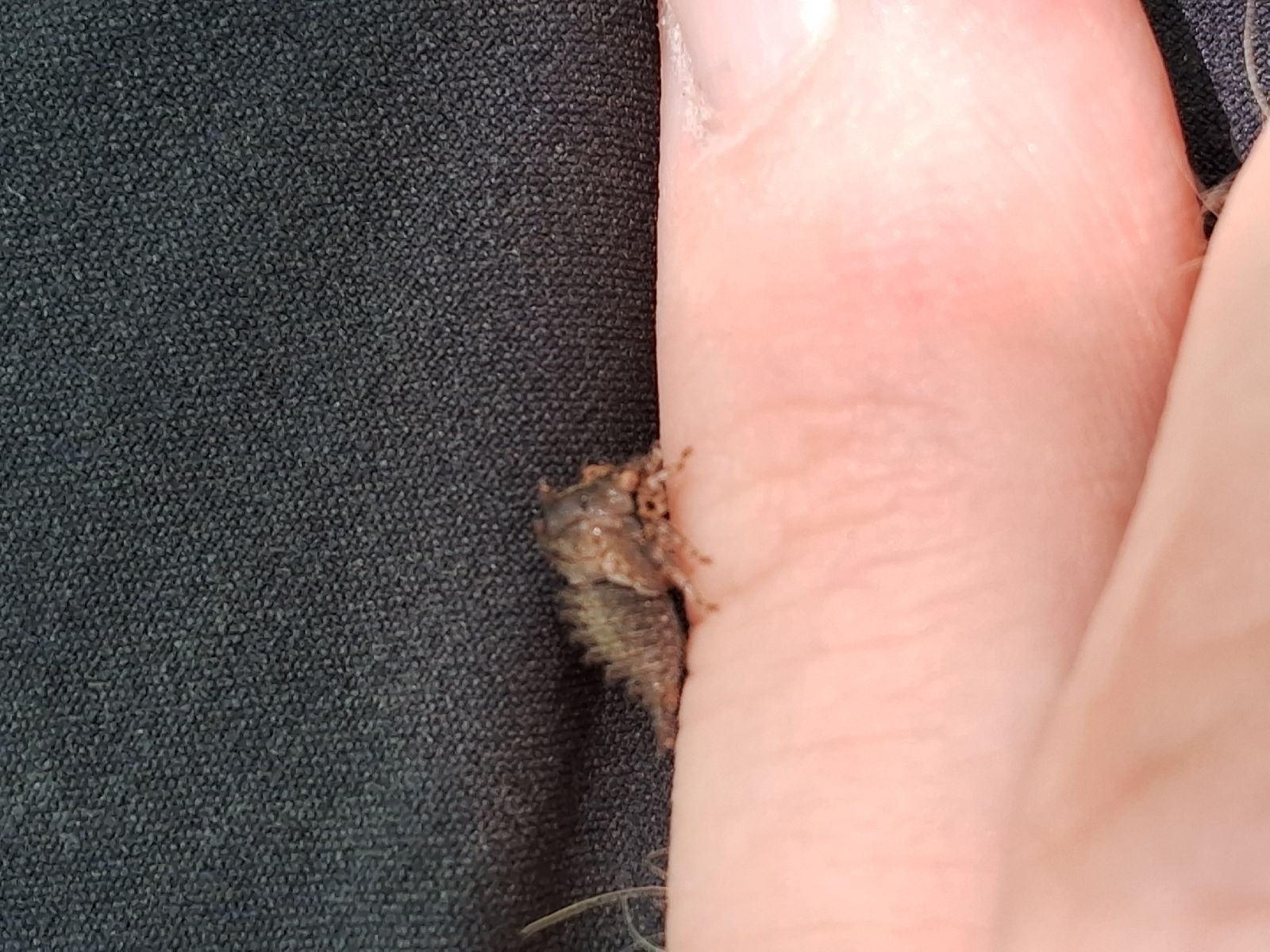
Discolouring spots on the needles. light green first then blue/black. It looks like chrysomyxa, but that does not occur on douglas? some sort of snout beetle?

Answer

Dear froukje, thank you for your inquiry. I have noticed some symptoms that suggest the presence of Douglas-fir needle midge, Contarinia pseudotsugae. This species is not native to Europe and should occur in your area, as it was already introduced to Europe from NA. Further investigation will be necessary to fully confirm its presence. With best regards, M. Zubrik

Number of votes for this answer: 0

Pest

A - This species is not in the database yet

A - This species is not in the database yet

A - This species is not in the database yet

A - This species is not in the database yet

Received: 5.8.2024
Wood: Douglas Fir
Number: 4920
Date of occurrence: 5.8.2024
Discussion

Add comment: A - This species is not in the database yet

A - This species is not in the database yet
Number: 4810
Received 10.7.2024
In progress: 1 days
Date of occurrence: 10.7.2024
Significance:
Discussion
From: Yakov
Assigned: S. Rell
Country: Russia

Question

Answer

  Hello, It is a nymph of a Buffalo treehopper Stictocephala bisonia.   Best regards Slavo Rell
Number of votes for this answer: 0

Pest

A - This species is not in the database yet

A - This species is not in the database yet

A - This species is not in the database yet

A - This species is not in the database yet

Received: 10.7.2024
Wood: Ivy
Number: 4810
Date of occurrence: 10.7.2024
Discussion

Add comment: A - This species is not in the database yet

A - This species is not in the database yet
Number: 3951
Received 22.11.2023
In progress: 0 days
Date of occurrence: 21.11.2023
Significance:
Discussion
From: Christo
Assigned: M. Zúbrik
Country: Slovakia

Question

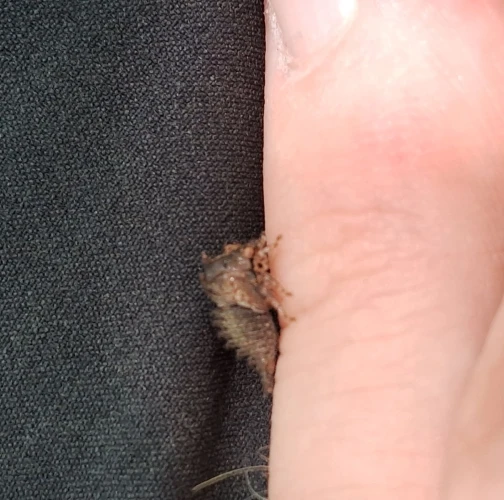
Xyleborinus saxesinii

Answer

Monitoring: Xyleborinus saxesinii
Number of votes for this answer: 0

Pest

A - This species is not in the database yet

A - This species is not in the database yet

A - This species is not in the database yet

A - This species is not in the database yet

Received: 22.11.2023
Wood: Birch
Number: 3951
Date of occurrence: 21.11.2023
Discussion

Add comment: A - This species is not in the database yet

Back to top