Login | Registration | List of contributors

Requests to determine the cause of damage

Here you can request to determine the cause of the damage. You can view the requests of other users and sort them according to the selected criteria. In addition, you can get information about your request, and you can follow the progress of its current state. If your application was not approved, it had probably been because it was impossible to identify the damage based on the sent photos or because the application does not address our topic - determining the pests of trees and shrubs. We will inform you about the status of your application by email.

Filter reset

Rejected requests are not displayed. You have been notified by email that your application has been denied.


A - Ambiguously determined, we are not sure
A - Ambiguously determined, we are not sureA - Ambiguously determined, we are not sureA - Ambiguously determined, we are not sure
A - Ambiguously determined, we are not sure
Number: 5446
Received 7.1.2025
In progress: 1 days
Date of occurrence: 7.1.2025
Significance:
Discussion
From: Jer Nusse
Assigned: J. Vakula
Country: The Netherlands

Question

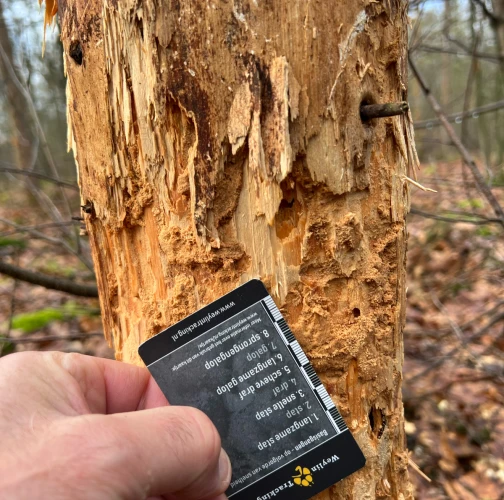
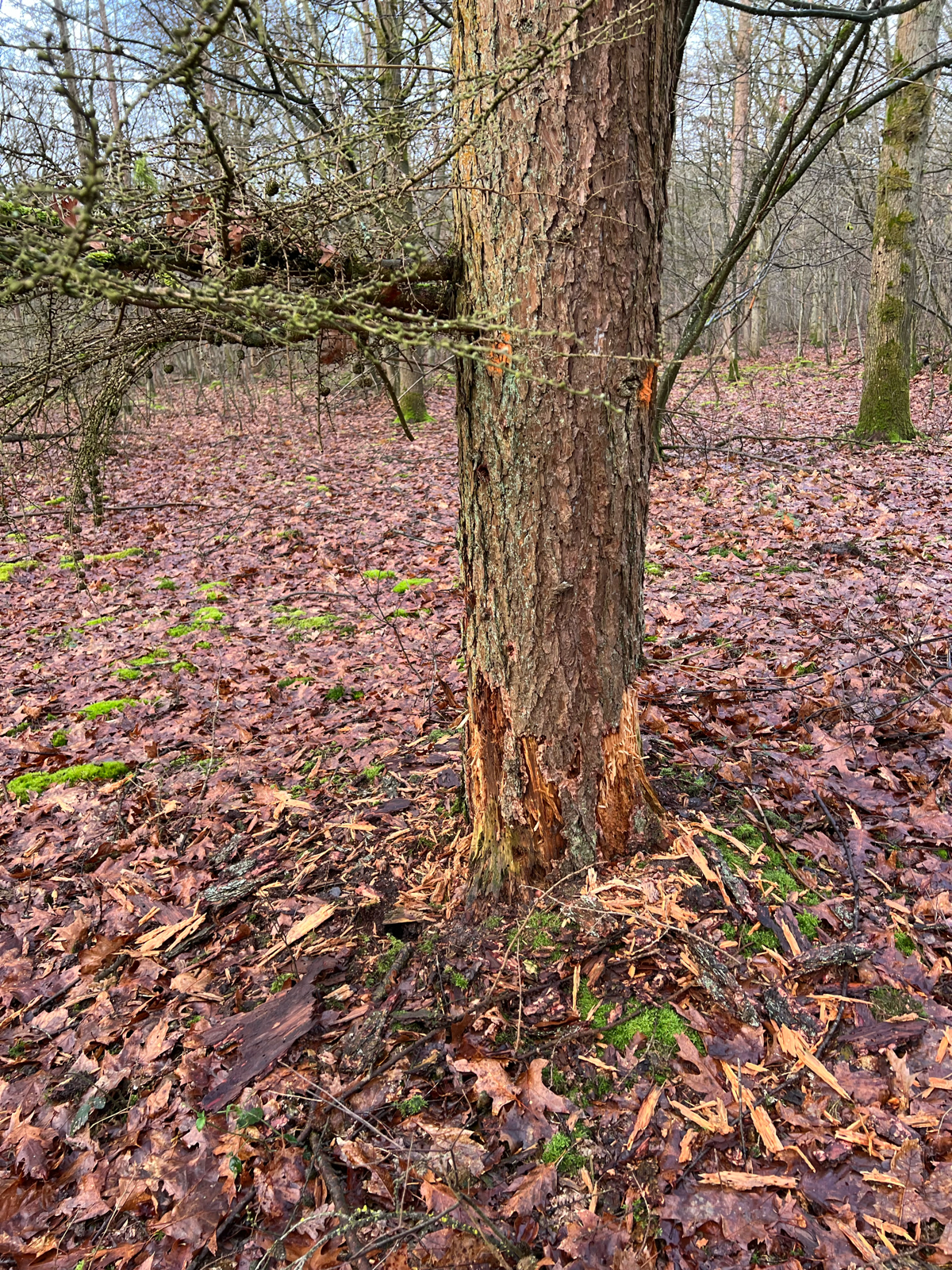
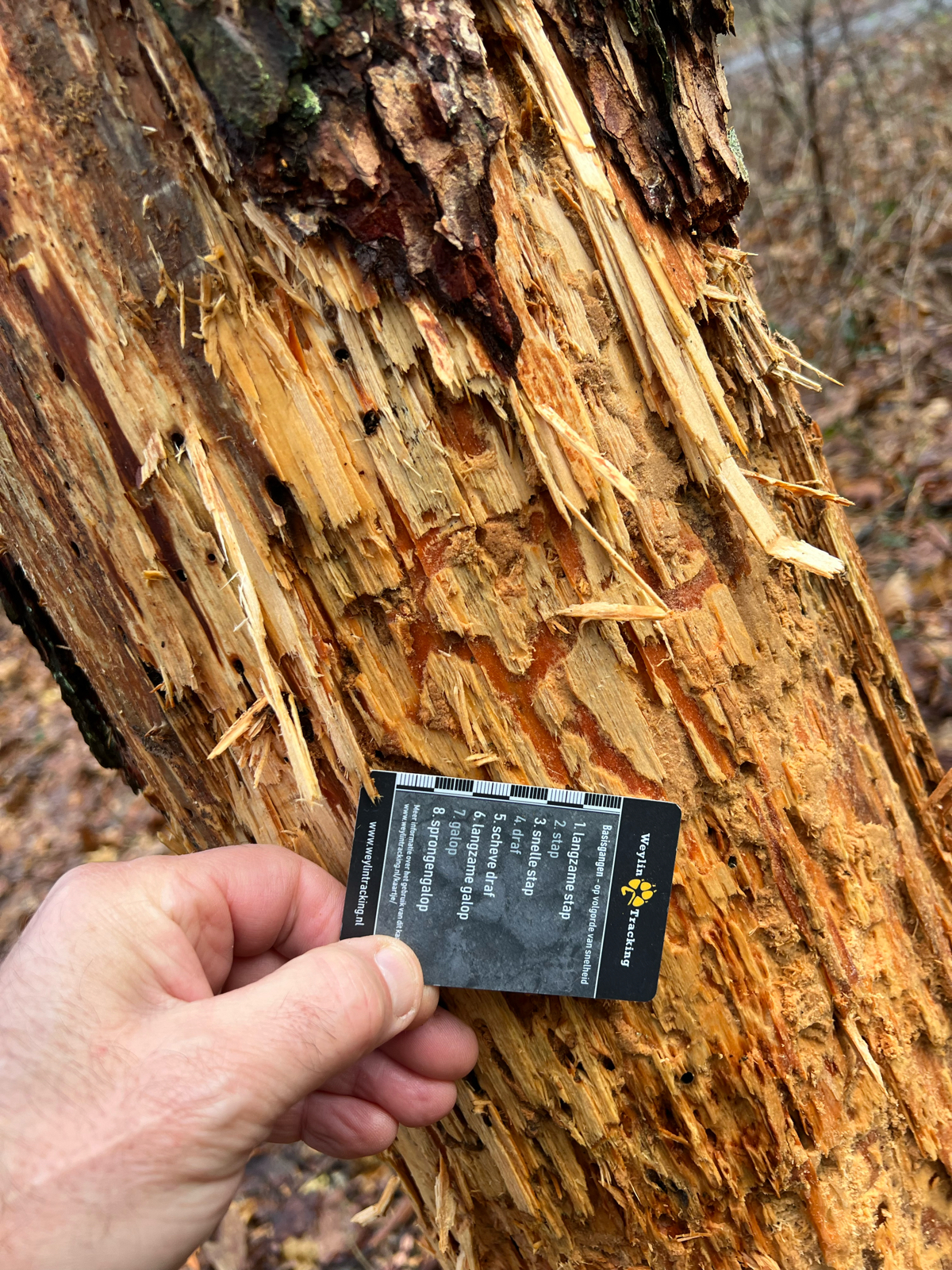
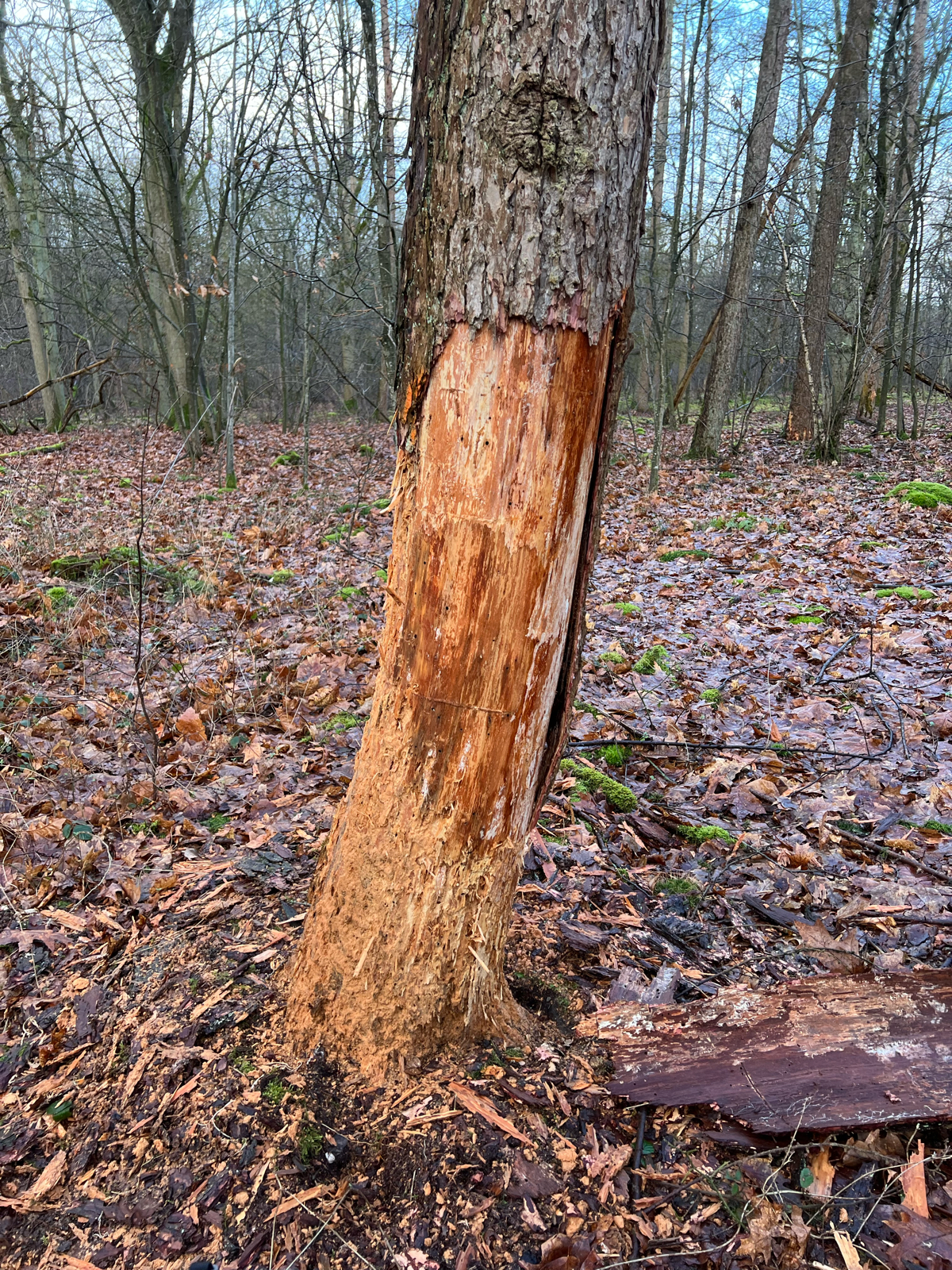
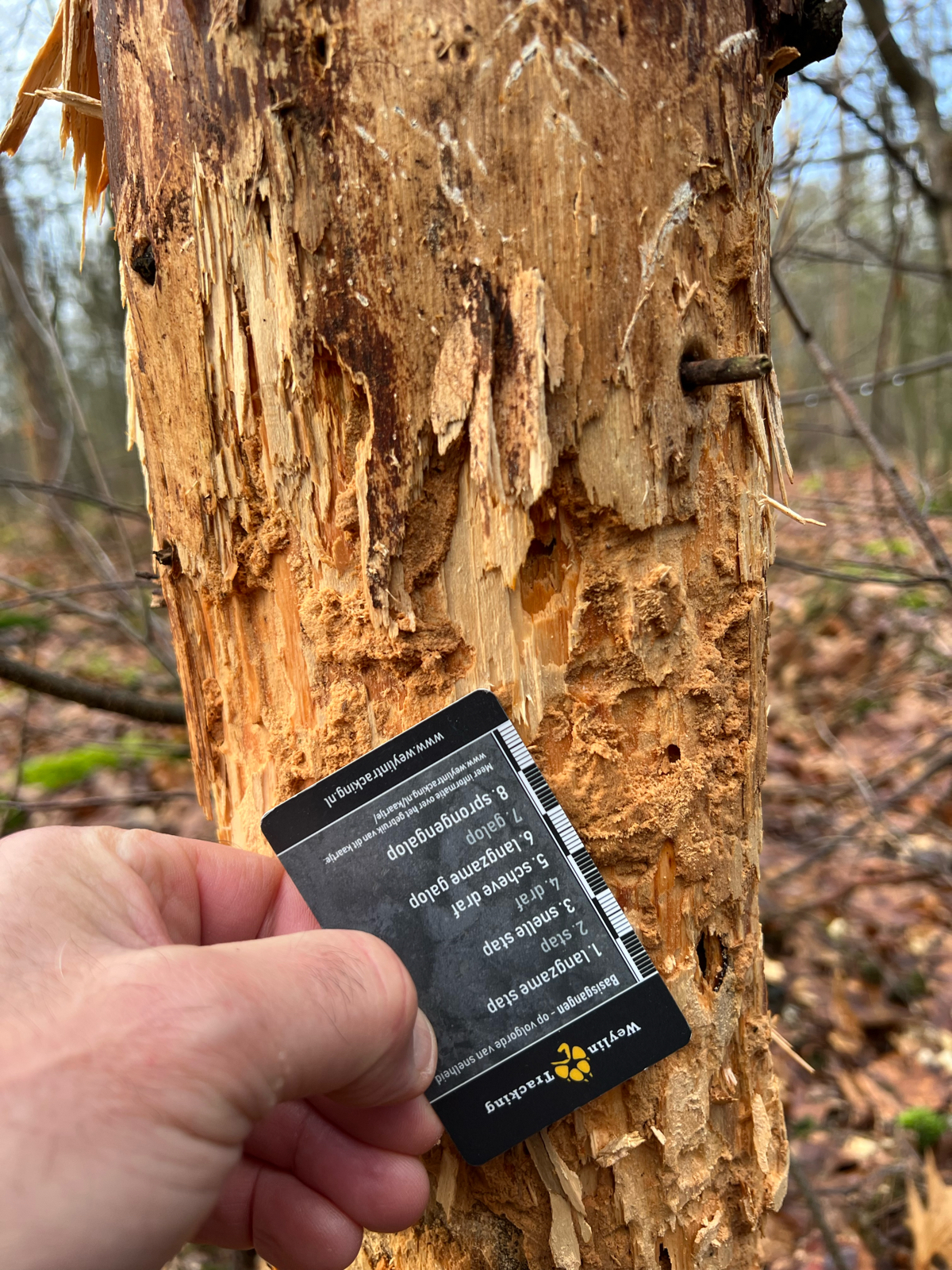
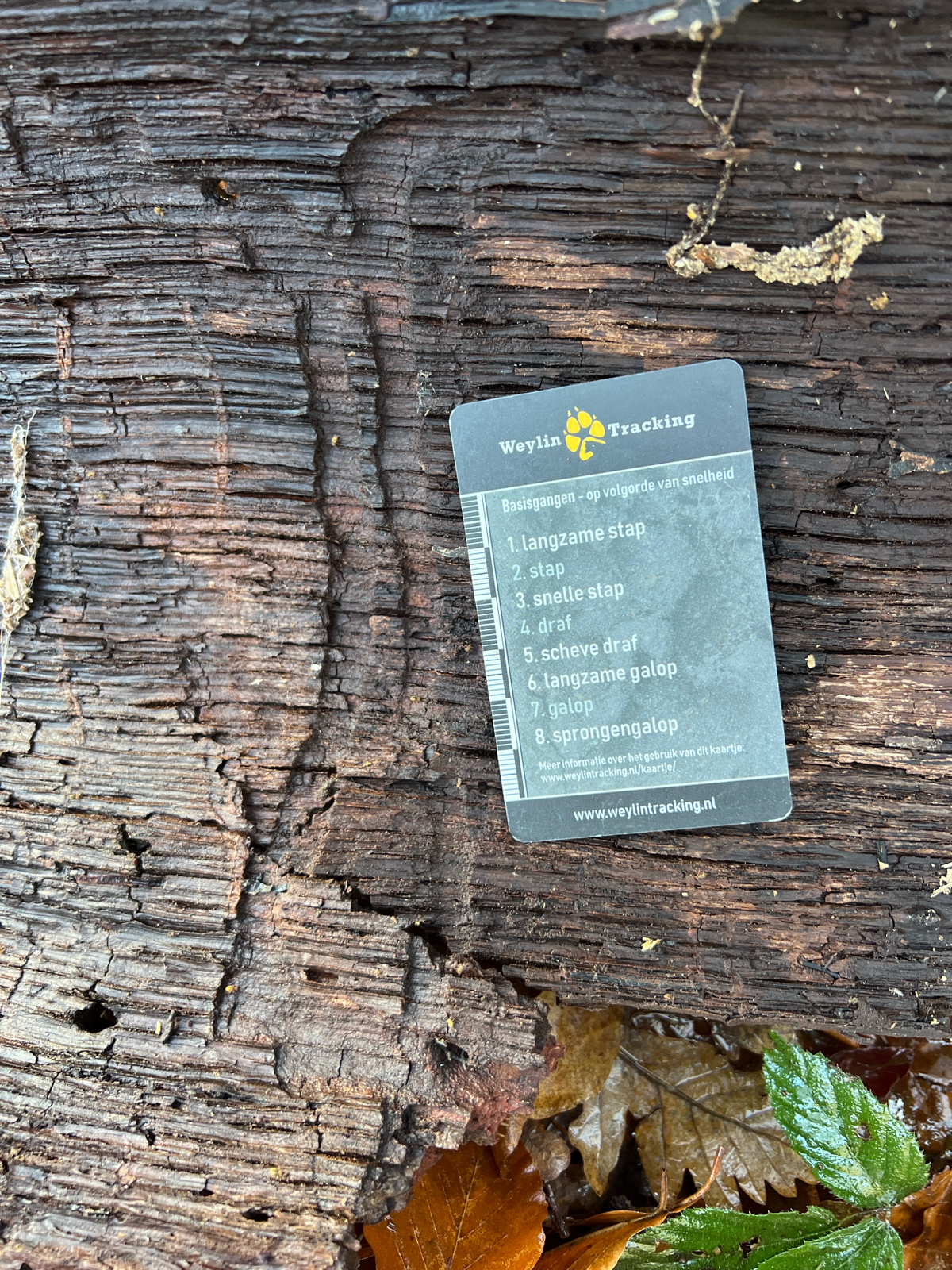
many trees worked by woodpecker at base of trunk. up to 6 meters high debarked.

Answer

Hello, the tree is dead longer time. Probably it is Tetropium gabrieli. But this species has larvae tunnels under the bark and before pupae stage it drill deaper (up to 6 cm). It can be other species from Cerambycidee. Nice dayJozef Vakula
Number of votes for this answer: 0

Pest

A - Ambiguously determined, we are not sure

A - Ambiguously determined, we are not sure

A - Ambiguously determined, we are not sure

A - Ambiguously determined, we are not sure

Received: 7.1.2025
Wood: Larch
Number: 5446
Date of occurrence: 7.1.2025
Discussion

Add comment: A - Ambiguously determined, we are not sure

A - Ambiguously determined, we are not sure
Number: 5397
Received 17.12.2024
In progress: 3 days
Date of occurrence: 17.12.2024
Significance:
Discussion
From: Jer Nusse
Assigned: J. Galko
Country: The Netherlands

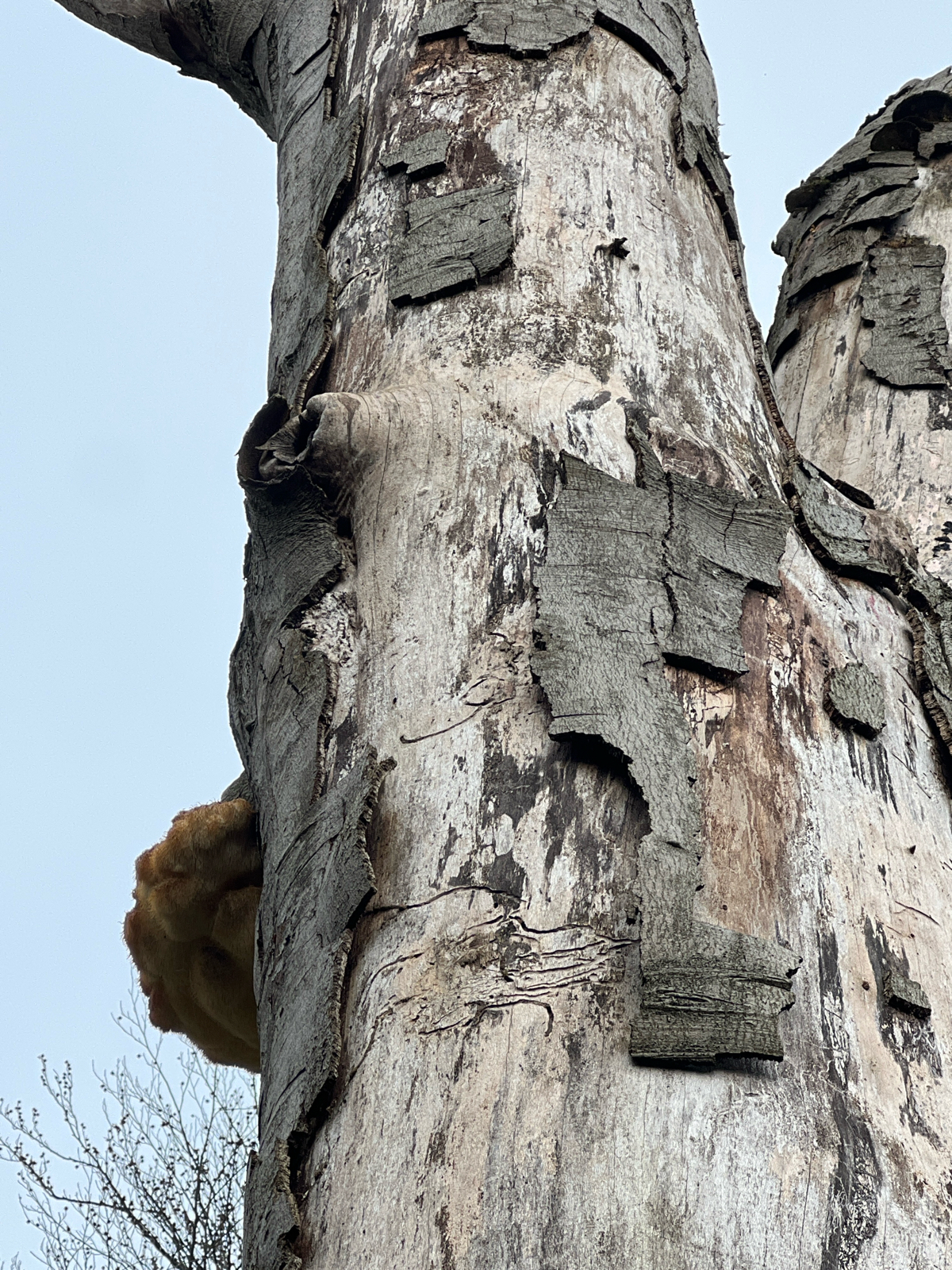
Question

Answer

Hi Jer. This is the same as previous answer. Juraj
Number of votes for this answer: 0

Pest

A - Ambiguously determined, we are not sure

A - Ambiguously determined, we are not sure

A - Ambiguously determined, we are not sure

A - Ambiguously determined, we are not sure

Received: 17.12.2024
Wood: Beech
Number: 5397
Date of occurrence: 17.12.2024
Discussion

Add comment: A - Ambiguously determined, we are not sure

A - Ambiguously determined, we are not sure
Number: 5347
Received 3.12.2024
In progress: 1 days
Date of occurrence: 3.12.2024
Significance:
Discussion
From: Jer Nusse
Assigned: J. Galko
Country: The Netherlands

Question

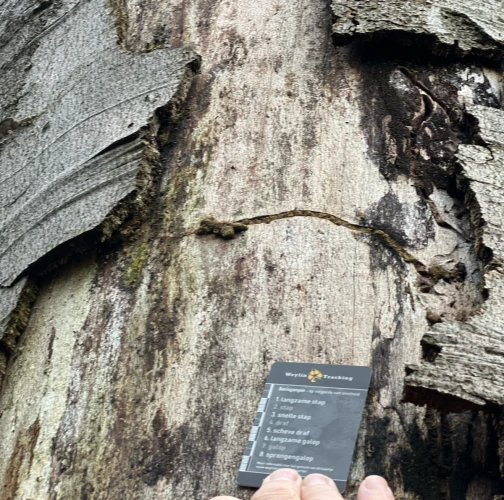
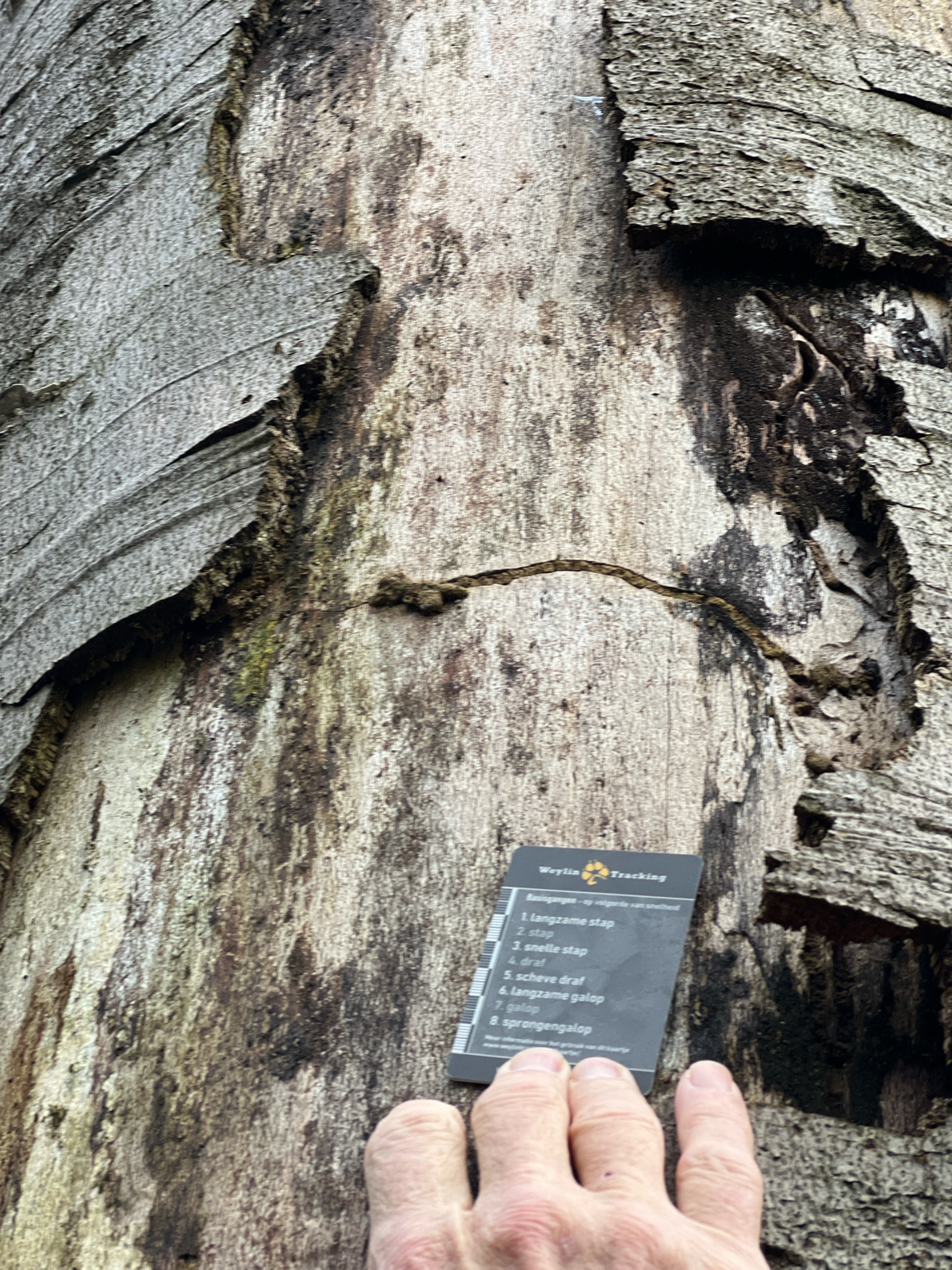
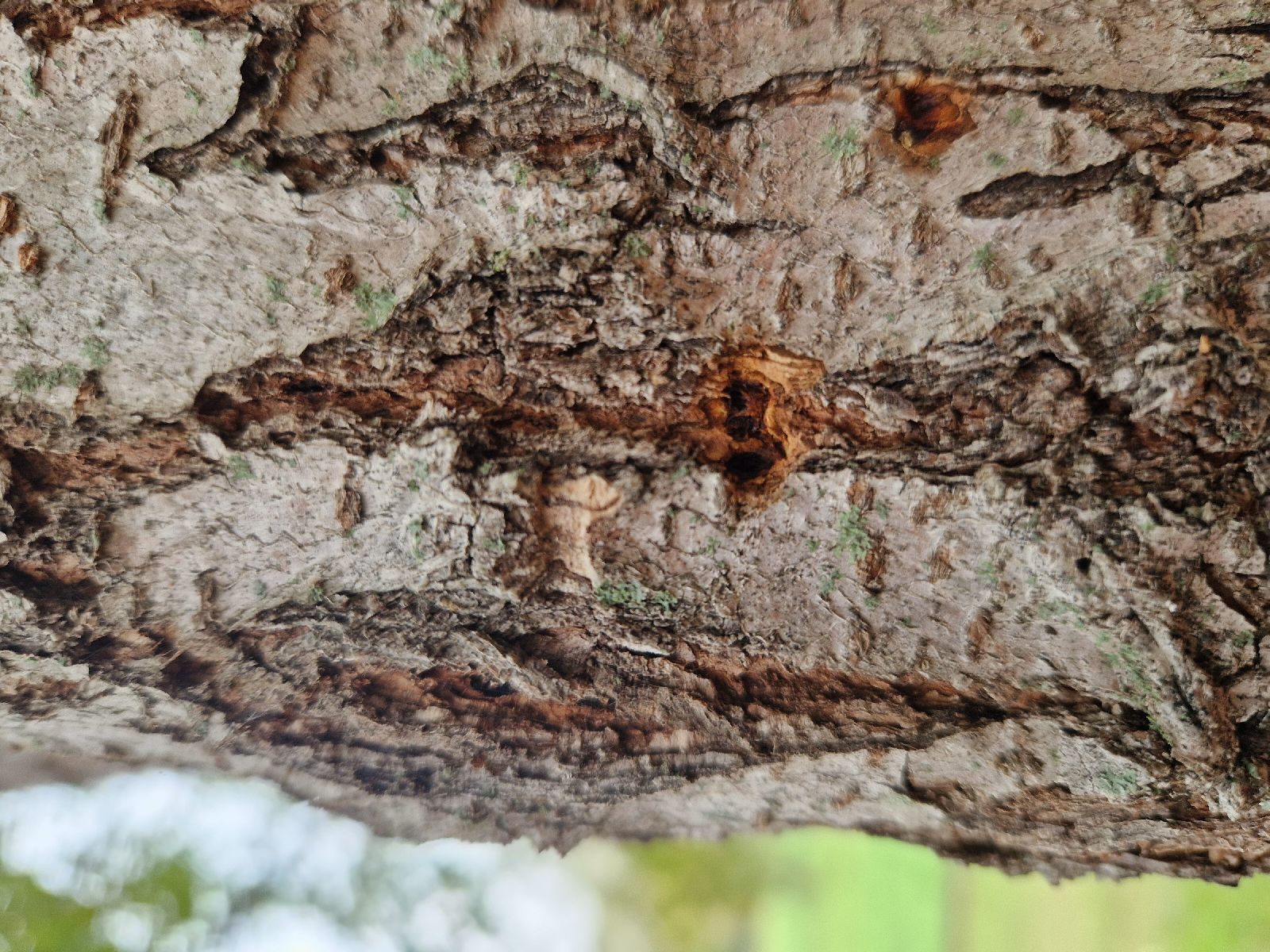
In the bark

Answer

Dear Jer. According to the size and eliptical hole it looks like a tunnel created by Cerambycid larvae. Under oak bark there can live many cerambycid species larvae that is why I stated "we are not sure". I would guess maybe Plagionotus sp. or Rhagium sp.   All the best, Juraj.
Number of votes for this answer: 0

Pest

A - Ambiguously determined, we are not sure

A - Ambiguously determined, we are not sure

A - Ambiguously determined, we are not sure

A - Ambiguously determined, we are not sure

Received: 3.12.2024
Wood: Oak
Number: 5347
Date of occurrence: 3.12.2024
Discussion

Add comment: A - Ambiguously determined, we are not sure

A - Ambiguously determined, we are not sure
Number: 5301
Received 19.11.2024
In progress: 0 days
Date of occurrence: 19.11.2024
Significance:
Discussion
From: Andrea
Assigned: M. Zúbrik
Country: Italy

Question

Answer

Dear Andrea, Thank you for your inquiry. The information provided is not sufficient to determine the cause of the damage. If it is indeed an elm (the photograph does not make this entirely clear), it is worth noting that a whole group of bark beetle species from the genus Scolytus can affect elm trees. You can read more about them here: https://www.forestpests.eu/pest/scolytus-spp&rurl=YXRsYXMmYW1wO2ZpbHRlcj00OCZhbXA7cD00. However, other possible causes of the damage cannot be ruled out either. Have a nice day, M. Zúbrik
Number of votes for this answer: 0

Pest

A - Ambiguously determined, we are not sure

A - Ambiguously determined, we are not sure

A - Ambiguously determined, we are not sure

A - Ambiguously determined, we are not sure

Received: 19.11.2024
Wood: Elm
Number: 5301
Date of occurrence: 19.11.2024
Discussion

Add comment: A - Ambiguously determined, we are not sure

A - Ambiguously determined, we are not sure
A - Ambiguously determined, we are not sureA - Ambiguously determined, we are not sure
A - Ambiguously determined, we are not sure
Number: 5275
Received 11.11.2024
In progress: 0 days
Date of occurrence: 10.9.2024
Significance:
Discussion
Assigned: A. Kunca
Country: Belarus

Question

Answer

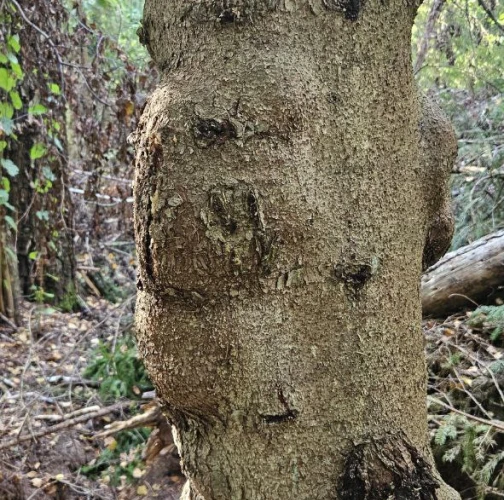
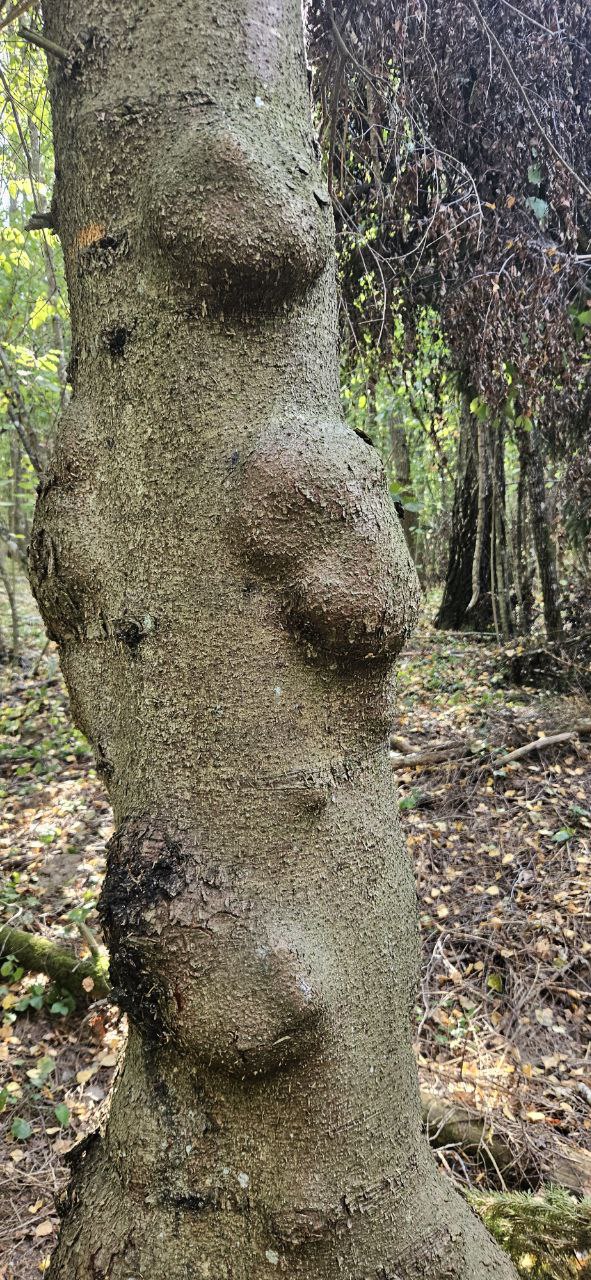
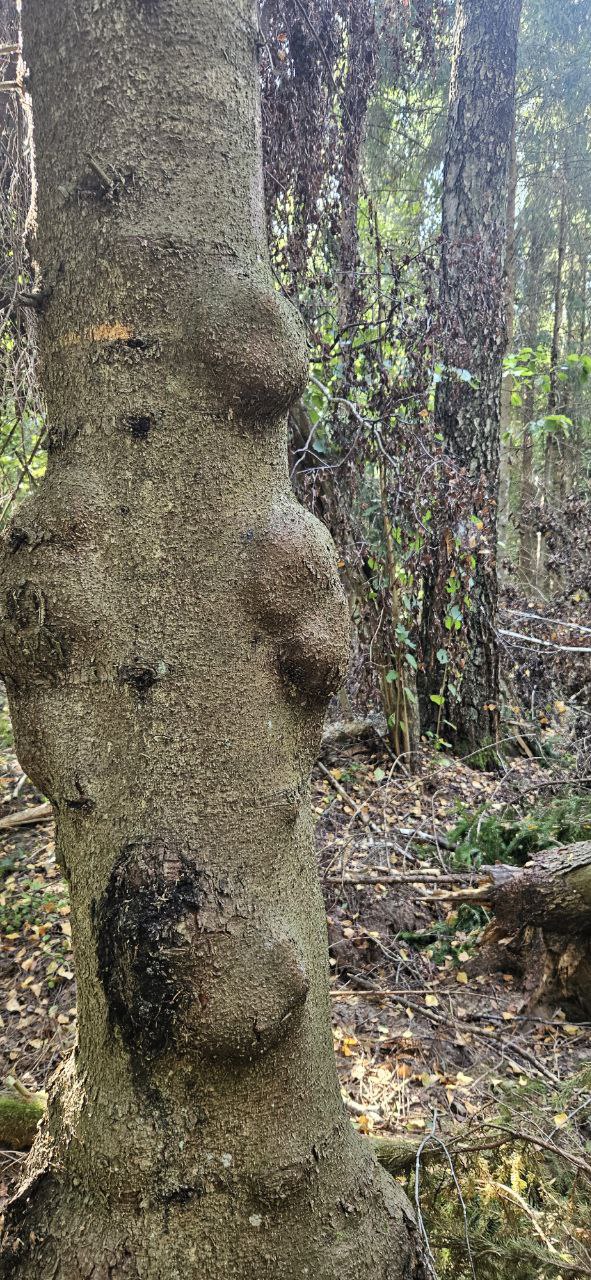
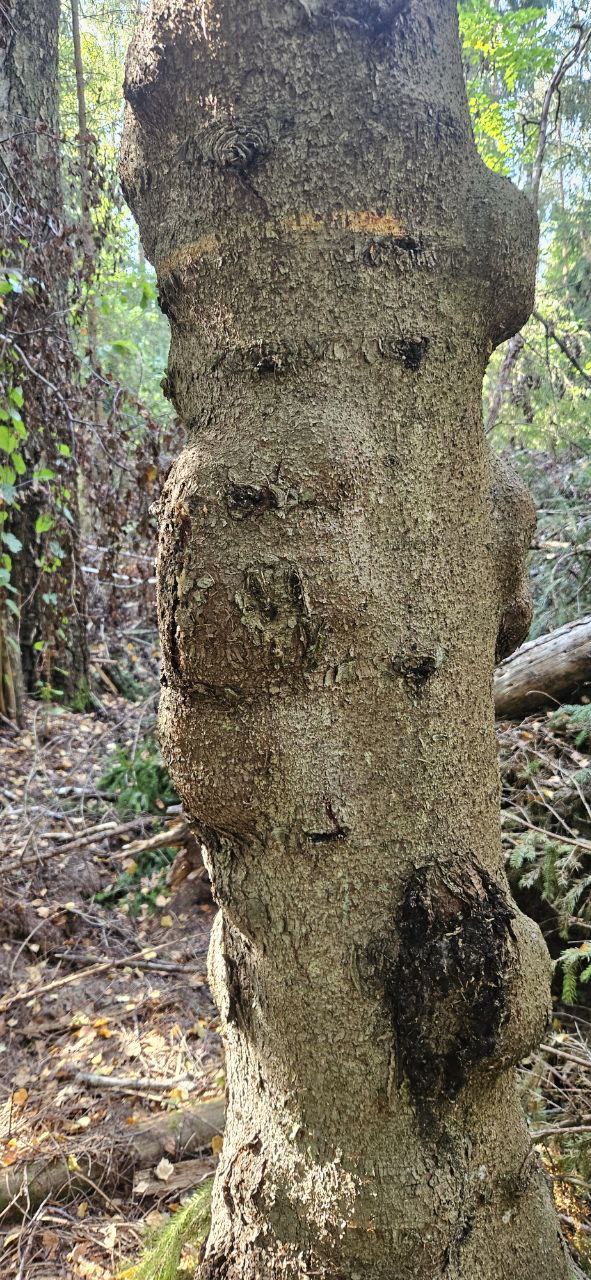
Dear Aliaksandr, very interesting canker. I have never seen something like this. So, I dont know what is the reason for this. Andrej Kunca
Number of votes for this answer: 0

Pest

A - Ambiguously determined, we are not sure

A - Ambiguously determined, we are not sure

A - Ambiguously determined, we are not sure

A - Ambiguously determined, we are not sure

Received: 11.11.2024
Wood: Spruce
Number: 5275
Date of occurrence: 10.9.2024
Discussion

Add comment: A - Ambiguously determined, we are not sure

A - Ambiguously determined, we are not sure
Number: 5274
Received 11.11.2024
In progress: 7 days
Date of occurrence: 9.9.2024
Significance:
Discussion
Assigned: V. Longauerová
Country: Belarus

Question

Answer

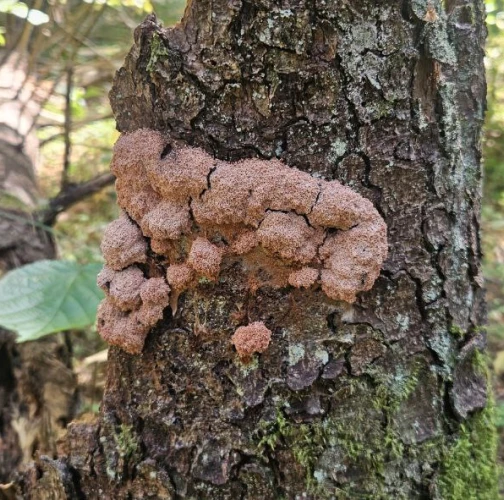
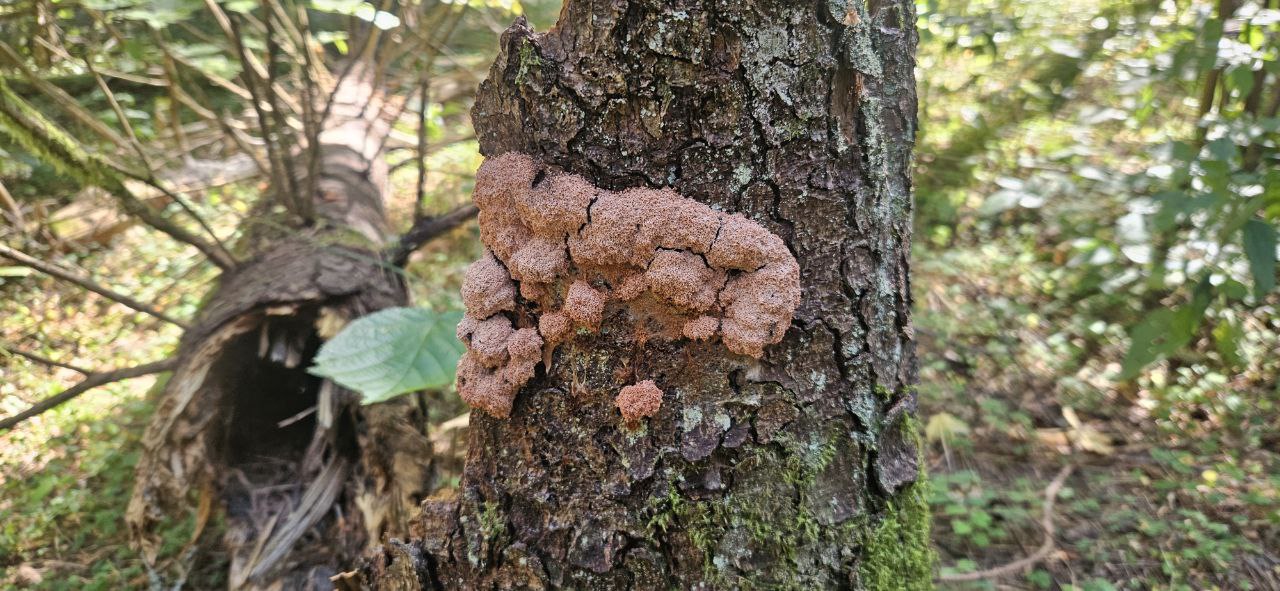
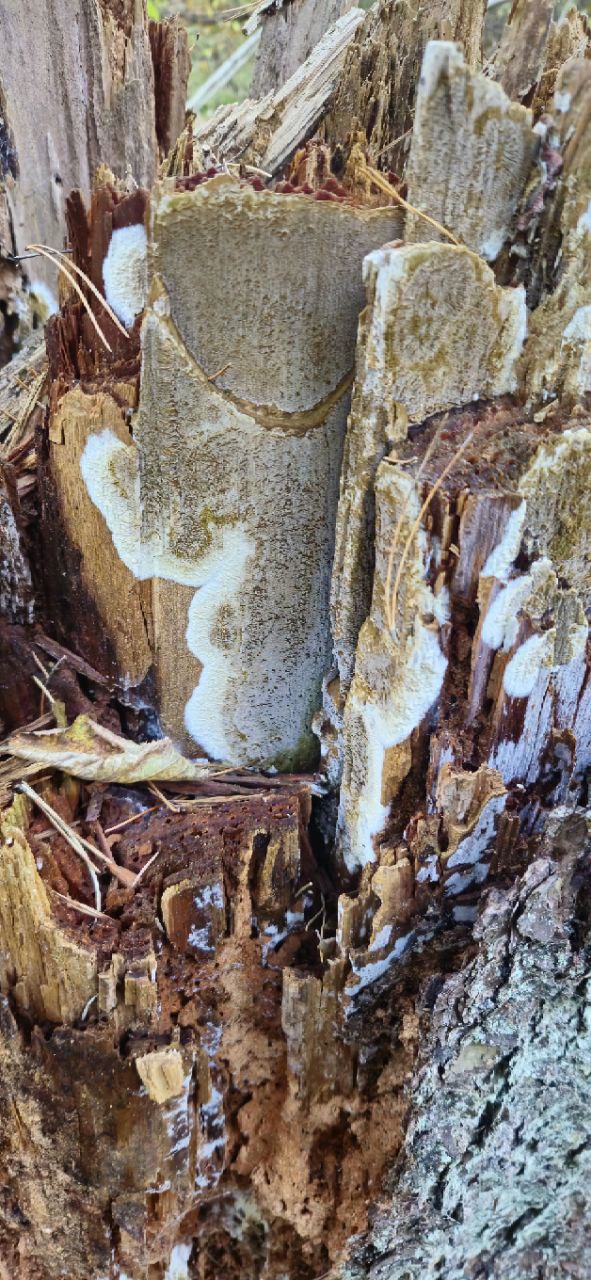
Dear Aliaksandr, thank you for your question. According to the photo it is probably Brefeldia maxima, or Symphytocarpus amaurochaetoides. Without detailed laboratory analysis, but we are not completely sure. Best regards, V. Longauerová
Number of votes for this answer: 0

Pest

A - Ambiguously determined, we are not sure

A - Ambiguously determined, we are not sure

A - Ambiguously determined, we are not sure

A - Ambiguously determined, we are not sure

Received: 11.11.2024
Wood: Spruce
Number: 5274
Date of occurrence: 9.9.2024
Discussion

Add comment: A - Ambiguously determined, we are not sure

A - Ambiguously determined, we are not sure
Number: 5273
Received 11.11.2024
In progress: 7 days
Date of occurrence: 23.10.2024
Significance:
Discussion
Assigned: V. Longauerová
Country: Belarus

Question

Answer

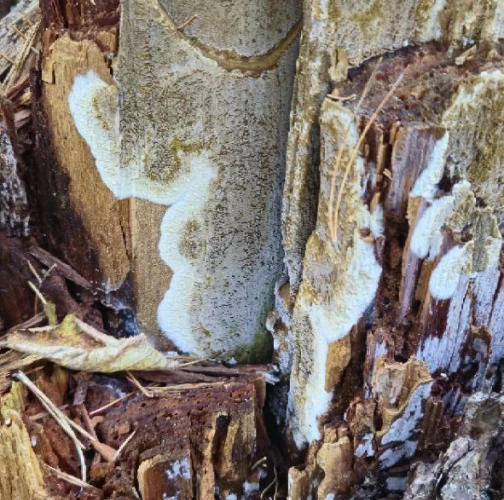
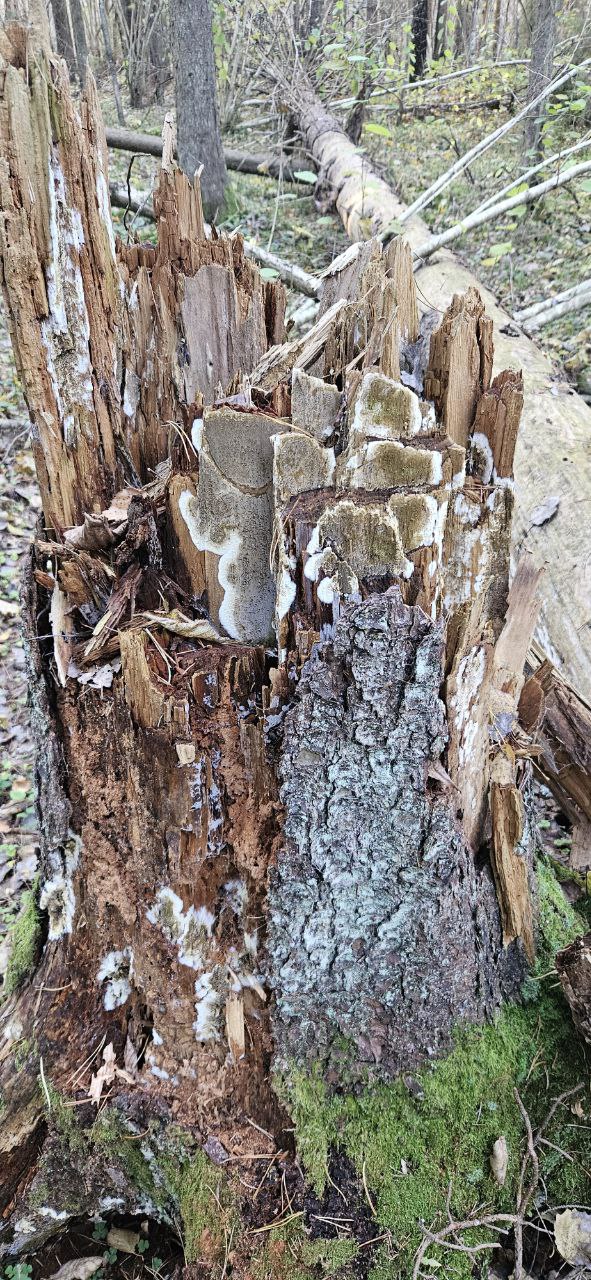
Dear Aliaksandr, thank you for your question. According to the photo it is probably Coniophora puteana. Without detailed laboratory analysis, but we are not completely sure. Best regards, Valeria Longauerová
Number of votes for this answer: 0

Pest

A - Ambiguously determined, we are not sure

A - Ambiguously determined, we are not sure

A - Ambiguously determined, we are not sure

A - Ambiguously determined, we are not sure

Received: 11.11.2024
Wood: Spruce
Number: 5273
Date of occurrence: 23.10.2024
Discussion

Add comment: A - Ambiguously determined, we are not sure

A - Ambiguously determined, we are not sure
Number: 5261
Received 8.11.2024
In progress: 0 days
Date of occurrence: 8.11.2024
Significance:
Discussion
From: mohamed
Assigned: M. Zúbrik
Country: Algeria

Question

Answer

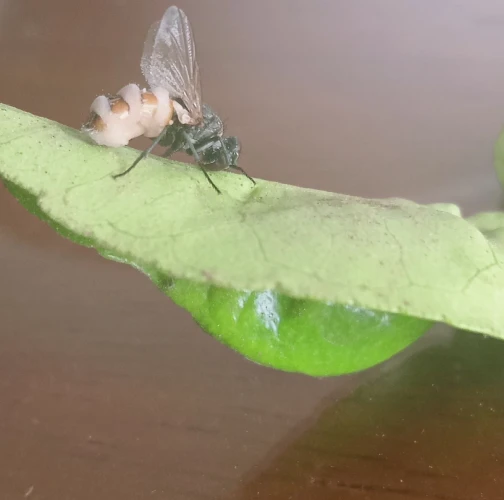
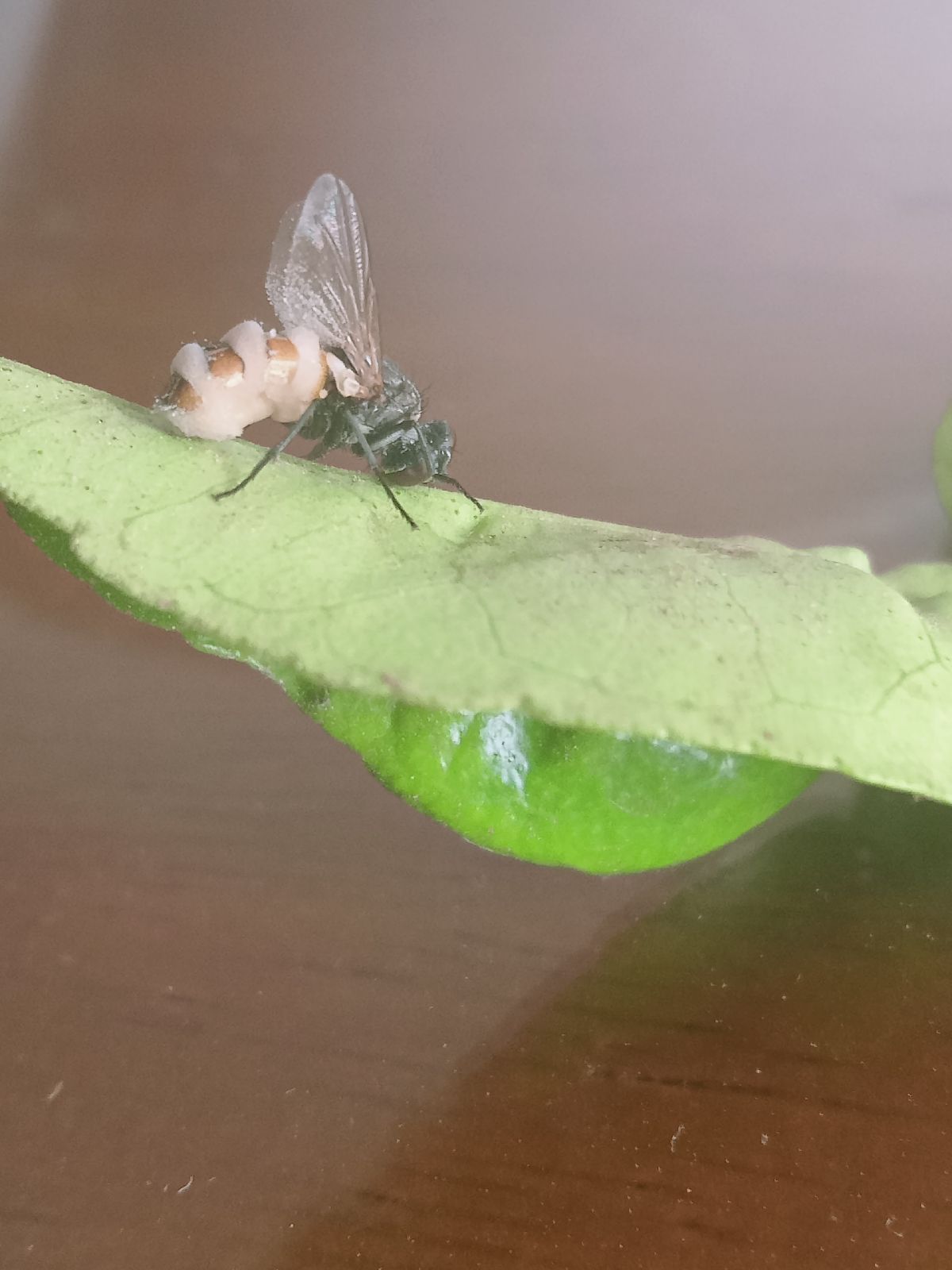
Dear Mohamed, thank you for your request. There is a Diptera species in the picture, but it does not look like any known citrus pest. It is definitely not Ceratitis capitata, commonly known as the Mediterranean fruit fly or medfly, which is a very dangerous pest of citrus. In any case, it appears to have been attacked by an entomopathogenic fungus (possibly Beauveria bassiana), which likely killed it. Best regards, M. Zúbrik
Number of votes for this answer: 0

Pest

A - Ambiguously determined, we are not sure

A - Ambiguously determined, we are not sure

A - Ambiguously determined, we are not sure

A - Ambiguously determined, we are not sure

Received: 8.11.2024
Wood: Citrus
Number: 5261
Date of occurrence: 8.11.2024
Discussion

Add comment: A - Ambiguously determined, we are not sure

A - Ambiguously determined, we are not sure
Number: 5258
Received 6.11.2024
In progress: 1 days
Date of occurrence: 6.11.2024
Significance:
Discussion
Assigned: M. Zúbrik
Country: Czechia

Question

Answer

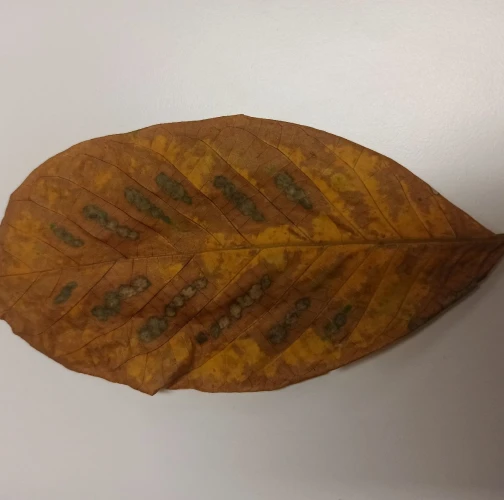
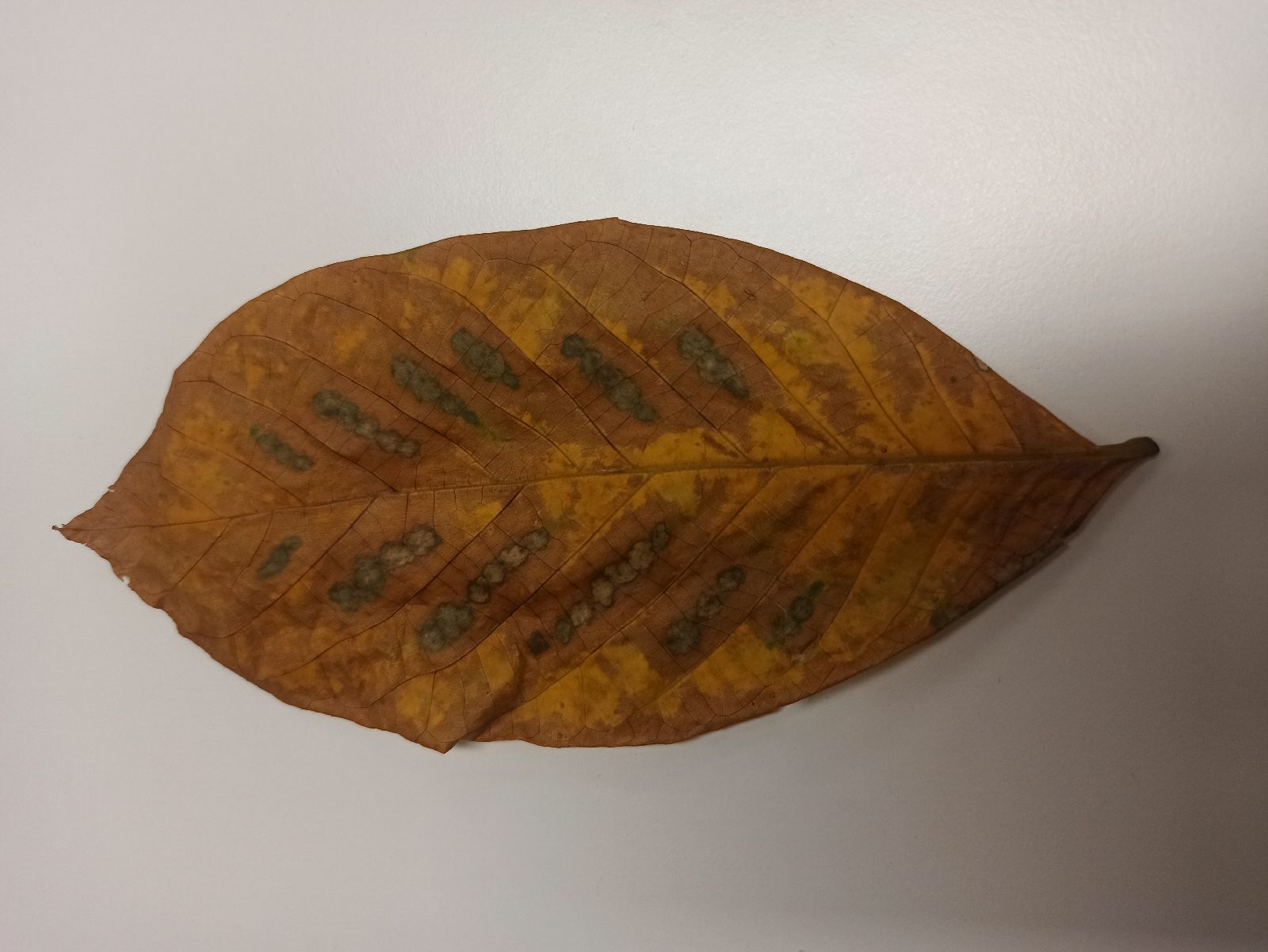
Thank you for your interesting inquiry and the lovely photograph. It’s unfortunate that the leaf is dead (an autumn aspect), making the damage less visible. It strongly resembles the mite Aceria nervisequa faginea, but since I am not completely certain, I would place this in the category of ambiguously identified species. If this were in summer and the photo included the underside of the leaf, identification would be clearer. Thank you once again.With best regards M. Zubrik
Number of votes for this answer: 0

Pest

A - Ambiguously determined, we are not sure

A - Ambiguously determined, we are not sure

A - Ambiguously determined, we are not sure

A - Ambiguously determined, we are not sure

Received: 6.11.2024
Wood: Walnut
Number: 5258
Date of occurrence: 6.11.2024
Discussion

Add comment: A - Ambiguously determined, we are not sure

A - Ambiguously determined, we are not sure
Number: 5257
Received 6.11.2024
In progress: 1 days
Date of occurrence: 6.11.2024
Significance:
Discussion
From: Eva
Assigned: M. Zúbrik
Country: Czechia

Question

Answer

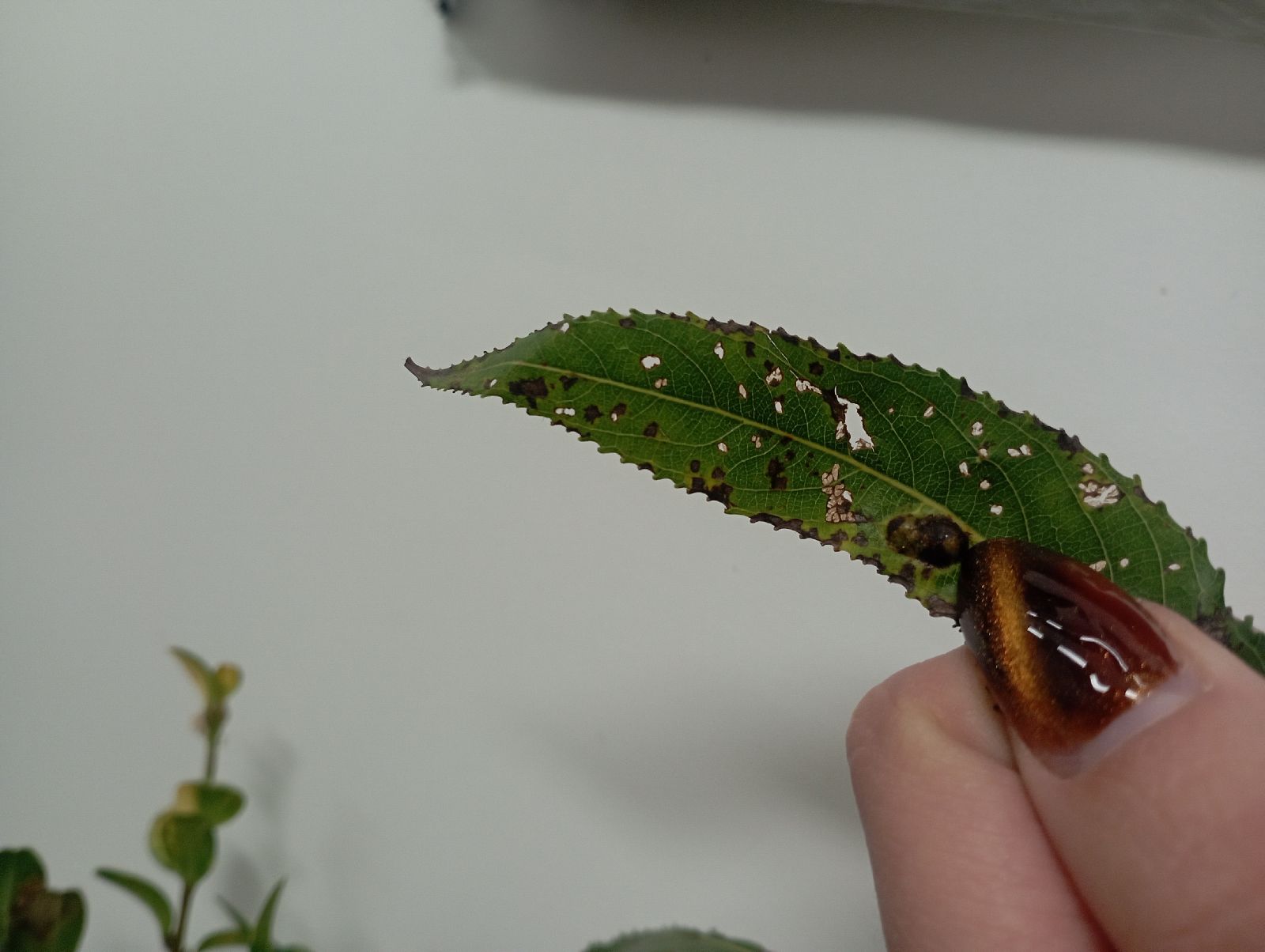
Hello, thank you for your interesting inquiry. Such small holes are usually caused by small beetles that consume plant tissues to allow their reproductive organs to mature, a process known as maturation feeding. From these symptoms alone, it is not possible to determine the exact species involved. The most likely candidates are Chrysomela vigintipunctata or Lochmaea caprea, as these species are probably the most common in your area. With best regards M. Zubrik
Number of votes for this answer: 0

Pest

A - Ambiguously determined, we are not sure

A - Ambiguously determined, we are not sure

A - Ambiguously determined, we are not sure

A - Ambiguously determined, we are not sure

Received: 6.11.2024
Wood: Willow
Number: 5257
Date of occurrence: 6.11.2024
Discussion

Add comment: A - Ambiguously determined, we are not sure

A - Ambiguously determined, we are not sure
Number: 5254
Received 6.11.2024
In progress: 1 days
Date of occurrence: 8.9.2024
Significance:
Discussion
Assigned: M. Zúbrik
Country: Sweden

Question

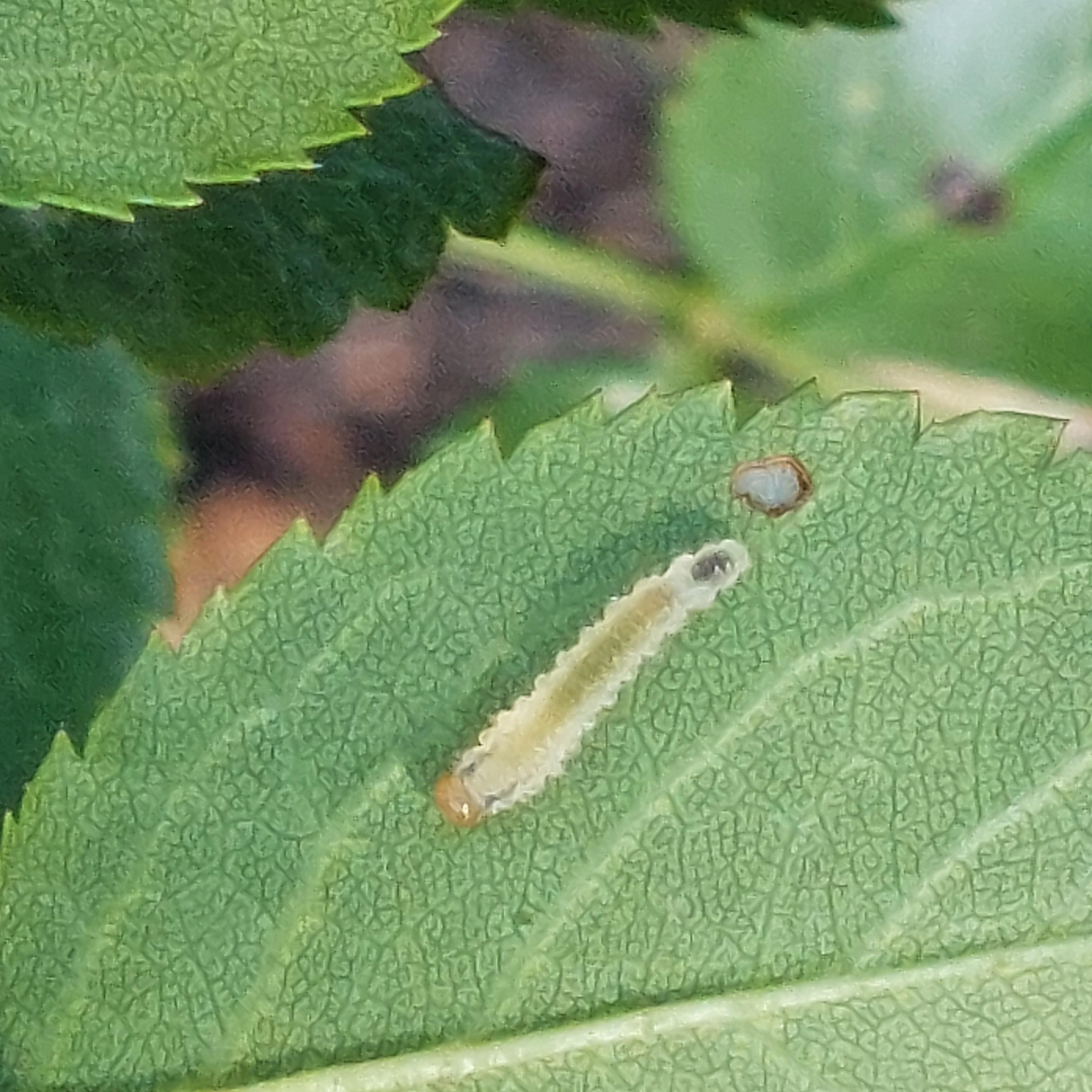
Äter på rosenblad och vissa nävor

Answer

Thank you for your inquiry. The image shows an insect larva from the order Hymenoptera, specifically from the suborder Symphyta – commonly known as sawflies. The larvae of these species feed on rose leaves, and in Europe, several similar species inhabit rose plants. They cause defoliation, which reduces the plant vitality and aesthetic value. The image is somewhat unclear, so we cannot confidently identify the exact species. It could potentially be the larva of Endelomyia aethiops. With best regards M. Zubrik
Number of votes for this answer: 0

Pest

A - Ambiguously determined, we are not sure

A - Ambiguously determined, we are not sure

A - Ambiguously determined, we are not sure

A - Ambiguously determined, we are not sure

Received: 6.11.2024
Wood: Rose
Number: 5254
Date of occurrence: 8.9.2024
Discussion

Add comment: A - Ambiguously determined, we are not sure

A - Ambiguously determined, we are not sure
A - Ambiguously determined, we are not sureA - Ambiguously determined, we are not sure
A - Ambiguously determined, we are not sure
Number: 5240
Received 31.10.2024
In progress: 0 days
Date of occurrence: 1.10.2024
Significance:
Discussion
Assigned: M. Zúbrik
Country: Italy

Question

Answer

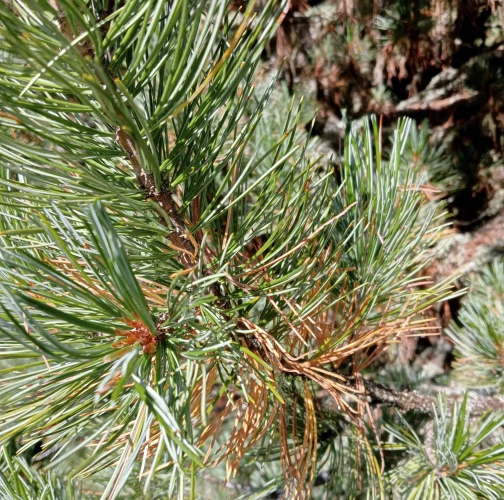
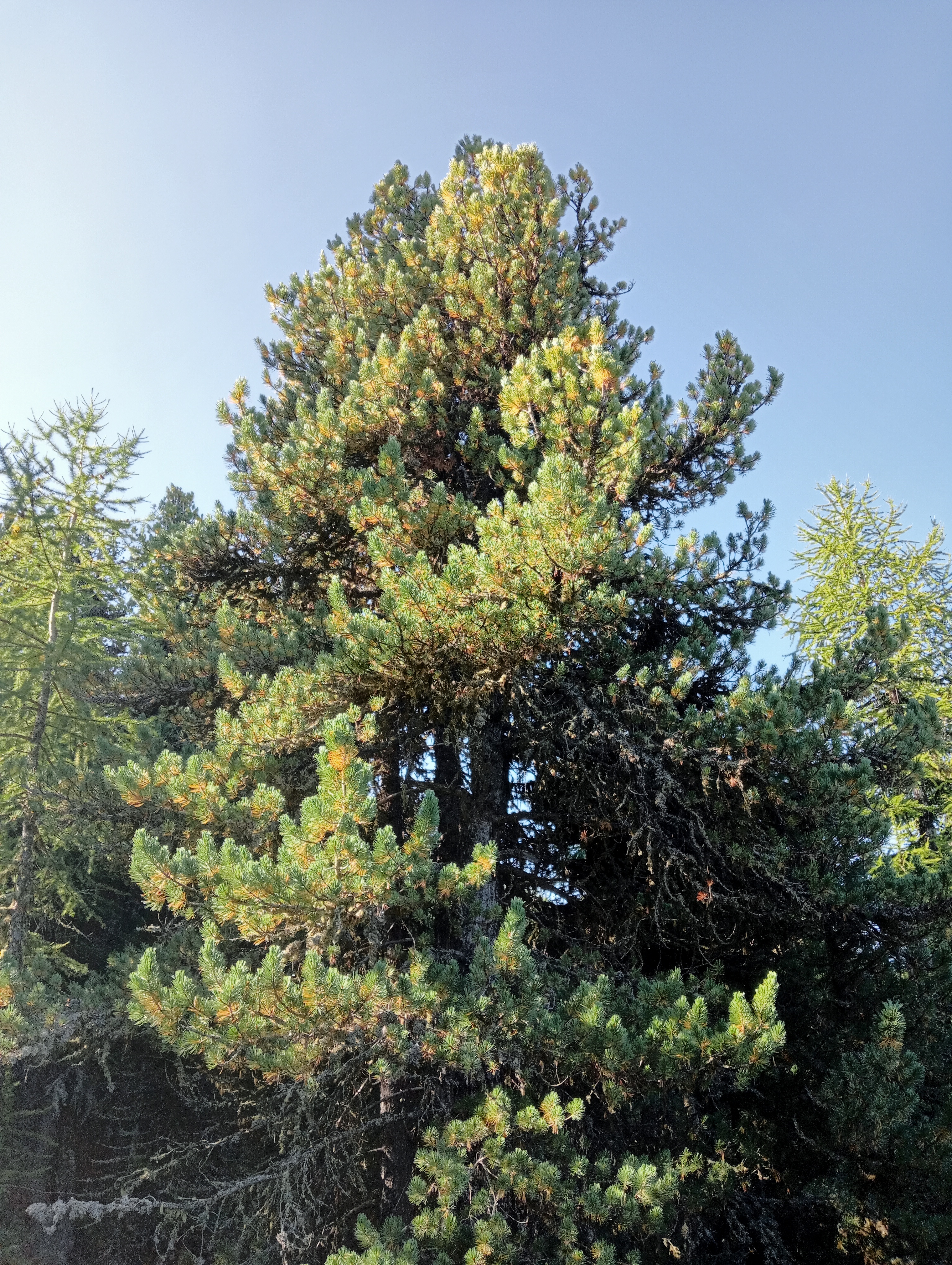
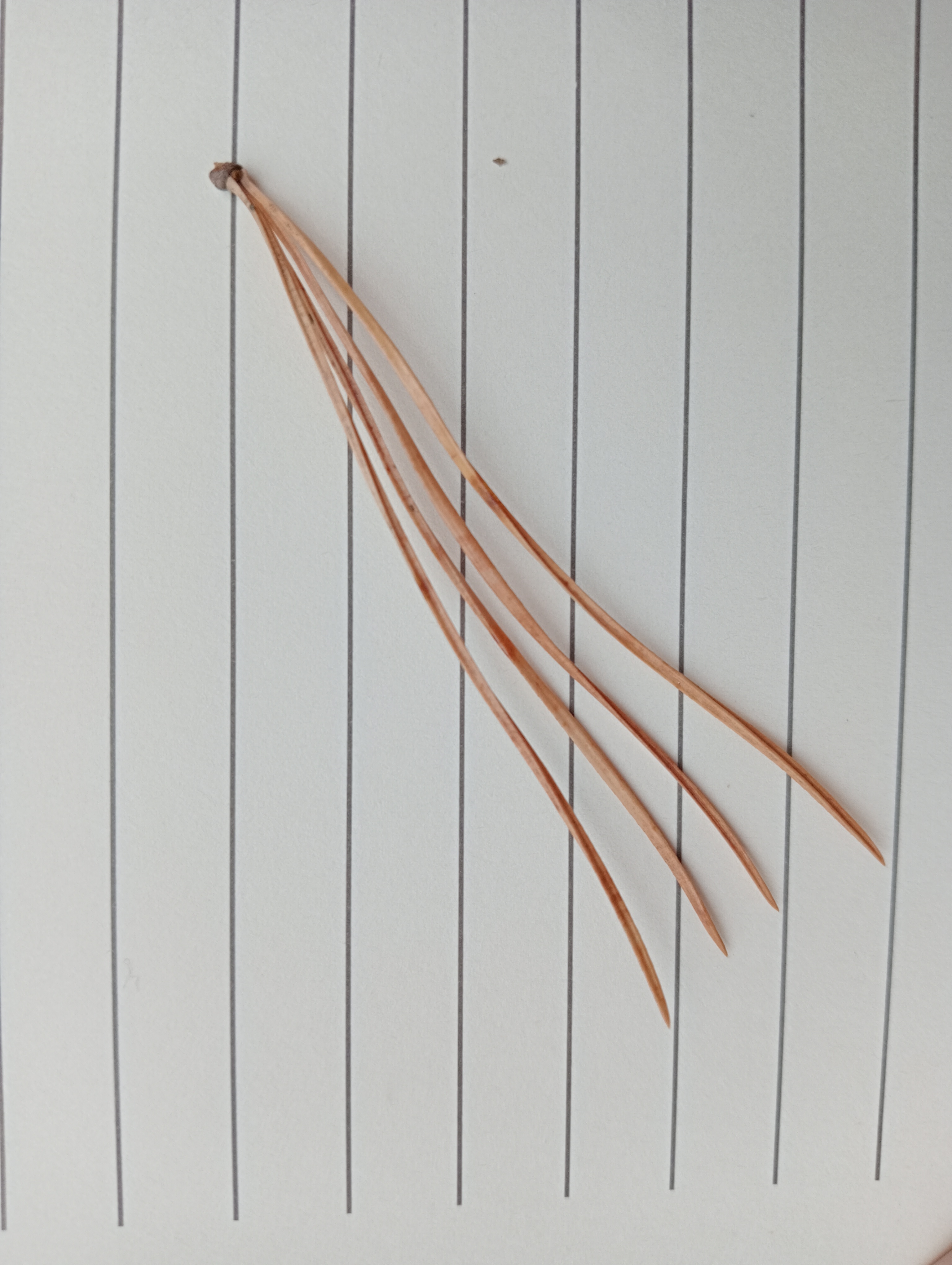
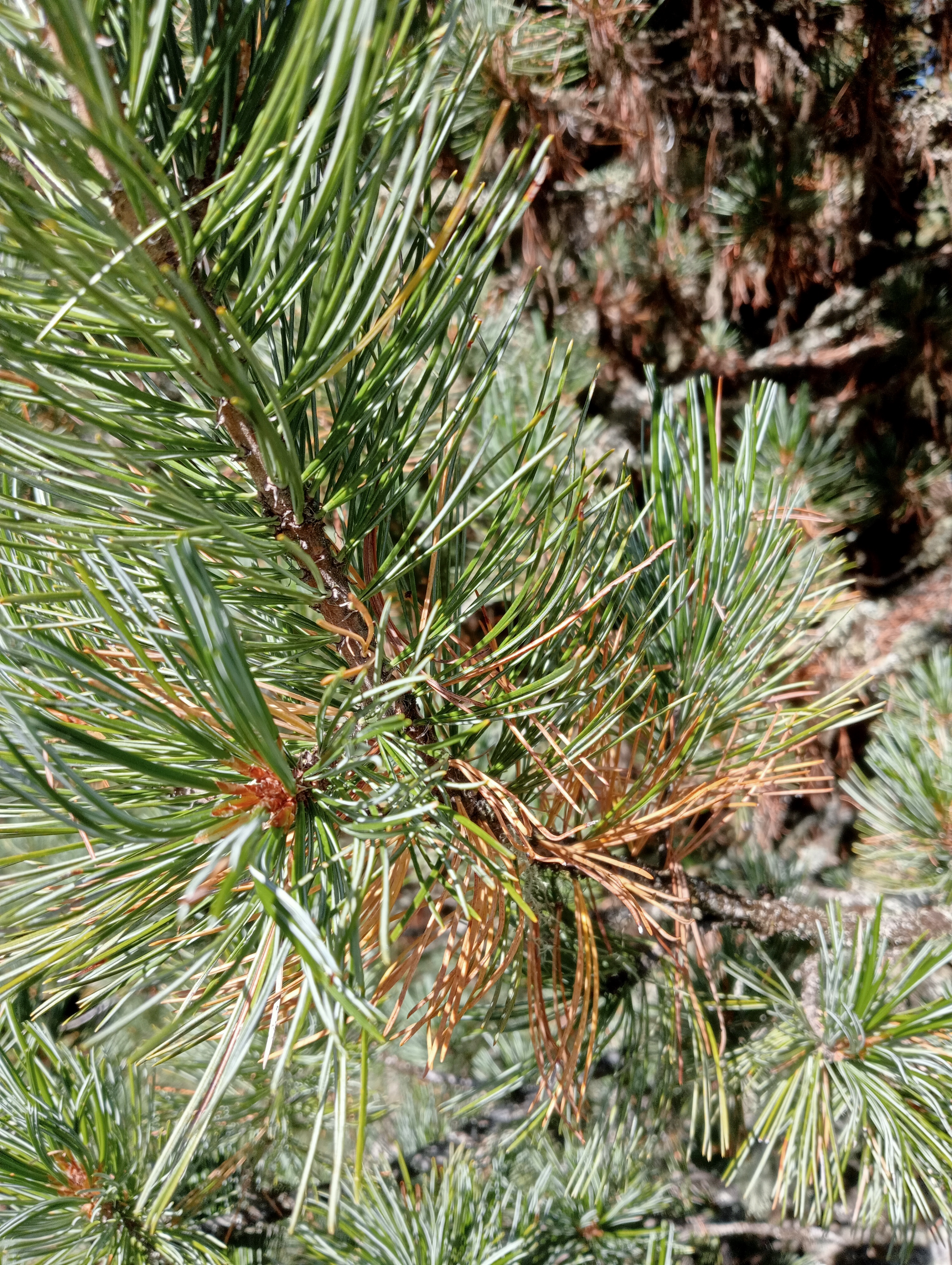
Dear Alessandra, Thank you for your inquiry. The tree in the picture appears to be a species of five-needle pine. Given the location, it may be Pinus cembra. Based on the photos provided, it is not entirely possible to determine the exact cause of the damage. The youngest needles appear to be mostly unaffected, while older needles are brown, which is a good sign. There are no visible symptoms of fungal pathogens on the needles, also a positive indicator. We assume this is likely a common response to unfavorable conditions, possibly due to recent weather patterns or summer conditions, combined with the natural shedding of older needles. Additionally, there appears to be an injury on the trunk with significant resin exudation, which could be contributing to the tree reduced vitality. However, this does not necessarily indicate a long-term decline, given the absence of pathogens, and the tree may still recover. With best regards M. Zubrik

Number of votes for this answer: 0

Pest

A - Ambiguously determined, we are not sure

A - Ambiguously determined, we are not sure

A - Ambiguously determined, we are not sure

A - Ambiguously determined, we are not sure

Received: 31.10.2024
Wood: Pine
Number: 5240
Date of occurrence: 1.10.2024
Discussion

Add comment: A - Ambiguously determined, we are not sure

Back to top