Here you can request to determine the cause of the damage. You can view the requests of other users and sort them according to the selected criteria. In addition, you can get information about your request, and you can follow the progress of its current state. If your application was not approved, it had probably been because it was impossible to identify the damage based on the sent photos or because the application does not address our topic - determining the pests of trees and shrubs. We will inform you about the status of your application by email.
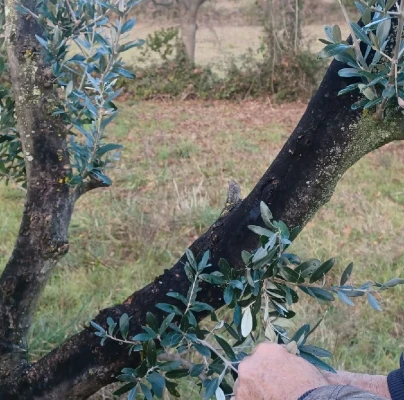
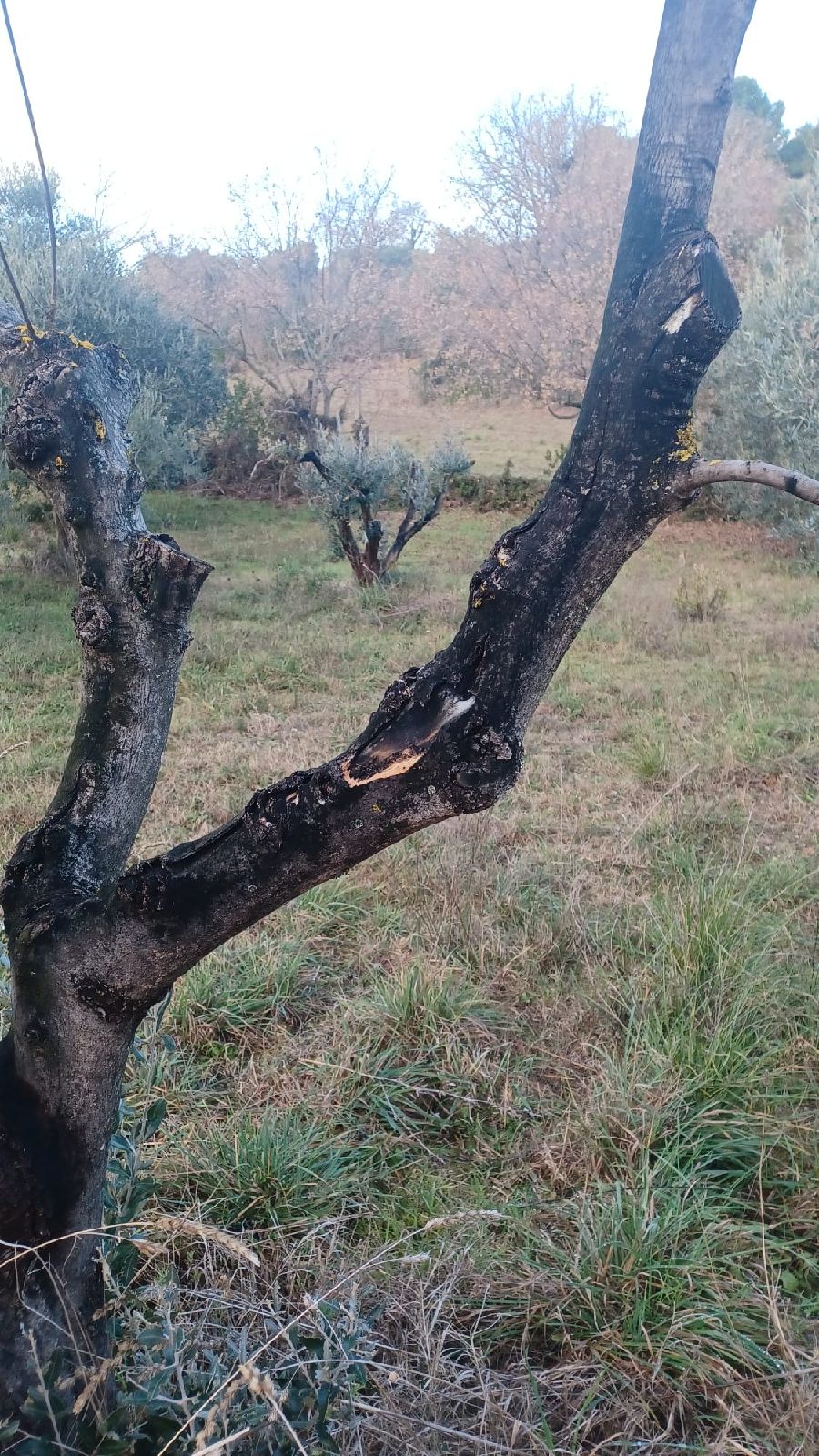
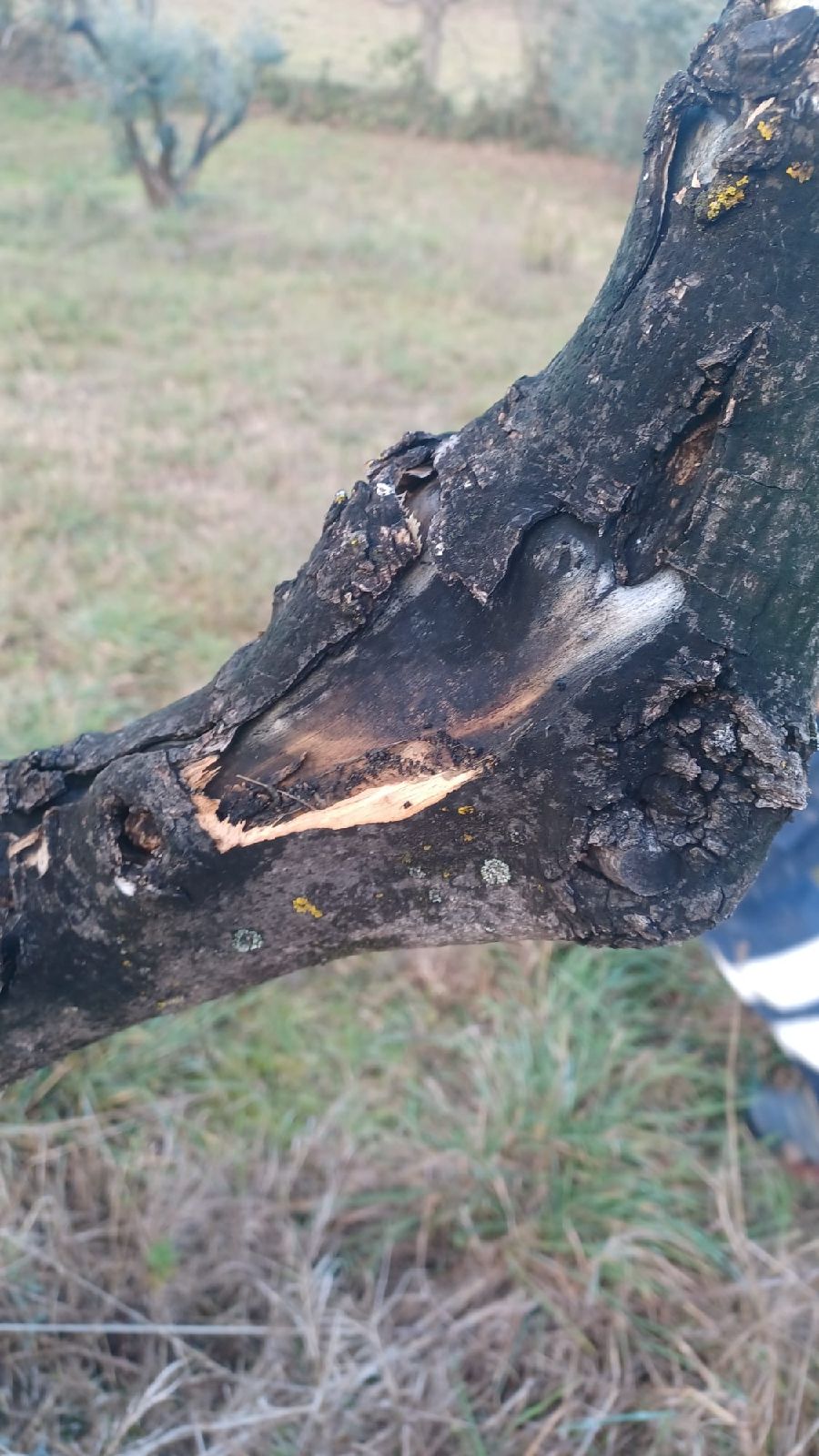
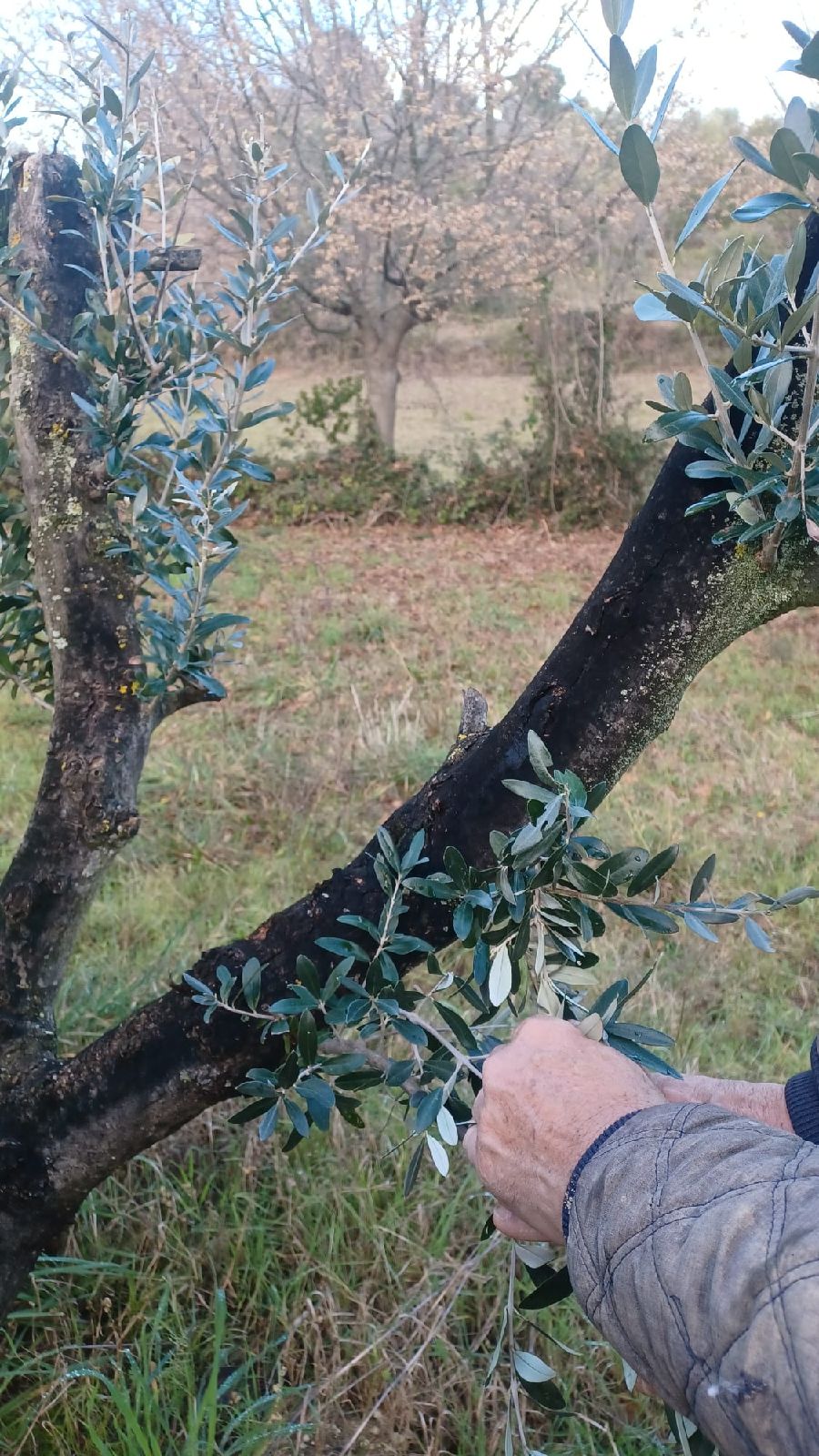
Hi there, it is a kind of older canker. There are many agents that can be involved in it: fungi Biscogniauxia sp., bacteria like Pseudomonas, etc. It looks serious but not easy to determine just by pictures.
Andrej Kunca
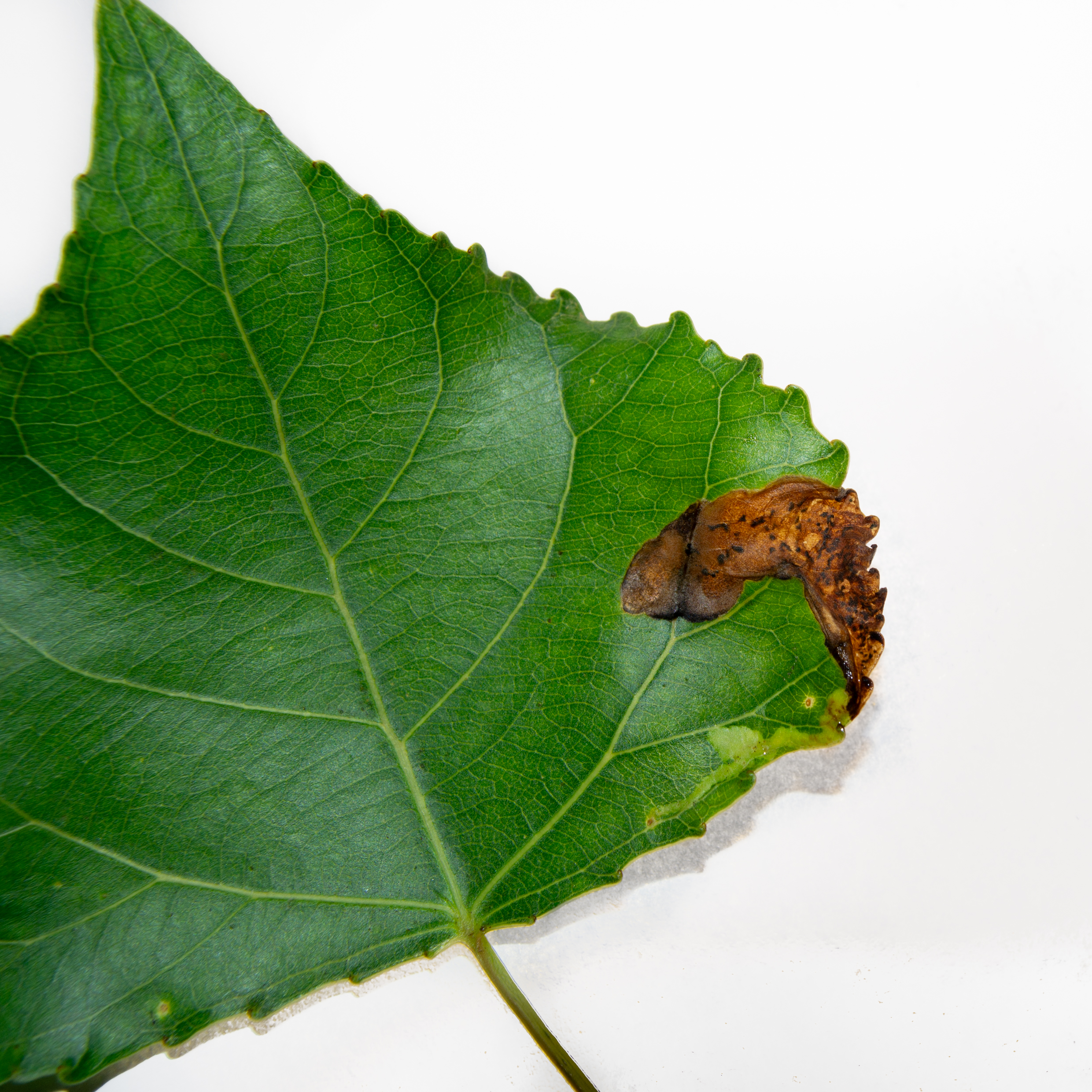
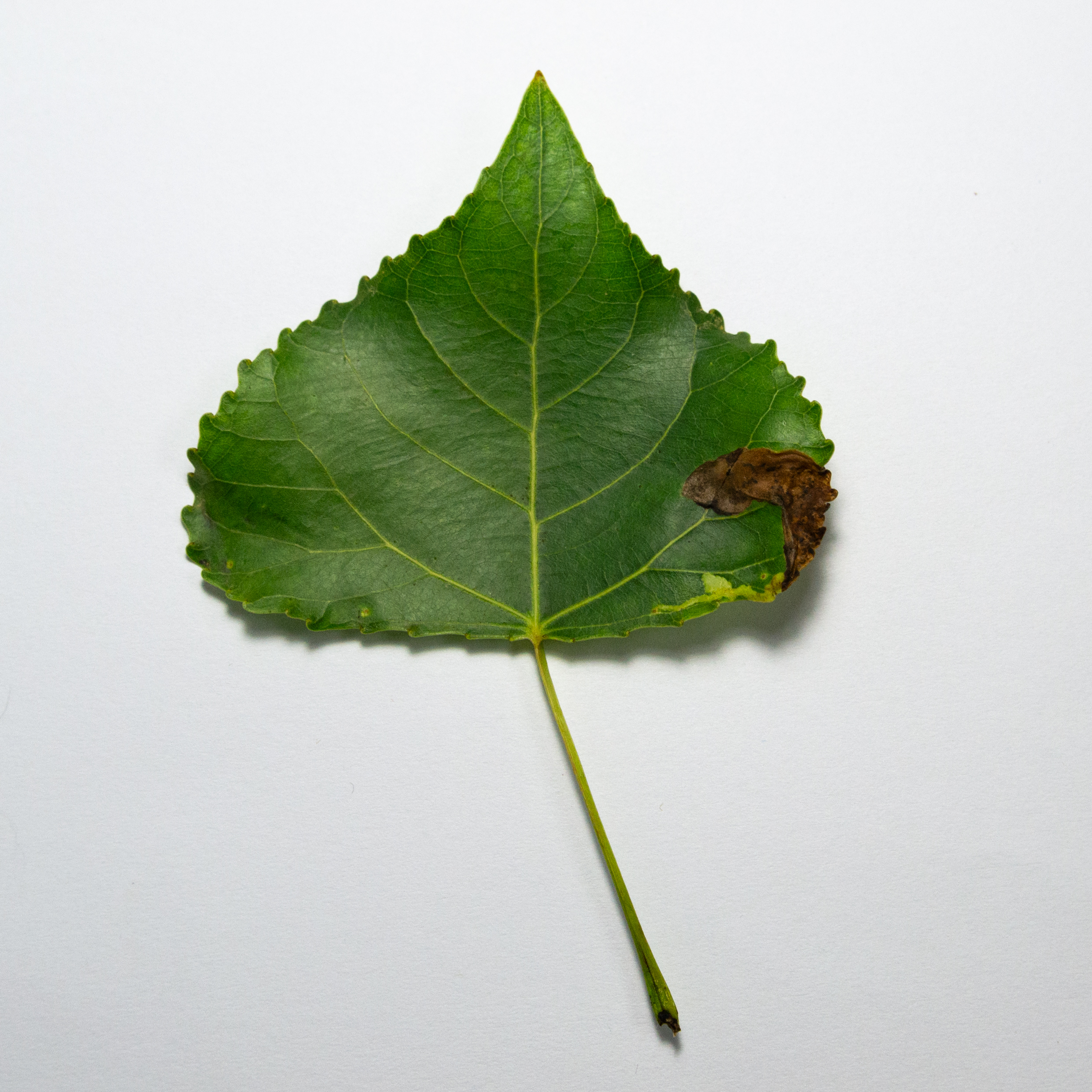
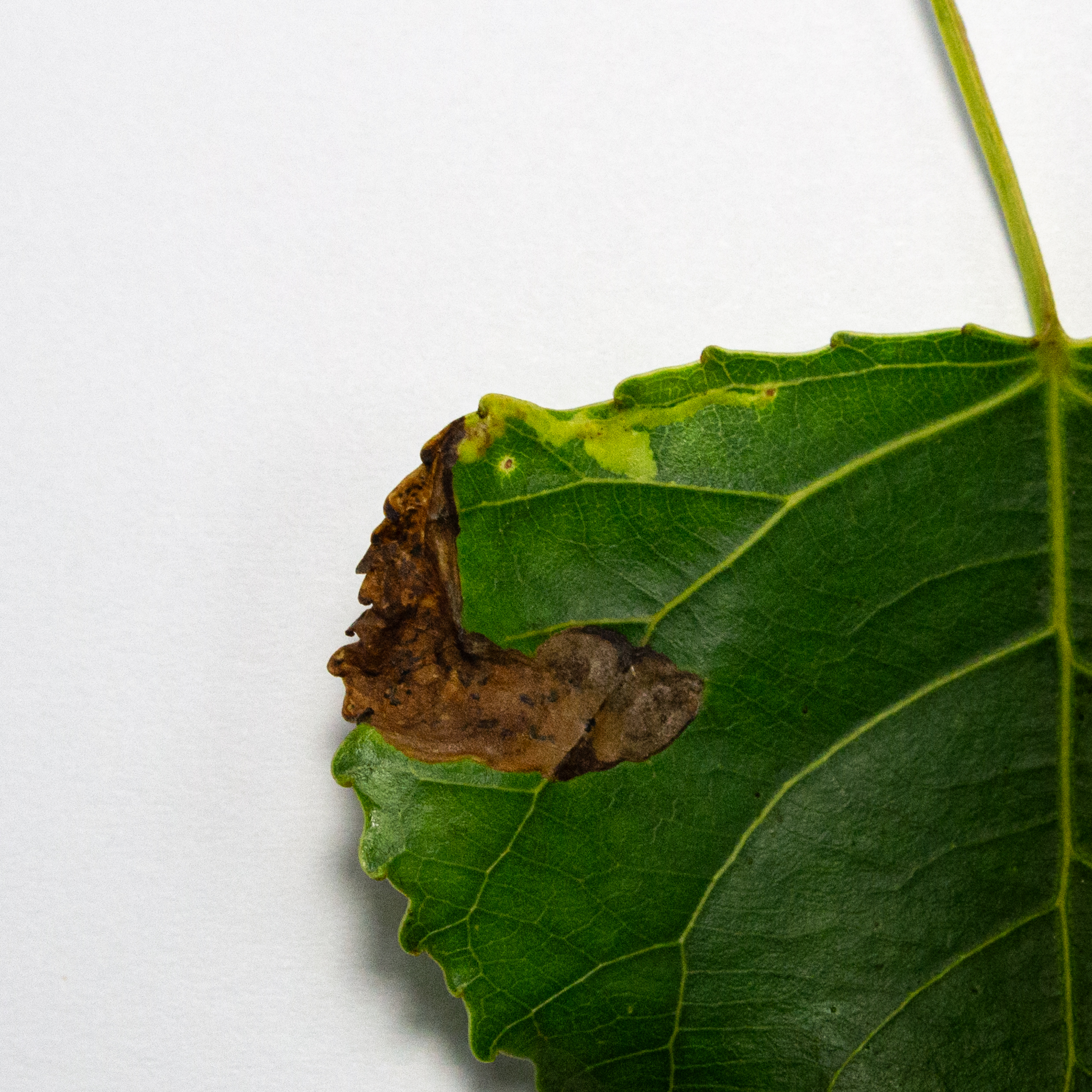
I often see this type of leaf mine on black poplar (Populus nigra), but also on Populus nigra cv. Italica. I noticed it a few weeks ago, but all the leaf mines are already empty. Sometimes I only find the initial short, light green gallery, while the blotch part has already has detached (e.g. here: https://www.inaturalist.org/observations/311079069). In the attached photo you can still see the whole leaf mine (both parts). Do you think *Japanagromyza salicifolii* is the culprit? I’m uncertain, since I couldn’t find any records of this species from Central Europe.
Answer
Dear Sajti, thank you for your very interesting question. Under the bark of young poplar shoots there is a mine – the tissue has been eaten by the larva of a small moth. Several species can behave in a similar way, but in your case it is most likely the species Phyllocnistis extrematrix. Wishing you a nice day, best regards, M. Zúbrik
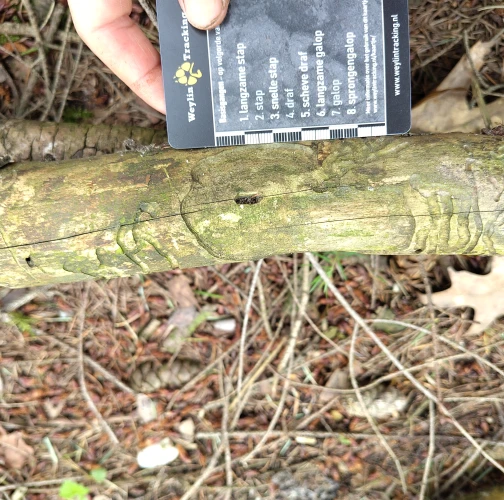
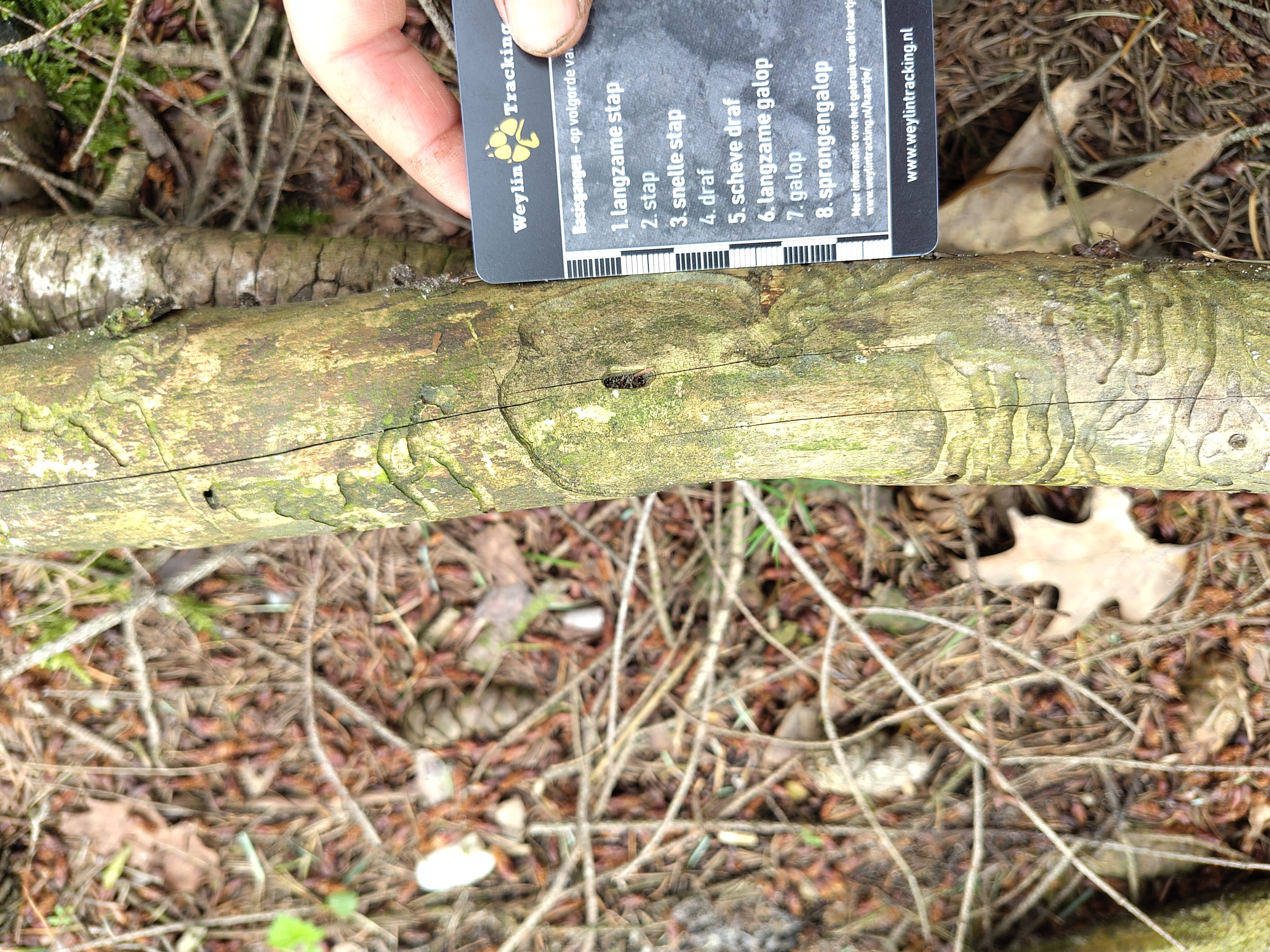
I think it is callidium aeneum.
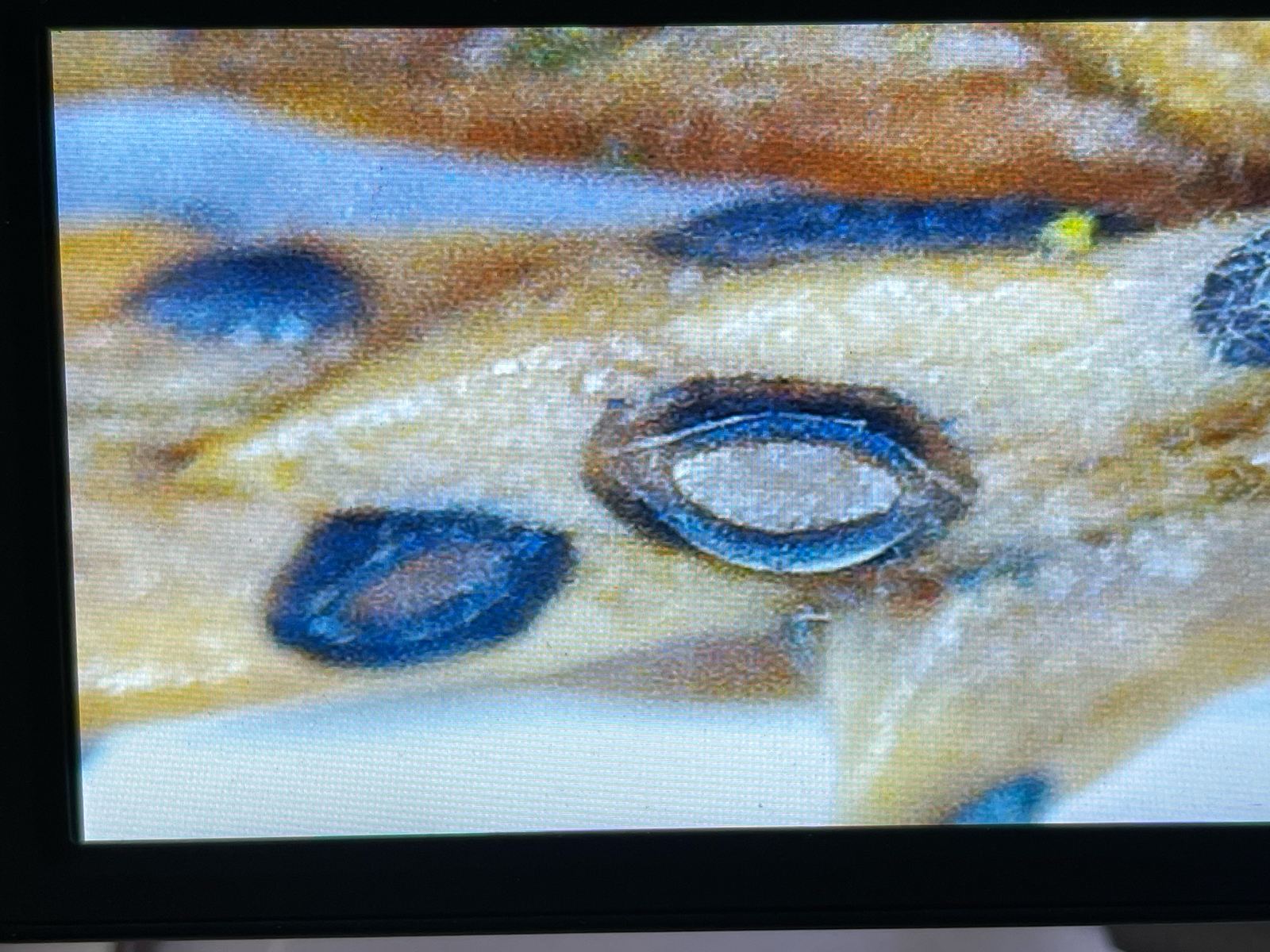
A short larva tunnel goes to a excavated large round with sharp edges. Clearly sunken into the wood. In the middle is a hole about 1 cm wide. Occurances found on pine and Norway spruce. Often together with callidium violaceum. Found very often, but less often then c. Violaceum.
On wristsize branches (4-10 cm thickness or so)
Answer
Hello. Yes, the gallery looks like the gallery system of Callidium aeneum. This species is so far not in our database. Best regards JG