




 Show all photos in album
Insert for comparison
We will identify your pest
Add pictures of this species
Show all photos in album
Insert for comparison
We will identify your pest
Add pictures of this species
Stephanitis pyrioides
Azalea lace bug
Description
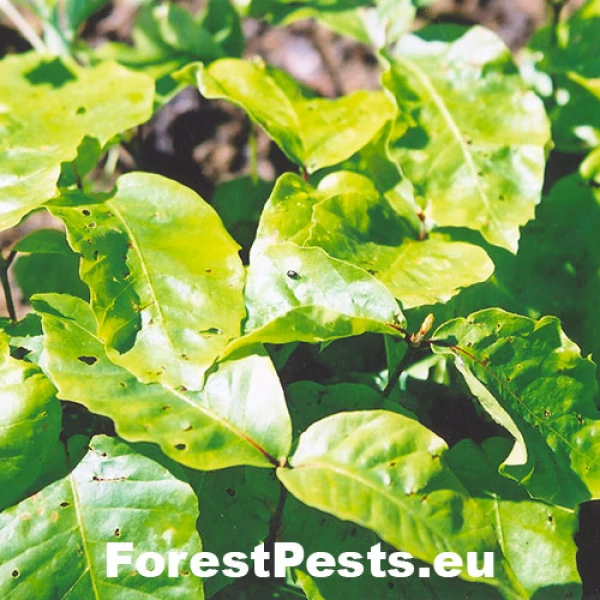
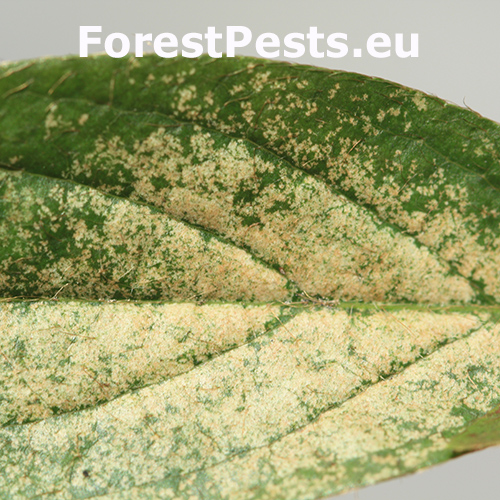
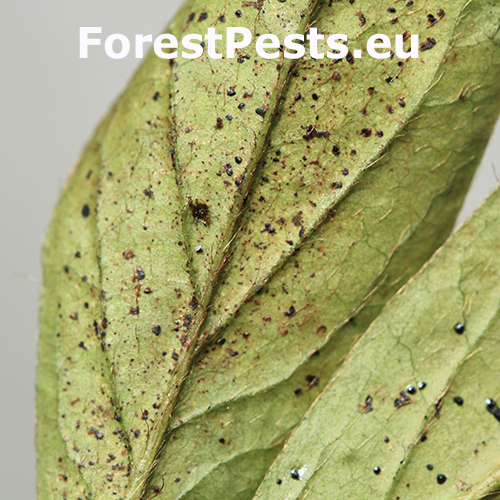
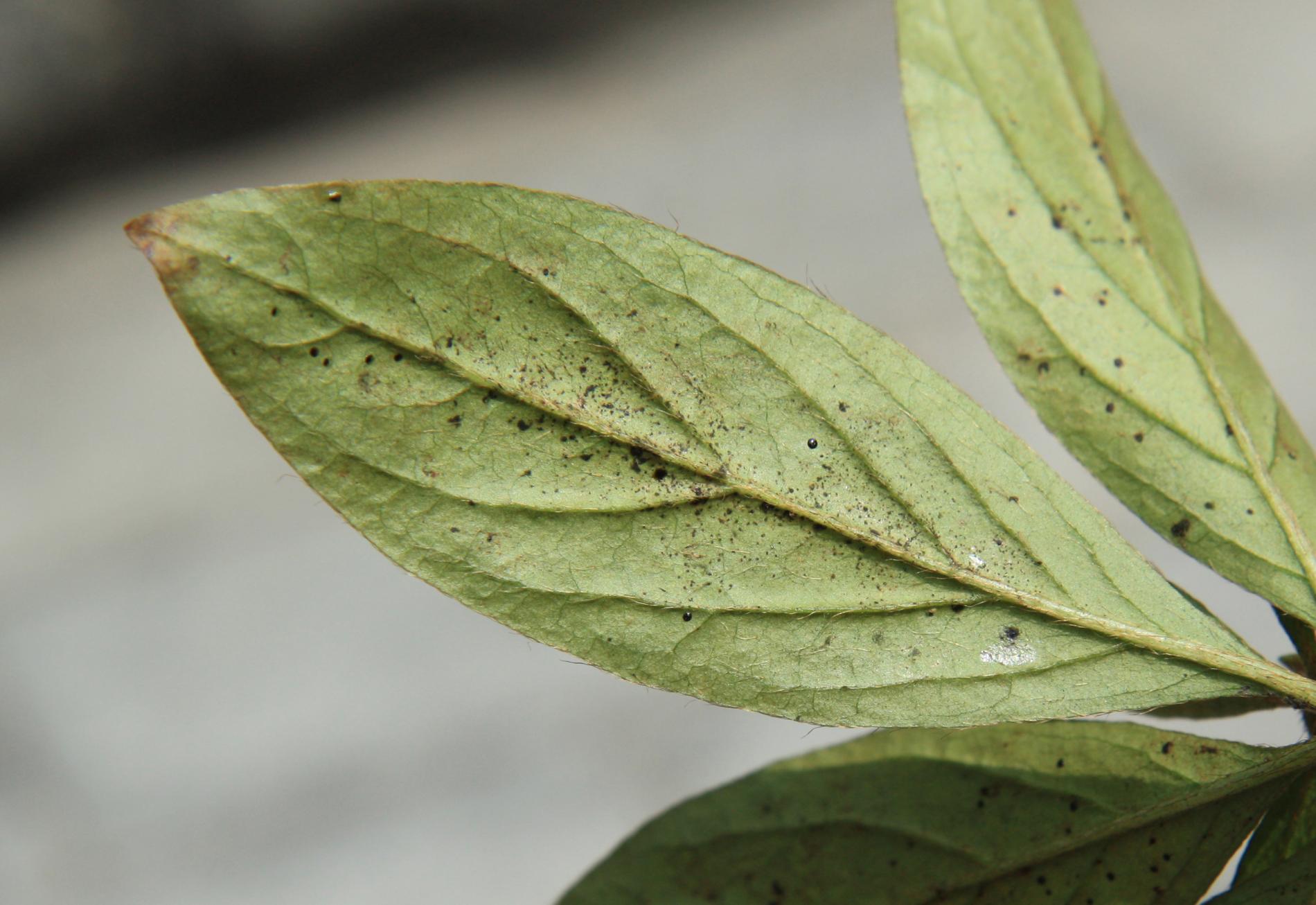
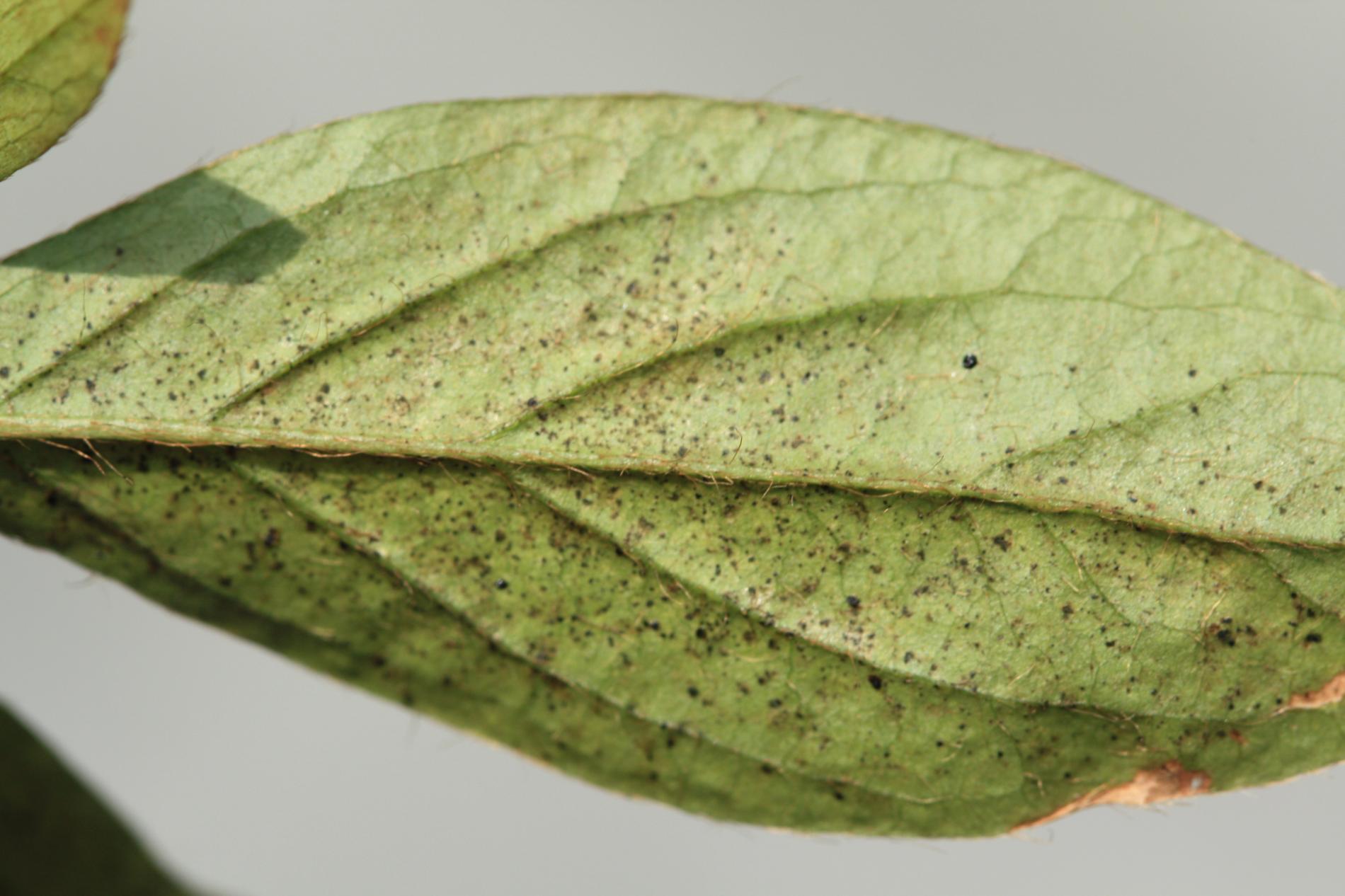
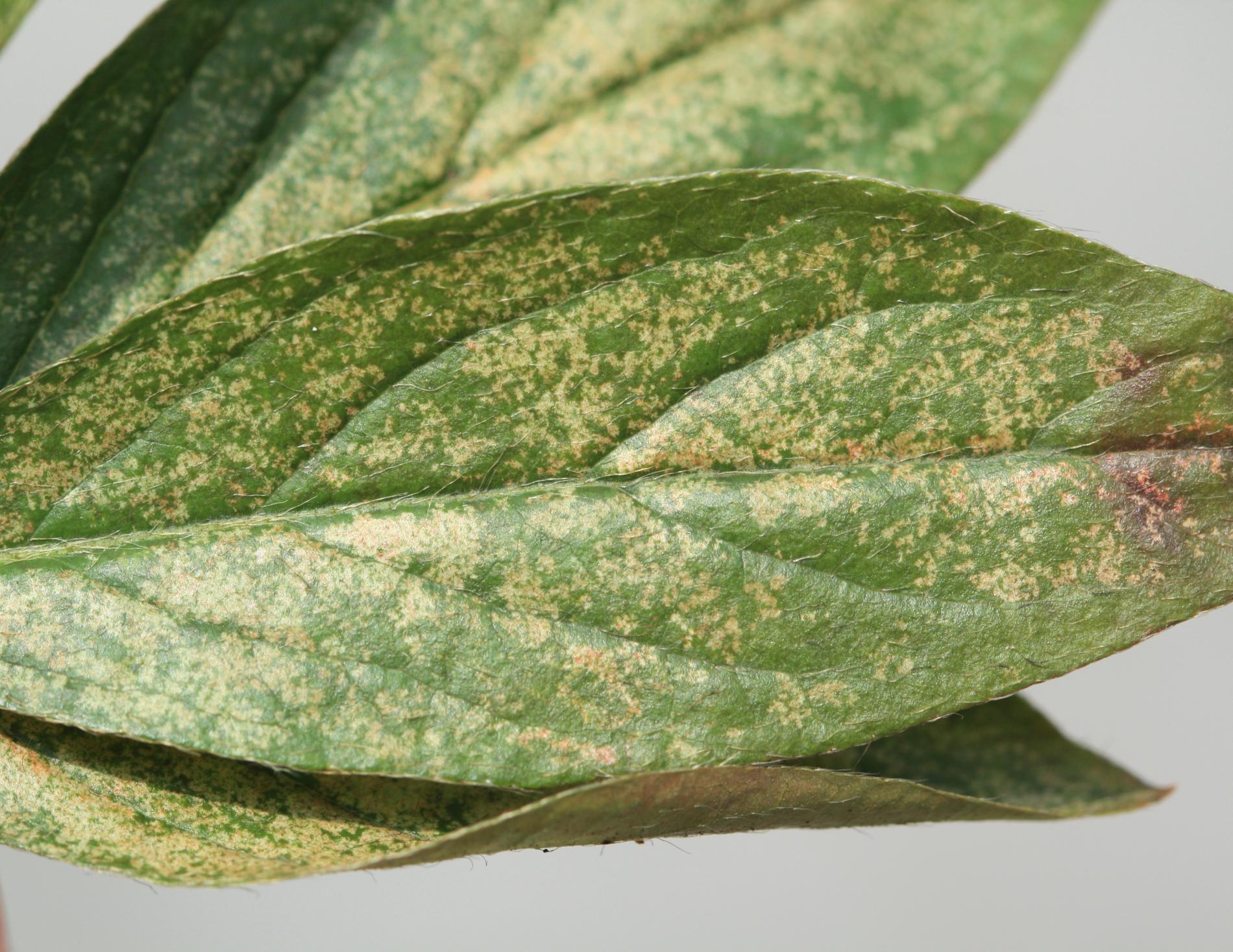
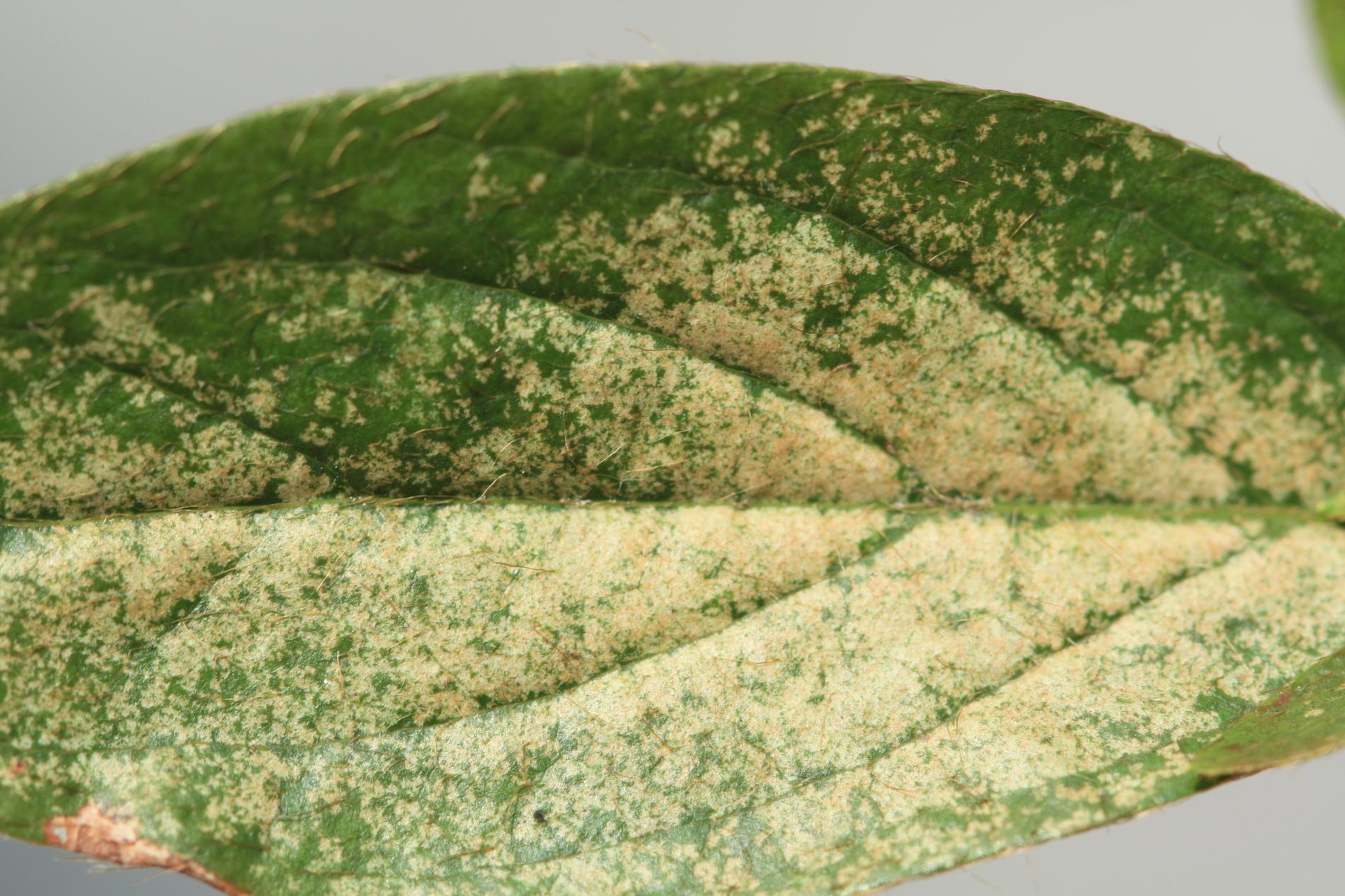
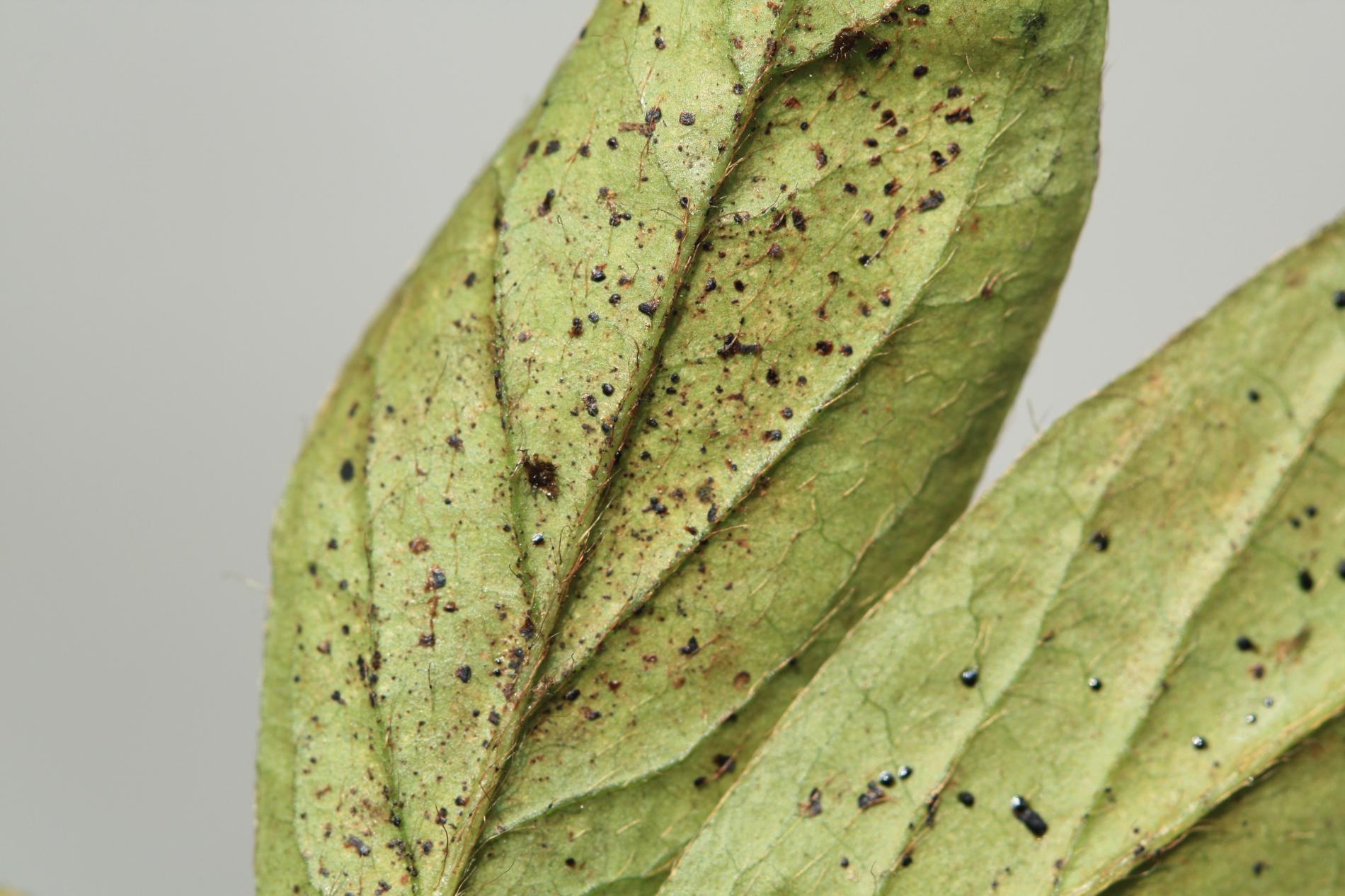
The Azalea lace bug, known as Stephanitis pyrioides, is a pest that affects azalea plants. These small insects, typically about 3 to 4 millimeters long, have a distinctive lacy pattern on their wings, which gives them their name. Azalea lace bugs primarily feed on the undersides of azalea leaves. They use their piercing-sucking mouthparts to extract sap from the foliage, resulting in characteristic damage symptoms. The upper surface of infested leaves develops a stippled or speckled appearance, often turning yellow or bronze. As the infestation progresses, the leaves may become distorted, shriveled, and eventually drop prematurely. The damage caused by Azalea lace bugs can weaken the affected azalea plants, affecting their overall health and appearance. Severe infestations can lead to defoliation and reduced flowering, impacting the aesthetic value of azalea shrubs and compromising their ability to photosynthesize and produce energy. Stephanitis pyrioides is native to eastern Asia, specifically China, Japan, and Korea. It was introduced to Europe and has been reported as an invasive species in various parts of Europe.
Symptom
The upper surface of infested leaves develops a stippled or speckled appearance, often turning yellow or bronze. As the infestation progresses, the leaves may become distorted, shriveled, and eventually drop prematurely.
Tree Species: Azalea
Part of a plant- attacked: Leaf / Needle
Pest significance: Very harmful
Pest Category: Insects
Invasive Species: Yes
Present in EU: Yes
Add comment: Stephanitis pyrioides
Location map: Stephanitis pyrioides
Legend:

Expert verified points

Unverified points
Observed by users on these tree species
Similar damage
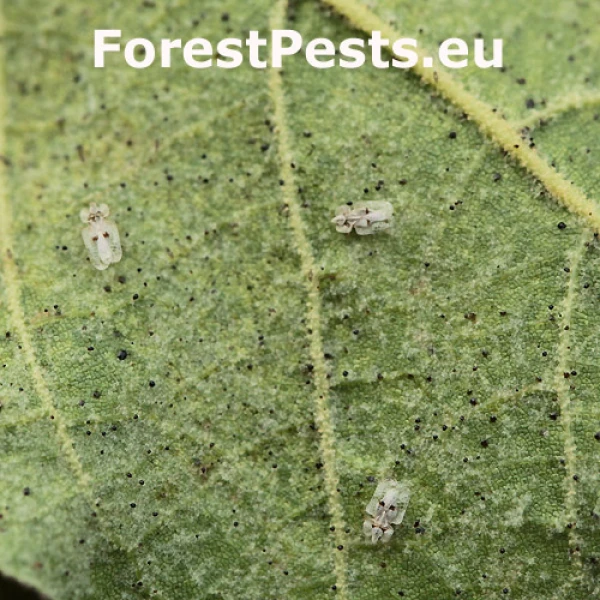
Sycamore lace bug
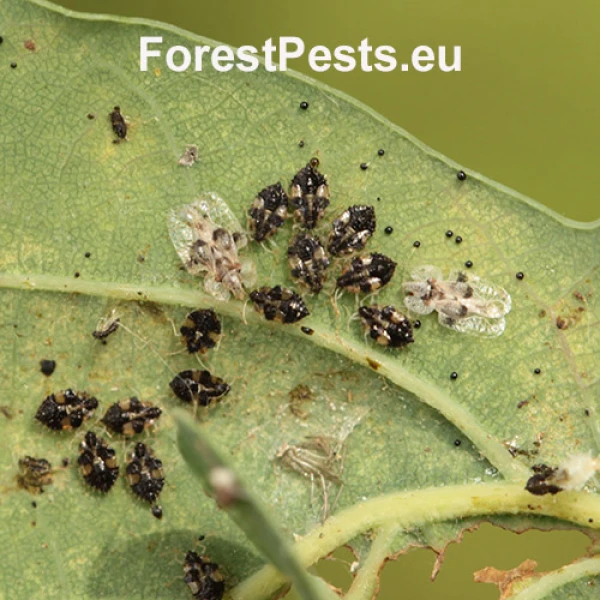
Oak lace bug
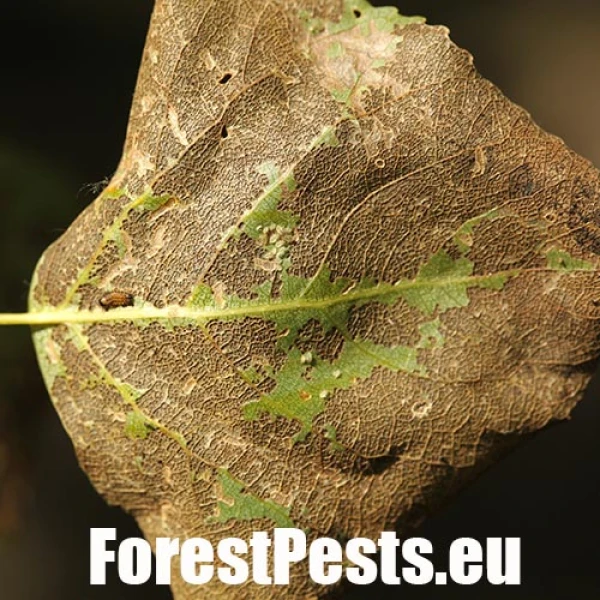
Leaf beetle Phyllodecta vitellinae