


 Show all photos in album
Insert for comparison
We will identify your pest
Add pictures of this species
Show all photos in album
Insert for comparison
We will identify your pest
Add pictures of this species
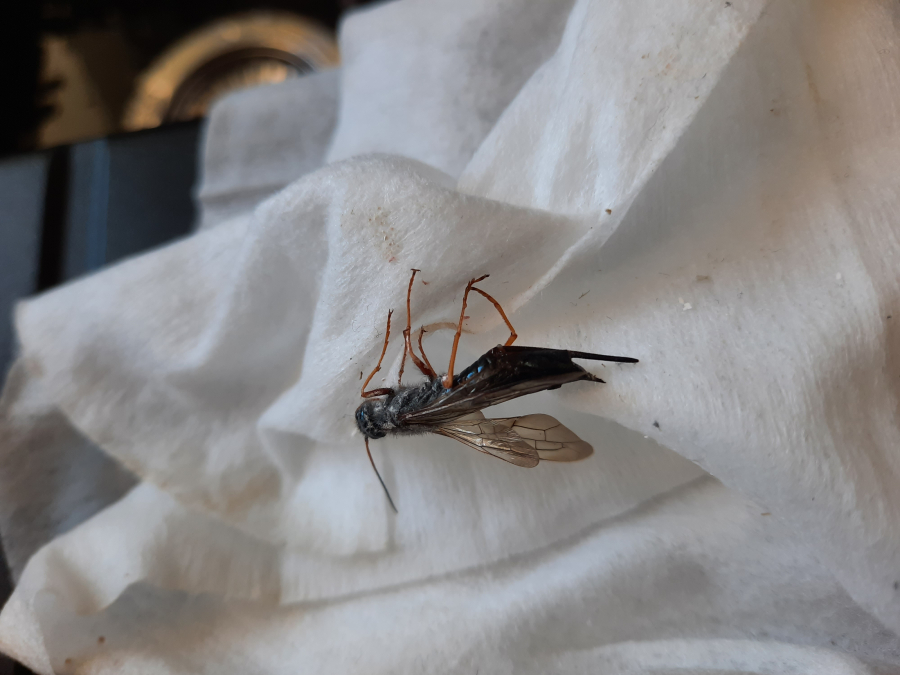
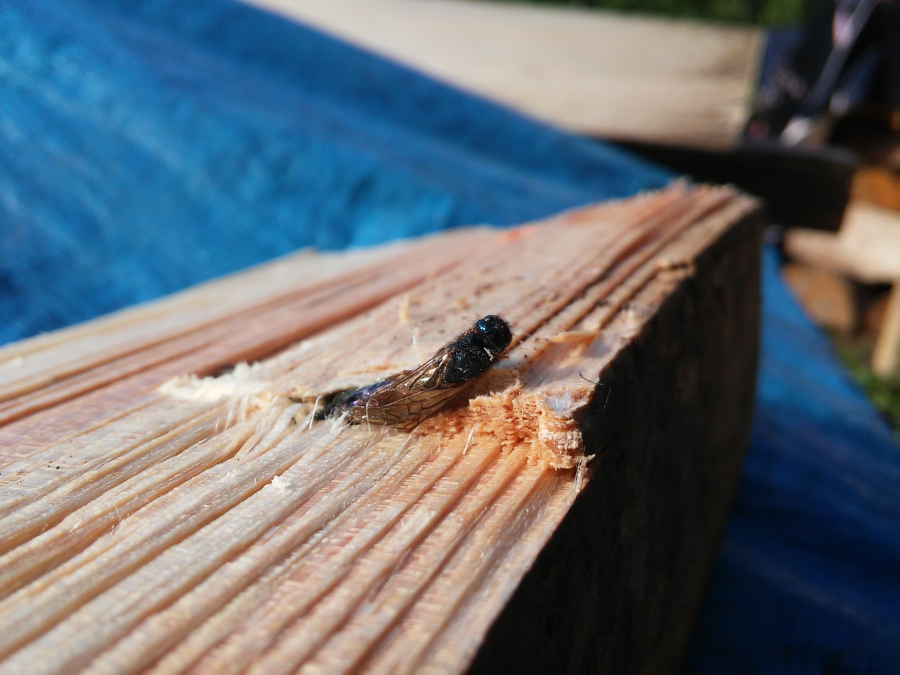
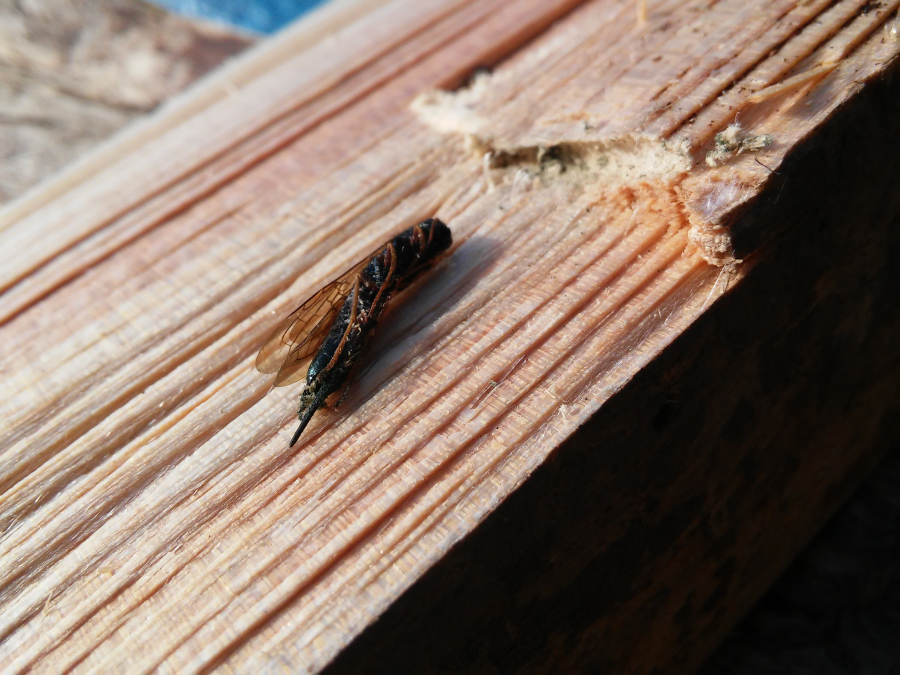
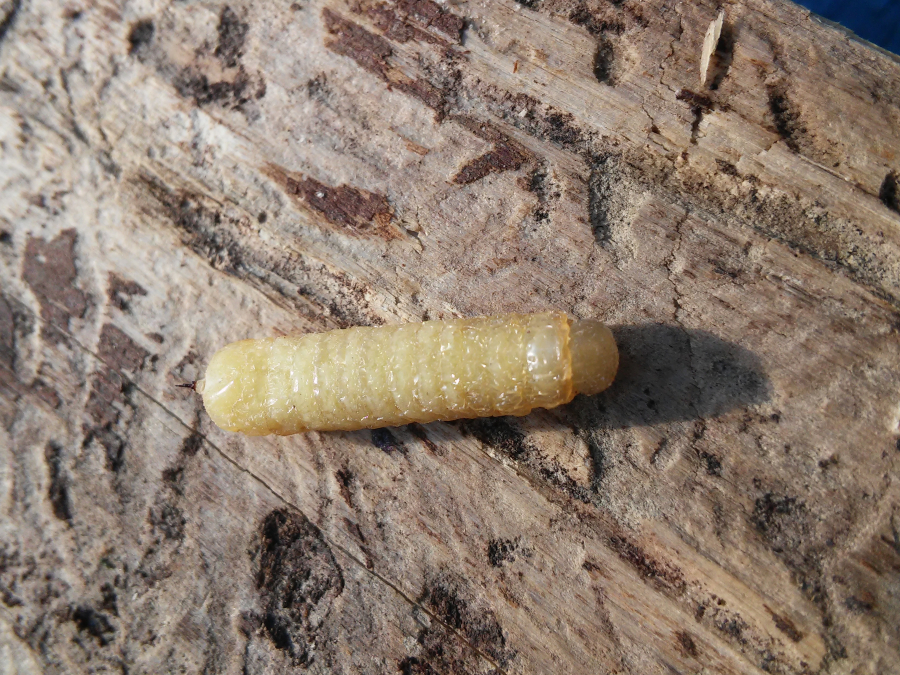
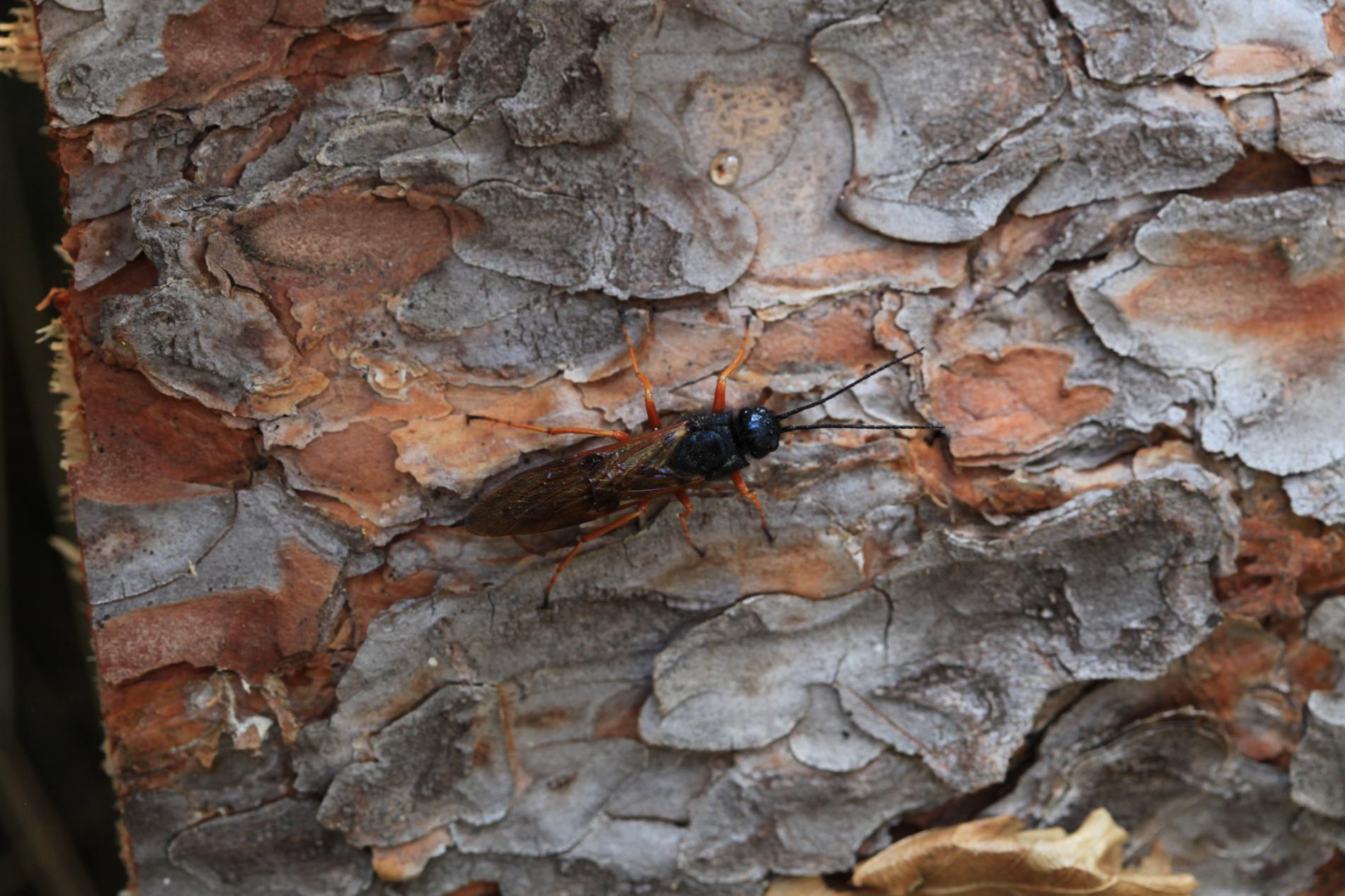
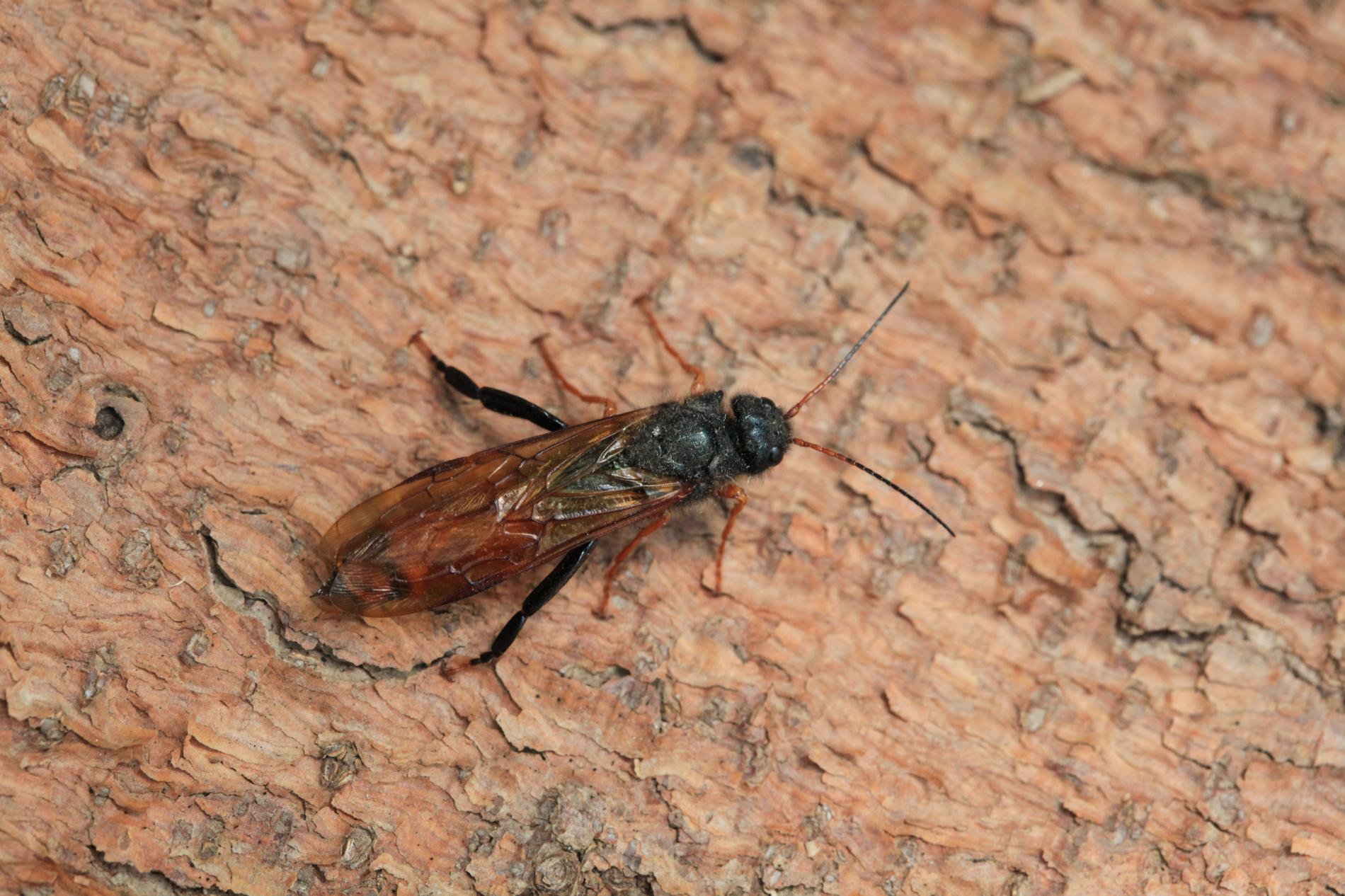
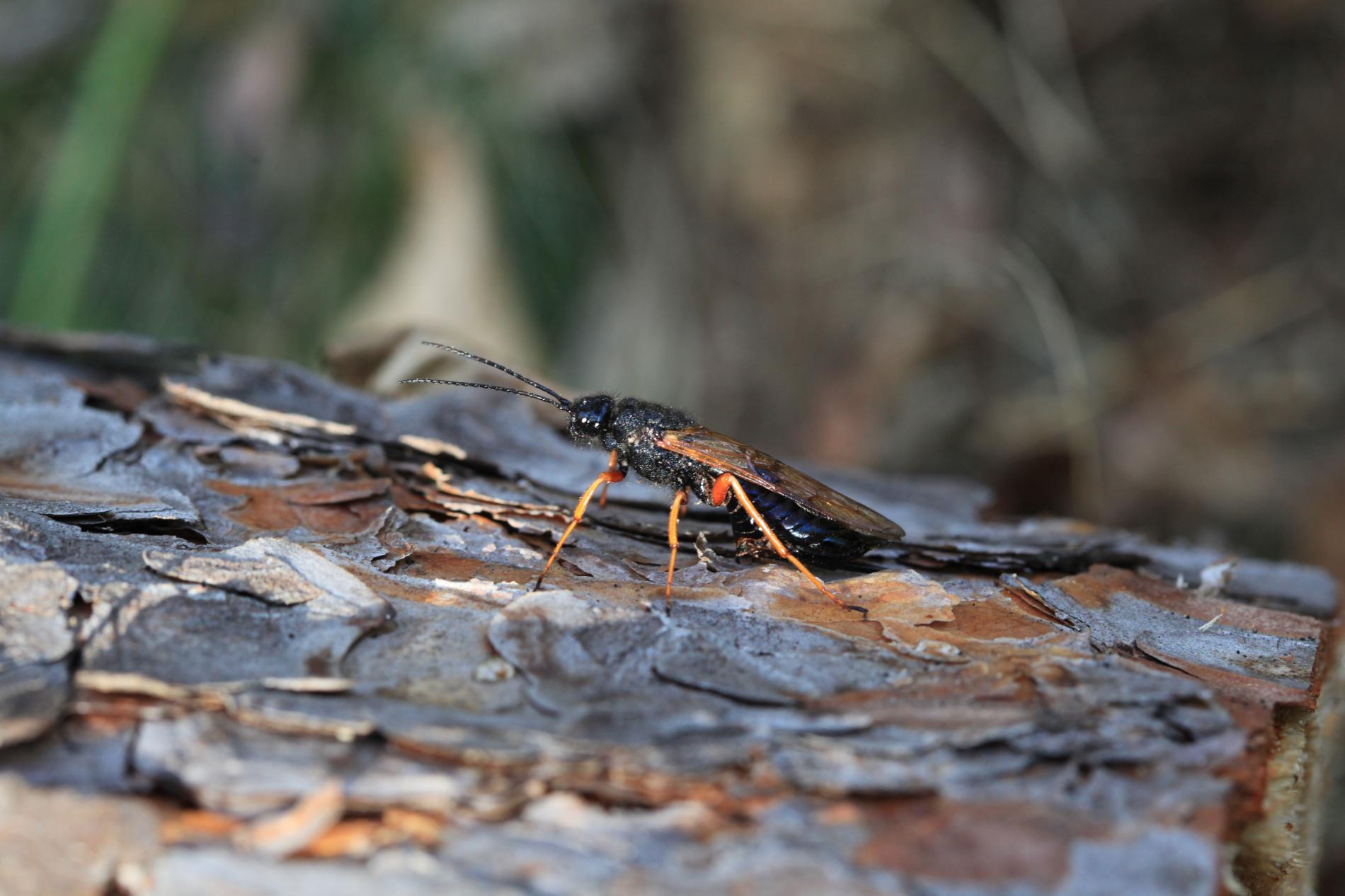
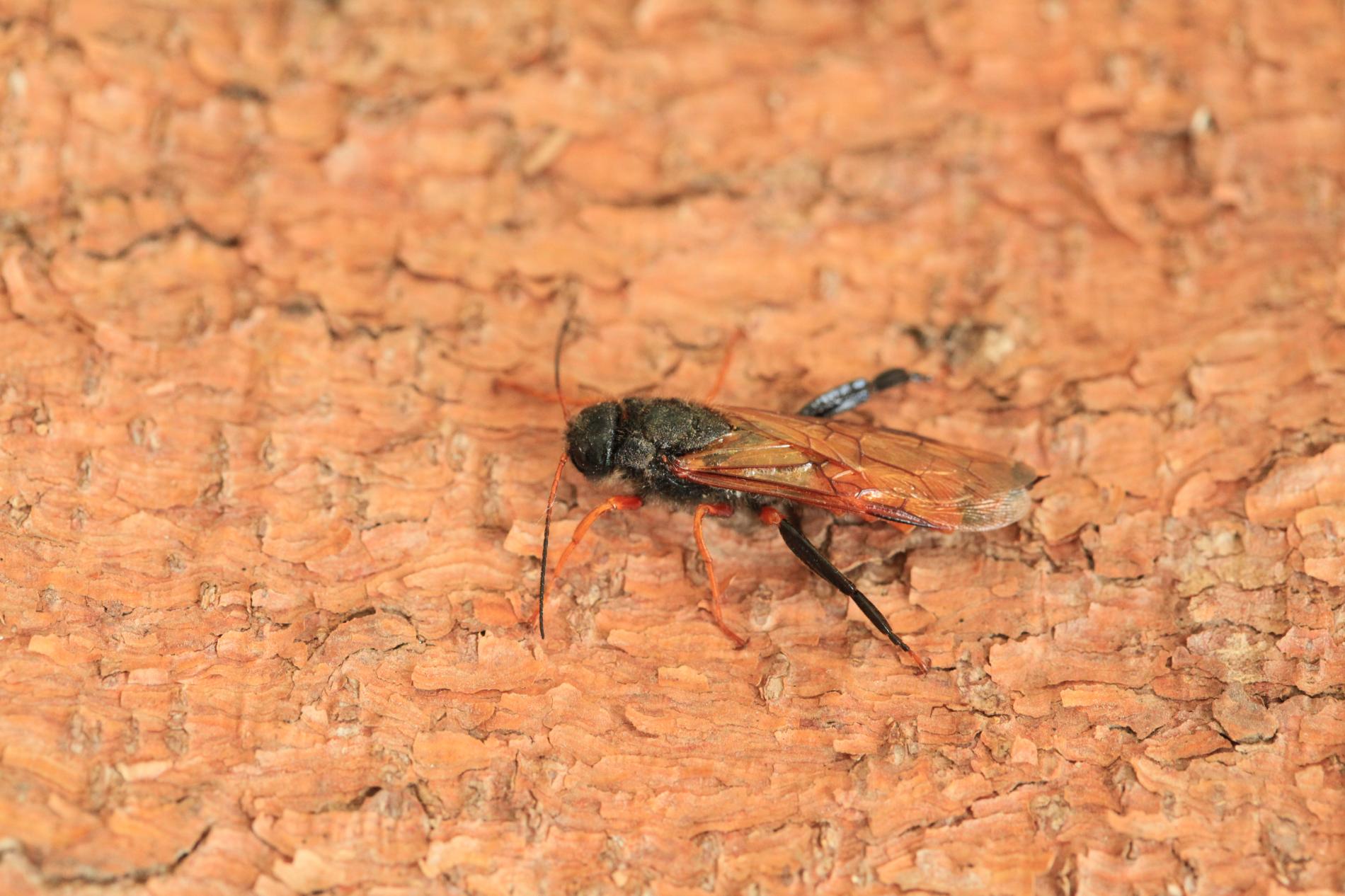
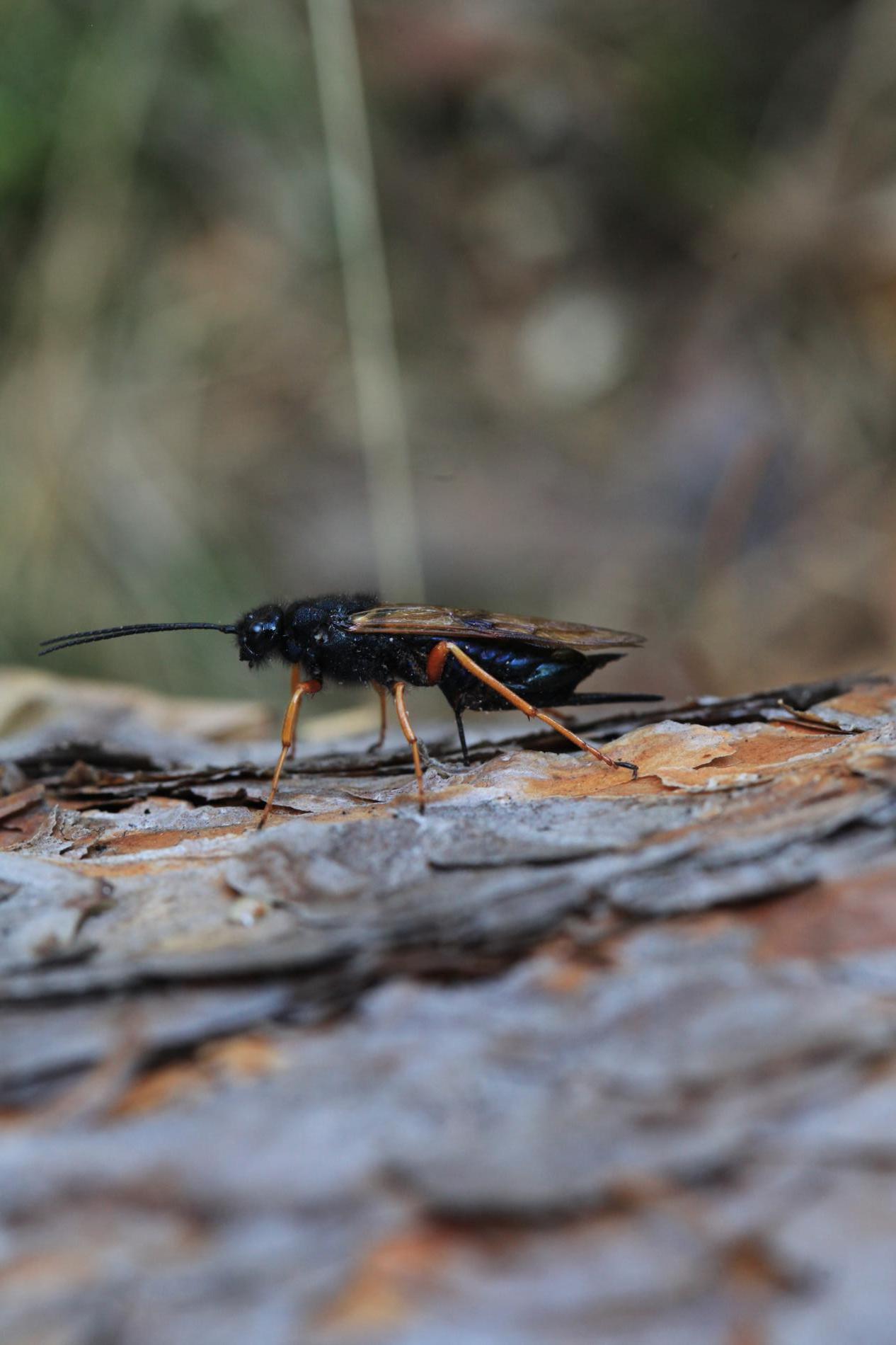
Sirex noctilio
Sirex woodwasp
Description
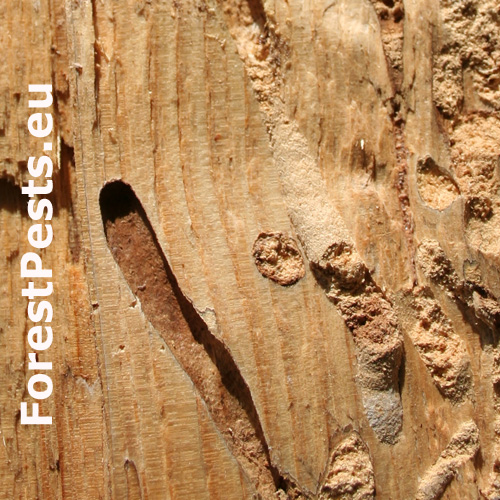
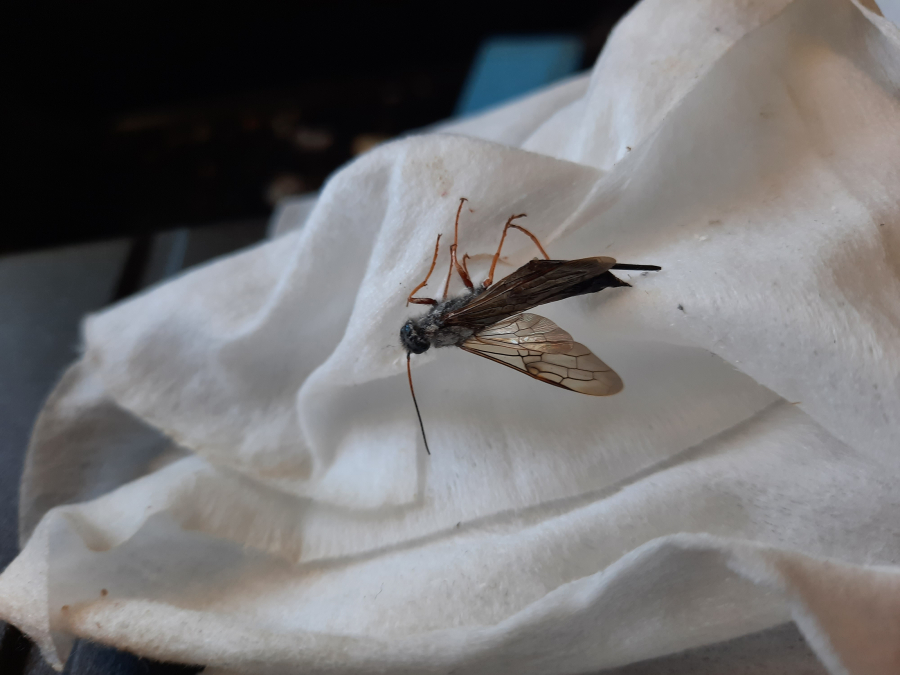
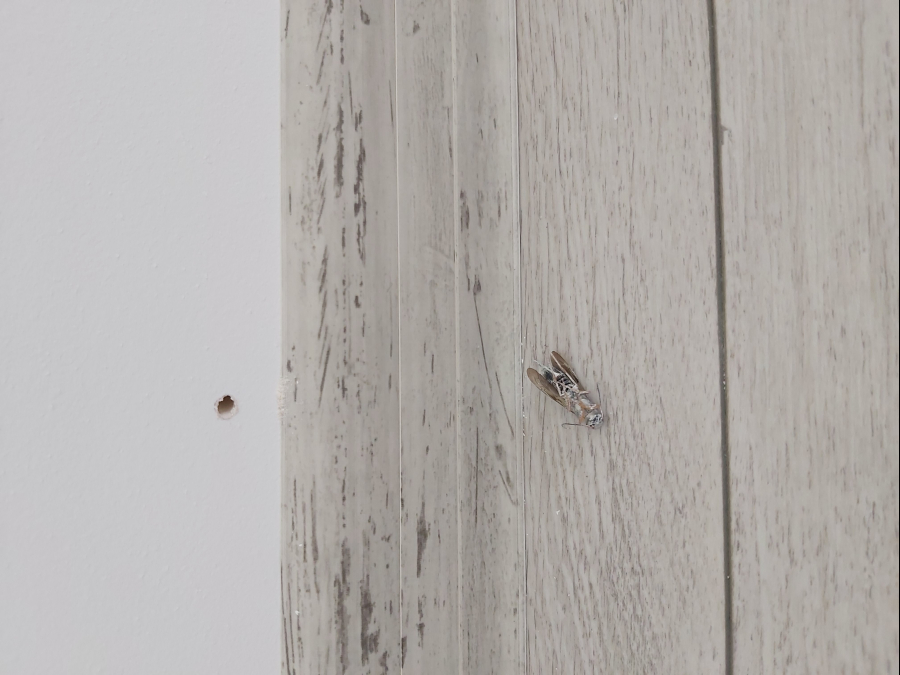
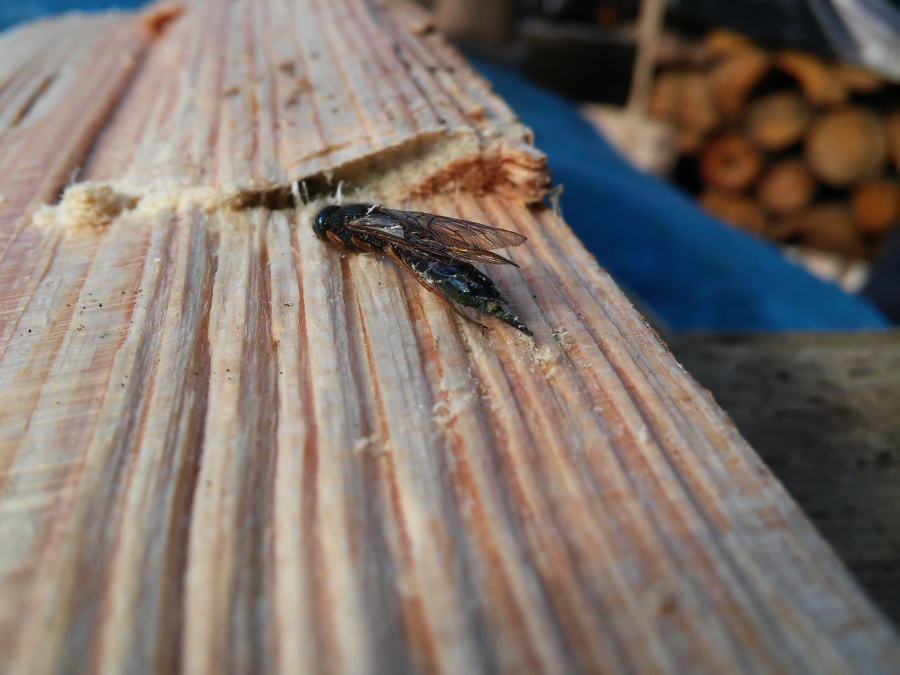
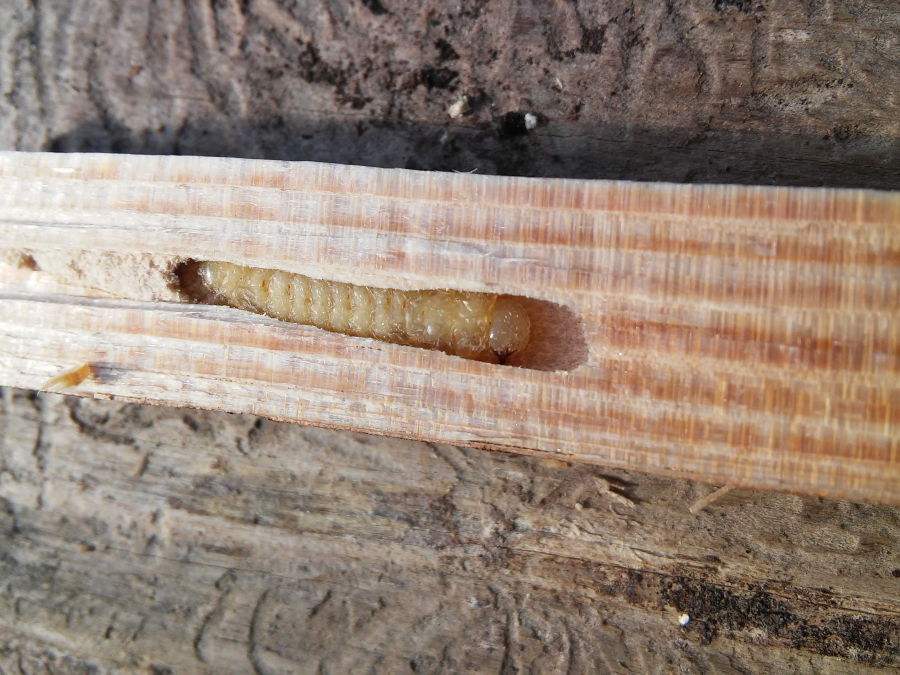
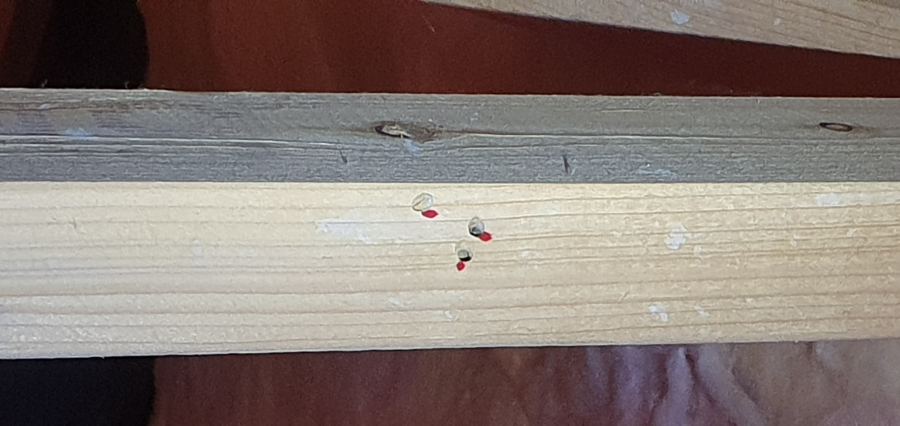
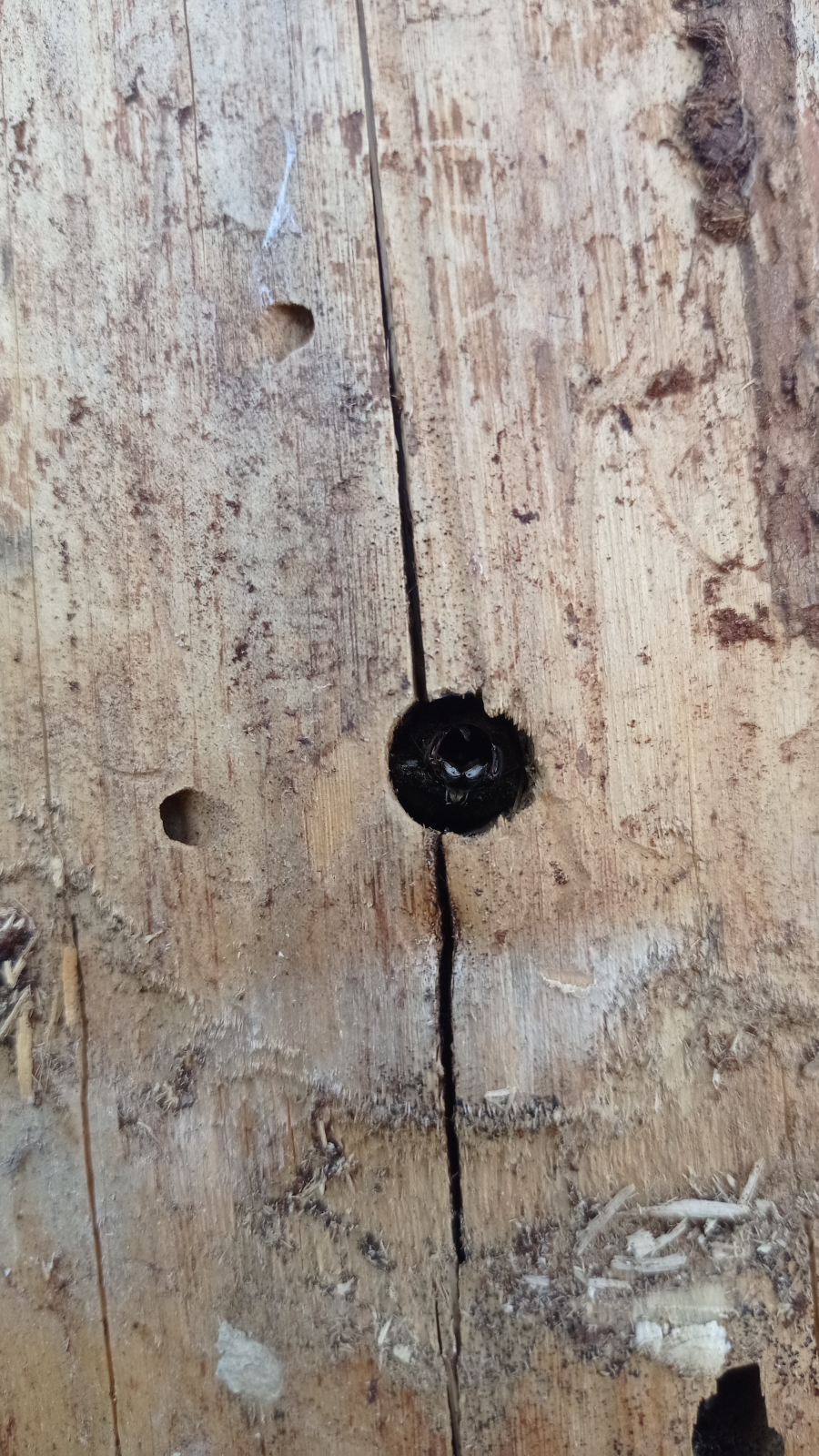
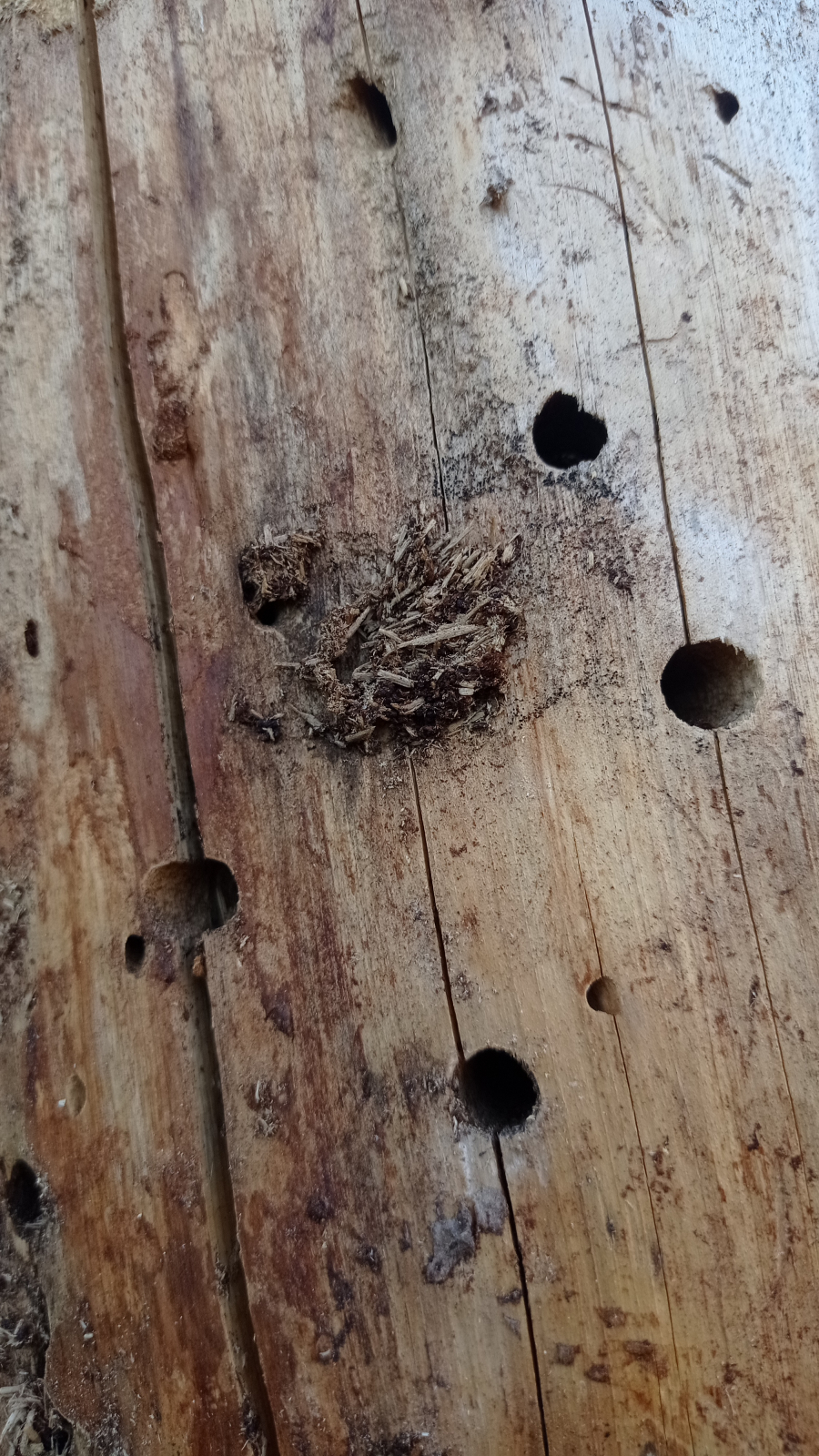
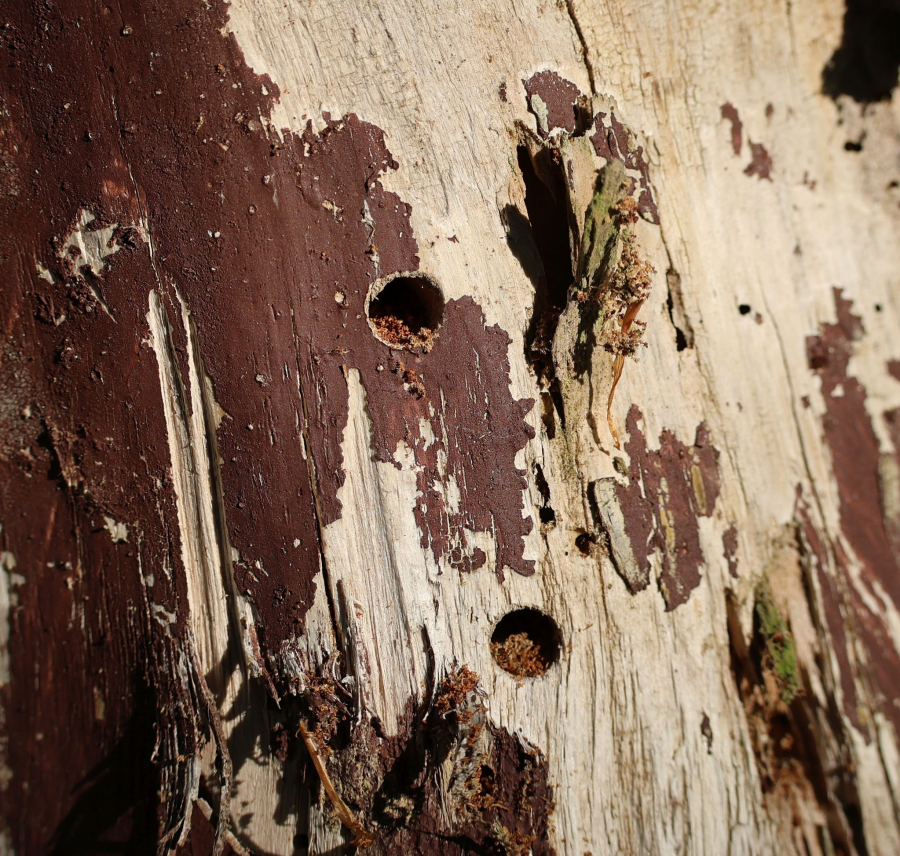
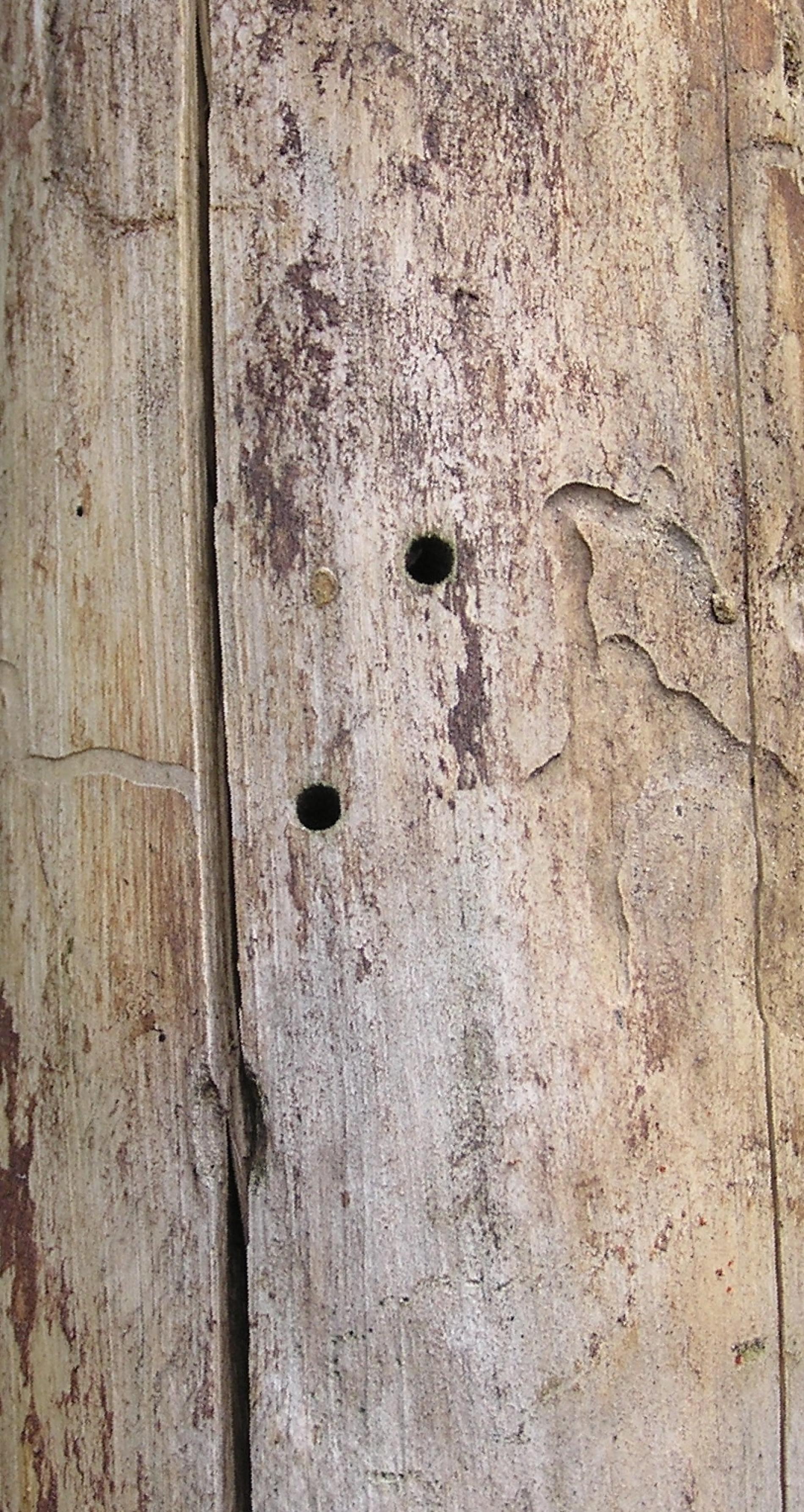
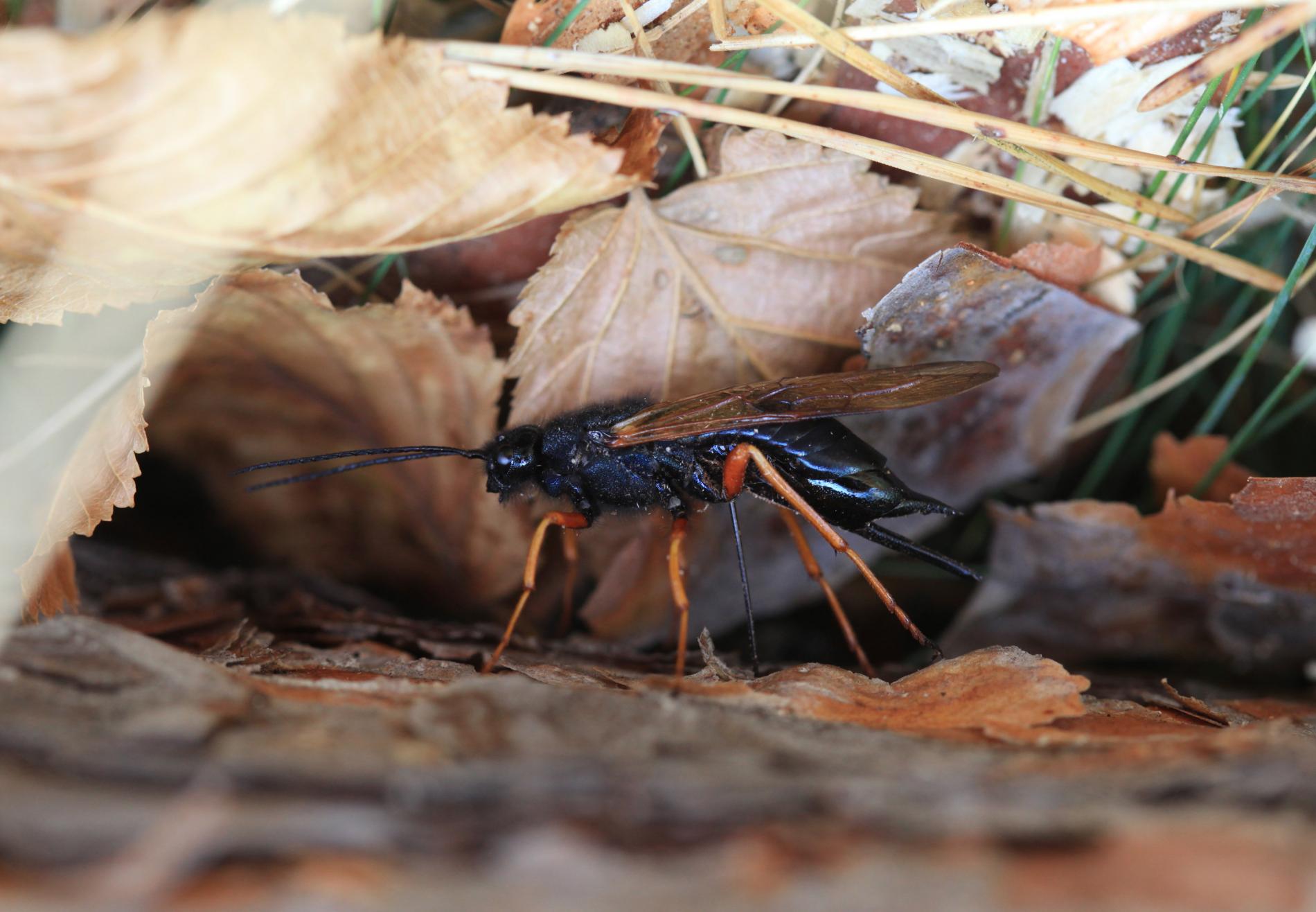
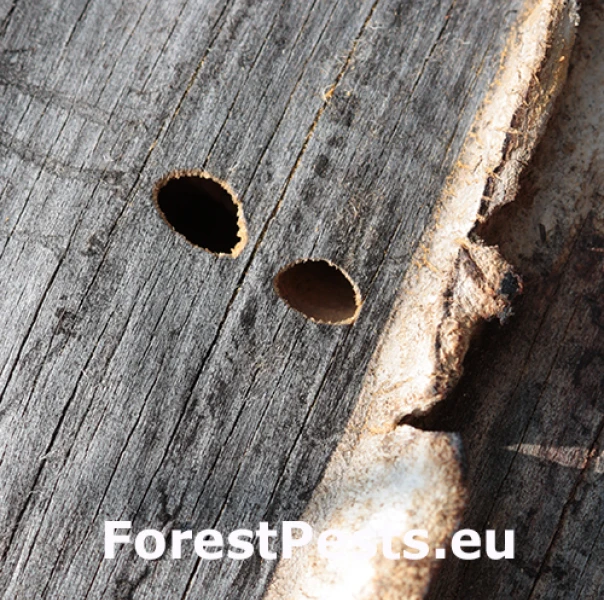
Adults fly in the second half of summer. They seek out freshly cut down or uprooted trees. The female drill their ovipositors into the outer sapwood to inject eggs. One female lay from 30 to 400 eggs. From the eggs hatch larvae eating out galleries round in cross-section. Galleries in wood are firmly clogged with sawdust. The adults emerge from wood by eating out a round exit hole, 4-6 mm in diameter. Larvae overwinter twice and pupation occurs in May. This species has one generation per 2 years. Sirex woodwasp is native to Europe, and it is generally considered to be a secondary pest. It can significantly lowers the technical applicability of wood. The damage can escape one’s notice when wood is being processed. Thus, as a result, adults can hatch from furniture, wooden beams or flooring.
Symptom
Galleries in wood are firmly clogged with sawdust.
Tree Species: Pine, Fir, Spruce
Part of a plant- attacked: Tree trunk
Pest significance: Harmful
Pest Category: Insects
Present in EU: Yes
Add comment: Sirex noctilio
Location map: Sirex noctilio
print viewLegend:

Expert verified points

Unverified points
Observed by users on these tree species
Most sightings of the species

Last observations
There are a total of 7 observations of the species in the system

Sirex noctilio Sirex woodwasp
Nikolas Janočo
Number of votes: 0
Published: 6.6.2025

Sirex noctilio Sirex woodwasp
Marián Slamka
Number of votes: 0
Published: 1.6.2025

Sirex noctilio Sirex woodwasp
Andrej
Number of votes: 0
Published: 28.5.2025

Sirex noctilio Sirex woodwasp
Ladislav Andits
Number of votes: 0
Published: 8.5.2023

Sirex noctilio Sirex woodwasp
Dana
Number of votes: 0
Published: 31.5.2021
Similar damage
Jewel beetles
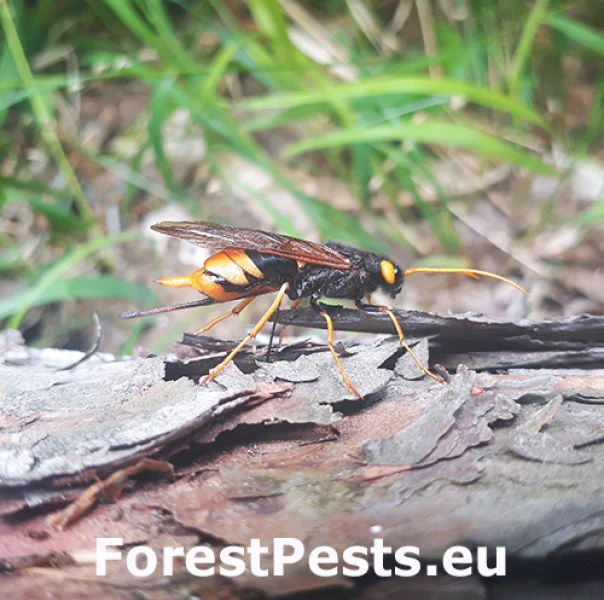
Greater horntail wasp
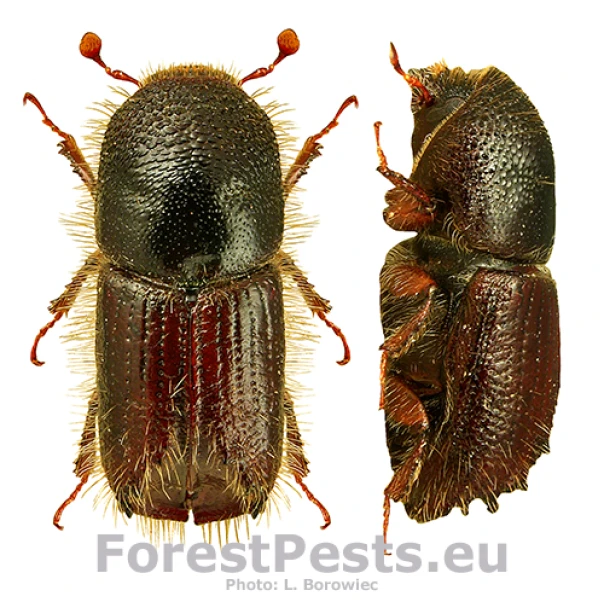
European spruce bark beetle