

 Show all photos in album
Insert for comparison
We will identify your pest
Add pictures of this species
Show all photos in album
Insert for comparison
We will identify your pest
Add pictures of this species
Pulvinaria vitis
Woolly vine scale
Description
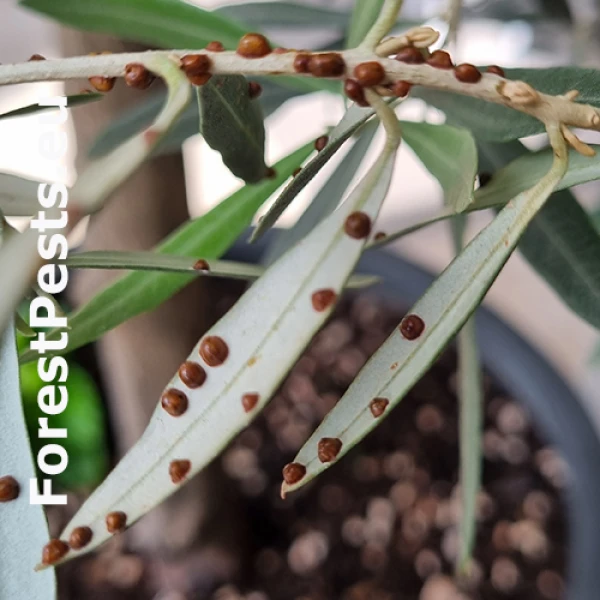
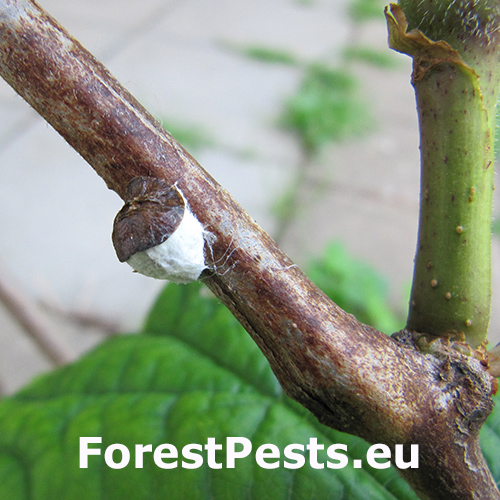
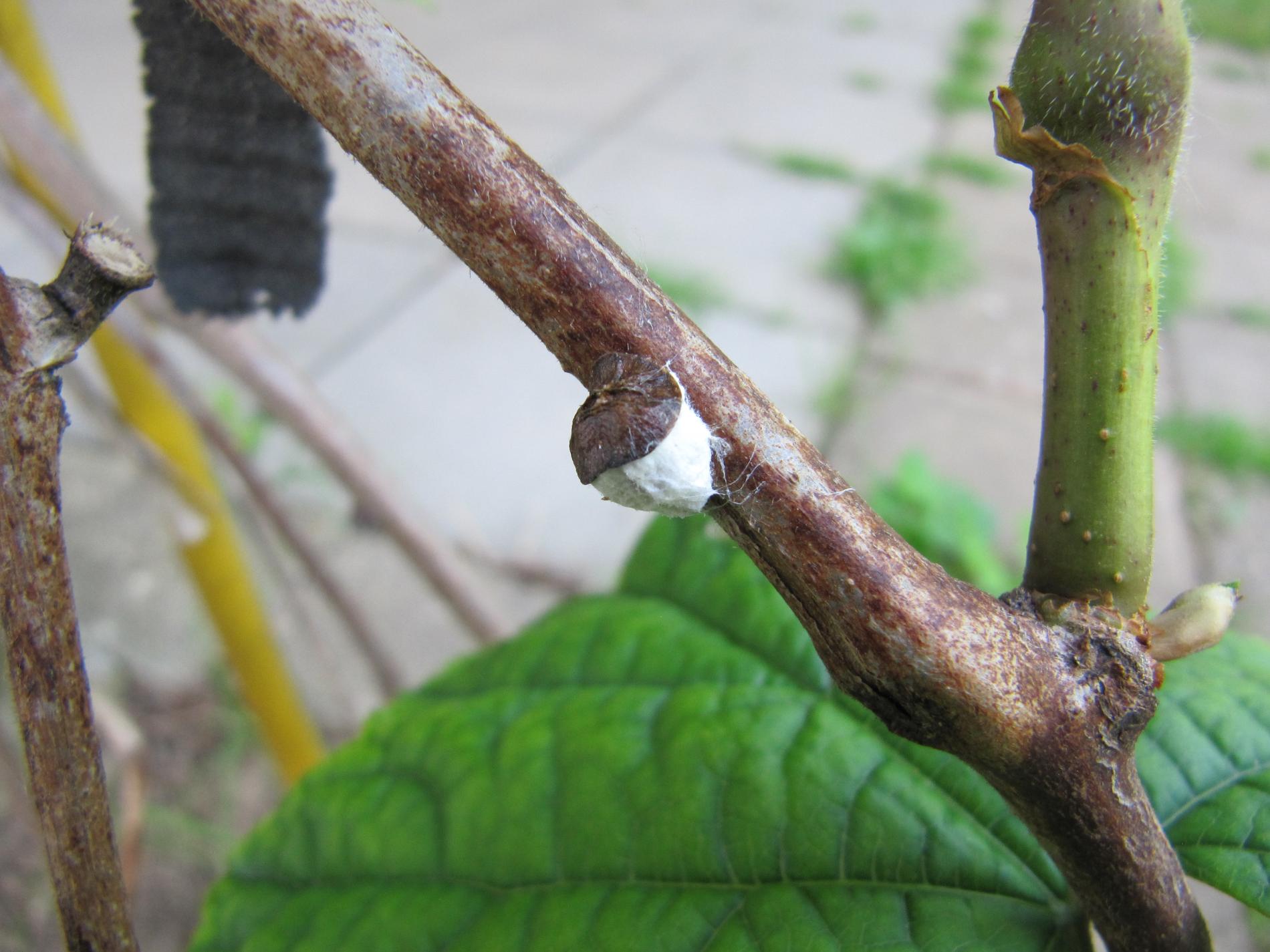
Pulvinaria vitis, commonly known as the woolly vine scale, is a polyphagous sap-sucking insect that primarily infests woody plants. Adult females are oval-shaped, dark brown, and moderately convex, reaching a length of up to 9 mm. They produce a distinctive white, convex ovisac beneath their bodies in spring, where eggs are laid. In temperate regions, the species has a single generation per year, and adult females overwinter on host plant stems.
This pest is widespread across Europe, favoring plants in the families Betulaceae, Salicaceae, and Rosaceae. Host plants include grapevine (Vitis vinifera), peach (Prunus persica), currants (Ribes spp.), pyracantha (Pyracantha coccinea), and more. Infestations are most noticeable in spring and summer, with populations producing honeydew, which encourages the growth of sooty mold (Capnodium spp. and related fungi), This can significantly reduce the aesthetic value and overall health of infested trees and shrubs.
By feeding on plant sap, Pulvinaria vitis weakens its hosts, potentially causing reduced vitality, dieback of branches, or even plant death in severe cases. Affected plants often exhibit reduced vigor and slower growth, making them more susceptible to secondary pests and diseases.
Symptom
Infested stems show dark brown scale insects and, in spring, white waxy ovisacs. Leaves may appear sticky from honeydew deposits, often leading to the development of black sooty mold.
Tree Species: Spindle, Birch, Peach, Oak, Quince, Hawthorn, Hornbeam, Rowan, Whitebeam, Ash, Maple, Alder, Plane, Currant, Rose, Cotoneaster, Poplar, Grape, Willow
Part of a plant- attacked: Leaf / Needle, Branch
Pest significance: Harmful
Pest Category: Insects
Invasive Species: No
Present in EU: Yes
Add comment: Pulvinaria vitis
Location map: Pulvinaria vitis
Legend:

Expert verified points

Unverified points
Observed by users on these tree species
Similar damage
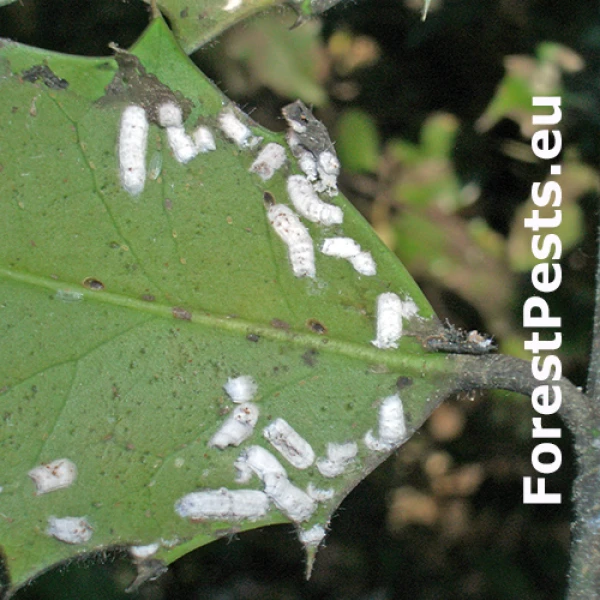
Cottony camellia scale
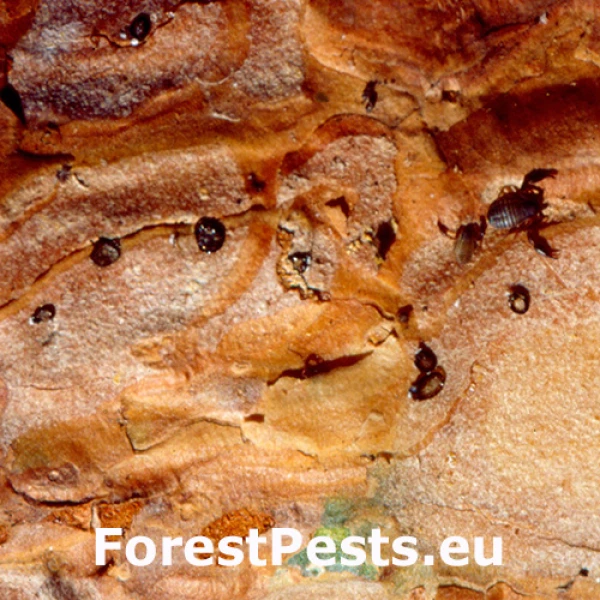
European pine bast scale
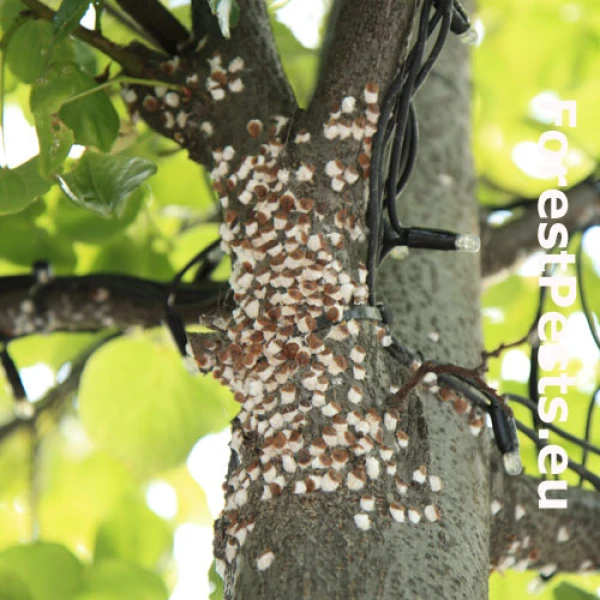
Horse-chestnut scale