


 Show all photos in album
Insert for comparison
We will identify your pest
Add pictures of this species
Show all photos in album
Insert for comparison
We will identify your pest
Add pictures of this species
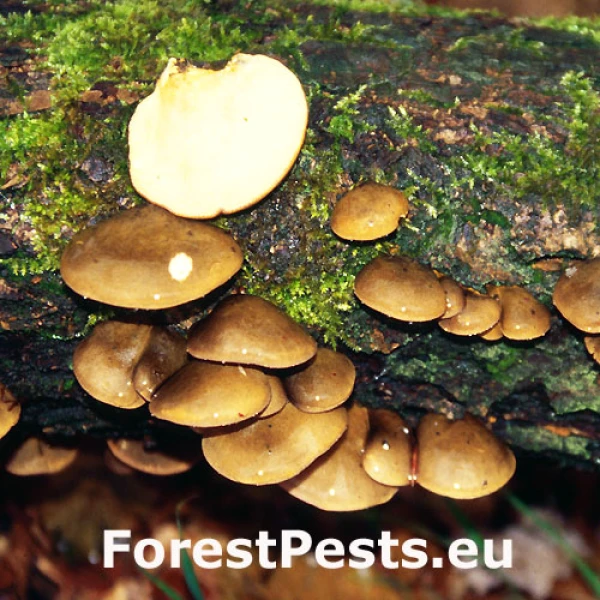
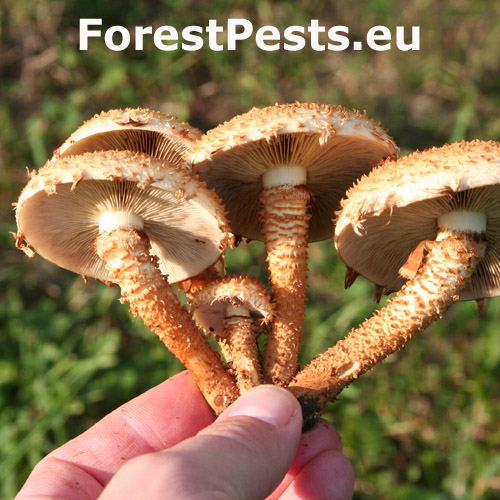
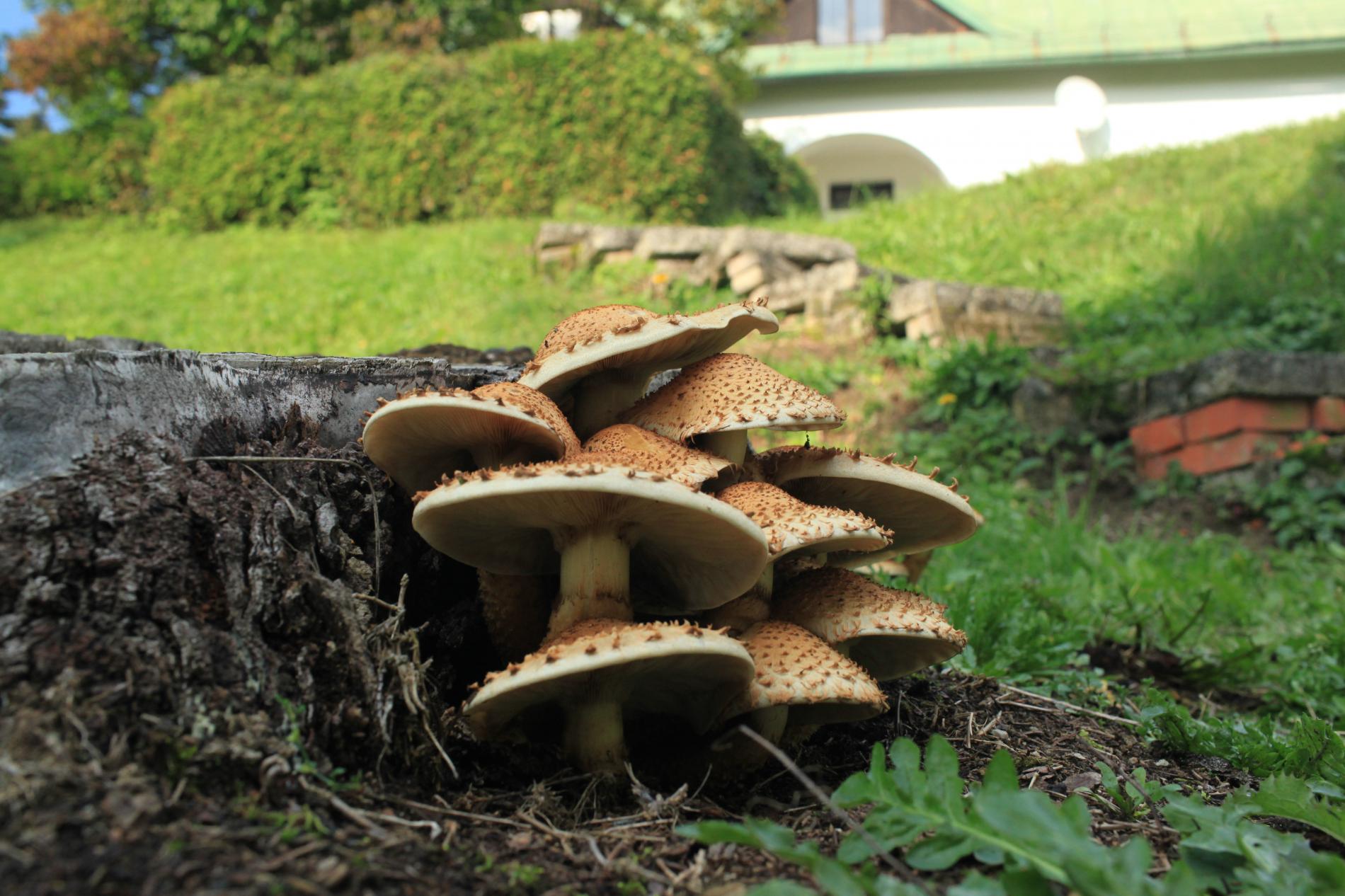
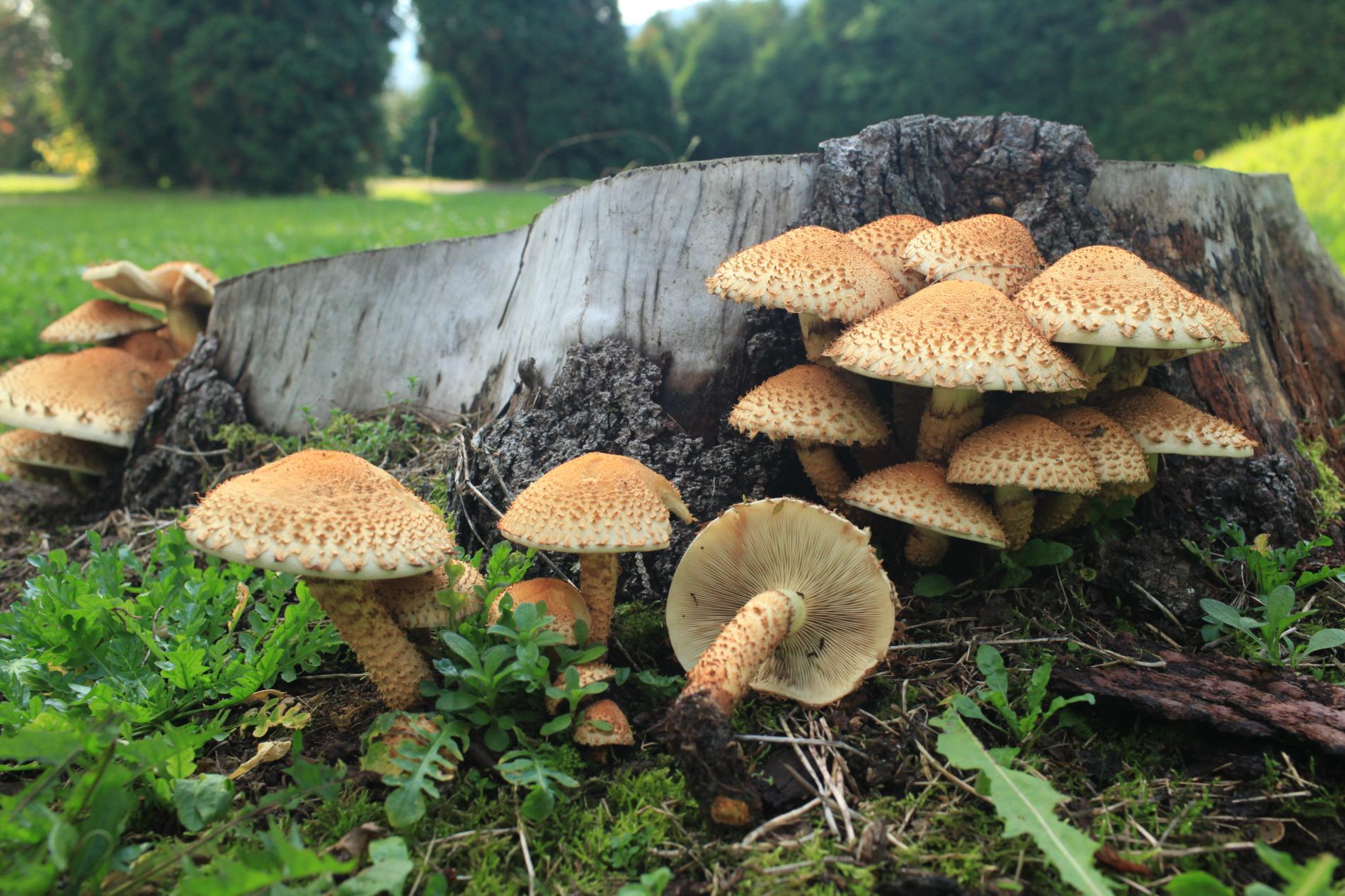
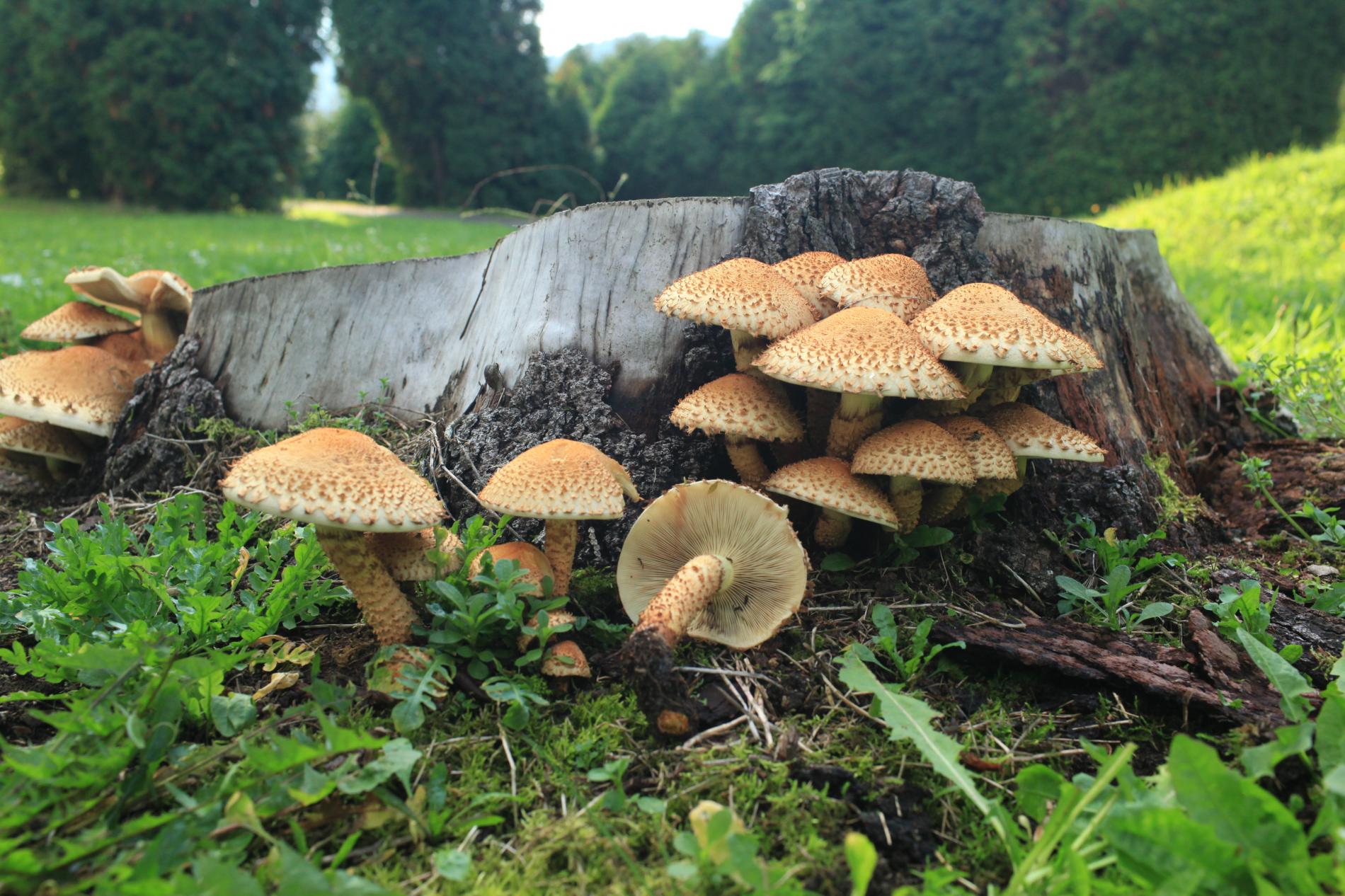
Pholiota squarrosa
Shaggy pholiota
Description
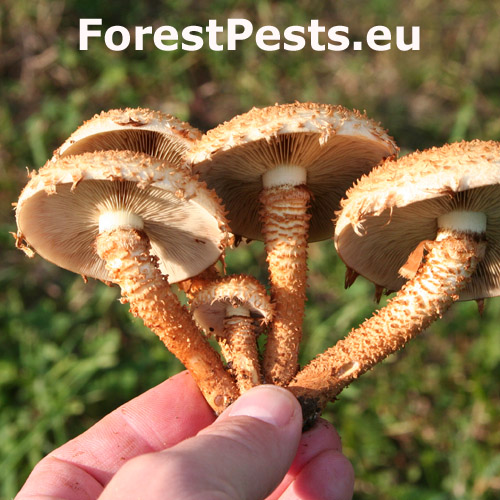
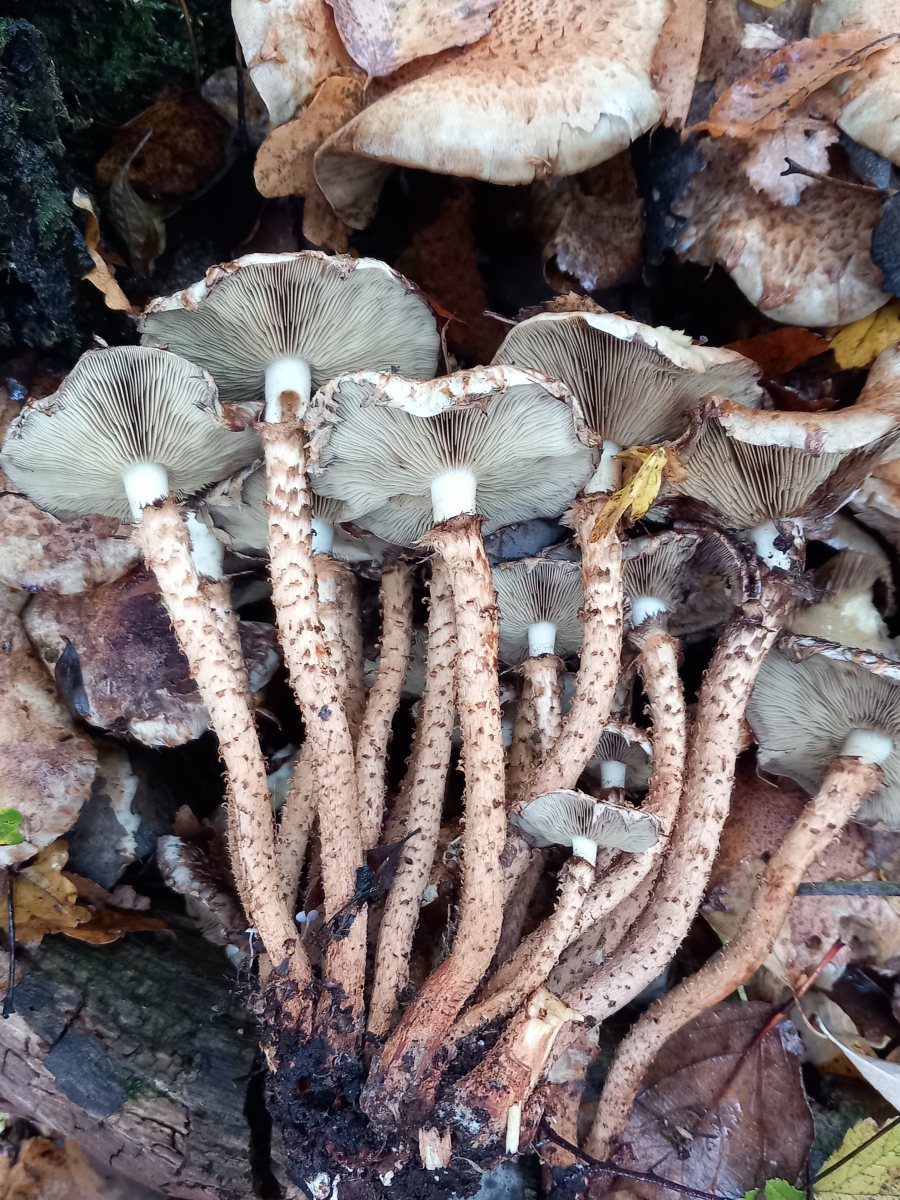
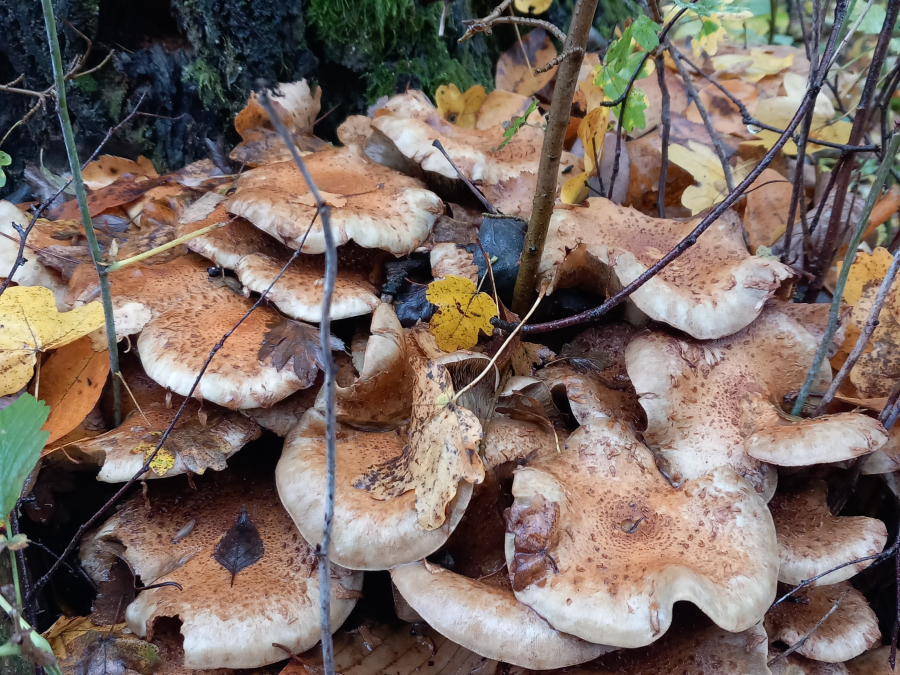
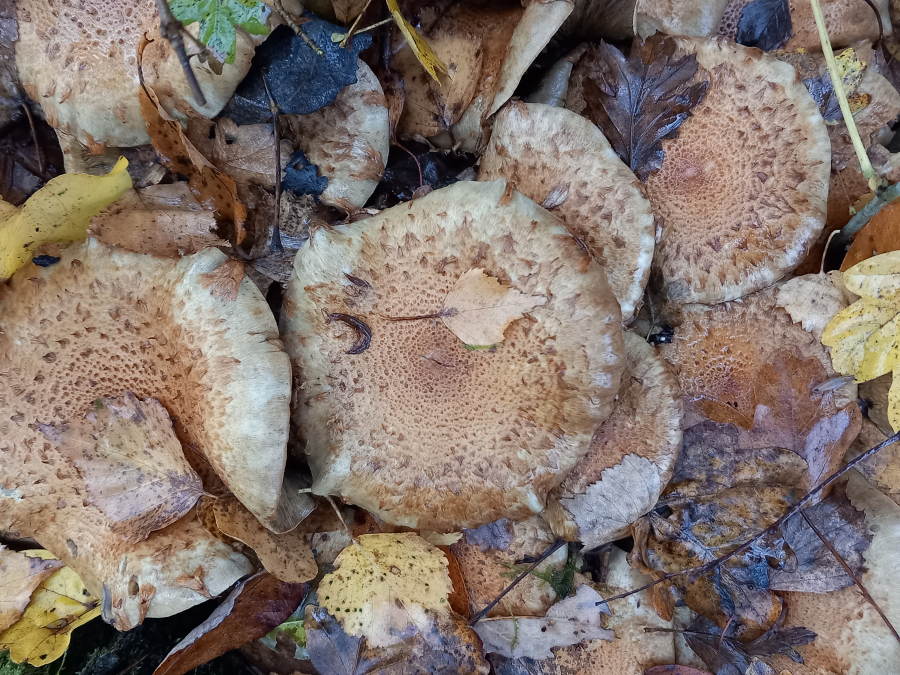
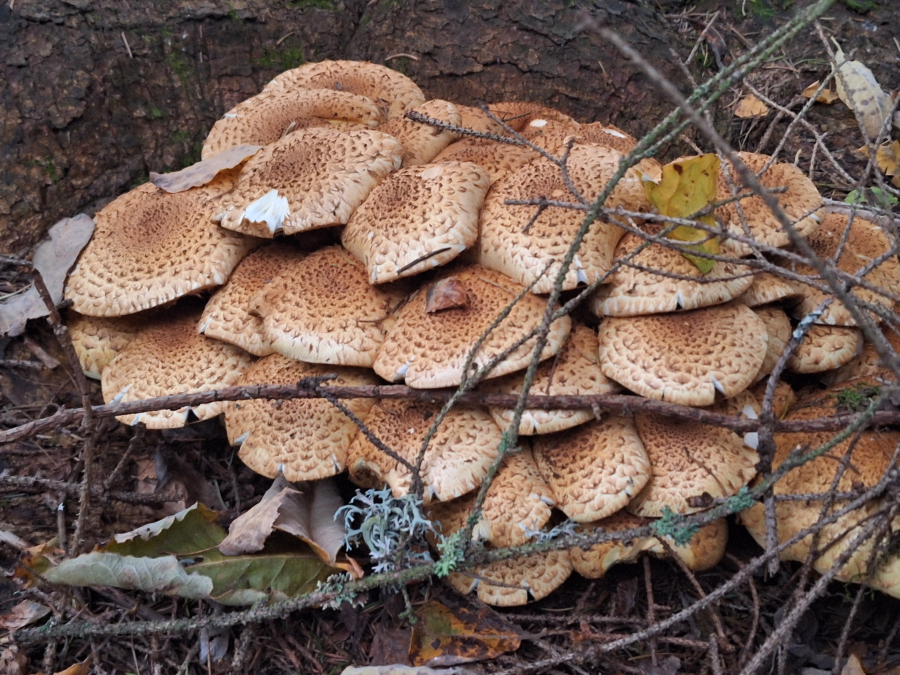
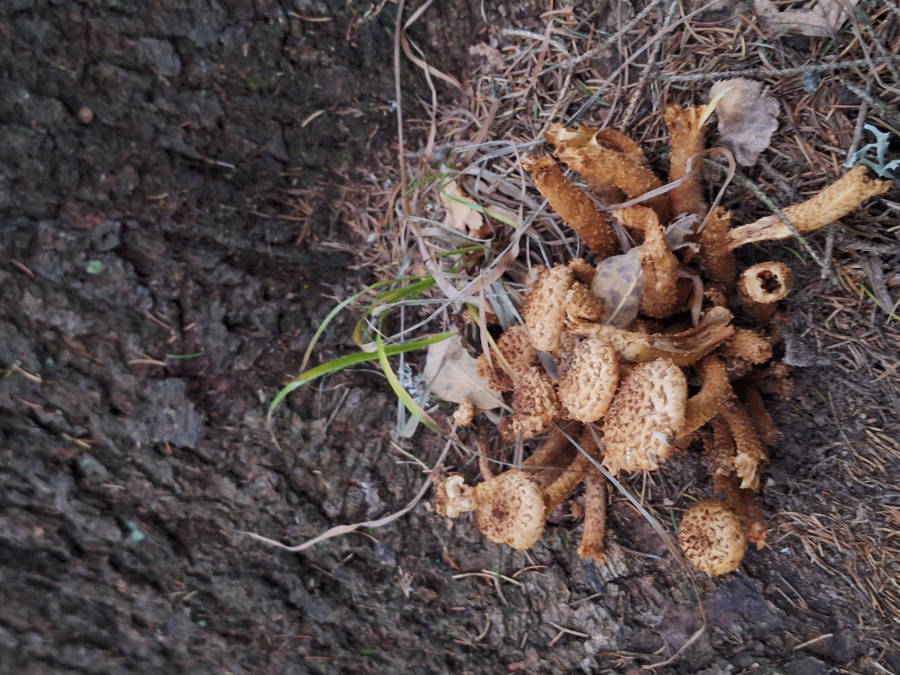
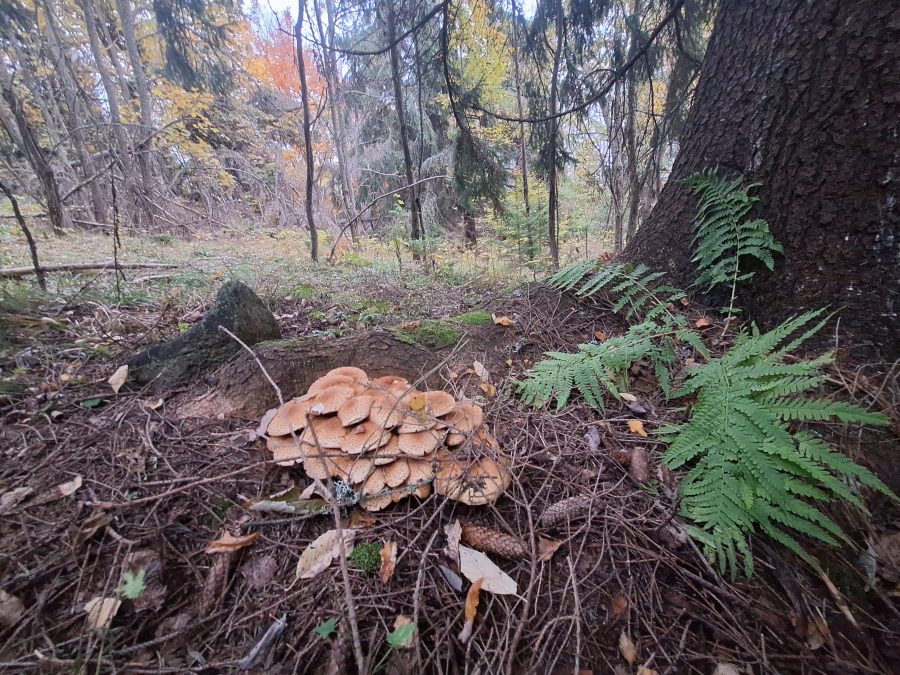
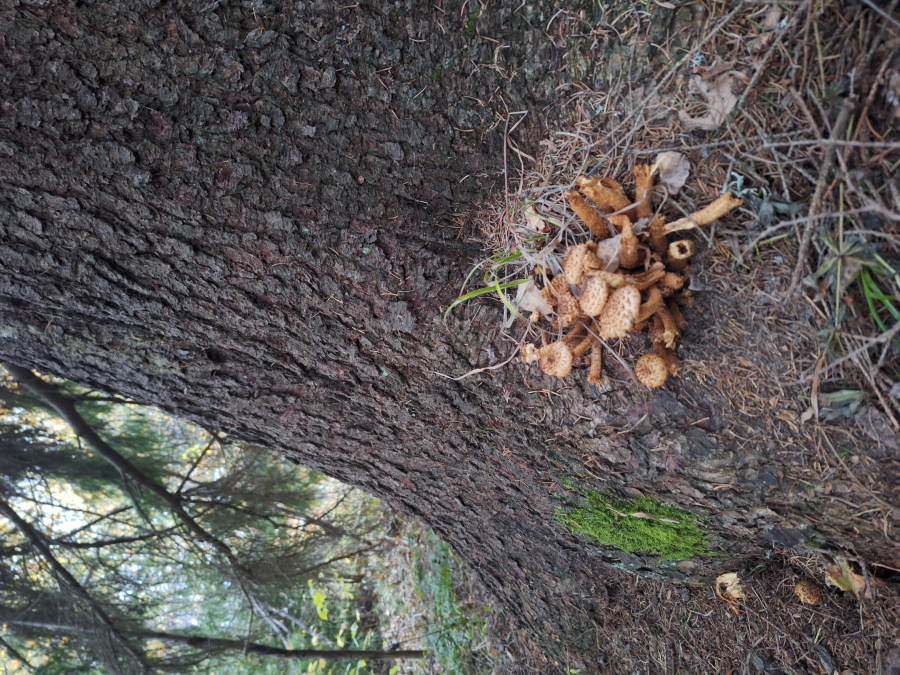
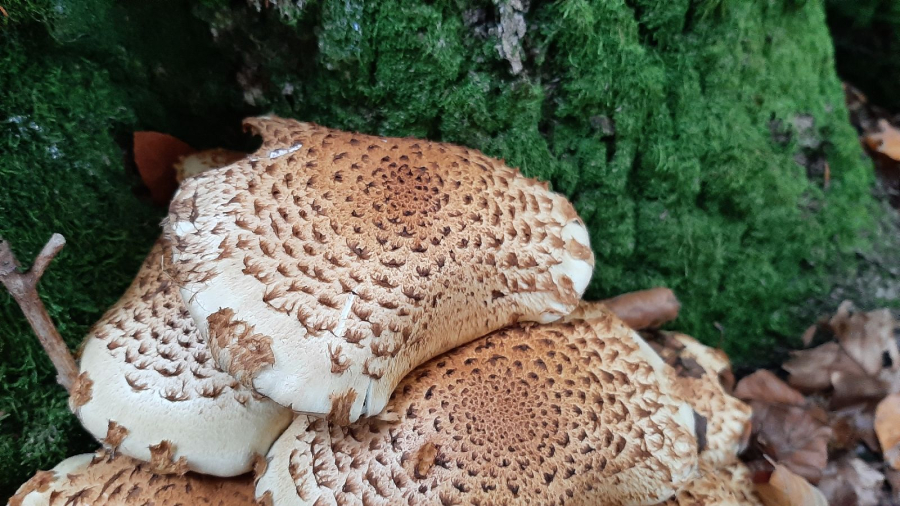
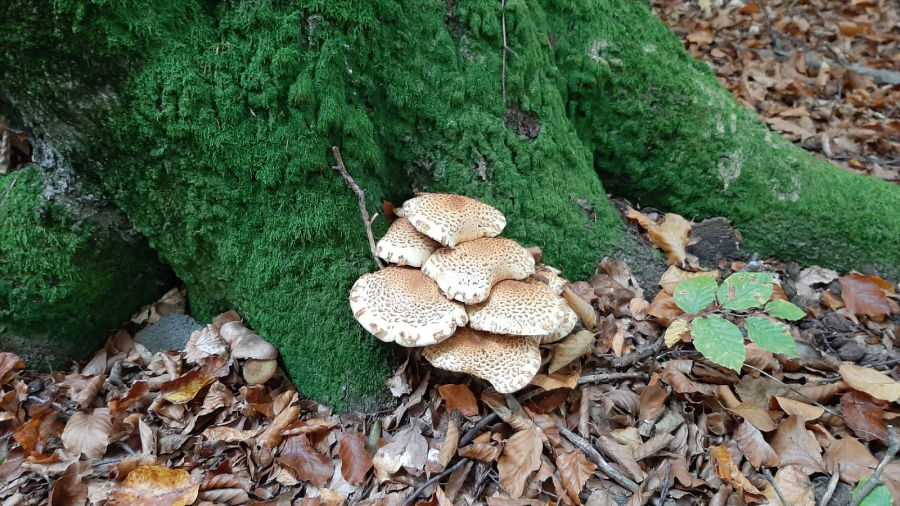
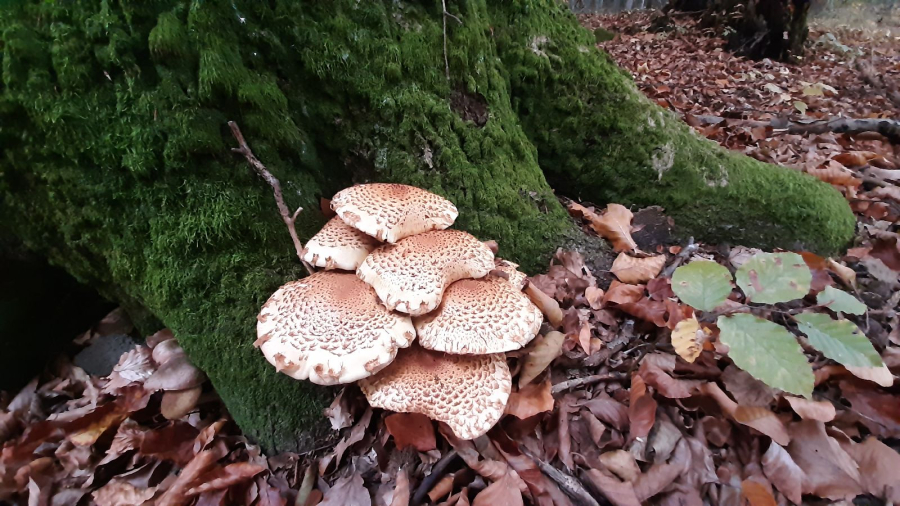
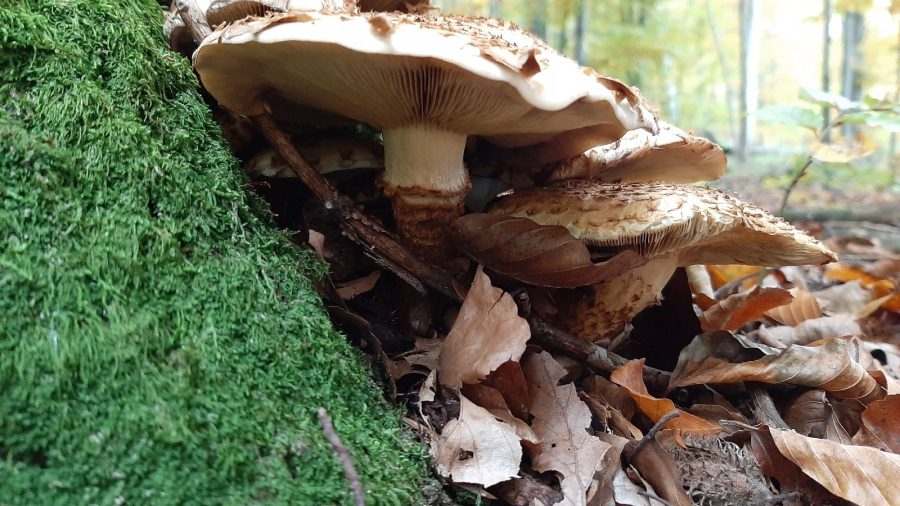
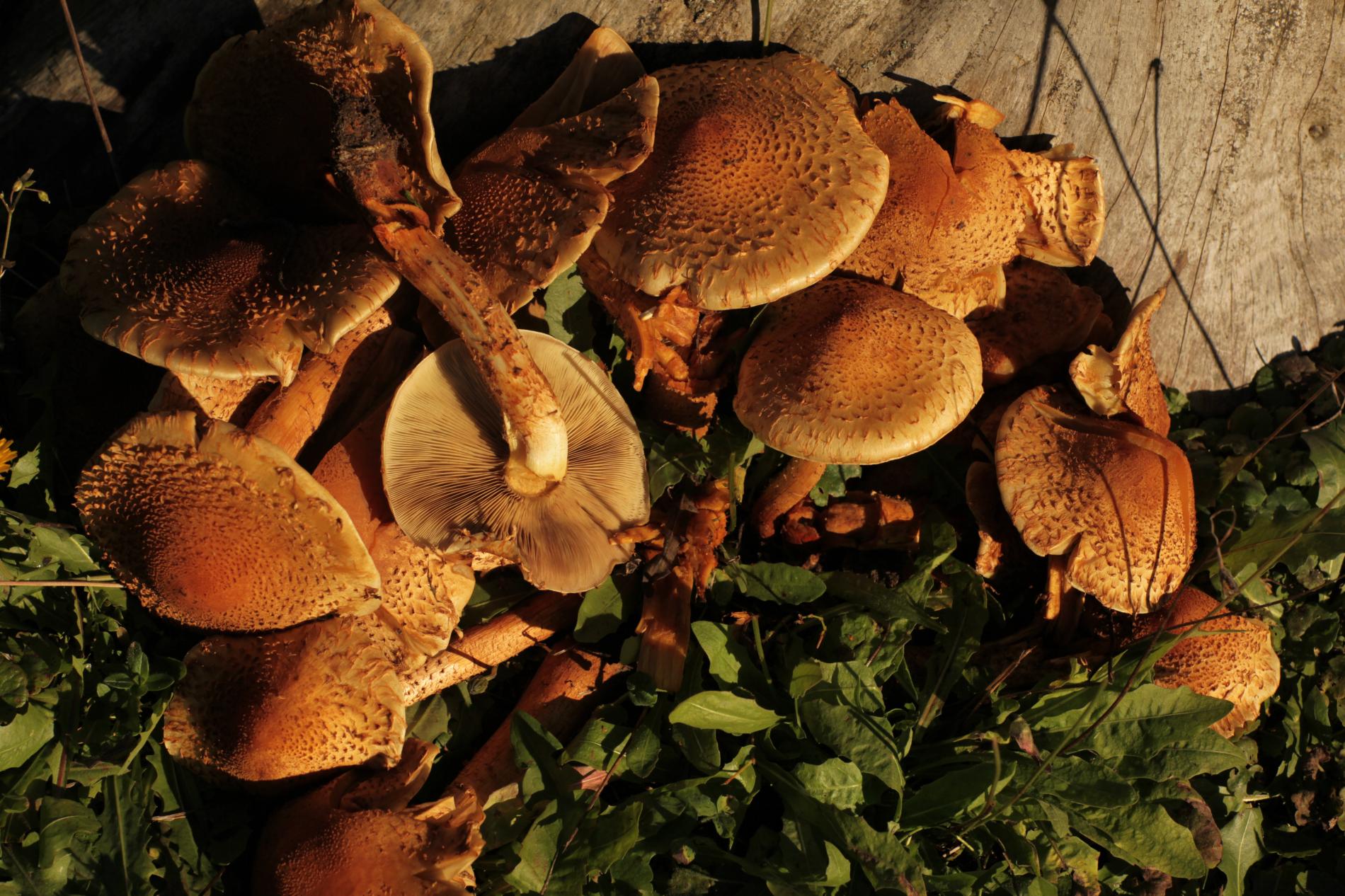
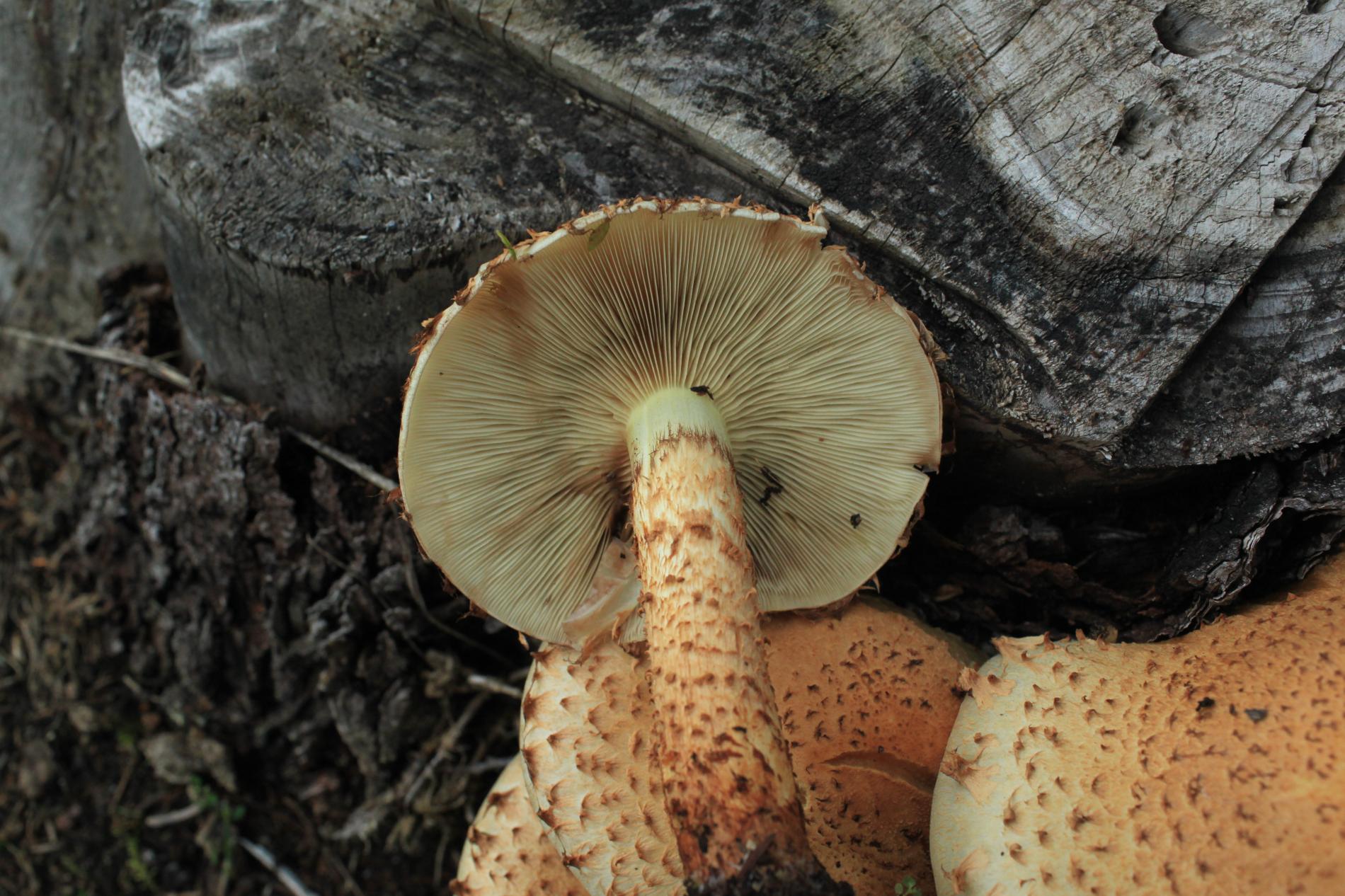
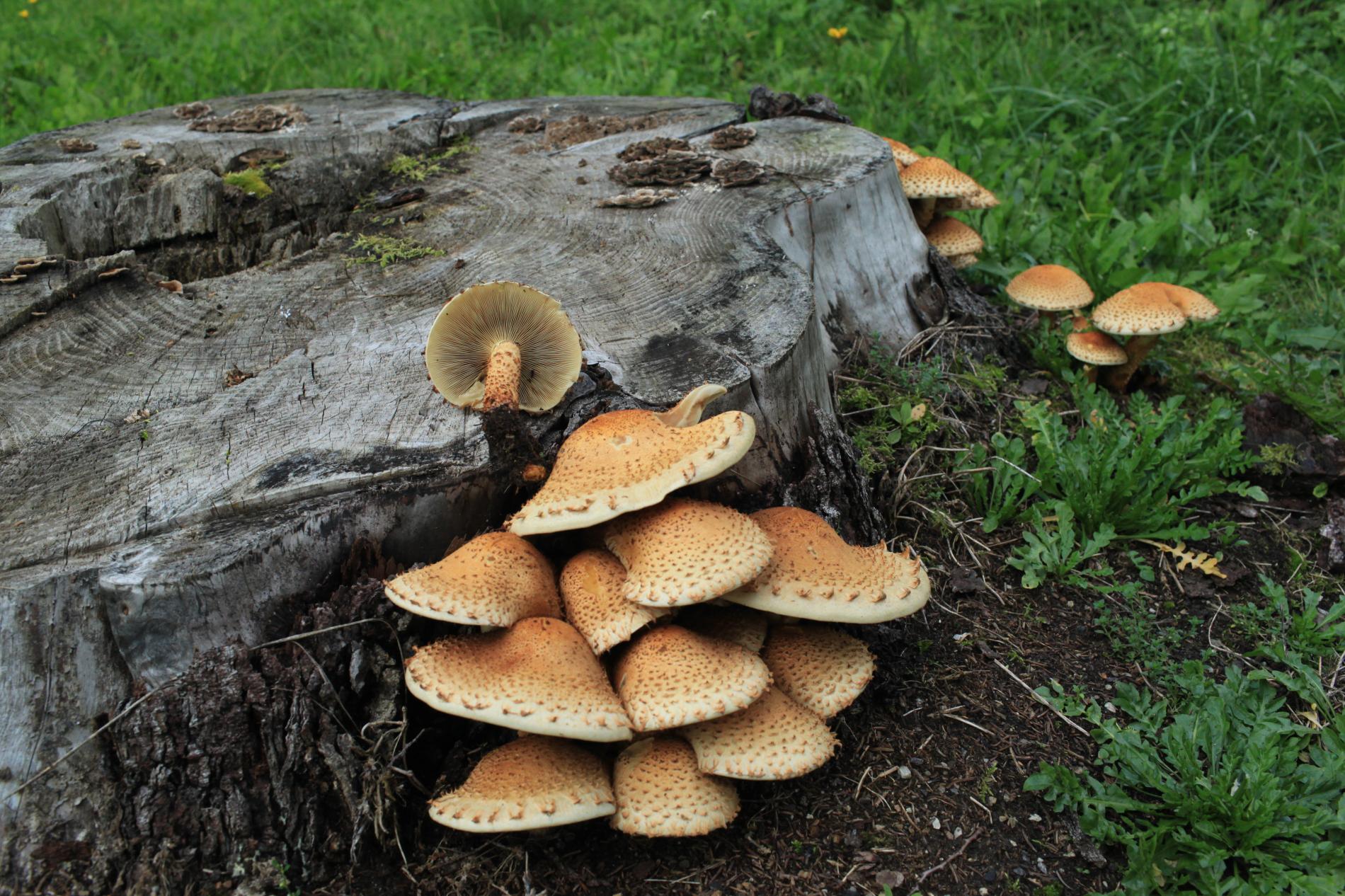
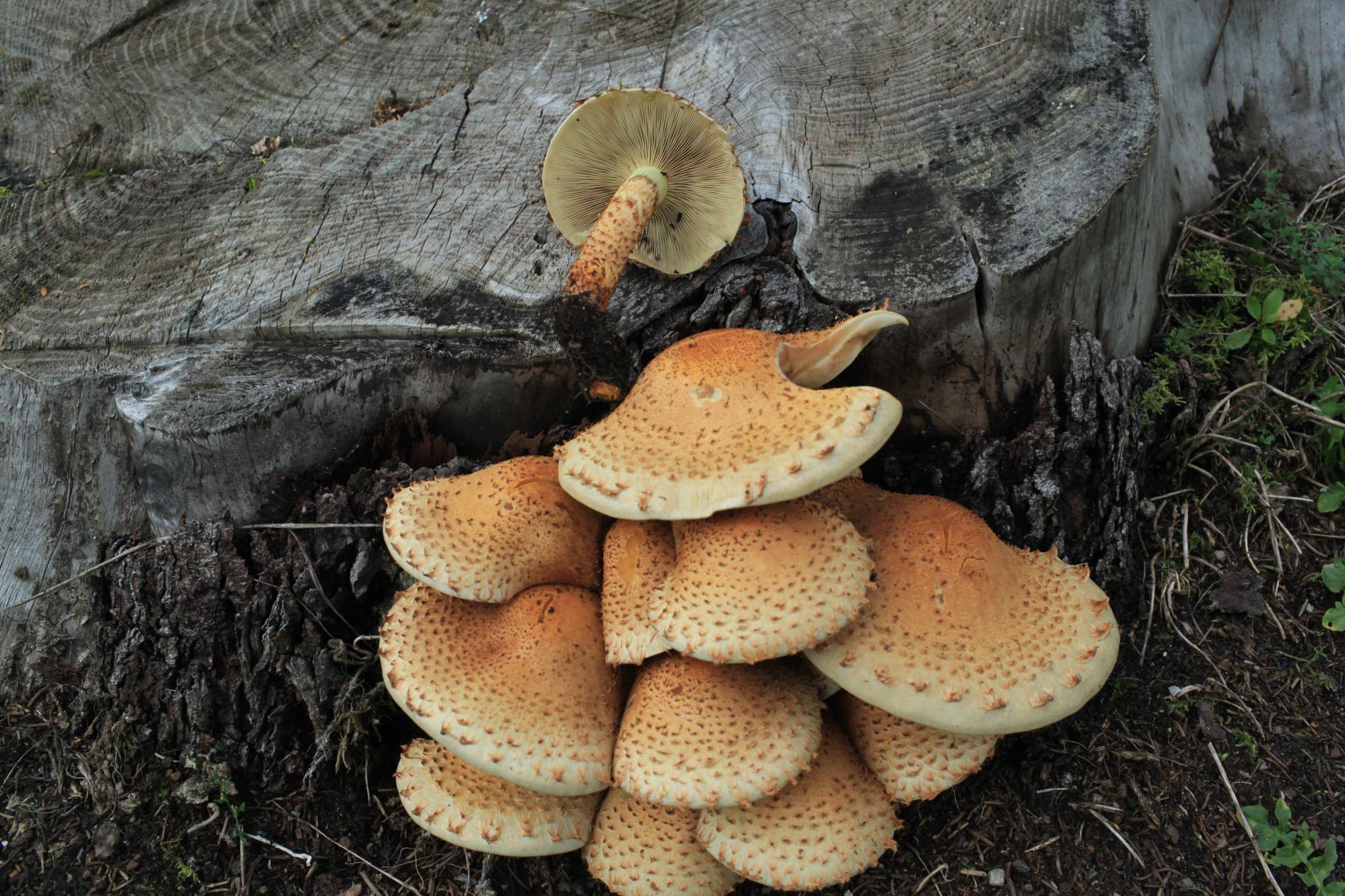
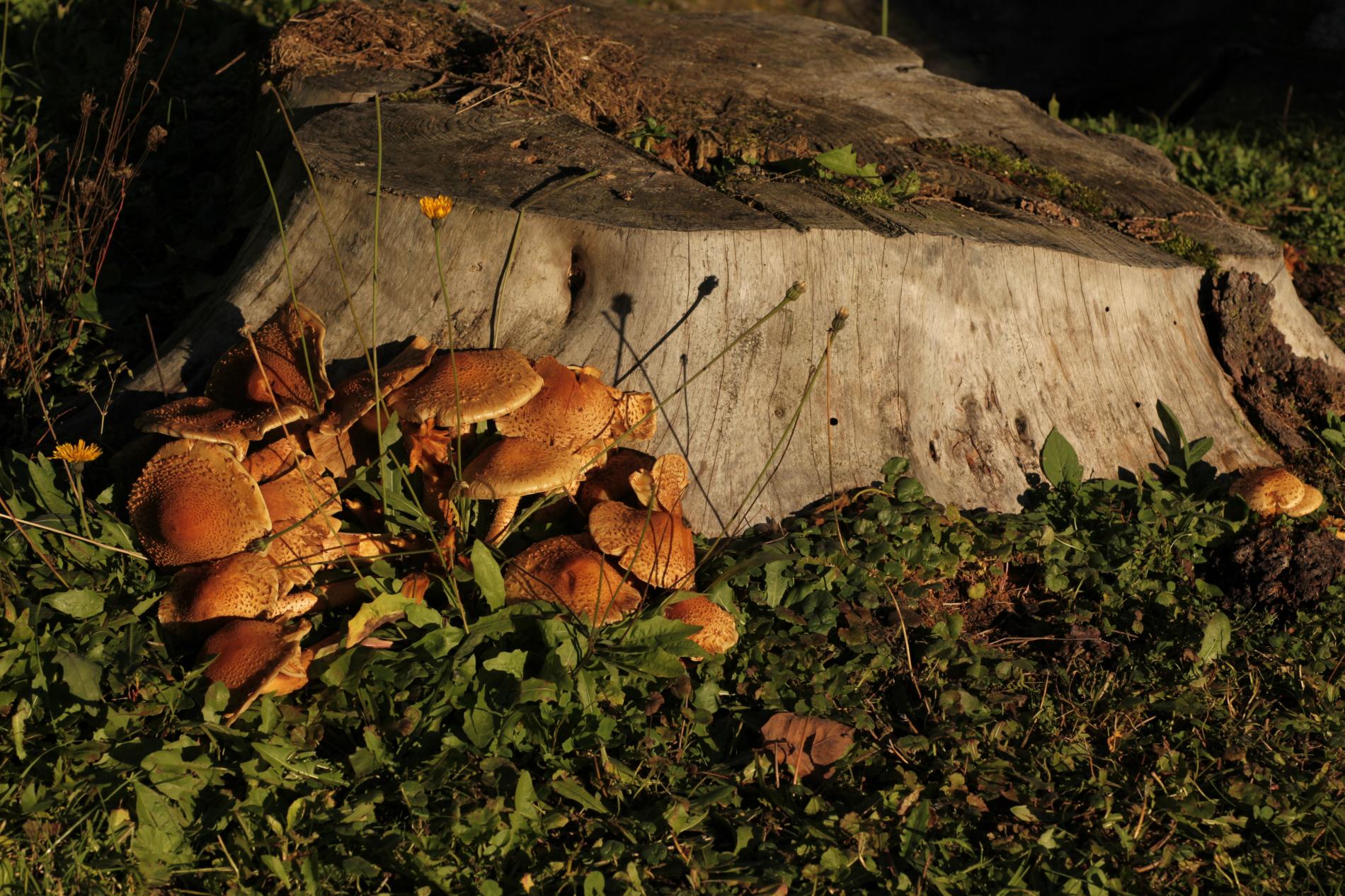
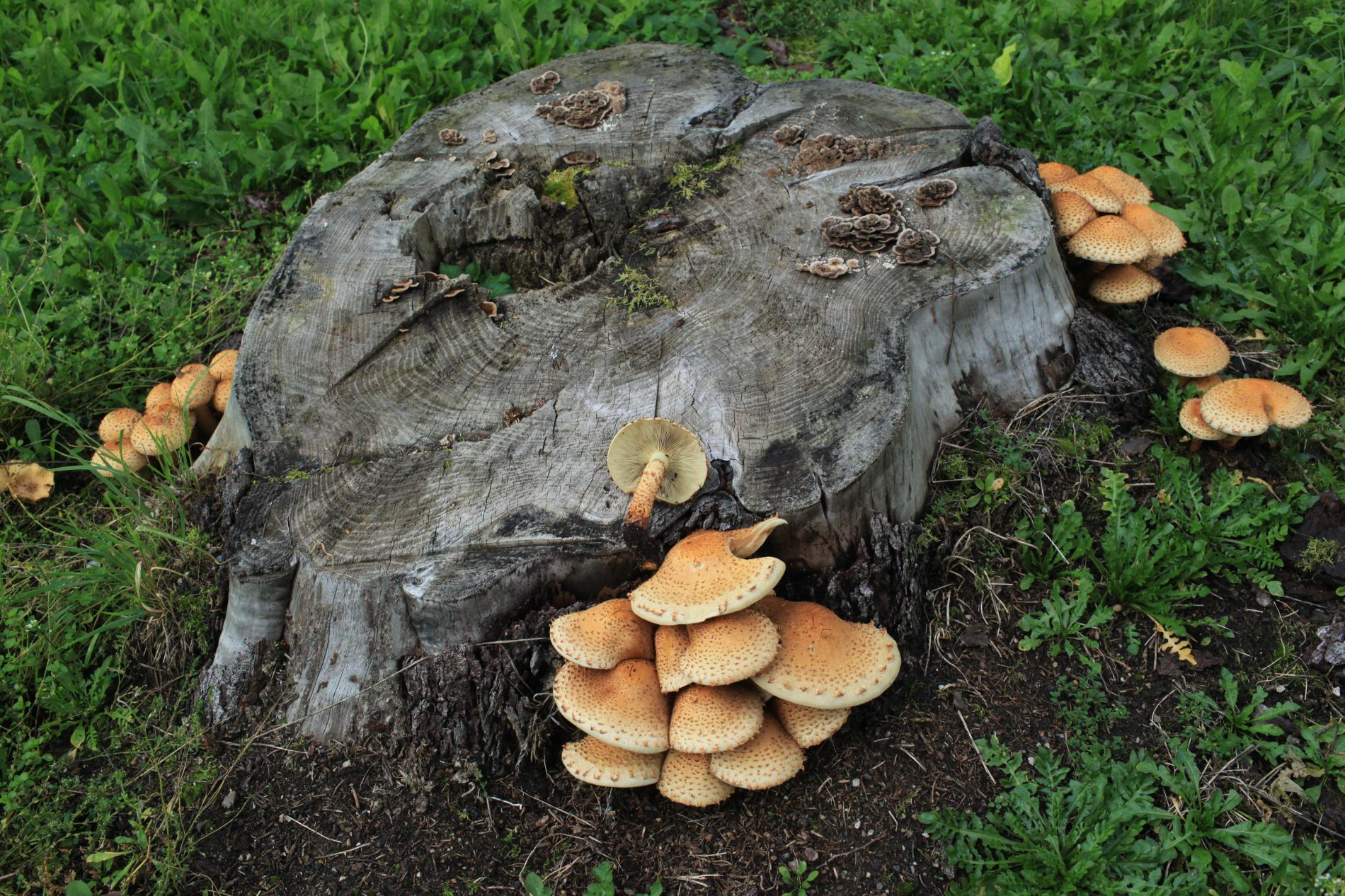
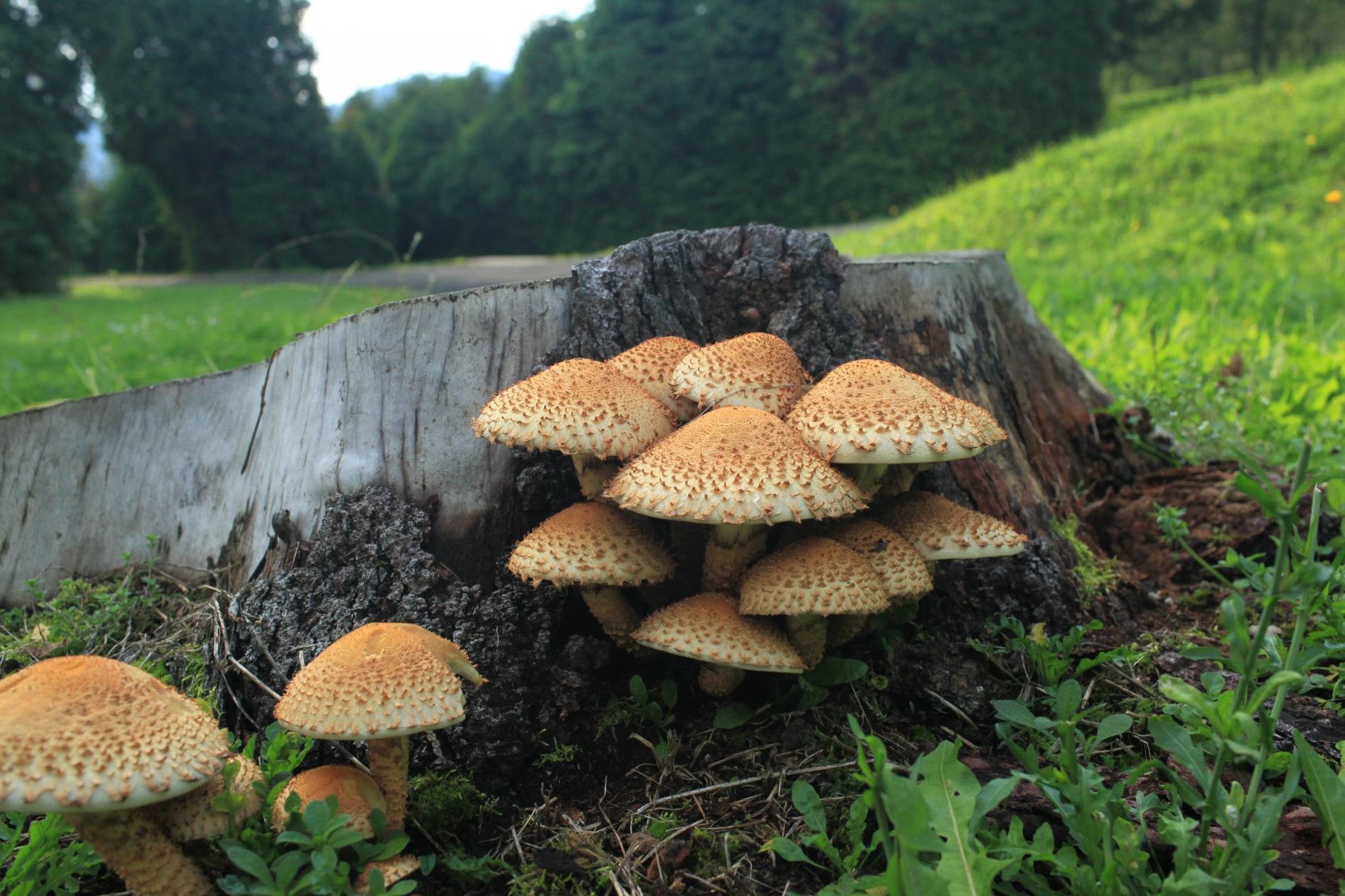
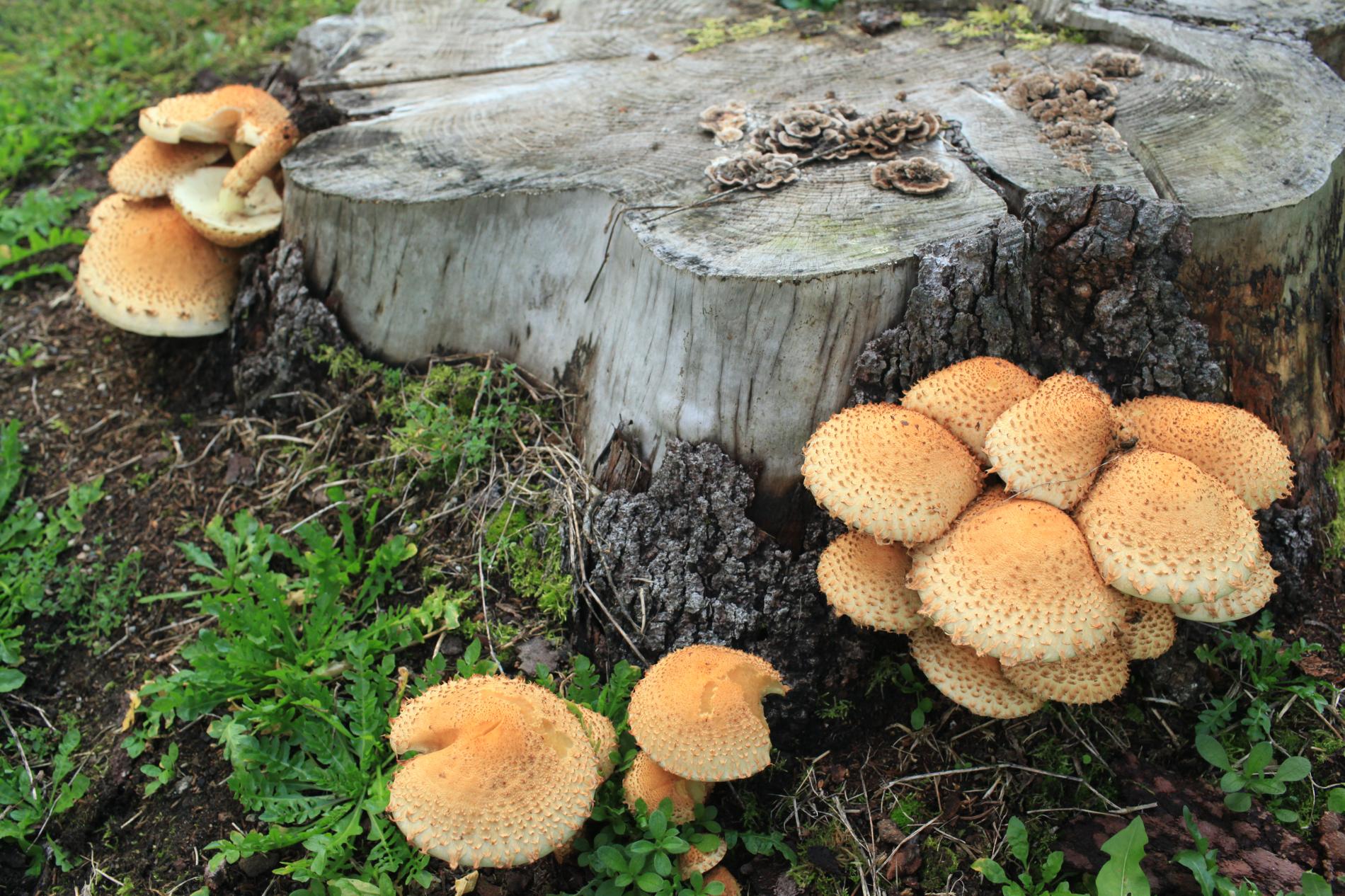
Cap is 3–12 cm; convex, becoming broadly convex or broadly bell-shaped; dry; yellowish underneath with conspicuous buff to tawny scales. Gills are attached to the stem or beginning to run down it; close or crowded; whitish to yellowish when young, becoming greenish yellow and eventually rusty brown; at first covered by a partial veil. Stem is 4–12 cm long; up to 1.5 cm thick; dry; with an ephemeral ring or ring zone; yellowish, sometimes becoming brown to reddish brown from the base up; also covered with conspicuous buff to tawny scales. Often found at the bases of living or dead trees; especially common on aspens and spruces.
Symptom
The fruiting bodies are annuals, they grow in clumps in summer and autumn, very often on dead branches and trunks.
Tree Species: Birch, Beech, Apple Tree, Fir, Lime, Spruce, Poplar
Part of a plant- attacked: Tree trunk, Branch
Pest significance: Harmful
Pest Category: Fungi
Invasive Species: No
Present in EU: Yes
Add comment: Pholiota squarrosa
Location map: Pholiota squarrosa
print viewLegend:

Expert verified points

Unverified points
Observed by users on these tree species
Most sightings of the species


Last observations
There are a total of 14 observations of the species in the system

Pholiota squarrosa Shaggy pholiota
Marián Slamka
Number of votes: 0
Published: 2.10.2025

Pholiota squarrosa Shaggy pholiota
Viera Kusa
Number of votes: 0
Published: 22.4.2025

Pholiota squarrosa Shaggy pholiota
Egid
Number of votes: 0
Published: 15.1.2025

Pholiota squarrosa Shaggy pholiota
Gregor Valent
Number of votes: 0
Published: 9.1.2025

Pholiota squarrosa Shaggy pholiota
Michaela Goceliaková
Number of votes: 0
Published: 2.12.2024
Similar damage
Trunk rot
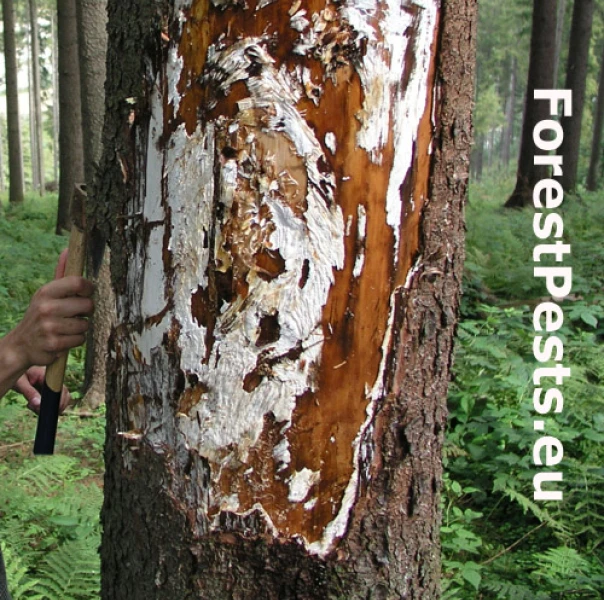
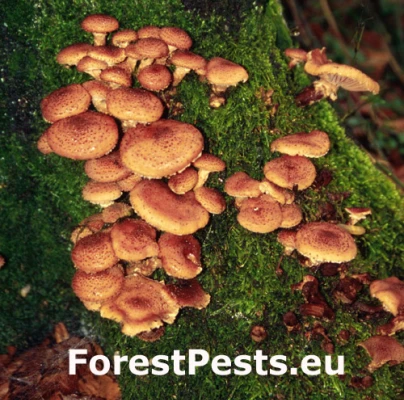
Dark honey fungus
Armillaria root rot