



 Show all photos in album
Insert for comparison
We will identify your pest
Add pictures of this species
Show all photos in album
Insert for comparison
We will identify your pest
Add pictures of this species
Megabruchidius tonkineus
Honey locust seed beetle
Description
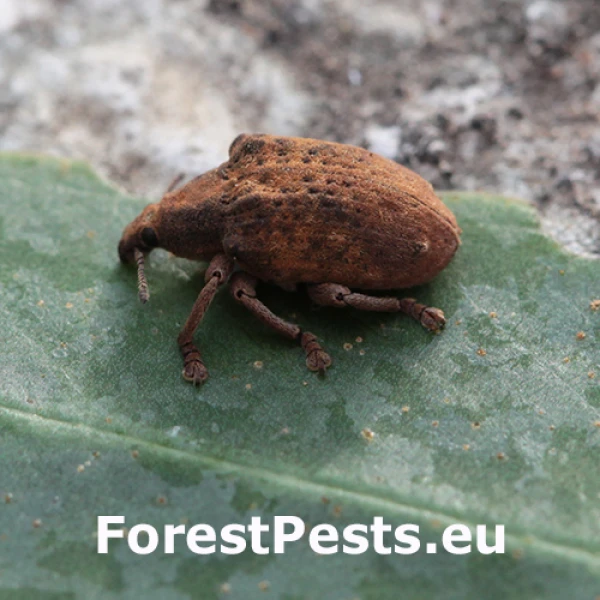
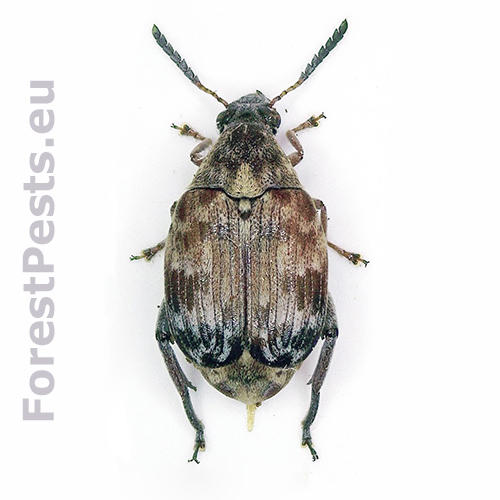
Megabruchidius tonkineus, commonly known as the honey locust seed beetle, is a monophagous species primarily associated with Gleditsia triacanthos (honey locust). Originally described in Vietnam, it has since spread to Europe, including countries like Hungary, France, Bulgaria, Slovakia, and Spain, as well as parts of South America, such as Chile and Argentina. Adult beetles measure 3–5 mm in length and exhibit distinct dorsal coloration and morphological differences between sexes. The female lays eggs on the seed pods of Gleditsia triacanthos. The larvae develop inside the seeds, consuming the seed tissue, and pupate within the seed. Heavy infestations significantly reduce seed viability, impacting the reproductive potential of Gleditsia trees.
Symptom
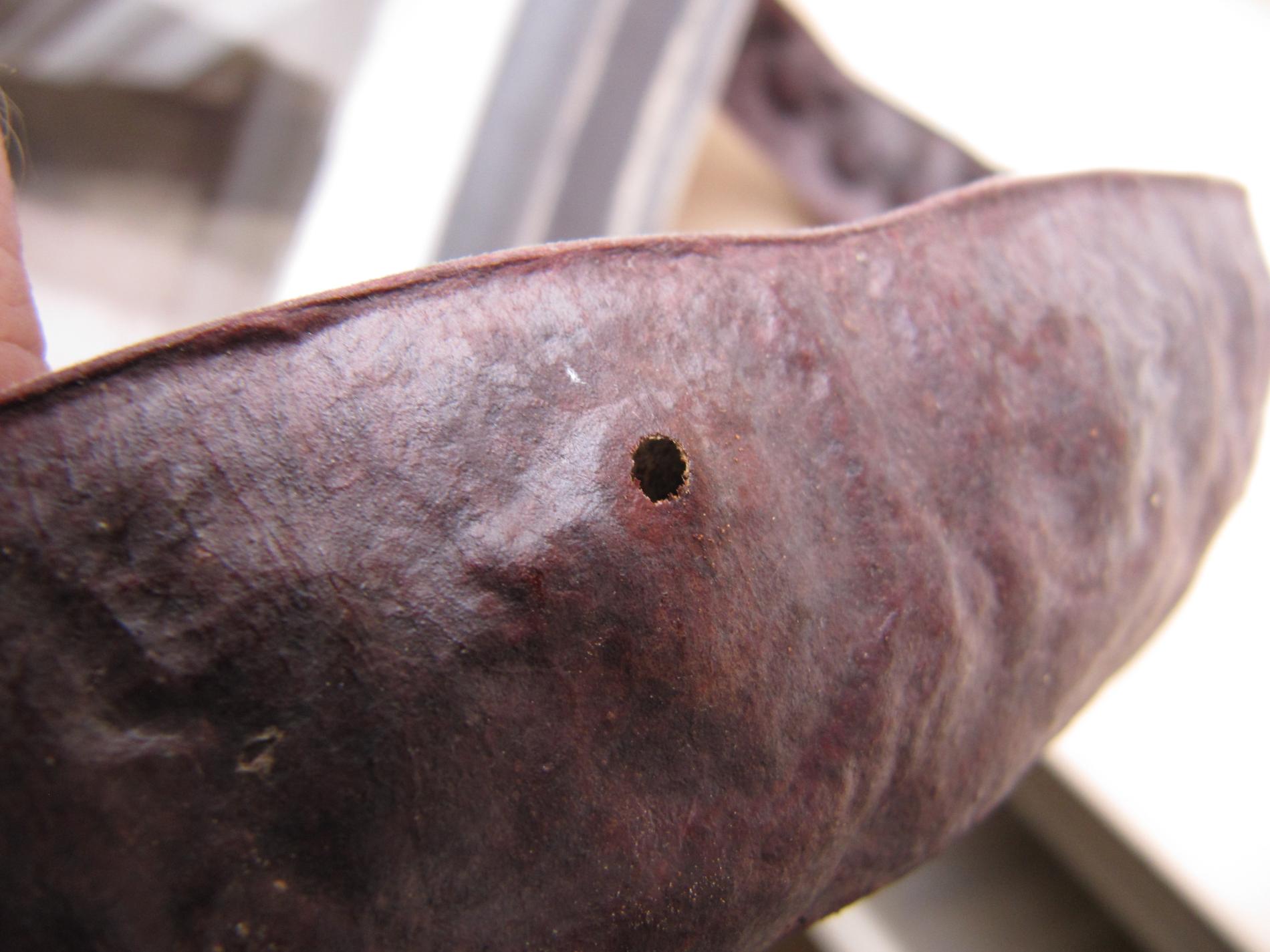
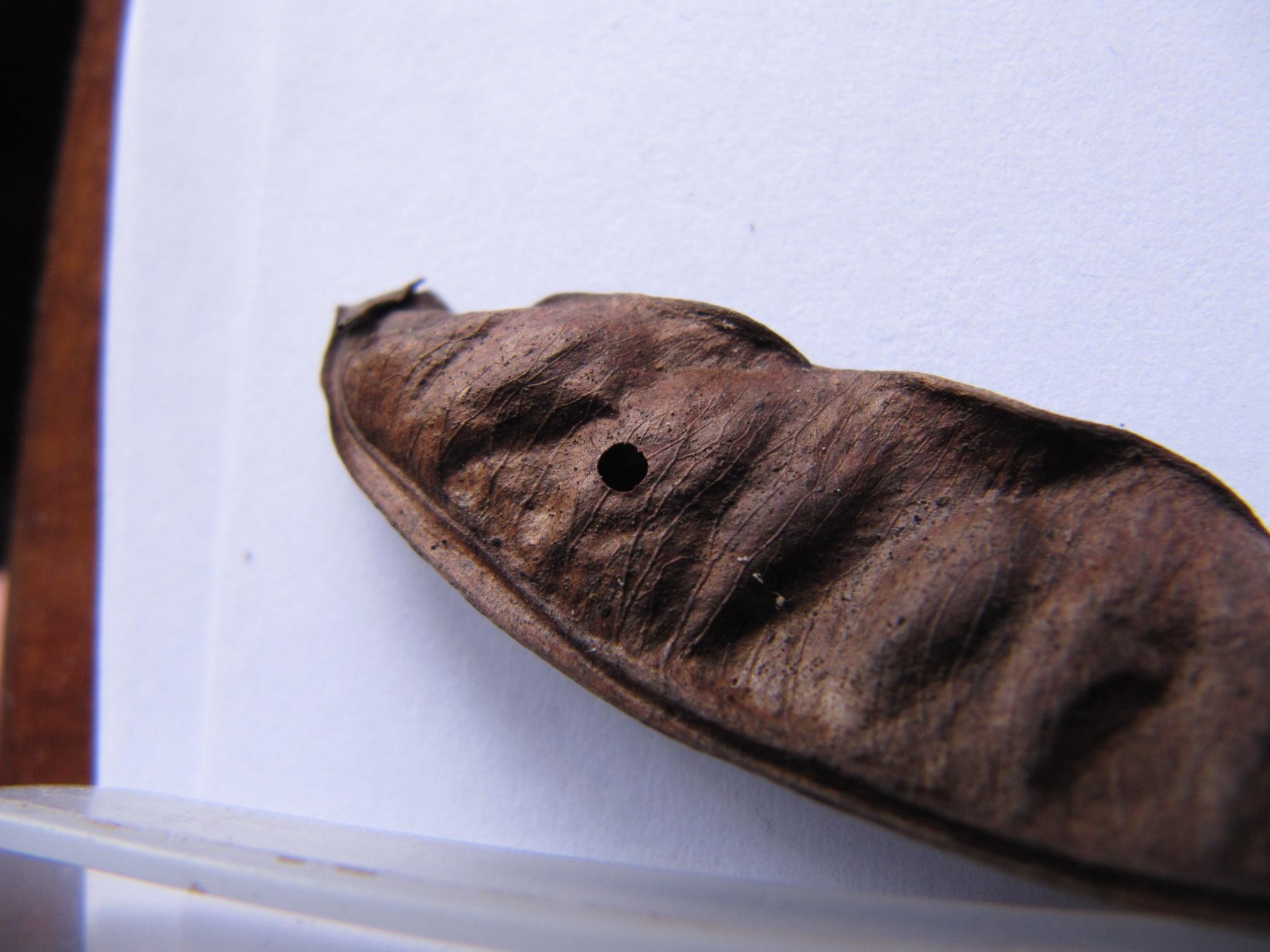
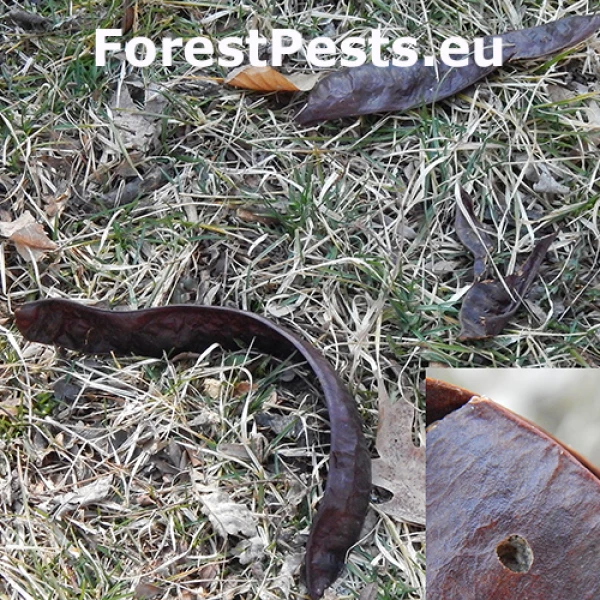
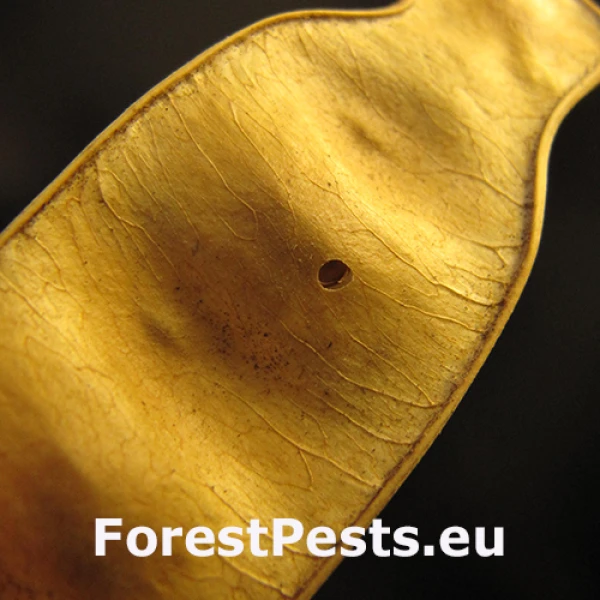
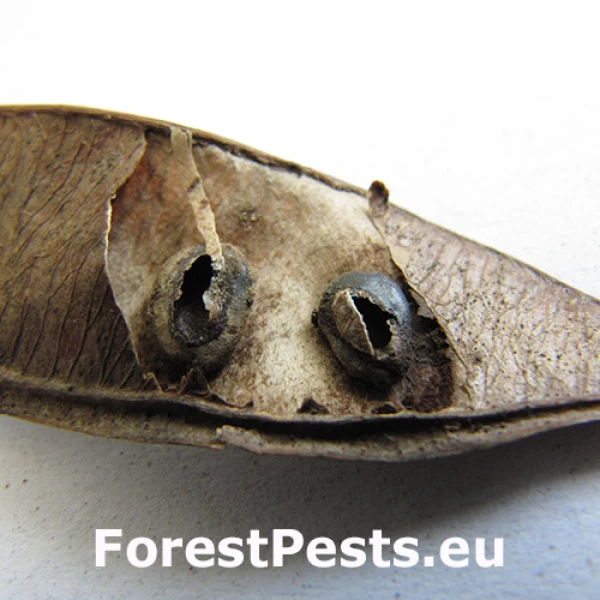
Infested seed pods exhibit small circular exit holes. Inside, seeds are hollowed out, often with visible frass. The pods may appear shriveled or show external damage. Compared to its close relative Megabruchidius dorsalis, M. tonkineus is distinguishable by its slightly smaller size, lighter dorsal coloration, and specific male and female morphological traits, such as the convex pygidium in males and elongate impressions on the female pygidium.
Tree Species: Honey locust
Part of a plant- attacked: Fruit / Seed
Pest significance: Harmful
Pest Category: Insects
Invasive Species: Yes
Present in EU: Yes
Add comment: Megabruchidius tonkineus
Location map: Megabruchidius tonkineus
Legend:

Expert verified points

Unverified points
Observed by users on these tree species
Similar damage
Asian seed beetle
Albizia seed beetle
Redbud seed beetle