


 Show all photos in album
Insert for comparison
We will identify your pest
Add pictures of this species
Show all photos in album
Insert for comparison
We will identify your pest
Add pictures of this species
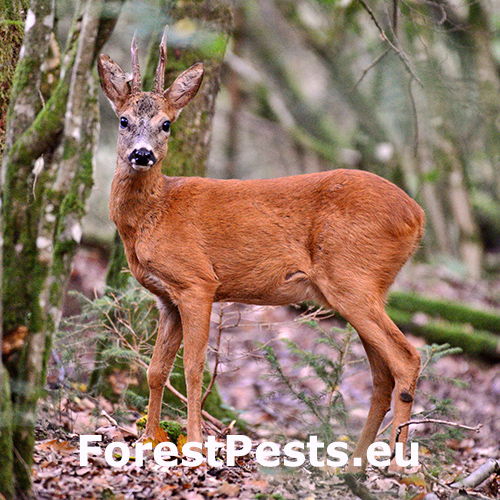
Capreolus capreolus
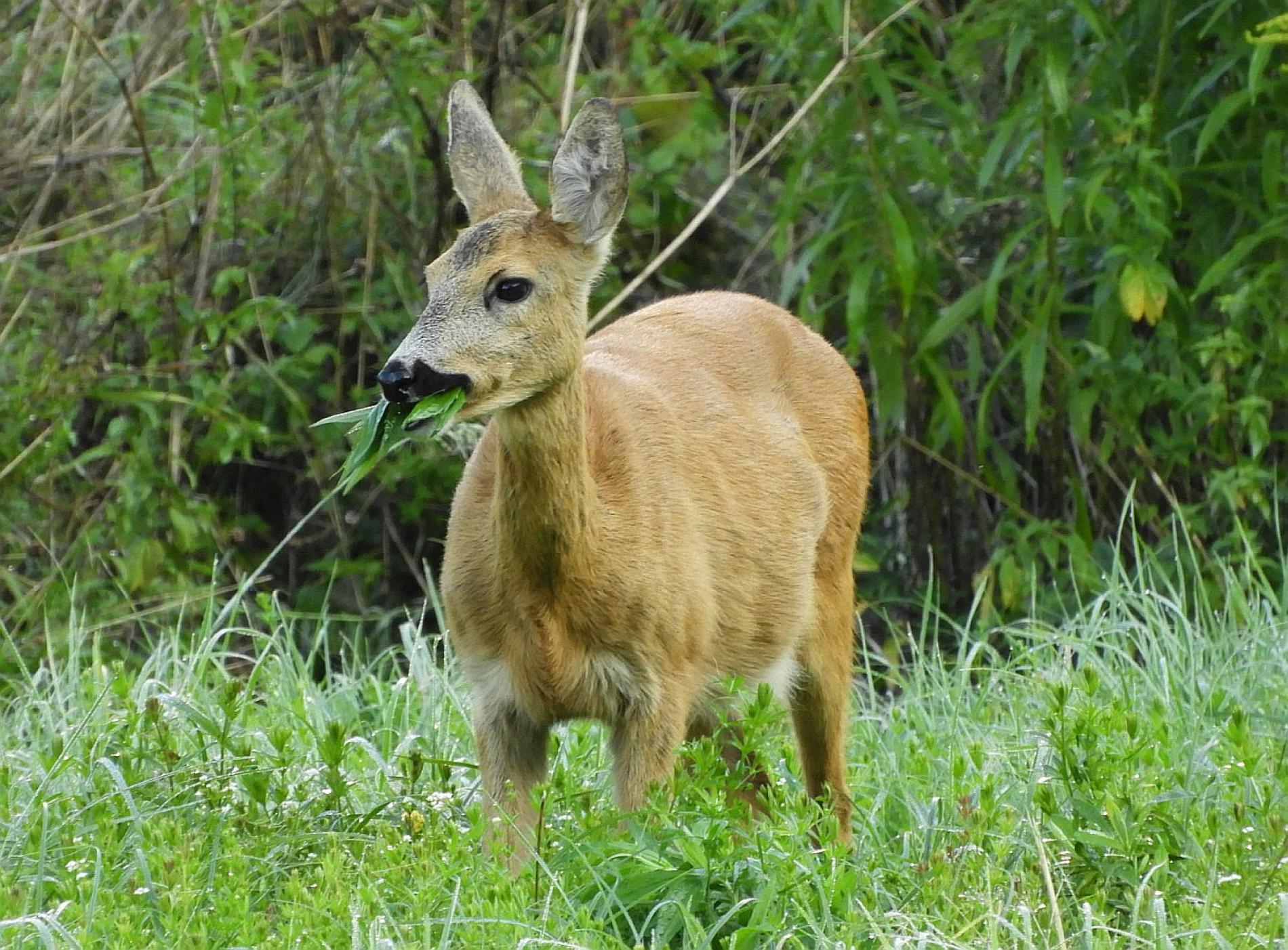
Roe deer
Description
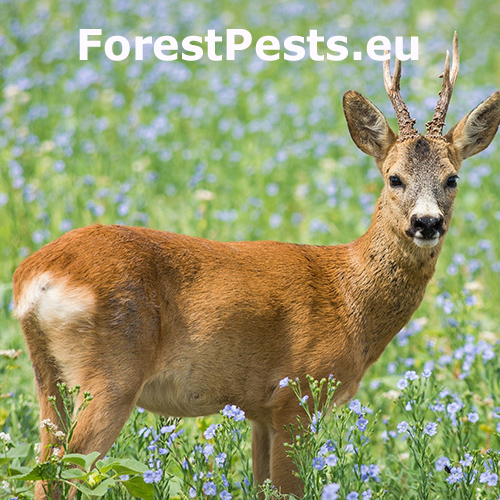
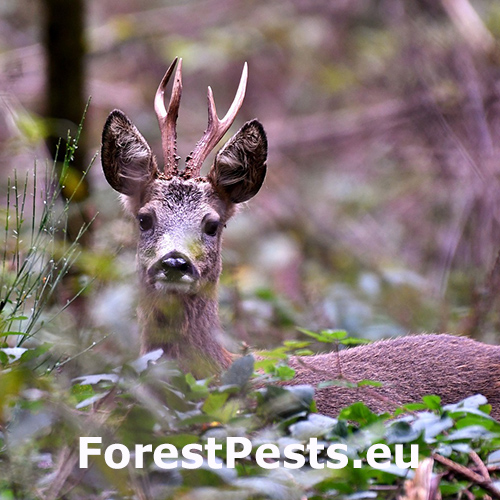
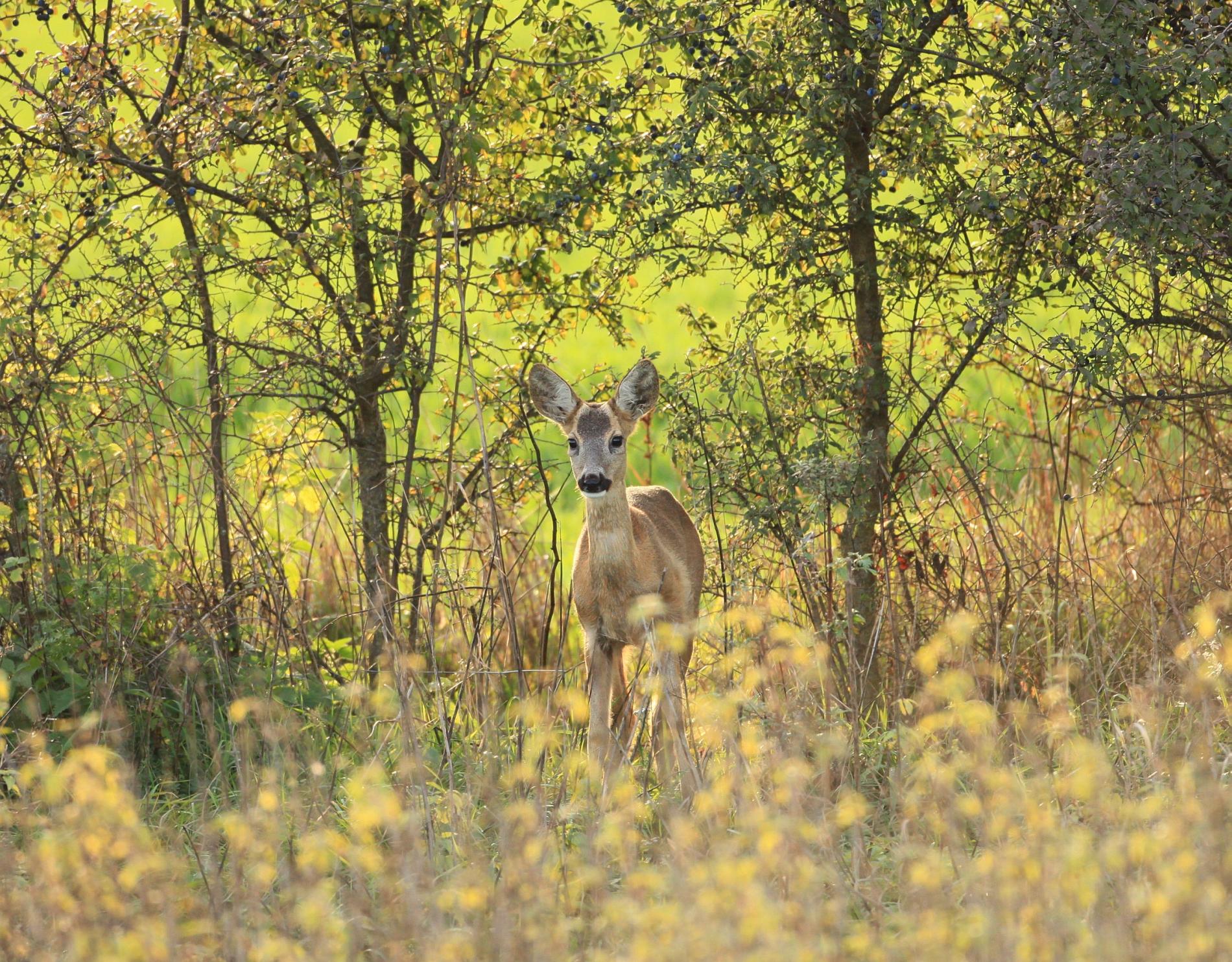
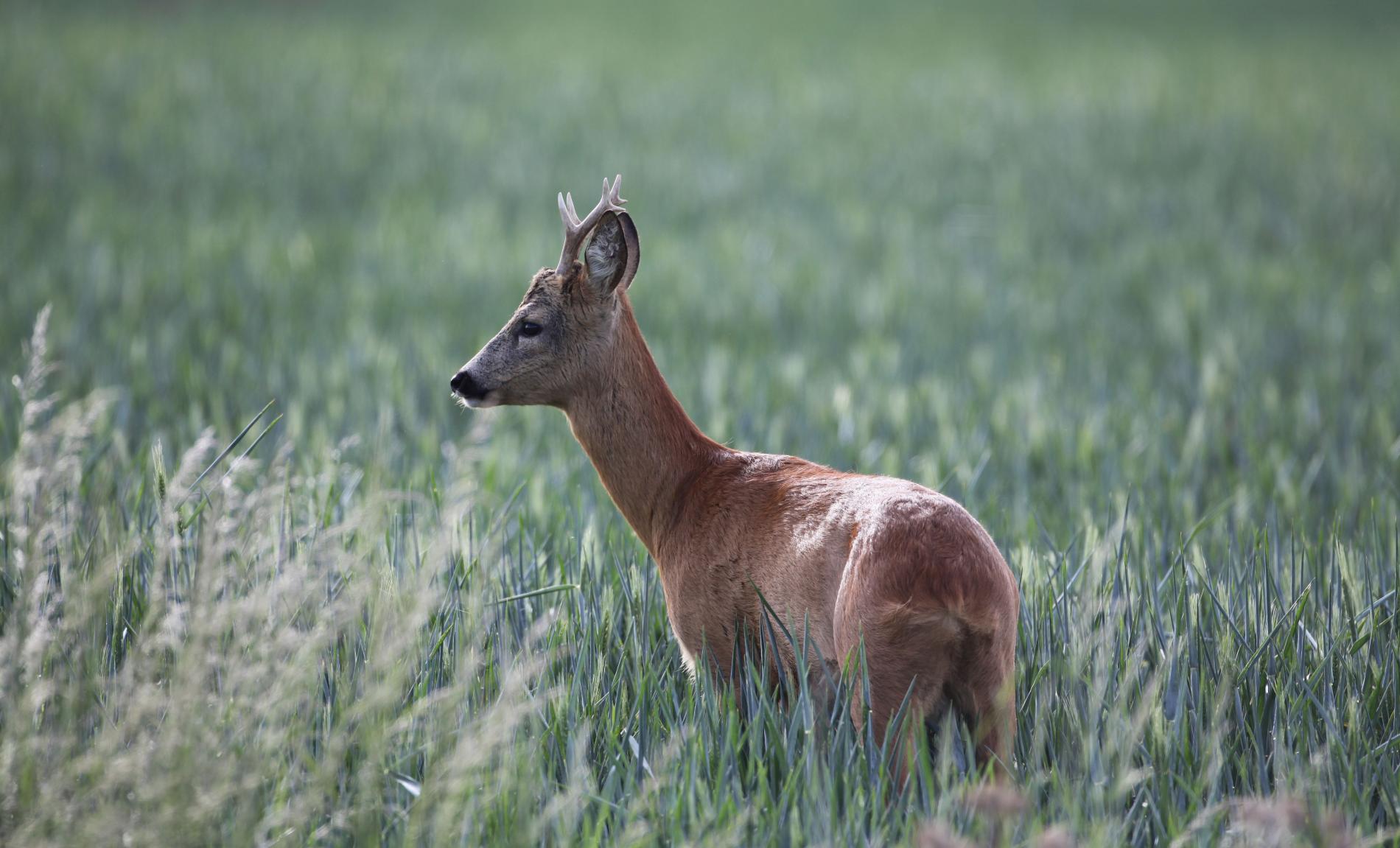
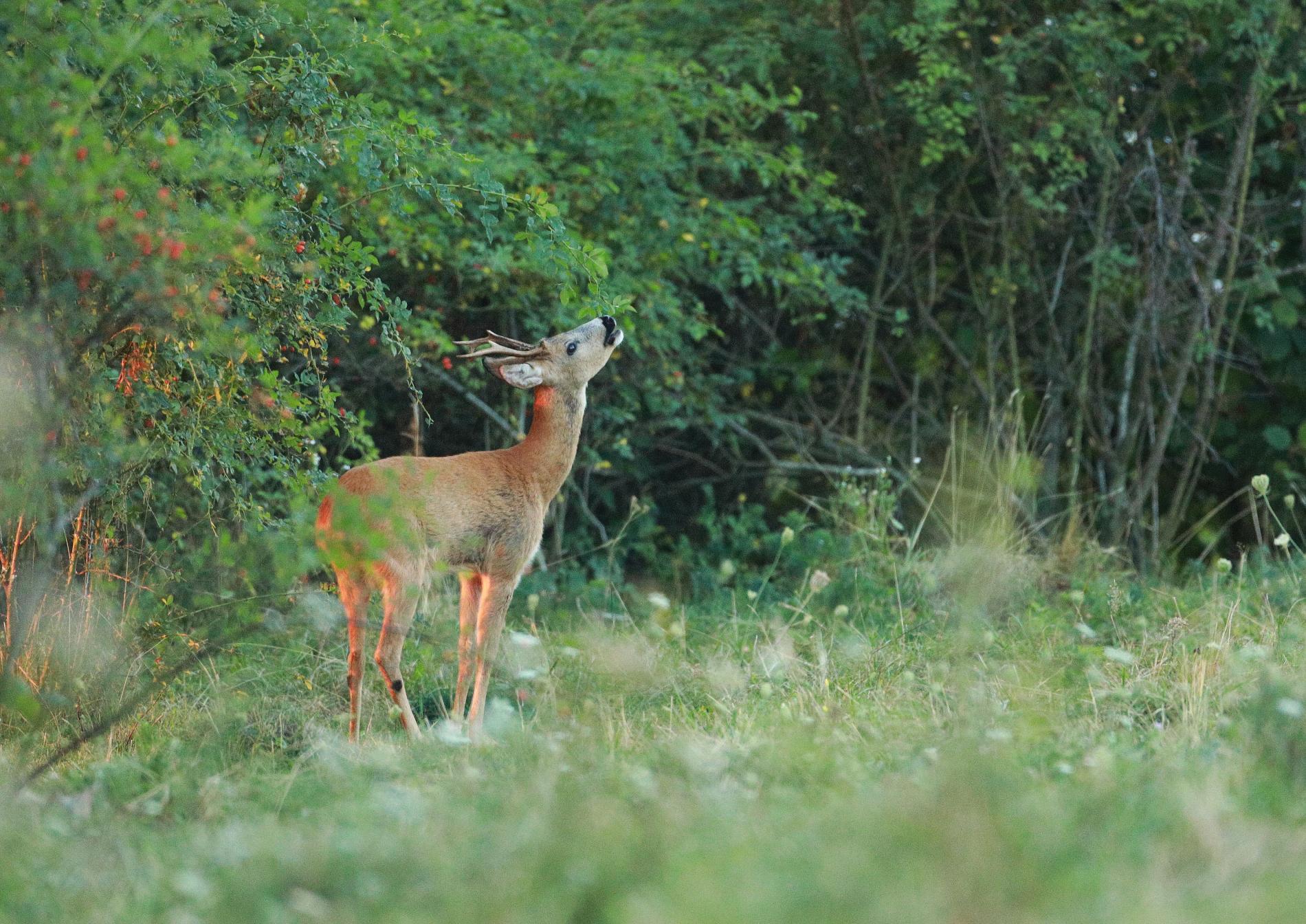
Roe deer is a small relative of the red deer. It weighs up to 30 kg. Males have relatively short antlers, that can grow up to a length of 20-25 cm. Male of roe deer throws antlers away every year to grow a new ones.
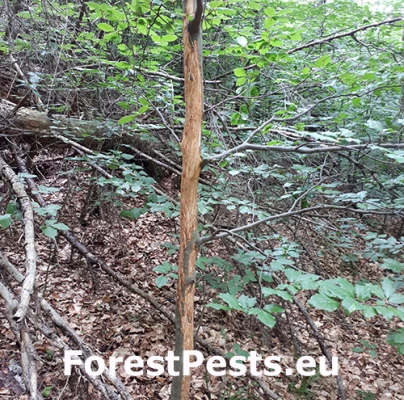
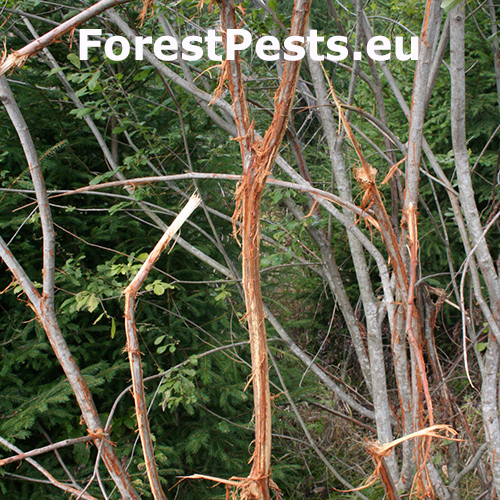
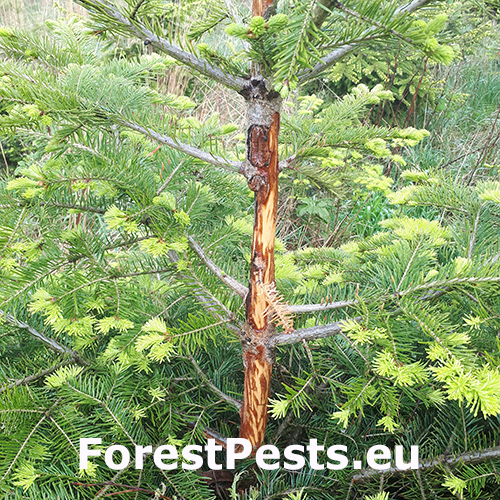
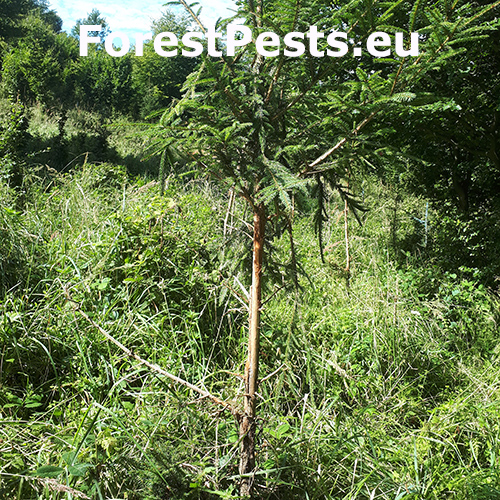
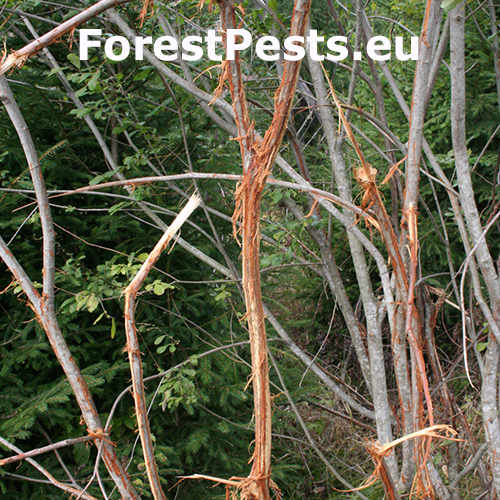
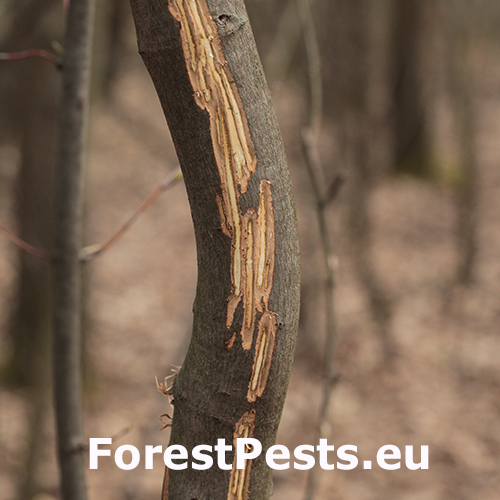
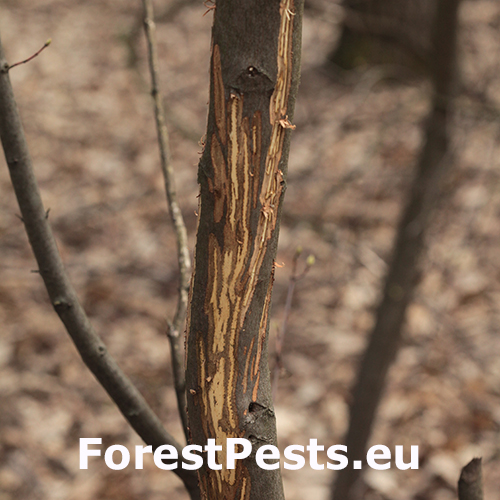
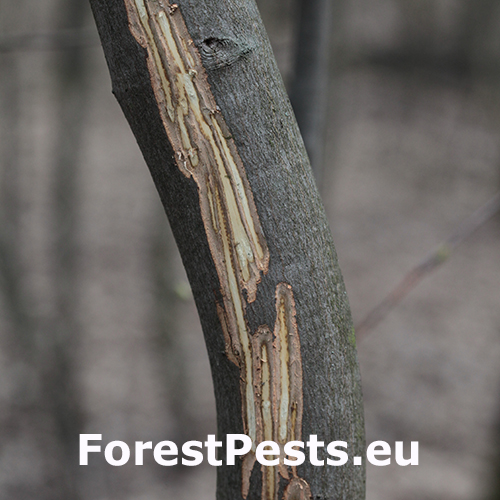
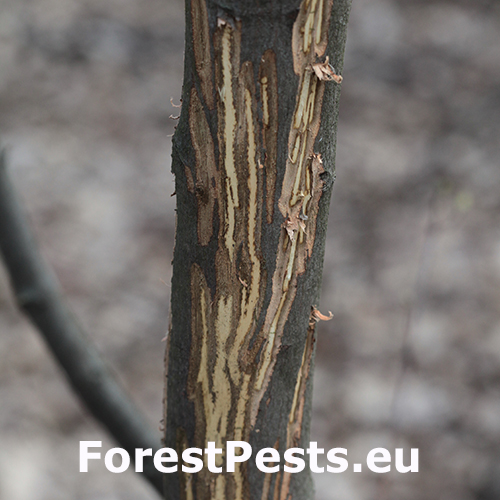
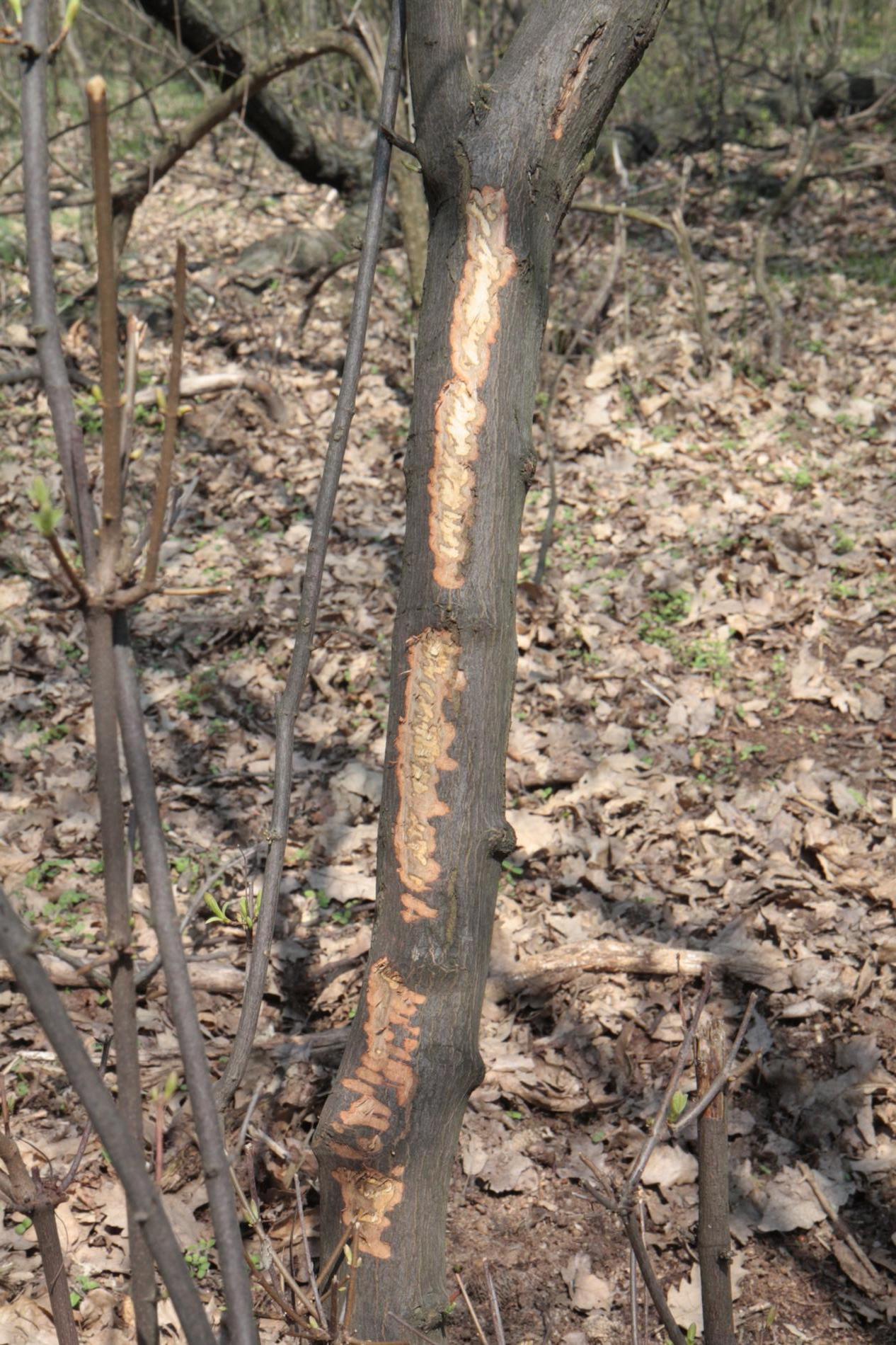
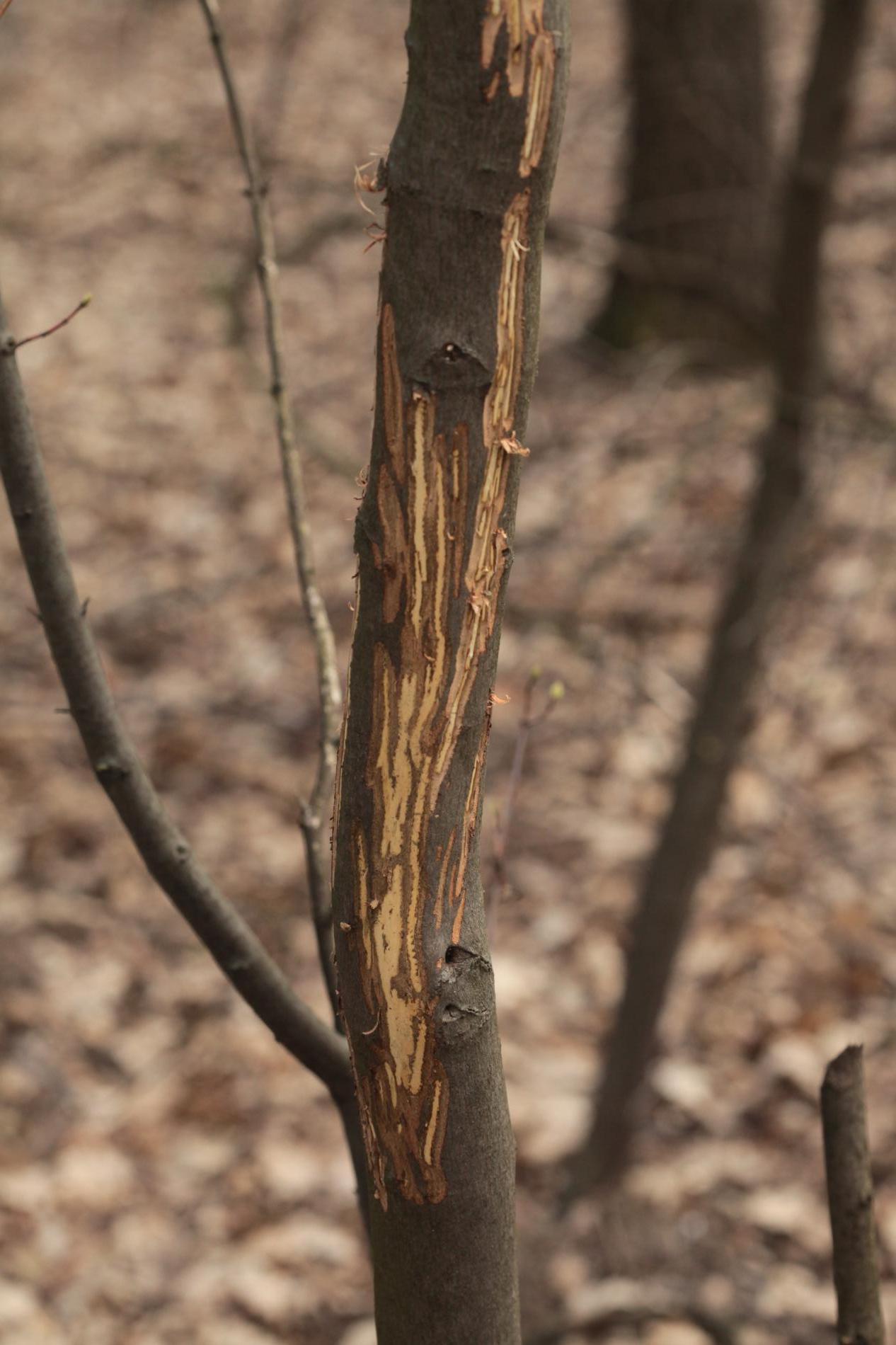
The Roe deer damages and consumes the bark, bast, and sapwood of trees by stripping. On the tree's trunk at the height of approximately 1 - 1.5 meter, there are clear traces of gnaws in the bast or sapwood part. A stripping can damage a part of the trunk girth, resulting in the physiological weakening of the damaged individual. In addition, fungal diseases can attack the tree as a secondary pest in the wound place. The availability of further secondary damages increases, and if the tree survives, the trunk quality is permanently reduced. If a bark stripping damages the entire circumference of the trunk, the conductive tissues are interrupted, and the damaged tree dies. In the spring (April - June) - the period of sap flow, the Roe deer also damages the trunk by peeling. It peels 50 centimeter strips of bark on trunks to a height of approximately 1 – 1.5 m. The sapwood layer remains exposed. The branches are not damaged.
In the case of roe deer bites, the width of the gnawing tracks is 0.2 to 0.3 cm.
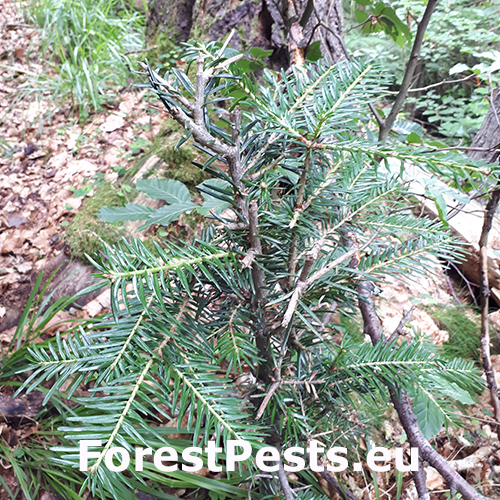
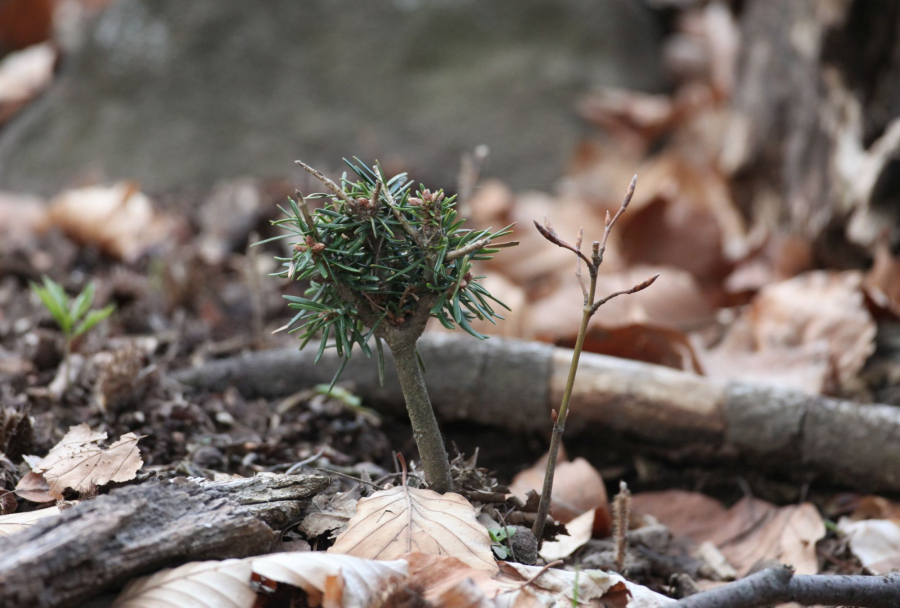
Young annual shoots are damaged and subsequently consumed by browsing, or only the end parts on older trees. During the summer browsing, the leaves are consumed along with the annual shoots, and during the winter browsing, which is more harmful, the Roe deer consumes buds and needles. The side twigs are damaged, as well as the terminal part of the tree. Repeated intense browsing associated with damage to the top of the tree leads to a significant slowdown in growth or even death of the tree. Browsing is especially harmful to seedlings. Repeated intensive browsing slows the growth, forming conical - pyramidal tree shapes.
Roe deer do not have gnaws in the upper jaw, so when they bite, they tear off the twig, which is reflected in the uneven, disheveled edge of the swallow. Some twigs in the higher parts of the tree are bent with gnawed ends. The bite can be confused with another type of mechanical damage.
Roe deer also cause a mechanical damage to the trees when the antlers are dropped. The animal removes the top layer from the surface of the antlers by rubbing the trunks of the trees. Due to this activity, the trunks are stripped of bark, the branches can be considerably damaged or even broken.
Symptom
Broken branches, peeled bark on branches and tree trunks.
Tree Species: Pine, Beech, Rowan, Whitebeam, Ash, Maple, Fir, Lime, Spruce, Larch, Willow
Part of a plant- attacked: Tree trunk
Pest significance: Very harmful
Pest Category: Animals
Invasive Species: No
Present in EU: Yes
Add comment: Capreolus capreolus
Location map: Capreolus capreolus
print viewLegend:

Expert verified points

Unverified points
Observed by users on these tree species
Most sightings of the species

Last observations
There are a total of 1 observations of the species in the system

Capreolus capreolusRoe deer
majo
Number of votes: 0
Published: 26.3.2023
Similar damage
Red deer
Fan-bearing wood-borer
Wild Boar