





 Show all photos in album
Insert for comparison
We will identify your pest
Add pictures of this species
Show all photos in album
Insert for comparison
We will identify your pest
Add pictures of this species
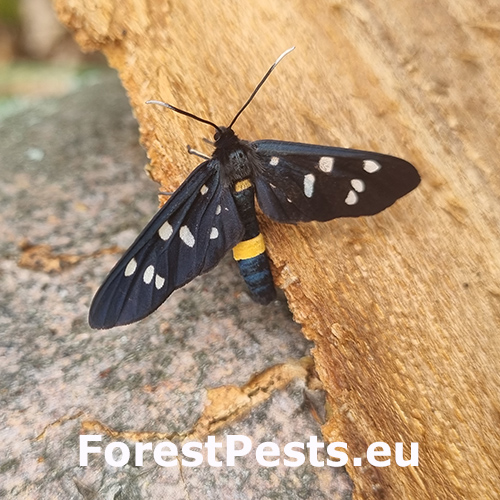
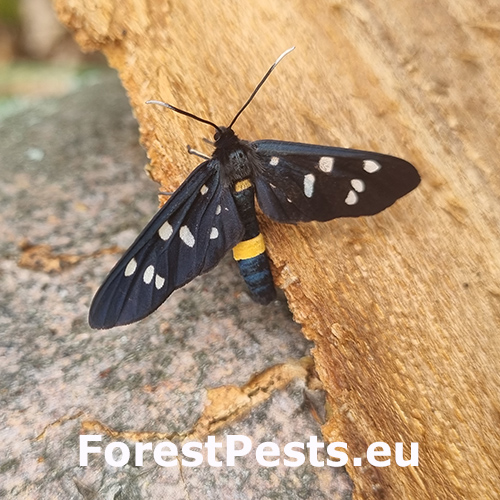
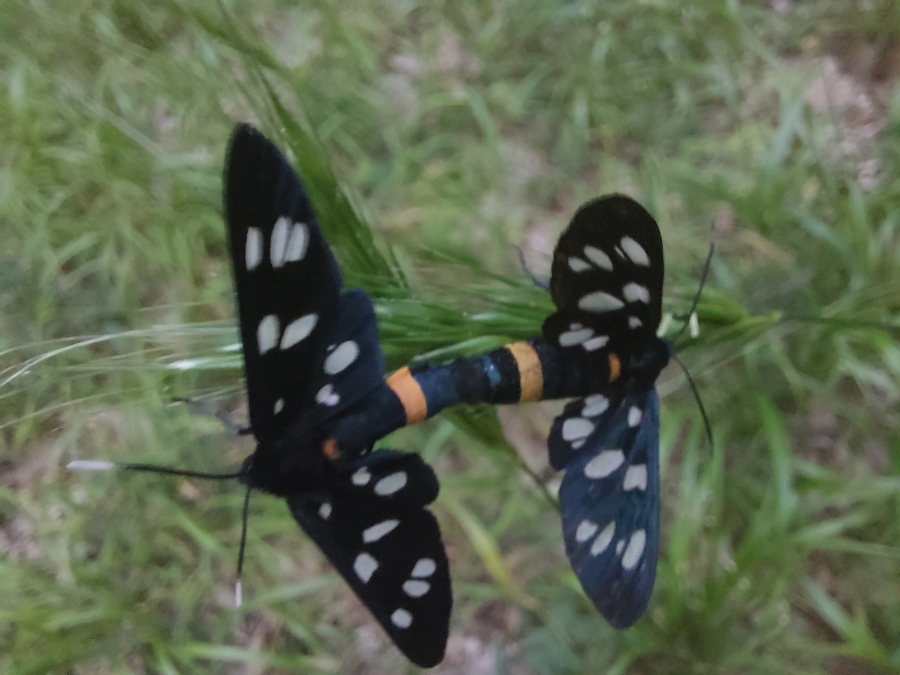
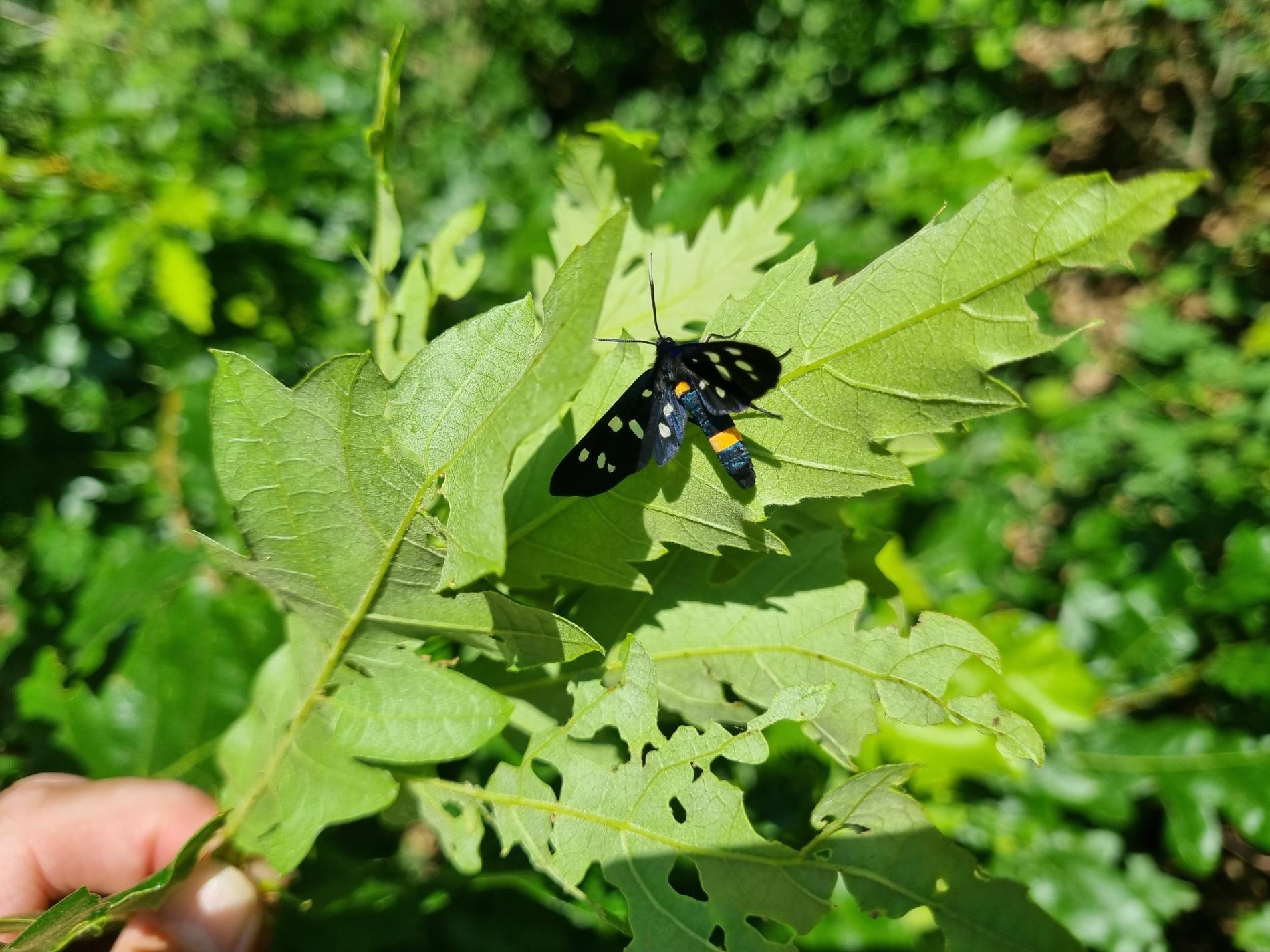
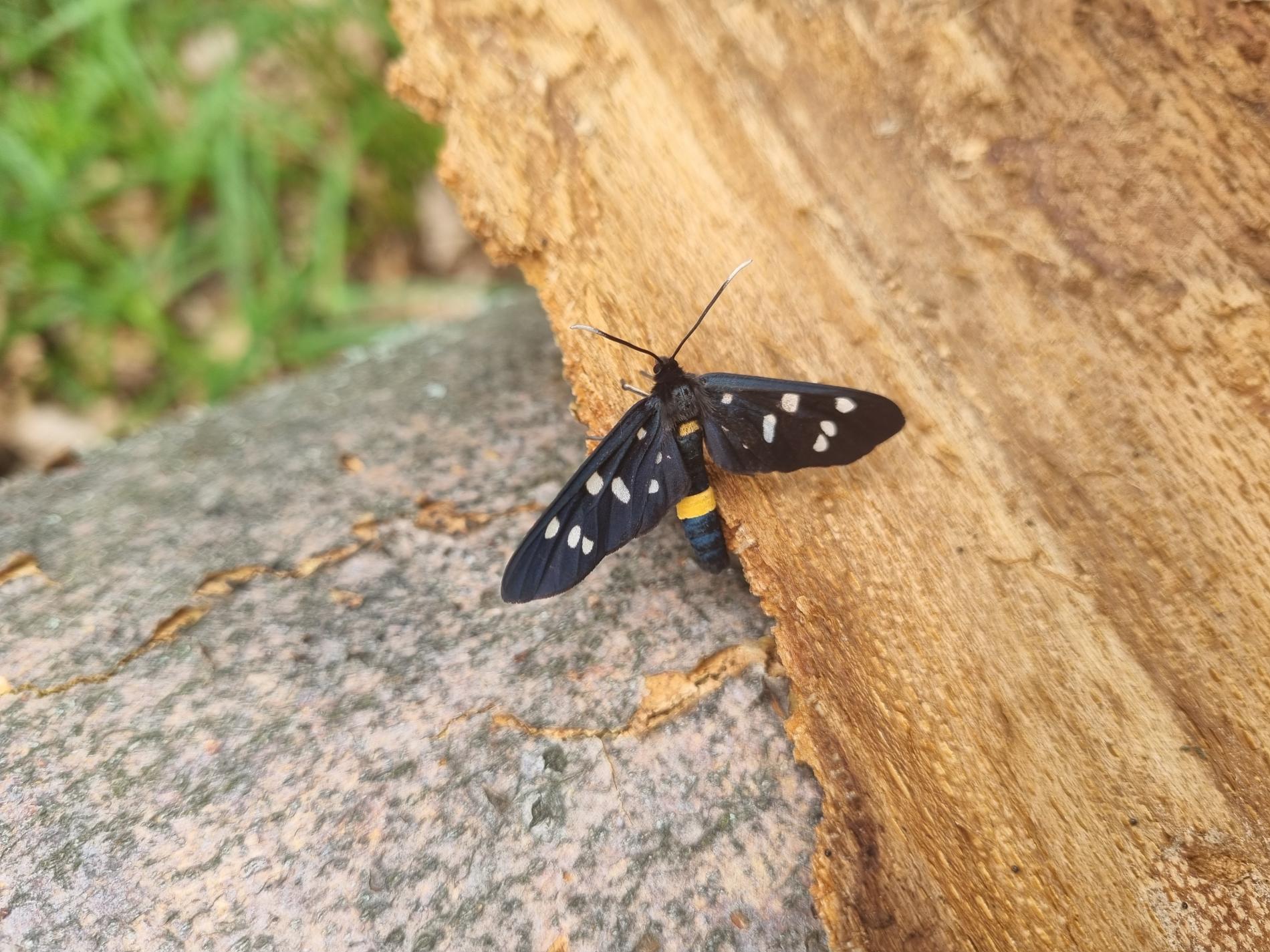
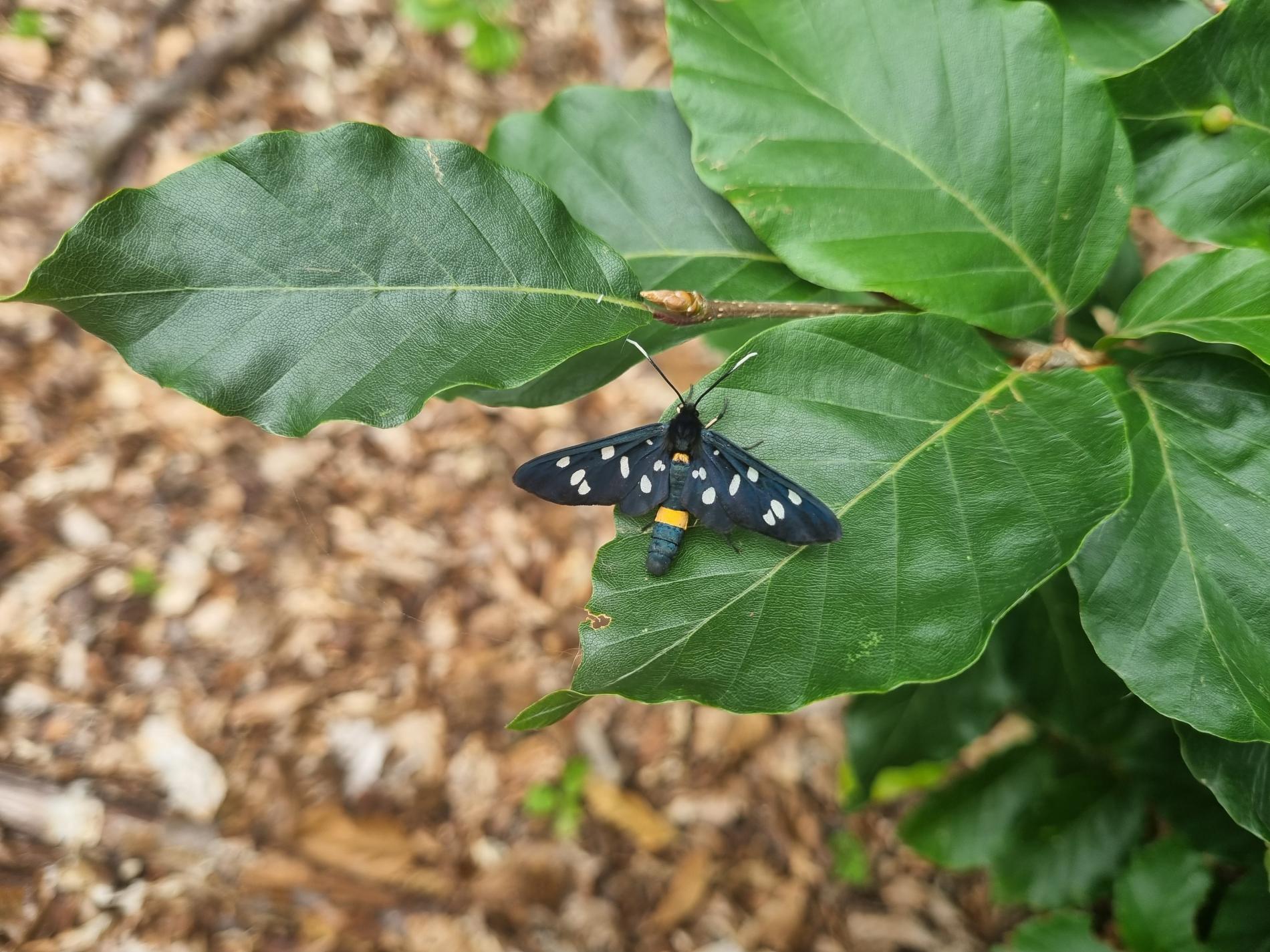
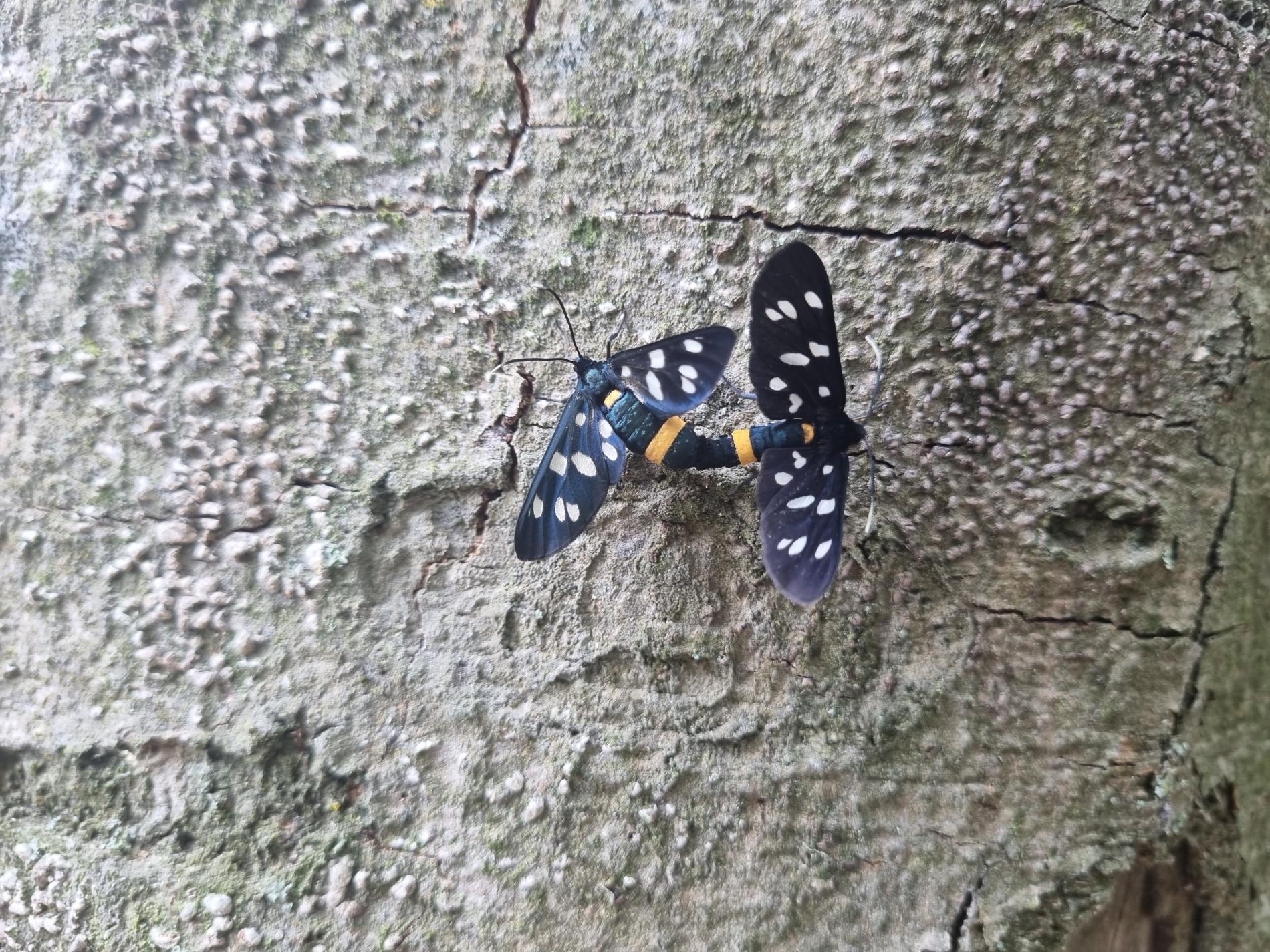
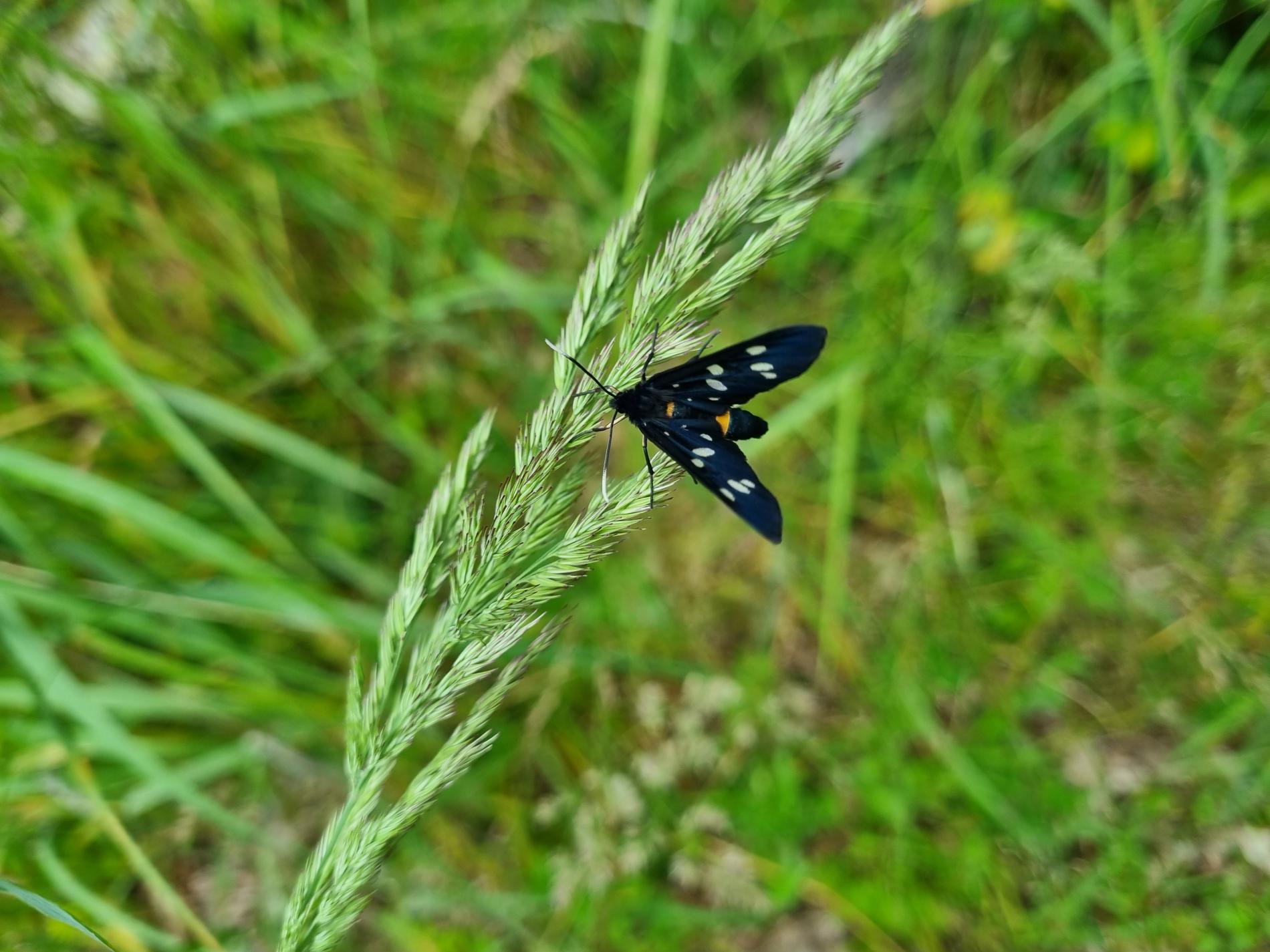
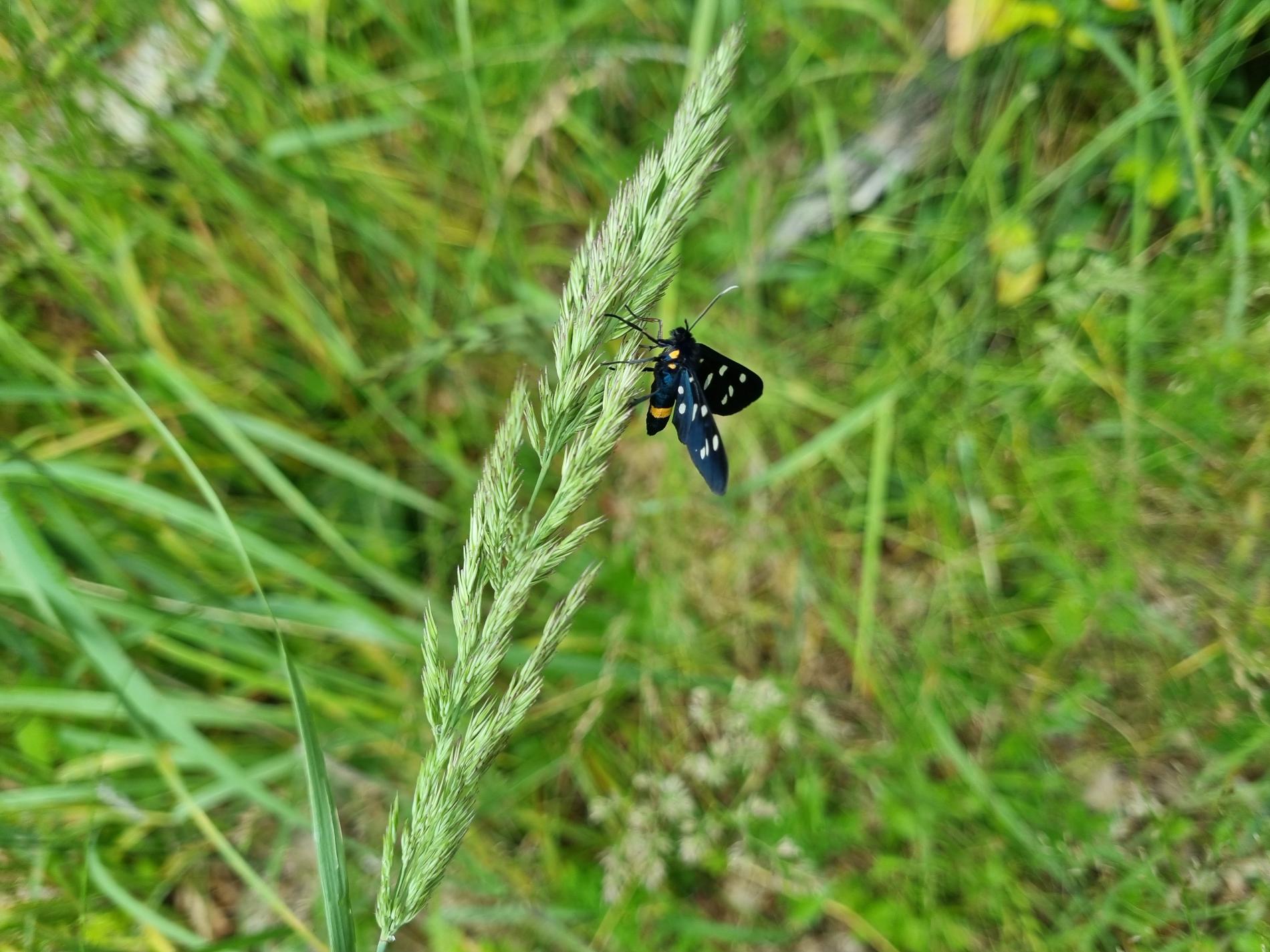
Amata (= Syntomis) phegea
Nine-spotted moth
Description
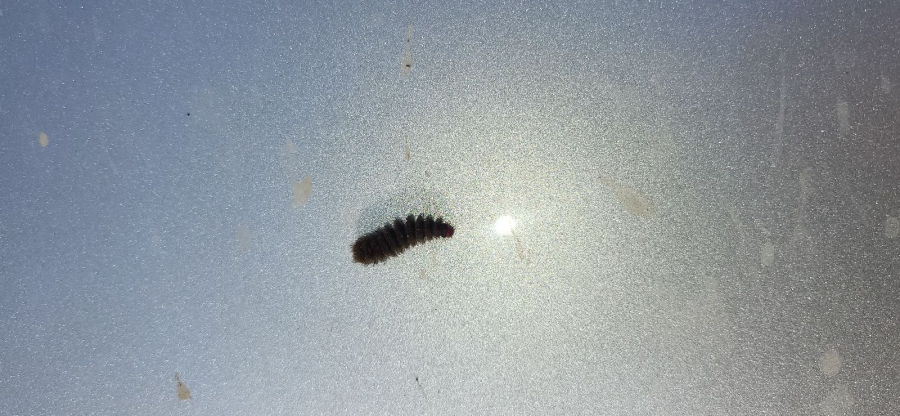
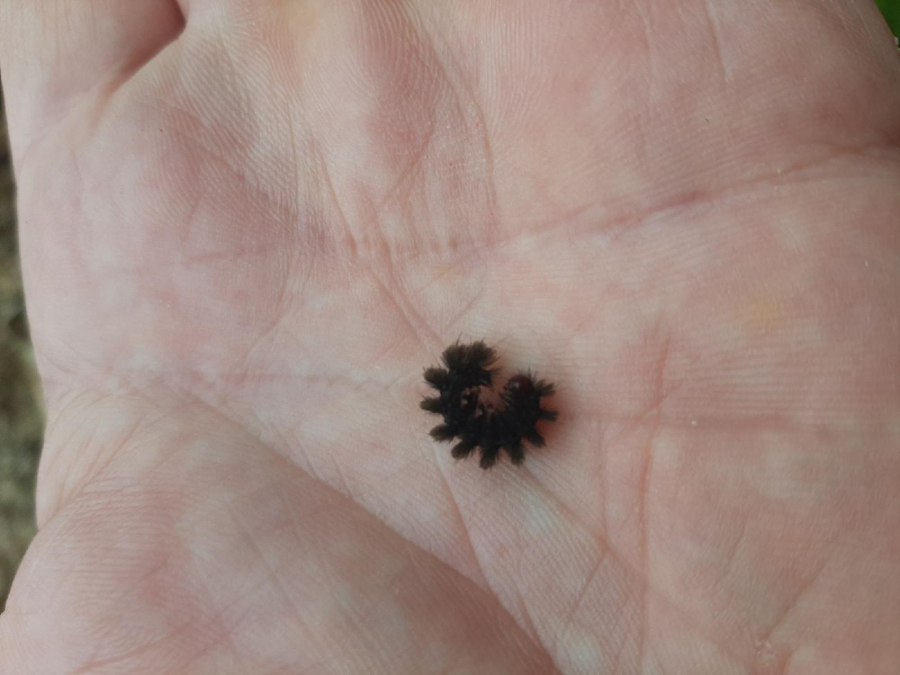
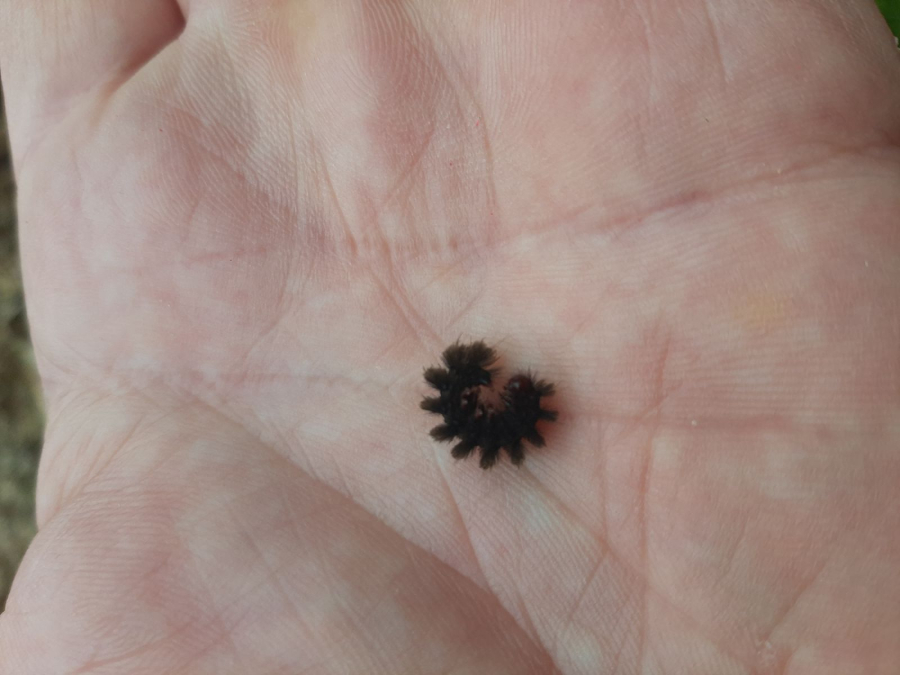
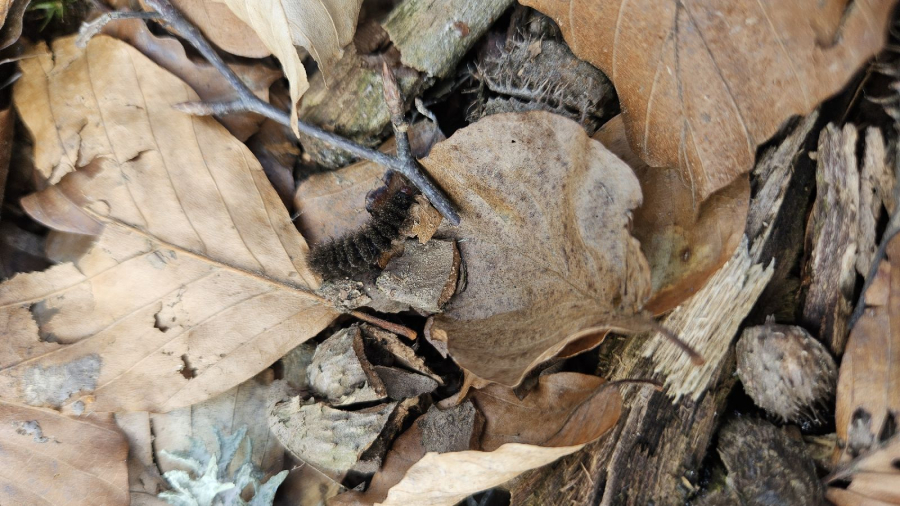
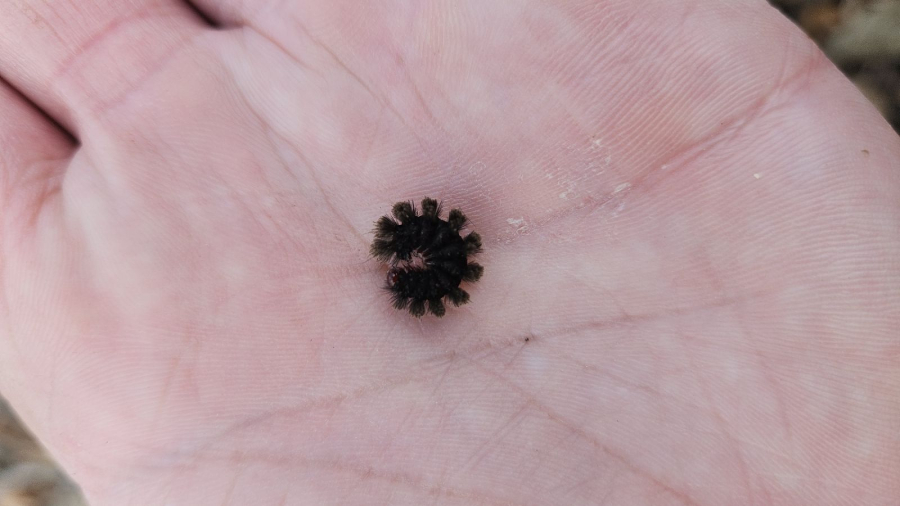
The nine-spotted moth Amata phegea belongs to the family Erebidae. Also known as Syntomis phegea. It is widespread in southern and central Europe, extending into Anatolia and the Caucasus. It inhabits open forests, forest edges, and sunny slopes, mainly at lower elevations. It can also be found in agricultural fields adjacent to sparse woodlands and even flies during light rain. Adults are active from late May to August and have one generation per year. Females lay eggs on various herbaceous plants. The larvae are polyphagous and feed on a wide range of low-growing herbs. Caterpillars overwinter in silk nests and pupate on the ground in May. They feed exclusively on herbs and are not in any way considered pests of trees or shrubs.
This species is included here because it is very common in warm, sparse, lowland forests and is often misidentified or mistakenly considered a pest.
Symptom
No signs of damage are present on trees or shrubs caused by Amata phegea.
Tree Species: Different tree species
Pest significance: Not harmful
Pest Category: Insects
Invasive Species: No
Present in EU: Yes
Add comment: Amata (= Syntomis) phegea
Location map: Amata (= Syntomis) phegea
print viewLegend:

Expert verified points

Unverified points
Observed by users on these tree species
Most sightings of the species

Last observations
There are a total of 5 observations of the species in the system

Amata (= Syntomis) phegeaNine-spotted moth
miso
Number of votes: 0
Published: 6.3.2024

Amata (= Syntomis) phegeaNine-spotted moth
Pavel
Number of votes: 0
Published: 4.3.2024

Amata (= Syntomis) phegeaNine-spotted moth
Štefan
Number of votes: 0
Published: 4.3.2024

Amata (= Syntomis) phegeaNine-spotted moth
Martin Matys
Number of votes: 0
Published: 4.3.2024
Similar damage
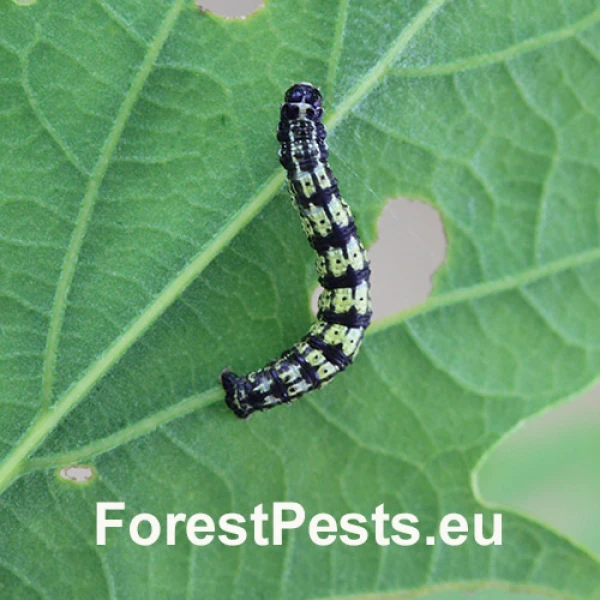
Spring usher
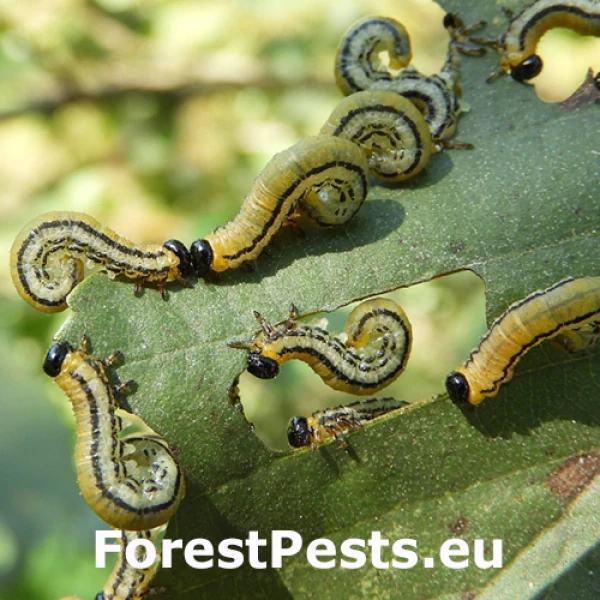
Striped alder sawly
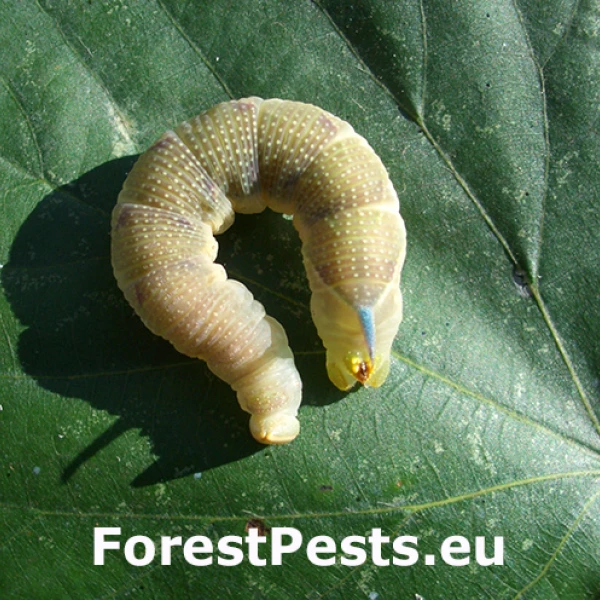
Lime hawk-moth