






 Show all photos in album
Insert for comparison
We will identify your pest
Add pictures of this species
Show all photos in album
Insert for comparison
We will identify your pest
Add pictures of this species
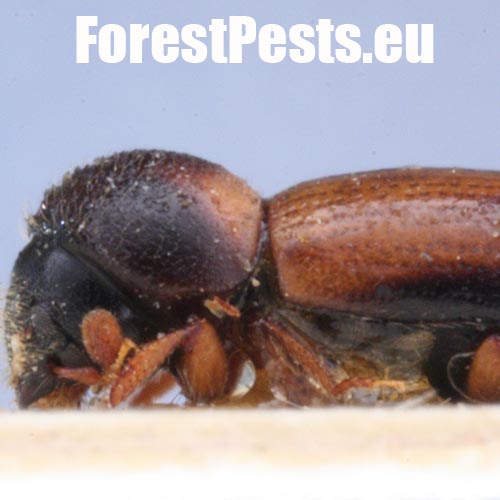
Trypodendron lineatum
Striped ambrosia beetle
Description
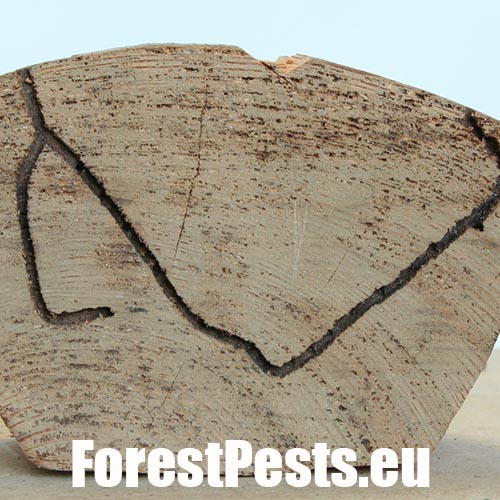
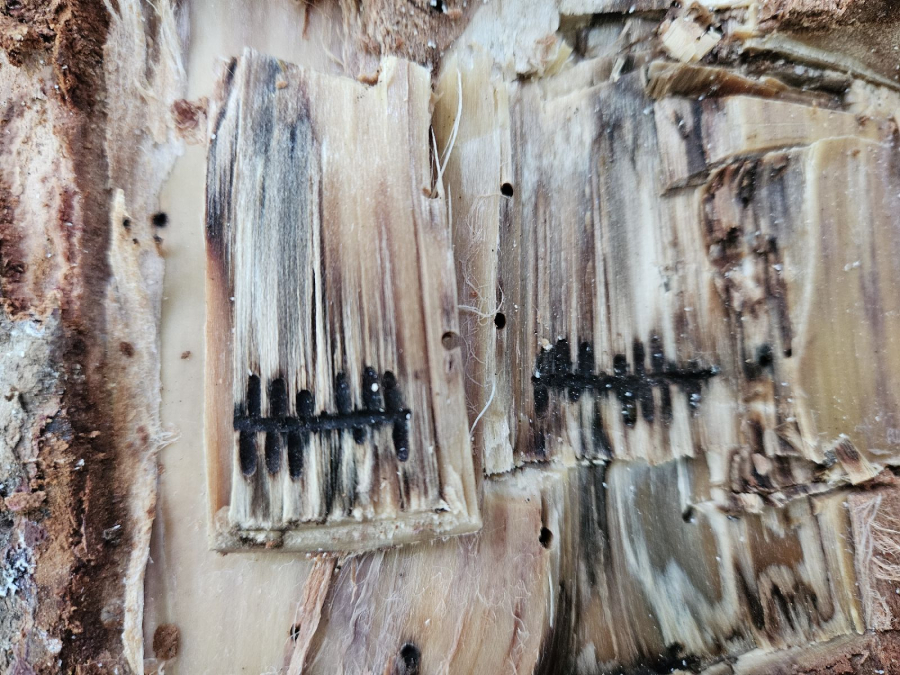
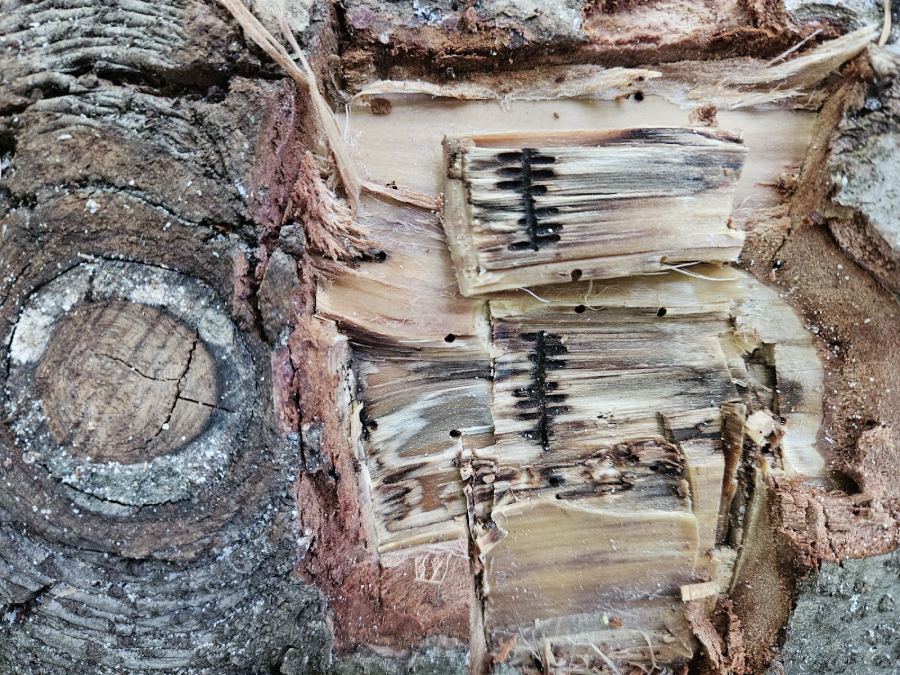
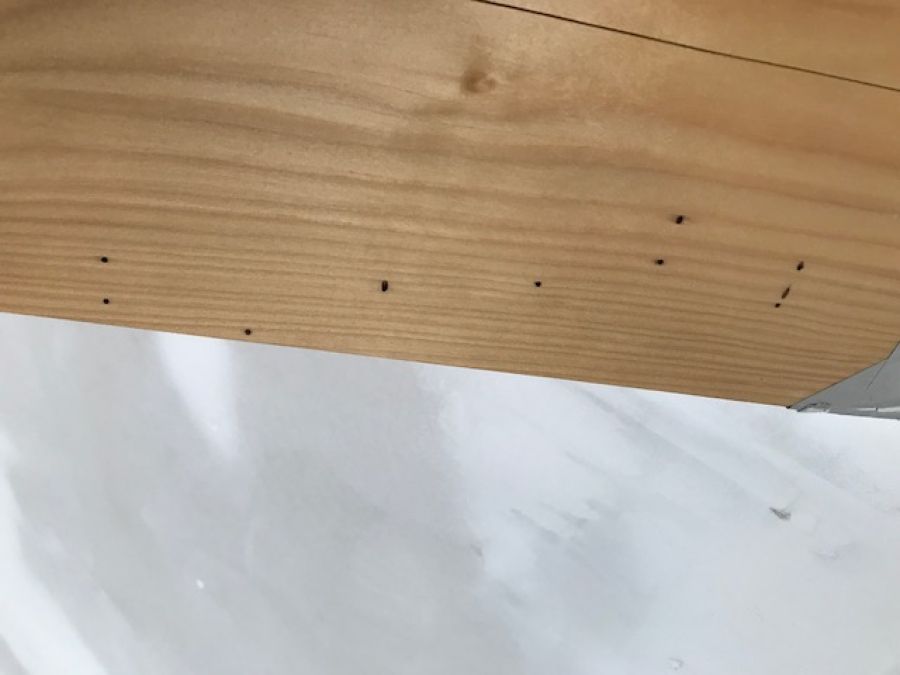
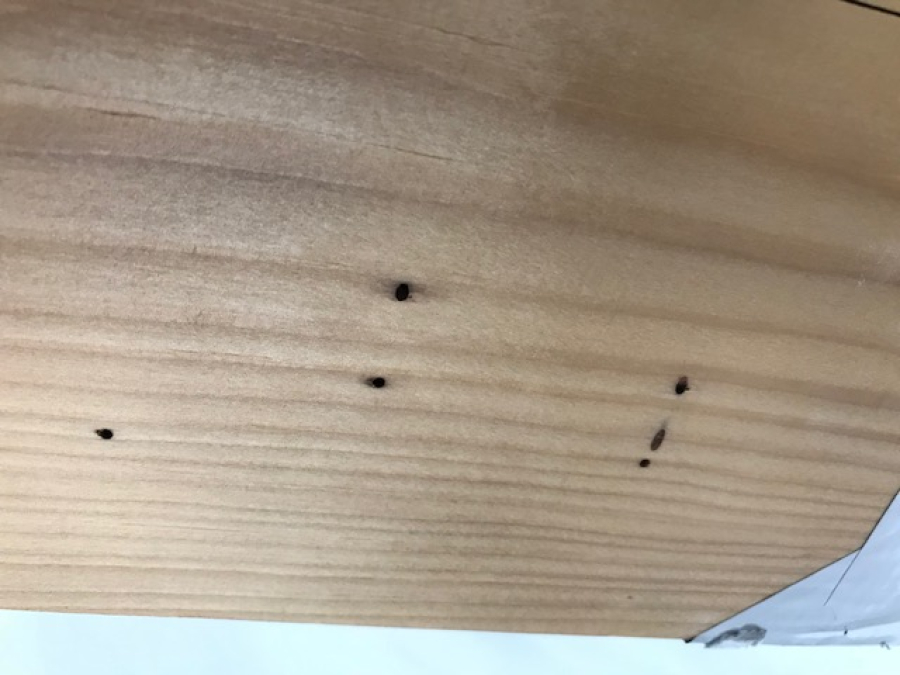
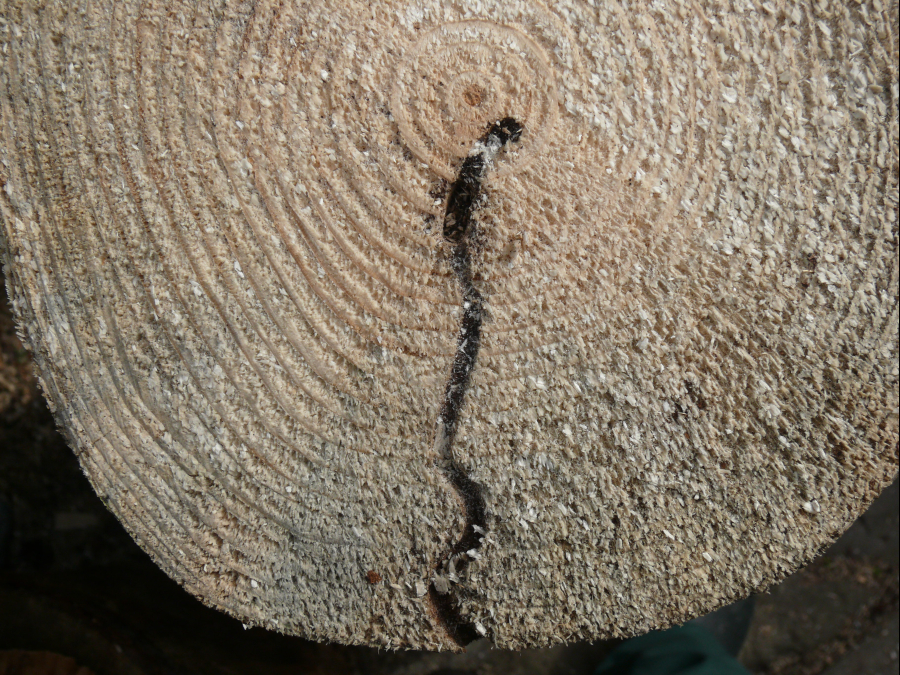
The beetle is 2.5–4 mm long. It attacks languishing, weakened trees, cut down trunks and fresh stumps in forests situated in moist localities. It pushes small whitish wood debris out of galleries. It swarms in March and April. Mating takes place on the surface of the bark after which the females bore into the log to form galleries. The females lay eggs in a typical ladder-like gallery. It belongs to the so-called ambrosia beetles. The larvae need the fungus Trichosporium ferrugineum for their development. It grows inside the larval chambers, its hyphae and spores are a component of food for both larvae and adults. Widespread everywhere in coniferous forest in mountainous areas.
Symptom
The females lay eggs in a typical ladder-like gallery.
Tree Species: Pine, Fir, Spruce, Larch
Part of a plant- attacked: Tree trunk
Pest significance: Very harmful
Pest Category: Insects
Invasive Species: No
Present in EU: Yes
Add comment: Trypodendron lineatum
Location map: Trypodendron lineatum
print viewLegend:

Expert verified points

Unverified points
Observed by users on these tree species

Last observations
There are a total of 4 observations of the species in the system

Trypodendron lineatumStriped ambrosia beetle
Jozef
Number of votes: 0
Published: 31.7.2024

Trypodendron lineatumStriped ambrosia beetle
Jozef
Number of votes: 0
Published: 31.7.2024

Trypodendron lineatumStriped ambrosia beetle
Jozef
Number of votes: 0
Published: 28.5.2024

Trypodendron lineatumStriped ambrosia beetle
Ján Ferenčík
Number of votes: 0
Published: 27.10.2020

Trypodendron lineatumStriped ambrosia beetle
Calgary
Number of votes: 0
Published: 28.8.2018
Similar damage

Black timber bark beetle

Mediterranean oak borer

European hardwood ambrosia beetle


