




 Show all photos in album
Insert for comparison
We will identify your pest
Add pictures of this species
Show all photos in album
Insert for comparison
We will identify your pest
Add pictures of this species
Tipula spp.
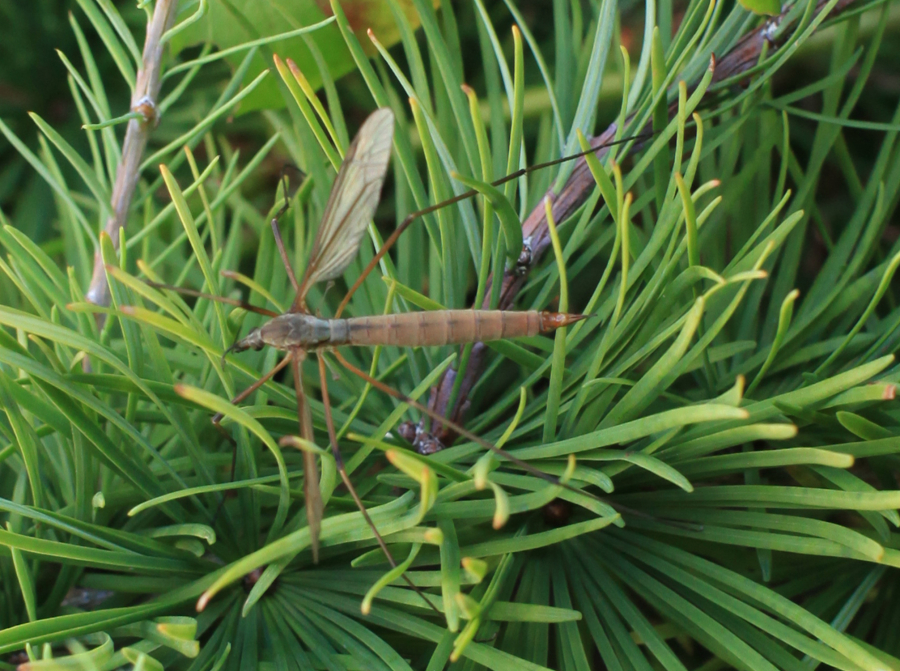
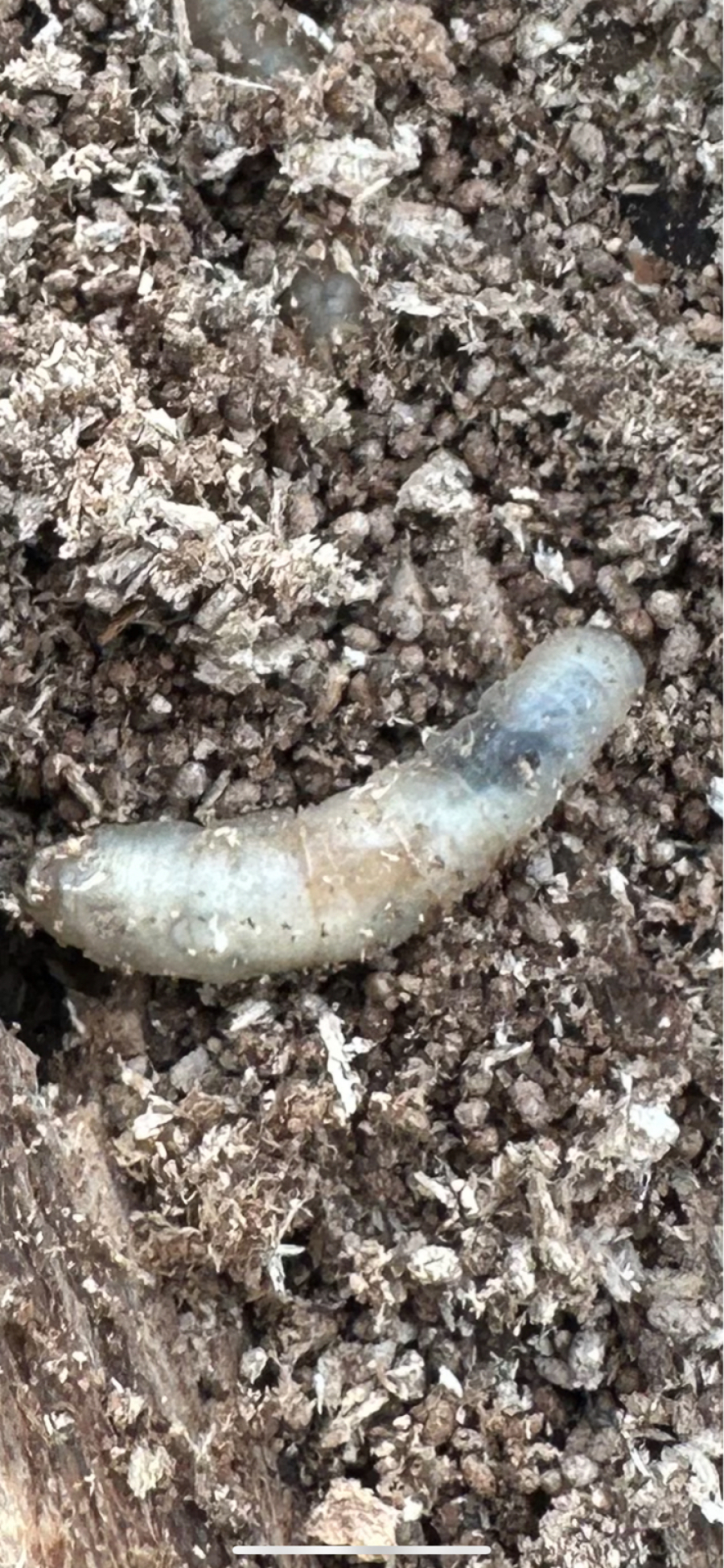
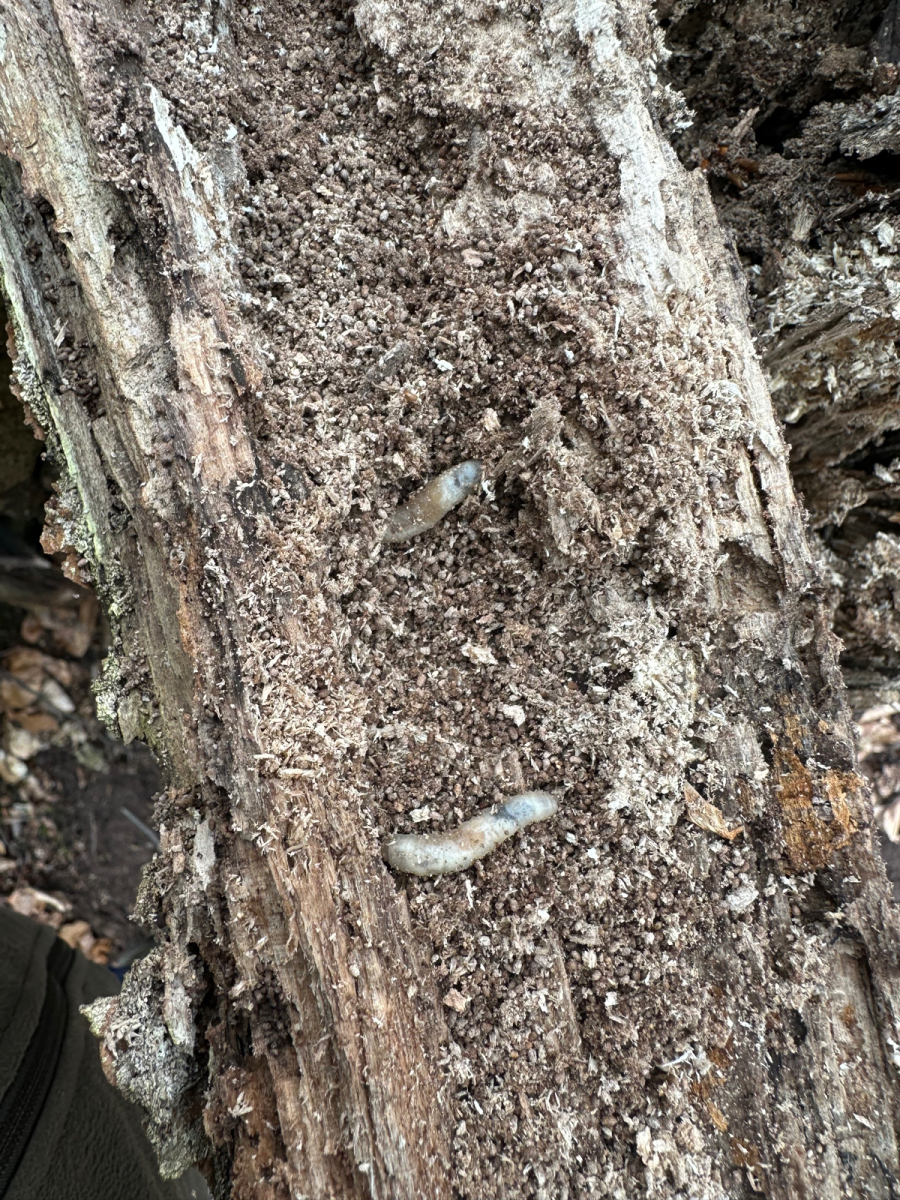
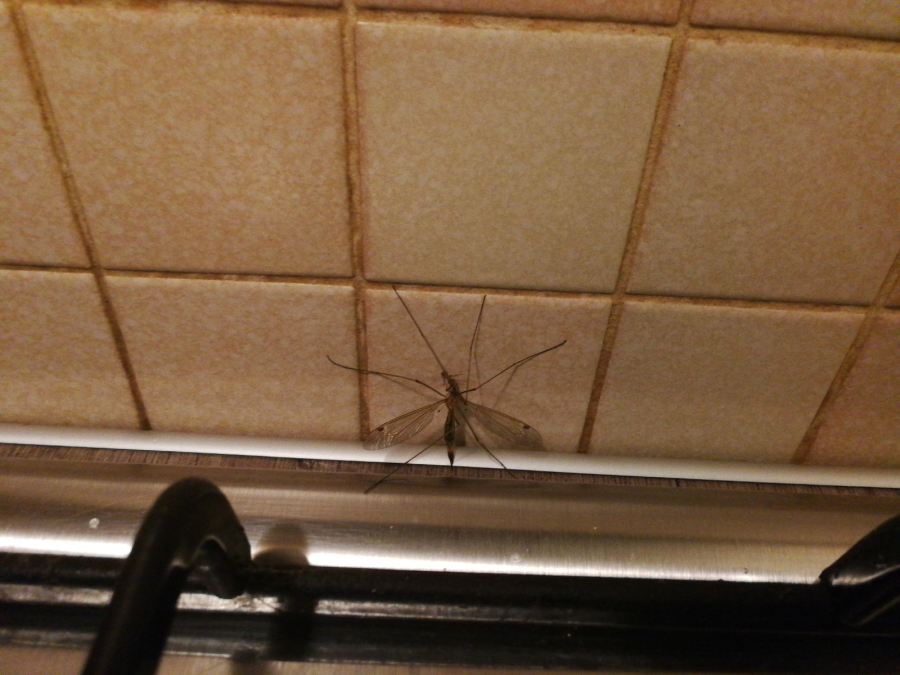
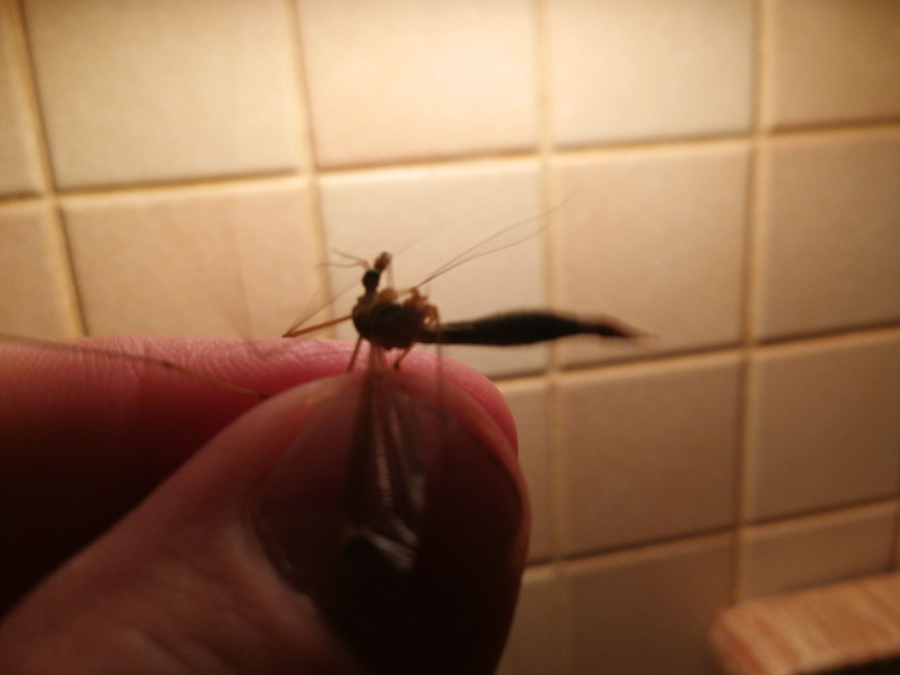
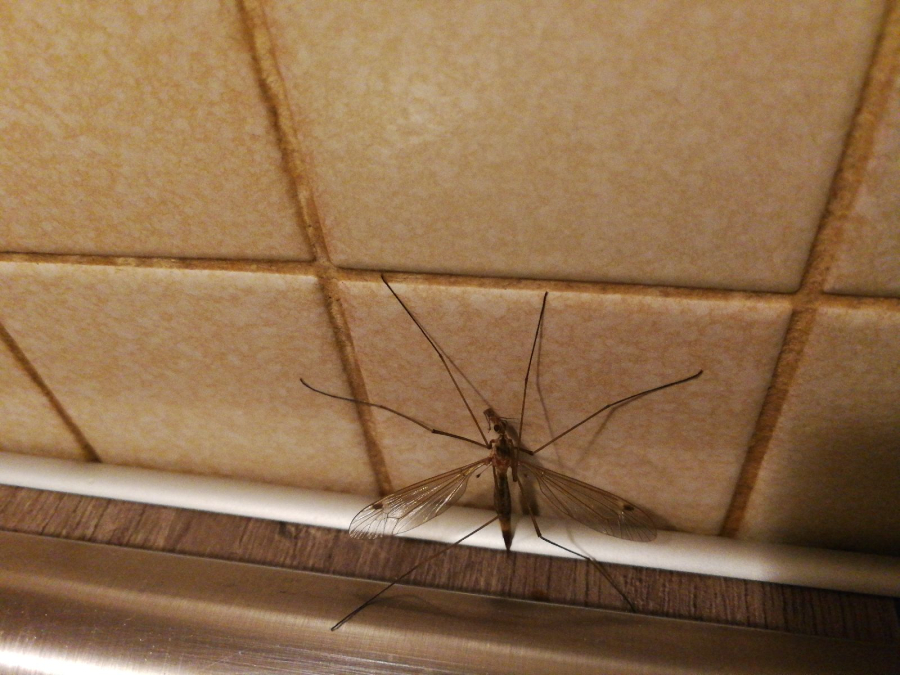
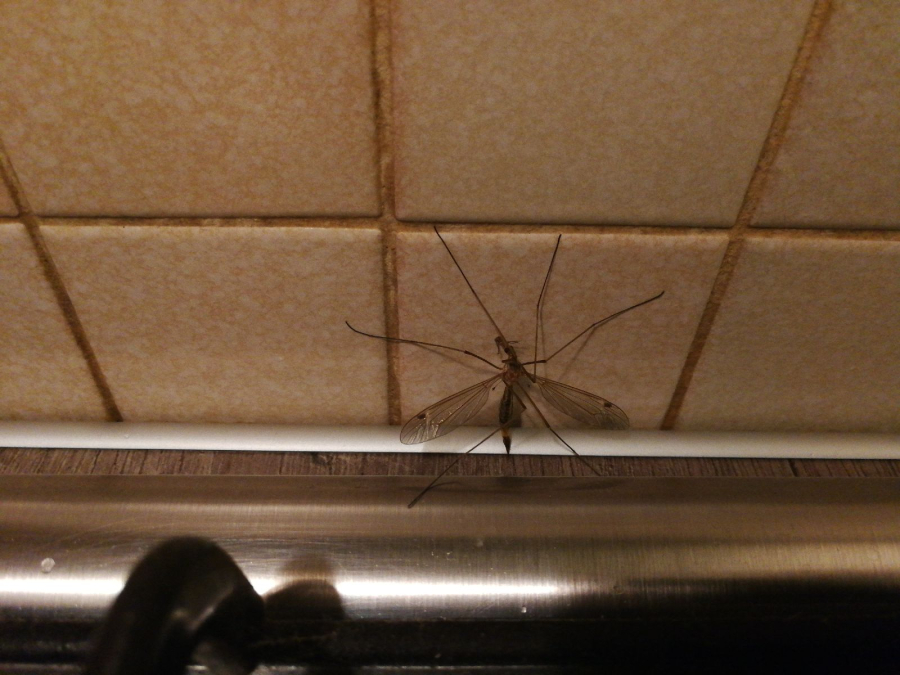
Crane fly - Tipula
Description
Tipulidae, or crane flies, are known to be pests of agricultural crops, especially in their larval stage. The larvae, commonly known as \"leatherjackets,\" feed on the roots of various crops, including grasses, grains, and vegetables. This can lead to reduced plant growth, yield losses, and even death in severe cases. Between the host thre can be also a different tree species planted in the the forest nurseries or in the fields. The damage caused by these pests can be particularly significant in areas with wet soil conditions, as the larvae thrive in moist environments. Management of crane fly larvae in agricultural crops typically involves a combination of cultural practices and chemical control. They are not generally considered to be a major threat to tree plantations and forests, however, like any pest, they can cause localized damage and economic losses, and it\'s important for farmers and growers to be aware of their presence and take appropriate measures to manage them.
Symptom
The appearance of crane flies can vary depending on the species, but in general, they have a narrow, elongated body that is typically brown or grayish in color. Their long legs are often banded with darker colors, and their wings may be transparent or have a slightly smoky or iridescent appearance. They looks like a big mosquito. In their larval stage, crane flies are often referred to as \\\\\\\"leatherjackets\\\\\\\" due to their tough, leathery skin. They have a cylindrical body with no legs, and they typically range in color from grayish-brown to pale yellow.
Tree Species: Different tree species
Part of a plant- attacked: Roots
Pest significance: Harmful
Pest Category: Insects
Invasive Species: No
Present in EU: Yes
Add comment: Tipula spp.
Location map: Tipula spp.
print viewLegend:

Expert verified points

Unverified points
Observed by users on these tree species
Most sightings of the species


Last observations
There are a total of 3 observations of the species in the system

Tipula spp. Crane fly - Tipula
Erik
Number of votes: 0
Published: 17.4.2023

Tipula spp. Crane fly - Tipula
Erik
Number of votes: 0
Published: 17.4.2023

Tipula spp. Crane fly - Tipula
ak73
Number of votes: 0
Published: 8.6.2022

Tipula spp. Crane fly - Tipula
ak73
Number of votes: 0
Published: 8.6.2022

Tipula spp. Crane fly - Tipula
ak73
Number of votes: 0
Published: 8.6.2022
Similar damage

Black locust gall midge

Click beetles

Willow spittlebug

