






 Show all photos in album
Insert for comparison
We will identify your pest
Add pictures of this species
Show all photos in album
Insert for comparison
We will identify your pest
Add pictures of this species
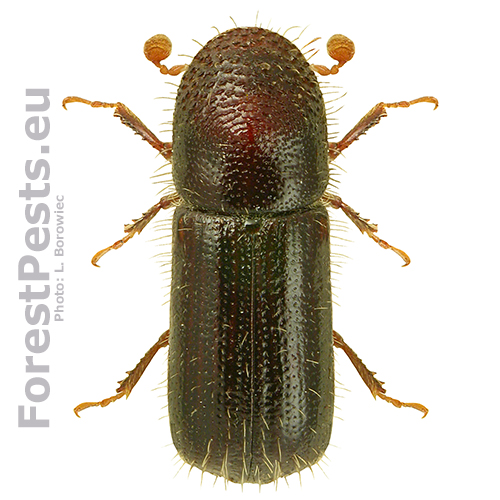
Taphrorychus bicolor
Beech bark beetle
Description
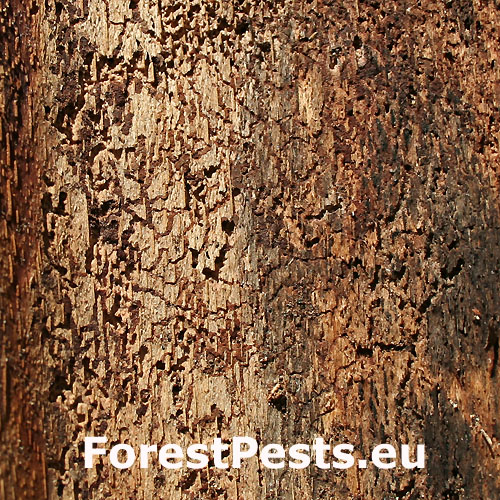
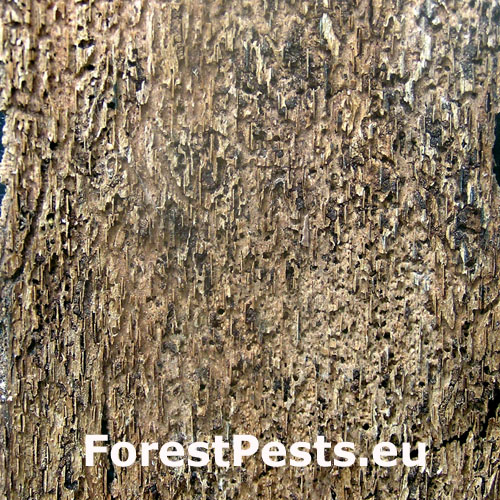
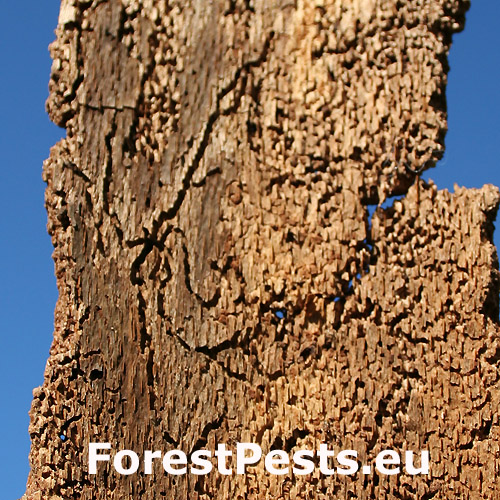
The feeding galleries of this widespread and common bark beetle are typically star-shaped and clearly visible both in the phloem and on the inner surface of the bark. Under conditions of heavy infestation, individual galleries often coalesce, forming extensive, continuous systems that cause severe damage to the cambial region and the inner bark tissues. These merged galleries may significantly disrupt nutrient transport within the host tree.
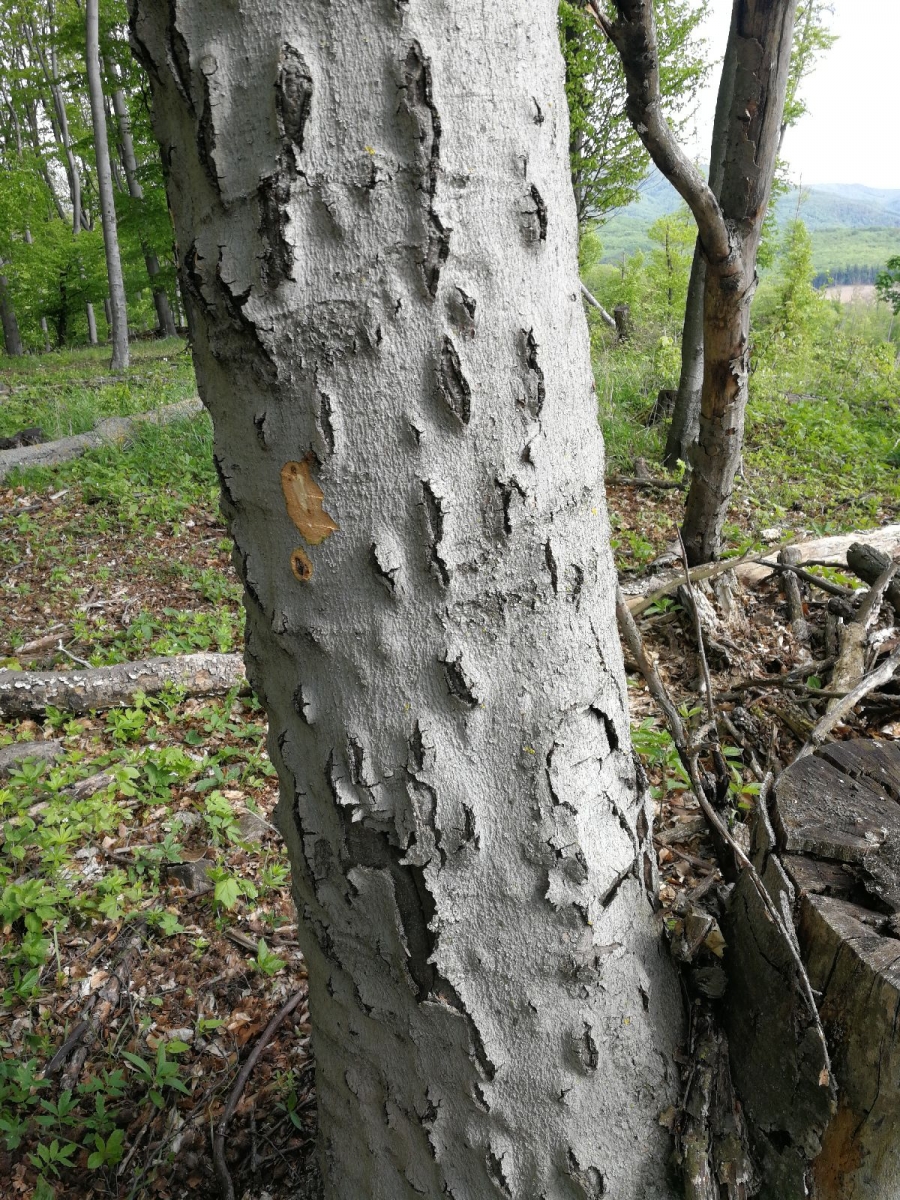
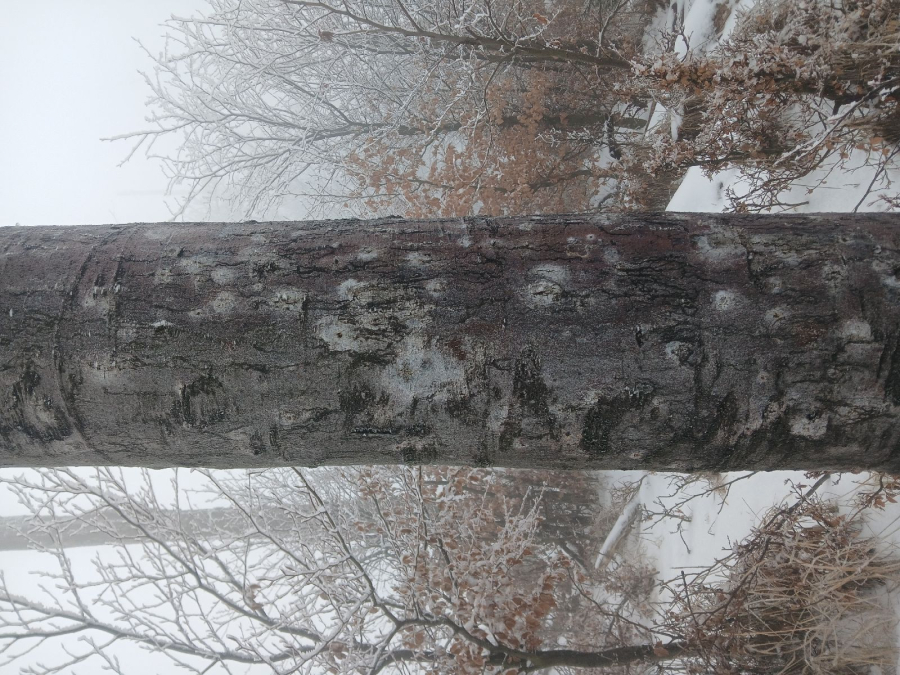
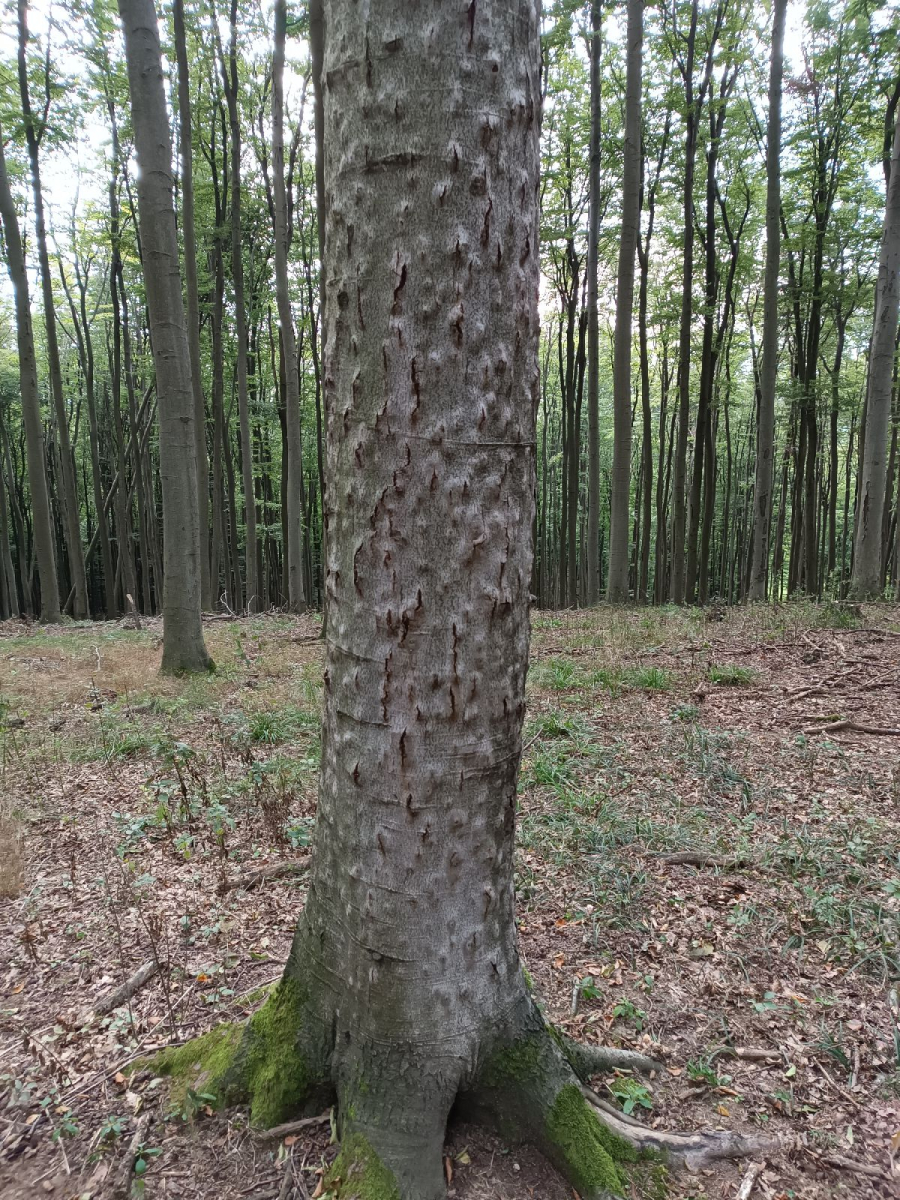
The species primarily colonizes tree trunks, where infestation leads to progressive degradation of the bark. As damage intensifies, the bark becomes brittle, crumbles, peels away from the trunk, and eventually enters an advanced state of decay. The structural integrity of the bark is thus severely compromised, which further accelerates the decline of the host.
Taphrorhynchus bicolor is most frequently associated with recently dead wood; however, it is not strictly confined to dead material. The species is also capable of attacking living trees that are severely stressed, mechanically damaged, or in the process of dying. Trees weakened by pathogenic fungi, particularly Armillaria species, are especially susceptible to colonization.
The species is usually univoltine, producing one generation per year under Central European conditions. Development typically takes place beneath the bark, with overwintering occurring mainly in the adult stage. In cooler regions or less favorable conditions, development may be prolonged and extend over two seasons, while in exceptionally warm years a partial second generation may occur, although this is not considered typical for the species.
Symptom
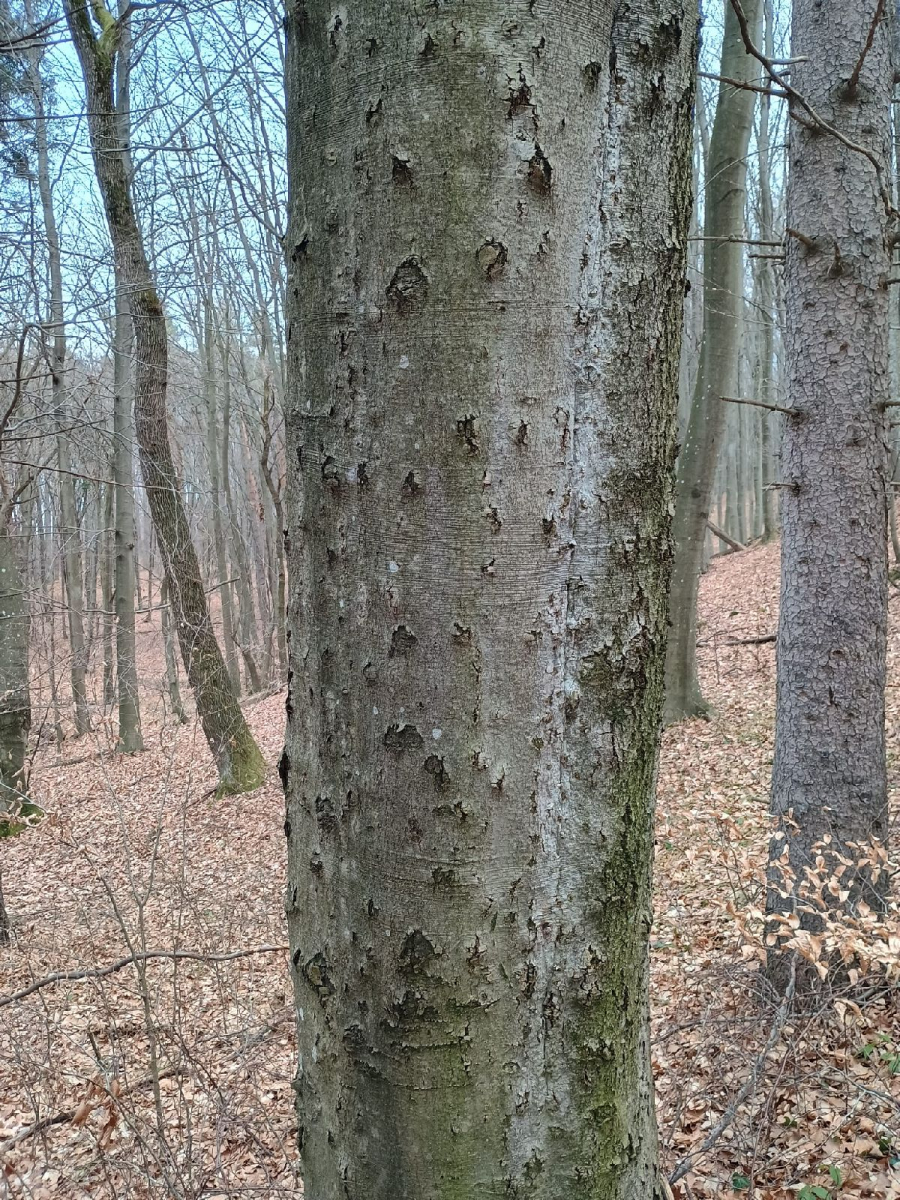
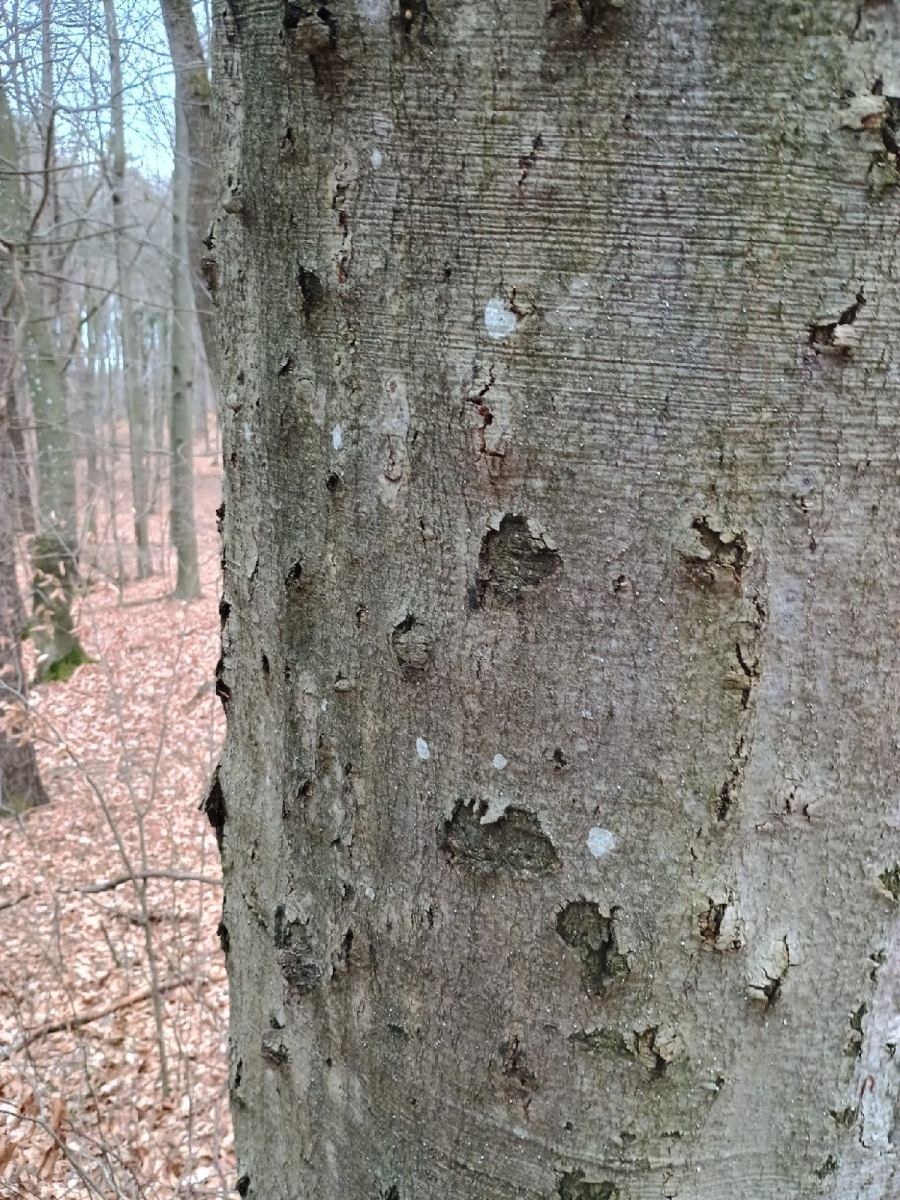
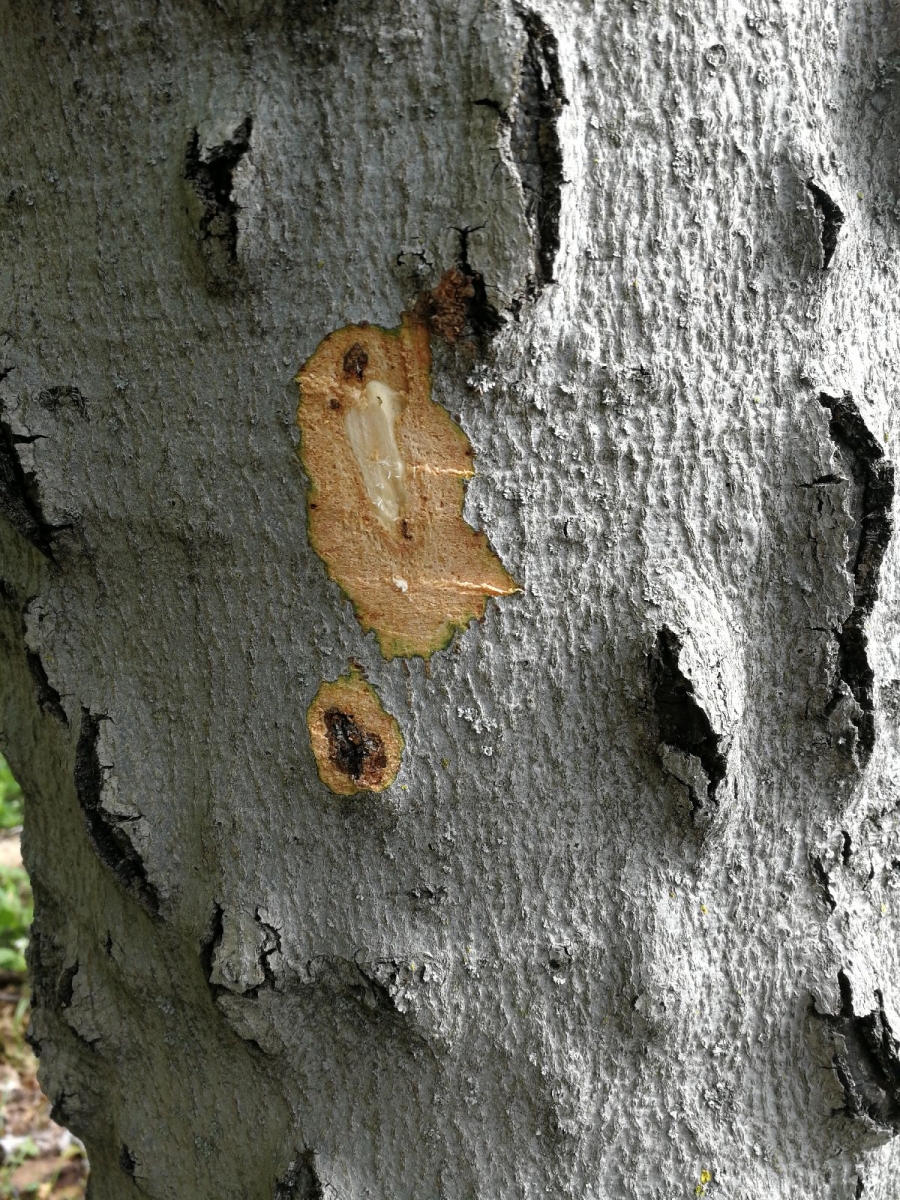
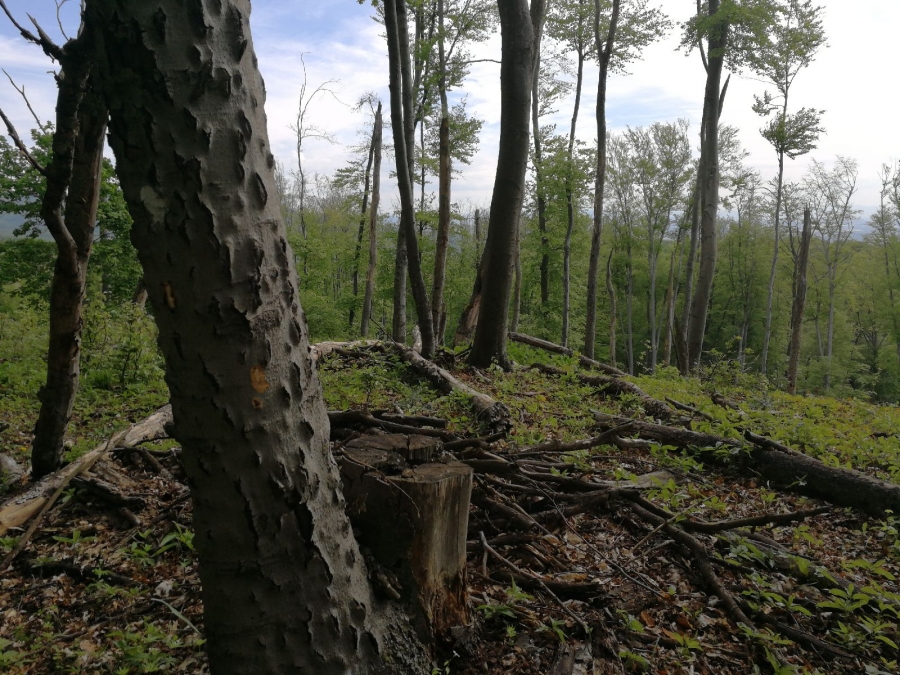
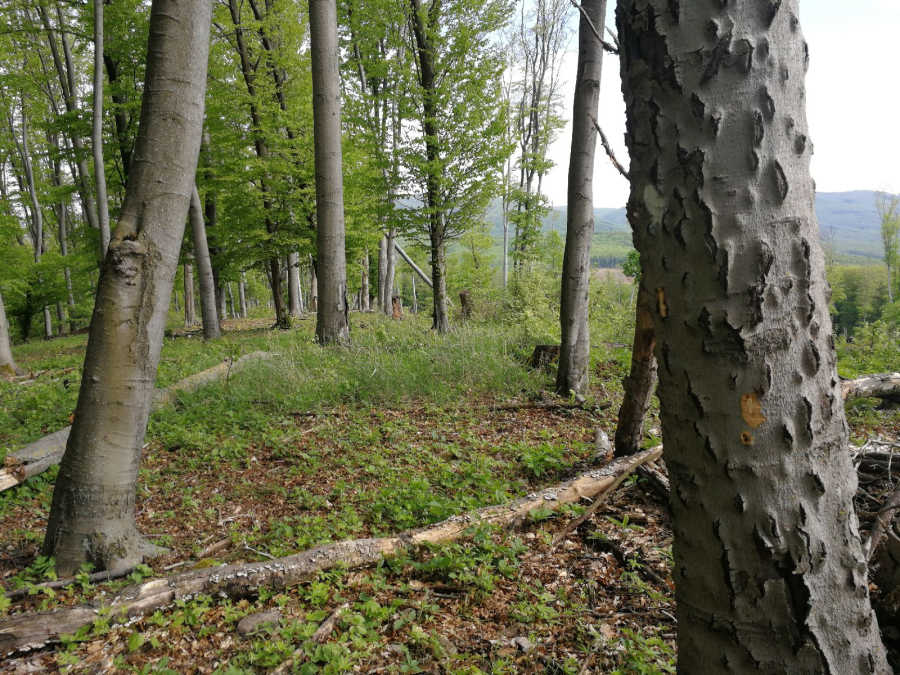
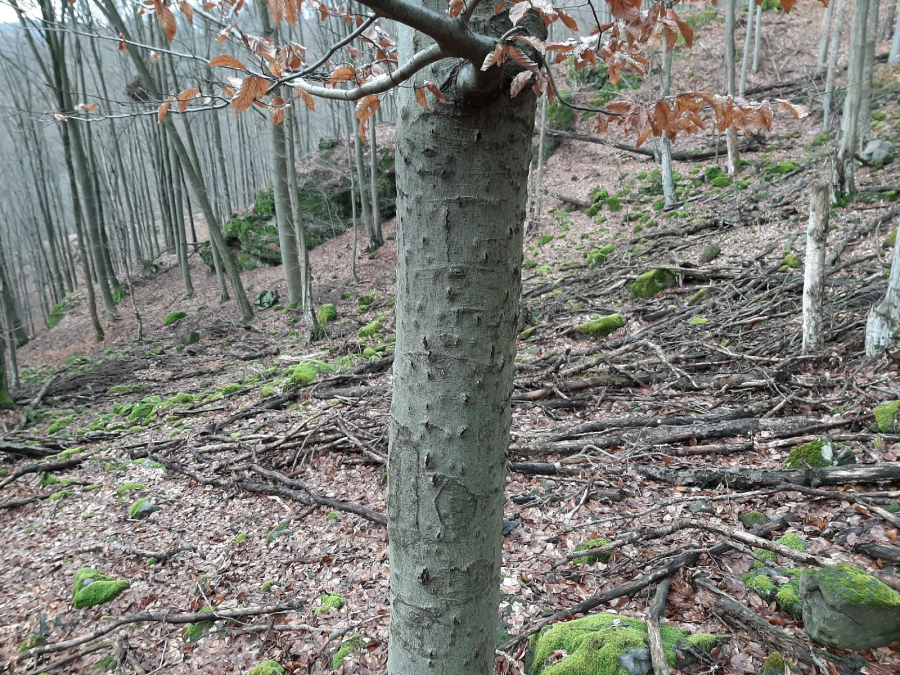
Feeding gallery of this common species is star-shaped. The galleries are visible also in the bark. During severe attack, the galleries join together and inflict continuous damage on the inner side of bark. When living trees are attacked, a characteristic symptom is the presence of resin or sap exudation on the outer bark surface, typically appearing above the feeding galleries. This oozing response reflects the tree’s defensive reaction to beetle activity and may serve as an important diagnostic sign of early infestation in standing trees.
Tree Species: Beech
Part of a plant- attacked: Tree trunk
Pest significance: Very harmful
Pest Category: Insects
Invasive Species: No
Present in EU: Yes
Add comment: Taphrorychus bicolor
Location map: Taphrorychus bicolor
print viewLegend:

Expert verified points

Unverified points
Observed by users on these tree species
Most sightings of the species


Last observations
There are a total of 76 observations of the species in the system

Taphrorychus bicolor Beech bark beetle
Martin Knurovský
Number of votes: 0
Published: 16.1.2026

Taphrorychus bicolor Beech bark beetle
Katarína
Number of votes: 0
Published: 28.12.2025

Taphrorychus bicolor Beech bark beetle
Martin Knurovský
Number of votes: 0
Published: 27.10.2025

Taphrorychus bicolor Beech bark beetle
Martin Knurovský
Number of votes: 0
Published: 16.10.2025

Taphrorychus bicolor Beech bark beetle
Jotef Vakula
Number of votes: 0
Published: 23.9.2025
Similar damage

Engraver beetle

Six-toothed spruce bark beetle

Bark beetle Ernoporicus fagi


